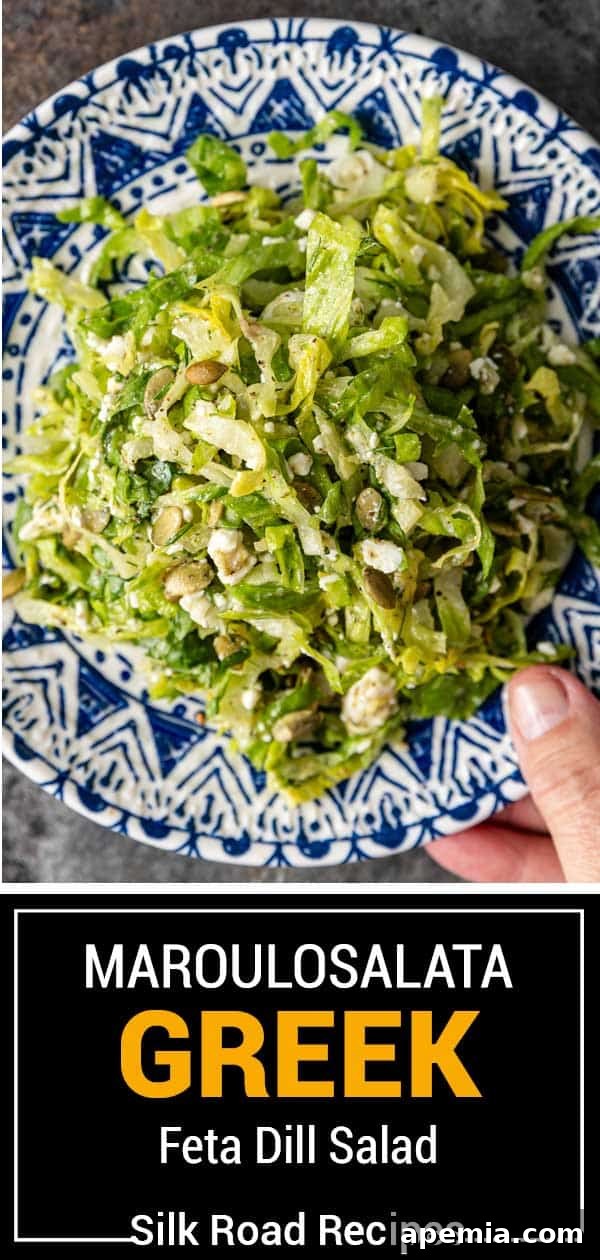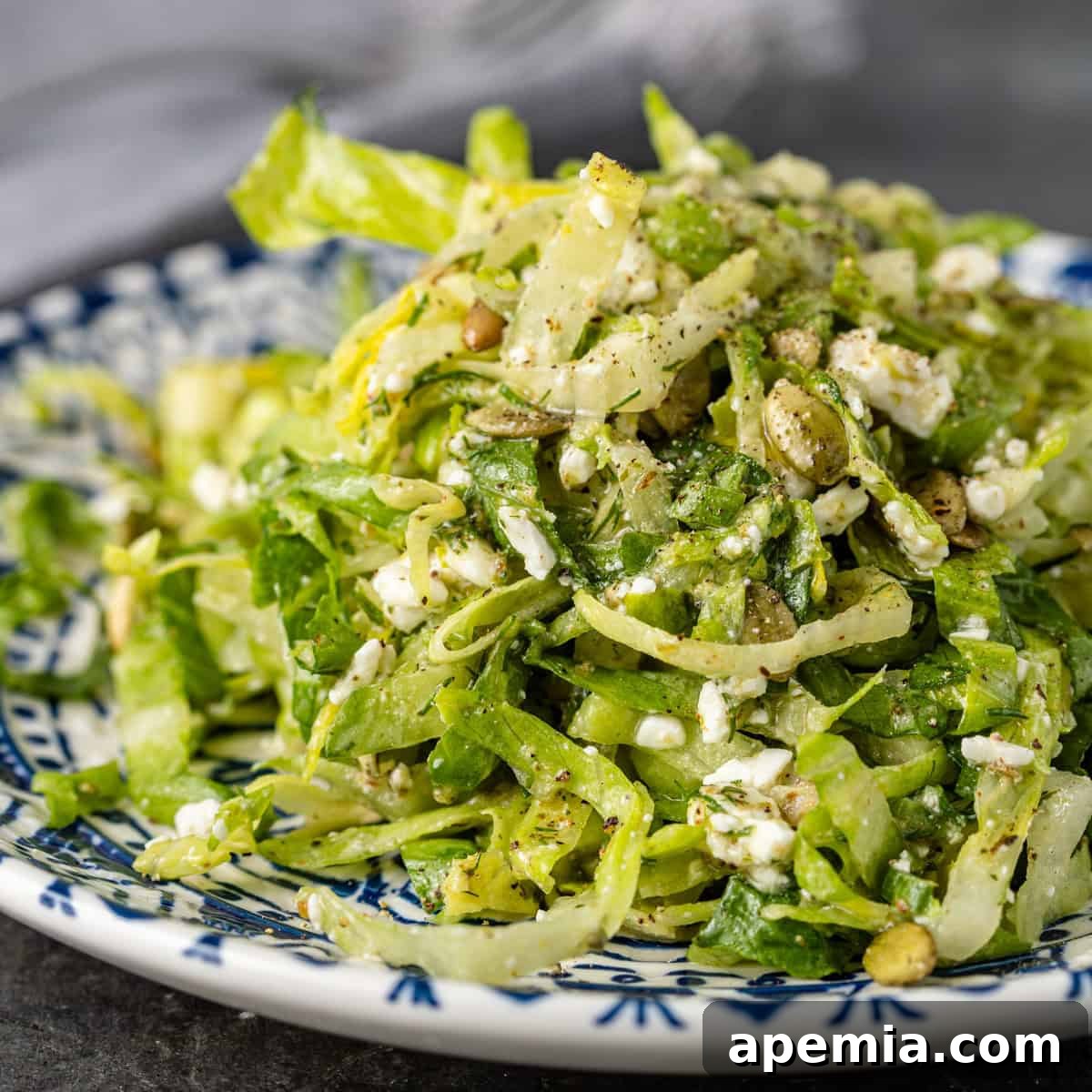
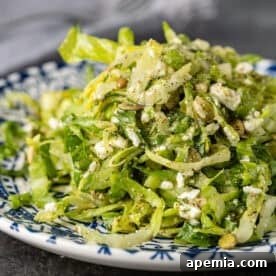
Immerse yourself in the vibrant flavors of the Mediterranean with this exquisite Maroulosalata, a traditional Greek chopped salad that embodies the essence of a sun-drenched Greek summer. This incredibly refreshing dish features a delightful blend of crisp romaine lettuce, pungent fresh green onions, and an abundance of aromatic dill, all generously coated in a bright, zesty garlic and lemon dressing. To elevate its texture and taste, a sprinkle of crunchy roasted sunflower seeds and crumbled tangy feta cheese creates a perfect harmony of flavors, making it an ideal choice to beat the heat on any warm day.
There are few culinary experiences as satisfying as enjoying a light, chilled salad when the mercury rises, and the kitchen heat becomes unbearable. The Greeks, masters of fresh and vibrant cuisine, truly excel in crafting dishes that offer both nourishment and an escape from the summer swelter. While many might immediately think of the renowned Greek feta salad or the sweet indulgence of homemade Greek baklava as quintessential Hellenic delights, today’s recipe introduces you to another refreshing masterpiece from their rich gastronomic heritage: Maroulosalata.
My first encounter with this irresistible and traditional cold salad was during a memorable trip to a charming family-run taverna nestled on a picturesque Greek island. The simplicity of its ingredients belied a complexity of flavor that captivated my palate instantly. From that moment, Maroulosalata became a staple in my home kitchen, a testament to its effortless preparation and undeniably “next-level” taste. It’s a dish that proves you don’t need exotic components or complicated techniques to create something truly extraordinary.
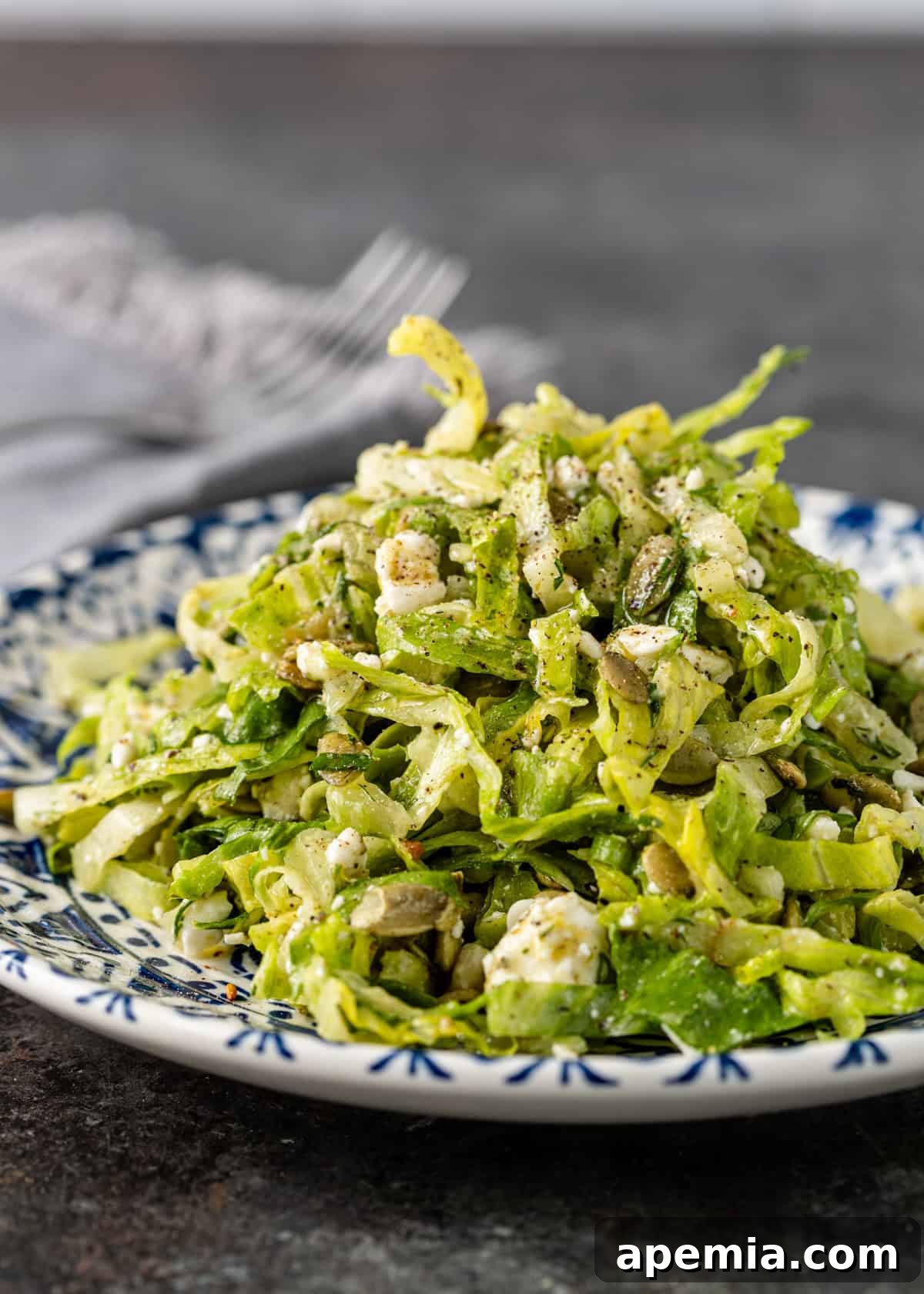
Table of Contents
- Picking the Best Feta: A Connoisseur’s Guide
- Ingredient Notes and Expert Substitutions
- How to Make Maroulosalata: Step-by-Step Perfection
- Recommended Tools for Effortless Preparation
- Storing and Enjoying Maroulosalata Leftovers
- Frequently Asked Questions About Maroulosalata
- Maroulosalata (Greek Feta Dill Salad) Recipe Card
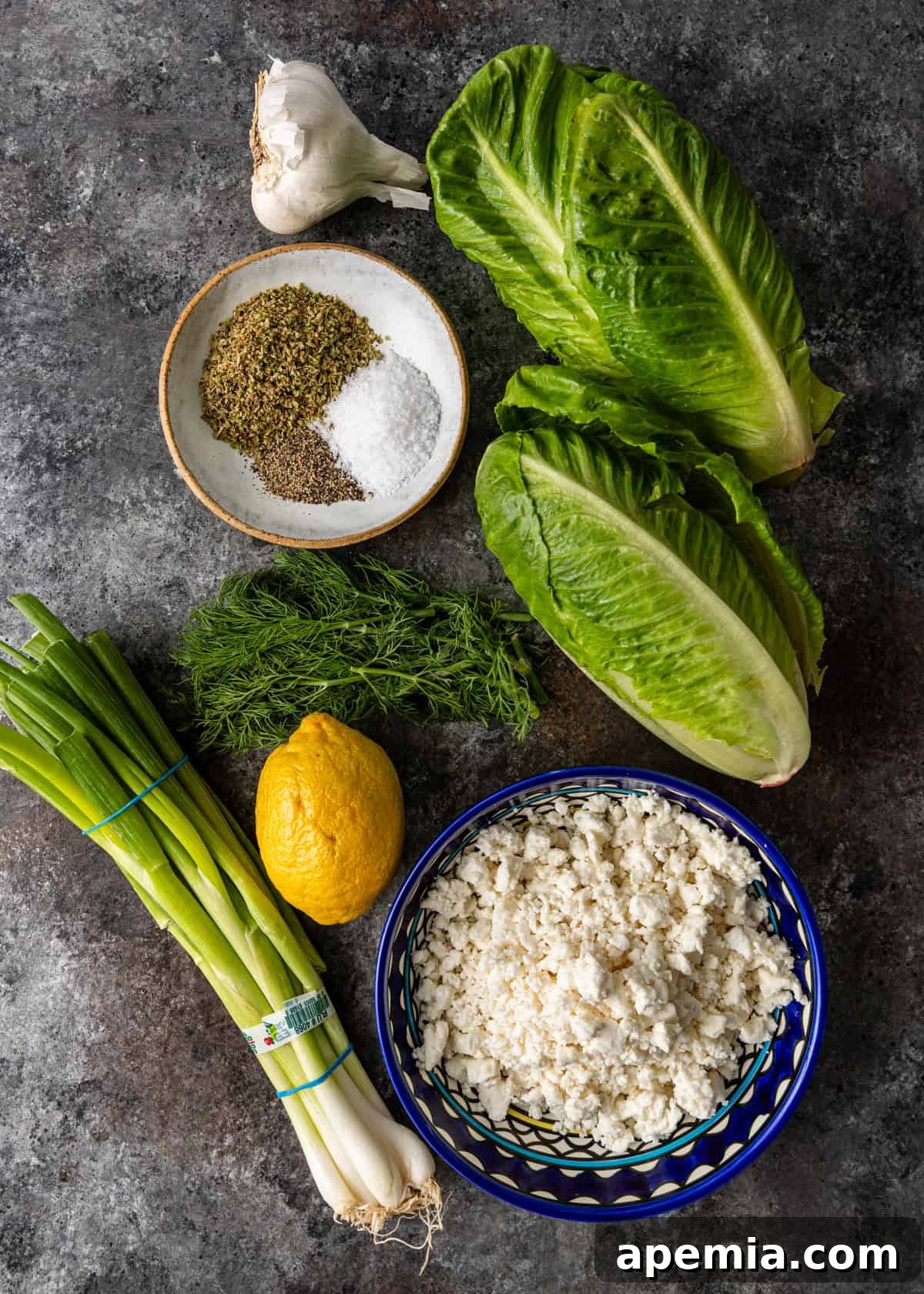
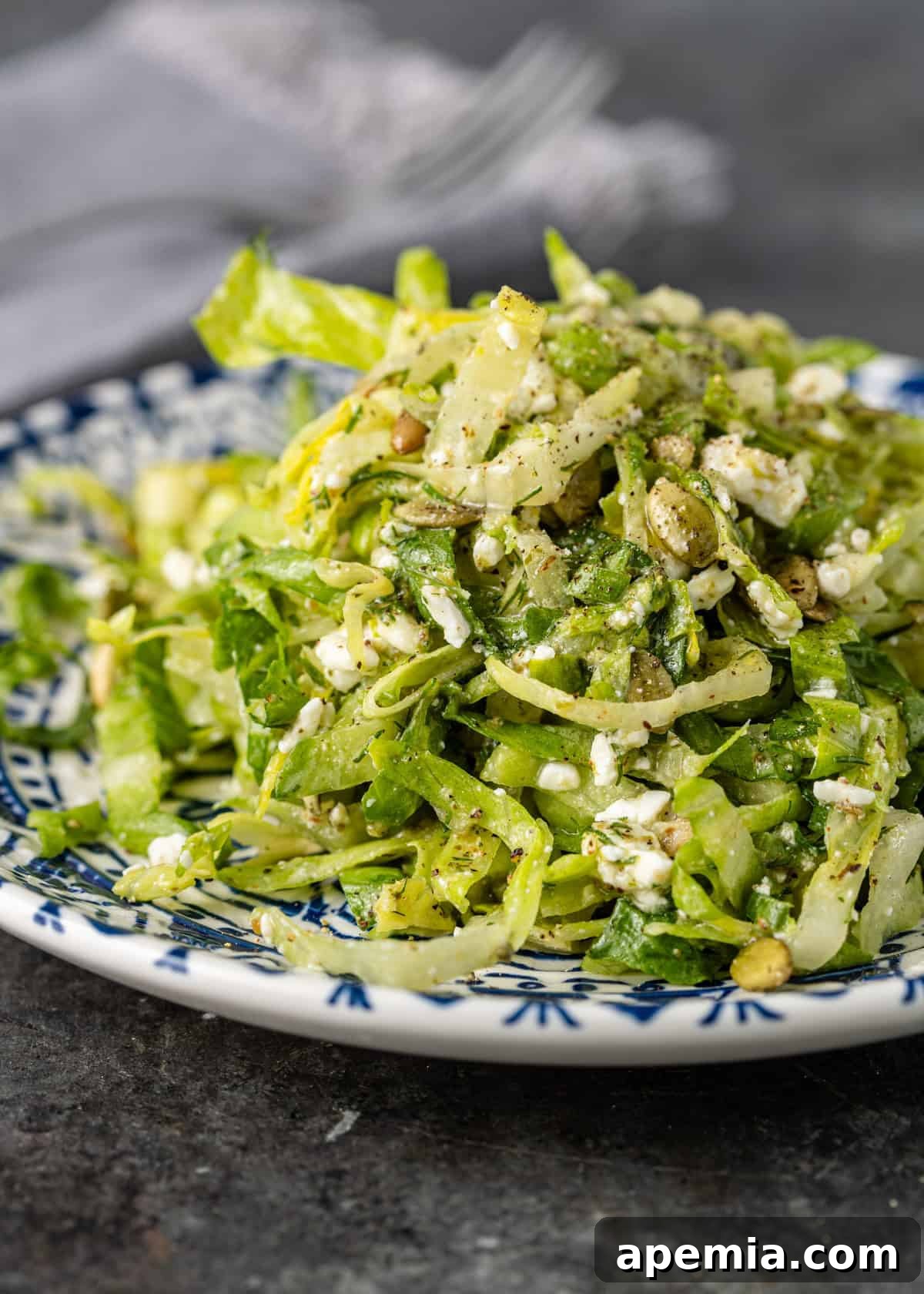
At the heart of Maroulosalata lies crisp romaine lettuce, providing a refreshing and sturdy base for this delightful salad. Its natural crunch is perfectly complemented by the robust, salty punch of authentic feta cheese and the aromatic whisper of fresh dill. A touch of powerful garlic and a handful of nutty roasted sunflower or pumpkin seeds introduce layers of flavor and texture, transforming simple ingredients into a compelling culinary experience. The dish is then brought to life with a vibrant white vinegar and lemon dressing, which cuts through the richness and brightens every single bite. This straightforward yet incredibly effective combination truly defines the magic of Maroulosalata.
Whether you’re hosting a summer barbecue, preparing a light lunch, or seeking an elegant side dish for grilled meats or fish, Maroulosalata is a guaranteed crowd-pleaser. Its light and zesty profile pairs wonderfully with a chilled glass of white wine or a refreshing homemade lemonade, offering a taste of the Aegean right in your backyard. Prepare to impress your guests and yourself with this healthy, flavorful, and easy-to-make Greek classic!
Tip From Kevin
Picking the Best Feta: A Connoisseur’s Guide
Feta cheese is not just an ingredient in Maroulosalata; it’s a cornerstone of its authentic flavor profile. Choosing the right feta can elevate your salad from good to truly exceptional. Here’s how to ensure you pick the best:
- Check the Origin for Authenticity – For genuine feta, always look for products that specifically state “Product of Greece.” Authentic Greek feta carries a PDO (Protected Designation of Origin) label, which guarantees it was produced in a specific region of Greece using traditional methods. This ensures you’re getting the real deal, with its characteristic salty tang and crumbly yet creamy texture.
- Read the Ingredients List Carefully – True feta is a sheep’s milk cheese, or sometimes a blend of sheep and goat’s milk, with goat’s milk content not exceeding 30%. Avoid any product that lists cow’s milk as an ingredient, as these are often “feta-style” cheeses rather than authentic feta, and will lack the distinct flavor and texture.
- Inspect the Brine Condition – High-quality feta is always stored in brine, which preserves its freshness, flavor, and texture. When purchasing, look for feta that is submerged in a clear, slightly cloudy brine. The cheese itself should appear creamy white, never dry, yellowish, or overly crumbly before you even touch it. Feta not stored in brine can dry out quickly and lose its signature zest.
- Taste for the Perfect Tang and Texture – A good quality feta should offer a pronounced tangy, salty flavor that is pleasantly sharp but not overwhelmingly so. Its texture should be firm enough to crumble easily, yet still creamy and rich on the palate. This balance is what makes authentic feta so versatile and delicious.
- Opt for Blocks Over Pre-crumbled Feta – While pre-crumbled feta offers convenience, it often sacrifices flavor and moisture. Blocks of feta, especially those sold in brine, retain their moisture content and robust flavor far better. Crumbled feta tends to be drier and can have a less intense taste, which can diminish the overall experience of your Maroulosalata. Crumbly it should be, but dry it should not.
Ingredient Notes and Expert Substitutions
(Be sure to check the recipe card for a full list of ingredients and precise quantities)
- Romaine Hearts – As the foundational element of this Maroulosalata recipe, the quality of your romaine lettuce is paramount. Always seek out the freshest, crispiest romaine hearts available. The inner, paler leaves are typically the most tender and flavorful for this salad. The softer, darker outer layers can be reserved for other uses, such as smoothies or stir-fries, to ensure your Maroulosalata has the perfect crisp texture.
- Green Onions (Scallions) – These provide a delicate, mild onion flavor that perfectly complements the garlic and tangy feta without overpowering the other ingredients. Their vibrant green color also adds an appealing visual contrast to the salad. If you desire a slightly stronger, more pungent onion flavor, a finely diced shallot or a very small amount of red onion can be used, but green onions are traditional and offer the ideal balance.
- Dill – Fresh dill is truly indispensable for Maroulosalata, lending its bright, subtly anise-like, and distinctly citrusy notes. This fresh herb marries beautifully with the lemon and white vinegar dressing, enhancing the overall freshness of the salad. If fresh dill is unavailable, fresh parsley can be a good substitute, offering a clean, peppery flavor, or even a mix of fresh mint for an extra cooling sensation. However, note that dried dill is generally not recommended for this recipe due to its significantly less vibrant flavor profile.
- Feta Cheese – This tangy, salty, and wonderfully crumbly cheese is a non-negotiable ingredient, making it the quintessential summer salad component. Its robust saltiness is not merely an accent but an integral part of the flavor profile, perfectly harmonizing with the tart and herbaceous dressing. The interplay of these elements creates an exhilarating burst of authentic Greek flavor in every bite.
- Roasted Sunflower Seeds – While optional, adding roasted sunflower seeds (or pepitas/pumpkin seeds) introduces a fantastic textural contrast and a nutty depth that truly elevates the Maroulosalata. Their satisfying crunch provides a delightful counterpoint to the crisp lettuce and creamy feta, making the salad even more engaging to eat. Toasting them lightly enhances their flavor profile further.
- Extra Virgin Olive Oil – In Greek cuisine, olive oil is not merely a cooking medium; it’s a fundamental flavor enhancer. Always use good-quality, extra virgin olive oil for its rich, fruity notes and its ability to emulsify the dressing beautifully. Beyond binding the ingredients, it acts as a carrier for the herbs and spices, ensuring they adhere well to the salad leaves and contribute their full flavor.
- Garlic – Freshly minced garlic cloves are an absolute must for achieving the desired aromatic punch in this salad. Their sharp, pungent flavor invigorates the dressing and permeates the entire dish. While garlic powder can be used in a pinch, be aware that its flavor will be significantly milder and lack the fresh bite that real garlic provides. Adjust quantities to your personal taste, but don’t shy away from its bold presence.
- Lemon – To maximize the citrusy brightness, this recipe calls for both the zest and the juice of a fresh lemon. The zest provides an intense aromatic oil that contributes depth of flavor, while the juice delivers a sharp acidity. This double dose of lemon creates a vibrant tang that beautifully cuts through the richness of the feta and olive oil, ensuring a perfectly balanced dressing.
- White Vinegar – The sharp acidity of white vinegar is crucial for awakening and lifting the flavors of the fresh lettuce and dill, making them taste even more vibrant and alive. It adds another layer of tanginess to the dressing, creating a more complex and appealing flavor profile. If white vinegar isn’t on hand, white wine vinegar or apple cider vinegar are excellent substitutions, offering similar acidic qualities with their own subtle nuances.
- Dried Oregano – A staple in Greek cooking, dried oregano introduces a warm, peppery, and slightly woody earthiness to the salad. This deeper flavor profile provides a grounding counterpoint to the brighter, fresher notes of the lemon, dill, and green onions, creating a well-rounded and complex taste experience. Crushing the dried oregano between your fingers before adding it can help release its essential oils and intensify its aroma.
- Kosher Salt & Ground Black Pepper – These fundamental seasonings are essential for bringing out and enhancing all the other flavors in the salad. Always add salt and pepper to taste, starting with a recommended amount and adjusting as needed. Freshly ground black pepper offers a superior aroma and zing compared to pre-ground varieties.
How to Make Maroulosalata: Step-by-Step Perfection
Creating this delightful Greek salad is surprisingly simple, requiring minimal effort for maximum flavor. Follow these easy steps to bring the taste of Greece to your table:
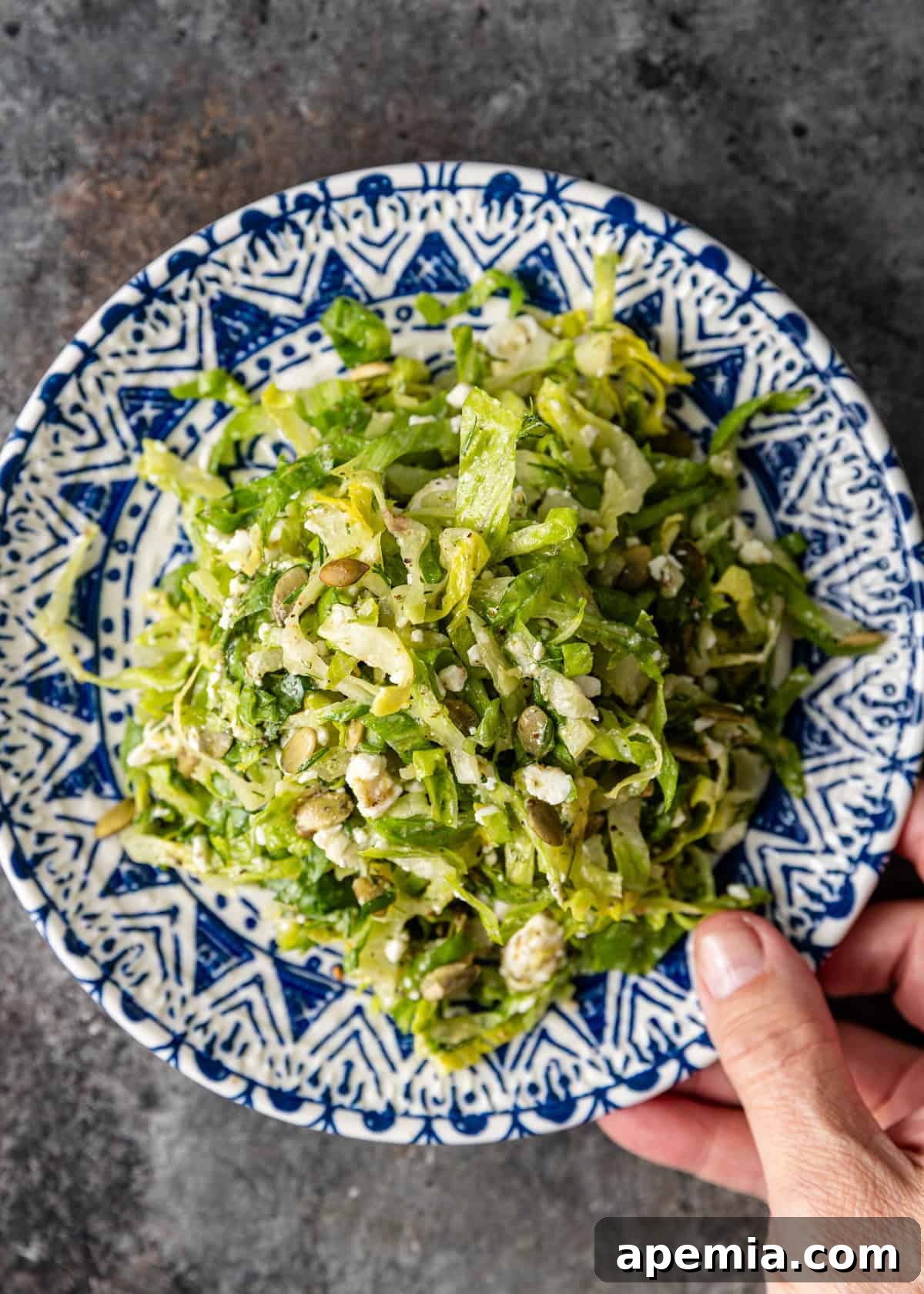
- Prepare the Lettuce with Precision. Begin by carefully separating the crisp romaine leaves. It’s crucial to wash them thoroughly under cold running water to remove any dirt or grit. For best results and to ensure the dressing adheres beautifully, dry the leaves completely using a salad spinner. This tool will quickly and efficiently remove excess water, preventing a watery salad. Once clean and dry, stack the leaves neatly and slice them into thin, uniform strips – about ½ inch wide is ideal – for an authentic chopped salad texture that’s easy to eat.
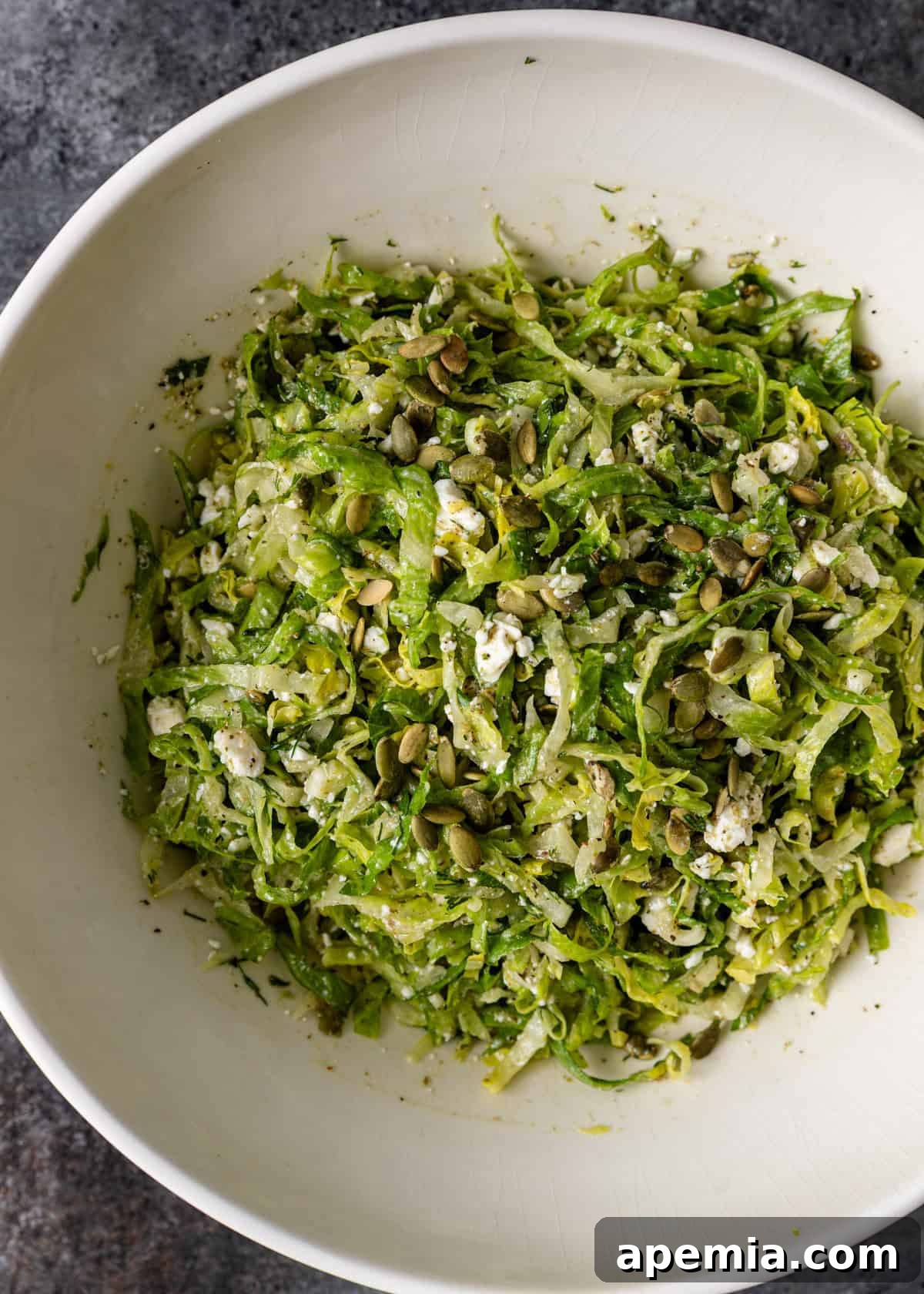
- Construct the Flavorful Salad Base. In a large mixing bowl, combine your perfectly prepared romaine lettuce with the thinly sliced fresh green onions, the finely chopped aromatic dill, crumbled tangy feta cheese, and the optional (but highly recommended!) roasted sunflower or pumpkin seeds. Gently toss all these ingredients together. The goal here is to ensure an even distribution of each component, allowing for a balanced flavor and texture in every spoonful.
- Whip Up the Zesty Dressing. Grab a clean jar with a tight-fitting lid – this is the secret to a perfectly emulsified dressing. Into the jar, pour the high-quality extra virgin olive oil, add the freshly minced garlic, the vibrant lemon zest and juice, the sharp white vinegar, the earthy dried oregano, and season with kosher salt and freshly ground black pepper. Secure the lid tightly and shake vigorously for about 30-60 seconds, or until all the ingredients are thoroughly combined and the dressing appears slightly emulsified and uniform.
- Toss, Garnish & Serve Immediately. Just before serving, pour the freshly prepared dressing evenly over the salad mixture in the large bowl. Using a pair of wooden tongs or your clean hands, gently toss everything together. Ensure every crisp piece of lettuce and every other ingredient is thoroughly coated in the luminous dressing. For an extra touch of authenticity and visual appeal, top the salad with a little more crumbled feta cheese right before serving. Enjoy this fresh, vibrant Maroulosalata immediately to savor its optimal crispness and flavor!
Recommended Tools for Effortless Preparation
While Maroulosalata is a simple salad, having the right tools can make its preparation even more enjoyable and efficient, guaranteeing a perfectly crisp and well-mixed result every time.
- Salad Spinner – This is arguably the most crucial tool for preparing Maroulosalata. Dealing with a generous amount of romaine lettuce, a salad spinner saves you significant time and effort compared to hand-drying. More importantly, it ensures your lettuce leaves are completely dry, which is essential for the dressing to adhere properly and for the salad to maintain its crispness. A wet lettuce leads to a watery and diluted dressing, ultimately compromising the salad’s integrity.
- Sharp Chef’s Knife or Santoku Knife – A good quality, sharp knife is indispensable for thinly slicing the romaine lettuce and green onions with precision. A clean cut prevents bruising the lettuce, which can lead to premature wilting.
- Large Mixing Bowl – Essential for comfortably tossing all the salad ingredients and thoroughly coating them with the dressing without spillage.
- Jar with a Tight-Fitting Lid – Perfect for shaking and emulsifying the dressing ingredients. It also doubles as an airtight container if you prepare the dressing in advance.
- Microplane or Zester – While not strictly necessary if you’re careful with a knife, a microplane makes zesting the lemon much easier and more efficient, ensuring you get all the aromatic oils without grating into the bitter white pith.
- Wooden Tongs – Ideal for gently tossing the salad without crushing the delicate lettuce leaves, ensuring even distribution of the dressing and ingredients.
Storing and Enjoying Maroulosalata Leftovers
Maroulosalata, like most lettuce-based salads, is quite delicate and can wilt rapidly once dressed. To maintain its optimal crispness and flavor, it is always best to keep the dressing and the salad ingredients stored separately until just before serving. This simple step is key to enjoying delicious leftovers.
For storage, keep the prepared dressing refrigerated in an airtight jar. This will preserve its fresh flavors and prevent any unwanted oxidation. The solid salad ingredients – the sliced romaine, green onions, and dill – should be stored in a separate sealed container. Placing a paper towel or a clean kitchen towel inside the container with the lettuce can help absorb any residual moisture, further extending its crispness. If possible, hold off on adding the crumbled feta cheese to the main salad mixture when storing; instead, keep it in its own small container and add it fresh just before you’re ready to enjoy your leftovers. This prevents the feta from becoming too soft or dissolving into the other ingredients.
When stored separately in this manner, both the undressed salad components and the dressing will typically keep well in the refrigerator for 2 to 3 days. This allows you to assemble fresh portions of Maroulosalata on demand, ensuring a vibrant and crunchy experience every time. If you do happen to have any extra dressed salad, it’s perfectly fine to save it, but it should ideally be consumed by the very next day at the absolute latest. Beyond this timeframe, the lettuce is likely to become limp, soggy, and lose its appealing texture, diminishing the overall enjoyment of this otherwise splendid salad. Remember, freshness is paramount for Maroulosalata!
Share this recipe on Pinterest!
Love this refreshing Greek Maroulosalata recipe? Help us spread the word and share it with your friends and followers on Pinterest!
Frequently Asked Questions About Maroulosalata
I strongly advise against using dried dill for this Maroulosalata recipe! Fresh dill is absolutely critical for achieving the bright, herbaceous, and distinctively grassy flavor that defines this salad. Dried dill, unfortunately, lacks this vibrant freshness and can impart a more muted, almost hay-like taste that simply won’t do justice to the dish. If fresh dill is unavailable, you’re much better off substituting with other fresh herbs like finely chopped fresh parsley or a hint of fresh mint, which offer a similar uplifting quality. If you truly have no other option and must use dried dill, use it sparingly—perhaps just ¼ teaspoon—and consider letting it marinate in the dressing for at least 30 minutes before tossing to help soften its flavor and allow it to infuse. However, be prepared for a noticeable difference in the final taste.
Preventing sogginess is key to a perfect Maroulosalata, as all lettuce-based salads are prone to it. The most important tip to combat this is to delay the dressing step until the very last minute before you plan to serve the salad. Ensure your lettuce is thoroughly dry after washing, ideally using a salad spinner. If preparing ahead, keep all the solid ingredients (lettuce, onions, feta, seeds) separate from the dressing. Store them in airtight containers in the refrigerator, with a paper towel to absorb excess moisture from the greens. Only combine and toss the salad with the dressing right before it hits the table to guarantee maximum crispness and enjoyment.
Absolutely! While the classic Maroulosalata recipe is wonderfully simple and complete on its own, it’s also versatile and open to delicious additions that can complement its Greek flavors. Kalamata olives, with their briny, salty punch, are a perfect and fittingly Greek addition that many enjoy. Sliced cucumber can add another layer of refreshing crunch and moisture, while thinly sliced radishes introduce a peppery bite and vibrant color. For a creamy texture and healthy fats, diced avocado can be a fantastic, albeit less traditional, inclusion. Feel free to experiment with cherry tomatoes for a burst of sweetness or even a few capers for an extra touch of briny tang. Just be mindful not to overcrowd the salad, allowing the core flavors of dill, feta, and lemon to still shine through.
Maroulosalata (Greek Feta Dill Salad)
Pin Recipe
PrintRecipe
Ingredients
- 2 romaine hearts thinly sliced (about 8-10 cups), ensure they are fresh and crisp
- 4 green onions thinly sliced, for mild onion flavor
- 0.5 oz fresh dill finely chopped, essential for authentic flavor
- 8 oz feta cheese crumbled, ideally authentic Greek PDO feta
- 3 tbsp roasted sunflower/pumpkin seeds (optional, for added crunch and nuttiness)
- 1/3 cup extra virgin olive oil (use good quality for best flavor)
- 3 cloves garlic minced, for a pungent kick
- 1 lemon zest and juice, for vibrant citrus notes
- 1 tbsp white vinegar (or white wine vinegar)
- 1 tbsp dried oregano (crushed between fingers)
- 1/4 tsp kosher salt (or to taste)
- 1/2 tsp ground black pepper (freshly ground preferred, or to taste)
Instructions
-
Thoroughly wash and dry the romaine lettuce leaves, either by hand or using a salad spinner, ensuring no excess moisture remains. Stack the dry leaves and then slice them thinly into uniform strips for a classic chopped salad texture.
-
In a large salad bowl, combine the thinly sliced lettuce, green onions, finely chopped fresh dill, crumbled feta cheese, and the roasted sunflower or pumpkin seeds (if using). Toss gently to distribute all ingredients evenly.
-
To prepare the dressing, place the extra virgin olive oil, minced garlic, lemon zest, lemon juice, white vinegar, dried oregano, kosher salt, and ground black pepper into a jar with a tight-fitting lid. Shake vigorously until all ingredients are well combined and slightly emulsified.
-
Just before serving, pour the prepared dressing over the salad ingredients in the bowl. Using salad tongs, toss everything gently until all the lettuce and other components are thoroughly coated. Garnish with a little more crumbled feta cheese if desired, and serve immediately to enjoy its vibrant freshness!
Nutrition Information
The information shown is an estimate provided by an online nutrition calculator and is intended for informational purposes only. It should not be considered a substitute for personalized professional nutritionist’s advice or medical consultation. Individual nutritional needs may vary.