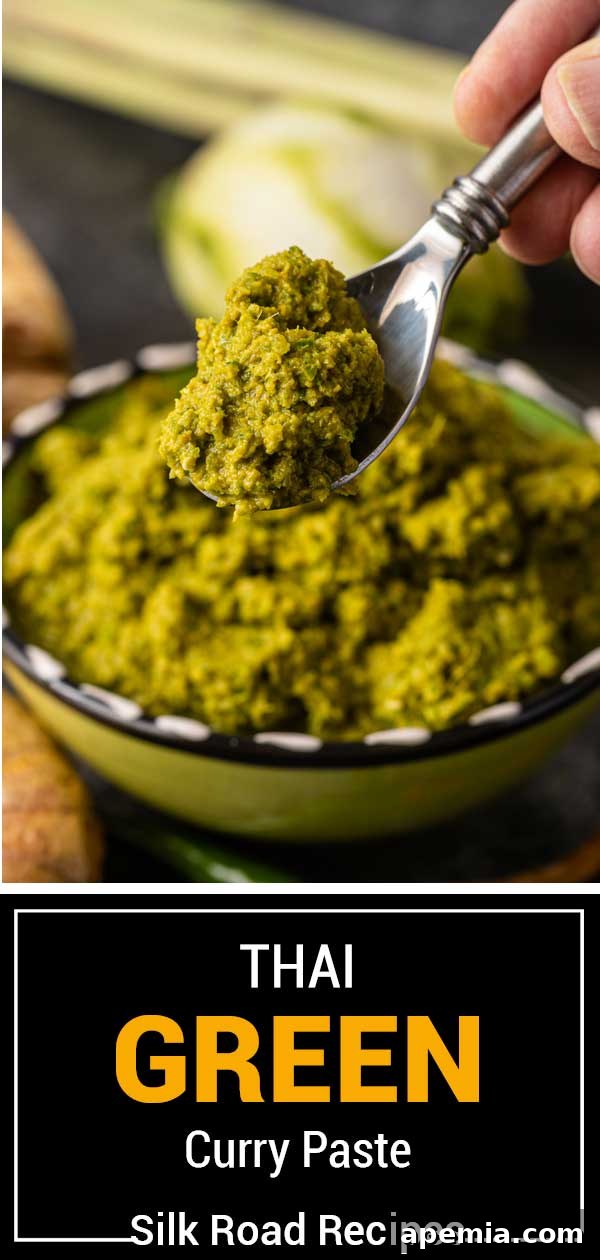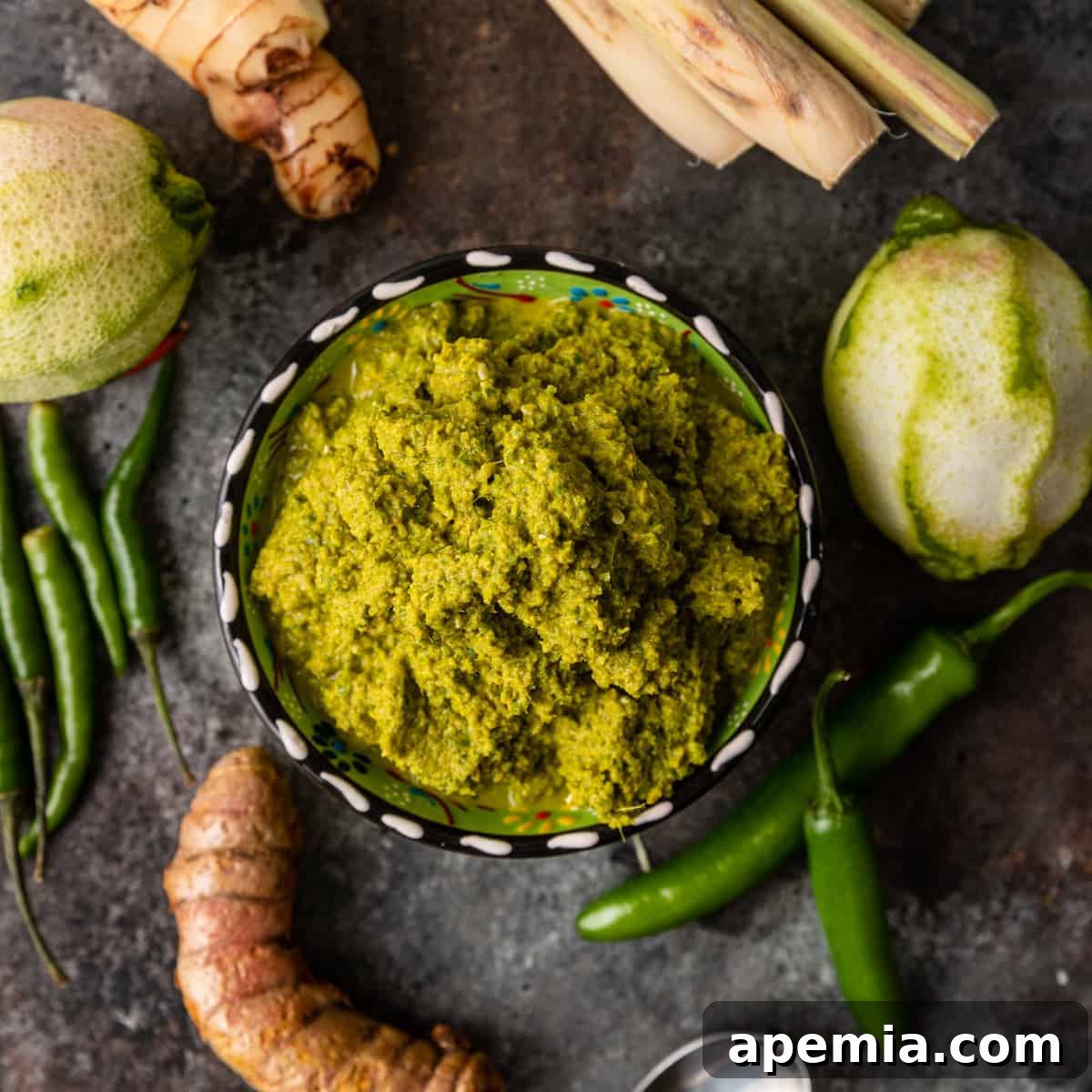
Experience the vibrant and aromatic essence of Thailand by mastering the art of making your own Thai green curry paste at home. This beloved condiment is crafted from a harmonious blend of fresh green chilis, fragrant kaffir lime leaves, earthy galangal, aromatic lemongrass, and a selection of exotic spices. Known for its distinct freshness and often a higher heat level compared to its yellow counterpart, and sometimes even red curry paste, green curry paste offers a deeply complex flavor profile. It’s the essential foundation for countless Thai-inspired recipes, from dynamic stir-fries to, of course, classic curries, such as my popular Thai Baked Halibut.
Every truly exceptional Thai curry, with its rich and layered flavors, begins with one crucial ingredient: high-quality curry paste. In the diverse world of Thai cuisine, three primary types of curry paste reign supreme: red, yellow, and green. While I’ve previously shared my recipes for the versatile red and milder yellow pastes (follow the links to explore them), today marks the completion of our curry paste collection with this authentic Thai green curry paste recipe.
This comprehensive guide will walk you through creating a homemade green curry paste that rivals any store-bought version. Our recipe features a meticulous combination of fiery green chilis, intense Bird’s Eye chilis, bright lemongrass, fragrant kaffir lime rinds, and a thoughtful selection of other traditional spices and seasonings. Don’t be deterred by the seemingly exotic ingredient list; most can be conveniently sourced from your local Asian specialty foods store or purchased online, bringing the authentic taste of Thailand directly to your kitchen.
Table of Contents
- The Essence of Thai Green Curry Paste: A Culinary Masterpiece
- Unveiling the Key Ingredients of Authentic Thai Green Curry Paste
- More Than Just Curry: Versatile Uses for Your Green Curry Paste
- Crafting Your Own Thai Green Curry Paste: A Step-by-Step Guide
- Frequently Asked Questions About Green Curry Paste
- Thai Green Curry Paste Recipe
The Essence of Thai Green Curry Paste: A Culinary Masterpiece
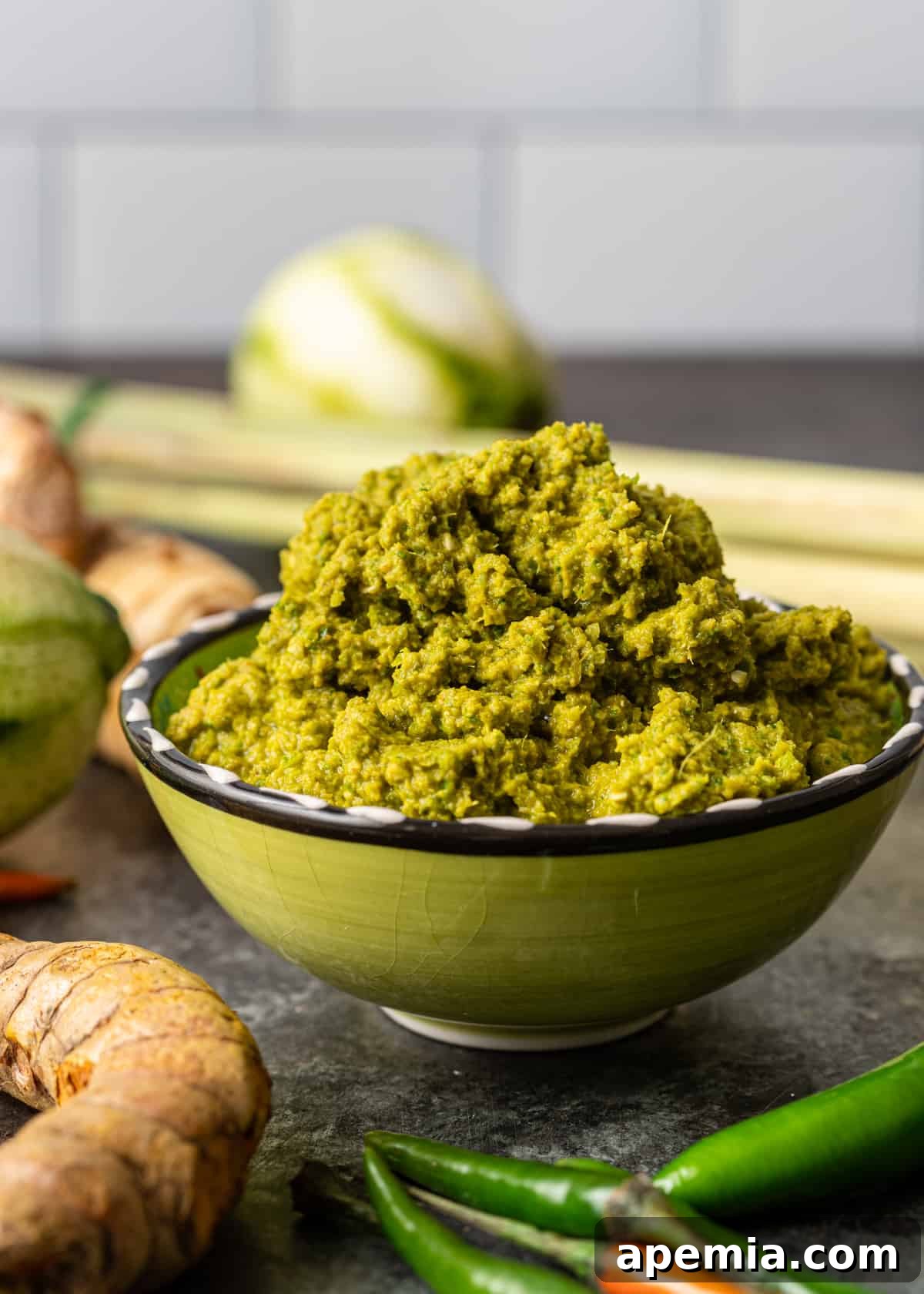
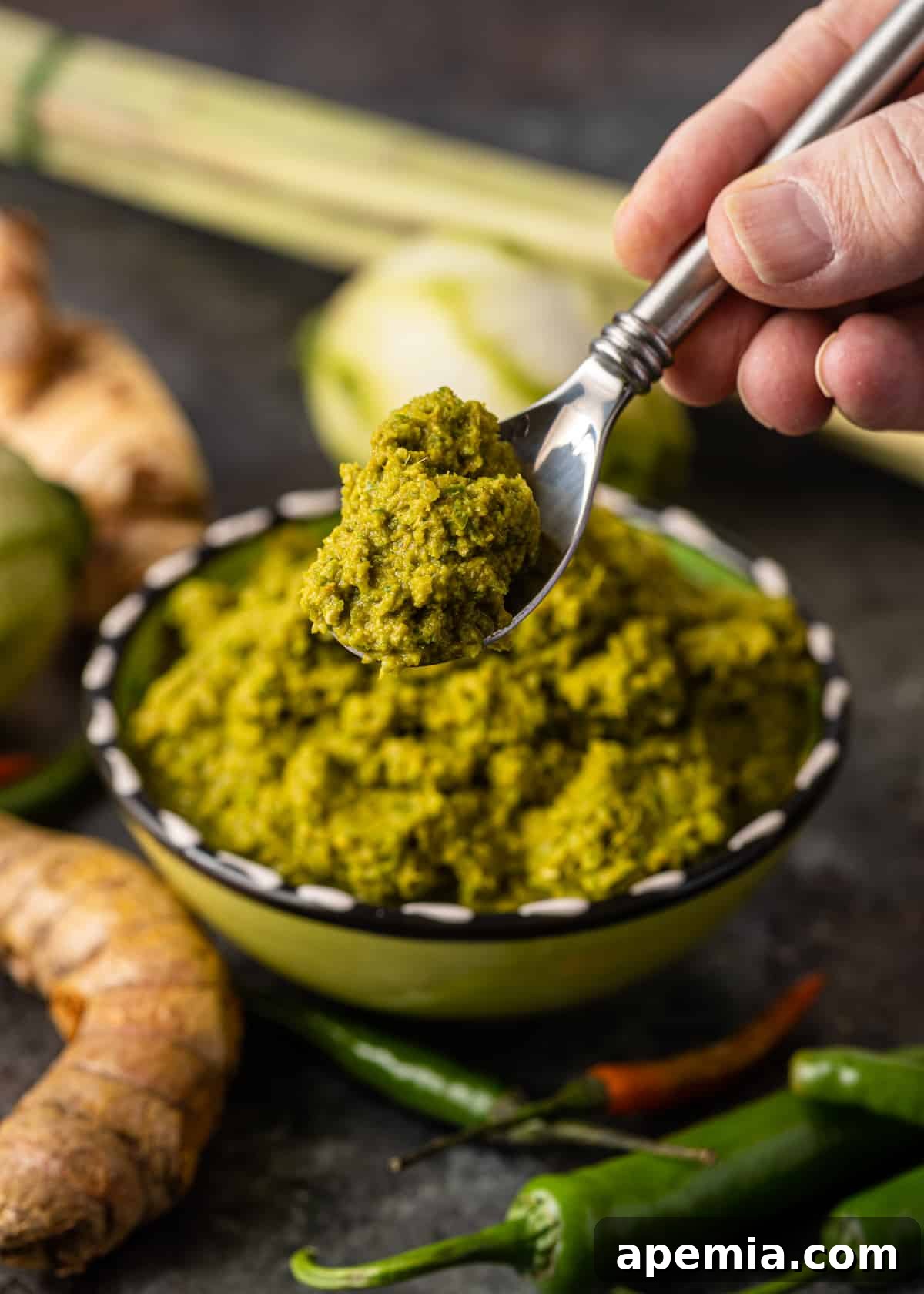
Thai green curry paste, known as “Prik Gaeng Keow Wan” in Thai, is a cornerstone of one of the country’s most beloved dishes, green curry (Gaeng Keow Wan). Its distinct emerald hue comes from the vibrant fresh green chilis and other green herbs that form its base. Unlike red curry paste, which often features dried red chilis, or yellow curry paste, which relies heavily on turmeric for color and a milder flavor, green curry paste is celebrated for its fresh, herbal notes and often a more pronounced heat. The intricate balance of spicy, savory, sweet, and sour found in a good green curry starts right here, with a perfectly blended paste.
Making your own green curry paste at home is a transformative experience for any aspiring Thai cook. While convenient pre-made pastes are widely available, they often lack the depth, freshness, and nuanced flavors that a homemade version delivers. The process of grinding fresh ingredients together not only releases their potent aromas but also allows you to control the quality, freshness, and spice level, ensuring a truly authentic and personalized culinary creation. It’s a labor of love that elevates any dish it touches from good to extraordinary.
Why Homemade Green Curry Paste is Superior
There are several compelling reasons to choose homemade over store-bought when it comes to Thai green curry paste:
- Unmatched Freshness: Store-bought pastes, even high-quality ones, lose some of their aromatic potency over time. Freshly ground ingredients release oils and flavors that simply cannot be replicated by pastes that have sat on a shelf.
- Control Over Ingredients: Making your own paste allows you to select the freshest produce and avoid unwanted additives, preservatives, or excessive sodium often found in commercial products.
- Customizable Spice Level: You dictate the heat! If you prefer a milder curry, you can reduce the number of Bird’s Eye chilis. For an extra kick, add more.
- Authentic Flavor Profile: The traditional preparation method, even if adapted slightly for modern kitchens (like using a food processor), yields a more complex and authentic flavor that is the hallmark of true Thai cuisine.
- Rewarding Experience: The sensory experience of creating this paste from scratch—the aroma, the colors, the texture—is incredibly satisfying and deeply connects you to the culinary traditions of Thailand.
Unveiling the Key Ingredients of Authentic Thai Green Curry Paste
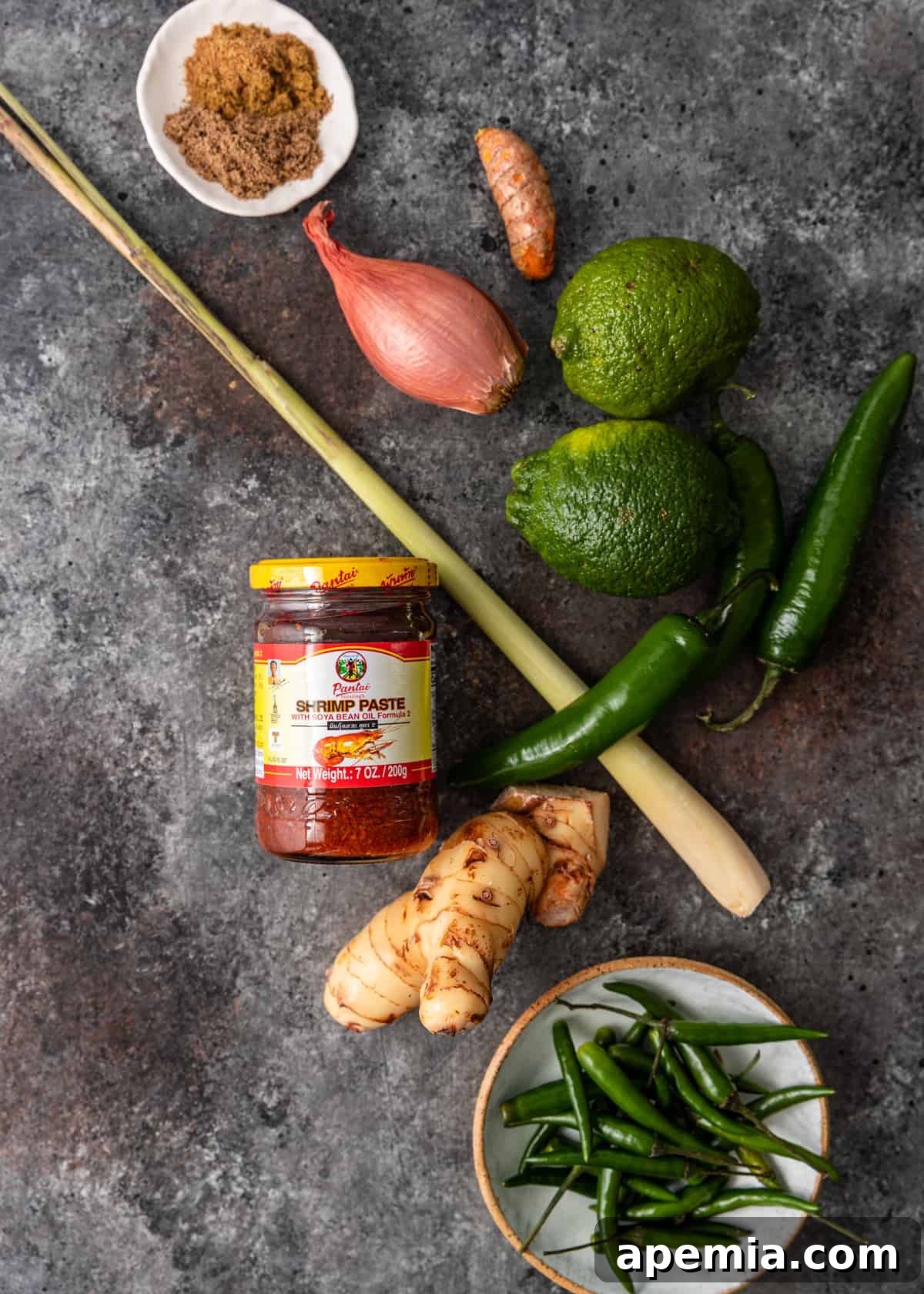
The magic of Thai green curry paste lies in its unique combination of fresh, pungent, and aromatic ingredients. Each component plays a vital role in building the complex flavor profile that makes this paste so distinctive. Here’s a closer look at the stars of our recipe:
(Be sure to check the recipe card for a full list of ingredients and precise quantities)
- Green Chilis (Serrano or Green Cayenne): These form the foundation of the paste’s color and heat. Serrano chilis offer a medium heat and vibrant green color, while green cayenne chilis provide a similar profile. Choose fresh, firm chilis for the best flavor and color. The quantity can be adjusted based on your desired spice level.
- Bird’s Eye Chili: Small but mighty, these tiny chilis pack a significant punch, adding a fiery intensity and peppery, fruity notes. They are a signature component of traditional Thai green curry paste, contributing to its reputation as the hottest of the main Thai curries. Handle with care!
- Lemongrass Stick: Contrary to popular belief, lemongrass doesn’t just taste like lemons. Its flavor is a complex blend of citrus, mint, and ginger, with a unique menthol undertone that is incredibly refreshing and aromatic. You’ll primarily use the thick, white part of the stalk, as it contains the most flavor.
- Shallot: Milder and sweeter than common onions, shallots provide a delicate aromatic base that complements the stronger flavors without overpowering them. They contribute to the paste’s savory depth.
- Garlic: A universal aromatic, garlic is indispensable in almost all curry pastes. It adds a pungent, savory element that forms a crucial backbone for the entire flavor profile, balancing the spice and freshness.
- Kaffir Lime Rind: This is a true star for its intense citrus aroma. Kaffir limes, native to Southeast Asia, have a distinct bumpy rind and very little juice. It’s the highly fragrant zest (rind) that is essential here, providing a unique bright, floral, and slightly bitter citrus note that cannot be replicated by regular lime zest. If kaffir limes are unavailable, you can substitute with a combination of regular lime zest and a very small piece of fresh kaffir lime leaf, finely minced.
- Galangal: Often mistaken for ginger, galangal is its more assertive cousin. It has a sharper, more citrusy, and pine-like flavor with peppery undertones. It’s a core ingredient in Thai cuisine, providing a distinct earthy and aromatic quality that differentiates it from ginger. Its firm texture requires good processing.
- Turmeric Root: While green chilis provide the primary color, a small piece of fresh turmeric root adds an earthy, slightly bitter, and peppery complexity. Its vibrant orange hue might seem counterintuitive for a “green” paste, but it subtly enhances the overall depth rather than changing the color dramatically.
- Shrimp Paste (Kapi): This fermented condiment, made from ground shrimp or krill mixed with salt, is a powerhouse of umami. It has a strong, pungent aroma when raw, but when cooked, it transforms into a deeply savory flavor enhancer, adding incredible depth to the paste. Its saltiness means no additional salt is typically needed in the recipe.
- Water: A small amount of water is necessary to help all the ingredients blend into a smooth, cohesive paste. Add it gradually to achieve the desired consistency.
More Than Just Curry: Versatile Uses for Your Green Curry Paste
While its name immediately brings to mind the famous Thai green curry, this vibrant and aromatic paste is far more versatile than you might imagine. It’s a concentrated burst of flavor and color that can significantly elevate a wide array of dishes. Don’t limit its use; let your culinary creativity flourish!
Here are just a few ideas for incorporating your homemade green curry paste into your cooking:
- Classic Thai Curries: The most obvious, but never gets old! Combine with coconut milk, vegetables, and your choice of protein (chicken, beef, tofu, shrimp) for an authentic Gaeng Keow Wan.
- Marinades for Meats and Seafood: Whisk a spoonful of paste with a little oil, lime juice, and fish sauce to create an incredible marinade for chicken, pork, beef, shrimp, or firm fish like halibut. Grill, pan-fry, or bake for deeply infused flavors. Try it in a Gai Yang chicken (Thai BBQ) marinade for an aromatic twist.
- Stir-Fries: Add a teaspoon or two to your favorite stir-fry towards the beginning of cooking, after sautéing aromatics, to infuse vegetables and proteins with a complex Thai flavor. It pairs beautifully with rice noodles or jasmine rice.
- Soups and Broths: Stir a small amount into coconut milk-based soups or even clear broths for an instant flavor boost. It can add an exciting dimension to creamy vegetable soups or even a homemade ramen.
- Salad Dressings and Dips: Whisk a tiny bit of green curry paste into a vinaigrette for an exotic salad dressing, or mix it with mayonnaise or yogurt for a flavorful dip for raw vegetables, spring rolls, or even chips. It’s fantastic in a dressing for Thai mango salad.
- Flavoring Vegetables and Eggs: Sauté vegetables with a touch of paste for a quick side dish, or scramble eggs with a pinch for a spicy, aromatic breakfast.
- Exotic Pizza Topping Base: For the adventurous, spread a thin layer mixed with a little coconut milk as a unique base for pizza, topped with chicken, shrimp, red onion, and fresh cilantro. It’s a fantastic addition to the peanut sauce on this sweet and spicy pizza.
Crafting Your Own Thai Green Curry Paste: A Step-by-Step Guide
Making homemade green curry paste is a straightforward process that rewards you with incredible flavor. While traditionally made with a large mortar and pestle for the finest texture, a food processor is a perfectly acceptable and efficient modern alternative. The goal is to achieve a smooth, well-blended paste where all the ingredients are fully integrated.
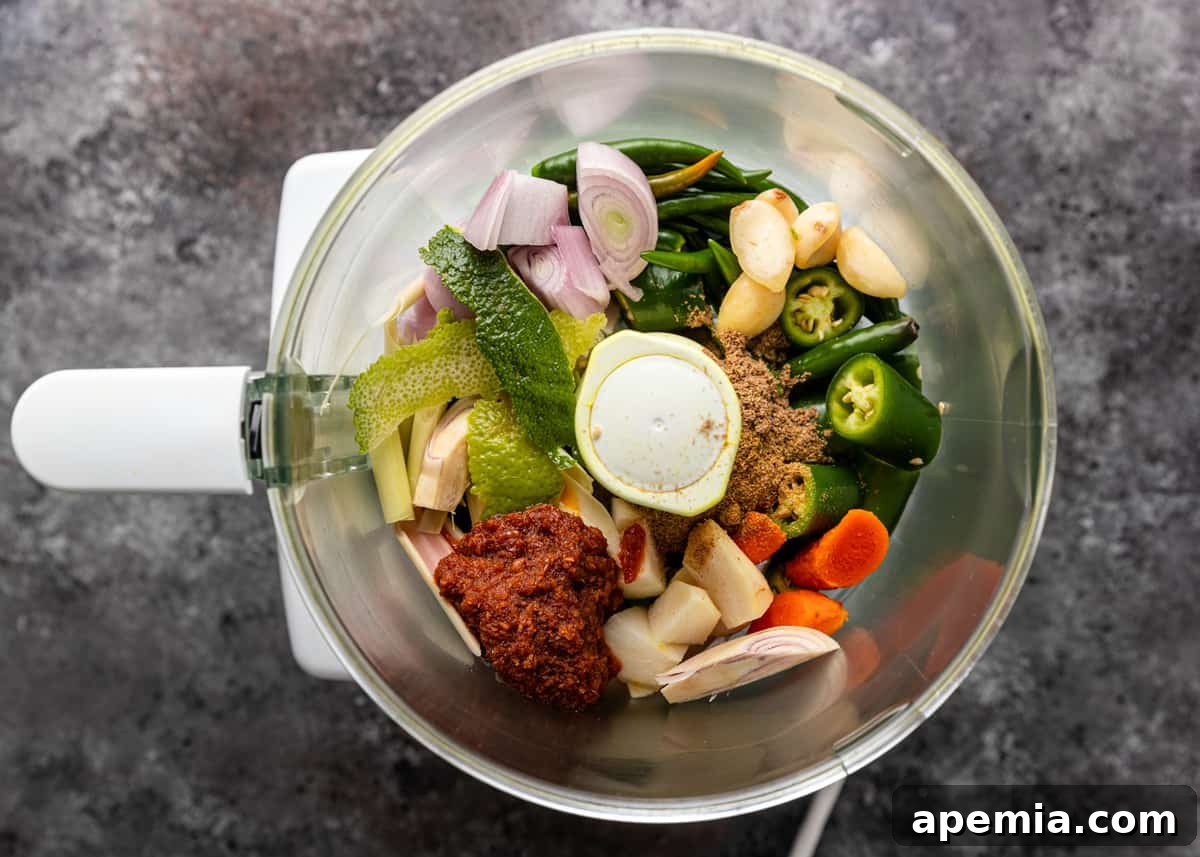
- Prepare The Chilis, Lemongrass, Shallot, & Garlic: Begin by washing your green chilis. Trim the stems from the tops of the chilis and then coarsely chop them into smaller pieces. For the lemongrass, remove the tough outer layers and trim the dry green tops. You’ll only use the tender, thick white part of the stick near the root end. Chop this white portion into approximately 1-inch pieces to facilitate blending. Peel the garlic cloves and the shallot, then coarsely chop the shallot. These preparatory steps help the ingredients break down more easily in the food processor.
- Peel The Galangal & Turmeric Root: Using a spoon, which is often easier than a peeler for oddly shaped roots, gently scrape the thin skin off both the galangal and the turmeric root. Once peeled, cut them into 1-inch pieces. The smaller the pieces, the easier they will blend into a smooth paste.
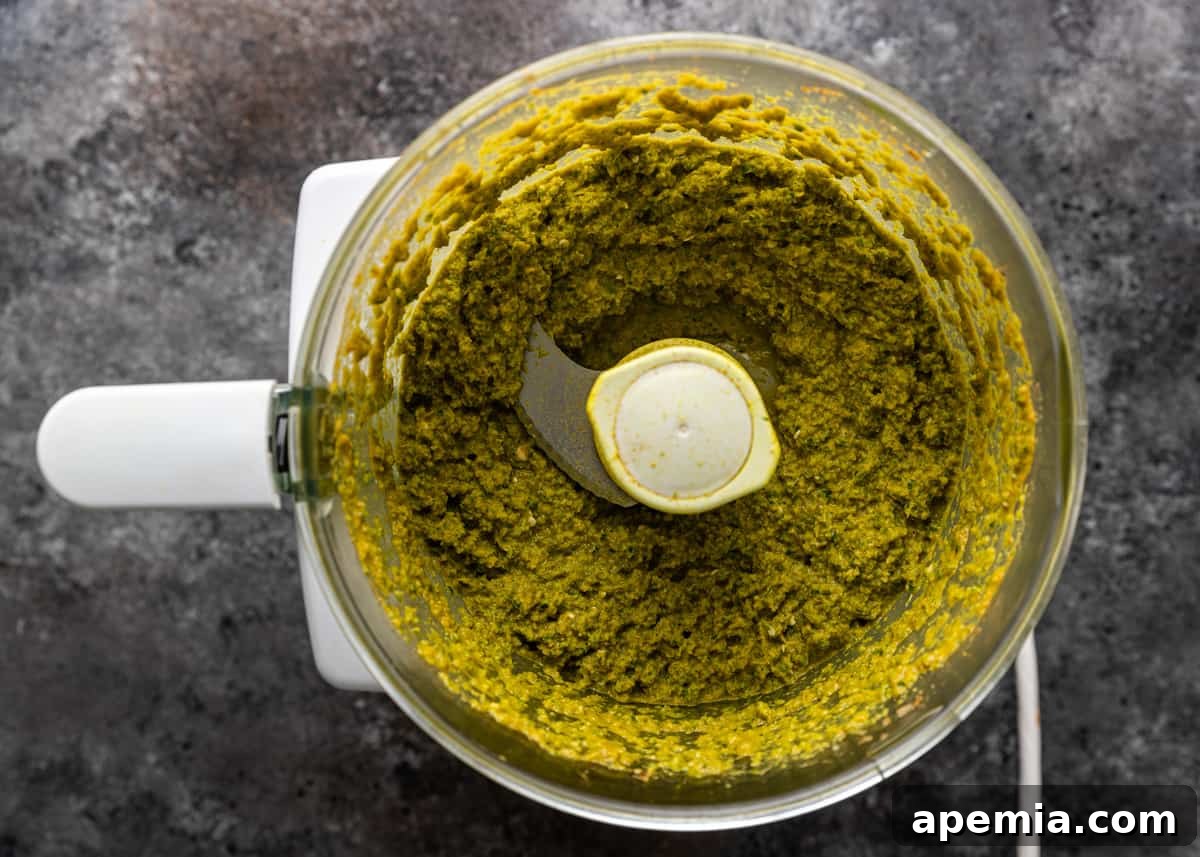
- Blend The Ingredients: Carefully place all the prepared ingredients – the chilis (green and Bird’s Eye), chopped lemongrass, garlic, shallot, galangal, turmeric, kaffir lime rinds, and the shrimp paste – into a food processor. Start by pulsing several times to initially break down the larger pieces. Stop and scrape down the sides of the food processor bowl with a spatula to ensure everything is evenly incorporated. Then, gradually add the water, a tablespoon at a time, continuing to pulse and blend. Process the mixture until a smooth and consistent paste forms. This usually takes about 2 minutes of continuous blending. The texture should be finely ground with no large chunks remaining.
- Adjust Consistency (if needed): If you find that the mixture appears too watery or loose after blending, don’t worry. You can remedy this by transferring the paste to a fine-mesh sieve set over a bowl. Gently press the paste with a spoon to extract any excess liquid. Conversely, if the paste is too thick or struggling to blend, add a tiny bit more water (half a tablespoon at a time) and continue blending until the desired consistency is achieved.
- Storage: Once your homemade green curry paste is complete, transfer it to an airtight container. It will keep beautifully in the refrigerator for up to 5 days, maintaining its freshness and vibrant flavor. For longer storage, you can freeze it! A clever trick is to freeze portions of the paste in ice cube trays. Once frozen, pop the cubes out and store them in a freezer-safe bag (like a Ziploc) in the freezer for easy, ready-to-use portions whenever a Thai curry craving strikes. It can last for several months in the freezer without significant loss of quality.
Share this recipe on Pinterest!
Love this recipe? Share it with the world on Pinterest to help others discover this authentic taste of Thailand.
Share on Pinterest
Frequently Asked Questions About Green Curry Paste
While all traditional Thai curry pastes share a base of essential aromatics like garlic, shallots, and chilis, they differ significantly in their core ingredients and flavor profiles. Green curry paste stands apart due to its reliance on fresh green chilis (such as Serrano, green cayenne, and Bird’s Eye chilis) and specific green herbs like fresh kaffir lime rind and abundant lemongrass. These ingredients not only impart its characteristic verdant color but also contribute to its uniquely fresh, herbaceous, and often spicier flavor compared to red or yellow curry pastes.
In authentic Thai cuisine, green curries are generally considered the hottest of the three main varieties. This intense heat comes primarily from the fresh, fiery green Bird’s Eye chilis and other green chilis used in its preparation. Red curries typically fall in the middle of the spice spectrum, utilizing dried red chilis, while yellow curry is usually the mildest, often incorporating less chili and more turmeric. However, the spiciness can vary significantly based on the specific region of Thailand where it’s made and the exact types and quantities of chilis employed. For example, green curry from southern Thailand tends to be much spicier than that found in Bangkok. It’s always a good idea to experiment and taste them all to find your preferred level of heat.
The consistency of your homemade curry paste is key. If your paste turns out too watery, it’s usually because too much liquid was added during blending, or the chilis themselves had a high water content. To fix this, transfer the paste to a fine-mesh sieve and press it gently with a spoon to drain any excess moisture. The key is to add water carefully, one tablespoon at a time, when initially blending to avoid an overly watery paste. If, conversely, your paste is too dry and struggles to blend into a smooth consistency, simply add more water, half a tablespoon at a time, until it reaches the desired smooth, thick paste-like texture.
Absolutely! The primary non-vegetarian ingredient in traditional green curry paste is shrimp paste. For a vegetarian or vegan version, you can simply omit the shrimp paste and replace it with a vegetarian umami enhancer. Good substitutes include a tablespoon of fermented soybean paste (Tao Jiao), a teaspoon of white miso paste, or even a generous pinch of sea salt combined with a dash of soy sauce or tamari for a similar savory depth. Adjust seasoning to taste, as these substitutes may have different salt levels.
When stored properly in an airtight container in the refrigerator, your homemade green curry paste will maintain its peak freshness and flavor for up to 5 to 7 days. For longer storage, freezing is an excellent option. Transfer the paste into ice cube trays, freeze until solid, then pop the frozen cubes into a freezer-safe bag or container. Frozen curry paste can last for several months (up to 3-4 months) without significant loss of quality, allowing you to have a convenient supply ready for your culinary adventures.
Thai Green Curry Paste
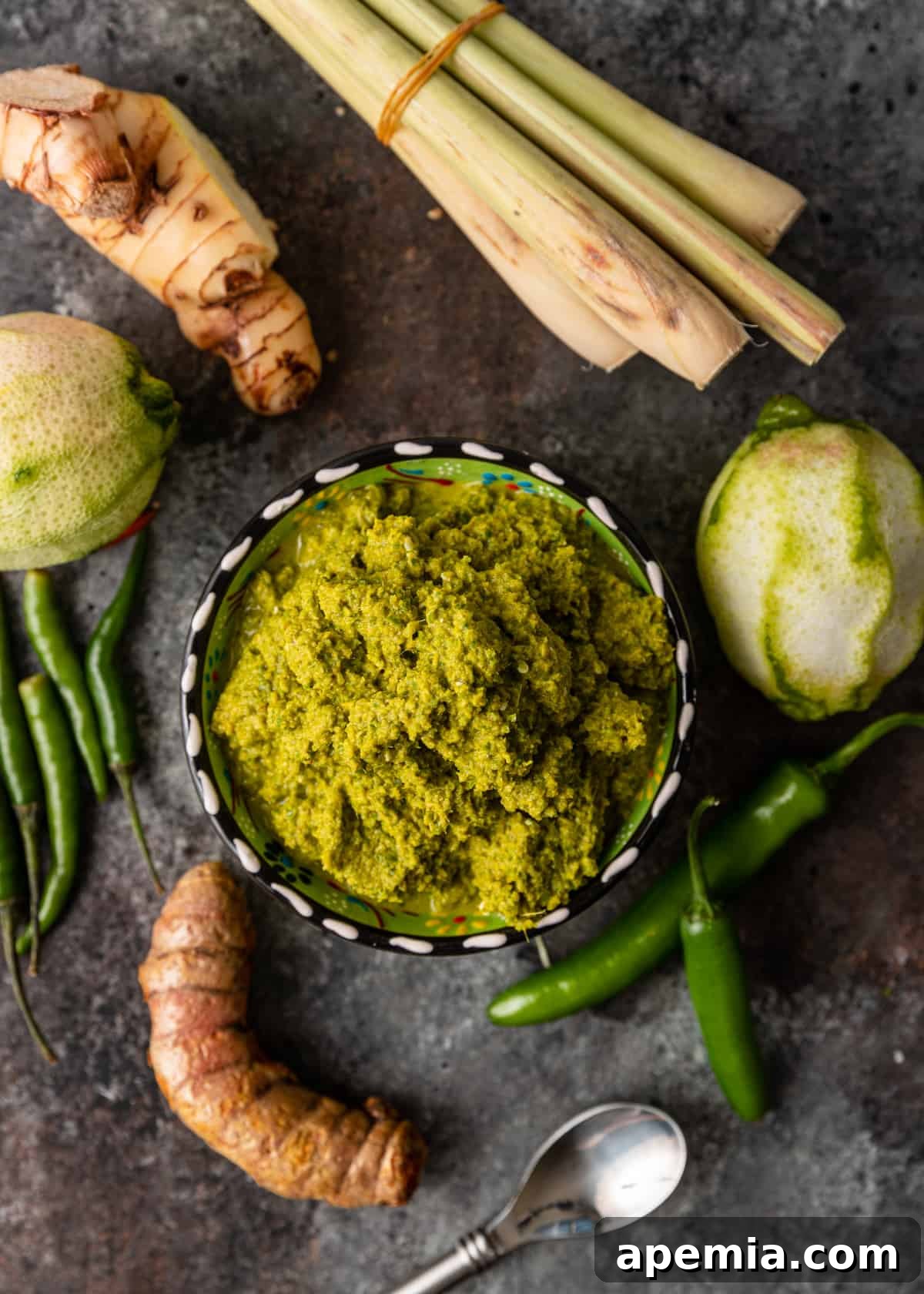
Fragrant Thai green curry paste is made from a combination of green chilis, kaffir lime leaves, galangal and aromatic lemongrass and spices. This homemade version unlocks unparalleled freshness and depth of flavor for your favorite Thai dishes.
Ingredients
- 3 ounces Serranos or Green Cayenne chilis
- 1 1/2 ounces Bird’s Eye Chilis
- 1 lemongrass stalk (white part only)
- 1 large shallot
- 8 cloves garlic
- Rind from 2 kaffir limes
- 1 ounce galangal
- 1/2 ounce turmeric root (about a 2-inch piece)
- 3 tablespoons shrimp paste
- 1/3 cup water (or as needed)
Instructions
- Trim the stems from the chilis and coarsely chop them.
- Trim the dried green tops from the lemongrass. Use only the thicker, white part of the stalk near the root end. Chop into 1-inch pieces.
- Peel the shallot and garlic cloves. Coarsely chop the shallot.
- Using a spoon, scrape the skin from the galangal and turmeric root. Cut both into 1-inch pieces.
- Transfer all prepared ingredients (chilis, lemongrass, garlic, shallot, galangal, turmeric, kaffir lime rinds, and shrimp paste) into a food processor. Pulse several times to begin breaking everything down. Scrape down the sides of the bowl.
- Gradually add the water, starting with 1/4 cup and adding more as needed. Blitz (process) until a smooth paste forms and all ingredients are thoroughly combined (this should take approximately 2 minutes of processing). If the paste is too thick, add water in very small increments.
- Store the paste in an airtight container and refrigerate for up to 5 days. For longer storage, freeze in individual portions (e.g., ice cube trays).
Notes
- If the paste is too loose or watery at the end, transfer it to a fine-mesh sieve and drain, pressing gently to extract excess liquid. It’s always best to add water slowly, one tablespoon at a time, to avoid an overly watery paste.
- This recipe is adapted from the teachings of Chef Sujet Saenkham, Spice I Am.
Nutrition
The information shown is an estimate provided by an online nutrition calculator. It should not be considered a substitute for a professional nutritionist’s advice.
Have You Made This Recipe? Let Me Know on Instagram
Tag @keviniscooking or use the hashtag #keviniscooking!