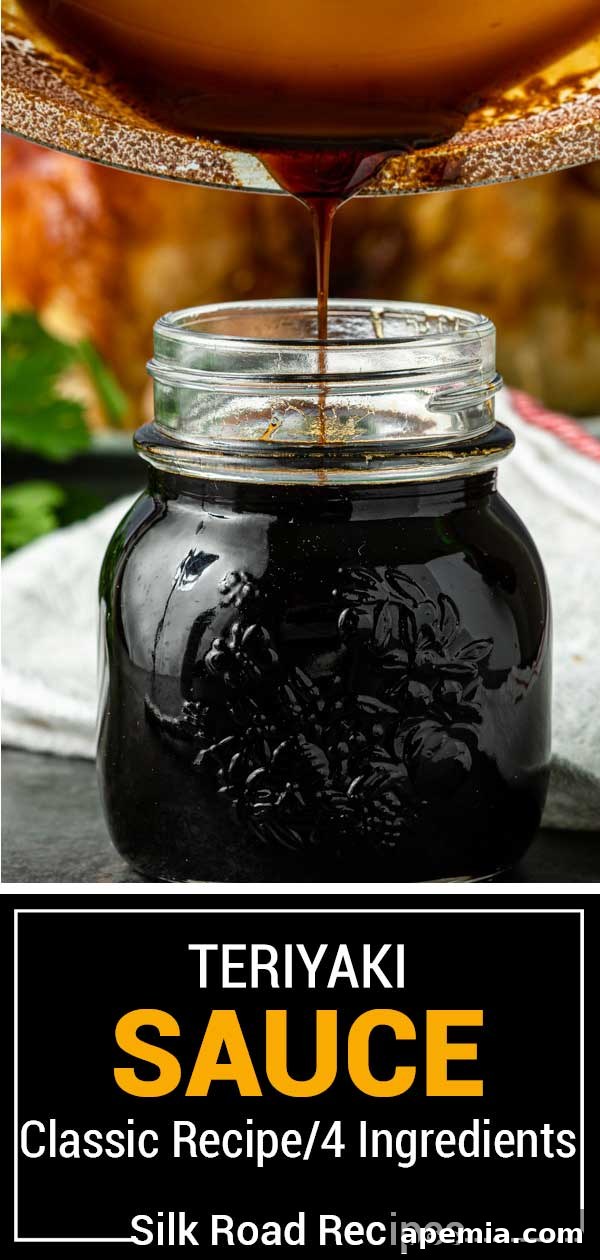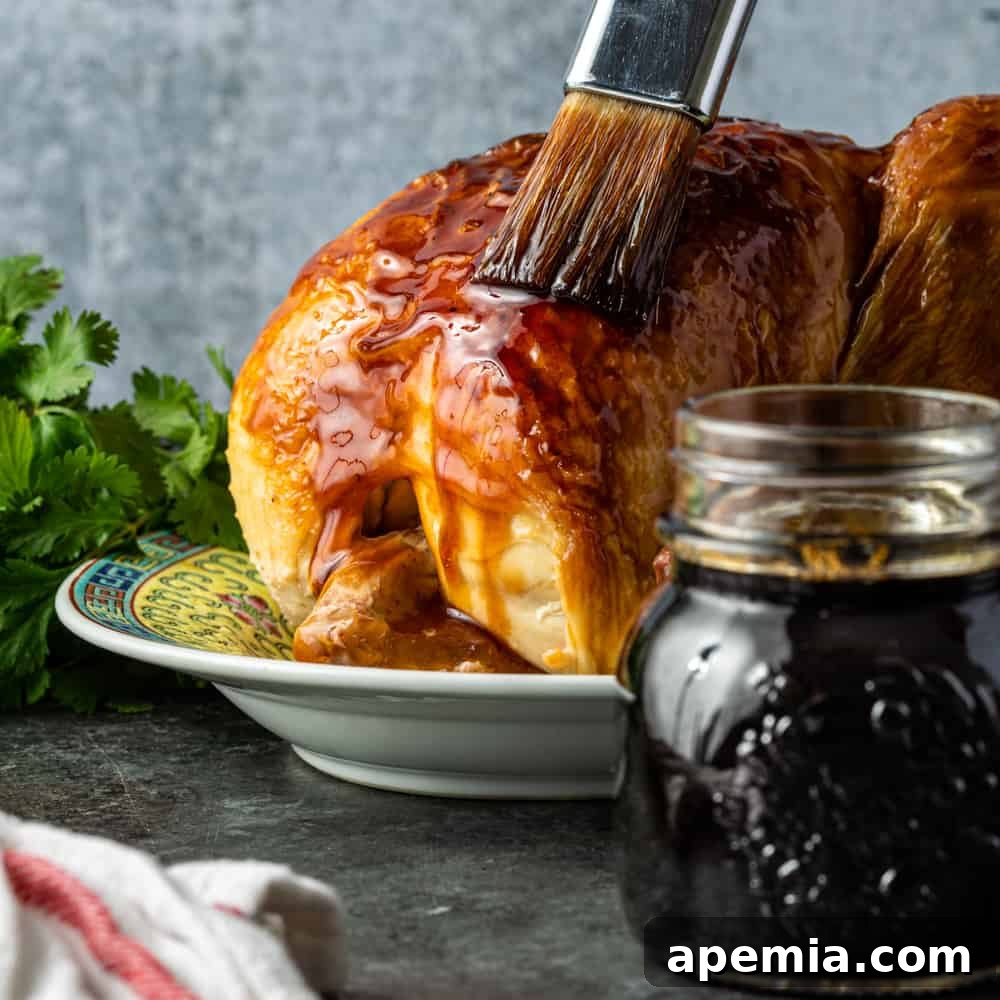
Teriyaki sauce is far from simple in flavor, yet incredibly straightforward to make at home. It’s a masterful blend of salty and sweet, bold and bright, delivering a delicious savoriness that truly embodies the “umami” essence of Japanese cuisine. What might surprise you most is that recreating this iconic sauce in your own kitchen is incredibly easy, requiring just four essential ingredients and a mere 15 minutes of your time.
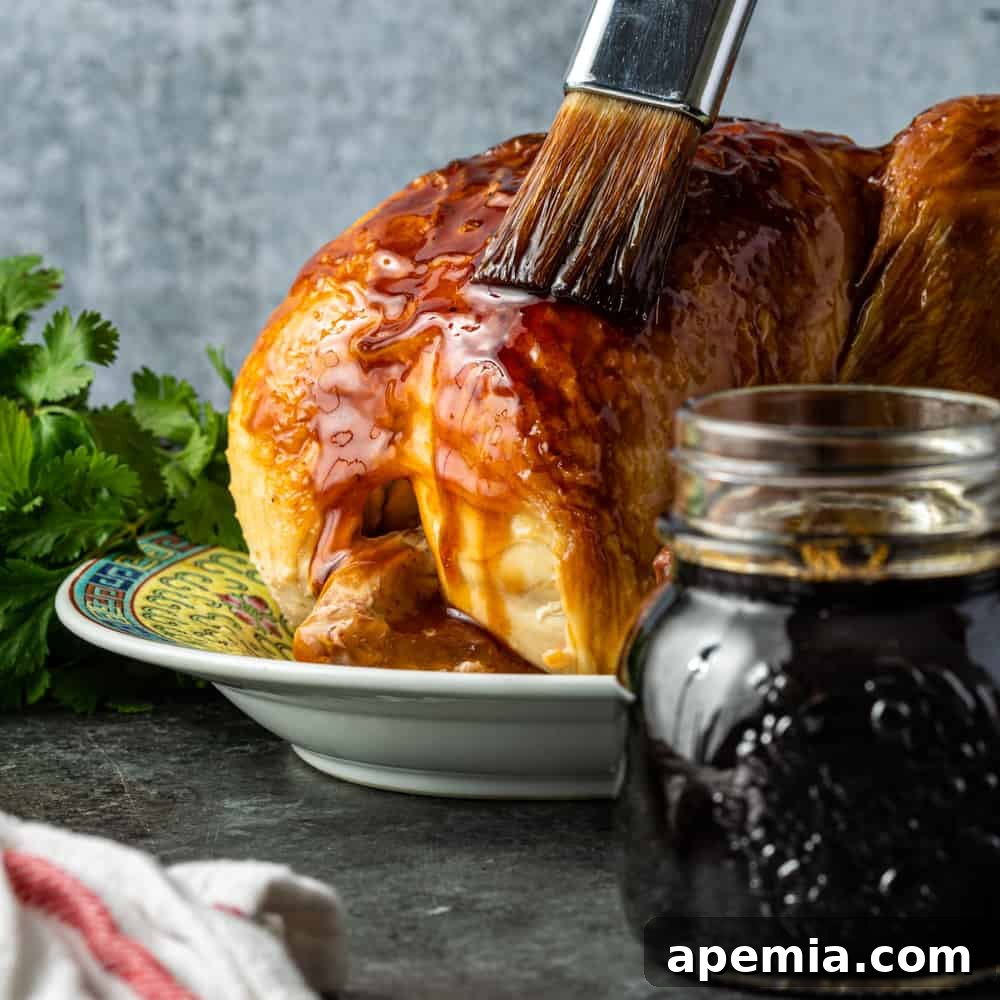
Achieving that distinctive sweet and savory taste found in your favorite Japanese restaurants hinges entirely on getting the teriyaki sauce just right. It’s not merely an accompaniment; it’s the fundamental element upon which all other flavors in a dish are built, providing depth and character that elevate any meal. Without an authentic, well-balanced teriyaki, your Japanese-inspired dishes simply won’t reach their full potential.
The beauty of crafting an umami-rich teriyaki from scratch lies in its minimal requirements. You only need four core ingredients: premium soy sauce, sweet mirin, aromatic sake, and a touch of water. The process is equally simple: combine them, bring to a boil, allow to simmer briefly, then cool and bottle. It’s a method that promises a fresh, flavorful sauce ready for any culinary adventure.
Beyond its simplicity, this classic teriyaki recipe offers boundless opportunities for culinary exploration and personalization. Feel free to infuse it with sweet and fruity notes, perhaps mirroring my pineapple teriyaki sauce, which adds a tropical twist. For those who appreciate a kick of heat, a generous scoop of chili crisp or a dash of your favorite hot sauce can transform it into a spicy sensation. Don’t shy away from experimenting with garlic, ginger, or even a hint of sesame oil to create your signature blend.
If your culinary interests extend to authentic Japanese flavors, you might also find immense satisfaction in learning to prepare other essential pantry staples and condiments from scratch. Consider mastering recipes for furikake (a versatile Japanese rice seasoning), refreshing pickled ginger, rich tonkatsu sauce, or the delectable ginger sauce often served at Japanese steakhouses. These homemade versions consistently surpass store-bought alternatives in flavor and freshness, embodying the true spirit of Japanese home cooking.
Table of Contents
- The Essence of Teriyaki Sauce: History and Umami
- Mirin vs. Rice Vinegar: Understanding the Differences
- Ingredient Notes and Substitutions
- How to Make Teriyaki Sauce: A Step-by-Step Guide
- Recommended Tools
- Storing and Reheating Your Homemade Teriyaki
- Frequently Asked Questions
- Classic Teriyaki Sauce Recipe
- Nutrition Facts
Embracing the art of making your own pantry staples is not only a fulfilling culinary endeavor but also an excellent way to save money and control the quality of the food you consume. Condiments like teriyaki, which are frequently used, offer significant savings and a superior taste experience when prepared from scratch.
The Essence of Teriyaki Sauce: History and Umami
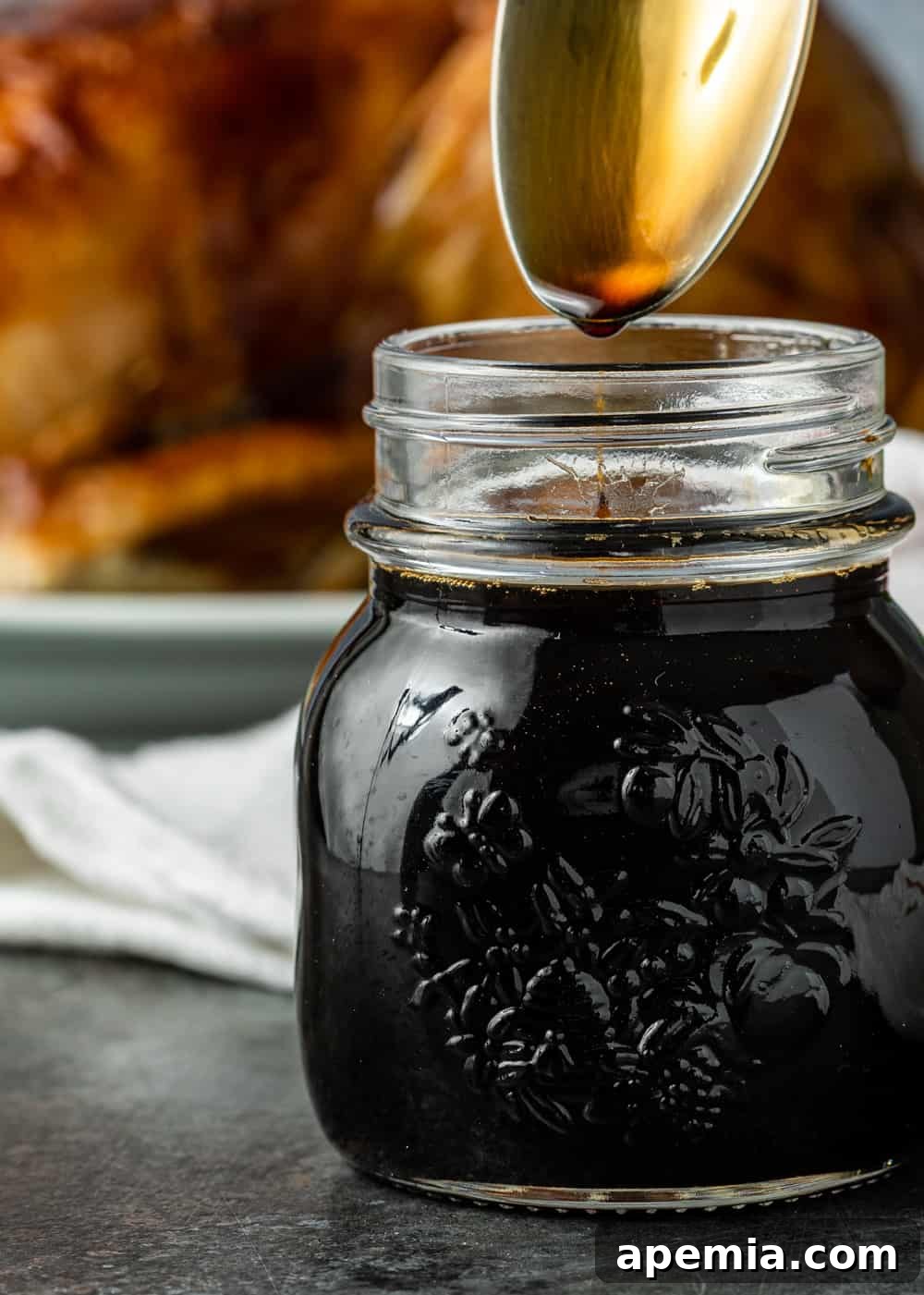
Teriyaki is more than just a sauce; it’s a cooking technique. The word “teriyaki” itself comes from “teri,” meaning glaze or sheen (referring to the shine imparted by the sauce), and “yaki,” meaning grilling or broiling. Originating in Japan, this cooking method involves broiling or grilling meat or fish with a glaze of soy sauce, mirin, sugar, and sake. The result is a beautiful, shiny, and incredibly flavorful dish. Over time, the glaze itself became known as teriyaki sauce, a versatile condiment loved worldwide.
The magic of teriyaki lies in its profound umami flavor. Umami, often described as a savory “fifth taste,” is a fundamental component of Japanese cuisine. In teriyaki sauce, umami is primarily derived from soy sauce, which is rich in naturally occurring glutamates. When combined with the sweetness of mirin and the nuanced notes of sake, these ingredients create a symphony of flavors that is both complex and deeply satisfying. Homemade teriyaki allows you to experience this depth of flavor in its purest form, free from the artificial additives and excessive sugars often found in commercial varieties.
Mirin vs. Rice Vinegar: Understanding the Differences
Many home cooks often confuse mirin with rice vinegar, but these two Japanese staples serve distinct purposes in the kitchen.
Mirin is a sweet Japanese rice wine, primarily used for cooking. It boasts a low alcohol content (typically around 14%, which often cooks off during preparation) and a unique flavor profile characterized by its balance of sweetness and subtle umami. Its syrupy texture adds a beautiful glaze and depth to dishes, making it indispensable in marinades, glazes, and sauces like this teriyaki. Mirin enhances the overall taste, contributing a delicate sweetness that rounds out savory flavors without overpowering them.
Rice Vinegar, in contrast, is fermented rice that offers a sharp acidity and tanginess rather than sweetness. While both are fermented rice products and enhance flavors, rice vinegar is used to add a sour note, brighten dishes, or balance richness, particularly in sushi rice or salad dressings. Understanding this distinction is crucial for achieving authentic Japanese flavors, as substituting one for the other without adjustment would significantly alter the dish’s intended taste profile.
Ingredient Notes and Substitutions
Crafting the perfect teriyaki sauce starts with quality ingredients. Here’s what you need to know about each component and potential alternatives:
- Soy Sauce: As the backbone of this teriyaki sauce recipe, the quality of your soy sauce is paramount. An all-purpose variety like Kikkoman is a reliable choice, offering a balanced flavor that works beautifully. For a richer, bolder, and slightly thicker sauce, consider using dark soy sauce, though it will also impart a darker color. Low-sodium options are great for controlling salt intake without sacrificing flavor.
- Sake: This clean-tasting, slightly sweet Japanese rice wine adds a distinct depth and aroma to the sauce. When cooked, its alcohol content evaporates, leaving behind a subtle sweetness and umami.
- Substitutes: Chinese cooking wine (Shaoxing wine) or a dry sherry can be used as alternatives, though they will subtly alter the flavor profile.
- Non-alcoholic substitute: For an alcohol-free version, use rice vinegar or rice wine vinegar. Be aware that these are more acidic, so you might need to add a touch more sugar or honey to balance the sweetness.
- Mirin: A sweet, syrupy rice wine that provides the signature glaze and sweetness to teriyaki. Boiling the sauce effectively removes its minimal alcohol content.
- Non-alcoholic substitute: If you need a strictly non-alcoholic option, rice wine vinegar can be used, but it’s crucial to compensate for the lost sweetness by adding a teaspoon or two of honey, brown sugar, or granulated sugar.
- Water: Plain water serves to dilute and balance the intensity of the other ingredients, allowing the flavors to meld perfectly as the sauce reduces and thickens.
How to Make Teriyaki Sauce: A Step-by-Step Guide
Creating this delicious sauce is surprisingly simple, broken down into just a few easy steps:
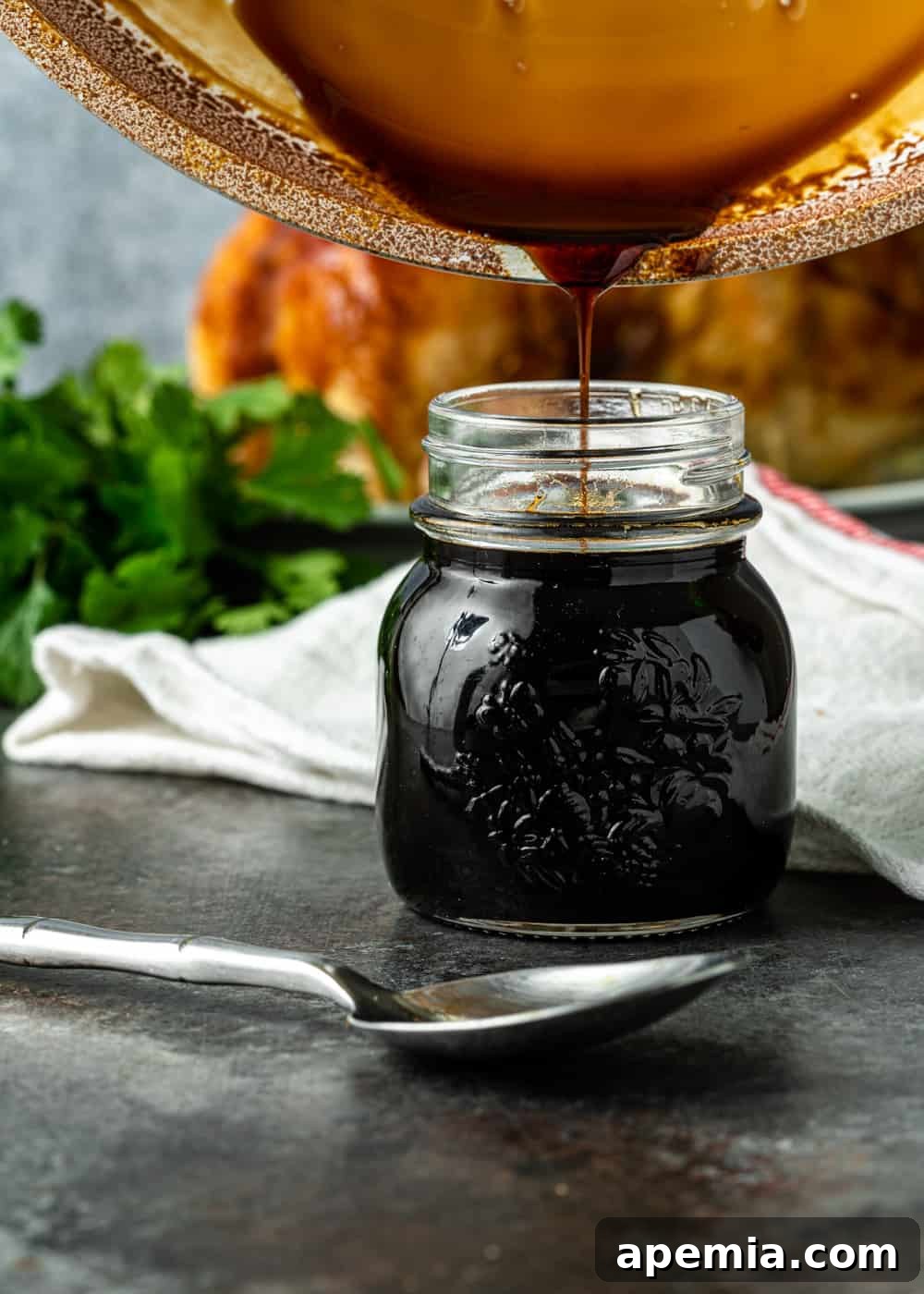
- Combine Ingredients: In a medium saucepan or a wide skillet, carefully pour in the soy sauce, sake, mirin, and water. Give the mixture a good whisk to ensure all ingredients are thoroughly combined.
- Bring to a Boil and Simmer: Place the pan over medium-high heat and bring the mixture to a rolling boil. Once boiling, immediately reduce the heat to low to maintain a gentle simmer. Continue to simmer for just one to two minutes if you plan to use it as a thin marinade, or for about 5-8 minutes if you desire a thicker, glossy sauce suitable for glazing or dipping. The longer you simmer, the more the sauce will reduce and thicken.
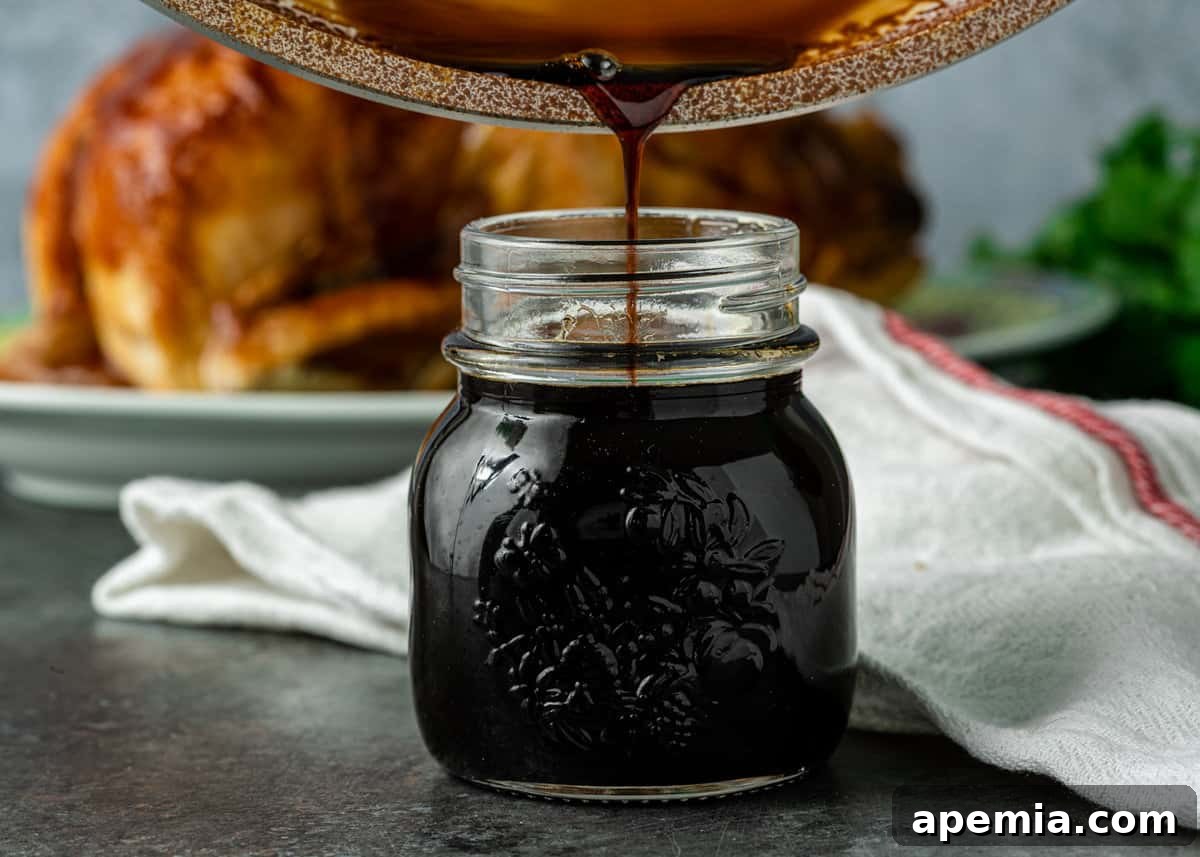
- Cool and Store: Remove the pan from the heat and allow the teriyaki sauce to cool completely to room temperature. This cooling process is crucial, as the sauce will thicken further as it cools. Once cooled, it’s ready to be used immediately as a vibrant marinade for beef, poultry, or seafood, or transferred to an airtight container for future use.
Recommended Tools
While minimal equipment is needed, having the right tools can make the process even smoother:
- Skillet or Saucepan: I highly recommend using a wider pan for homemade sauces. A wider surface area allows more of the liquid to be in direct contact with the heat, resulting in quicker heating and a faster reduction. Opt for a good quality pan that distributes heat evenly, such as a sturdy skillet, to prevent hot spots. This is particularly important for teriyaki, as its sugar content makes it prone to burning if not heated uniformly.
- Whisk: A good whisk ensures your ingredients are perfectly combined and helps prevent any clumping, especially if you decide to add a thickening agent like cornstarch later on.
- Airtight Storage Container: Essential for keeping your homemade sauce fresh. A wide-mouthed mason jar or a reusable condiment bottle with a good seal is ideal for easy pouring and scooping.
Storing and Reheating Your Homemade Teriyaki
Proper storage is key to maximizing the lifespan and freshness of your homemade teriyaki sauce:
Always allow the sauce to cool completely to room temperature before transferring it to an airtight storage container. A wide-mouthed mason jar or a specialized condiment bottle is excellent for easy access and minimal mess. Avoid leaving the sauce at room temperature for extended periods if you don’t plan to use it immediately.
When stored correctly in the refrigerator, your homemade teriyaki sauce will maintain its quality and flavor for up to two to three weeks. For longer-term storage, teriyaki sauce can also be frozen for up to 3 months. Portion it into ice cube trays for convenient individual servings, then transfer the frozen cubes to a freezer-safe bag. Thaw in the refrigerator overnight or gently reheat on the stovetop over low heat, stirring occasionally, before use.
Frequently Asked Questions
Is teriyaki sauce hot or spicy?
No, traditional teriyaki sauce is not inherently hot or spicy. Its flavor profile is a harmonious blend of sweet and savory with prominent umami notes. However, it is incredibly easy to customize a basic teriyaki sauce recipe to introduce heat. You can simply add a splash of your favorite hot sauce, a pinch of crushed red pepper flakes, or a spoonful of chili crisp to instantly elevate its spice level to your preference. This adaptability makes it a favorite for many culinary variations.
Are you supposed to dilute teriyaki sauce?
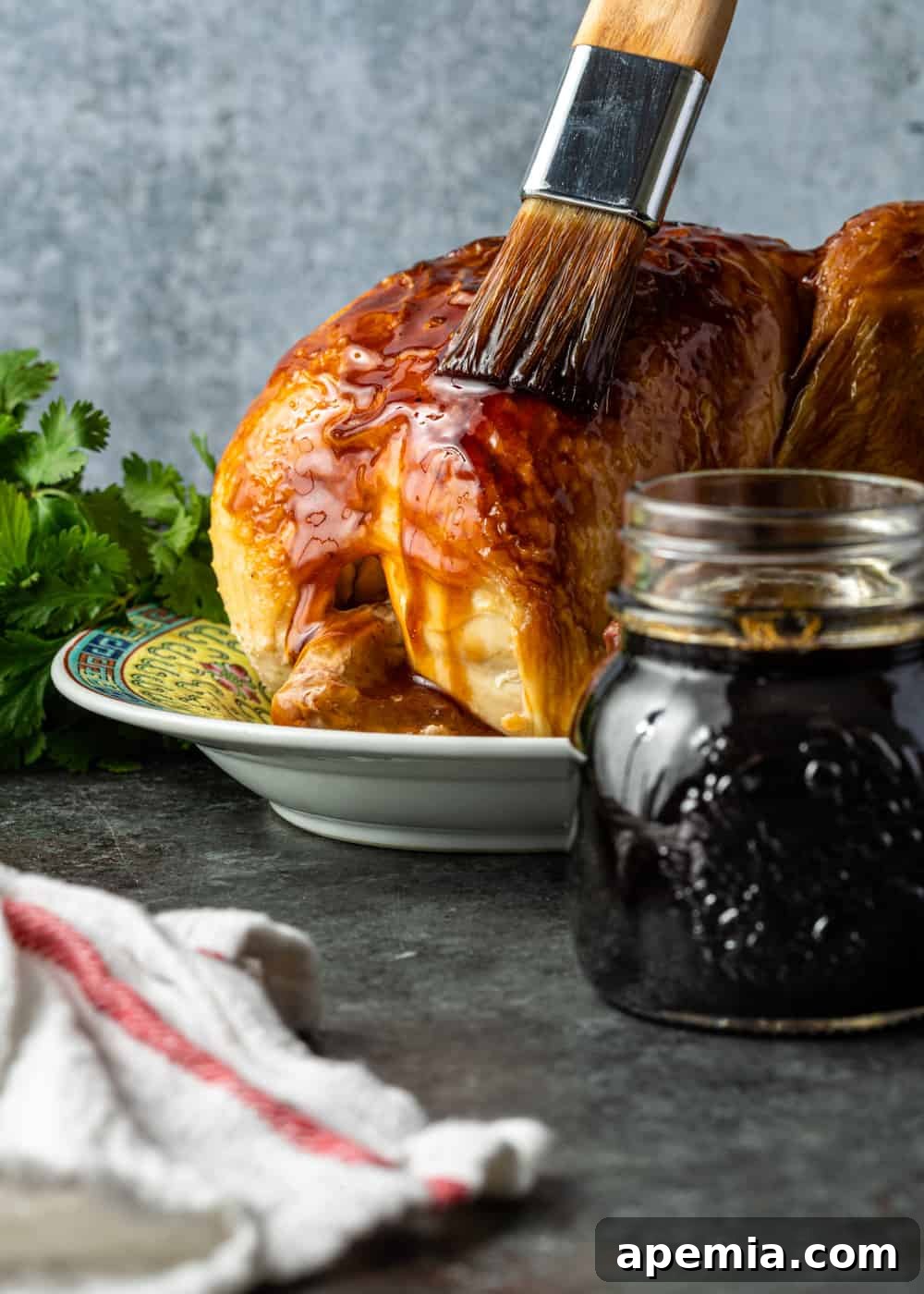
Whether you should dilute teriyaki sauce depends entirely on its intended use. If you’re using it as a dipping sauce, a flavor enhancer for rice or noodles, or any application where you prefer a richer, stickier texture, diluting it is generally unnecessary. However, if your goal is to use it as a marinade, especially for thicker cuts of meat, a slightly thinner consistency can help the flavors penetrate more effectively. Our homemade teriyaki sauce recipe naturally yields a relatively thin liquid, making it perfectly suited for marinating without further dilution.
What kind of teriyaki sauce do hibachi restaurants use?
Restaurant-style teriyaki, particularly what you’d find at a hibachi grill, is quite similar to this classic homemade version. It typically features the core ingredients of soy sauce, rice wine (sake or mirin), and often includes additional sweeteners like sugar or honey to achieve that signature sweet-savory balance and shiny glaze. Some restaurants may also add a touch of garlic, ginger, or even fruit juices like pineapple to enhance its unique flavor profile, creating a sauce that perfectly complements grilled meats and vegetables.
How can I make teriyaki sauce thicker?
To achieve a thicker consistency for your homemade teriyaki sauce, the simplest method is to let the mixture simmer for a longer period of time. This allows more of the liquid to evaporate, concentrating the flavors and reducing the sauce until it reaches your desired thickness. Keep in mind that this process will reduce the overall volume of the sauce. If you want a thicker sauce but need the same quantity, you might consider doubling the original recipe. Alternatively, you can create a cornstarch slurry (a mix of equal parts cornstarch and cold water) and whisk it into the simmering sauce gradually until it thickens to your liking.
Share this recipe on Pinterest!
Love this recipe? Share it with the world on Pinterest.
Share on Pinterest

Classic Teriyaki Sauce
Print Recipe
Ingredients
- 1/4 cup soy sauce
- 1/4 cup sake (See Note 1)
- 1/4 cup mirin
- 1/4 cup water
Instructions
For a Thick, Glazing Sauce
- In a medium saucepan or skillet, thoroughly mix together the soy sauce, sake, mirin, and water. Bring the mixture to a boil over medium-high heat. Once boiling, reduce the heat to a gentle simmer and continue to cook, stirring occasionally, until the sauce has reduced and thickened to a glossy, syrupy consistency. This typically takes about 8 minutes in a saucepan or 5-6 minutes in a wider skillet.
- Remove the pan from the heat and allow the sauce to cool completely to room temperature before using. As it cools, it will continue to thicken slightly. Store the finished sauce in a sealed container in the refrigerator and use it within 2-3 weeks for best quality.
For a Thin Marinade
- In a medium saucepan or skillet, combine the soy sauce, sake, mirin, and water. Bring the mixture to a boil over medium-high heat, then immediately reduce the heat to a simmer. Cook for just 1-2 minutes to allow the flavors to meld without significant reduction. Remove from heat and let it cool completely to room temperature. This thinner consistency is perfect for marinating beef, poultry, or seafood, allowing the flavors to deeply infuse into your ingredients.
Notes
- If sake is unavailable or you prefer a non-alcoholic option, you can substitute it with Chinese cooking wine (Shaoxing wine) or a dry sherry. For a strictly non-alcoholic alternative, use rice vinegar and add a teaspoon of sugar or honey to balance the flavor.
- The simmering time for thickening will vary depending on your pan’s width and heat level. A wider skillet will reduce faster (5-6 minutes) than a narrower saucepan (around 8 minutes). Always aim for a visual cue of glossy, syrupy texture rather than strict timing.
Nutrition
Carbohydrates: 3g |
Protein: 1g |
Fat: 0.01g |
Saturated Fat: 0.001g |
Polyunsaturated Fat: 0.003g |
Monounsaturated Fat: 0.001g |
Sodium: 308mg |
Potassium: 11mg |
Fiber: 0.04g |
Sugar: 1g |
Calcium: 1mg |
Iron: 0.1mg
The information shown is an estimate provided by an online nutrition calculator. It should not be considered a substitute for a professional nutritionist’s advice.