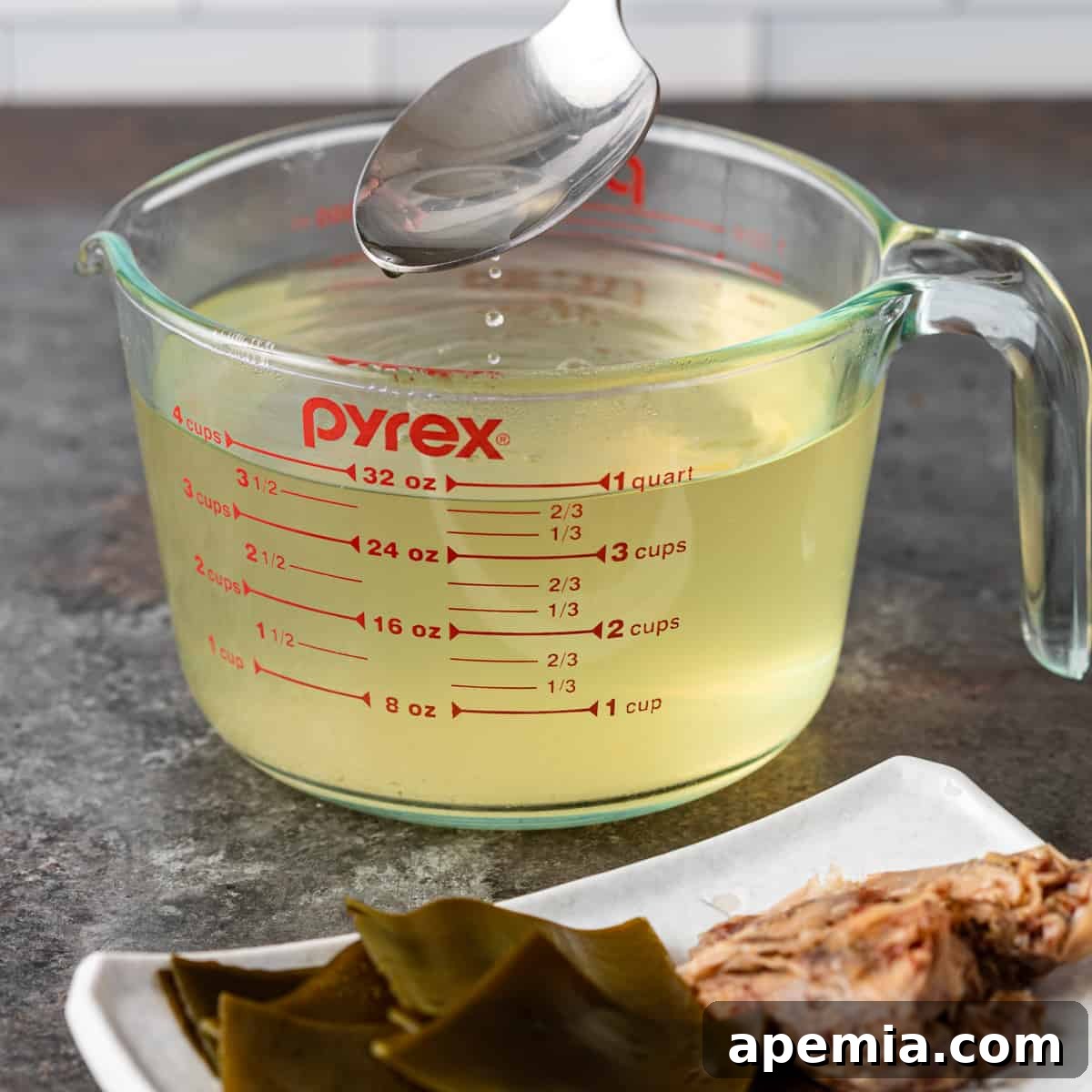
Embark on a culinary journey to the heart of Japanese cuisine with Dashi, the rich, savory, and incredibly versatile soup stock renowned for its distinctive umami flavor. Often considered the soul of Japanese cooking, dashi provides a subtle yet profound depth to countless dishes. You’ll be delighted to discover how straightforward it is to prepare this foundational ingredient at home – requiring minimal time and just a few simple components.
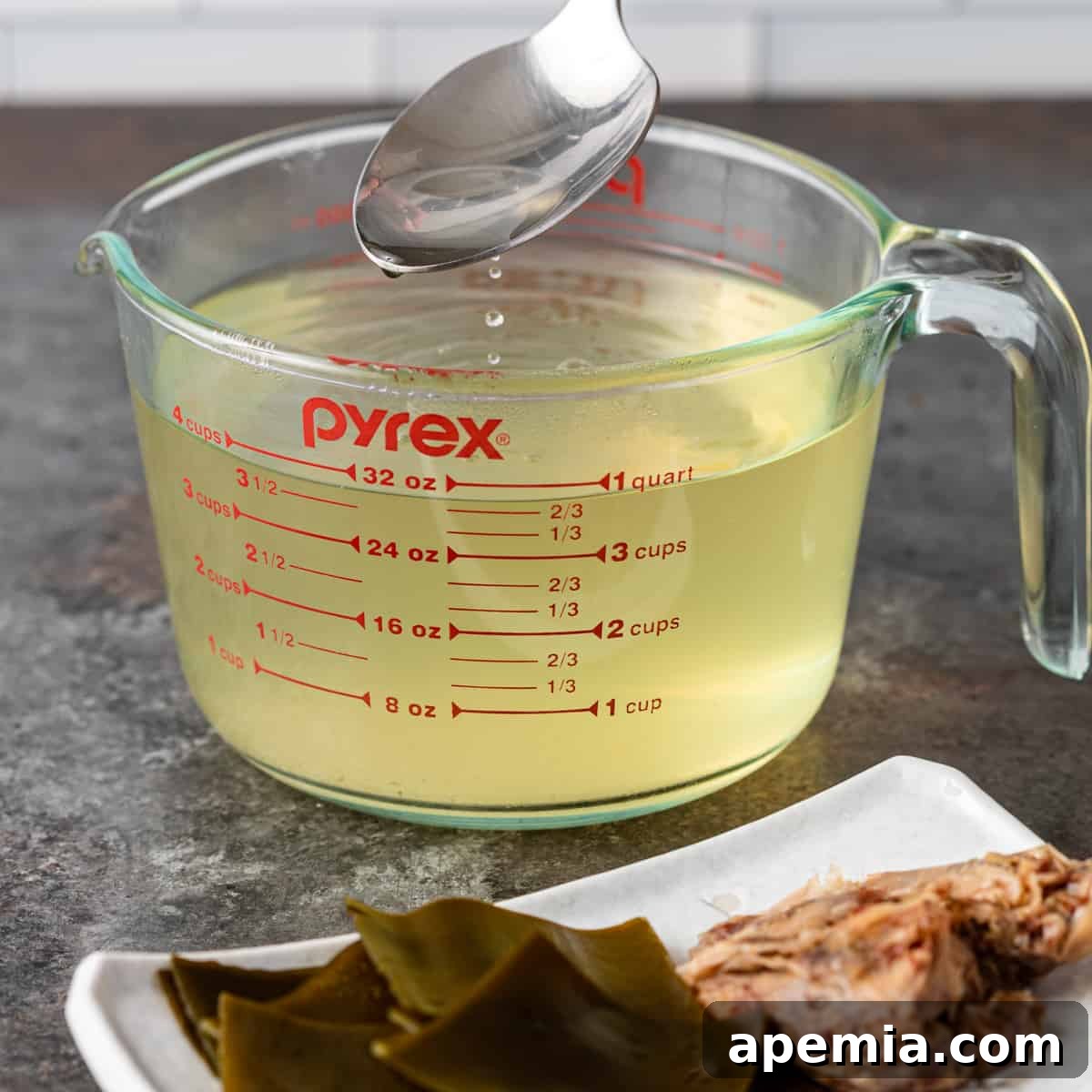
Dashi is more than just a stock; it’s the invisible backbone that elevates a myriad of Japanese meals, from comforting miso soups to delicate noodle broths and intricate simmered dishes. Its unique umami profile, often described as a pleasant savory taste, stems from naturally occurring glutamates found in its core ingredients. This makes dashi not only a delicious base but also an indispensable element for achieving authentic Japanese flavors in your home kitchen. The beauty of dashi lies in its simplicity and the remarkable complexity it brings to every dish it graces.
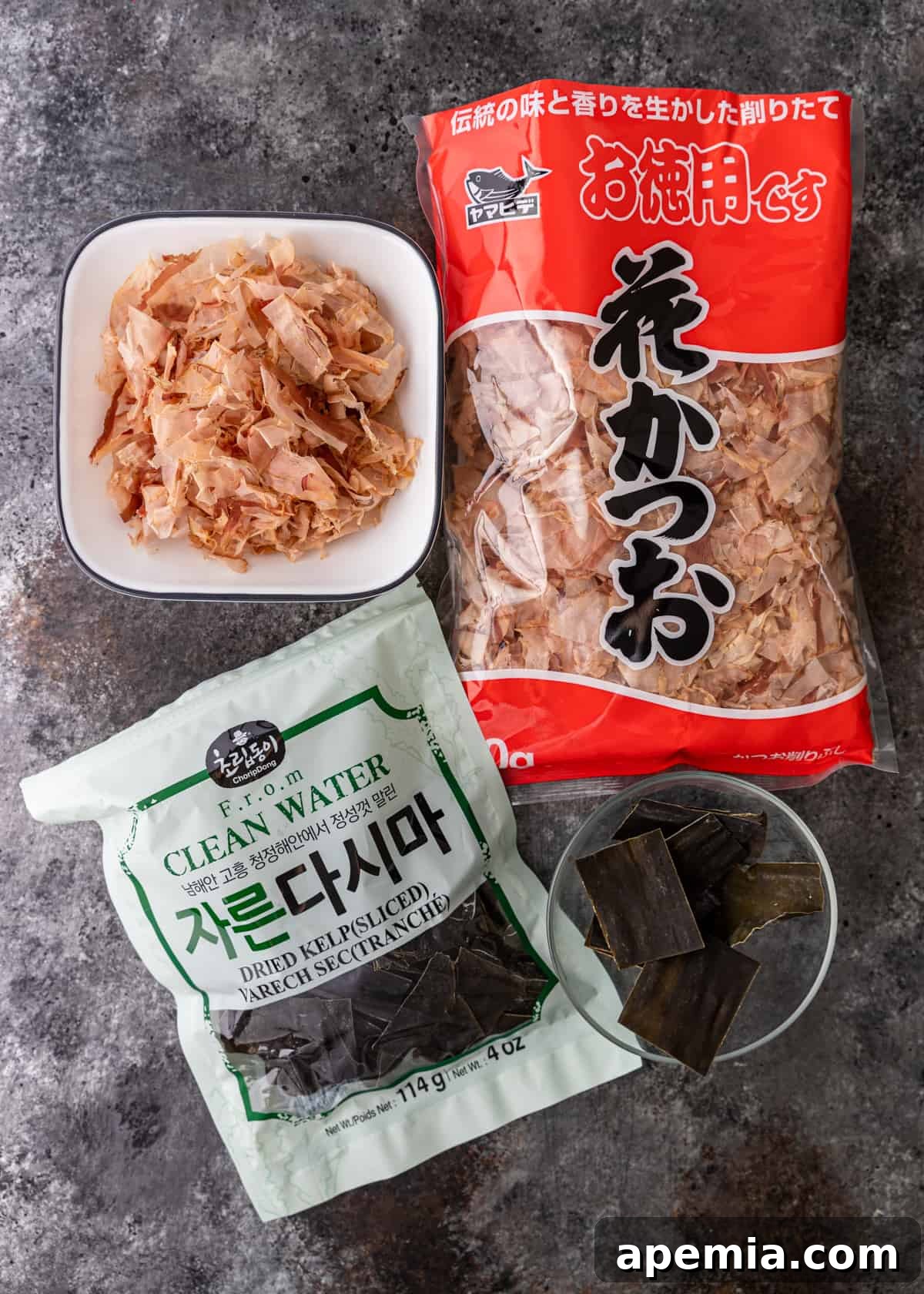
The magic of dashi is primarily woven from two essential ingredients: dried kelp, known as kombu, and dried bonito flakes, or katsuobushi (smoked tuna). These ingredients work in harmony to create a delicate yet powerful flavor. While readily available in most Asian grocery stores, you might also find them in the international aisles of larger supermarkets or conveniently purchase them online. Sourcing high-quality kombu and katsuobushi is key to brewing the most flavorful dashi, so look for reputable brands known for their authentic products.
My personal favorite applications for homemade dashi stock are in classic miso soup and hearty ramen bowls. The delicate savory notes of dashi truly shine in these preparations, creating a warming and satisfying experience. To complete a truly memorable Japanese meal, consider pairing your dashi-infused soup with a vibrant Ahi Tuna Salad or a rich Japanese Beef Curry. And for a delightful sweet finish that perfectly balances the savory richness, a slice of fluffy Japanese Jiggly Cheesecake is an absolute must-try. Dashi transforms ordinary meals into extraordinary dining experiences, offering a taste of Japan right in your home.

Essential Ingredients for Authentic Dashi
Crafting exceptional dashi starts with understanding its core components. While the recipe calls for just three ingredients, selecting the right quality can make all the difference in the depth and purity of your stock.
- Dried Kelp Kombu: This unassuming dried seaweed is the absolute cornerstone of dashi, responsible for a significant portion of its umami power. Far from tasting “fishy,” kombu imparts a distinct earthy, savory flavor, often likened to mushrooms. For optimal flavor, look for kombu with a slight white powdery residue – this is natural glutamate, not mold, and it’s a sign of quality. Avoid washing this residue off. Different varieties of kombu exist, such as Ma-kombu (known for its rich, sweet flavor), Rishiri-kombu (delicate and clear stock), and Rausu-kombu (a broader, more intense flavor). Any high-quality dried kombu will work wonderfully for this recipe.
- Dried Bonito Flakes (Katsuobushi): Also known as katsuobushi, these thin, dried fish flakes are made from smoked skipjack tuna that has undergone a rigorous process of simmering, smoking, and fermenting. This intricate preparation results in an intensely savory, slightly smoky, and salty flavor that complements the kombu beautifully. The best katsuobushi flakes are thin, light pink, and aromatic. The combination of kombu and katsuobushi creates a synergistic umami effect, amplifying the overall savory taste beyond what either ingredient could achieve alone.
- Water: While often overlooked, the quality of your water can subtly impact the final taste of your dashi. Using filtered or spring water is recommended to ensure a clean, pure base that allows the delicate flavors of the kombu and katsuobushi to shine through without interference from tap water impurities. The initial amount of water (4¼ to 4½ cups) is crucial, as some will evaporate during the simmering process, leaving you with approximately 4 cups of concentrated, flavorful dashi stock.
Step-by-Step Guide: Crafting Your Own Dashi
Making dashi is an art of gentle extraction, ensuring maximum flavor without bitterness. Follow these steps for a perfect batch every time:
- Prepare the Kombu: Begin by cutting or breaking your dried kombu into a few smaller pieces. This increases the surface area, allowing for a more efficient extraction of its rich umami flavors into the water. Remember not to wash off the white powdery substance on the kombu, as this is where much of the glutamate resides.
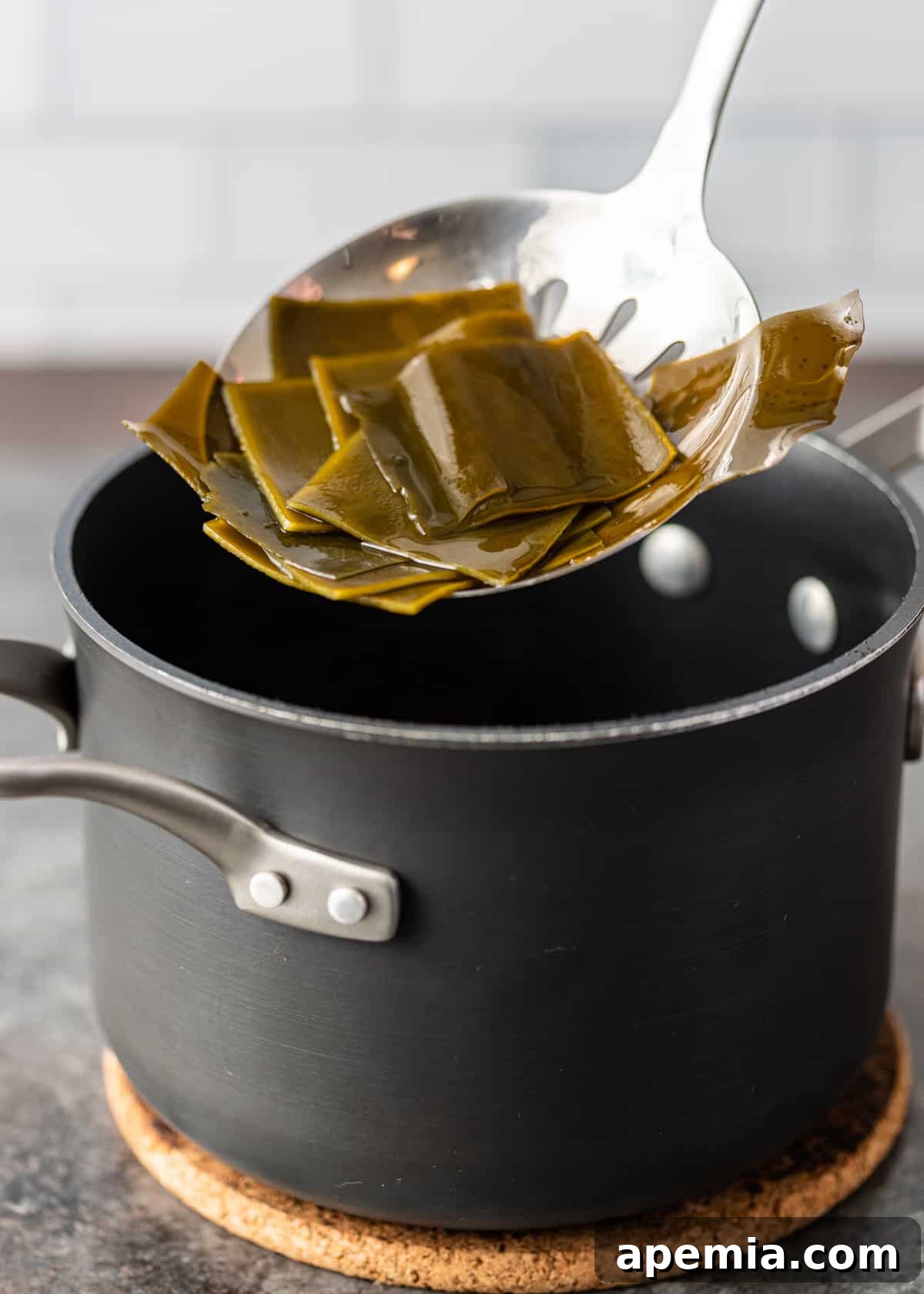
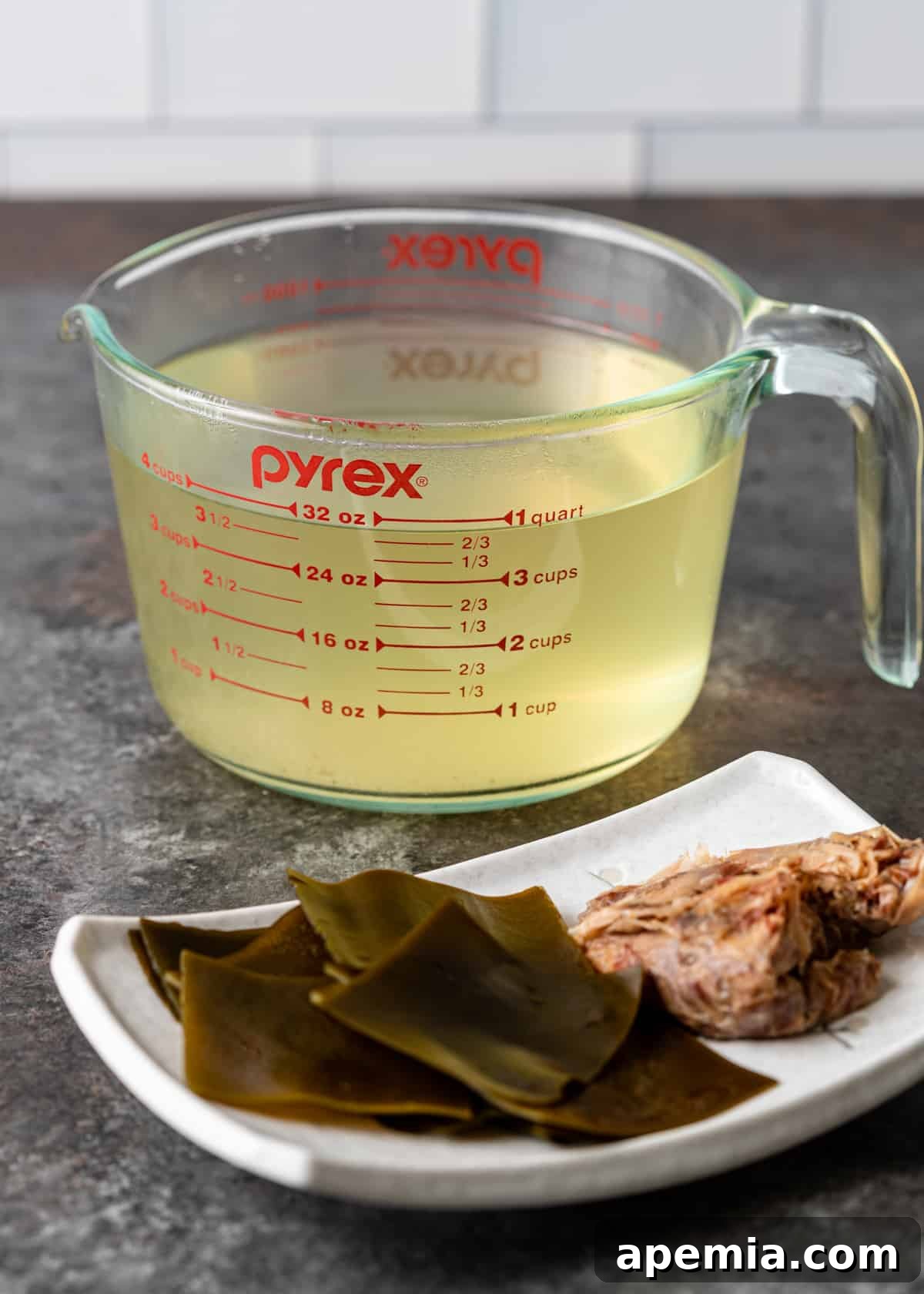
- Infuse the Kombu: Place the kombu pieces into a large saucepan and add 4¼ to 4½ cups of water. Heat this mixture gently over medium heat, bringing it slowly to just before a boil. The ideal temperature for extracting kombu’s umami is around 60-80°C (140-175°F). Keep a close eye on it; as soon as you start to see small bubbles forming around the edges of the pan, or just before a rolling boil begins, turn off the heat. Skim off any foam that may appear on the surface. Carefully remove the kombu using tongs. Over-boiling kombu can release undesirable bitter flavors, so this step is critical. You can discard the spent kombu or save it for other culinary uses, such as making a delicious simmered dish (tsukudani).
- Add Bonito Flakes: With the heat off, immediately stir in the dried bonito flakes (katsuobushi) into the kombu-infused water. The residual heat from the water will begin the infusion process for the bonito flakes.
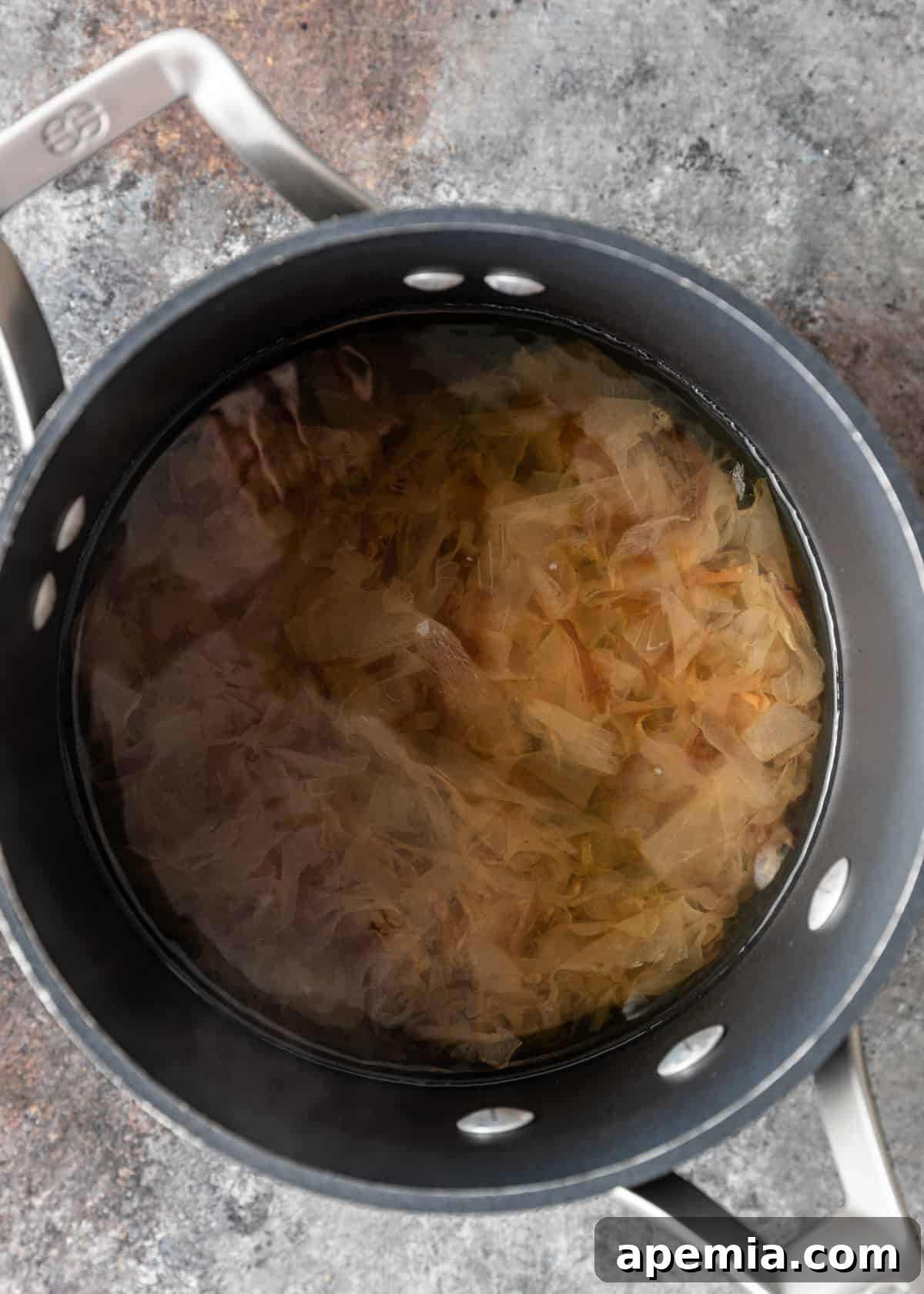
- Steep for Flavor: Bring the mixture briefly to a boil again, then immediately remove the saucepan from the stove. Allow the bonito flakes to steep in the hot liquid for about 10 minutes. This steeping period is crucial for the katsuobushi to release its characteristic savory depth and delicate smoky notes without developing a strong, fishy taste.
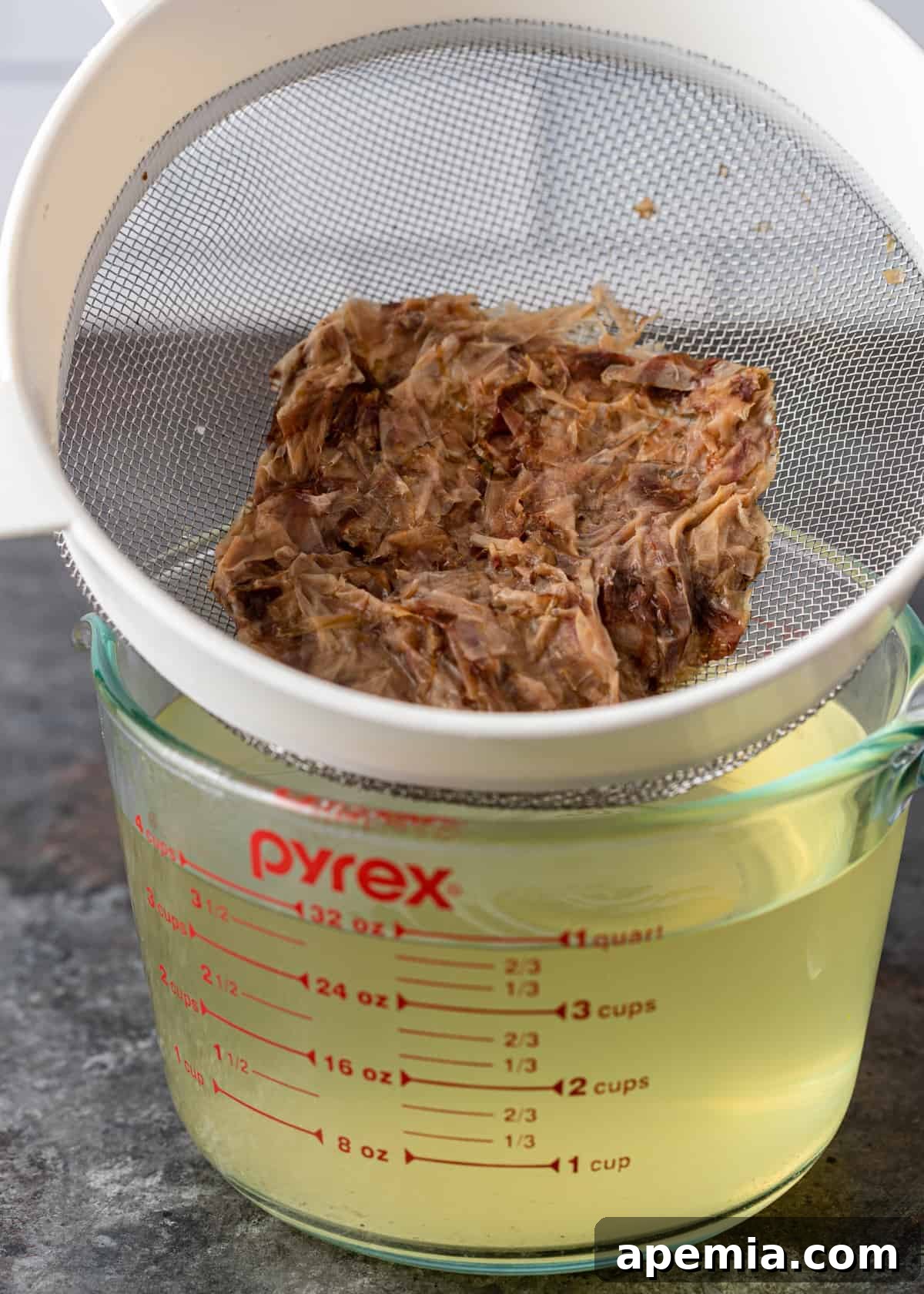
- Carefully Strain: Once steeped, pour the entire contents of the saucepan through a fine-mesh sieve positioned over a large heatproof bowl or measuring cup. Be gentle and avoid pressing down too hard on the wet bonito flakes in the sieve. While it might seem counterintuitive, pressing them too forcefully can squeeze out bitter elements, compromising the delicate flavor of your dashi. Let gravity do most of the work. Similar to the kombu, the strained katsuobushi can be discarded or reserved for other dishes.
Storing Your Homemade Dashi: Freshness and Shelf Life
Freshly made dashi offers the most vibrant and nuanced flavor, making it ideal for immediate use. However, its excellent storage capabilities mean you can easily prepare it ahead of time, ensuring you always have this essential Japanese ingredient on hand.
Once cooled to room temperature, homemade dashi can be stored in an airtight container in the refrigerator for up to 5 days. For longer preservation, dashi freezes beautifully for up to 2 weeks. To prevent flavor degradation and freezer burn, ensure it is completely cool before transferring it to freezer-safe containers or ice cube trays. Freezing in individual portions, like ice cubes, is particularly convenient for adding precise amounts to your cooking later.
Given its impressive shelf life, preparing a larger batch of dashi at the beginning of the week allows for effortless integration into multiple meals. This Japanese soup stock is a true workhorse, streamlining your cooking process and ensuring a consistent depth of flavor across all your Japanese-inspired dishes.
Dashi vs. Miso: Understanding the Difference
While both dashi and miso are integral to Japanese cuisine and celebrated for their savory depths, they are fundamentally distinct ingredients with different culinary roles. Understanding their differences is key to appreciating their combined magic.
Miso is a fermented paste traditionally made from soybeans, sea salt, and koji (a beneficial fungus). Its flavor can range from mild and sweet to robust and deeply savory, depending on the fermentation period and ingredients. Miso is known for its intense saltiness and complex flavor profile. It’s often dissolved into dashi to create the beloved miso soup, but also used as a marinade, seasoning, or dressing.
Dashi, on the other hand, is a clear, delicate soup stock. As we’ve learned, it’s typically made from dried kelp (kombu) and dried bonito flakes (katsuobushi). Its primary function is to provide a pure umami base without overwhelming other flavors. Dashi itself is not salty; rather, it provides a savory foundation that allows other ingredients to shine. While they are distinct, their combined use is quintessential. Most authentic miso soup recipes, for instance, begin with a dashi base, into which miso paste is then dissolved. My upcoming Miso Soup recipe will perfectly illustrate this harmonious pairing, bringing these two foundational flavors together in a delightful bowl.
Unleash Culinary Creativity: What Can You Do with Dashi?
The beauty of dashi lies in its incredible versatility. Once you have a batch of this Japanese soup stock, a world of culinary possibilities opens up, allowing you to infuse its unique umami flavor into a wide range of dishes.
- Soup Bases: Dashi is, first and foremost, the soul of Japanese soups. Beyond miso soup and ramen, it forms the delicate base for clear soups (suimono), udon, and soba noodle broths. Its clean flavor enhances ingredients without overshadowing them.
- Simmered Dishes (Nimono): Many traditional Japanese simmered dishes, or nimono, rely on dashi for their savory depth. Vegetables, fish, and meat are gently cooked in a dashi-based broth, allowing the ingredients to absorb its subtle umami.
- Sauces and Dressings: Dashi can transform simple sauces and dressings. It’s an essential component for tentsuyu, the dipping sauce for tempura, providing a light yet flavorful complement to crispy fried foods. It can also be incorporated into marinades or vinaigrettes for an added layer of complexity.
- Egg Dishes: Dashi is a secret ingredient in many Japanese egg dishes. It’s used in tamagoyaki (rolled omelet) for a moist and flavorful texture, and in chawanmushi (savory steamed egg custard) to give it a delicate, silky richness.
- Rice Dishes: Add a splash of dashi when cooking rice or making ochazuke (rice with tea) for an extra savory dimension.
- Vegetarian and Vegan Options: For those avoiding animal products, a simple kombu dashi (made only with dried kelp and water) serves as an excellent savory vegetable stock. You can further enhance its umami by steeping dried shiitake mushrooms along with the kombu, creating a deeply flavorful, plant-based dashi that rivals its fish-based counterpart.
Exploring the Varieties of Dashi
While our recipe focuses on the most common and versatile type, awase dashi (meaning “mixed dashi”), made from both kombu and katsuobushi, the world of dashi is surprisingly diverse. Each variety offers a unique flavor profile, catering to different dishes and preferences.
- Awase Dashi: This is the “all-purpose” dashi, combining the best of both worlds – the deep umami of kombu and the savory, slightly smoky notes of katsuobushi. It’s perfect for almost any Japanese dish, offering a balanced and complex flavor.
- Ichiban Dashi (First Brew): Often referring to the initial brew of awase dashi, ichiban dashi is considered the “first and best” dashi. It is light, clear, and exceptionally delicate, ideal for clear soups (suimono) and dishes where a pristine flavor is desired.
- Niban Dashi (Second Brew): After making ichiban dashi, the used kombu and katsuobushi can be re-simmered with fresh water to create niban dashi. While less refined than ichiban dashi, it still boasts a good depth of flavor and is excellent for more robust preparations like miso soup, simmered dishes, or noodle broths where a stronger, more assertive taste is welcome. This practice highlights Japanese resourcefulness and minimizes waste.
- Kombu Dashi: Made exclusively from dried kombu and water, this dashi is naturally vegetarian and vegan-friendly. It has a pure, subtle umami flavor that is earthy and slightly sweet, making it perfect for vegetarian broths, hot pots, and shabu-shabu.
- Katsuobushi Dashi: While less common as a standalone stock, katsuobushi dashi is made solely from bonito flakes and water. It offers a quicker preparation time and a distinctly fishy, smoky flavor, often used when a stronger fish essence is desired.
- Iriko/Niboshi Dashi: This variety uses dried small sardines or anchovies (iriko or niboshi). It yields a stronger, more assertive, and slightly bitter dashi, often preferred in heartier country-style miso soups or stews where its robust flavor can stand up to other ingredients.
- Shiitake Dashi: Prepared by steeping dried shiitake mushrooms in water, shiitake dashi provides a deep, earthy, and highly savory umami. It’s another excellent vegetarian and vegan option, often combined with kombu dashi for an even richer plant-based stock.
Each type of dashi brings its unique character to the table, allowing for endless experimentation and customization in your Japanese cooking. Mastering awase dashi is an excellent starting point, opening the door to exploring these diverse flavor profiles.
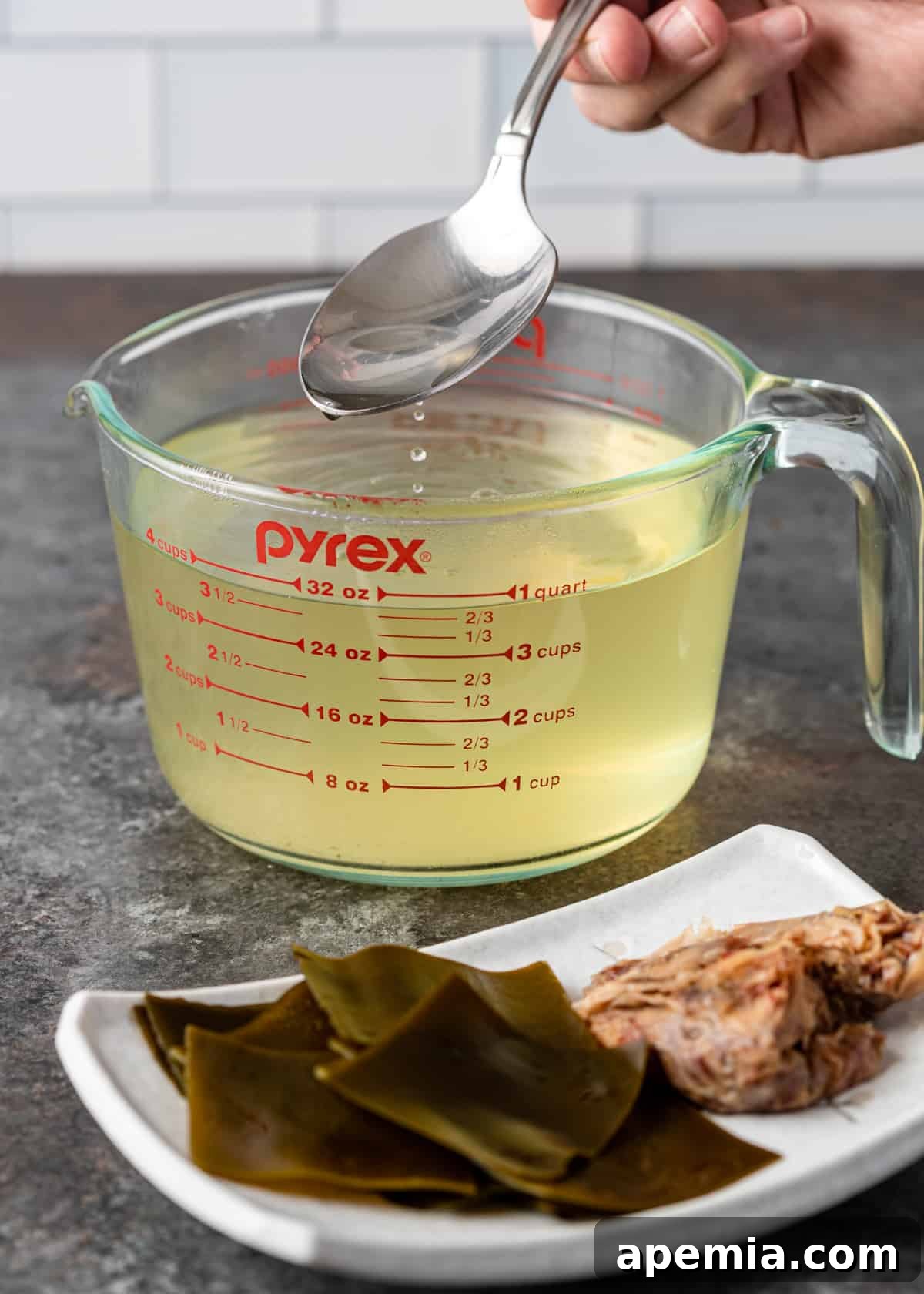
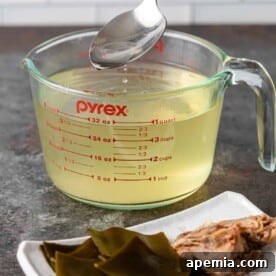
How to Make Dashi (Japanese Soup Stock)
Learn how to make dashi at home with just kombu and bonito flakes! You’ll get a light, savory Japanese soup stock packed with umami flavor.
4 cups
5 mins
15 mins
20 mins
Print Recipe
Ingredients
- 10 g dried kelp kombu
- 10 g dried bonito flakes katsuobushi (1 cup)
- 4 1/4 cups water (filtered is recommended)
Units can be converted between US Customary and Metric for convenience.
Instructions
- Cut or break the kombu into several manageable pieces to increase surface area for infusion.
- In a large saucepan, combine the water and the kombu pieces. Heat slowly over medium heat until it almost reaches a boil (small bubbles begin to form around the edges of the pan). It’s crucial not to let it come to a full rolling boil to avoid bitterness. Skim off any foam as needed. Turn off the heat and carefully remove the kombu with tongs. You can discard the kombu or save it for another use (e.g., tsukudani).
- To the saucepan with the kombu-infused water, add the dried bonito flakes. Stir them gently into the hot liquid.
- Bring the mixture to a brief boil, then immediately remove the saucepan from the heat. Let the bonito flakes steep in the hot liquid for 10 minutes to allow their flavor to fully develop.
- Strain the dashi through a fine-mesh sieve set over a large bowl or measuring cup. Avoid pressing the wet bonito flakes in the sieve, as this can release bitter notes. Allow the liquid to drain naturally. Discard the spent katsuobushi or save it for other culinary purposes.
- Your fresh dashi is now ready to use as a soup base or in other recipes. For storage, let it cool completely before covering and refrigerating for up to 5 days, or freezing for up to 2 weeks.
Nutrition
Carbohydrates: 0.2 g |
Protein: 2 g |
Fat: 0.01 g |
Saturated Fat: 0.01 g |
Monounsaturated Fat: 0.003 g |
Cholesterol: 2 mg |
Sodium: 25 mg |
Potassium: 24 mg |
Fiber: 0.03 g |
Sugar: 0.01 g |
Vitamin A: 3 IU |
Vitamin C: 0.1 mg |
Calcium: 12 mg |
Iron: 0.1 mg
The information shown is an estimate provided by an online nutrition calculator. It should not be considered a substitute for a professional nutritionist’s advice.
Soups
Japanese
Kevin
Have You Made This Recipe? Let Me Know on Instagram!
Tag @keviniscooking or tag me #keviniscooking!