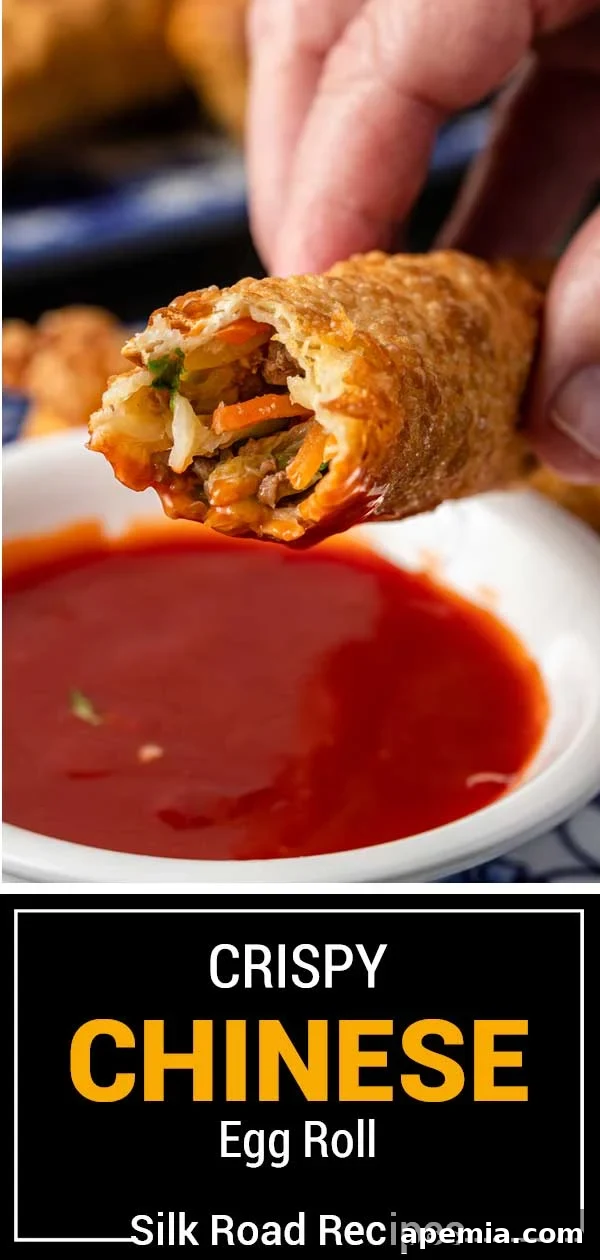
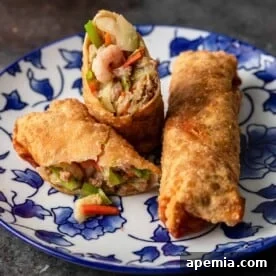
Unlock the secret to irresistible, restaurant-quality egg rolls right in your own kitchen! This meticulously crafted egg roll recipe delivers that coveted classic crunch, golden-brown perfection, and a burst of savory flavor with every single bite. Forget the takeout menu – these crisp wrappers are generously stuffed with a delectable blend of seasoned pork, succulent shrimp, and perfectly tender vegetables, creating an appetizer that’s simply sheer perfection, especially when paired with a vibrant sweet and sour sauce!
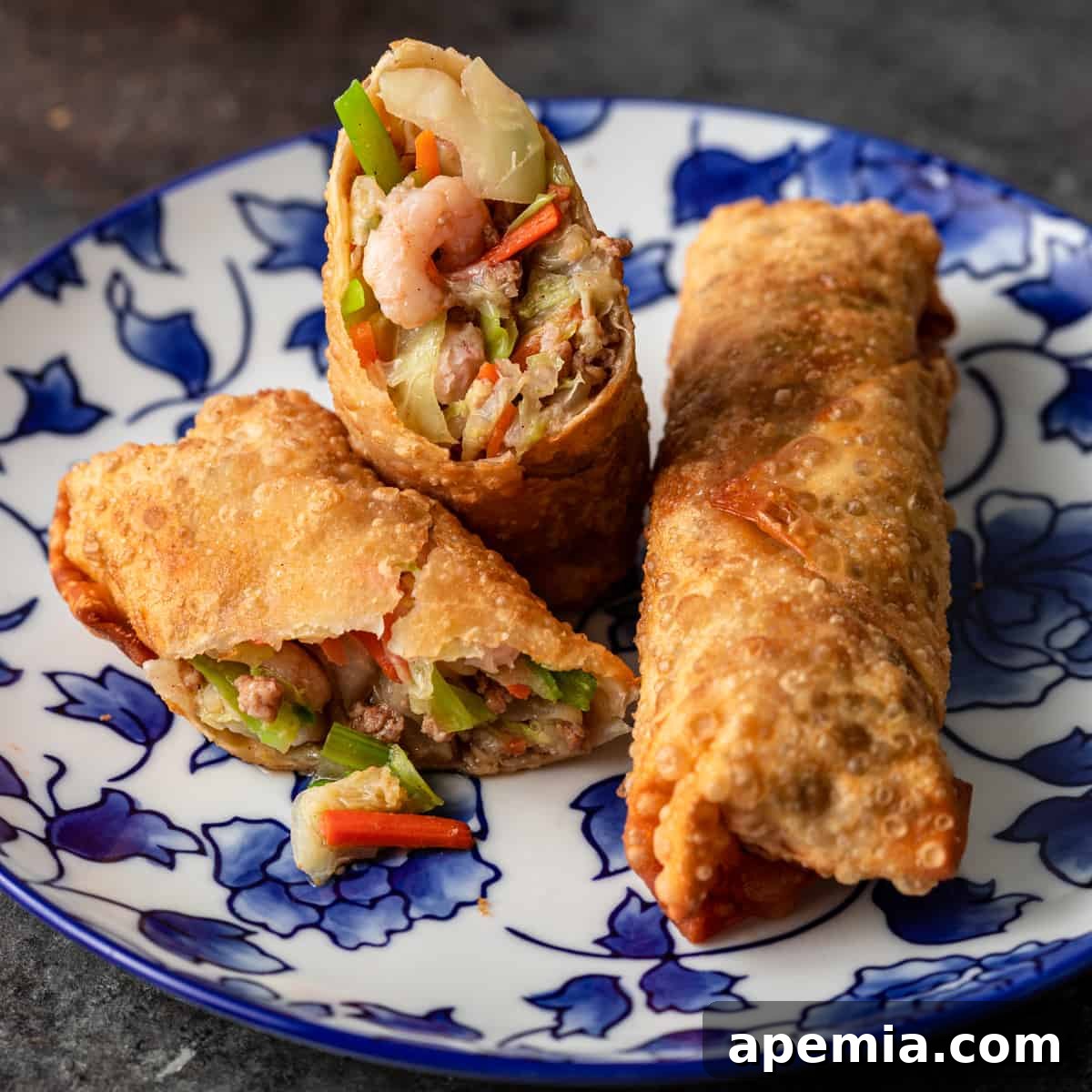
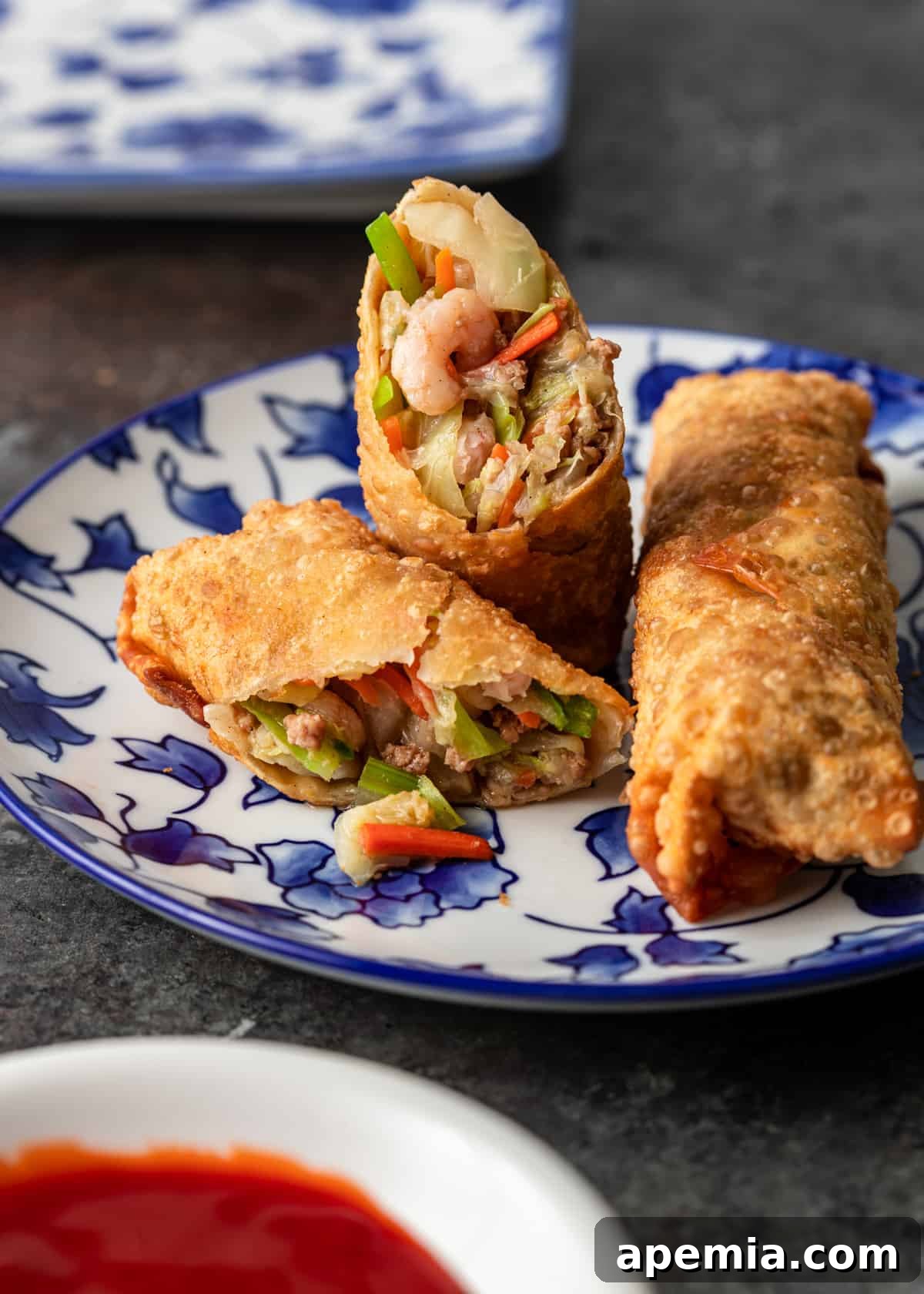
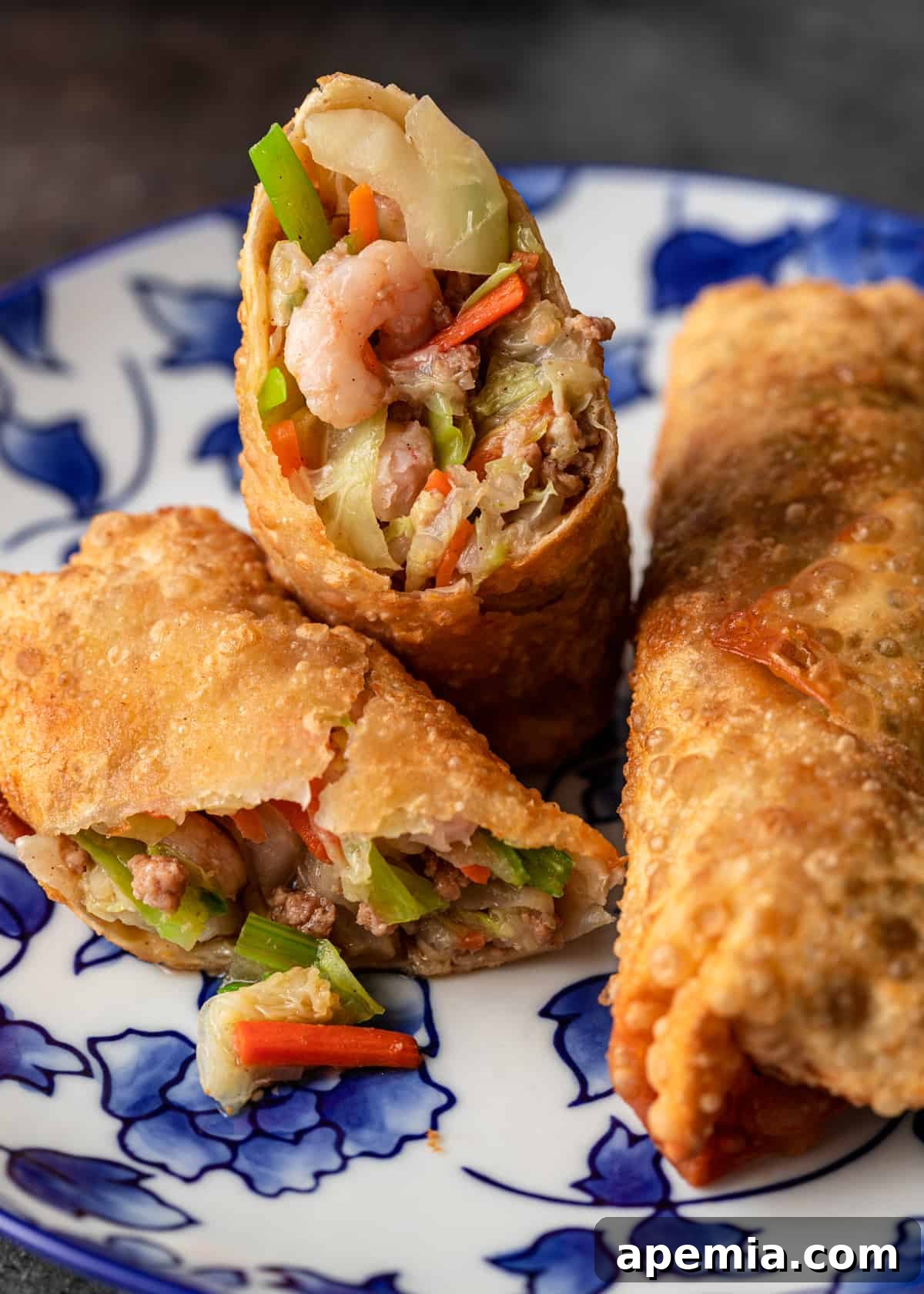
Egg rolls are undoubtedly a cornerstone of Chinese-American cuisine, and their universal appeal is no accident. From their inviting golden hue to their utterly irresistible, bubbly, shatter-crisp texture, they offer a sensory experience that’s hard to beat. Who could resist these delightful parcels, brimming with juicy seasoned pork, tender briny shrimp, and a medley of crisp-tender cabbage, all encased in a wrapper that audibly crumbles and melts in your mouth?
This recipe pays homage to the beloved old-school takeout favorite but is thoughtfully designed for the home cook. We’ve focused on achieving truly bold flavors and that authentic crispiness without any unnecessary fuss or complicated techniques. A key to our success lies in blanching the vegetables, which ensures they remain wonderfully crisp-tender, never soggy, and vibrant in color. The harmonious combination of savory ground pork and delicate bay shrimp adds an incredible depth and richness, elevating each egg roll to gourmet status. Get ready to impress your family and friends with an appetizer that tastes like it came straight from your favorite Chinese restaurant!
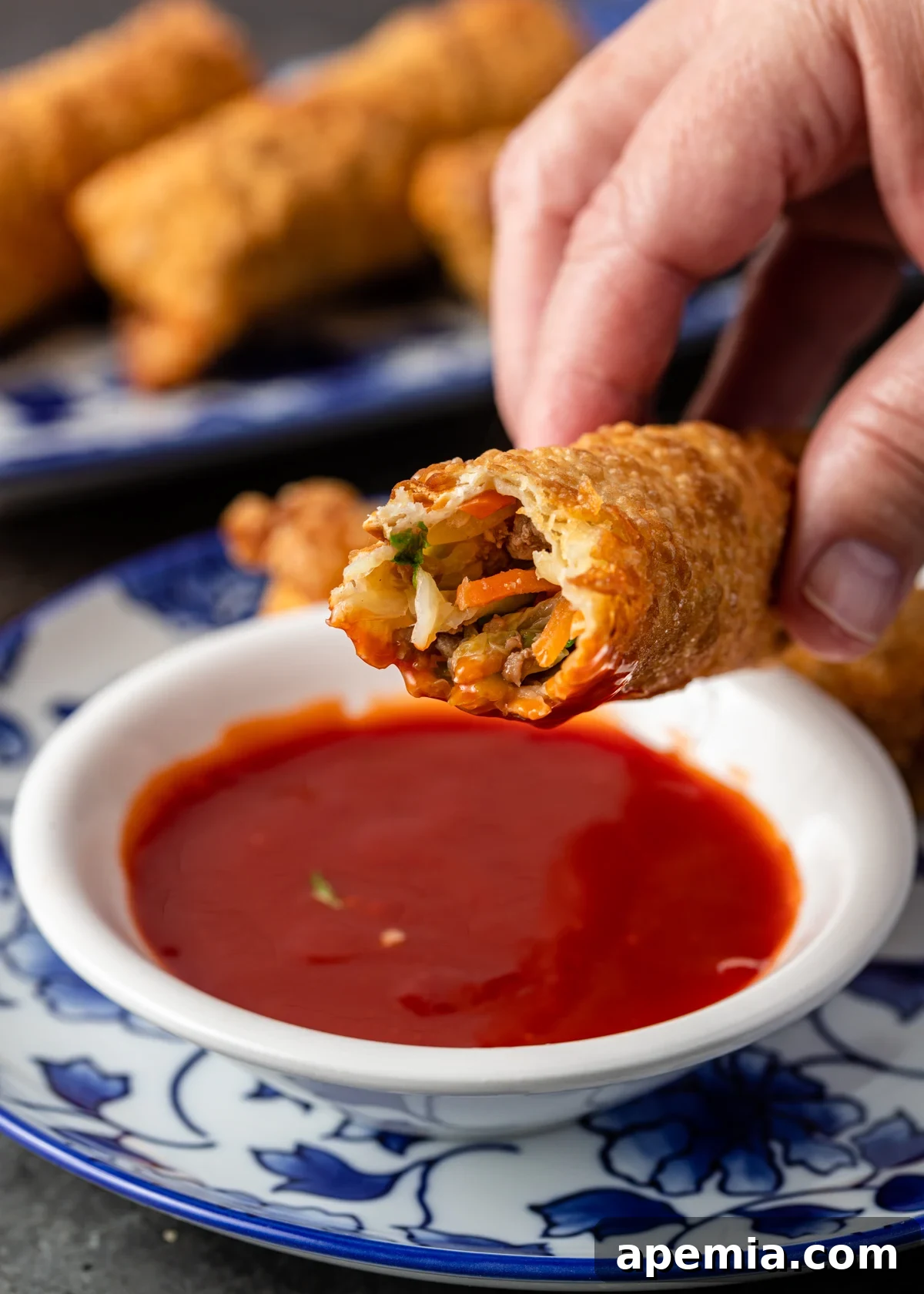
Table of Contents
- The Essence of a Perfect Egg Roll: Tips & Tricks
- Unlocking Flavor: Ingredient Notes and Substitutions
- Egg Roll Wrapper vs. Spring Roll: The Texture Debate
- How to Make Egg Rolls: Step-by-Step Guide
- Essential Tools for Egg Roll Mastery
- Storage and Reheating Tips for Freshness
- Frequently Asked Questions About Homemade Egg Rolls
- Crispy Chinese Egg Roll Recipe Card
While these savory bundles are absolutely delicious enjoyed on their own as a quick snack, they truly shine as part of a larger feast. Imagine a spread featuring these golden egg rolls alongside a comforting Egg Drop Soup, luscious Crab Rangoons, and of course, a vibrant homemade Sweet and Sour Sauce. Recreate your favorite takeout experience right in your kitchen with ease!
The Essence of a Perfect Egg Roll: Tips & Tricks
- Keep the wrappers covered: Egg roll wrappers dry out incredibly fast, becoming brittle and hard to roll. Always keep them under a damp cloth or plastic wrap while you’re assembling your egg rolls to maintain their flexibility and prevent tearing.
- Seal the wraps well: A properly sealed wrapper is crucial for preventing oil from seeping into the filling during frying, which can lead to soggy spots and a less desirable texture. Use a beaten egg wash generously along the edges to create a strong seal that holds up beautifully in hot oil.
- Ensure the oil is hot, but not smoking: The ideal oil temperature for frying egg rolls is 325°F (160°C). If the oil is too cool, the wrappers will absorb excessive oil instead of crisping up, resulting in greasy egg rolls. Too hot, and they’ll brown too quickly on the outside while the inside remains undercooked. Use a reliable kitchen thermometer to monitor the temperature, and allow the oil to return to temperature between batches for consistent results.
- Don’t overcrowd the pan: Frying too many egg rolls at once will cause the oil temperature to drop significantly, leading to less crispy results. Fry them in small batches, giving each egg roll enough space to cook evenly and turn golden.
- Double fry for extra crispiness: For an exceptionally crispy exterior, consider double frying. After the initial fry, let your egg rolls cool slightly. Then, just before serving, refry them for another 30 seconds to 1 minute in hot oil. This technique expels any remaining moisture and creates an incredibly airy, bubbly crust.
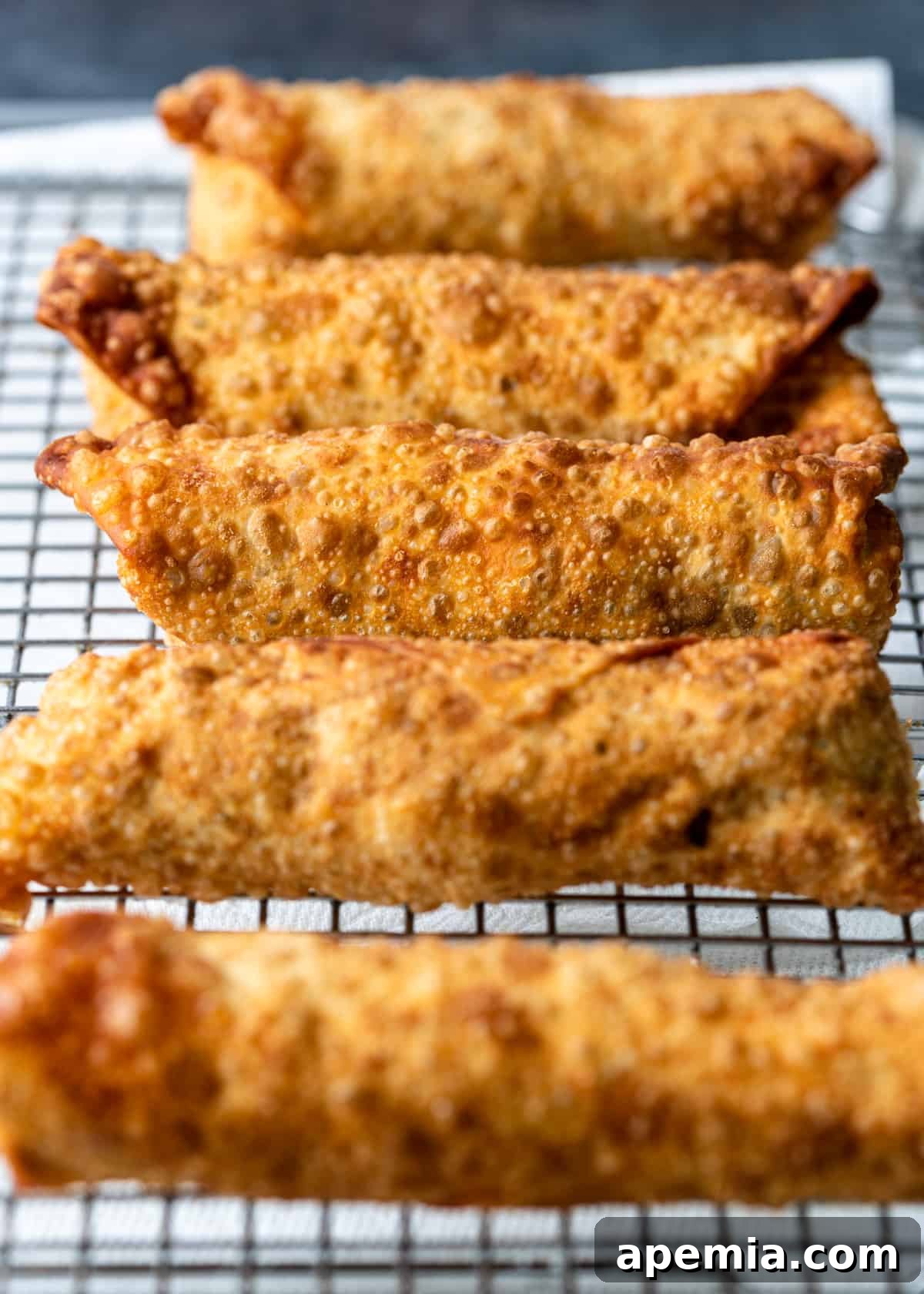
- Proper draining is key: Immediately after frying, transfer egg rolls to a wire rack set over a baking sheet. This allows air to circulate around them, preventing steam from building up and making them soggy. Avoid placing them directly on paper towels for prolonged periods, as this can trap steam.
Unlocking Flavor: Ingredient Notes and Substitutions
(Be sure to check the recipe card below for a full list of ingredients and precise quantities)
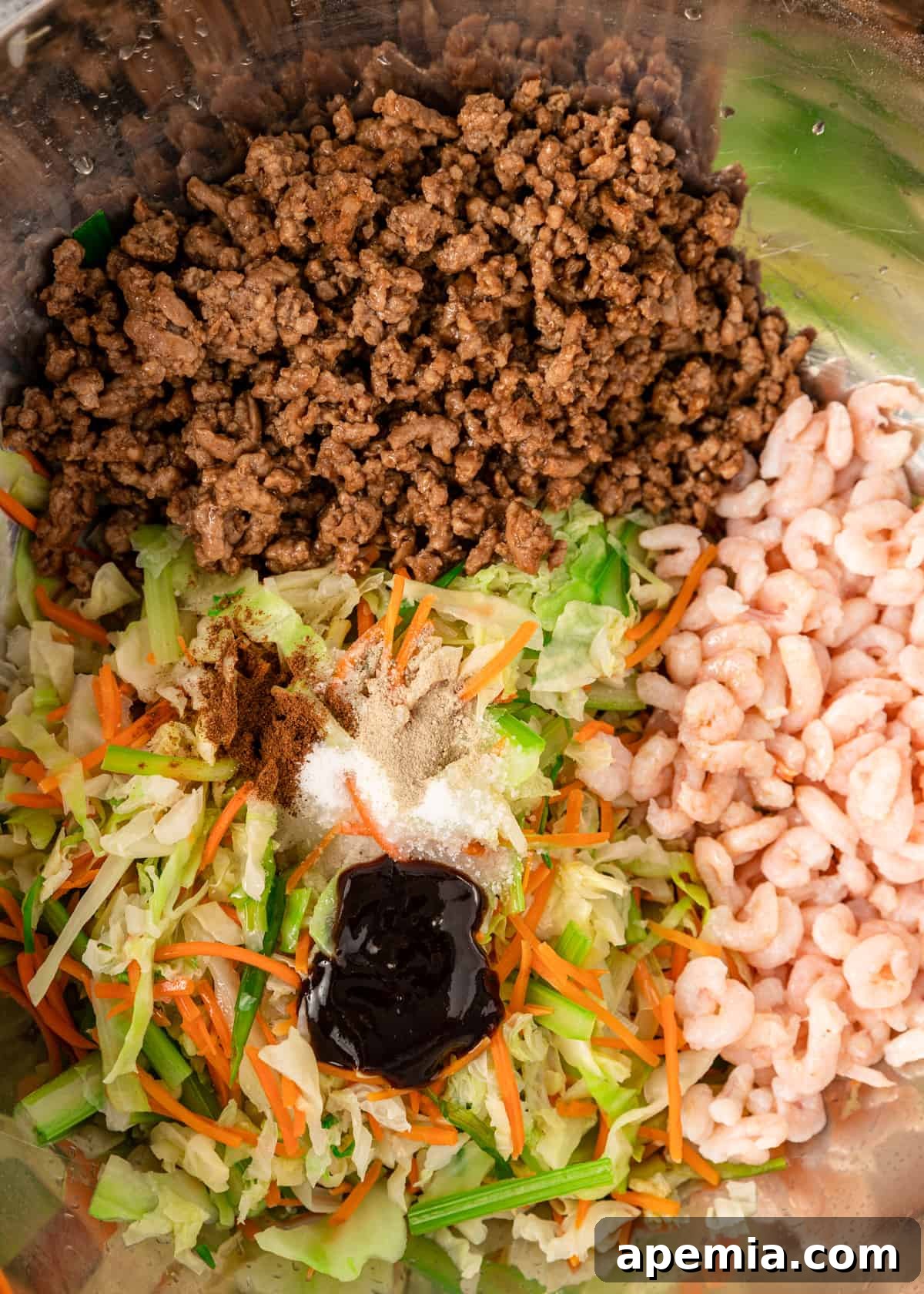
- Ground Pork: This is the backbone of our savory filling, providing rich, unctuous flavor and essential moisture. The fat content in pork contributes significantly to the overall mouthfeel. If you prefer, you can swap it with ground chicken or turkey, but be aware that leaner meats may result in a slightly drier filling. For a richer experience with poultry, consider adding a tablespoon of oil to the pan when cooking.
- Cooked Bay Shrimp: Adding small, pre-cooked bay shrimp introduces a delicate sweetness and a briny seafood note that perfectly complements the robust pork. Their small size integrates seamlessly into the filling without overpowering it. If you’re not a fan of shrimp or want a pork-only filling, feel free to omit this ingredient. If using fresh shrimp, chop them finely and cook them briefly before adding to the mixture to prevent overcooking.
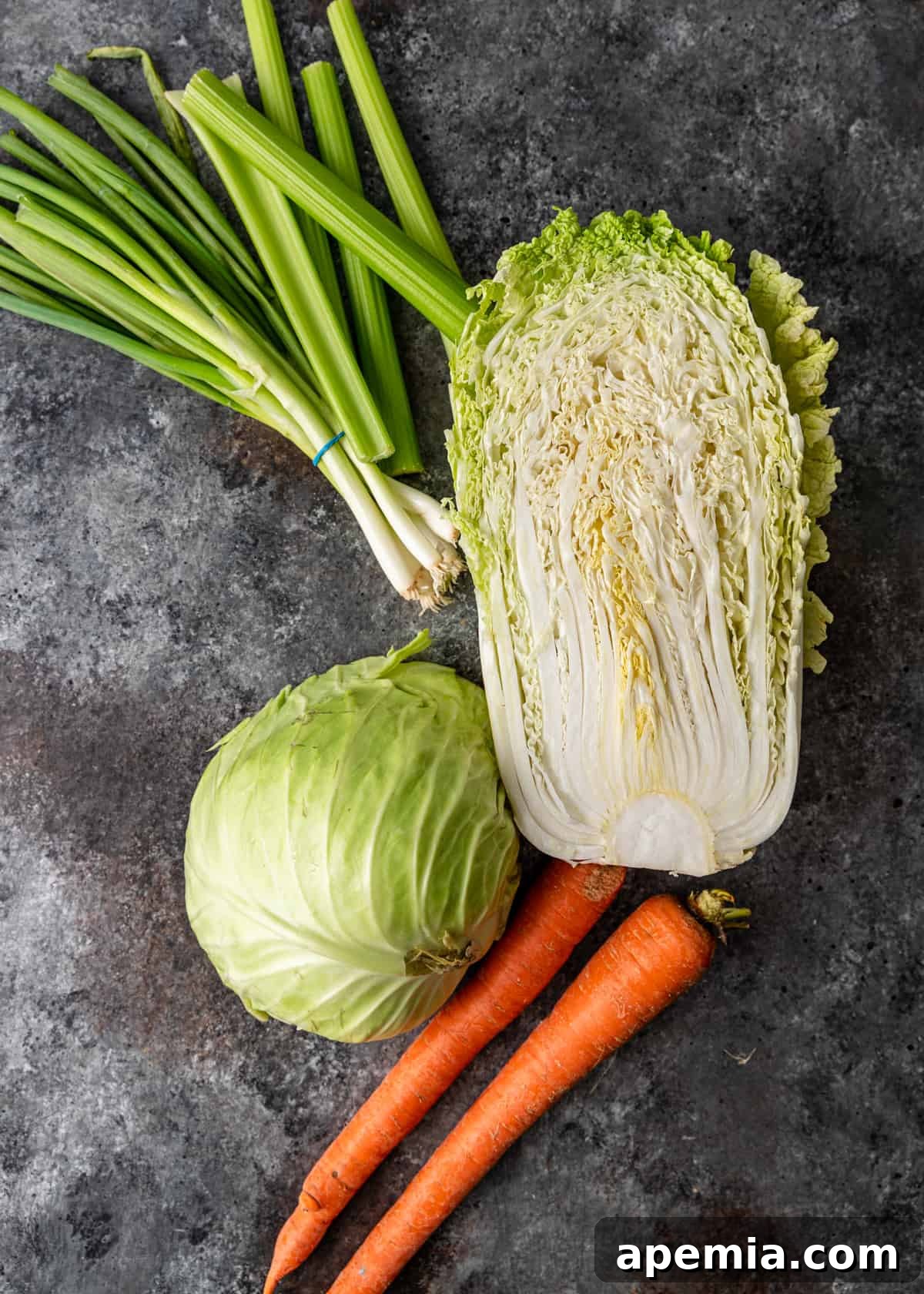
- Vibrant Veggie Blend: The vegetable medley is crucial for both flavor and texture. Our blend of napa and green cabbage provides a fantastic crunch and subtle sweetness. Don’t skip the blanching step – it’s vital for removing excess water, which prevents the filling from becoming watery and ensures the vegetables remain crisp-tender, free from any bitterness. We also incorporate finely shredded carrots for natural sweetness and color, crisp celery for an additional textural layer, and aromatic green onions for a fresh, pungent kick.
- Flavorful Seasonings: The unique warmth and umami depth of our egg rolls come from a carefully balanced blend of Asian pantry staples. Hoisin sauce contributes a sweet and tangy profile, while sesame oil adds a nutty aroma. A touch of aromatic five-spice powder introduces a complex, warm spice note. White pepper provides a subtle, characteristic heat. Finally, a dash of sugar and kosher salt ensure all the flavors are perfectly balanced and enhanced.
- Egg Roll Wrappers: These are the undisputed stars for achieving that classic, bubbly, fall-apart texture. Look for square, thicker wrappers typically found in the refrigerated section of most Asian markets or well-stocked grocery stores. While spring roll wrappers can be used, they yield a thinner, more delicate crunch, which is a different experience from the traditional egg roll.
Egg Roll Wrapper or Spring Roll? The Texture Debate
This is a common question, and while both can be used for wrapping savory fillings, they yield distinctly different results. The key difference lies in their thickness and composition:
- Egg Roll Wrappers: These are typically thicker, made from wheat flour and egg, giving them a more substantial chew and allowing them to blister and bubble beautifully when deep-fried. This creates that characteristic “shatter-crisp” exterior that classic Chinese-American egg rolls are known for. Our recipe specifically calls for and recommends egg roll wrappers to achieve this desired texture.
- Spring Roll Wrappers: Often thinner and sometimes made from rice flour or a very thin wheat dough, spring roll wrappers produce a much more delicate, crisp, and sometimes glass-like texture when fried. While delicious in their own right, they don’t offer the same hearty, bubbly crunch of a traditional egg roll.
While photographs in this guide feature the classic egg roll wrapper, and some videos might demonstrate spring roll wrappers for comparison, we strongly advocate for using proper egg roll wrappers. They truly deliver the authentic experience with that satisfying, crispy, bubbled exterior after frying.
How to Make Egg Rolls: Step-by-Step Guide
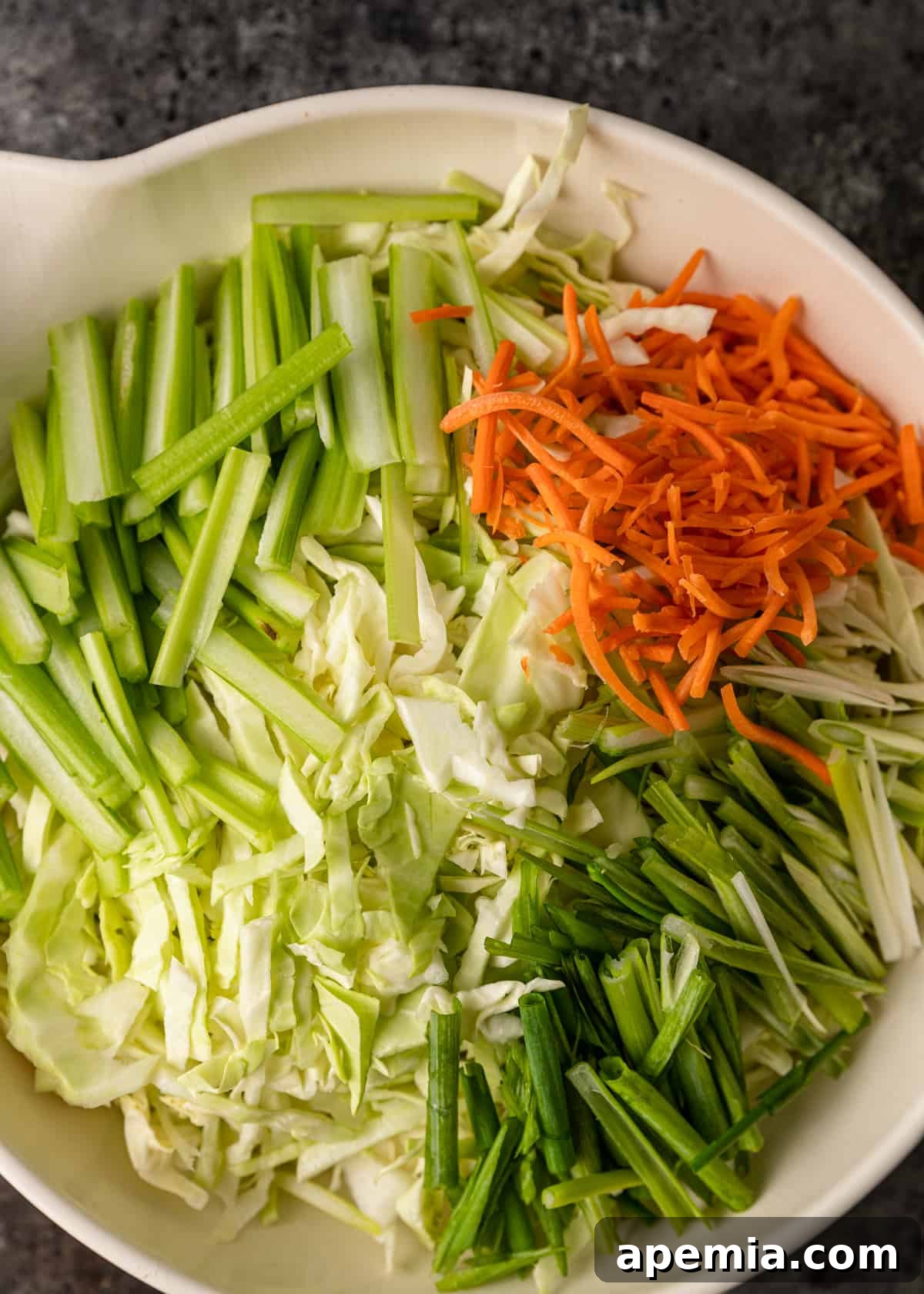
- Prep the Vegetables: Begin by bringing a large pot of about 8-10 cups of water to a rolling boil. While the water heats, thinly shred both napa and green cabbage. Peel and shred the carrot. Trim the ends from the celery and green onions, then slice them into 3-inch pieces before thinly slicing lengthwise into julienne strips. Combine all shredded vegetables in a large bowl.
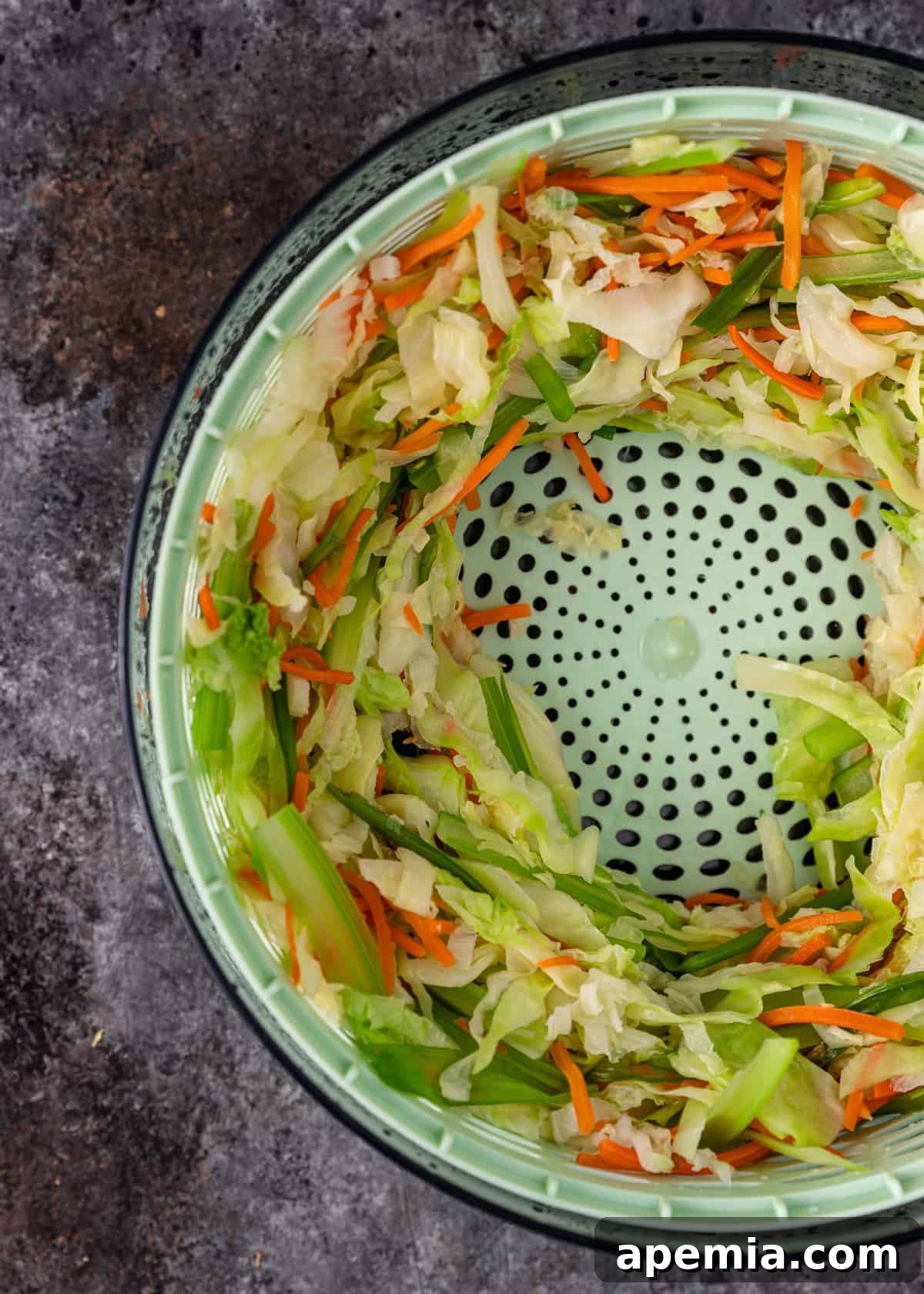
- Blanch and Dry Vegetables: Carefully immerse the shredded vegetables into the boiling water and cook for just 2-3 minutes, stirring to ensure they are fully submerged. This quick blanching process helps to remove excess moisture and bitterness while preserving their vibrant color and crisp-tender texture. Immediately drain the vegetables and transfer them to a large bowl filled with ice and cold water to “shock” them. This halts the cooking process. Once cooled, thoroughly drain the vegetables and then lay them out on a clean kitchen towel. Squeeze out as much excess water as possible. Alternatively, use a salad spinner in batches to remove all moisture. Transfer the blanched and drained vegetables to a large mixing bowl. This step is critical for preventing soggy egg rolls!
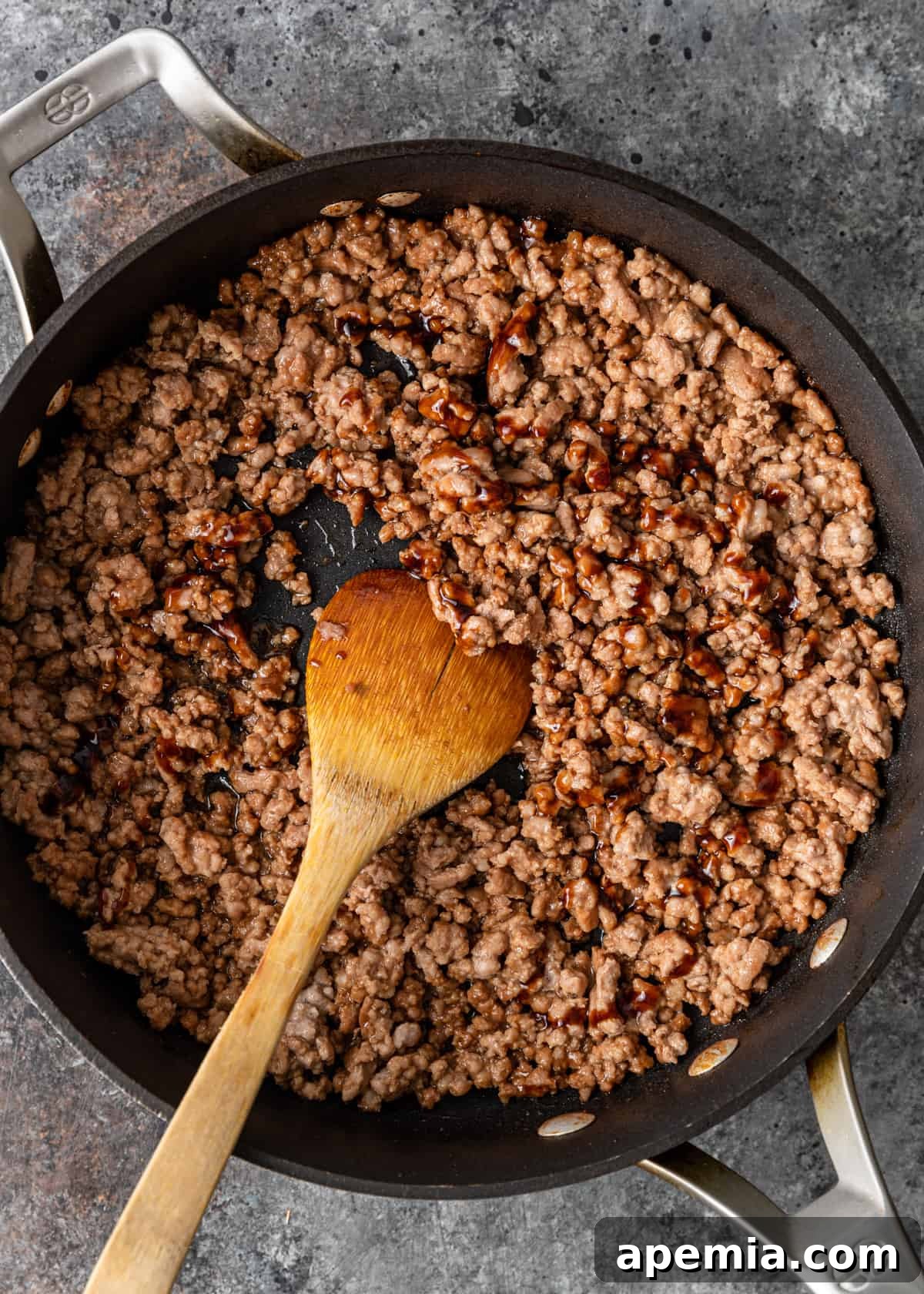
- Cook the Pork & Shrimp: In a large skillet over medium heat, brown the ground pork until it’s fully cooked through, breaking it up with a spoon as it cooks. Drain any excess fat. Stir in 2 tablespoons of hoisin sauce with the pork during the last minute of cooking for added flavor, then remove from heat and set aside to cool completely. While the pork cools, rinse the cooked bay shrimp and pat them dry, removing any excess water with a sieve or paper towels.
- Mix the Filling: Once the pork has cooled, add it along with the prepared shrimp to the bowl with the blanched vegetables. Add the remaining seasonings: 1 tablespoon sesame oil, 1 tablespoon hoisin sauce, 2.5 teaspoons kosher salt, 2.5 teaspoons sugar, 0.25 teaspoon five-spice powder, and 0.25 teaspoon white pepper. Toss everything together vigorously until all ingredients are evenly combined and coated with the seasonings.
- Assemble the Egg Rolls: In a small dish, beat one egg to create an egg wash, which will serve as your sealant. Lay one egg roll wrapper flat on a clean surface with one corner pointing towards you (diamond shape). Scoop approximately 1/2 cup of the filling and, using your hands, gently squeeze to compress it slightly into a log shape. Place this log of filling just below the center of the wrapper. Dip a finger into the beaten egg and trace along all four edges of the wrapper. Fold the corner closest to you up and tightly over the filling, pulling back slightly to secure the filling firmly under the fold. Tuck the tip of this folded corner under the filling. Next, fold the left and right corners inward over the rolled filling, pressing gently to adhere. Finally, roll the entire assembly forward tightly to completely wrap the filling, pressing gently on the final edge to seal it. Place the finished egg roll on a tray and repeat with the remaining filling and wrappers. Remember to keep unused wrappers covered with a damp cloth to prevent them from drying out. At this stage, the egg rolls can be sealed in an airtight container and refrigerated for up to 24 hours or frozen for longer storage before frying.
- Fry Until Golden: In a deep skillet or wok, heat 2 cups of vegetable or peanut oil to 325°F (160°C). If you don’t have a thermometer, test with a small piece of wrapper – it should sizzle and float immediately. Carefully place the egg rolls into the hot oil in batches, making sure not to overcrowd the pan. Fry for 3 to 5 minutes, turning them frequently with tongs, until they are beautifully golden brown, blistered, and thoroughly crispy. Once fried, transfer the egg rolls to a wire rack set over paper towels to drain excess oil. Serve them immediately while hot with your favorite sweet and sour sauce or preferred dipping sauce.
Essential Tools for Egg Roll Mastery
Having the right kitchen tools can make the egg roll-making process smoother and more enjoyable, ensuring consistently perfect results:
- Deep Skillet or Wok: Essential for deep frying, a heavy-bottomed deep skillet or a traditional wok allows for even heat distribution and provides enough depth to safely submerge the egg rolls in oil. This prevents splattering and ensures thorough cooking.
- Tongs or Spider Strainer: These tools are invaluable for safely placing egg rolls into hot oil, turning them to ensure even browning, and carefully removing them once they are perfectly crisp. A spider strainer is particularly good for delicate handling and efficient oil drainage.
- Quick-Read Thermometer: Absolutely crucial for monitoring oil temperature. Maintaining the precise temperature of 325°F (160°C) is key to achieving crispy, non-greasy egg rolls. Too cold, and they’ll soak up oil; too hot, and they’ll burn before cooking through.
- Paper Towels or Wire Rack: After frying, immediate and proper draining is vital. A wire rack set over a baking sheet allows air to circulate around the egg rolls, letting excess oil drip away while preventing steam from accumulating and making the wrappers soggy. A few layers of paper towels can be placed under the rack to catch the oil.
- Large Mixing Bowls: For combining ingredients efficiently.
- Sharp Knife and Cutting Board: For precise and safe vegetable preparation.
- Salad Spinner (optional but recommended): Excellent for thoroughly drying blanched vegetables, an important step for crispy egg rolls.
Storage and Reheating Tips for Freshness
While this egg roll recipe truly shines brightest when those delightful pockets of crispiness are enjoyed fresh out of the oil, they do store surprisingly well with the right methods. Here’s how to keep them delicious:
Storing Leftovers
Cooked egg rolls can be stored in an airtight container in the refrigerator for up to 3 days. To maintain their quality, place a paper towel at the bottom of the container to absorb any residual moisture.
Reheating for Maximum Crispness
To bring back that signature crunch, avoid the microwave at all costs – it will inevitably turn your crispy egg rolls into a soggy disappointment due to steam. Instead, opt for one of these methods:
- Oven Reheating: Preheat your oven to 375°F (190°C). Place the egg rolls on a wire rack set over a baking sheet (again, to promote air circulation). Reheat for 5-7 minutes, or until they are heated through and the wrapper feels crisp again.
- Air Fryer Reheating: The air fryer is a fantastic tool for reheating egg rolls. Preheat your air fryer to 375°F (190°C). Place the egg rolls in a single layer in the basket, ensuring they don’t overlap. Cook for 5-7 minutes, flipping halfway through, until they are hot and crispy.
Freezing Egg Rolls for Longer Storage
For ultimate convenience and meal prep, you can freeze uncooked egg rolls:
- Flash Freeze: After assembling, place the uncooked egg rolls in a single layer on a baking sheet lined with parchment paper. Freeze for 1-2 hours, or until solid. This prevents them from sticking together.
- Store: Transfer the flash-frozen egg rolls to a freezer-safe airtight container or heavy-duty freezer bag. They can be stored for up to 3 months.
- Frying from Frozen: When you’re ready to enjoy them, there’s no need to thaw! You can fry them directly from frozen. Heat your oil to 325°F (160°C) as usual, but add 1 to 2 extra minutes to the cooking time, frying them for a total of 5-7 minutes, or until golden brown and cooked through.

Share this recipe on Pinterest!
Love this recipe? Share it with the world on Pinterest to inspire others to make these delicious homemade egg rolls.
Frequently Asked Questions About Homemade Egg Rolls
The best way to maintain crispiness is to drain them on a wire rack immediately after frying. This allows air to circulate around them, preventing steam buildup that causes sogginess. If you’re frying in batches, you can keep the cooked egg rolls warm and crispy by placing them on a wire rack in a low oven, around 250°F (120°C).
Absolutely! Egg rolls are excellent for making ahead. Once assembled, you can place them on a tray, cover them tightly with plastic wrap, and refrigerate for up to 24 hours before frying. For longer storage, freeze the uncooked egg rolls following the instructions in our “Storage and Reheating Tips” section. They fry up beautifully directly from frozen!
Yes, you certainly can for a healthier alternative, though the texture will be slightly different (less bubbly and shatter-crisp than deep-fried). For baking, brush each egg roll lightly with oil and bake at 425°F (220°C) for 15 to 20 minutes, flipping halfway through, until golden brown. To air fry, preheat your air fryer to 400°F (200°C), lightly brush the egg rolls with oil, and cook for 8 to 10 minutes, turning once halfway through for an even cook.
Crispy Chinese Egg Roll
20
1 hr
20 mins
1 hr 20 mins
Pin Recipe
Print Recipe
Video
Ingredients
Vegetables
- 4 cups napa cabbage, shredded
- 4 cups green cabbage, shredded
- 1 cup carrot, shredded
- 1 cup celery, shredded
- 4 green onions, sliced
Seasoning
- 1 tbsp sesame oil
- 1 tbsp hoisin sauce
- 2 1/2 teaspoons kosher salt
- 2 1/2 teaspoons sugar
- 1/4 teaspoon five spice powder
- 1/4 teaspoon white pepper
Filling/Wrap
- 1 lb ground pork
- 2 tbsp hoisin sauce (for pork)
- 1/2 lb cooked bay shrimp
- 1 package egg roll wrappers (about 24 pieces)
- 1 egg, beaten (for sealing)
Fry
- 2 cups vegetable oil or peanut oil, for frying
Serve
- Sweet and Sour Sauce
Instructions
- Bring a large pot with 8-10 cups of water to a rolling boil.
- Using a sharp knife, thinly slice or shred both napa and green cabbages and place them in a large bowl. Peel and shred the carrot, adding it to the cabbage. Trim and discard the ends, then cut the celery and green onion into 3-inch pieces and slice them thin lengthwise. Add these to the cabbage bowl.
- Cook all the prepared vegetables in the boiling water for 2-3 minutes, stirring to ensure they are submerged and cook evenly. Prepare a large bowl with ice and cold water. Strain the blanched vegetables and immediately transfer them to the ice water bath to shock them, stopping the cooking process and preserving their crispness. Drain the vegetables thoroughly and then place them on a clean kitchen towel. Squeeze out as much excess water as possible. Alternatively, use a salad spinner in batches to remove all excess moisture. Transfer the blanched and thoroughly drained vegetables to a large mixing bowl.
- In a skillet over medium heat, brown the ground pork, breaking it up as it cooks. Once cooked through, drain any excess fat. Stir in 2 tablespoons of hoisin sauce with the pork during the last minute of cooking. Set the cooked pork aside to cool completely. Rinse the cooked bay shrimp under cold water and gently shake off excess water using a sieve, then pat dry.
- Add the shrimp, cooled pork, 1 tablespoon sesame oil, 1 tablespoon hoisin sauce, 2.5 teaspoons kosher salt, 2.5 teaspoons sugar, 0.25 teaspoon five spice powder, and 0.25 teaspoon white pepper to the large bowl with the vegetables. Toss vigorously to mix all ingredients well, ensuring the flavors are evenly distributed throughout the filling.
Assembly
- Beat the egg in a small shallow dish to create an egg wash for sealing.
- Lay one egg roll wrapper on a clean, dry surface in a diamond shape, with a corner pointing towards you. Scoop approximately 1/2 cup of the filling and gently squeeze it to compress it slightly. Place this filling log in the center of the wrapper, closer to the corner facing you.
- Dip a finger into the beaten egg and trace along all four edges of the egg roll wrapper to create a seal.
- Fold the bottom corner (closest to you) up and tightly over the filling, pulling back slightly to secure the filling firmly. Tuck the tip of this folded corner under the filling. Next, fold the left and right side corners inward, over the rolled filling, pressing them gently to adhere. Finally, roll the entire egg roll forward tightly towards the top corner, ensuring a snug wrap. Press gently on the final edge to adhere and seal completely. Place the finished egg roll on a tray, keeping them covered with a damp towel to prevent drying. Repeat this process with the remaining filling and wrappers. At this point, the egg rolls can be sealed and frozen for later use, or fried immediately.
- Heat 2 cups of vegetable or peanut oil in a deep skillet or wok to 325°F (160°C). Carefully place the egg rolls into the hot oil in batches, ensuring not to overcrowd the pan, which can lower the oil temperature. Fry for 3-5 minutes, turning them often with tongs, until the wrapper is blistered, beautifully golden brown, and wonderfully crispy. Remove the fried egg rolls and place them on a wire rack over paper towels to drain any excess oil. Serve hot with sweet and sour sauce or your dipping sauce of choice.
Notes
- This recipe is optimized for classic egg roll wrappers to achieve that bubbly, shatter-crisp texture. While spring roll wrappers can be used, they will yield a thinner, more delicate crunch. For the traditional experience, choose egg roll wrappers.
Nutrition
Carbohydrates: 4g |
Protein: 6g |
Fat: 7g |
Saturated Fat: 2g |
Polyunsaturated Fat: 1g |
Monounsaturated Fat: 3g |
Trans Fat: 0.002g |
Cholesterol: 39mg |
Sodium: 426mg |
Potassium: 185mg |
Fiber: 1g |
Sugar: 2g |
Vitamin A: 1212IU |
Vitamin C: 10mg |
Calcium: 35mg |
Iron: 1mg
The information shown is an estimate provided by an online nutrition calculator. It should not be considered a substitute for a professional nutritionist’s advice.
appetizers
Chinese
Kevin
Have You Made This Recipe? Let Me Know on Instagram
Tag @keviniscooking or use the hashtag #keviniscooking!