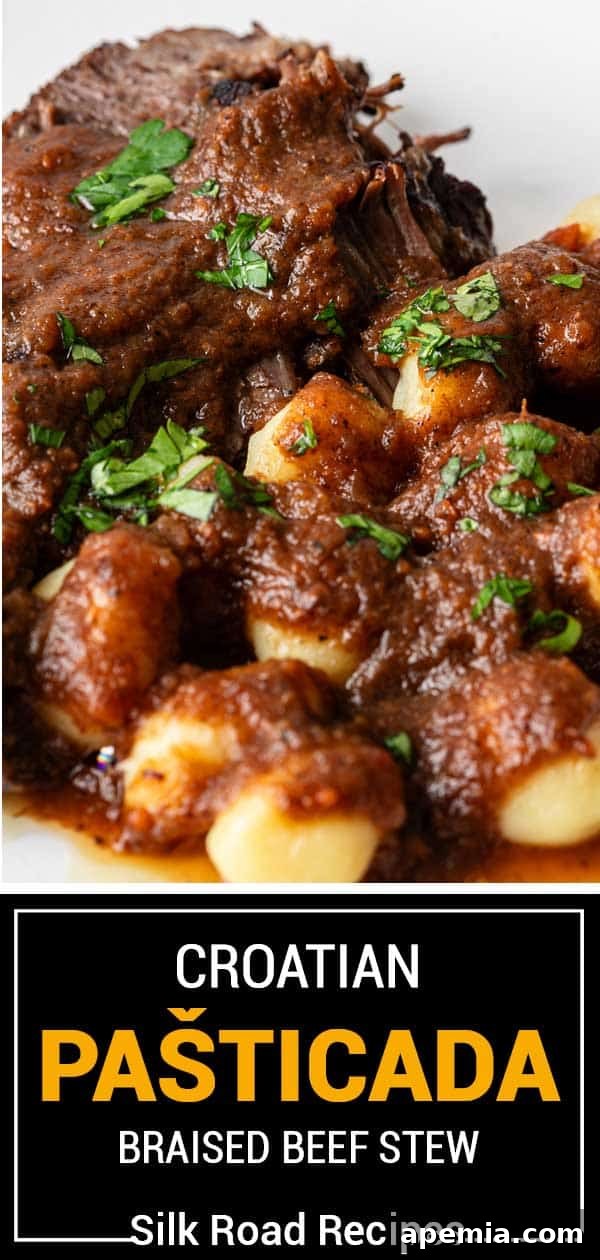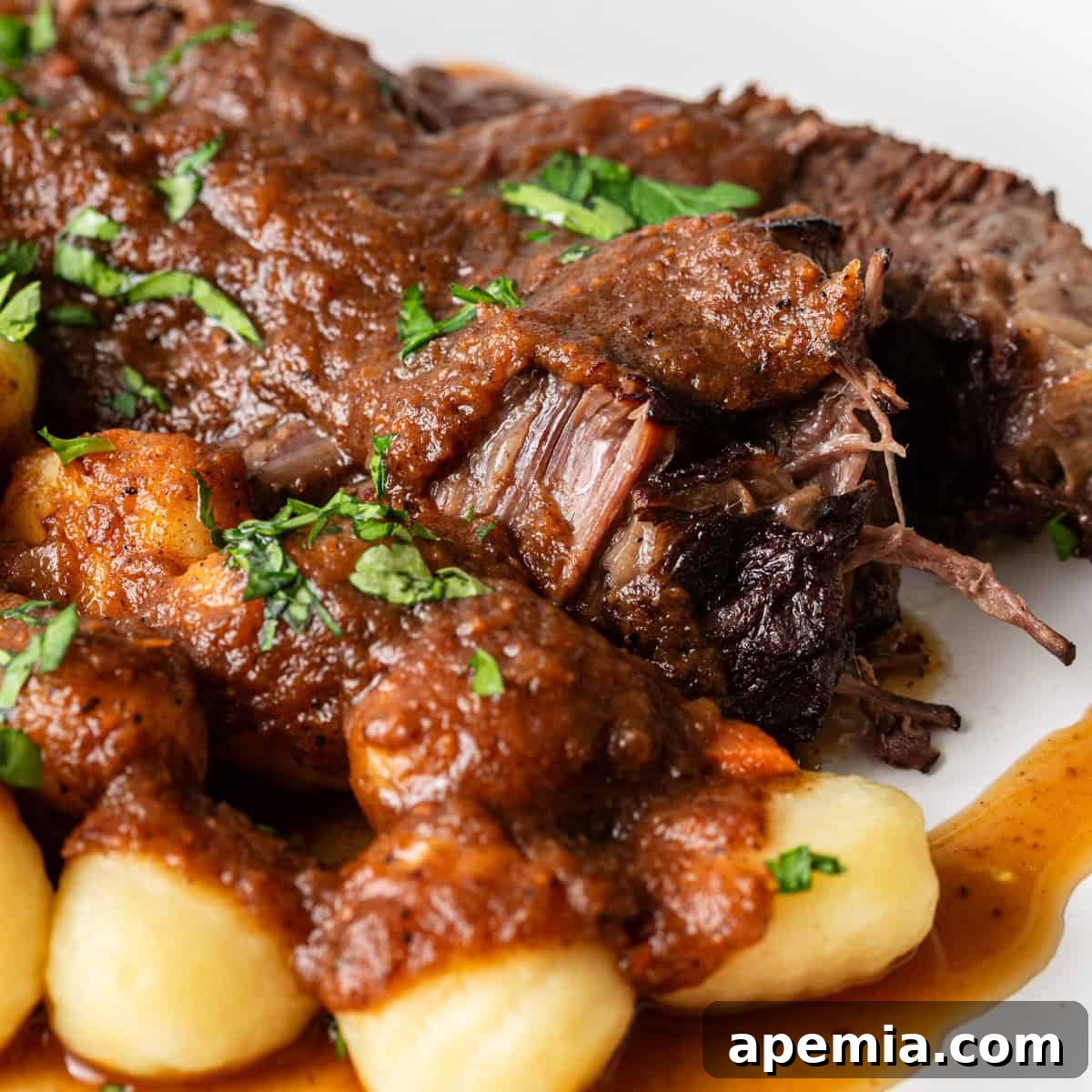
Experience the culinary soul of the Dalmatian coast with this traditional Pasticada, a slow-braised Croatian beef stew. This celebrated dish masterfully layers sweet, savory, and tangy flavors, transforming humble beef into an unforgettable meal. As it gently simmers in a rich blend of red wine and vinegar, the beef becomes incredibly tender, while prunes and apples contribute a natural, luscious sweetness. Pasticada is more than just a stew; it’s a rustic, comforting masterpiece that embodies the warmth and tradition of Croatian hospitality.
Pasticada: The Queen of Dalmatian Cuisine
Pašticada, pronounced pah-shtee-CAH-dah (with emphasis on the third syllable, “CAH”), proudly carries the title of the “Queen of Dalmatian Dishes.” This designation is well-earned, as it represents a beloved and celebratory meal originating from Croatia’s stunning Adriatic coast. It’s a dish that beautifully marries the vibrant warmth of Mediterranean flavors with the timeless art of old-school slow cooking. Pasticada is typically reserved for special occasions, gracing tables at weddings, grand family feasts, and significant holidays, symbolizing prosperity and joy.
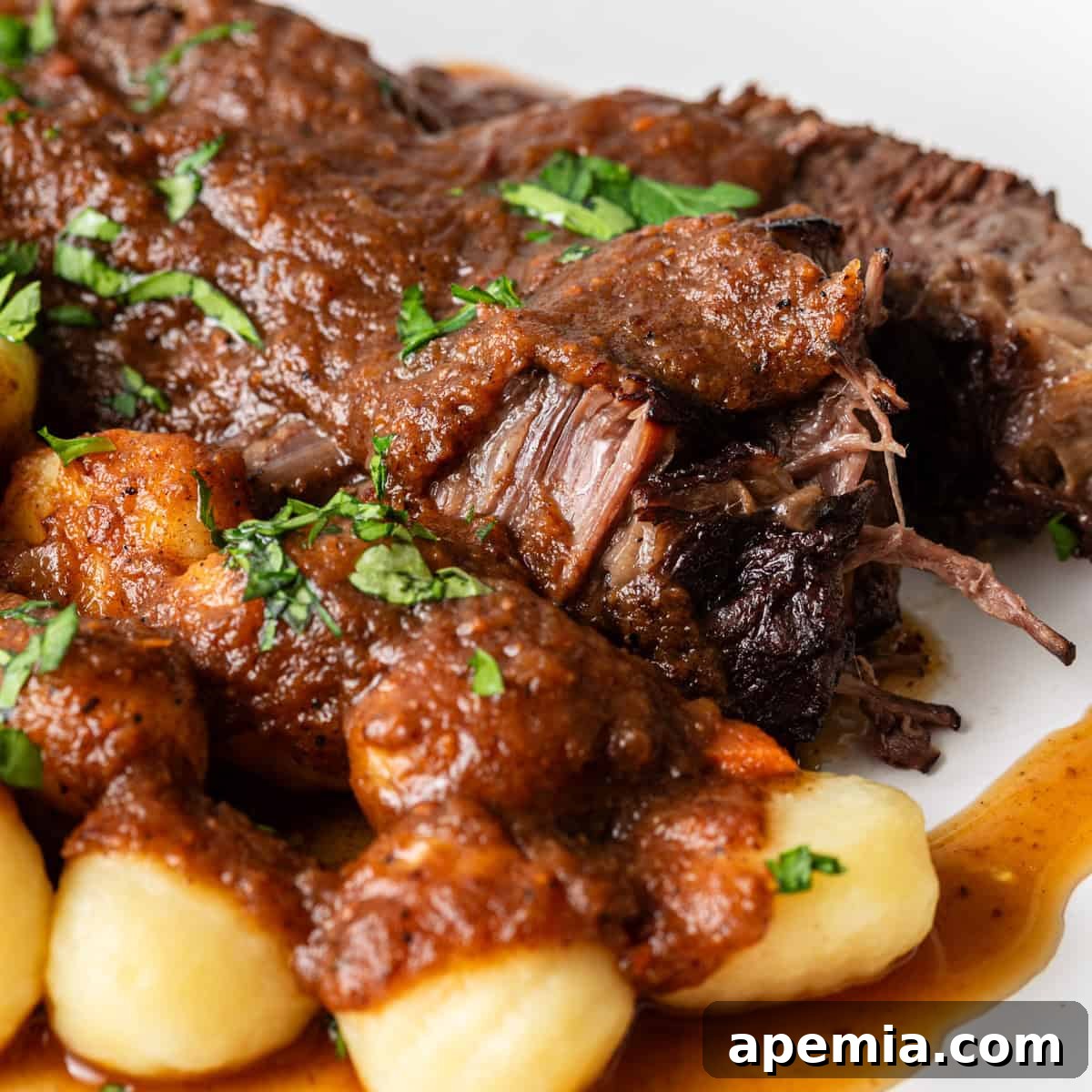
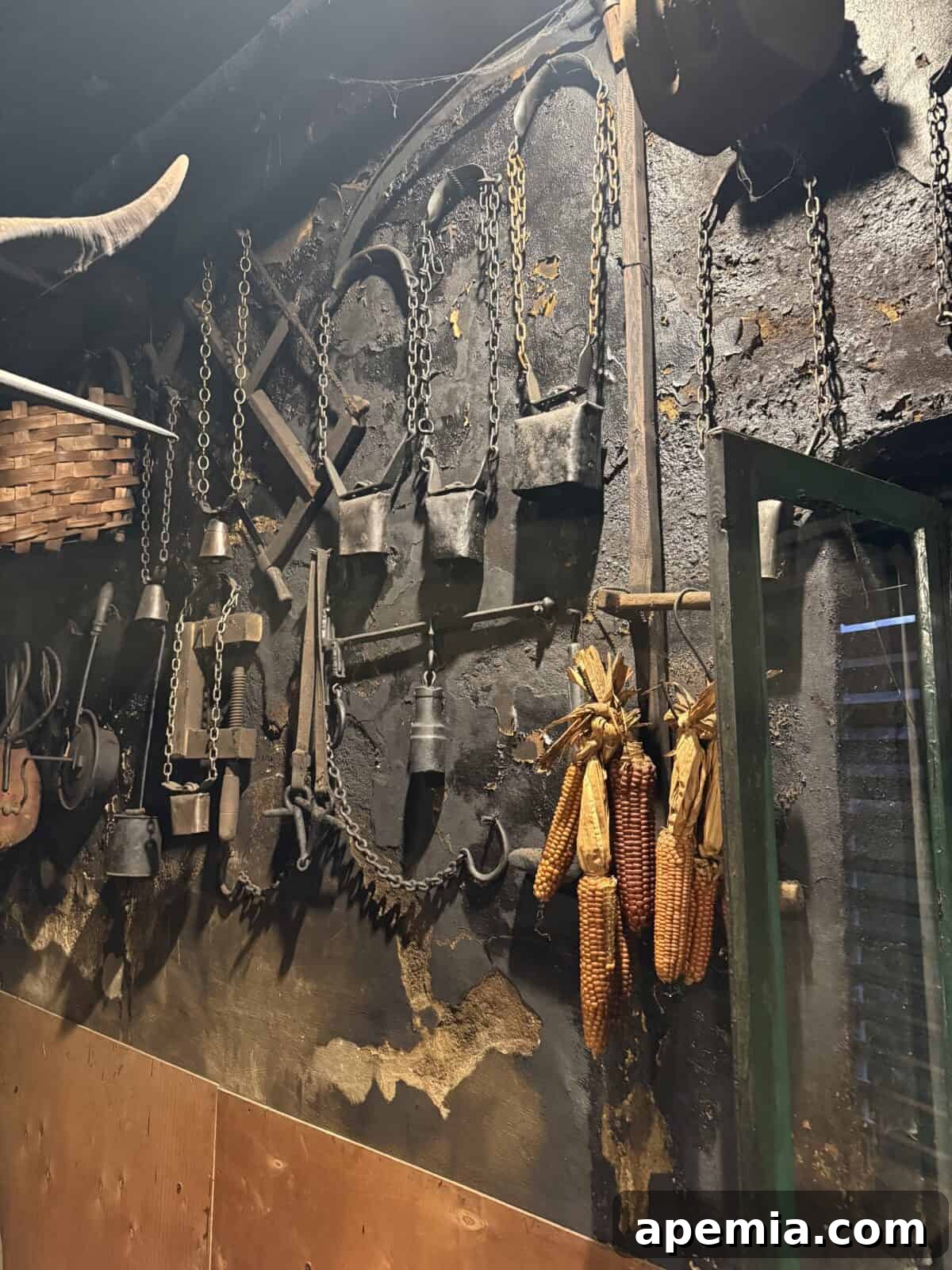
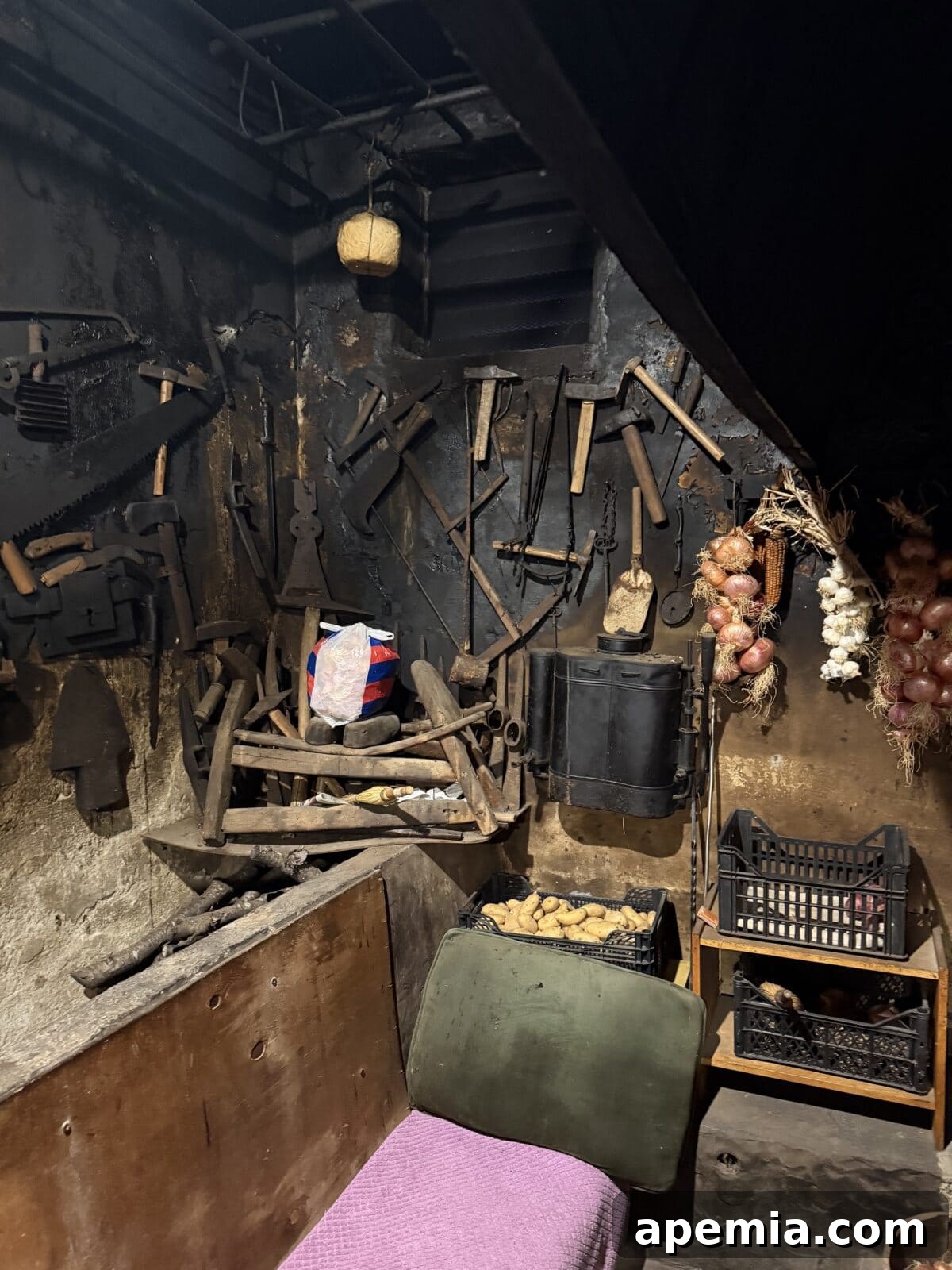
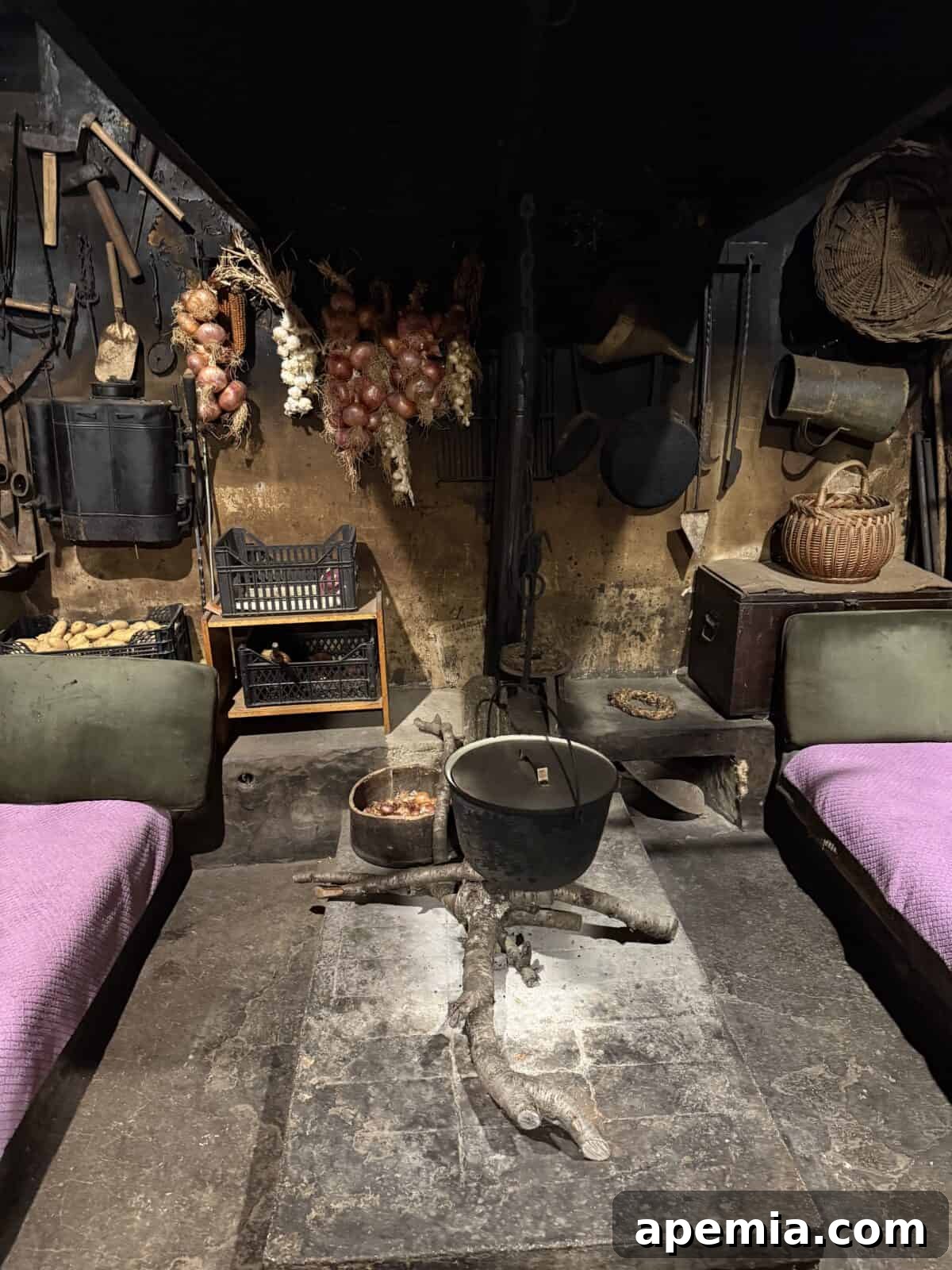
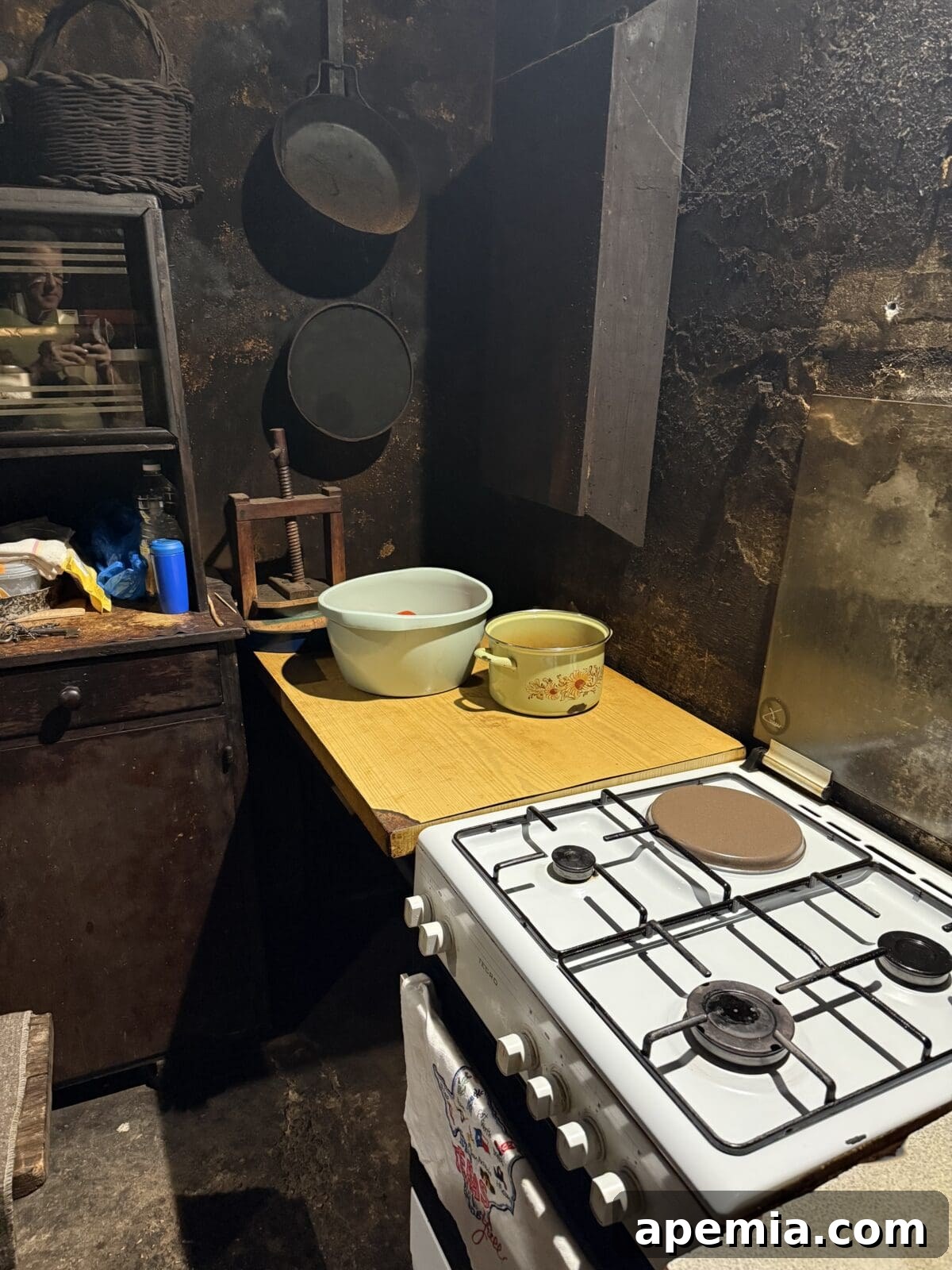
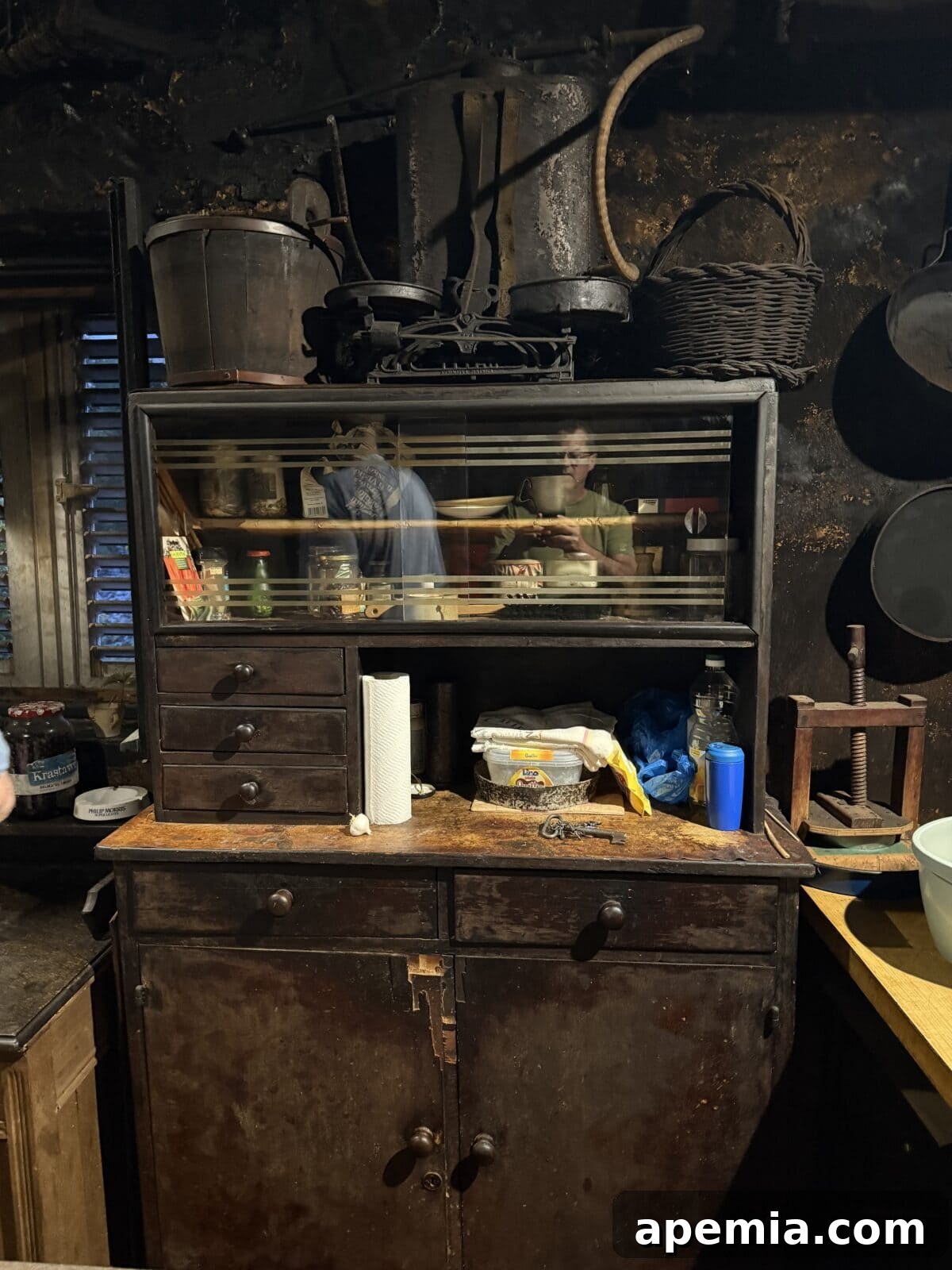
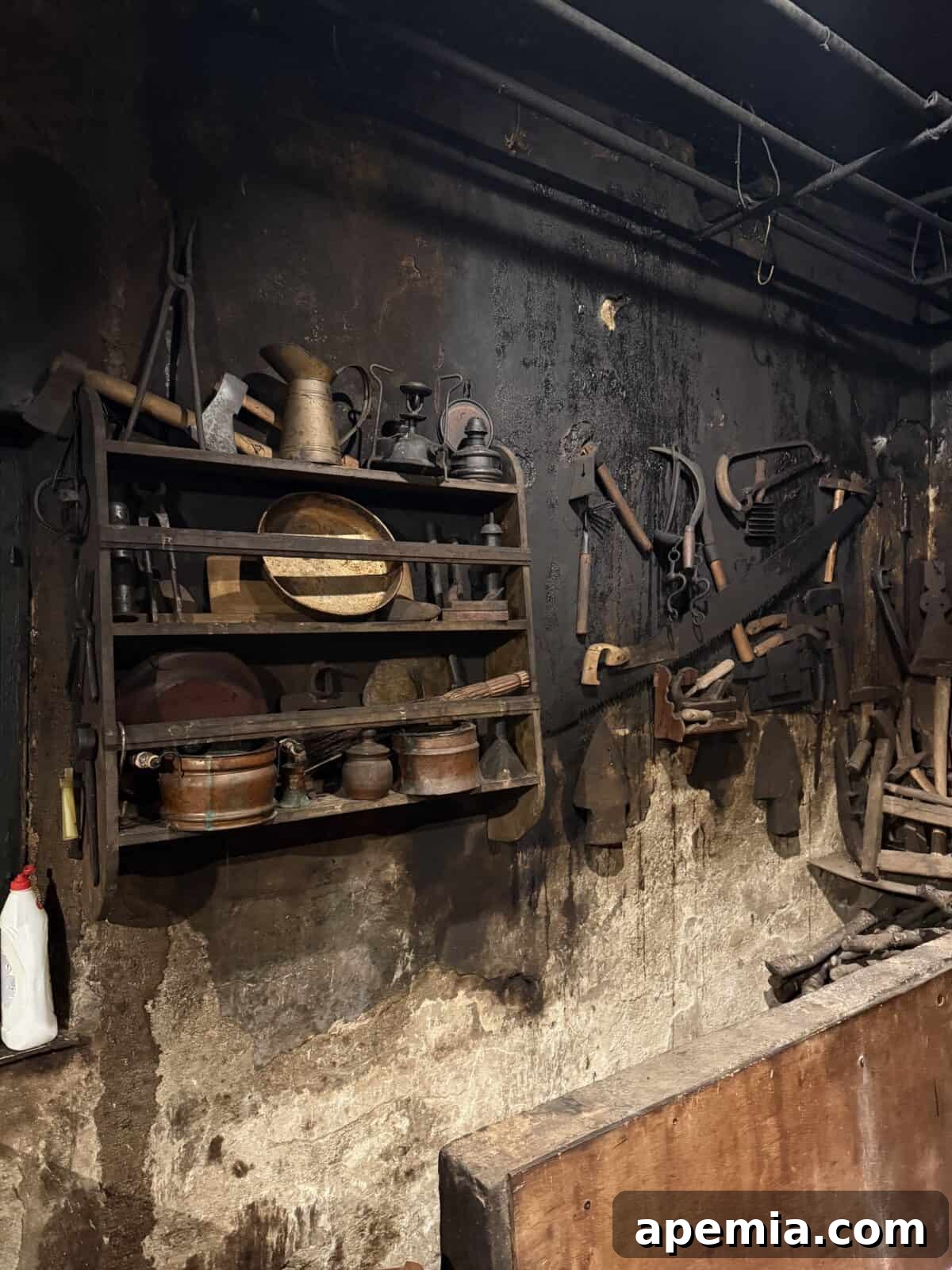
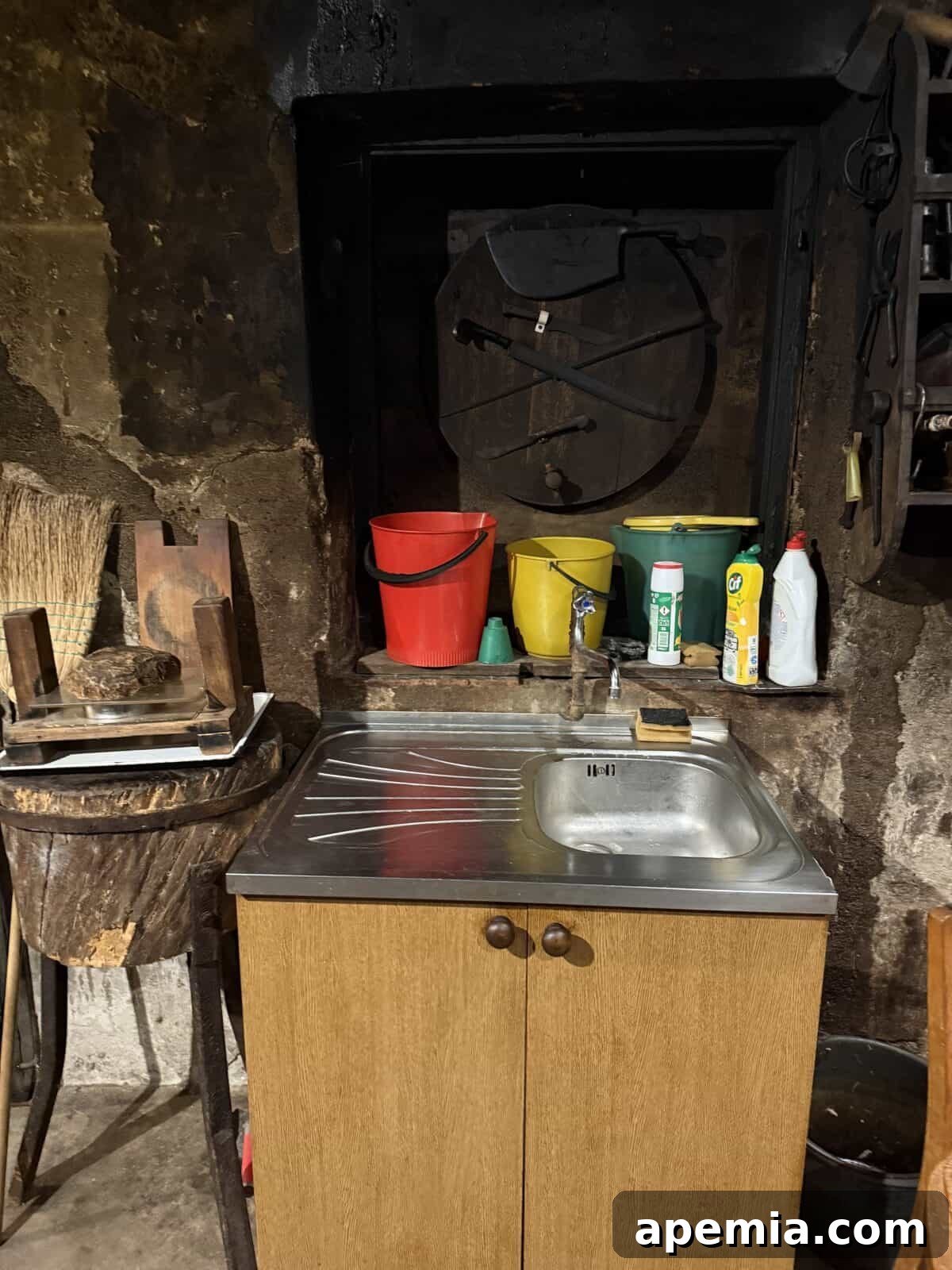
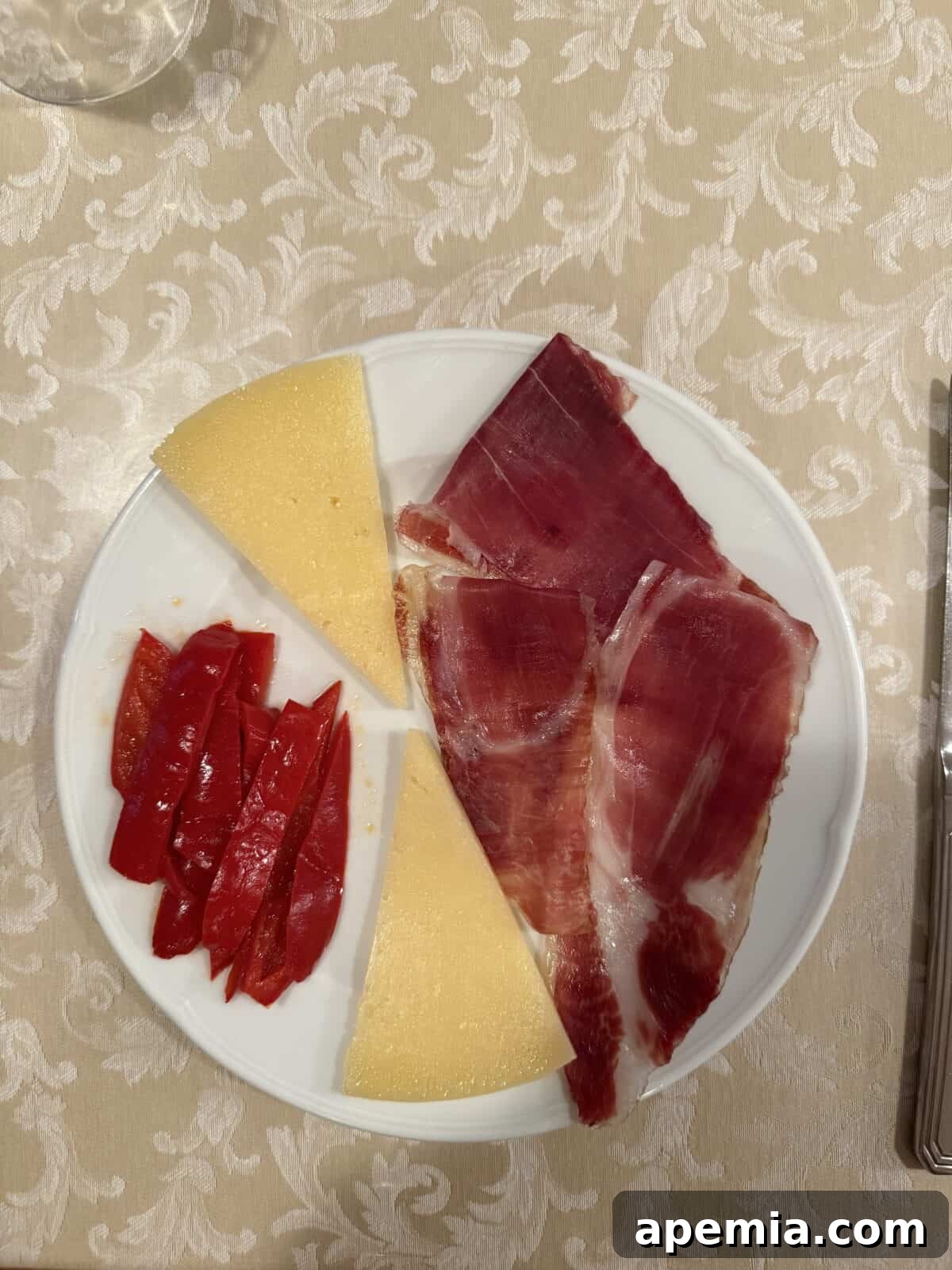
My own introduction to this magnificent dish was during a memorable visit to Gromača, a charming village in the Dalmatia-Dubrovnik region of Croatia. There, I had the privilege of staying with a wonderful local family who shared their culinary traditions with open arms. The hospitality was incredible, and the entire experience painted a vivid picture of authentic Croatian life. Below, you’ll see a photo of my gracious host, along with glimpses into their family “smoke room.” This traditional space was where they meticulously prepped and smoked their own meats and cheeses, a testament to their self-sufficiency and dedication to quality ingredients. Our dinner began with an array of homemade delicacies: perfectly pickled peppers, artisanal cheeses, and rich prosciutto – all prepared with care right there in their home. These delightful appetizers set the stage for the grand entrance of the main course, the legendary Pasticada.

The Essence of Pasticada: A Symphony of Flavors
At its heart, Pasticada takes a simple cut of beef and, through the thoughtful application of time, patience, and intricate layers of flavor, transforms it into something truly extraordinary. The initial secret lies in a potent yet balanced marinade of fresh garlic, rich olive oil, and complex balsamic vinegar, which tenderizes the meat and infuses it with a deep, aromatic base. However, the real magic unfurls during the slow braising process, where the beef luxuriates in a bath of robust red wine and carefully selected fruits. The culinary journey culminates in incredibly tender beef enveloped in a silky, glossy sauce that boasts a perfect harmony of sweet and sour notes. This exquisite result is a dish that feels both upscale and undeniably restaurant-worthy, a true celebration of culinary artistry.
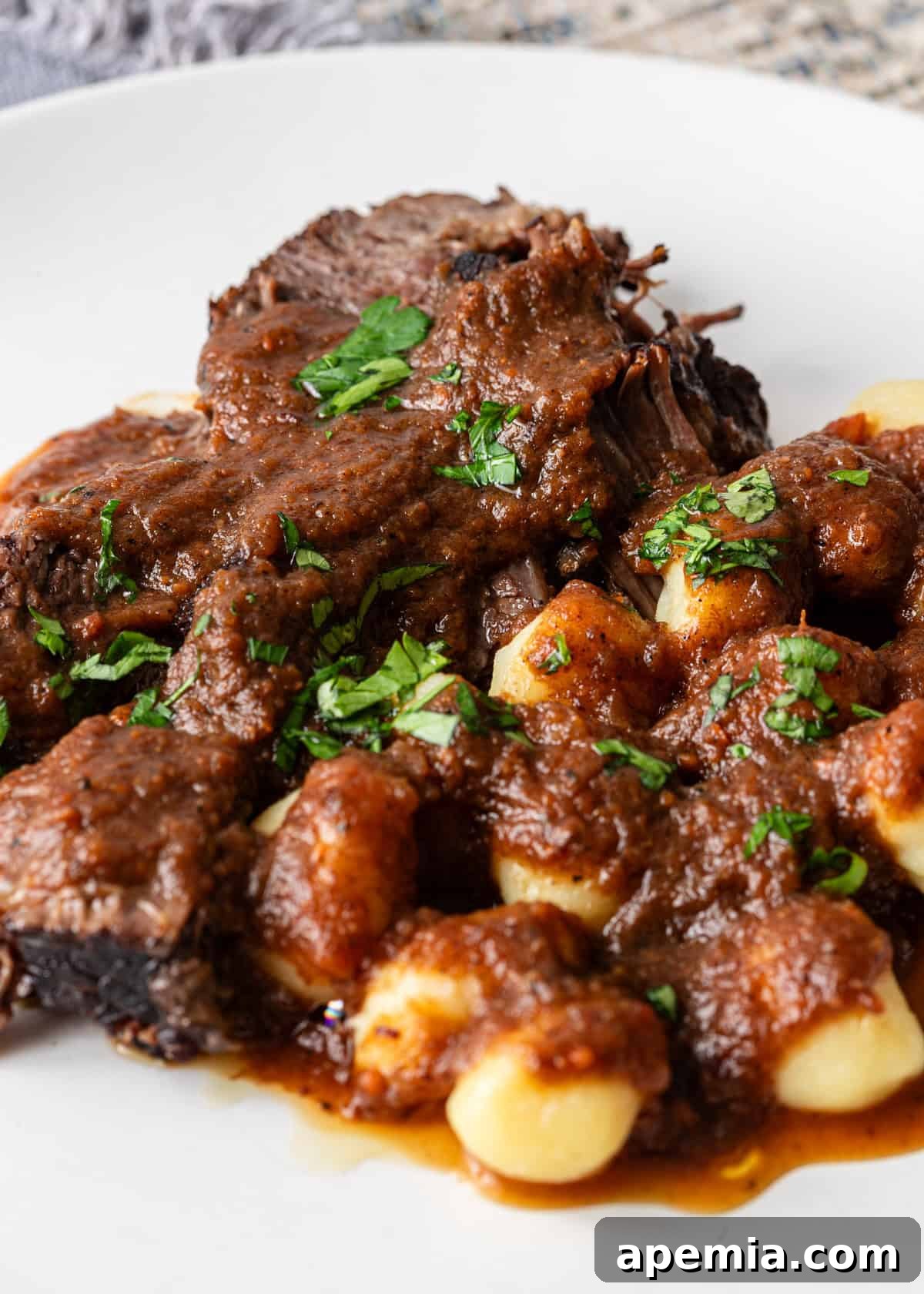
Table of Contents
- Choosing the Best Red Wines for Cooking
- Ingredient Notes and Expert Substitutions
- How to Make Authentic Pašticada: Step-by-Step Guide
- Recommended Kitchen Tools for Pasticada
- Serving Suggestions for Pasticada
- Frequently Asked Questions About Pasticada
- Pašticada (Croatian Braised Beef Stew) Recipe
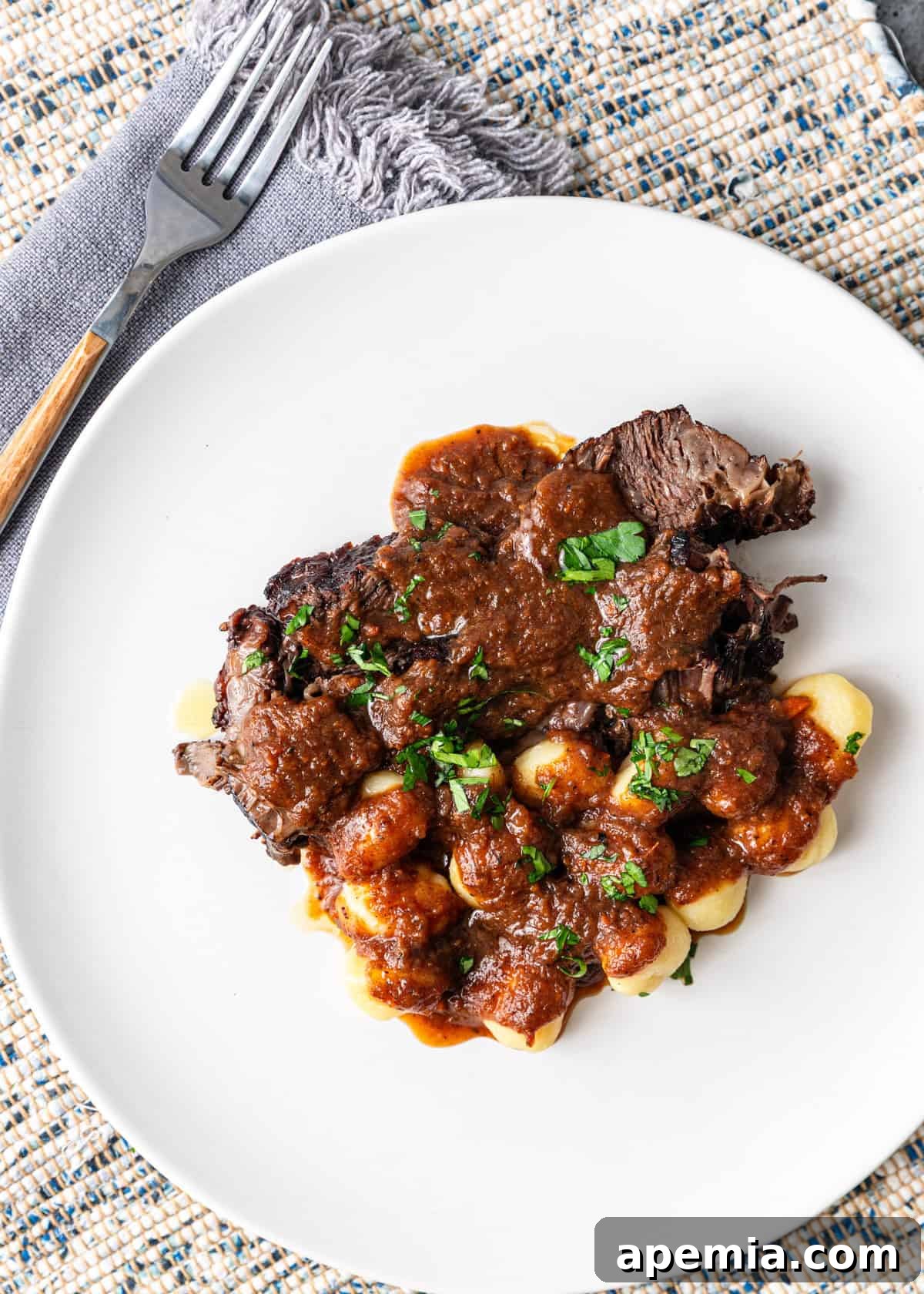
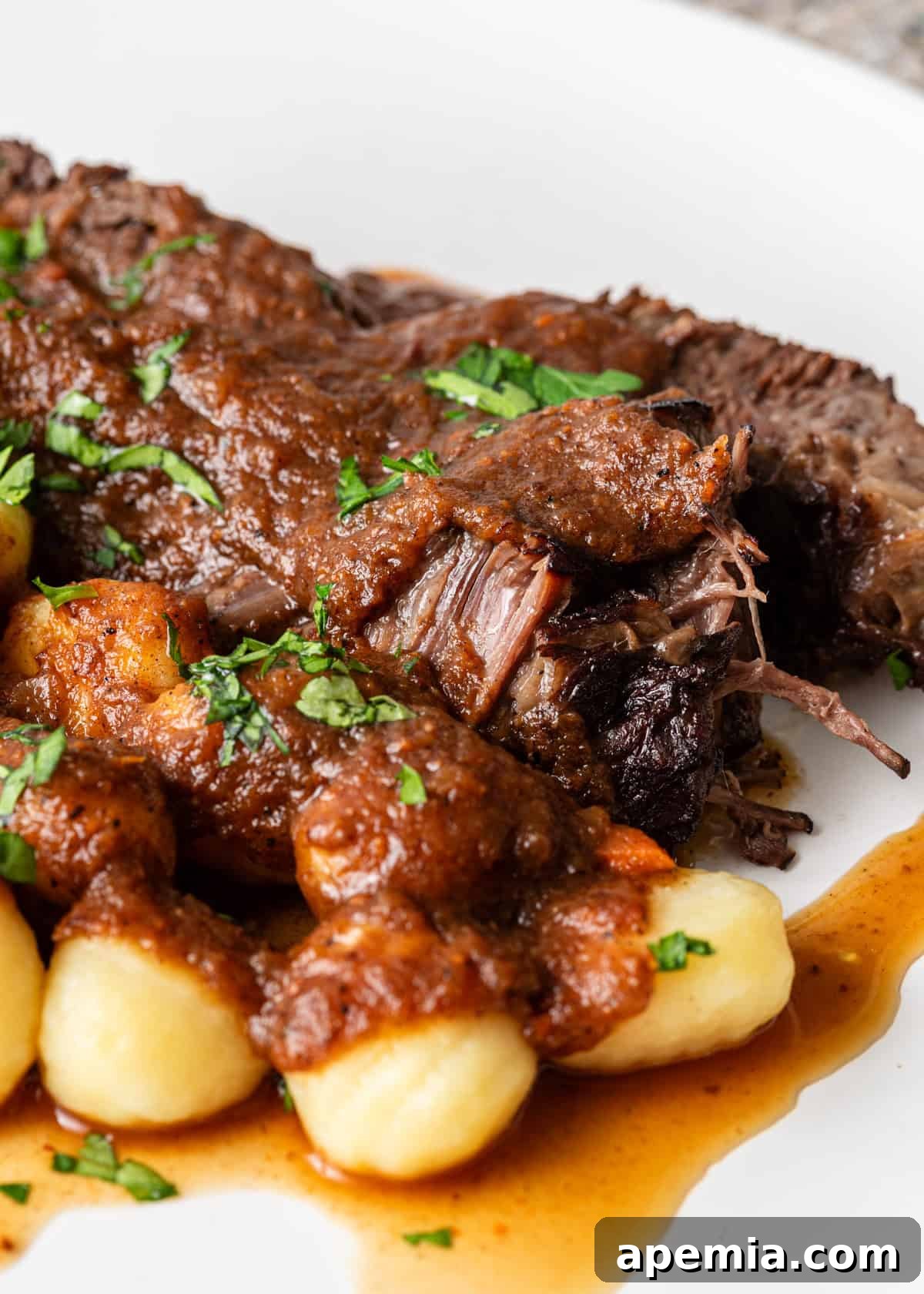
To truly embrace that authentic dinner-by-the-sea energy of the Dalmatian coast, pair your rich Croatian beef stew with soft, pillowy homemade gnocchi. The gnocchi are perfect for soaking up every last drop of the luxurious sauce. Alternatively, you might consider serving it with savory Calabrian Potatoes for a hearty complement. For a more filling and wholesome meal, Pasticada also shines alongside some fresh Pita Bread or a healthy portion of Stewed Green Beans. Whichever side you choose, the goal is to create a harmonious plate that highlights the stew’s deep flavors and tender texture.
Tip From Kevin
Choosing the Best Red Wines for Cooking Pasticada
The choice of red wine is paramount in Pasticada, as it forms the backbone of the stew’s deep, complex flavor. Remember the golden rule: if you wouldn’t drink it, don’t cook with it! Using a good quality wine will significantly enhance the final taste of your dish.
For hearty dishes like Pasticada: Opt for a bolder, more full-bodied red wine. Varieties such as Cabernet Sauvignon or Shiraz (Syrah) are excellent choices. Their robust tannins and concentrated fruit flavors stand up well to the richness of beef and the long braising time, contributing depth and character to the sauce.
For versatility and a safer bet: A medium-bodied, dry red wine like Merlot or Pinot Noir can also work beautifully. While slightly less intense than Cabernet or Shiraz, they offer a good balance of fruit and acidity without overpowering the other ingredients, making them versatile for a range of braised meats and hearty sauces. Avoid anything overly sweet or with strong oak flavors that might clash with the delicate balance of Pasticada.
Ingredient Notes and Expert Substitutions for Pasticada
(Be sure to check the recipe card below for a full list of ingredients and precise quantities)
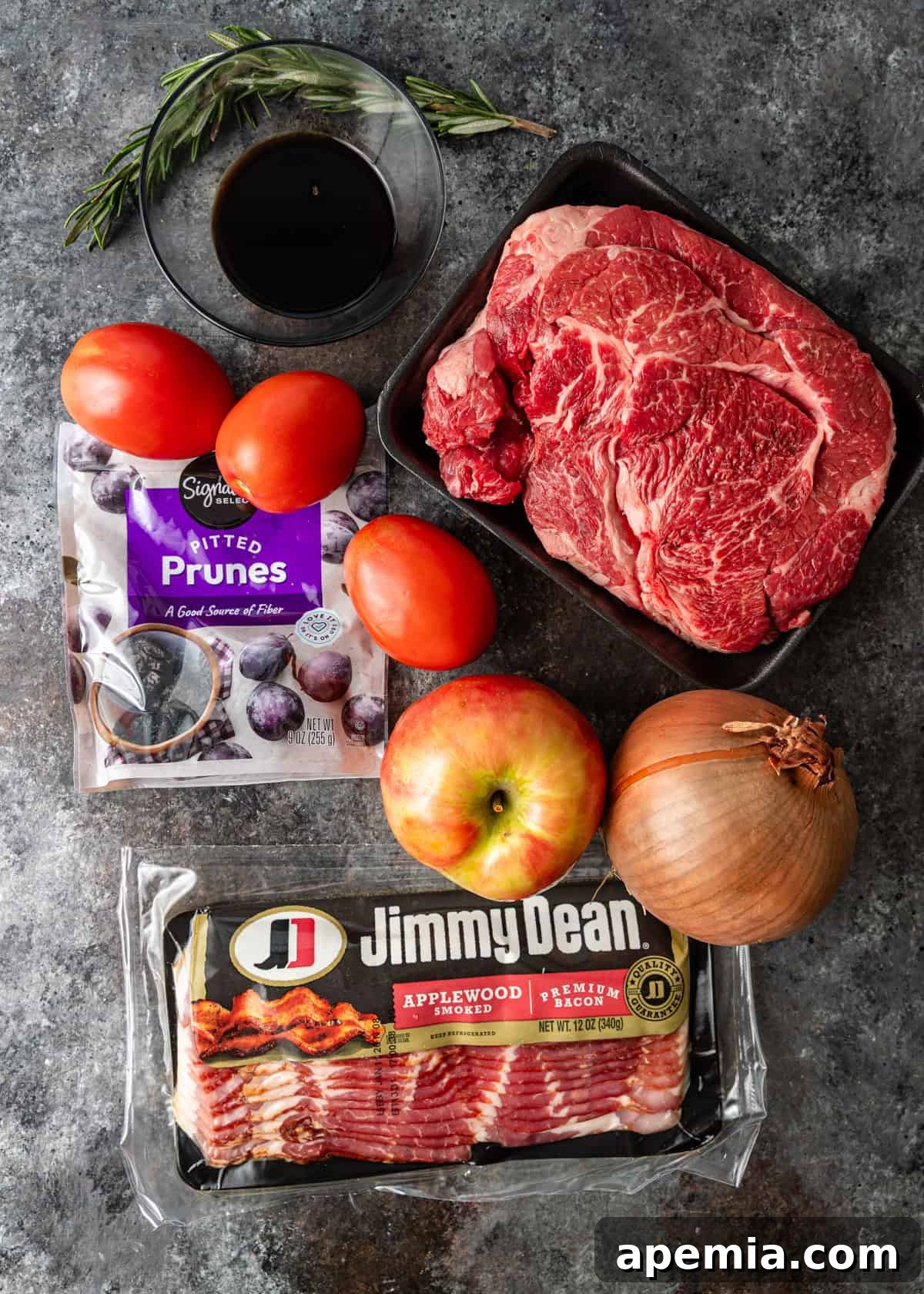
- Beef Chuck Roast: This cut is the undisputed champion for slow braising. It boasts an ideal balance of intramuscular fat and connective tissue, which, when cooked slowly, breaks down into gelatin, resulting in incredibly tender, melt-in-your-mouth beef. If you prefer a leaner option, a top round roast can be used, but be mindful to reduce the cooking time slightly to prevent it from drying out.
- Bacon: Bacon is more than just a flavor enhancer here; it’s a foundational element. As it renders, it releases smoky, savory fat that becomes the crucial base for sautéing the vegetables, infusing the entire dish with a rich umami depth. If you’re looking for an alternative, good quality pancetta or prosciutto can also work, offering a slightly different but equally delicious savory note. Just remember, the rendered fat is key!
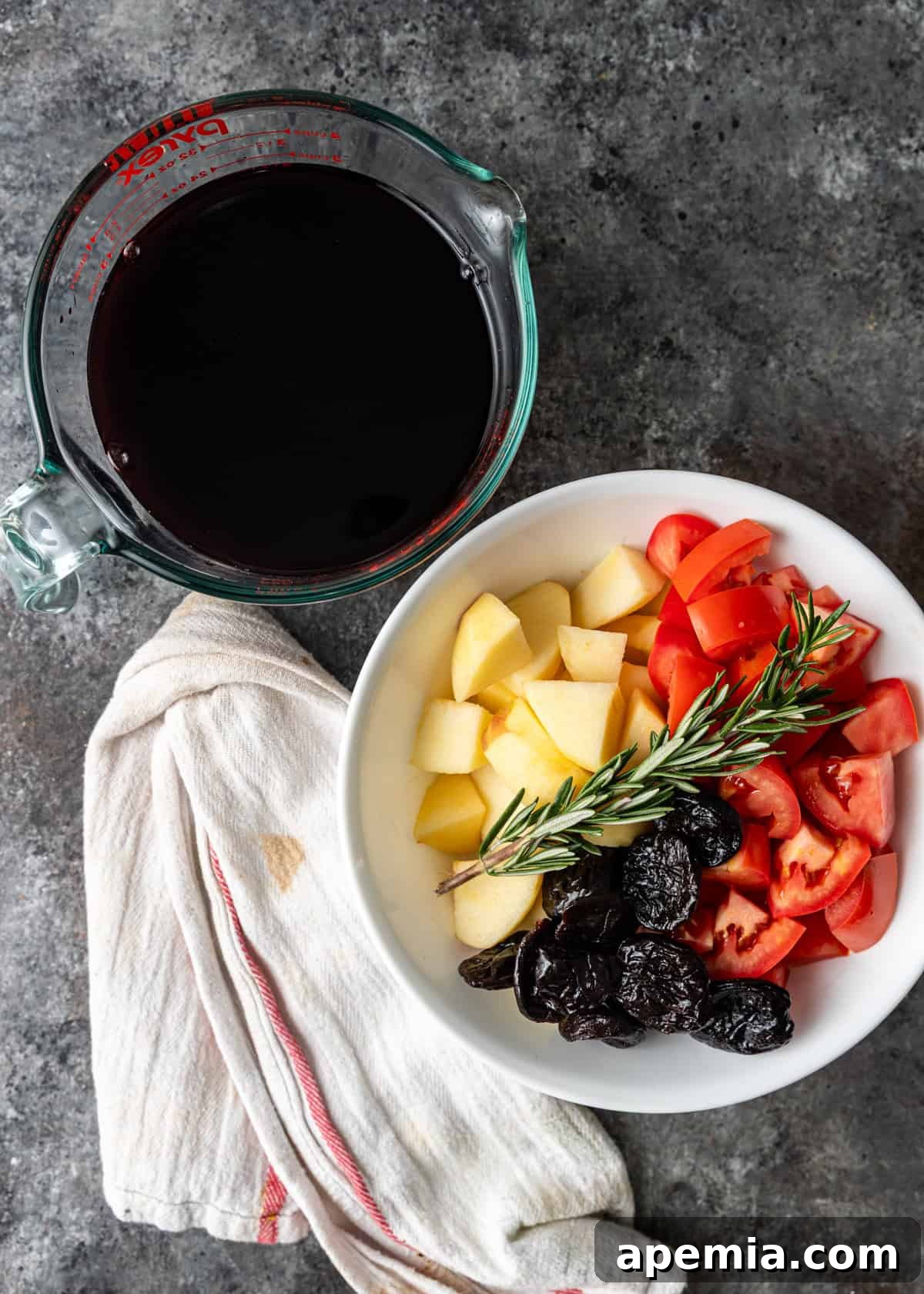
- Red Wine: As discussed above, select a dry, full-bodied red wine like Cabernet Sauvignon, Merlot, or even a Zinfandel. The wine’s acidity is vital for balancing the sweetness of the fruit and cutting through the richness of the beef, creating a harmonious and complex sauce.
- Prunes & Apples: These fruits are true stars of the Pasticada sauce, providing a natural, deep sweetness that caramelizes beautifully during the long cooking process. They contribute a unique fruity tang and body to the stew. For a slightly different twist, you could experiment with dried figs in place of prunes; they offer a nuanced, nuttier flavor profile that complements the beef wonderfully.
- Balsamic Vinegar: Crucial for the marinade, balsamic vinegar brings a distinctive complexity and tangy depth that sets Pasticada apart. Its sweet-sour profile is unparalleled. While red wine vinegar can be used in a pinch, balsamic vinegar imparts that signature Croatian flavor profile that makes this braised beef stew so special.
- Aromatics & Herbs: The classic mirepoix of onions, carrots, and celery, combined with fragrant fresh rosemary, forms the foundational savory backbone of the stew. These ingredients slowly release their flavors, infusing every bite with warmth, depth, and an irresistible aroma.
How to Make Authentic Pašticada: A Step-by-Step Guide
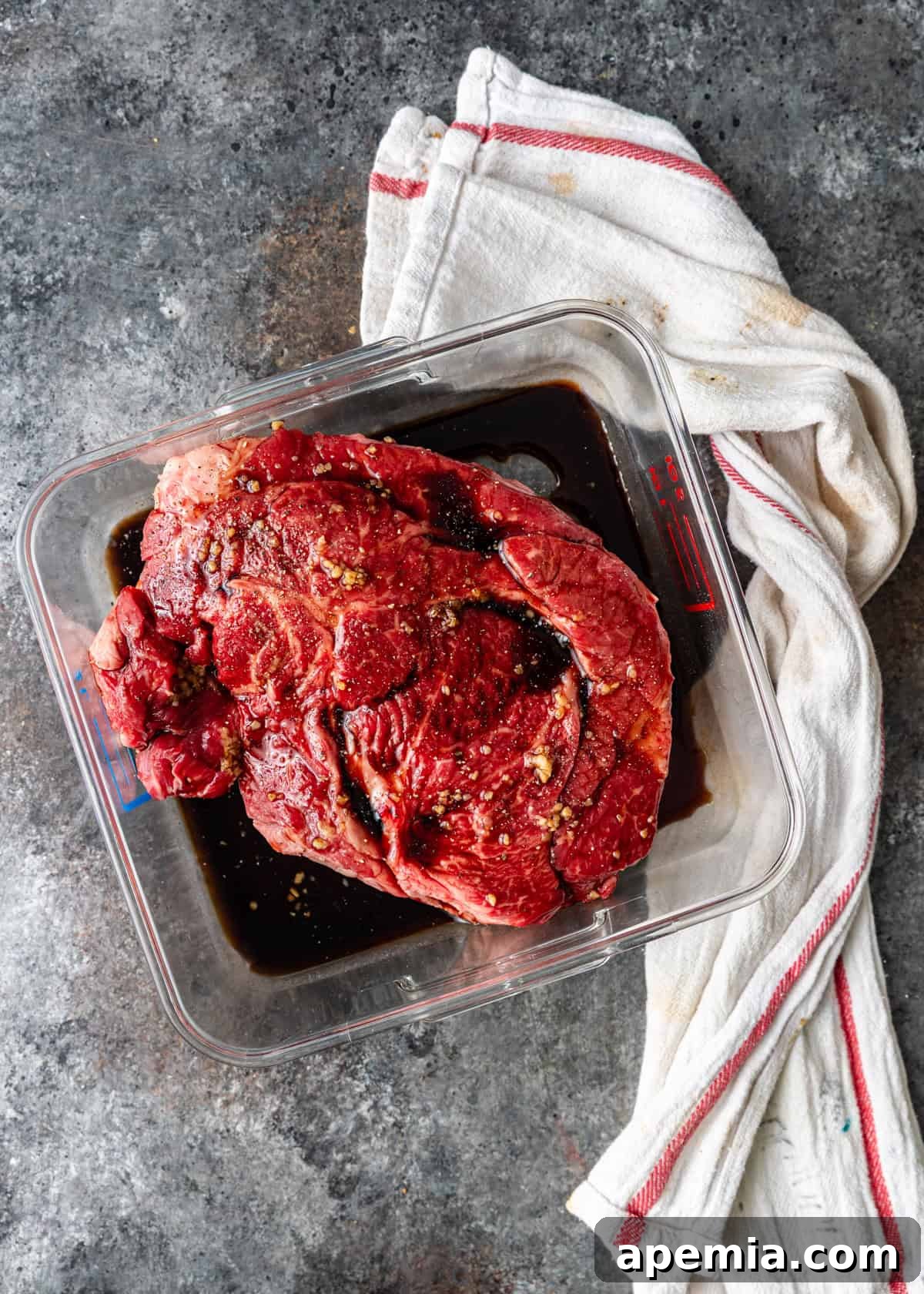
- Marinate the Beef to Perfection. Begin by placing your chosen beef roast in a sturdy container. Generously rub it all over with freshly minced garlic, ensuring every surface is coated. Drizzle with balsamic vinegar and a portion of the olive oil, turning the beef to ensure even coverage. This marinade is crucial for both seasoning and tenderizing the meat. Cover the container and allow the beef to marinate at room temperature for at least one hour; this brief soak makes a significant difference in the final tenderness and flavor.
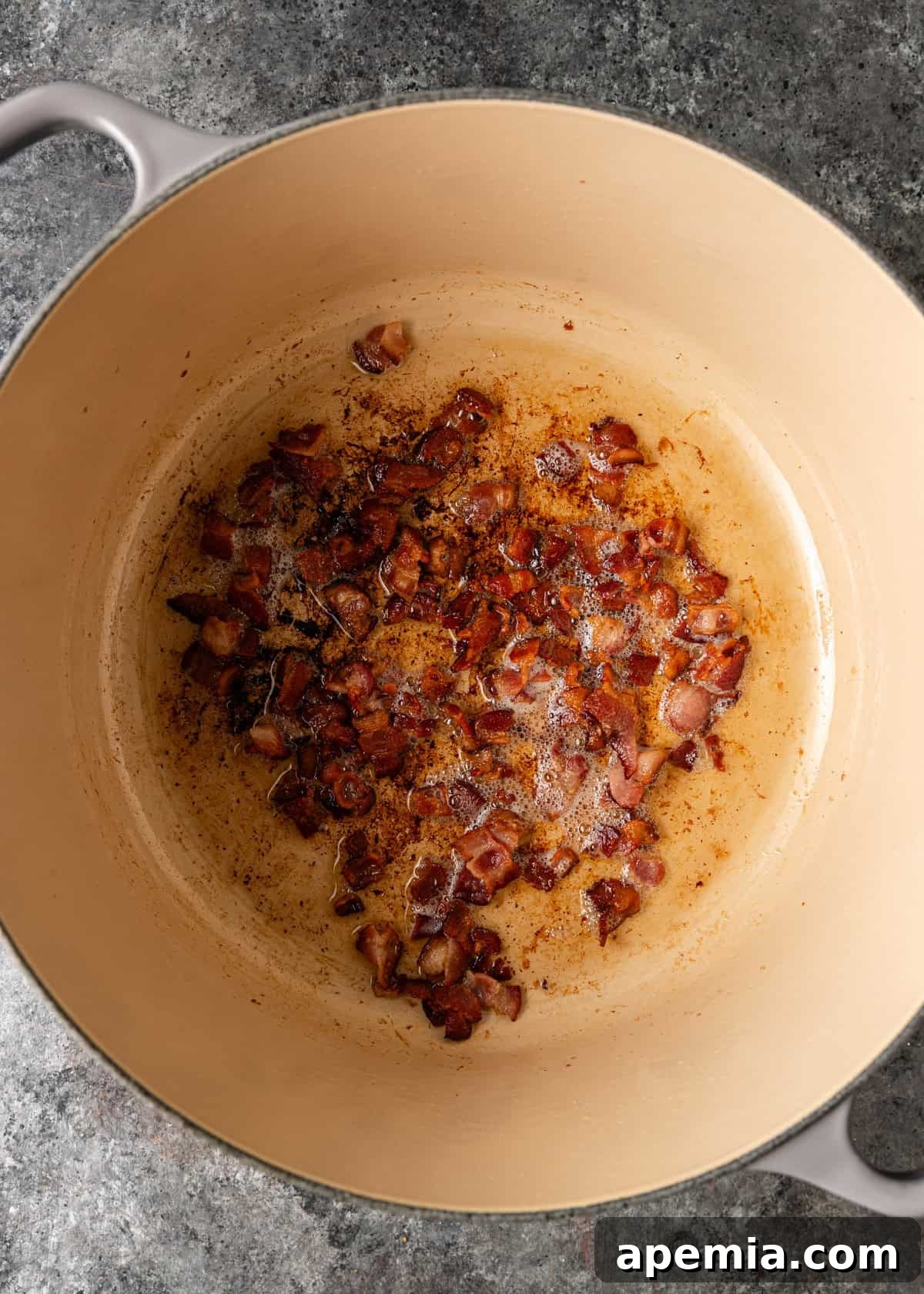
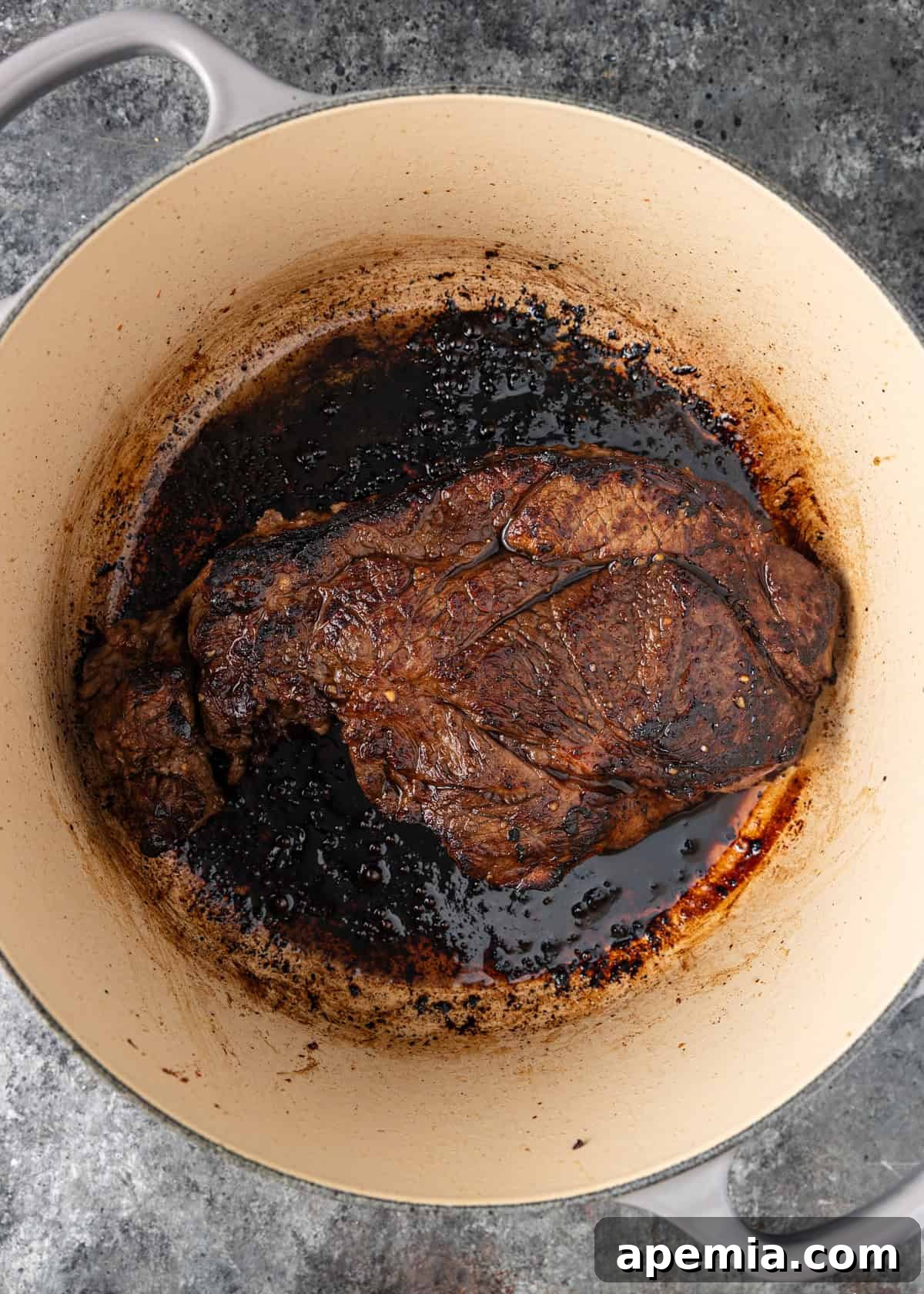
- Brown and Build a Flavorful Foundation. In a heavy-bottomed Dutch oven or a deep casserole pan, render the chopped bacon over medium-low heat until it is beautifully crisp and golden. Carefully remove the cooked bacon, setting it aside for later, but leave the rendered bacon fat in the pan. Increase the heat slightly, then add the marinated beef to the fragrant bacon fat. Sear the beef on all sides until a rich, caramelized crust forms, about 4 minutes per side. Season generously with salt and pepper as you brown. Once seared, transfer the beef to a plate and set aside.
- Sauté the Aromatic Vegetables. Add the remaining olive oil to the same pan, if needed. Introduce the chopped onions, celery, and carrots. Sauté these vegetables over medium heat until they have softened and become translucent, typically 3-5 minutes. These aromatics will form the foundational flavor base for your exquisite sauce. Push the softened vegetables to the perimeter of the pan, creating a space in the center.
- Braise in Wine and Infuse Aromatics. Carefully return the seared beef to the center of the pan, nestled among the vegetables. Pour in the red wine, scraping up any delicious browned bits from the bottom of the pan with a wooden spoon – this is called deglazing and adds immense flavor. Add enough water to just cover the beef. Bring the liquid to a gentle boil on the stovetop. Once boiling, cover the Dutch oven tightly with its lid and transfer it to a preheated oven set to 325°F (160°C). Allow it to braise slowly for 2 hours, letting the flavors meld and the beef begin its journey to tenderness.
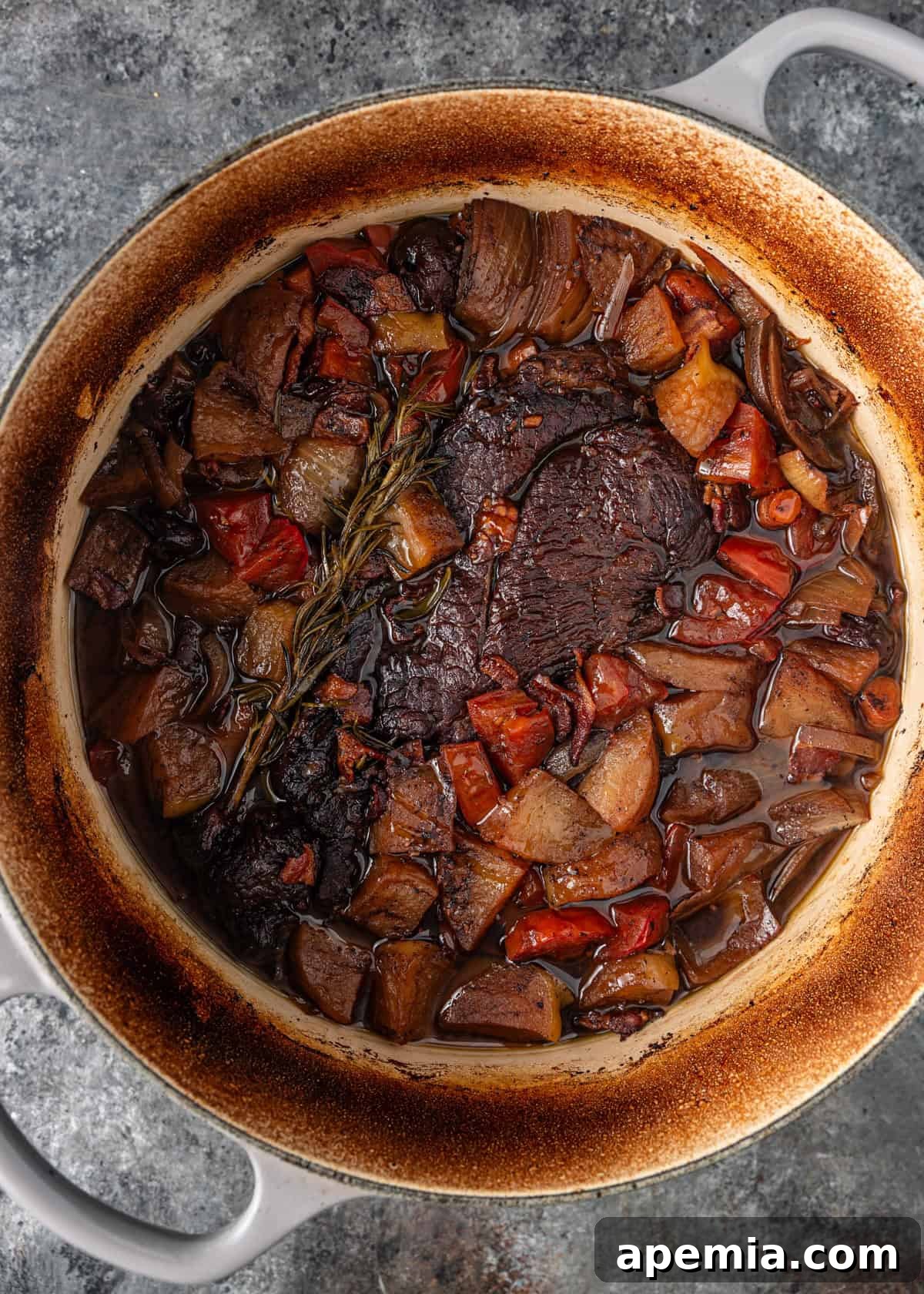
- Introduce the Fruits and Finish Cooking. After the initial braising period, carefully remove the Dutch oven from the oven. Stir in the chopped apples, prunes, roma tomatoes, fresh rosemary sprig, and the reserved crisped bacon. If necessary, add a little more water to ensure the beef and fruits are adequately covered by the liquid. Stir everything gently to combine, then replace the lid and return the pot to the oven for another hour. Continue cooking until the beef is undeniably fork-tender and practically falls apart.
- Blend for a Silky Sauce and Serve. Once the beef is perfectly tender, remove it from the pot and cover it loosely with foil to keep it warm. Using an immersion blender directly in the pot, purée the vegetables and fruits with the remaining sauce until it is wonderfully smooth and glossy. Alternatively, carefully transfer the contents to a standard blender (working in batches if necessary) and blend until smooth. Return the puréed sauce to the pan and gently cook over medium heat for about 10 minutes, allowing it to reduce and thicken slightly to your desired consistency. Slice the rested beef into thick, elegant pieces against the grain. Spoon the rich, velvety Pasticada sauce generously over the sliced beef and serve immediately with your chosen accompaniment, such as gnocchi or creamy polenta.
Kevin’s Pro Tips for the Perfect Pasticada
- Always use quality red wine: This tip bears repeating! The wine is a star ingredient, so choose one you would genuinely enjoy drinking. A higher quality wine contributes superior depth and nuanced flavors to the stew.
- For an ultra-smooth sauce: While an immersion blender works wonders directly in the pot, for an even silkier, restaurant-quality sauce, consider pushing the puréed mixture through a fine-mesh sieve after blending. This removes any lingering fibrous bits and creates an incredibly refined texture.
- Don’t rush the simmer: Patience is the most crucial ingredient in Pasticada. “Low and slow” is truly the key to achieving fork-tender beef that literally melts in your mouth. Rushing the braising process will result in tough, dry meat.
- Rest the beef: Just like a steak, letting the braised beef rest for 10-15 minutes after removing it from the pot allows the juices to redistribute, ensuring maximum tenderness and flavor when sliced.
- Adjust seasoning to taste: Always taste and adjust your seasoning before serving. The flavors will deepen and concentrate during cooking, so a final check for salt, pepper, and perhaps a touch more vinegar or sugar (depending on your preference) can elevate the dish.
Recommended Kitchen Tools for Crafting Pasticada
- Dutch Oven or Heavy Casserole Pan: Essential for even heat distribution, which is vital for perfect browning and consistent slow braising. A good quality, heavy-bottomed pot will prevent scorching and ensure tender results.
- Immersion Blender: A game-changer for puréeing the sauce directly in the pot, minimizing cleanup and making the process incredibly efficient.
- Sharp Chef’s Knife: For prepping vegetables and slicing the tender beef against the grain.
- Cutting Board: A sturdy surface for all your chopping and slicing needs.
- Measuring Cups and Spoons: For accurate ingredient quantities.
Serving Suggestions for an Authentic Pasticada Experience
Pasticada is traditionally savored with homemade gnocchi, a classic pairing that allows the delicate potato dumplings to perfectly absorb every drop of the rich, aromatic sauce. This combination is a match made in culinary heaven. However, its versatility extends to other delicious accompaniments. It’s equally delightful served over creamy buttered egg noodles, fluffy mashed potatoes, or a generous portion of creamy polenta, all of which provide a comforting base for the stew. The choice of starch is yours, but ensure it’s something capable of soaking up the precious sauce.
To round out this hearty and flavorful meal, consider adding a fresh, crisp salad. A light and refreshing option like a simple green salad with a vinaigrette or a vibrant Shirazi Chickpea Salad can provide a lovely contrast to the richness of the stew. And for the ultimate pairing, uncork a bottle of the same robust red wine you used in the sauce – it will enhance the dining experience and tie all the flavors together beautifully. Pasticada is a dish designed for enjoyment, whether it’s a casual family dinner or a festive gathering.
Share this recipe on Pinterest!
Love this recipe? Share it with the world on Pinterest to inspire others!
Frequently Asked Questions About Pasticada
Absolutely, Pasticada is one of those magical dishes that tastes even better the next day! The flavors have more time to meld and deepen, resulting in an even more complex and satisfying stew. Store your braised beef stew in an airtight container in the refrigerator for up to 3 days. When ready to serve, gently reheat it on the stovetop over low heat, adding a splash of water or red wine if the sauce has thickened too much.
After puréeing the Pasticada sauce with an immersion or regular blender, for an ultra-smooth, luxurious texture, consider pushing the sauce through a fine-mesh sieve. This extra step removes any tiny fibrous bits from the vegetables and fruits, resulting in a sauce that feels incredibly refined and restaurant-worthy. It’s a small effort for a big payoff in mouthfeel.
To ensure the beef remains tender and holds its shape beautifully, it’s crucial to let it rest for at least 10 to 15 minutes after removing it from the pot. This allows the juices to redistribute throughout the meat. When slicing, always cut against the grain into thick, approximately 1/2-inch pieces. Cutting against the grain shortens the muscle fibers, making each bite incredibly tender.
The key to preventing your Pasticada from drying out during the long braising process is to ensure the liquid level stays high enough to mostly cover the beef. This creates a moist, steamy environment that tenderizes the meat. Check the pot periodically, especially during the second hour of cooking. If the liquid starts to reduce too much, simply top it up with extra water or a bit more red wine to maintain adequate coverage.
Yes, Pasticada freezes exceptionally well! Once cooled completely, transfer the stew (beef and sauce together) to airtight freezer-safe containers or heavy-duty freezer bags. It can be stored in the freezer for up to 3 months. Thaw overnight in the refrigerator before reheating gently on the stovetop or in the oven.
For Pasticada, it’s best to use apples that hold their shape well during cooking and offer a good balance of sweetness and tartness. Granny Smith, Honeycrisp, Gala, or Fuji apples are all excellent choices. Avoid apples that become too mushy or are excessively sweet, as they might alter the desired sweet-and-sour balance of the sauce.
Pašticada (Croatian Braised Beef Stew)
6
15
3 15
1
4 30
PrintRecipe
Ingredients
- 3 1/2-4 lb beef chuck pot roast boneless (See Note 1)
- 4 cloves garlic minced
- 1/4 cup balsamic vinegar
- 1/2 cup olive oil divided
- 6 slices bacon chopped
- 1/2 tsp kosher salt
- 1/4 tsp ground black pepper
- 2 large yellow onions chopped
- 4 ribs celery chopped
- 2 large carrots peeled and chopped
- 3 cups red wine
- 2 apples peeled
- 10 prunes
- 3 roma tomatoes chopped
- 1 sprig rosemary
- Gnocchi
Instructions
-
Place the beef in a container and rub all over with the garlic. Pour balsamic vinegar and 1/4 cup olive oil over beef, turning to coat both sides. Cover and let marinate for one hour at room temperature.
-
In a Dutch oven or deep casserole pan render bacon over medium-low heat until crisp. Leave bacon fat in pan and set cooked bacon aside.
-
Heat the oven to 325°F (160°C).
-
Add the beef to the bacon fat and brown beef on all sides, seasoning with salt and pepper. This should take about 4 minutes per side for a rich crust. Remove from pan and set aside.
-
To the pan add remaining 1/4 cup oil, onions, celery and carrots. Saute for 3-5 minutes until softened, then push vegetables to the outside of pan. Transfer the beef back to the pan and place in the center. Add the red wine and bring to a boil. Add enough water to cover the beef. Cover with lid and bake for 2 hours.
-
Remove from oven and add the apples, prunes, tomatoes, rosemary, cooked bacon. Add a little bit of water if needed to cover. Stir, cover with lid and cook another hour until beef is tender.
-
Boil gnocchi per package directions. Drain and set aside.
-
Remove the meat and set aside. Cover with foil to keep warm. Using an immersion blender or in a regular blender, purée the vegetables and fruit with the sauce until smooth. Return to the pan and cook to reduce and thicken over medium heat for 10 minutes.
-
Slice meat into 1/2-inch thick pieces, cutting against the grain. Serve with sauce alongside cooked gnocchi or your preferred accompaniment.
Notes
- For a boneless beef chuck roast, approximate cooking time is about 1 hour per pound at 325°F (160°C). If using a top round beef roast (a leaner option), reduce cooking time to about 35 minutes per pound at 325°F (160°C). Always cook until fork-tender.
Nutrition
Carbohydrates: 32g |
Protein: 63g |
Fat: 40g |
Saturated Fat: 10g |
Polyunsaturated Fat: 4g |
Monounsaturated Fat: 23g |
Trans Fat: 0.03g |
Cholesterol: 187mg |
Sodium: 563mg |
Potassium: 1482mg |
Fiber: 4g |
Sugar: 18g |
Vitamin A: 3842IU |
Vitamin C: 12mg |
Calcium: 88mg |
Iron: 7mg
The information shown is an estimate provided by an online nutrition calculator. It should not be considered a substitute for a professional nutritionist’s advice.
main dishes
Balkan, Croatian
Kevin