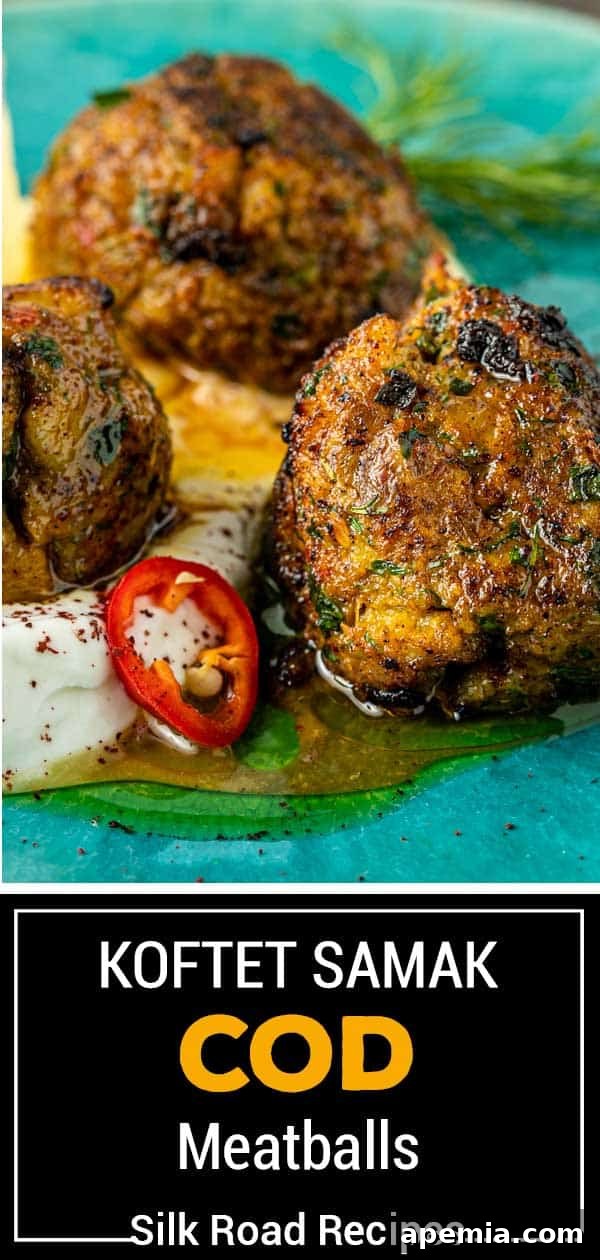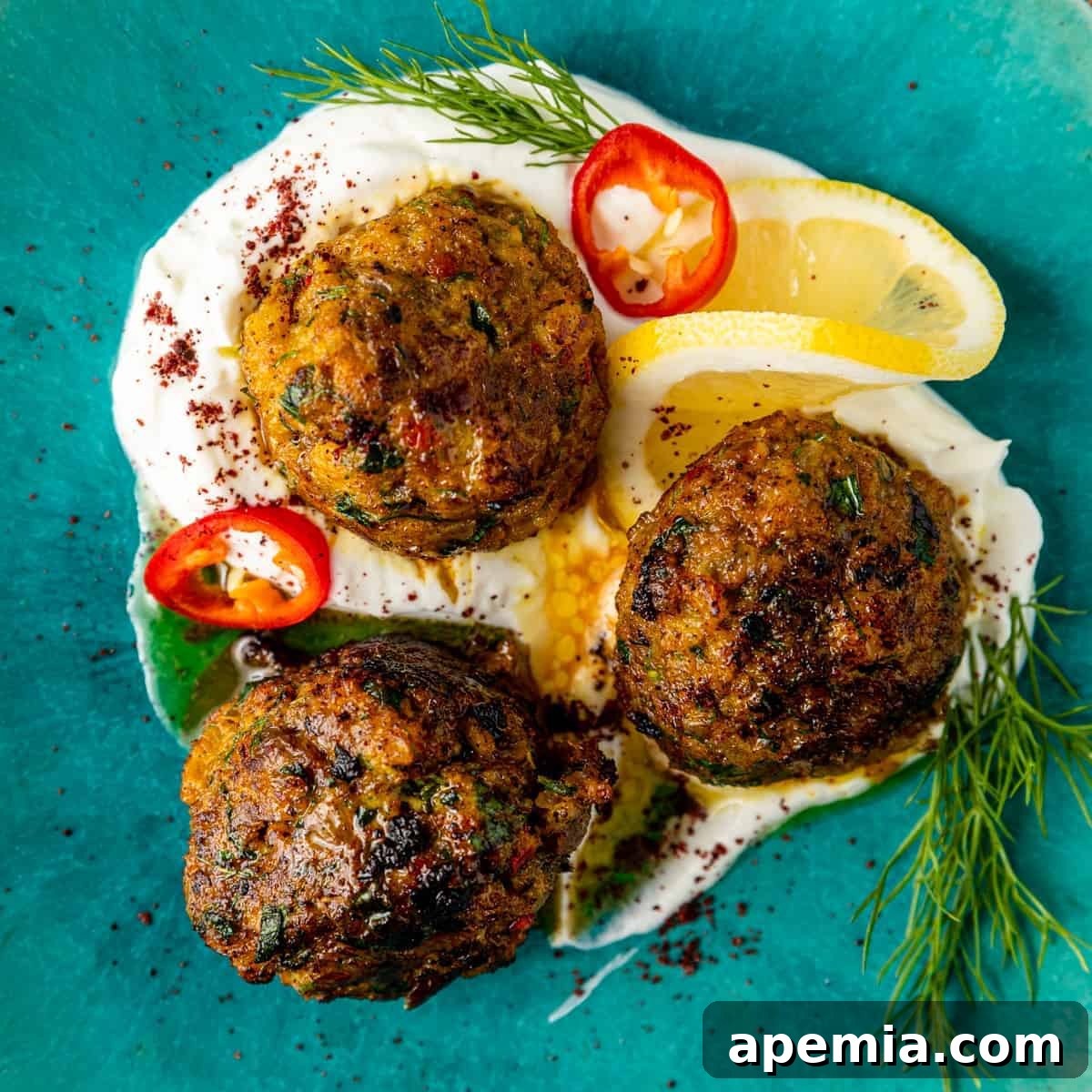
Palestinian fish meatballs, known locally as Koftet Samak, offer a delightful culinary journey with their irresistible crispy crust and a succulent, juicy center. Each bite explodes with a symphony of rich, savory flavors, meticulously crafted from a vibrant array of Middle Eastern spices. This exceptional dish transforms tender, flaky fish into a culinary masterpiece that is subtly spicy, wonderfully herbaceous, and profoundly delicious. Traditionally, Koftet Samak is perfectly paired with creamy yogurt, tangy labneh, or smooth, velvety hummus, creating a balanced and unforgettable dining experience.
Discovering Koftet Samak: A Taste of Coastal Palestine
Along the sun-drenched coasts of the Middle East, particularly in historic Palestinian towns, fishing has long been a way of life. Generations have mastered the art of bringing in plump, flavorful fish from the sparkling Mediterranean Sea, turning humble catches into extraordinary meals. Among the myriad of Middle Eastern-style fish, or samak, recipes, these Palestinian fish meatballs hold a special place in my heart and on my plate. They represent a blend of culinary heritage and fresh, local ingredients.
This traditional Koftet Samak recipe proudly showcases the rich, warm, and earthy Palestinian seasonings that define the region’s cuisine. Spices like bright sumac, warming cumin, fragrant cardamom, and an array of other essential Middle Eastern herbs and spices come together in perfect harmony. When blended into Baharat Samak, a dedicated fish seasoning, these spices elevate an otherwise mild fish, such as cod, into something truly remarkable and deeply satisfying.
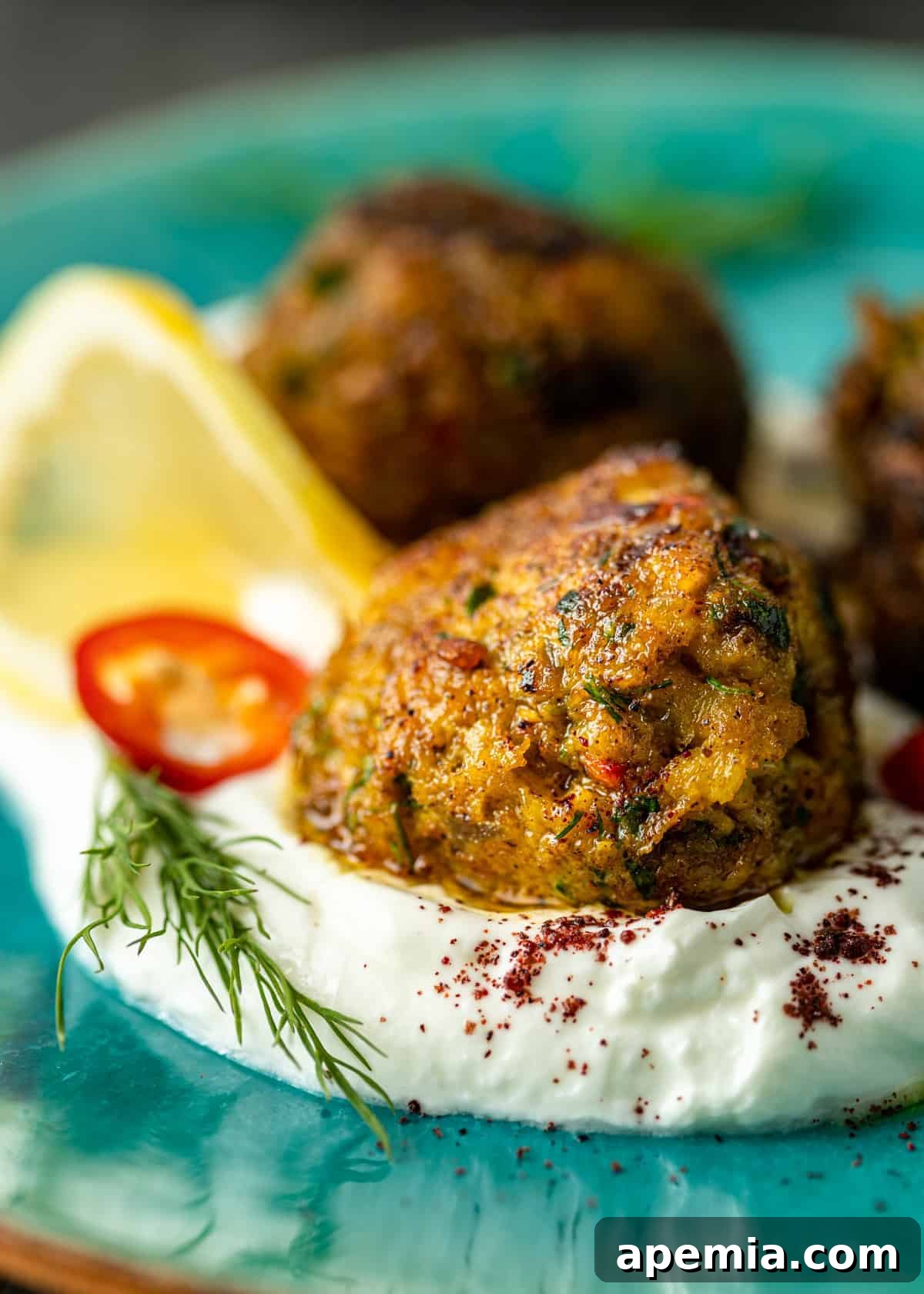
Koftet Samak is incredibly versatile, making an excellent appetizer or a light yet satisfying main course. To complement its savory depth, serve it alongside some cooling, plain Greek yogurt or rich, creamy labneh, a Middle Eastern strained yogurt that’s similar to a thick cream cheese. For an alternative, a smooth, silky bowl of hummus also makes a fantastic accompaniment. Whichever you choose, these fish meatballs promise a delightful and fulfilling meal.
Table of Contents
- The Art of Palestinian Kofta: Culinary Traditions
- Make-Ahead Tips for Koftet Samak
- Essential Ingredients and Smart Substitutions
- Step-by-Step Guide: How to Make Palestinian Fish Meatballs
- Recommended Kitchen Tools for Perfect Kofta
- Storing, Freezing, and Reheating Your Fish Meatballs
- Frequently Asked Questions About Fish Kofta
- Authentic Palestinian Fish Meatballs (Kofta) Recipe Card
The Art of Palestinian Kofta: Culinary Traditions
If you’re already acquainted with other delightful kofta recipes made with succulent beef, tender lamb, or flavorful chicken, you’ll find the preparation of this fish variation remarkably familiar and easy to master. The underlying principles of mixing, shaping, and cooking are consistent, making this fish kofta an approachable dish for anyone experienced with the broader kofta family. What truly sets this Palestinian fish kofta apart is its unique blend of regional spices and the delicate texture of the fish, offering a fresh take on a beloved Middle Eastern classic. It’s a testament to the versatility of kofta, proving that this humble meatball can be adapted to various proteins while maintaining its comforting and deeply flavorful essence.
Tip From Kevin
Make-Ahead Tips for Koftet Samak
Preparing Koftet Samak can be quite flexible for busy schedules. You can prepare the fish kofta meatballs up to one day in advance, stopping just before they go into the oven. Simply store the unbaked meatballs in the refrigerator, covered. Once cooked, these delicious meatballs can be enjoyed immediately, or they can be refrigerated and served the following day. For serving, they are equally delightful at room temperature or gently warmed through, making them perfect for entertaining or quick meals.
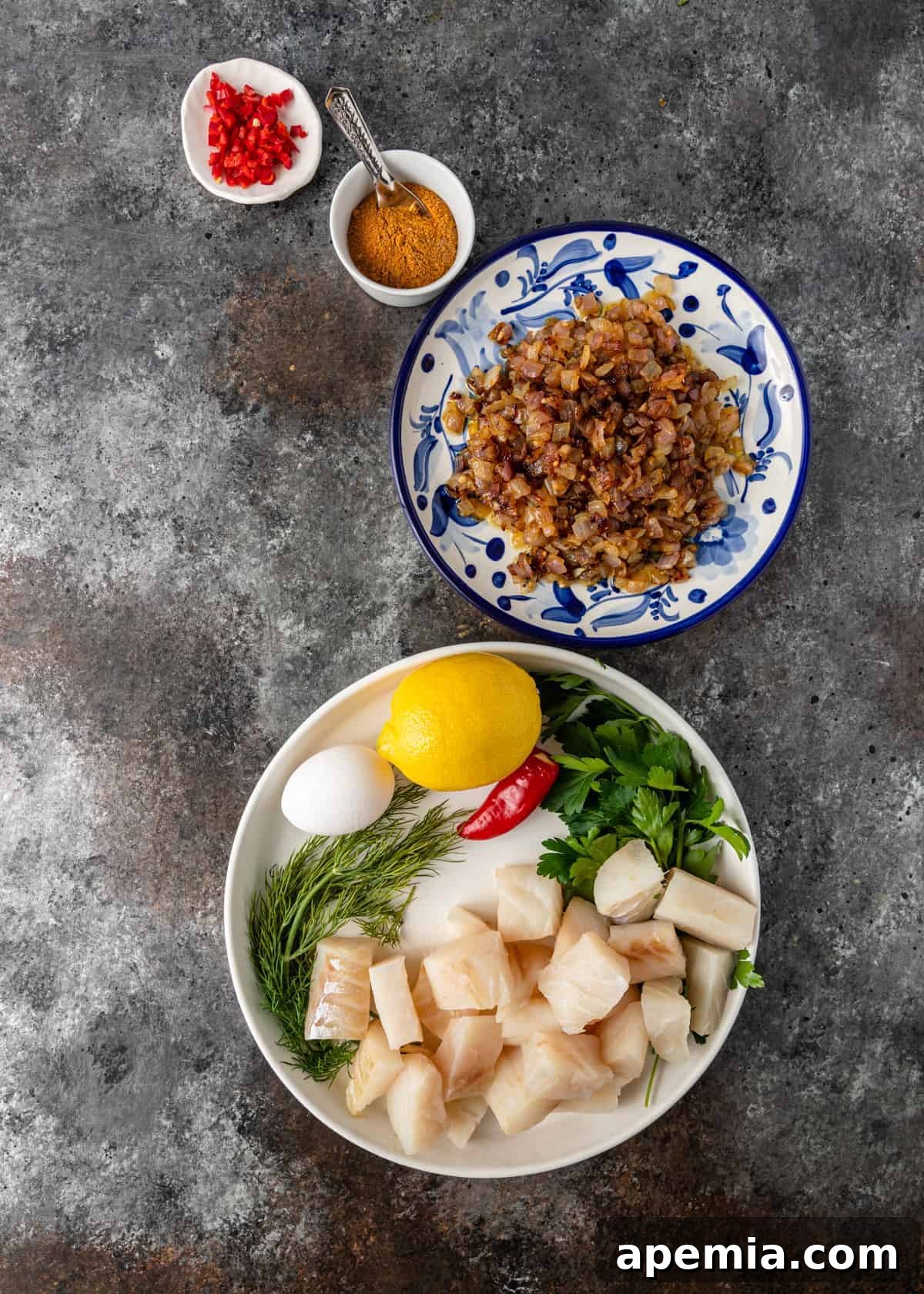
Essential Ingredients and Smart Substitutions
(Be sure to check the recipe card below for a full list of precise ingredients and quantities)
- Cod: The ideal choice for this recipe is boneless, skinless fillets of cod. However, any firm, white, or mild-tasting fish such as snapper, pollock, tilapia, bass, or haddock can be excellent substitutes. The key is to choose a fish that flakes easily when cooked and isn’t overly fatty, as excess moisture can affect the meatballs’ consistency.
- Onions: We use a combination of one white onion and one red onion. This pairing offers a delightful mix of flavors – the white onion provides a juicy sweetness, while the red onion adds a sharper, more piquant oniony depth and a slight crunch that enriches the texture of the meatballs.
- Lemon: To maximize flavor and minimize waste, we utilize the entire lemon. First, zest the rind to incorporate its bright, aromatic oils into the fish mixture. Afterward, slice the lemon into 6 wedges, perfect for serving alongside the finished kofta, adding a crucial fresh, acidic counterpoint.
- Red Chiles: Red chiles are a staple in Palestinian cooking, imparting a welcome kick of heat. For this fish meatball recipe, I highly recommend using either Fresno or red jalapeño chiles for their vibrant color and moderate spice level. If you prefer a bolder heat, Thai chiles are another option, but proceed with caution, as they are significantly hotter!
- Fresh Dill & Parsley: These fresh herbs are indispensable, contributing immense brightness, complex herbaceous notes, and a depth of flavor that complements the fish beautifully. Their fresh, green essence cuts through the richness of the spices.
- Egg: Unlike traditional beef or lamb kofta, fish inherently has a drier texture. A single large egg acts as the perfect natural binder, holding the fish meatballs together without the need for additional breadcrumbs or heavy fillers, ensuring a tender and cohesive result.
- Fish Seasoning (Baharat Samak): This is the secret weapon for perfectly spiced fish. It’s a custom blend specifically formulated for white fish, shellfish, and all varieties of seafood. My Baharat Samak blend contains essential spices such as aromatic cardamom, earthy cumin, vibrant turmeric, smoky or sweet paprika, a pinch of spicy cayenne, and a touch of salt. This carefully balanced mix creates a truly authentic Middle Eastern flavor profile.
- Sumac: A distinctly lemony and slightly tart spice, sumac is incredibly popular and widely used in Middle Eastern cooking. It’s an exceptional pairing with seafood, as its bright acidity naturally enhances the delicate flavors of the fish, adding a signature tang that brightens the entire dish.
- Olive Oil: A good quality extra virgin olive oil is essential for sautéing the aromatics and frying the meatballs, lending its distinct fruity and peppery notes characteristic of Mediterranean cuisine.
- Salt & Black Pepper: Fundamental seasonings to enhance and balance all the other flavors, adjusted to taste.
- Plain Greek Yogurt or Labneh: These provide a cool, creamy, and tangy counterpoint to the warm, spiced meatballs, making them a perfect accompaniment for serving.
Step-by-Step Guide: How to Make Palestinian Fish Meatballs
- Prepare Your Oven: Begin by preheating your oven to a high temperature of 450°F (232°C). This ensures it’s ready for the final baking step, which will give our meatballs their perfect finish.
- Sauté Aromatics: In a large, sturdy sauté pan, heat 3 tablespoons of good quality olive oil over medium-high heat. Once the oil shimmers, add the diced red and white onions. Cook them patiently, stirring occasionally, for 8 to 10 minutes, until they become beautifully softened and achieve a lovely golden hue. Next, add the minced garlic and continue to cook for another 3 minutes until fragrant. Remove the pan from the heat and allow the onion and garlic mixture to cool completely. This cooling step is crucial to prevent the egg from cooking prematurely when blending.
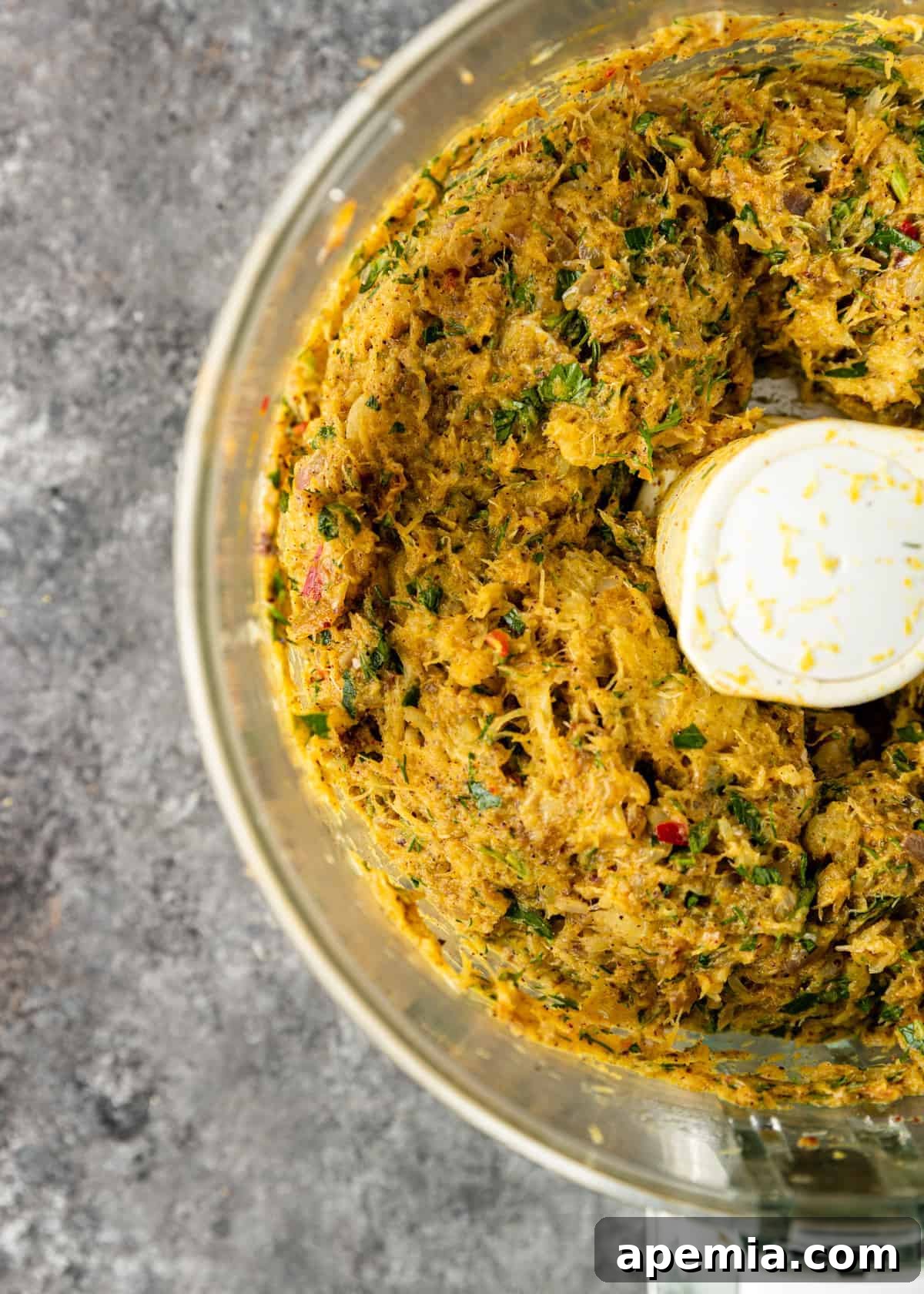
- Blend the Mixture: Transfer the cod fillets, cut into small chunks, to a food processor. Pulse a few times to gently break down the fish; you want a coarse texture, not a paste. Add the cooled onion and garlic mixture, the diced red chile, chopped fresh dill and parsley, lemon zest, the large egg, 2 teaspoons of the Baharat Samak fish seasoning blend, sumac, salt, and black pepper. Pulse again until all ingredients are finely chopped and well combined, forming a cohesive mixture that is still textured, not overly smooth or pasty.
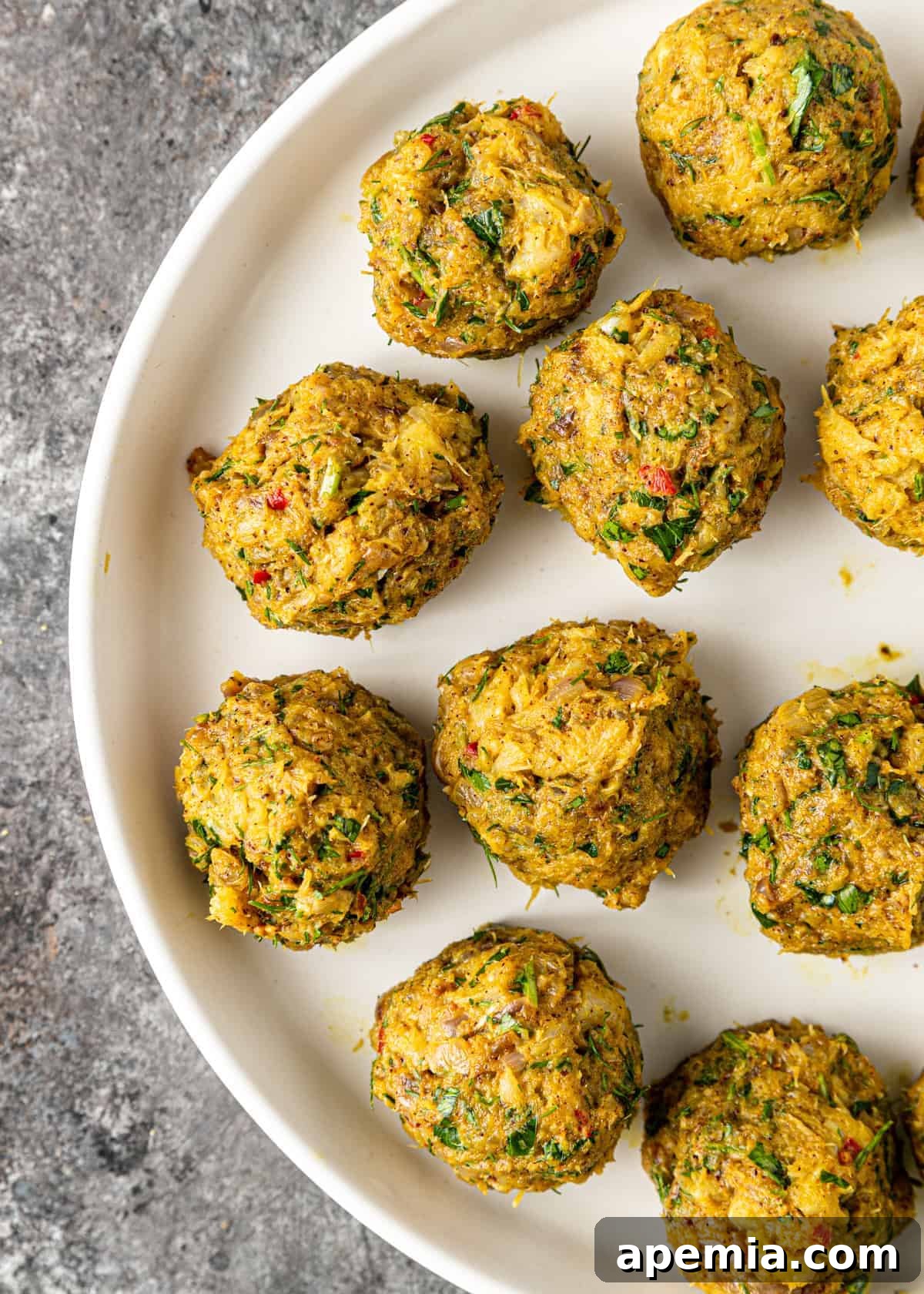
- Shape the Meatballs: Using a 3-tablespoon stainless steel scoop or your hands, carefully shape the fish mixture into approximately 16 uniform meatballs. Ensure they are compact so they hold their shape during cooking.
- Pan-Fry for a Golden Crust: Heat 2 tablespoons of olive oil in a large frying pan over medium-high heat. Once the oil is hot and shimmering, carefully add the koftet samak in batches of 2 or 3, making sure not to overcrowd the pan. Fry them for about 4 minutes, turning frequently, until they are beautifully browned and have developed a delicious crust on all sides.
- Bake to Perfection: As each batch is browned, transfer the kofta balls to a baking sheet lined with parchment paper. Once all meatballs are browned, bake them in the preheated oven for 4 to 5 minutes, or until they are just cooked through and firm to the touch. Remove them from the oven and let them rest on the baking sheet for 5 minutes to slightly cool and allow the flavors to meld.
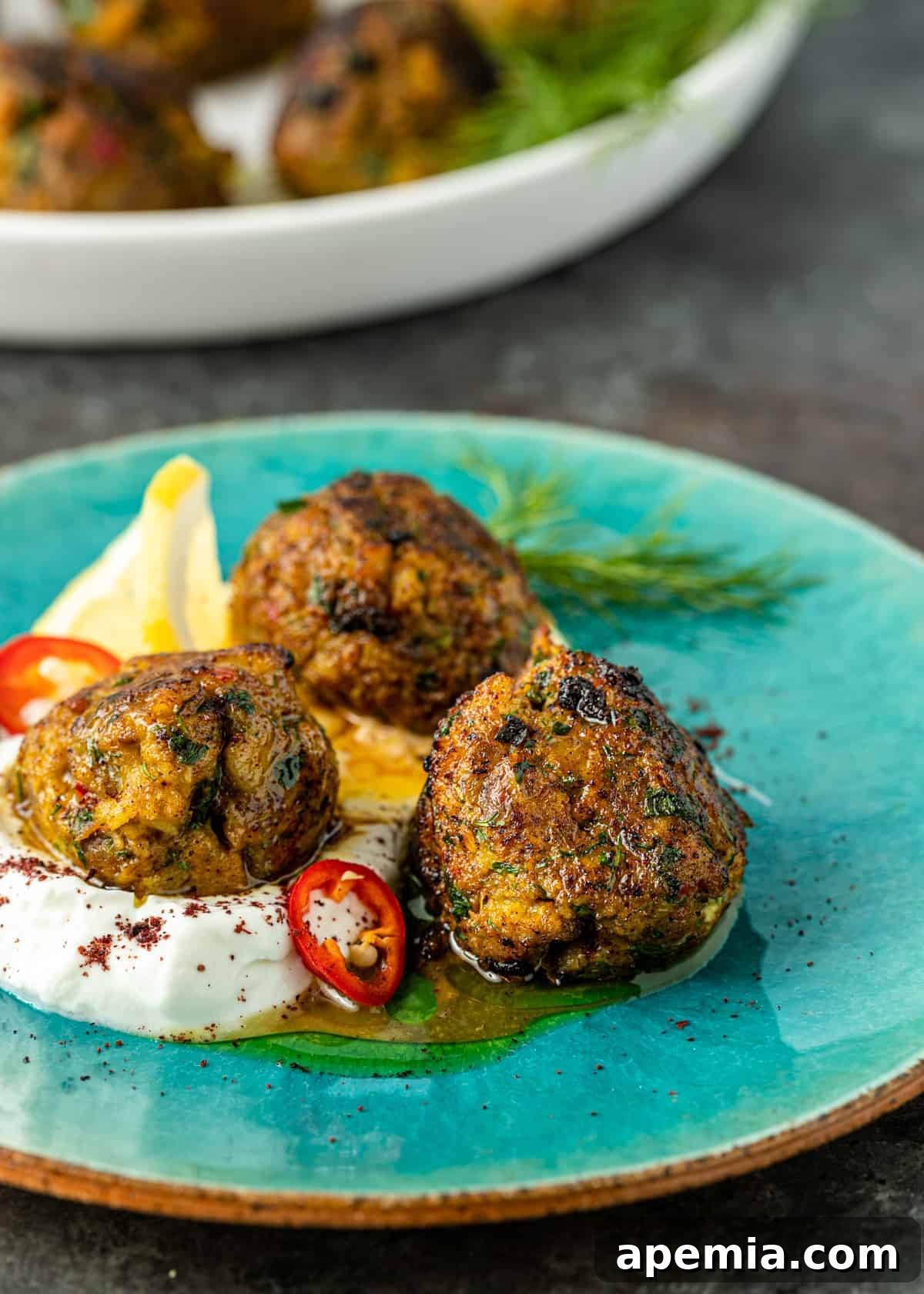
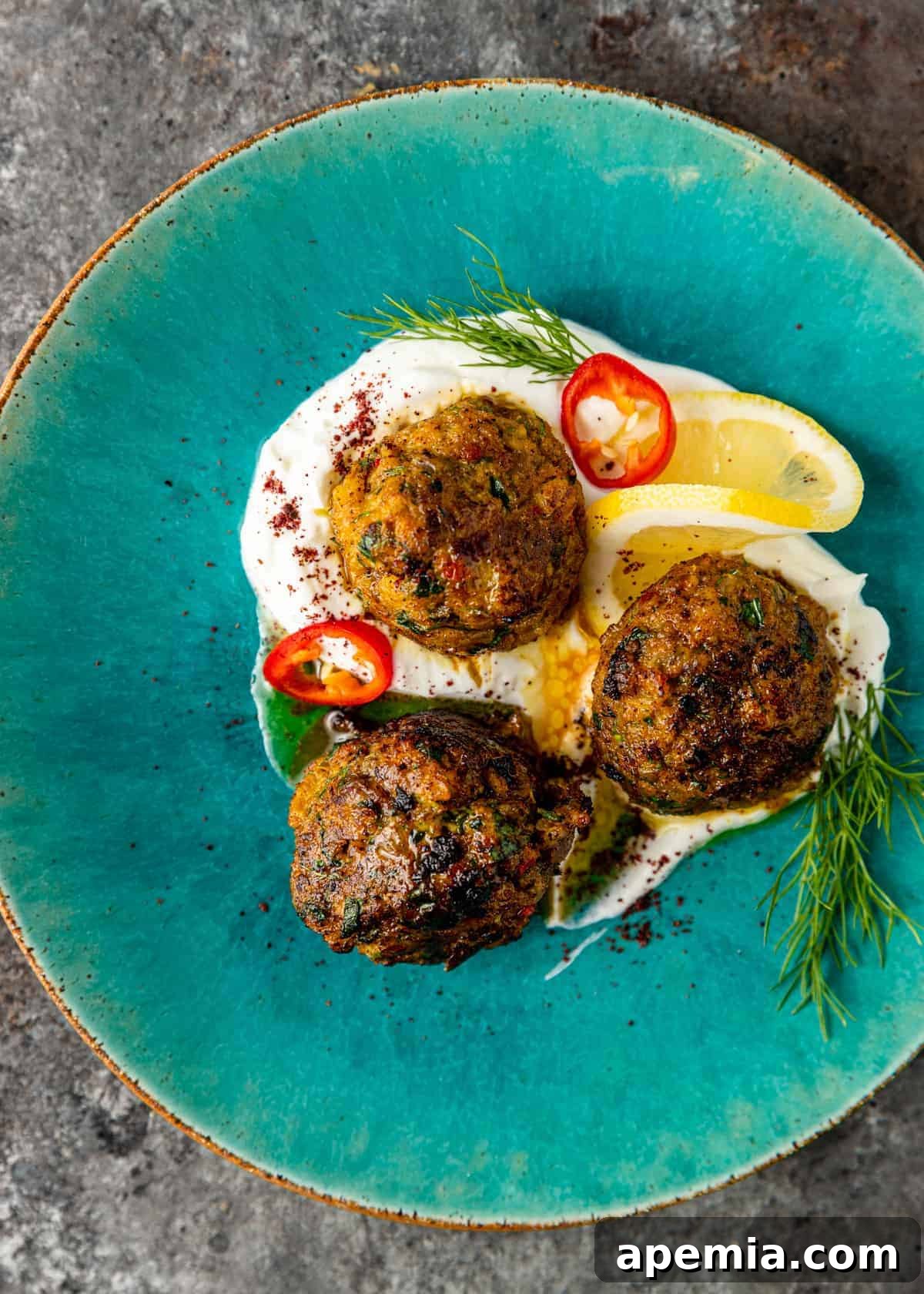
- Serve with Elegance: To serve, generously spread a layer of creamy Greek yogurt or homemade labneh onto each plate. Artfully arrange 3 or 4 Palestinian fish meatballs on top of the creamy base. Garnish with a sprinkle of sumac, a few fresh dill sprigs, and thin slices of red chile for both visual appeal and added flavor. Drizzle the last tablespoon of olive oil over the meatballs and serve immediately with fresh lemon wedges on the side, allowing guests to squeeze a burst of fresh citrus over their dish.
Recommended Kitchen Tools for Perfect Kofta
Having the right tools can make all the difference in preparing these delicious Palestinian fish meatballs efficiently and effectively:
- Stainless Steel Scoop: A 3-tablespoon scoop is the perfect size for creating uniformly shaped meatballs. This ensures even cooking and consistent portions, yielding about 16 meatballs from this recipe, which makes for four generous servings.
- Food Processor or Blender: This appliance is indispensable for quickly and efficiently chopping and combining the fish mixture. It ensures that the ingredients are finely processed but not over-blended into a paste, which is key to the ideal texture of Koftet Samak. A good food processor will save you significant time and effort in the preparation stage.
- Large Sauté Pan: Essential for sautéing the onions and garlic, and later for pan-frying the meatballs to develop that desirable golden-brown crust.
- Baking Sheet with Parchment Paper: Used for the final baking step, ensuring even cooking and easy cleanup while preventing the meatballs from sticking.
Storing, Freezing, and Reheating Your Fish Meatballs
Planning ahead or managing leftovers for Koftet Samak is remarkably simple, allowing you to enjoy this delicious dish whenever you please:
- Storing Uncooked Meatballs: If you’re preparing for a future meal, uncooked fish meatballs can be tightly covered and refrigerated for up to 24 hours in advance. This is ideal for prep-ahead entertaining.
- Freezing Uncooked Meatballs: For longer storage, fish meatballs freeze beautifully for up to 3 months. To freeze, arrange the uncooked fish balls in a single layer on a baking sheet, making sure they don’t touch. Freeze for a few hours until solid. Once frozen, transfer them to a freezer-safe plastic baggie or an airtight container to prevent freezer burn. You can then cook them directly from frozen, adding a few extra minutes to the baking time.
- Storing Cooked Leftovers: Once cooked, any leftover Koftet Samak should be stored in an airtight container in the refrigerator and consumed within a week for optimal freshness and safety.
- Reheating Cooked Meatballs: Leftover cooked fish meatballs are versatile. They can be enjoyed cold, perhaps in a salad or a wrap. Alternatively, you can reheat them in an oven preheated to 350°F (175°C) until warmed through, in a microwave for a quick reheat, or in an air fryer for a crispier finish. Reheating in the oven or air fryer helps retain their texture best.
Frequently Asked Questions About Fish Kofta
The ideal fish for Koftet Samak is one that is flaky rather than meaty. This means the flesh should break off easily, not require slicing through. Additionally, choose a lean fish over a fatty one, as fatty fish can introduce too much moisture, potentially making the meatballs loose. My top recommendations include cod, snapper, pollock, tilapia, bass, haddock, or catfish. These varieties offer the perfect texture and mild flavor to absorb the rich Middle Eastern spices.
Absolutely, you can use frozen fish, provided it is prepared properly. It’s crucial to thaw the fish thoroughly overnight in the refrigerator and then pat it completely dry with paper towels to remove any and all excess moisture. Too much liquid is the enemy of firm meatballs, as it can throw off the delicate balance of the recipe and lead to fish meatballs that are loose and fall apart during cooking.
Several factors can contribute to meatballs falling apart. First, ensure you achieve the correct texture of the mixture before shaping. Work the blend in your hands; it should feel slightly sticky and cohesive. If it’s too loose, you might need to pulse it a little longer in the food processor to achieve a finer chop, which helps with binding. If the mixture still feels excessively wet, it indicates there’s too much moisture. Try to squeeze out any visible excess liquid, especially if using frozen fish that wasn’t thoroughly dried. As a last resort, you can add a small amount of an additional binder, such as a tablespoon or two of fine breadcrumbs, to help absorb moisture and provide structure. Ensure the egg is adequately mixed in, as it’s a primary binder in this recipe.
Palestinian fish meatballs, or Koftet Samak, distinguish themselves through their distinctive blend of spices and fresh herbs, characteristic of Palestinian cuisine. The prominent use of sumac adds a unique lemony tang that brightens the fish, while Baharat Samak—a specific fish seasoning—infuses it with deep, aromatic warmth from spices like cardamom and cumin. Unlike many other kofta types that rely on red meat, this fish version offers a lighter, fresher profile, yet still delivers on the rich, complex flavors expected from Middle Eastern dishes. The preparation method, combining pan-frying for a crisp exterior followed by baking, also ensures a perfect balance of texture: a delightful crust and a moist, tender interior.
While creamy yogurt and labneh are traditional and fantastic accompaniments, Koftet Samak is versatile and pairs well with many other sides. Consider serving it with fluffy Basmati rice or a simple Fattoush salad for a complete meal. Warm pita bread is excellent for scooping up the meatballs and any accompanying sauces. A fresh cucumber and tomato salad, a simple tahini sauce, or even a spicy tomato relish can also complement the flavors beautifully. For a lighter touch, a squeeze of fresh lemon juice is always a welcome addition.
Share this recipe on Pinterest!
Love this recipe? Share it with the world on Pinterest.
Subscribe to my Newsletter and follow me on Facebook, Pinterest, Instagram and YouTube for all my latest recipes and videos. Don’t miss out on more delicious Middle Eastern inspiration!
Authentic Palestinian Fish Meatballs (Kofta)
4
30 minutes
8 minutes
5 minutes
43 minutes
PrintRecipe
Video Overview
Ingredients
-
6 tbsp olive oil -
1 1/4 cups large red onion diced (1 large) -
1 1/4 cups large white onion diced (1 large) -
6 garlic cloves minced -
1 1/2 lbs cod fillets skinless, boneless, cut into 1 1/4 inch chunks -
2 red chiles fresno or red jalapeño, 1 diced, 1 sliced into rings -
3/4 cup fresh parsley chopped -
3/4 cup fresh dill chopped plus few sprigs for garnish -
1 lemon 2 tsp zest then cut into 6 wedges -
1 large egg -
2 tsp Fish Seasoning (Baharat Samak) ingredients below -
1 tbsp sumac -
1 tsp salt -
1/2 tsp ground black pepper -
2/3 cup plain Greek yogurt or Labneh
Fish Spice Blend (Baharat Samak)
-
2 tsp ground cardamom -
2 tsp ground cumin -
2 tsp turmeric -
1 tsp paprika smoked or sweet -
1/2 tsp kosher salt -
1/4 tsp cayenne powder
Metric
Instructions
-
Preheat oven to 450°F (232°C).
-
Put 3 tablespoons of olive oil into a large sauté pan over medium-high heat. Once hot, add the diced onions (red and white) and cook, stirring occasionally, until softened and golden, about 8-10 minutes. Add the minced garlic and cook for another 3 minutes until fragrant. Remove from the heat and set aside to cool completely.
-
In a food processor, add the chunks of cod and pulse a few times until the fish is broken down into small pieces, but not a smooth paste. Then, add the cooled onion and garlic mixture, the chopped red chile, fresh herbs (parsley and dill), lemon zest, the large egg, 2 teaspoons of the prepared fish spice mix (Baharat Samak), sumac, salt, and black pepper. Process again until the mixture is finely chopped and well combined, forming a cohesive yet textured blend.
-
Using a 3 tbsp scoop or your hands, shape the mixture into approximately 16 meatballs of consistent size.
-
Pour 2 tablespoons of olive oil into a large frying pan and place on a medium-high heat. Once the oil is hot, carefully add the kofta meatballs in batches of 2 or 3 to avoid overcrowding. Fry for about 4 minutes, turning them often, until they are golden brown and crisp on all sides.
-
Transfer the browned meatballs to a parchment-lined baking tray. Bake for 4 or 5 minutes in the preheated oven, until they are just cooked through and firm to the touch. Remove from the oven and let them rest for 5 minutes to slightly cool and settle.
-
To serve, spread the creamy labneh or plain Greek yogurt evenly onto each plate. Arrange 3-4 cod meatballs on top of the yogurt base. Garnish the kofta with a generous sprinkle of sumac, a fresh dill sprig, and a few slices of red chile. Drizzle the remaining tablespoon of olive oil over the dish and serve immediately with fresh lemon wedges on the side for an added burst of citrus flavor.
Fish Spice Blend (Baharat Samak) Preparation
-
In a small bowl, whisk all the fish spice blend ingredients (ground cardamom, ground cumin, turmeric, paprika, kosher salt, and cayenne powder) together until thoroughly combined. If not using immediately, store the blend in an airtight container in a cool, dark place. For a finer, more potent blend, you can blitz this mixture in a spice grinder to ensure all ingredients, especially the salt, are finely powdered and perfectly integrated, though this step is entirely optional.
Notes
Fish kofta meatballs can be prepared up to a day in advance, stopping just before they are about to go into the oven. Once cooked, they can be eaten immediately or refrigerated and served the next day. Serve either at room temperature or gently warmed through for best flavor.
Recipe adapted from Sami Tamimi, Falastin.
Nutrition Information (Estimated per Serving)
Carbohydrates: 18g |
Protein: 38g |
Fat: 24g |
Saturated Fat: 4g |
Cholesterol: 116mg |
Sodium: 720mg |
Potassium: 1166mg |
Fiber: 4g |
Sugar: 7g |
Vitamin A: 1969IU |
Vitamin C: 80mg |
Calcium: 145mg |
Iron: 3mg
The information shown is an estimate provided by an online nutrition calculator. It should not be considered a substitute for a professional nutritionist’s advice.
Appetizer, Main Course
Palestinian, Middle Eastern
Kevin