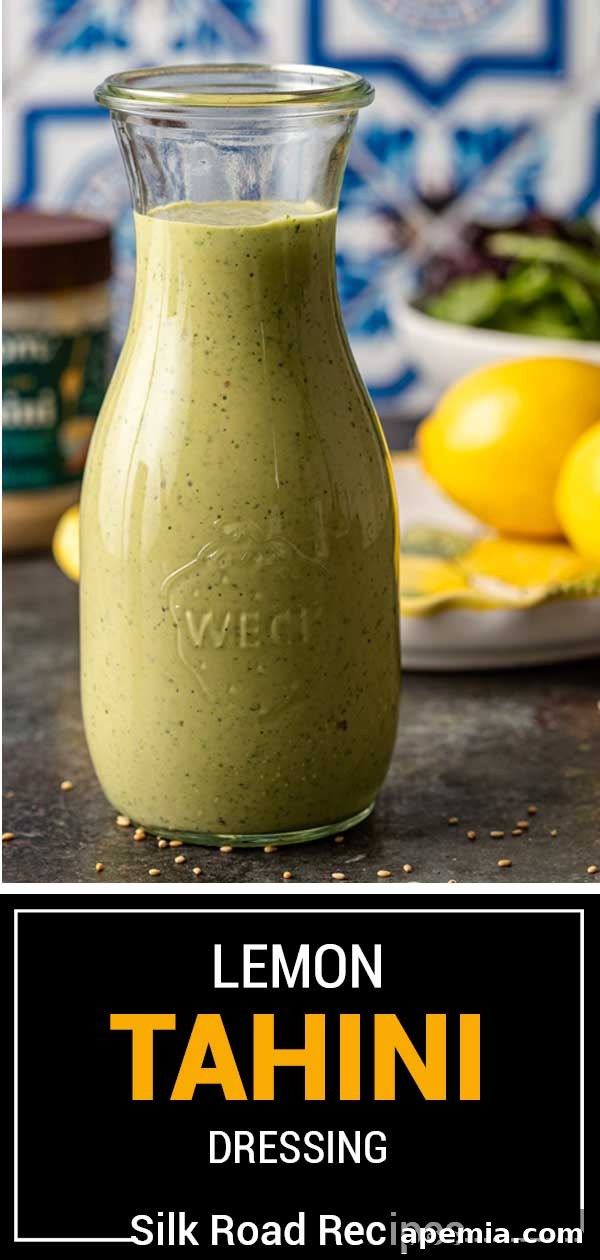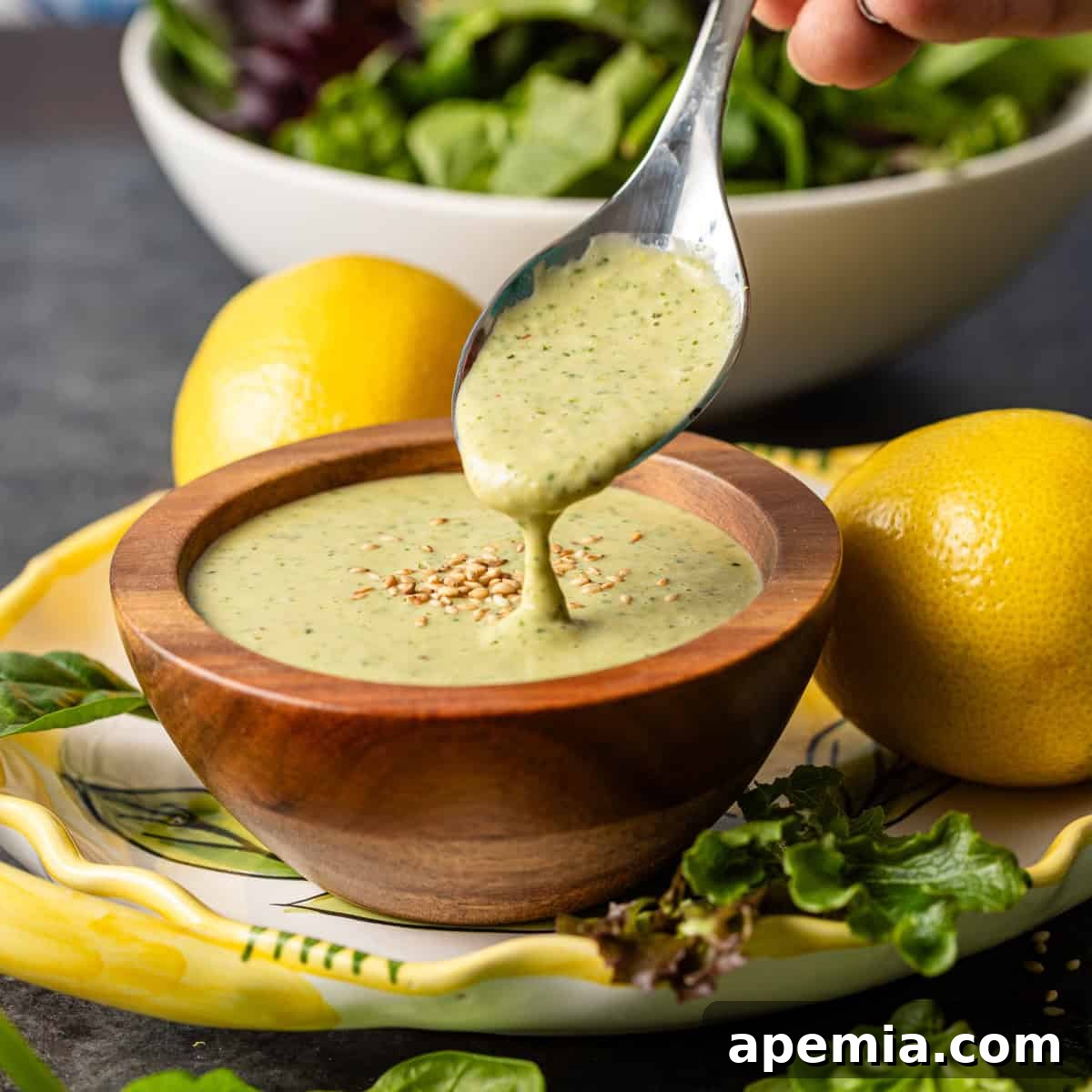
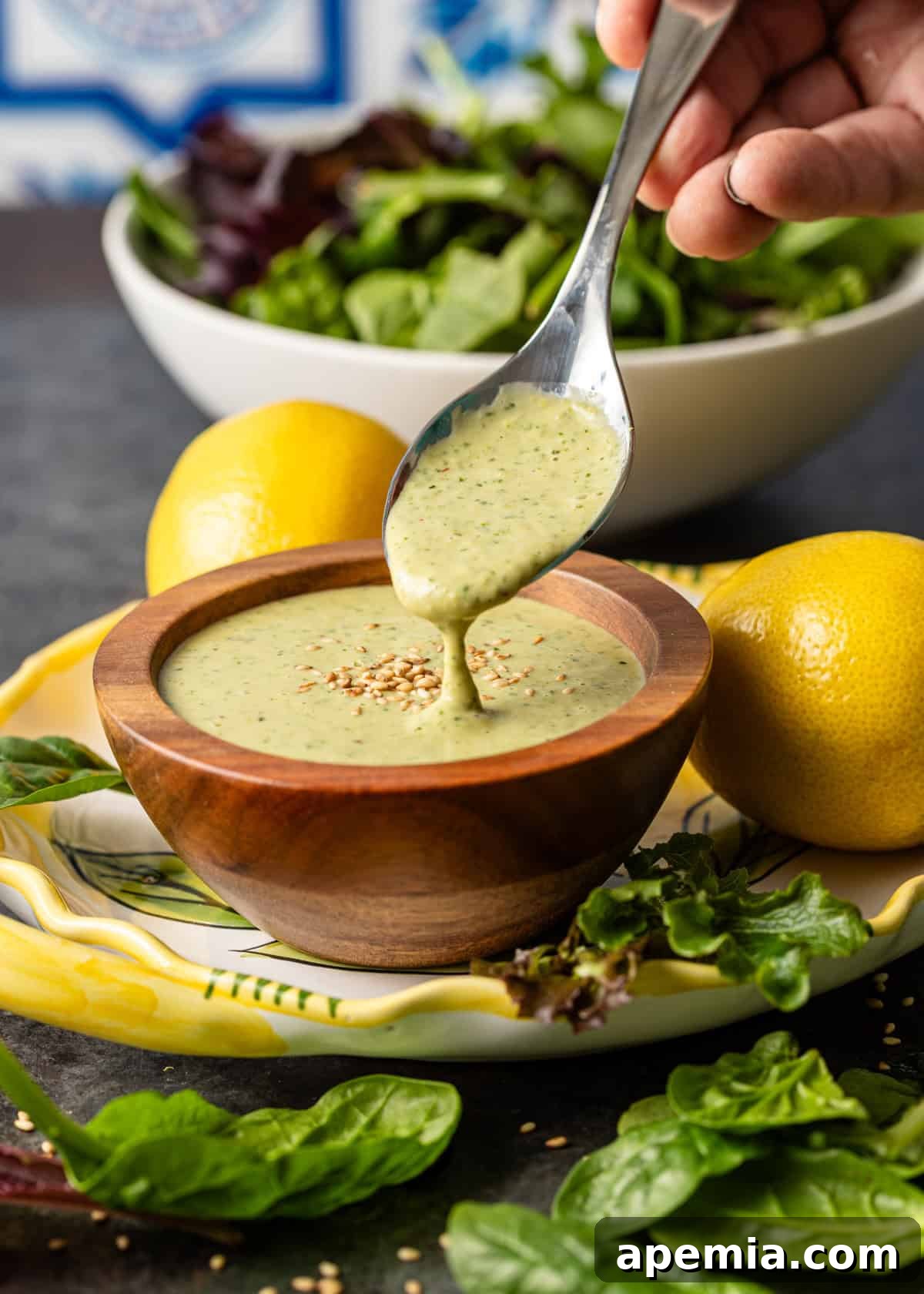
Embark on a culinary journey with this exceptional lemon tahini dressing – a vibrant and creamy concoction that effortlessly marries the bright tang of fresh citrus with the rich, nutty depth of tahini. More than just a simple condiment, this sauce is a true kitchen MVP, designed to transform everyday meals into extraordinary dining experiences. It’s incredibly quick to prepare, using only a handful of pantry staples, and its versatility knows no bounds, making it an indispensable addition to your recipe repertoire. Whether you’re aiming to revitalize a mundane salad, elevate a plate of roasted vegetables, or add a gourmet touch to grilled meats, this dressing provides that perfect “lift” every time.
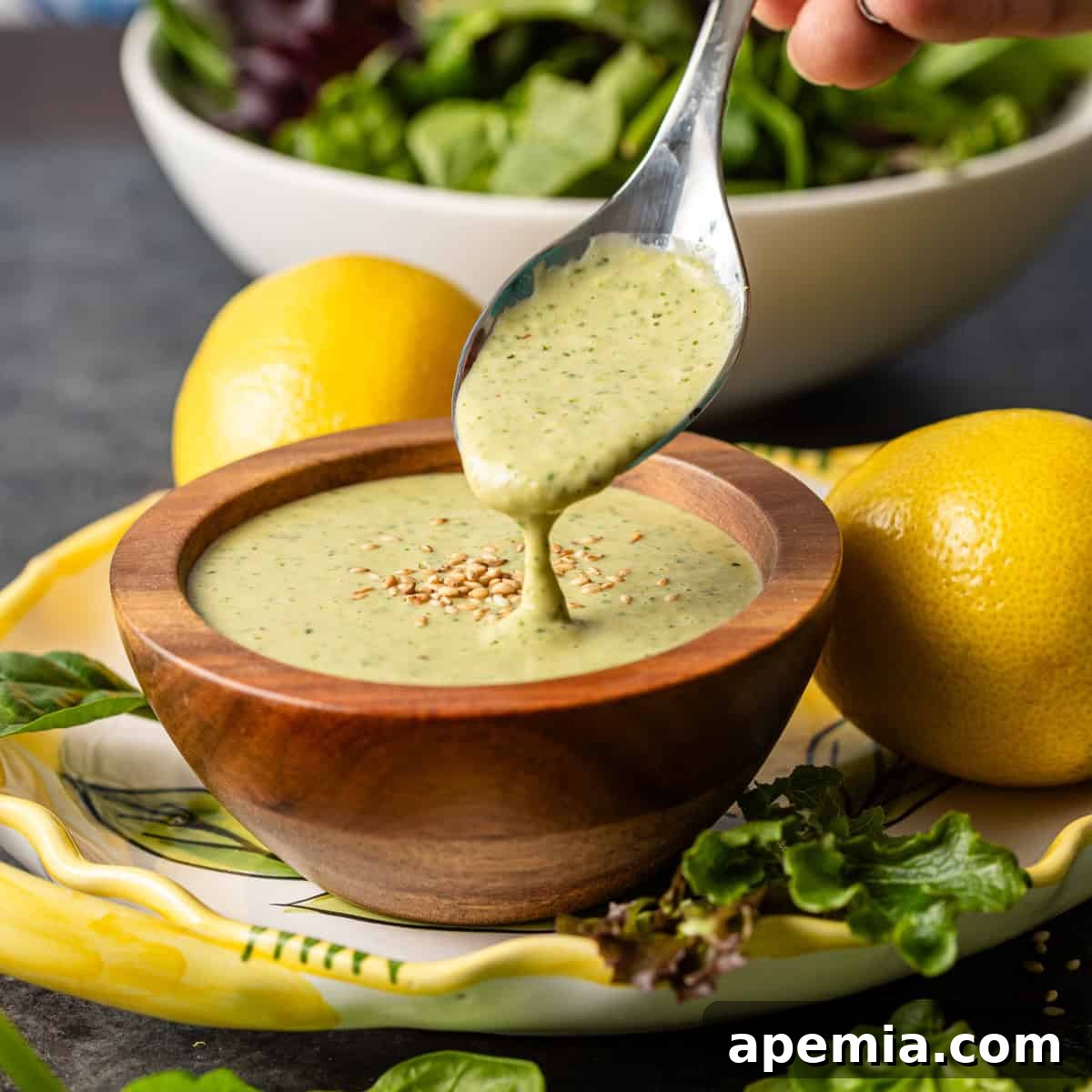
This quest for a dressing that could consistently infuse excitement into weeknight dinners without demanding extra effort led to the creation of this lemon tahini dressing recipe. It began with a straightforward goal: how to make food more enticing and memorable. The answer lies in the harmonious blend of robust, toasted sesame tahini, invigorating fresh lemon, and a carefully selected medley of savory elements that make the entire sauce sing. The result is a dressing that doesn’t just complement your food but actively enhances it, creating a symphony of flavors and textures in every bite.
I find myself reaching for this dressing most frequently when crafting wholesome grain bowls, preparing succulent roasted vegetables, or serving up classic dishes like chicken shawarma or a flavorful kebab. These are meals that are certainly delicious on their own, but they truly shine with the addition of a creamy, zesty, and aromatic sauce. What makes this dressing particularly special is its ability to gently warm and cling beautifully to whatever it’s drizzled over, whether it’s grains, tender vegetables, or protein-rich meats. Instead of simply sliding off, it thoroughly coats and permeates the ingredients, ensuring every forkful is bursting with its signature flavor.
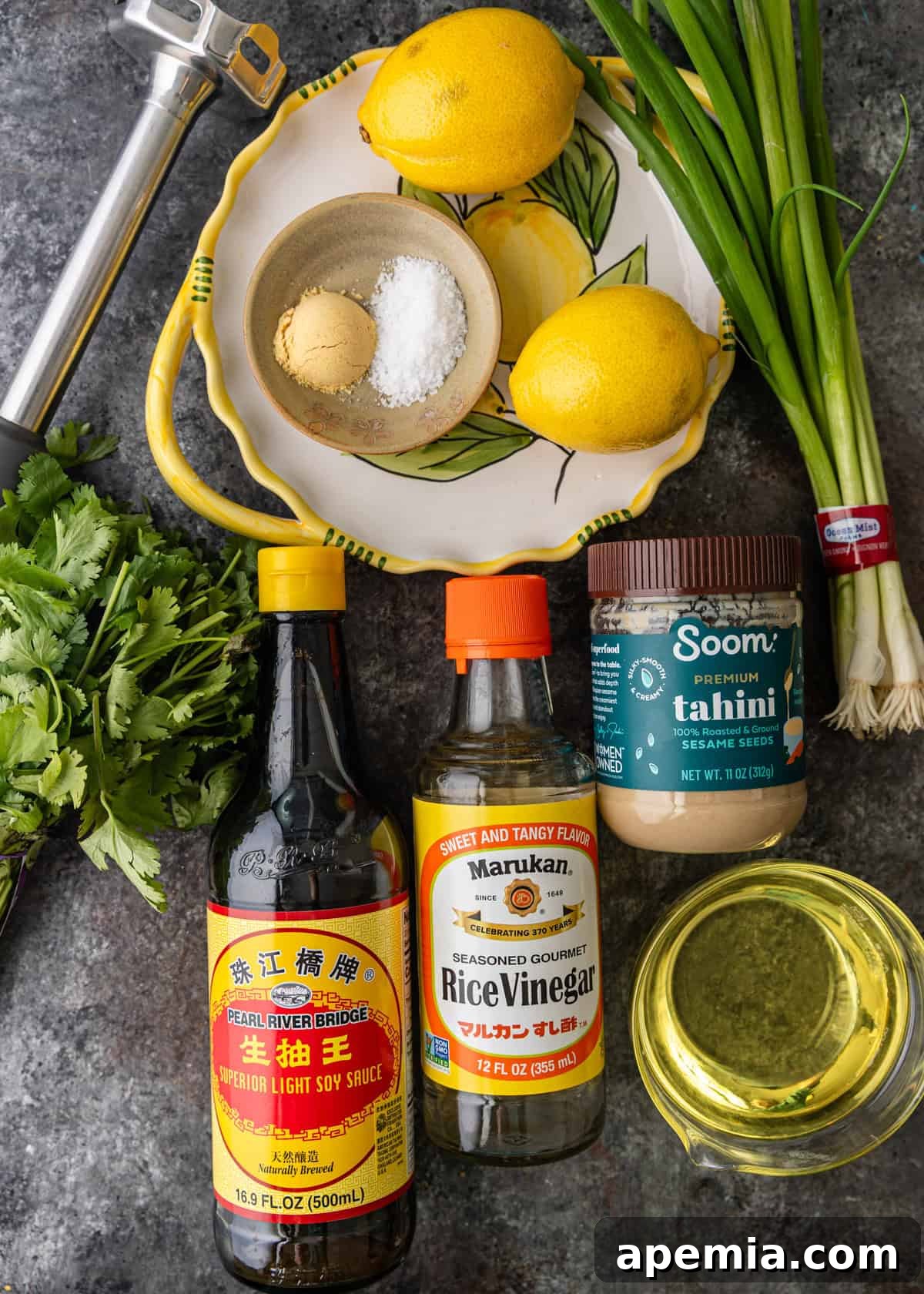
Table of Contents
- Tahini 101: Understanding the Sesame Secret
- Ingredient Notes and Smart Substitutions
- How to Make Lemon Tahini Dressing: A Step-by-Step Guide
- Versatile Pairings: Beyond the Salad Bowl
- Recommended Tools for a Perfect Dressing
- Storage and Longevity Tips
- Frequently Asked Questions
- Lemon Tahini Dressing Recipe
The true beauty of this dressing, however, lies in its unparalleled versatility. One evening, it transforms into a vibrant lemon tahini salad dressing, perfectly complementing a crisp green salad. The next, it’s elegantly drizzled over a platter of Moroccan roasted carrots, enhancing their natural sweetness with a tangy counterpoint, or generously spooned onto tender Turkish chicken, adding a creamy, herbaceous finish. It truly earns its title as the “Most Valuable Player” of the sauce world. Once you have a batch stored in your refrigerator, you’ll discover yourself reaching for it far more often than you initially anticipated – a testament to its deliciousness and ease of use. This constant appeal is precisely why it has become such a beloved staple in my kitchen, bringing joy and flavor to countless dishes.
💡 Tip From Kevin
Tahini 101: Understanding the Sesame Secret
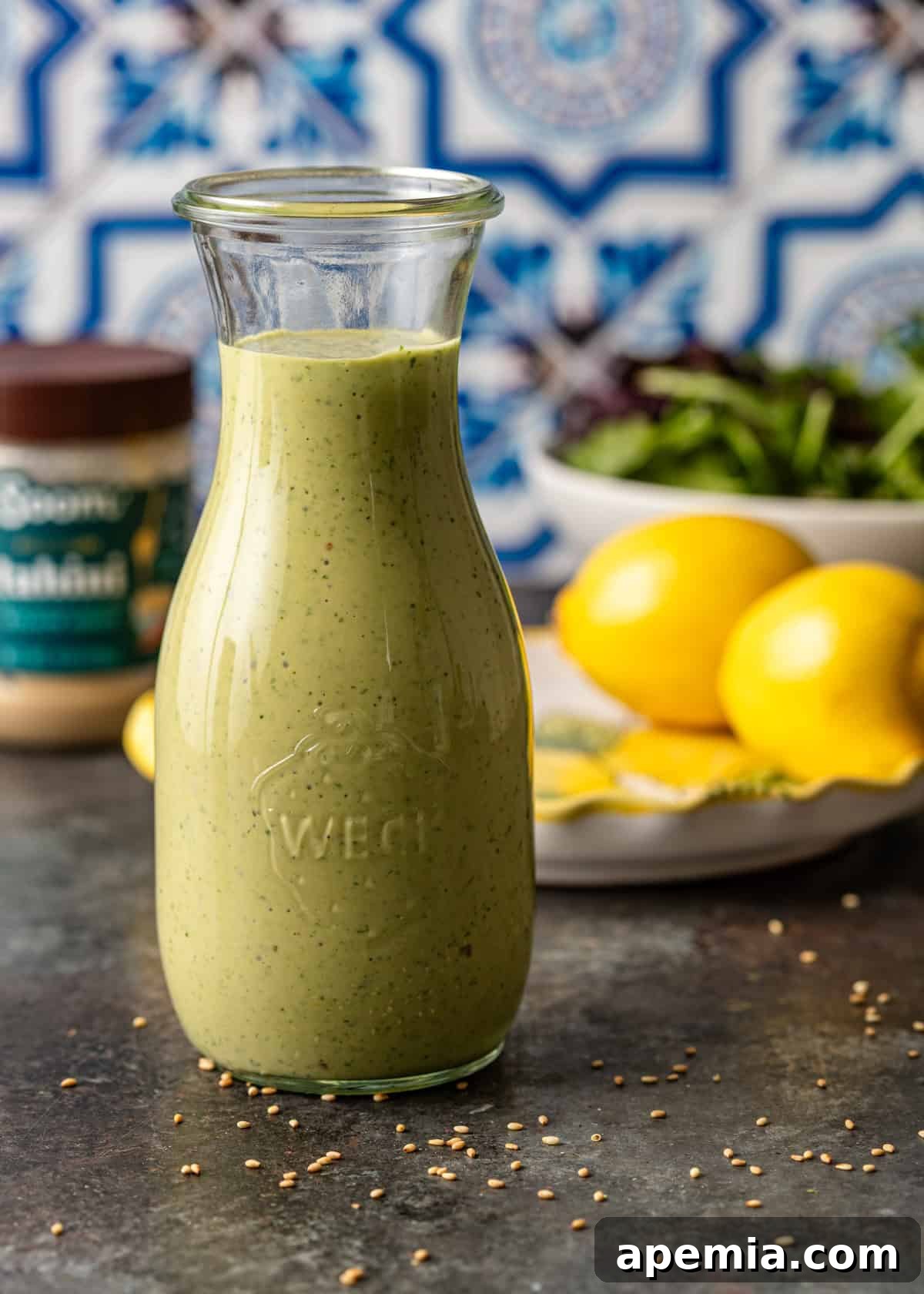
Tahini is a fundamental ingredient in Middle Eastern and Mediterranean cuisines, renowned for its creamy texture and distinctly nutty flavor. It’s essentially a paste made from finely ground, hulled sesame seeds, often toasted to enhance its depth. While delicious enough to be served simply on its own, it plays a starring role in many classic dishes such as rich Mediterranean hummus, smoky Mutubal, creamy Baba Ghanoush, and the sweet confection Halva. In this lemon tahini dressing, it serves a dual purpose: not only does it infuse the sauce with its signature flavor, but its natural emulsifying properties also act as a crucial binder, creating a smooth, cohesive, and luxurious texture. Understanding tahini is key to mastering this dressing, as its quality significantly impacts the final taste and consistency.
When selecting tahini, look for brands that produce a smooth, pourable consistency, as thicker, stiffer tahini can be harder to work with and may require more water to achieve the desired dressing texture. A good quality tahini should have a pleasant, slightly bitter but balanced taste, indicative of properly toasted sesame seeds.
My go-to tahini brands that consistently deliver excellent results:
- Soom Premium Tahini: Known for its exceptional smoothness, versatile nature, and high ratings among chefs and home cooks.
- Artisana Raw Organic Tahini and Once Again Organic Tahini: Great organic options that offer distinct, rich flavors.
- Simple Truth Organic Tahini or Joyva Sesame Tahini: More widely available and reliable choices for everyday use.
- Mighty Sesame Tahini or premium artisanal brands like Seed + Mill Organic Tahini: Excellent for those seeking a richer, more gourmet experience.
➤
Ingredient Notes and Smart Substitutions
(For precise measurements and quantities, please refer to the full recipe card below)
- Tahini: As the star of this dressing, this rich sesame paste forms its creamy base and nutty flavor. Before measuring, always ensure your tahini is thoroughly stirred to combine any separated oil and solids. If your tahini is particularly thick or stiff, a slight splash of water during or after blending can help achieve the desired pourable consistency. Quality tahini makes a significant difference, so opt for a brand you trust.
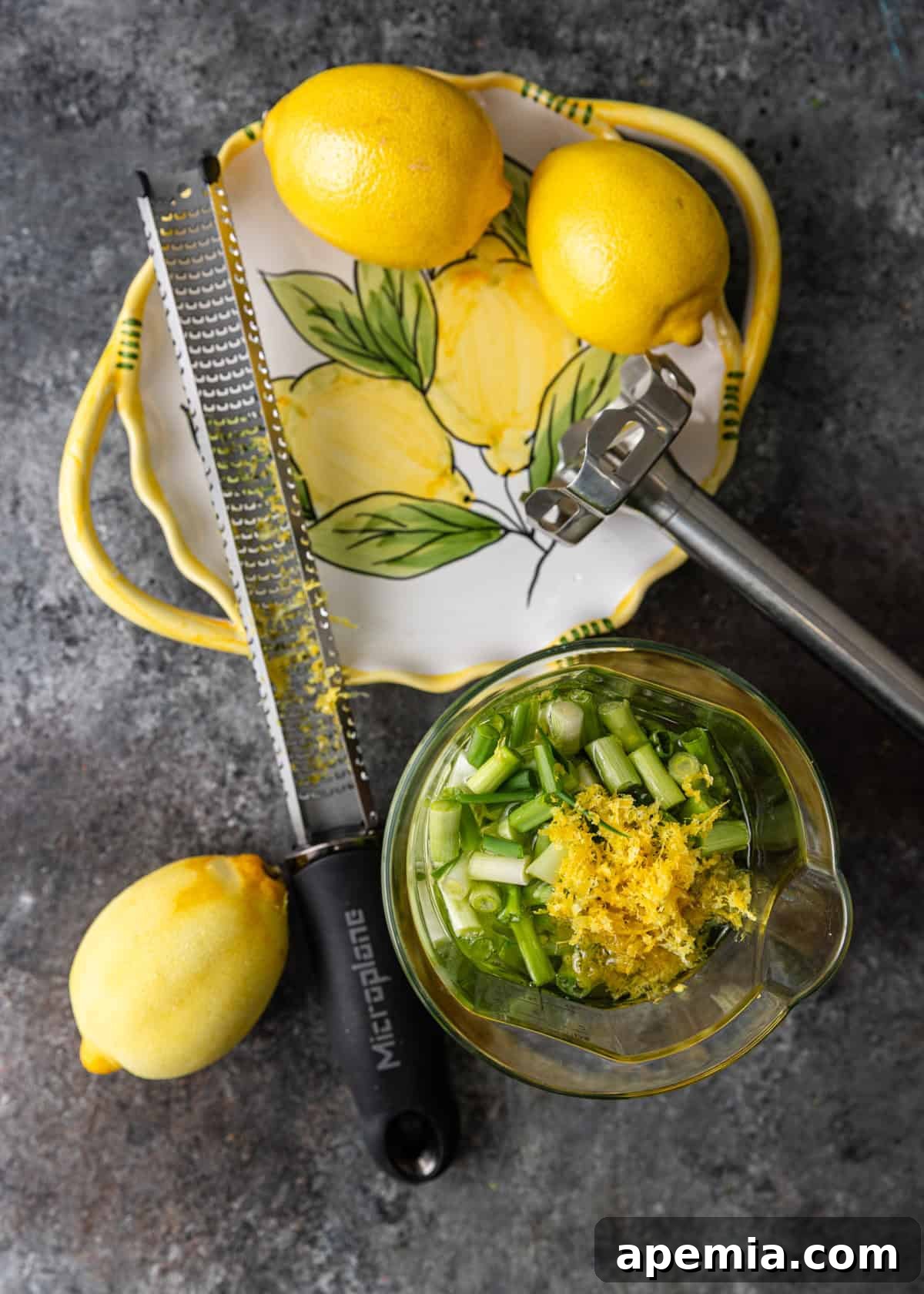
- Lemon (Zest & Juice): The dynamic duo of lemon zest and juice is crucial for a robust citrus profile. The juice provides that essential bright tang and acidity, while the zest delivers a powerful aromatic punch and complex lemon oils, making the flavor truly pop. For maximum freshness and flavor, always use fresh lemons. If your lemons are smaller, consider adding a third to ensure ample zest and juice.
- Vegetable Oil: Chosen for its light, neutral profile, vegetable oil allows the distinct flavors of tahini and lemon to remain at the forefront. It contributes to the dressing’s silky texture without overpowering other ingredients. For alternatives, consider using a mild avocado oil for its healthy fats, or a light olive oil, ensuring it doesn’t have too strong a flavor that would compete with the sesame and citrus.
- Rice Vinegar: This ingredient adds a subtle, gentle tang that complements the lemon without making the dressing overly acidic. Its mild sweetness balances the other savory notes. If rice vinegar isn’t available, white wine vinegar can be used as a substitute, but start with a slightly smaller amount and taste as you go, as it can be more potent.
- Soy Sauce: A touch of soy sauce introduces umami depth and an essential salty balance that rounds out the dressing’s flavor profile. For gluten-free options, tamari is an excellent direct substitute, providing similar richness. Coconut aminos also work well for a soy-free alternative, offering a slightly sweeter, milder flavor.
- Green Onions & Cilantro: These fresh herbs are vital for adding brightness, a subtle herbaceous kick, and visual appeal. Green onions contribute a mild oniony flavor, while cilantro offers a refreshing, slightly peppery note. If cilantro isn’t to your taste, fresh parsley is a fantastic clean-tasting alternative that maintains the herbal freshness without its distinctive flavor.
- Dry Mustard: Don’t underestimate the power of dry mustard! It doesn’t add a strong mustard flavor but rather acts as a secret weapon, sharpening and intensifying the overall flavor profile of this lemon tahini salad dressing. It provides a subtle complexity that elevates the other ingredients.
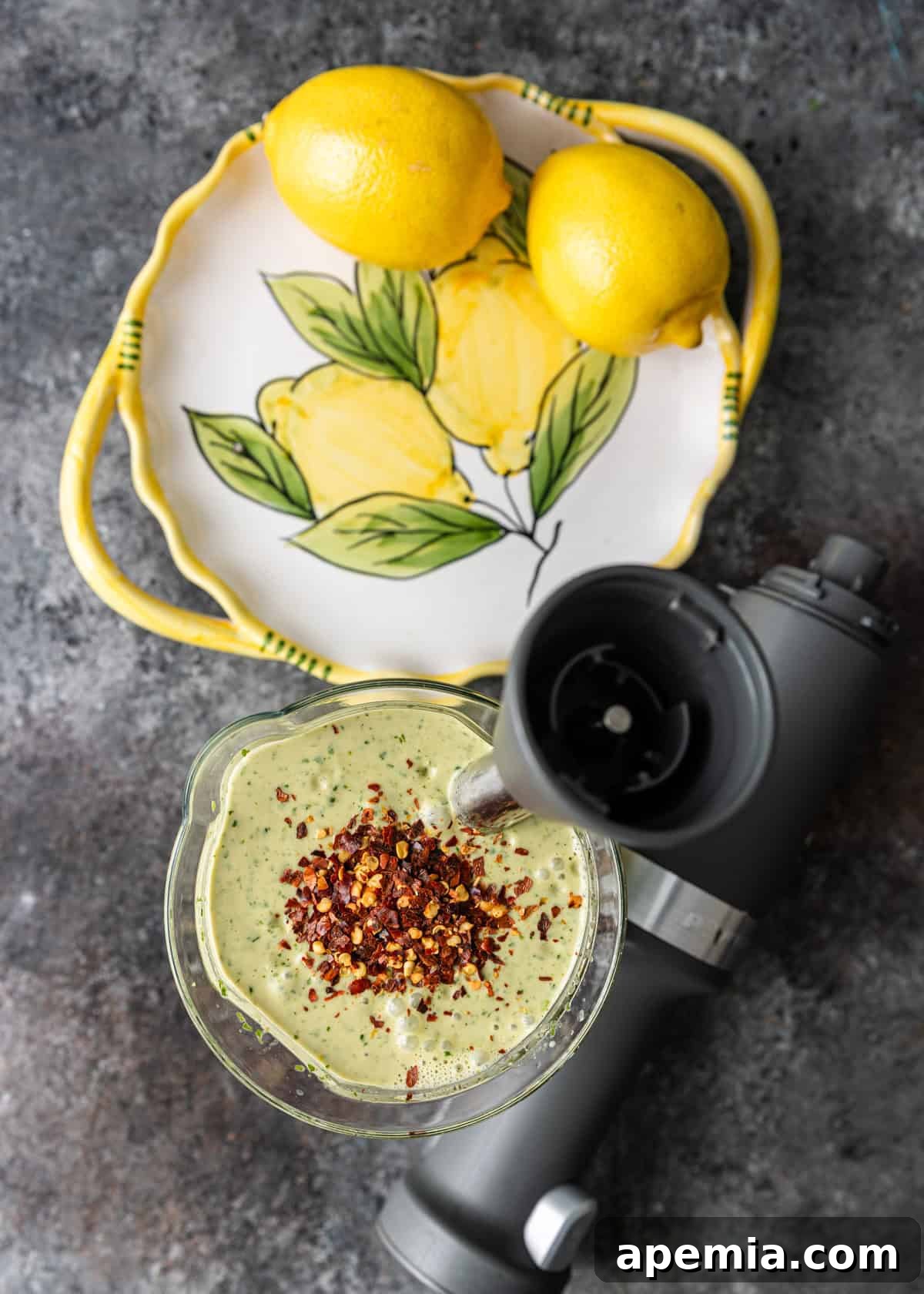
- Red Pepper Flakes: For those who appreciate a gentle warmth without overwhelming spiciness, red pepper flakes are an excellent optional addition. They introduce a subtle heat that awakens the palate and adds another layer of flavor. Adjust the quantity to your preference, or omit entirely if you prefer no heat.
⭐
How to Make Lemon Tahini Dressing: A Step-by-Step Guide
Crafting this incredible dressing is remarkably simple, requiring minimal effort for maximum flavor payoff. Follow these easy steps:
- Gather and Combine Ingredients: Begin by adding all the liquid and solid ingredients into your chosen blending device. This includes the vegetable oil, tahini, fresh lemon zest and juice, rice vinegar, soy sauce, chopped green onions, fresh cilantro, dry mustard, kosher salt, and the optional red pepper flakes. Ensuring all ingredients are ready before you start makes the process seamless.
- Blend Until Smooth and Emulsified: Process the mixture using either a high-speed blender or an immersion blender. Continue blending until your lemon tahini dressing achieves a perfectly creamy, homogenous, and well-emulsified consistency. You might need to pause occasionally to scrape down the sides of the blender jar, ensuring everything is thoroughly incorporated.
- Adjust Consistency and Seasoning to Perfection: Once blended, assess the consistency. If the dressing appears too thick for your liking, gradually add a tablespoon of cold water at a time while blending, until it reaches your desired pourable texture. This helps thin it out without diluting the flavor too much. Next, taste the dressing and adjust the seasoning as needed. You might want to add a pinch more salt to enhance the flavors or a little extra lemon juice for a brighter tang, depending on your preference.
- Chill Briefly for Enhanced Flavor: While tempting to use immediately, allowing your lemon tahini dressing to rest in the refrigerator for at least 20 to 30 minutes before serving significantly enhances its flavor. This brief chilling period allows all the ingredients to meld together, deepening the overall taste profile and achieving optimal consistency.
Versatile Pairings: Beyond the Salad Bowl
The beauty of this lemon tahini dressing truly shines in its incredible versatility. While it’s a stellar companion for any green salad, its applications extend far beyond. Here are some inspiring ideas to incorporate this zesty, nutty sauce into a variety of meals:
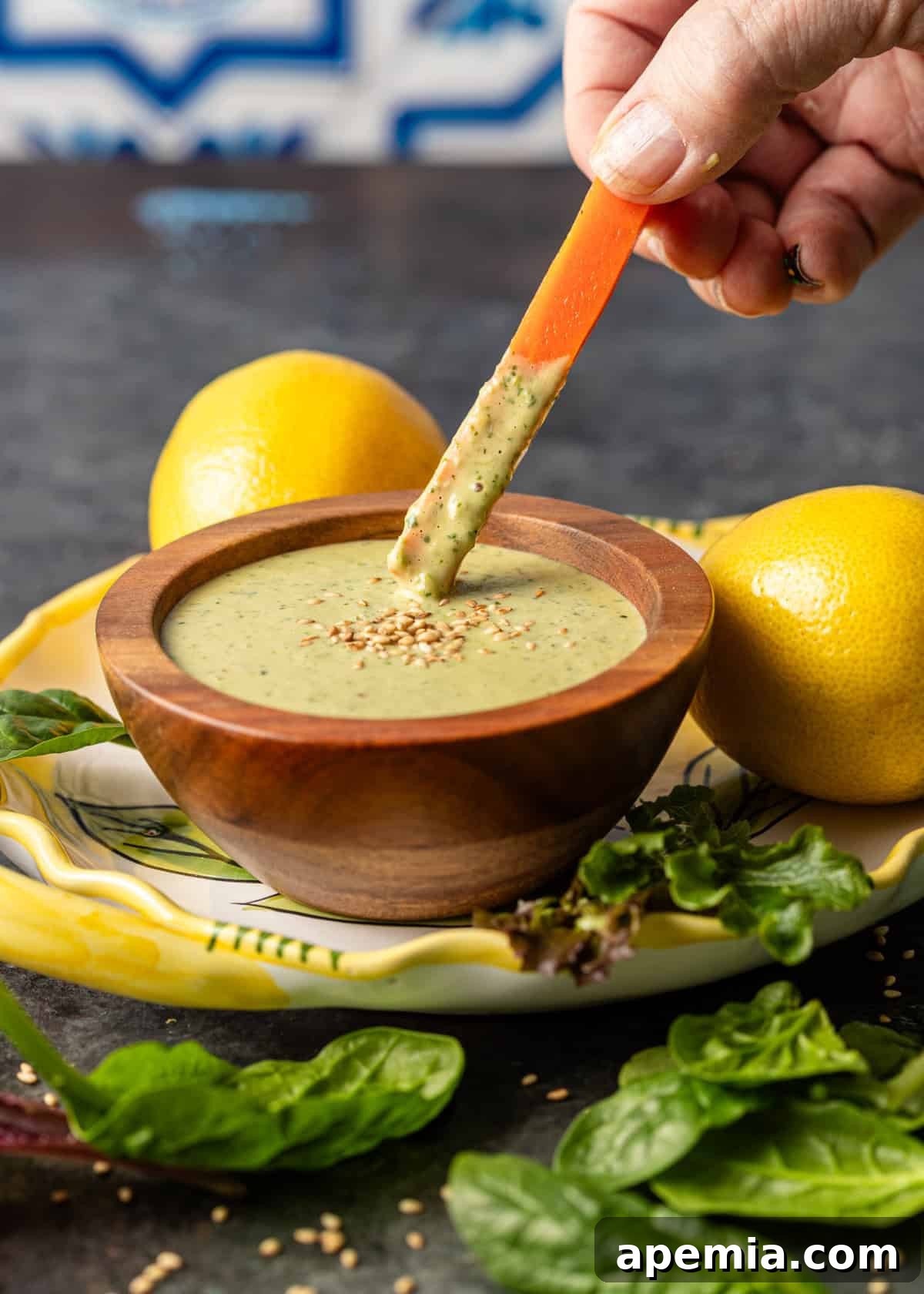
- Roasted & Grilled Vegetables: Drizzle generously over warm roasted carrots, broccoli, cauliflower, asparagus, or bell peppers. It caramelizes slightly and clings beautifully, adding a creamy, savory layer.
- Grain Bowls & Buddha Bowls: The perfect finishing touch for any hearty grain bowl featuring quinoa, farro, rice, or couscous, paired with fresh or roasted vegetables and your protein of choice.
- Grilled & Baked Proteins: A fantastic marinade or finishing sauce for chicken, fish (especially salmon or cod), lamb, or even firm tofu and tempeh. Brush it on before grilling or baking for a burst of flavor.
- Dips & Spreads: Serve it as a dip for fresh crudités (carrots, celery, cucumbers), pita bread, or chips. It also makes a wonderful spread for sandwiches and wraps, adding moisture and flavor.
- Warm Side Dishes: Stir it into warm rice, couscous, or potato salads for an unexpected but delightful flavor boost.
- Falafel & Shawarma: An absolute must-have accompaniment for homemade falafel, chicken shawarma, or lamb kebabs, providing that authentic Mediterranean touch.
- Breakfast/Brunch: Yes, really! A light drizzle over savory scrambled eggs with a sprinkle of sumac can be surprisingly delicious.
Experiment and find your favorite combinations! This dressing is designed to be a flexible enhancer, bringing a burst of fresh flavor wherever it goes.
Recommended Tools for a Perfect Dressing
Achieving that super-smooth, emulsified texture for your lemon tahini dressing is key, and having the right tools makes all the difference:
- High-Speed Blender or Immersion Blender: These are your best friends for this recipe. A high-speed blender ensures a perfectly smooth and creamy texture, preventing any separation, while an immersion blender offers convenience for smaller batches and easy cleanup right in the mixing container.
- Microplane Zester: Essential for safely and efficiently zesting lemons, extracting all those fragrant essential oils without grating any bitter white pith. This tool guarantees maximum lemon flavor.
- Citrus Juicer: While not strictly mandatory, a good citrus juicer (manual or electric) is highly recommended. It efficiently extracts every last drop of juice from your lemons, leaving behind seeds and pulp, ensuring your dressing is consistently smooth and perfectly tart.
Storage and Longevity Tips
This homemade lemon tahini dressing is excellent for meal prepping. You can store it confidently in an airtight container within the refrigerator for up to 5 days. Its flavors tend to deepen slightly with time, making it even more delicious on day two or three.
It’s important to note that tahini-based dressings naturally thicken when chilled. This is a normal phenomenon due to the nature of tahini. Before each use, simply give the dressing a vigorous shake or stir to re-combine any ingredients that may have settled. If you find it’s too thick to pour or drizzle as desired, a quick fix is to whisk in a tablespoon of cold water or a splash of additional lemon juice until it reaches your preferred pourable consistency. This ensures your dressing is always ready to enhance your meals with its fresh, creamy goodness.
Share this recipe on Pinterest!
Love this versatile lemon tahini dressing recipe? Share it with your friends and family on Pinterest to inspire more delicious meals.
✅
Frequently Asked Questions
It’s perfectly normal for tahini-based dressings to thicken, especially when combined with an acid like lemon juice or when chilled. Tahini’s natural properties cause it to seize up slightly. The simple solution is to thin it out by adding cold water (one tablespoon at a time) while blending or whisking until it reaches your preferred pourable consistency. Don’t worry, this doesn’t affect the flavor!
Absolutely! While a blender yields the smoothest consistency, you can certainly make this dressing by hand. The key is to finely mince your fresh herbs (green onions and cilantro) to ensure they integrate well. Then, combine all ingredients in a bowl and whisk vigorously until well combined and emulsified. It might not be as silky-smooth as a blended version, but the flavor will still be fantastic and highly enjoyable!
Ideally, your dressing shouldn’t taste bitter. A common reason for bitterness in tahini dressing is using tahini that hasn’t been properly stirred, causing the denser solids at the bottom to become concentrated. Always stir your tahini thoroughly until it’s smooth and uniform before measuring. Additionally, the quality and freshness of your lemons matter; bottled lemon juice can sometimes impart a metallic or bitter aftertaste, so always opt for freshly squeezed lemon juice for the best results in this recipe.
Yes, this recipe is naturally vegan, as all its ingredients are plant-based. To ensure it’s completely gluten-free, simply make sure to use tamari or coconut aminos instead of traditional soy sauce, as regular soy sauce often contains wheat. Always check the labels of your ingredients to confirm they meet your dietary needs.
Lemon Tahini Dressing
A bright and creamy lemon tahini dressing bursting with citrus, nutty sesame, and fresh herbs. This versatile sauce is perfect for enhancing salads, roasted vegetables, hearty grain bowls, and grilled meats!
16
10 mins
10 mins
Ingredients
- 1 cup vegetable oil
- 1/4 cup tahini
- 2 lemons (zest and juice)
- 2 tbsp rice vinegar
- 1 tbsp soy sauce
- 8 green onions
- 1/2 cup cilantro
- 1 tsp dry mustard
- 1/2 tsp kosher salt
- 1/2 tsp red pepper flakes (optional)
Instructions
- Combine all of the ingredients (oil, tahini, lemon zest and juice, rice vinegar, soy sauce, green onions, cilantro, dry mustard, salt, and red pepper flakes) in a blender or food processor, or use an immersion blender. Puree until the dressing is completely smooth and creamy.
- Taste the dressing and adjust seasonings as needed. If the dressing is too thick, add a tablespoon of cold water at a time until it reaches your desired pourable consistency.
- For best flavor, chill the dressing in the refrigerator for 20-30 minutes before serving. Enjoy chilled as a vibrant salad dressing, a delicious dip for vegetables, or a flavorful marinade for chicken or fish.
Nutrition
Calories: 30kcal | Carbohydrates: 3g | Protein: 1g | Fat: 2g | Saturated Fat: 0.3g | Polyunsaturated Fat: 1g | Monounsaturated Fat: 1g | Sodium: 139mg | Potassium: 60mg | Fiber: 1g | Sugar: 1g | Vitamin A: 118IU | Vitamin C: 9mg | Calcium: 14mg | Iron: 0.4mg
The information shown is an estimate provided by an online nutrition calculator. It should not be considered a substitute for a professional nutritionist’s advice.
Condiments, Dressings, Salads
Middle Eastern, Mediterranean, Asian-inspired
Kevin
Have You Made This Recipe? Let Me Know on Instagram!
Tag @keviniscooking or use hashtag #keviniscooking!