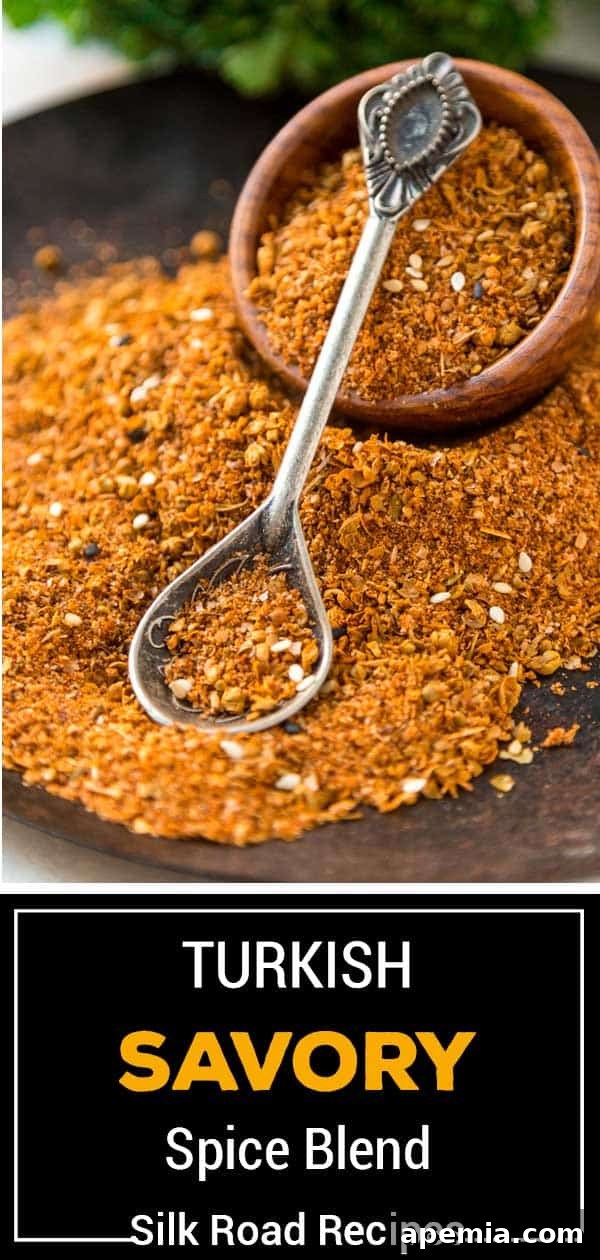
The Ultimate Guide to Crafting Your Own Authentic Turkish Spice Blend
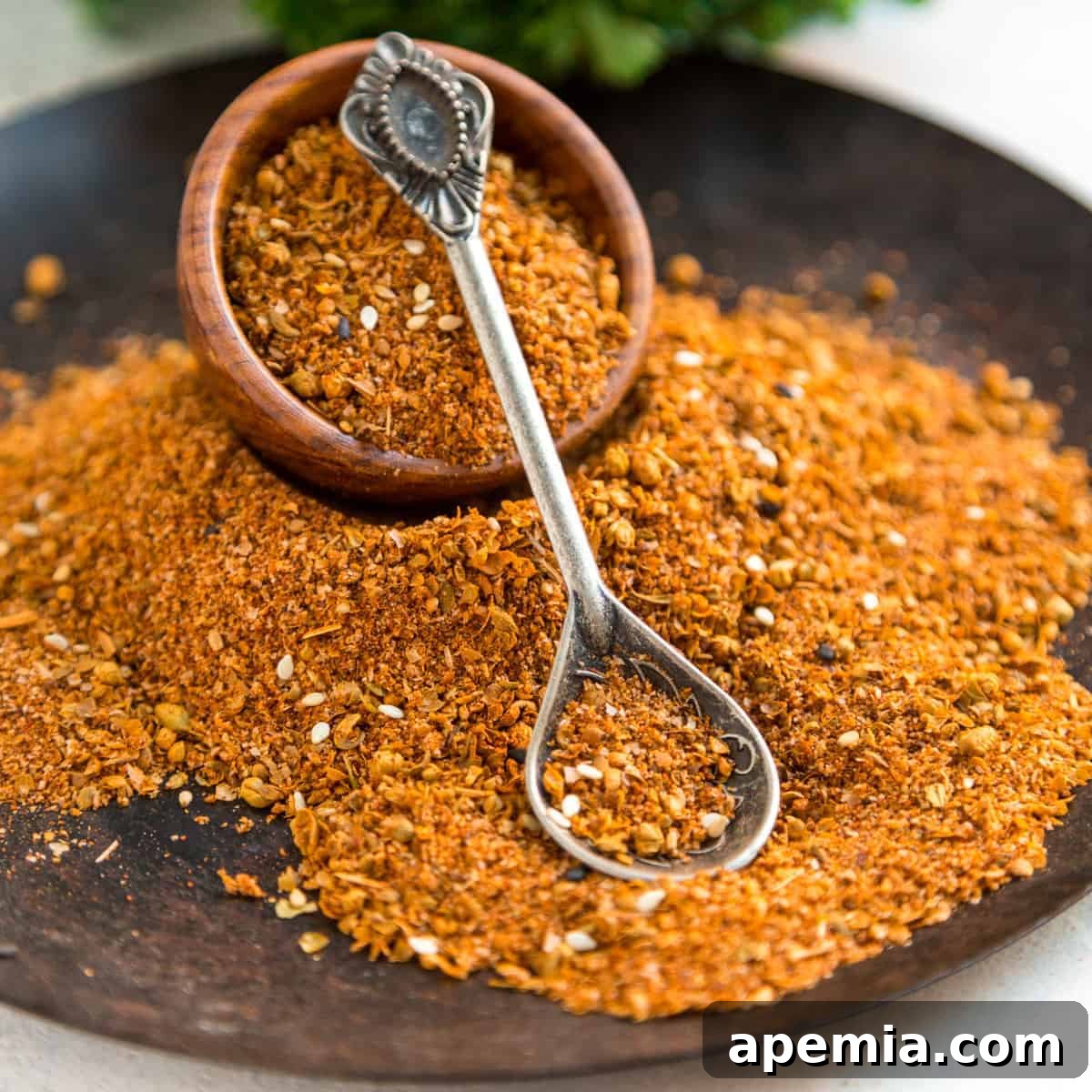
Embark on a culinary journey to the heart of the Mediterranean with this exquisite homemade Turkish Spice Blend. This aromatic seasoning mix is a cornerstone of Turkish cuisine, celebrated for its warm, earthy notes, predominantly featuring cumin, and a harmonious medley of other Middle Eastern spices. Perfect as a dry rub for roasted meats, a vibrant seasoning for vegetables, or a delightful sprinkle for snacks, this blend promises to elevate your cooking with its unique depth and complexity.
Beyond the classic cumin, this blend achieves its distinctive character through a thoughtful combination of ingredients. You’ll find the robust pungency of dry-toasted black peppercorns, complemented by the delicate, fruity, and slightly floral whisper of pink peppercorns. Cilantro adds a fresh, herbaceous brightness, while sweet paprika introduces a touch of subtle sweetness and a beautiful, rich hue. The lemony tang of sumac provides a signature Mediterranean zest, and a hint of cayenne pepper delivers a gentle, inviting warmth without overwhelming the palate. The result is a versatile and essential blend that you’ll want to keep readily available in your pantry.
The beauty of this Turkish spice blend lies in its remarkable versatility. Imagine sprinkling it over freshly cooked chickpeas before roasting them to a satisfying crisp, creating an addictive, healthy snack. Or, integrate it into your next vibrant salad, where it adds an unexpected kick of flavor, transforming simple greens into a more exciting dish. It’s also an ideal companion for roasted vegetables, lending a savory depth to potatoes, carrots, or zucchini. For protein, this blend is absolutely perfect when rubbed onto chicken or fish prior to cooking, forming a flavorful crust that seals in moisture. Even a simple bowl of popcorn can be transformed into a gourmet treat with a light dusting of this captivating seasoning.
Why Make Your Own Turkish Spice Blend? The Advantages of Homemade
While store-bought spice blends offer convenience, crafting your own Turkish spice mix at home presents several compelling advantages:
- Unmatched Freshness and Potency: Whole spices, when freshly toasted and ground, release their volatile oils, unleashing an intensity of aroma and flavor that pre-ground alternatives simply cannot match. This homemade blend will be far more vibrant and impactful in your dishes.
- Tailored to Your Taste: You have complete control over the flavor profile. Prefer more heat? Add extra cayenne. Watching your sodium intake? Reduce the amount of salt. This customization allows you to create a blend that perfectly suits your culinary preferences.
- Purity and Transparency: Commercial spice blends often contain anti-caking agents, fillers, or artificial ingredients. By making your own, you ensure that every granule is pure spice, free from unwanted additives.
- Cost-Effectiveness: Purchasing whole spices in bulk is often more economical in the long run than buying small jars of pre-made blends. A little goes a long way, and you’ll have an array of spices on hand for countless other recipes.
- The Joy of Creation: There’s immense satisfaction in creating something from scratch. The process of toasting spices and grinding them yourself is an aromatic and rewarding experience that connects you more deeply with your food.
Essential Ingredients: The Heart of Your Turkish Spice Blend
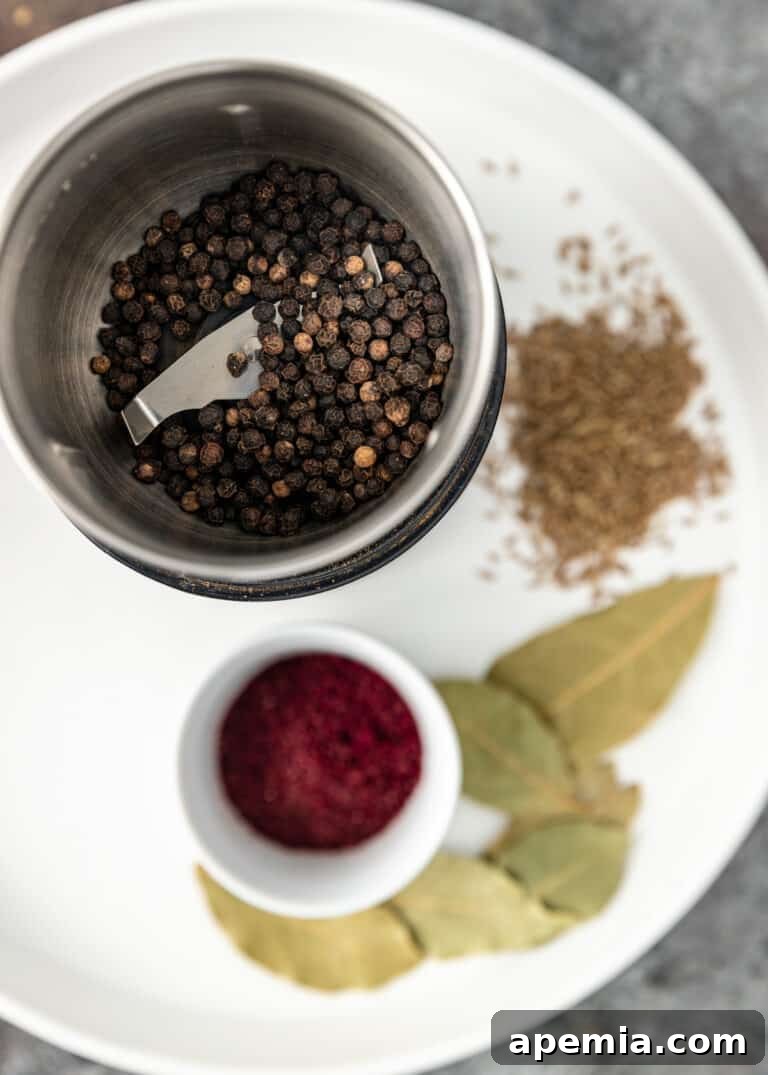
Each component of this Turkish spice blend plays a crucial role in building its complex and delicious flavor. Understanding each ingredient helps appreciate the harmony of the final mix.
- Cumin Seeds: These are the undisputed stars of many Middle Eastern and Turkish blends, offering a distinctive warm, earthy, and slightly nutty flavor. Using whole seeds and toasting them before grinding intensifies their aromatic compounds, providing a depth that ground cumin often lacks.
- Peppercorns (Black & Pink): We use a combination for a layered peppery note. Black peppercorns provide the familiar robust, pungent heat. Pink peppercorns, which are actually dried berries from a South American shrub called Baies Rose (not true peppercorns), contribute a unique sweet, fruity, and subtly floral aroma with a milder peppery bite, adding a delicate sophistication to the blend.
- Turkish Bay Leaves: Crucial for their subtle, mellow, and slightly sweet aroma. These are distinctly different from the more potent, menthol-like California bay leaves. The Turkish variety offers a gentle herbaceousness that beautifully complements the other spices without overpowering them.
- Sweet Paprika: Valued for both its vibrant color and its mild, sweet, and slightly fruity flavor. It adds visual appeal and a gentle undertone that rounds out the earthy and tangy elements of the blend.
- Sumac: An indispensable spice in Mediterranean and Middle Eastern cuisine, sumac provides a bright, tart, and lemony flavor without the sharp acidity of fresh lemon. Its slightly fruity notes are vital for adding that characteristic zing and balance to the blend.
- Cayenne Pepper: For those who appreciate a hint of heat. Cayenne offers a clean, straightforward warmth that can be adjusted to your preference. It enhances the overall flavor profile without dominating the other spices.
- Dried Cilantro: Bringing a fresh, citrusy, and herbaceous dimension, dried cilantro adds a bright counterpoint to the warm spices. Ensure it is fully dried for optimal grinding and shelf stability.
- Kosher Salt: An essential flavor enhancer, kosher salt is preferred for its pure taste and larger crystals, which allow for better control when seasoning. It helps to bring all the individual spice flavors into perfect harmony.
- Sesame Seeds: These add a delicate nutty flavor and a pleasing textural contrast, especially when lightly toasted. They are a common ingredient in many Middle Eastern spice mixes and provide an authentic touch.
- Oregano: A classic Mediterranean herb, oregano provides pungent, slightly bitter, and peppery notes that wonderfully bridge the flavors of the spices and complement the bay leaves and cilantro.
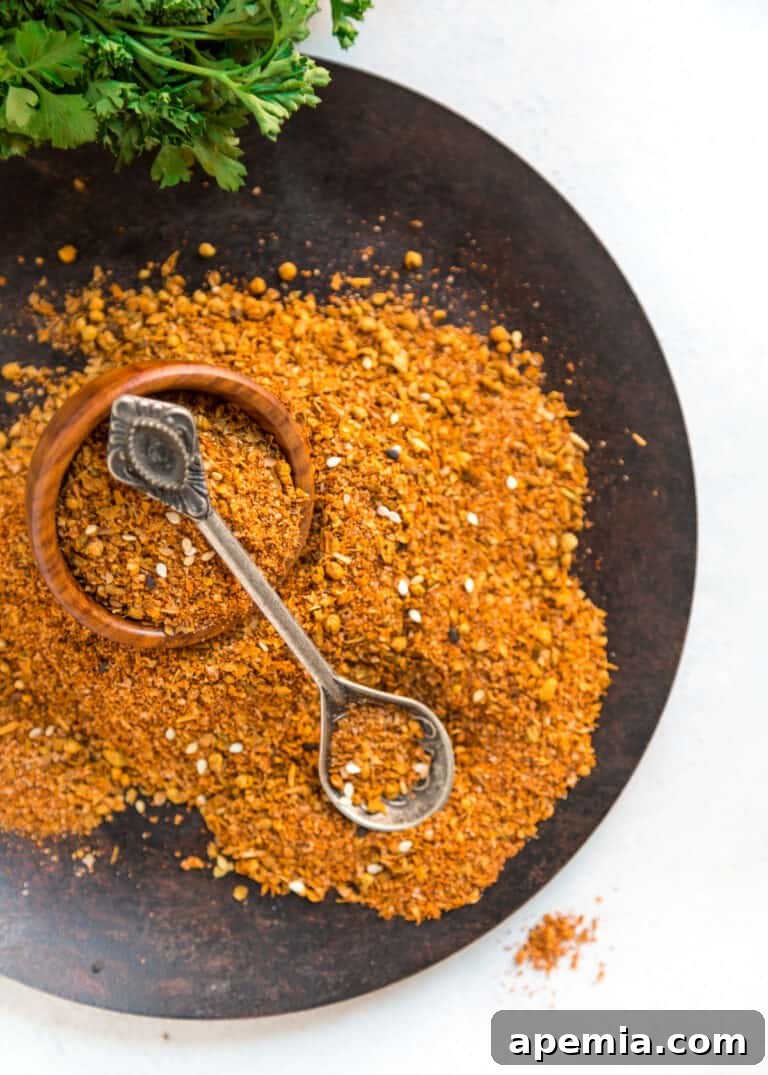
Crafting Your Blend: A Simple Guide to Perfect Turkish Spices
Making your own Turkish spice blend is surprisingly straightforward, yet the attention to a few key details will ensure a deeply flavorful and aromatic result.
-
Toast for Aroma:
Begin by dry-toasting your whole cumin seeds and peppercorns in a small sauté pan over medium-low heat. This crucial step awakens their volatile oils, intensifying their fragrance and deepening their flavor. Stir constantly to prevent burning. Watch for the cumin seeds to become fragrant and start to pop, which usually takes several minutes. Remove them from the pan immediately to cool.
-
Grind to Perfection:
Once cooled, transfer the toasted cumin and peppercorns to a dedicated spice grinder or a clean coffee grinder. Add the dried cilantro, oregano, and Turkish bay leaves. Grind these ingredients until they form a fine, uniform powder. A consistent grind ensures an even distribution of flavor throughout your dishes.
-
Combine and Mix:
In a small bowl, combine your freshly ground spice mixture with the remaining ingredients: kosher salt, sweet paprika, sumac, cayenne pepper, and sesame seeds. Stir thoroughly until all the spices are evenly distributed and the blend has a uniform color. This ensures every pinch delivers a balanced burst of flavor.
-
Store for Freshness:
Your homemade Turkish spice blend is now ready to use! For optimal freshness and potency, store it in an airtight container, such as a glass jar, in a cool, dark place away from direct sunlight and heat. Properly stored, it will retain its vibrant flavors for months.
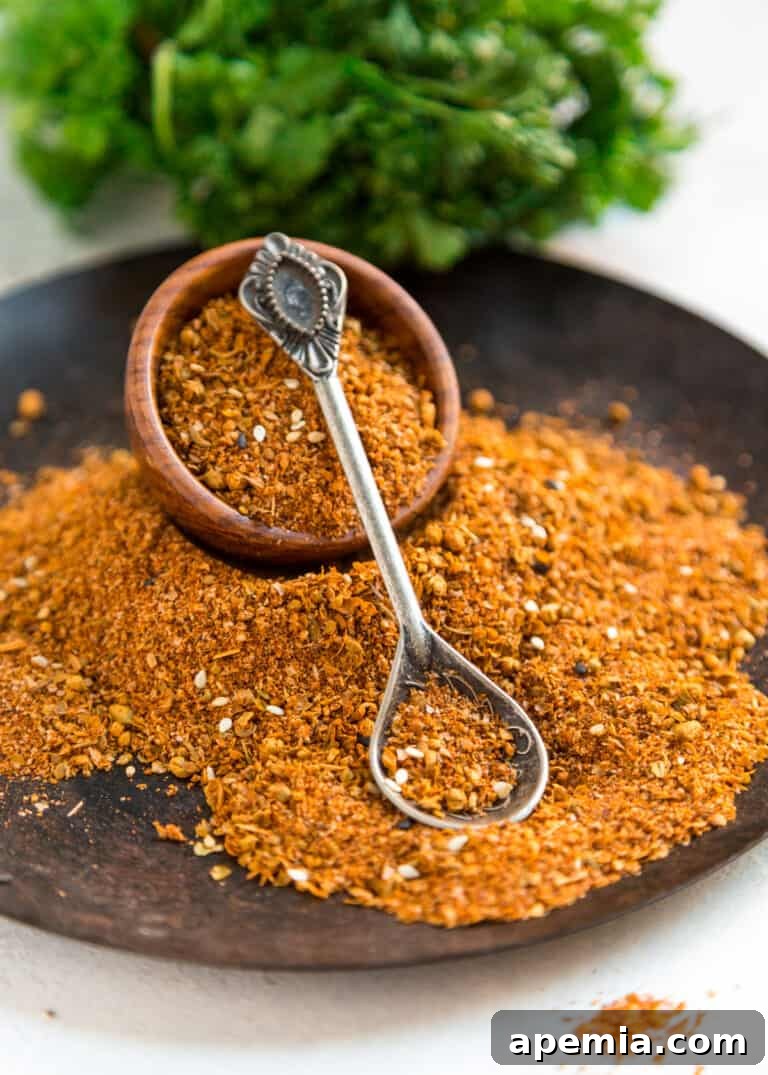
Expert Tips for the Best Homemade Turkish Spice Blend
- Always Toast Whole Spices: Do not skip the toasting step for cumin and peppercorns. This simple action significantly enhances their aroma and deepens their flavor profile, making a noticeable difference in the final blend.
- Use Fresh Spices: The quality of your raw ingredients directly impacts the final taste. Source fresh, whole spices, ideally from a store with high turnover. Old spices lose their potency and aroma.
- Dedicated Spice Grinder: If possible, use a grinder specifically for spices. Using a coffee grinder that has been used for coffee can impart unwanted coffee flavors into your spices.
- Achieve a Fine Grind: For the most even distribution of flavor, aim for a fine, powdery consistency when grinding. This also helps the blend adhere better to foods.
- Adjust Salt and Heat to Taste: The provided recipe offers a balanced profile. Feel free to adjust the amount of kosher salt and cayenne pepper to suit your personal preferences. Taste a tiny bit of the raw blend (though it won’t be as complex as when cooked) or test it on a small piece of food.
- Ground Spice Substitution: If you don’t have whole cumin seeds or peppercorns, you can substitute with pre-ground versions. However, be aware that the flavor won’t be as vibrant. For every teaspoon of whole seeds/peppercorns, use approximately 1 ¼ teaspoons of ground spice. For example, if the recipe calls for 1 tablespoon (3 teaspoons) of cumin seeds, you’d use about 3 ¾ teaspoons of ground cumin. Skip the toasting step for ground spices.
- Consider Your Bay Leaves: As noted, Turkish bay leaves are milder than California bay leaves. Using California bay leaves will result in a more assertive, menthol-forward flavor, which might not be desired for this blend.
Unleashing Flavor: Diverse Ways to Use Your Turkish Spice Blend
This versatile Turkish spice blend is not just for one dish; it’s a passport to countless flavorful meals. Here are some expanded ideas for incorporating this aromatic mix into your daily cooking:
- Spectacular Dry Rub: Transform ordinary cuts of meat into extraordinary meals. Generously rub this blend onto chicken, lamb, beef, or even heartier fish like salmon before grilling, roasting, or pan-frying. It creates a beautiful crust and infuses the protein with a profound, savory flavor.
- Roasted Vegetable Enhancer: Take your roasted vegetables to the next level. Toss potatoes, carrots, zucchini, eggplant, bell peppers, or cauliflower florets with olive oil and a generous sprinkle of the spice blend before roasting. The spices caramelize, adding incredible depth.
- Legumes and Grains:
- Crunchy Chickpea Snack: As mentioned, roasted chickpeas seasoned with this blend are addictive.
- Flavorful Lentils and Rice: Stir a teaspoon or two into your next pot of lentils, rice pilaf, or couscous while cooking for an instant burst of Mediterranean flavor.
- Marinades and Dressings:
- Yogurt Marinade: Mix with Greek yogurt, a squeeze of lemon juice, and olive oil for an incredible marinade for chicken or lamb, tenderizing the meat while infusing it with flavor.
- Salad Dressing Base: Whisk with olive oil, red wine vinegar, a touch of honey, and fresh garlic for a unique salad dressing.
- Breakfast and Brunch Upgrades:
- Scrambled Eggs or Omelets: A pinch added to eggs while cooking introduces an unexpected, savory twist.
- Avocado Toast: Elevate your avocado toast with a sprinkle on top for added complexity.
- Dips and Spreads:
- Hummus or Baba Ghanoush: Swirl a little into your favorite homemade or store-bought hummus or baba ghanoush for an authentic Turkish accent.
- Labneh Dip: Mix with strained yogurt (labneh) and a drizzle of olive oil for a simple yet elegant dip for pita bread or vegetables.
- Soups and Stews: Add a teaspoon to simmering lentil soups, hearty lamb stews, or even a simple vegetable broth for an instant boost of warm, earthy flavor.
- Bread and Pastries: Sprinkle on top of homemade pita bread, focaccia, or even savory muffins before baking for a fragrant, flavorful crust.
Storage and Shelf Life: Keeping Your Blend Vibrant
To ensure your homemade Turkish Spice Blend remains as potent and aromatic as possible, proper storage is key. Spices are sensitive to light, heat, air, and moisture, all of which can degrade their flavor and aroma over time.
- Airtight Container: Always store your blend in an airtight container. Glass jars with tight-fitting lids are ideal, as they don’t absorb or impart flavors like some plastics can.
- Cool, Dark Place: Keep the container in a cool, dark pantry or cabinet, away from direct sunlight, the stove, or any other heat sources. Heat and light are major culprits in reducing spice potency.
- Avoid Moisture: Ensure the container is dry before adding the blend. Avoid sprinkling spices directly over steaming pots, as the moisture can introduce humidity into the jar, leading to clumping and faster degradation.
- Shelf Life: While the blend won’t “spoil” in the traditional sense, its peak flavor and aroma will diminish over time. For optimal potency, aim to use your freshly made Turkish spice blend within 3 to 6 months. It can last up to a year, but you’ll notice a decrease in its vibrant notes. Trust your nose: if the blend no longer smells fragrant and robust, it’s time to make a fresh batch.
Frequently Asked Questions About Turkish Spice Blend
Here are answers to some common questions about this delightful seasoning mix:
- Q: What makes Turkish spices unique compared to other Middle Eastern blends?
- A: Turkish blends often emphasize a distinct balance of earthy cumin, tangy sumac, and sweet paprika, often with a milder heat profile. While many spices are shared across the region, the ratios and the prominence of certain flavors, like the specific type of bay leaf, give Turkish blends their characteristic taste.
- Q: Can I use fresh cilantro instead of dried?
- A: If you wish to use fresh cilantro in the blend, you would need to dry it thoroughly first to prevent moisture from compromising the blend’s shelf life. This can be done by gently toasting it in a dry pan over very low heat until brittle. Alternatively, for a fresher flavor, you could add finely chopped fresh cilantro as a garnish to your finished dishes, rather than incorporating it into the dry blend.
- Q: Is this blend very spicy?
- A: The base recipe provides a moderate, inviting warmth from the cayenne pepper. You have full control to adjust the spice level. For less heat, reduce or omit the cayenne; for more heat, feel free to add a little extra to your preference.
- Q: Where can I find Turkish bay leaves?
- A: Turkish bay leaves (Laurus nobilis) are often available at specialty spice shops, international markets, or through online retailers. They are sometimes simply labeled as “bay leaves,” but specifically seeking out “Turkish” or “Mediterranean” bay leaves will ensure you get the milder variety.
- Q: Can I make this blend without a spice grinder?
- A: For smaller quantities, a mortar and pestle can be used to grind the whole spices. However, achieving a fine, consistent powder, especially with the bay leaves, can be quite challenging and time-consuming. A dedicated electric spice grinder will yield the best and most efficient results.
The Recipe: Homemade Turkish Spice Blend
Turkish Spice Blend
24
10 mins
10 mins
20 mins
Ingredients
- 4 tbsp cumin seeds (or 3 ¾ tsp ground cumin)
- 4 tbsp black peppercorns (or 3 ¾ tsp ground black pepper)
- 1 tbsp dried cilantro
- 4 tsp oregano
- 10 Turkish bay leaves
- 1/4 cup kosher salt
- 4 tsp sweet paprika
- 4 tsp sumac
- 3 tsp cayenne pepper
- 2 tbsp sesame seeds
Instructions
-
In a small sauté pan, dry-toast the cumin seeds and peppercorns over medium-low heat until the seeds begin to pop and become fragrant, typically several minutes. Be careful not to burn them. Remove from the pan and let cool slightly. Transfer the toasted seeds and peppercorns to a spice grinder. Add the dried cilantro, oregano, and Turkish bay leaves, then grind until a fine powder is achieved.
-
In a small bowl, combine the freshly ground spices with the kosher salt, sweet paprika, sumac, cayenne pepper, and sesame seeds. Mix thoroughly until all ingredients are well combined. Store your finished Turkish spice blend in an airtight container for future use.
Nutrition
The information shown is an estimate provided by an online nutrition calculator. It should not be considered a substitute for a professional nutritionist’s advice.
Spice Blend
Turkish
Kevin
Further Exploration: Discovering More Mediterranean Flavors
If you’re passionate about expanding your spice pantry and delving deeper into the rich tapestry of Mediterranean flavors, you might find this resource helpful: Essential Mediterranean Spices and Pantry Items.
Stay Connected! Subscribe to our Newsletter and follow us on Facebook, Pinterest, Instagram, and YouTube for all our latest recipes and videos.
Have you created this delicious Turkish Spice Blend? We’d love to see your culinary creations! Share your photos on Instagram and tag @keviniscooking or use the hashtag #keviniscooking!