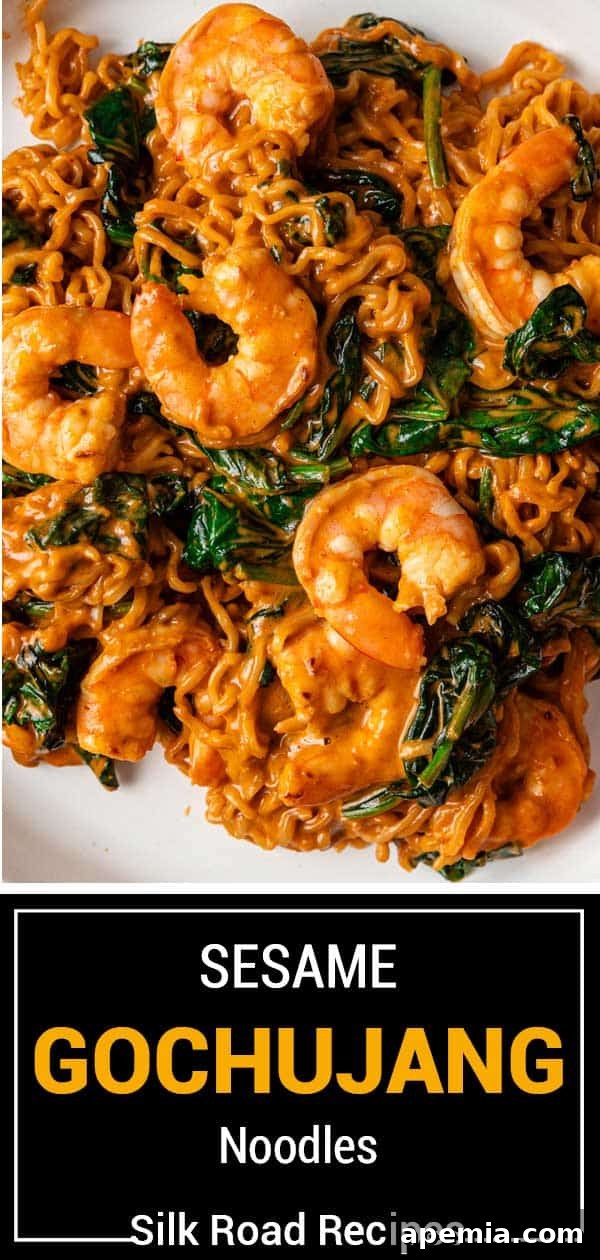
Ultimate Gochujang Noodles: Spicy, Savory, and Unforgettable
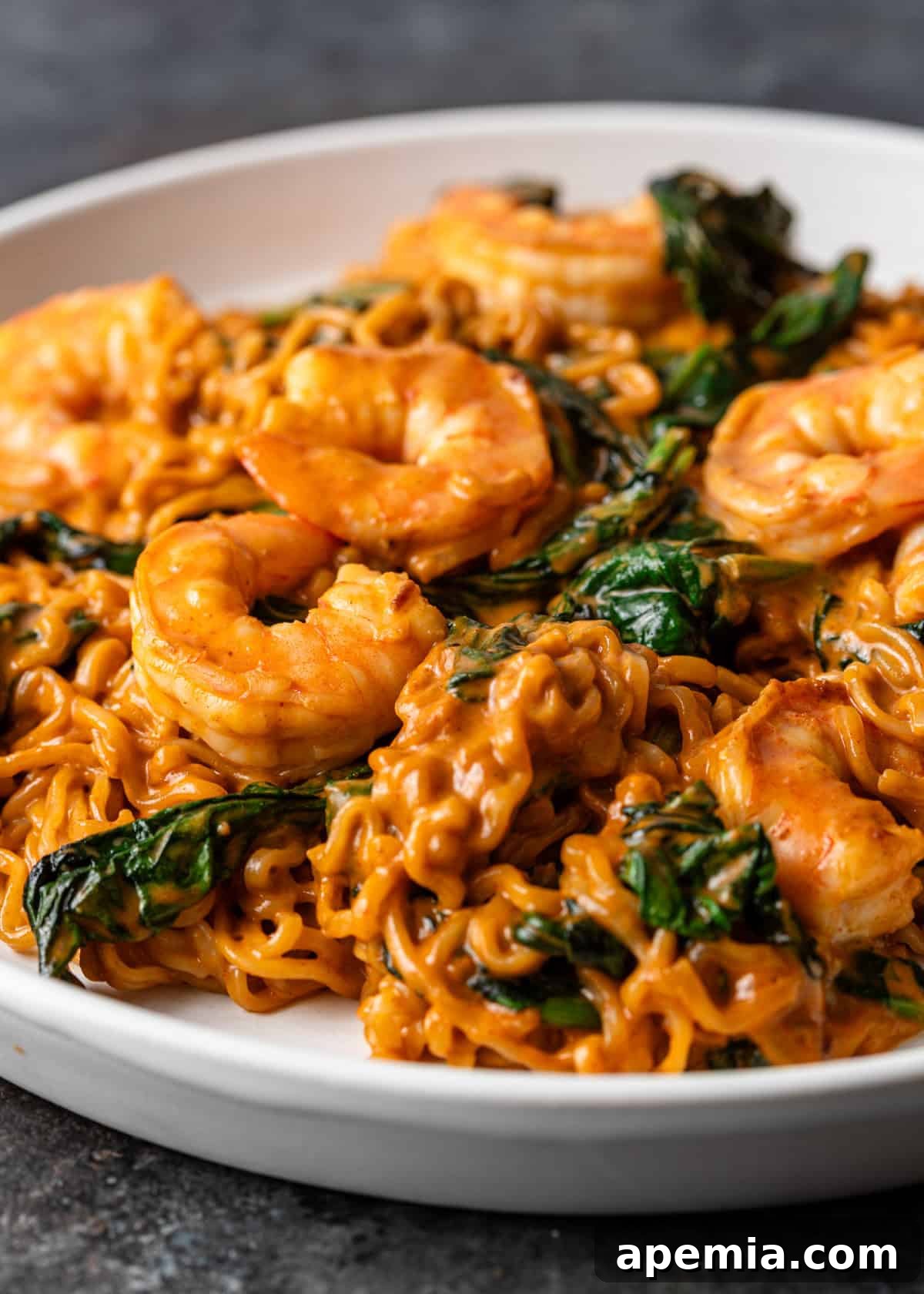
Prepare your taste buds for an extraordinary culinary journey with these incredible Korean gochujang noodles. Bursting with bold, complex flavors, this dish delivers an impressive umami punch that will leave you craving more. The vibrant heat of gochujang paste is beautifully balanced with the sweetness of brown sugar, the savory depth of soy sauce, and the nutty richness of toasted sesame, creating a truly unforgettable noodle experience. Whether you’re a long-time fan of Korean cuisine or new to its wonders, this recipe offers a delicious and surprisingly simple way to bring authentic Korean flavors into your kitchen.
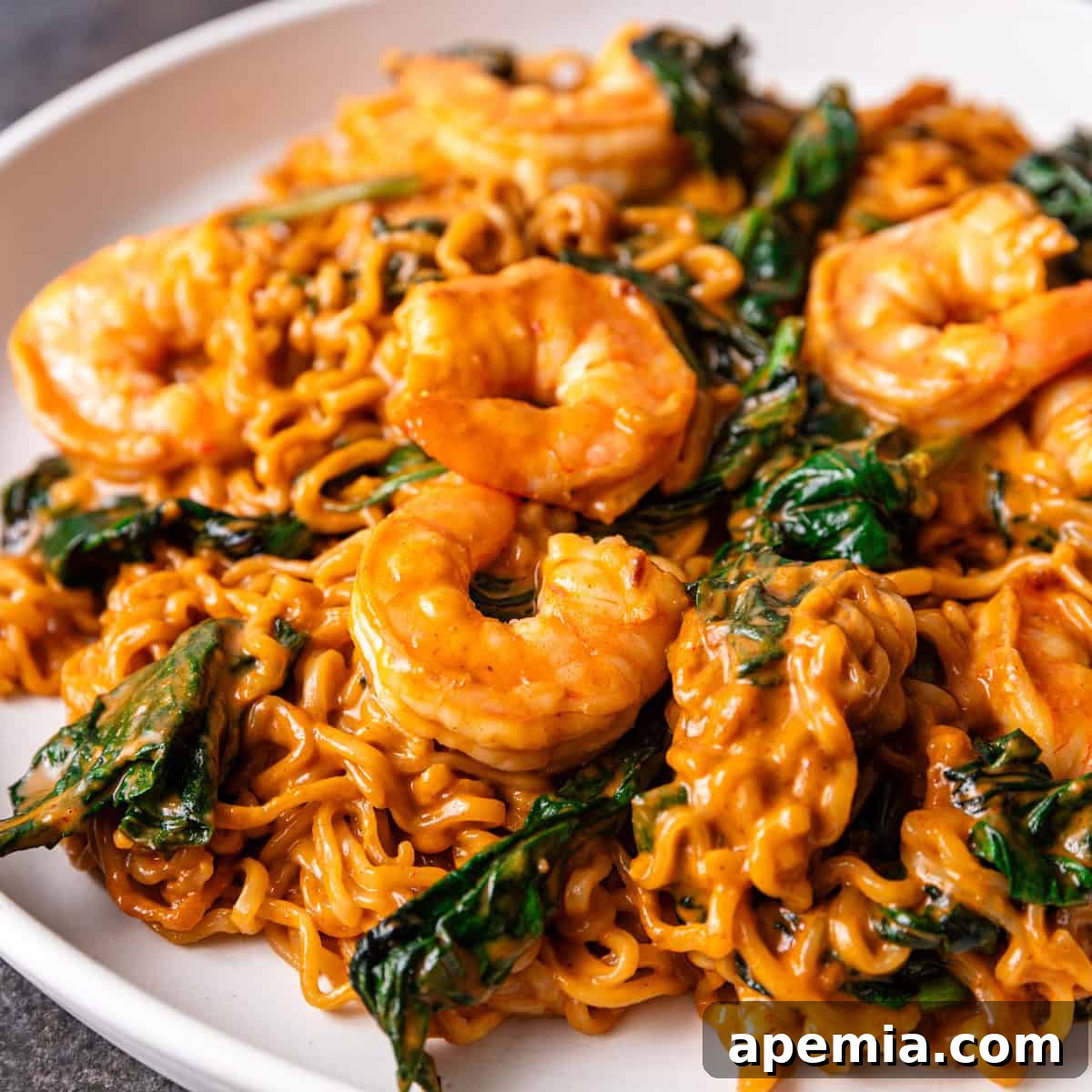
What is Gochujang? The Heart of Korean Flavor
At the core of this sensational dish lies gochujang, a staple Korean fermented chili paste that has captivated palates worldwide. Unlike other chili pastes, gochujang offers a unique depth of flavor that is both subtly sweet and wonderfully savory, with a gentle, lingering heat. Made from glutinous rice, fermented soybeans, gochugaru (Korean chili powder), and salt, its fermentation process lends it a distinctive umami-rich tang, often compared to the complexity found in miso soup. This deep, multifaceted flavor profile is what makes gochujang indispensable in iconic Korean dishes like Jeyuk Bokkeum (spicy pork stir-fry) and Bibimbap (mixed rice with vegetables and meat), and it’s precisely why it elevates these noodles from good to absolutely fantastic. If you haven’t tried it, gochujang is a must-discover ingredient that promises to transform your cooking.
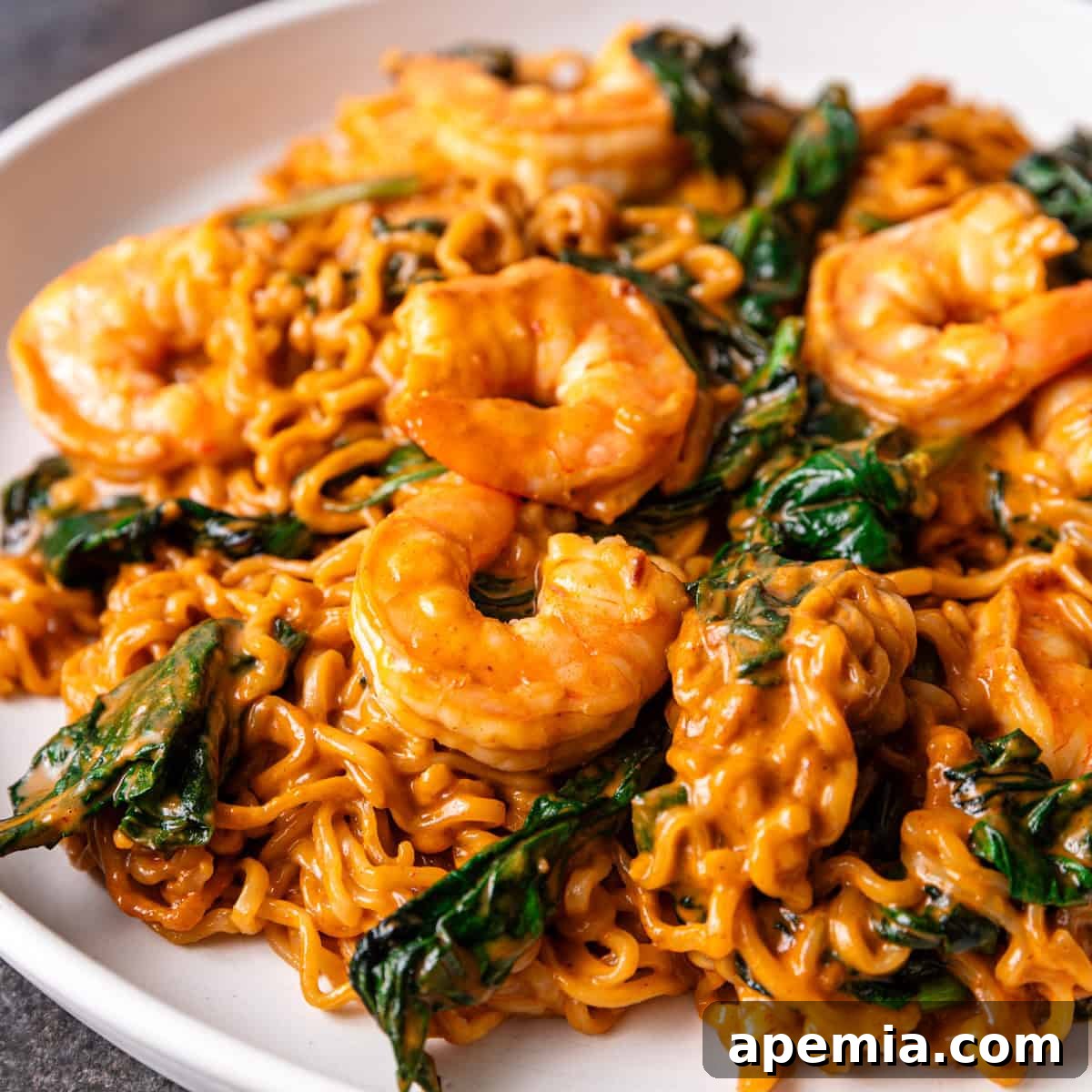
Why You’ll Love This Gochujang Noodle Recipe
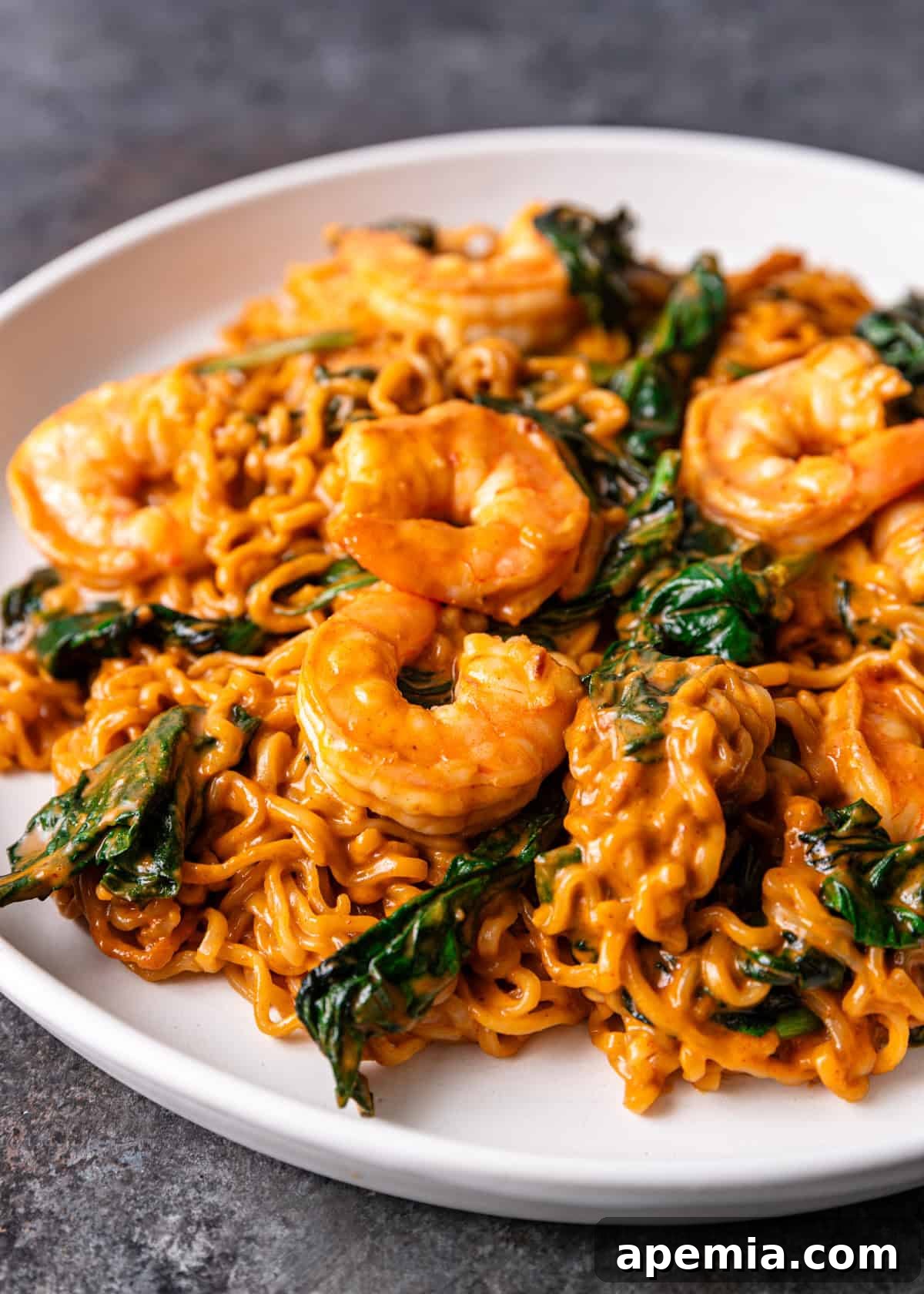
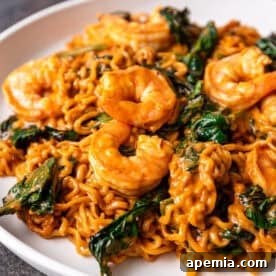
This recipe is designed for maximum flavor with minimal effort, making it perfect for both busy weeknights and special occasions. We’ve carefully crafted the sauce to feature a harmonious blend of gochujang’s spice with the rich, earthy notes of sesame and tahini, adding an extra layer of nutty complexity. To make it a complete meal, we’ve included fresh spinach for a touch of greens and plump, juicy shrimp, which cook quickly and absorb the sauce beautifully. The result is a vibrant, satisfying dish that balances sweet, savory, and spicy elements in every single bite. It’s a versatile recipe that encourages customization, allowing you to easily adapt it to your preferences and available ingredients. Get ready to excite every single one of your taste buds with this remarkable Korean noodle dish.
Table of Contents
- Customizing Your Protein and Vegetables
- Essential Ingredients and Clever Substitutions
- Step-by-Step: How to Make Gochujang Noodles
- Recommended Kitchen Tools
- Storing and Reheating Your Noodles
- Frequently Asked Questions
- Sesame Gochujang Noodles Recipe Card
Chef’s Tip
Customizing Your Protein and Vegetables
While these noodles are wonderfully flavorful on their own as a side dish, they truly shine when bulked up into a main course. The beauty of this recipe lies in its adaptability. Don’t limit yourself to just shrimp; thinly sliced chicken, tender beef strips, or even firm tofu are excellent protein alternatives that pair beautifully with the gochujang sauce. For an extra dose of nutrition and color, consider adding more vegetables. Beyond spinach, options like bell peppers, mushrooms, carrots, or broccoli can be stir-fried alongside the other ingredients to create an even heartier and more satisfying meal.
Essential Ingredients and Clever Substitutions
(For a complete list of ingredients and precise quantities, please refer to the detailed recipe card below.)
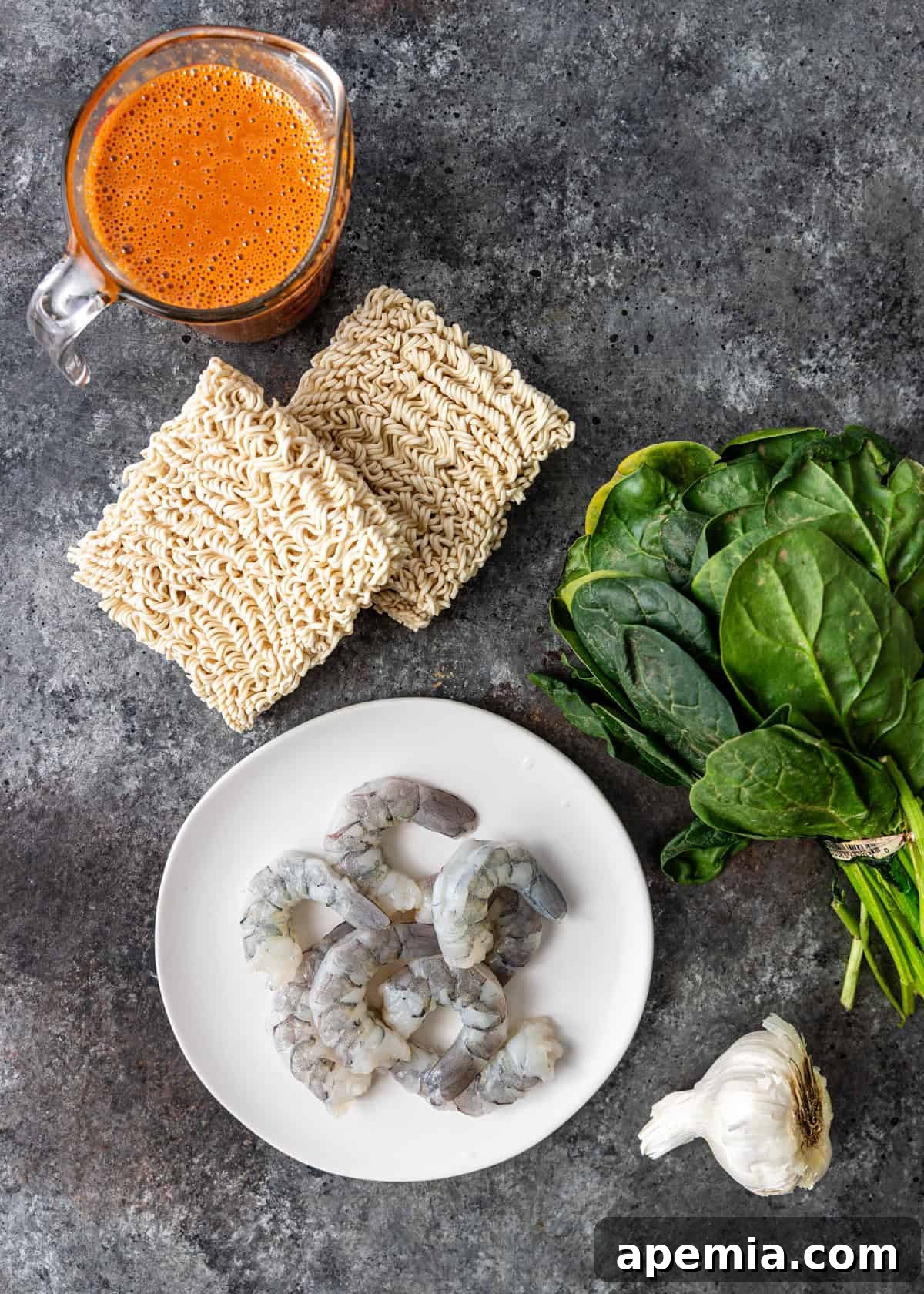
- Dried Noodles: We used three 3-ounce ramen noodle packets (discarding the flavor packets) for their delightful chewiness and quick cooking time. However, this recipe is incredibly versatile. You can easily substitute with thicker udon noodles, classic lo mein, or even delicate egg noodles. If opting for fresh noodles, remember to double the weight for the right serving size, as fresh noodles contain more water.
- Vegetable Oil: Essential for sautéing and stir-frying, vegetable oil provides a neutral base that won’t overpower the delicate flavors of the sauce. You can also use canola oil, grapeseed oil, or any other neutral-tasting oil with a high smoke point.
- Spinach: Fresh spinach adds a wonderful pop of vibrant green color and a subtle earthy flavor that complements the richness of the gochujang. It also wilts down quickly, making it a convenient addition. Feel free to swap it for other leafy greens like baby bok choy, kale (massage first), or even Swiss chard.
- Garlic: Freshly minced garlic is crucial for building a strong aromatic foundation for the dish. Sautéing it releases its pungent, sweet fragrance, infusing the oil and ultimately the entire dish with irresistible flavor. Always opt for fresh garlic over jarred minced garlic for the best results.
- Kosher Salt & White Pepper: We’ve chosen ground white pepper for its gentler, more subtle heat, ensuring it doesn’t compete with or overshadow the distinctive flavor of the gochujang. Kosher salt provides clean seasoning. If you crave a more intense spiciness, a pinch of chili flakes or a dash of gochugaru (Korean chili powder) can be added to taste.
- The Gochujang Sauce: This is where the magic happens – a rich, warm, and umami-packed blend that defines the dish. It’s surprisingly easy to whisk together!
- Gochujang Paste: The star of our sauce, this Korean fermented chili paste offers a perfect balance of gentle sweetness, savory notes, and a satisfying spicy kick. Ensure you’re buying gochujang paste, not a pre-made gochujang sauce, as the latter can have a very different flavor profile and consistency.
- Water: Used to thin the thick gochujang paste into a pourable sauce, ensuring it coats the noodles evenly without being overly heavy.
- Light Soy Sauce: Provides the essential salty, umami base. While dark soy sauce can be used in a pinch, it has a stronger, sweeter flavor and darker color; if substituting, use slightly less and adjust salt and brown sugar to maintain balance. For a gluten-free option, tamari works wonderfully.
- Tahini: This creamy sesame paste isn’t just for dipping sauces! In this recipe, tahini plays a crucial role in mellowing the gochujang’s heat while simultaneously enhancing the dish’s nutty sesame notes, adding a beautiful richness and creamy texture to the sauce.
- Brown Sugar: Its molasses notes perfectly complement and balance the heat and savory elements of the gochujang, contributing to the sauce’s irresistible sweetness. Coconut sugar or granulated sugar with a tiny touch of molasses can be substituted. Avoid liquid sweeteners like honey or maple syrup, as they can make the sauce too watery and alter the texture significantly.
- Toasted Sesame Oil: A powerful flavor enhancer, toasted sesame oil binds the sauce ingredients together and infuses the entire dish with a deep, nutty, and distinctly Asian aroma. Be sure to use toasted sesame oil for its intense flavor, as raw sesame oil has a much milder profile.
- Toasted Sesame Seeds: An optional but highly recommended garnish, these seeds add a delightful crunch and extra nutty flavor. You can buy them pre-toasted or easily toast raw sesame seeds yourself in a dry frying pan over medium heat for 3-4 minutes until golden and fragrant.
- Shrimp: Fresh or frozen (thawed) medium shrimp are ideal for this recipe. Remember to shell and devein them before cooking for the best experience. Shrimp cook very quickly, ensuring a speedy meal. As mentioned, feel free to swap for chicken, beef, or tofu if you’re looking for different protein options.
Step-by-Step: How to Make Gochujang Noodles
- Cook the Noodles: Begin by cooking your chosen noodles in a large pot of generously salted boiling water. Follow the package instructions carefully for al dente perfection. Once cooked, drain them thoroughly and set aside. Perfectly cooked noodles are key to a great dish, so avoid overcooking!
- Prepare the Ingredients: While the noodles cook, prepare your fresh ingredients. Wash and roughly chop the spinach, then shell and devein the shrimp if you haven’t already. In a separate bowl or measuring cup, whisk together all the gochujang sauce ingredients – gochujang, water, soy sauce, tahini, brown sugar, and toasted sesame oil – until you achieve a perfectly smooth and consistent texture.
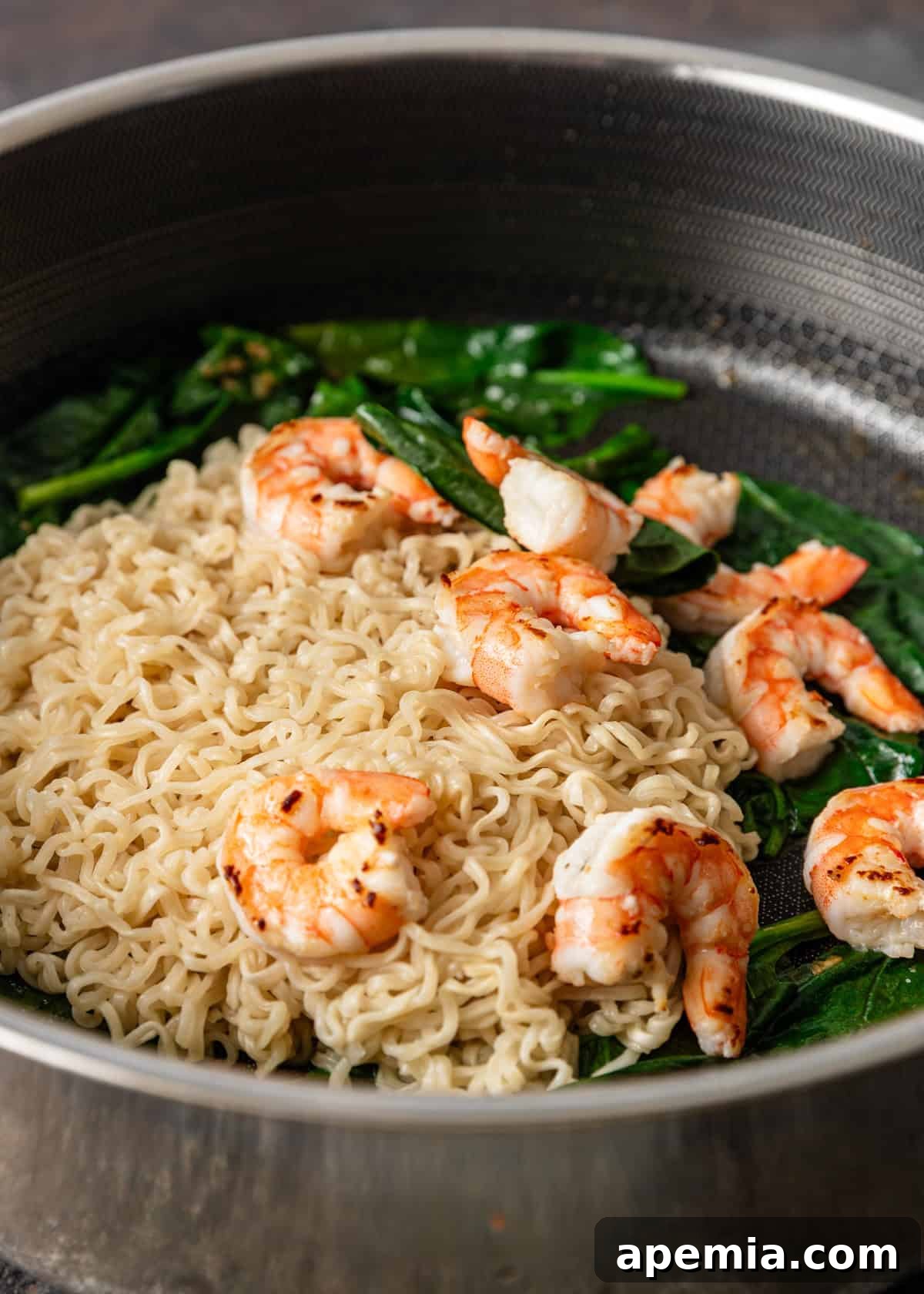
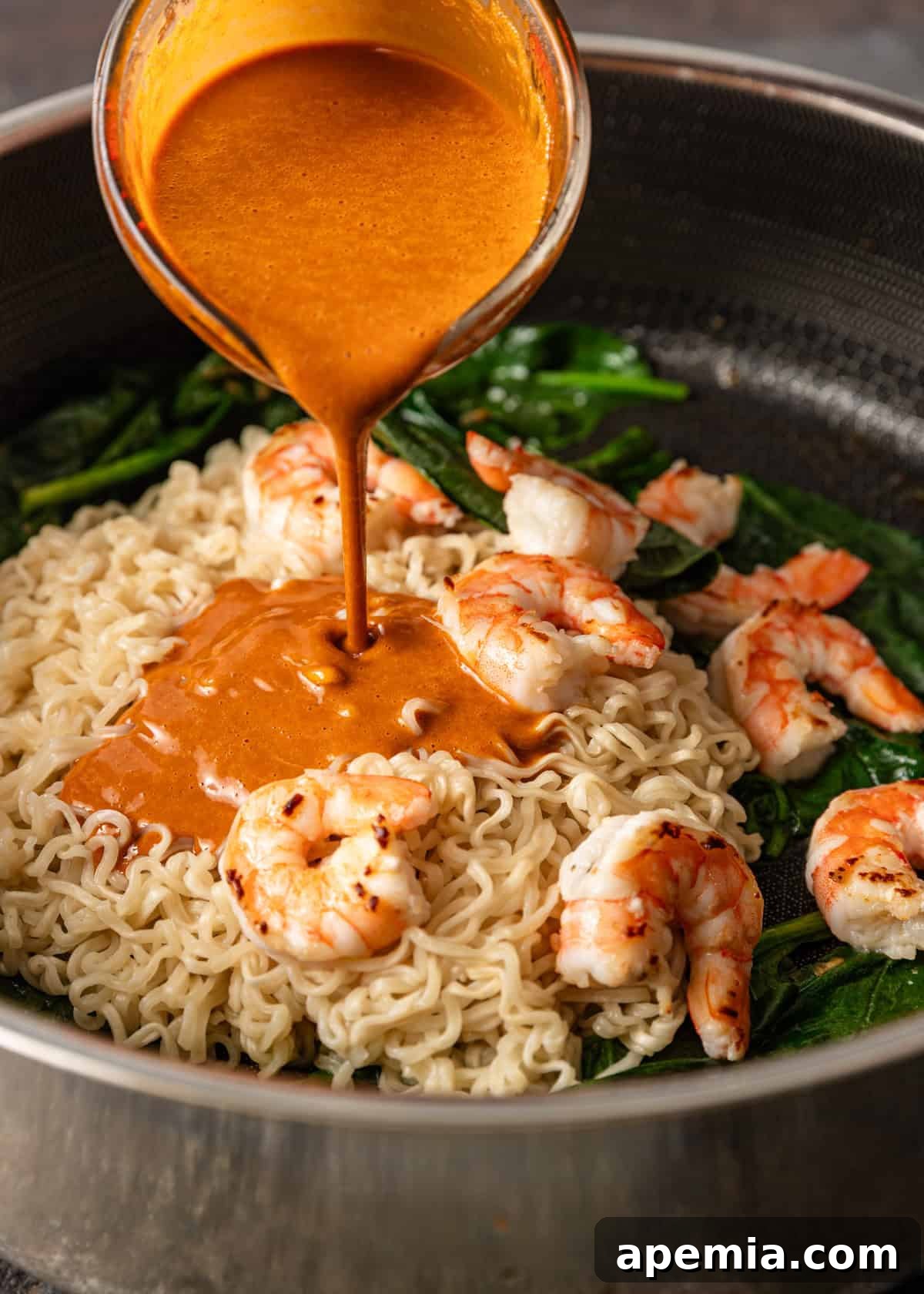
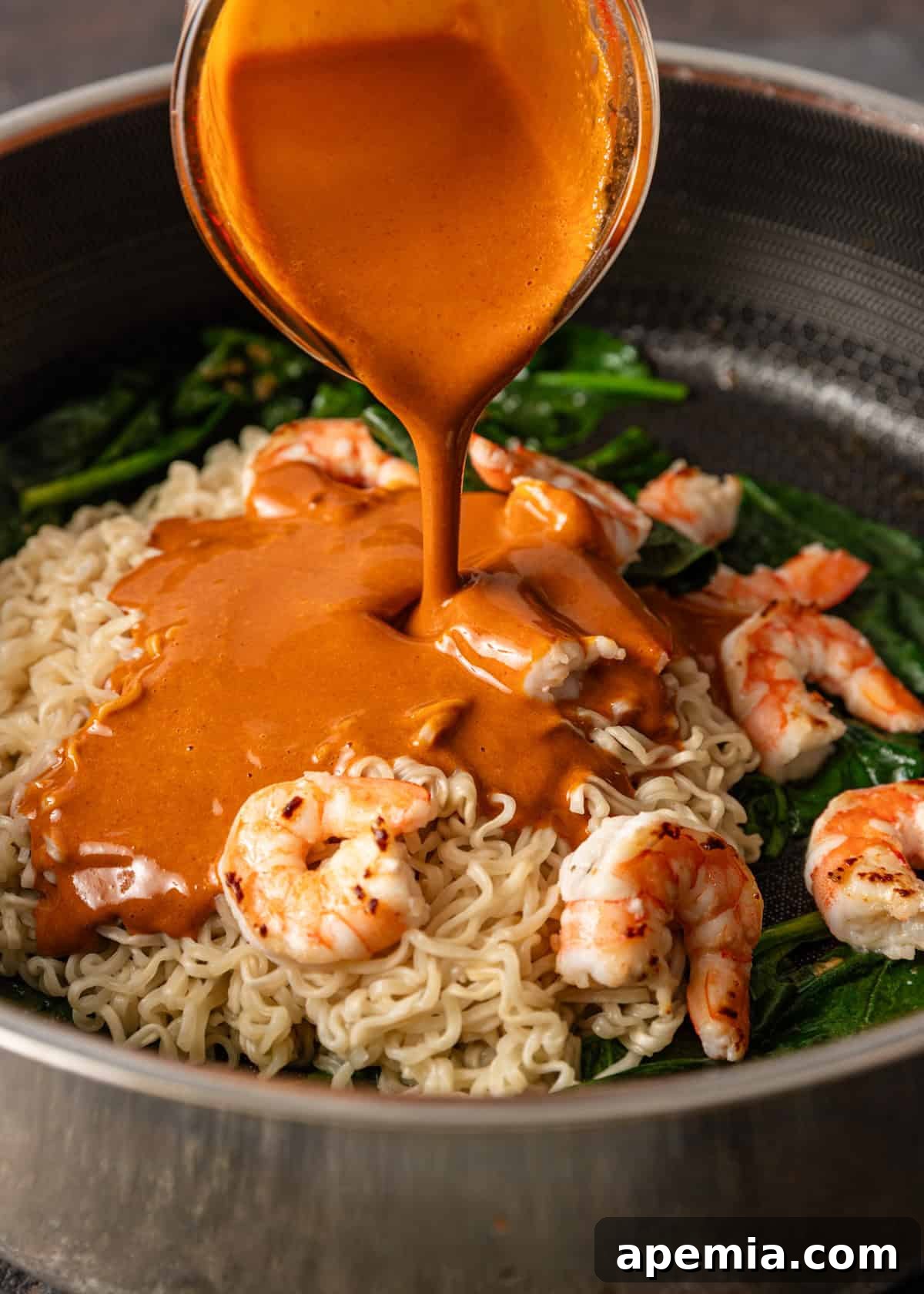
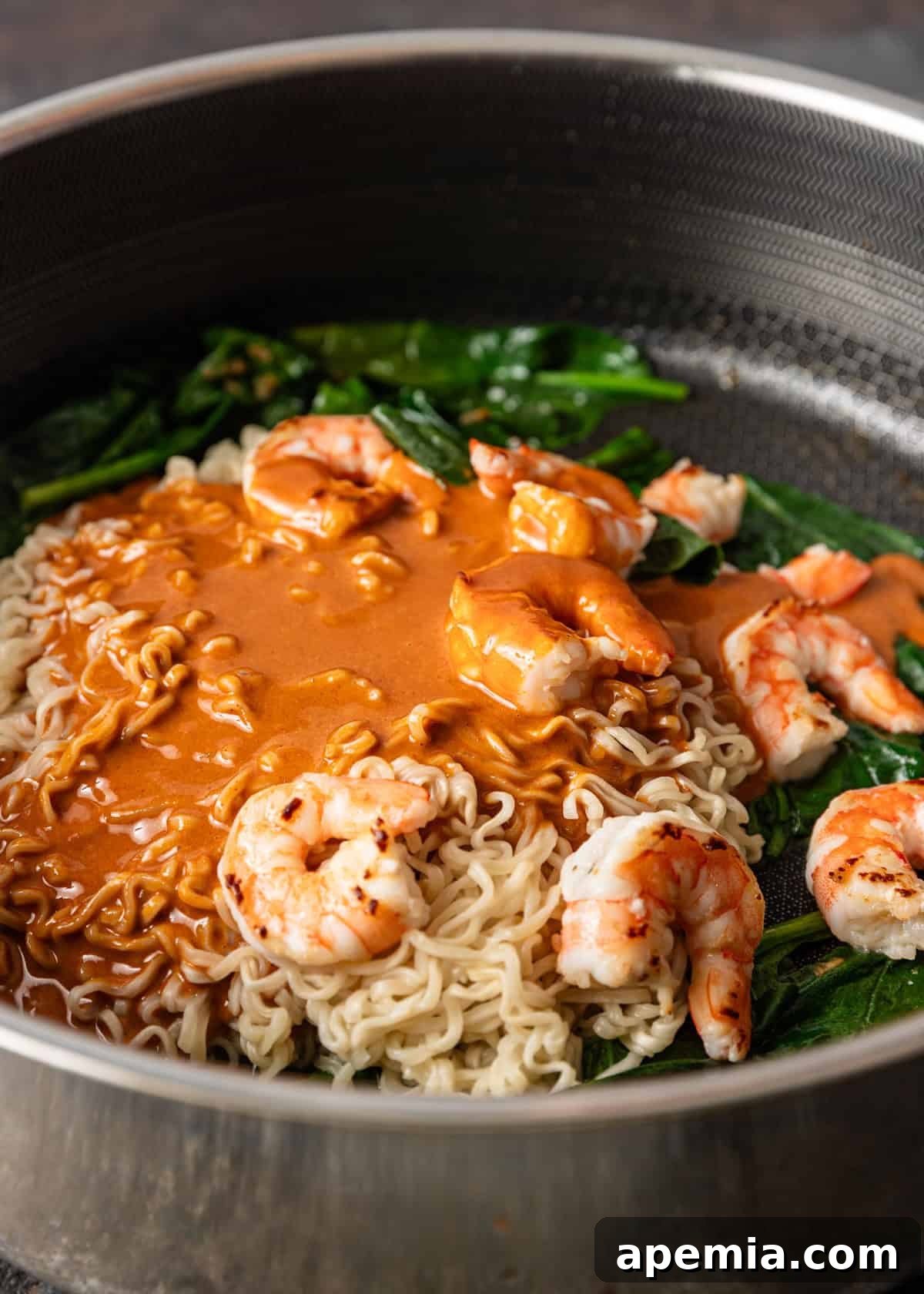
- Stir Fry to Perfection: Heat the cooking oil in a large wok or skillet over medium-high heat until shimmering. Add the shrimp and stir-fry for approximately one minute per side until they turn pink and are just cooked through. Remove the shrimp from the pan and let them rest on a plate to prevent overcooking. Next, add the spinach, minced garlic, kosher salt, and white pepper to the hot wok. Stir-fry for 1-2 minutes, just until the spinach leaves have wilted. Finally, return the cooked noodles and shrimp to the pan, pour in the prepared gochujang sauce, and stir-fry for about 3 minutes, ensuring everything is well coated and the sauce has thickened slightly to cling to the noodles.
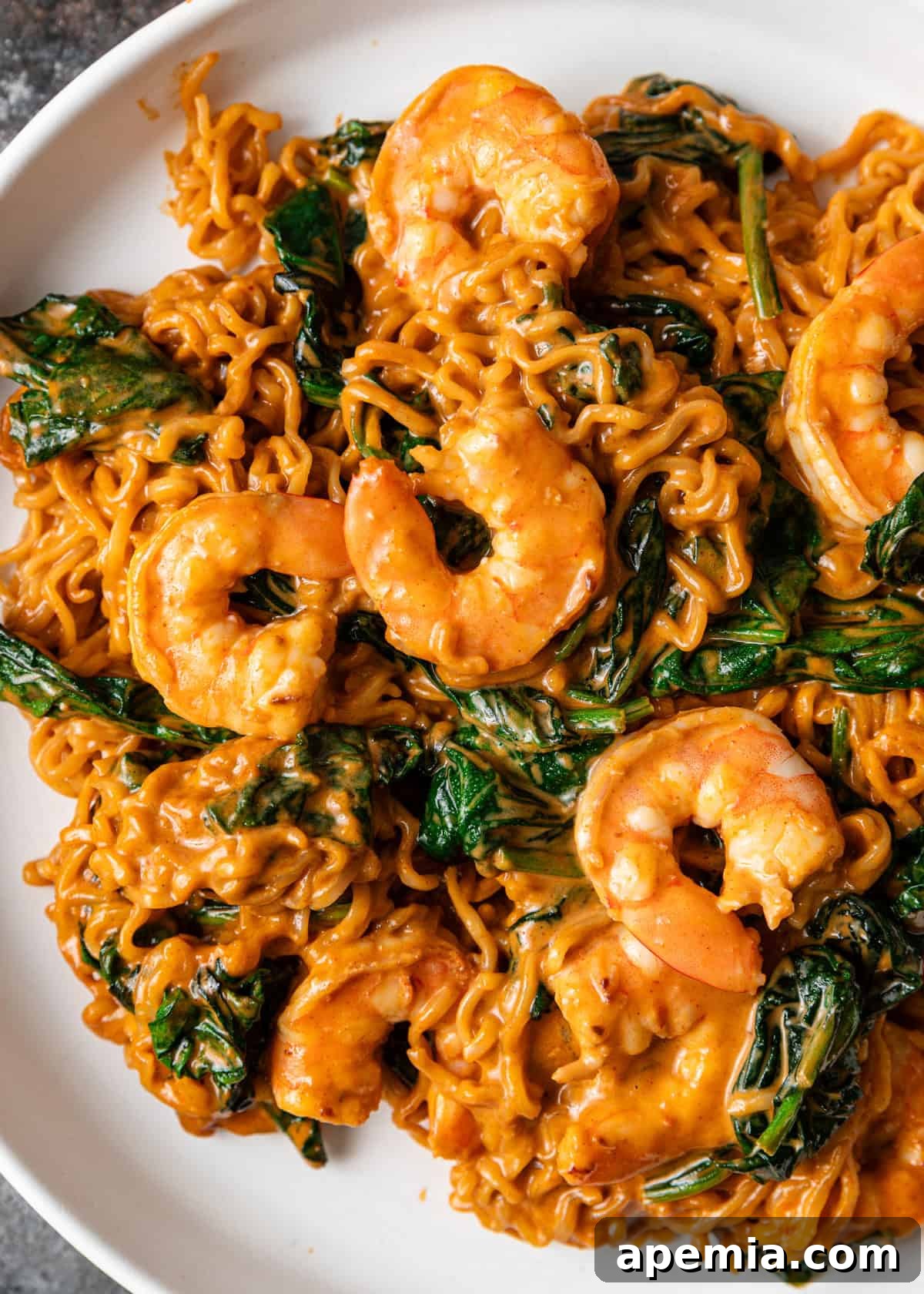
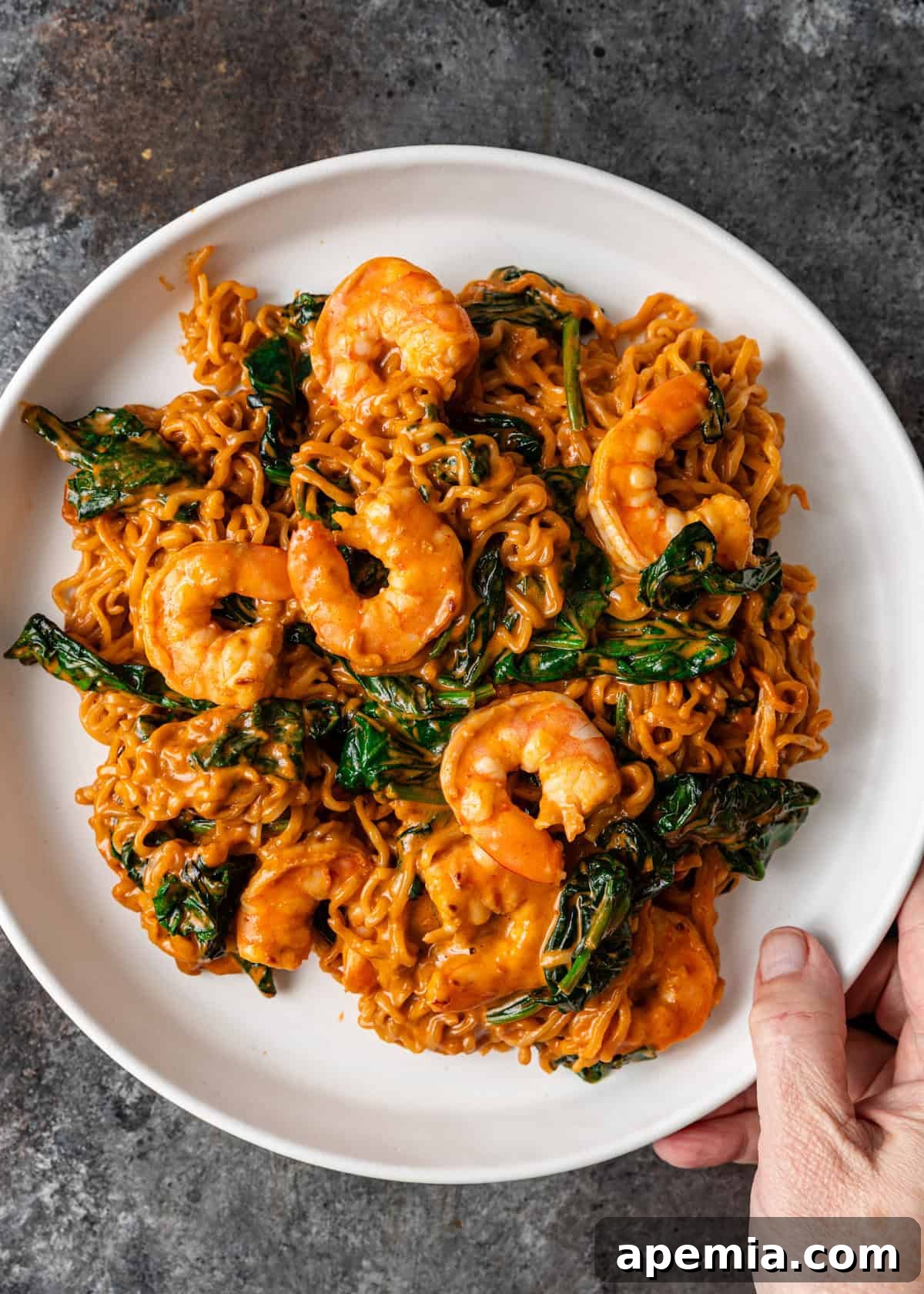
- Serve and Enjoy: Transfer your glorious gochujang noodles to serving bowls. Garnish generously with toasted sesame seeds for added texture and a burst of nutty flavor. A squeeze of fresh lime juice just before serving brightens the entire dish and adds a delightful zesty finish. Serve immediately and savor every spicy, savory, and sweet bite!
Recommended Kitchen Tools
- Wok: A wok is truly the ideal tool for stir-frying. Its deep, concave shape allows for efficient tossing and ensures your ingredients stay contained, while the high, sloped sides promote even heat distribution and rapid cooking. If you don’t have a wok, a large, heavy-bottomed skillet or a cast-iron pan will also work, though you may need to stir more frequently.
- Whisk: A good whisk is essential for effortlessly combining the gochujang paste with the other liquid ingredients. It helps break down the thick paste and emulsify the sesame oil with the other liquids, ensuring a smooth, uniform sauce without any lumps.
- Large Pot: For boiling noodles, a spacious pot ensures the noodles have enough room to cook evenly and prevents them from sticking together.
Storing and Reheating Your Noodles
These gochujang noodles are fantastic for meal prep! Leftovers will remain delicious when stored in an airtight container in the refrigerator for up to 3-4 days. This makes them perfect for a quick lunch or dinner later in the week.
To reheat, you have a couple of options. You can gently warm the noodles in the microwave until heated through, stirring occasionally. Alternatively, for a fresher texture, warm leftovers in a skillet over medium heat on the stovetop. If the noodles appear a bit dry or are sticking together, simply add a splash of water or a tiny bit of vegetable broth and stir it around to loosen them up and refresh the sauce.
For ultimate convenience, consider making a larger batch of the gochujang sauce ahead of time. It stores beautifully in a sealed jar in the fridge for up to a week. You can even portion and freeze the sauce in a large ice cube tray for up to 6 months. Just grab a cube, defrost it in the fridge, and you’re ready to whip up a fresh batch of gochujang noodles in minutes!
Share this recipe on Pinterest!
Love this recipe? Share it with the world on Pinterest.
Frequently Asked Questions
Gochujang is becoming increasingly accessible. You can typically find it in the international aisle of most major supermarkets, especially those with a well-stocked Asian section. Of course, any Asian grocery store will carry a wide variety of brands and spice levels. Just be sure to double-check that you are purchasing gochujang paste, rather than a pre-mixed gochujang sauce, as they are distinct ingredients with different consistencies and flavor profiles.
Absolutely! Adding more vegetables is a fantastic way to boost the nutritional content and visual appeal of this dish. Cut them into bite-sized pieces and add them to the wok when you sauté the spinach. Classic Korean choices include thinly sliced scallions, crunchy bean sprouts, or vibrant bell peppers. Other excellent additions are thinly sliced carrots, mushrooms, broccoli florets, snow peas, or tender bok choy. Experiment with your favorites!
Adjusting the spiciness of your gochujang noodles is simple. If you prefer a milder dish, start by using a little less gochujang paste and consider adding an extra tablespoon of brown sugar to help balance out the heat. For those who crave more intense spiciness, you can increase the amount of gochujang, or add a pinch of gochugaru (Korean chili flakes) or a few slices of fresh chili (like serrano or Thai bird’s eye chilies) to the stir-fry for an extra kick!
Yes, this recipe is easily adaptable for vegetarian and vegan diets. Simply omit the shrimp. For a vegetarian option, you can add pan-fried eggs or extra firm tofu. For a vegan version, replace the shrimp with sautéed mushrooms, bell peppers, or crispy pan-fried tofu. Ensure your gochujang brand is vegan (most are, but some might contain animal products, so always check the label), and use a vegan soy sauce (like tamari if gluten-free) if desired.
While ramen noodles (without their seasoning packets) are a quick and popular choice, various noodles work wonderfully. Udon noodles provide a thicker, chewier texture, while lo mein or egg noodles offer a more classic stir-fry feel. You could even use Korean glass noodles (japchae noodles) for a lighter, springier dish. The key is to choose a noodle that can absorb the flavorful sauce well.
Sesame Gochujang Noodles
4
10 minutes
18 minutes
28 minutes
PrintRecipe
Ingredients
- 8 –10 oz dried noodles udon, lo mein or ramen (See Note 1)
- 2 tbsp vegetable oil
- 1 bunch spinach coarsely chopped
- 3 cloves garlic minced
- 1 tsp kosher salt
- 1/4 tsp ground white pepper
Sauce
- ¼ cup gochujang
- 1/4 cup water
- 3 tbsp light soy sauce
- 2 tbsp tahini
- 2 tbsp brown sugar
- 1 tsp toasted sesame oil
Garnish
- 1 tsp toasted sesame seeds optional
Optional
- 1 lb medium shrimp shelled and deveined
Instructions
-
Cook your choice of noodles in a large pot of salted, boiling water according to package directions. Drain well and set aside.
-
Rinse any debris from the spinach, roughly chop, and set aside.
-
In a measuring cup or small bowl, whisk together the gochujang, water, soy sauce, tahini, brown sugar, and sesame oil until smooth. Set the sauce aside.
-
Heat the vegetable oil over medium-high heat in a wok or large skillet. Add the shrimp and cook for 1 minute per side until pink and opaque. Remove the cooked shrimp to a plate. Add the spinach, minced garlic, salt, and white pepper to the wok. Stir-fry for about 1-2 minutes until the spinach leaves have wilted. Finally, add the cooked, drained noodles, the reserved shrimp, and the whisked gochujang sauce to the pan. Stir-fry constantly for approximately 3 minutes, ensuring all ingredients are thoroughly combined and the sauce has thickened slightly to coat the noodles.
-
Serve immediately, topped with toasted sesame seeds and fresh lime wedges for squeezing over. Enjoy!
Notes
- I used three 3-ounce ramen noodle packages and discarded the included flavor packets. Feel free to use your preferred noodles.
- Nutritional information provided is an estimate for the noodles and sauce only, excluding any optional protein like shrimp.
Nutrition
Carbohydrates: 20g |
Protein: 4g |
Fat: 6g |
Saturated Fat: 1g |
Polyunsaturated Fat: 3g |
Monounsaturated Fat: 2g |
Cholesterol: 1mg |
Sodium: 1661mg |
Potassium: 126mg |
Fiber: 2g |
Sugar: 11g |
Vitamin A: 39IU |
Vitamin C: 6mg |
Calcium: 41mg |
Iron: 1mg
The information shown is an estimate provided by an online nutrition calculator. It should not be considered a substitute for a professional nutritionist’s advice.
Have You Made This Recipe? Let Me Know on Instagram
Tag @keviniscooking or tag me #keviniscooking!