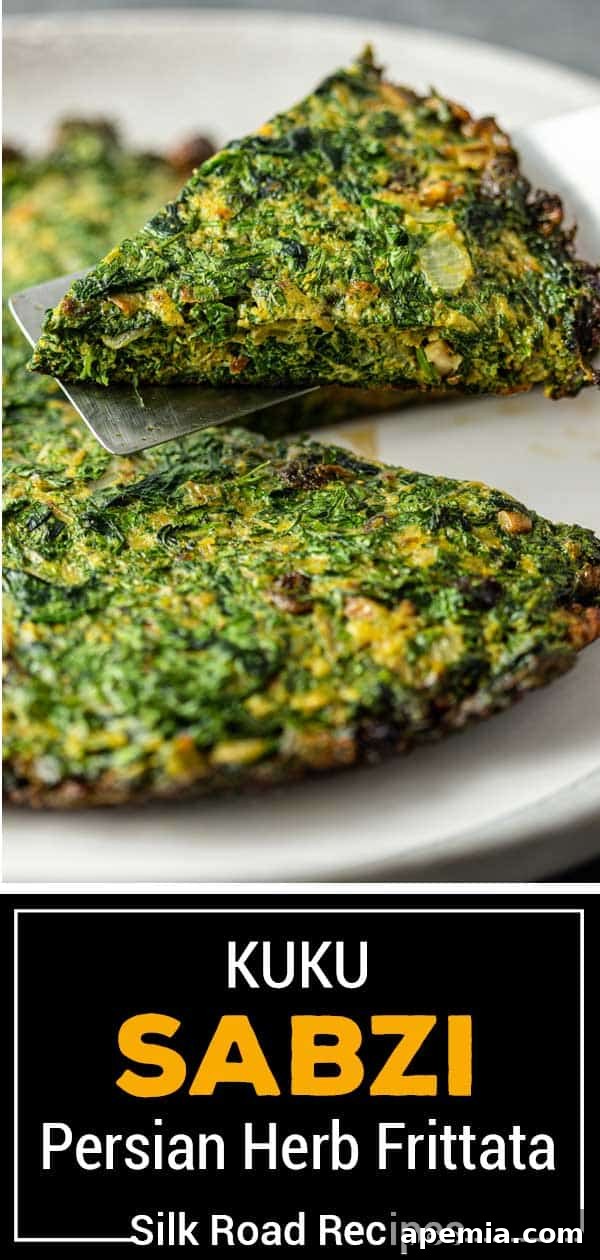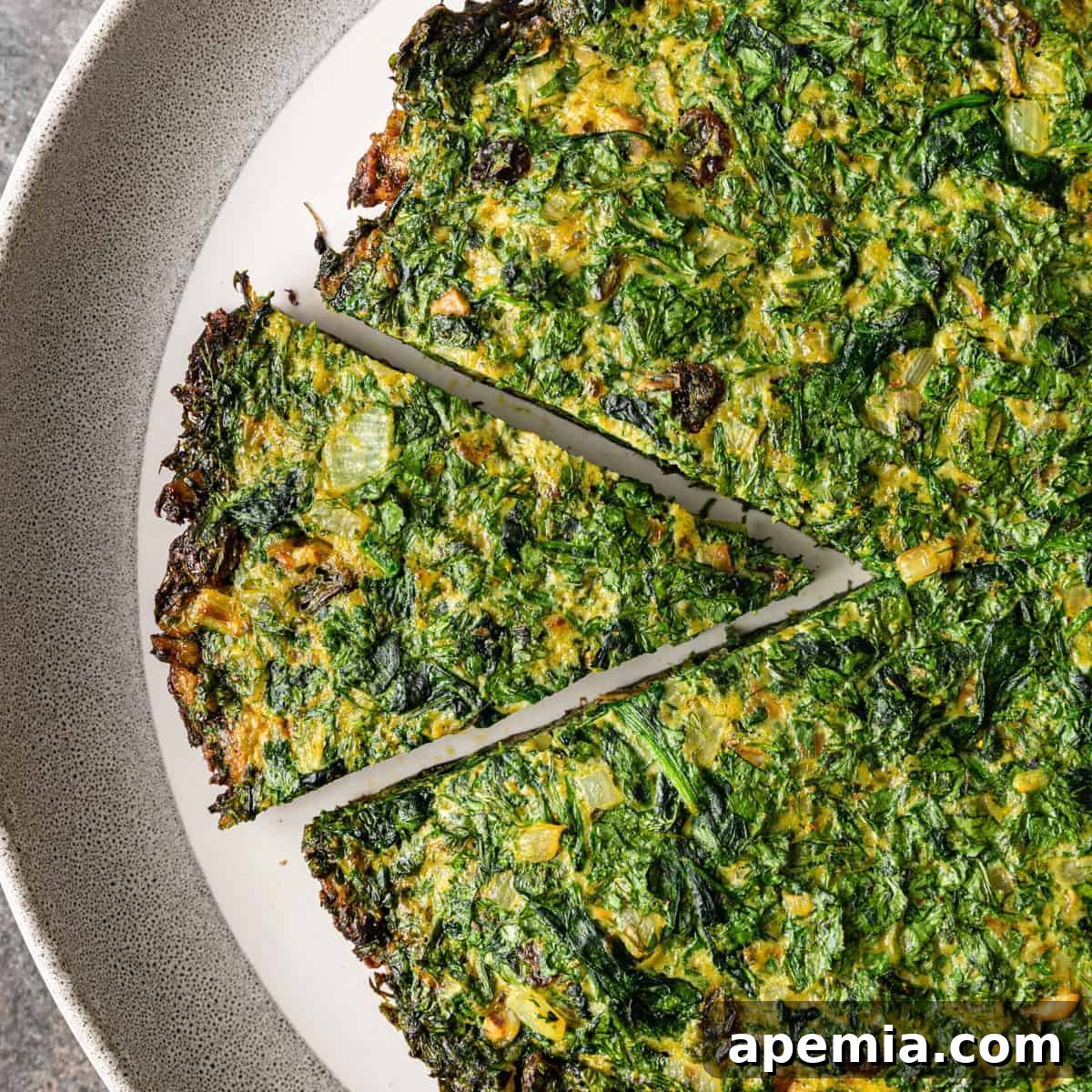
Kuku Sabzi: A Culinary Gem of Persian Cuisine
Kuku Sabzi, often referred to as a “Persian frittata” or “herb omelet,” is a vibrant and aromatic dish that captivates with its fresh flavors and rich cultural heritage. More than just a simple egg dish, it’s a celebration of spring’s bounty, generously flavored with a symphony of sharp, fresh herbs. Each bite offers a delightful complexity: the bright zest of cilantro, the peppery notes of parsley, the warm earthiness of dill, and the unique, subtly sweet and nutty undertones of fenugreek leaves. These verdant greens are masterfully bound together by whipped eggs, creating a pillowy, fluffy texture that distinguishes it from a conventional omelet.
Beyond its herbaceous core, Kuku Sabzi is often enhanced by unexpected yet harmonious additions. Bites of tangy raisins introduce a sweet-and-sour surprise, while crunchy walnuts provide a delicate nutty texture, contrasting beautifully with the soft frittata. A hint of peppery bitterness from turmeric rounds out the flavor profile, adding warmth and its signature golden hue to the dish. This exquisite combination results in a deeply satisfying and surprisingly light meal that is not only delicious but also packed with nutrients.
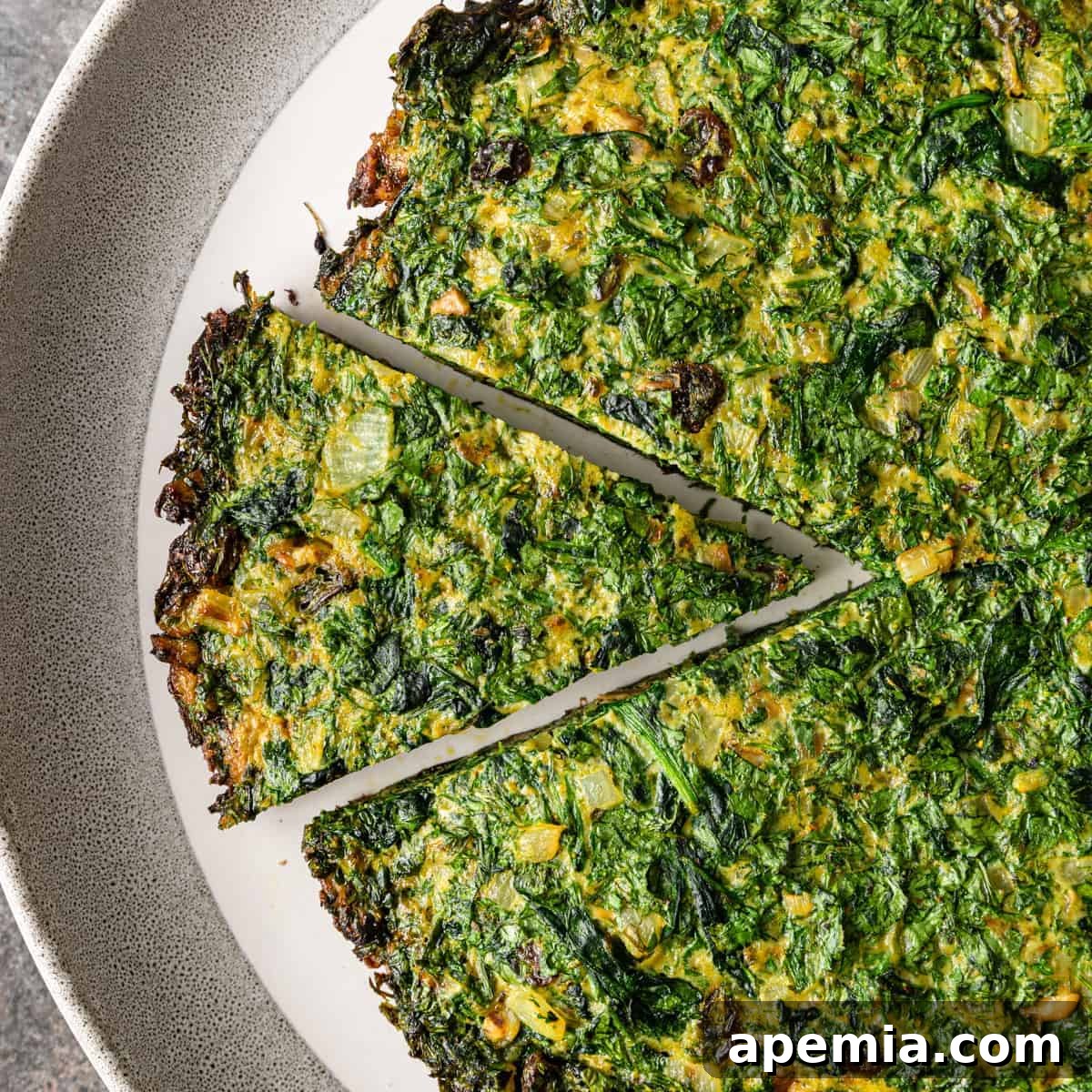
Known interchangeably as kookoo sabzi, this dish holds a special place in Persian culture, particularly during Nowruz, the Persian New Year. Occurring on the vernal equinox, Nowruz signifies rebirth and renewal, making Kuku Sabzi’s vibrant green hues a perfect culinary representation of spring. The abundance of green herbs symbolizes prosperity and the flourishing of nature, making it an indispensable part of the festive table. It’s a dish that embodies fresh starts, hope, and the joy of coming together.
While traditionally enjoyed during Nowruz, Kuku Sabzi is far too delicious to be confined to one holiday. Its versatile nature makes it an excellent choice for any meal of the day – a hearty breakfast, a light lunch, an elegant brunch centerpiece, or even a flavorful side dish for dinner. Its vibrant appearance and refreshing taste bring a touch of sophistication to any spread.
One of the many joys of Kuku Sabzi lies in how it’s served. It pairs exquisitely with fresh, warm lavash, an Armenian flatbread that’s perfect for scooping up generous portions. Alternatively, a dollop of cool, creamy yogurt or a sprinkle of crumbled feta or goat cheese elevates the experience, adding a refreshing tang that complements the savory herbs. We encourage you to discover your favorite way to enjoy this incredible Persian delicacy!
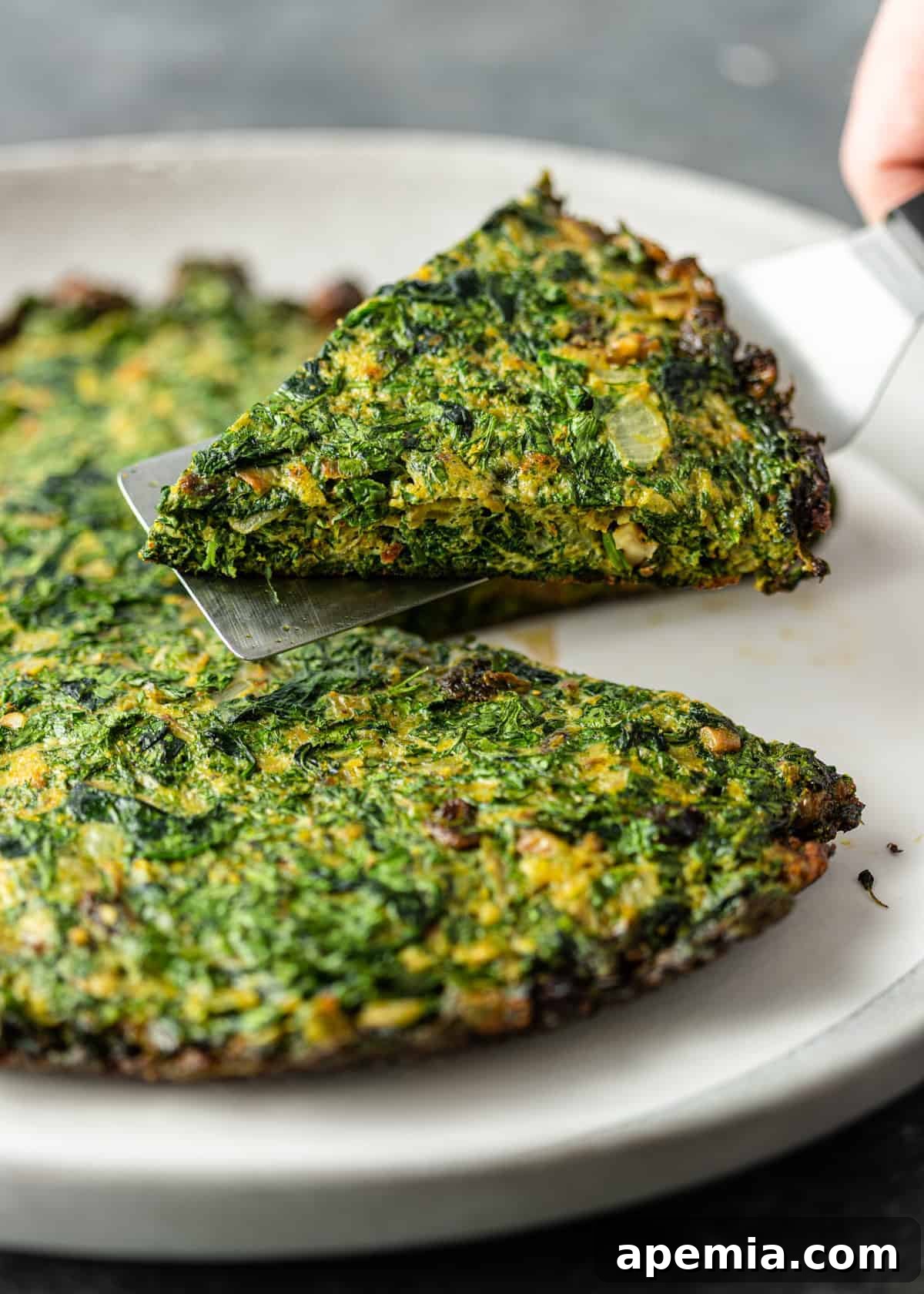
Why You’ll Love This Persian Herb Frittata
There are countless reasons to fall in love with Kuku Sabzi. First and foremost, its unique flavor profile stands out. Unlike conventional omelets or frittatas that rely heavily on cheese or meat, Kuku Sabzi heroes a medley of fresh herbs, offering a truly refreshing and distinctly savory taste. It’s a fantastic way to incorporate a significant amount of greens into your diet, making it a healthy and nourishing option.
This dish is also remarkably versatile. It can be served warm, at room temperature, or even cold, making it perfect for meal prep, picnics, or potlucks. Its vibrant green color makes for a stunning presentation, guaranteed to impress your guests. Furthermore, it’s naturally vegetarian and gluten-free (ensure all ingredients are certified), catering to various dietary preferences. The combination of easy preparation and impressive results makes Kuku Sabzi a go-to recipe for both novice and experienced cooks looking to explore new, exciting flavors from Iranian cuisine.
Ingredient Notes and Smart Substitutions
Crafting the perfect Kuku Sabzi begins with understanding its core ingredients. While the traditional recipe offers an unparalleled experience, exploring substitutions can adapt the dish to your pantry or personal taste.
- Spinach: Fresh spinach, whether mature leaves or tender baby spinach, is ideal for this recipe. If using larger leaves, ensure they are finely chopped. For alternatives, arugula can add a peppery bite, or finely chopped kale can provide a more robust, earthy flavor. Remember that these alternatives have stronger profiles, so adjust quantities to taste.
- Yellow Onion: The sweetness and subtlety of yellow onions are preferred here, as they meld seamlessly with the herbs without overpowering them. White onions offer a sharper taste, while red onions are sweeter. Shallots, being more delicate, provide a milder onion flavor. Feel free to choose based on your preference.
- Cilantro, Parsley, & Dill: These three fresh herbs form the aromatic backbone of Kuku Sabzi. Using fresh herbs, with stems removed, is highly recommended for their vibrant flavor and essential oils. If fresh are unavailable, dried herbs can be used, but use only about one-third of the amount specified for fresh, as their flavor is more concentrated. Other complementary herbs you might consider adding or substituting include basil, tarragon, chervil, or even fresh chives for a delicate oniony note. The key is a generous quantity of fresh, fragrant herbs.
- Walnuts: Primarily contributing a delightful textural crunch and a subtle nutty flavor, walnuts are a wonderful addition. They can be omitted if you have nut allergies or prefer a smoother texture, but they truly enhance the dish. If you’re looking for an alternative, pine nuts or chopped almonds could offer a different but pleasant crunch.
- Raisins: Dark or golden raisins (sultanas) introduce pockets of sweetness and tanginess, creating a beautiful contrast with the savory herbs. This component adds a distinct Persian touch. Dried cranberries can be used as an alternative, offering a tart and slightly sweeter burst of flavor. Adjust the amount based on your preferred level of sweetness.
- Fenugreek Leaves: This is a crucial ingredient for authentic Kuku Sabzi. Fenugreek leaves offer a truly unique flavor profile – a complex blend of nutty, slightly sweet, and faintly bitter notes that are difficult to replicate. It’s highly advisable not to swap this one out if you can help it, as it contributes significantly to the dish’s distinct character. You can find dried fenugreek leaves (sabzi khoshk) in Middle Eastern or Indian grocery stores.
- Turmeric: This golden spice provides warmth, an earthy undertone, and beautiful color. It also adds a slight peppery bitterness that balances the dish. Cumin can be a good substitute for earthiness, or curry powder in a pinch, though it will alter the flavor profile. Paprika can be used for color but lacks the characteristic flavor of turmeric.
- Baking Powder: A secret weapon for achieving that signature light and fluffy texture. Baking powder reacts with the moisture in the eggs and other ingredients, creating small air bubbles that expand during baking, resulting in a wonderfully airy frittata. Do not omit this if you desire a truly pillowy Kuku Sabzi.
Essential Tools for Making Kuku Sabzi
Before diving into the cooking process, ensure you have the right equipment. An oven-proof skillet with sides is absolutely essential for this recipe, as the Kuku Sabzi starts on the stovetop and finishes in the oven. A well-seasoned cast-iron skillet or a non-stick oven-safe pan with a diameter of about 9-10 inches works best. You will also need a large mixing bowl for whisking the eggs and herbs, a sharp knife for chopping, and a rubber spatula for handling the mixture.
How to Make Kuku Sabzi: A Step-by-Step Guide
Making Kuku Sabzi is a straightforward process, but a few key techniques ensure a perfect result every time. Follow these steps for a delicious Persian herb frittata.
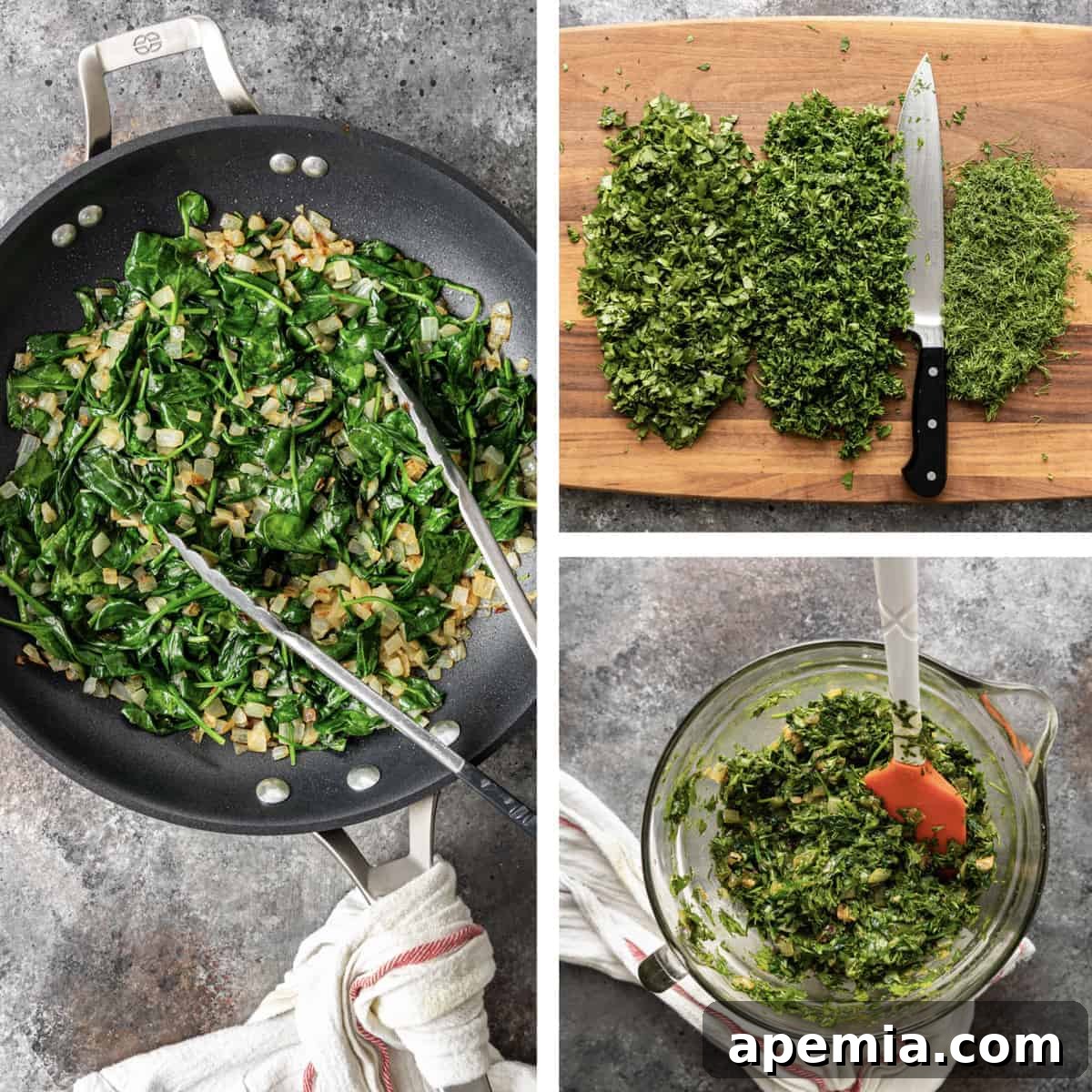
- Prepare the Vegetables: Begin by heating 2 tablespoons of vegetable oil in your chosen oven-proof skillet over medium heat. Add the diced yellow onions and sauté them for approximately 8 minutes, stirring occasionally until they become translucent and tender. Next, add the fresh spinach to the skillet. Continue to stir and cook for another two minutes until the spinach wilts down. Once cooked, transfer the sautéed vegetables to a plate and allow them to cool completely. This cooling step is crucial to prevent the hot vegetables from cooking the eggs prematurely. Wipe out the skillet, preparing it for the next stage.
- Chop the Herbs with Care: While the vegetables cool, meticulously chop your fresh cilantro, parsley, and dill. It’s vital to use a sharp knife for this process, as using a food processor can release too much water from the delicate herbs, which can negatively impact the frittata’s texture. Aim for a fine, uniform chop without mincing them into a paste. Set the chopped herbs aside.
- Whisk the Egg Mixture: In a large mixing bowl, whisk all six large eggs thoroughly until they are well broken and slightly frothy. Then, add the bounty of chopped herbs, walnuts, raisins, fenugreek leaves, black pepper, kosher salt, turmeric, and baking powder. Mix everything together until just combined. The mixture will be notably thick due to the high volume of herbs and the action of the baking powder. Gently fold in the cooled sautéed onions and spinach, ensuring they are evenly distributed.
- Begin Cooking the Frittata: Return the clean skillet to medium-high heat and add the remaining 3 tablespoons of vegetable oil. Watch for the oil to shimmer slightly – this indicates it’s hot enough. Carefully pour the thick herb and egg mixture into the hot skillet. Using a rubber spatula, gently pat down the surface to ensure an even thickness across the pan. This helps in uniform cooking.
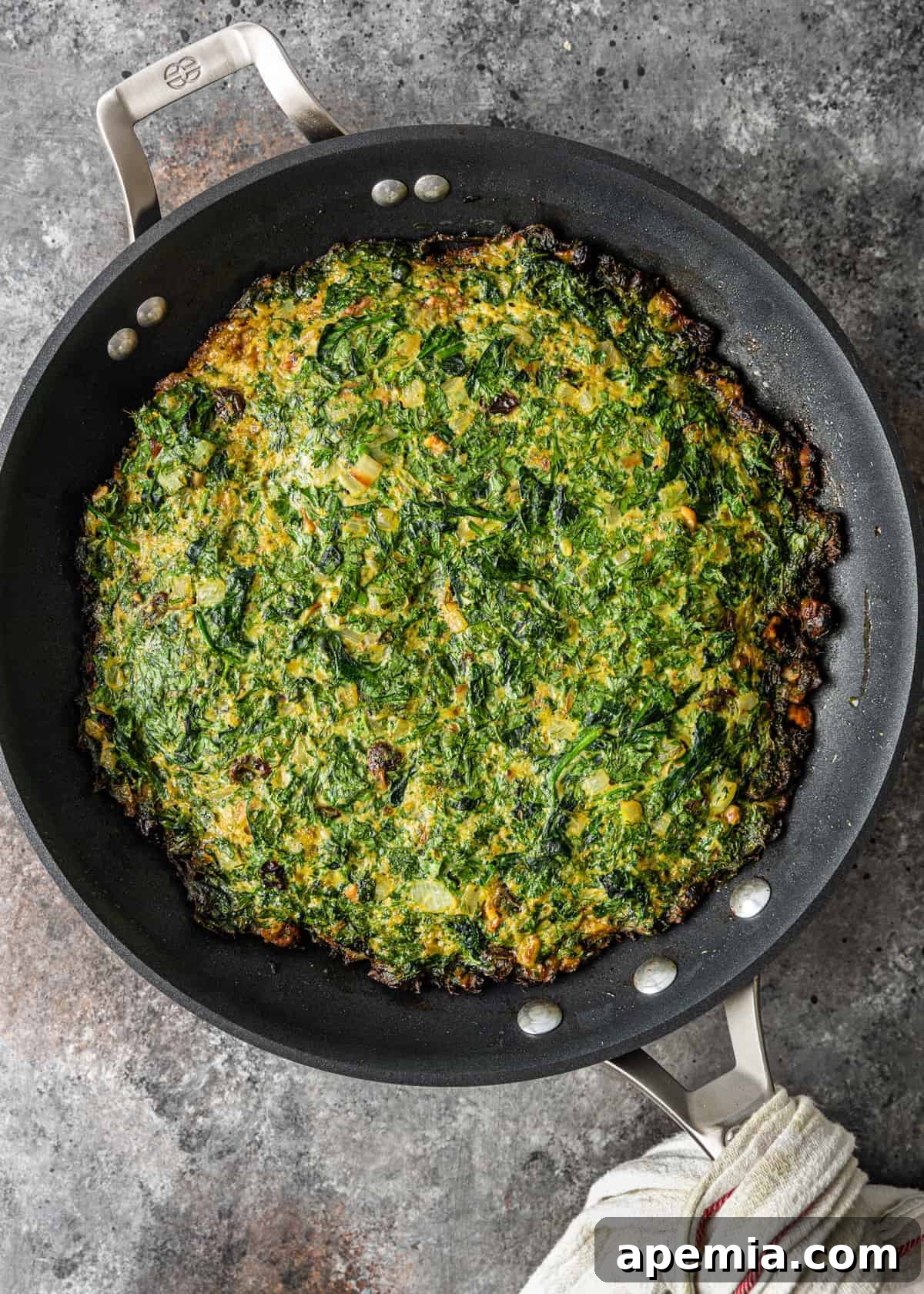
- Cover, Cook, and Finish: Cover the skillet with a lid and allow the Kuku Sabzi to cook on the stovetop for 8 to 10 minutes. During this time, the edges will start to set and pull away from the sides of the pan. The center, however, should still have a slight jiggle – this is normal and desired. Once the edges are set, carefully transfer the skillet to the broiler for an additional 1-2 minutes. This brief broiling step will help the top surface to lightly brown and fully set the center, achieving that beautiful golden finish without overcooking the eggs.
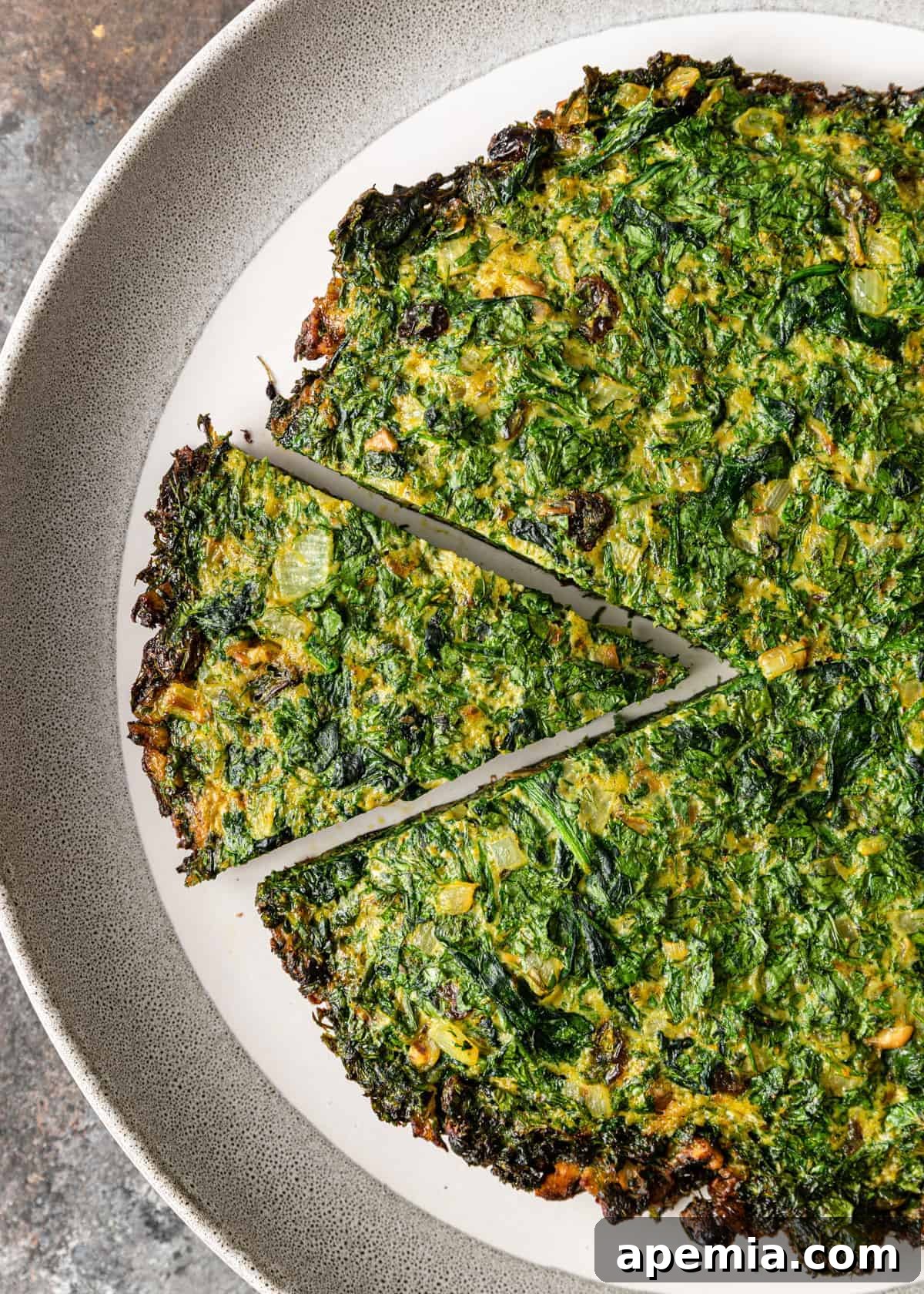
- Serve and Enjoy: Once out of the oven, allow the Kuku Sabzi to rest for a minute or two before slicing into wedges. Serve it warm, or even at room temperature, accompanied by warm flatbread like lavash, a spoonful of cool yogurt, or a sprinkle of your favorite cheese. Enjoy this delightful Persian frittata fresh from the pan for the best experience.
Serving Suggestions for Kuku Sabzi
The versatility of this Persian Herb Omelette means it can grace your table at any time of day and in various forms. Whether served warm or at room temperature, its vibrant flavors are always a hit.
- As a Light Meal: Pair a generous slice of Kuku Sabzi with a refreshing Shirazi Salad with Chickpeas for a perfectly balanced and light meal that’s bursting with fresh flavors.
- With Dairy Accents: The richness of Kuku Sabzi is beautifully cut by the tang of dairy. Serve it with a dollop of tart yogurt, creamy labneh, or a sprinkling of crumbled feta for an authentic touch.
- With Warm Bread: Simple yet satisfying, serving Kuku Sabzi with warm flatbread like pita bread or lavash allows you to scoop up every flavorful bite.
- As a Side Dish: Elevate your dinner by serving Kuku Sabzi as a vibrant side. It makes an excellent accompaniment to grilled meats, such as succulent Beef and Lamb Koobideh Kabobs.
- A Complete Persian Feast: For a truly celebratory meal, combine Kuku Sabzi with fragrant Persian Saffron Rice with Apricots. The colors and flavors will create an unforgettable dining experience.
While delicious in many contexts, Kuku Sabzi is best served and enjoyed fresh out of the pan, allowing its aromas and textures to truly shine. It’s a personal favorite for good reason!
What is Kuku Sabzi Made Of? A Closer Look
At its heart, Kuku Sabzi is a type of frittata, characterized by its base of whipped eggs. However, what sets it apart is the extraordinary volume and variety of fresh herbs and greens that make up the bulk of the dish. Our recipe features a traditional blend of cilantro, dill, parsley, and spinach, which together create a stunningly green and intensely flavorful experience. It’s not just an omelet with herbs; it’s a herb omelet where the eggs serve primarily as a binder.
Variations abound across different regions and family traditions. Some versions might omit the spinach, focusing solely on the fresh herbs, while others might specifically incorporate the greens of scallions or leeks for a slightly different aromatic profile.
Another delightful component that varies from recipe to recipe is the inclusion of small, tart, or sweet dried fruits. Barberries, with their distinctive sourness, are a very common and authentic addition, particularly in Iran. Dried cranberries offer a similar tart kick, while raisins (dark or golden) contribute a sweet counterpoint to the savory herbs. The choice often depends on personal preference and desired sweetness balance. The combination of savory, tangy, and subtly sweet elements is what makes Kuku Sabzi so uniquely appealing.
How Many Calories Are in Kuku Sabzi? Nutritional Insights
According to our recipe, a single serving of Kuku Sabzi contains approximately 177 calories, with the recipe yielding 8 servings in total. It’s important to note that this is an estimated value. The precise nutritional content can fluctuate based on specific brands of ingredients used, the exact quantity of oil, and any substitutions made. For the most accurate nutritional assessment, it is always advisable to calculate the values based on the specific ingredients and brands you incorporate into your cooking.
However, generally speaking, Kuku Sabzi is a nutrient-dense dish. The generous use of fresh herbs and spinach provides a wealth of vitamins (like Vitamin A, C, and K), minerals (such as iron and potassium), and dietary fiber. Eggs contribute high-quality protein, while walnuts offer healthy fats and omega-3 fatty acids. This makes Kuku Sabzi a wholesome choice, especially for those looking to enjoy a flavorful meal that is also beneficial for their health.
How Can You Tell When Kuku Sabzi is Done Cooking? Achieving the Perfect Texture
Gauging the doneness of any frittata, including Kuku Sabzi, can be a little tricky, as the center might still have a slight jiggle even when perfectly cooked. Overcooking can lead to a dry, rubbery egg bake, which is something we want to avoid for this fluffy herb masterpiece.
Here are the key indicators to look for:
- The Edges: Observe the edges of the Kuku Sabzi. They should appear just barely golden brown and visibly pull away from the sides of the pan. This indicates they are set and firm.
- Spatula Test: You should be able to gently work a rubber spatula around the entire perimeter of the frittata, easily separating it from the pan without sticking.
- The Center’s Jiggle: While the edges are firm, the very center might still have a slight, almost custardy jiggle. This is the ideal consistency. Remember, eggs continue to cook slightly from residual heat after being removed from the oven.
Crucial Tip: Do not wait for the center to be completely solid and firm. If you do, by the time it cools, your Kuku Sabzi will be dry and overcooked. The subtle jiggle ensures a moist, tender, and truly pillowy texture that is the hallmark of a perfectly prepared Kuku Sabzi.
Subscribe to our Newsletter, and follow us on Facebook, Pinterest, Instagram and YouTube for all our latest recipes and videos.
Kuku Sabzi Persian Frittata
Kuku Sabzi is a fluffy omelet-style dish featuring an abundance of fresh spinach, aromatic herbs, and delightful nuts. Follow our easy video guide to make this authentic Persian frittata in just over 30 minutes!
8
15
mins
20
mins
35
mins
PrintRecipe
Video
Ingredients
- 8 oz fresh spinach (chopped or baby spinach leaves)
- 1 medium yellow onion diced
- 5 tbsp vegetable oil divided
- 1 1/2 cups cilantro chopped (2 bunches typically, stems removed)
- 1 1/2 cups parsley chopped (2 bunches typically, stems removed)
- 1/2 cup dill chopped (1 bunch typically, stems removed)
- 1/4 cup walnuts chopped
- 2 tbsp raisins (golden sultanas preferred)
- 1 tbsp fenugreek leaves
- 1 tsp black pepper
- 1/2 tsp kosher salt
- 1/2 tsp turmeric
- 1 tsp baking powder
- 6 large eggs
Instructions
-
In an oven-proof skillet over medium heat, add 2 tablespoons of the oil. After a minute, add the onion and cook for 8 minutes until translucent. Top with spinach and turn to cook for 2 minutes until wilted. Remove cooked onion and spinach from the pan and set aside to cool. Discard any water left in the skillet.
-
Meanwhile, chop herbs using a sharp knife (do not use a food processor, as it releases too much water) and set aside.
-
In a large bowl, whisk the eggs and add the chopped herbs, walnuts, raisins, fenugreek, pepper, salt, turmeric, and baking powder. Fold in the cooled onion and spinach (see Note 1 below).
-
Wipe out the skillet and add the remaining 3 tablespoons of oil over medium-high heat. When the oil shimmers slightly, carefully add the herb-egg mixture and, using a rubber spatula, pat down for an even top.
-
Cover and cook for 8-10 minutes, until just about set. The center will still be a little jiggly. Carefully run a rubber spatula around the rim to loosen. Place under the broiler for 1-2 minutes to set the top and achieve a light brown color.
-
Serve warm or cold as is, or with lavash bread, yogurt, or cheese.
Notes
- This mixture will be very thick, unlike a loose frittata or omelet mixture.
Nutrition
Calories:
177
kcal
|
Carbohydrates:
7
g
|
Protein:
6
g
|
Fat:
15
g
|
Saturated Fat:
8
g
|
Cholesterol:
123
mg
|
Sodium:
279
mg
|
Potassium:
370
mg
|
Fiber:
2
g
|
Sugar:
1
g
|
Vitamin A:
4213
IU
|
Vitamin C:
27
mg
|
Calcium:
106
mg
|
Iron:
3
mg
The information shown is an estimate provided by an online nutrition calculator. It should not be considered a substitute for a professional nutritionist’s advice.
Side Dish
Persian
Kevin
Have You Made This Recipe? Let Me Know on Instagram
Tag @keviniscooking or use hashtag #keviniscooking!