Authentic Arrabiata Sauce Recipe: Your Guide to a Spicy Italian Classic
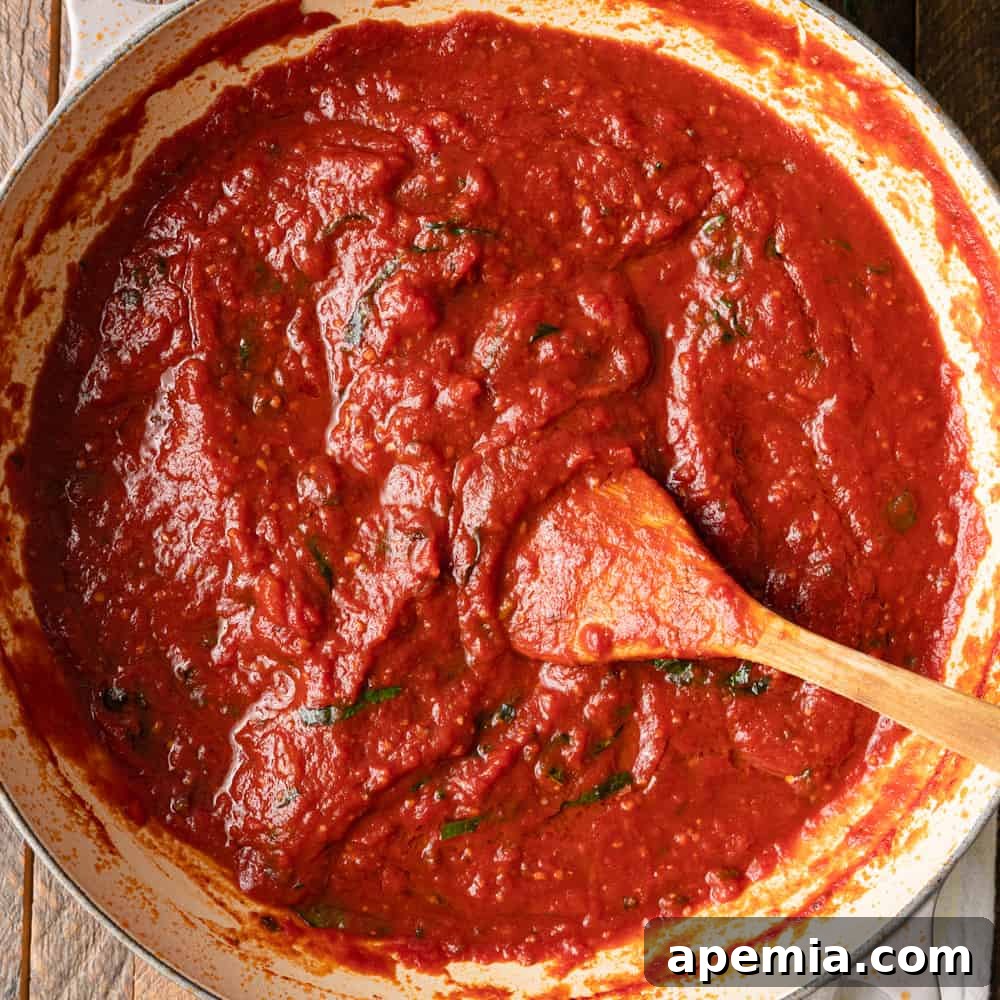
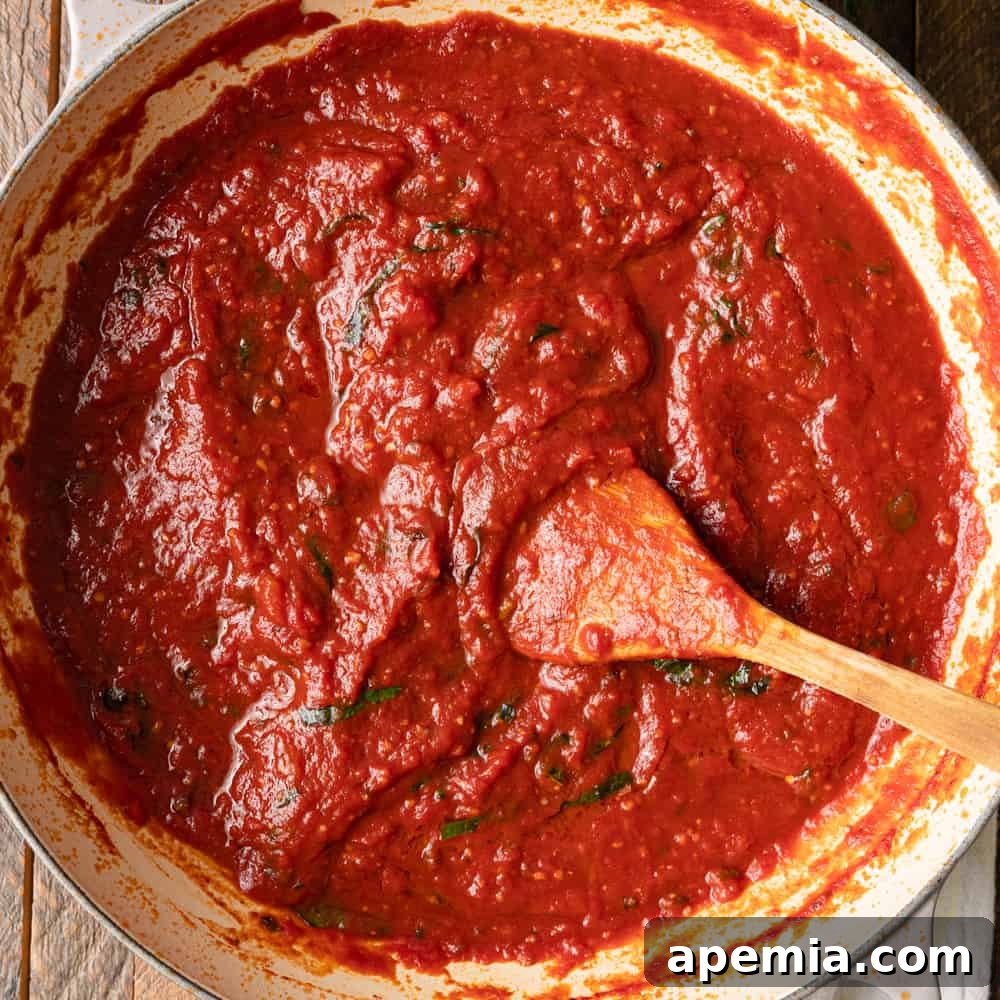
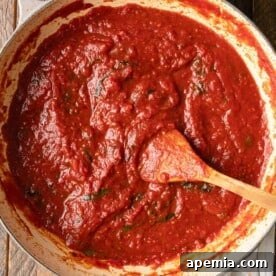
Arrabbiata sauce, known in Italy as sugo all’arrabbiata, is a celebrated Italian culinary classic renowned for its vibrant, spicy flavor that perfectly complements a wide array of pasta dishes. Originating from the Lazio region around Rome, its name playfully translates to “angry sauce,” a fitting description for the delightful heat it brings, primarily from red chili peppers. This robust tomato sauce is a foundational recipe for any Italian cuisine enthusiast, crafted from a simple yet powerful combination of sautéed garlic and onions, rich crushed tomatoes, a hint of dry red wine, fiery red pepper flakes, and aromatic fresh herbs.
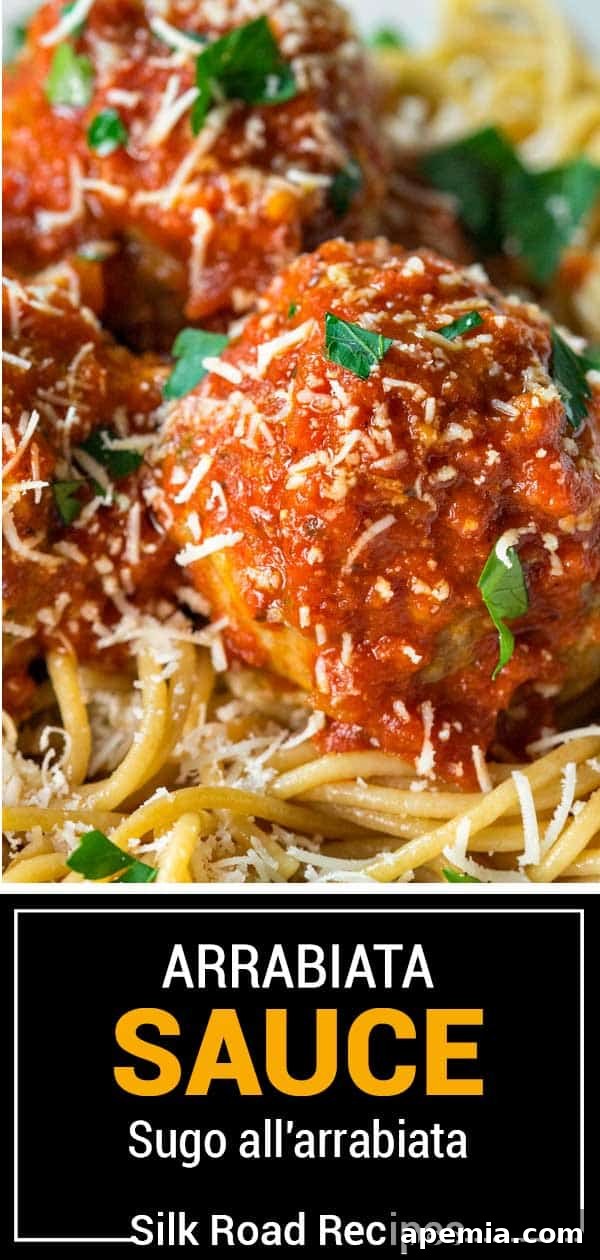
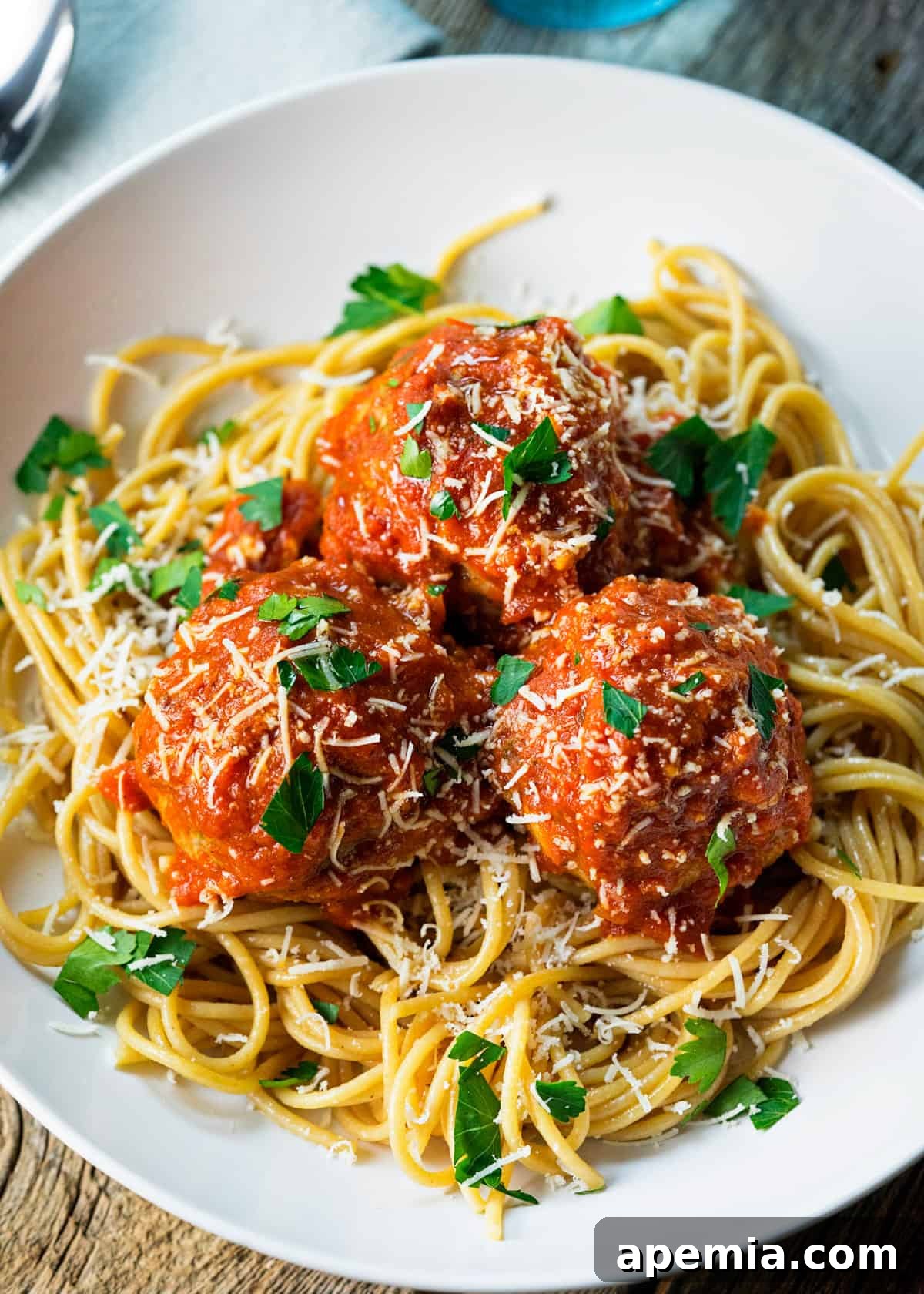
The versatility of homemade arrabbiata sauce is truly remarkable. I frequently whip up a batch when preparing Roman-style meatballs, finding that their subtle sweetness creates an exquisite balance with the sauce’s piquant depth. It’s equally magnificent with savory beef meatballs or even as a standalone vegetarian sauce for your favorite pasta. Beyond traditional pairings, arrabbiata sauce shines when layered into a comforting lasagna, baked into a cheesy ziti, or generously spooned over a classic chicken parmigiana. Indeed, it’s hard to imagine an Italian tomato-based dish that wouldn’t be elevated by the bold and spirited embrace of this ‘angry’ sauce!
My particular arrabbiata recipe emphasizes simplicity and purity of flavor, relying on a few carefully chosen, high-quality components. The core ingredients include premium crushed tomatoes, fresh garlic, sweet yellow onions, and, crucially, a generous hand with red pepper flakes for that signature heat. For the liquid base, I prefer using dry red wine. This addition not only helps deglaze the pan, capturing all the flavorful browned bits, but also imparts a profound complexity and robust undertone that perfectly complements the natural sweetness and acidity of the tomatoes, resulting in a sauce that is both deeply savory and wonderfully bright.
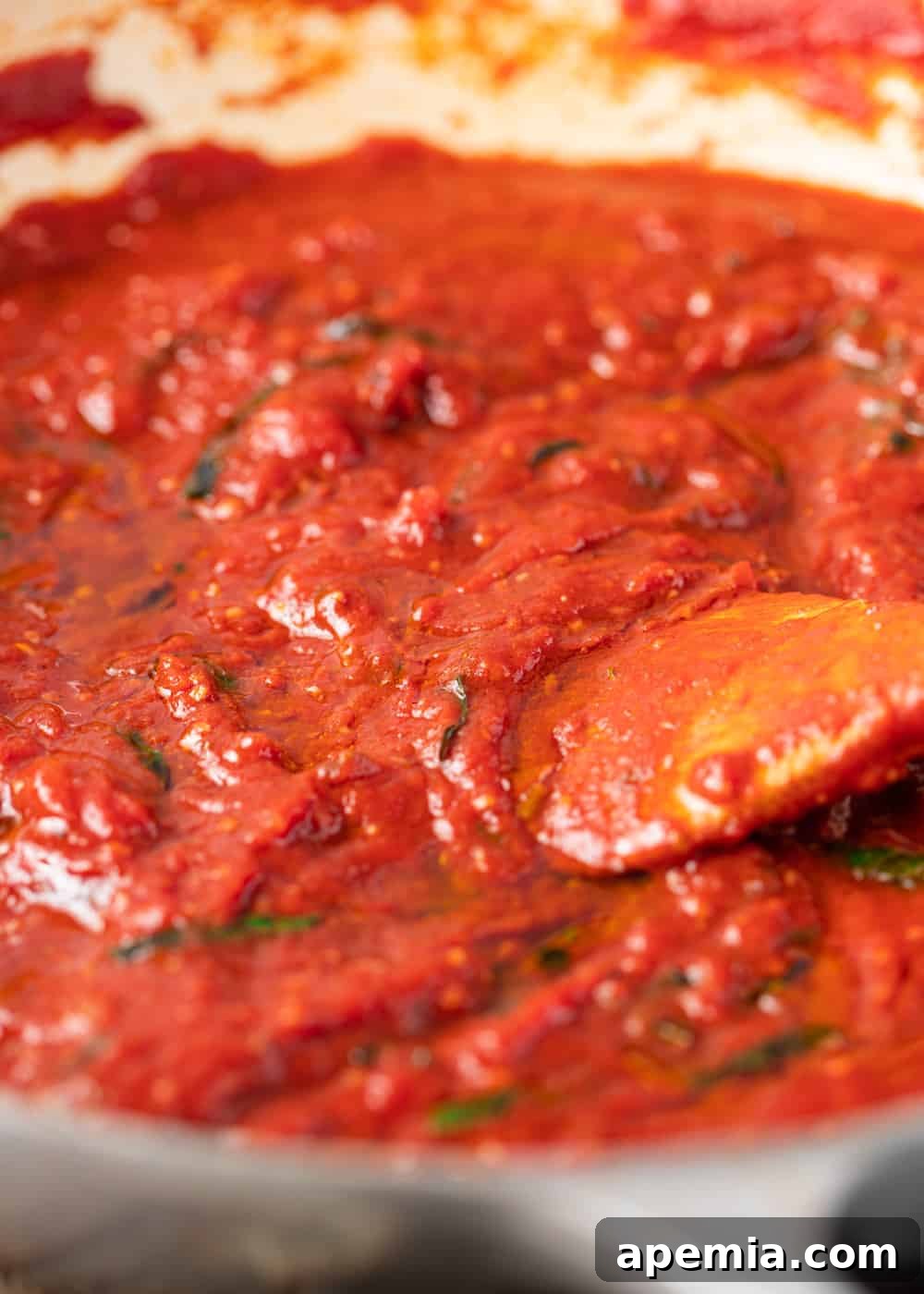
Table of Contents
- The Heart of the Sauce: Choosing the Right Tomatoes
- Ingredient Deep Dive and Smart Substitutions for Arrabiata Sauce
- How to Master Arrabiata Sauce: A Simple Step-by-Step Guide
- Essential Tools for Sauce Perfection
- Storing and Reheating Your Arrabiata Sauce
- Frequently Asked Questions About Arrabiata Sauce
- Arrabbiata Sauce: Full Recipe
The entire cooking process for this authentic arrabbiata sauce is remarkably swift and satisfying. All the key ingredients are combined and gently simmered for a mere 20 to 25 minutes, allowing their individual flavors to meld into a harmonious symphony. This rapid preparation makes it one of the easiest and quickest tomato sauces to create, rivaling even a basic meatless marinara in its simplicity. With minimal effort, you’ll produce a rich sauce that tastes as if it has been simmering slowly for hours. So, let’s gather our fresh ingredients and embark on the creation of this deliciously spicy and incredibly versatile Italian staple!
The Heart of the Sauce: Choosing the Right Tomatoes
It’s a fascinating historical tidbit that tomatoes, now an indelible part of Italian cuisine, were not introduced to Italy until after the Spanish colonization of the Americas. This means classic Roman dishes, including early versions of tomato sauces, would not have existed until well after the fall of the Roman Empire around 455 AD. This fact highlights how much culinary traditions have evolved!
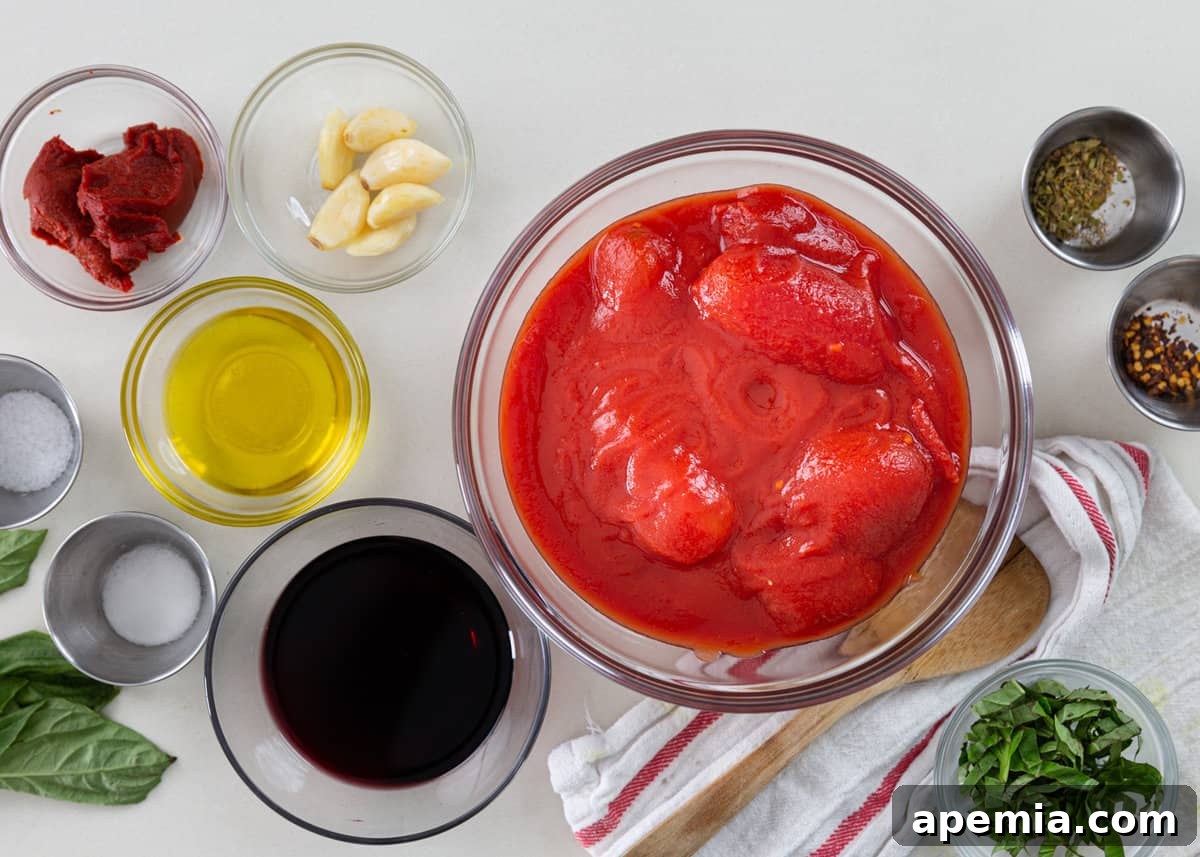
When it comes to crafting an truly exceptional arrabbiata sauce, the selection of your tomatoes is absolutely critical. My strongest recommendation is to use high-quality San Marzano crushed tomatoes. These renowned plum tomatoes, cultivated in the volcanic soil of Italy’s Agro Sarnese-Nocerino region, are prized for their naturally sweet flavor, low acidity, and thick, meaty flesh with minimal seeds. If you can only find whole peeled San Marzano tomatoes, don’t hesitate to use them; simply crush them with your hands directly into the pot, which provides a wonderfully rustic texture and helps release their full, intense flavor.
It’s best to steer clear of canned diced tomatoes or tomato puree for this recipe, as they often contain added water or calcium chloride. These additives can prevent the tomatoes from breaking down properly during simmering, resulting in a thinner, less integrated sauce that lacks the desired richness. If you prefer to use fresh tomatoes, particularly when they are in peak season, opt for Roma (plum) tomatoes. They are naturally meatier and have a lower water content compared to other varieties, making them perfectly suited for a thick, flavorful sauce. For this recipe, you’ll need approximately 2 pounds of fresh Roma tomatoes to achieve the ideal consistency and robust flavor profile.
Ingredient Deep Dive and Smart Substitutions for Arrabiata Sauce
To truly master arrabbiata sauce, it’s beneficial to understand the role of each component. Here’s a detailed exploration of the essential ingredients and how you can make smart substitutions without compromising the sauce’s authentic character:
- Crushed Tomatoes: As highlighted, San Marzano tomatoes are unparalleled for their exceptional flavor balance. If using whole peeled tomatoes, crushing them directly in the pot with your hands or a potato masher creates a fantastic, rustic texture. Always check if canned tomatoes are packed in water and drain any excess liquid to avoid a diluted sauce.
- Red Wine: A dry red wine is crucial for both deglazing the pan – lifting all the caramelized bits of flavor – and adding a layer of sophisticated depth to the sauce. Good options include Pinot Noir, Merlot, Chianti, or even a basic table red. The alcohol will cook off during simmering, leaving behind only the complex flavors. For a non-alcoholic alternative, a high-quality vegetable broth or a small amount of balsamic vinegar can be used, though the final flavor will differ slightly.
- Tomato Paste: This concentrated paste is a secret weapon for intensifying the tomato flavor and adding body to the sauce. It’s vital to “bloom” the tomato paste by cooking it briefly with the aromatics. This process caramelizes its sugars, deepening its natural sweetness and umami notes, which contributes significantly to the sauce’s rich, savory character.
- Onion: Yellow onions are my preferred choice due to their balanced sweetness and ability to caramelize beautifully, forming a delicious foundation for the sauce. White onions are a perfectly acceptable substitute. Ensure they are finely diced so they soften and practically melt into the sauce, creating a smooth texture without prominent chunks.
- Garlic: Freshly minced garlic is absolutely indispensable for an authentic arrabbiata. Its pungent aroma and sharp flavor are integral to the sauce’s character. Adjust the quantity to your preference – some prefer a subtle hint, while others enjoy a more robust garlic presence. While garlic powder can be used in a pinch, it simply cannot replicate the nuanced flavor of fresh garlic.
- Red Pepper Flakes: These are the definitive ingredient for the “angry” kick of arrabbiata sauce. The heat level is entirely customizable: 1 teaspoon provides a pleasant, medium warmth. For a milder sauce, reduce to half a teaspoon, or for a bolder, spicier version, increase to 2 teaspoons or more. If you don’t have flakes, a finely diced fresh bird’s eye chili or a tiny dash of cayenne pepper can work as an alternative, though flakes offer a distinct texture and slow-release heat.
- Italian Seasoning: A convenient blend usually featuring a mix of rosemary, sage, oregano, basil, thyme, marjoram, and/or parsley. If you have individual dried herbs on hand, a combination of oregano, basil, and a touch of rosemary or thyme will create a similar aromatic profile.
- Basil: Fresh basil is paramount. Adding it right at the very end of the cooking process is key, as this preserves its delicate flavor and vibrant green color, which can be lost with prolonged cooking. If fresh basil is unavailable, dried basil can be used; incorporate it earlier with the other dried seasonings to allow its flavor to properly infuse the sauce.
- Olive Oil: Use a good quality extra virgin olive oil for sautéing. It provides a foundational richness and authentic Italian flavor.
- Sugar: A small pinch of sugar is often added to balance the acidity of the tomatoes, especially if they aren’t perfectly ripe or if you simply prefer a sauce with a slightly rounder, sweeter edge.
- Salt: Kosher salt or sea salt is recommended for seasoning. Always taste and adjust salt levels at the very end of cooking to achieve perfect balance.
How to Master Arrabiata Sauce: A Simple Step-by-Step Guide
Creating a truly memorable and authentic arrabbiata sauce is far simpler than you might imagine. By following these clear steps, you’ll achieve a perfectly balanced and deliciously fiery sauce:
- Sauté the Aromatics: Begin by heating the olive oil in a large skillet or a Dutch oven over medium-high heat. Add the finely diced onion and cook, stirring occasionally, until it becomes soft and translucent, which typically takes about 3-5 minutes. Next, add the minced garlic and continue to sauté for just 1 minute until it becomes fragrant. Be vigilant to avoid burning the garlic, as it can quickly turn bitter.
- Build the Flavor Base: Reduce the heat to medium. Carefully pour in the red wine, then use a wooden spoon to scrape the bottom of the pan, loosening any browned bits of flavor (this is called deglazing, and it’s key!). Stir in the tomato paste, sugar, Italian seasoning, red pepper flakes, and a pinch of salt. Cook this mixture for approximately 2 minutes, allowing the tomato paste to deepen in color and the spices to “bloom,” thereby releasing their full aromatic potential.
- Simmer the Tomatoes: Now, add the crushed tomatoes to the skillet. Stir all the ingredients together thoroughly, ensuring everything is well combined. Bring the sauce to a gentle simmer, then reduce the heat to low. Partially cover the skillet and let the sauce cook for at least 20 minutes, or until it has slightly reduced and thickened, and the flavors have had ample time to meld and deepen. Stir occasionally to prevent any sticking.
- Finish with Fresh Herbs: Remove the skillet from the heat. Stir in the freshly chopped basil leaves. The residual heat from the sauce will gently wilt the basil, preserving its bright, fresh flavor and vibrant green color. Taste the sauce and adjust the seasoning with additional salt or red pepper flakes if you desire a spicier kick.
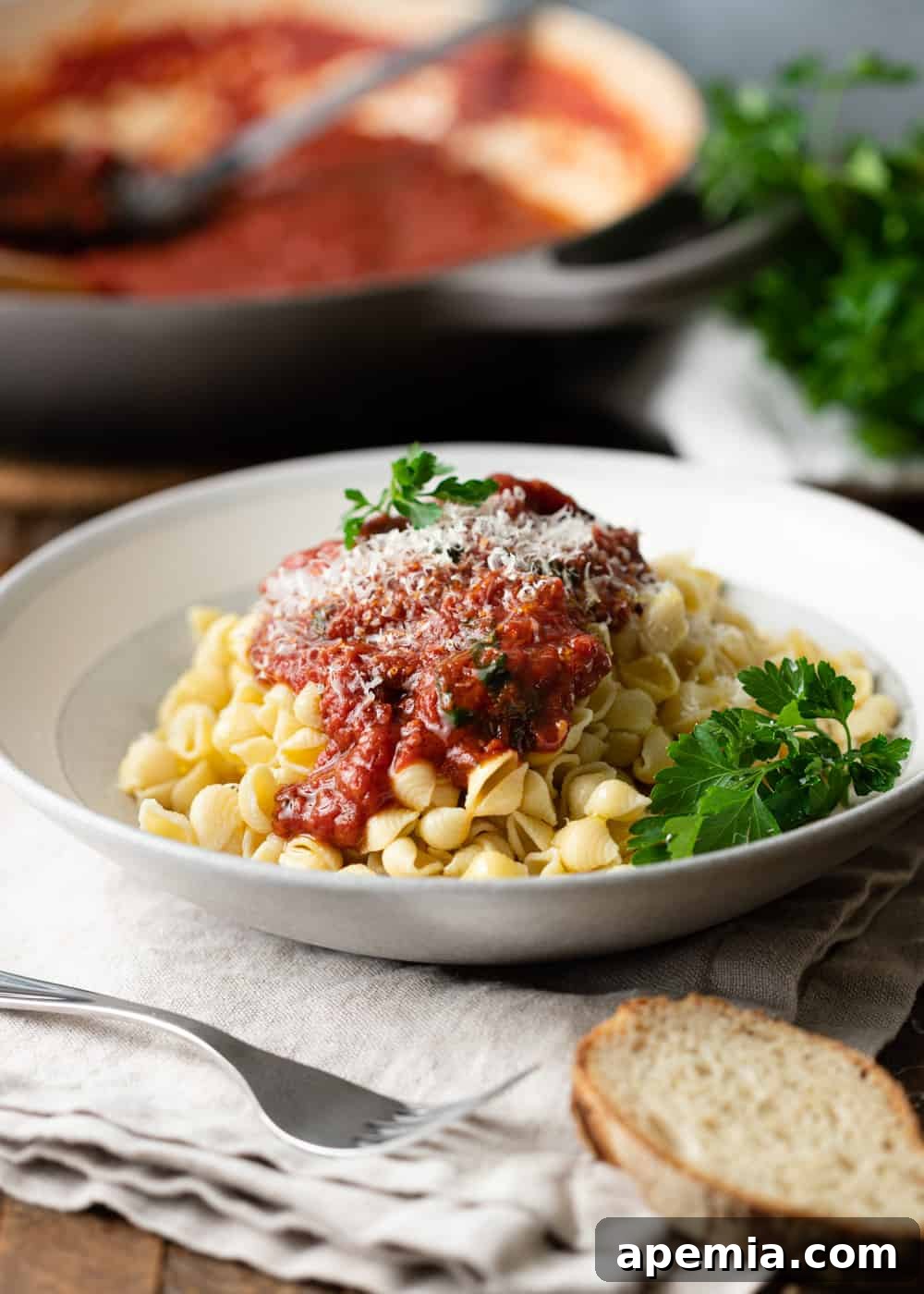
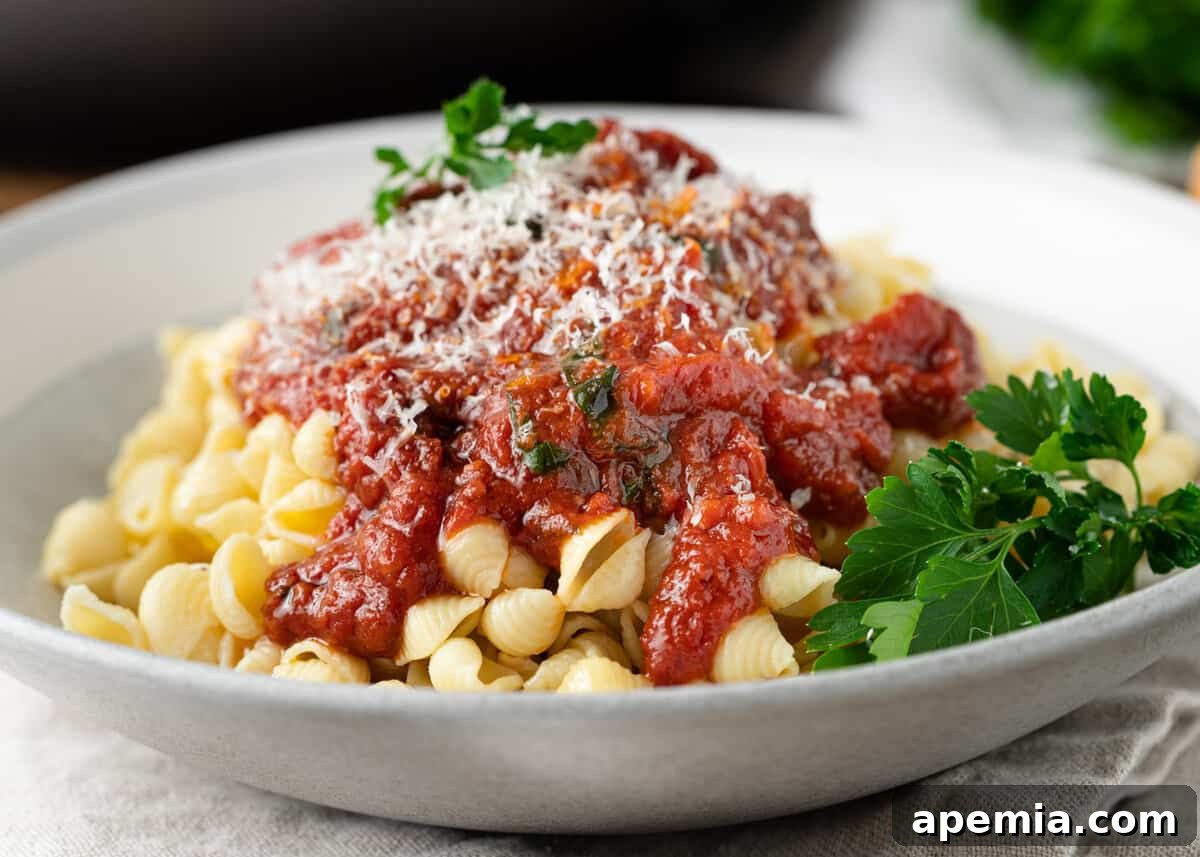
- Serve and Enjoy: Your authentic arrabbiata sauce is now perfectly ready to be served! Spoon it generously over your preferred pasta – penne, rigatoni, or classic spaghetti are excellent choices. It’s also exquisite when paired with meatballs, chicken parmigiana, or even as a flavorful base for a homemade pizza. For an extra touch of authentic Italian flair, garnish with freshly grated Pecorino Romano or Parmesan cheese and a sprinkle of fresh flat-leaf parsley.
Essential Tools for Sauce Perfection
While arrabbiata sauce is wonderfully straightforward to prepare, having a few key kitchen tools can significantly enhance your cooking experience and ensure the best results:
- Large Skillet or Dutch Oven: A crucial piece of equipment. Choose one with high sides to prevent splattering and ample capacity to comfortably hold all the sauce ingredients. A heavy-bottomed pan is ideal as it ensures even heat distribution, which is essential for preventing the sauce from burning.
- Wooden Spoon or Heat-Resistant Spatula: Perfect for stirring the sauce and scraping the bottom of the pan without damaging its surface.
- Sharp Knife and Cutting Board: For efficiently dicing onions and mincing garlic, ensuring uniform pieces for even cooking.
- Can Opener: A necessity for easily opening your cans of tomatoes and tomato paste.
- Measuring Cups and Spoons: For accurate measurement of ingredients, ensuring consistent results every time.
Storing and Reheating Your Arrabiata Sauce
One of the many fantastic benefits of making homemade arrabbiata sauce is its excellent storage capabilities, making it ideal for meal prepping throughout the week or enjoying delicious leftovers later:
To store, first allow the sauce to cool completely to room temperature. This crucial step helps prevent condensation from forming inside the container, which can affect the sauce’s freshness and quality. Once cooled, transfer the arrabbiata sauce into an airtight container. It can then be safely refrigerated for up to four days. In fact, many people find that the flavors of arrabbiata sauce deepen and become even more complex and delicious after a day or two in the fridge.
For longer-term storage, this tomato-based sauce freezes exceptionally well. Portion the cooled sauce into freezer-safe containers or heavy-duty freezer bags, remembering to leave a little headspace for expansion. It can be confidently frozen for 6 months, and some reports suggest it retains its quality for up to a whole year, without significant loss of flavor or texture. To reheat, the best method is to thaw the frozen sauce in the refrigerator overnight. Once thawed, gently reheat it over medium heat on the stovetop, stirring occasionally until it is thoroughly warmed through. If the sauce appears a little too thick after thawing and reheating, you can easily adjust its consistency by adding a splash of water or vegetable broth until it reaches your desired texture.
Frequently Asked Questions About Arrabiata Sauce
The most significant and defining distinction between marinara and arrabbiata sauce lies in their heat profile. Marinara sauce is characteristically a mild, sweet, and tangy tomato sauce, often flavored with herbs like basil and oregano but notably lacking any chili. Arrabbiata sauce, conversely, is intentionally spicy, deriving its “angry” kick from a generous inclusion of red pepper flakes. Both are simple, relatively quick-cooking tomato sauces, but arrabbiata offers a bold, fiery culinary experience that marinara does not provide.
The spice level of arrabbiata sauce is entirely flexible and can be customized to suit your personal preference. My recipe typically uses a modest 1 teaspoon of crushed red pepper flakes, which imparts a pleasant, medium warmth – enough to feel the kick without overpowering the other delicate flavors. Since this is where all the spice originates, you can easily adjust it: for a milder sauce, reduce the flakes to half a teaspoon or even a quarter. For those who crave a more intense heat, feel free to add 2 teaspoons or more! It’s always a good strategy to start with a smaller amount and then add more to taste.
Absolutely! While canned San Marzano tomatoes offer convenience and consistent quality, preparing arrabbiata sauce with fresh tomatoes is a superb option, especially when tomatoes are in their peak season. When I opt for fresh tomatoes, I always recommend using Roma (plum) tomatoes because they are inherently “meatier” with fewer seeds and a lower water content, making them perfectly suited for a rich, thick sauce. You will typically need about 2 pounds of fresh Roma tomatoes for this recipe. To prepare them, you might consider blanching them briefly in boiling water, then peeling and roughly chopping them before adding them to your sauce for the best texture.
Arrabbiata sauce is incredibly versatile and pairs beautifully with virtually any pasta shape you can imagine! However, if I were to choose a top recommendation, I would lean towards tubular pasta varieties like penne, rigatoni, or ziti. These shapes are exceptionally good at “pocketing” the delicious, spicy sauce within their hollow centers and along their ridged surfaces, ensuring that you get a burst of rich flavor with every single bite. Longer strands such as spaghetti, tagliatelle, or linguine are also fantastic choices as they become wonderfully coated in the robust sauce. Don’t overlook shorter pasta shapes like fusilli or orecchiette either; they too offer a delightful texture and eating experience with this classic Italian sauce.
Share this recipe on Pinterest!
Love this recipe? Share it with the world on Pinterest and inspire others to cook!
Arrabbiata Sauce
4
5 mins
25 mins
30 mins
Print Recipe
Ingredients
- 3 tbsp olive oil
- 1 small yellow onion diced
- 4 cloves garlic minced
- 1/2 cup dry red wine
- 2 tbsp tomato paste
- 1 tsp sugar
- 1 tsp Italian seasoning
- 1 tsp red pepper flakes (adjust to taste for desired heat)
- 1/2 tsp kosher salt (or to taste)
- 28 oz Italian tomatoes crushed (San Marzano recommended, see notes)
- 6 fresh basil leaves chopped
For Serving
- 1/4 cup flat-leaf parsley chopped
- grated Pecorino Romano or Parmesan cheese
Measurements are in US Customary. For Metric conversions, please refer to a standard kitchen converter.
Instructions
-
In a large skillet or Dutch oven, heat the olive oil over medium-high heat. Add the diced onion and sauté for 3-5 minutes, until softened and translucent. Add the minced garlic and cook for another 1 minute until fragrant, being careful not to burn it.
-
Reduce the heat to medium. Pour in the red wine, scraping the bottom of the pan to deglaze. Stir in the tomato paste, sugar, Italian seasoning, red pepper flakes, and salt. Cook for 2 minutes, allowing the flavors to meld and tomato paste to darken slightly.
-
Add the crushed Italian tomatoes, stir well to combine. Bring to a gentle simmer, then reduce heat to low, cover partially, and let it cook for about 20-25 minutes, or until the sauce has slightly thickened and the flavors have deepened. Stir occasionally.
-
Remove the skillet from the heat. Stir in the freshly chopped basil leaves. Taste the sauce and adjust seasoning with additional salt or red pepper flakes as needed.
-
Serve immediately over your favorite pasta or meatballs. Garnish generously with grated Pecorino Romano or Parmesan cheese and fresh chopped flat-leaf parsley for a vibrant finish.
Notes
- For the absolute best arrabbiata, I highly recommend using high-quality San Marzano crushed tomatoes. If you opt for whole San Marzano tomatoes, simply crush them by hand directly into the sauce for a rustic texture. It’s advisable to avoid diced or pureed canned tomatoes as they often contain extra water or firming agents that can affect the sauce’s texture and flavor. If you prefer to use fresh tomatoes, use about 2 pounds of meaty Roma (plum) tomatoes; they are ideal for sauces due to their lower water content.
Nutrition
Calories: 184kcal
|
Carbohydrates: 15g
|
Protein: 3g
|
Fat: 11g
|
Saturated Fat: 2g
|
Polyunsaturated Fat: 1g
|
Monounsaturated Fat: 8g
|
Sodium: 377mg
|
Potassium: 680mg
|
Fiber: 4g
|
Sugar: 9g
|
Vitamin A: 2281IU
|
Vitamin C: 37mg
|
Calcium: 53mg
|
Iron: 2mg
The information shown is an estimate provided by an online nutrition calculator. It should not be considered a substitute for a professional nutritionist’s advice.
Made this recipe? Share your creation on Instagram!
Tag @keviniscooking or use the hashtag #keviniscooking!