
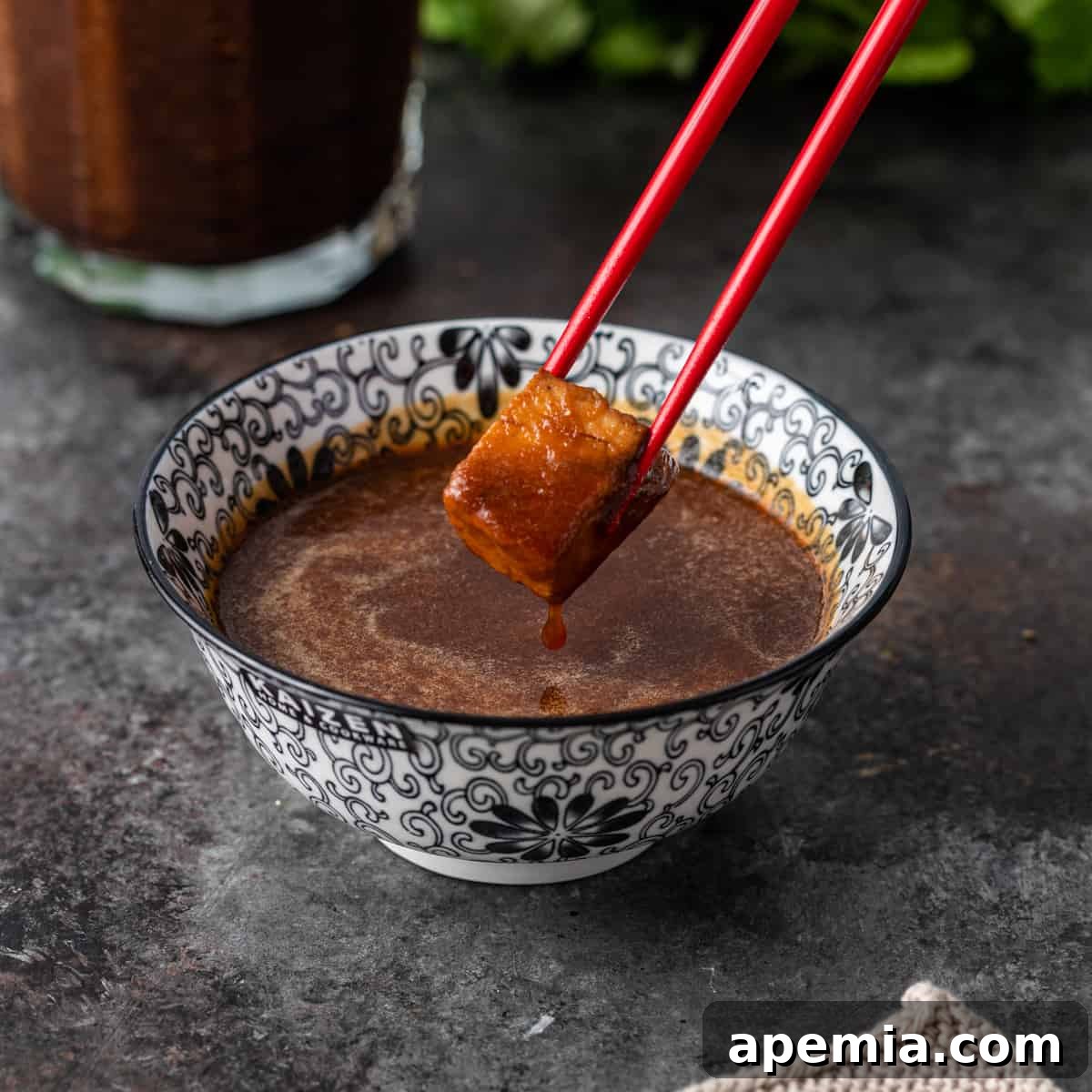
Welcome to the world of exquisite flavors where the magic of homemade cooking brings your favorite restaurant dishes right to your kitchen. Today, we’re diving deep into the creation of a truly remarkable condiment: the **Japanese Ginger Sauce**. Often the unsung hero of a hibachi meal, this vibrant, refreshing dressing is not just for dipping; it’s a culinary powerhouse perfect for grilling, marinating, and elevating almost any dish. Imagine blending fresh yellow onion, pungent ginger, aromatic garlic, the bright zest and juice of lemon, a touch of sharp vinegar, and savory soy sauce into a concoction that delivers an unforgettable burst of umami and tang. This homemade rendition captures the essence of those beloved Japanese steakhouse flavors, allowing you to adjust each ingredient to your preference for a truly personalized and delicious taste that pairs wonderfully with everything from grilled meats and seafood to steamed vegetables and fried rice.
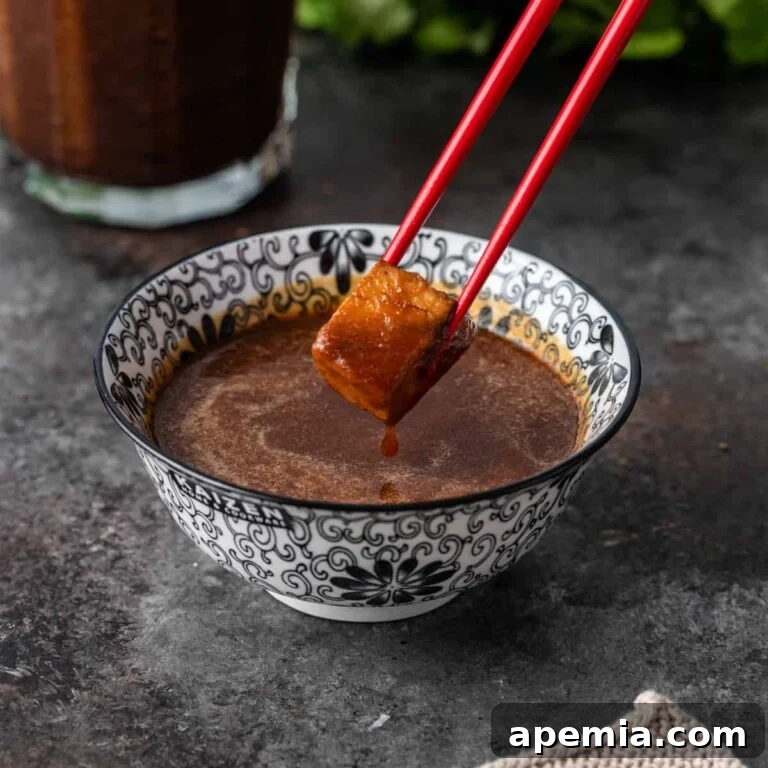
For many, a visit to a Japanese steakhouse like Benihana is an experience defined not only by the sizzling entertainment and expertly grilled fare but also by the array of delectable sauces. Among them, the fresh, zesty **Hibachi Ginger Dipping Sauce** always stands out. Its unique blend of sharp, sweet, and savory notes makes it utterly addictive. This recipe is my personal take on that iconic sauce, crafted to bring that authentic restaurant taste directly to your home kitchen.
Whether you’re dressing a crisp salad, stir-frying a batch of savory fried rice, or grilling succulent pieces of meat, this particular **Japanese steakhouse ginger sauce** is incredibly versatile and utterly delicious on virtually everything. I often find myself reaching for more, so when I prepare it at home, I make sure to whip up a generous batch for everyone to enjoy. The complex yet balanced flavor profile is surprisingly simple to achieve, requiring just a handful of common ingredients and about 10 minutes of your time to yield a substantial 2 ½ cups of this liquid gold. Its vibrant character transforms ordinary meals into extraordinary dining experiences, making it a staple in any kitchen.
If you’re looking to expand your repertoire of incredibly versatile and flavorful sauces, be sure to explore some of my other popular recipes, including my homemade Bulgogi Sauce, the intensely aromatic Chinese Chili Oil, and the sweet and tangy Pineapple Teriyaki Sauce. Each offers a unique flavor journey that will broaden your culinary horizons.
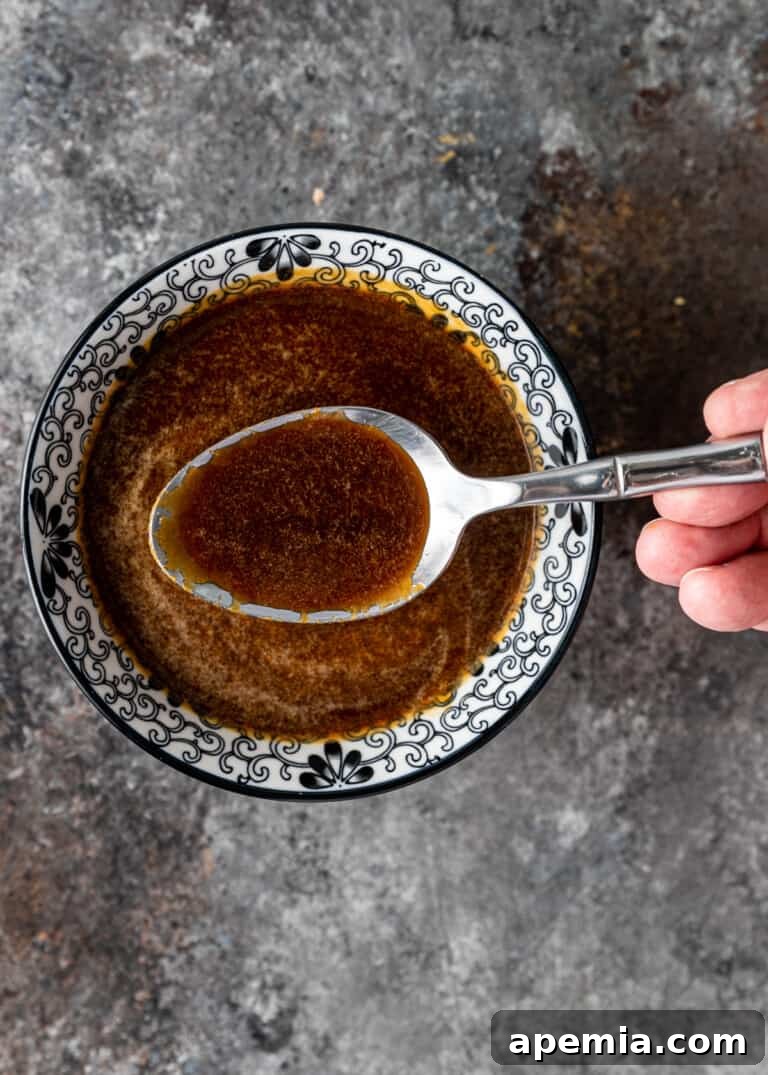
Essential Ingredients for Your Homemade Ginger Sauce
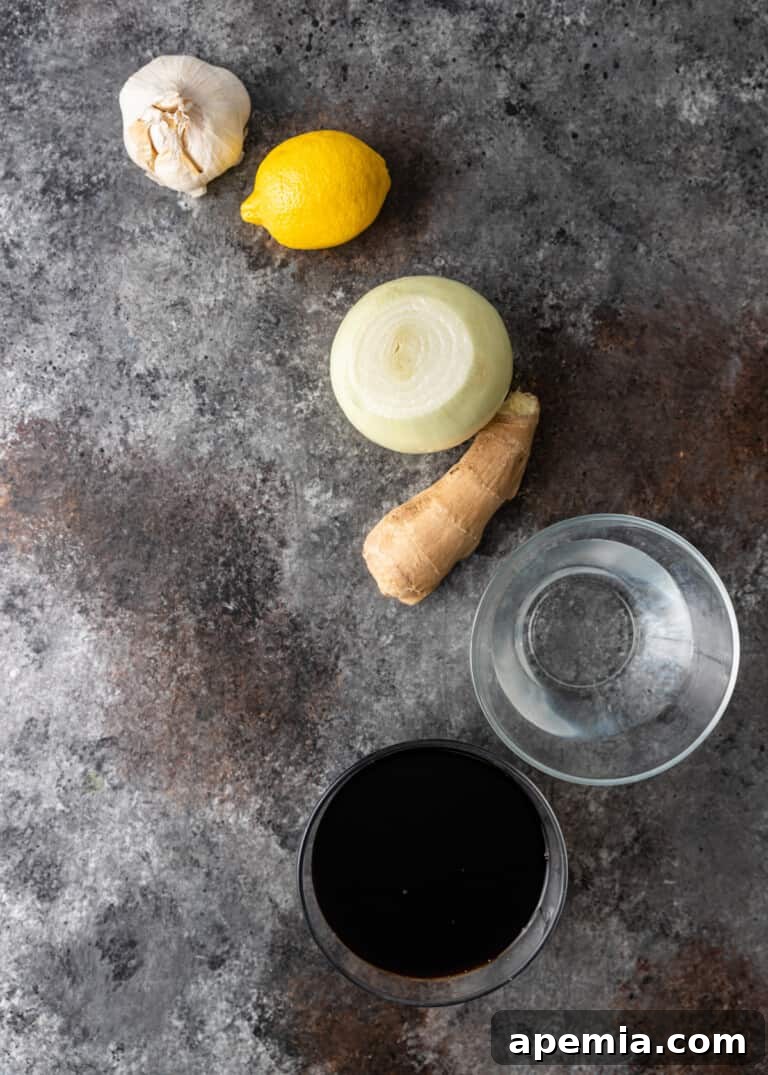
Creating the perfect **homemade ginger sauce** begins with understanding the role each ingredient plays. While the list is short and simple, the quality and type of each component are key to achieving that authentic **Japanese Steakhouse Ginger Sauce** flavor. Here’s a closer look at what you’ll need and why:
- Yellow Onion: This is arguably the most popular and versatile onion variety, offering a balanced sweetness and pungency. While white or red onions can be substituted in a pinch, yellow onions possess a distinctive aroma and taste that best complements the overall flavor profile of this particular recipe. Their inherent sweetness mellows the sharpness of the other ingredients, creating a harmonious base for the sauce.
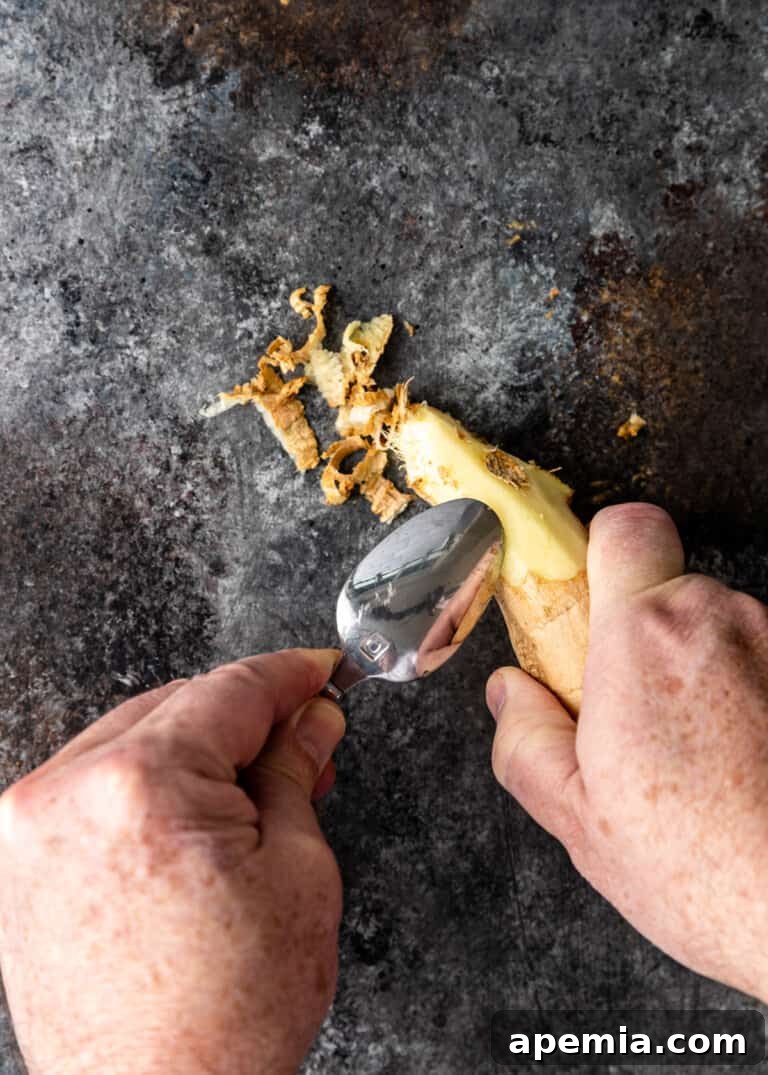
- Fresh Ginger: The star of our show, fresh ginger root provides the signature spicy and aromatic kick that defines this sauce. It’s crucial to remove the thin, brown skin of the root before adding it to your blender or food processor. For this recipe, a 4-inch piece of ginger typically yields approximately ¼ cup when sliced, offering a robust and invigorating flavor that awakens the palate. Opt for firm, smooth ginger roots without soft spots for the best quality and flavor.
- Garlic: Used sparingly but effectively, just one clove of raw garlic delivers a potent and pungent taste that enhances the depth of the sauce without overpowering the delicate ginger notes. When prepared raw, garlic’s flavor is much stronger and sharper, contributing a vital layer of complexity to the overall blend.
- Lemon Zest & Juice: The combination of lemon zest and freshly squeezed lemon juice is paramount for introducing a bright, refreshing acidity to the sauce. The zest provides aromatic citrus oils, adding depth and complexity, while the juice delivers a tangy lift that cuts through the richness and balances the savory elements. For the best results, choose a medium-large sized, organic, and unwaxed lemon to ensure you get a decent amount of zest and juice, yielding the least bitter and most flavorful results. Aim for 3-4 tablespoons of juice for the perfect balance.
- White Vinegar: As a harsh, acidic vinegar, white vinegar provides a sharp, clean tang that is characteristic of many **Japanese ginger dipping sauces**. It contributes significantly to the sauce’s refreshing quality. While cider vinegar or malt vinegar can be used as substitutes, they will impart a different, milder flavor profile and won’t deliver the same distinct sharpness that white vinegar offers, potentially altering the intended taste of the steakhouse classic.
- Soy Sauce: This complex and indispensable ingredient forms the savory foundation of many **Japanese steakhouse sauce recipes**. Soy sauce brings a sophisticated blend of saltiness, subtle sweetness, deep savory notes, and a hint of bitterness, all culminating in a significant “umami” flavor. It’s the unifying element that brings all the other vibrant ingredients together, giving the sauce its signature depth and richness. Using a good quality soy sauce is recommended for the most authentic taste.
Tips and Tricks for Your Perfect Ginger Sauce
- Storing & Fridge Life: To maintain the freshness and vibrant flavor of your homemade **Japanese Ginger Sauce**, always keep it refrigerated when not in use. Store it in an airtight container, such as a glass mason jar, to prevent oxidation and absorption of other fridge odors. Properly stored, this sauce will keep beautifully for up to 7 days, allowing you to enjoy its deliciousness throughout the week.
- Transform it into a Marinade: The exceptional combination of bold flavors and balanced acidity in this sauce makes it an outstanding marinade. It’s perfectly suited for tenderizing and infusing flavor into various proteins like chicken, shrimp, other seafood, and beef. For a noticeable and robust taste, submerge your chosen protein in the sauce for as little as 20 minutes. For deeper flavor, refer to our detailed marinating guidelines below.
- Revive Boring Rice Dishes: Don’t let your leftover rice go to waste! You can easily elevate and add an exciting twist to plain rice by sautéing or frying it in this decadent dressing. The sweet, savory, and acidic kick from the ginger sauce will transform a simple side into a flavorful culinary delight, perfect as a stand-alone dish or an accompaniment.
- Use for Dipping or as a Dressing: With its incredibly bright and refreshing flavor profile, this ginger sauce is truly versatile. Drizzle it generously over freshly grilled shrimp, grilled meats like steak or chicken, and vibrant steamed vegetables for an instant flavor boost. Alternatively, serve it on the side as a classic dipping sauce, allowing everyone to customize their meal with this irresistible condiment. It’s also fantastic as a light salad dressing!
How to Make Japanese Ginger Sauce
Making this incredible **Japanese Ginger Sauce** is surprisingly simple and quick, requiring minimal effort for maximum flavor. Here’s your straightforward guide:
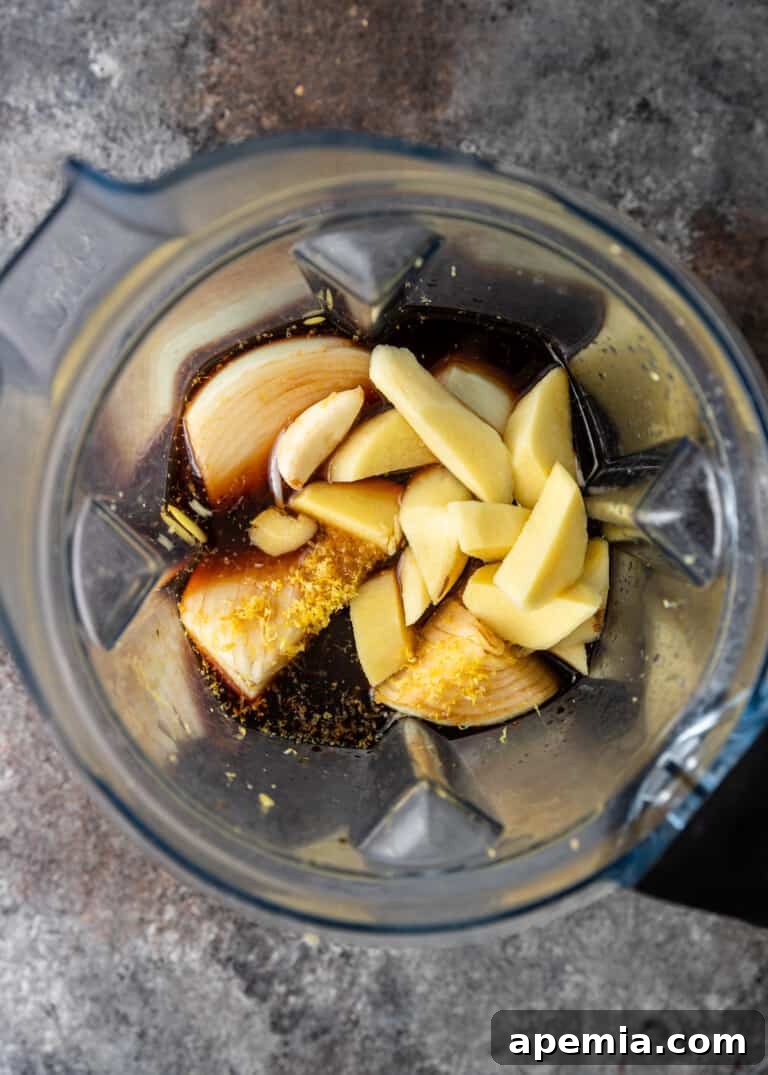
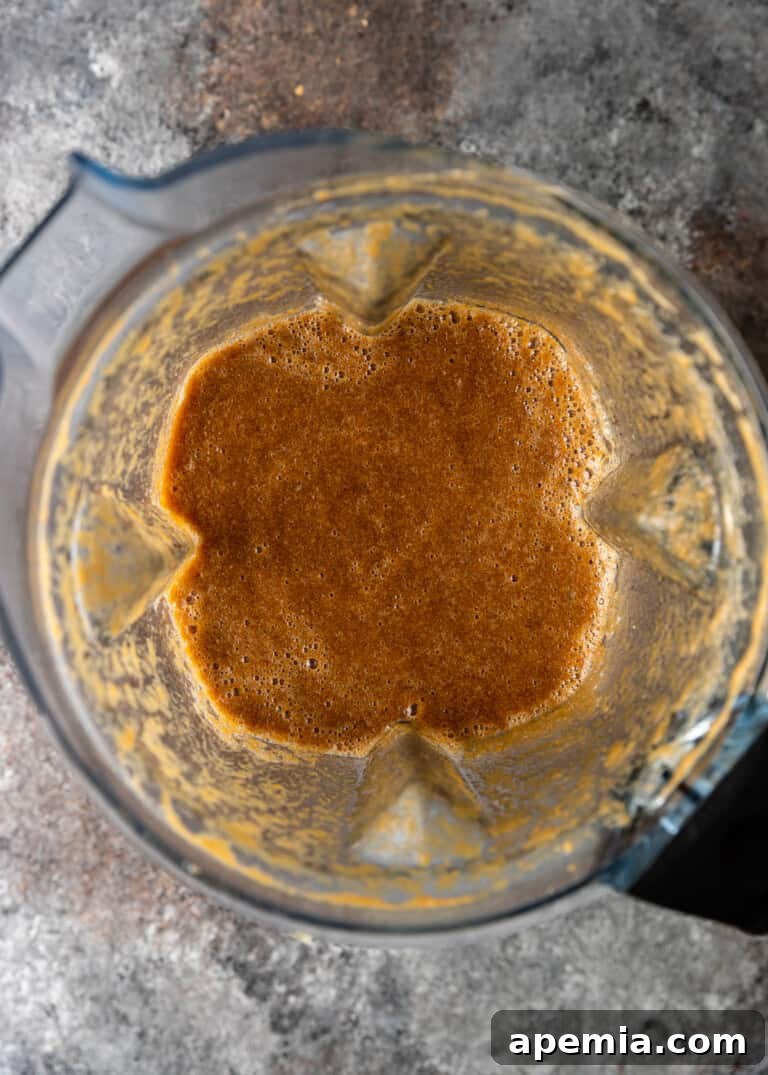
- Blend Everything Together: Begin by adding all your prepared ingredients into a high-speed blender or a food processor. This includes the quartered yellow onion, peeled fresh ginger, a single garlic clove, the bright lemon zest, fresh lemon juice, sharp white vinegar, and savory soy sauce. Secure the lid and blend until the mixture transforms into a smooth, cohesive liquid. Ensure there are no large chunks remaining, as a silky texture is key to this dipping sauce.
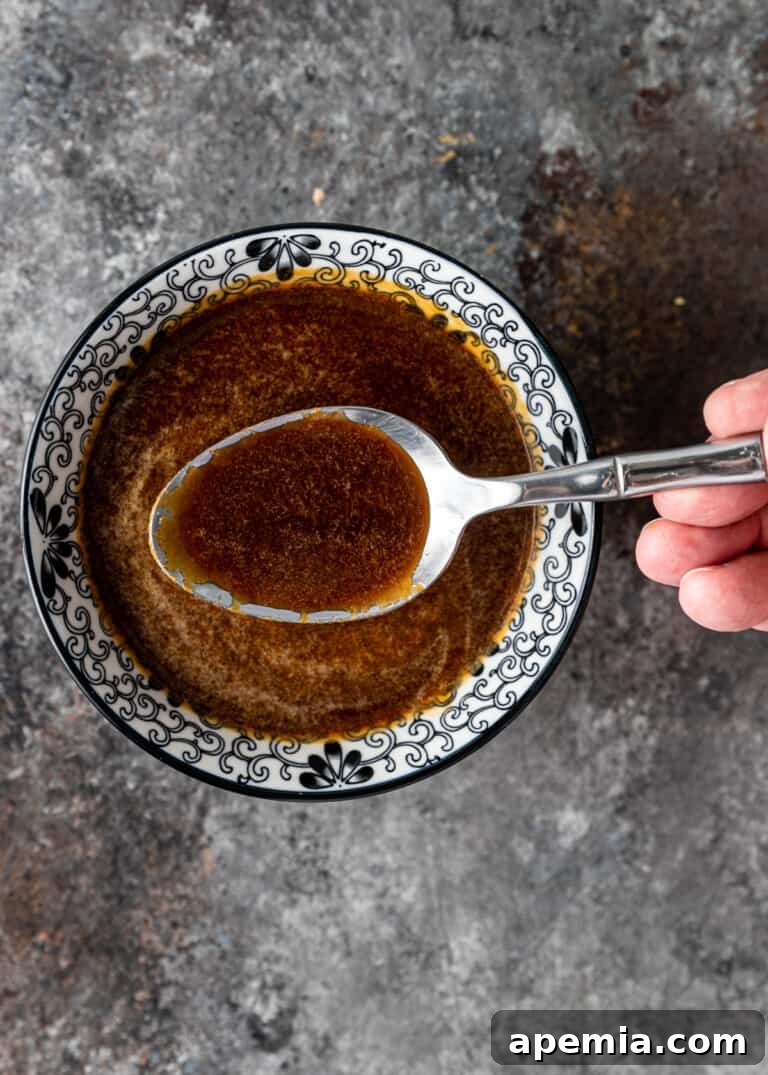
- Adjust to Your Liking: Once blended, give the mixture a taste. This is your opportunity to customize the flavor profile to perfectly match your preferences. If you desire a slightly sweeter sauce, consider adding about ½ teaspoon of brown sugar. You can also adjust the tanginess with a bit more lemon juice or vinegar, or add a pinch more salt (soy sauce already provides a good amount) if you feel it needs more depth. Blend again briefly after any adjustments to fully incorporate the new flavors.
That’s it! Your homemade **Japanese Ginger Sauce** is ready to elevate your meals. It’s truly that simple to create a restaurant-quality condiment at home.
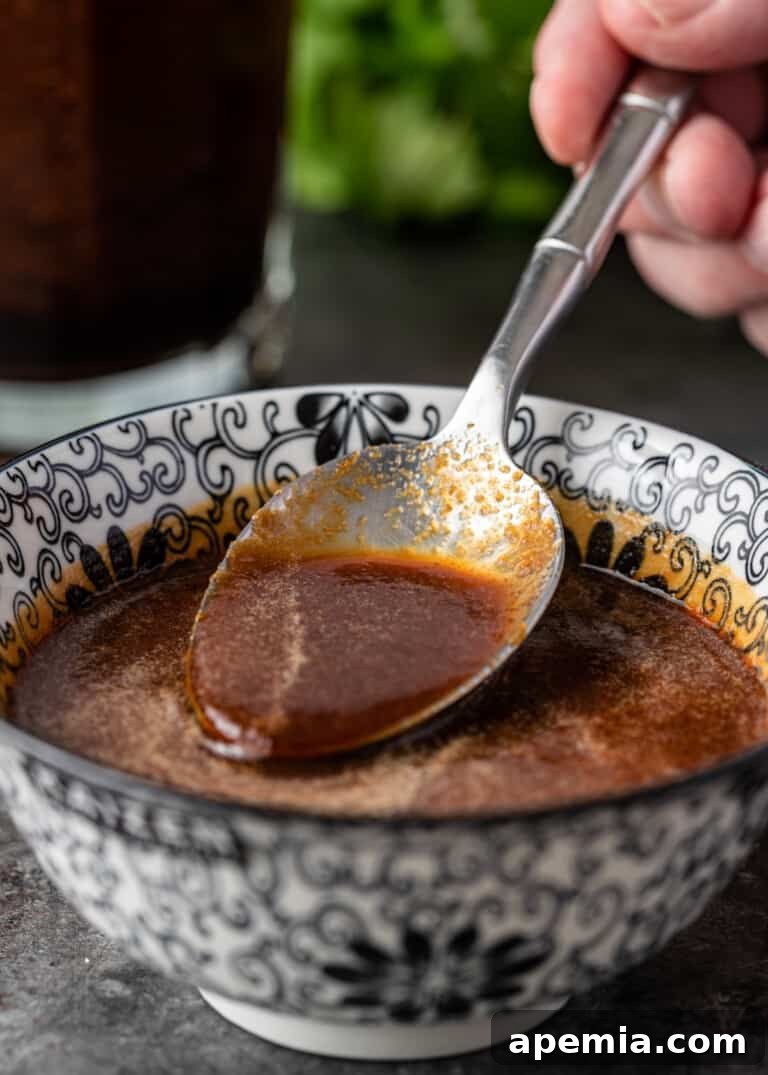
Can Japanese Steakhouse Sauce be frozen?
Yes, absolutely! This **homemade Japanese Ginger Sauce** is incredibly easy to make in bulk, making it a fantastic candidate for freezing. If you absolutely adore this sauce and foresee yourself using it frequently, I highly recommend preparing a larger batch to freeze. Freezing allows you to preserve its fresh, vibrant flavors for future enjoyment without any compromise on quality. To make thawing and portion control easier, freeze the sauce in small, individual containers or even ice cube trays. This way, you can simply thaw just the amount you need when the craving strikes, minimizing waste. Allow the frozen sauce to thaw overnight in the refrigerator for the best results. You can safely keep it frozen for up to 4 months without experiencing any significant degradation in texture or flavor. Just stir it well after thawing to restore its smooth consistency.
What is ginger sauce made of?
The delicious **Japanese hibachi dipping sauce** that you’re served at steakhouses across the country, and indeed our fantastic homemade version, share the same core ingredients. These key components work in harmony to create its signature bright, tangy, and savory flavor profile: fresh ginger, savory soy sauce, sharp vinegar, bright lemon juice, pungent garlic, and a base of aromatic onions. This simple yet powerful combination is what gives the sauce its irresistible appeal and makes it a versatile condiment for a wide array of dishes.
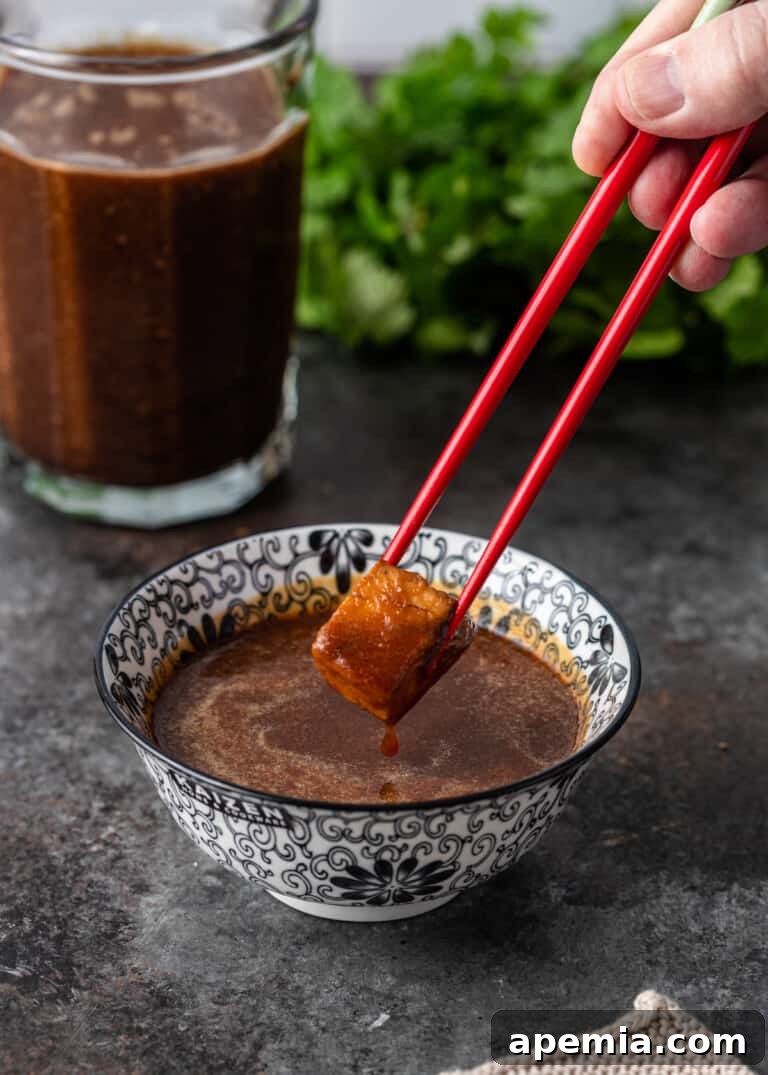
How do I use hibachi ginger sauce to marinate meat?
Our **Benihana copycat ginger sauce** makes an absolutely phenomenal marinade, infusing meats with incredible depth and flavor! However, different proteins require different marinating times to achieve optimal results without compromising texture. For delicate proteins like shrimp or fish, it’s crucial not to marinate for longer than 30 minutes. The acidity in the sauce can begin to break down the delicate tissues, causing the meat to deteriorate and become mushy if left for too long. Stick to a quick 15-30 minute soak for these seafood options.
Chicken and beef, being sturdier proteins, can withstand much longer marination periods, allowing them to absorb more of the rich ginger flavor. For chicken, marinate it for at least 30 minutes to impart good flavor, but **do not exceed 4 hours**. Unlike beef, poultry doesn’t have as much tough connective tissue that needs extensive tenderizing, and over-marinating can still affect its texture. For beef, you can marinate it in a covered container in the refrigerator for up to 24 hours. This extended period allows the flavors to deeply penetrate the meat, resulting in a more tender and incredibly flavorful dish.
A smart culinary tip: if you plan to use some of the marinade as a glaze or sauce after cooking, set aside a portion of it *before* it comes into contact with raw meat. You can then cook down this fresh portion to create a delicious finishing glaze. However, it is critically important to remember that any marinade that has touched raw meat is not safe to save or reuse directly. Always discard used marinade to prevent cross-contamination and ensure food safety.
Why Make Your Own Japanese Ginger Sauce?
Beyond the sheer deliciousness, there are numerous compelling reasons to whip up your own batch of **homemade Japanese Ginger Sauce**:
- Unmatched Freshness: When you make it yourself, you control the quality of ingredients. Fresh ginger, crisp onions, and vibrant lemons translate into a sauce with unparalleled brightness and flavor that often surpasses store-bought alternatives.
- No Unwanted Additives: Commercial sauces can contain preservatives, excessive sodium, or artificial flavors. By making your own, you ensure a clean, natural product free from any hidden ingredients you don’t want.
- Customization is Key: Love a little more zing? Add extra lemon. Prefer it a touch sweeter? A hint of brown sugar does the trick. You have the freedom to fine-tune the flavor profile to perfectly match your palate.
- Cost-Effective: Buying individual ingredients to make a larger batch is often more economical than repeatedly purchasing small bottles of gourmet sauce, especially if you use it frequently.
- Always on Hand: With a batch stored in your fridge or freezer, you’ll always have this versatile condiment ready to elevate weeknight dinners or impromptu gatherings, making meal prep a breeze.
- The Joy of Creation: There’s immense satisfaction in preparing something delicious from scratch. Impress your family and friends with a sauce that tastes like it came straight from a professional hibachi chef.
Japanese Steakhouse Ginger Sauce
This Ginger Sauce has a fantastic umami flavor that pairs incredibly well with meat, vegetables, and rice. Use this versatile dressing to stir fry, dip, or marinate your favorite dishes!
Servings: 24
Prep time: 10 minutes
Total time: 10 minutes
Rating: 5 from 5 votes
Ingredients
- 1 large yellow onion, quartered
- 1/4 cup fresh ginger, peeled (See Note 1)
- 1 clove garlic
- 1 lemon, zest and juice (3-4 tbsp)
- 1/2 cup white vinegar
- 1 cup soy sauce
Unit System: US Customary – Metric
Instructions
- Process all ingredients until smooth in a blender or food processor.
- Taste and adjust seasoning if needed – add a 1/2 teaspoon brown sugar (optional) for a touch of sweetness.
- This recipe makes about 2 1/2 cups of sauce. Store in an air-tight container for up to 7 days in the refrigerator.
- Enjoy this versatile sauce as a marinade, use it to infuse rice dishes with flavor, or serve it as a vibrant dip for grilled shrimp, various meats, and freshly steamed vegetables.
Notes
- A piece of ginger measuring about 4 inches will weigh approximately 1 ounce (28g) and yield about 1/4 cup when sliced.
- Nutritional information is an estimate based on 2 tablespoons per serving.
Nutrition (per 2 tablespoons serving, estimated)
- Calories: 11kcal
- Carbohydrates: 2g
- Protein: 1g
- Fat: 1g
- Saturated Fat: 1g
- Sodium: 541mg
- Potassium: 38mg
- Fiber: 1g
- Sugar: 1g
- Vitamin A: 1IU
- Vitamin C: 3mg
- Calcium: 5mg
- Iron: 1mg
The information shown is an estimate provided by an online nutrition calculator. It should not be considered a substitute for a professional nutritionist’s advice.
Course: condiments
Cuisine: Japanese
Author: Kevin
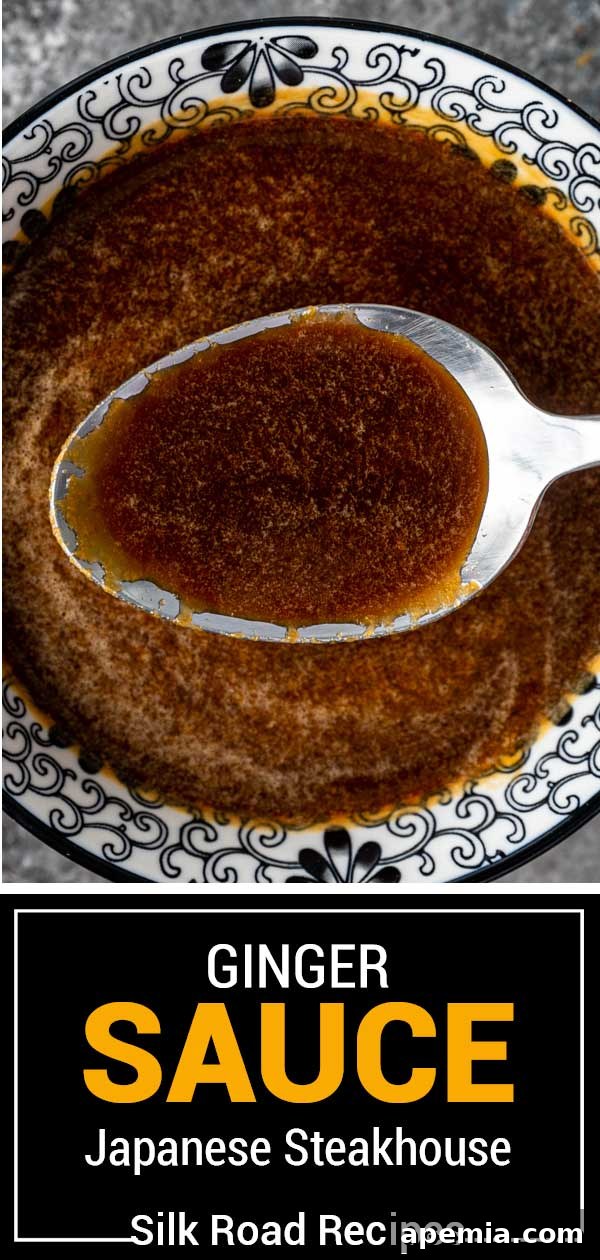
Embrace the vibrant flavors of Asia right in your kitchen with this incredibly easy and versatile **Japanese Ginger Sauce**. Whether you’re aiming to recreate a cherished steakhouse memory or simply looking to add a burst of fresh, tangy, and savory goodness to your everyday meals, this homemade condiment is guaranteed to impress. Its bright profile makes it a perfect companion for a variety of dishes, from a simple grilled chicken breast to a gourmet sushi spread. Don’t settle for bland – whip up a batch today and discover how effortlessly you can elevate your cooking to restaurant-quality standards. Get ready to dip, marinate, and drizzle your way to deliciousness!