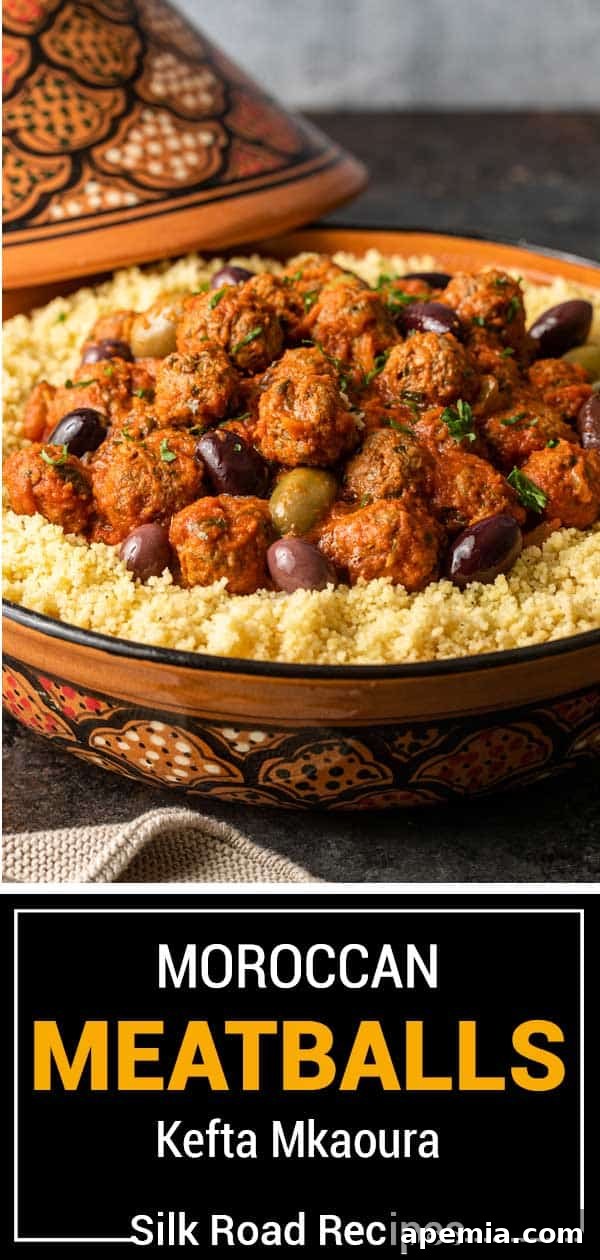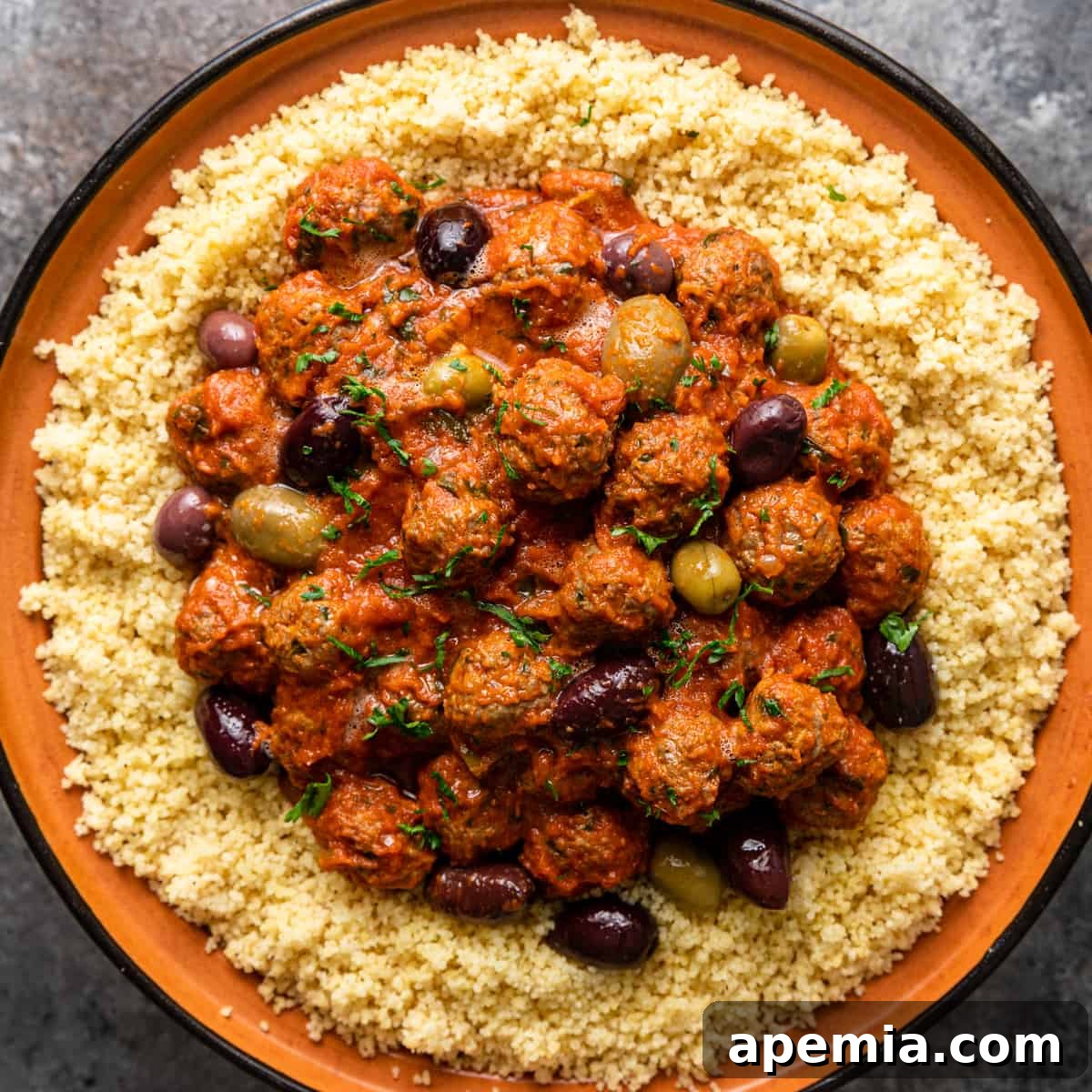
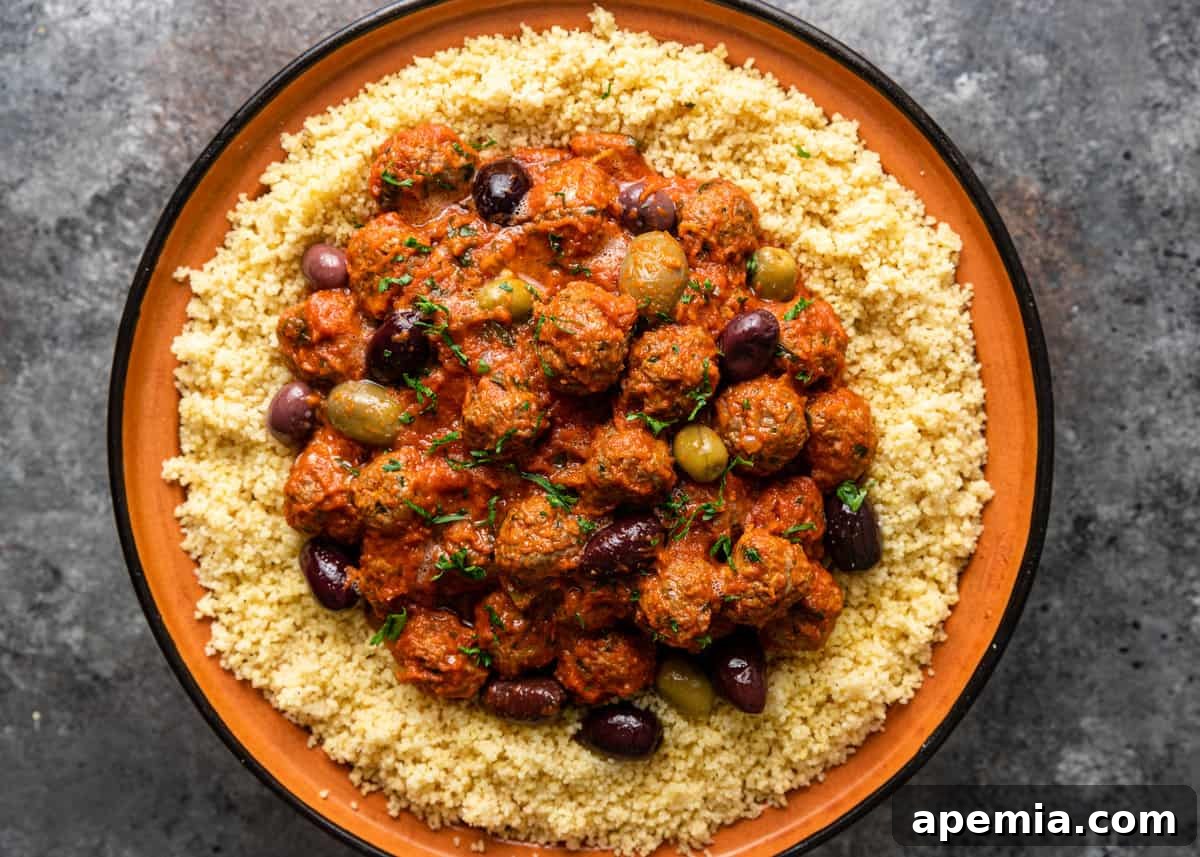
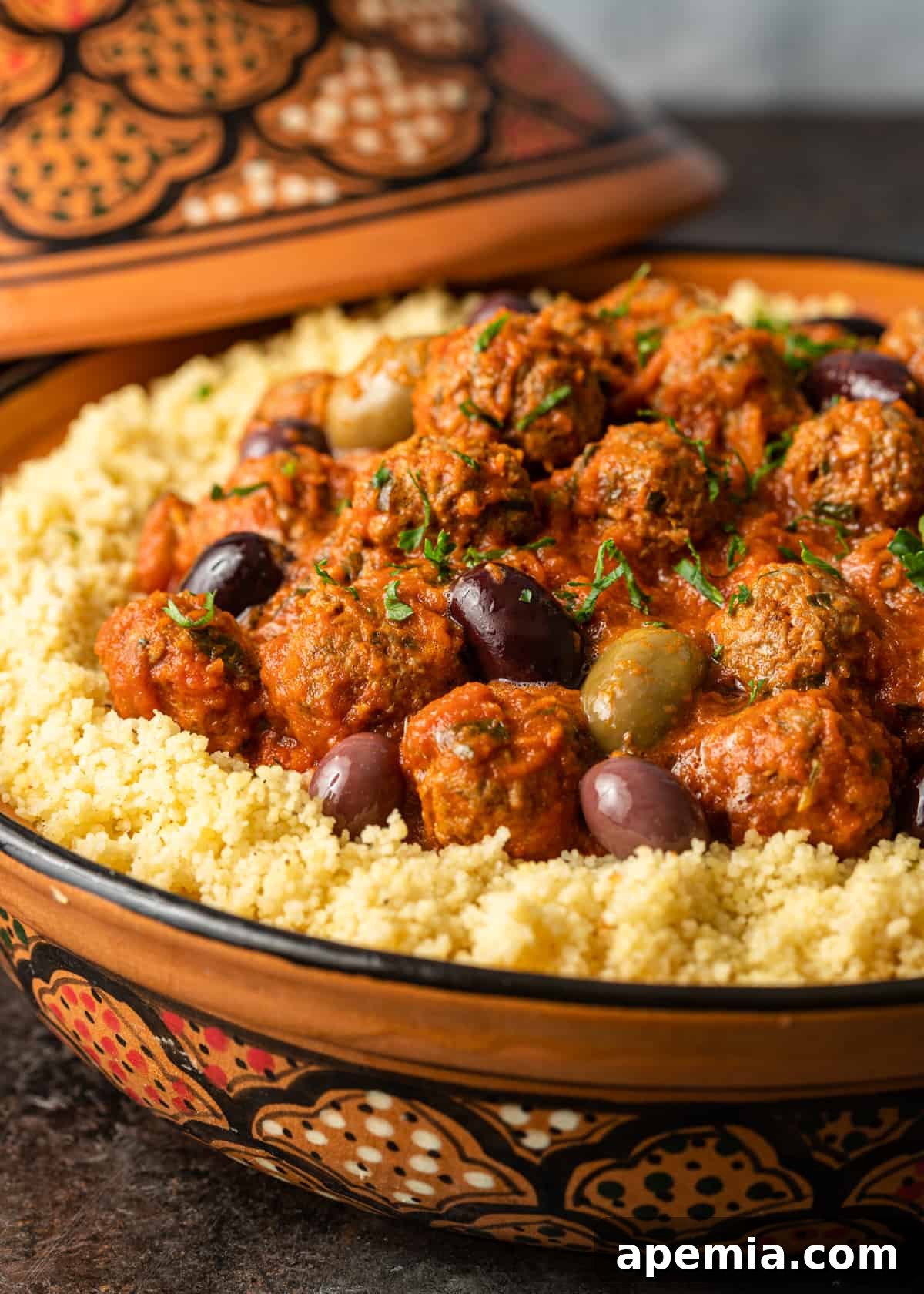
Embark on a culinary journey to North Africa with this exquisite recipe for Moroccan Meatballs, famously known as Kefta Mkaouara. These succulent meatballs, bursting with bold, aromatic seasonings, are lovingly simmered in a rich and flavorful tomato sauce. A true treat for the senses, this dish is traditionally served with briny olives, fluffy couscous, and perfectly poached eggs, creating a hearty and shareable Moroccan feast that will delight your family and guests.
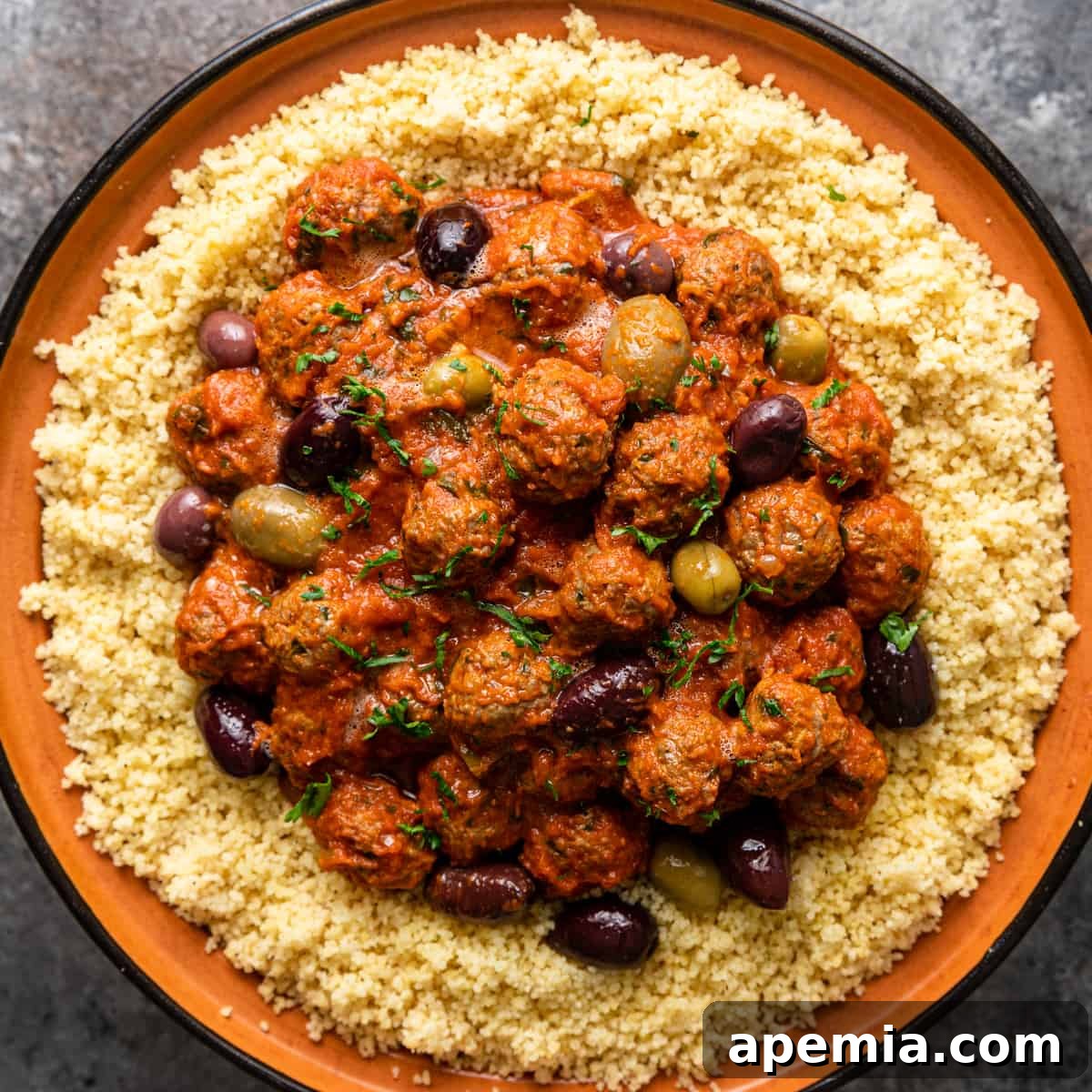
Few dishes offer the universal appeal and comforting satisfaction of a perfectly crafted meatball. While the Italian-American classic, spaghetti and meatballs, often comes to mind, the world of meatballs is incredibly diverse and rich with cultural variations. From the delicate Persian Koofteh to the savory Greek Soutzoukakia, each culture brings its unique twist to this beloved staple.
Today, we’re spotlighting a truly special creation: Kefta Mkaouara, Morocco’s answer to the ultimate comfort food. This traditional Moroccan meatball dish is a celebration of flavor, texture, and aroma, promising an unforgettable dining experience.
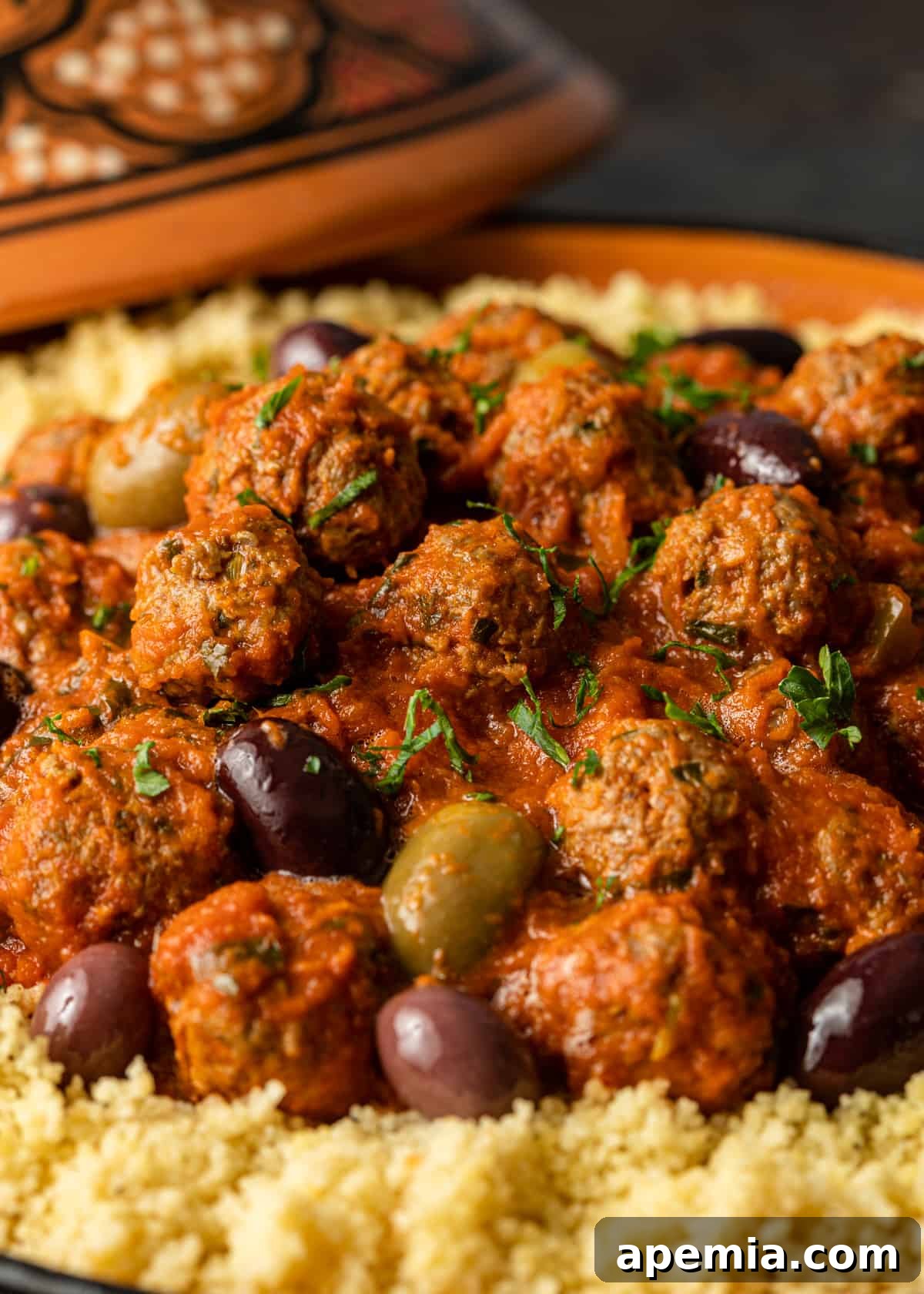
Table of Contents
- The Essence of Moroccan Meatballs
- Mastering Meatball Preparation
- Ingredient Deep Dive: Notes and Substitutions
- How to Make Authentic Moroccan Meatballs
- Recommended Cooking Tools
- Storing and Reheating Your Kefta
- Frequently Asked Questions
- Moroccan Meatballs (Kefta Mkaouara) Recipe
The Essence of Moroccan Meatballs (Kefta Mkaouara)
Kefta Mkaouara is more than just a dish; it’s a culinary narrative woven with the rich tapestry of Moroccan culture. At its heart, this recipe features tender lamb or beef, meticulously seasoned with an exquisite blend of Moroccan spices, then gently simmered in a vibrant, aromatic tomato sauce. The result is a dish that is deeply savory, wonderfully complex, and incredibly satisfying.
Unlike many other meatball recipes that rely on binders like breadcrumbs or eggs, traditional Moroccan kefta often foregoes these, allowing the pure, unadulterated flavor of the meat and spices to shine through. This simplicity in binding creates a unique texture – tender yet firm, perfectly absorbing the surrounding sauce.
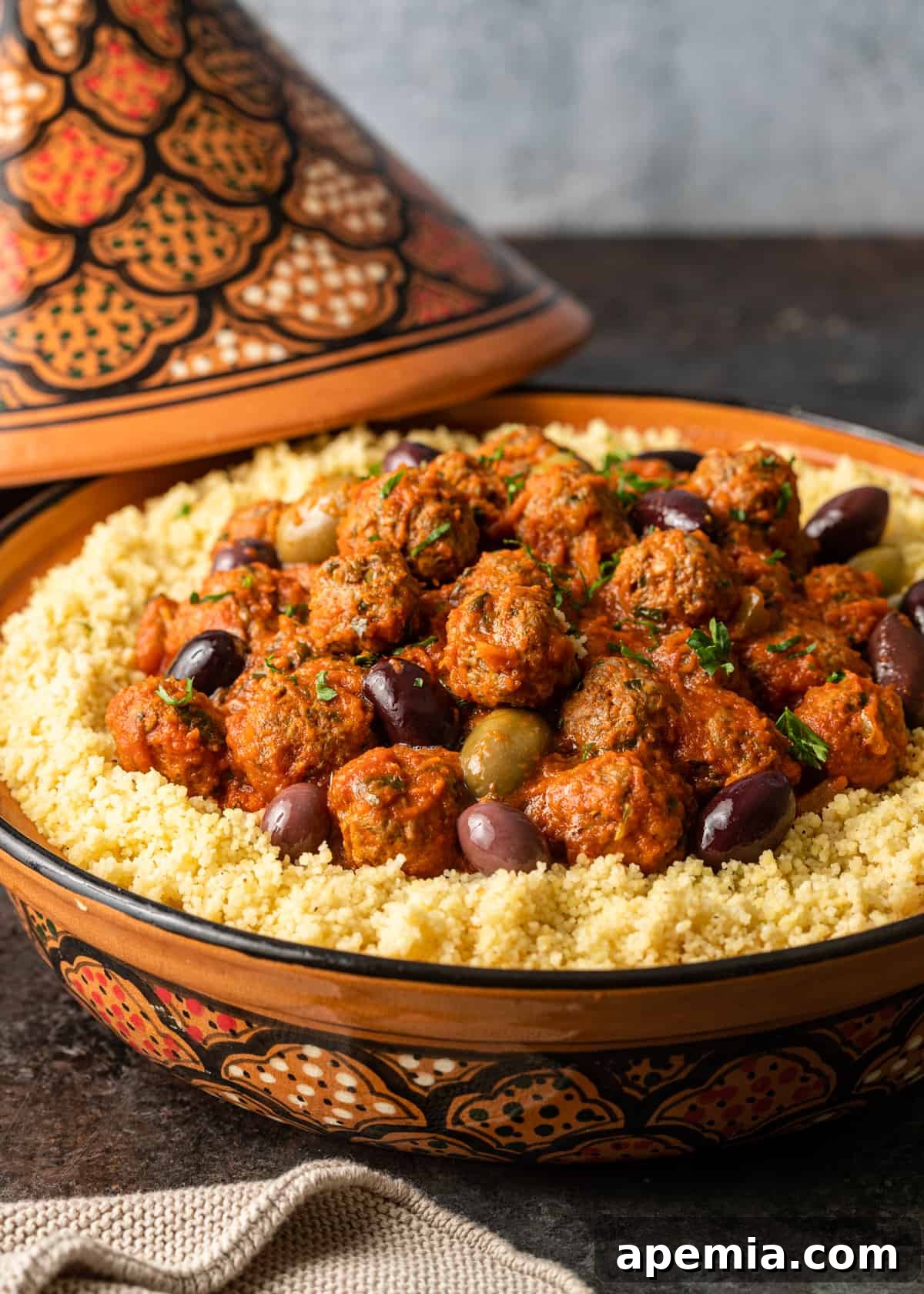
This hearty and comforting dish is incredibly versatile. Serve it for a memorable dinner with a side of my homemade Moroccan couscous, or embrace a traditional Moroccan breakfast by enjoying it with eggs gently poached directly in the simmering sauce. Whether for a special occasion or a cozy weeknight meal, Kefta Mkaouara promises a taste of authentic Moroccan hospitality.
Expert Tip
Mastering Meatball Preparation for Perfect Texture
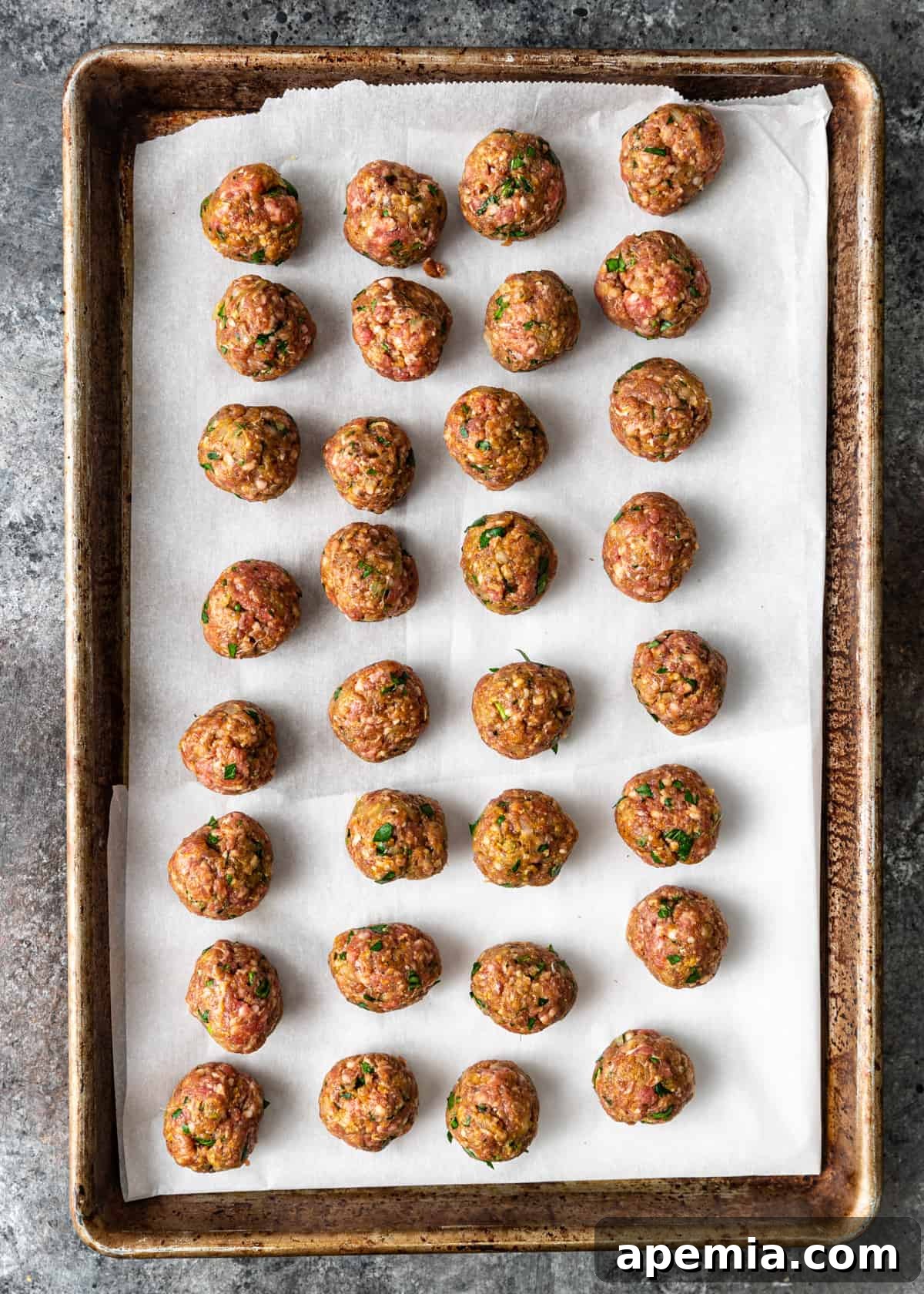
Achieving the perfect texture for your Moroccan meatballs is key. To prevent the meat mixture from sticking to your hands, keep them slightly damp or lightly oiled as you roll. For uniform cooking, aim for consistent sizing, using a small scoop or spoon to portion out the meat. When rolling, apply gentle pressure between your palms; over-packing can result in dense, tough meatballs. The goal is a smooth ball that remains tender and juicy after simmering in the flavorful sauce.
Ingredient Deep Dive: Notes and Substitutions for Kefta Mkaouara
(Please refer to the recipe card below for precise quantities)
- Ground Meat: For the most authentic flavor and tender texture, opt for 80/20 ground lamb or beef. The higher fat content prevents the meatballs from drying out during cooking. You can use a mix of both if preferred.
- Yellow Onion (for Meatballs): Grating the onion ensures that it seamlessly integrates into the meat mixture, adding moisture and a subtle sweetness without noticeable chunks. Simply peel and grate it carefully with a cheese grater directly over your mixing bowl.
- Fresh Herbs (Flat Leaf Parsley & Cilantro): These vibrant herbs are indispensable in Moroccan cuisine, adding a fresh, earthy, and citrusy brightness to the kefta. Flat leaf parsley offers a gentle, herbaceous note, while cilantro provides a peppery zing that elevates the savory flavors. If you are among those who find cilantro tastes like soap, feel free to omit it or substitute with additional parsley.
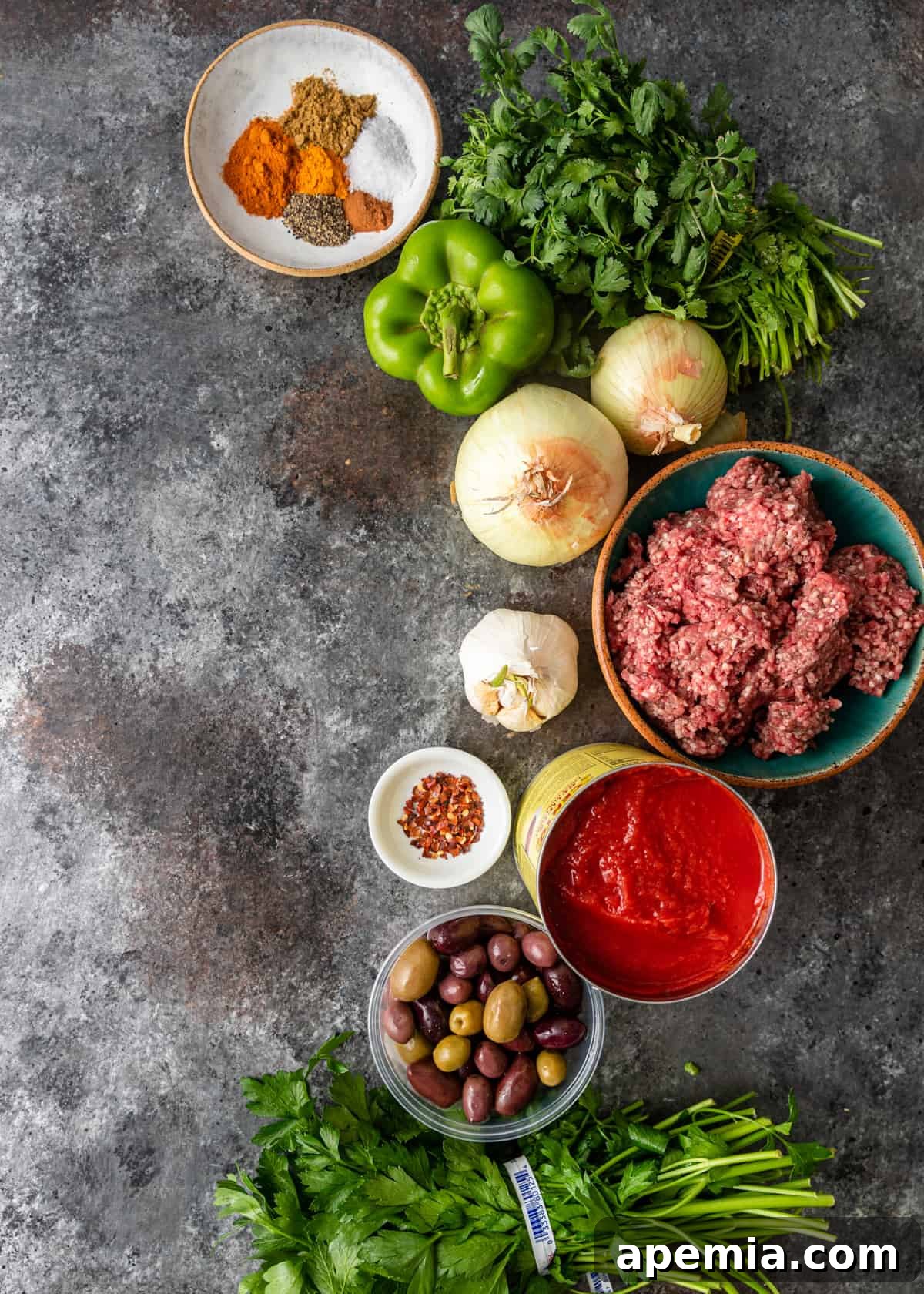
- Moroccan Spice Blend: This is the heart and soul of the kefta, infusing it with layers of complex flavor. While pre-made blends are available, crafting your own ensures the freshest and most intense aromatic profile. We highly recommend making a larger batch to keep on hand for future Moroccan-inspired dishes.
- Red Pepper Flakes (for Meatballs): A touch of red pepper flakes adds a gentle warmth to the lamb or beef meatballs. Adjust the quantity to suit your personal spice preference.
For the Rich Tomato Sauce:
- Crushed Tomatoes: This forms the tangy and robust base of our simmering sauce. High-quality crushed tomatoes are essential. Alternatively, passata (strained tomatoes) can be used for an even smoother sauce consistency.
- Olive Oil: Essential for sautéing the aromatics and building the foundational flavors of the sauce. Any good quality neutral oil will also work.
- Yellow Onion (for Sauce): Chopped onions contribute sweetness and depth to the tomato sauce as they caramelize.
- Green Bell Pepper: Adds a pleasant freshness, a hint of acidity, and a beautiful pop of color that complements the rich tomatoes. While red or yellow bell peppers can be used, be aware they will impart a sweeter flavor profile.
- Garlic: Minced garlic provides a pungent, savory kick that balances the sweetness of the tomatoes and adds aromatic complexity to the sauce.
- Moroccan Spice Blend (for Sauce): Just like in the meatballs, this blend is crucial for tying all the flavors together in the sauce, creating that distinct Moroccan profile.
- Ground Cayenne: For those who enjoy a sharper, cleaner heat, ground cayenne is a perfect addition. Omit or reduce if you prefer a milder dish.
Traditional Serving Enhancements:
- Marinated Olives: An optional but highly recommended addition, marinated olives bring a briny, salty counterpoint that enhances the overall flavor profile of the dish.
- Moroccan Couscous: Fluffy and light, couscous is an easy-to-prepare accompaniment that perfectly soaks up the rich tomato sauce, making it an ideal pairing for Moroccan meatballs.
- Eggs: A truly traditional touch is to crack fresh eggs directly into the simmering sauce, allowing them to gently poach until the whites are set and the yolks are runny. This adds a creamy richness that is simply divine.
How to Make Authentic Moroccan Meatballs (Kefta Mkaouara)
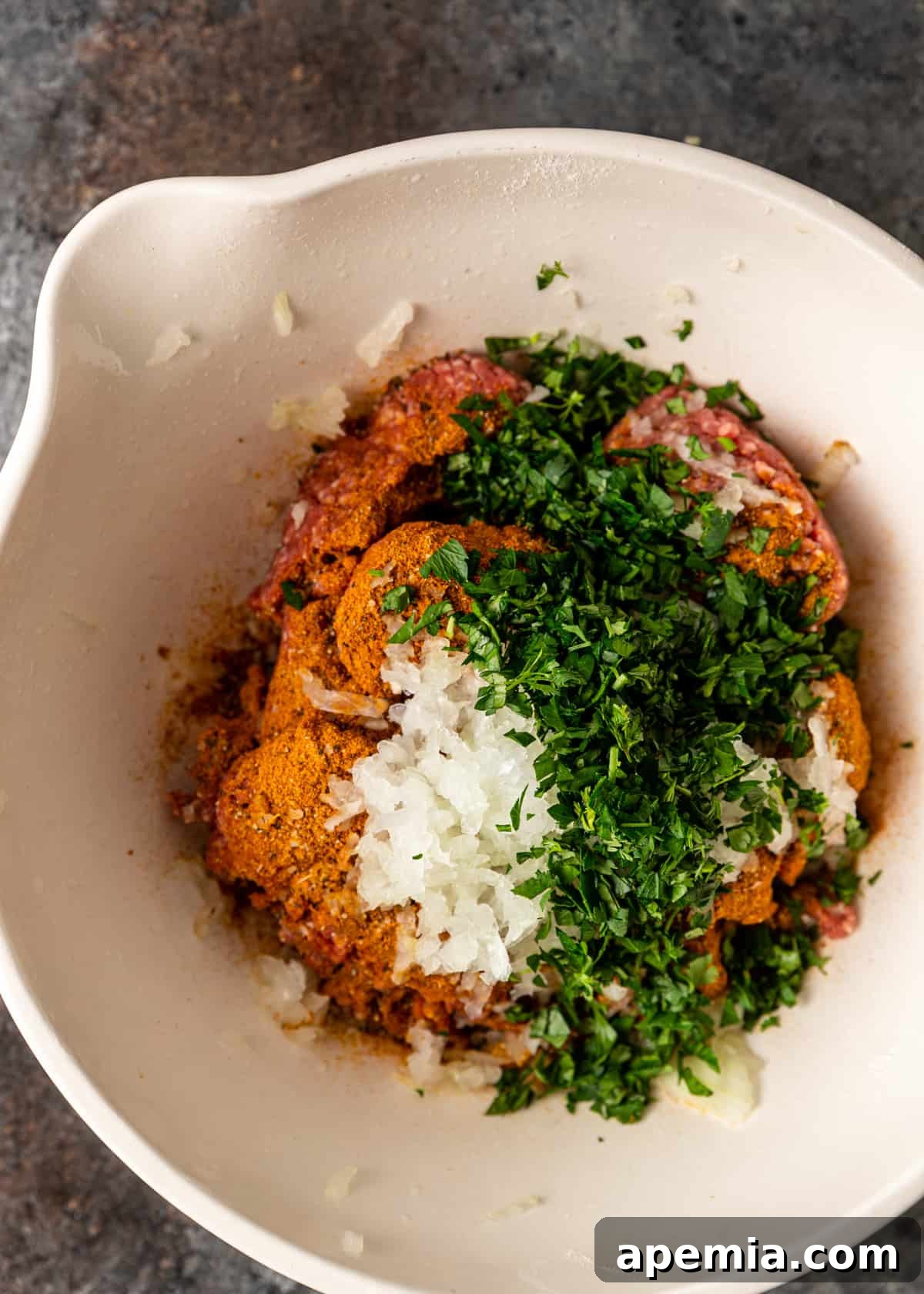
- Prepare the Meatballs: In a large mixing bowl, combine your ground meat (lamb or beef), the finely grated onion, chopped fresh herbs, and the Moroccan spice blend. Using your hands, gently mix and squeeze the ingredients until just combined. Be careful not to over-mix, as this can lead to tough meatballs. Roll the mixture into small, bite-sized meatballs, approximately 1 to 2 tablespoons each. This recipe should yield about 32-36 meatballs. Cover the formed meatballs with plastic wrap and set them aside.
- Craft the Aromatic Tomato Sauce: Heat a Dutch oven or a deep, heavy-bottomed pot over medium heat. Once hot, add the olive oil. Sauté the chopped onion and green bell pepper for several minutes until the onion becomes translucent and softened. Next, add the minced garlic and the Moroccan spice blend (for the sauce) along with the ground cayenne (if using). Stir constantly and cook for an additional minute until fragrant. Pour in the crushed tomatoes, stir to combine, and bring the sauce to a gentle boil. Reduce the heat to low, cover the pot partially (to prevent splattering), and let it simmer for 15 minutes, allowing the flavors to meld beautifully.
- Achieve a Smooth Sauce (Optional): After simmering, the vegetables in the sauce should be tender. For a rustic sauce, you can simply break them down with the back of a spoon. For a luxuriously smooth sauce, carefully use an immersion blender directly in the pot, blending until your desired consistency is reached.
- Combine Meatballs and Sauce: Gently add the prepared meatballs to the simmering tomato sauce. Stir carefully to ensure all meatballs are coated. Continue to cook, partially covered, for another 10 minutes. This allows the meatballs to cook through and absorb the rich flavors of the sauce.
- Finish and Serve: Stir in the remaining chopped parsley and cilantro, along with the marinated olives (if using). If the sauce appears too thick, add a splash of water to reach your preferred consistency. Cook for an additional 5 minutes to heat through the added ingredients. Serve your delectable Moroccan meatballs immediately, perhaps alongside fluffy couscous or crusty bread for dipping.
- Optional Traditional Eggs: For a truly authentic Moroccan experience, create four small wells in the simmering sauce using the back of a spoon. Carefully crack an egg into each well. Cover the pot and continue to simmer gently until the egg whites are firm but the yolks remain wonderfully runny. Garnish with a sprinkle of fresh chopped parsley and serve without delay.
Recommended Cooking Tools for Kefta Mkaouara
- Dutch Oven or Deep Pot: Ideal for simmering, these heavy-bottomed pots distribute heat evenly, preventing sticking and ensuring a rich, slow-cooked sauce. Traditionally, a clay or ceramic tagine is used, which excels at trapping steam and tenderizing dishes.
- Immersion Blender: While you can achieve a rustic sauce by simply mashing vegetables with a spoon, an immersion blender provides a much faster and more efficient way to create a silky-smooth tomato sauce.
- Cheese Grater: Essential for finely grating the onion for the meatballs, ensuring it integrates seamlessly into the mixture.
- Measuring Spoons and Cups: For accurate ingredient proportions, crucial for the balance of spices.
- Large Mixing Bowl: For combining the meatball ingredients thoroughly.
Storing and Reheating Your Moroccan Meatballs
Moroccan meatballs are wonderful as leftovers! Allow the dish to cool completely to room temperature before transferring it to an airtight container. It will keep beautifully in the refrigerator for up to 4 days, or you can freeze it for up to 3 months.
To reheat, transfer the Moroccan meatballs and sauce to a saucepan. Warm over medium-low heat, stirring occasionally, until thoroughly heated. If the sauce has thickened during storage, add a splash of water or broth to reach your desired consistency. Please note that if you originally included eggs, it’s best not to reheat them. Instead, crack fresh eggs directly into the warmed sauce and let them poach as the dish reheats for the best taste and texture.
Share this recipe on Pinterest!
Loved this authentic Moroccan meatball recipe? Share it with your friends and followers on Pinterest!
Frequently Asked Questions About Moroccan Meatballs
While a tagine is a traditional North African cooking vessel, made from clay or ceramic, and is excellent for slow-simmered dishes like Kefta Mkaouara due to its conical lid that traps steam, it is not strictly necessary. This recipe works perfectly well in a regular Dutch oven or any deep, heavy-bottomed pot. The key is to allow the meatballs to simmer gently in the flavorful sauce.
Moroccan kefta distinguishes itself primarily through its distinctive spice blend and its simple, yet effective, preparation. The spice mix typically includes earthy and aromatic flavors such as cumin, paprika, turmeric, ginger, and sometimes cinnamon, giving these meatballs a totally unique and deeply savory taste. Furthermore, authentic kefta often does not require binding agents like egg or breadcrumbs, allowing the pure meat and spice flavors to dominate and resulting in a wonderfully tender texture.
Absolutely! If the red pepper flakes and ground cayenne in the recipe aren’t quite enough heat for your palate, you have several options. Consider adding a finely chopped fresh chili (like a serrano or jalapeño) to the tomato sauce, or stir in a spoonful of harissa paste, a popular North African chili paste, for an extra fiery kick and depth of flavor.
Yes, this dish is excellent for meal prep! You can prepare the meatballs and even simmer them in the sauce a day or two in advance. Store the cooked kefta in an airtight container in the refrigerator. The flavors often deepen overnight. When ready to serve, gently reheat on the stovetop, adding a little water if needed to loosen the sauce. Fresh herbs and any optional eggs should be added just before serving.
A versatile Moroccan spice blend (often a simplified version of Ras el Hanout) can be made with equal parts ground cumin, paprika, coriander, ginger, and turmeric, with a pinch of black pepper and cinnamon. For this specific recipe, you can follow the blend provided in the notes section of the recipe card below.
Moroccan Meatballs (Kefta Mkaouara) Recipe
Print Recipe
Ingredients
For the Meatballs
- 1 lb ground beef or lamb (80/20 fat content recommended for juiciness)
- 1 medium yellow onion, grated (see Note 1)
- 3 tablespoons flat leaf parsley, chopped
- 3 tablespoons cilantro, chopped (omit if you dislike cilantro)
- 1 tablespoon Moroccan Spice Blend (see Note 2 for homemade blend)
- 1/4 teaspoon red pepper flakes (adjust to taste)
For the Rich Tomato Sauce
- 28 ounce can crushed tomatoes or passata
- 3 tablespoons olive oil
- 1 medium yellow onion, chopped
- 1 green bell pepper, chopped
- 3 cloves garlic, minced
- 2 teaspoons Moroccan Spice Blend (see Note 2)
- 1/8 teaspoon ground cayenne (see Note 3 for substitute)
- 3 tablespoons flat leaf parsley, chopped
- 3 tablespoons cilantro, chopped
For Serving & Garnish (Optional)
- 12 marinated olives
- Moroccan Couscous or crusty bread
- 4 large eggs (for poaching in the sauce)
Instructions
- Prepare Meatballs: In a bowl, combine the ground meat, grated onion, fresh parsley, cilantro, Moroccan spice blend, and red pepper flakes. Using your hands, mix gently until just combined. Form the mixture into small, cocktail-sized meatballs (about 1-2 tablespoons each). Cover with plastic wrap and set aside.
- Start the Sauce: Heat olive oil in a Dutch oven or deep pot over medium heat. Sauté the chopped onion and bell pepper for several minutes until the onion is transparent. Add the minced garlic and Moroccan spice blend (for the sauce) and ground cayenne. Sauté for another minute until fragrant.
- Simmer the Sauce: Add the crushed tomatoes or passata, stir to combine, and bring to a boil. Reduce heat to low, cover partially, and simmer for 15 minutes, allowing flavors to deepen and vegetables to soften.
- Smooth the Sauce: If desired, use an immersion blender to create a smooth sauce, or simply mash the softened vegetables with a spoon for a chunkier texture.
- Cook Meatballs in Sauce: Gently add the prepared meatballs to the sauce. Stir carefully to coat them. Cook, partially covered, for 10 minutes.
- Finish the Dish: Stir in the remaining parsley, cilantro, and marinated olives. If the sauce is too thick, add a little water to thin it. Cook for an additional 5 minutes. Serve immediately with couscous or bread.
Optional Eggs
- Poach Eggs: If serving with eggs, make 4 small wells in the simmering sauce with the back of a spoon. Crack an egg into each well. Cover the pot and continue to simmer just until the egg whites are firm and the yolks are still runny. Garnish with chopped parsley and serve without delay.
Notes
- Grating Onion: For the meatballs, peel a yellow onion, cut it in half, and then grate each half directly over your mixing bowl using a cheese grater. This method incorporates the onion flavor and moisture without leaving large pieces.
- Homemade Moroccan Spice Blend: You can quickly make your own blend for this recipe. Combine:
- 2 teaspoons paprika
- 2 teaspoons ground cumin
- 2 teaspoons kosher salt
- 1 teaspoon ground black pepper
- 1/2 teaspoon ground turmeric
- 1/2 teaspoon ground cinnamon
- Cayenne Substitute: If you don’t have ground cayenne, you can substitute it with 1/4 teaspoon of red pepper flakes for similar heat.
- Cooking Vessel: A traditional cooking vessel for this dish in Morocco would be a clay or ceramic tagine, which provides excellent heat retention and tenderness. However, a Dutch oven or any heavy-bottomed pot works perfectly well.
Nutrition Facts (Estimated per Serving)
Calories: 575 kcal | Carbohydrates: 27g | Protein: 30g | Fat: 40g | Saturated Fat: 12g | Polyunsaturated Fat: 3g | Monounsaturated Fat: 21g | Trans Fat: 1g | Cholesterol: 244mg | Sodium: 599mg | Potassium: 1213mg | Fiber: 9g | Sugar: 12g | Vitamin A: 1537 IU | Vitamin C: 55mg | Calcium: 246mg | Iron: 9mg
The information shown is an estimate provided by an online nutrition calculator. It should not be considered a substitute for a professional nutritionist’s advice.
Have You Made This Recipe? Let Me Know on Instagram
Tag @keviniscooking or use hashtag #keviniscooking!