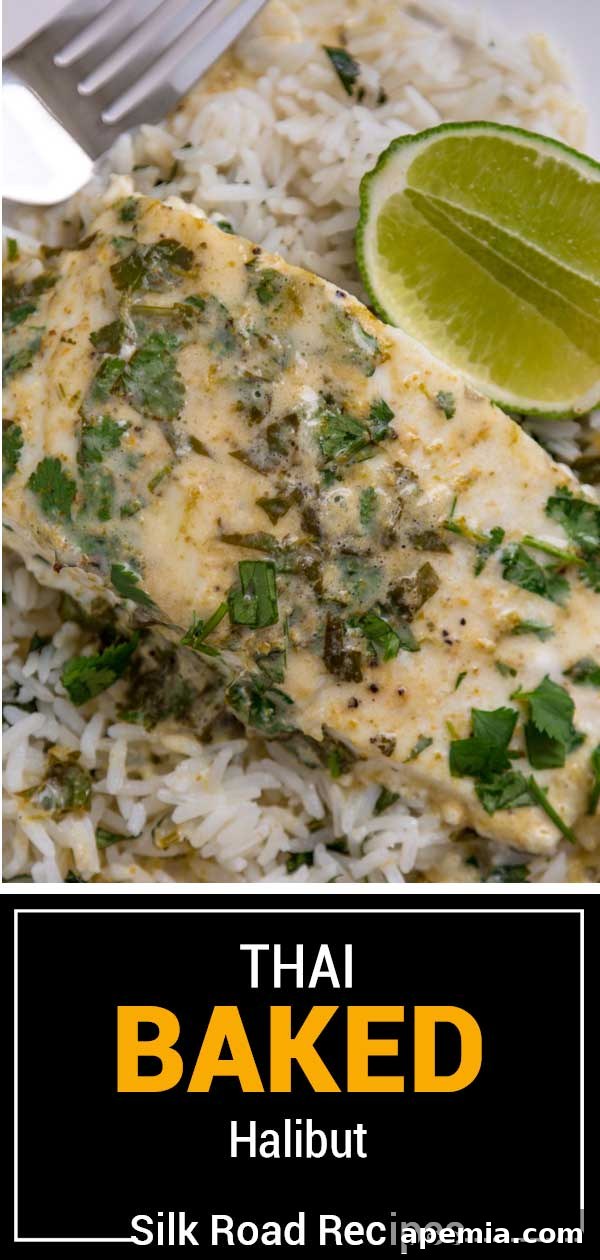
Irresistible Thai Green Curry Halibut: Your New Favorite Easy Baked Fish Recipe
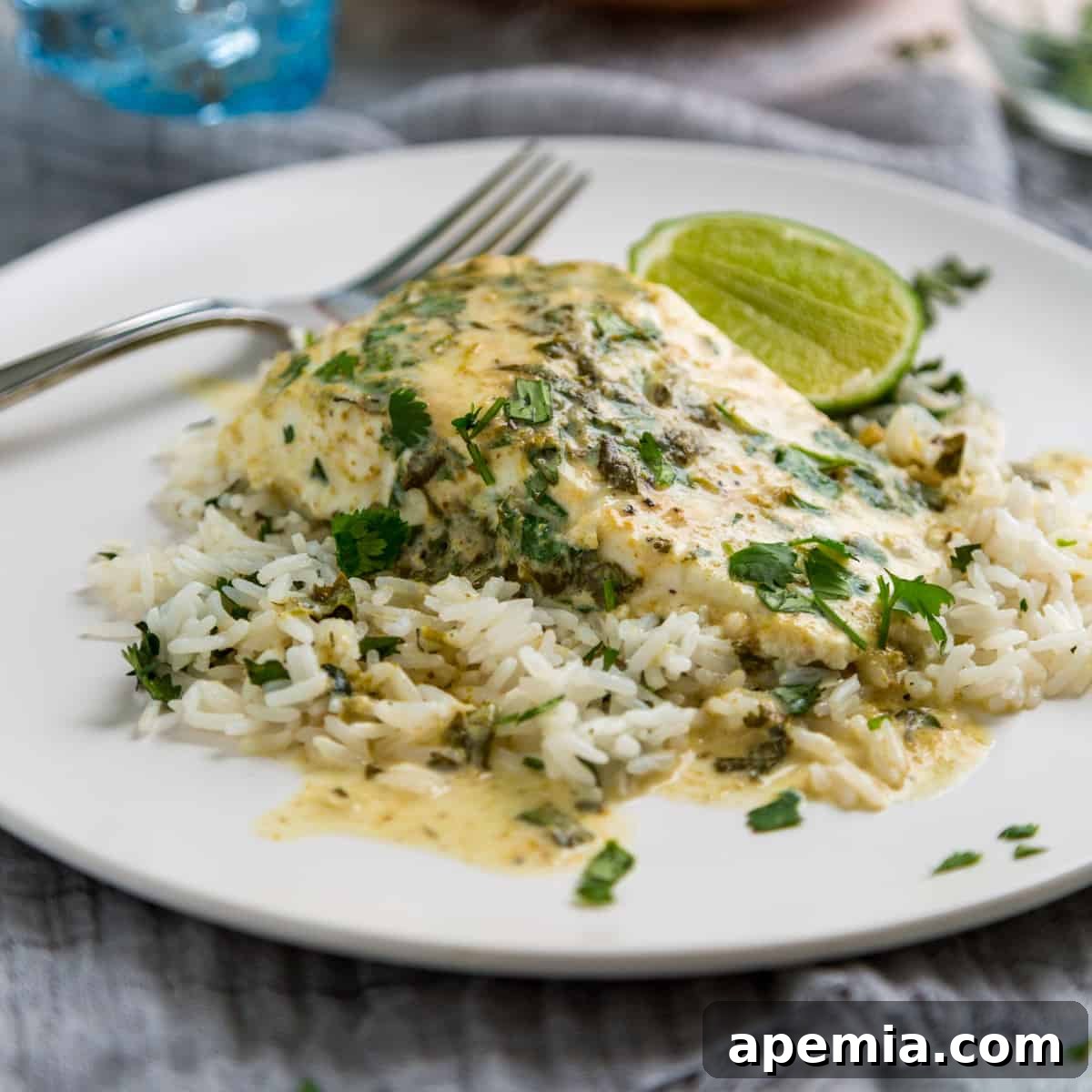
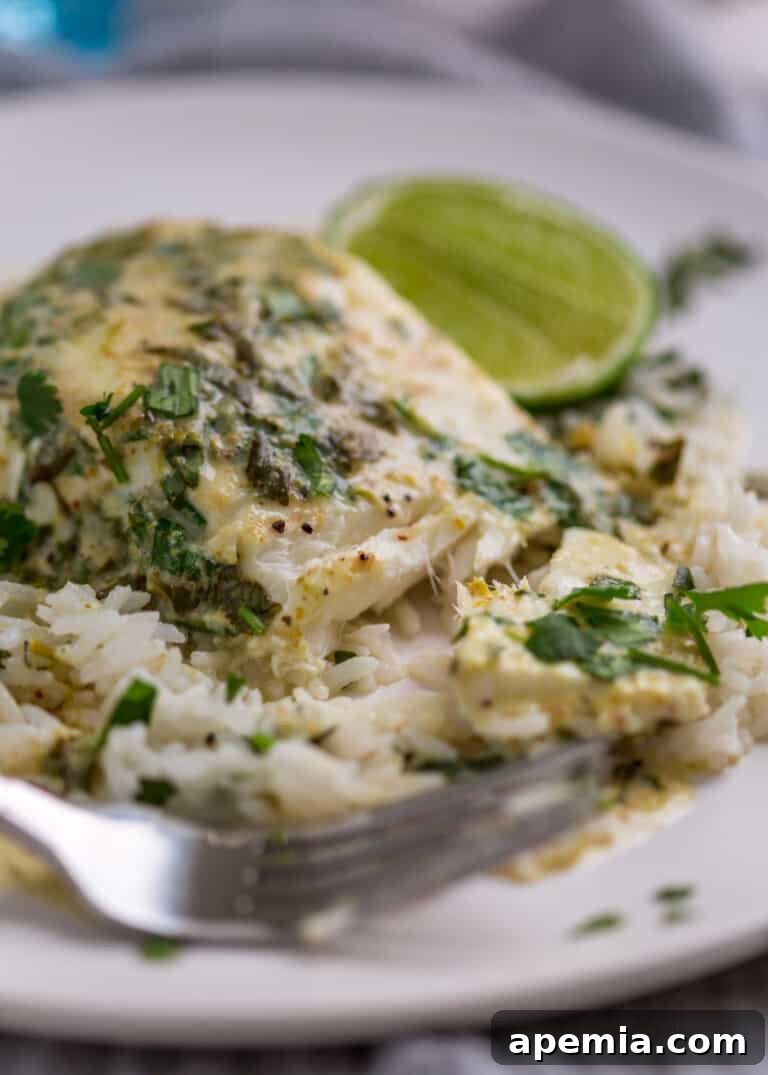
My Thai green curry halibut is a dish that truly embodies bold, vibrant flavors while remaining surprisingly easy to prepare. This exceptional baked halibut recipe features tender, flaky fish that perfectly absorbs all the aromatic goodness from a rich, creamy coconut green curry sauce. It’s a simple yet undeniably impressive meal, perfect for any night of the week.
The culinary philosophy of Thai food is a masterclass in balance, meticulously combining sweet, sour, salty, and spicy elements to create an unforgettable taste experience. There’s arguably no better way to explore this unique symphony of flavors than through a classic Thai curry. While red curry chicken and panang curry hold a special place in my heart, this green curry fish recipe offers a refreshing twist that seafood lovers will adore.
For this exquisite green curry, I specifically chose halibut, and for good reason. The inherent mildness of this firm white fish makes it an ideal canvas for the complex and delicate flavors of the green curry sauce. Unlike stronger-flavored fish, halibut allows the vibrant spices and herbs to shine through beautifully. Furthermore, baking the halibut in the oven ensures a wonderfully flaky and moist texture, a delightful contrast to the creamy sauce it’s nestled in.
The heart of this dish lies in its exquisite green curry sauce, a harmonious blend of rich coconut milk and authentic Thai green curry paste. My most memorable experience with this paste was during a trip to Thailand, where I witnessed it being freshly prepared right before my eyes in a bustling local restaurant – the aroma and flavor were simply unparalleled! While making your own green curry paste from scratch is incredibly rewarding and allows you to customize the spice level, high-quality store-bought pastes are also an excellent option for convenience. If you’re feeling adventurous, I also have recipes for red curry paste and yellow curry paste, each offering a distinct flavor profile you can adapt to various dishes.
Tip From Kevin
The Art of the Sauce: Don’t Hold Back!
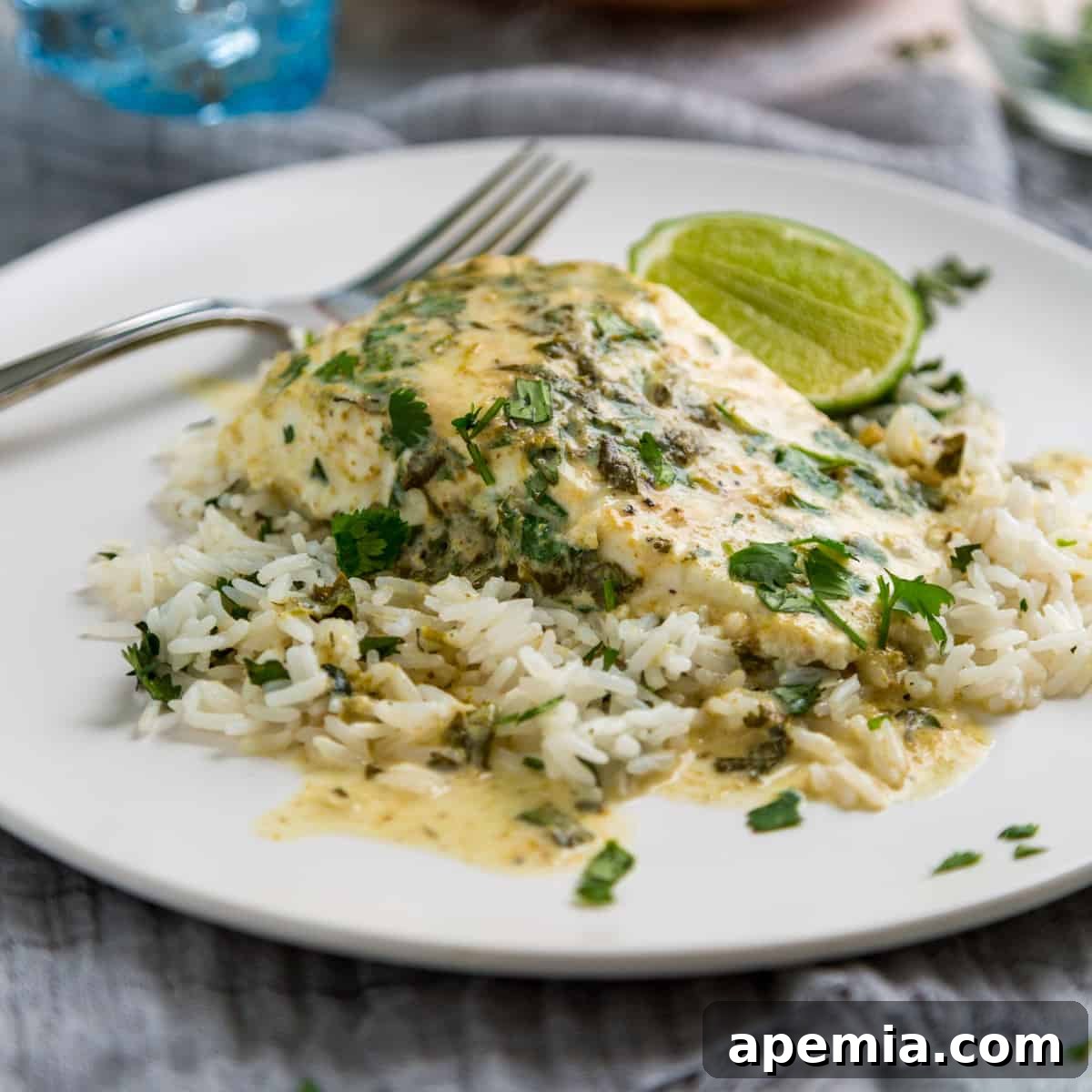
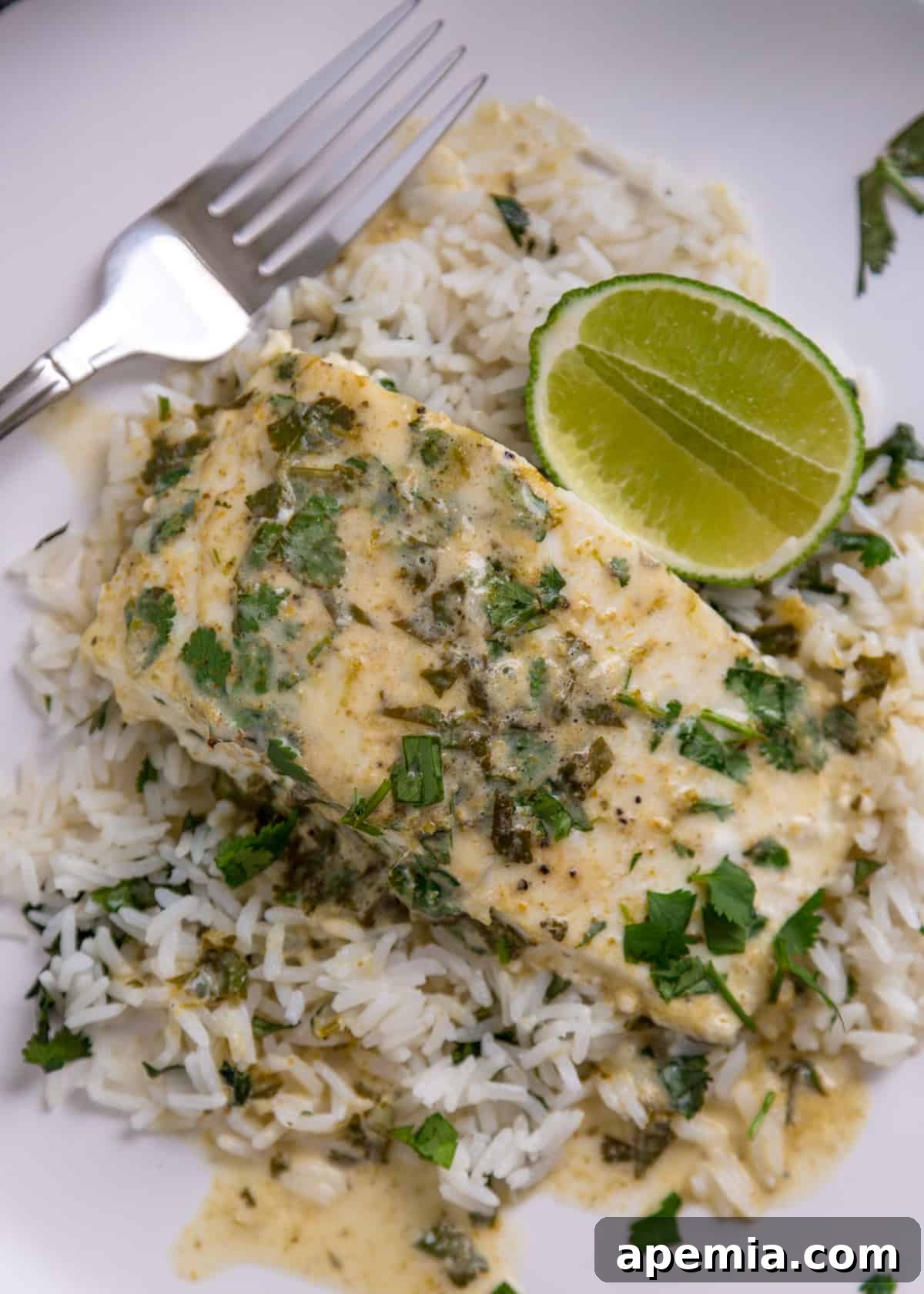
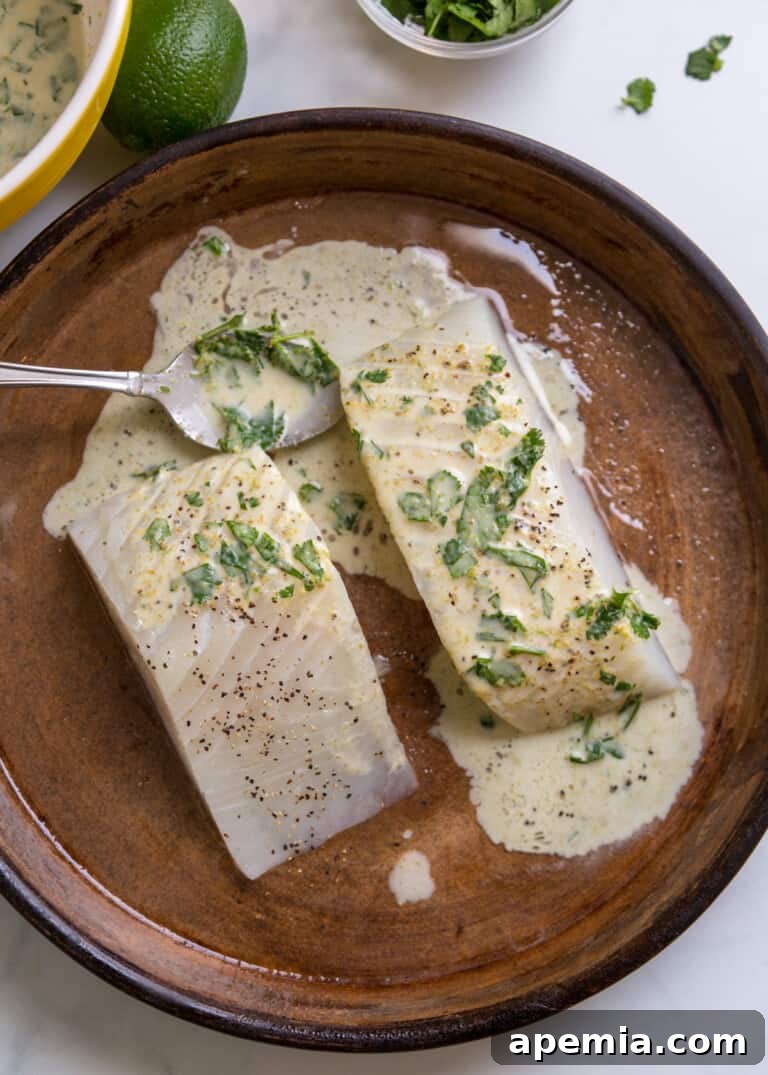
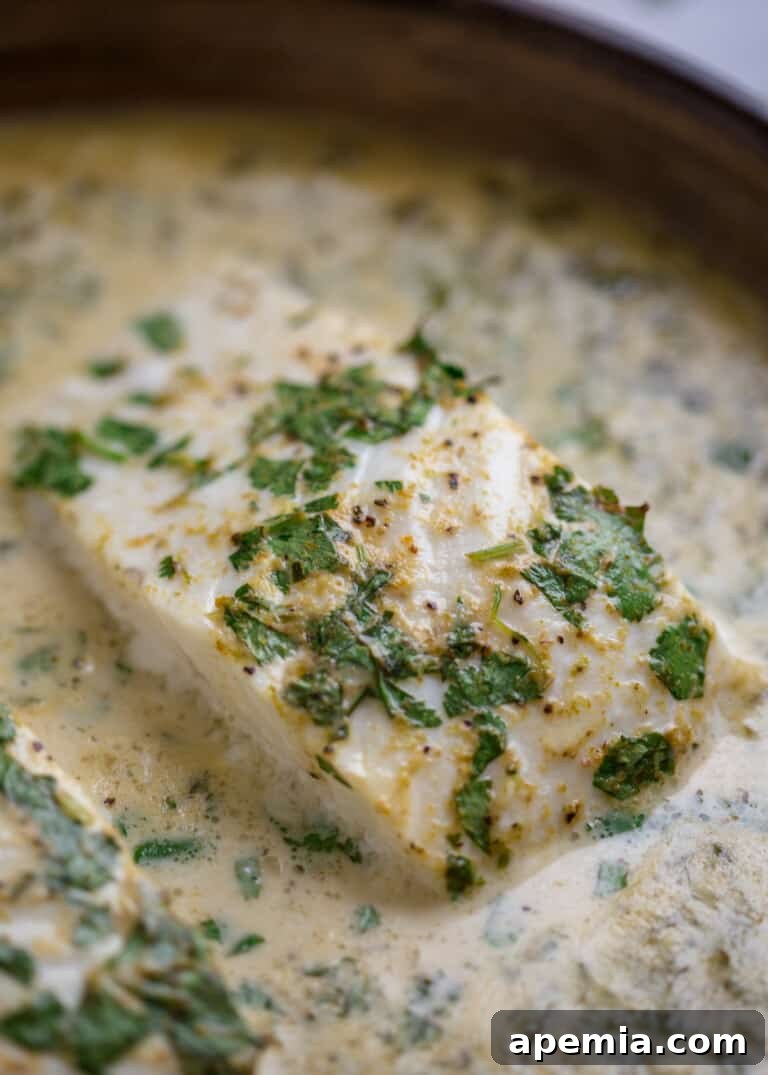
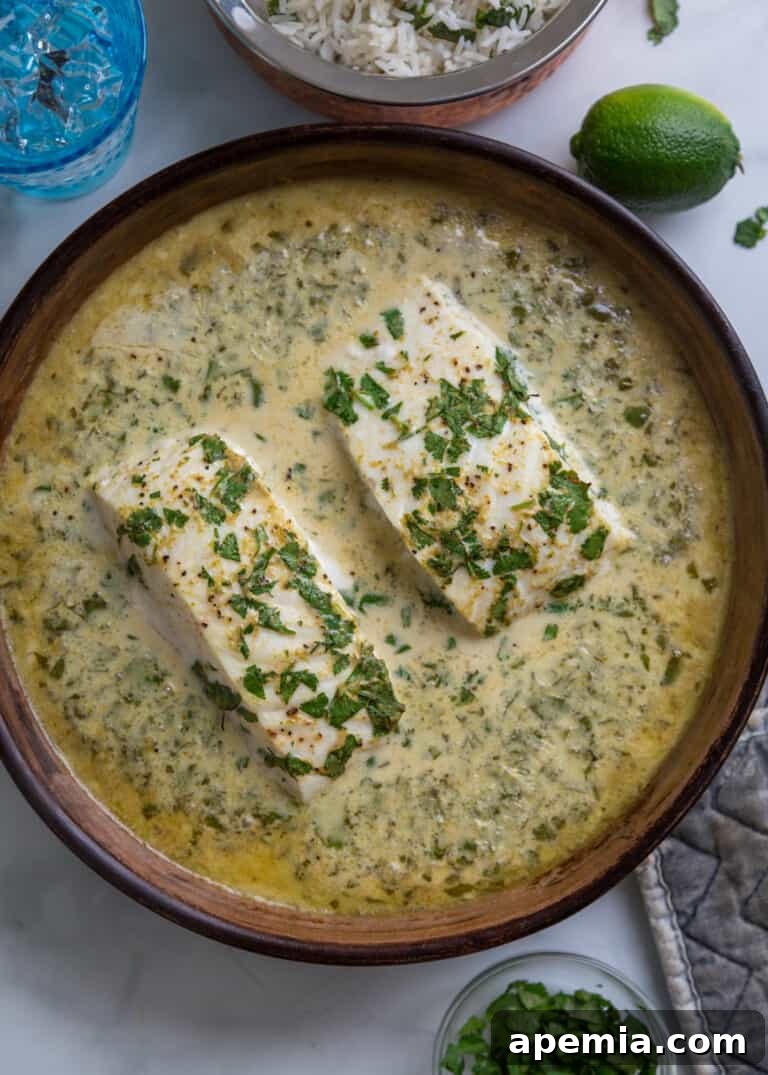
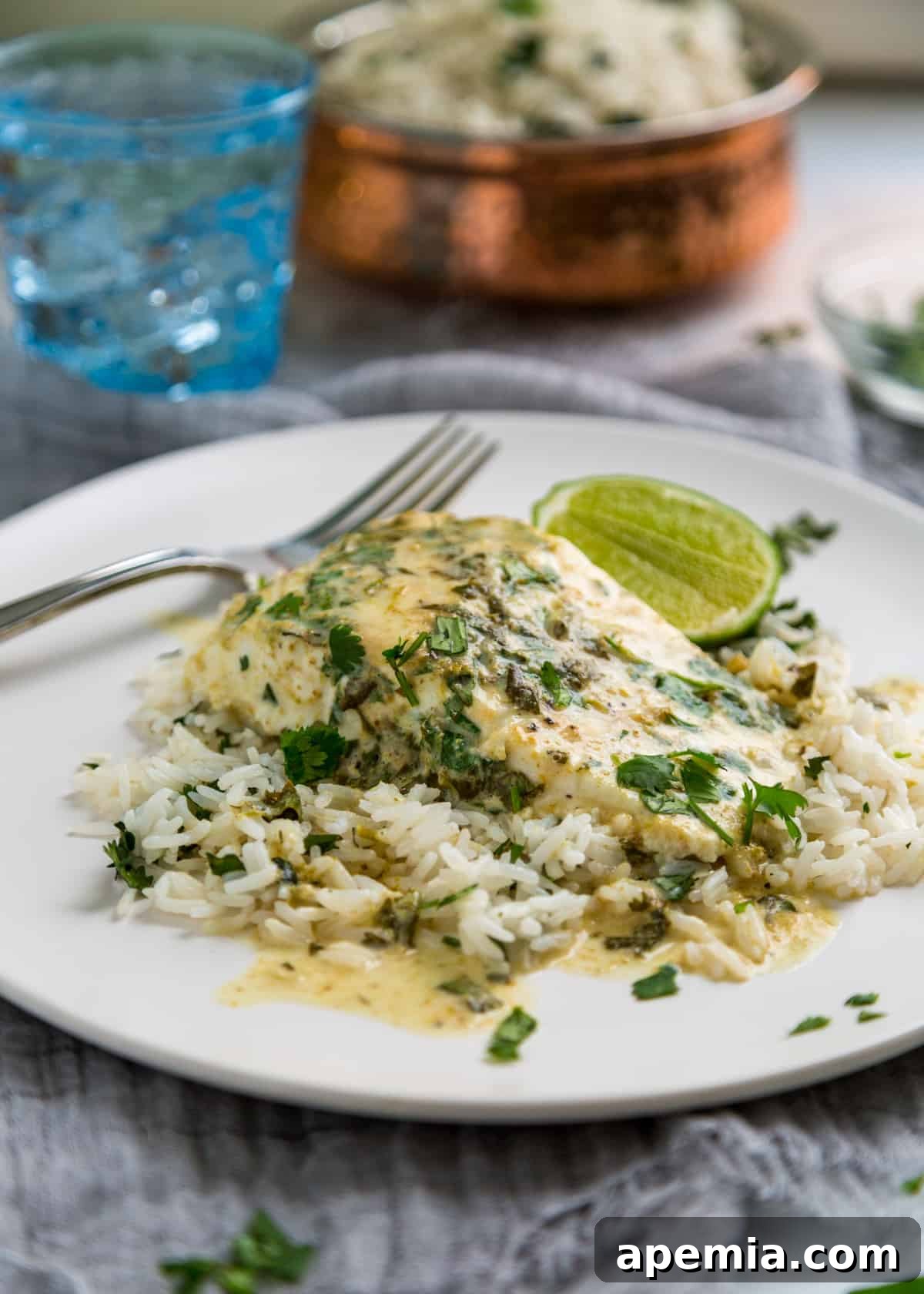
Once your Thai green curry halibut is baked to perfection, the reduced, fragrant coconut curry sauce that collects in the baking dish is pure liquid gold. Do not let a single drop go to waste! Be sure to spoon generous amounts of this flavorful pan sauce over every serving. My personal favorite way to enjoy this is by laying the tender baked halibut fillets directly on a bed of warm, fluffy steamed coconut rice, then liberally drizzling that incredible sauce over everything. The way the rice soaks up the creamy, spicy, and tangy notes of the curry is truly divine – you will not be disappointed.
Essential Ingredients and Smart Substitutions
(For a complete list of precise ingredients and quantities, please refer to the recipe card below)
- Alaska Halibut Fillets – For the best texture and freshest flavor, I highly recommend using fresh halibut fillets. Their firm yet tender flesh holds up beautifully to baking and soaks up the curry wonderfully. If fresh halibut isn’t available, cod or mahi-mahi are excellent substitutes, offering a similar mild taste and flaky texture. Ensure fillets are about 1 inch thick for even cooking.
- Thai Green Curry Paste – While good quality pre-made curry paste offers convenience, there’s nothing quite like the flavor depth of making it from scratch. It’s often easier than many think, and it allows you complete control over the spice level and freshness of ingredients like galangal, lemongrass, and kaffir lime. If using store-bought, choose a reputable brand for the best results.
- Coconut Milk – Full-fat coconut milk is non-negotiable for achieving that luxurious, creamy texture and rich flavor that defines this green curry halibut. Lower-fat versions can be used if you’re watching calories, but be prepared for a less opulent and slightly thinner sauce.
- Lime – Freshly squeezed lime juice and a touch of zest are crucial for providing that essential bright, zesty counterpoint to the rich coconut and spicy curry flavors. It adds a vibrant acidity that lifts the entire dish. If fresh limes are unavailable, fresh lemon can be used in a pinch.
- Cilantro Leaves – Fresh cilantro offers a distinct, bright, and slightly citrusy herbal note that is characteristic of Thai cuisine. It’s used both in the sauce and as a garnish. If you’re not a fan of cilantro, flat-leaf parsley is a suitable alternative for fresh green flavor, though the overall taste profile will subtly change.
- Long Grain White Rice – A cornerstone of Thai meals, jasmine rice is the preferred choice for its aromatic fragrance and slightly sticky texture, making it perfect for soaking up the delicious curry sauce. Basmati rice is another excellent long-grain option that works well. For an extra layer of flavor, consider making it coconut rice.
- Vegetable Oil – A neutral oil like vegetable, canola, or grapeseed oil is best here as it won’t impart any unwanted flavors that could overshadow the delicate spices of the halibut green curry.
- Kosher Salt & Ground Black Pepper – Essential seasonings to enhance the natural flavors of the halibut. Adjust to your personal taste preference.
Crafting Your Green Curry Halibut: A Step-by-Step Guide
- Prepare the Lime. Begin by preheating your oven to 400 degrees F (200 degrees C). Roll half of a fresh lime firmly on your counter before zesting to maximize juice extraction. Zest half the lime, then juice the entire half and set both the zest and juice aside for later use in the sauce.
- Cook the Rice. In a saucepan, combine ½ cup of the full-fat coconut milk with 1 cup of water and bring the mixture to a rolling boil. Add your chosen long-grain white rice, then immediately reduce the heat to a low simmer. Cover the saucepan tightly with a lid and allow the rice to steam undisturbed for 18 minutes. Once cooked, remove from heat and let it rest, still covered, for an additional 5 minutes. This resting period allows the steam to redistribute, resulting in perfectly fluffy grains. Finally, fluff the rice with a fork and gently stir in half of the chopped fresh cilantro. Keep warm until serving.
- Whisk the Sauce. In a small, separate bowl, combine the remaining coconut milk (from the can), the vibrant Thai green curry paste, the reserved fresh lime juice, lime zest, and the remaining chopped cilantro. Whisk all these ingredients vigorously until thoroughly combined and smooth. This creates your flavorful green curry sauce that will infuse the halibut.
- Prepare the Halibut. Lightly coat a large baking dish (glass or ceramic works best) with cooking spray or a drizzle of neutral oil. Carefully place the halibut fillets into the prepared dish. Drizzle a little extra oil over the fish and gently rub it to ensure an even coating. Season both sides of the halibut generously with kosher salt and freshly ground black pepper.
- Bake to Perfection. Evenly pour the prepared coconut green curry sauce over the halibut fillets in the baking dish. Ensure each piece of fish is well-coated. Bake the halibut uncovered for 12 to 15 minutes. Begin checking the fish around the 12-minute mark to prevent overcooking. The halibut is perfectly done when it flakes easily with a fork but still appears moist and translucent in the center. Avoid dry, rubbery fish!
- Serve and Garnish. Once baked, transfer the tender halibut fillets to serving plates. Be sure to drizzle plenty of the delicious pan sauce from the baking dish over the fish and the warm coconut rice. Garnish your exquisite Thai green curry halibut with a final sprinkle of fresh chopped cilantro for an added burst of flavor and a beautiful presentation. Serve immediately and enjoy!
Tools for Culinary Success
- Saucepan with Lid – Essential for perfectly cooking your long-grain rice, ensuring it’s fluffy and ready to absorb the rich curry sauce.
- Large Baking Dish – A sturdy glass or ceramic baking dish (approximately 9×13 inches) is ideal for this baked halibut recipe, allowing the fish to cook evenly in the sauce.
- Citrus Juicer – To extract every last drop of bright, tangy juice from your limes for the Thai curry sauce. Remember to roll the lime firmly on the counter before cutting and juicing, this technique helps release more juice.
- Whisk – A simple whisk is invaluable for thoroughly combining the coconut milk and curry paste, ensuring a smooth and lump-free sauce.
- Measuring Cups and Spoons – For precise ingredient measurements, which are key to achieving the perfect flavor balance in your Thai green curry.
Storing and Reheating Your Delicious Leftovers
Should you be fortunate enough to have any leftovers of this delectable green curry halibut, you can store them safely. Place the cooked halibut and the remaining curry sauce in a shallow, airtight container in the refrigerator for up to 2-3 days. It’s always best to store any leftover coconut rice in a separate airtight container to maintain its texture and freshness.
To reheat, the oven is your best friend for preserving the fish’s delicate texture. Place the halibut fillets back into an oven-safe dish. Add a generous amount of the stored curry sauce over the top to keep the fish moist during reheating. Cover the dish tightly with aluminum foil to prevent drying out and warm it in a preheated oven at 350 degrees F (175 degrees C) for approximately 10-15 minutes, or until heated through. Be careful not to overcook, as this can make the fish rubbery.
Warm the rice separately. You can gently reheat it in the microwave with a splash of water to add moisture, or stir-fry it briefly in a skillet on the stovetop until warm and fluffy again.
Share this recipe on Pinterest!
Love this recipe? Help spread the word by sharing it with your friends and followers on Pinterest. Save this delicious Thai Green Curry Halibut recipe for later or inspire others to try it!
Frequently Asked Questions About Green Curry Halibut
Yes, absolutely! Frozen halibut fillets work wonderfully for this recipe, making it accessible year-round. The most critical step is to ensure they are completely thawed in the refrigerator before you begin cooking. Once thawed, gently pat them very dry with paper towels to remove any excess moisture. This step is important to prevent the fish from steaming instead of baking properly and ensures the curry sauce adheres well.
The original sauce in this baked halibut recipe is designed to be more fluid, similar to a rich broth, rather than a thick gravy. It naturally reduces and concentrates in flavor as it bakes uncovered, creating a delectable pan sauce perfect for drizzling over the fish and rice. This is the traditional consistency. However, if you genuinely prefer a thicker green curry fish sauce, you can easily achieve this. After baking, remove the halibut and transfer the remaining sauce from the baking dish to a small saucepan on the stovetop. In a separate small bowl, whisk together 1-2 tablespoons of cornstarch with an equal amount of cold water to create a smooth slurry. Gradually stir this slurry into the simmering sauce in the saucepan. Continue to simmer and stir for 1-2 minutes until the sauce reaches your desired thickness. Remember, it will thicken a bit more as it cools.
Absolutely! Grilling offers a fantastic alternative cooking method that imparts a delicious smoky char to the halibut. To grill, brush the halibut fillets generously with a neutral oil (like vegetable or grapeseed) and season them with salt and pepper. Preheat your grill to medium heat. Carefully place the fillets on the grill grates and cook for about 4-5 minutes per side, or until the fish flakes easily with a fork and reaches an internal temperature of 145 degrees F (63 degrees C). Once grilled, serve the halibut immediately, with the green curry sauce (prepared separately on the stovetop) generously drizzled over the top.
While coconut rice is a classic and highly recommended accompaniment, you can certainly expand your meal. Steamed or stir-fried vegetables like bok choy, broccoli florets, bell peppers, or green beans would complement the dish beautifully. A simple side salad with a light vinaigrette could offer a refreshing contrast. For an appetizer, consider fresh spring rolls. The key is to choose sides that won’t overpower the delicate flavors of the halibut and curry.
Thai green curry paste typically has a moderate to high level of spice, which contributes significantly to its authentic flavor. However, you absolutely have control over the heat! If you prefer a milder curry, start by using a smaller amount of green curry paste (e.g., 1 tablespoon) and taste the sauce before pouring it over the fish. You can always add more paste to increase the heat if desired. For those who love extra spice, a pinch of red chili flakes or a few slices of fresh bird’s eye chilies can be added during cooking or as a garnish. If you make your own green curry paste, you can easily reduce the number of chilies in the paste itself.
Thai Green Curry Halibut
This green curry halibut combines tender, baked fish with a creamy coconut curry sauce for a bold and flavorful meal. Ready in just 30 minutes, it’s a perfect quick and healthy option!
Servings: 4
Prep: 10 mins
Cook: 20 mins
Total: 30 mins
Ingredients
- 1 cup long grain white rice
- 4 (6 oz) Alaska halibut fillets about 1 inch in thickness
- vegetable oil
- 1/2 tsp kosher salt
- 1/2 tsp ground black pepper
- 13.3 oz can coconut milk divided
- 2 tbsp Thai green curry paste
- 1 lime juice and zest
- 1/2 cup cilantro leaves chopped, divided
Instructions
-
Preheat oven to 400°F (200°C). Zest half of the lime and extract juice, set aside.
-
Bring 1/2 cup of coconut milk and 1 cup water to a boil in a saucepan. Add rice and reduce heat to a simmer. Cover and steam for 18 minutes. Let rest 5 minutes. Fluff with fork and add half of the chopped cilantro leaves. Stir to mix and keep warm.
-
In a small bowl, whisk together the remaining coconut milk, Thai green curry paste, remaining chopped cilantro, lime juice and zest. Set aside.
-
In a large baking dish coated with cooking spray or oil, add halibut fillets. Drizzle with some oil, massage over fish, and season with salt and pepper.
-
Pour the coconut curry sauce over the halibut fillets. Bake uncovered for 12 to 15 minutes, until the halibut flakes easily when tested with a fork. Drizzle with the pan coconut curry sauce and serve over the warm coconut rice. Garnish with additional fresh cilantro if desired.
Nutrition
Calories: 524kcal
Carbohydrates: 42g
Protein: 37g
Fat: 23g
Saturated Fat: 19g
Cholesterol: 83mg
Sodium: 422mg
Potassium: 1031mg
Fiber: 1g
Sugar: 1g
Vitamin A: 1440IU
Vitamin C: 7mg
Calcium: 60mg
Iron: 4mg
The information shown is an estimate provided by an online nutrition calculator. It should not be considered a substitute for a professional nutritionist’s advice.
Course: Main Dishes
Cuisine: Thai
Author: Kevin
Have You Made This Recipe? Let Me Know on Instagram
Tag @keviniscooking or tag me #keviniscooking!