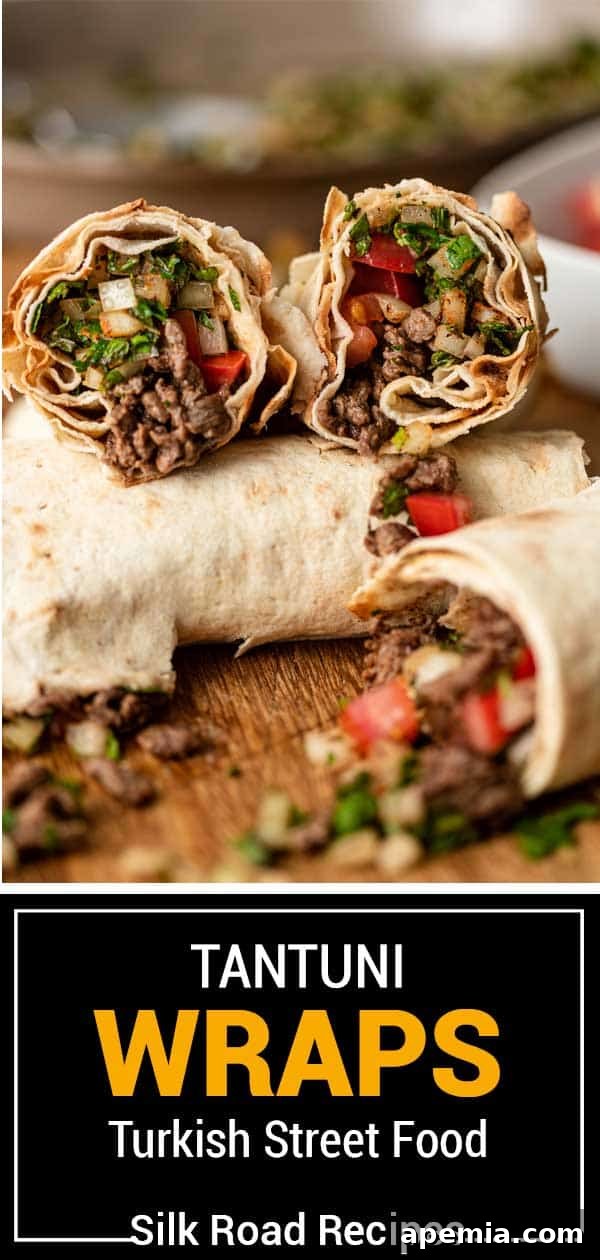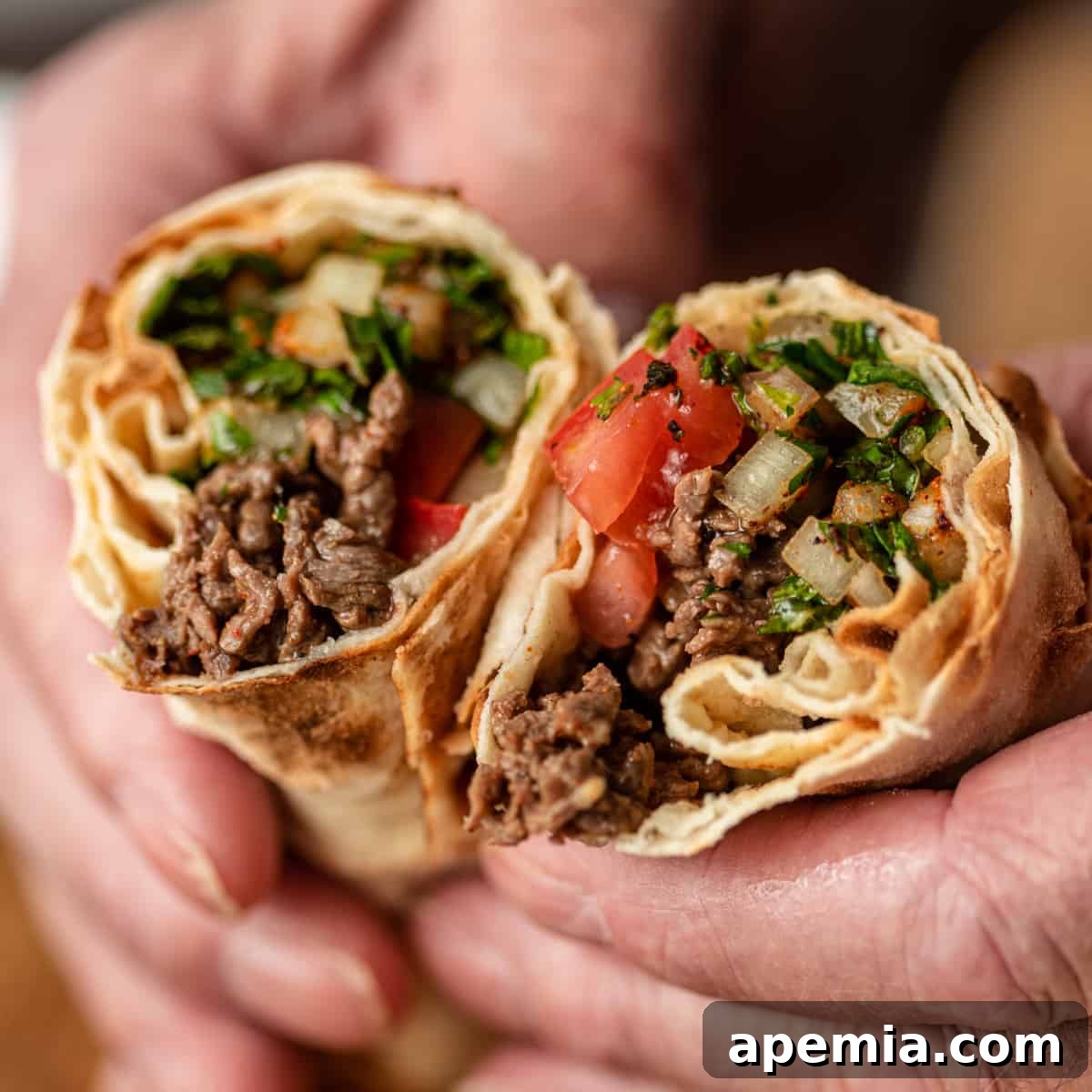
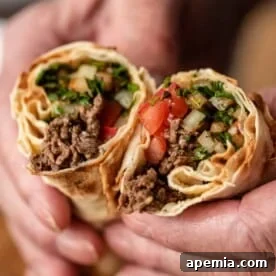
Experience the vibrant flavors of traditional Middle Eastern street food right in your own kitchen with these easy-to-make Tantuni Wraps. In less than 30 minutes, you can create this popular, hand-held delight, generously filled with tender, expertly spiced beef, perfectly seasoned onions, and juicy tomatoes. All these delicious components are snugly wrapped in a soft, flexible flatbread, making it an ideal choice for a quick, satisfying lunch or a delightful dinner on the go.
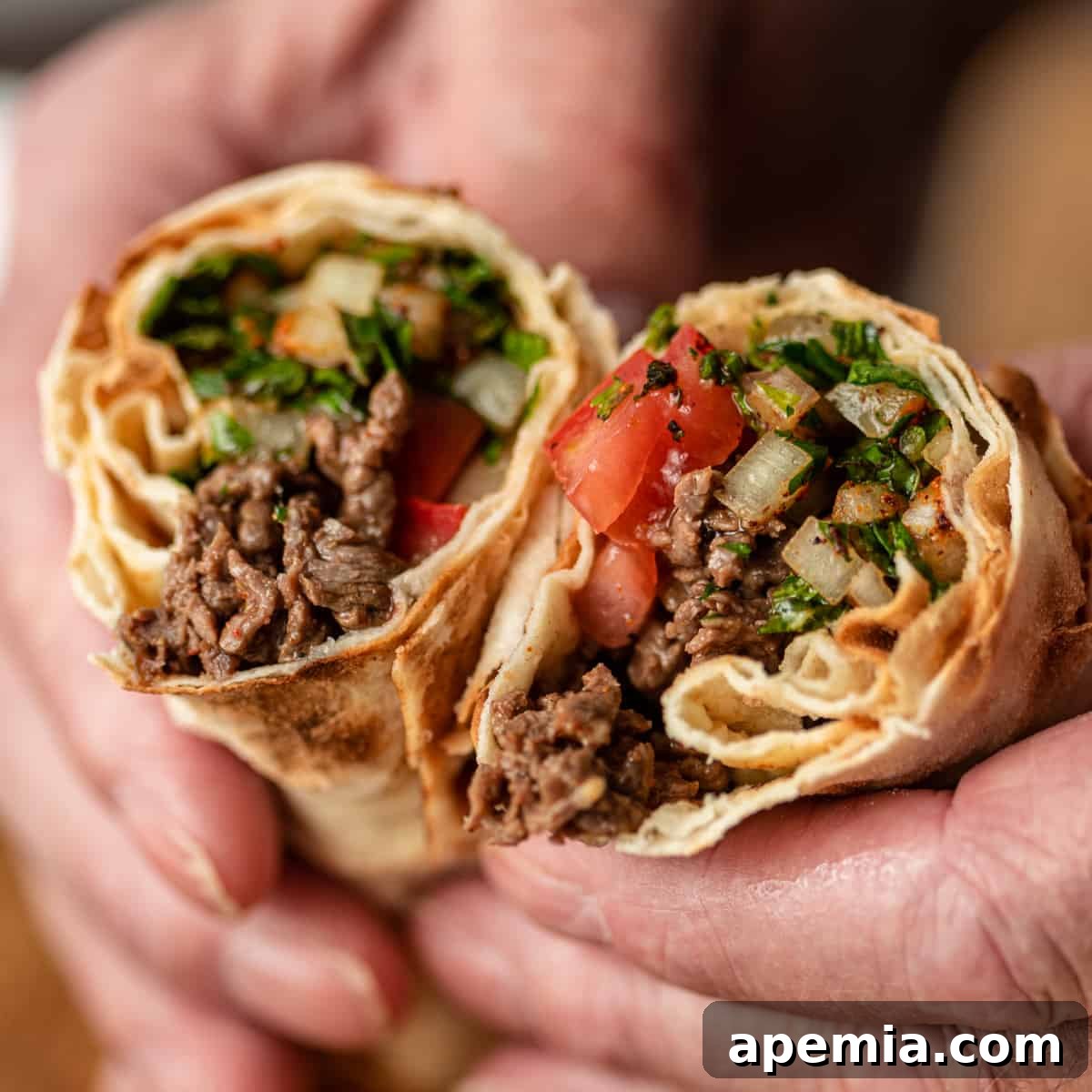
Imagine savoring a bite of Tantuni that transports you straight to the bustling streets of Turkey’s sun-drenched coast. This Tantuni sandwich captures that authentic essence, bursting with bold, zesty Middle Eastern spices like aromatic sumac, fresh parsley, earthy cumin, and refreshing mint. The harmony of these ingredients creates an unforgettable flavor profile that is simply irresistible.
Tantuni holds a special place in Turkish culinary heritage, originating from Mersin, a large and vibrant port city nestled on the Southern Turkish coastline. While this recipe introduces a few simplified adjustments for the home cook – such as skipping the traditional step of boiling the meat to enhance ease and speed – rest assured, the authentic flavors and essence of this beloved dish remain entirely intact. Our goal is to make this delightful culinary experience accessible without compromising on taste.
Table of Contents
- What is Tantuni?
- The History and Charm of Tantuni
- Key Ingredients for Authentic Tantuni
- Pro Tip: Steam for Flexibility
- How to Make Tantuni Wraps: A Step-by-Step Guide
- Serving Suggestions for Your Tantuni
- Storing and Reheating Your Tantuni Components
- Frequently Asked Questions About Tantuni
- Tantuni Wraps Recipe Card
What is Tantuni? A Glimpse into Turkish Street Food
Tantuni is a truly iconic Turkish street food, beloved for its simplicity, speed of preparation, and explosion of flavor. At its heart, Tantuni is a type of wrap or sandwich filled with thinly diced and pan-fried meat, typically beef or sometimes lamb, generously seasoned with a distinctive blend of spices. The meat is cooked on a large, flat griddle (called a sac) alongside a medley of fresh herbs and onions, then moistened with a splash of water and often some of the meat’s own flavorful juices. This concoction is then piled onto a soft flatbread, traditionally lavash, along with fresh tomatoes and the seasoned onion-herb mixture, before being rolled up and served immediately.
What sets Tantuni apart is not just its taste but also its versatility. While traditionalists might enjoy it as is, modern interpretations sometimes include fresh greens or a light sauce, similar to how one might enjoy other beloved Middle Eastern wraps like Arayes, Shawarma, or Doner Kebab. If you appreciate a wrap with a touch of extra moisture, consider adding a simple tahini-yogurt sauce to complement the rich meat and tangy spices.
The History and Charm of Tantuni
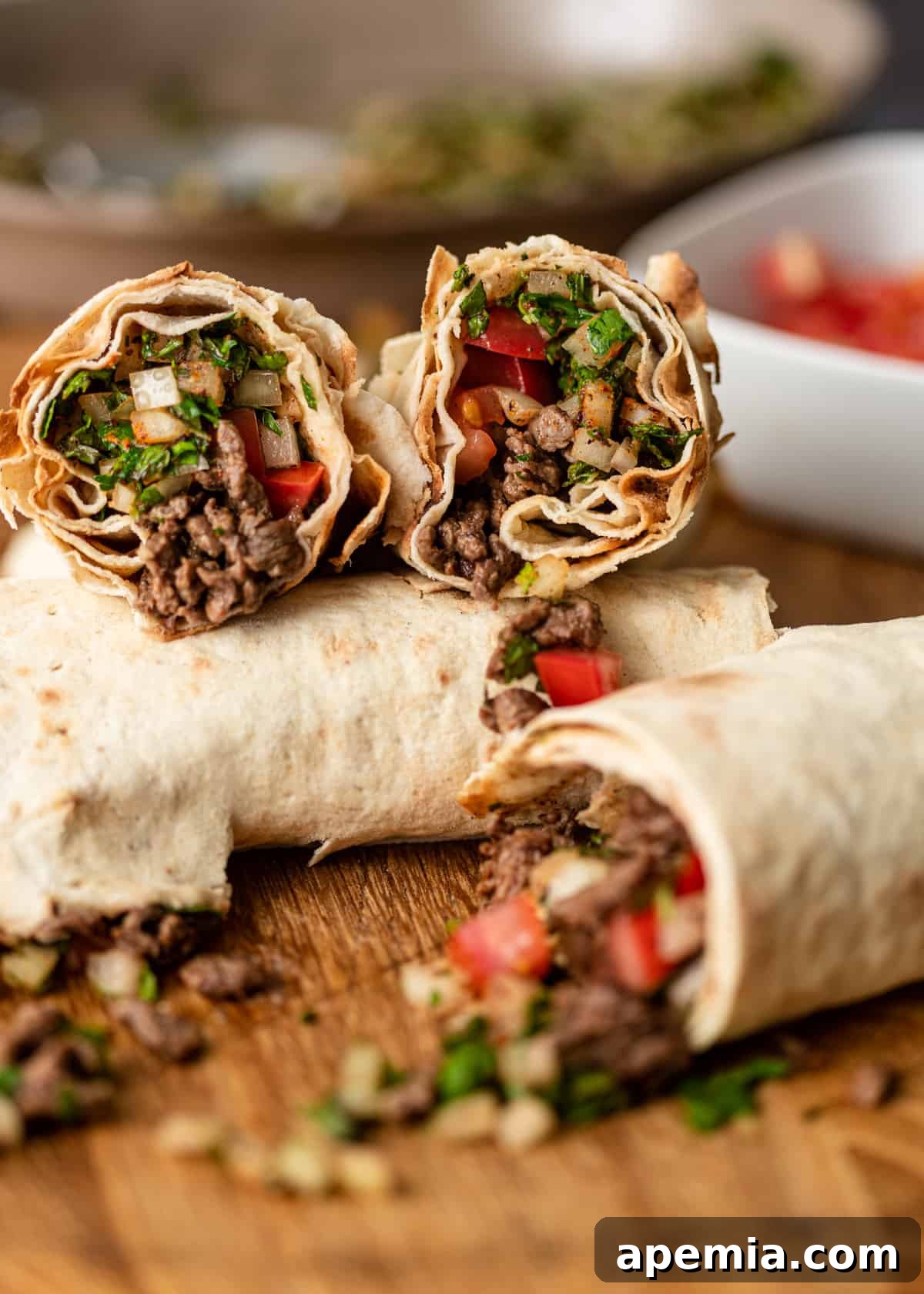
The story of Tantuni begins in Mersin, a vibrant coastal city in Turkey, renowned for its rich culinary traditions and bustling port. This dish is deeply ingrained in the local culture, often enjoyed as a quick and hearty meal by laborers, travelers, and locals alike. Historically, Tantuni was prepared using very thin strips of beef, often cooked over high heat on a special convex griddle, or “sac,” which allowed for even cooking and the distinct sizzle that gives the dish its name (some believe “tantuni” mimics the sound of the meat cooking).
The beauty of Tantuni lies in its humble origins and robust flavors. It’s a testament to how simple, fresh ingredients, when combined with expert seasoning and cooking techniques, can create a truly spectacular dish. Over the years, Tantuni has spread beyond Mersin, becoming a beloved street food across Turkey and gaining recognition internationally for its unique taste and satisfying appeal. Our recipe pays homage to this heritage, bringing the authentic taste of Mersin to your home kitchen.
Pro Tip: Steam for Flexibility
A secret to truly authentic Tantuni wraps is to warm and soften your flatbread. As your meat sizzles in the pan, lay your lavash, tortilla, or preferred flatbread directly over the cooking meat. This allows the bread to steam, warm up beautifully, and absorb some of those incredible meat juices, infusing it with extra flavor and making it wonderfully pliable for wrapping. This small step makes a significant difference in the overall texture and taste!
Key Ingredients for Authentic Tantuni
For a full list of precise quantities, please refer to the complete recipe card below.
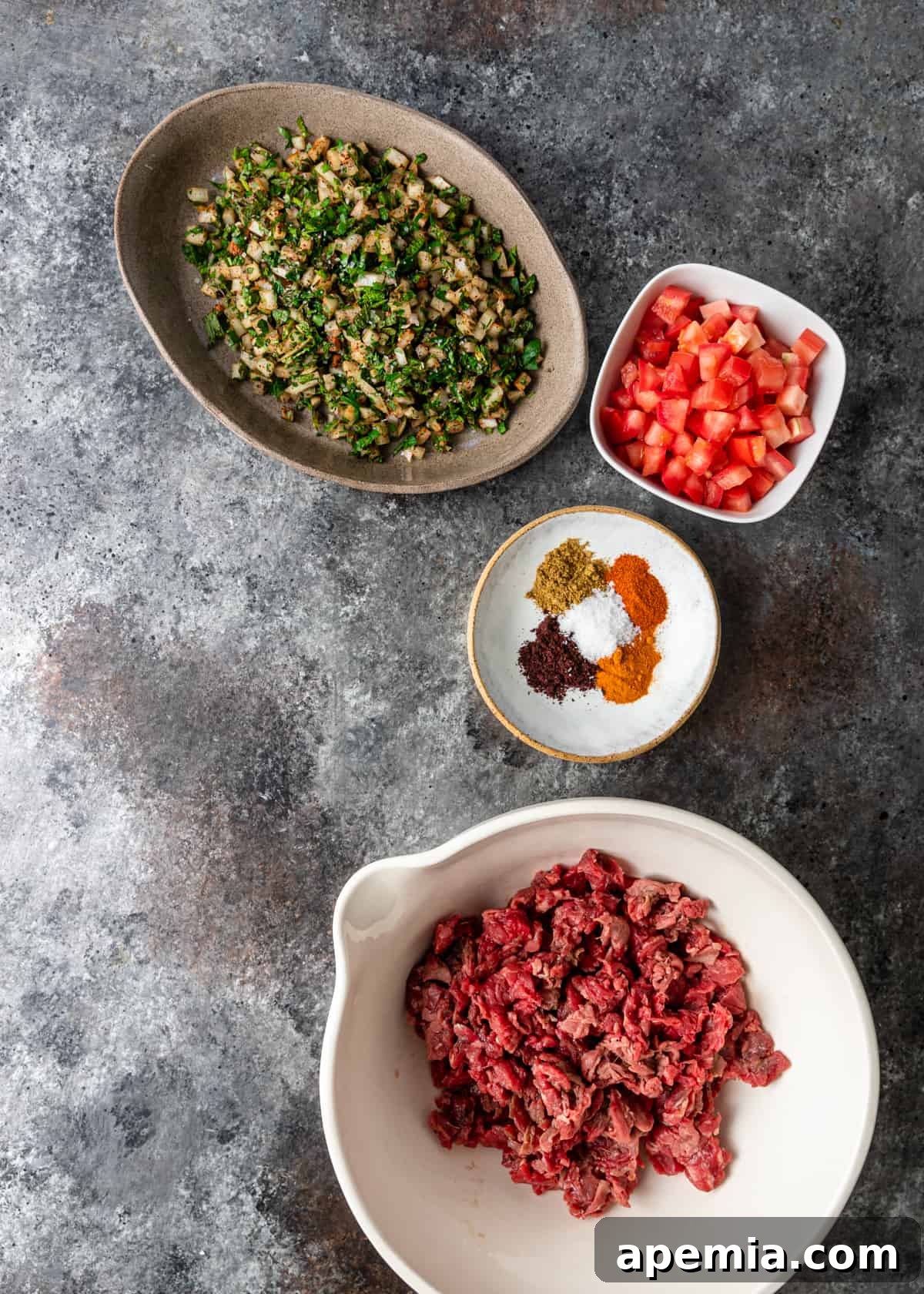
- Beef: The traditional choice for Tantuni is a lean cut like beef top round. This cut is perfect for slicing or dicing into the small, thin pieces that characterize an authentic Tantuni wrap. Flank steak is also a great alternative, often yielding similar delicious results, though it might require a bit more trimming to achieve the desired texture. The key is small, uniform pieces for quick cooking and tender bites.
- Vegetable Oil: A neutral-tasting oil like vegetable, canola, or sunflower oil is ideal for marinating the beef and cooking. It allows the rich flavors of the spices and meat to shine through without imparting its own strong taste.
- White Onion: Diced white onions form the base of the flavorful herb mixture. They offer a crisp texture and a pungent, fresh taste that balances the richness of the beef. Yellow or red onions can be substituted if white onions are unavailable, each offering a slightly different nuance in sweetness and sharpness.
- Lavash: This thin, soft Armenian flatbread is my top recommendation for Tantuni. Its pliability and subtle flavor make it perfect for wrapping without overpowering the filling. You can find excellent recipes to make it from scratch right here on the site, or easily pick some up from your local Middle Eastern market or even well-stocked grocery stores. Other thin, flexible flatbreads like roti, certain types of pita, or even large flour tortillas can work in a pinch.
- Tomatoes: Freshly chopped tomatoes add a burst of juiciness and a touch of acidity that brightens the entire wrap. While any variety will do, try to choose firm, meaty tomatoes and avoid overly seedy or watery ones to prevent a soggy wrap. Roma tomatoes or beefsteak tomatoes are excellent choices.
- Essential Seasonings: The heart of Tantuni’s flavor lies in its vibrant blend of Middle Eastern herbs and spices, used both in the beef marinade and the fresh onion mixture:
- Paprika: Provides a beautiful color and a mild, sweet peppery note. For a smoky depth and a hint of heat, opt for smoked paprika.
- Sumac: A signature Middle Eastern spice, sumac offers a distinct tart, lemony flavor and a beautiful deep red hue. It’s crucial for balancing the richness of the meat and providing that authentic zest. While there’s no perfect substitute, a tiny pinch of lemon zest or a very small squeeze of lemon juice could offer a similar brightness.
- Cumin: This warm, earthy spice is foundational in Middle Eastern cooking. It enhances and complements the other spices, adding depth and complexity to the beef.
- Cayenne Powder: Just a hint of cayenne adds a delightful kick, elevating the spice profile without overwhelming it. Adjust to your preferred level of heat.
- Urfa Biber (Smoked Red Pepper): An optional but highly recommended ingredient for those who desire a deeper, spicier, and slightly smoky flavor in their beef filling. If unavailable, a bit more cayenne can be used, or a dash of smoked paprika for a smoky note.
- Fresh Flat Leaf Parsley & Mint Leaves: Fresh herbs are non-negotiable for their vibrant flavor and aromatic freshness in the onion mixture. Use fresh whenever possible. While mint is traditional, you can omit it if preferred or substitute with fresh cilantro for a different, yet equally delicious, herbal note.
- Kosher Salt: Essential for seasoning both the beef and the onion mixture, bringing out all the wonderful flavors.
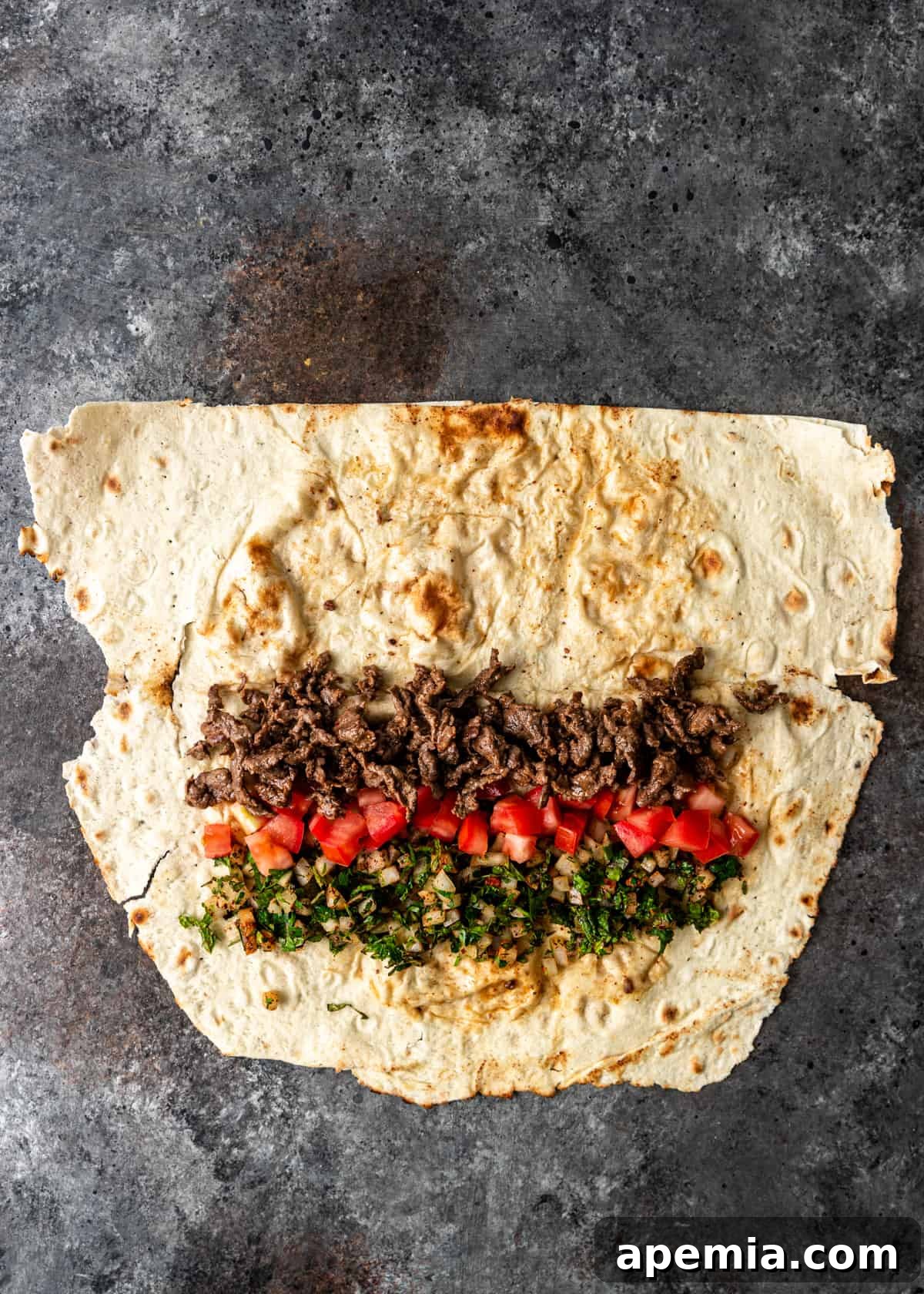
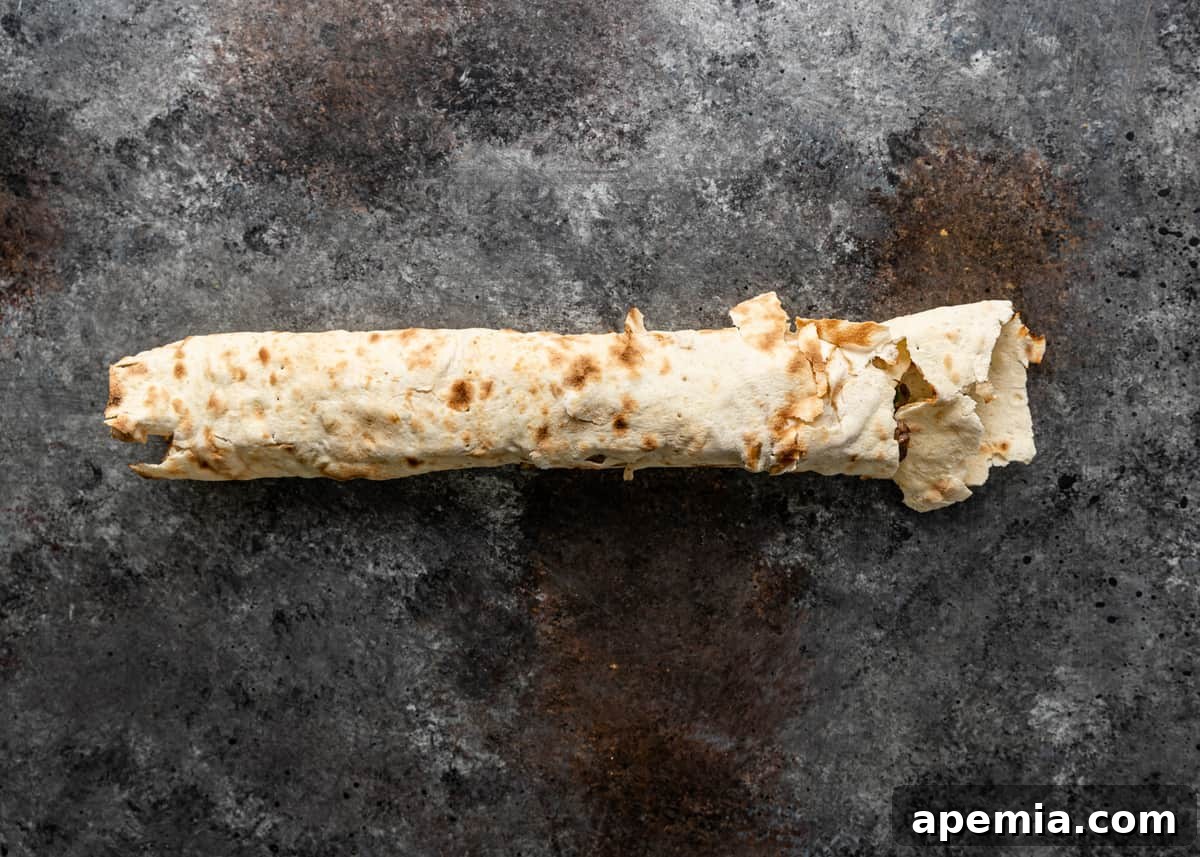
How to Make Tantuni Wraps: A Step-by-Step Guide
Creating authentic Tantuni at home is simpler than you might think! Follow these steps to bring this Turkish street food sensation to your table.
- Prepare the Flavorful Onion-Herb Mixture: In a medium-sized bowl, combine the finely diced white onions with the fresh flat-leaf parsley and mint leaves. Add the paprika, sumac, and a pinch of kosher salt. Toss all the ingredients thoroughly until the onions and herbs are evenly coated with the spices. This mixture will add a fresh, zesty crunch to your wraps. Set aside.
- Slice, Season, and Marinate the Beef: Begin by carefully trimming any excess fat from your beef top round. This step is important for achieving the right texture and preventing the wraps from becoming too greasy. Once trimmed, slice and dice the beef into very small, fine pieces. The smaller and thinner the pieces, the faster and more evenly they will cook. Transfer the diced beef to a clean bowl. Pour in the vegetable oil, then add the paprika, sumac, ground cumin, cayenne powder, optional Urfa Biber, and kosher salt. Mix everything together well, ensuring every piece of beef is coated with the aromatic marinade.
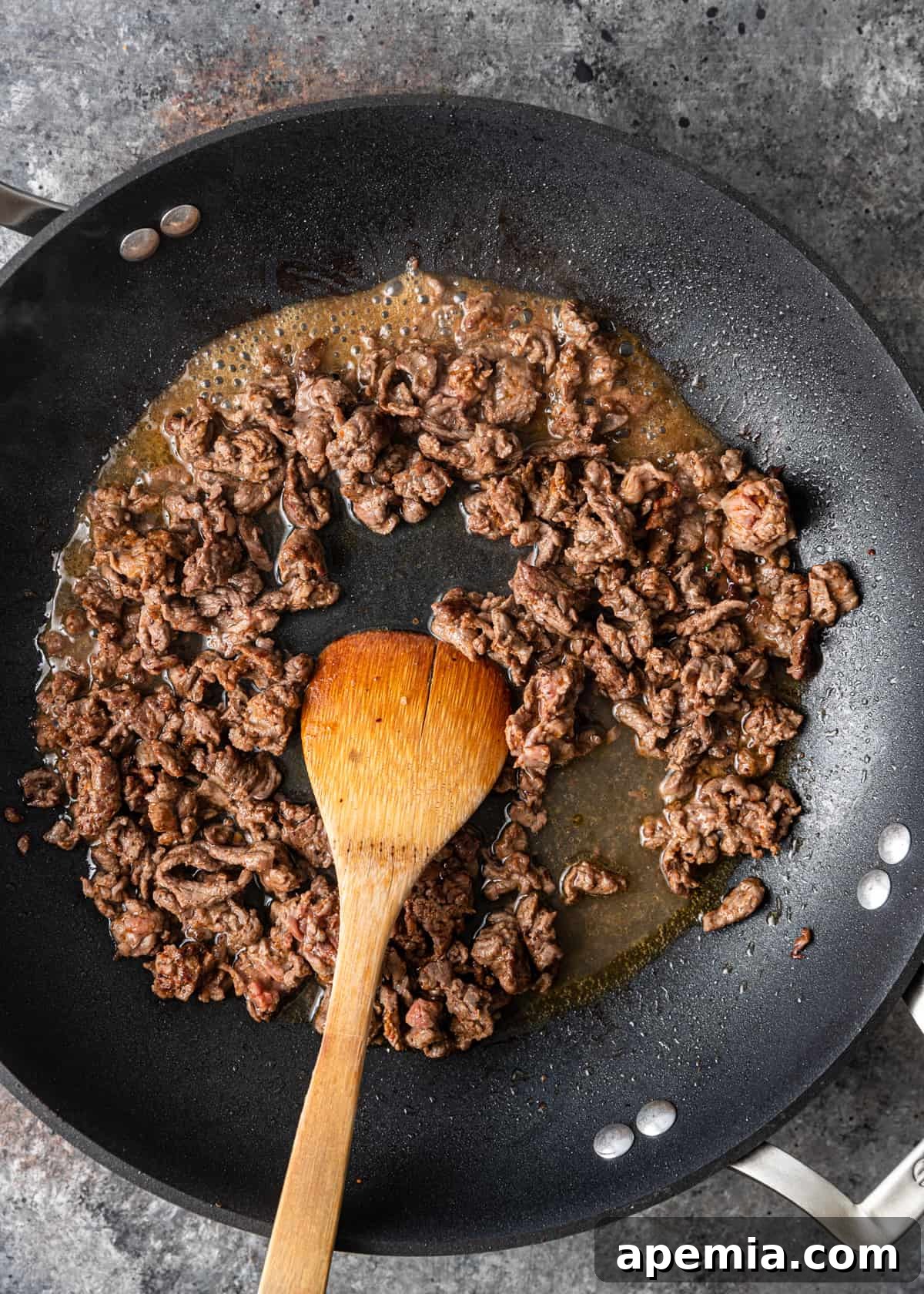
- Brown the Spiced Meat: Heat a large skillet over medium-high heat. Once hot, add the butter and let it melt and sizzle. Immediately add the seasoned beef to the skillet. Stir quickly and continuously, allowing the meat to brown evenly on all sides. Cook for several minutes until the beef is no longer pink and has developed a nice, caramelized crust. Avoid overcooking at this stage, as the meat will cook further with the steaming bread.
- Steam the Lavash (or Flatbread): Reduce the heat slightly if needed. Pour about ¼ cup of water into the skillet with the cooked beef, stirring it gently into the meat mixture. This will create steam and a flavorful liquid base. Quickly cover the meat mixture with your lavash or chosen flatbread. The bread should lay directly on top, allowing it to soak up the steam and some of the delicious meat juices. Continue to cook until all the water has evaporated and you hear the distinctive sizzling sound of the meat again, indicating the bread is warm and pliable.
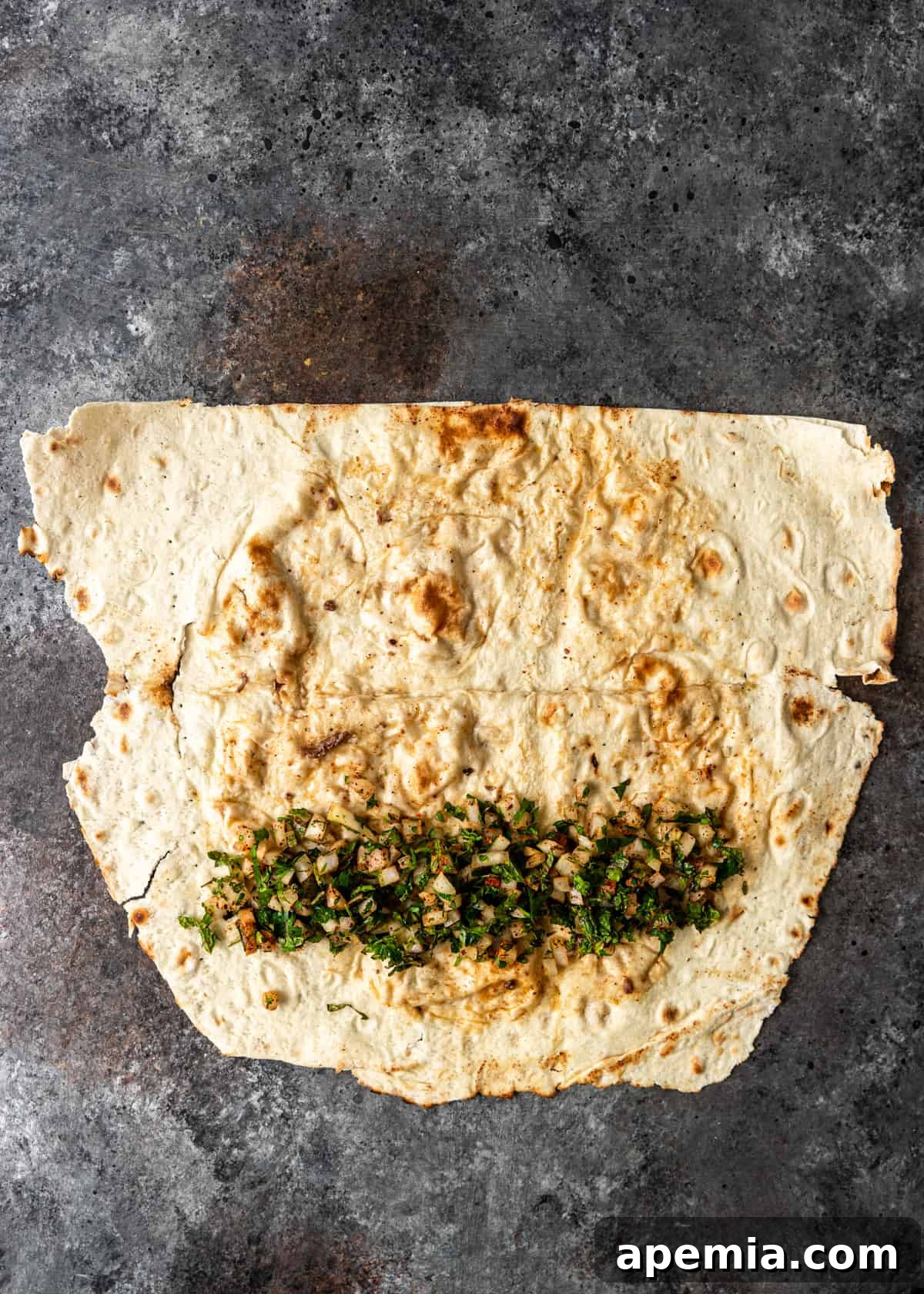
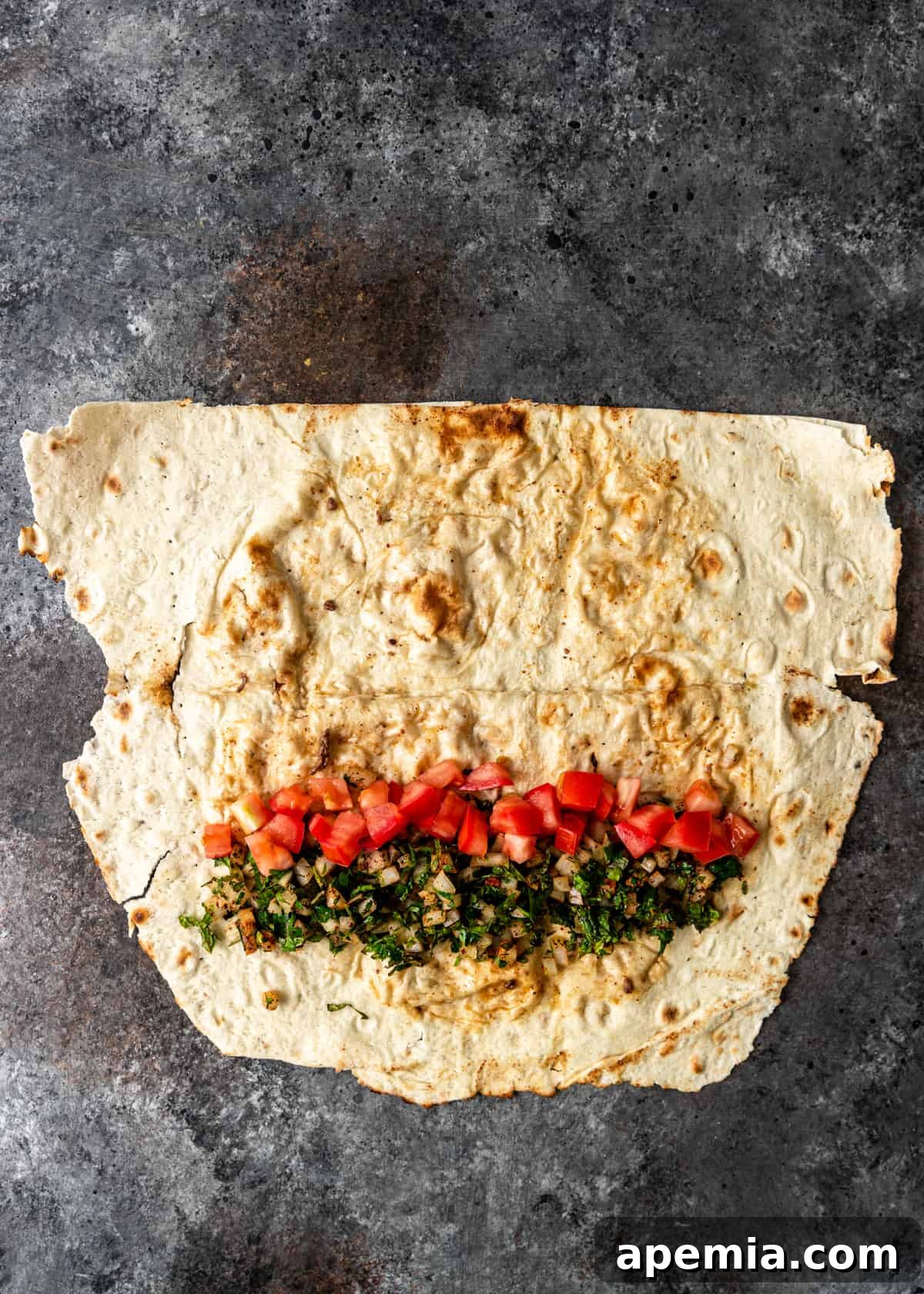
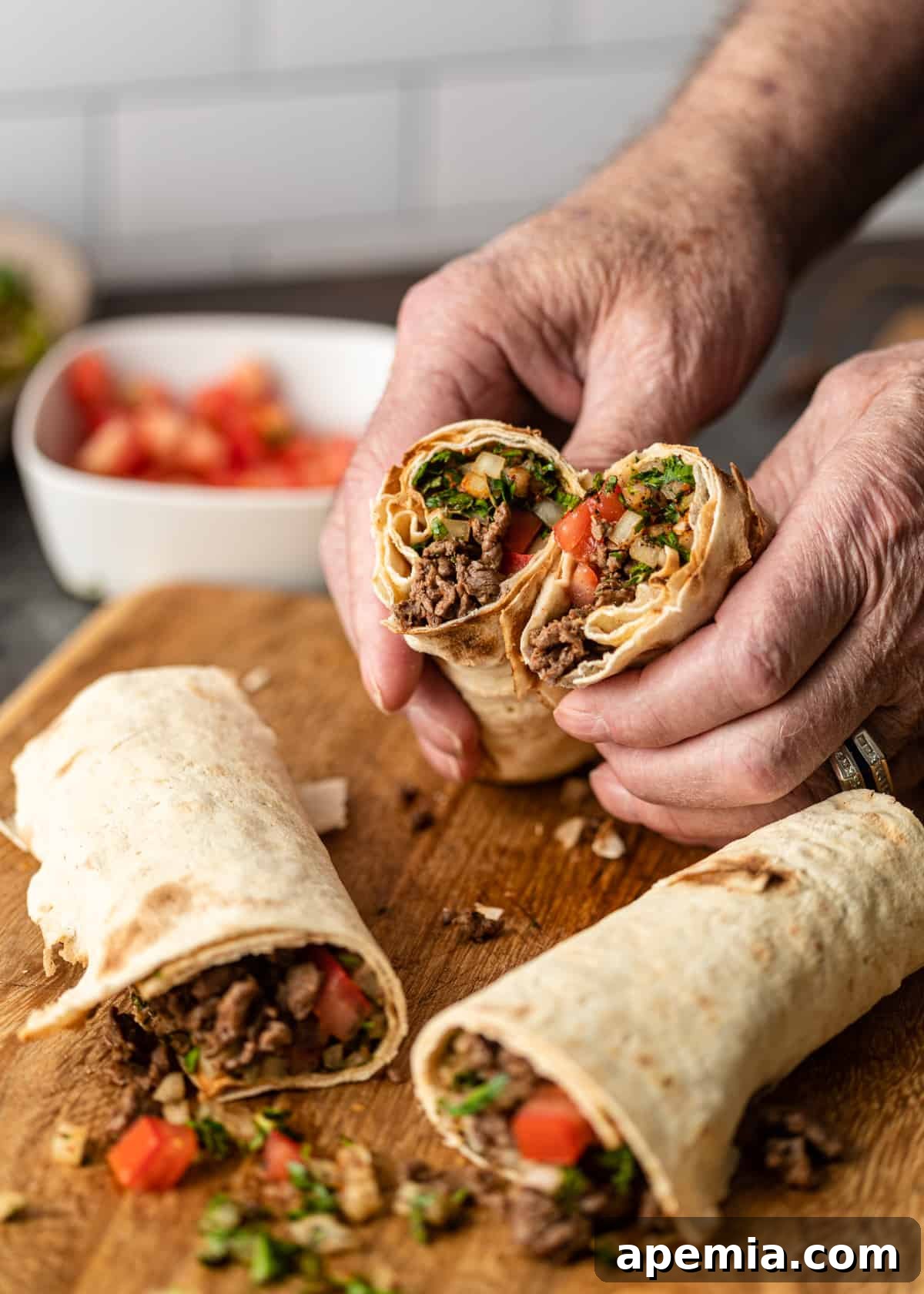
- Assemble Your Tantuni Wraps and Serve Immediately: Carefully remove the steamed flatbread from the skillet and lay it on a clean work surface. On the lower half of the bread, arrange a generous spoonful (a few tablespoons) of the flavorful beef mixture in a row. Next, add a row of the seasoned onion-herb mixture, followed by a layer of fresh, chopped tomatoes. Roll up the flatbread tightly to form a secure wrap. For easier eating, you can slice the finished wrap in half. Repeat this process with the remaining meat and onion mixture, assembling each wrap just before serving. Tantuni is best enjoyed hot and fresh from the skillet!
Recommended Tools for Tantuni Success
- Large Skillet: A sturdy, large skillet or a flat griddle (if you have one) is essential for cooking the beef evenly over medium-high heat. Cast iron or a heavy-bottomed non-stick pan would be ideal for achieving that perfect sizzle.
- Sharp Knife: For finely dicing the beef and onions, a sharp knife is crucial for safety and efficiency.
- Cutting Board: A stable cutting board will make prepping your ingredients much easier.
- Mixing Bowls: Several bowls for seasoning the onions and marinating the beef.
Storing and Reheating Your Tantuni Components
To ensure the best taste and texture, Tantuni wraps are truly best enjoyed immediately after assembly. If you attempt to store an already assembled Tantuni sandwich, the delicious juices from the meat and tomatoes will inevitably make the flatbread soggy, diminishing its fresh appeal upon reheating.
For optimal freshness and flavor, it’s highly recommended to store the prepared meat, seasoned onions, and chopped tomatoes separately. Each component should be placed in its own airtight container and can be kept in the refrigerator for up to 3-4 days. This method preserves their individual textures and vibrant flavors.
When you’re ready to enjoy Tantuni again, simply reheat the meat mixture on the stovetop over medium heat until warmed through, or use a microwave for a quicker option. Then, prepare your fresh flatbread by quickly steaming it over the hot meat (as per our “Pro Tip” above) and assemble your wraps fresh. This ensures every bite is as delicious and satisfying as the first!
Share this recipe on Pinterest!
Love this recipe? Help others discover it by sharing it on Pinterest.
Frequently Asked Questions About Tantuni
Traditionally, Tantuni is made with either thinly sliced or finely diced beef, often a lean cut like top round, or sometimes lamb. The key is small, tender pieces. However, for those looking to experiment or with dietary preferences, you can easily substitute other proteins such as chicken, turkey, or even plant-based meat alternatives for a delicious twist on the classic.
The best way to enjoy a Tantuni wrap is right out of the skillet, freshly assembled. Once the juicy beef and fresh tomatoes are added, a little moisture is inevitable. To minimize sogginess:
- Use a lean cut of meat and ensure all visible fat is trimmed.
- Choose firm, meaty tomatoes rather than overly watery varieties.
- Limit the amount of water used to steam the bread; just enough to soften it without making it waterlogged. However, remember that proper steaming is crucial for a pliable wrap!
- If you like to add greens, place a layer of fresh arugula or mixed greens below the main fillings. This acts as a barrier, protecting the flatbread from direct contact with the juicier ingredients.
- Most importantly, assemble and serve immediately after the meat is cooked and the bread is steamed.
My personal favorite for Tantuni is lavash. It’s a thin, sturdy yet flexible Armenian flatbread that’s wonderful for wrapping and can be easily made at home or purchased at Middle Eastern markets. However, any thin, flexible flatbread will work beautifully. Good alternatives include Naan, Roti, thin pita bread, or even large flour tortillas. The essential trick, no matter which bread you choose, is to lightly steam it over the hot meat with a bit of water before shaping your wraps. This softens the bread, making it perfectly pliable and flavorful.
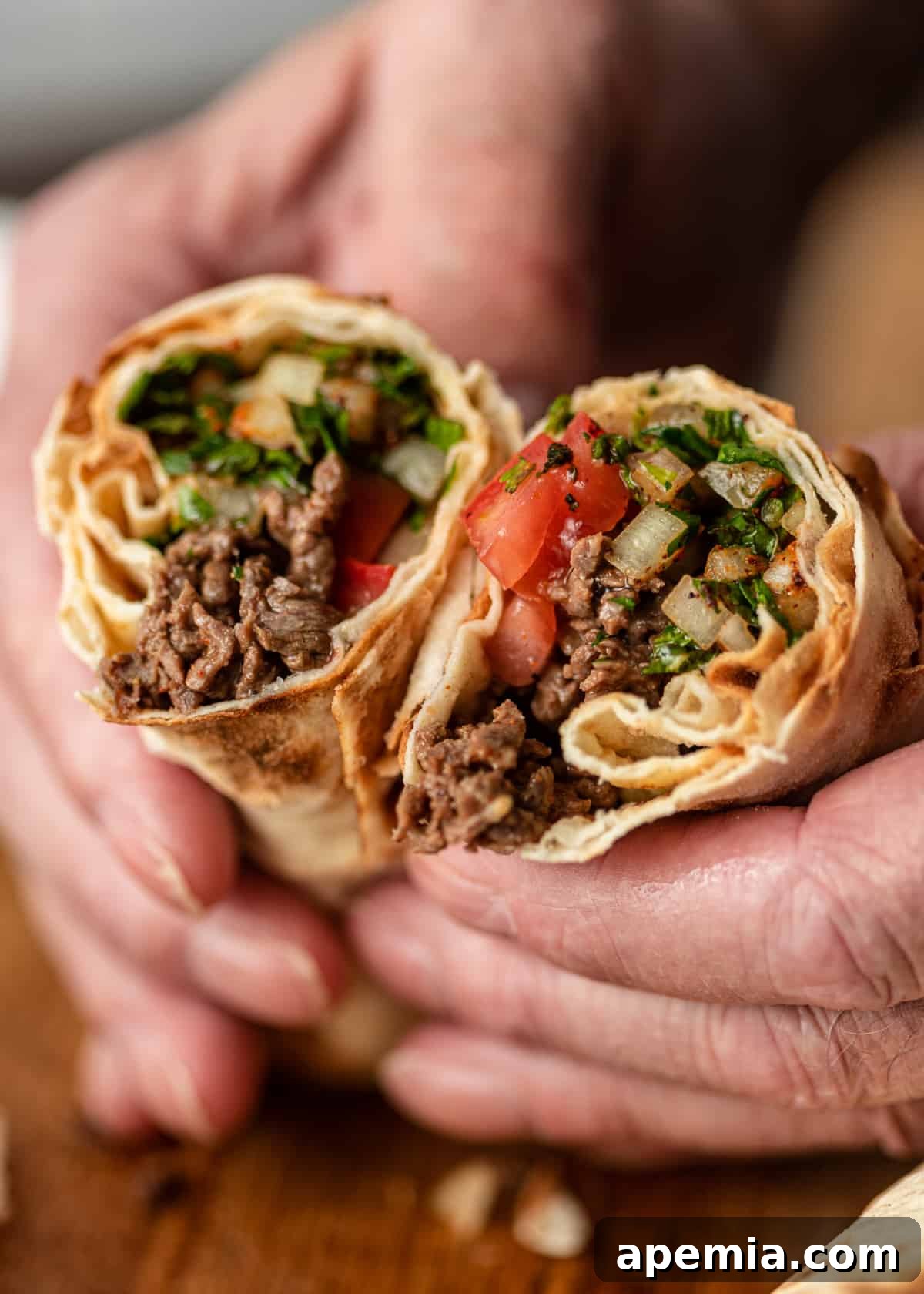
Authentic Tantuni Wraps Recipe
Rating: 5 out of 5 stars based on 9 reviews
Tantuni is a mouthwatering Turkish wrap filled with tender beef and vibrant onions, seasoned with a rich blend of sumac, paprika, cumin, and other bright, bold Middle Eastern flavors. This simplified recipe brings the authentic taste of Mersin to your kitchen in under 30 minutes!
Print Recipe
Ingredients
Onion Herb Mixture
- 1 1/2 cups white onion (medium, diced)
- 1/2 cup flat leaf parsley (chopped fine)
- 1/4 cup mint leaves (chopped fine)
- 1/2 tsp paprika
- 1/2 tsp sumac
- 1/4 tsp kosher salt
Spiced Beef Filling
- 1 lb beef top round (diced small – See Note 1)
- 1 tbsp vegetable oil
- 1/2 tsp paprika
- 1/2 tsp sumac
- 1/2 tsp ground cumin
- 1/2 tsp cayenne powder
- 1/2 tsp urfa biber (smoked red pepper) (optional, for extra spice)
- 1/2 tsp kosher salt
- 1 tbsp butter
- 1/4 cup water
For Assembly
- lavash (or other thin, flexible flatbread)
- tomatoes (chopped)
Instructions
Preparing the Onion Herb Mixture
- In a medium bowl, combine the diced white onion, finely chopped parsley, finely chopped mint leaves, paprika, sumac, and 1/4 tsp kosher salt. Mix thoroughly until all ingredients are well combined. Set aside.
Cooking the Tantuni Beef
- Trim all visible fat from the beef top round, then cut it into very small strips or dice it finely. Transfer the beef to a bowl and mix it with the vegetable oil, 1/2 tsp paprika, 1/2 tsp sumac, ground cumin, cayenne powder, optional Urfa Biber, and 1/2 tsp kosher salt. Ensure the beef is evenly coated with the spices.
- Heat a large skillet over medium-high heat. Add the butter and let it melt. Once hot, add the seasoned beef to the skillet. Stir quickly and cook for several minutes until the beef is no longer pink and is lightly browned.
- Pour 1/4 cup of water into the skillet with the beef, stirring it quickly. Immediately lay a piece of lavash or your chosen flatbread (ensure it’s skillet-sized or folded to fit) on top of the meat to steam. Cook until all the water has evaporated and you hear the meat sizzling in the skillet again. This steaming process softens the bread and infuses it with flavor.
Assembling the Wraps
- Remove the steamed flatbread from the skillet and place it on your work surface, top side down. Along the lower area of the bread, add a few tablespoons of the cooked beef mixture. Next, add a row of the prepared onion-herb mixture, followed by a row of the fresh chopped tomatoes.
- Roll and wrap the flatbread tightly to form a secure Tantuni sandwich. Cut the wrap in half for easier handling and serve immediately. Repeat these steps with the remaining beef, onion mixture, and flatbreads. Enjoy your homemade Tantuni!
Notes
- If beef top round is unavailable, thinly sliced and diced flank steak makes an excellent substitute.
Nutrition Information (Estimated per serving)
Carbohydrates: 5 g |
Protein: 18 g |
Fat: 6 g |
Saturated Fat: 3 g |
Trans Fat: 1 g |
Cholesterol: 52 mg |
Sodium: 354 mg |
Potassium: 369 mg |
Fiber: 1 g |
Sugar: 2 g |
Vitamin A: 796 IU |
Vitamin C: 10 mg |
Calcium: 39 mg |
Iron: 2 mg
The information shown is an estimate provided by an online nutrition calculator. It should not be considered a substitute for a professional nutritionist’s advice.
Have You Made This Recipe? Let Me Know on Instagram!
Tag @keviniscooking or use the hashtag #keviniscooking!