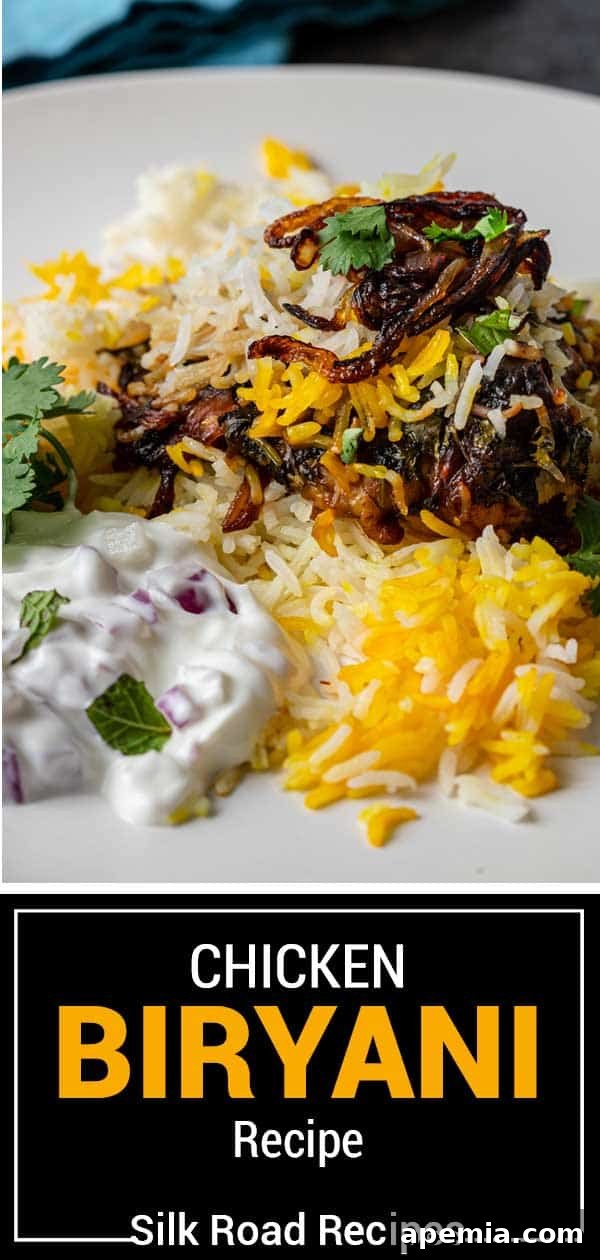
Authentic Chicken Biryani Recipe: A Flavorful Journey to South Asia
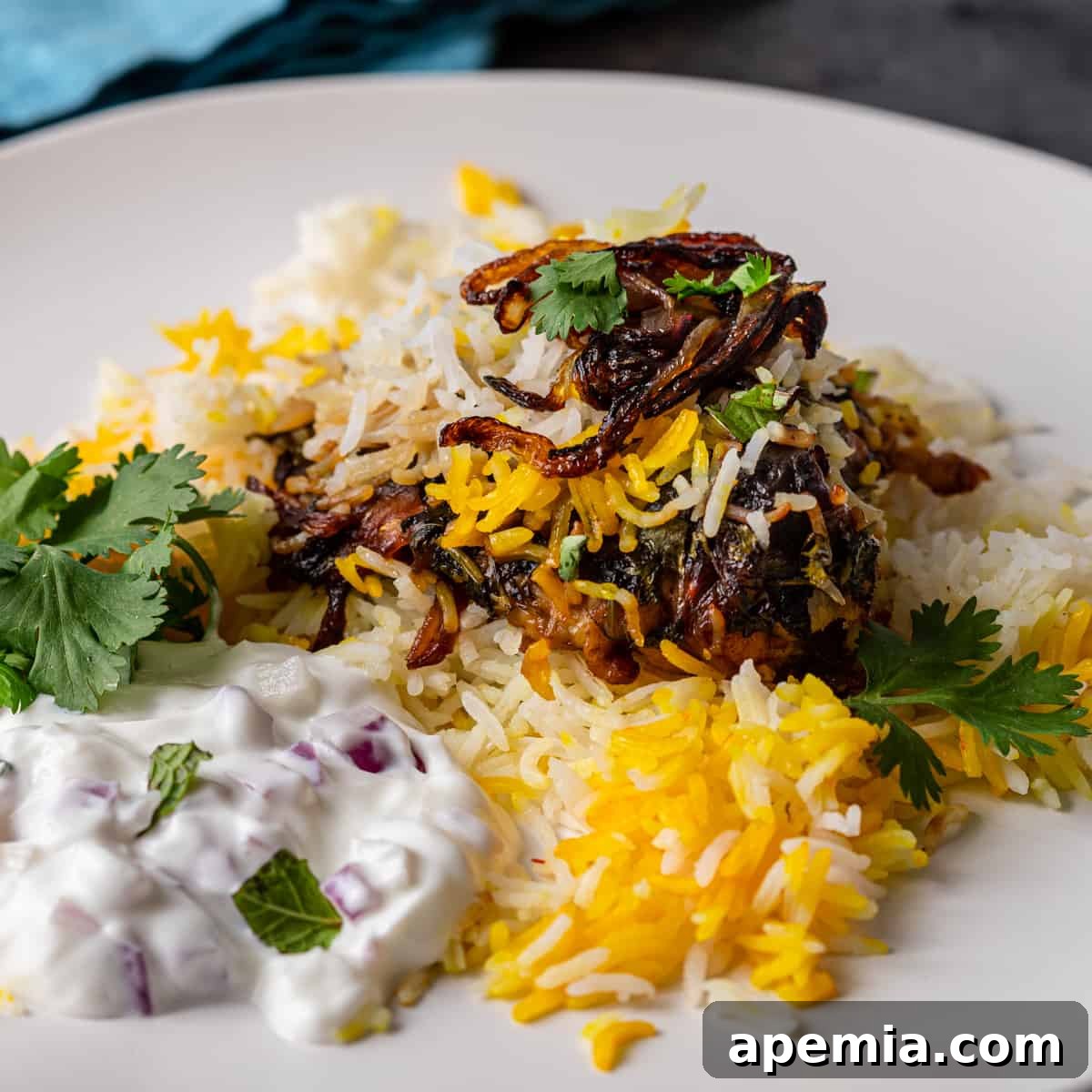
Chicken biryani is a majestic and complex dish, celebrated across the Indian subcontinent for its exquisite balance of rich flavors and aromatic spices. This culinary masterpiece artfully combines tender, succulent pieces of chicken, deeply marinated in a vibrant yogurt-based blend of potent spices, with fragrant, seasoned basmati rice and a medley of fresh herbs. Each layer is meticulously prepared and infused with a symphony of aromatic seasonings like saffron, red chili powder, and garam masala, slow-cooked to perfection to create a truly unforgettable gastronomic experience.
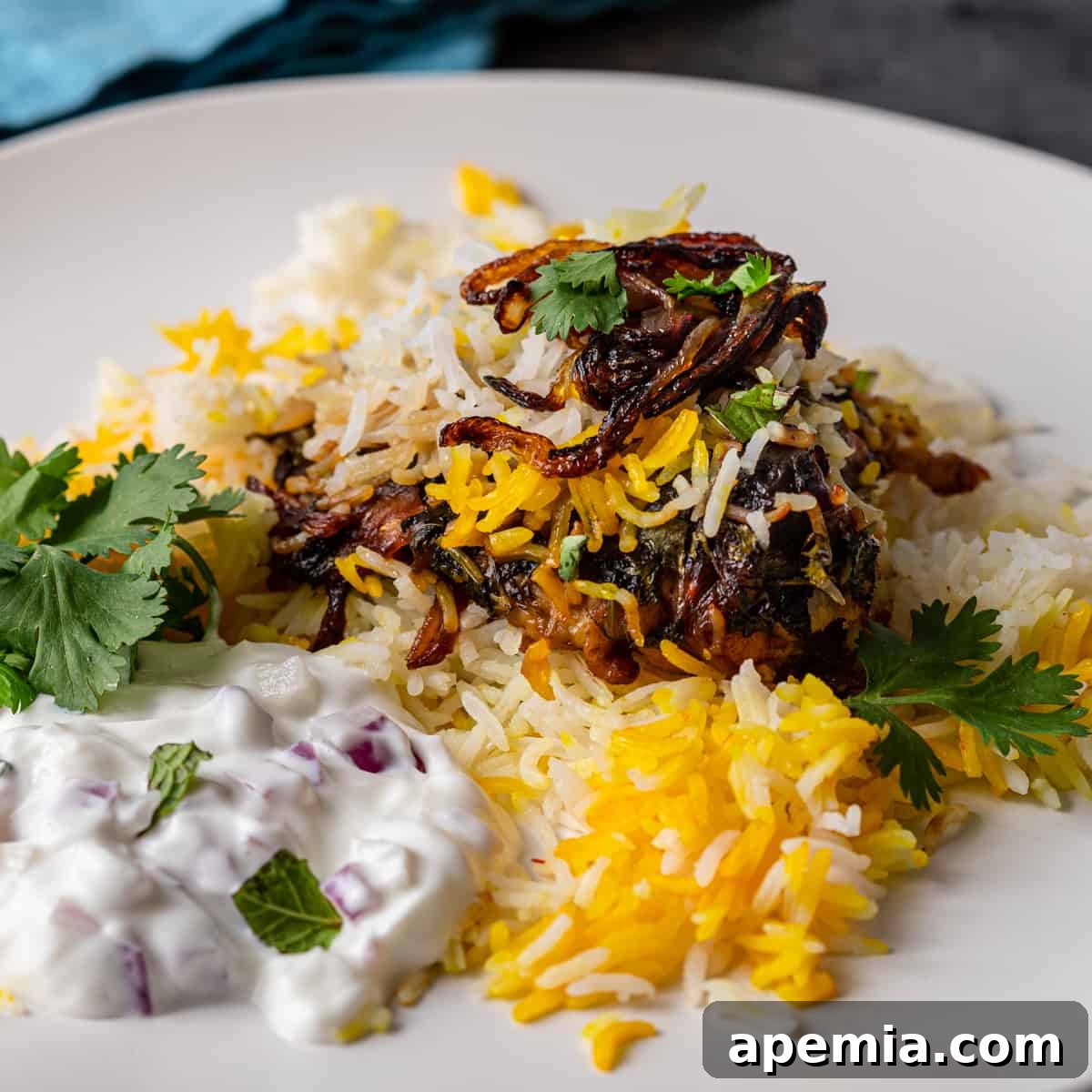
Biryani (pronounced bee-ree-ah-nee) is more than just a dish; it’s a testament to centuries of culinary artistry and cultural exchange. This traditional South Asian delicacy, characterized by its generous use of long-grain basmati rice, tender chicken, and a vibrant array of aromatic herbs and spices, offers a feast for all the senses. Our rendition of this classic biryani recipe features juicy chicken thighs, beautifully crowned with golden, crispy fried onions, delivering a masterful combination of textures and flavors that promises to transport your palate directly to the heart of India.
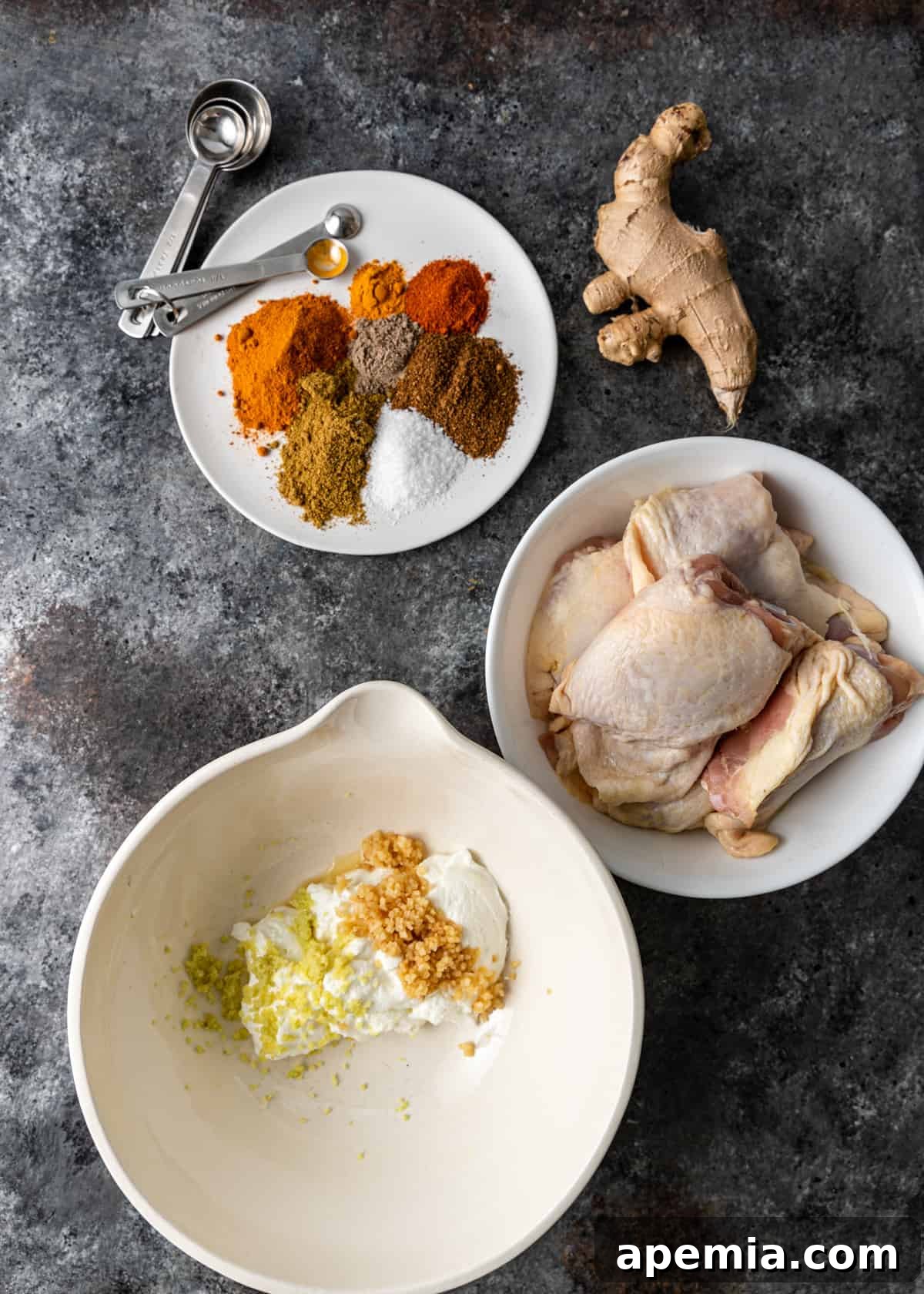
Embarking on the journey of crafting this biryani is an aromatic adventure in itself, as it calls for a diverse collection of essential Indian herbs and spices. You might find your entire spice cabinet adorning your kitchen counter as you bring this flavorful and authentic dish to life!

Chicken biryani is an exceptional one-pot recipe, making it an ideal choice for serving a large family or entertaining guests. The rich, yogurt-based curry marinade serves a dual purpose: it not only infuses the chicken with deep, complex flavors but also creates a savory, aromatic sauce that permeates the layers of rice and meat during cooking. For added convenience, the chicken can be marinated in advance, allowing you to prepare a significant portion of this magnificent meal ahead of time and minimize last-minute cooking stress.
Table of Contents
- A Culinary Journey: The History and Evolution of Biryani
- Essential Ingredients for an Authentic Chicken Biryani
- How to Make Perfect Chicken Biryani Step-by-Step
- Expert Tips for a Flawless Biryani
- Recommended Kitchen Tools
- Storing and Reheating Your Biryani
- Frequently Asked Questions About Biryani
- Full Chicken Biryani Recipe Card
If you’re searching for more delicious and convenient one-pot rice dishes to enrich your dinner repertoire, explore our Kabsa, Keema Matar, and many other delightful curries available on our site.
A Culinary Journey: The History and Evolution of Biryani
The origins of biryani are as rich and layered as the dish itself, deeply rooted in the history of the Indian subcontinent and beyond. While its exact birthplace is often debated, many culinary historians trace biryani’s ancestry back to Persia (modern-day Iran). The word “biryani” itself is believed to be derived from the Persian word “Birian,” meaning “fried before cooking,” or “Birinj,” meaning rice. This suggests an ancient cooking technique where rice was par-fried in ghee before being boiled, a practice that still contributes to the distinct texture and aroma of many biryani preparations today.
The dish is thought to have made its way to India with the arrival of the Mughal emperors in the 16th century, who were renowned for their elaborate and exquisite cuisine. The royal kitchens of the Mughals refined and enriched the Persian recipes, blending them with local Indian spices and ingredients. As it traveled along ancient trade routes and with the movement of empires, traders, and pilgrims, biryani adapted to local ingredients and diverse culinary traditions. This fusion led to the countless regional variations we know today, each boasting its unique blend of spices, cooking methods, and protein choices. From the royal kitchens of Hyderabad and Lucknow, with their distinct ‘dum’ cooking styles, to the coastal flavors of Malabar and the subtly spiced varieties of Kolkata, biryani evolved into a diverse and beloved staple across South Asia, becoming a symbol of celebration, hospitality, and culinary pride.
Today, biryani is more than just a meal; it’s a cultural icon, representing centuries of culinary innovation and cross-cultural exchange. Its enduring popularity is a testament to its complex, harmonious flavors, captivating aromatic appeal, and the communal joy it brings to the table, making it a staple at special occasions and family gatherings alike.
Essential Ingredients for an Authentic Chicken Biryani
(A full list of ingredients and precise quantities can be found in the recipe card below.)
Understanding Indian Bay Leaf (Tej Patta)
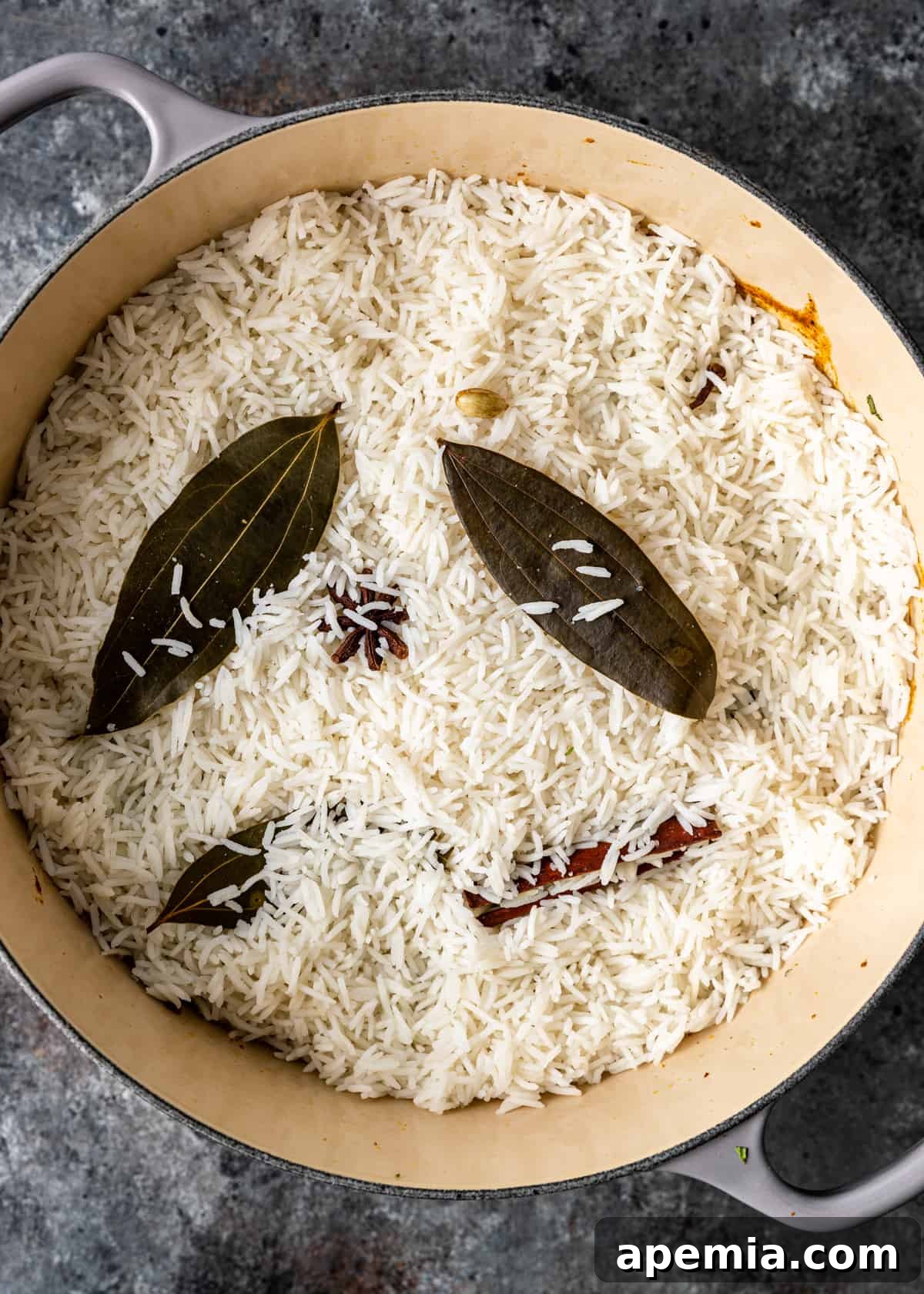
The Indian Bay Leaf, known as Tej Patta, is a distinctive and often misunderstood ingredient in South Asian cuisine. Unlike the more common laurel bay leaf used in Western cooking, Tej Patta originates from the cassia tree and boasts a unique flavor profile that leans closer to cinnamon and clove, albeit with a much more subtle, leafy nuance of its own. It’s characterized by its larger size and three prominent veins running through the leaf.
For authentic biryani, Tej Patta is highly recommended and typically added whole, cooked for the duration of the dish, and often removed before serving. Due to its unique flavor, we do not recommend substituting it with a laurel bay leaf. If Indian Bay Leaf is unavailable, it’s generally best to omit it entirely. However, if you wish to impart a similar warmth, a tiny pinch of cinnamon bark or an extra whole clove can offer a very subtle approximation.
Key Components for an Unforgettable Biryani:
- Chicken: For the most succulent and intensely flavorful biryani, we highly recommend using bone-in, skin-on chicken thighs or legs. The dark meat possesses a richer flavor and maintains its moisture exceptionally well during the slow cooking process, effectively preventing the dryness often associated with chicken breasts.
- Onions: Onions play a dual, indispensable role. They form the foundational flavor base for the chicken marinade and are also transformed into the critical crispy fried topping (birista). To achieve that coveted crisp texture for the garnish, slice them uniformly and very finely.
- Aromatic Herbs:
- Saffron (Kesar): This precious spice is the jewel of biryani, imparting a delicate, floral aroma, a distinct flavor, and a beautiful, luxurious golden hue to the rice. Our recipe specifies ½ teaspoon (approximately 50 threads or ¼ gram). To maximize its flavor and color release, it’s essential to grind the threads into a fine powder using a mortar and pestle before allowing them to “bloom” in warm liquid.
- Fresh Mint Leaves: Mint provides a vibrant, refreshing counterpoint to the rich spices, adding a crucial layer of freshness. If fresh mint is challenging to source or if you’re exploring subtle variations, lemon balm can offer a delicate minty-citrusy note.
- Fresh Cilantro Leaves: Indispensable for its bright, herbaceous, and slightly peppery notes, fresh cilantro contributes significantly to the biryani’s aromatic complexity. If cilantro is not preferred or unavailable, fresh parsley or Thai basil can serve as substitutes, though the overall flavor profile will shift.
- The Flavorful Marinade (The Heart of the Biryani): This tangy, robust, and deeply spiced curry marinade is what infuses the chicken with its signature taste. It is built upon a base of creamy plain yogurt, brightened by the subtle acidity of tomato puree, and lavishly seasoned with a complex array of aromatic spices:
- Minced Garlic & Fresh Grated Ginger: These foundational aromatics provide a pungent, warming depth that is characteristic of South Asian cuisine.
- Sweet Paprika: Crucial for its mild, earthy flavor and vibrant red color. It’s important to use sweet paprika, not smoked paprika, as the smoky notes are not typical of traditional biryani.
- Ground Cumin (Jeera): Adds a warm, earthy, and slightly pungent aroma, a cornerstone spice in many Indian dishes.
- Ground Cardamom (Hari Elaichi): Contributes a wonderfully sweet, floral, and subtly citrusy note, which is a signature and irreplaceable flavor in authentic Indian cooking.
- Garam Masala: A quintessential blend of warming spices common in Indian cooking. While readily available pre-made, making your own garam masala ensures maximum freshness and allows for customizability to your preference.
- Red Chili Powder (Lal Mirch): Provides the authentic heat and contributes to the rich color of the dish. Lal Mirch is preferred for its balanced warmth, but for a milder kick, Kashmiri chili powder is an excellent alternative. Cayenne pepper can also be used if you prefer a sharper heat.
- Ground Turmeric (Haldi): Essential for its vibrant golden-yellow color and earthy, slightly bitter notes, turmeric is a non-negotiable ingredient in any authentic curry base.
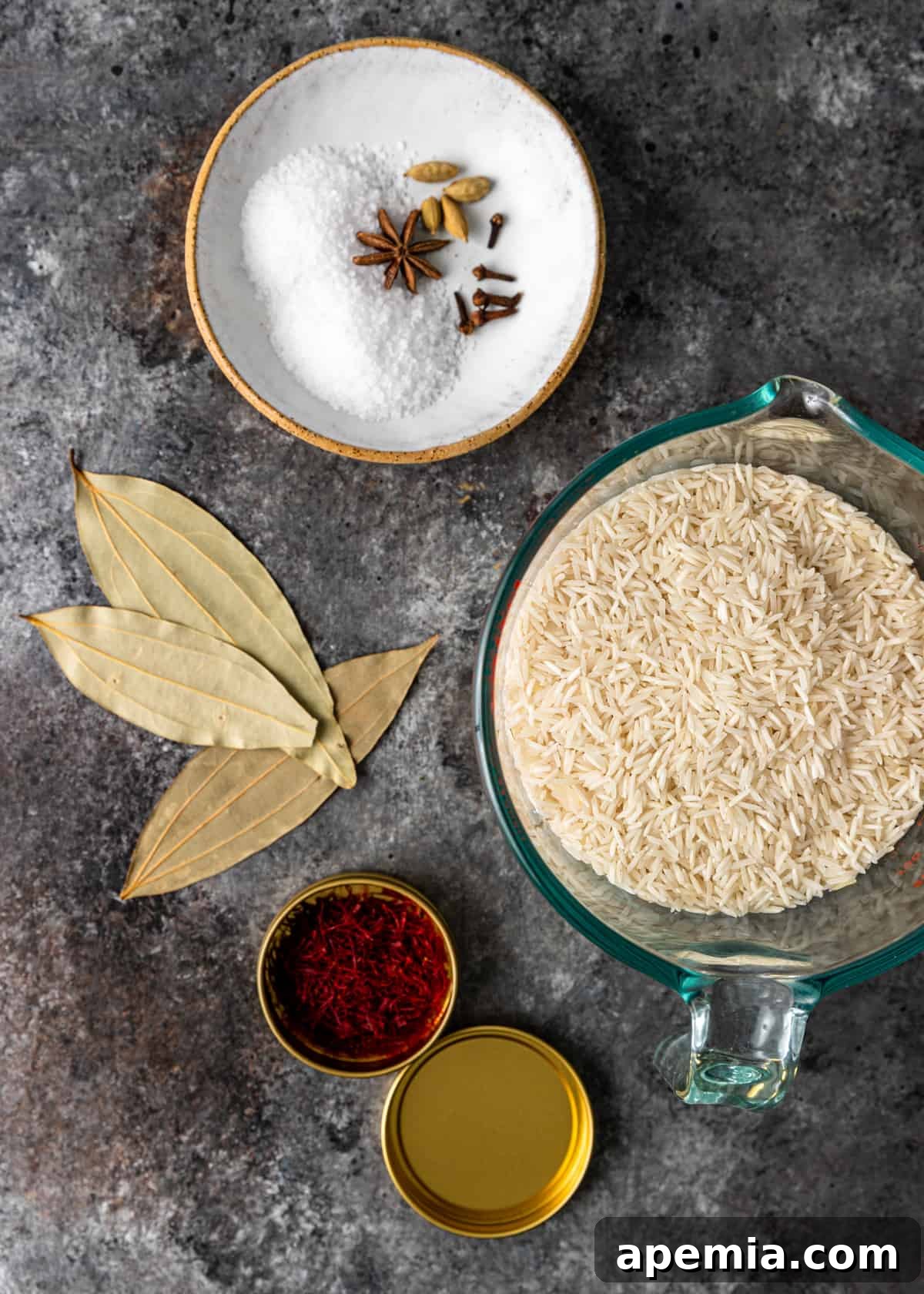
- Basmati Rice & Whole Spices: The selection of rice is paramount for a truly exceptional biryani. Premium long-grain basmati rice, celebrated for its fragrant aroma and distinct, separate grains, is seasoned during its parboiling phase with a fragrant bouquet of whole warming spices. These include whole cloves, green cardamom pods, cinnamon sticks (cassia bark), star anise, and dried bay leaves (tej patta). These whole spices impart a profound, fragrant depth to the rice, which is crucial for the biryani’s signature aroma. If any specific whole spice is unavailable, similar warm spices like allspice or a tiny amount of nutmeg can offer a subtle alternative, though retaining the core elements is always ideal for authenticity.

How to Make Perfect Chicken Biryani Step-by-Step
Creating an authentic chicken biryani is a rewarding experience that involves a few distinct stages, culminating in a dish rich with flavor and aroma. Follow these meticulous steps for a truly memorable meal:
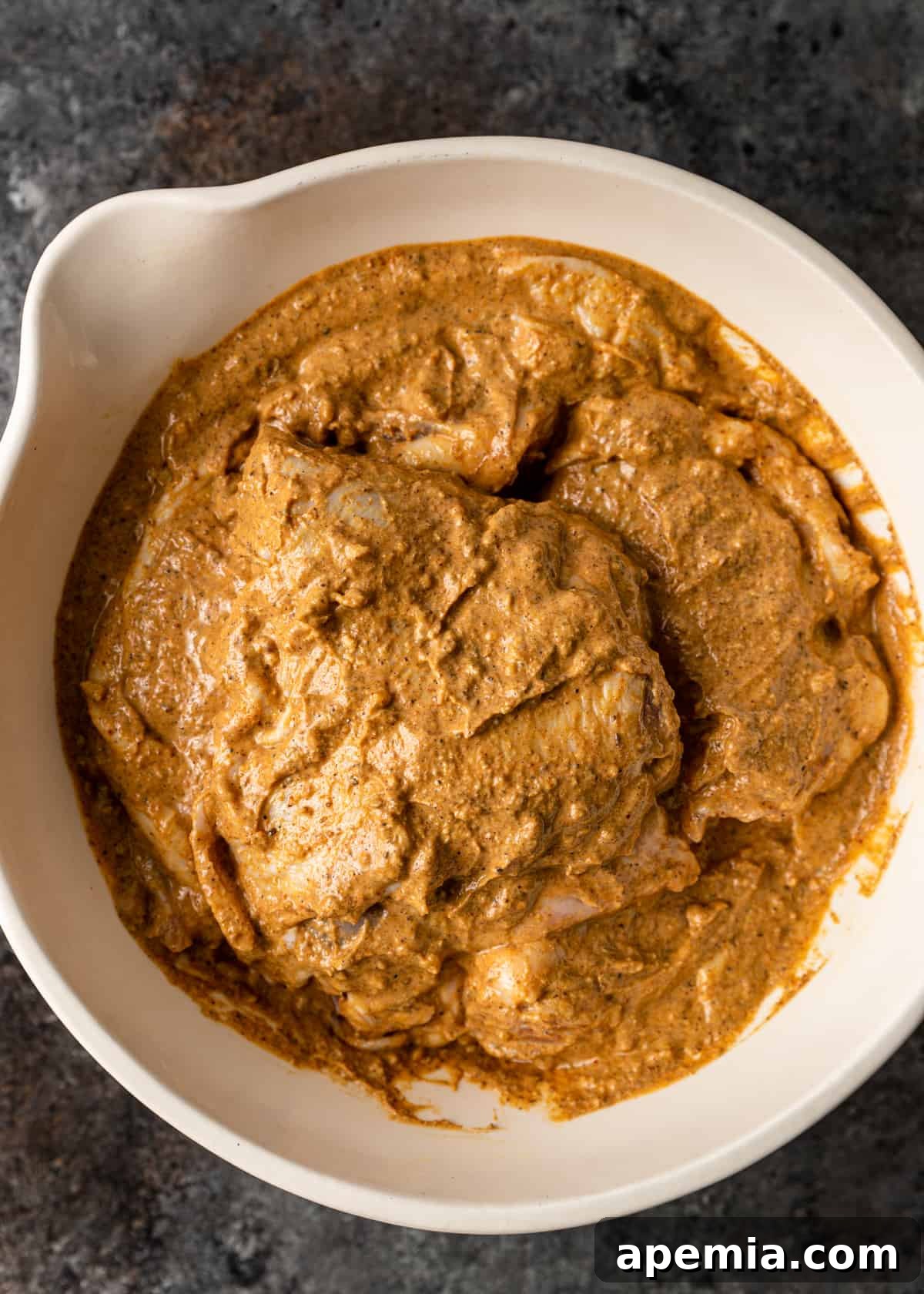
- Marinate the Chicken: In a large bowl, thoroughly whisk together all the ingredients for the curry marinade until they are well combined into a smooth paste. Add the chicken pieces, ensuring each piece is fully coated with the marinade. Cover the bowl tightly and refrigerate for at least 30 minutes. For optimal flavor penetration and tenderization, we strongly recommend marinating the chicken overnight. If you marinate overnight, remember to bring the chicken to room temperature for about 30 minutes before you begin cooking; this ensures more even cooking.
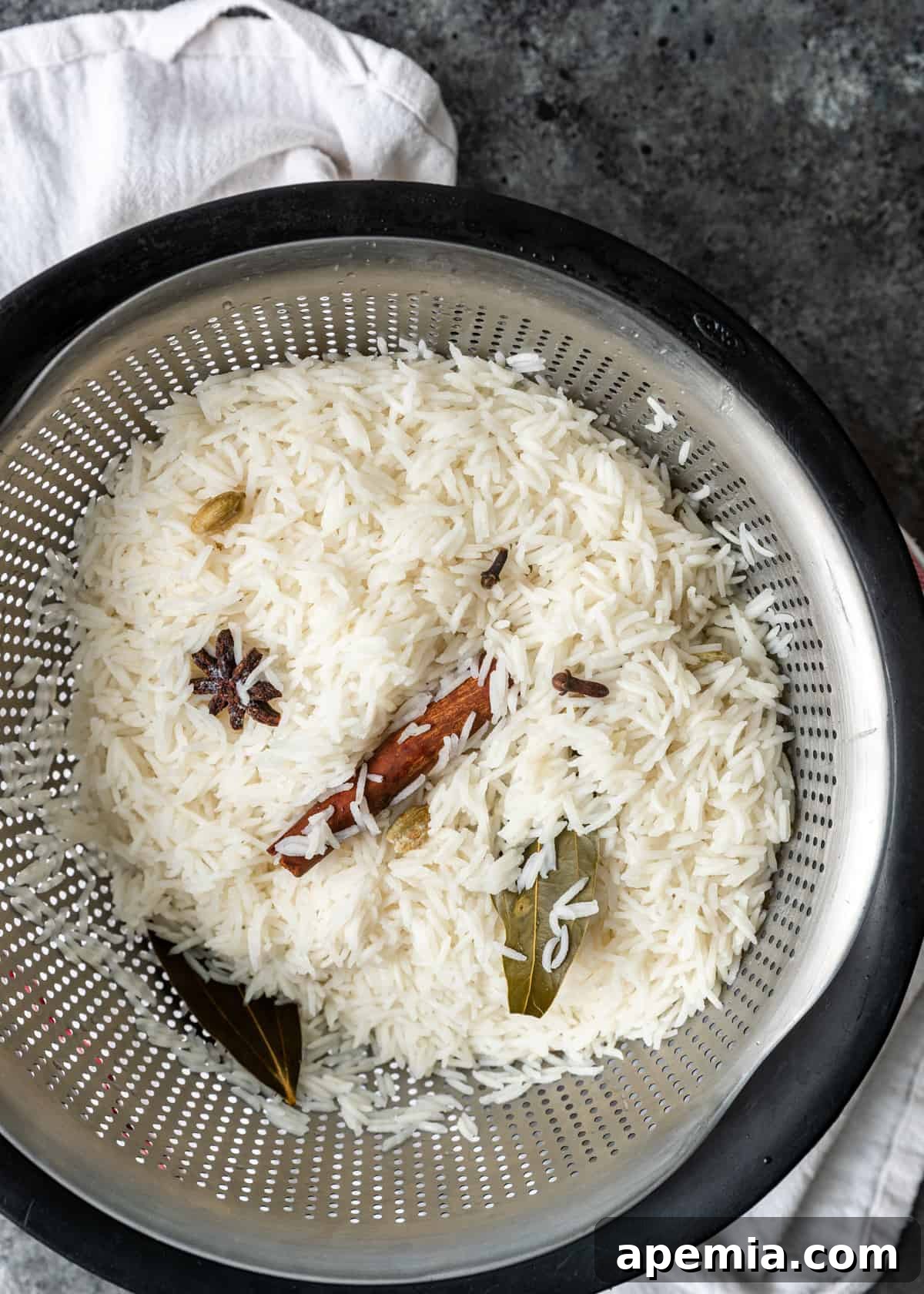
- Parboil the Basmati Rice: Bring a large pot containing about 8 cups of generously salted water to a rolling boil. Add the pre-rinsed basmati rice along with the whole spices (cloves, green cardamom pods, bay leaves, cinnamon stick, and star anise). Cook for approximately 5 minutes, or until the rice is about 70-80% cooked. It should still be firm in the center, exhibiting an al dente texture. This partial cooking is crucial for achieving distinct, fluffy, and non-sticky grains in the final biryani. Immediately drain the rice in a colander and set it aside, allowing any excess water to drip away.
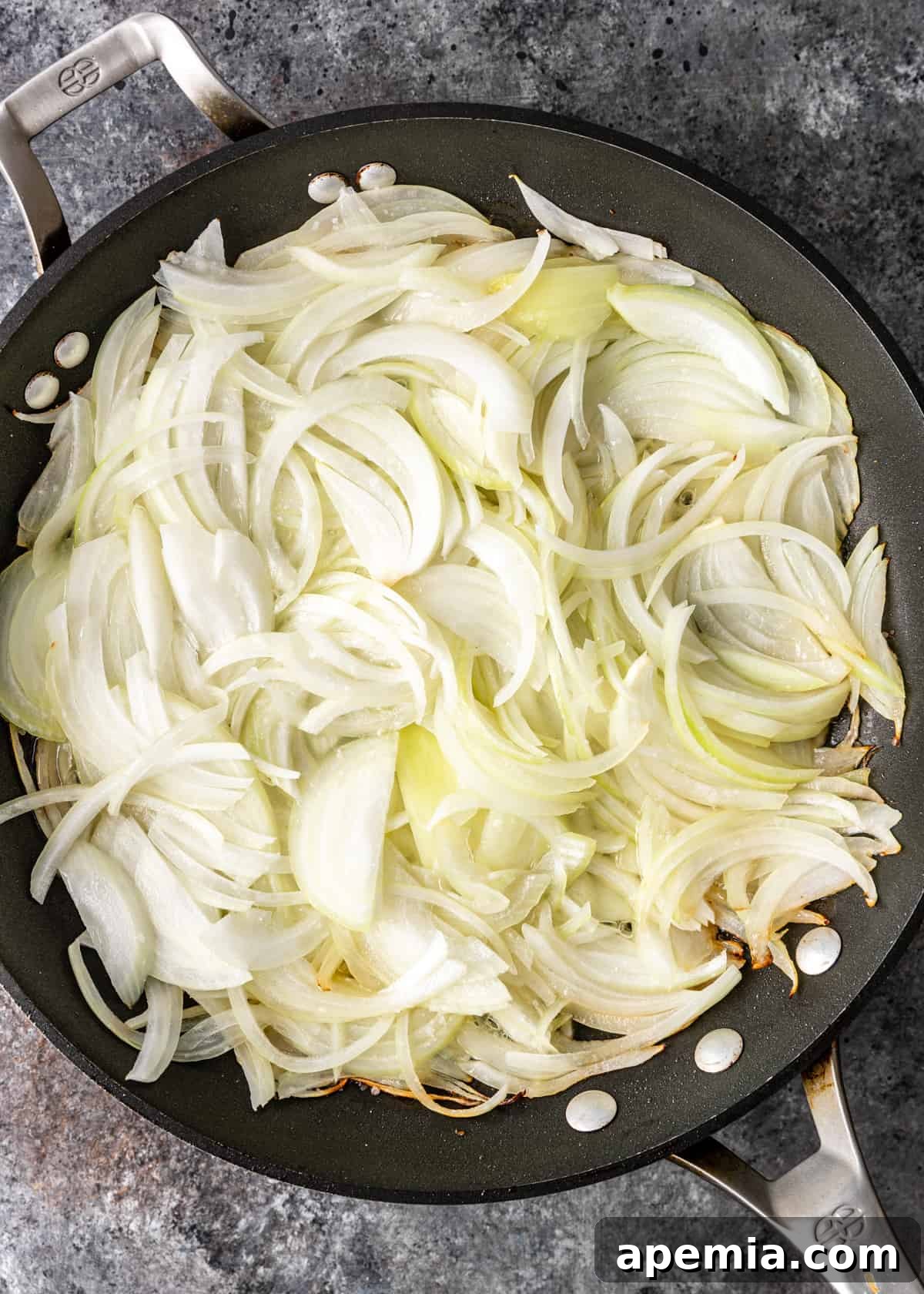
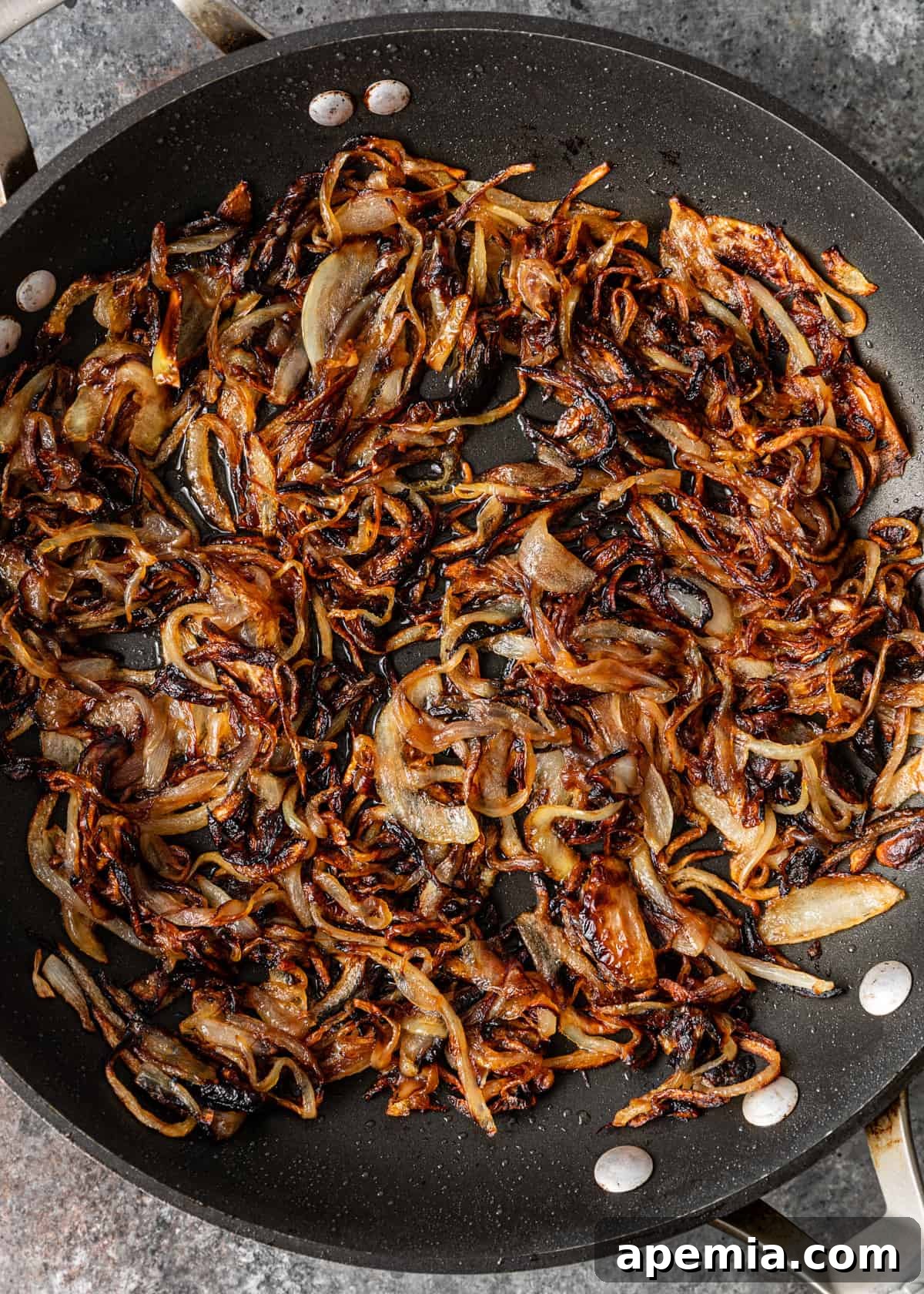
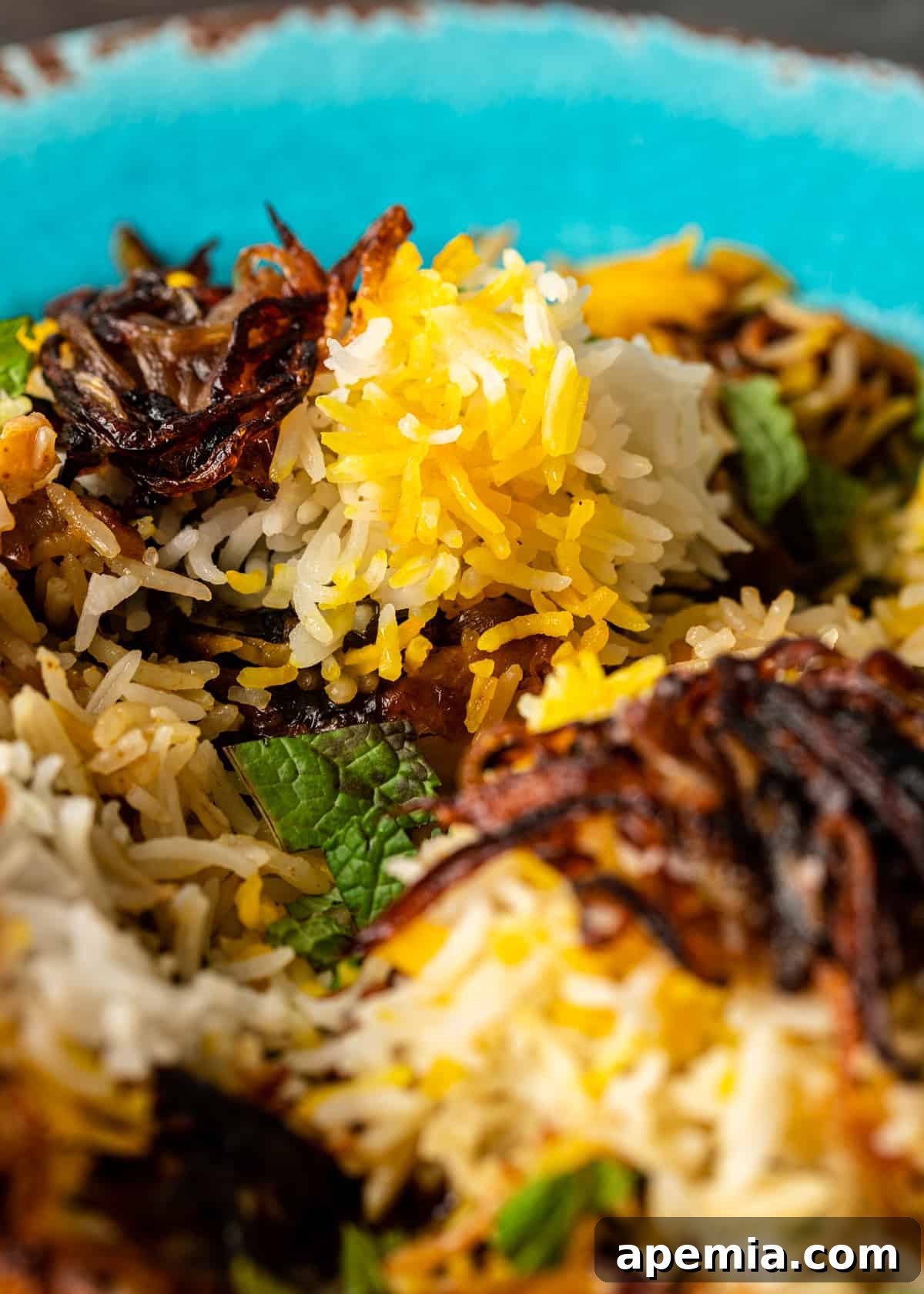
- Prepare the Crispy Onions (Birista): In a heavy-bottomed Dutch oven (or a large, deep skillet), heat ½ cup of vegetable oil over medium-high heat. Carefully fry the finely sliced onions in two separate batches to avoid overcrowding, which can lead to steaming instead of frying. Stir frequently for 4 to 5 minutes per batch, or until they turn a deep, golden brown and achieve a satisfying crisp texture. Use a slotted spoon or spider skimmer to transfer the fried onions to a plate lined with paper towels to drain excess oil. Lightly season the crispy onions with salt while they are still warm. Reserve all the flavorful oil in the Dutch oven; if you used a separate skillet for frying, transfer the infused oil to your main Dutch oven. This oil carries immense flavor.
- Bloom the Saffron & Chop Herbs: Gently grind the precious saffron threads into a fine powder using a mortar and pestle. Transfer the saffron powder to a small bowl and mix it with 2 tablespoons of warm water and 2 tablespoons of melted ghee (or butter). Stir well and allow the saffron to “bloom” for a few minutes; this process helps release its vibrant color and intense aroma. Concurrently, finely chop both the fresh mint and cilantro leaves and place them in a separate bowl, ready for the layering stage.
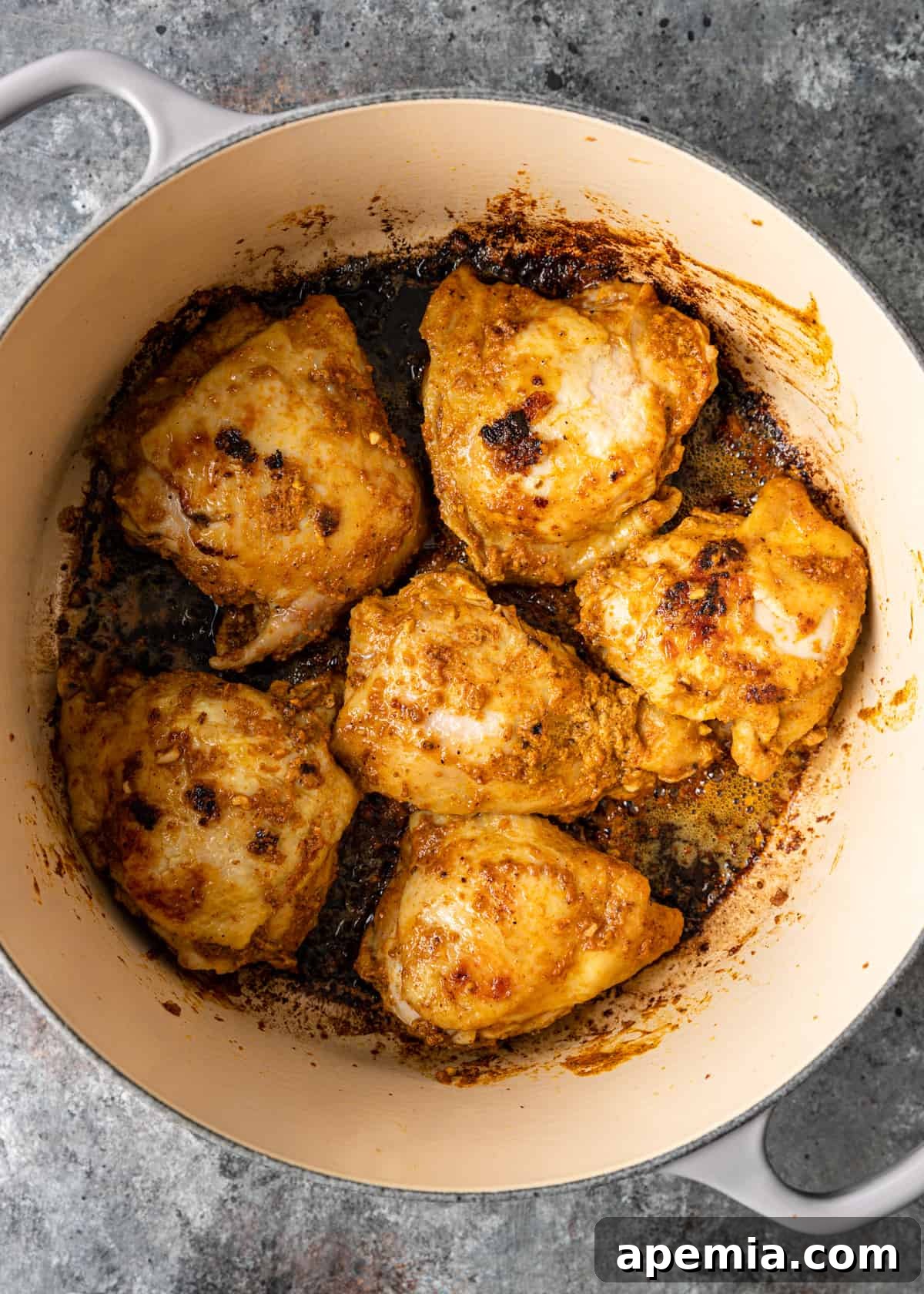
- Layer the Biryani (The Dum Method): Return the Dutch oven, containing the reserved onion-infused oil, to a medium heat. Add an additional tablespoon of fresh oil if necessary. Place the marinated chicken pieces, ideally skin-side down (if using skin-on chicken), directly into the Dutch oven. Cover the pot and cook for 5 minutes to initiate the cooking process for the chicken. Remove the lid, turn the chicken pieces over, and cook for another 5 minutes uncovered. After this, remove the Dutch oven entirely from the heat and place it on a cool burner.
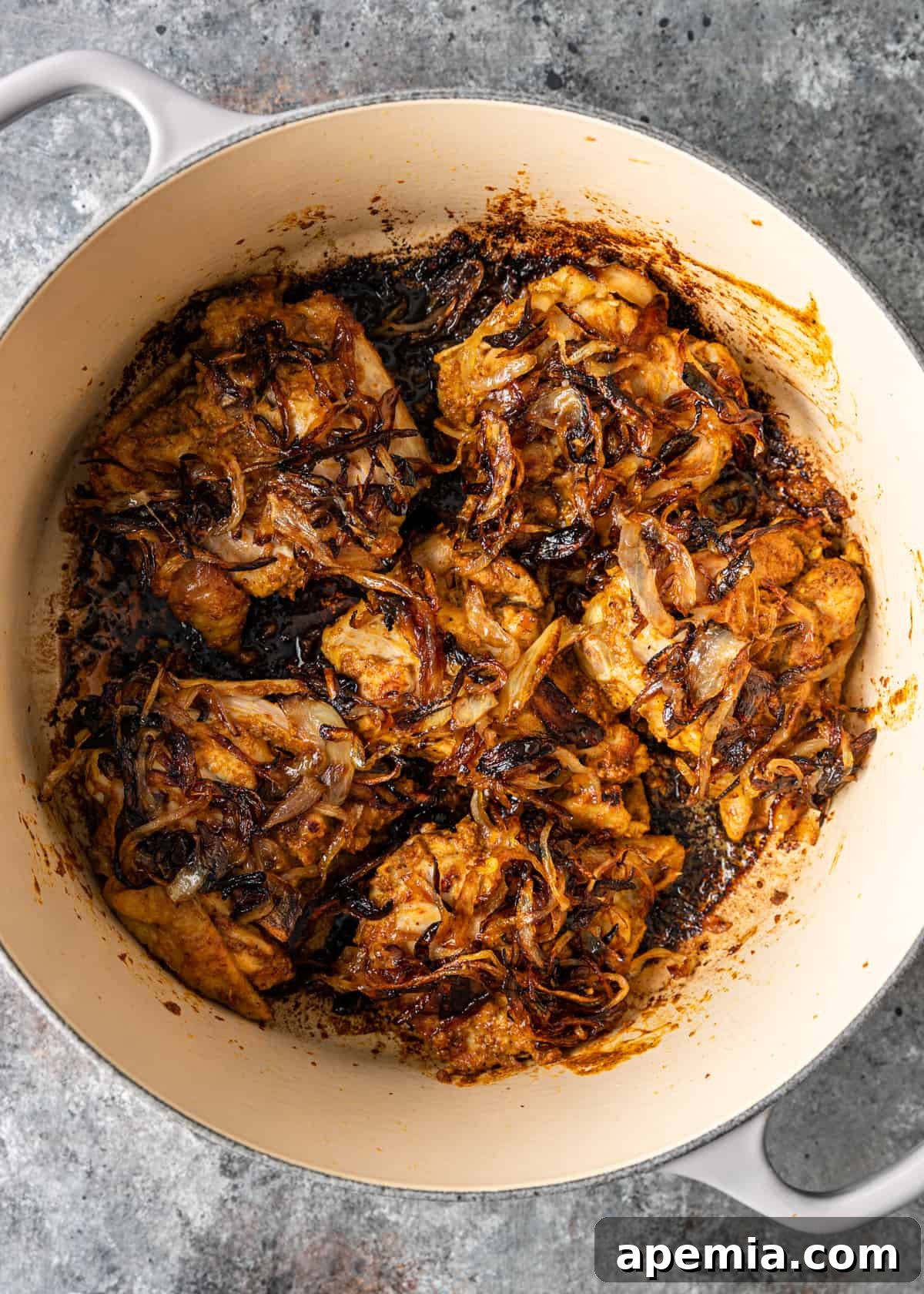
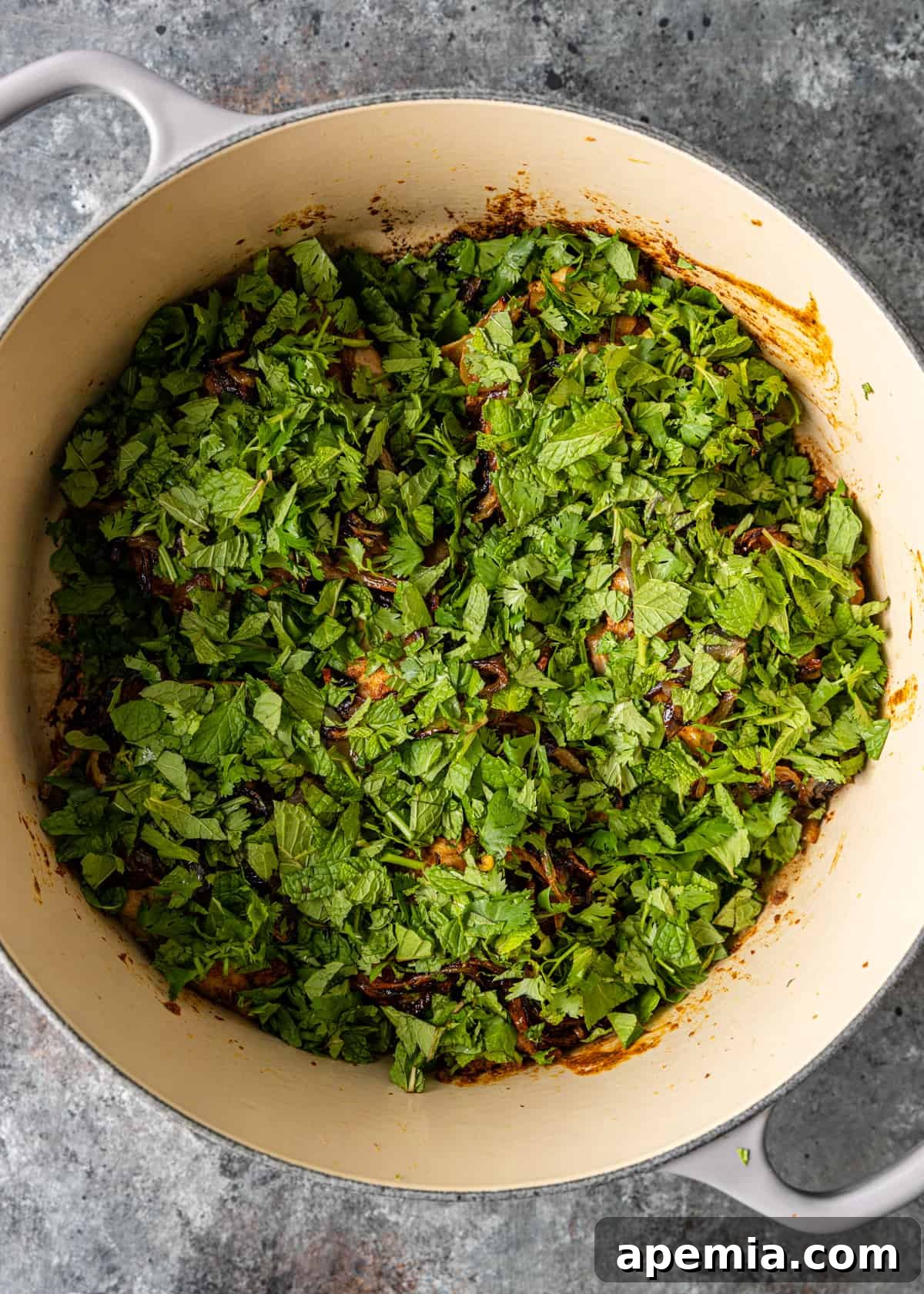
Now, meticulously begin the layering process: Evenly scatter half of the crispy fried onions over the chicken. Next, spread a generous layer of the chopped cilantro and mint leaves over the onions (remember to reserve a small amount of these fresh herbs for a final garnish). Carefully spoon all of the parboiled rice over the herbs and gently pat down the top with a spatula to create an even, flat surface. Finally, drizzle the bloomed saffron-ghee mixture evenly over the rice. This precise layering is essential for the traditional ‘dum’ method, where flavors are designed to meld together under sealed conditions.
- Slow Cook to Perfection (Dum Cooking): Securely cover the Dutch oven with a tight-fitting lid. If your lid does not seal very tightly, you can create an airtight seal by placing a strip of dough or heavy-duty aluminum foil around the rim of the pot before placing the lid on. This prevents steam from escaping. Place the Dutch oven back on the lowest possible heat setting and cook for 30 minutes. This ‘dum’ cooking technique allows the biryani to steam cook gently, ensuring that all the intricate aromas and flavors permeate every single grain of rice and piece of chicken.
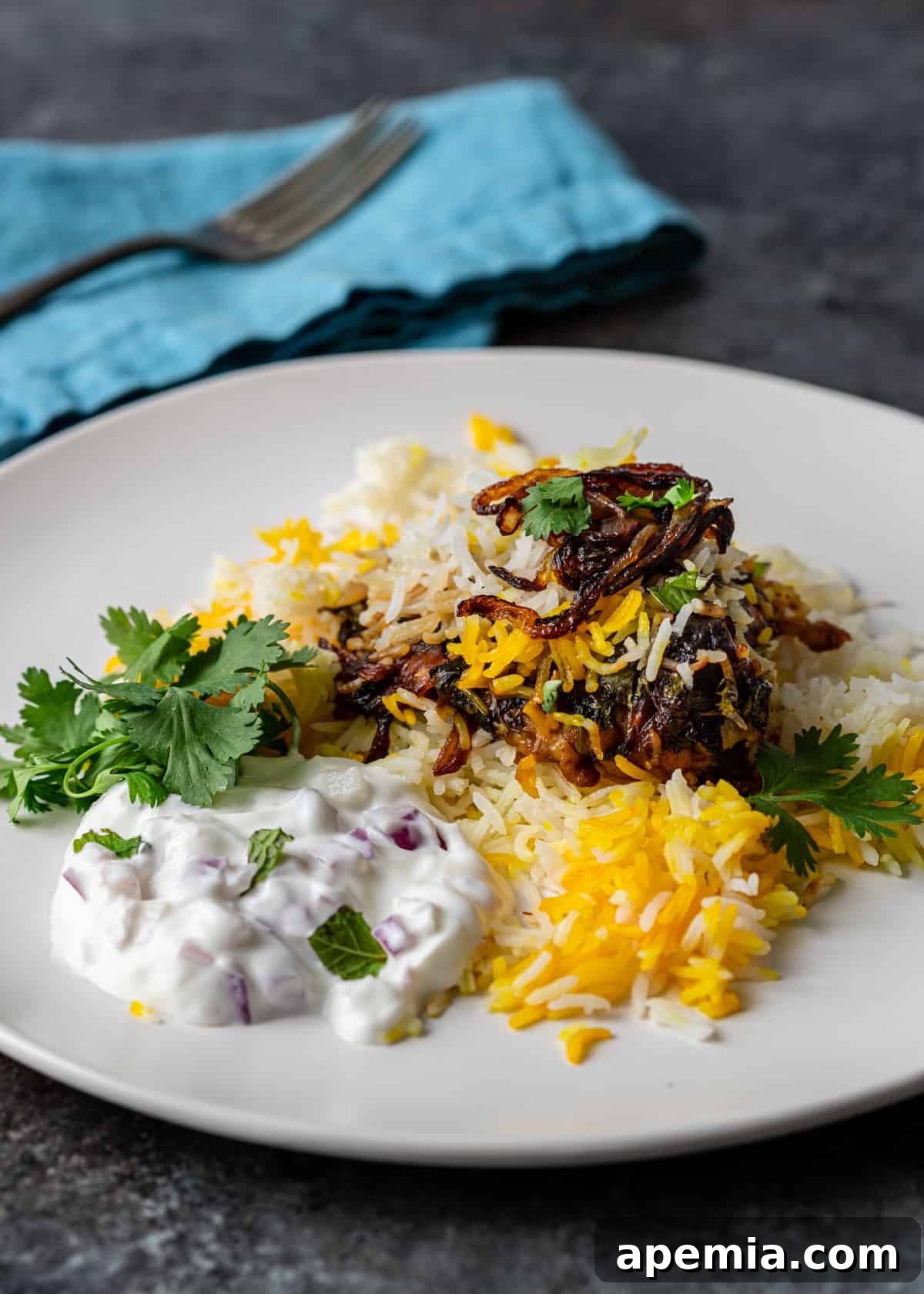
- Rest and Serve: Once the 30-minute cooking time is complete, remove the Dutch oven from the heat but crucially, leave it covered for an additional 10 minutes. This resting period is paramount; it allows the steam to redistribute, for the rice grains to become perfectly fluffy and distinct, and for the flavors to meld even further, resulting in a more cohesive and delicious dish. Before serving, gently comb through the biryani with a fork or a large spatula, scooping from the bottom upwards to mix the rich chicken and rice layers. If preferred, you can carefully remove any whole spices and bay leaves you find. Scoop deep into the pot to ensure each serving receives a wonderful mix of succulent chicken and flavorful rice. Garnish generously with the remaining crispy onions, reserved cilantro, and mint leaves. Serve hot and revel in the complexity of your homemade chicken biryani!

Expert Tips for a Flawless Biryani Every Time
- Optimal Marination Time: Do not underestimate the power of marination. While a minimum of 30 minutes works, an overnight marinade is truly transformational. It allows the chicken to fully absorb the intricate flavors of the spices and yogurt, resulting in profoundly more tender and aromatic chicken. Always bring the marinated chicken to room temperature for about 30 minutes before cooking to ensure even heat distribution.
- Achieving Perfectly Parboiled Rice: The goal for your basmati rice is 70-80% cooked – firm but pliable, definitely not mushy. Overcooked rice will break and become sticky during the ‘dum’ cooking, ruining the texture. Undercooked rice, conversely, will remain hard. Typically, basmati takes 5-7 minutes of boiling. Taste test often.
- Mastering Crispy Fried Onions (Birista): This step is paramount for authentic biryani. Slice your onions uniformly thin. Fry them in batches to prevent overcrowding, which traps moisture and steams the onions instead of frying them. Fry until they reach a deep golden brown, then quickly transfer them to paper towels to drain. They will crisp up further as they cool. Critically, do not discard the flavored oil from frying; it’s liquid gold for the biryani!
- The Magic of Saffron: Always “bloom” your saffron. Grinding the delicate threads before soaking them in warm water, milk, or ghee (as in this recipe) helps to fully release its vibrant color and intoxicating aroma. This potent elixir is essential for biryani’s signature hue and fragrant depth.
- The Art of Layering (Dum Method): The ‘dum’ cooking method is where the biryani magic truly happens. It involves layering the partially cooked ingredients in a heavy-bottomed pot and sealing it tightly to cook in its own steam. This traps all the aromatic vapors, allowing the chicken to cook slowly and the rice to absorb the rich flavors from the bottom layer. Ensure your pot has a very tight-fitting lid; a simple trick is to place a strip of aluminum foil or dough under the lid to create a perfect, airtight seal.
- The Essential Resting Period: Just like a perfectly roasted joint of meat, biryani benefits immensely from a resting period after cooking. Allowing it to rest, still covered, for 10 minutes off the heat helps redistribute the steam, allows the rice grains to firm up and separate, and encourages all the complex flavors to meld even further, resulting in a more cohesive and delicious dish.
- Gentle Serving: When it’s time to serve your masterpiece, avoid vigorous stirring. Instead, gently scoop from the bottom upwards using a large, flat serving spoon or spatula. This ensures that each plate receives a wonderful mix of the rich chicken masala from the bottom and the distinct, aromatic rice layers from the top, preserving the integrity of the individual rice grains.
Recommended Kitchen Tools for Biryani Success
- Heavy-Bottomed Dutch Oven: An indispensable tool for biryani. Its even heat distribution is ideal for both frying the onions to perfection and for the crucial ‘dum’ cooking process, where the biryani cooks slowly in its own steam. A large, deep, heavy-bottomed pot or a sturdy casserole dish with a tight-fitting lid can also be used effectively.
- Large Pot with Lid: Essential for efficiently parboiling the basmati rice before it’s layered into the biryani.
- Mortar and Pestle: The best tool for grinding delicate saffron threads into a fine powder, which is key to maximizing their flavor and color extraction. If you don’t have one, you can gently press the threads between your clean fingers or crush them lightly with the back of a spoon.
- Slotted Spoon or Spider Skimmer: Crucial for safely and easily removing the crispy fried onions from the hot oil.
- Large Spatula or Serving Spoon: For gently layering and serving the biryani without breaking the delicate basmati grains.

Storing and Reheating Your Biryani to Preserve Flavor
One of the wonderful aspects of chicken biryani is that it often tastes even more flavorful the next day, as the spices have had additional time to meld and deepen. To properly store leftovers, ensure the biryani has cooled completely to room temperature. Then, transfer it to an airtight container and refrigerate promptly. While it can be safely kept for up to 3-4 days in the refrigerator, the optimal texture and vibrant flavor are usually best enjoyed within the first 2 days.
When reheating biryani, maintaining moisture is crucial to prevent the rice from becoming dry, hard, or clumpy. You have a few excellent options:
- Stovetop Method (Recommended): For the best results, transfer the desired portion of biryani to a heavy-bottomed pan or skillet. Add a tablespoon or two of water or chicken broth per serving; this liquid is vital for rehydrating the rice. Cover the pan tightly with a lid and heat over very low heat. Stir occasionally and gently with a fork to fluff the rice and ensure even heating until it is thoroughly warmed through. The added liquid will help restore the rice’s soft texture and prevent it from sticking.
- Microwave Method: Place biryani in a microwave-safe dish. To help retain moisture, sprinkle a small amount of water (about a tablespoon per serving) over the top and cover the dish with a moist paper towel or a microwave-safe lid. Heat in short intervals (e.g., 60-90 seconds), stirring gently between each interval, until the biryani is thoroughly warmed. This method is quicker but can sometimes lead to slightly drier rice if not managed carefully.
Avoid overheating, as this can lead to dry chicken and brittle, unappealing rice grains. Gentle, slow reheating yields the best results, ensuring your biryani tastes almost as fresh as when it was first prepared.
Share this recipe on Pinterest!
Love this recipe? Share it with the world on Pinterest to inspire others to try this amazing and authentic South Asian dish.
Share on Pinterest
Frequently Asked Questions About Chicken Biryani
Parboiling refers to the process of partially cooking rice. In the context of biryani, rice is boiled in generously seasoned water until it is about 70-80% cooked and still firm in the center (al dente). This crucial technique ensures that the rice grains remain separate, distinct, and don’t become mushy or sticky during the final ‘dum’ cooking process when layered with the chicken and spices. It also allows the rice to absorb the complex flavors more effectively during the slow-cooking stage.
Biryani’s deep cultural and culinary heritage is widely attributed to Persia (modern-day Iran), from where it is believed to have traveled to the Indian subcontinent. It then flourished and evolved into numerous distinct variations across various regions now encompassing India, Pakistan, Bangladesh, and other South Asian countries, particularly under the profound influence of the Mughal Empire. Therefore, biryani is deeply ingrained in the culinary traditions of both India and Pakistan, with each region boasting its unique style and flavor profile. This chicken biryani recipe represents a popular Indian style, showcasing the rich diversity and shared culinary legacy of biryani across South Asia.
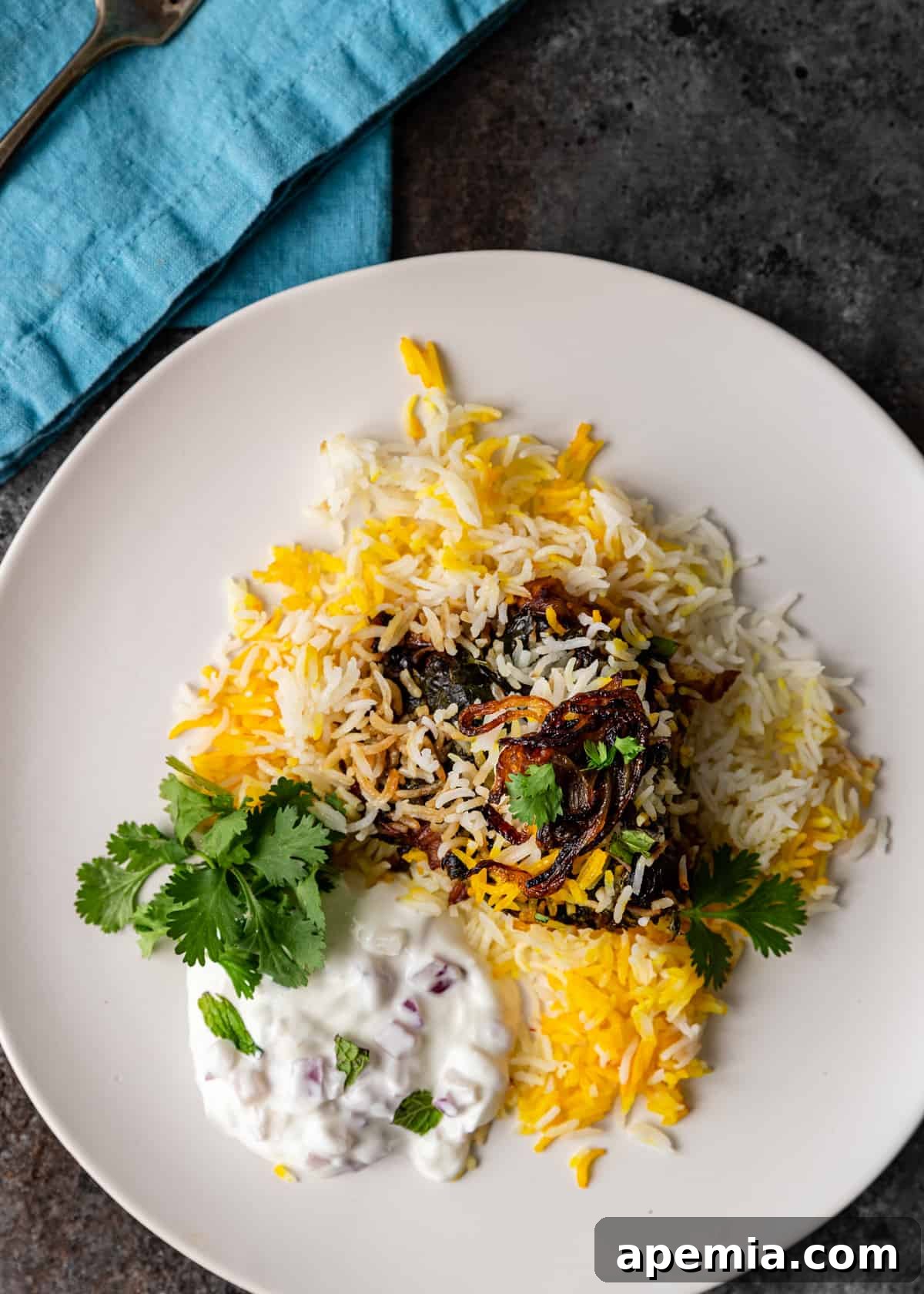
Chicken biryani is often considered a complete meal in itself, bursting with intricate flavors and varied textures. However, it is traditionally complemented by simple side dishes that enhance the overall dining experience. Popular accompaniments include raita (a cooling yogurt dip, often prepared with cucumber, mint, or boondi), various chutneys (such as a tangy tomato chutney or a refreshing mint chutney), or a crisp, fresh salad like fattoush. For a more substantial spread, you might pair it with flavorful vegetable side dishes such as Jalfrezi (a spicy vegetable stir-fry) or Aloo Gobi Matar (potatoes, cauliflower, and peas). A warm piece of soft naan bread for scooping up the flavorful rice and chicken is also a fantastic addition.
“Dum pukht” or simply “dum” cooking is a traditional slow-cooking method that is central to many biryani preparations. It involves sealing food in a heavy-bottomed pot (often with dough or foil) and cooking it over very low heat, allowing the ingredients to cook in their own steam and juices. In biryani, this technique is applied after layering the partially cooked rice over the marinated chicken (or other protein) and spices. The airtight seal traps the steam and aromas inside, ensuring that the chicken cooks gently until tender and the rice absorbs all the rich, complex flavors from the masala, resulting in an incredibly aromatic, moist, and tender dish.
Absolutely! While chicken biryani is incredibly popular, the biryani concept is remarkably versatile and can be adapted to various preferences. You can easily modify this recipe to use other proteins like succulent lamb, tender goat, or rich beef. For a delicious and hearty vegetarian option, substitute the chicken with a medley of mixed vegetables such as potatoes, carrots, green peas, green beans, mushrooms, or paneer (Indian cheese). Remember to adjust cooking times as necessary for different ingredients to ensure they are cooked through but not overdone. The core marinade, layering technique, and fragrant spice blend remain largely the same, making biryani a flexible dish suitable for diverse dietary choices.

Chicken Biryani
Chicken biryani features succulent meat marinated in a vibrant blend of yogurt, spices, and fresh herbs, meticulously layered with aromatic, spice-infused basmati rice and crowned with crispy fried onions.
Print Recipe
Video
A video guide demonstrating the steps to make this delicious Chicken Biryani will appear here.
Ingredients
- 1.5 lbs chicken thighs, skin on, bone-in (See Note 1)
- 2 medium yellow onions, finely sliced
- 1/2 cup vegetable oil
- 1/2 tsp saffron threads (kesar) (See Note 2)
- 2 tbsp warm water
- 2 tbsp ghee, melted
- 1/2 cup fresh cilantro leaves, chopped
- 1/2 cup fresh mint leaves, chopped
Curry Marinade
- 3/4 cup plain yogurt
- 1/2 cup tomato puree
- 2 tbsp vegetable oil
- 6 cloves garlic, minced
- 2 tbsp ground paprika (sweet, not smoked)
- 1 tbsp ginger (adarak), finely grated fresh
- 1 tbsp ground cumin (jeera)
- 2 tsp garam masala
- 1 1/2 tsp kosher salt
- 1/2 tsp red chili powder (lal mirch powder) or cayenne powder
- 1/2 tsp ground cardamom (hari elaichi)
- 1/4 tsp ground turmeric (haldi)
Rice
- 2 tbsp kosher salt
- 2 1/4 cups basmati rice
- 5 whole cloves (lavang)
- 4 green cardamom pods (hari elaichi)
- 3 dried bay leaves (tej patta)
- 1 cinnamon stick (cassia bark)
- 1 star anise (chakra phul)
Unit System: US Customary
Instructions
- Marinate Chicken: In a large bowl, combine and whisk all curry marinade ingredients thoroughly. Add the chicken pieces, ensuring they are well-coated. Cover the bowl and refrigerate to marinate for at least 30 minutes, or ideally overnight for best flavor. If refrigerated overnight, remember to bring the chicken to room temperature for about 30 minutes before cooking.
- Parboil Rice: Bring 8 cups of generously salted water to a rolling boil in a large pot. Add the pre-rinsed basmati rice along with the whole spices (cloves, cardamom pods, bay leaves, cinnamon stick, star anise). Boil for 5 minutes, or until the rice is partially cooked but still firm in the middle (al dente). Immediately drain the water thoroughly and set the rice aside in a colander.
- Fry Onions: Heat ½ cup of vegetable oil in a Dutch oven (or a large, deep skillet) over medium-high heat. Fry the finely sliced onions in two batches to ensure even crispness, cooking for 4 to 5 minutes per batch until they turn a deep golden brown. Using a slotted spoon, transfer the crispy onions to a paper towel-lined plate to drain and season them with salt while warm. Reserve all the remaining flavored oil in the Dutch oven; if using a separate skillet, transfer the oil to your main Dutch oven.
- Prepare Saffron & Herbs: Grind the saffron threads into a fine powder using a mortar and pestle. Place the saffron powder in a small bowl and mix with 2 tablespoons of warm water and 2 tablespoons of melted ghee (or butter). Stir well and allow the saffron to bloom. In a separate bowl, finely chop both the fresh cilantro and mint leaves.
- Cook Chicken Base: Return the Dutch oven with the reserved onion oil (adding 1 tablespoon of fresh oil if needed) to medium heat. Add the marinated chicken and its marinade to the pan. Cover and cook for 5 minutes. Remove the lid, turn the chicken pieces, and cook for another 5 minutes uncovered.
- Layer the Biryani: Remove the Dutch oven from the heat and place it on a cool burner. Turn the chicken pieces skin-side down (if applicable). Evenly scatter half of the crispy fried onions over the chicken. Next, layer the chopped cilantro and mint leaves over the onions (reserving approximately 2 tablespoons of herbs for garnish). Carefully top with all the parboiled rice, gently patting it down to create a flat, even surface. Finally, drizzle the bloomed saffron-ghee mixture evenly over the rice.
- Dum Cook: Securely cover the Dutch oven with a tight-fitting lid. If your lid is not airtight, use aluminum foil or a strip of dough to seal the edges completely. Place the Dutch oven on the lowest possible heat setting and cook for 30 minutes. This ‘dum’ cooking method allows the biryani to steam cook, infusing all layers with incredible aroma and flavor.
- Rest & Serve: After 30 minutes, remove the pot from the stove but leave the lid on for an additional 10 minutes to rest. This crucial step allows the flavors to settle and the rice to become perfectly fluffy. Before serving, gently mix the biryani by scooping from the bottom upwards to ensure each serving receives a delightful mix of chicken, rice, and masala. You may discard any whole spices or bay leaves you find, if preferred. Garnish with the remaining crispy onions and the reserved cilantro and mint leaves. Serve hot and enjoy!
Notes
- We strongly recommend using bone-in, skin-on chicken thighs (approximately 6 pieces) for this dish. Dark meat retains significantly more flavor and moisture compared to chicken breasts, which tend to dry out and become tough during the biryani’s slow-cooking process.
- A good quality saffron is potent and imparts a significant aroma and color. Approximately ½ teaspoon, or about 50 threads (¼ gram), is usually sufficient. For best results, grind the saffron threads into a fine powder using a mortar and pestle, then mix with warm water or ghee as directed in the recipe to allow its color and aroma to fully develop before adding to the biryani.
Nutrition Information (Estimated Per Serving)
Calories: 517 kcal |
Carbohydrates: 72g |
Protein: 30g |
Fat: 7g |
Saturated Fat: 5g |
Polyunsaturated Fat: 2g |
Monounsaturated Fat: 3g |
Trans Fat: 0.02g |
Cholesterol: 122mg |
Sodium: 3046mg |
Potassium: 720mg |
Fiber: 5g |
Sugar: 9g |
Vitamin A: 1606IU |
Vitamin C: 8mg |
Calcium: 136mg |
Iron: 4mg
The information shown is an estimate provided by an online nutrition calculator and should not be considered a substitute for a professional nutritionist’s advice.
Have You Made This Delicious Recipe? Let Us Know on Instagram!
Share your culinary creations! Tag @keviniscooking or use the hashtag #keviniscooking to share your biryani masterpiece with our community!