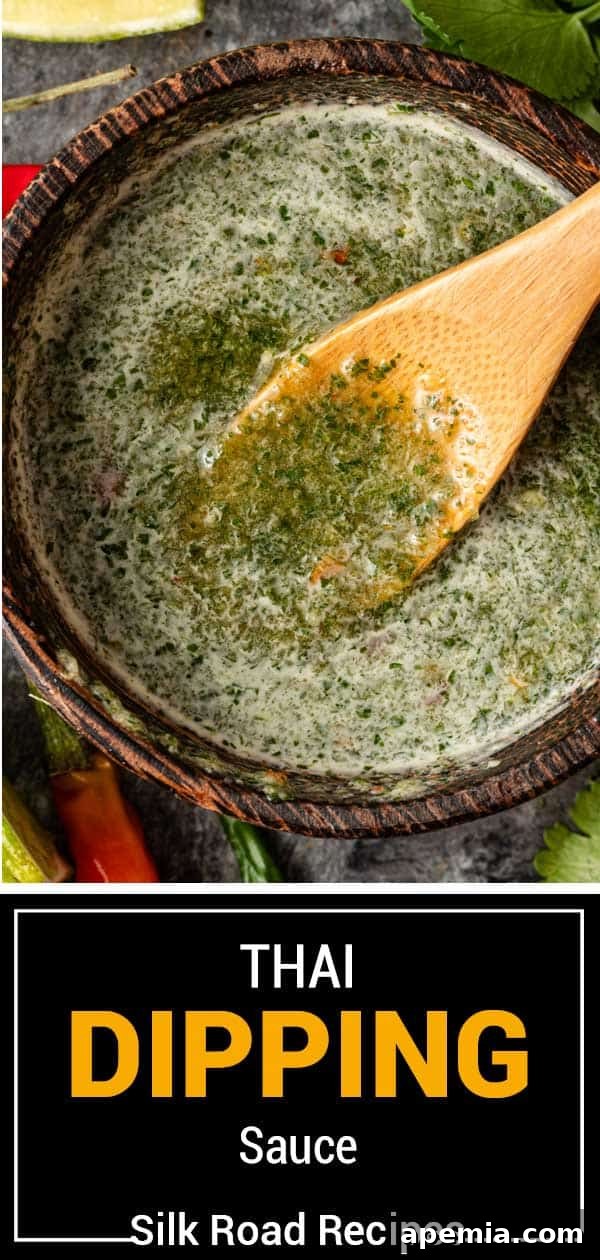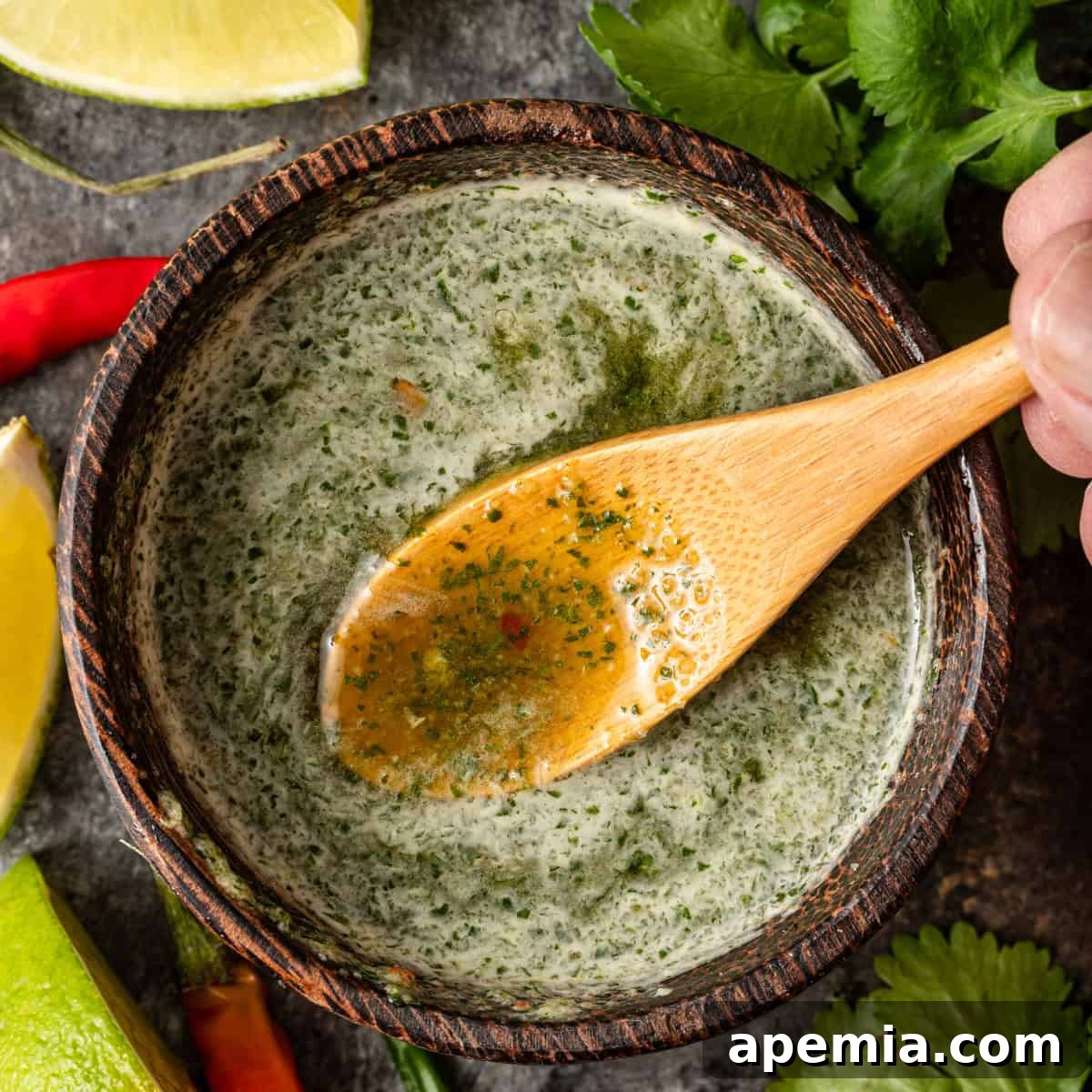
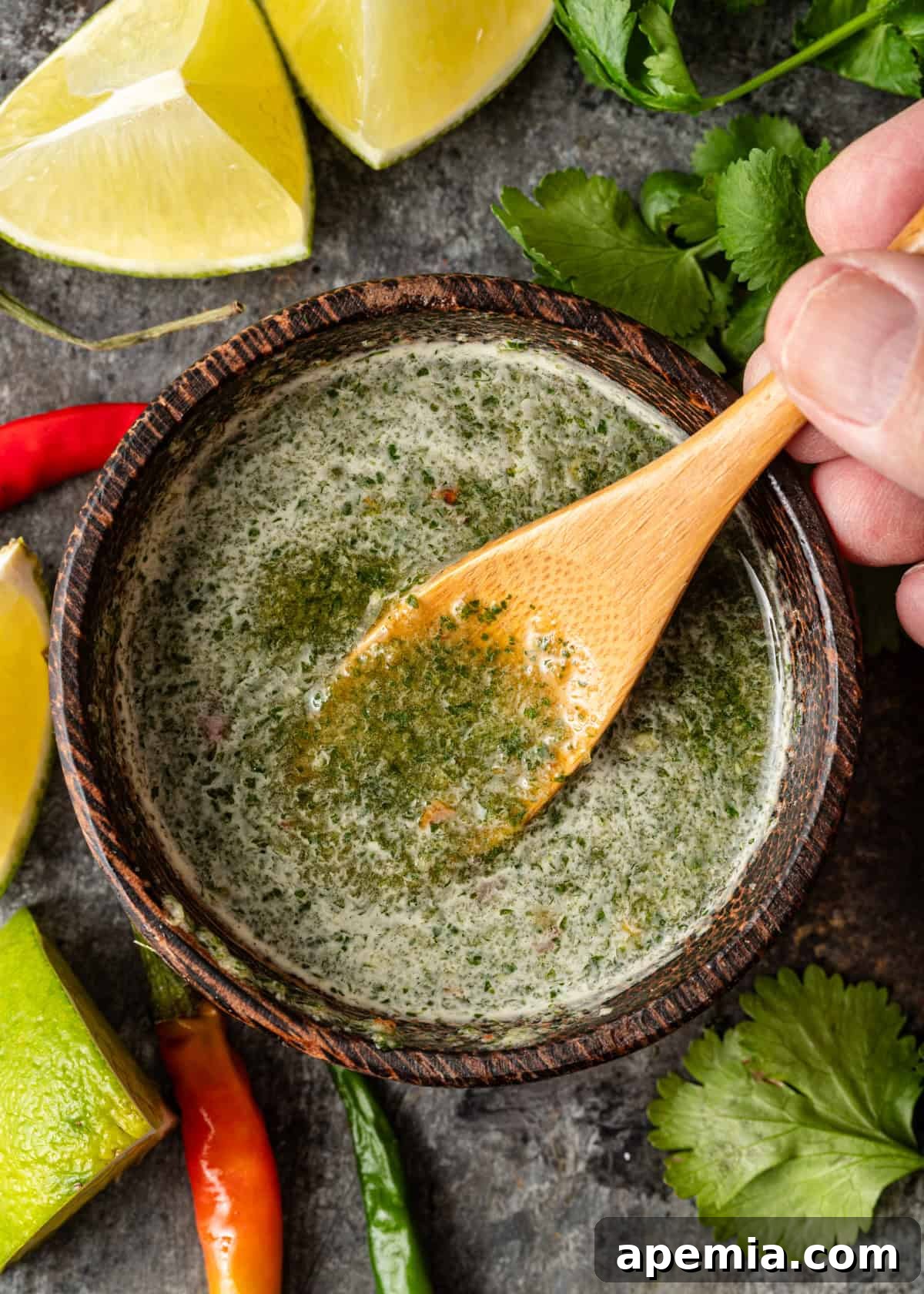
Experience the vibrant flavors of Thailand with this incredible homemade Thai dipping sauce. Known as “Nam Jim Seafood” in Thailand, this condiment is a culinary masterpiece, perfectly balancing garlicky pungency, fiery chili heat, refreshing lime tang, and umami-rich fish sauce. It’s the ultimate companion for grilled meats, fresh seafood, and countless other dishes, transforming every bite into an unforgettable journey for your taste buds. Get ready to elevate your home cooking with this essential Thai staple!
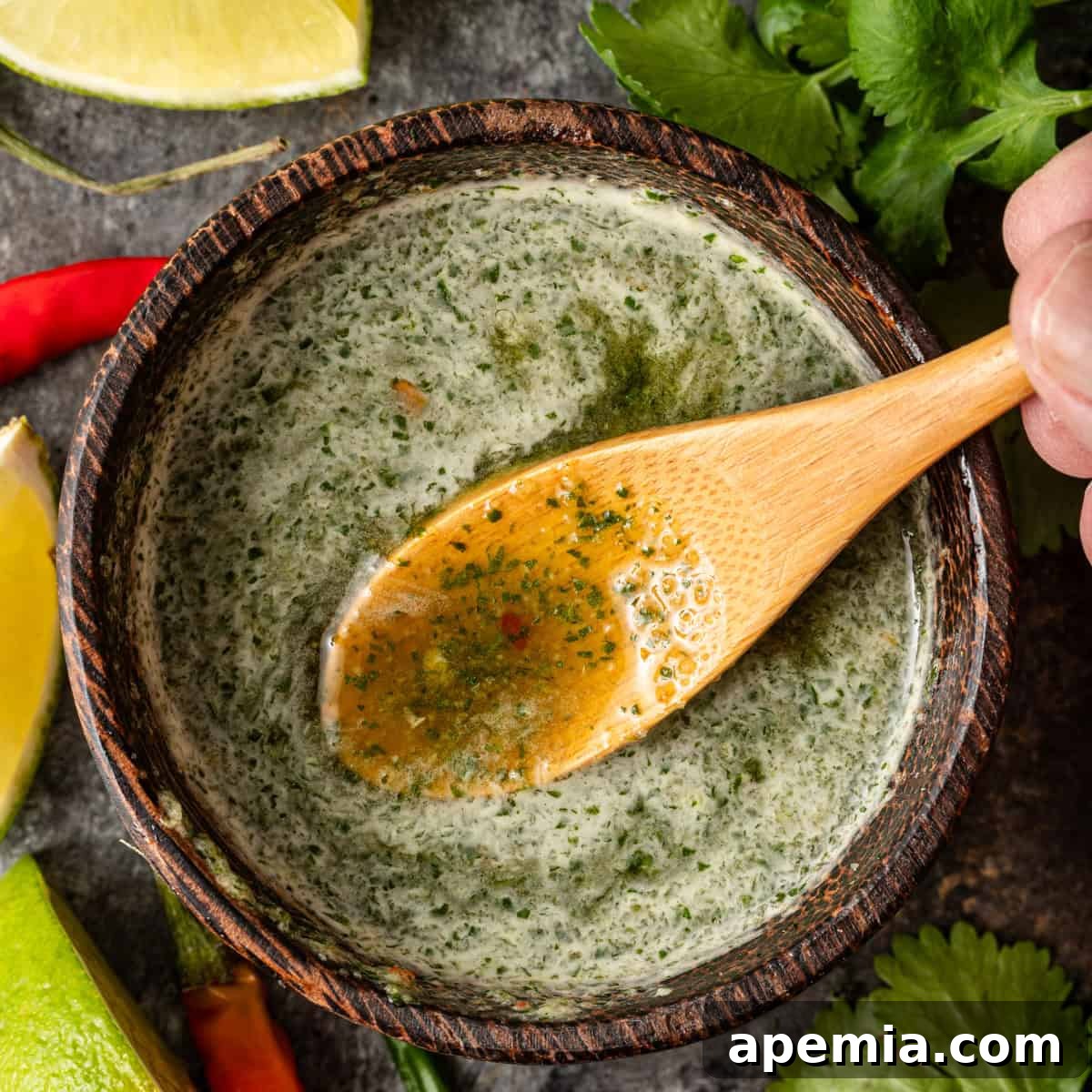
The Heart of Thai Cuisine: The Art of Dipping Sauces
Thailand’s culinary landscape is renowned for its intricate balance of flavors – sweet, sour, salty, spicy, and umami. A significant part of this gastronomic identity lies in its incredible array of dipping sauces, or “Nam Jim” (น้ำจิ้ม). These versatile condiments are not just an afterthought but an integral component of nearly every Thai meal, designed to complement and enhance the main dishes, from succulent grilled meats to delicate steamed fish.
My travels through Thailand consistently highlighted the prevalence and importance of these sauces. Whether feasting on street food or dining in upscale restaurants, a selection of vibrant dipping sauces always graced the table, each offering a unique flavor profile to match specific dishes. From the rich, nutty notes of “Nam Jim Satay” (peanut sauce) to the smoky, fiery punch of “Nam Jim Jaew” (a Northeastern Thai specialty often enjoyed with sticky rice and grilled pork), the variety is endless and truly inspiring.
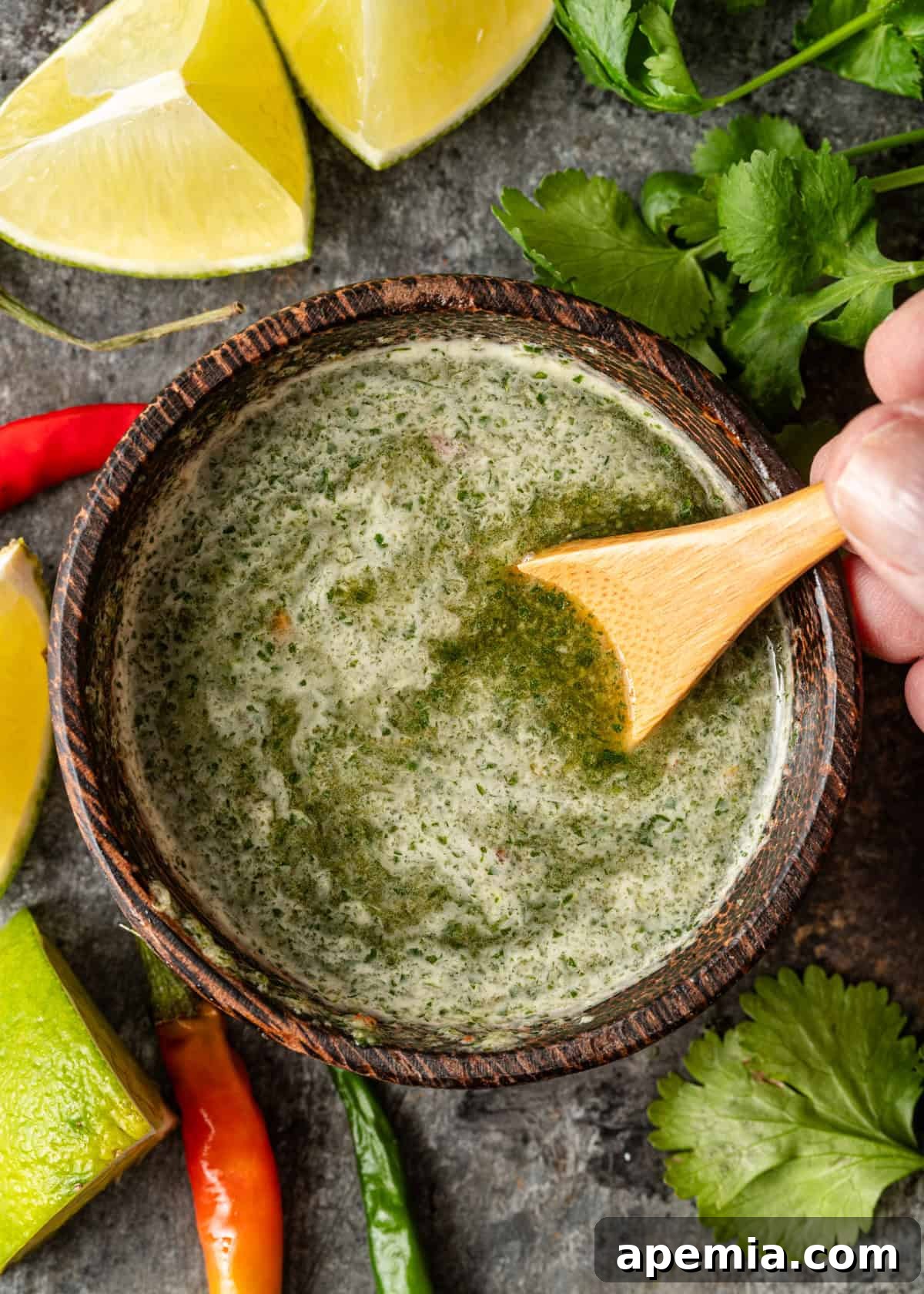
Introducing Nam Jim Seafood: A Versatile Thai Dipping Sauce
The particular sauce we’re crafting today is affectionately known as “Nam Jim Seafood” (น้ำจิ้มซีฟู้ด) in Thailand. As its name suggests, it’s a match made in heaven for all sorts of seafood and fish preparations. Imagine grilled prawns, steamed snapper, or crispy fried fish brought to life with its sharp, clean flavors. However, its versatility extends far beyond the ocean’s bounty. I’ve personally enjoyed this dynamic sauce alongside succulent grilled lamb skewers, perfectly charred Thai grilled chicken, and even as a surprising, yet delicious, kick to scrambled eggs. Just a friendly heads-up: this is traditionally a HOT sauce, so prepare for a delightful, spicy kick!
Table of Contents
- The Unforgettable Flavor Profile of Nam Jim Seafood
- Bird’s Eye Chili Substitutions
- Ingredient Notes and Substitutions
- How to Make Authentic Thai Dipping Sauce
- Recommended Tools
- Storing Your Thai Dipping Sauce
- Frequently Asked Questions
- Thai Dipping Sauce Recipe
The Unforgettable Flavor Profile of Nam Jim Seafood
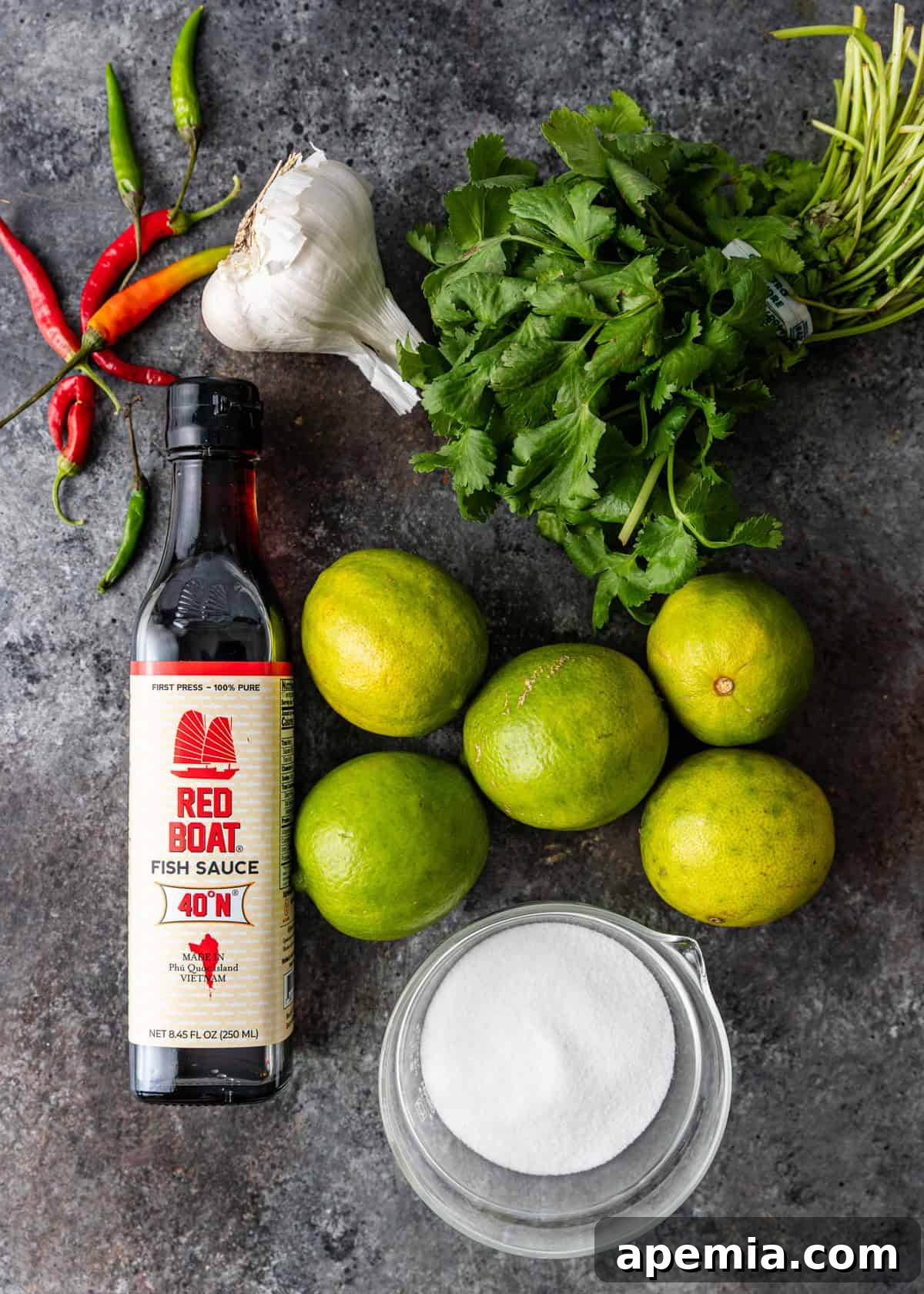
What makes this Thai dipping sauce truly stand out is its extraordinary balance of powerful, fresh ingredients, each playing a crucial role in creating a symphony of flavors. The robust, salty depth of fish sauce provides a foundational umami, characteristic of Southeast Asian cuisine. This savory base is brilliantly contrasted by the bright, zesty tang of fresh lime juice and the exhilarating punch of raw garlic. A touch of sugar is essential to harmonize these intense elements, smoothing the edges and ensuring no single flavor overpowers the others.
Finally, the star of the show for heat seekers: bird’s eye chilies. These small yet mighty peppers deliver a clean, sharp spice that invigorates the palate and perfectly cuts through the richness of grilled meats or the delicate nature of seafood. The result is a stunningly versatile sauce that, despite its simple preparation, boasts a complex, layered flavor profile that will awaken your senses and leave a lasting impression.
Tip From Kevin
Bird’s Eye Chili Substitutions and Heat Control
Bird’s eye chilies are known for their intense heat and distinct flavor. If you can’t find them, or prefer a different level of spice, a good substitute for maintaining a similar flavor profile and heat is a mix of serrano or Thai dragon chilies. For those who enjoy a milder kick without compromising flavor, jalapeños are a suitable alternative. Remember, bird’s eye chilies are small but extremely potent, so always adjust the quantity of your chosen substitute to your personal taste preference. A dash of cayenne pepper can also be added for a subtle background warmth and to balance the overall heat.
Essential Ingredient Notes and Substitutions for Perfect Nam Jim
(For exact quantities, please refer to the comprehensive recipe card below)
- Fresh Lime Juice – The cornerstone of this sauce’s vibrant tang. Freshly squeezed lime juice provides a bright, clean sourness that perfectly cuts through richness and balances the saltiness of the fish sauce and the sweetness of the sugar. Avoid bottled lime juice at all costs, as it often contains preservatives and lacks the nuanced, fresh flavor, resulting in a dull or metallic taste. If limes are unavailable, fresh lemon juice can be used in a pinch, or a very small amount of rice vinegar, though neither will replicate the exact zesty profile of fresh lime.
- Fish Sauce – An indispensable ingredient in Thai cooking, fish sauce (Nam Pla) delivers the deep, complex umami flavor that defines this sauce. Its signature savory “funk” provides essential depth and salinity, grounding the sharper elements and making the entire concoction cohesive and authentic. Opt for a good quality fish sauce for the best results; brands like Red Boat or Squid Brand are highly regarded for their rich flavor and aroma.
- Sugar – Essential for balancing the intense acidity of the lime and the profound saltiness of the fish sauce. Sugar mellows the sharp edges of the other ingredients and harmonizes the overall flavor profile without dampening the individual components. While palm sugar is the most authentic choice for its subtle caramel notes and softer texture, brown sugar makes an excellent and readily available substitute. Standard white granulated sugar will also work, but you might need slightly less as it’s typically sweeter.
- Garlic – This recipe calls for a substantial amount of raw garlic, and for good reason! Its strong, pungent flavor is a defining characteristic of Nam Jim Seafood, providing an irresistible aromatic foundation that is perfectly balanced by the other bold elements. When blended raw, garlic releases its most potent compounds, contributing a unique sharpness that cooked garlic simply cannot replicate.
- Cilantro – Although not always a strict traditional inclusion in every Nam Jim recipe, a handful of fresh cilantro adds a beautiful bright, green, and slightly citrusy aroma. It lightens the robust flavors, adding an extra layer of freshness. If you are one of those individuals for whom cilantro tastes like soap (due to a genetic predisposition), feel free to omit this ingredient entirely; the sauce will still be delicious.
- Bird’s Eye Chili – These small, vibrant Thai chilies are the source of the dipping sauce’s characteristic intense, clean heat. They deliver a quick, sharp burst of spice that beautifully complements rich seafood or fatty meats. For alternatives, Fresno or serrano chilies offer a similar heat profile, though perhaps with a slightly different fruity undertone. If you prefer a milder sauce, a few jalapeño slices will provide a gentle warmth without overwhelming the other flavors. Always handle chilies with care and wash your hands thoroughly after handling.
How to Make Authentic Thai Dipping Sauce: A Simple Guide
Creating this flavorful Thai dipping sauce is surprisingly straightforward, thanks to the magic of modern kitchen tools. The key is to thoroughly blend all the ingredients to unleash their full aromatic and flavor potential.
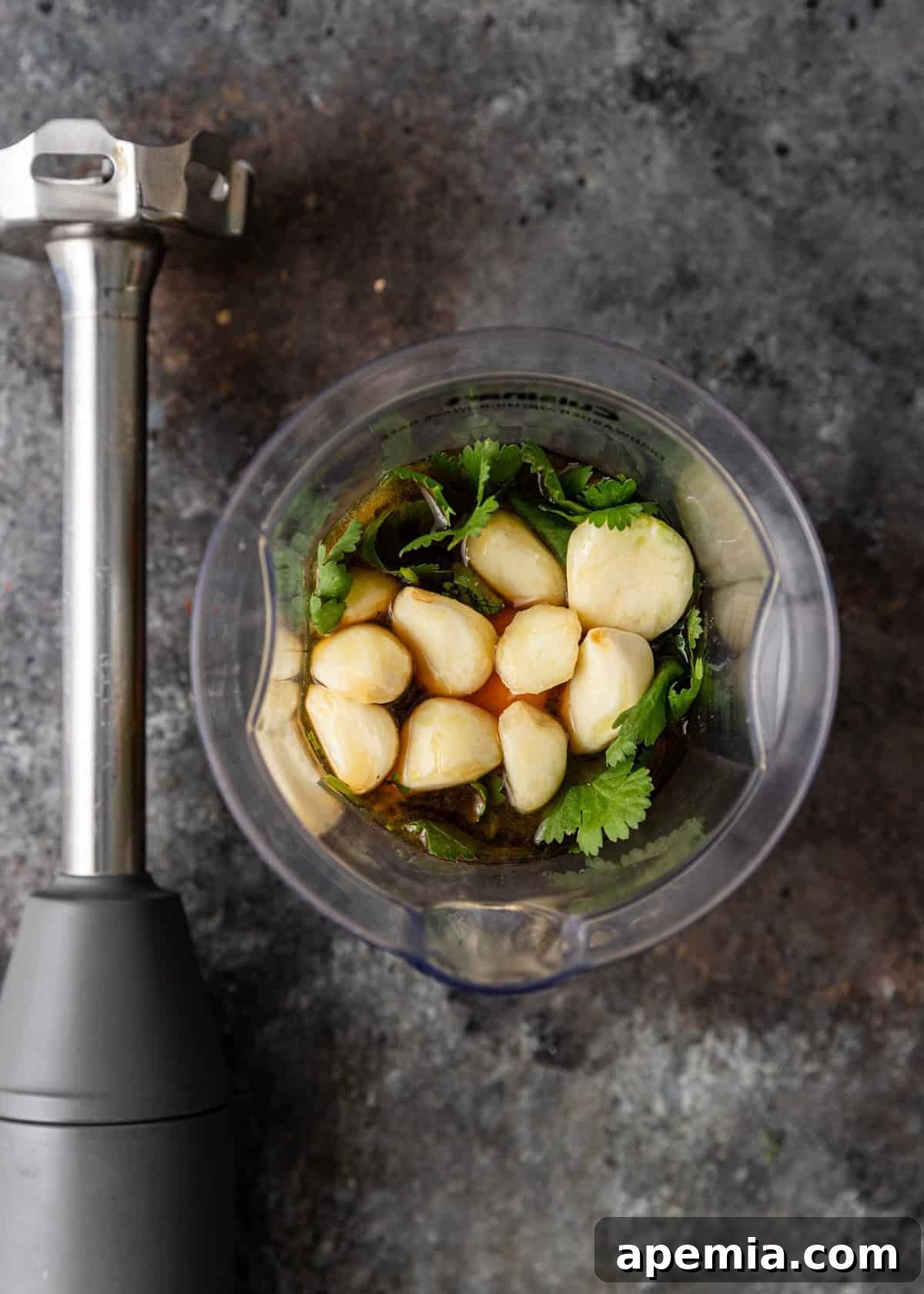
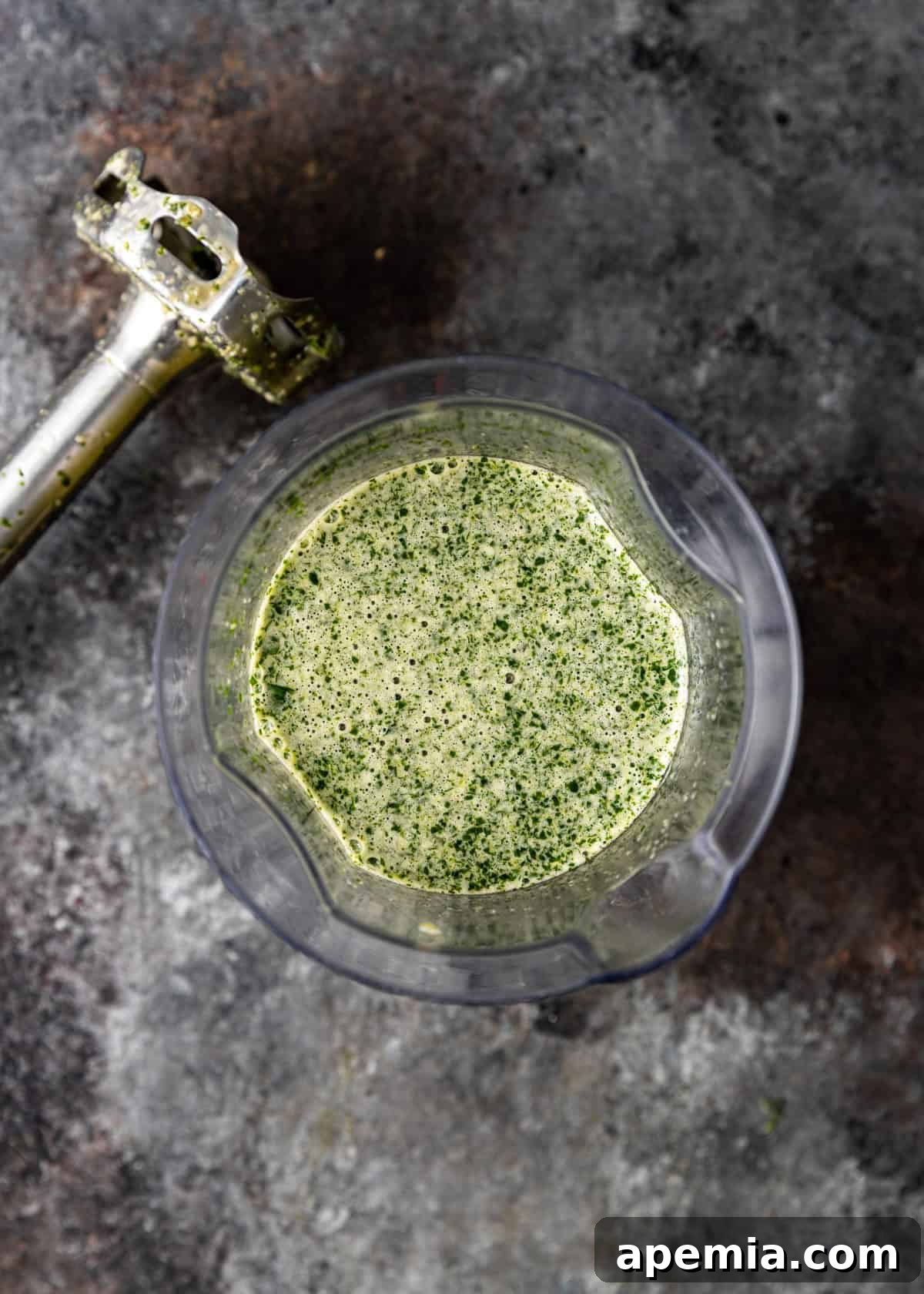
- Blend the Sauce to Perfection. Begin by gathering all your fresh ingredients: fresh lime juice, fish sauce, sugar, garlic cloves, cilantro, and bird’s eye chilies. Place them all into a high-speed blender. Blend until the mixture achieves a silky-smooth consistency, ensuring that the garlic and chilies are completely pureed and fully incorporated. If you’re using an immersion blender, simply combine all ingredients in a tall mixing bowl and blend directly in the bowl. Once blended, taste the sauce and adjust the seasoning as needed; you might want to add a pinch more salt or a touch more sugar to achieve your perfect sweet, sour, salty, and spicy balance.
- Refrigerate for Optimal Flavor. While tempting to dive in immediately, this sauce truly benefits from a short resting period. Transfer the blended sauce to an airtight container, cover it, and refrigerate for at least 30 minutes. This crucial step allows all the bold flavors to meld and deepen, resulting in a more harmonious and complex taste experience.
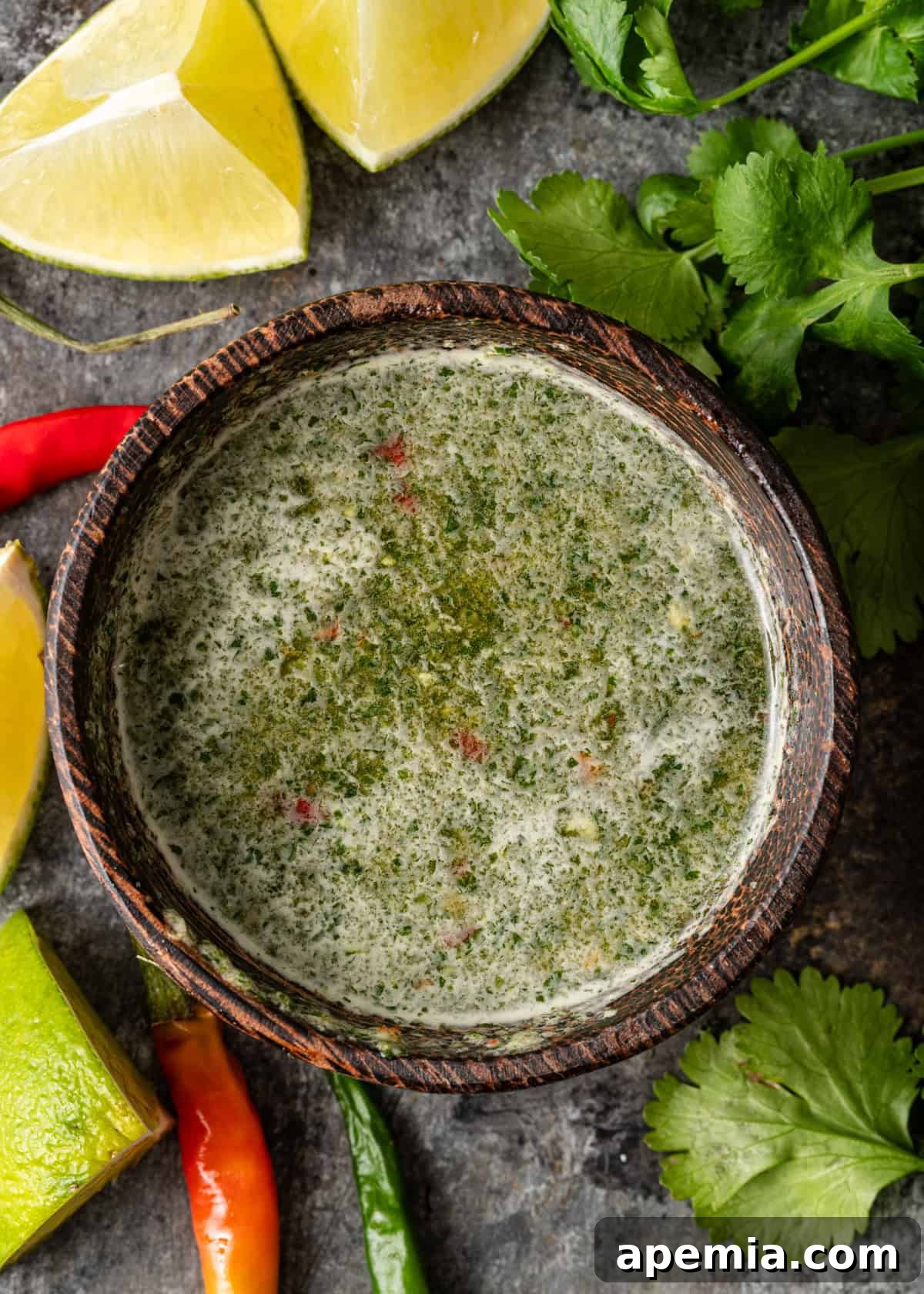
- Serve with Style. Once chilled and its flavors perfectly integrated, transfer your freshly made Thai dipping sauce to a small serving bowl. It’s now ready to be served alongside your favorite grilled meats, pan-fried fish, steamed vegetables, fresh spring rolls, or even as a vibrant dressing for a simple salad. Drizzle it generously or use it for dipping – the possibilities are endless!
Recommended Tools for Easy Preparation
- Blender (or Immersion Blender) – While traditional methods might involve a mortar and pestle, a blender is truly indispensable for achieving the smooth, emulsified texture of this sauce with minimal effort. Any standard blender will do the trick, but an immersion blender (hand blender) is particularly convenient. It allows you to blend directly in a bowl or jar, significantly cutting down on washing up and making the process even quicker.
Storing Your Fresh Thai Dipping Sauce
Proper storage is key to enjoying your homemade Thai dipping sauce for as long as possible. Transfer the sauce into a clean glass jar with an airtight lid. When stored correctly in the refrigerator, this vibrant condiment will maintain its freshness and robust flavors for up to 5 days. You’ll notice that the flavors tend to mellow and deepen slightly over time as the ingredients continue to meld, creating an even more complex profile.
Before serving, especially if it has been stored for a day or two, give it a good stir and a quick taste test. A fresh squeeze of lime juice can help to refresh its zesty kick and awaken its bright notes once more. Please note that this sauce is not suitable for freezing, as the fresh herbs and lime juice can lose their texture and vibrancy upon thawing.
Share this recipe on Pinterest!
Love this recipe? Share it with the world on Pinterest.
Frequently Asked Questions About Thai Dipping Sauce
Absolutely, you can, but it requires a bit more effort and patience! Historically, this sauce predates blenders in Thailand, so traditional methods involve a good old-fashioned mortar and pestle. This tool allows you to meticulously crush the garlic, cilantro, and chilies, effectively releasing their potent essential oils and flavors. While it’s more labor-intensive, some argue that this method yields a more textural and deeply flavored sauce. If a mortar and pestle isn’t an option, you can mince all the ingredients extremely finely by hand. You might lose some of the smooth consistency and a fraction of the intense flavor release from blending, but the sauce will still taste wonderfully authentic.
Yes, if fresh bird’s eye chilies are hard to come by, you can certainly adapt this Thai dipping sauce recipe using dried ones. The process is simple: first, soak the dried chilies in warm water for about 10 to 15 minutes to rehydrate them. Once softened, drain them and add them to your blender along with the other ingredients. Be aware that using dried chilies might impart a slightly smokier, less fruity flavor profile compared to fresh ones, but the sauce will still deliver a fantastic spicy kick and delicious taste.
Making traditional sauces like Nam Jim often relies more on taste and instinct than strictly adhering to precise measurements. Ingredient potency can vary (e.g., lime acidity, chili heat), leading to slight imbalances. If your sauce leans too far in one direction, don’t fret! The key is to taste as you go and adjust:
- Too Salty: Add more fresh lime juice or a tiny bit more sugar to balance. A splash of water can also dilute the saltiness.
- Too Sweet: Introduce more fresh lime juice and a dash more fish sauce (if saltiness allows) or a few extra minced chilies for heat to cut through the sweetness.
- Too Sour: Stir in a bit more sugar, gradually, until the desired balance is achieved. A small amount of fish sauce can also help round out the flavors.
- Not Spicy Enough: Add another bird’s eye chili (or your chosen substitute) and blend again.
- Too Spicy: A squeeze of extra lime juice and a spoonful of sugar can help temper the heat. A touch of grated carrot (blended in) or a bit of water can also reduce the intensity.
Don’t be afraid to trust your palate – that’s how truly great homemade sauces are made!
The quality of your fish sauce significantly impacts the final flavor of your Thai dipping sauce. Look for a premium brand that contains only anchovy extract and salt, with no added sugar or MSG if possible. Brands like Red Boat, Squid Brand, or Tiparos are widely respected for their rich, clear, and complex flavor profiles. Avoid very dark or cloudy fish sauces, as these can sometimes indicate lower quality. A good fish sauce should have a pleasant, savory aroma, not an overwhelmingly pungent or ‘fishy’ smell.
Generally, authentic Thai fish sauce is naturally gluten-free, as it’s made from fermented anchovies and salt. All other ingredients in this recipe – lime juice, sugar, garlic, cilantro, and bird’s eye chilies – are also naturally gluten-free. Therefore, this Nam Jim Seafood recipe is typically gluten-free. However, it’s always best practice to double-check the labels of your fish sauce brand to ensure there are no hidden gluten-containing additives, especially if you or your guests have a severe gluten allergy or intolerance.
Authentic Thai Dipping Sauce (Nam Jim Seafood)
4
10 minutes
30 minutes
40 minutes
Saved
Pin Recipe
PrintRecipe
Ingredients
- 1/2 cup fresh lime juice
- 1/3 cup fish sauce
- 1/3 cup sugar or palm sugar
- 12 cloves garlic
- 1/2 bunch cilantro
- 6 Thai Birds Eye Chili
Metric
Instructions
-
Place all the fresh ingredients – lime juice, fish sauce, sugar, garlic, cilantro, and bird’s eye chilies – into a high-speed blender. Blend thoroughly until the mixture is silky smooth and all components are fully pureed. If using an immersion blender, simply combine in a deep bowl and blend until smooth. Taste the sauce and adjust the seasoning as desired, adding a little more salt or sugar to fine-tune the balance of flavors.
-
Cover the blended sauce and refrigerate for a minimum of 30 minutes before serving. This chilling period is essential to allow the flavors to fully meld and deepen, resulting in a more harmonious and delicious dipping experience.
Nutrition
Carbohydrates: 23g |
Protein: 2g |
Fat: 0.1g |
Saturated Fat: 0.01g |
Polyunsaturated Fat: 0.03g |
Monounsaturated Fat: 0.003g |
Sodium: 1520mg |
Potassium: 144mg |
Fiber: 0.4g |
Sugar: 18g |
Vitamin A: 88IU |
Vitamin C: 23mg |
Calcium: 30mg |
Iron: 0.4mg
The information shown is an estimate provided by an online nutrition calculator. It should not be considered a substitute for a professional nutritionist’s advice.
Condiments, Sauces
Thai
Kevin
Have You Made This Recipe? Let Me Know on Instagram
Tag @keviniscooking or tag me #keviniscooking!