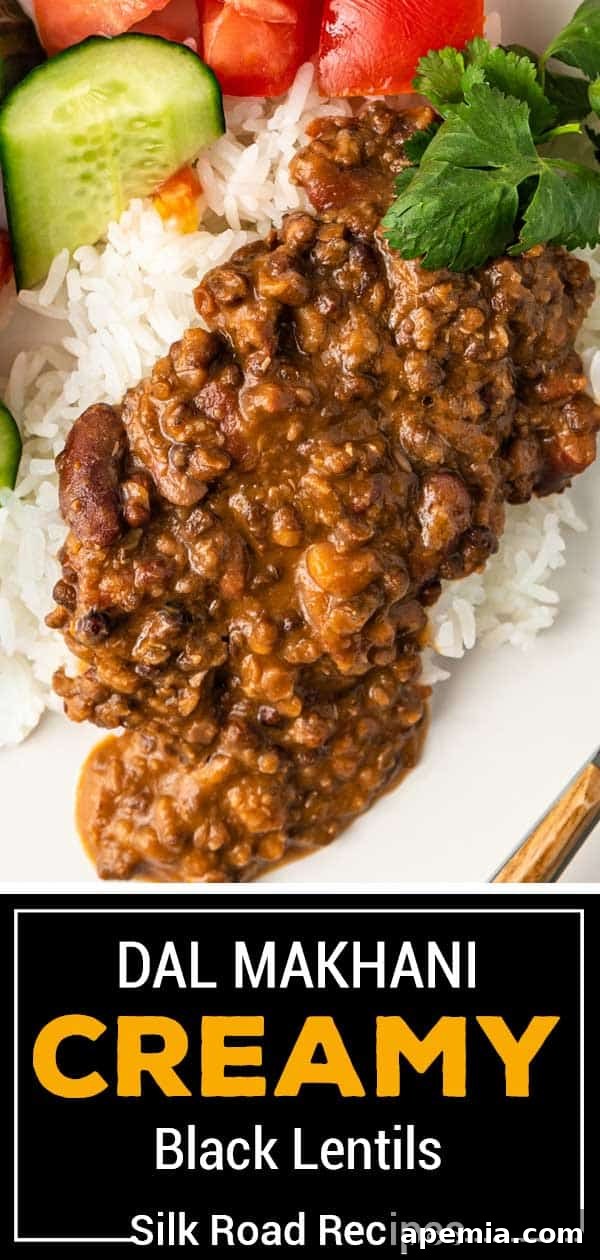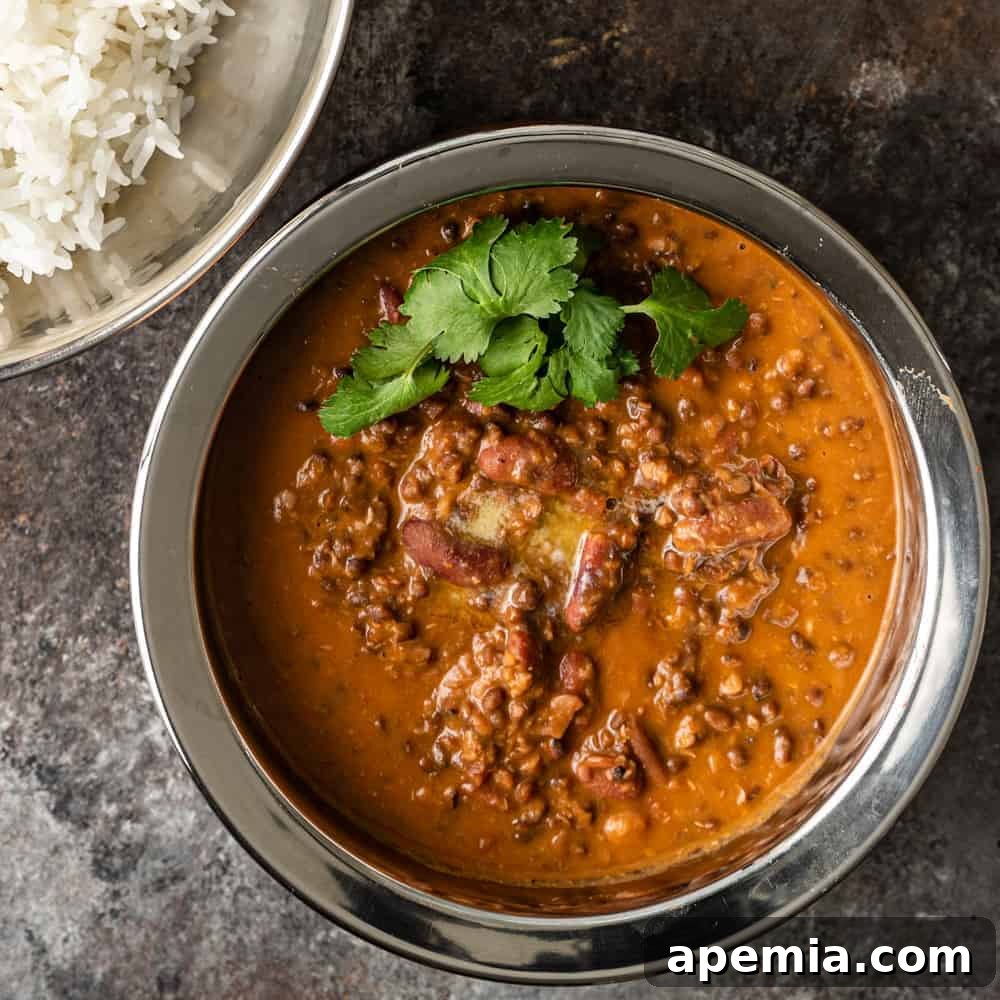
Welcome to the ultimate guide for crafting a rich and flavorful Dal Makhani, an iconic Indian classic that promises to tantalize your taste buds. This beloved dish, celebrated for its luxurious creamy texture and deep, aromatic spices, features tender black lentils (urad dal) and hearty kidney beans (rajma) simmered to perfection. Naturally vegetarian and incredibly satisfying, our rendition brings the authentic flavors of India right into your kitchen. Prepare for a culinary journey that transforms simple legumes into a truly unforgettable meal.
The Soulful Story of Dal Makhani: A Culinary Icon
Dal Makhani is more than just a lentil dish; it’s a culinary masterpiece originating from the Punjab region of India. Its name literally translates to “buttery lentils,” a testament to its rich and indulgent character. Traditionally, this dish is slow-cooked for hours, sometimes even overnight, allowing the flavors of the black lentils, kidney beans, and an intricate blend of spices to meld into a harmonious symphony. Often served at special occasions, weddings, and family gatherings, Dal Makhani has garnered global popularity, becoming a staple in Indian restaurants worldwide. It embodies comfort food at its finest – hearty, nourishing, and deeply satisfying.
A Personal Journey Through India and Its Flavors
My culinary adventures often lead me down the vibrant, spice-filled alleys of Indian cuisine, and Dal Makhani holds a special place in my heart. A few years ago, I embarked on an incredible journey through India, exploring bustling cities like New Delhi, the majestic Agra, the colorful Jaipur, and the wild expanses of Ranthambore. Everywhere we went, I made it a point to sample the local Dal Makhani. Each region, each roadside dhaba, offered a subtly different take on this classic, each leaving a lasting impression. I meticulously gathered ideas and tips, dreaming of the day I could recreate that authentic magic back home. This recipe is my cherished interpretation, a tribute to the unforgettable flavors I encountered, especially the one from a humble truck stop on the highway to Agra – a dish that perfectly captured the essence of Indian hospitality and flavor.
Why This Dal Makhani Recipe Will Become Your Favorite
This Dal Makhani recipe is meticulously crafted to deliver a robust, creamy, and deeply aromatic experience. It combines the earthy richness of whole black lentils and the tender texture of red kidney beans with a vibrant base of pureed tomatoes, a touch of cream, and a complex array of Indian spices. It’s an excellent choice for a meatless meal that never compromises on flavor or satisfaction, making it ideal for Meatless Mondays or any day you crave a hearty, plant-based dish. Beyond being vegetarian-friendly, this versatile recipe can easily be adapted to be completely vegan, ensuring everyone can enjoy its comforting embrace. It’s packed with plant-based protein, fiber, and an explosion of flavor that will leave you feeling nourished and utterly content.
Mastering the Ingredients for the Perfect Dal Makhani
The secret to an exceptional Dal Makhani lies in the quality and careful preparation of its ingredients. Here’s a detailed look at what you’ll need and why each component is crucial:
Key Lentils and Beans
- Whole Black Lentils (Urad Dal): These are the star of Dal Makhani. Urad dal boasts a unique, full-bodied, and earthy flavor. When cooked, they become incredibly tender and creamy, contributing significantly to the dish’s signature texture and richness. Opt for whole urad dal (black gram with skin) for the most authentic flavor and texture.
- Red Kidney Beans (Rajma): Adding a delightful textural contrast and another layer of protein, kidney beans lend a robust and hearty element to this creamy lentil dish. Their soft, floury texture complements the lentils beautifully, making the dish even more substantial.
The Aromatic Spice Blend
Indian cuisine is renowned for its masterful use of spices, and Dal Makhani is no exception. A carefully curated blend creates its distinctive depth:
- Spice Bag Essentials: You’ll create a small spice bag containing whole cloves, green cardamom pods, and cinnamon sticks. These whole spices infuse the dal with their warm, fragrant essences during the simmering process, then are removed before serving, leaving behind only their delightful aroma.
- Serrano Chiles: While not overly spicy, these chiles provide a fresh, sharp heat that brightens the overall flavor profile. Adjust the quantity to your preferred level of spice.
- Red Chili Powder: For a deeper, more rounded heat and beautiful color. You can use store-bought or a homemade version for superior flavor.
- Ground Cumin: A fundamental spice in Indian cooking, cumin adds an earthy warmth and a subtle, nutty undertone.
- Kosher Salt: Essential for seasoning and bringing out the best in all the other flavors.
- Turmeric: Beyond its vibrant golden color, turmeric imparts a distinct earthy, slightly musky flavor that is irreplaceable in most Indian curries and dals. It also boasts numerous health benefits.
- Garam Masala: This complex blend of ground spices is added towards the end of cooking to enhance the aroma and flavor. Consider using a freshly made homemade garam masala for the most impactful results.
Creaminess and Richness
- Butter (or Ghee): Used to sauté the aromatics and temper the ground spices, butter (or ghee for an even richer, nuttier flavor) forms the foundational fat for flavor development. For a vegan version, simply substitute with vegetable oil or a plant-based butter.
- Heavy Cream: This is what gives Dal Makhani its signature creamy, luxurious consistency. It mellows the spices and adds a velvety texture. To make this dish vegan, replace heavy cream with full-fat canned coconut milk for a similarly rich result.
- Pureed Tomatoes: These add a subtle tanginess, natural sweetness, and a touch of color, balancing the richness of the lentils and cream. You can use canned pureed tomatoes or finely chopped fresh ones.
Essential Aromatics & Flavor Boosters
- Red Onion: Provides a sweet and pungent base when sautéed. While red onion is preferred for its vibrant color and slightly milder flavor, yellow or white onions can also be used.
- Ginger Paste: Fresh ginger, crushed or grated into a paste, offers a warm, spicy, and fragrant kick that is indispensable in Indian cooking.
- Garlic (Minced): A pungent and aromatic ingredient that forms the backbone of many savory dishes.
- Liquid Smoke (Optional): A unique, optional ingredient that can add a wonderful smoky depth, mimicking the traditional charcoal smoking process (Dhungar) sometimes used in authentic Dal Makhani for an extra layer of flavor.
- Fresh Cilantro: The ultimate garnish for black dal, providing a fresh, herbaceous counterpoint to the rich and spicy flavors.
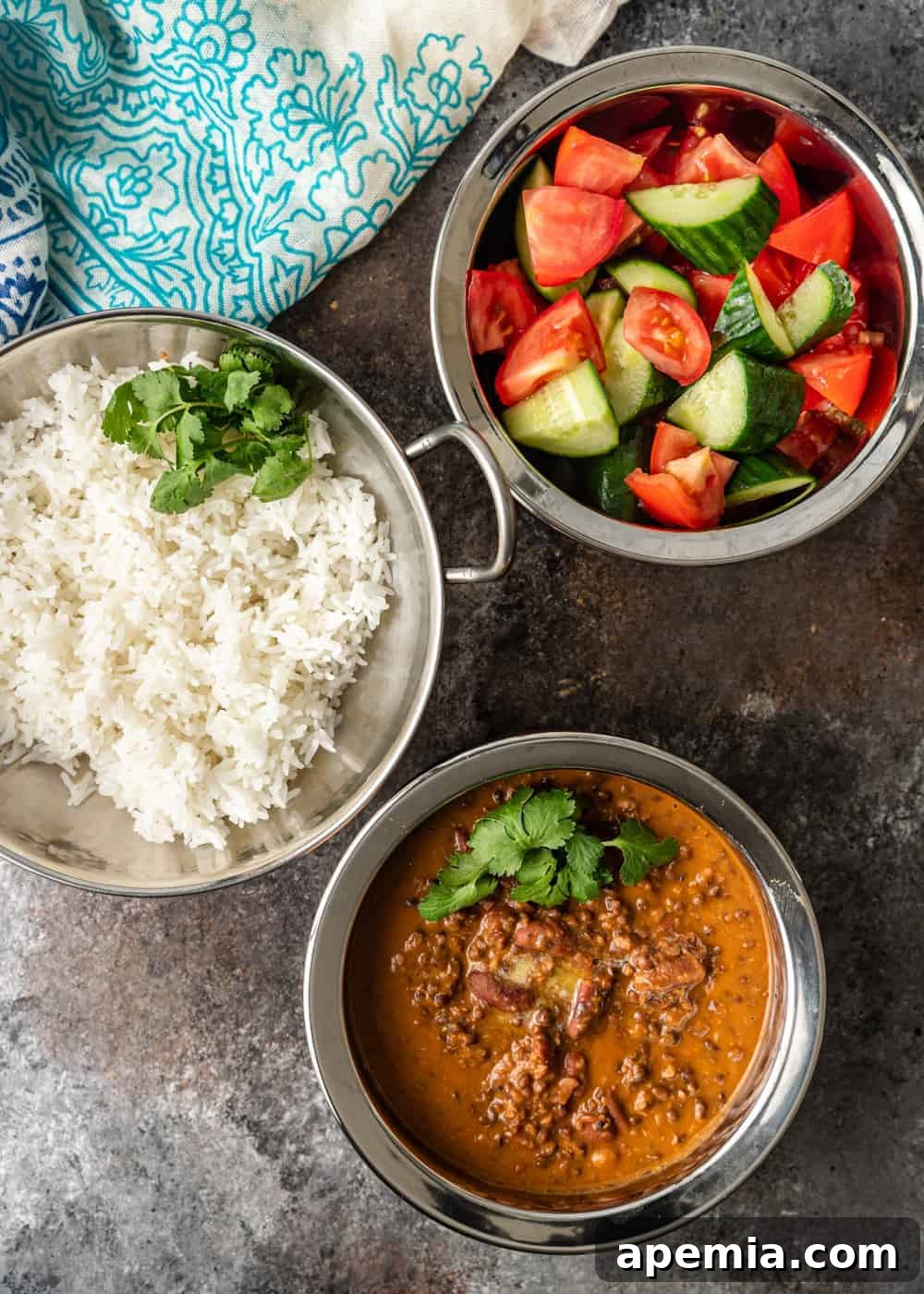
Step-by-Step Guide: Crafting Your Creamy Dal Makhani
Follow these detailed instructions to create a luscious Dal Makhani that rivals any restaurant:
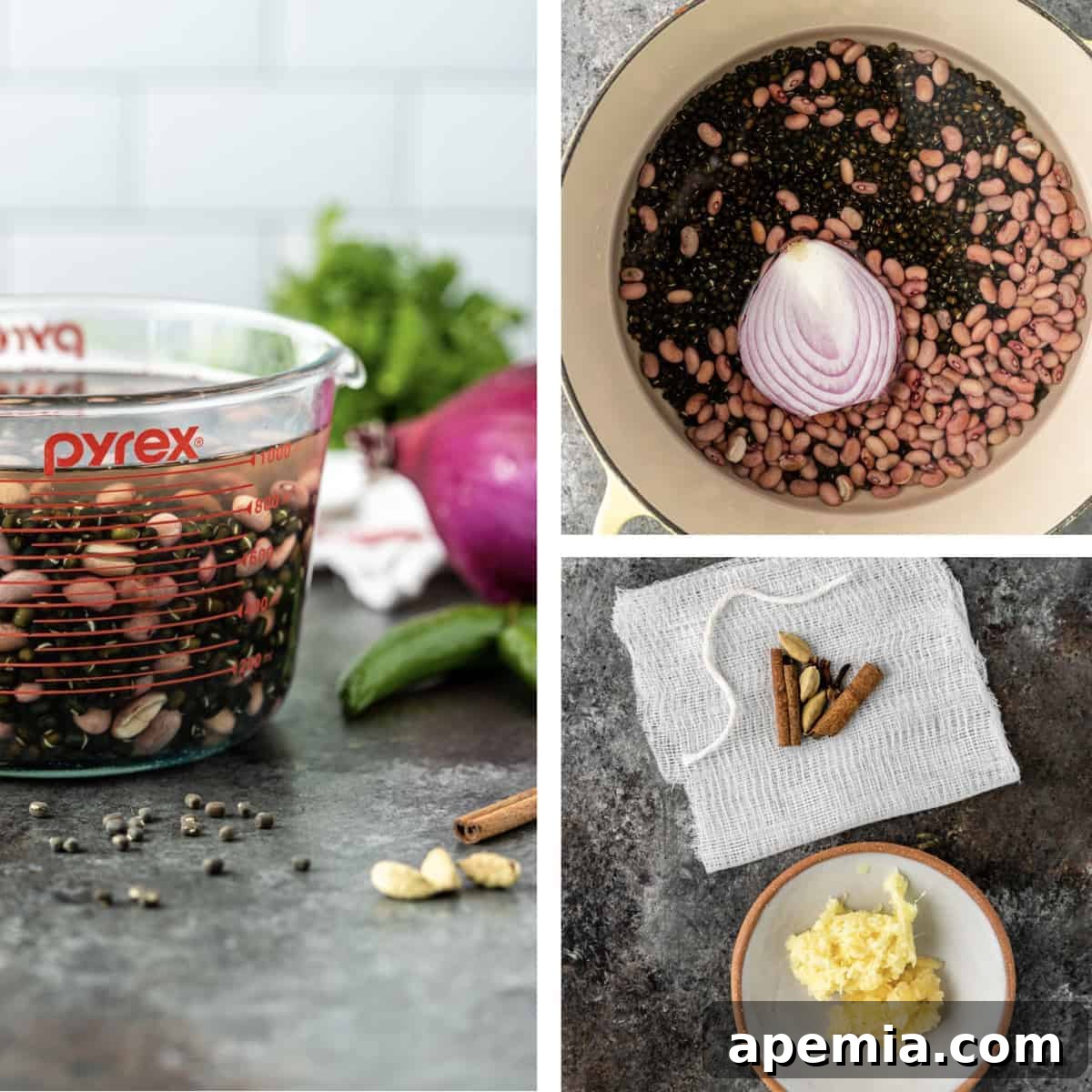
- Preparation is Key: Soaking and Spice Bag. Begin by thoroughly picking through the dried whole black lentils and red kidney beans, ensuring all debris is removed. Place them in a large bowl, cover with water by at least an inch, and let them soak overnight. This crucial step significantly reduces cooking time and aids in digestion. The next day, cut your red onion in half, keeping one half intact for initial cooking and finely chopping the other half for sautéing later. For your aromatic spice bag, place the whole cloves, green cardamom pods, and cinnamon stick into a small piece of cheesecloth and tie securely with kitchen twine. Set this aside.
- Initial Cooking of Lentils and Beans. After soaking, drain and rinse the lentils and kidney beans thoroughly. Transfer them to a large stockpot or Dutch oven. Cover them with fresh water (again, about an inch above the legumes) and add the intact half of the onion. Bring the mixture to a rolling boil over high heat, then reduce the heat to a simmer, cover the pot, and cook for another 20 minutes. The lentils and beans should be partially cooked but not fully tender. Remove and discard the cooked onion half, then drain the lentils and beans and set them aside.
- Building the Flavor Base: Sautéing Aromatics and Spices. Using the same pot, melt the butter (or ghee/vegetable oil for vegan). Add the finely chopped onion and sauté for about 2 minutes until it begins to soften and become translucent. Stir in the sliced Serrano chiles, ginger paste, minced garlic, ground cumin, kosher salt, red chili powder, and turmeric. Continue to sauté for another 3 minutes, stirring constantly. This step, known as tempering or “bhunao,” is vital for releasing the full aroma and flavor of the spices.
- Simmering to Perfection. Now, add the pureed tomatoes, the prepared spice bag, 4 cups of water, and the par-cooked lentils and kidney beans to the pot. Stir everything together, bring it to a gentle simmer, then cover the pot and cook on low heat for 45 minutes. This slow simmer allows the lentils and beans to fully tenderize and absorb all the incredible flavors from the spices and tomatoes.
- Achieving Desired Creaminess: Blending and Finishing. Carefully remove and discard the spice bag. For a smooth and creamy consistency, you can use an immersion blender and pulse several times directly in the pot, or transfer half of the mixture to a regular blender and puree until smooth, then return it to the pot. For a slightly chunkier, more rustic texture (my personal preference), blend for fewer pulses. Stir the blended dal back into the pot and allow it to simmer for an additional 10 minutes. During this final simmer, the dal will continue to thicken and achieve a velvety consistency. If it becomes too thick, you can add a splash of hot water to reach your desired texture. Finally, stir in the heavy cream (or coconut milk) and the liquid smoke, if you’re using it, for an added layer of depth. Taste and adjust seasoning with salt if needed.
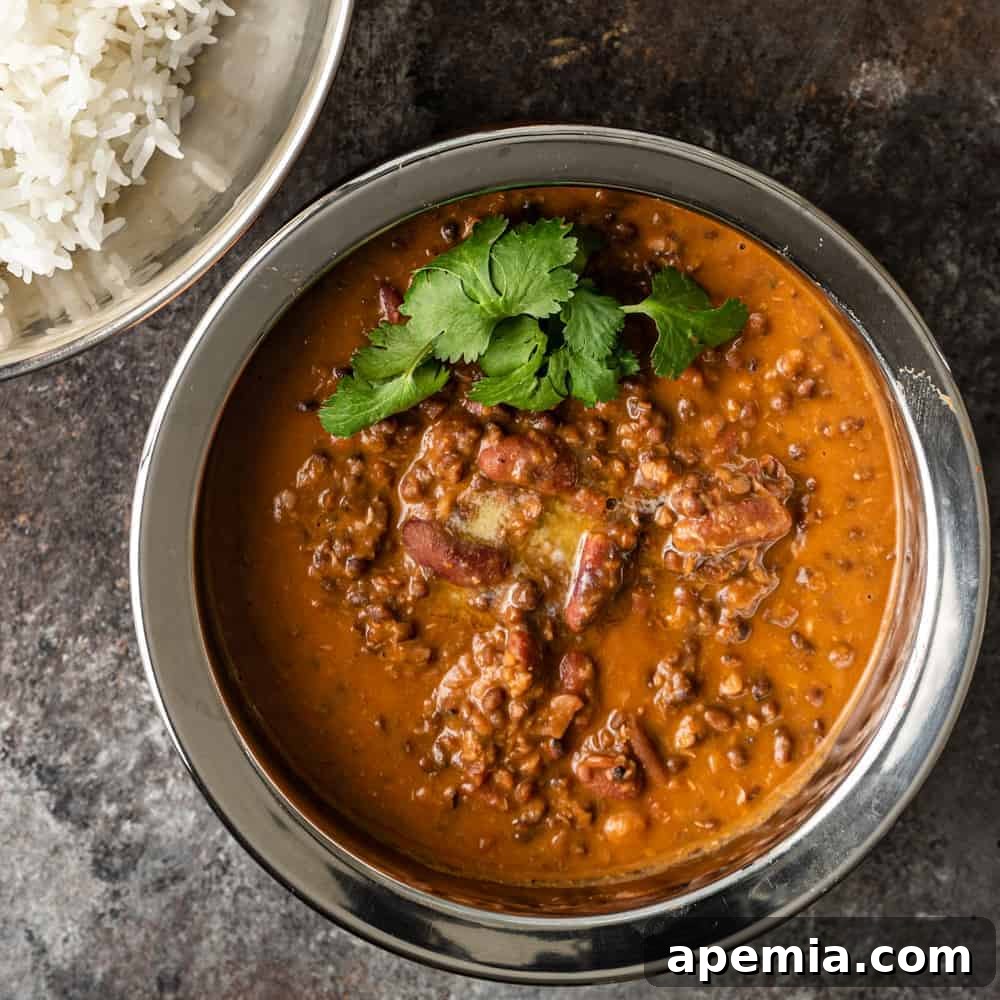
- The Grand Finale: Garnishing and Serving. Remove your perfectly cooked Dal Makhani from the heat and ladle it into serving bowls. For an extra touch of richness and presentation, garnish with a swirl of fresh cream or a small pat of butter, and a generous sprinkle of freshly chopped cilantro. Serve immediately with your favorite Indian bread like naan, roti, or paratha, or alongside fluffy basmati rice.
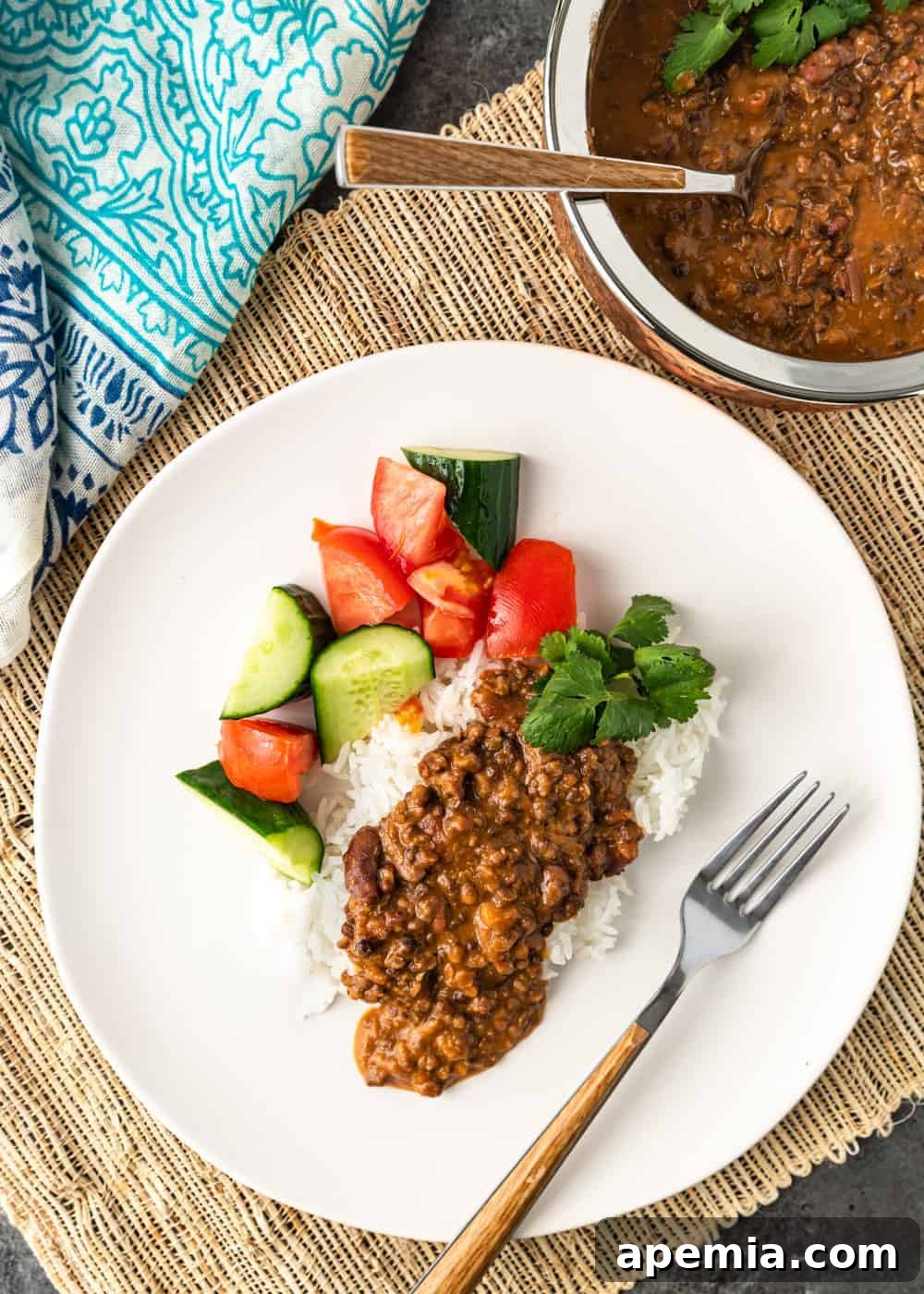
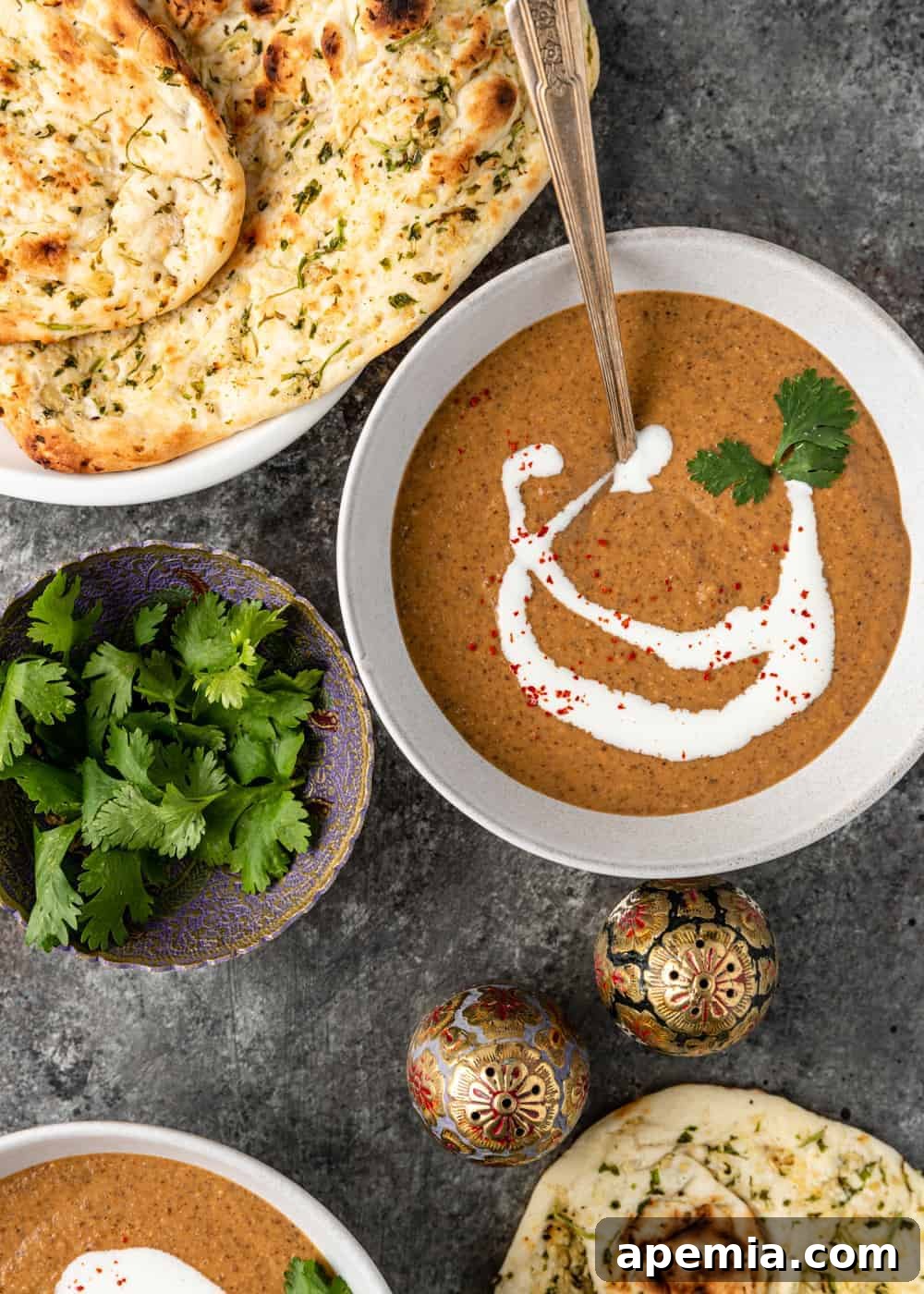
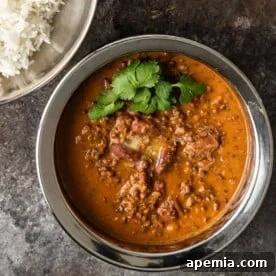
Note: The below photo showcases a version of black dal that has been completely blended with an immersion blender, resulting in a thick, velvety soup-like consistency. Both approaches are delicious!
Frequently Asked Questions About Dal Makhani
How Long Should I Blend Dal Makhani?
The blending step is entirely customizable to your preference. If you desire a super creamy, velvety smooth texture, continue to puree the dal until it reaches your desired consistency. For those who enjoy a little more texture and bite, blend for just a few quick pulses with an immersion blender, leaving some of the lentils and beans intact. This creates a delightful, heartier mouthfeel that I personally adore.
What Should I Serve With Creamy Black Lentils?
Traditionally, Dal Makhani is often served with warm garlic naan, its soft, chewy texture perfect for soaking up every drop of the rich dal. However, any soft flatbread like roti, paratha, or even pita bread makes for an unforgettable dipping experience. For a complete meal, pair it with fluffy basmati rice, brown rice, or even the striking forbidden (black) rice. A side of cooling raita (yogurt with cucumber and spices), a fresh kachumber salad (diced onion, tomato, cucumber), or a tangy pickle would also wonderfully complement the dal’s robust flavors.
Can I Make Dal Makhani Vegan?
Absolutely! This recipe is incredibly adaptable for a vegan diet. Simply replace the butter with your preferred vegetable oil (like avocado or coconut oil) or a plant-based butter alternative. For the heavy cream, substitute with full-fat canned coconut milk. The coconut milk will add a subtle tropical richness that works beautifully with the existing spices, resulting in an equally luxurious and satisfying vegan Dal Makhani.
Can I Freeze Black Dal?
Yes, Dal Makhani freezes exceptionally well, making it a fantastic option for meal prepping or having a delicious, homemade meal ready on busy days. Allow the dish to cool completely to room temperature before transferring it to freezer-safe containers or bags. It will maintain its quality in the freezer for up to 6 months. When you’re ready to enjoy it, thaw overnight in the refrigerator and gently reheat on the stovetop, adding a little water or broth if it has thickened too much.
Troubleshooting Common Dal Makhani Issues
- Dal is too thin: If your dal is thinner than desired, continue to simmer it uncovered, stirring occasionally, until it thickens to your liking. You can also mash a few more lentils against the side of the pot to release more starch.
- Dal is too thick: If it’s too thick, simply add a splash of hot water or vegetable broth until it reaches your preferred consistency.
- Lentils aren’t tender: Ensure your lentils and beans are soaked overnight. If they’re still firm after simmering, continue to cook on low heat, adding more water if necessary, until they are perfectly tender.
- Flavor is bland: Don’t be shy with seasoning! Taste and adjust salt. A little extra garam masala or a squeeze of fresh lemon juice at the end can brighten the flavors significantly.
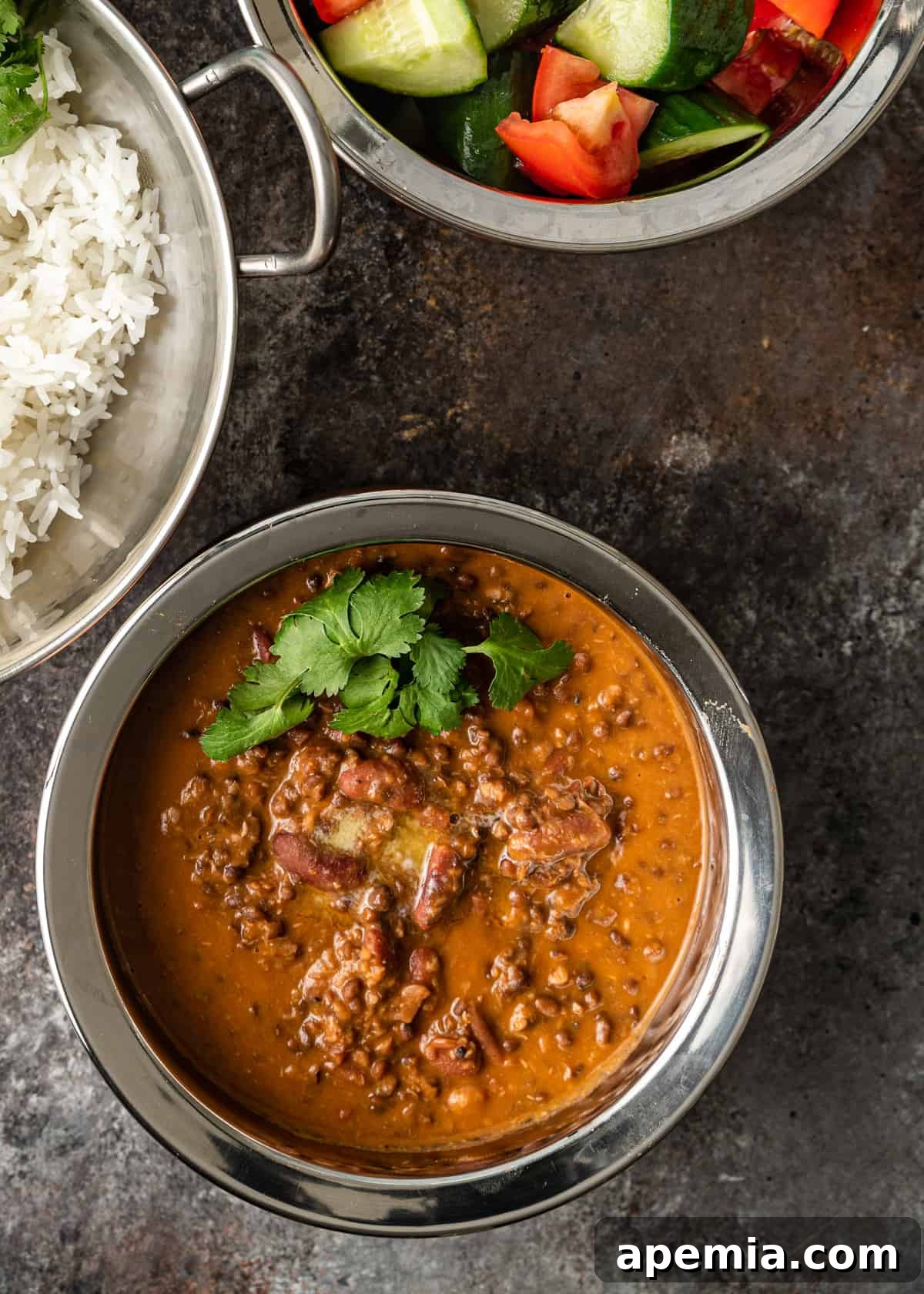
This post, originally published on Silk Road Recipes December, 2020, was updated with new content, photos, and improved instructions in June, 2022, to bring you the best possible Dal Makhani experience.
Dal Makhani Recipe
PrintRecipe
Ingredients
- 1 cup dried whole black lentils (urad dal)
- ½ cup dried red kidney beans (rajma)
Spice Bag
- 2 whole cloves
- 3 green cardamom pods
- 3 inch cinnamon stick break in half
Cooking
- 2 tbsp butter
- 1 medium red onion
- 2 Serrano chiles sliced thin
- 2 tsp ginger paste
- 3 garlic cloves minced
- 1 tsp ground cumin
- 1 ½ tsp kosher salt
- 1 tsp red chili powder
- ½ tsp turmeric
- ½ tsp garam masala
- 14.5 oz pureed tomatoes (or 2 cups finely chopped)
- ½ cup heavy cream
- ¼ tsp liquid smoke (optional)
Garnish
- chopped cilantro
- drizzle of cream
- butter
Instructions
-
Pick through the dried lentils and kidney beans, removing any debris. Cover with water by 1 inch and soak overnight.
-
Cut onion in half. Keep one half intact and chop other half. Tie the cloves, cardamom pods and cinnamon stick in a piece of cheesecloth with kitchen twine, set aside.
-
Rinse soaked lentils and kidney beans. Transfer to a large stock pot or Dutch oven and cover with water by 1 inch. Add half of the onion and bring to a boil, cover and cook on high for 10 minutes. Lower heat to simmer and cook covered for another 20 minutes. Remove and discard cooked onion half and drain lentils, set aside.
-
To the stock pot or Dutch oven add butter and sauté the chopped onion for 2 minutes. Add the chiles, ginger paste, garlic, cumin, salt, red chili powder, turmeric, garam masala and sauté for 3 minutes.
-
Stir in the pureed tomatoes, tied spice bag, 4 cups water and the par-cooked lentils and kidney beans. Cover and simmer on low for 45 minutes.
-
Carefully remove spice bag and discard. Either use an immersion blender and pulse several times or transfer half to a blender and puree. Pour back into stock pot or Dutch and stir (See Note 1). Simmer for 10 more minutes. The soup becomes creamier as it simmers, almost a velvety consistency. Add more water as needed for desired consistency. Add the cream and liquid smoke (this is optional, but the flavor is great). Stir to incorporate in the lentils and season to taste.
-
Serve this garnished with a drizzle of cream, dab of butter, chopped cilantro and lots of dosa, naan, roti, flatbread, pitas or whatever bread you like.
Notes
- You can also use an immersion blender and pulse several times if you still want some lentil texture, or puree until completely smooth.
Nutrition
Carbohydrates: 25g |
Protein: 10g |
Fat: 8g |
Saturated Fat: 5g |
Cholesterol: 26mg |
Sodium: 471mg |
Potassium: 313mg |
Fiber: 8g |
Sugar: 2g |
Vitamin A: 439IU |
Vitamin C: 6mg |
Calcium: 58mg |
Iron: 3mg
The information shown is an estimate provided by an online nutrition calculator. It should not be considered a substitute for a professional nutritionist’s advice.