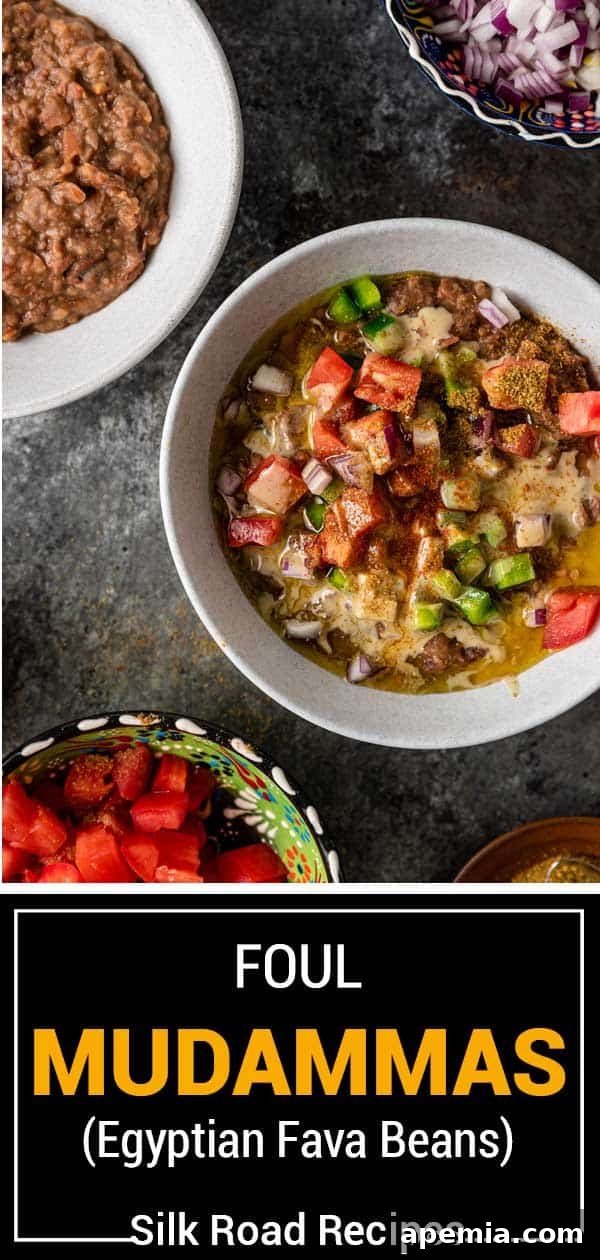
Foul Mudammas: The Ancient Heart of Egyptian Breakfast
Step into the vibrant culinary world of Egypt and the Levant, and you’ll inevitably encounter Foul Mudammas (also widely known as Ful Medames). This creamy, heartwarming stew of mashed fava beans is not just a dish; it’s a cultural cornerstone, a traditional breakfast that has sustained civilizations for millennia. More than just a meal, it represents comfort, tradition, and wholesome goodness, typically served with warm, fluffy pita bread.

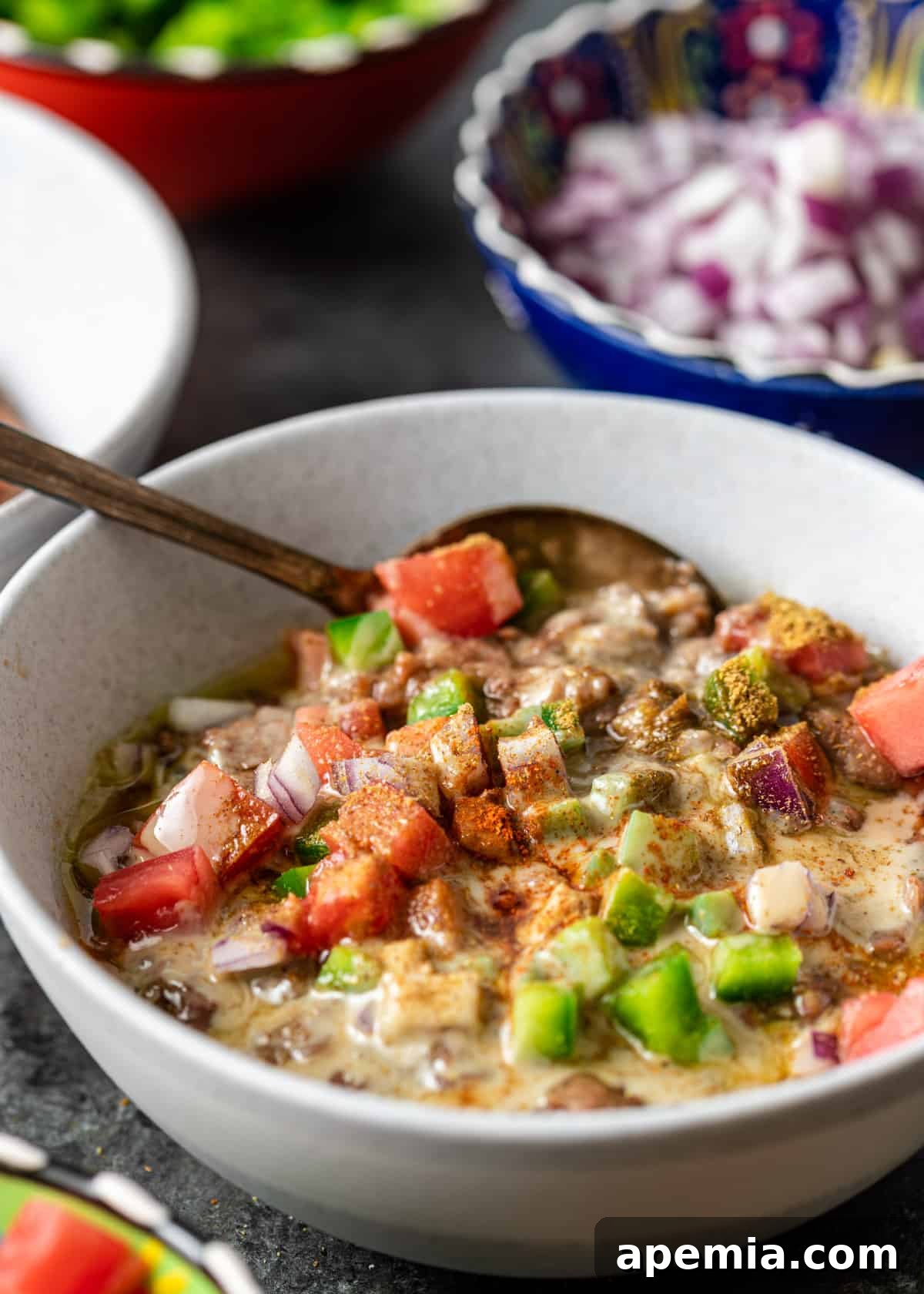
It’s no wonder this staple of Egyptian cuisine has captivated palates worldwide for centuries. Its rich, sumptuous texture, combined with inviting aromas and deeply earthy spices, creates an experience that is both simple and profoundly satisfying. At its core, this humble dish features tender, mashed fava beans, generously adorned with finely chopped bell peppers, ripe tomatoes, crisp red onion, and a fragrant blend of ground cumin and a hint of cayenne pepper. The final flourish comes from a generous drizzle of rich tahini and robust extra virgin olive oil, elevating it into a dish brimming with both incredible flavor and essential nutrition.
My own journey through Egypt offered a delightful immersion into this culinary tradition. Each morning, Foul Mudammas became my go-to breakfast, a revelation far removed from typical pancakes or eggs. Tearing off a piece of warm, freshly baked pita and scooping up the flavorful fava bean stew was an experience that connected me deeply to the local culture, a testament to the power of a simple, well-made dish.
This Foul Mudammas recipe showcases the robust spices characteristic of Middle Eastern cooking, alongside the fresh, vibrant notes often found in Mediterranean cuisine. These two culinary traditions frequently share a common pantry of ingredients, leading to the creation of wholesome, flavorful dishes like the hearty Greek gigantes plaki or the ever-popular falafel patties, both demonstrating the incredible potential of humble legumes.
The inherent versatility of beans is truly remarkable, and this rich, satisfying Ful Medames recipe stands as a shining example. Beyond being packed with essential nutrients, beans can effortlessly take center stage in a variety of dishes, transforming from a simple ingredient into the comforting heart of a meal, much like a cozy Lebanese lentil soup.
While often described as a stew, Foul Mudammas is perhaps better characterized as a thick, hearty dip, making it an ideal companion for fresh, warm pita bread. Whether you choose to enjoy it for breakfast, lunch, or a light dinner, this wholesome fava bean dish is destined to become a new favorite comfort food in your culinary repertoire.
Unveiling the History of Foul Mudammas: A Timeless Staple
The story of Foul Mudammas is as rich and ancient as Egypt itself. Historians trace its origins back to Pharaonic Egypt, where fava beans were a vital part of the diet. The term “Mudammas” is thought to derive from Coptic, meaning “buried,” referring to the traditional cooking method where large pots of fava beans were buried in hot embers or ashes and slow-cooked for hours, sometimes overnight. This slow, gentle cooking process creates the incredibly tender, creamy texture that defines authentic Foul Mudammas. For millennia, this dish has served as an affordable, accessible, and highly nutritious meal, feeding everyone from laborers to royalty. Its enduring popularity across the Middle East and North Africa speaks volumes about its comforting appeal and nutritional value, making it a true culinary survivor and a testament to the power of simple ingredients.
Ingredient Notes and Substitutions for Authentic Ful Medames
Crafting the perfect batch of Ful Medames begins with understanding the role of each ingredient. Here’s a detailed look at the core components and how to best utilize them:
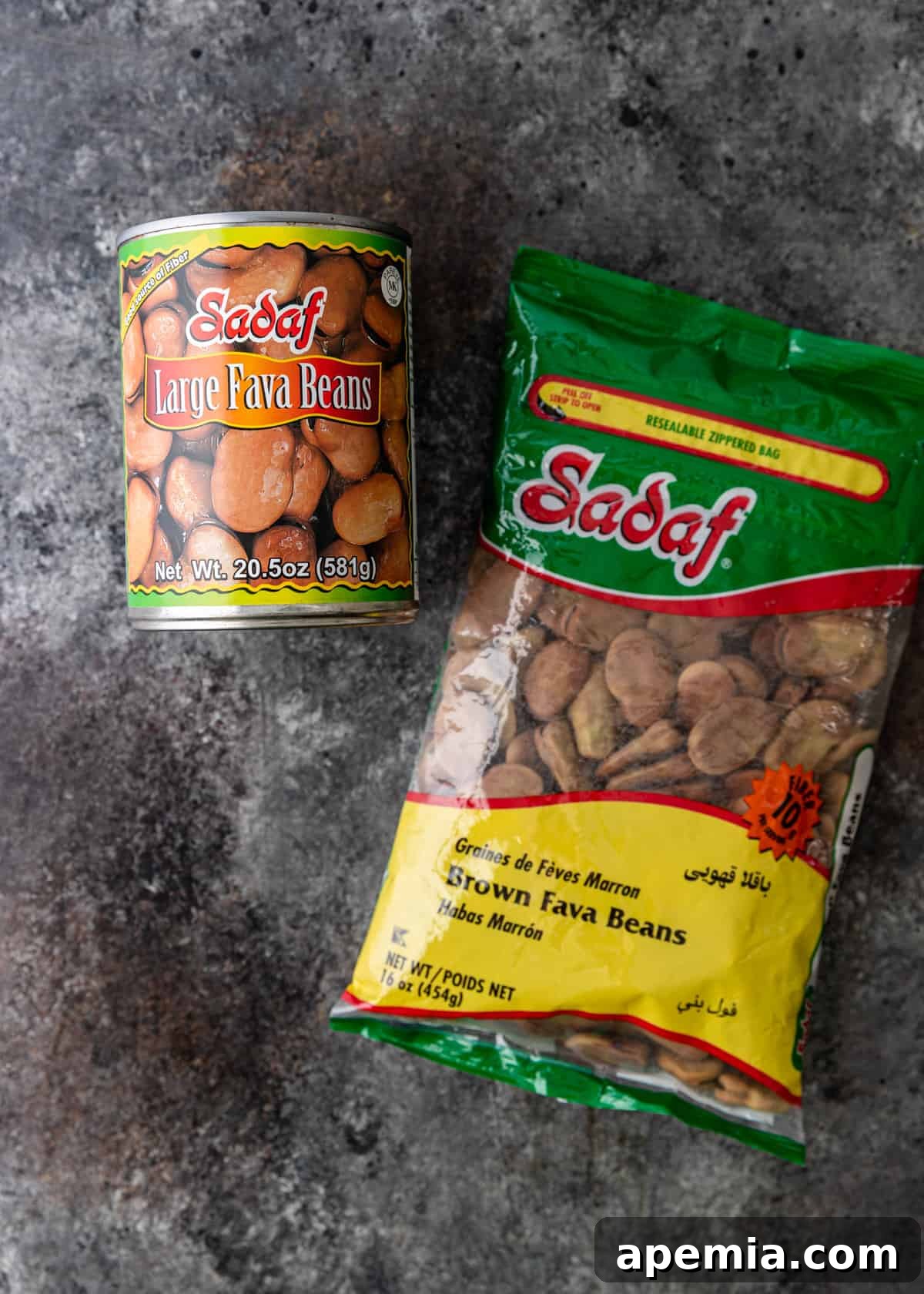
- Fava Beans (Broad Beans): These are the undisputed star of the dish. While traditionalists often prefer to soak dried fava beans overnight for the freshest flavor and optimal texture, canned fava beans offer a convenient and much quicker alternative without sacrificing too much quality. If using dried beans, ensure they are fully hydrated and cooked until tender but not mushy. Some varieties of fava beans have a thicker skin which some prefer to remove for an ultra-smooth texture, though it’s an optional step.
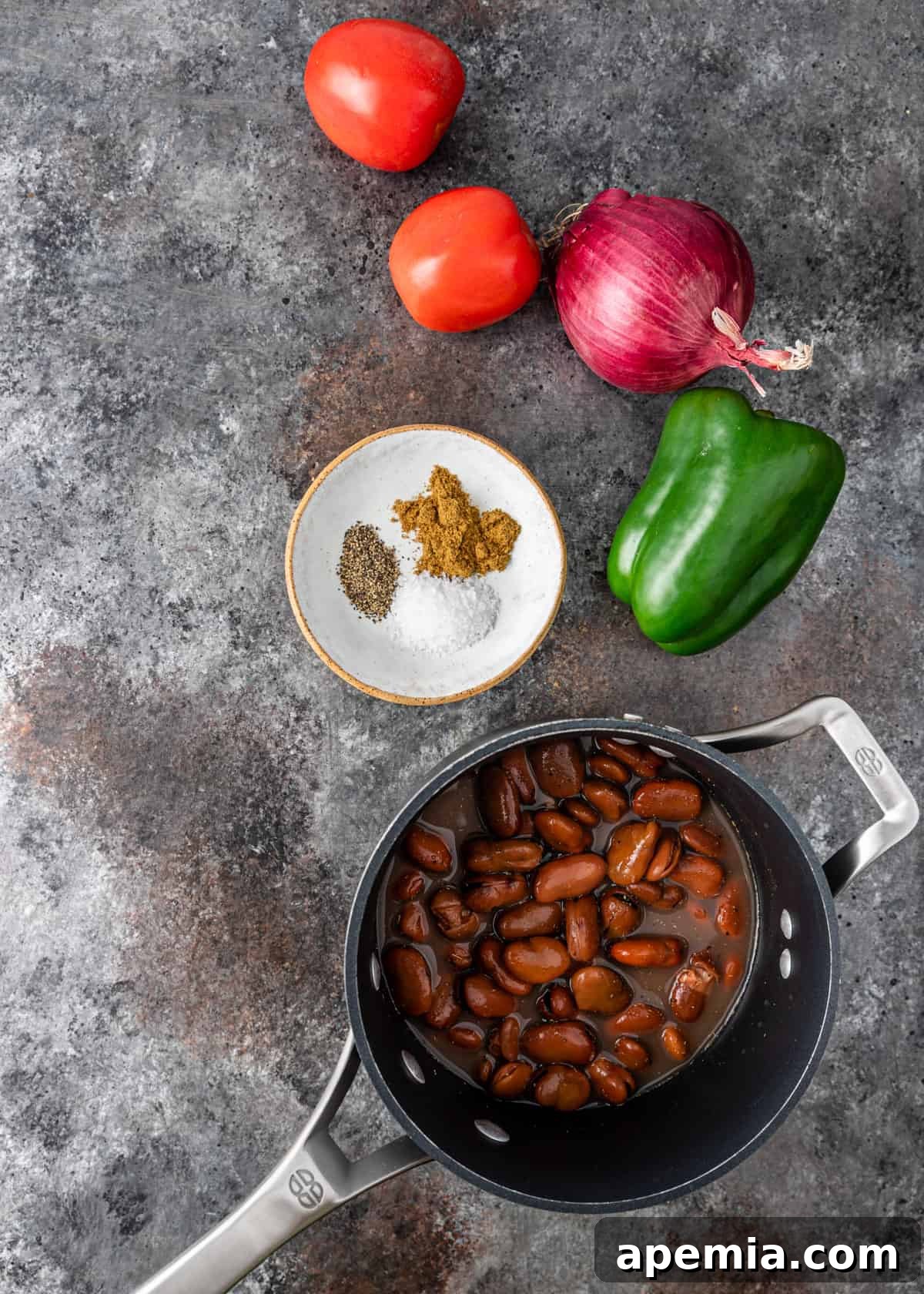
- Garlic: A cornerstone of Middle Eastern flavor, fresh garlic adds a pungent depth. Don’t be shy; the more the merrier if you appreciate a robust garlic presence. It harmonizes beautifully with the earthy beans and spices.
- Green Bell Pepper: Diced green bell pepper introduces a refreshing crunch and a subtle, slightly sweet undertone that cuts through the richness of the beans. Feel free to experiment with other bell pepper colors or even a touch of finely diced jalapeño for a mild kick, tailoring it to your preference. Other vegetables like cucumbers or radishes can also be added for extra freshness.
- Roma Tomato (Plum Tomato): Diced fresh tomatoes provide a burst of sweet, acidic flavor and vibrant color. Roma tomatoes are ideal due to their firm flesh and lower water content, ensuring your topping isn’t watery. Cherry tomatoes, halved, also work wonderfully.
- Red Onion: Finely diced red onion offers a sharp, zesty punch and another layer of satisfying crunch. Its raw bite is an essential contrast to the creamy beans. If raw onion is too strong for your taste, a quick rinse under cold water can mellow its intensity.
- Tahini: This creamy sesame paste is an absolute must-have. It binds the flavors, adding a rich, nutty depth and a velvety smoothness that defines authentic Foul Mudammas. Opt for a good quality tahini for the best results; it should be pourable and not overly bitter.
- Extra Virgin Olive Oil: A generous drizzle of high-quality extra virgin olive oil is not just a garnish; it’s a crucial flavor enhancer. It imparts robust, earthy notes and a fragrant aroma that ties all the elements together, providing healthy fats and a luxurious mouthfeel.
- Ground Cumin: This warm, earthy spice is the soul of Foul Mudammas, infusing the fava beans with their distinctive Middle Eastern character. It’s non-negotiable for achieving authentic flavor.
- Ground Cayenne Pepper: For those who appreciate a gentle warmth, a pinch of cayenne pepper adds an optional but welcome spicy kick, enhancing the overall flavor profile without overpowering the dish. Adjust to your desired level of heat or omit if preferred.
- Fresh, Warm Pita Bread: While Foul Mudammas is delicious on its own, it truly shines when scooped up with warm, pillowy pita bread. The bread acts as the perfect vehicle for soaking up all the flavors and textures. Whole wheat pita is also an excellent, healthier option.
How to Make Foul Mudammas: A Step-by-Step Guide to Perfection
Preparing this traditional Egyptian fava bean breakfast is surprisingly simple, yielding incredibly flavorful results. Follow these steps to create your own authentic Foul Mudammas:
- Prepare the Fava Beans (Dried or Canned):
- If using dried fava beans: Begin by rinsing them thoroughly under cold water. Transfer the rinsed beans to a large container and cover them with at least 1 inch of fresh water. Cover the container and allow them to soak overnight (for at least 8-12 hours). This rehydration process is crucial for proper cooking.
- If using canned fava beans: For a much quicker preparation, drain and rinse two 20-ounce cans of fava beans. Place them in a saucepan with about ½ cup of fresh water. You can then skip directly to step 3.
- Cook the Dried Fava Beans: After soaking, drain and rinse the beans again. Place them in a large saucepan and cover them with fresh water, ensuring the water level is about 1 inch above the beans. Bring the water to a boil, then immediately reduce the heat to a gentle simmer. Cover the saucepan and cook for approximately one hour, or until the beans are completely tender. The cooking time can vary depending on the age and type of fava beans. Once tender, drain the beans, but make sure to reserve at least ½ cup of the cooking liquid. Return the drained beans and the reserved liquid to the saucepan.
- Season and Mash the Beans: To the cooked beans in the saucepan, add 1½ teaspoons of kosher salt, 1 teaspoon of ground cumin, and ½ teaspoon of black pepper. Stir well to combine. Let the seasoned beans simmer gently for about 10 minutes, allowing the flavors to meld. Then, using a potato masher or a sturdy fork, begin to mash the fava beans. I prefer to leave some texture, making it “chunky,” but if you desire a smoother consistency, use an immersion blender until it reaches your preferred creaminess. Taste and adjust seasonings as needed.
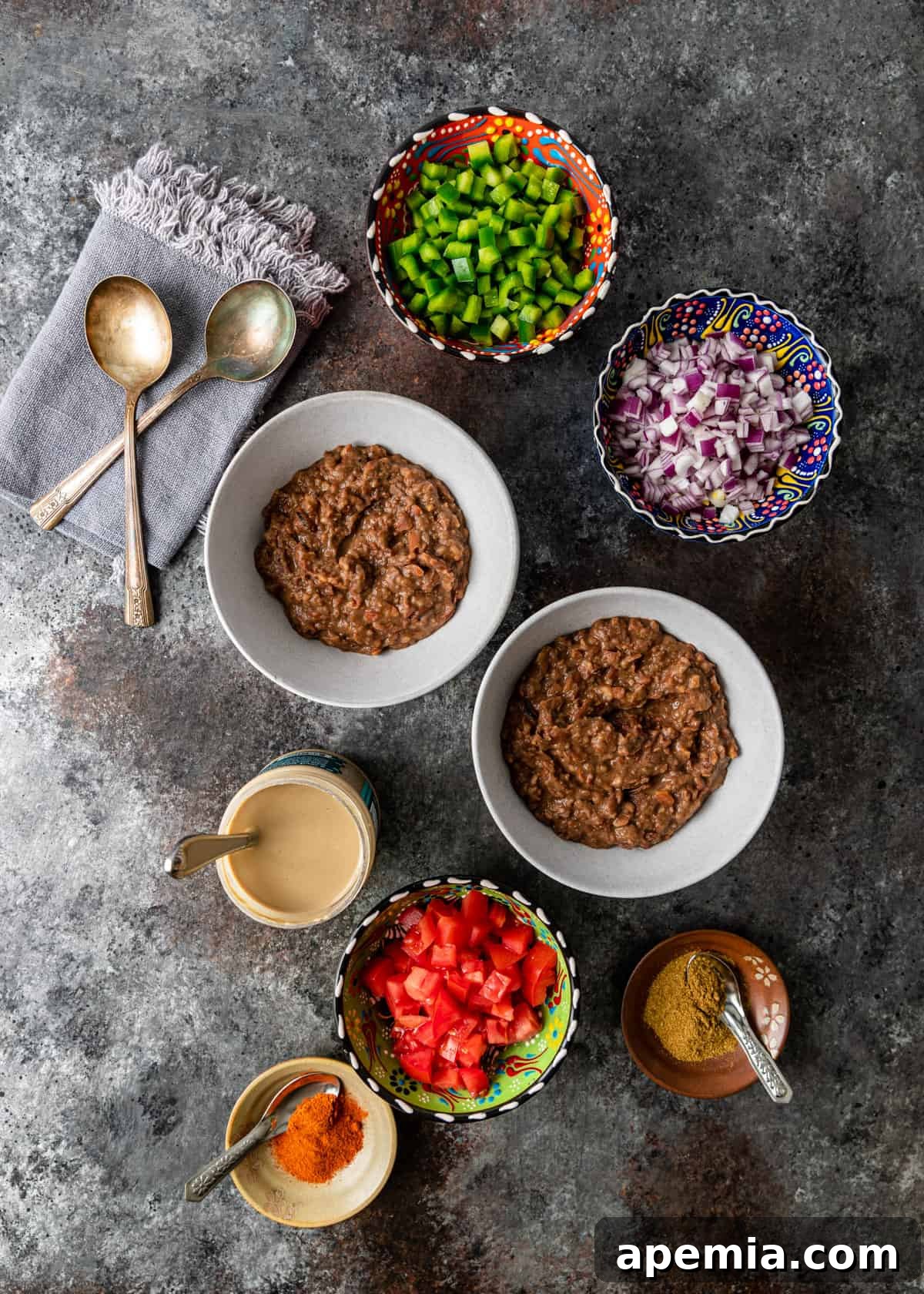
- Prepare the Fresh Toppings: While your beans are simmering, prepare your fresh toppings. Deseed and finely dice the green bell pepper and red onion. Slice the Roma tomatoes into strips, then crosswise into small dice. Place these vibrant chopped vegetables in separate small bowls, ready for serving.
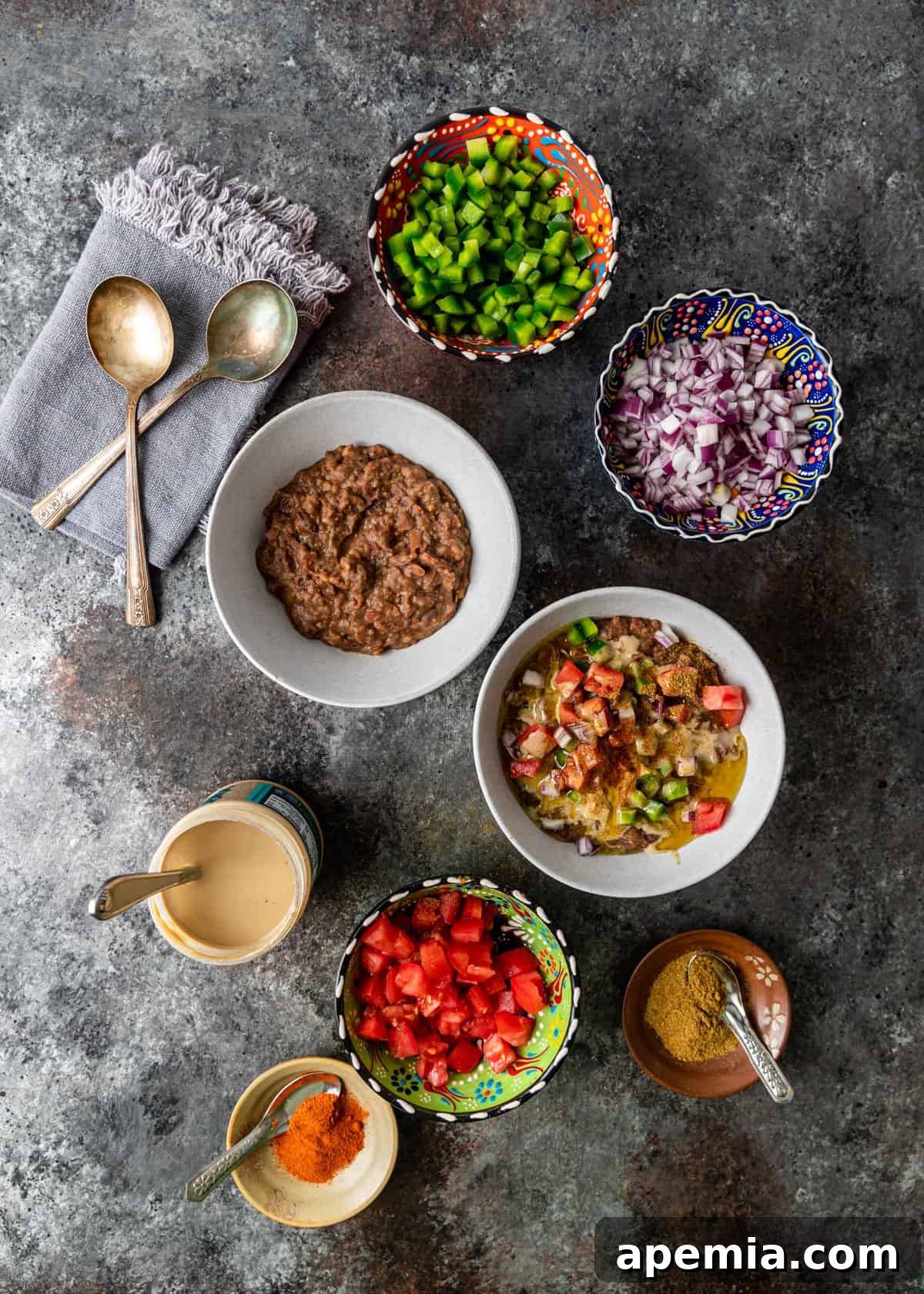
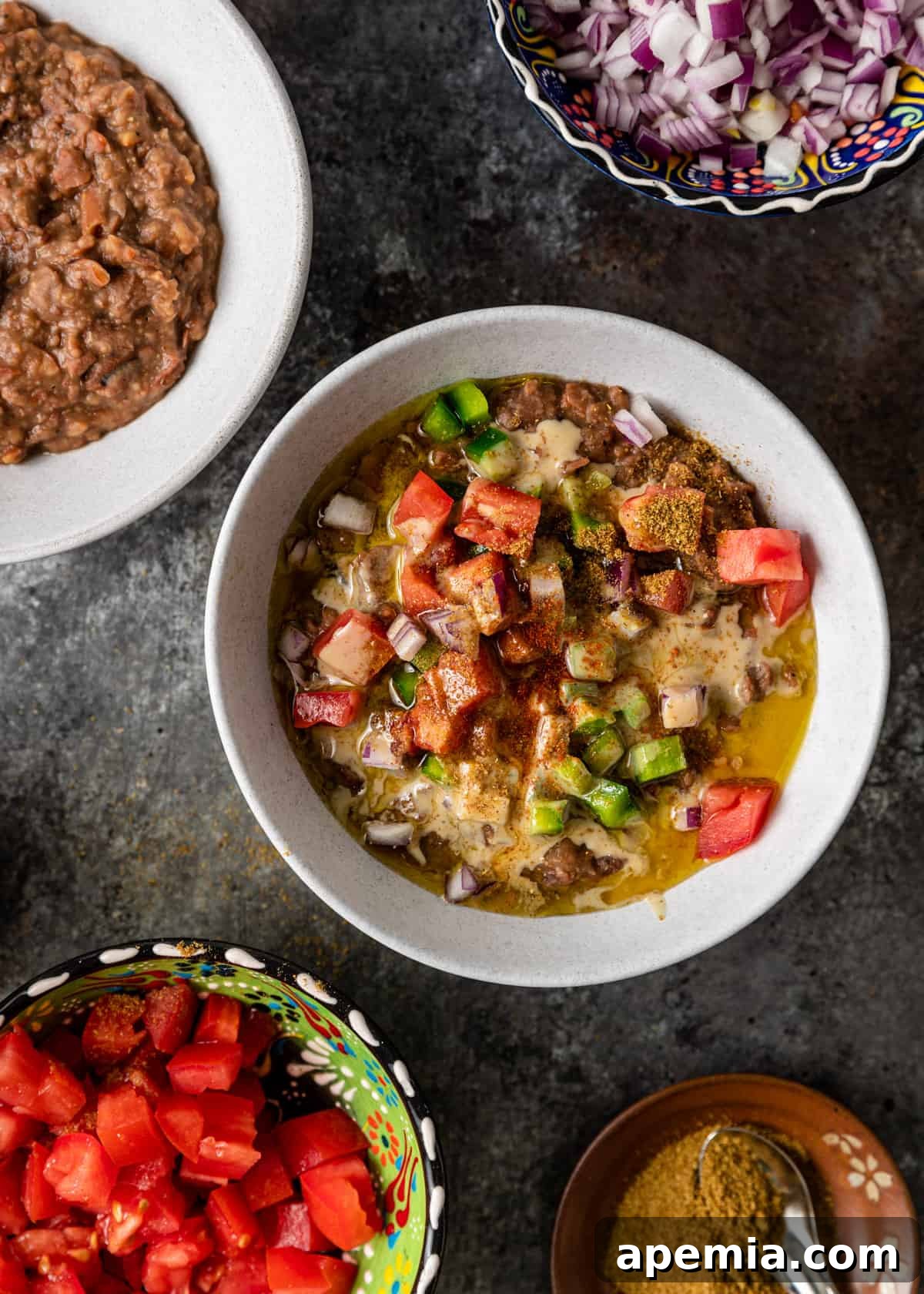
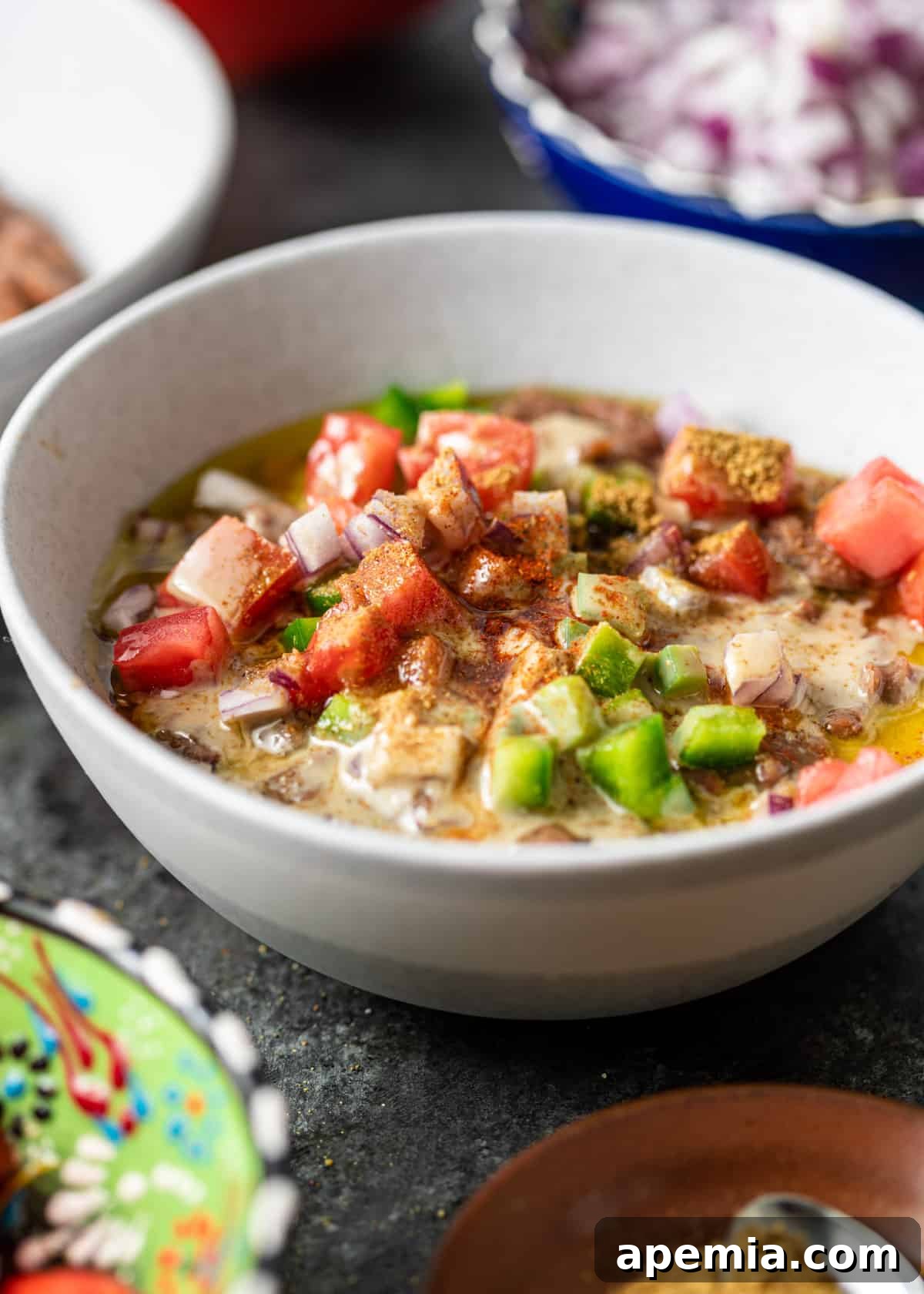
- Assemble and Serve Your Foul Mudammas: Spoon the warm, mashed fava beans into individual serving bowls. Generously top each bowl with the freshly diced bell pepper, red onion, and tomatoes. Sprinkle a little extra ground cumin and a pinch of cayenne pepper (if using) over the toppings for an added aromatic kick. Finish with a lavish drizzle of tahini and a good quality extra virgin olive oil. Serve immediately with warm pita bread.
Is Foul Mudammas a Healthy Choice? Absolutely!
You can readily see that these traditional Egyptian fava beans, whether using broad beans or the classic fava variety, make for an exceptionally healthy and wholesome dish. The combination of nutrient-dense fava beans, fresh, crisp vegetables, creamy tahini, and heart-healthy extra virgin olive oil delivers a powerful nutritional punch. This dish is rich in fiber, which aids digestion and promotes satiety, and provides a significant amount of plant-based protein, making it incredibly filling and satisfying. Furthermore, it’s packed with essential vitamins and minerals, contributing to overall well-being. It’s a fantastic choice for a vegan breakfast or a light, nourishing meal any time of day.
What Does Foul Mudammas Taste Like? A Symphony of Flavors and Textures
Foul Mudammas offers a unique and delightful sensory experience. The foundation is a creamy, mashed fava bean base that boasts a subtly nutty and buttery flavor. The addition of cumin infuses it with a warm, earthy essence, while a touch of cayenne provides a gentle, welcome heat. Served warm, the dish releases an intoxicating aroma, a mouthwatering blend of spices, the rich nuttiness of tahini, and the fruity notes of olive oil. The fresh, diced vegetables—bell pepper, tomato, and red onion—add bright, contrasting textures and flavors, from crisp and sweet to pungent. Each spoonful is a harmonious blend of creamy, warm beans with fresh, vibrant toppings, making it an incredibly satisfying and well-balanced meal. It’s typically enjoyed alongside fresh vegetables and, crucially, warm pita bread for scooping.
Understanding Fava Beans (Broad Beans): The Heart of the Dish
Fava beans, also widely recognized as broad beans, are legumes distinguished by their creamy texture and a delicately nutty flavor profile. They share some similarities with lima beans but tend to be less starchy, offering a smoother consistency when cooked and mashed. In terms of their culinary application, when prepared in this manner, they can be likened to chickpeas, yet they possess a slightly less pronounced “bean” flavor, allowing the accompanying spices and toppings to truly shine. Fava beans are also packed with protein, fiber, and essential micronutrients, making them an excellent foundation for a nutritious meal.
Beyond Breakfast: Serving and Storage Tips for Foul Mudammas
While traditionally a breakfast dish, Foul Mudammas is incredibly versatile and can be enjoyed at any time of day. For lunch, serve it as a hearty dip alongside a fresh salad, or as a vibrant component of a mezze platter. For a light and nourishing dinner, pair it with some grilled halloumi or a sprinkle of crumbled feta (if not keeping it vegan). You can also get creative with toppings: a fried egg, chopped fresh parsley or cilantro, a squeeze of lemon juice, or even a dash of hot sauce can add delightful twists.
To store leftover Foul Mudammas, transfer it to an airtight container and refrigerate for up to 3-4 days. The flavors often deepen overnight! When reheating, gently warm the fava bean mixture on the stovetop over low heat, adding a splash of water if it appears too thick. You may need to adjust seasonings after reheating. Prepare fresh toppings each time for the best texture and flavor experience.

Ful Medames (Egyptian Fava Beans)
Foul Mudammas or Ful Medames is an Egyptian breakfast dish. It’s a hearty stew made of mashed fava beans, chopped vegetables, warm spices, and tahini, perfect for a wholesome start to your day.
Servings: 8
Prep Time: 15 mins
Cook Time: 1 hr 10 mins
Total Time: 1 hr 25 mins
Print Recipe
Ingredients
- 2 20-ounce cans fava beans (or 1½ cups dried, soaked overnight)
- 1½ tsp kosher salt
- 1 teaspoon ground cumin
- ½ teaspoon black pepper
Toppings/Serve
- 1 green bell pepper, diced
- 1 red onion, diced
- 2 Roma tomatoes (plum), diced
- 1 cup tahini (approx. 2 tbsp per serving)
- 1 cup extra virgin olive oil (approx. 2 tbsp per serving)
- 8 pita bread, warm
- Optional: Ground cayenne pepper for garnish
Instructions
- If using canned fava beans, place them in a saucepan over medium-high heat along with ½ cup water. Season with kosher salt, cumin, and black pepper. Cook for 10 minutes. Use a potato masher or fork to mash the fava beans, leaving it somewhat chunky. For a creamier texture, use an immersion blender. Season to taste.
- If using dried fava beans, rinse them thoroughly and cover with water by 1 inch. Soak overnight, covered. Rinse again and cook with enough water to cover by 1 inch. Bring to a boil, then reduce heat to a simmer and cook, covered, for 1 hour or until tender.
- Remove about ½ cup of the cooking liquid and set aside. Drain the remaining liquid from the beans and transfer the beans back into the pan with the reserved cooking liquid. Season with kosher salt, cumin, and black pepper, and simmer for 10 minutes. Use a potato masher or fork to mash the fava beans, leaving them somewhat chunky. Use an immersion blender if you prefer it creamier. Season to taste.
- Prepare the fresh toppings: remove seeds and dice the bell pepper and red onion. Slice the tomato flesh into strips, then crosswise into small dice. Set aside in bowls.
- Spoon the warm fava beans into individual serving bowls. Top generously with the diced bell pepper, red onion, and tomatoes. Sprinkle with a little extra ground cumin and cayenne pepper to taste. Finish with a liberal drizzle of tahini and extra virgin olive oil.
- Serve immediately with warm pita bread, which is highly recommended for the best experience.
Notes
- Some individuals prefer to remove the skins from the cooked fava beans for a smoother texture, which is entirely optional. If you desire a creamier consistency without peeling, an immersion blender works wonders.
Nutrition
Calories: 503 kcal | Carbohydrates: 59 g | Protein: 18 g | Fat: 16 g | Saturated Fat: 2 g | Polyunsaturated Fat: 4 g | Monounsaturated Fat: 8 g | Sodium: 749 mg | Potassium: 623 mg | Fiber: 12 g | Sugar: 3 g | Vitamin A: 218 IU | Vitamin C: 16 mg | Calcium: 117 mg | Iron: 4 mg
The information shown is an estimate provided by an online nutrition calculator. It should not be considered a substitute for a professional nutritionist’s advice.
Course: Breakfasts
Cuisine: Egyptian
Author: Kevin
Have You Made This Recipe? Let Me Know on Instagram!
Tag @keviniscooking or tag me #keviniscooking!