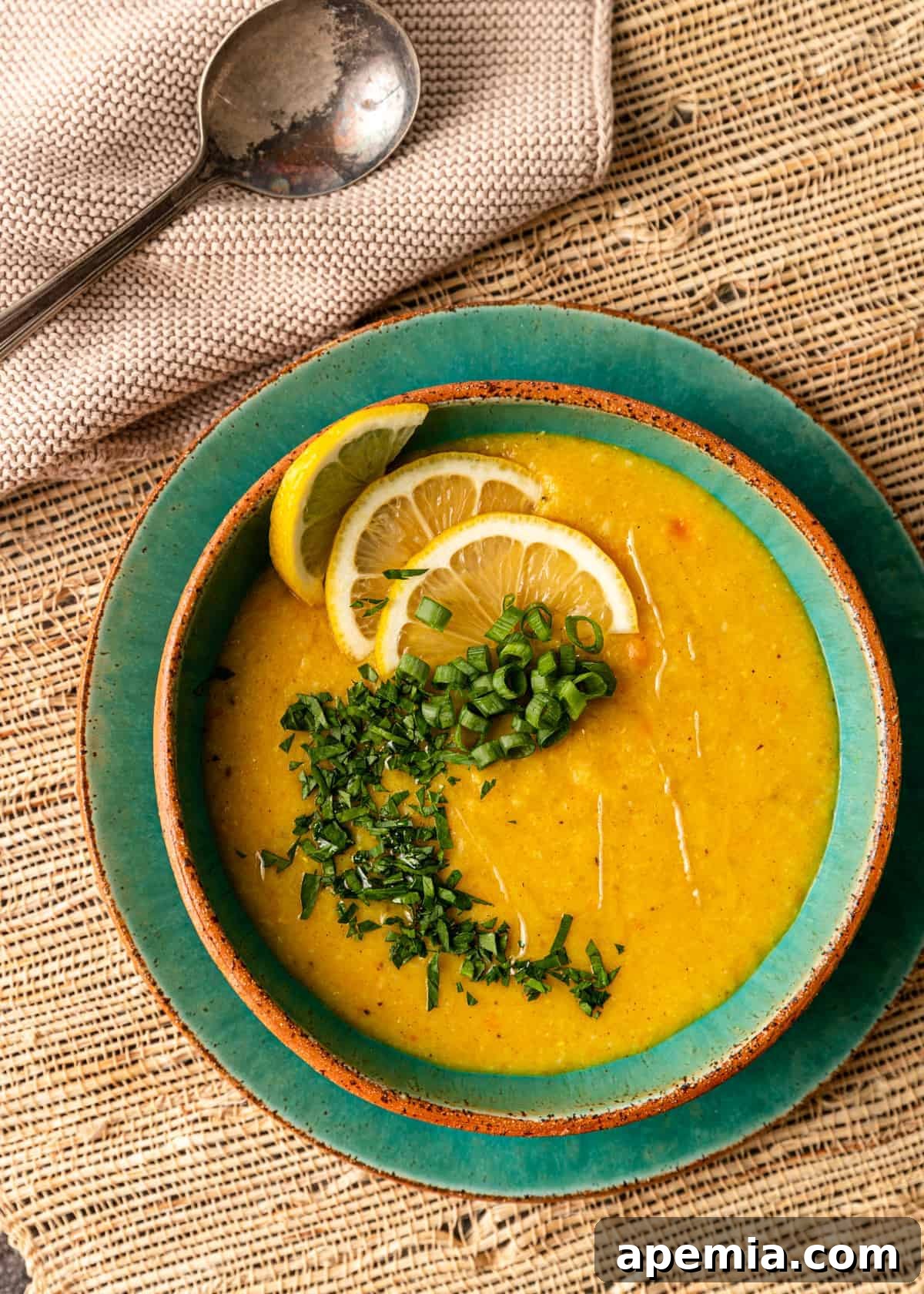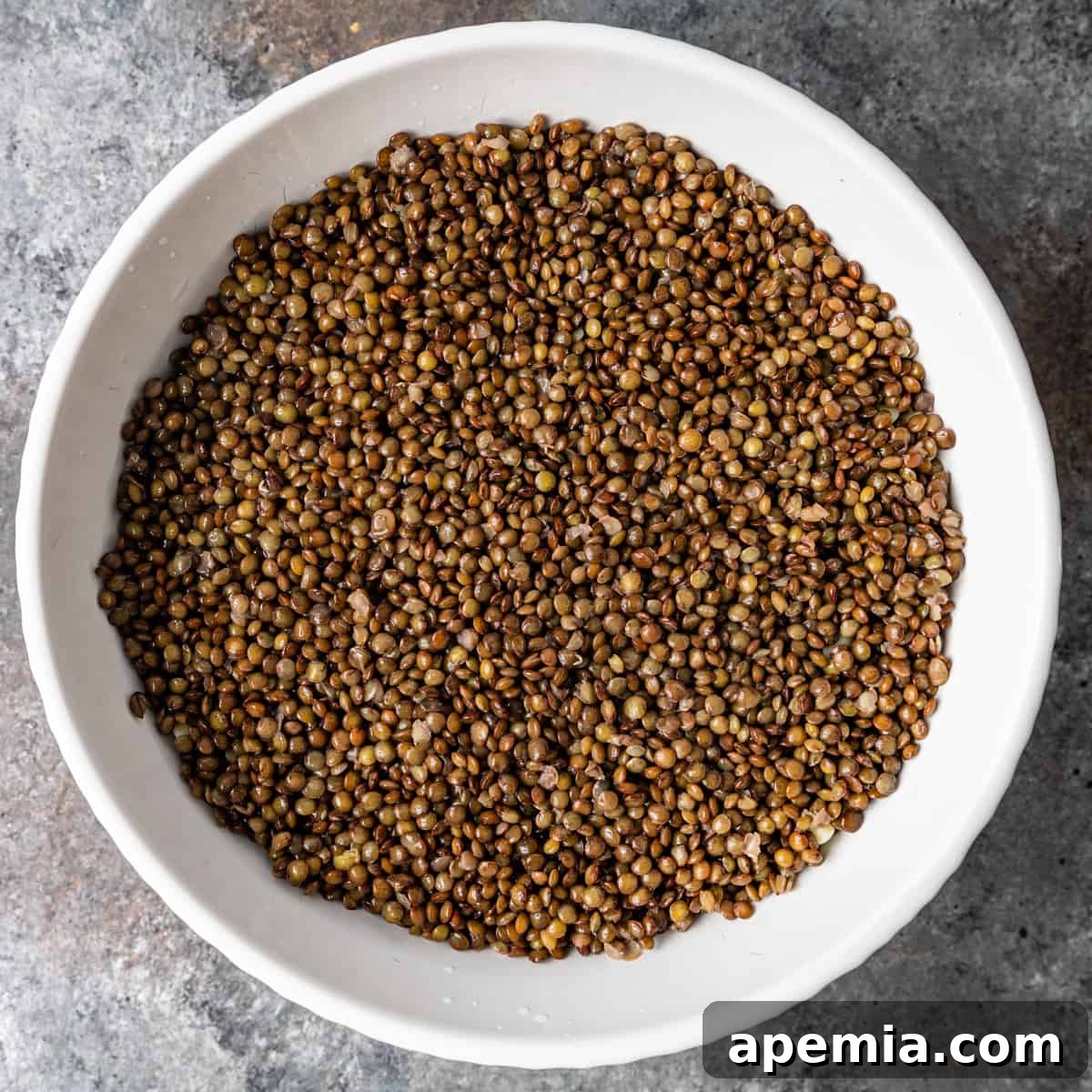
Once considered a niche ingredient primarily for vegetarians, lentils have now earned their rightful place in kitchens around the globe, beloved by home cooks and professional chefs alike. These tiny, nutrient-packed legumes are incredibly versatile, finding their way into a myriad of dishes, from hearty soups and savory stews to vibrant salads and innovative main courses. You’ve likely encountered them in various culinary forms, perhaps even spotted them on supermarket shelves in both dried and canned varieties. If you’ve ever found yourself intrigued by these humble pulses and wondered how to unlock their full potential, you’ve landed on the ultimate guide. This comprehensive resource will demystify the art of cooking lentils, ensuring you can prepare them perfectly every time, no matter your preferred method or the type of lentil you choose.
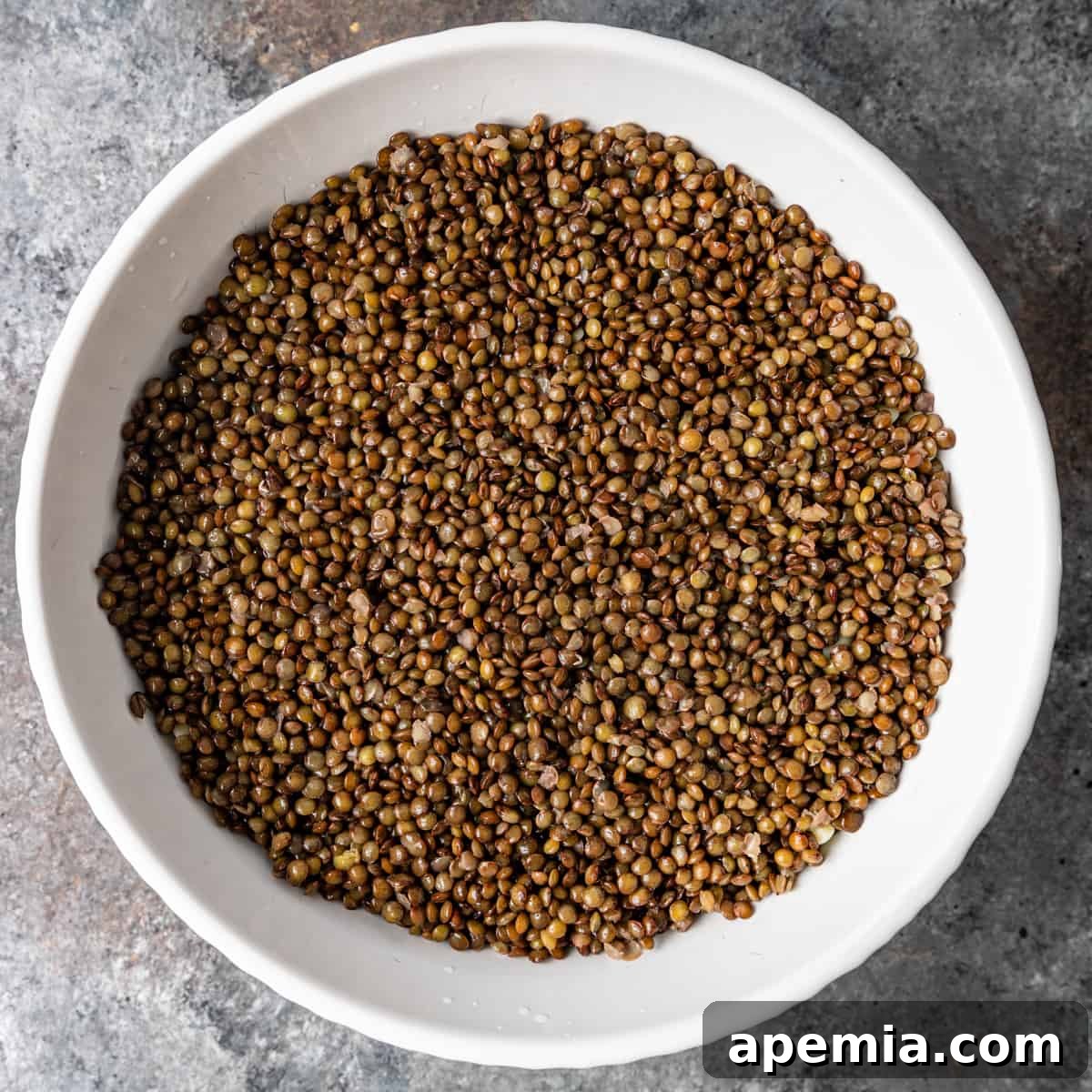
More than just a delicious addition to your meal, lentils are an exceptional source of plant-based protein, dietary fiber, and essential minerals, making them a cornerstone of any healthy diet. Whether you follow a plant-based lifestyle or simply enjoy incorporating nutritious ingredients into your cooking, lentils offer a fantastic way to boost the nutritional value and satisfying texture of your dishes. They can transform a simple salad into a robust and filling lunch or add incredible depth and body to your favorite soups and stews. For everyone eager to master the art of cooking lentils, this guide provides all the information you need, covering:
- A detailed exploration of various lentil types and their unique characteristics.
- Step-by-step instructions for popular cooking methods, including stovetop, Instant Pot, slow cooker, and rice cooker.
- Creative and inspiring ways to incorporate cooked lentils into your everyday meals.
- A selection of delicious lentil recipes to ignite your culinary imagination.
Beyond the basics, we’ll also address some of the most frequently asked questions about preparing lentils at home, ensuring you have all the tips and tricks for consistently perfect results.
Different Types of Lentils: A Culinary Overview
The world of lentils is surprisingly diverse, offering a spectrum of colors, textures, and subtle flavors, each suited to different culinary applications. Understanding these variations is key to choosing the right lentil for your dish and achieving the desired outcome. Importantly, different types of lentils also require varying cooking times, which we’ll detail here and for each specific cooking method. Here are the most common varieties you’ll find, along with their typical stovetop simmering times:
- Red Lentils: These small, orange-to-red lentils are known for their quick cooking time and tendency to break down, becoming wonderfully creamy and soft. They have a mild, slightly sweet flavor. Ideal for pureed soups, curries (like Dal Tadka), and dishes where a smooth, thick consistency is desired. Stovetop Cook Time: 10-15 minutes.
- French Green Lentils (Lentils du Puy): Hailing from the Puy region of France, these speckled, dark green lentils are prized for their rich, peppery flavor and firm texture, even after cooking. They hold their shape exceptionally well, making them perfect for salads, side dishes, and situations where you want distinct lentil grains. Stovetop Cook Time: 15-20 minutes.
- Green Lentils: Larger than French green lentils and with a slightly milder flavor, standard green lentils also retain their shape well after cooking, though they are a bit softer than their French counterparts. They are highly versatile and work beautifully in salads, stews, and as a hearty side dish. Stovetop Cook Time: 18-20 minutes.
- Brown Lentils: The most common type of lentil, brown lentils have a mild, earthy flavor and tend to hold their shape reasonably well, though they can become slightly mushy if overcooked. They are excellent all-purpose lentils, perfect for soups, stews, and as a base for vegetarian burgers or fillings. Stovetop Cook Time: 20-25 minutes.
- Black Lentils (Beluga Lentils): Often called “Beluga” lentils due to their resemblance to caviar, these tiny, shiny black lentils boast a robust, earthy flavor and maintain their shape exceptionally well. They are particularly attractive in salads and as a side dish, adding a touch of elegance to any plate. Stovetop Cook Time: 25-30 minutes.
It’s crucial to remember that these simmering times are specific to stovetop cooking. We’ll provide adjusted cook times for other popular methods, such as the Instant Pot, slow cooker, and rice cooker, as we delve into each technique below.
How to Cook Lentils: Getting Started
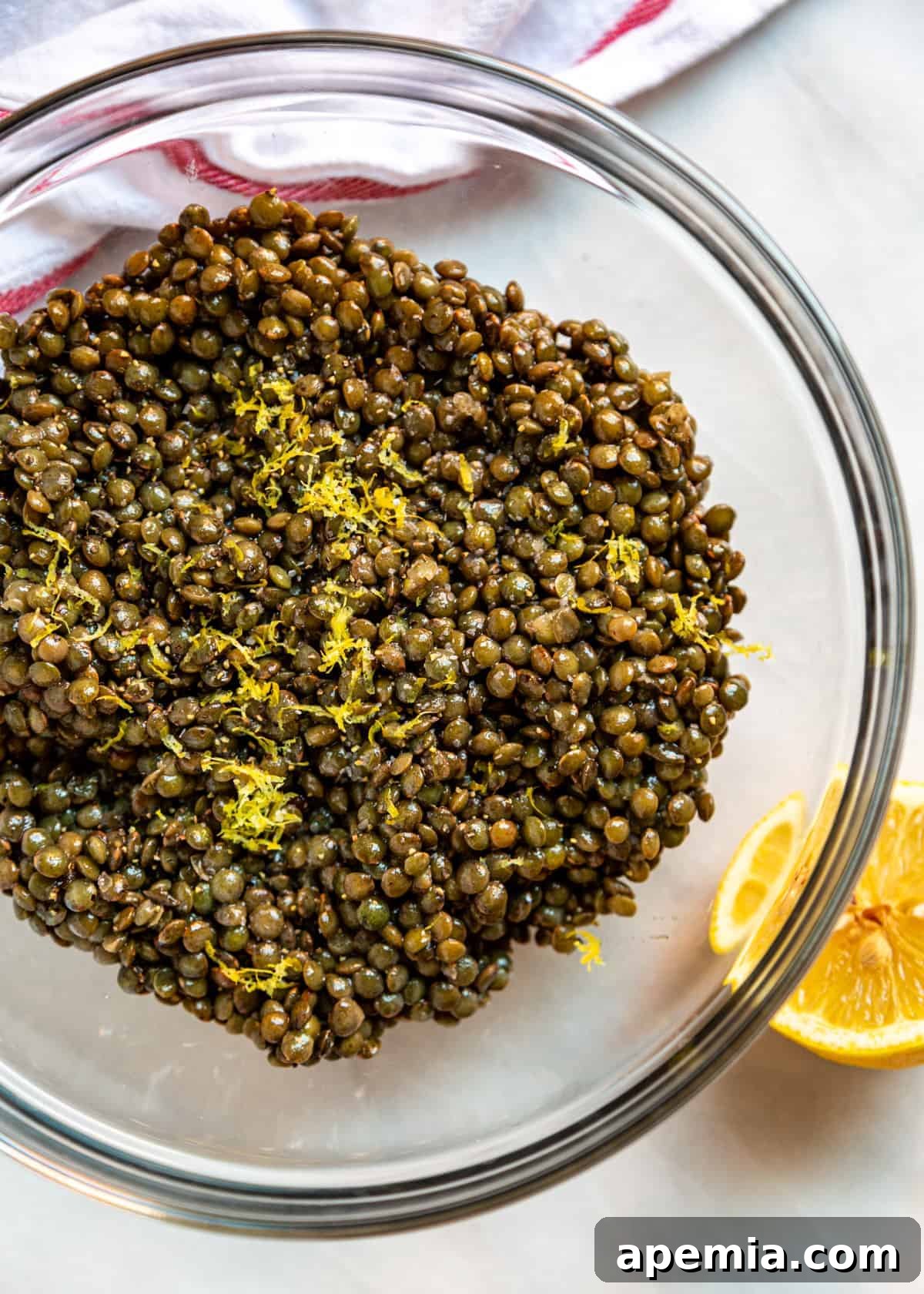
Like many other legumes, lentils are available in two primary forms: dried and canned. While canned lentils offer ultimate convenience – simply rinse and add to your dish – dried varieties are typically more economical and allow for greater control over texture and flavor. Although dried lentils require a bit more preparation, the process is straightforward and incredibly rewarding. Don’t let the idea of “more work” deter you; learning how to cook dried lentils opens up a world of culinary possibilities and budget-friendly meals. While canned lentils are not overly expensive, opting for dried can lead to significant savings over time, especially if lentils become a staple in your diet.
The beauty of cooking lentils lies in their adaptability to various kitchen appliances. You don’t need specialized equipment; most common kitchen tools will suffice. Whether you prefer the traditional stovetop method, the speed of an Instant Pot, the hands-off convenience of a Crockpot, or the simplicity of a rice cooker, you’re all set to prepare delicious lentils at home. We’ll explore each method in depth, providing clear, easy-to-follow instructions so you can confidently cook perfect lentils every single time.
Mastering Lentils: Diverse Cooking Methods
Lentils are remarkably versatile, not just in their culinary applications but also in how they can be cooked. This flexibility makes them an ideal ingredient for any home cook, regardless of their schedule or preferred kitchen gadgets. Let’s delve into the most popular and effective methods for cooking dried lentils to perfection.
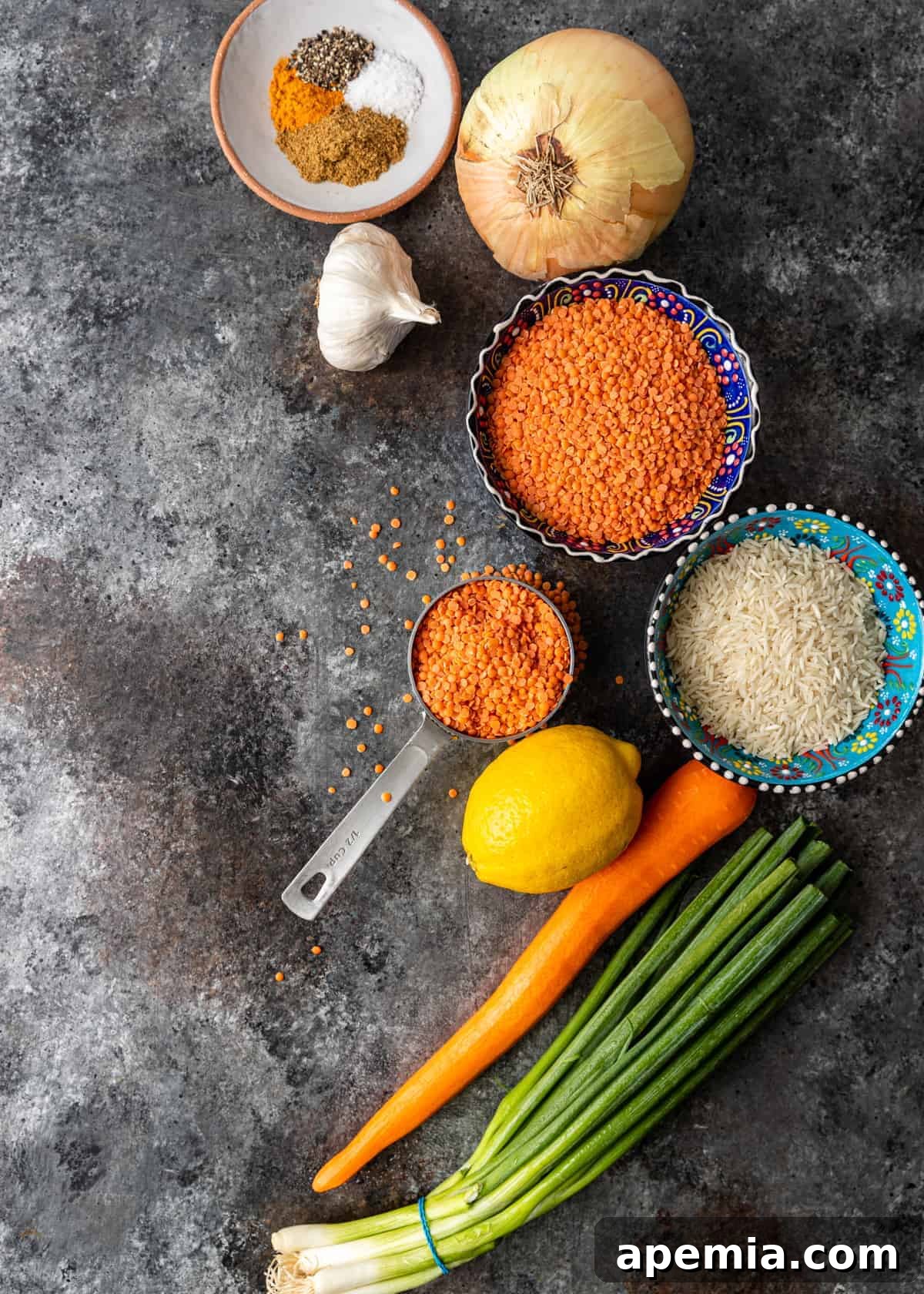
How to Cook Dried Lentils on the Stovetop
The stovetop method is a classic and reliable way to cook dried lentils, offering great control over their texture. Unlike many other legumes, lentils are small enough that they generally do not require pre-soaking, saving you valuable time. This makes them a fantastic option for quick, nutritious meals. This method works for all lentil types, but remember to adjust cooking times based on the variety.
Step 1: Inspect and Rinse the Lentils. Pour your dried lentils onto a light-colored surface or into a fine-mesh sieve. Carefully inspect them for any small stones, debris, or shriveled lentils, and discard them. This step is crucial for food safety and a pleasant eating experience. Once inspected, rinse the lentils thoroughly under cold running water until the water runs clear. This removes any dust or residual dirt.
Step 2: Combine Lentils and Water. Transfer the rinsed lentils to a large pot or saucepan. Add approximately 3-4 cups of cold water for every 1 cup of dried lentils. While not strictly necessary, adding an aromatic like a bay leaf, a garlic clove, or a sprig of thyme to the cooking water can infuse the lentils with subtle flavor. Avoid adding salt at this stage, as it can sometimes toughen the lentil skins and prolong cooking time.
Step 3: Boil and Simmer. Bring the water to a rolling boil over medium-high heat. Once boiling, reduce the heat to a gentle simmer, cover the pot partially (leaving a small vent for steam), and cook until the lentils are tender. Refer to the “Different Types of Lentils” section above for specific cooking times. Check for doneness by tasting; they should be tender but still hold their shape (unless you are aiming for mushy, like with red lentils for soup).
Step 4: Drain, Rinse (Optional), and Serve. Once cooked to your desired tenderness, remove the pot from the heat. Carefully drain any excess cooking liquid using a fine-mesh sieve. While not always necessary, a quick rinse under cold water can stop the cooking process and prevent them from becoming too soft if you plan to use them in a cold salad. Serve immediately or allow to cool before storing.
How to Cook Lentils in an Instant Pot (Pressure Cooker)
The Instant Pot or any electric pressure cooker is a game-changer for preparing lentils, significantly reducing cooking time while delivering consistently perfect results. It’s also incredibly convenient, offering a hands-off approach and easy cleanup. This method is especially favored for its speed and efficiency.
Step 1: Rinse and Inspect. Just like the stovetop method, begin by thoroughly inspecting your dried lentils for debris and rinsing them under cold water until clean. This is an important preparatory step for all cooking methods.
Step 2: Pressure Cook. Place the rinsed lentils into the Instant Pot insert. For most lentil types, a ratio of 2.5-3 cups of water (or broth for added flavor) to 1 cup of dried lentils works best. Stir briefly to ensure no lentils are stuck to the bottom. Secure the lid, ensure the vent is in the sealing position, and pressure cook on High for the following approximate times:
- Red Lentils: 4-6 minutes (for very soft, creamy lentils)
- French/Green Lentils: 7-9 minutes (for tender but firm lentils)
- Brown Lentils: 8-10 minutes (for tender but firm lentils)
- Black (Beluga) Lentils: 10-12 minutes (for tender, intact lentils)
Adjust these times slightly based on your desired texture (less time for firmer, more time for softer).
Step 3: Natural Pressure Release. After the cooking cycle completes, allow the Instant Pot to naturally release pressure for 10-15 minutes. This is crucial for preventing foamy water from sputtering out of the vent and helps the lentils cook more evenly. After 10-15 minutes, carefully move the vent to the “venting” position to release any remaining pressure. Once the pin drops, you can safely open the lid.
Step 4: Drain and Serve. Open the lid, carefully stir the lentils, and drain any excess water if desired. Your perfectly cooked, tender lentils are now ready to be incorporated into your recipe or served as a side dish.
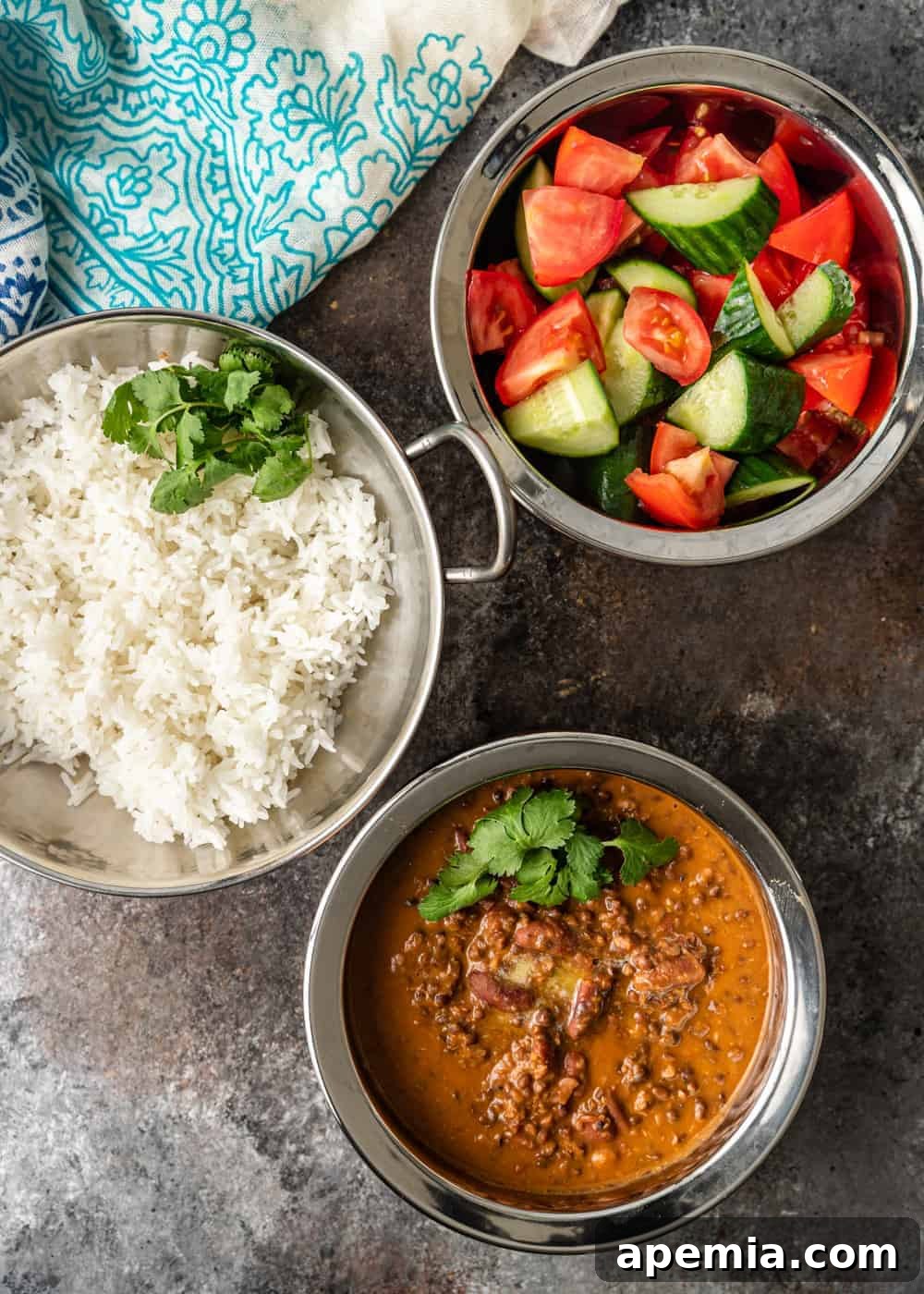
How to Cook Lentils in a Crockpot (Slow Cooker)
For those who appreciate the convenience of “set it and forget it” cooking, the slow cooker is an excellent method for preparing lentils. This hands-off approach allows you to tend to other tasks or even leave the house while your lentils gently simmer to perfection. It’s an ideal solution for busy individuals or meal prepping.
Step 1: Rinse Your Lentils. As with all dried lentil preparations, start by inspecting and thoroughly rinsing your chosen lentils under cold running water.
Step 2: Slow Cook. Place the rinsed lentils into your slow cooker. Add approximately 3-4 cups of water or broth for every 1 cup of dried lentils. You can also add aromatics like chopped onions, carrots, celery, or garlic at this stage for a more flavorful base. Cover the slow cooker with its lid and cook on High for 3-4 hours or on Low for 6-8 hours, depending on your slow cooker’s heat settings and the desired tenderness of your lentils.
Step 3: Check and Serve. Once the cooking time is complete, carefully remove the lid. The lentils should be tender. If they are not quite done, you can continue cooking for another 30-60 minutes. Drain any excess liquid, season to taste, and serve your perfectly cooked, flavorful lentils. This method is particularly forgiving and yields soft, wonderfully integrated lentils, great for soups and stews.
Please note that these cooking times are general guidelines. Red and French lentils may require slightly less time, while black lentils might need the full duration or a bit more, especially on the Low setting. Always check for desired tenderness.
How to Cook Lentils in a Rice Cooker
Who knew your trusty rice cooker could also be used for lentils? This versatile appliance provides another convenient and easy way to cook various types of lentils, making it a great option if your stovetop is occupied or you simply prefer its automated simplicity.
Step 1: Prepare the Lentils. Start by inspecting and rinsing your dried lentils under cold water until they are clean and free of debris.
Step 2: Add to Rice Cooker. Place the rinsed lentils into the rice cooker pot. Add 2 cups of water or broth for every 1 cup of dried lentils. Close the lid. If your rice cooker has a specific “grain” or “brown rice” setting, you can use that for optimal results. Otherwise, simply use the standard “cook” or “white rice” setting, which typically uses a higher heat.
Step 3: Cook until Tender. Cook for approximately 30-40 minutes, or until the lentils have absorbed the water and are tender. Cooking times can vary slightly depending on the rice cooker model and the type of lentil. If after the initial cooking cycle the lentils are still too firm, you can add a bit more water (about 1/4 cup at a time) and continue cooking in 10-minute intervals until they reach your desired consistency.
Generally, this method works well for green, brown, black, and French lentils. Red lentils, which cook much faster, may require less water and a shorter cooking time, so keep a close eye on them to prevent them from becoming overly mushy.
How Long to Cook Lentils? A Quick Reference
The cooking time for lentils is primarily dictated by their type and the method you choose. As a general rule of thumb, red lentils cook the fastest due to their smaller size and lack of a tough outer skin, while black (Beluga) lentils require the longest cooking time to become tender while retaining their shape. Always consult the specific guidelines for your chosen lentil type and cooking method to ensure perfect results and prevent overcooking. Remember, the goal is tender but not mushy, unless your recipe specifically calls for a broken-down consistency.
Creative Ways to Use Cooked Lentils: Serving Suggestions
Now that you’ve mastered the art of cooking lentils, it’s time to unleash their culinary potential! Lentils are incredibly versatile and can be incorporated into a vast array of dishes, adding protein, fiber, and an earthy flavor. Here are some inspiring ideas to help you integrate these super-legumes into your meals:
- Elevate Your Salads: Cooked lentils are a fantastic way to add substance, protein, and texture to any salad. Their hearty nature transforms a light salad into a satisfying meal. Try mixing green or French lentils with your favorite leafy greens, chopped vegetables, herbs, and a zesty vinaigrette. For an extra boost, combine them with other legumes like chickpeas or black beans. A simple dressing of olive oil, lemon juice, salt, and pepper is often all they need to shine.
- Hearty Soups & Stews: Perhaps the most classic application, lentils are a staple in countless soup and stew recipes across cultures. Their ability to thicken liquids and absorb flavors makes them ideal for comforting, nourishing bowls. Red lentils, in particular, are excellent for creamy, pureed soups (like a classic red lentil soup) as they break down easily. Brown or green lentils hold their shape better, adding texture to robust vegetable or meat stews. Explore international flavors with dishes like Indian dal, Middle Eastern mujadara, or French lentil soup.
- Savory Fillings & Patties: For vegetarians, vegans, and even omnivores looking to reduce meat consumption, lentils are an outstanding meat substitute. Their earthy flavor and robust texture make them perfect for creating plant-based versions of your favorite dishes. Use them as a filling for tacos, burritos, and enchiladas, or as the base for flavorful veggie burgers and meatballs. They can also be incorporated into savory pies, stuffed bell peppers, or even as a filling for dumplings.
- Nutritious Side Dish: Cooked lentils can stand alone as a simple yet incredibly satisfying side dish. Toss them with a knob of butter or a drizzle of olive oil, fresh herbs, a squeeze of lemon juice, and a sprinkle of sea salt and freshly ground black pepper. They pair wonderfully with roasted vegetables, grilled fish, or lean meats, offering a wholesome alternative to rice or potatoes.
- Wholesome Dips & Spreads: Transform cooked lentils into delicious, protein-rich dips and spreads. Blend red lentils with garlic, lemon juice, tahini, and spices to create a lentil “hummus.” Or, mash brown lentils with herbs and seasonings for a rustic pâté perfect for spreading on toast or crackers.
- Innovative Breakfasts: While less common, lentils can even make an appearance at breakfast! Savory lentil pancakes (like Indian dosa or chilla) offer a unique and nutritious start to your day. You can also mix cooked lentils into a savory breakfast bowl with eggs, avocado, and salsa for a protein-packed meal.
6 Great Lentil Recipes to Try
Having explored the many ways to cook lentils and integrate them into your meals, it’s time to get inspired with some truly delicious recipes. These dishes showcase the versatility and global appeal of lentils, proving they can be the star of any plate.
- Dal Makhani (Creamy Black Lentils): A rich and indulgent Indian classic featuring black lentils simmered in a creamy, spiced tomato sauce.
- Moroccan Chicken and Lentils: A fragrant and hearty one-pot meal where tender chicken and green lentils are slow-cooked with aromatic Moroccan spices.
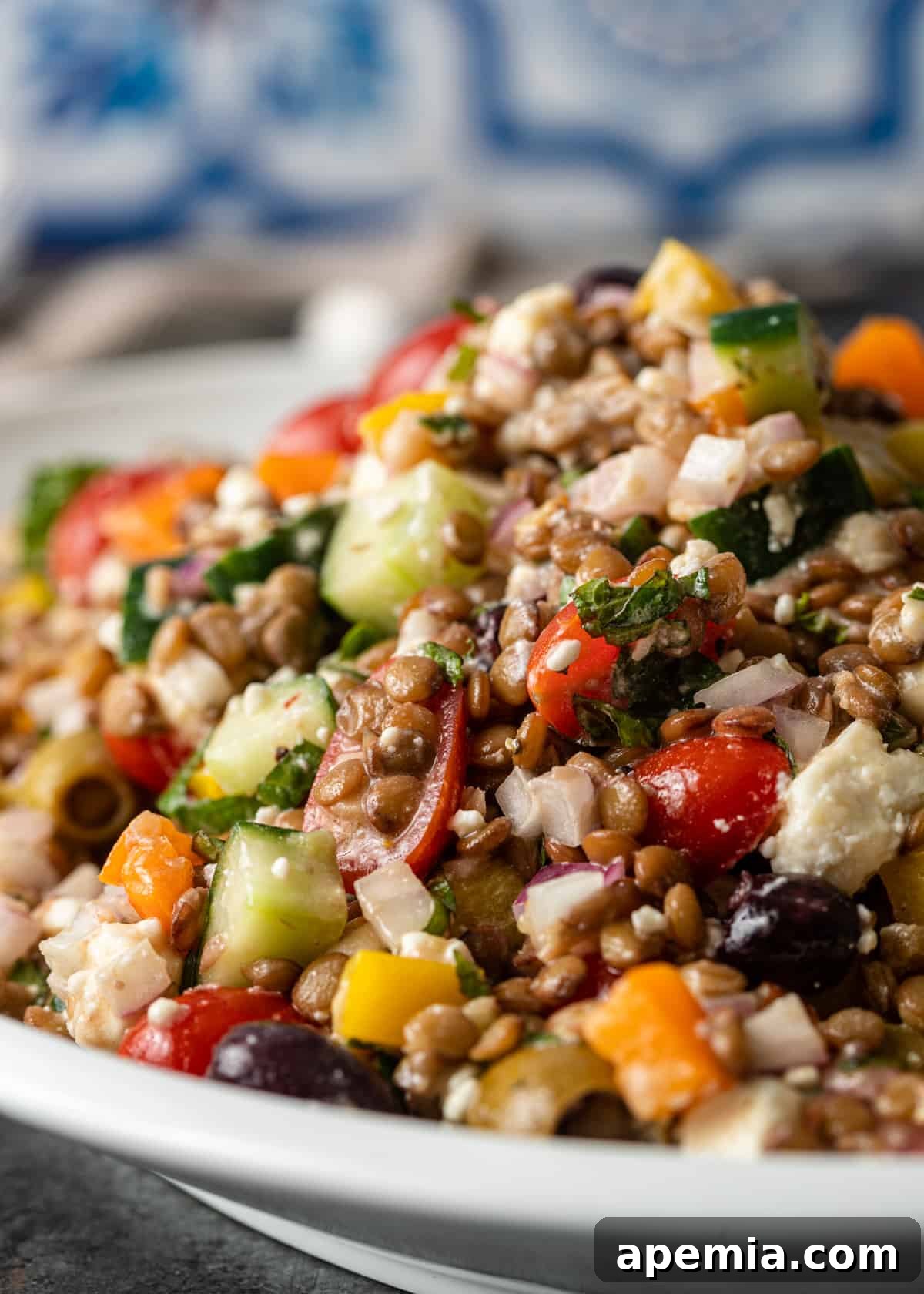
- Greek Lentil Salad: A refreshing and vibrant salad made with brown lentils, crisp vegetables, fresh herbs, and a tangy lemon-oregano dressing.
- Dal Tadka Soup: A popular Indian lentil soup made with red lentils, tempered with a flavorful spice mixture, perfect for a comforting meal.
- Berbere Chicken and Lentils: An exotic and flavorful dish combining chicken and brown lentils with the complex, spicy notes of Ethiopian Berbere seasoning.
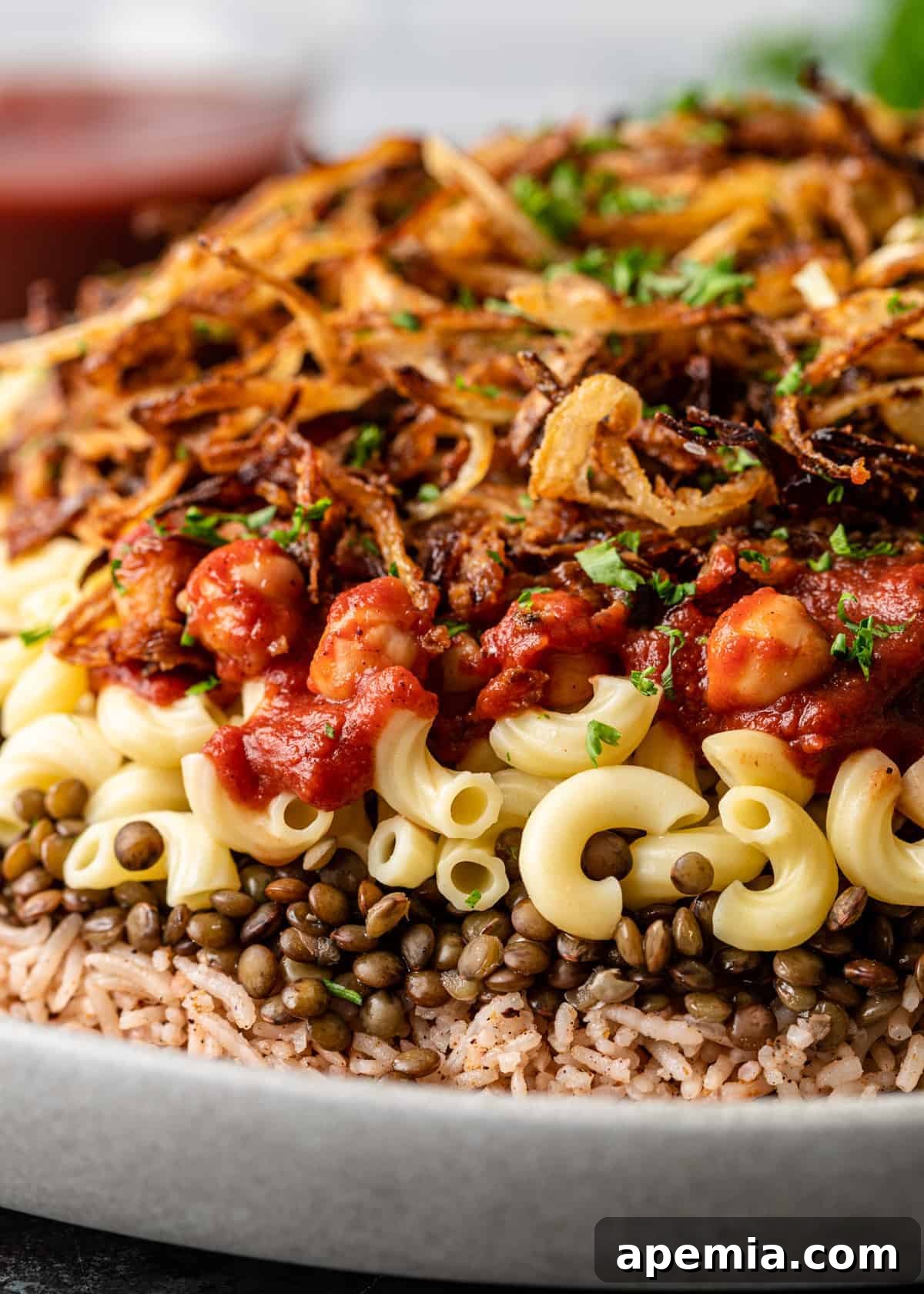
- Koshari (Egypt’s National Dish): A beloved Egyptian street food featuring a delightful combination of green lentils, rice, pasta, and chickpeas, topped with a spicy tomato sauce and crispy fried onions.
Frequently Asked Questions About Cooking Lentils
Even with detailed instructions, a few common questions often arise when cooking lentils. Here are answers to some of the most frequently asked queries to help ensure your lentil cooking journey is smooth and successful.
What’s the Best Way to Cook Lentils?
The “best” way to cook lentils largely depends on your personal preference, the type of lentil, and the time you have available. As covered in this guide, you have several excellent options: the traditional stovetop method for control, the Instant Pot for speed and hands-off cooking, the slow cooker for ultimate convenience, or a rice cooker for simplicity. I often find myself gravitating towards the stovetop for smaller batches and specific textures, and the Instant Pot for larger quantities or when I’m short on time. Experiment with different methods to discover which one best fits your cooking style and yields your preferred lentil consistency.
Do You Need to Soak Lentils Before Cooking?
One of the great advantages of lentils is that, unlike many other legumes like chickpeas or kidney beans, they do not generally require pre-soaking. Their small size means they cook relatively quickly straight from dried. This saves a significant amount of preparation time. However, if you do choose to soak them for an hour or two (or even overnight), it can sometimes further reduce their cooking time by a small margin and may also help with digestibility for some individuals. For most recipes, a good rinse is sufficient.
How Do You Cook Lentils So They Don’t Get Mushy?
The key to preventing mushy lentils is careful monitoring of cooking times. Overcooked lentils will inevitably turn soft and lose their distinct shape. Here are a few tips:
- Know Your Lentil Type: Red lentils are prone to breaking down, which is often desirable for soups and curries. Green, brown, French, and black lentils generally hold their shape better.
- Follow Cook Times: Adhere closely to the recommended cooking times for your chosen lentil type and method, and always err on the side of undercooking slightly.
- Test for Doneness: Start checking for doneness a few minutes before the minimum recommended cooking time. Taste a lentil – it should be tender but still have a slight firmness, or “al dente,” unless a softer texture is specifically desired.
- Avoid Over-Stirring: Excessive stirring, especially with softer varieties, can cause them to break apart.
- Add Acid Later: If your recipe includes acidic ingredients like tomatoes, vinegar, or lemon juice, add them towards the end of the cooking process. Adding acid too early can toughen the lentils and prevent them from softening properly.
Should I Add Salt When Cooking Lentils?
It’s generally recommended to add salt towards the end of the cooking process, or after the lentils are fully cooked. Adding salt too early, especially to harder varieties like French or black lentils, can sometimes toughen their skins and prolong the cooking time, making it harder for them to soften properly. Once the lentils are tender, drain them (if necessary), then stir in salt and any other seasonings to taste.
Can I Freeze Cooked Lentils?
Absolutely! Cooked lentils freeze beautifully, making them an excellent ingredient for meal prep. Allow the cooked lentils to cool completely, then transfer them to an airtight freezer-safe container or a heavy-duty freezer bag. They can be stored in the freezer for up to 3-6 months. When you’re ready to use them, simply thaw in the refrigerator overnight or reheat gently on the stovetop or in the microwave, adding a splash of water or broth if they seem dry.
What are the Nutritional Benefits of Lentils?
Lentils are truly a nutritional powerhouse! They are an excellent source of:
- Protein: Making them a vital component of vegetarian and vegan diets.
- Dietary Fiber: Both soluble and insoluble fiber, which aids digestion, promotes gut health, and helps regulate blood sugar levels.
- Complex Carbohydrates: Providing sustained energy.
- Essential Minerals: Including iron, folate (folic acid), manganese, phosphorus, and potassium.
- B Vitamins: Such as thiamine and niacin.
Regular consumption of lentils can contribute to heart health, weight management, and stable energy levels, making them a fantastic addition to any balanced diet.