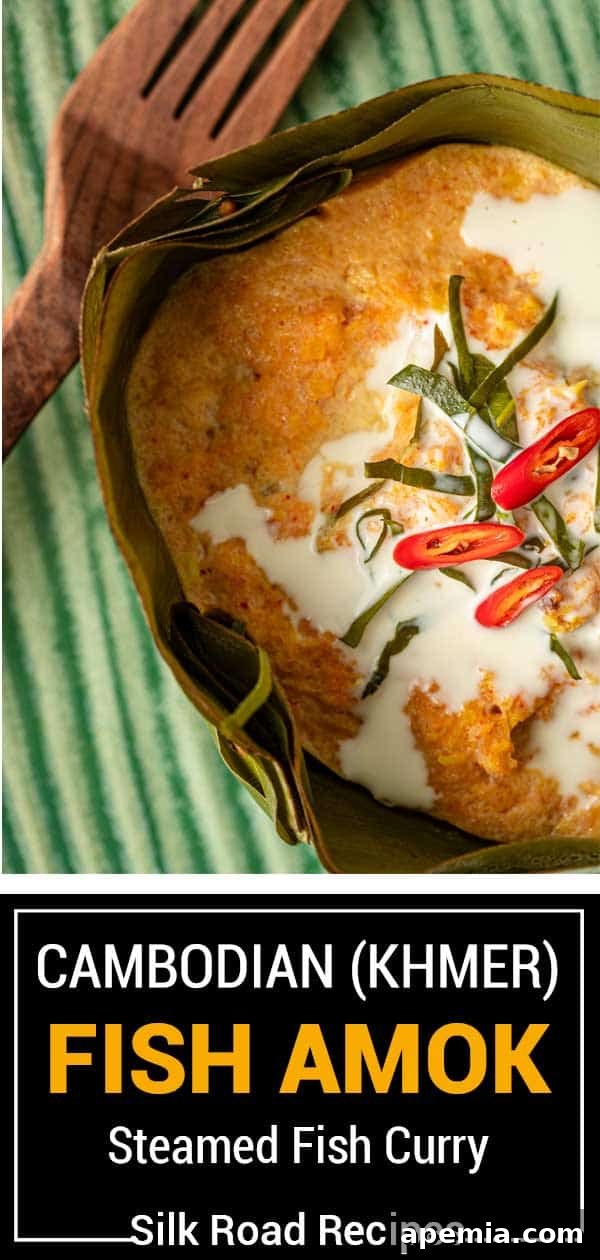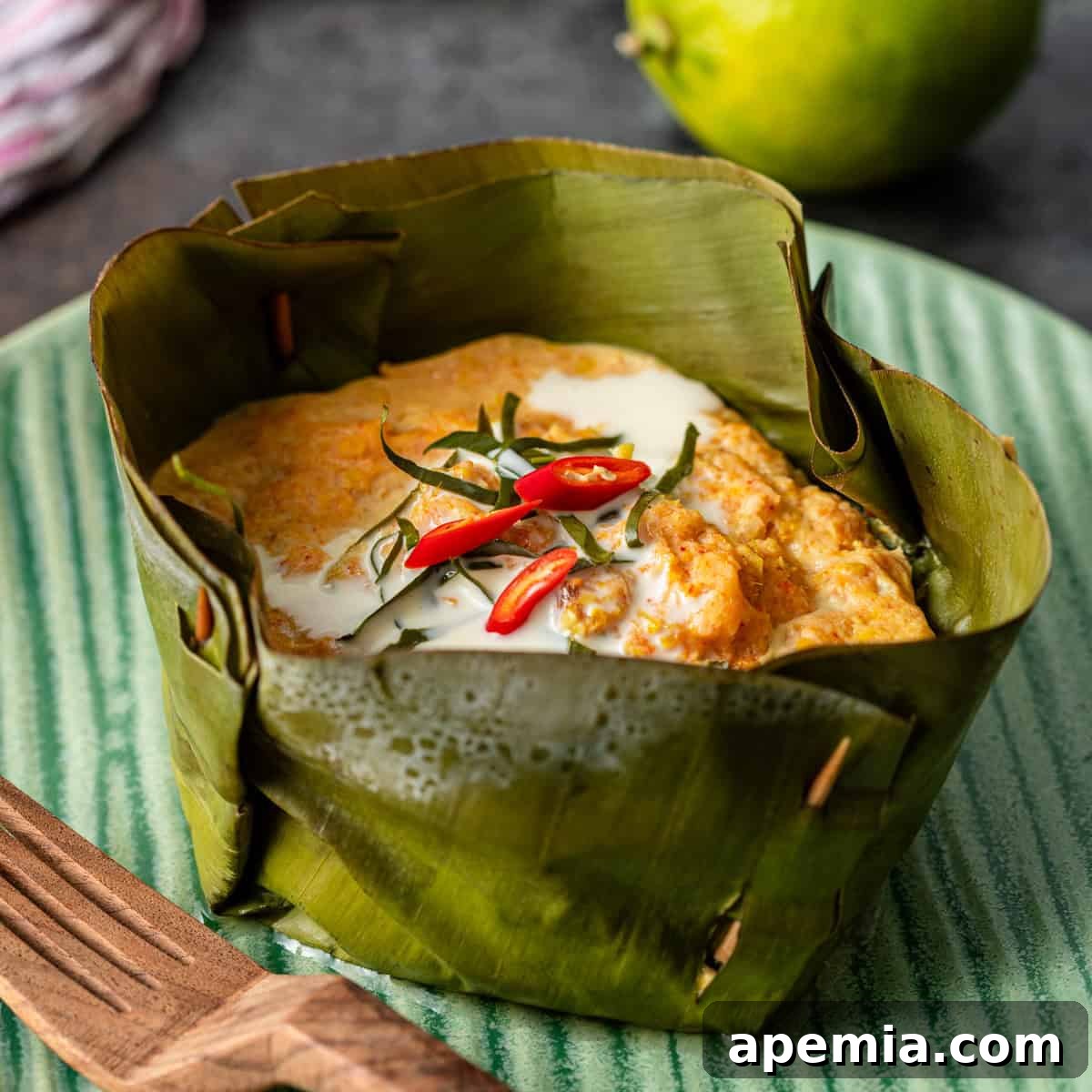
Authentic Cambodian Fish Amok: A Steamed Curry Masterpiece
Prepare to embark on a culinary journey to the heart of Cambodia with this incredible Fish Amok recipe. Traditionally reserved for the most special occasions, this steamed fish curry has captivated the palates of generations, including countless tourists and myself. Its unique pillowy texture, intoxicating blend of sweet, spicy, and savory notes, and generous chunks of tender fish create an unforgettable dining experience that will leave you thoroughly satisfied and yearning for more.
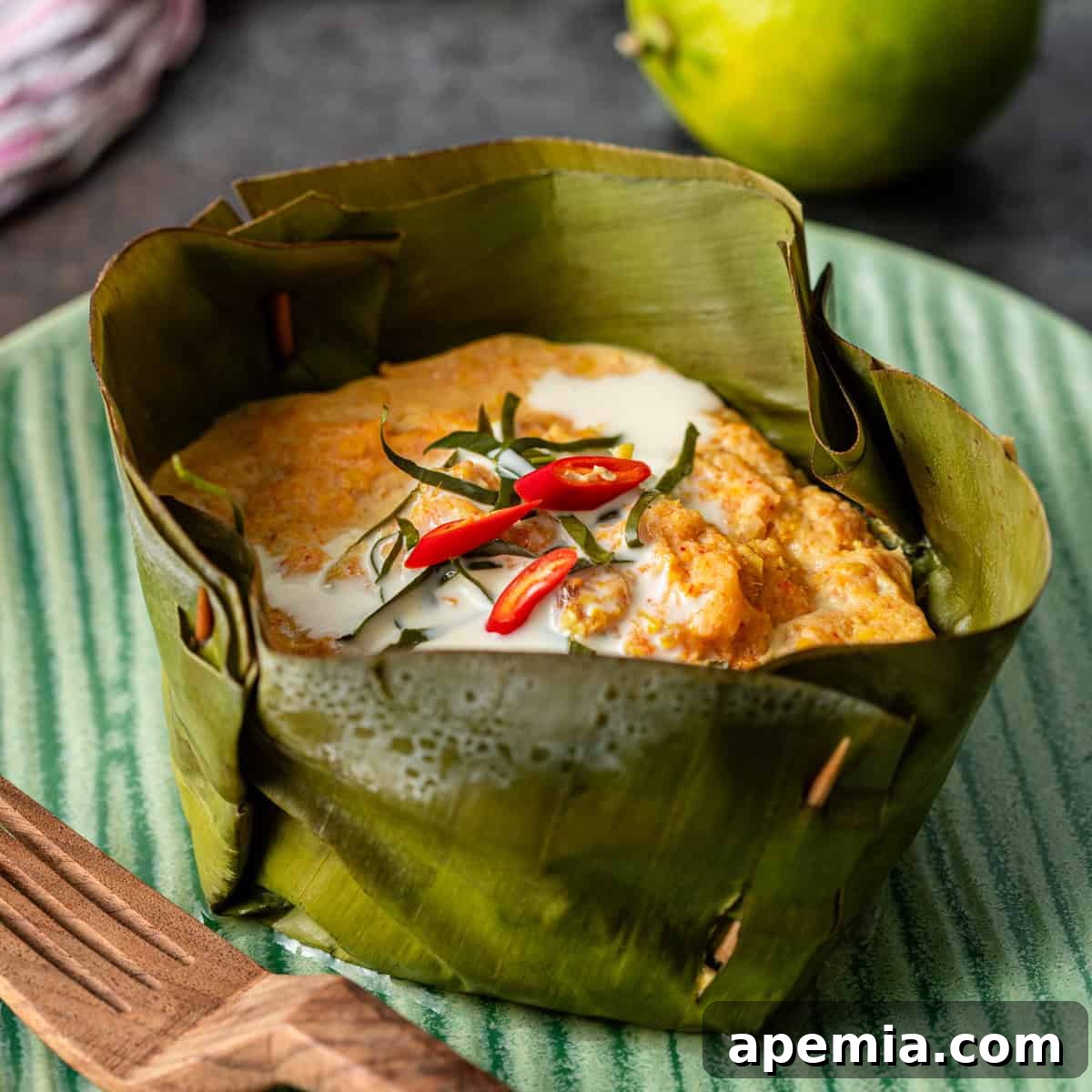
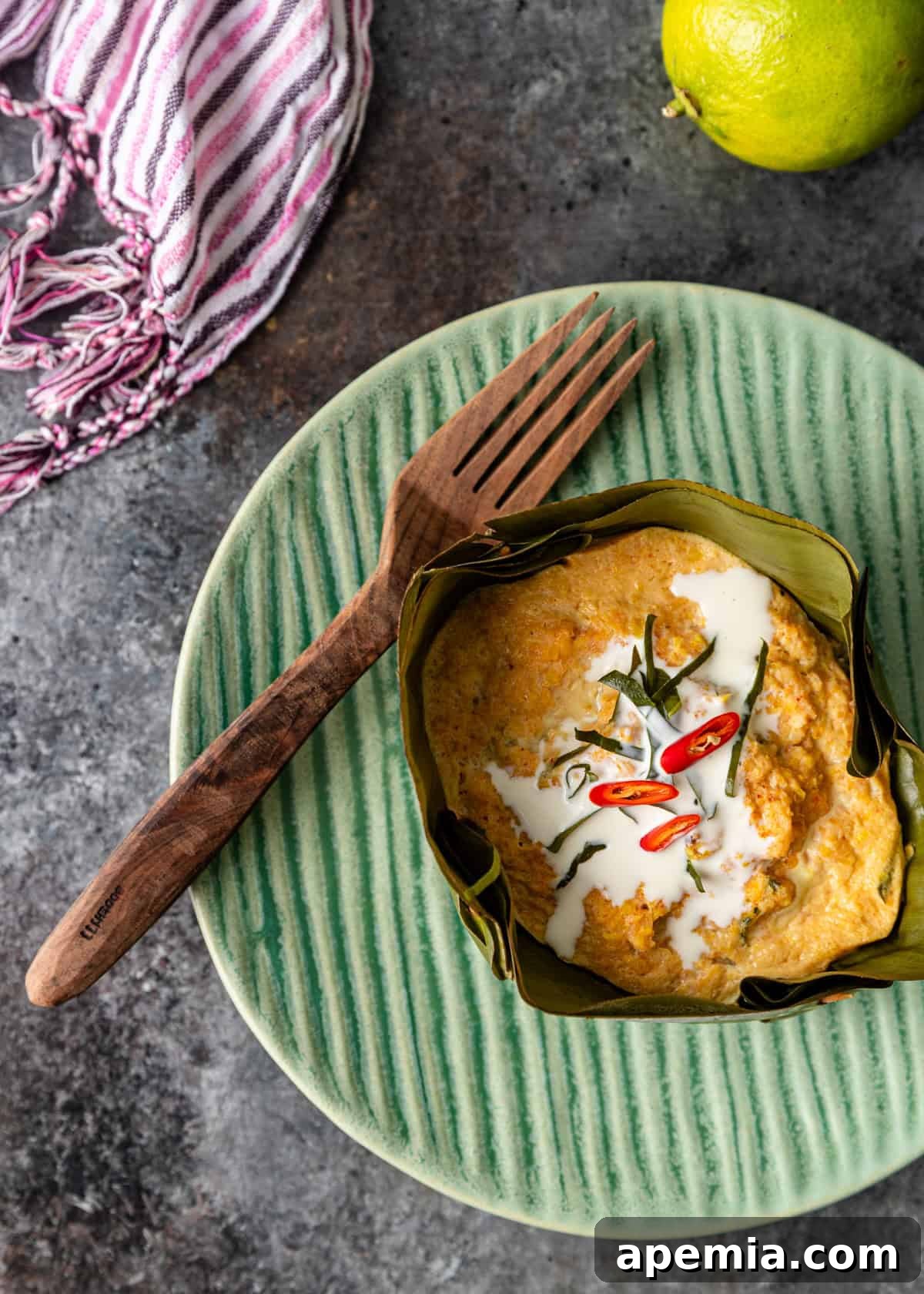
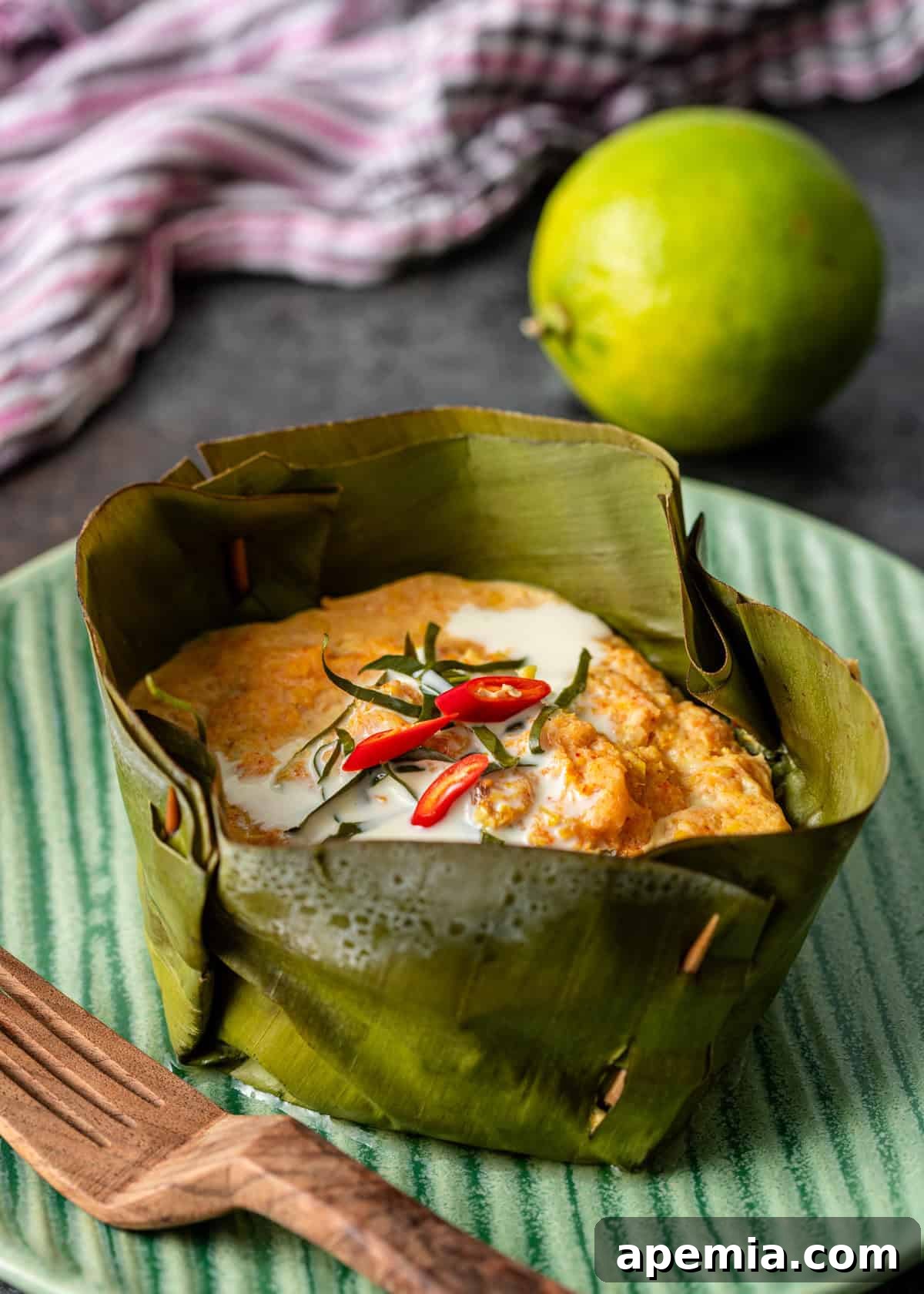
What truly sets Cambodian Fish Amok apart is its extraordinary texture. It’s remarkably light and airy, reminiscent of a delicate soufflé or a rich custard, making it a truly one-of-a-kind dish in the world of curries. The flavor profile is a harmonious dance between sweet and salty, underpinned by the umami depth of fish sauce, vibrant fresh herbs, and a complex curry paste. Each spoonful is a burst of aromatic and fragrant delight – just thinking about it makes my mouth water!
While the rich, subtle heat and fluffy texture might evoke comparisons to dishes like Tom Kha Gai soup, this Amok recipe offers a distinct experience, being far less spicy and focusing on a nuanced blend of flavors. It elegantly showcases the most beloved Cambodian ingredients, delivering a dish that is incredibly flavorful, easy to enjoy, and guaranteed to leave a lasting impression.
A Culinary Journey to Siem Reap
My first encounter with this magnificent dish was during a memorable trip to Cambodia earlier this year. After days spent exploring the vibrant historical sites and bustling markets of Siem Reap, my travel companions and I decided to dedicate a day to relaxation and cultural immersion. That morning, I browsed through local experiences and stumbled upon a cooking class that immediately caught my eye. It was an opportunity I couldn’t resist!
The class proved to be an enlightening experience, allowing me to delve deep into Cambodian culinary traditions. Alongside this incredible Fish Amok, I learned to prepare a refreshing Khmer Glass Noodle Salad and a delightful Banana with Coconut Milk dessert. The flavors, the techniques, and the sheer joy of cooking these authentic dishes left an indelible mark. Upon returning home, I knew replicating these recipes, especially the Fish Amok, was a mission I had to accomplish to share its magic with others.
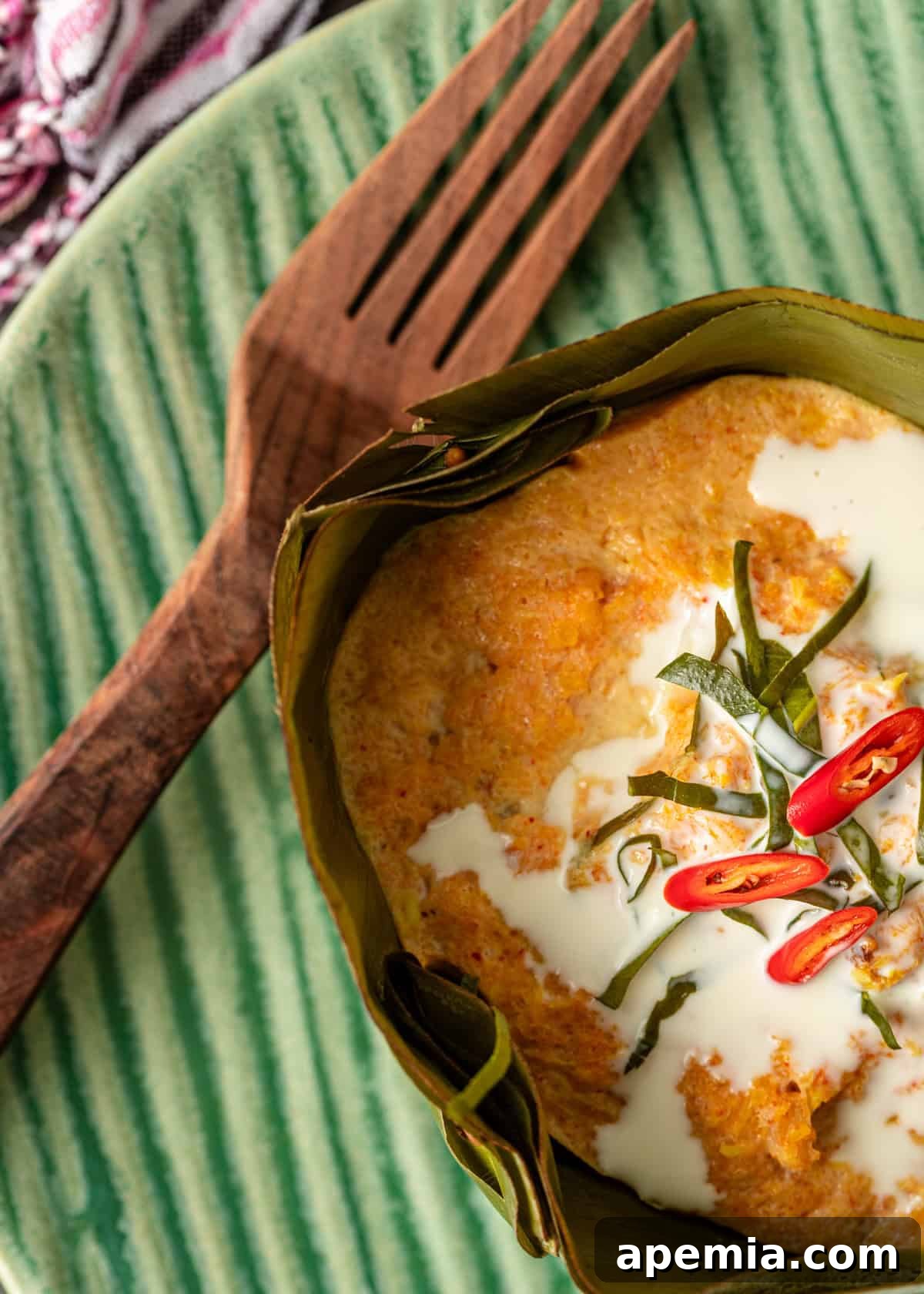
Table of Contents
- Crafting Traditional Banana Leaf Bowls
- Understanding Finger Root, Ginger, and Galangal
- Essential Ingredient Notes and Substitutions
- To Add an Egg and Steam or Not: A Culinary Debate
- Step-by-Step: How to Make this Fish Amok Recipe
- Recommended Kitchen Tools
- Storing and Reheating Your Amok
- Frequently Asked Questions
- Cambodian (Khmer) Fish Amok Recipe
If you’re already captivated by the allure of seafood curries, you might also enjoy this Thai baked halibut, which expertly pairs tender white fish with a subtly sweet green curry. It’s another fantastic exploration of Southeast Asian flavors!
Crafting Traditional Banana Leaf Bowls
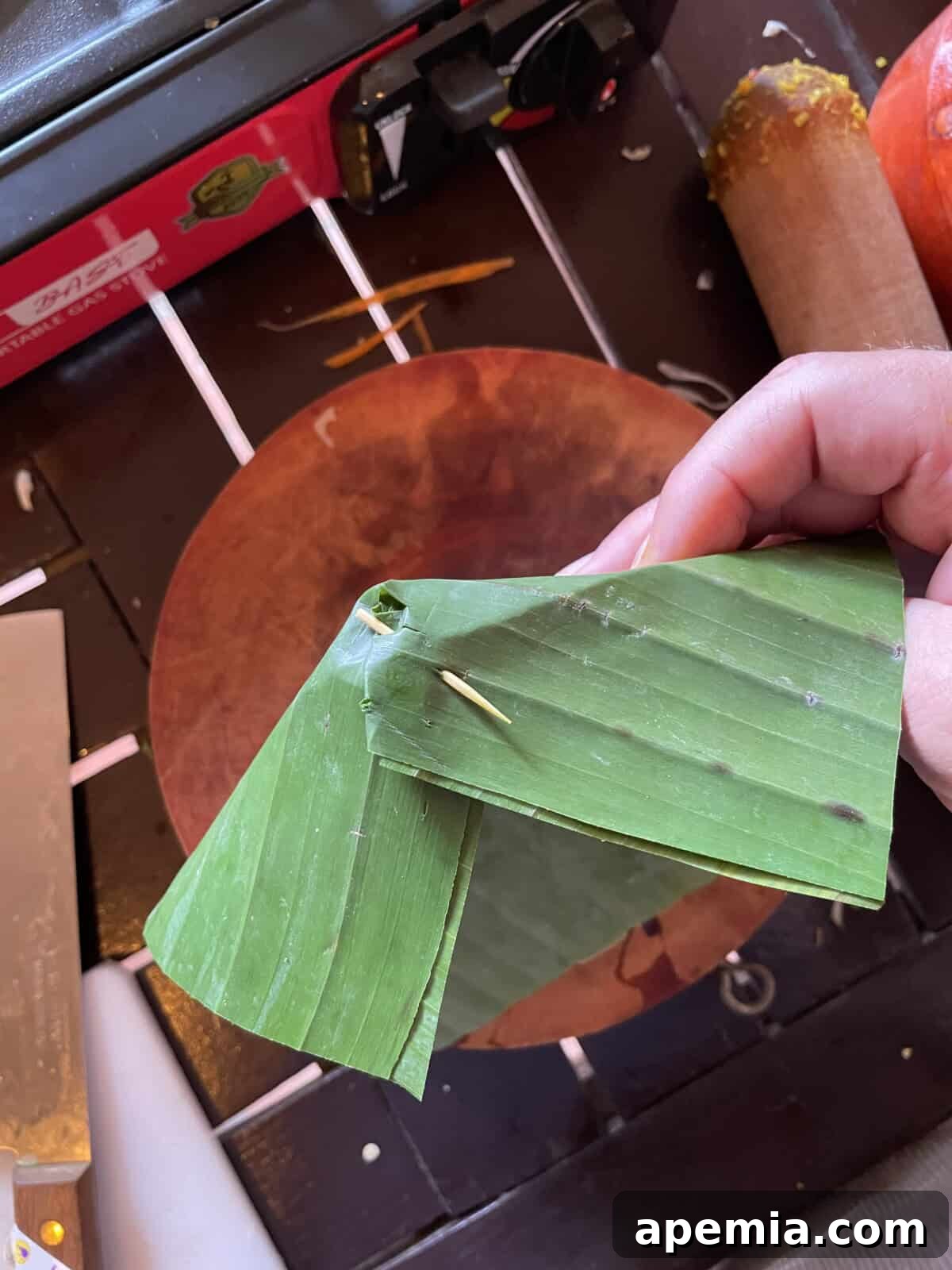
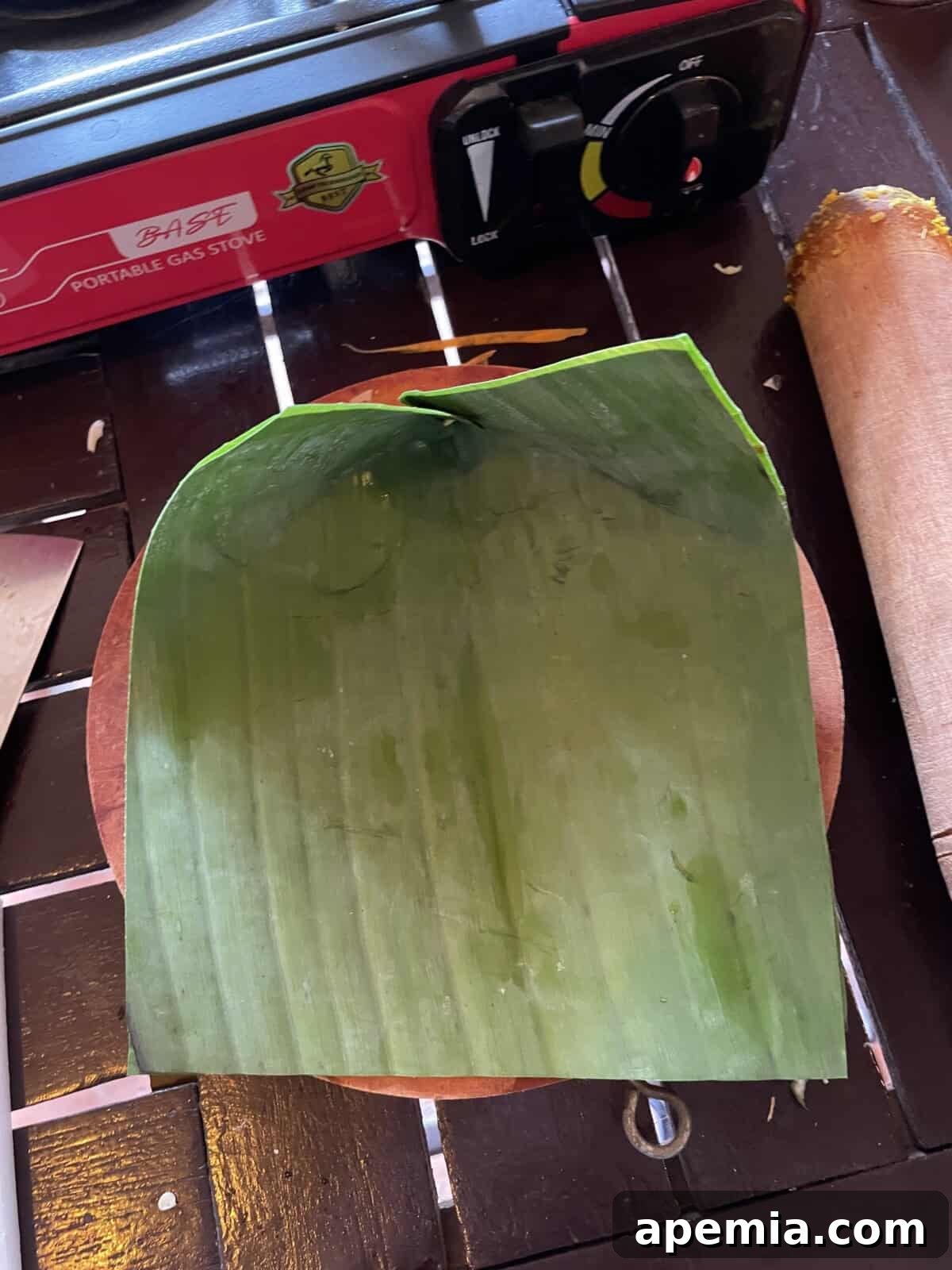
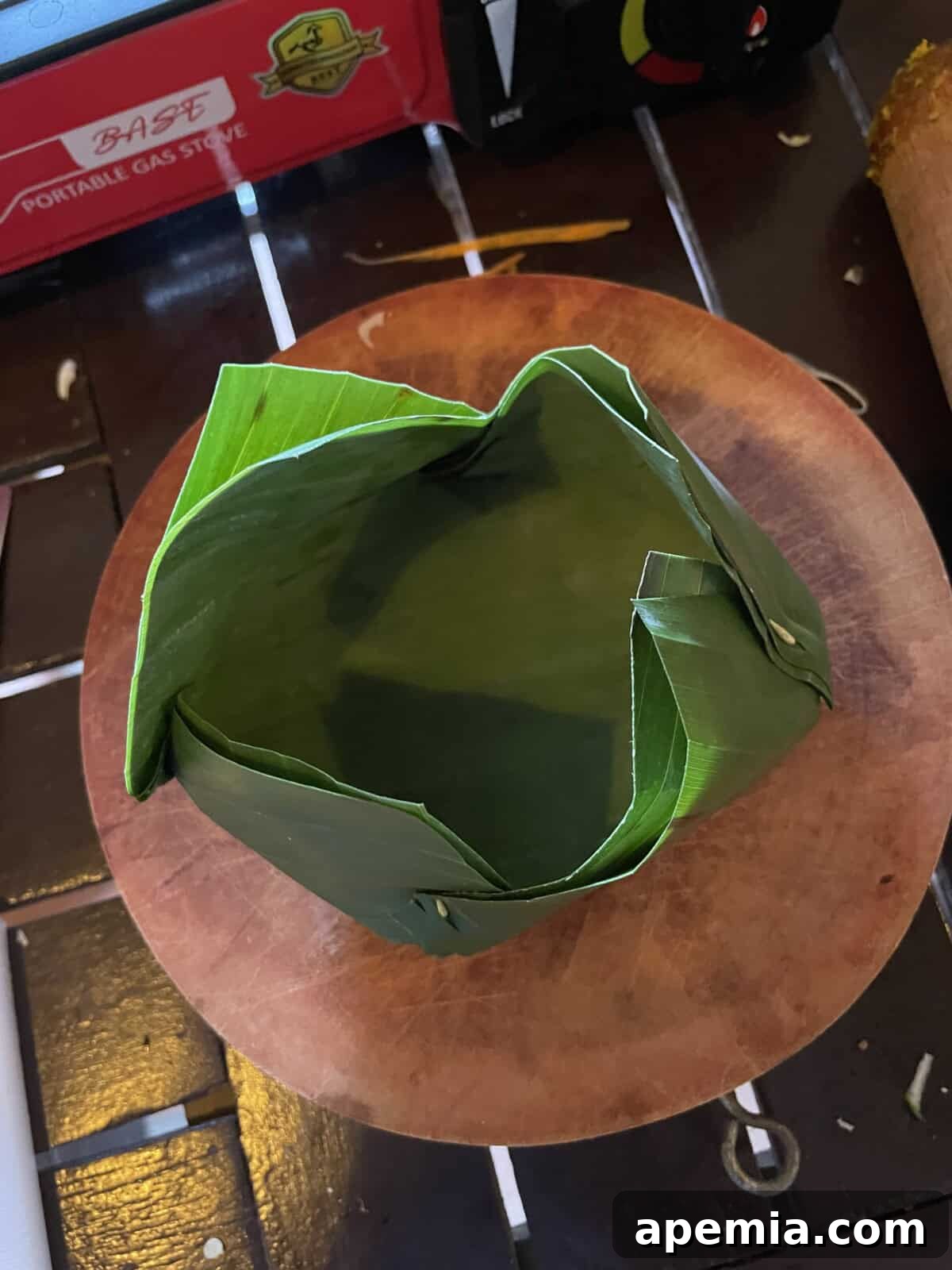
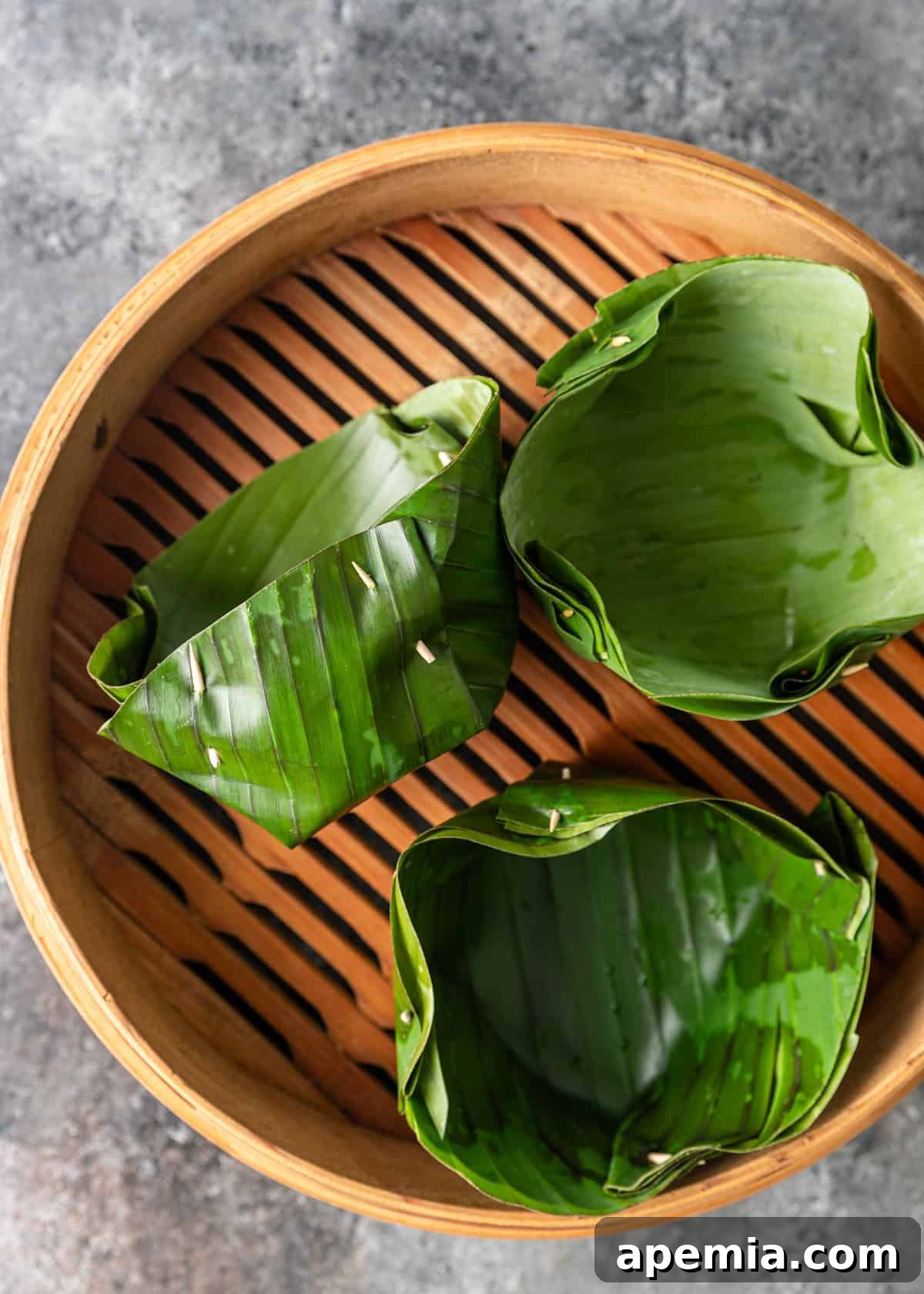
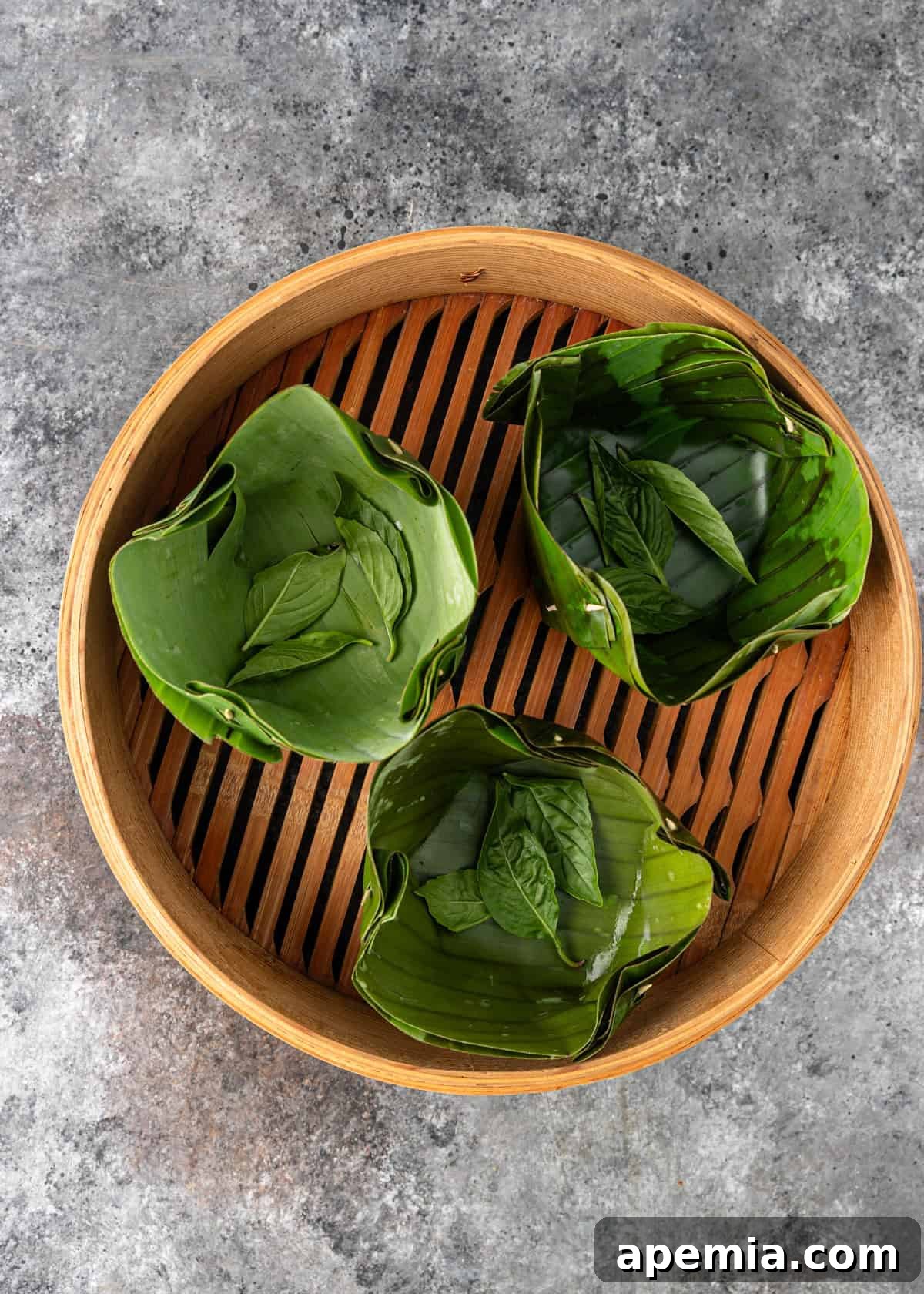
Using banana leaf bowls, often referred to as “boats,” is an integral part of the authentic Fish Amok experience. These natural vessels not only lend a subtle, grassy aroma and delicate sweetness to the dish but also present it beautifully. Learning to fold them is a fun and rewarding step in traditional Cambodian cooking.
Watch this video to master the technique of forming and securing these bowls with toothpicks. During my cooking class in Siem Reap, the tropical heat (a scorching 39°C or 102°F) naturally made the banana leaves incredibly pliable. If you’re working with less flexible leaves, a quick wave over an open flame a few times will soften them perfectly, or you can opt for the hot water method shown in the video for similar results.
Understanding Finger Root, Ginger, and Galangal
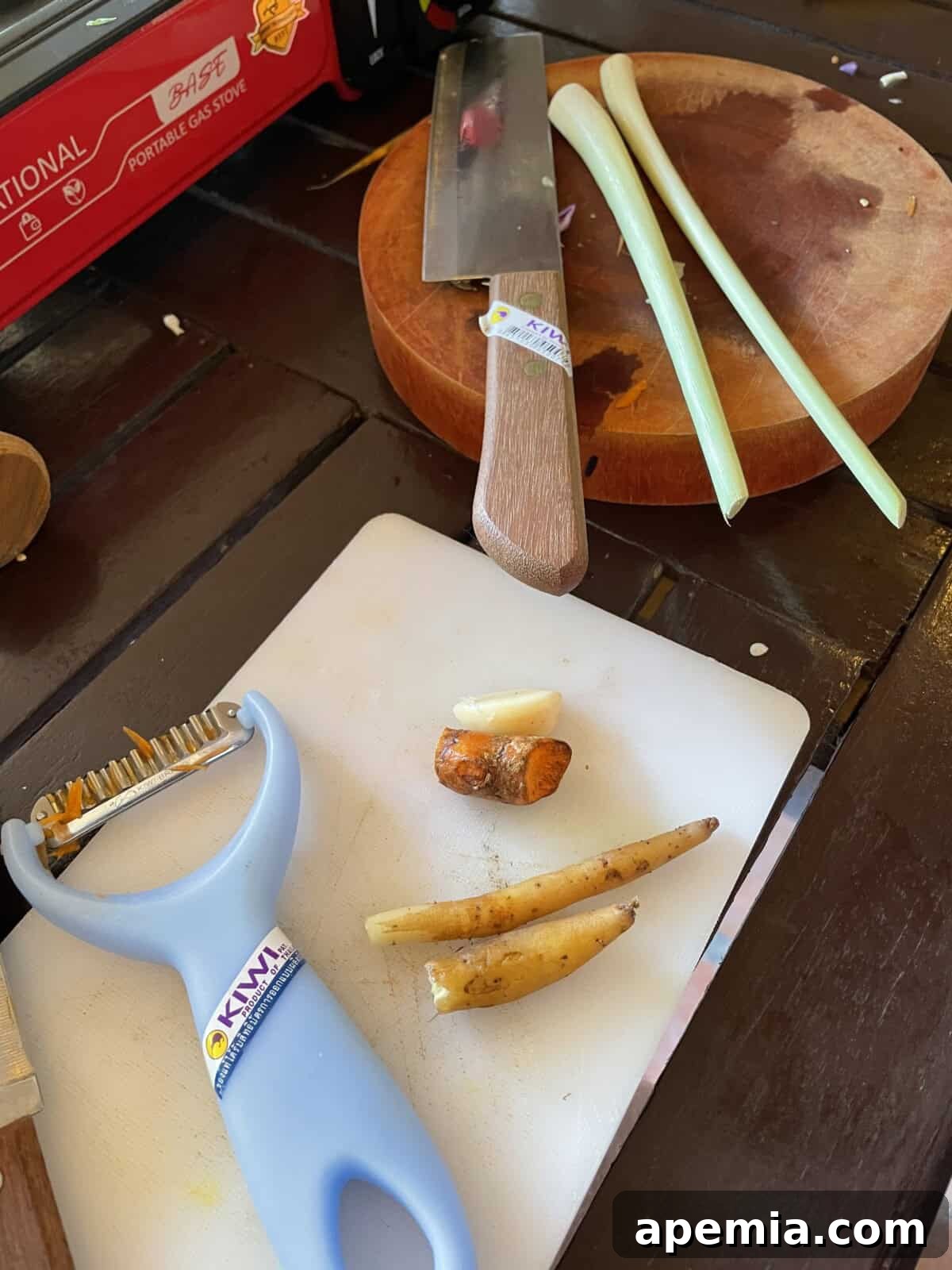
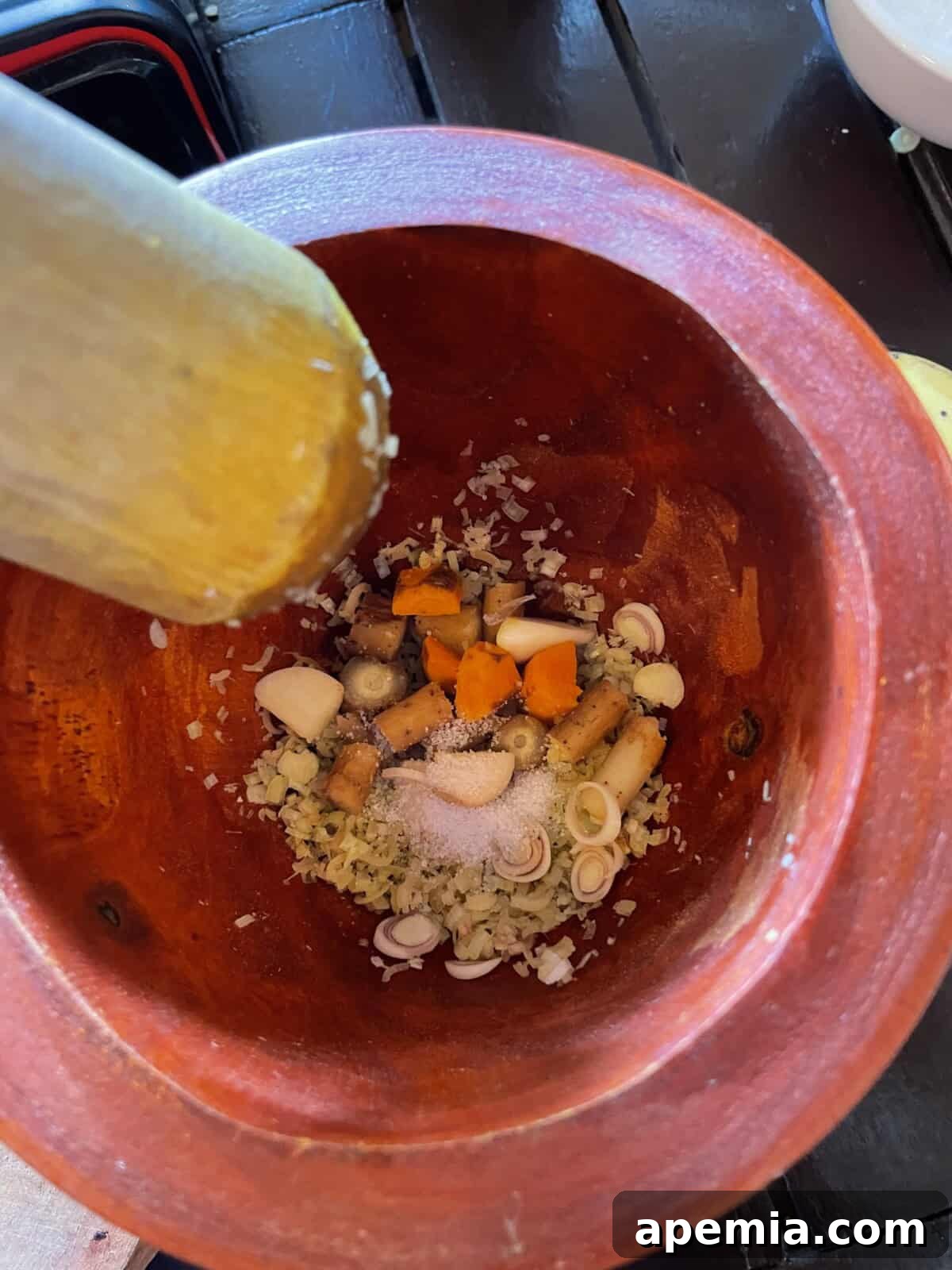
Central to the distinctive flavor of many Southeast Asian dishes, including Cambodian Fish Amok, is the unique aromatic profile derived from various rhizomes. Finger root, also known as Chinese ginger or Boesenbergia rotunda, is a fascinating medicinal and culinary herb. Its slender, finger-like rhizomes impart a peppery, earthy, and slightly musky flavor that is truly unique.
Beyond its culinary uses in soups, curries, and stir-fries, finger root is highly valued for its traditional health benefits, including anti-inflammatory, antioxidant, and digestive properties. Its complex flavor is hard to replicate, but if you find it challenging to source, a thoughtful substitution can achieve a similar aromatic depth.
For a good substitute, combine fresh ginger and galangal. Ginger provides a familiar spicy, zesty kick, while galangal contributes those essential earthy and citrusy undertones that echo finger root. If only fresh ginger is available, it will work, but be aware that the overall flavor of your curry will be slightly less complex and layered than with the authentic combination.
Essential Ingredient Notes and Substitutions
(A comprehensive list of ingredients and quantities can be found in the recipe card below)
- White Fish: For the best results in this Fish Amok recipe, opt for a firm, white fish. Cod is my preferred choice due to its mild flavor and flaky texture, but other excellent options include halibut, haddock, or even tilapia.
- Coconut Milk: This is a cornerstone ingredient, providing the rich, creamy base for our curry. While full-fat coconut milk is recommended for authentic richness, in a pinch, you can substitute with heavy cream or half-and-half to achieve a similar thick consistency, though the flavor profile will differ slightly.
- Eggs: Eggs play a crucial role in giving this curry its signature soufflé-like, pillowy texture and adding considerable body and substance, truly distinguishing it from many other curry dishes.
- Fish Sauce: A fundamental flavor enhancer in Southeast Asian cuisine, fish sauce contributes a vital salty, savory depth. If unavailable, a good quality soy sauce can be used as an alternative, but expect a slightly different umami profile.
- Sugar: Plain white granulated sugar is best for balancing the spicy and savory elements, contributing to the dish’s characteristic sweet-savory balance.
- Kaffir Lime Leaves: These fragrant leaves are the secret behind the intoxicating, citrusy aroma that defines many spicy Southeast Asian dishes. If fresh kaffir lime leaves are hard to find, you can substitute with fresh lime zest, using approximately 2 teaspoons per leaf for a similar aromatic lift.
- Thai Basil: This herb adds a distinct savory and spicy note with a subtle, anise-like flavor. Star anise makes the best alternative in this Fish Amok recipe if Thai basil is not accessible.
- Curry Paste (Kroeung): The heart of any good amok, the curry paste (or Kroeung in Khmer cuisine) is paramount. You can use a high-quality store-bought option, try my homemade yellow or red curry paste, or follow the simple homemade curry paste recipe provided in the recipe card below, specifically tailored for this dish. The freshness of homemade paste elevates the flavor significantly.
To Add an Egg and Steam or Not: A Culinary Debate
During my culinary adventure in Cambodia, I had the privilege of taking a cooking class led by the talented Chef Sokha Sombor at her renowned restaurant, Sambo, in Siem Reap. The Fish Amok we prepared there was made without an egg and was not steamed. This was a revelation, as much of my prior research on the dish had highlighted the use of eggs and steaming for a soufflé-like texture.
Intrigued by this variation, I reached out to Chef Sombor via WhatsApp after returning home to inquire about her unique approach compared to the many online recipes featuring eggs and steaming. Her response was incredibly insightful: “Hi Kevin, nice to hear from you. Yes, there are 2 ways. At home, you can add egg and steam. In restaurants, this takes too long, so we don’t add egg, and we don’t steam. Some restaurants add egg and don’t steam. Enjoy!”
This confirmed that both methods are authentic, with the restaurant approach prioritizing speed and efficiency. For this recipe, I’ve chosen to adapt the classic version, incorporating eggs and steaming to achieve that delightful, airy texture that is so beloved. I’ve used Chef Sombor’s fantastic curry paste recipe as the foundation, and the rest is my personal adaptation of the traditional Fish Amok. I encourage you to give this version a try and experience its unique charm!
Step-by-Step: How to Make this Fish Amok Recipe
Creating this traditional Cambodian Fish Amok is a delightful process that yields incredibly flavorful results. Follow these steps carefully to bring this Southeast Asian masterpiece to your table:
- Prepare Serving Bowls: If you are embracing tradition and making the beautiful banana leaf bowls, now is the time to prepare them. A helpful video tutorial is linked in the recipe card below. Alternatively, select individual heat-proof serving bowls that can withstand steaming.
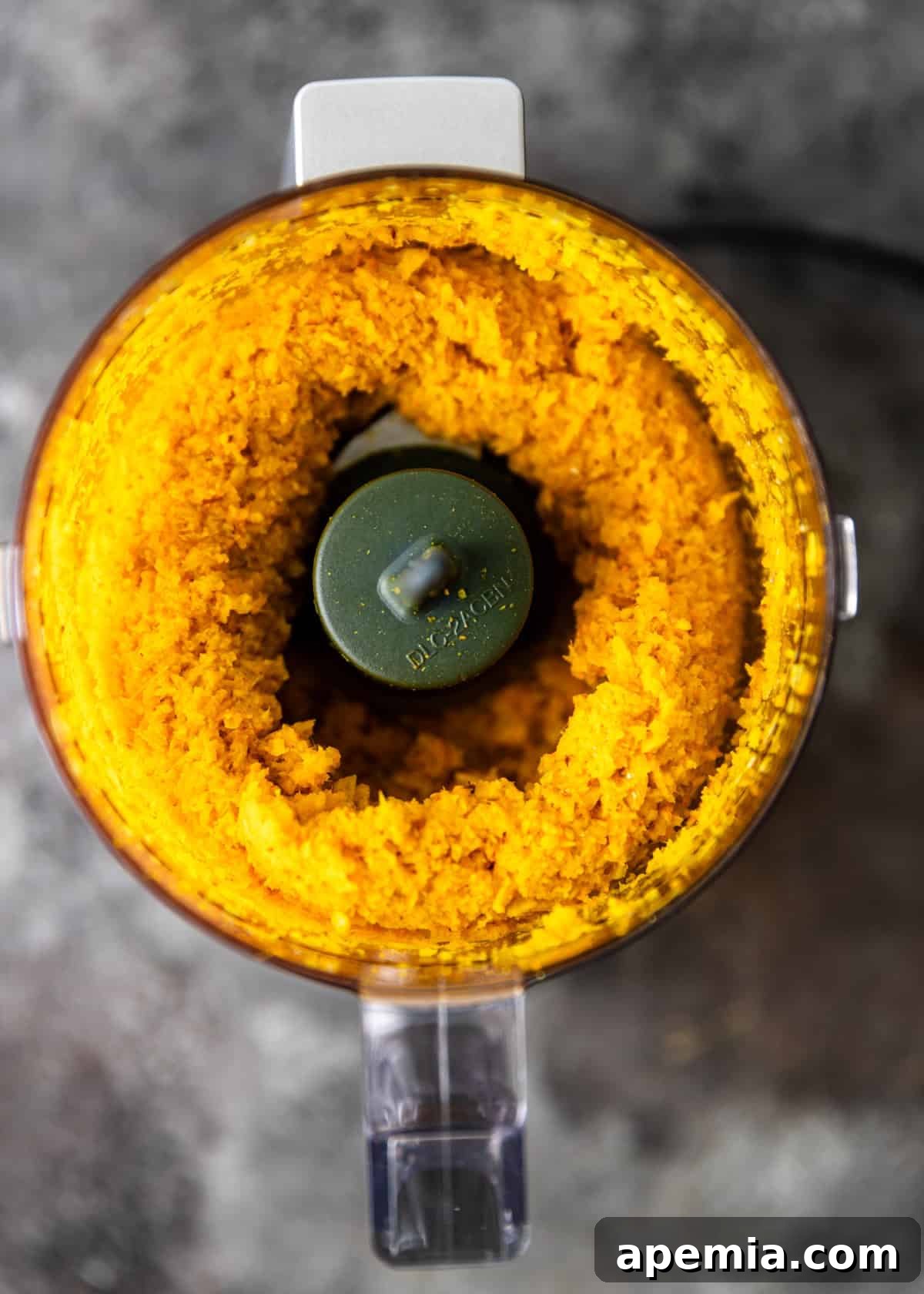
- Craft the Curry Paste: The heart of your Amok lies in its fresh curry paste. If you are preparing the homemade paste outlined in the recipe card, do so now. The vibrant aromatics, when freshly ground, truly elevate the dish. If using a store-bought or another homemade paste, have it ready.
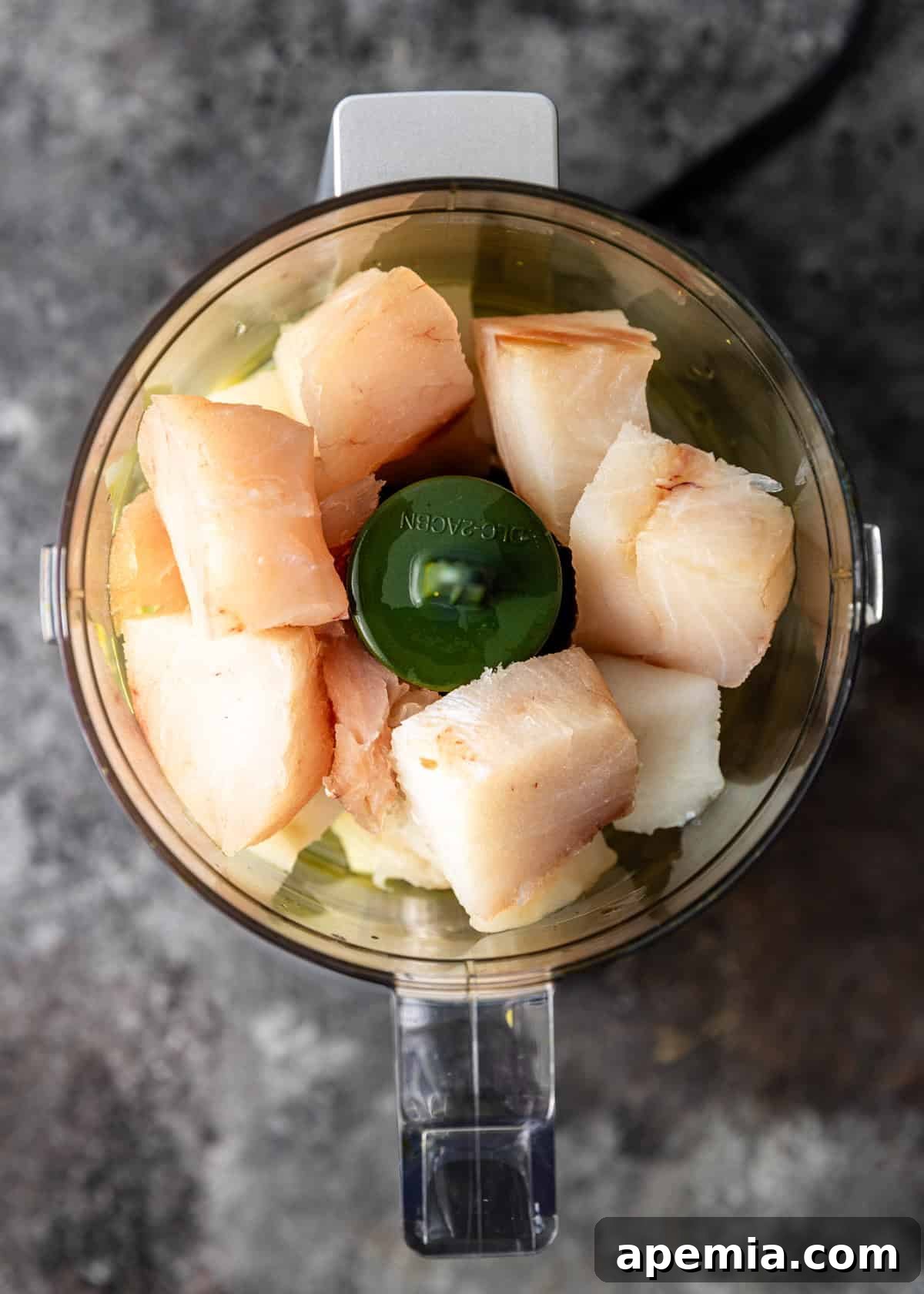
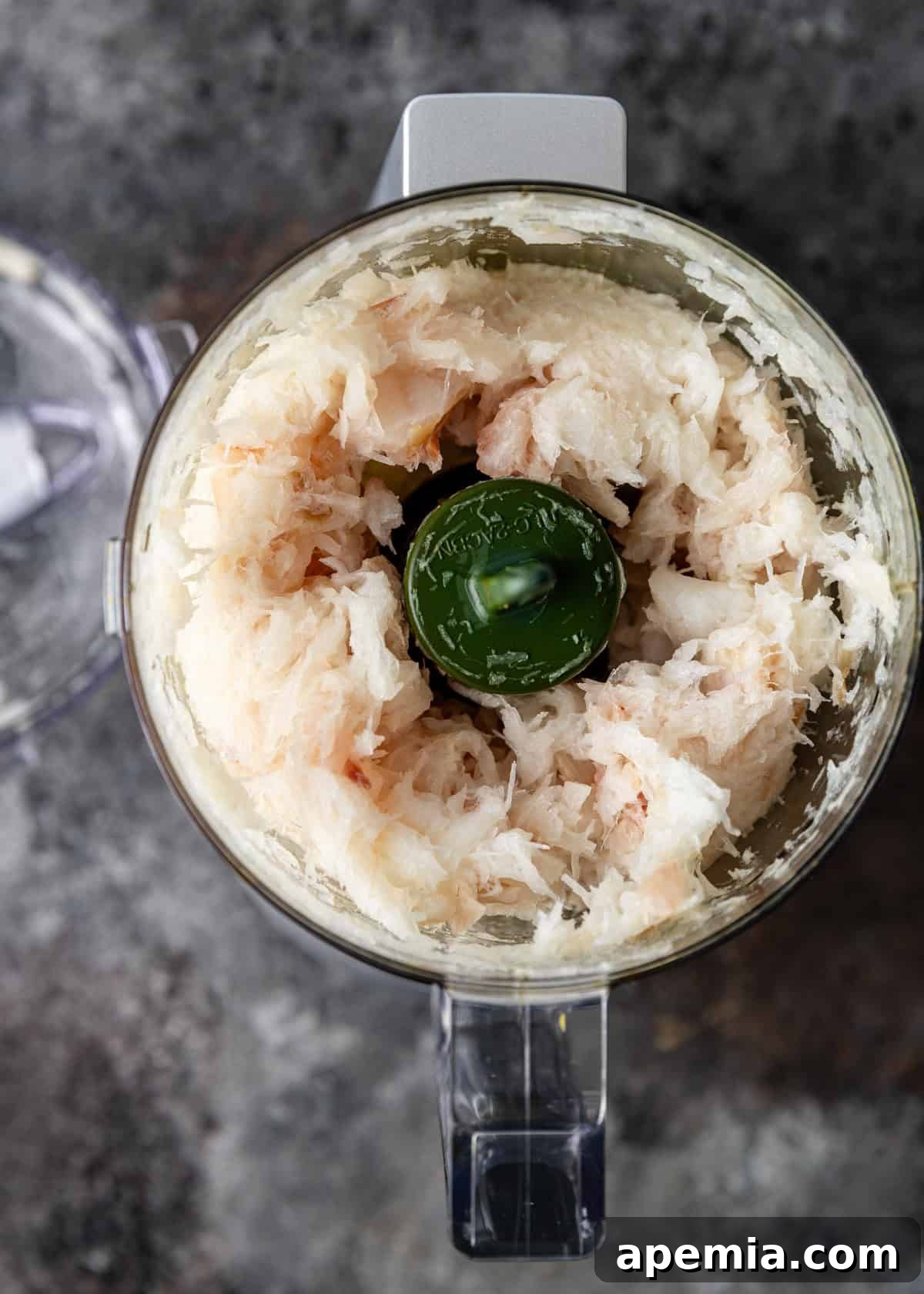
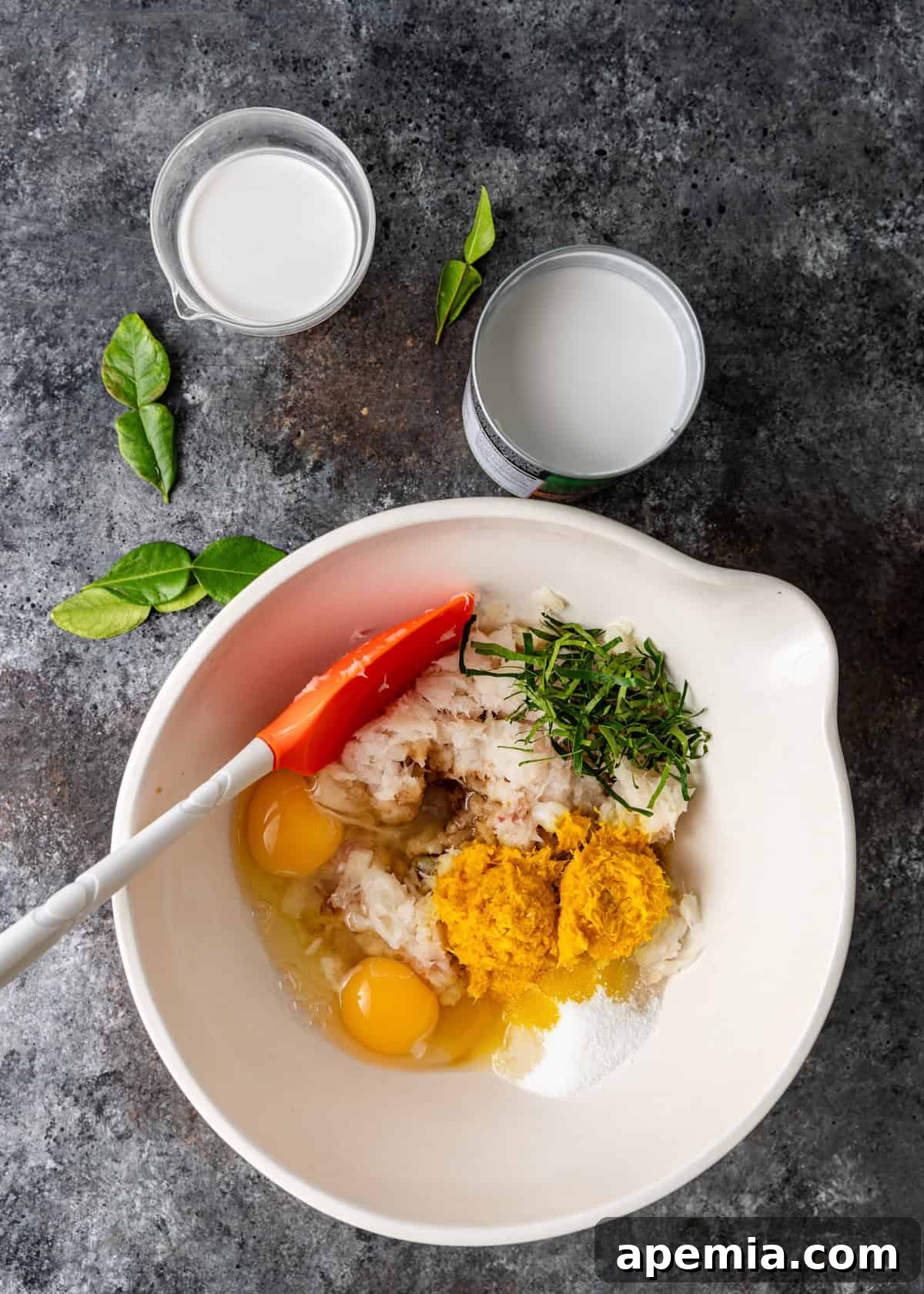
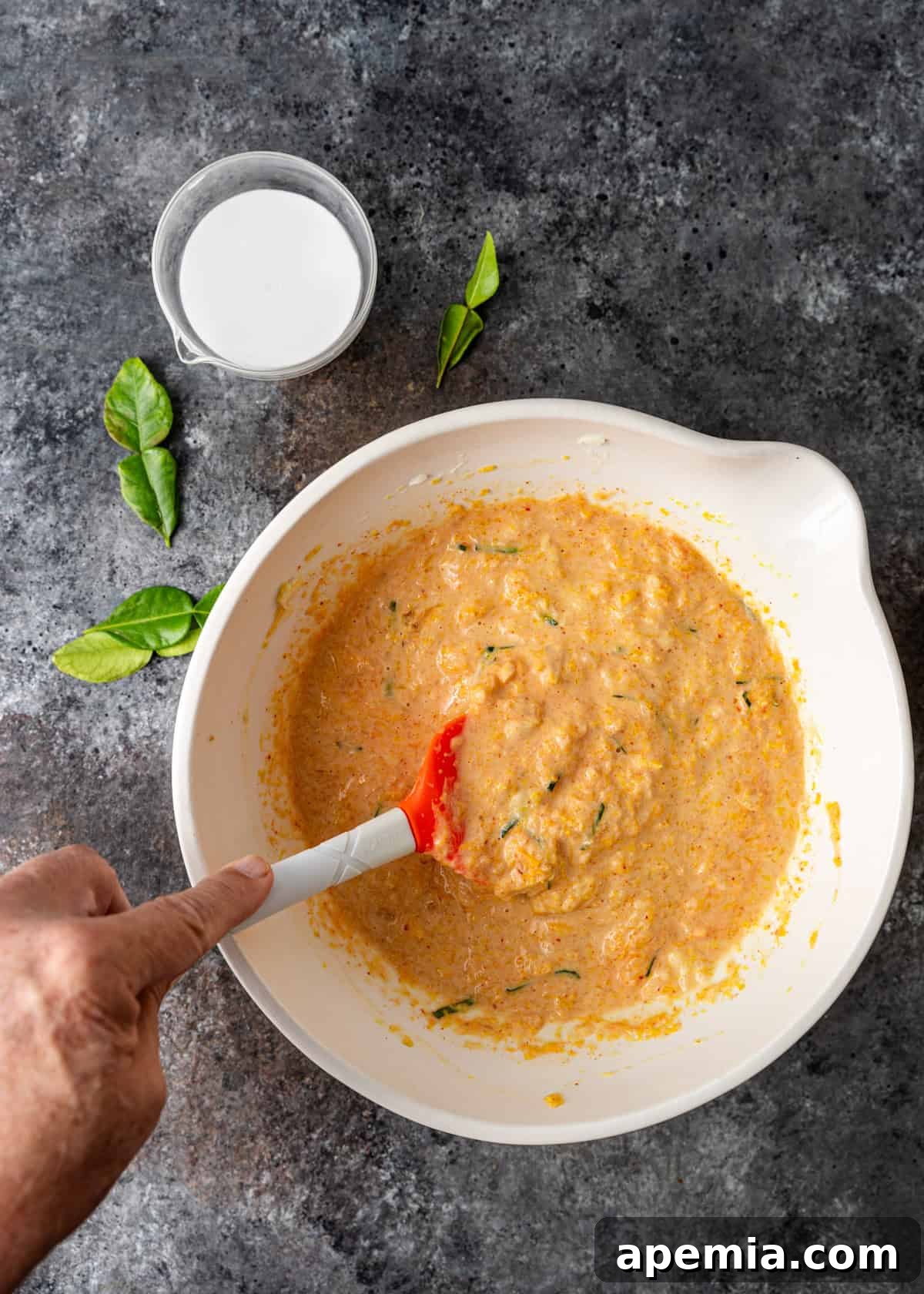
- Assemble the Curry Mixture: In a food processor, add most of your firm white fish (reserving a thin slice for each individual serving). Pulse the fish until it breaks down into meaty, coarse chunks – avoid over-processing into a smooth paste. Transfer the pulsed fish to a large mixing bowl. Add 3 tablespoons of your prepared curry paste, the rich coconut milk (remember to reserve a small amount for garnish), the eggs, fish sauce, sugar, and half of the thinly sliced kaffir lime leaves. Mix all these ingredients thoroughly until well combined, ensuring the fish is evenly coated and the flavors are harmonized.
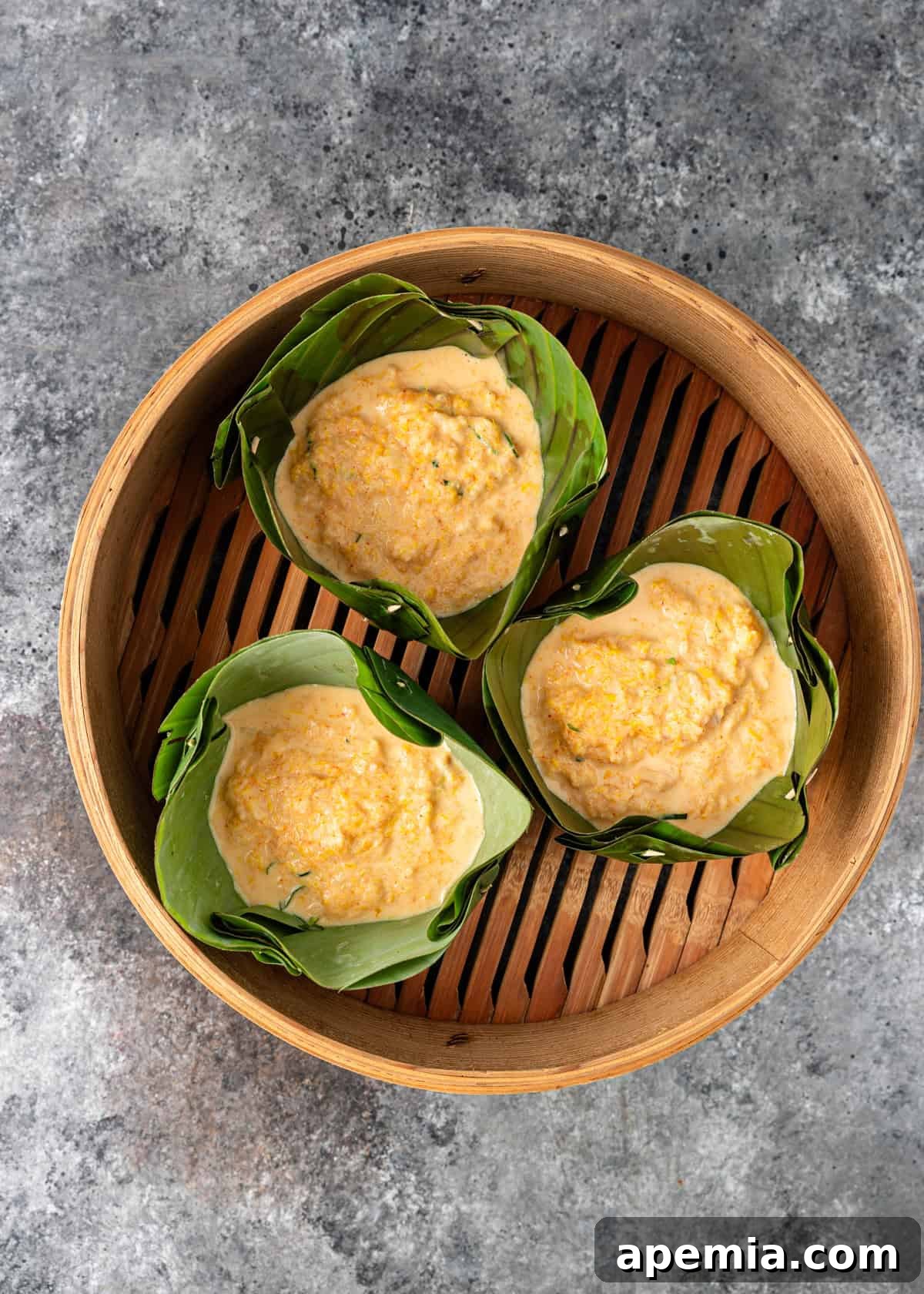
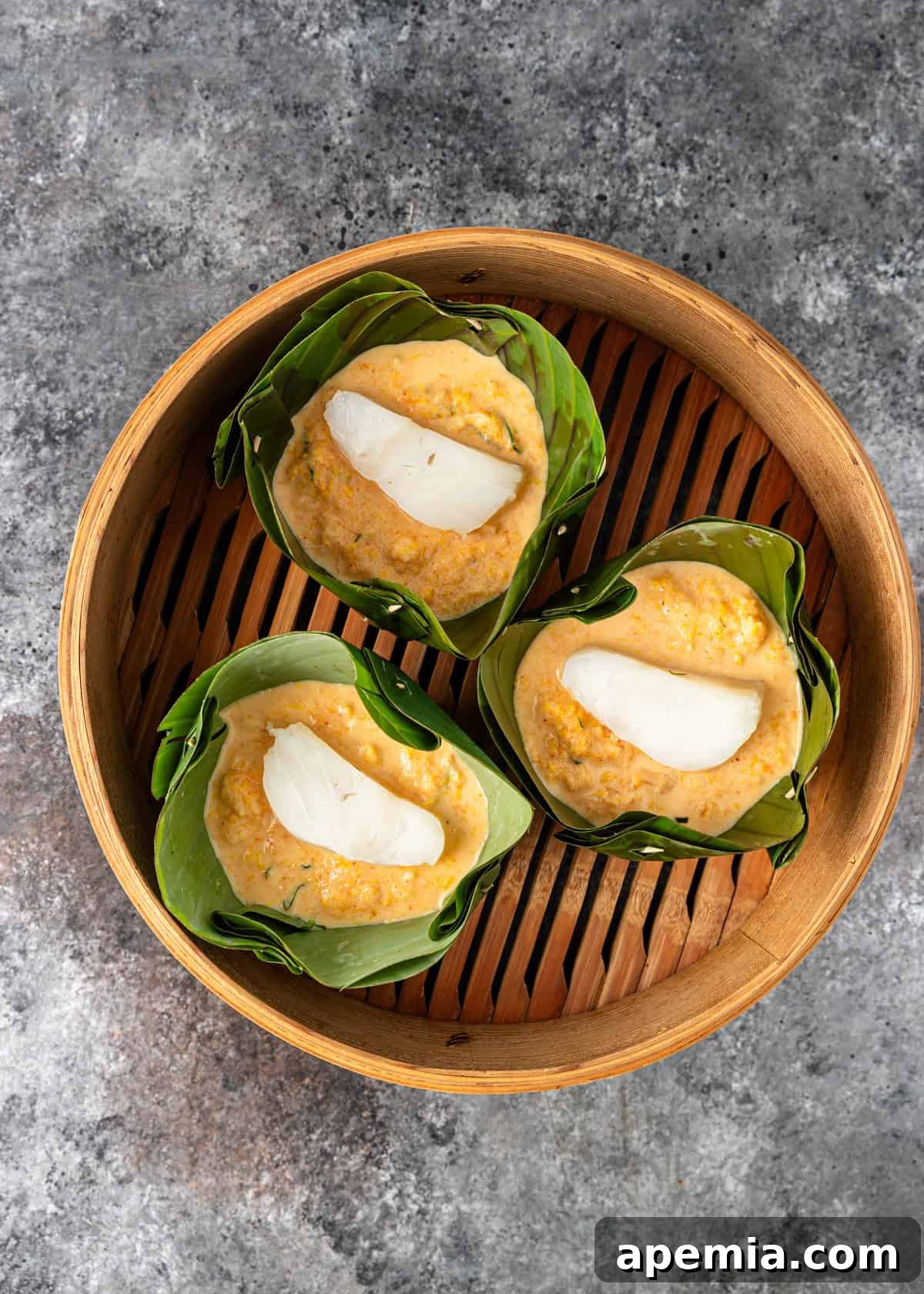
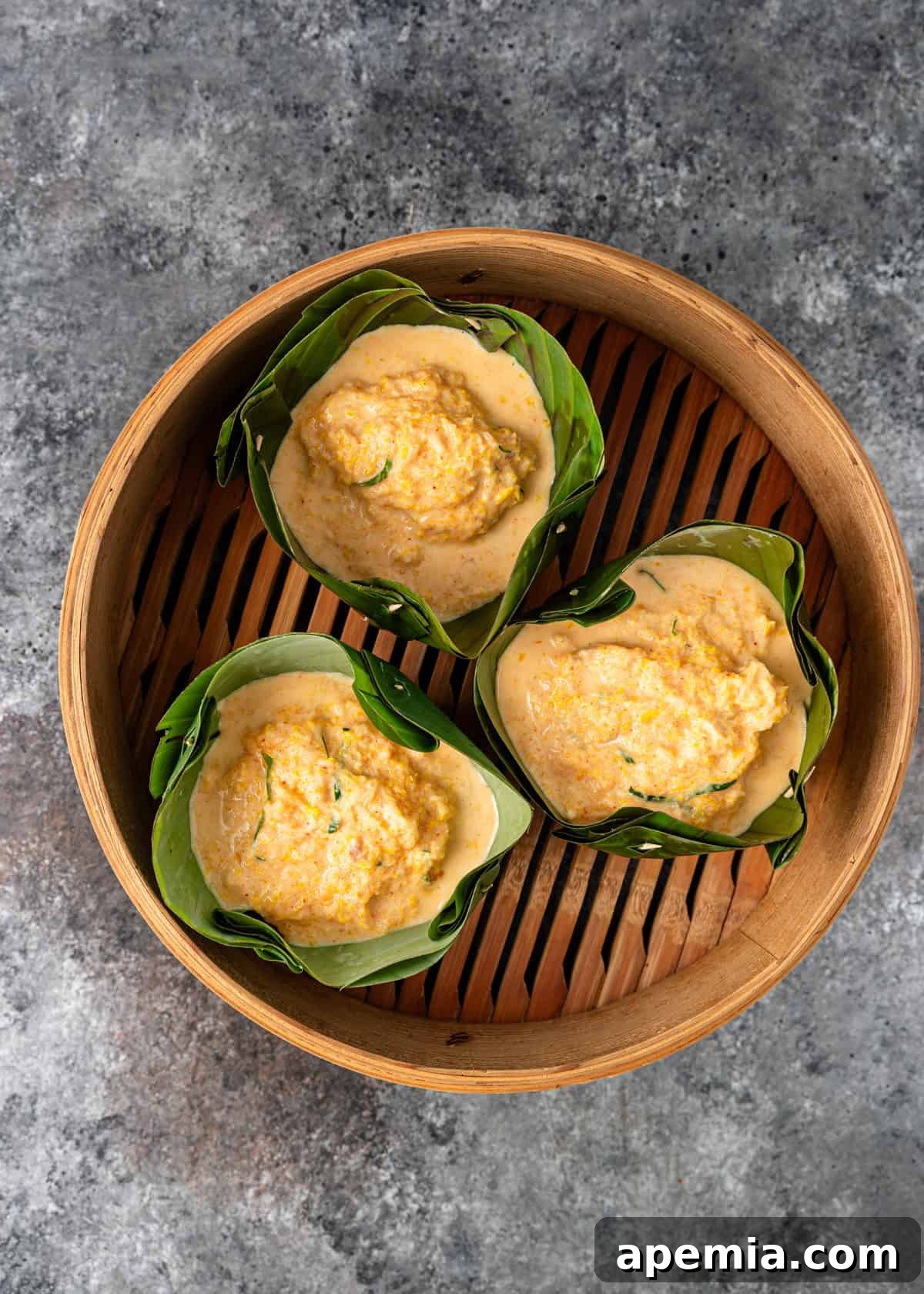
- Layer and Arrange: Place three fresh Thai basil leaves at the bottom of each prepared serving bowl. This creates an aromatic bed for the curry. Divide half of the fish amok mixture evenly among the bowls, spooning it over the basil leaves. Gently place one of the reserved thin slices of fish on top of the mixture in each bowl, then distribute the remaining amok mixture over these slices to cover them.
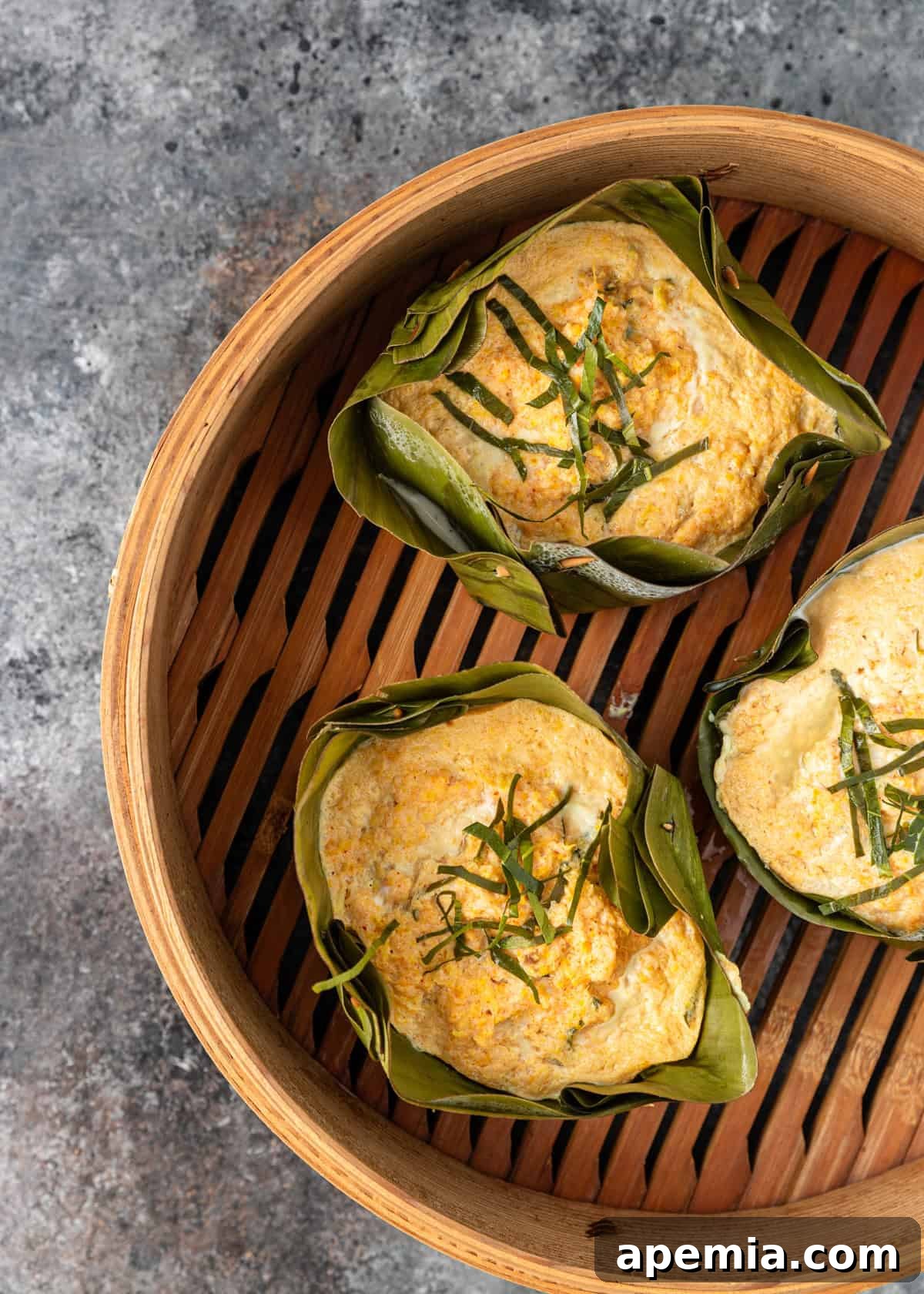
- Steam to Perfection: Arrange your filled bowls in a steamer basket. Steam the bowls, uncovered, for an initial 10 minutes. This allows the curry to begin setting. After 10 minutes, carefully open the steamer, and pour 1 tablespoon of the reserved coconut milk into each serving. Sprinkle the remaining thinly sliced kaffir lime leaves on top for an extra burst of fragrance. Cover the steamer again and continue to steam for another 10 minutes, or until the curry is fully set and has achieved its characteristic pillowy texture.
- Serve and Savor: Once steamed, carefully remove the bowls from the steamer. Garnish each serving with thinly sliced fresh red chilies for a touch of color and a gentle kick. Serve immediately alongside a mound of fluffy steamed jasmine rice. This exquisite Cambodian Fish Amok is best enjoyed fresh, savoring every aromatic, sweet, and savory bite!
Recommended Kitchen Tools for Fish Amok
To successfully prepare this exquisite Fish Amok, a few specific tools will be particularly helpful:
- Banana Bowls: As mentioned, traditional Cambodian steamed fish curry is often served in bowls crafted from banana leaves. You’ll need fresh banana leaves (often found in Asian markets) and toothpicks to secure them. If these are unavailable or you prefer a simpler approach, any heat-proof individual serving bowls will work perfectly.
- Bamboo Steamer: A bamboo steamer, or a similar multi-tiered steaming device, is essential for gently cooking the amok to its perfect pillowy consistency.
- Food Processor: This tool is invaluable for quickly and efficiently pulsing the fish into the ideal texture and for blending the ingredients for the homemade curry paste.
Storing and Reheating Your Amok
Leftover Fish Amok can be stored in an airtight container in the refrigerator for up to 4 days. However, in my personal opinion, this particular Fish Amok recipe is truly a “day-of” dish. The delicate, fluffy texture achieved through steaming is best enjoyed immediately. Over time, the texture tends to diminish, becoming denser, and the delicate balance of herbs and curry paste can be subtly overshadowed by a more pronounced “fishy” flavor.
If you absolutely must reheat leftovers, I recommend doing so gently in an oven. Preheat your oven to a relatively low temperature, around 275°F (135°C), and warm the amok through until just heated, avoiding high heat that could further alter its texture.
Share this recipe on Pinterest!
Love this recipe? Share it with the world on Pinterest.
Share on Pinterest
Frequently Asked Questions About Fish Amok
Yes, this particular Fish Amok recipe incorporates eggs. Following Chef Sombor’s advice for home cooking, the eggs are crucial for achieving the curry’s signature soufflé-like, soft, and pillowy texture. While traditional egg substitutes don’t typically expand and steam in the same unique way, you certainly have the option to prepare it without eggs, as is sometimes done in restaurants or for a denser consistency.
The banana leaf bowl, often called a “boat,” is the traditional and most authentic serving vessel for Fish Amok. Beyond its beautiful presentation, the leaves impart a very subtle, earthy sweetness and a delicate, tropical fragrance to the dish as it steams. This isn’t a strong “banana” flavor, but rather a fresh, grassy aroma that enhances the overall experience. They are surprisingly accessible; I often find them at my local grocery store, and plantain leaves can also serve as a suitable substitute if needed. Of course, you can always use your favorite heat-proof individual serving bowls.
Traditional steamed fish curry in Cambodia typically utilizes freshwater white fish, with popular choices including catfish, goby, and snakehead. These are considered highly authentic options. However, I advocate for flexibility and encourage using whatever firm, white fish is fresh, local, and convenient for you. My preferred choice is cod, but other excellent alternatives that hold up well to steaming include halibut and haddock.
Cambodian (Khmer) Fish Amok Recipe
This Fish Amok recipe creates a sweet and savory Cambodian steamed fish curry with a thick, custard-like texture, enriched with eggs and coconut milk.
Prep Time: 20 mins
Cook Time: 20 mins
Total Time: 40 mins
Equipment
- Banana leaves (optional, for bowls)
- Toothpicks (to secure banana leaves)
- Bamboo steamer (or similar)
- Food processor
Ingredients
Curry Paste (Kroeung)
- 2 lemon grass stalks (white part only, dry outer leaves removed)
- 2 grams fresh turmeric (approx. 1-inch piece)
- 2 pieces finger root (or 1 tbsp minced ginger for substitution)
- 1 clove garlic
- 5 small dried red chilies (soaked 5 mins in hot water, then drained)
Steamed Fish Curry
- 16 oz firm white fish (such as cod), separated: 12 oz pulsed, 4 oz cut into 3 slices
- 14 oz coconut milk (reserve 3 tbsp for garnish)
- 2 eggs
- 2 tbsp fish sauce
- 2 tbsp sugar
- 5 kaffir lime leaves (sliced thinly, separated for use in mixture and garnish)
- 9 Thai basil leaves
Garnish
- Reserved 3 tbsp coconut milk
- Reserved kaffir lime leaves
- 3 Thai red chilis (thinly sliced)
Instructions
- Prepare Bowls: Make banana bowls and secure with toothpicks. Set aside. (Optional – see video instructions here for how-to, or use individual heatproof serving bowls.)
- Prepare Curry Paste: If making homemade curry paste: Trim the root end of lemongrass and cut only the white part into small pieces. In a food processor, add the curry paste ingredients (lemongrass, turmeric, finger root/ginger, garlic, chilies) and puree until a smooth paste forms. Add a tablespoon of water if needed to help blend.
- Combine Curry Mixture: In a food processor, add 12 ounces of the fish and pulse until broken down into meaty chunks. Transfer to a bowl. Add 3 tablespoons of the prepared curry paste, the main portion of coconut milk (excluding the reserved garnish amount), eggs, fish sauce, sugar, and half of the thinly sliced kaffir lime leaves. Mix until thoroughly combined.
- Assemble for Steaming: To each banana bowl (or individual heatproof serving bowl), add 3 Thai basil leaves. Divide half of the fish amok mixture evenly over the basil. Top each serving with one of the reserved sliced fish pieces, then divide the remaining amok mixture to cover the fish slices.
- Steam: Arrange the filled bowls in a steamer. Steam for 10 minutes, uncovered. Remove the lid, then top each amok with 1 tablespoon of the reserved coconut milk and the remaining slivered kaffir lime leaves. Cover with the lid and steam for another 10 minutes, or until the amok is firm and pillowy.
- Serve: Garnish each serving with thinly sliced red chilies and serve immediately with steamed jasmine rice. Enjoy!
Notes
- If opting not to make the homemade curry paste, use 3 tablespoons of either a good quality store-bought curry paste or my homemade Yellow or Red Curry Paste.
- The curry paste recipe utilized here is adapted from the brilliant Chef Sokha Sombor at her restaurant, Sambo, in Siem Reap. The remainder of the classic amok recipe is my personal adaptation.
Nutrition (Estimated per serving)
The information below is an estimate provided by an online nutrition calculator and should not be considered a substitute for professional nutritionist’s advice.
- Calories: 474 kcal
- Carbohydrates: 15g
- Protein: 34g
- Fat: 22g
- Saturated Fat: 18g
- Polyunsaturated Fat: 1g
- Monounsaturated Fat: 2g
- Trans Fat: 0.01g
- Cholesterol: 174mg
- Sodium: 1084mg
- Potassium: 1068mg
- Fiber: 0.5g
- Sugar: 9g
- Vitamin A: 540 IU
- Vitamin C: 11mg
- Calcium: 78mg
- Iron: 6mg
Cuisine: Cambodian, Thai
Author: Kevin
Have You Made This Recipe? Let Me Know on Instagram!
Tag @keviniscooking or use hashtag #keviniscooking!