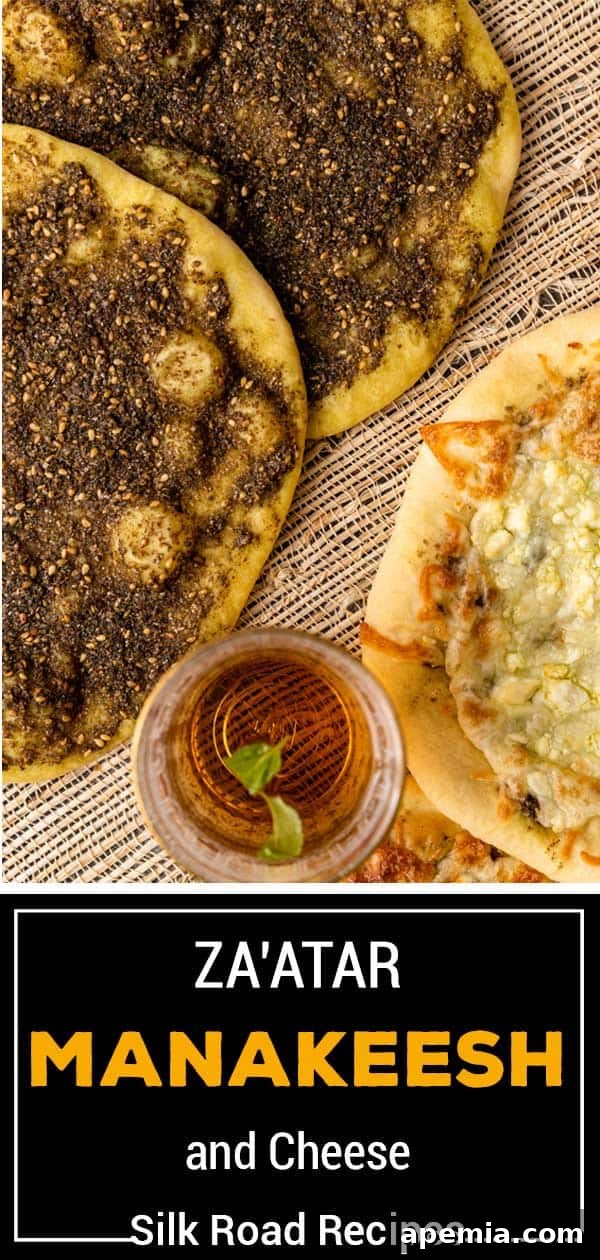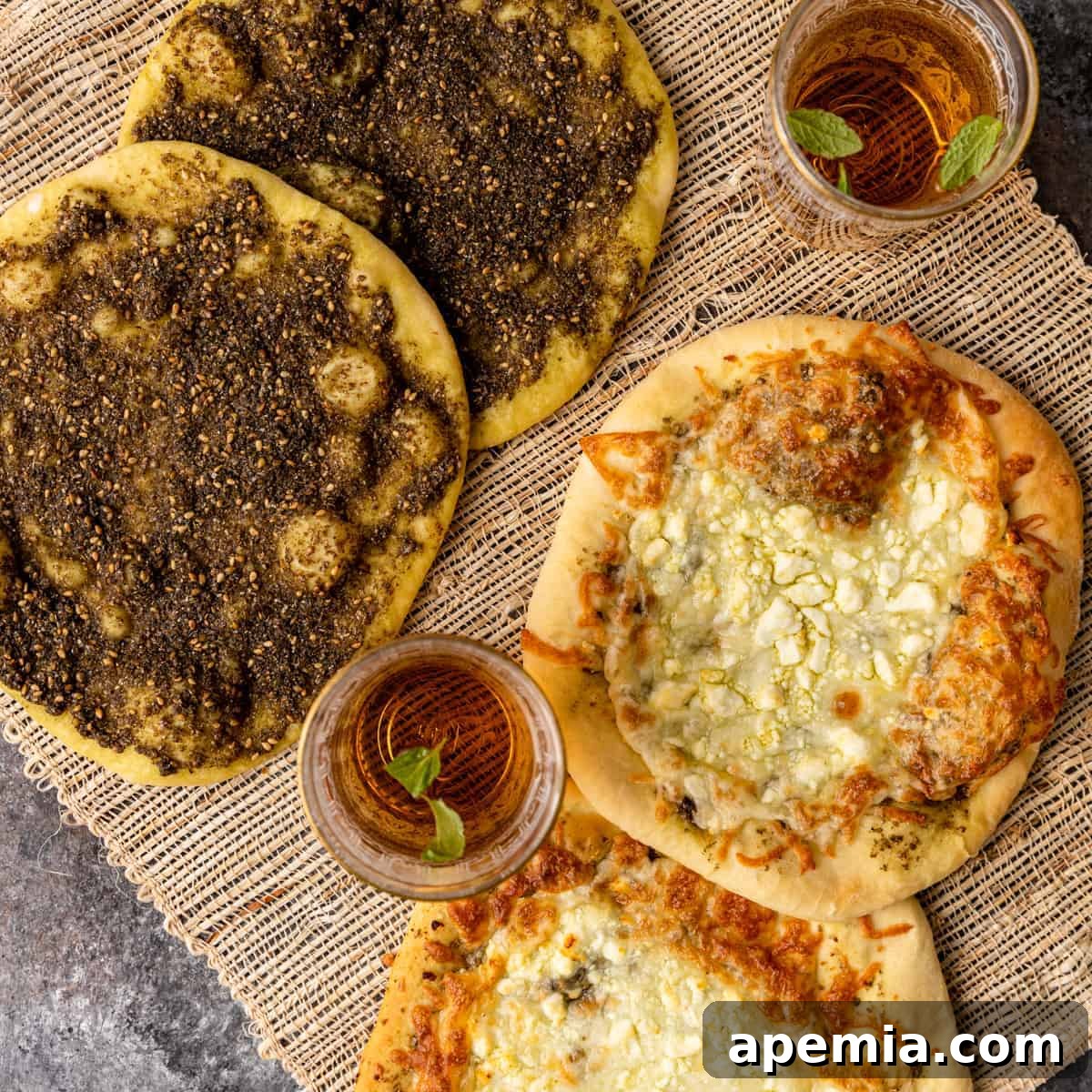
Welcome to the enchanting world of Middle Eastern cuisine, where simple ingredients transform into comforting and flavorful delights. Among the many culinary treasures, Lebanese Zaatar Bread, often affectionately called Manakish (or Manakeesh), stands out as a true staple. This soft, pillowy flatbread offers a delightful mild sweetness, making it the perfect foundation for a light, satisfying breakfast or an easy, delicious snack. Whether you choose to crown it with the savory, aromatic blend of zaatar seasonings or the creamy, tangy goodness of a cheese topping, both variations promise an unforgettable taste experience.
Lebanese Zaatar Bread (Manakish): A Journey into Authentic Middle Eastern Flavors
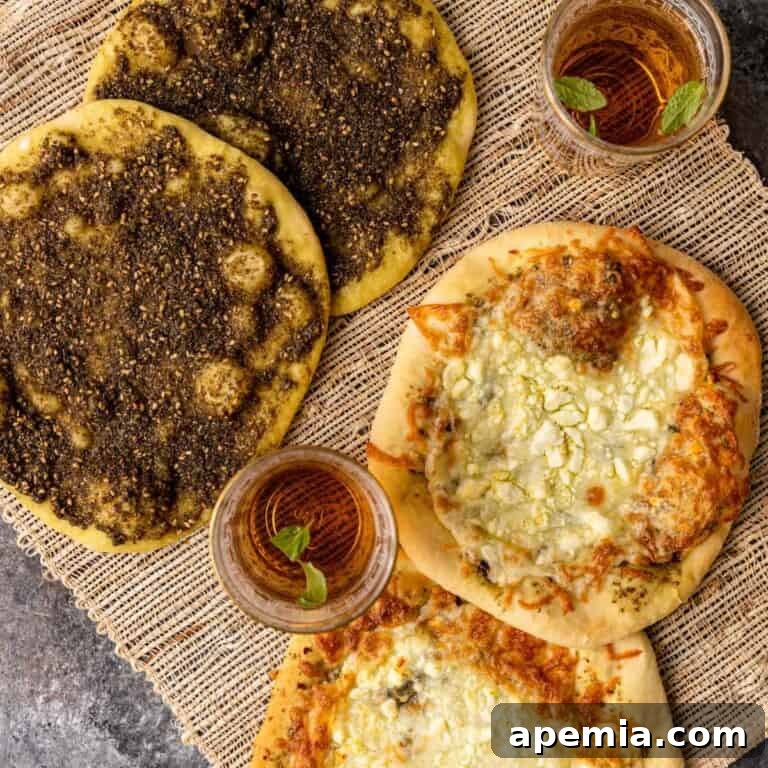
Embark on a culinary adventure with Zaatar Bread, a beloved Lebanese flatbread that transcends mere sustenance to become a cultural icon. Known in Arabic as Manakish, or sometimes spelled Manakeesh, Manaeesh, or Manaqish, this versatile bread is a testament to the region’s rich gastronomic heritage. It’s cherished as a simple, mild breakfast, offering a gentle sweetness and a comforting, pillowy texture that’s incredibly easy on the stomach. The singular form, when referring to just one piece of this delectable flatbread, is Manousheh.
Zaatar bread is more than just a dish; it’s a sensory experience. The aroma alone can transport you to bustling Middle Eastern bakeries, where stacks of these freshly baked flatbreads are a common and irresistible sight. Its gentle sweetness and remarkable softness make it an ideal companion for a morning cup of tea or coffee, providing a wholesome start to any day. Beyond breakfast, its versatility shines through as a fantastic snack, a light lunch option, or even an appetizer to share with loved ones.
What is Manakish? Unveiling the Beloved Lebanese Flatbread
Manakish is a traditional Middle Eastern flatbread, deeply rooted in Lebanese cuisine but enjoyed across the Levant and beyond. At its heart, it’s a simple, yeast-risen dough, flattened and baked in a hot oven. What truly defines manakish, however, are its diverse and delicious toppings. While countless variations exist, ranging from minced meat (lahm bi ajin) to spinach and cheese, the Zaatar Manakish reigns supreme as arguably the most iconic and universally adored version. This particular rendition features a generous slathering of aromatic zaatar spice blend mixed with olive oil, creating a savory and tangy experience that is truly unique.
The history of manakish is as rich as its flavor. For centuries, it has been a cornerstone of Middle Eastern tables, evolving from simple home-baked bread to a sophisticated culinary art form found in specialty bakeries called furn or forn. Each family, and indeed each region, often has its own subtle variations in dough recipes and topping preferences, passed down through generations. This rich tradition underscores the communal and comforting nature of manakish, making it a symbol of hospitality and warmth.
The Art of Making Zaatar Bread: A Simple Yet Flavorful Recipe
Creating your own Zaatar Bread at home is a surprisingly simple and rewarding experience, even if you’re new to bread baking. This manakish recipe simplifies the process, making it accessible for everyone to enjoy the fresh, authentic flavors of Lebanon right from their own kitchen. The magic lies in a straightforward yeast dough, which, with a few key ingredients and techniques, transforms into an incredibly soft and pliable base. The beauty of manakish is its versatility; think of it as a Middle Eastern pizza flatbread, allowing you to customize toppings to fit any craving, meal, or occasion. While our recipe highlights the classic zaatar spice and a delightful cheese blend, the possibilities for personalization are endless.
Another excellent Middle Eastern flatbread, perfect for scooping up creamy hummus or dipping into savory sauces, is Khubz, a wholesome whole grain pita bread. Both these breads showcase the rich diversity of Middle Eastern baking, offering distinct textures and flavors that complement a wide array of dishes.
Essential Ingredients for Perfect Manakish
The secret to Zaatar Bread’s remarkably soft texture and comforting flavor lies in a few carefully selected ingredients. While the dough itself is very simple and easy to prepare, one particular ingredient plays a crucial role in achieving that signature pillowy consistency. Let’s explore what you’ll need for this delightful recipe:
- The Dough Foundation: The base of our manakish is a simple, yet robust yeast dough. It comprises everyday pantry staples such as dry active yeast, which provides the necessary lift and airy texture; granulated sugar, which not only adds a hint of sweetness but also acts as food for the yeast, helping it activate; warm water, essential for proofing the yeast and binding the dough; versatile all-purpose flour; fragrant kosher salt to balance the flavors; and finally, rich olive oil, which contributes to the dough’s moisture, elasticity, and overall flavor.
- Powdered Milk (The Secret Ingredient): This might be the only ingredient you don’t already have on hand, but it’s a game-changer. Powdered milk is the secret weapon for tenderizing the bread, making it incredibly soft and contributing a gentle, mildly sweet flavor that is characteristic of authentic manakish. For an alternative with a slightly tangier note, you can also use powdered buttermilk.
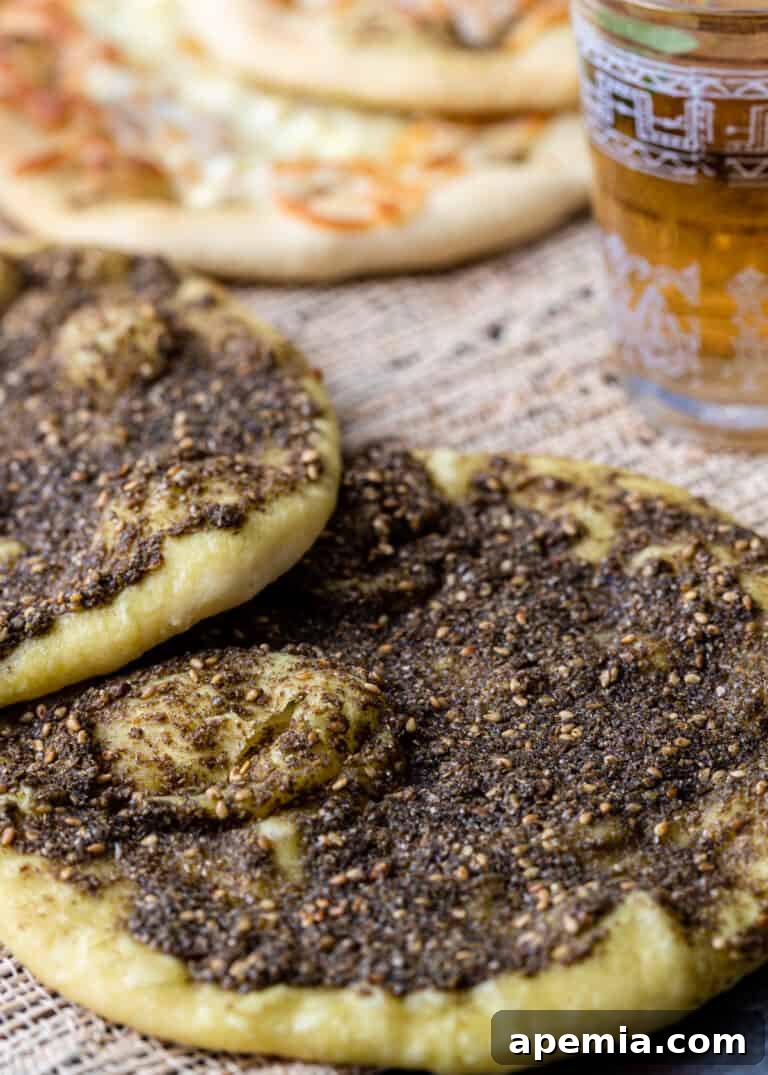
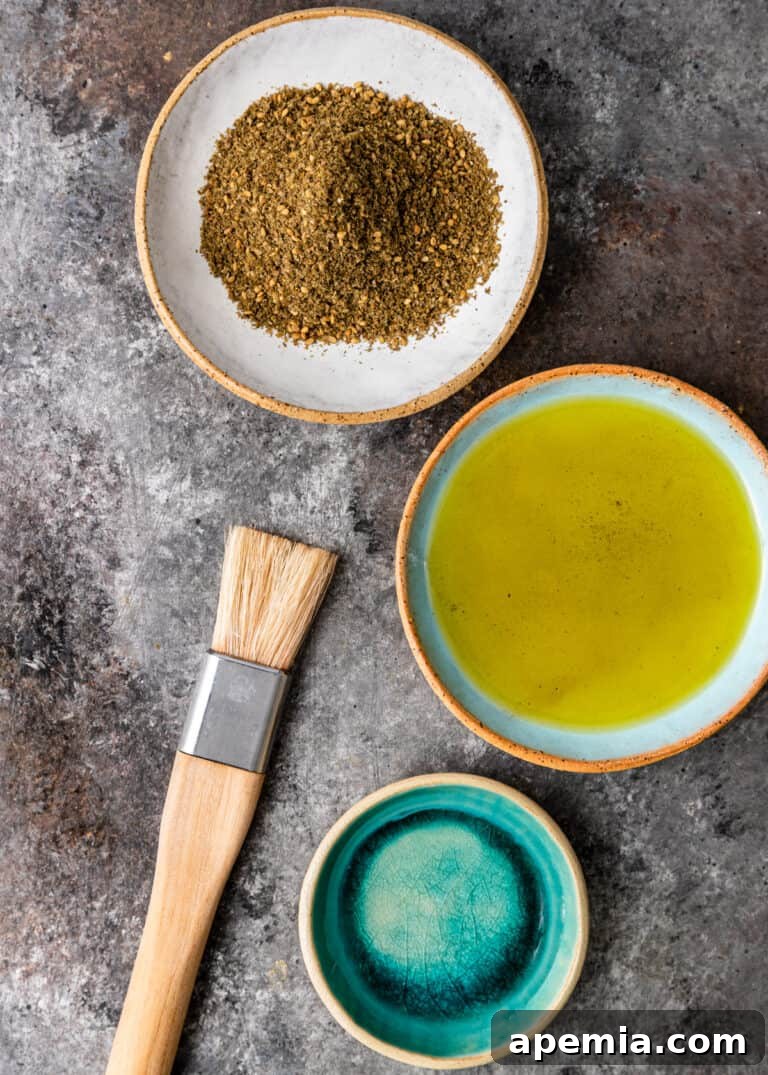
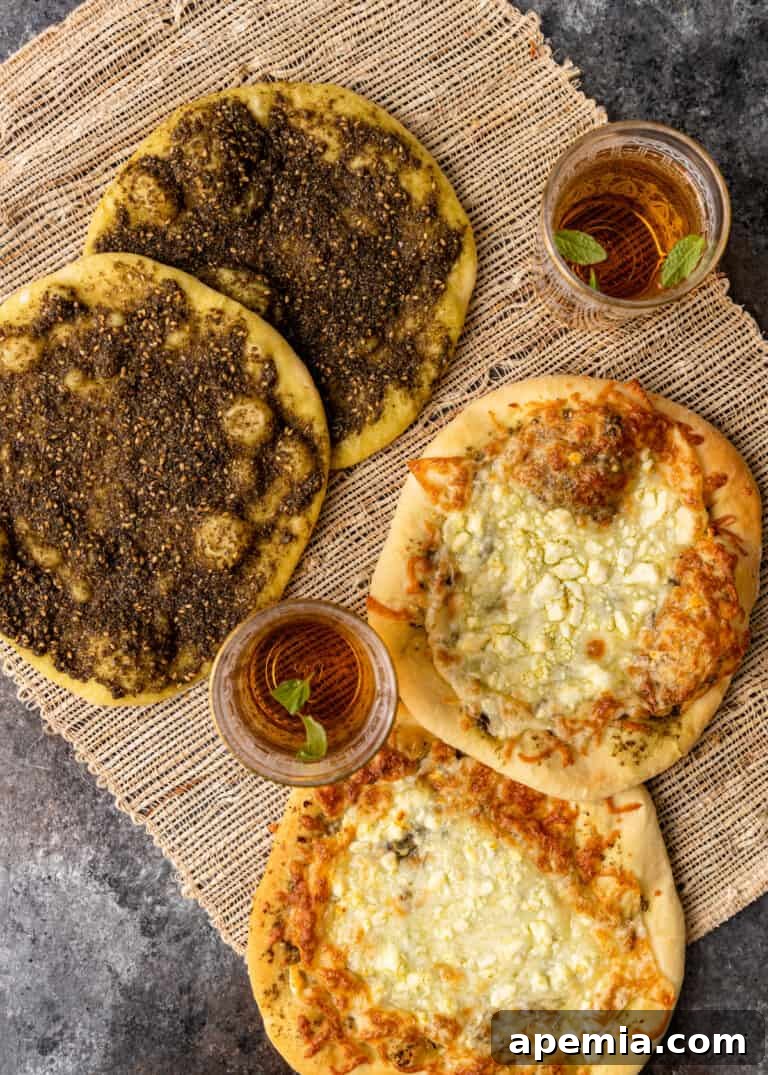
- The Aromatic Zaatar Topping: This classic topping is a harmonious blend of flavors. It consists of high-quality olive oil and a touch of water, which are mixed with a generous amount of zaatar spice blend. Zaatar is a distinctive Lebanese spice mixture, typically containing sumac for a tangy, lemony note, dried thyme for an earthy aroma, sesame seeds for nuttiness and crunch, and a hint of salt. This combination creates a vibrant, savory, and slightly tart topping that is utterly irresistible.
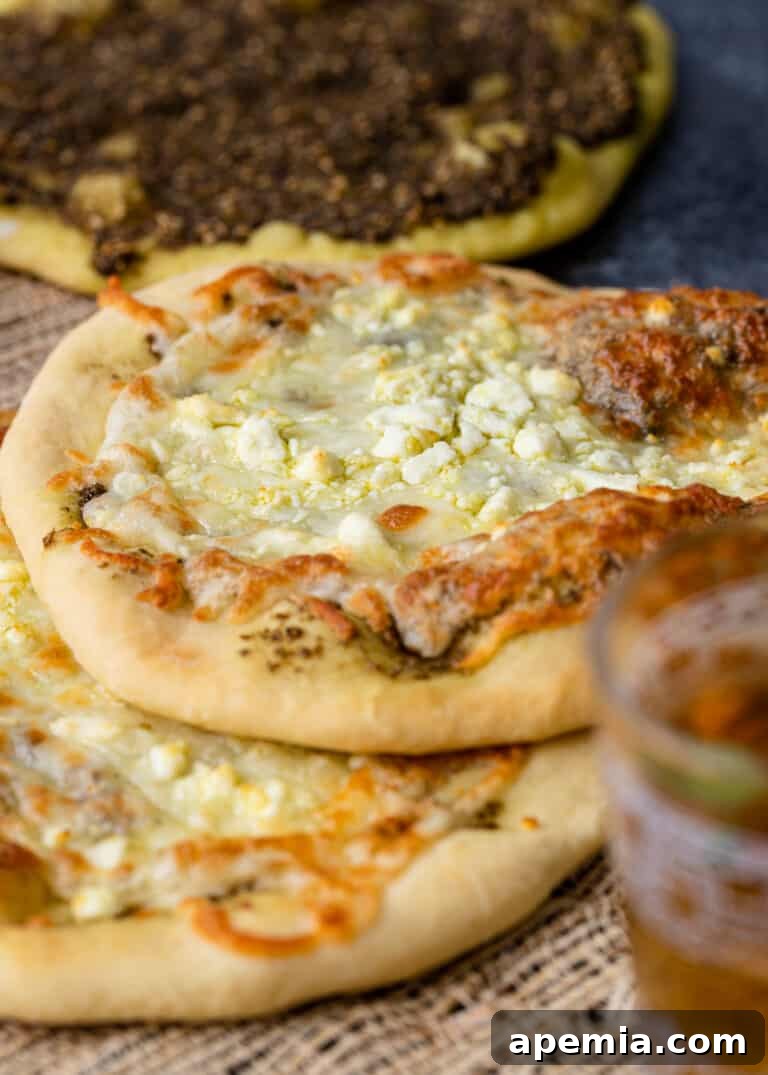
- The Creamy Cheese Topping: For those who love a cheesy delight, our recipe offers a simple yet incredibly flavorful cheese topping. It features a delightful combination of shredded mozzarella cheese, known for its mild flavor and excellent melt, and crumbled feta cheese, which introduces a wonderful salty and tangy kick. If you’re looking for an even stronger, tangier flavor profile, consider adding or substituting some goat cheese for part of the feta. The blend of these cheeses creates a bubbly, golden, and utterly satisfying topping that contrasts beautifully with the soft flatbread.
Step-by-Step: Crafting Your Own Delicious Zaatar Bread
Follow these detailed steps to create authentic and mouth-watering Zaatar Bread right in your kitchen. From activating the yeast to baking the perfect golden flatbreads, we’ll guide you through each stage to ensure a successful and enjoyable baking experience.
Making the Perfect Manakish Dough
- Proof the Yeast: In a small bowl, combine the active dry yeast, sugar, and 1/2 cup of warm water. Stir gently until the sugar dissolves. Set this mixture aside for about 10 minutes. This crucial step, known as “proofing,” allows the yeast to activate. You’ll know it’s ready when a foamy layer forms on the surface, indicating the yeast is alive and ready to make your dough rise beautifully.
- Sift the Dry Ingredients: While your yeast is proofing, grab a separate large mixing bowl (or the bowl of your stand mixer if you’re using one). Sift in the all-purpose flour, dry powdered milk, and kosher salt. Sifting isn’t just for lump prevention; it also aerates the flour, which contributes to a lighter, fluffier dough.
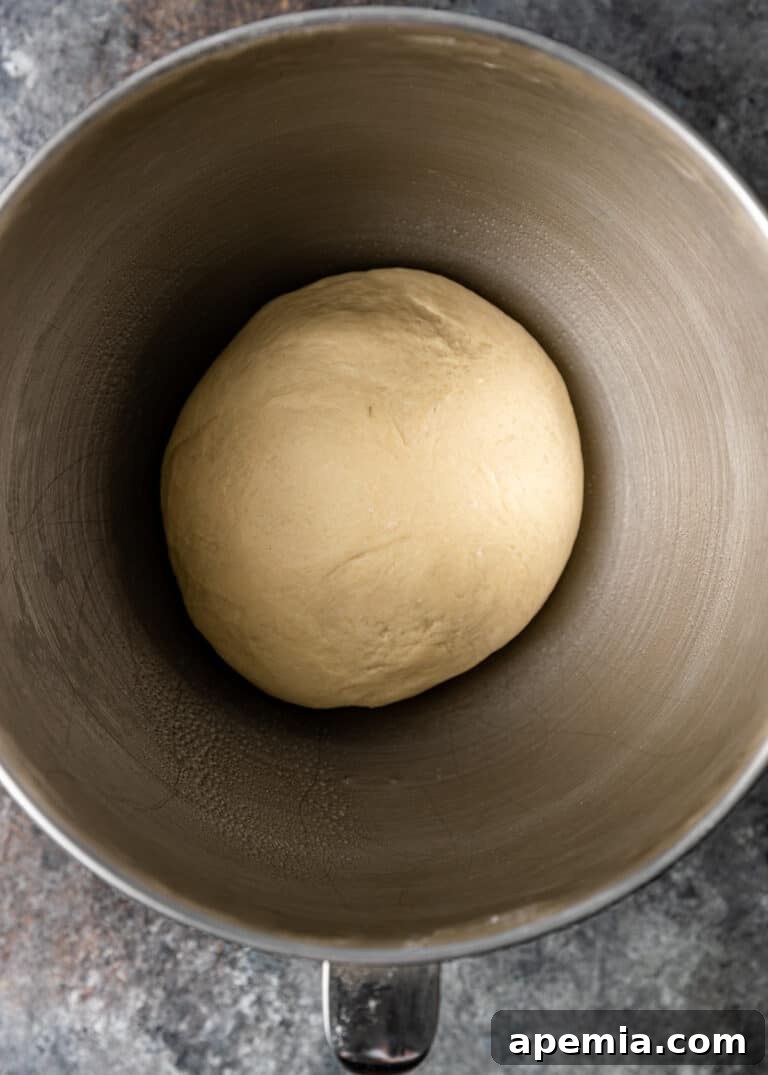
- Knead the Dough: Once your yeast mixture is proofed, pour it, along with the 1/4 cup of olive oil, into the bowl with the sifted dry ingredients. If using a stand mixer, attach the dough hook and knead on medium-low speed. If kneading by hand, transfer the mixture to a lightly floured surface. Knead the dough for approximately 10 minutes, gradually adding the remaining 1/2 cup of warm water little by little. The goal is to achieve a smooth, elastic, and consistent dough that springs back slightly when gently pressed. Proper kneading develops the gluten, which gives the bread its chewy texture.
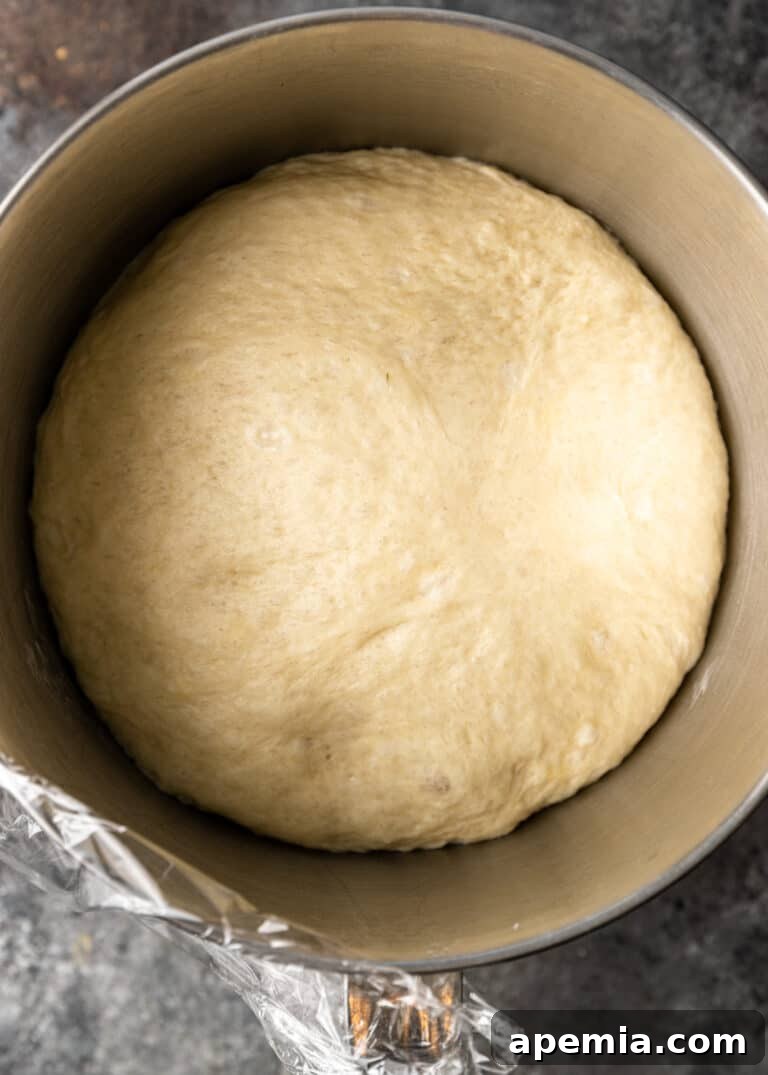
- Allow to Rise: After kneading, form the dough into a smooth ball. Lightly grease your mixing bowl with a little olive oil, place the dough ball inside, and cover the bowl tightly with plastic wrap or a clean, damp kitchen towel. Place it in a warm, draft-free spot (like a slightly warm oven that’s turned off, or a sunny corner) and let it rise for about 1 hour, or until it has visibly doubled in size. This rise is essential for creating the characteristic airy texture of manakish.
Assembling and Baking Your Manakish
- Prep the Oven and Pans: While your dough is completing its final rise, preheat your oven to a robust 375°F (190°C). This high temperature is key for a quick bake that yields a soft interior and slightly crisp exterior. Prepare two large baking sheets by lining them with parchment paper or silicone mats. This prevents sticking and ensures easy cleanup.
- Prepare the Toppings: In a small bowl, whisk together the 1/4 cup of olive oil, 1/4 cup of zaatar spice blend, and 1 tablespoon of water until well combined for your savory zaatar topping. In another separate small bowl, combine the shredded mozzarella cheese and crumbled feta cheese for the irresistible cheese topping. Set both prepared toppings aside, ready for assembly.
- Divide the Dough: Once the dough has risen, gently punch it down to release the air. Transfer the dough ball to a lightly floured work surface. Using a knife or dough scraper, divide the dough into 8 equal pieces. Take each piece and roll it into a smooth, even ball by cupping it with your hand and rolling it in a circular motion on the work surface. Cover any dough balls you’re not immediately working with using plastic wrap to prevent them from drying out.
- Shape the Manakish: Take one dough ball at a time and, on your lightly floured surface, roll it out evenly into an 8-inch (approximately 20 cm) circular flatbread. Lightly dust your rolling pin and the dough with flour as needed to prevent sticking and ensure a smooth roll. Repeat this process for all 8 pieces of dough, creating perfectly round flatbreads.
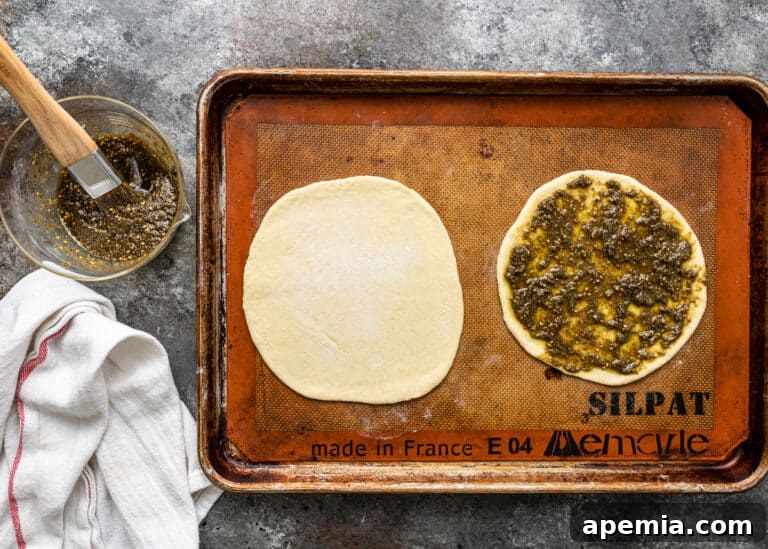
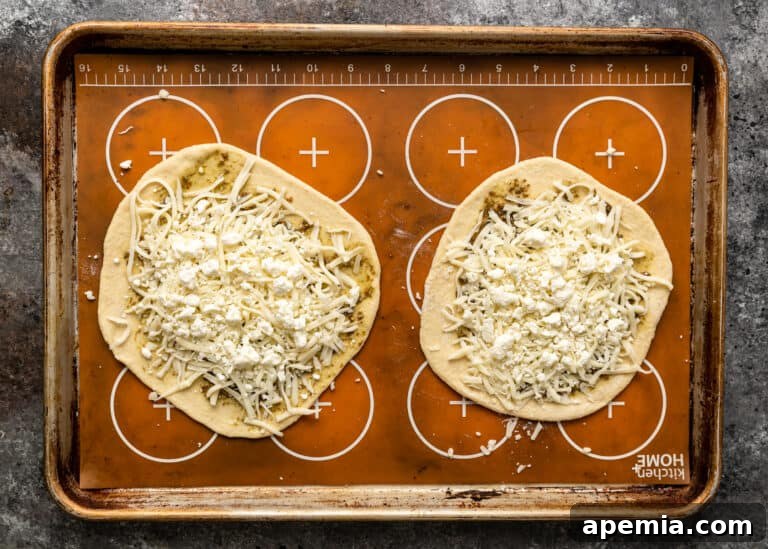
- Add the Toppings: Carefully arrange 4 of the flattened dough rounds on one prepared baking sheet, and the remaining 4 on the second baking sheet. Now, it’s time to apply the delicious toppings! Evenly spread the zaatar oil mixture over the surface of one set of 4 flatbreads, ensuring you spread it all the way to the edges. For the other set of 4 dough rounds, generously sprinkle the combined cheese mixture, also making sure to cover the entire surface right up to the edges.
- Bake & Serve: Carefully transfer your baking sheets to the preheated oven. Bake for approximately 12-15 minutes. Keep a close eye on them; the manakish are ready when the bottom of the flatbreads turns a beautiful golden brown, and the cheese topping is bubbly and slightly golden. The zaatar topping will be fragrant and slightly toasted. Remove from the oven and serve immediately while they are still wonderfully warm and fresh.
Frequently Asked Questions About Zaatar Bread (Manakish)
Here are answers to some common questions about this delightful Middle Eastern flatbread:
What Gives Zaatar Bread Its Unique Texture and Flavor?
The distinctive characteristics of manakish come from a harmonious interplay of its ingredients and the preparation method. The use of active dry yeast creates a light and airy structure, resulting in a soft, pliable bread. The addition of powdered milk is particularly crucial; it tenderizes the dough, giving it that characteristic pillowy softness and a subtle sweetness that makes it so comforting. Furthermore, olive oil is not just for lubrication; it imparts moisture, enhances the chewiness, and adds a rich, fruity flavor to the flatbread, contributing to its overall pleasant consistency and delightful taste.
Can Manakish Be a Part of a Healthy Diet?
While Zaatar Bread is undoubtedly delicious, its nutritional profile can vary depending on the ingredients and toppings. This recipe, yielding 8 servings, typically contains around 400-420 calories per serving. While not strictly a low-calorie food, manakish can be incorporated into a balanced diet. To make it a healthier option, consider using whole wheat flour for the dough to increase fiber content, and opt for low-fat cheese or a lighter hand with the olive oil for the toppings. The zaatar spice blend itself is packed with beneficial herbs and spices. Remember that portion control is key, and balancing it with other nutritious foods is always recommended.
How to Store and Freeze Zaatar Bread?
Zaatar Bread is best enjoyed fresh and warm from the oven, but leftovers can be stored. At room temperature, baked manakish can be kept in an airtight container for up to 2 days. For longer storage, refrigerate them for up to 4 days. When reheating, a few minutes in a preheated oven at 300°F (150°C) will restore their softness and warmth better than a microwave.
Absolutely! Manakish is excellent for freezing, allowing you to enjoy this delicious flatbread anytime. You can freeze the prepared dough for up to 4 weeks. After the first rise, punch down the dough, divide it into individual balls, wrap each tightly in plastic wrap, and then place them in a freezer-safe bag. To use, thaw the dough balls overnight in the refrigerator, then bring them to room temperature before shaping and baking according to the recipe instructions. While freezing *after* baking is possible, the texture is best when frozen as dough. If you do freeze baked manakish, allow them to cool completely, wrap individually, and store in a freezer bag for up to 1 month. Thaw in the refrigerator and reheat in an oven at 300°F (150°C) until warm and fluffy again.
Serving Suggestions and Culinary Pairings
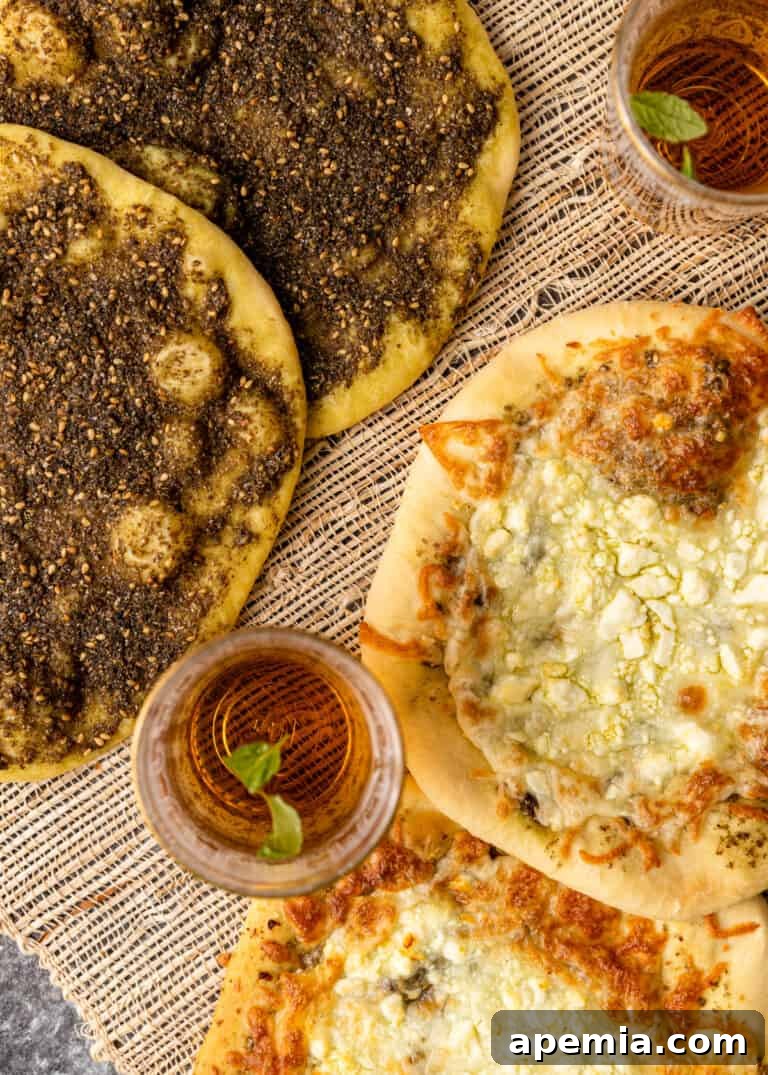
The versatility of Zaatar Bread truly shines when it comes to serving. Beyond being a delightful breakfast or snack on its own, manakish pairs beautifully with a variety of other dishes. For a traditional Lebanese breakfast spread, serve it alongside creamy labneh (strained yogurt), fresh cucumbers and tomatoes, olives, and a drizzle of extra virgin olive oil. It’s also fantastic with a hot cup of black tea or strong Arabic coffee.
Consider manakish as a canvas for other flavors. It can be enjoyed with a soft-boiled egg, or even wrapped around fresh mint leaves and a slice of tomato for a quick, refreshing bite. For a more substantial meal, serve it as a side with hearty stews or grilled meats, using it to scoop up flavorful sauces. Its mild flavor profile makes it a superb accompaniment to almost any Middle Eastern dish, or even as a unique addition to a mezze platter.
DID YOU KNOW?
Sumac, oregano, turmeric and many other Middle Eastern spices are full of antioxidant and anti-inflammatory properties! Incorporating these flavorful herbs and spices into your diet through dishes like Zaatar Bread can offer wonderful health benefits.
Zaatar Bread (Manakish) Recipe Card
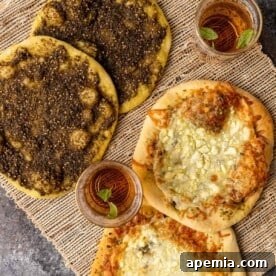
Zaatar Bread (Manakish)
A soft, chewy, and highly customizable Middle Eastern flatbread, Zaatar Bread, also known as Manakish, is made with a yeast-risen dough and generously topped with aromatic za’atar spice blend or various cheeses. Perfect for breakfast, snack, or any time!
Recipe Video Guide
Watch this helpful video to see the entire process of making Zaatar Bread from start to finish, guiding you through each step for perfect results!
Servings: 8 individual flatbreads
Prep Time: 15 minutes
Cook Time: 12-15 minutes
Dough Rise Time: 1 hour
Total Time: Approximately 1 hour 45 minutes
Pin Recipe |
Print Recipe
Ingredients
For the Dough:
- 2 teaspoons active dry yeast
- 1 teaspoon granulated sugar
- 1 cup warm water (divided into 1/2 cup portions)
- 3 cups all-purpose flour
- 2 tablespoons dry powdered milk (or powdered buttermilk for a tangier flavor)
- 1 teaspoon kosher salt
- 1/4 cup olive oil
For the Zaatar Topping (enough for 4 flatbreads):
- 1/4 cup olive oil
- 1/4 cup Zaatar spice blend (Lebanese zaatar)
- 1 tablespoon water
For the Cheese Topping (enough for 4 flatbreads):
- 1 cup shredded Mozzarella cheese
- 1 cup crumbled Feta cheese
Instructions
Dough Preparation:
- Proof the Yeast: In a small bowl, combine the active dry yeast, sugar, and 1/2 cup of the warm water. Stir gently and set aside for 10 minutes. The mixture should become foamy, indicating the yeast is active.
- Combine Dry Ingredients: In a large mixing bowl, sift together the all-purpose flour, dry powdered milk, and kosher salt. Sifting helps to prevent lumps and aerate the flour.
- Knead the Dough: Add the proofed yeast mixture and the 1/4 cup of olive oil to the dry ingredients. Using a stand mixer with a dough hook (or kneading by hand on a floured surface), knead for about 10 minutes. Gradually incorporate the remaining 1/2 cup of warm water, little by little, until you achieve a smooth, elastic, and consistent dough.
- Allow to Rise: Form the kneaded dough into a ball. Lightly grease the mixing bowl, place the dough ball inside, and cover tightly with plastic wrap or a damp kitchen towel. Let the dough rise in a warm, draft-free place for 1 hour, or until it has doubled in size.
- Preheat Oven & Prepare Pans: While the dough is rising, preheat your oven to 375°F (190°C). Line two large baking sheets with parchment paper or silicone mats.
Manakish Assembly:
- Prepare Toppings: In one small bowl, blend the 1/4 cup olive oil, 1/4 cup zaatar spice, and 1 tablespoon water for the zaatar topping. In another small bowl, combine the shredded mozzarella and crumbled feta cheeses for the cheese topping. Set both aside.
- Divide and Shape Dough: Lightly flour your work surface. Gently punch down the risen dough to release the air. Divide the dough into 8 equal pieces. Roll each piece into a smooth ball. Keep any unworked dough balls covered to prevent drying.
- Roll Flatbreads: Working with one dough ball at a time, roll it out on the floured surface into an 8-inch (20 cm) circle. Lightly dust with flour as you roll to prevent sticking. Repeat for all 8 dough pieces.
- Add Toppings: Arrange 4 of the rolled dough rounds on one prepared baking sheet and the remaining 4 on the second. Spread the zaatar oil mixture evenly over the first set of 4 flatbreads, extending it to the edges. Sprinkle the cheese mixture generously over the second set of 4 dough rounds, also spreading it to the edges.
- Bake & Serve: Place the baking sheets in the preheated oven. Bake for 12-15 minutes, or until the bottom of the manakish turns a golden brown and the cheese is bubbly and lightly browned. Serve immediately while warm for the best flavor and texture.
Recipe Notes & Tips
Serving Suggestions: Serve your freshly baked Manakish with a side of labneh (strained yogurt), fresh cucumber slices, tomatoes, and olives for a classic Lebanese breakfast. It also pairs wonderfully with a hot cup of tea or coffee.
Customize Your Toppings: Feel free to get creative with your manakish toppings! Besides zaatar and cheese, popular options include minced spiced meat (lahm bi ajin), spinach and onion (sfiha), or even a simple olive oil drizzle with a sprinkle of sumac.
Storage: Leftover Zaatar Bread can be stored in an airtight container at room temperature for up to 2 days, or refrigerated for up to 4 days. Reheat gently in an oven at 300°F (150°C) for a few minutes until warm and soft again.
Freezing Baked Manakish: If you wish to freeze baked manakish, allow them to cool completely first. Wrap each flatbread individually in plastic wrap, then place them in a freezer-safe bag or container. They can be stored for up to 1 month. To reheat, thaw in the refrigerator overnight, then bake in a preheated oven at 300°F (150°C) until warmed through and fluffy.
Freezing Dough: The prepared dough can be frozen for up to 4 weeks. After the first rise, punch down the dough, divide it into balls, wrap each tightly in plastic wrap, and freeze. Thaw the dough balls overnight in the refrigerator, then let them come to room temperature before shaping and baking as per the instructions.
Nutrition Information (Estimated per serving)
The information shown is an estimate provided by an online nutrition calculator. It should not be considered a substitute for a professional nutritionist’s advice.
For Zaatar Topping (per 1 of 8 servings):
- Calories: 401kcal
- Carbohydrates: 47g
- Protein: 7g
- Fat: 22g
- Saturated Fat: 3g
- Polyunsaturated Fat: 3g
- Monounsaturated Fat: 15g
- Cholesterol: 1mg
- Sodium: 310mg
- Potassium: 202mg
- Fiber: 7g
- Sugar: 2g
- Vitamin A: 565IU
- Vitamin C: 7mg
- Calcium: 306mg
- Iron: 21mg
For Cheese Topping (per 1 of 8 servings):
- Calories: 424kcal
- Carbohydrates: 39g
- Protein: 17g
- Fat: 22g
- Saturated Fat: 10g
- Polyunsaturated Fat: 1g
- Monounsaturated Fat: 9g
- Cholesterol: 57mg
- Sodium: 904mg
- Potassium: 126mg
- Fiber: 1g
- Sugar: 2g
- Vitamin A: 350IU
- Vitamin C: 0.1mg
- Calcium: 352mg
- Iron: 3mg
Course: Bread, Breakfast, Snack
Cuisine: Lebanese, Middle Eastern
Author: Kevin
This delightful Zaatar Bread recipe first graced Silk Road Recipes in April 2021 and has since been lovingly updated and enhanced with fresh content, vibrant new photos, and helpful tips to continue inspiring your culinary journey.
Stay Connected for More Delicious Recipes!
Don’t miss out on our latest culinary creations and cooking inspiration! Subscribe to our Newsletter and make sure to follow us on Facebook, Pinterest, Instagram, and YouTube for all our newest recipes, tips, and videos.
Have you made this Zaatar Bread recipe? We would absolutely love to see your delicious creations! Share your photos and culinary triumphs on Instagram by tagging @keviniscooking or using the hashtag #keviniscooking. Your feedback and beautiful dishes inspire us!