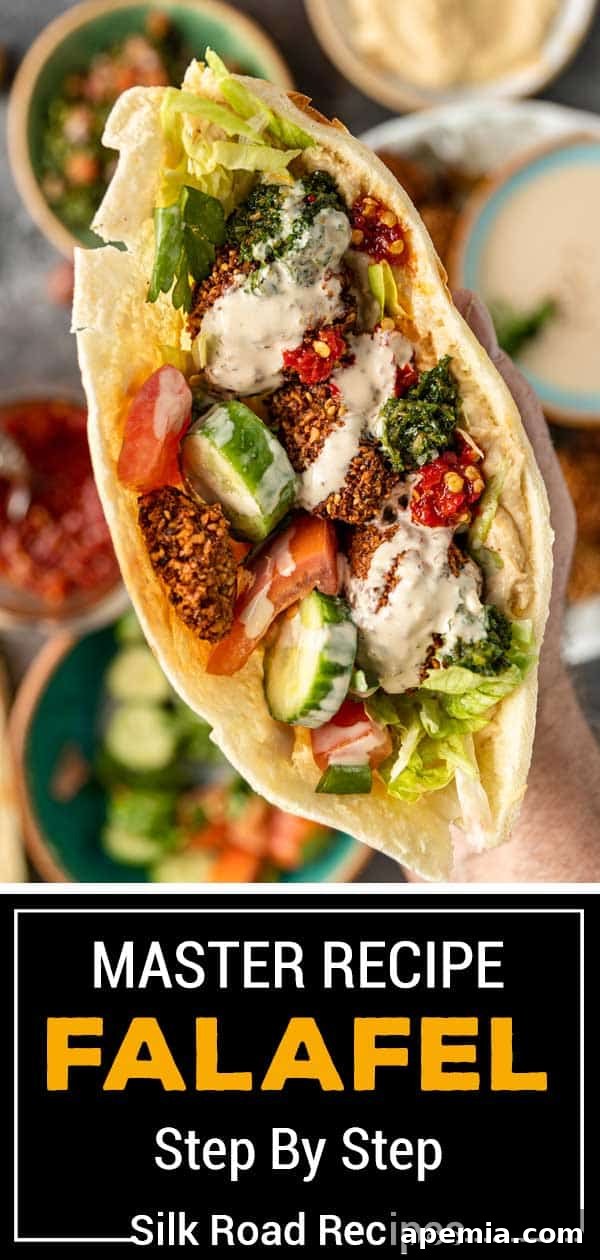
Welcome the vibrant flavors of the Middle East into your home with this authentic falafel recipe. Forget store-bought versions; learning how to make these classic vegetarian chickpea patties from scratch is a culinary journey that brings the beloved street food experience directly to your kitchen. With a perfectly spiced, herbaceous batter and a golden-crispy exterior that yields to a soft, warm interior, this easy-to-follow recipe, complete with helpful tips, will guide you to falafel perfection.
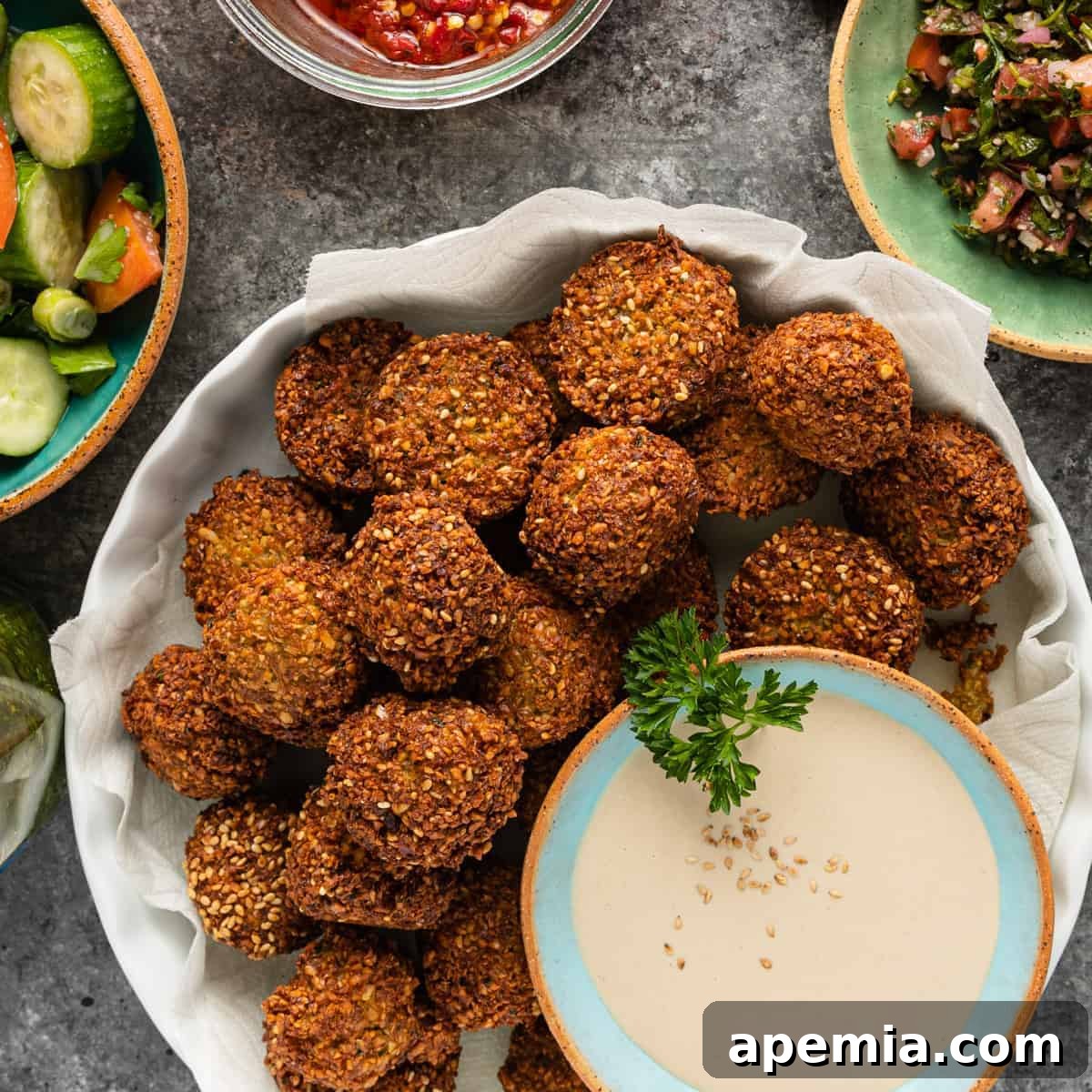
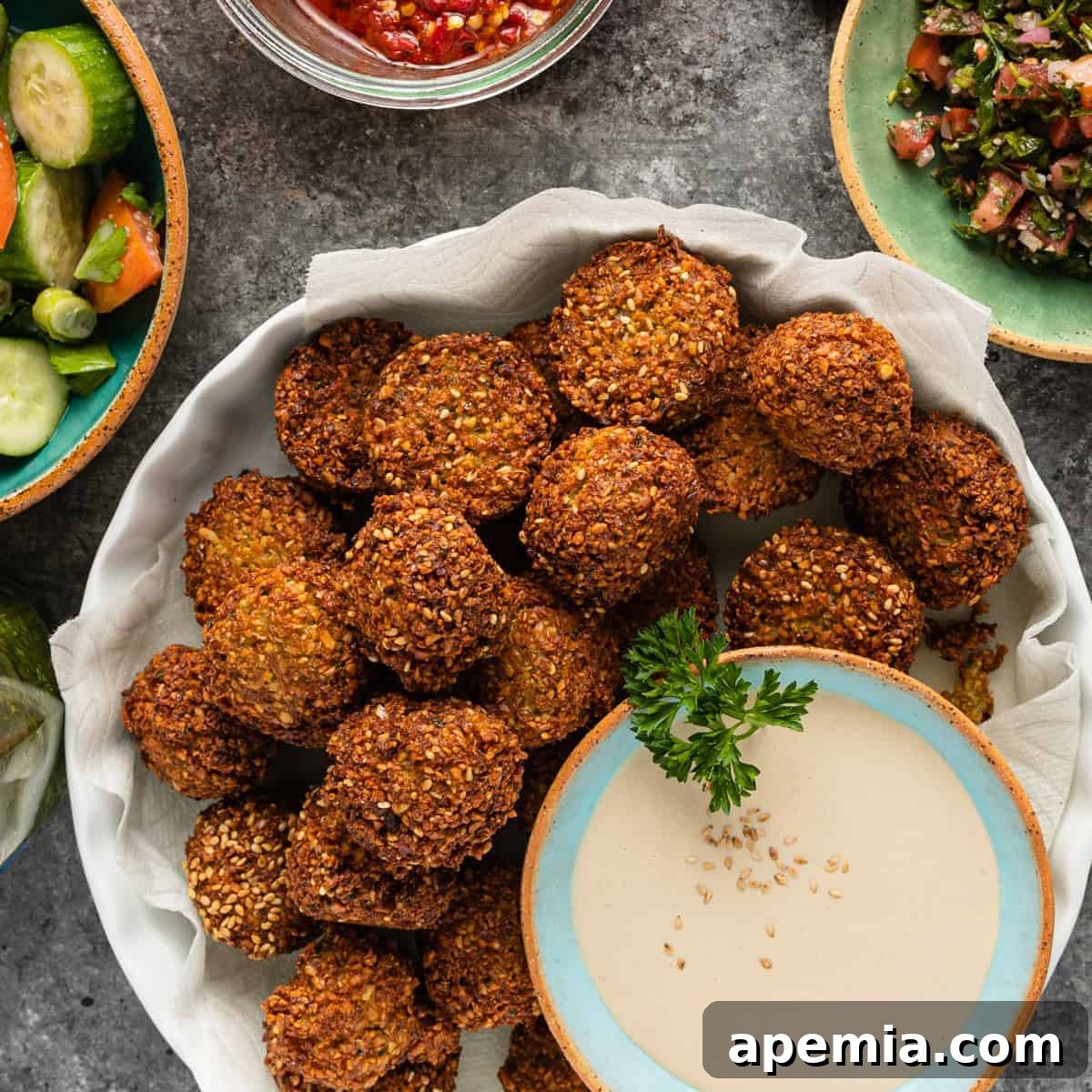
Authentic Middle Eastern Falafel: Your Guide to Crispy Perfection
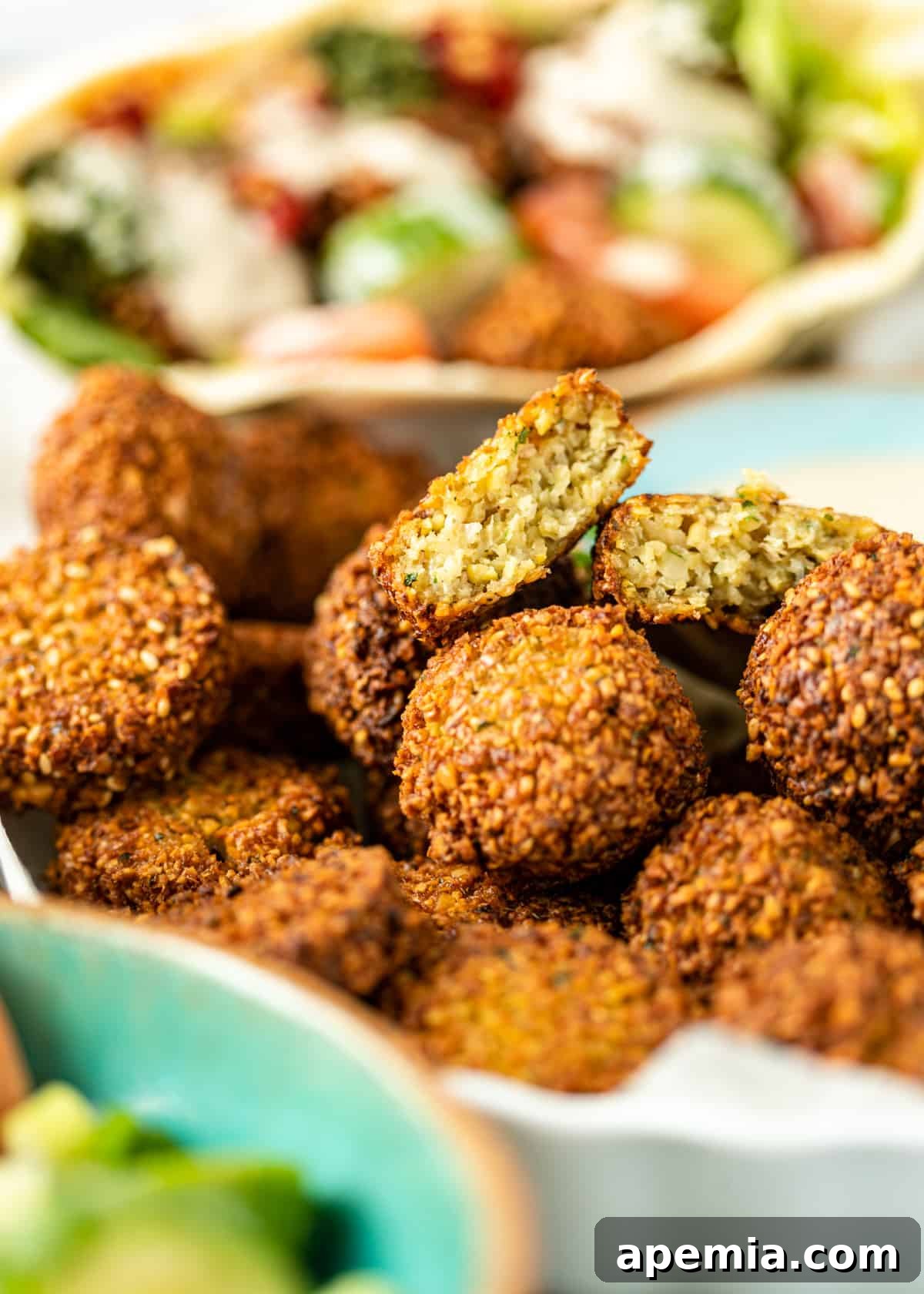
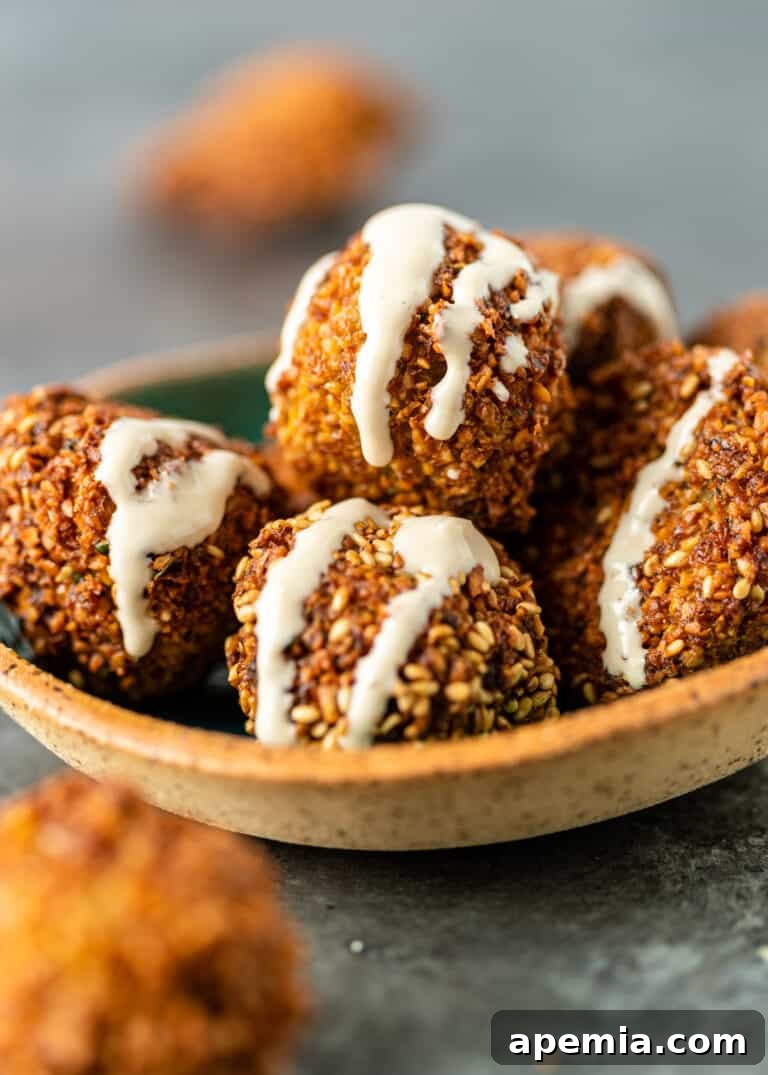
Falafel is more than just a dish; it’s a culinary icon of the Middle East, cherished for its robust flavor and incredible versatility. These savory chickpea fritters offer a delightful textural contrast: a satisfyingly crunchy outside encasing a tender, aromatic core. While their primary flavor is subtly earthy and nutty from the garbanzo beans, a generous infusion of fresh herbs and a blend of bright, peppery spices elevates them to a truly unforgettable experience. They can be enjoyed as a standalone snack, tucked into warm pita bread or wraps, served alongside a vibrant salad, or even as part of a grand mezze platter. No matter how you choose to enjoy them, homemade falafel promises a burst of fresh, authentic taste.
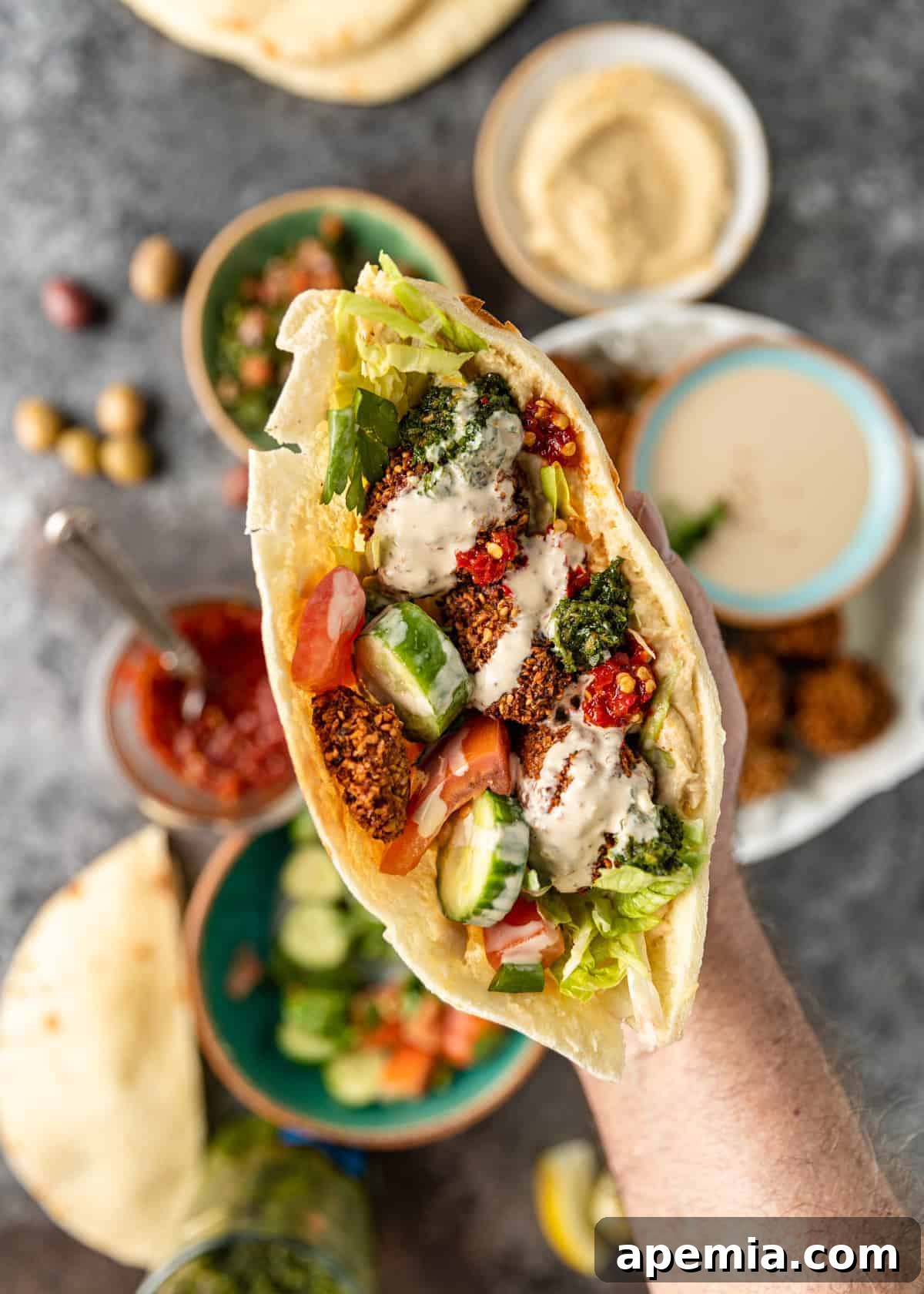
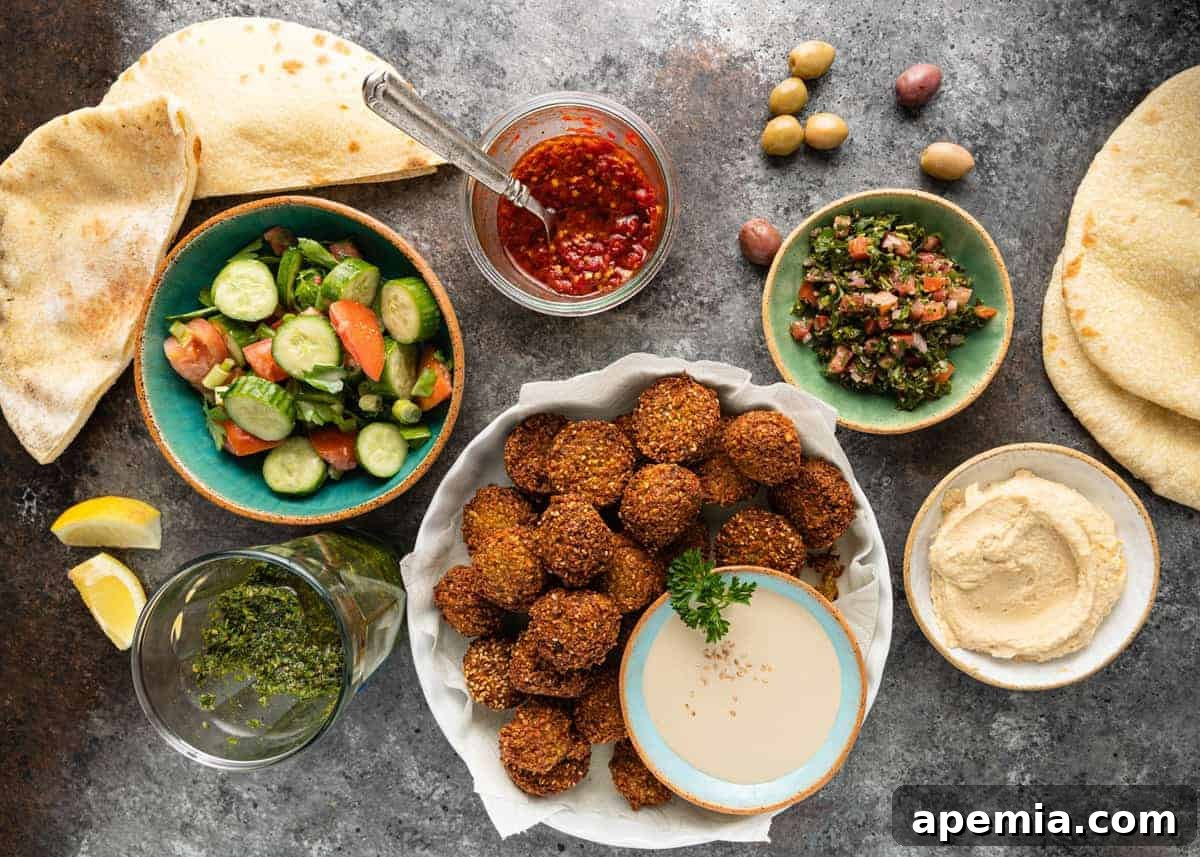
The magic of falafel truly comes alive with the right accompaniments, especially the sauces. Creamy tahini sauce is a timeless choice, its rich nuttiness perfectly complementing the savory falafel. However, don’t hesitate to explore other exquisite options! Garlicky, lemony Lebanese toum offers a different creamy, pungent twist, while fiery Yemeni schug or vibrant red shatta chili sauce can add a thrilling kick. To balance the heat and freshness, consider pairing your falafel with a crisp Shirazi salad, crafting a complete and harmonious meal.
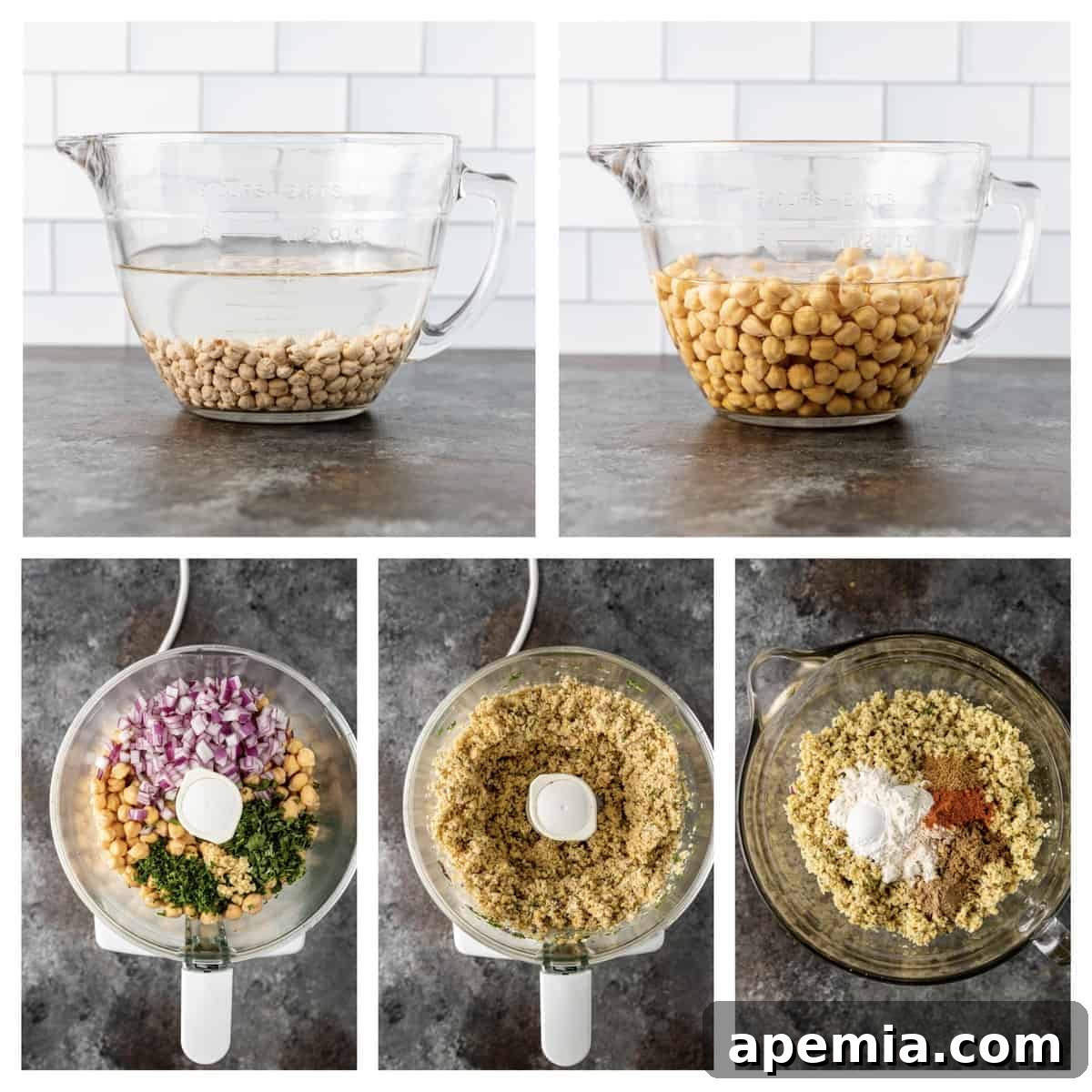
The Secret to Unforgettable Falafel: Dried, Soaked, and Uncooked Chickpeas
For falafel that boasts the ideal light, airy, and crispy texture, the choice of chickpeas is paramount. This is a crucial tip that sets authentic homemade falafel apart: **always opt for dried chickpeas that have been soaked, rather than canned ones.**
Canned chickpeas are already cooked, meaning they contain excess moisture and have a softer, mushier texture. If used in falafel, this moisture and pre-cooked state will prevent the fritters from achieving that desirable crisp exterior and fluffy interior. Instead, you’ll likely end up with falafel that is dense, prone to falling apart during cooking, and frankly, mushy – a texture no one desires for this iconic dish.
Dried chickpeas, after being thoroughly soaked overnight (for at least 8 hours), provide the perfect foundation. They absorb just enough water to soften slightly, making them easy to process, yet retain enough firmness and starch to create the distinctive texture needed for a truly exceptional falafel. This traditional method ensures a light, perfectly crispy outcome that truly captures the essence of this beloved Middle Eastern delicacy. Embrace this simple but vital step, and you’ll be rewarded with falafel that is bursting with authentic flavor and superior texture.
Essential Ingredients and Smart Substitutions
Creating delicious falafel relies on a handful of fresh ingredients and aromatic spices. Here’s a closer look at what you’ll need and how you can adapt the recipe:
- Dried Chickpeas: As discussed, these are non-negotiable for the best texture. If chickpeas aren’t available, white beans can offer a similar texture, though the flavor will differ slightly. For an even more traditional approach, fava beans were historically used in early falafel recipes, especially in Egyptian cuisine.
- Red Onion: Adds a sweet and pungent depth. If red onion is unavailable, yellow onions are a perfectly acceptable substitute, offering a similar flavor profile when finely diced.
- Garlic Cloves: Fresh garlic is key for that distinct, vibrant flavor. Two medium-sized cloves of freshly minced garlic typically equate to about ½ teaspoon of garlic powder, but fresh is always recommended for maximum impact.
- Fresh Parsley & Cilantro: These herbs are the soul of falafel, providing its signature bright green color and fresh, earthy aroma. Use them generously and finely chopped to ensure their flavors are well distributed throughout the mixture. Avoid dried herbs here, as they simply won’t deliver the same fresh intensity.
- Ground Spices: Beyond essential salt and a touch of cayenne pepper for a subtle warmth, this recipe features a classic blend of Middle Eastern spices:
- Cumin & Coriander: This dynamic duo forms the aromatic backbone of many Middle Eastern dishes, including falafel. Together, they create a balanced profile of earthy, slightly citrusy, and warm notes.
- Cardamom: Offering a unique sweet, floral, and subtly peppery note, cardamom adds a layer of sophistication. If you don’t have it, a tiny pinch of cinnamon can be used as a last resort, though the flavor will be different.
- Baking Powder: A small amount of baking powder is crucial for achieving that desirable light and airy interior, helping the falafel puff up slightly during cooking.
- Flour: A binding agent that helps the mixture hold its shape, ensuring your falafel patties don’t crumble. Any all-purpose flour will work.
- Water: Used to adjust the consistency of the falafel mixture, ensuring it’s pliable enough to form into patties without being too dry or too wet.
- Sesame Seeds: Sprinkled on the surface before frying or baking, sesame seeds add a delightful, nutty crunch and a visual appeal characteristic of many falafel preparations. Don’t skip them for that extra textural layer!
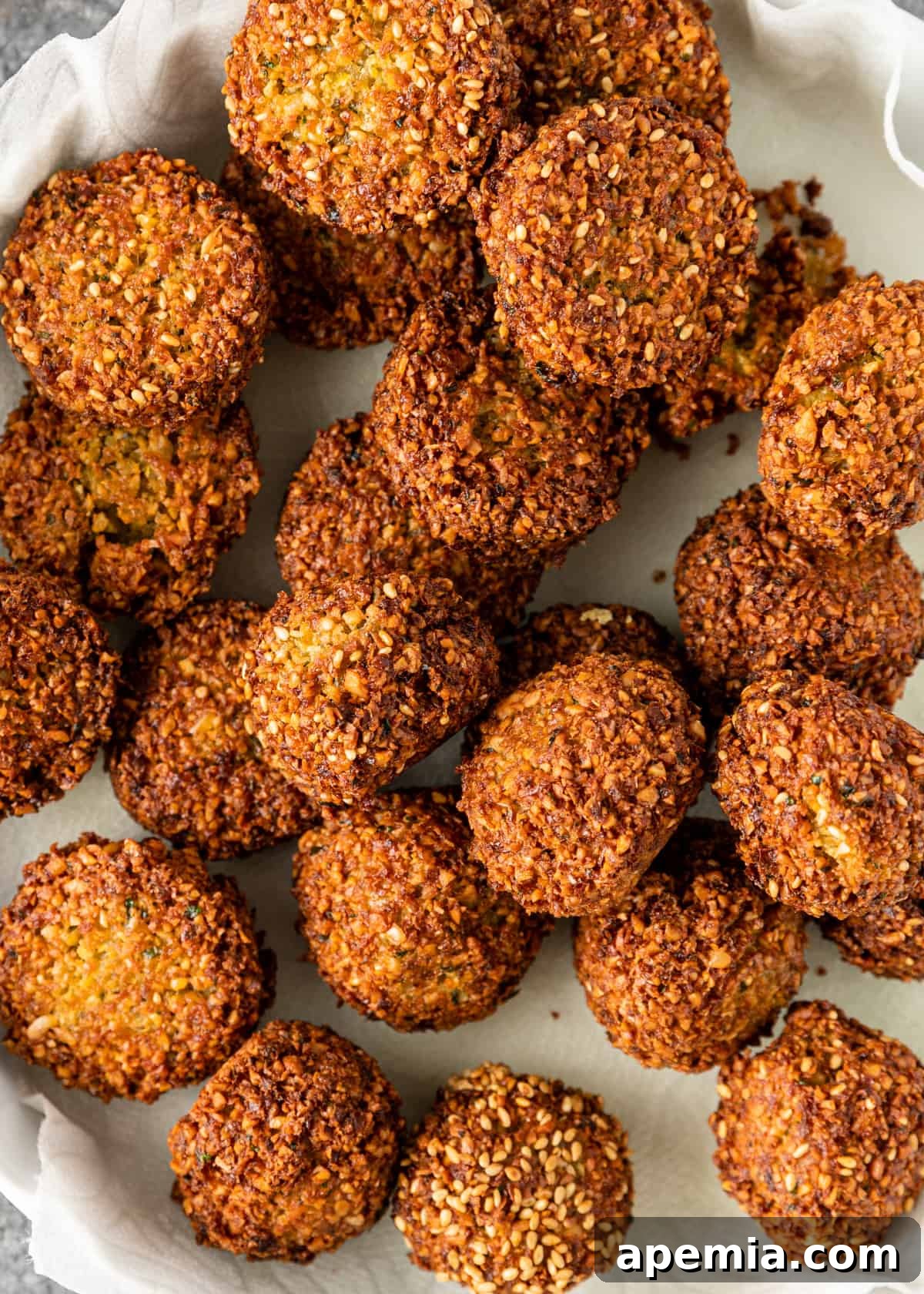
Mastering Your Homemade Falafel: Step-by-Step
Creating perfect falafel is an enjoyable process. Follow these steps carefully for delicious results:
- Soak Chickpeas: Begin by placing the dried chickpeas in a large bowl. Cover them generously with at least 4 cups of cold water. Let them soak overnight, or for a minimum of 8 hours, until they have visibly doubled in size and softened. This crucial step prepares them for the next stage.
- Prepare the Mixture: Once soaked, thoroughly drain the chickpeas, ensuring no excess water remains. Transfer them to a food processor along with the diced red onion, minced garlic, fresh parsley, and cilantro. Pulse the mixture several times for about a minute. The goal is a finely chopped, almost crumbly consistency, not a smooth paste. The mixture should just begin to hold together when pressed. Avoid over-processing, as this can lead to a dense falafel.
- Combine and Chill: Transfer the processed chickpea mixture to a clean mixing bowl. Add the salt, ground cumin, ground coriander, cayenne powder, ground cardamom, baking powder, flour, and water. Mix everything thoroughly until well combined. Cover the bowl and refrigerate for at least one hour. This chilling period is vital as it allows the flavors to meld and the mixture to firm up, making it easier to form the patties and preventing them from falling apart during cooking.
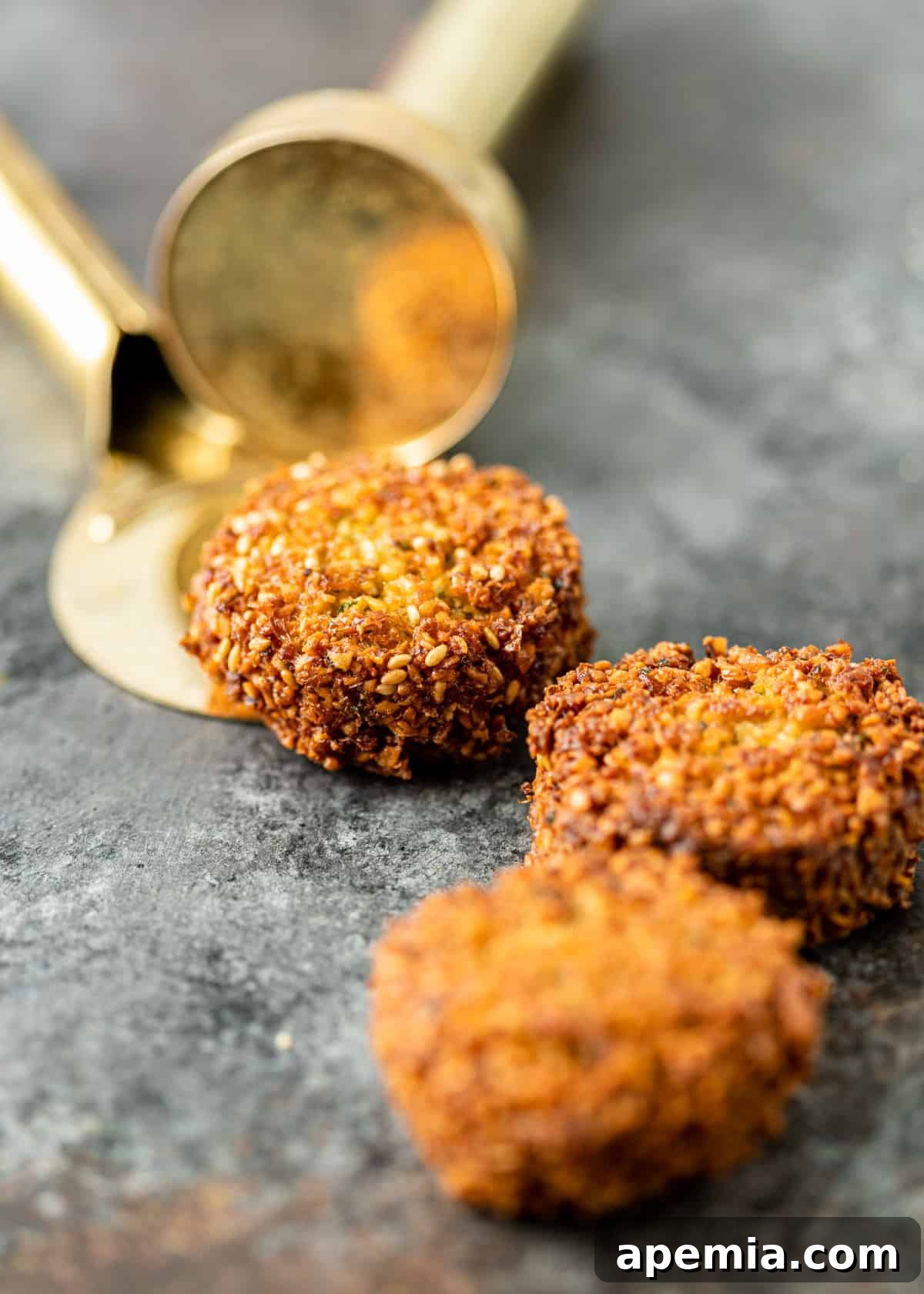
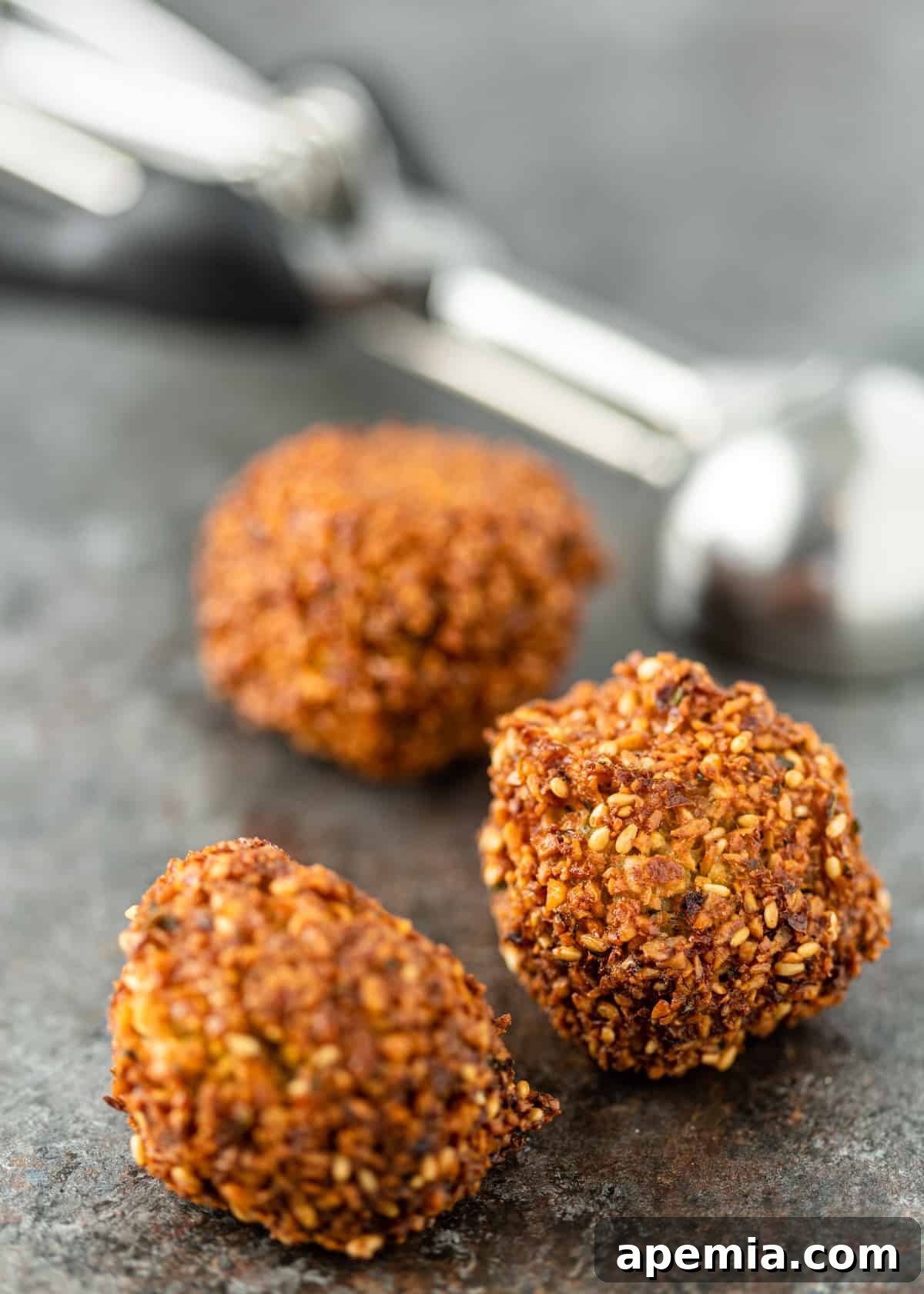
- Form Patties: While your oil is heating (for frying) or oven is preheating (for baking), it’s time to form the falafel. You can use your hands, wetting them slightly to prevent sticking, or a small ice cream scoop or a specialized falafel scooper for uniform shapes. Aim for walnut-sized balls or small, flattened disks. Arrange the formed falafel on a tray and sprinkle generously with sesame seeds. For extra assurance, chilling the formed patties for another 30 minutes can further help them hold their shape.
Frying Method: Achieving that Signature Crispy Exterior
- Heat the Oil: In a large, heavy-bottomed skillet (cast iron works wonderfully) or a deep medium saucepan, heat about 2 cups of vegetable oil to 350°F (175°C). Use a kitchen thermometer to ensure accuracy, as consistent oil temperature is key to perfect frying.
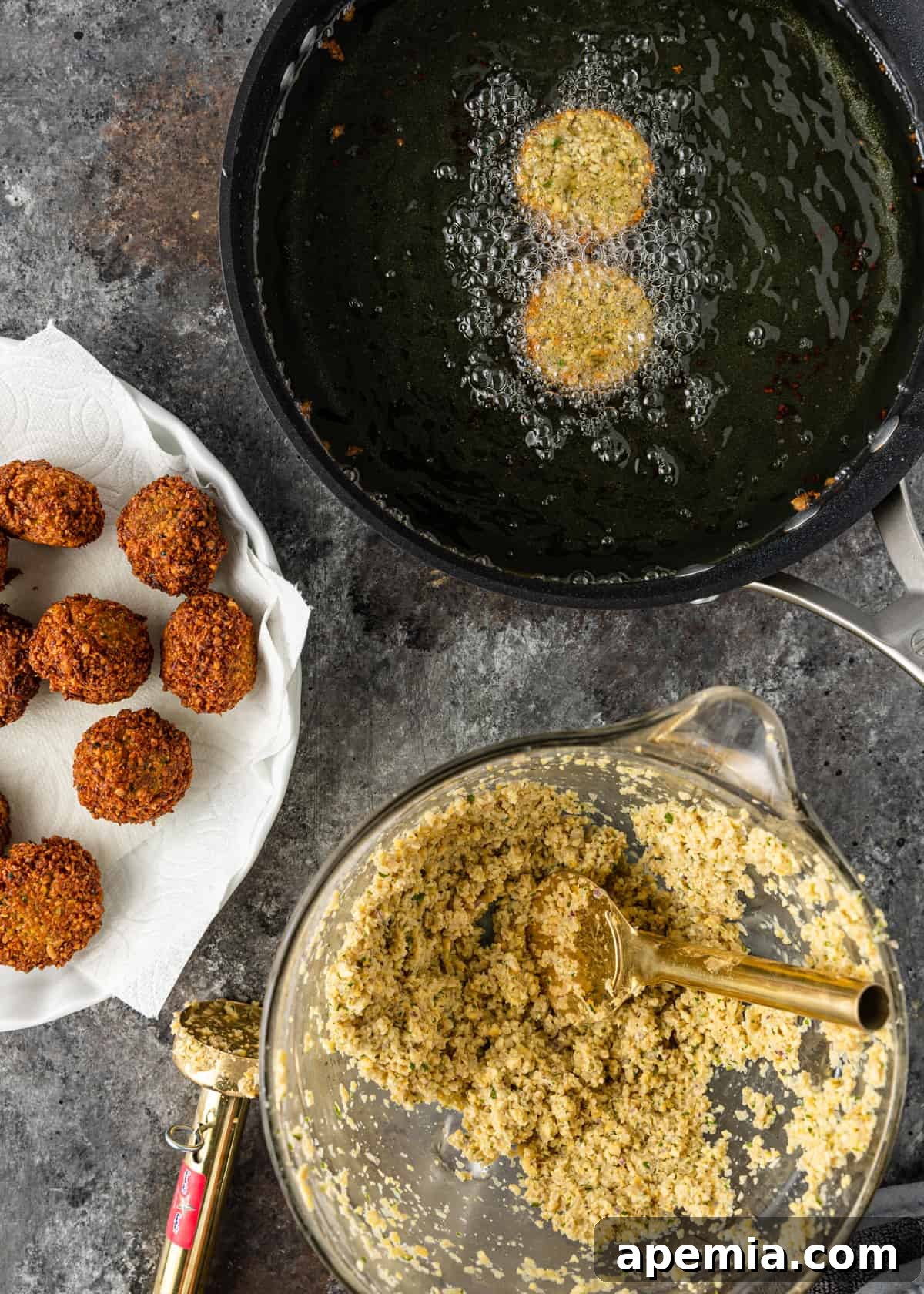
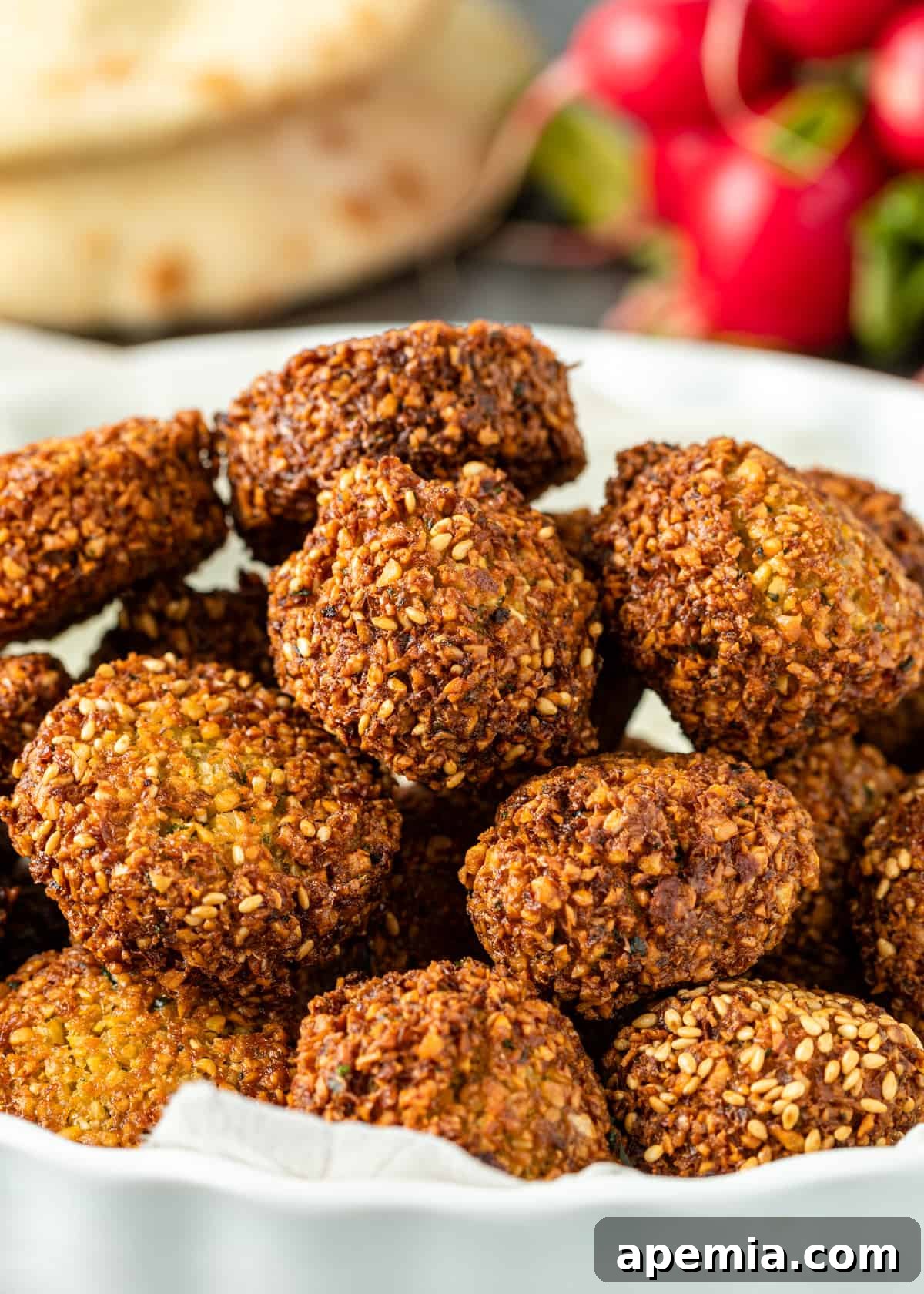
- Fry in Batches: Carefully lower the falafel into the hot oil, frying in small batches to avoid overcrowding the pan. Overcrowding will drop the oil temperature, leading to greasy, less crispy falafel. Fry each batch for approximately 3-4 minutes, turning occasionally, until they are beautifully browned and cooked through. Ensure they spend enough time in the oil to become dry and crispy on the inside. If they brown too quickly, slightly reduce the heat to maintain 350°F.
- Drain and Serve: Once golden and crispy, remove the falafel with a slotted spoon and transfer them to a plate lined with paper towels to drain any excess oil. Serve immediately while hot and fresh!
Baked Method: A Lighter Alternative
If you prefer a lighter option without deep-frying, baking falafel can still yield delicious results, albeit with a slightly different texture.
- Prepare Baking Sheet: Preheat your oven to 350°F (175°C). Spread ¼ cup of vegetable oil evenly over a baking sheet. The oil helps achieve some crispness.
- Form Patties for Baking: Form the falafel mixture as described above (Step 4). For baking, I highly recommend flattening the balls into more of a disk shape (similar to small patties) rather than keeping them perfectly round. This allows for more surface area to crisp up evenly.
- Bake: Arrange the falafel disks on the oiled baking tray, ensuring they are not touching. Sprinkle with sesame seeds. Bake for approximately 25 minutes, flipping them halfway through (around 12-13 minutes) to ensure even browning and crispness on both sides.
- Cool & Serve: Once baked and golden, transfer the falafel rounds to a paper towel-lined plate to cool slightly and absorb any residual oil. Serve warm.
Recommended Tools for Easy Falafel Making
While you can certainly make falafel with basic kitchen tools, a few items can make the process smoother and more consistent:
- Food Processor: Essential for quickly and evenly chopping the chickpeas, herbs, and aromatics to the perfect consistency.
- Deep Skillet or Heavy-Bottomed Pot: Crucial for maintaining a consistent oil temperature if you choose to fry. Cast iron is excellent for heat retention.
- Kitchen Thermometer: Absolutely vital for accurately monitoring oil temperature, which is key for crispy, non-greasy falafel.
- Falafel Scoop: While optional, a dedicated falafel scoop helps create uniformly shaped patties, which ensures even cooking and a professional appearance. Alternatively, a small ice cream scoop or even two regular spoons can work just as well.
Storing, Reheating, and Meal Prep Tips
Falafel is a fantastic dish for meal prepping, allowing you to enjoy fresh falafel throughout the week or even months:
- Uncooked Batter: The prepared falafel mixture can be refrigerated in an airtight container for up to 3-4 days. This makes it perfect for preparing ahead of time, so you can fry or bake fresh falafel whenever a craving strikes.
- Cooked Falafel (Refrigeration): Any leftover cooked falafel should be stored in an airtight container in the refrigerator for up to 3 days.
- Reheating Cooked Falafel: To restore their delightful crispness, avoid the microwave! Reheat cooked falafel in a preheated oven at 350°F (175°C) for 10-15 minutes, or in an air fryer at 325°F (160°C) for 5-8 minutes, until heated through and crispy again.
- Freezing Uncooked Falafel: Falafel freezes exceptionally well before cooking. Form all the fritters and arrange them in a single layer on a baking sheet. Freeze them briefly until solid, then transfer them to a freezer-safe gallon-sized bag or container. They will keep in the freezer for up to 6 months. When ready to cook, thaw them overnight in the refrigerator before frying or baking as usual. This ensures they cook evenly and maintain their texture.
Frequently Asked Questions About Falafel
Why can’t I use canned chickpeas for falafel?
Using uncooked, dried chickpeas is fundamental for this falafel recipe. Canned chickpeas are already cooked, making them too soft and moist. This results in a mushy interior and a higher chance of the falafel falling apart during frying or baking, instead of achieving the desired crispy exterior and firm, yet tender, inside.
Is this falafel recipe vegan?
Yes, absolutely! Falafel, made primarily from chickpeas and herbs, is inherently vegan and vegetarian-friendly. The recipe itself contains no animal products. Just be mindful of the accompaniments you serve it with; most traditional dips like hummus and tahini sauce are also vegan, but always double-check pita breads or other sauces if you have strict dietary requirements.
Can I make and freeze falafel ahead of time?
Yes, falafel is excellent for making ahead and freezing. The best method is to form the fritters as instructed, then freeze them on a baking sheet until solid. Once frozen, transfer them to an airtight container or freezer bag. They can be stored for up to 6 months. To cook, simply thaw them in the refrigerator overnight and then proceed with either the frying or baking method as desired.
What are the best serving suggestions for falafel?
Falafel is incredibly versatile! Traditionally, it’s served in warm pita bread with fresh vegetables like tomatoes, cucumbers, pickles, and a generous drizzle of tahini sauce. It also shines as part of a mezze platter with various dips (hummus, baba ghanoush), olives, and fresh salads. For a heartier meal, serve falafel in a grain bowl with quinoa or rice, mixed greens, and your favorite Mediterranean toppings.
This post, originally published on Silk Road Recipes in February 2021, has been thoroughly updated with new content, improved photos, and expanded tips in January 2024 to provide you with the most comprehensive guide to making delicious homemade falafel.
Subscribe to our Newsletter and follow us on Facebook, Pinterest, Instagram, and YouTube for all our latest Middle Eastern recipes and culinary adventures.
Middle Eastern Falafel Recipe
My classic vegetarian chickpea falafel recipe uses authentic Middle Eastern spices and fresh herbs, promising a crispy exterior and tender interior. Choose to fry or bake them and serve with creamy tahini or hummus for an unforgettable meal!
Yields: 20 servings
Prep time: 1 hour 20 minutes
Cook time: 8 minutes
Soaking/Refrigerator time: 8 hours
Total time: 9 hours 28 minutes
Ingredients
Falafel Mixture
- 1 ¼ cup dried chickpeas
- ⅓ cup red onion, diced
- 2 cloves garlic, minced
- 2 tbsp fresh parsley, finely chopped
- 2 tbsp fresh cilantro, finely chopped
- 1 tsp kosher salt
- ½ tsp ground cumin
- ½ tsp ground coriander
- ¼ tsp cayenne powder
- ¼ tsp ground cardamom
- ½ tsp baking powder
- 1 ½ tbsp all-purpose flour
- 3 tbsp water
For Frying/Baking
- 2 tsp sesame seeds
- 2 cups vegetable oil for frying (or ¼ cup for baking)
Instructions
- Soak Chickpeas: Place dried chickpeas in a large bowl and cover with 4 cups of water. Cover and let soak overnight (for at least 8 hours). They will double in size.
- Prepare Mixture: Drain the soaked chickpeas thoroughly. Transfer them to a food processor along with the diced red onion, minced garlic, finely chopped parsley, and cilantro. Pulse several times for about a minute until finely chopped. The texture should be coarse, not grainy or mushy, and should just begin to hold together.
- Combine and Chill: Remove the mixture from the food processor and transfer it to a bowl. Add the kosher salt, ground cumin, ground coriander, cayenne powder, ground cardamom, baking powder, all-purpose flour, and water. Mix everything together thoroughly. Cover the bowl and refrigerate for at least 1 hour.
Fry Method
- Heat Oil: Heat 2 cups of vegetable oil to 350°F (175°C) in a large, heavy-sided skillet (cast iron is ideal) or a deep medium saucepan.
- Form Patties: Wet your hands slightly. Scoop about a tablespoon of the falafel mixture into your palm and form it into a ball, roughly the size of a walnut. You can also use a small ice cream scoop, a spoon, or a falafel scooper to achieve uniform flat, rounded disks.
- Sprinkle and Fry: Place each formed falafel on a tray and sprinkle with sesame seeds. Deep fry them in 2 batches, being careful not to overcrowd the oil, as this will lower its temperature. Fry for 4 minutes until they are beautifully browned and cooked through. Ensure they have enough time in the oil to dry out internally. If they brown too quickly, lower the heat slightly to maintain 350°F.
- Drain and Serve: Remove the fried falafel with a slotted spoon and drain on paper towels. Serve immediately with tahini sauce, hummus, or other optional condiments in a pita.
Baked Method
- Prepare Baking Sheet: Add ¼ cup of vegetable oil to a baking sheet and spread it evenly to coat. Preheat your oven to 350°F (175°C).
- Form Patties: Wet your hands and scoop a tablespoon of the mixture into your palm, forming a ball about the size of a walnut. For baking, it’s best to flatten the balls slightly into a disk shape or intentionally make them into flat disks.
- Sprinkle and Bake: Place each falafel on the oiled baking tray and sprinkle with sesame seeds. Bake for 25 minutes, flipping them halfway through (after about 12 minutes) to ensure even browning.
- Drain and Serve: Drain the cooked falafel on paper towels. Serve immediately with tahini sauce, hummus, or other optional condiments in a pita.
Notes
- The use of dried and soaked (but **uncooked**) chickpeas is crucial. Cooked canned chickpeas will result in a mushy interior and may cause the falafel to break apart during cooking.
- When frying, it’s important that the falafel dry out on the inside to achieve true crispness. Ensure adequate cooking time in the oil, maintaining the 350°F temperature.
Nutrition Information (Estimate per serving)
Calories: 51kcal | Carbohydrates: 9g | Protein: 3g | Fat: 4g | Saturated Fat: 3g | Sodium: 72mg | Potassium: 115mg | Fiber: 2g | Sugar: 1g | Vitamin A: 52IU | Vitamin C: 1mg | Calcium: 23mg | Iron: 1mg
The information shown is an estimate provided by an online nutrition calculator. It should not be considered a substitute for a professional nutritionist’s advice.
Course: Main Dishes
Cuisine: Middle Eastern
Author: Kevin
Have you made this delicious falafel recipe? We’d love to see your creations! Share your photos on Instagram and tag @keviniscooking or use the hashtag #keviniscooking!