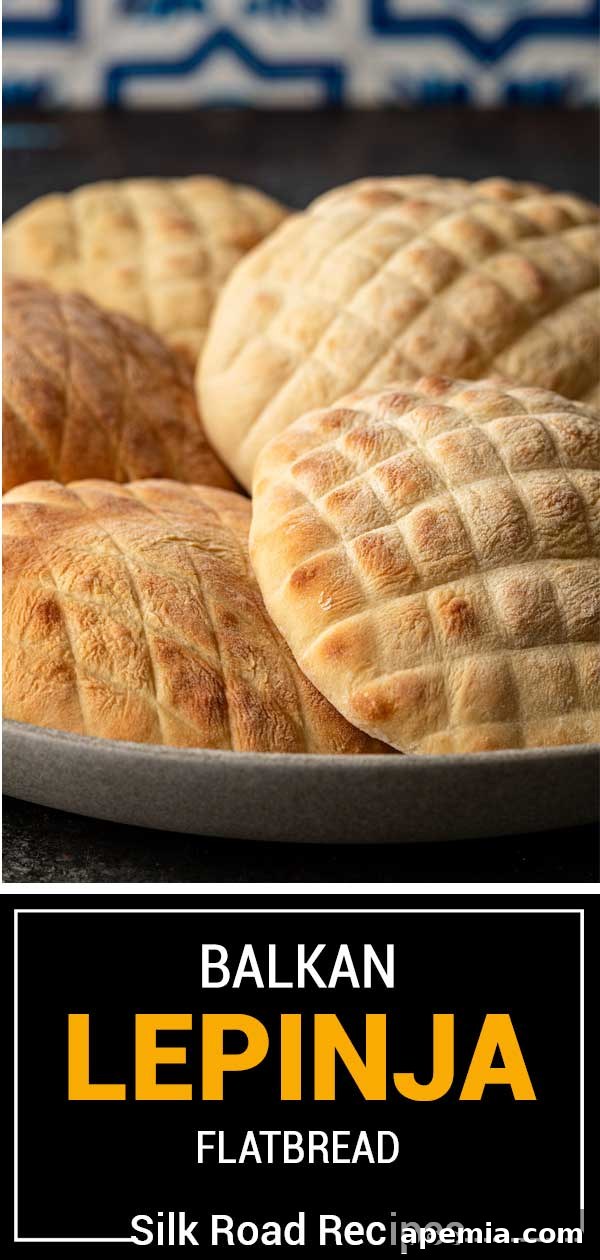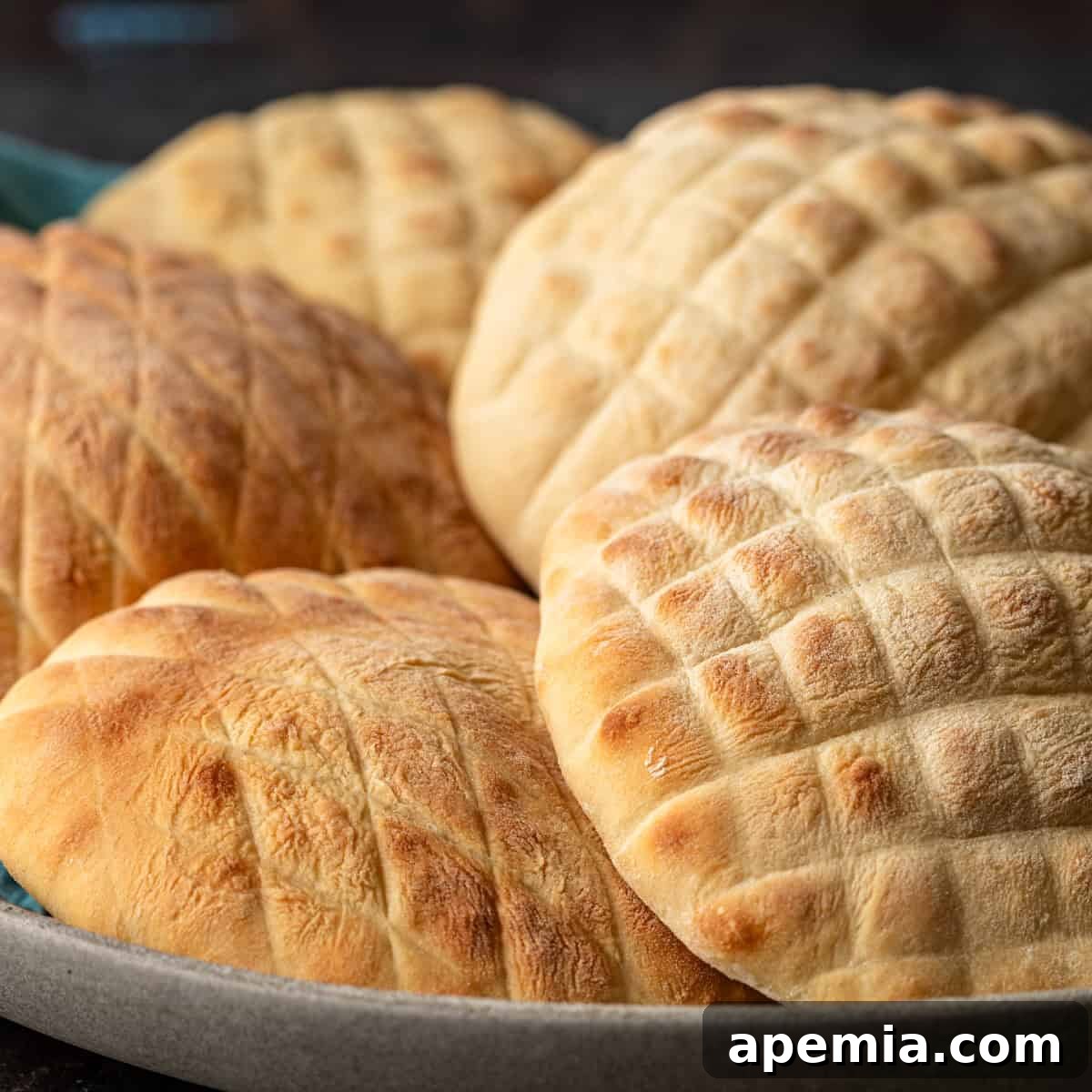
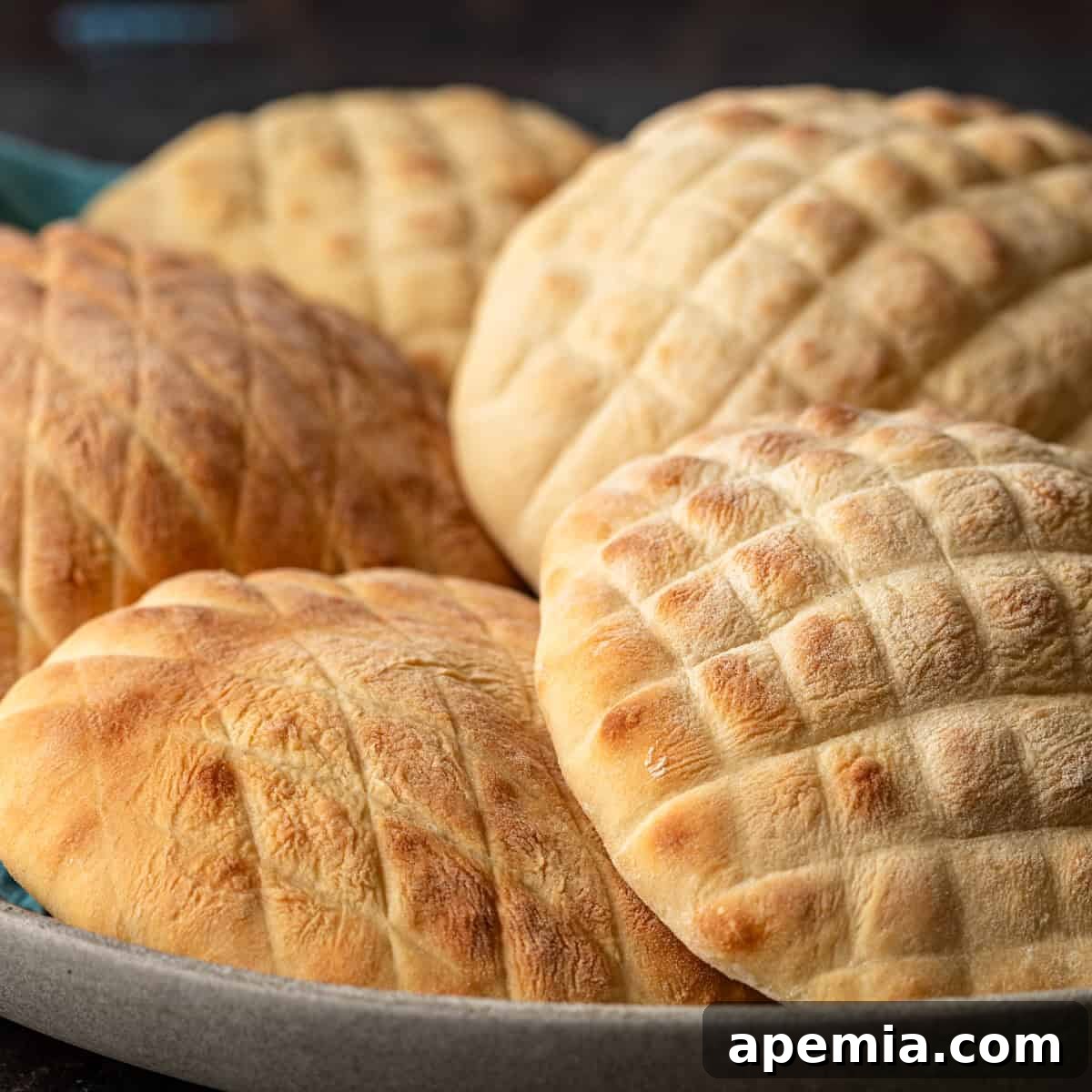
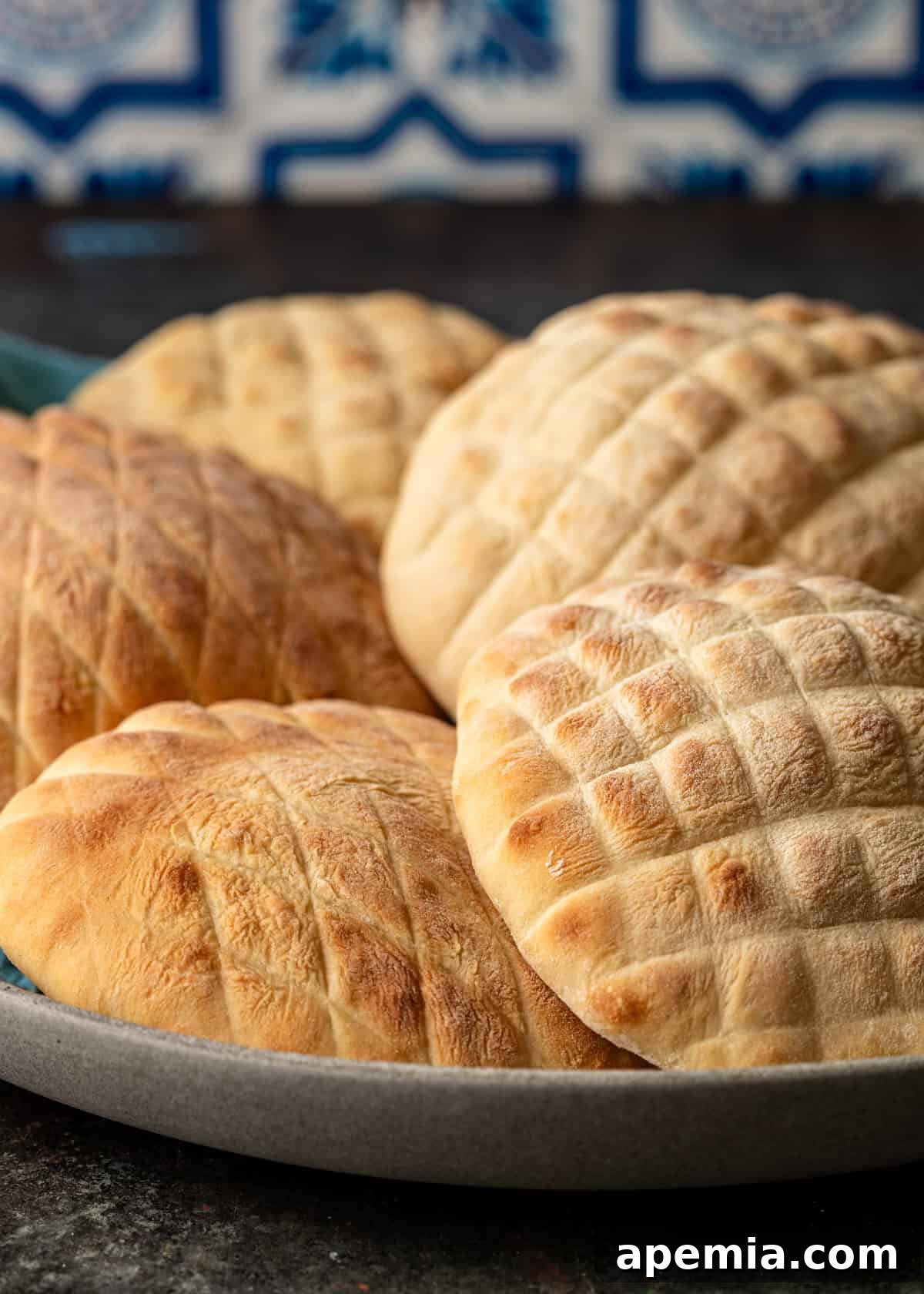
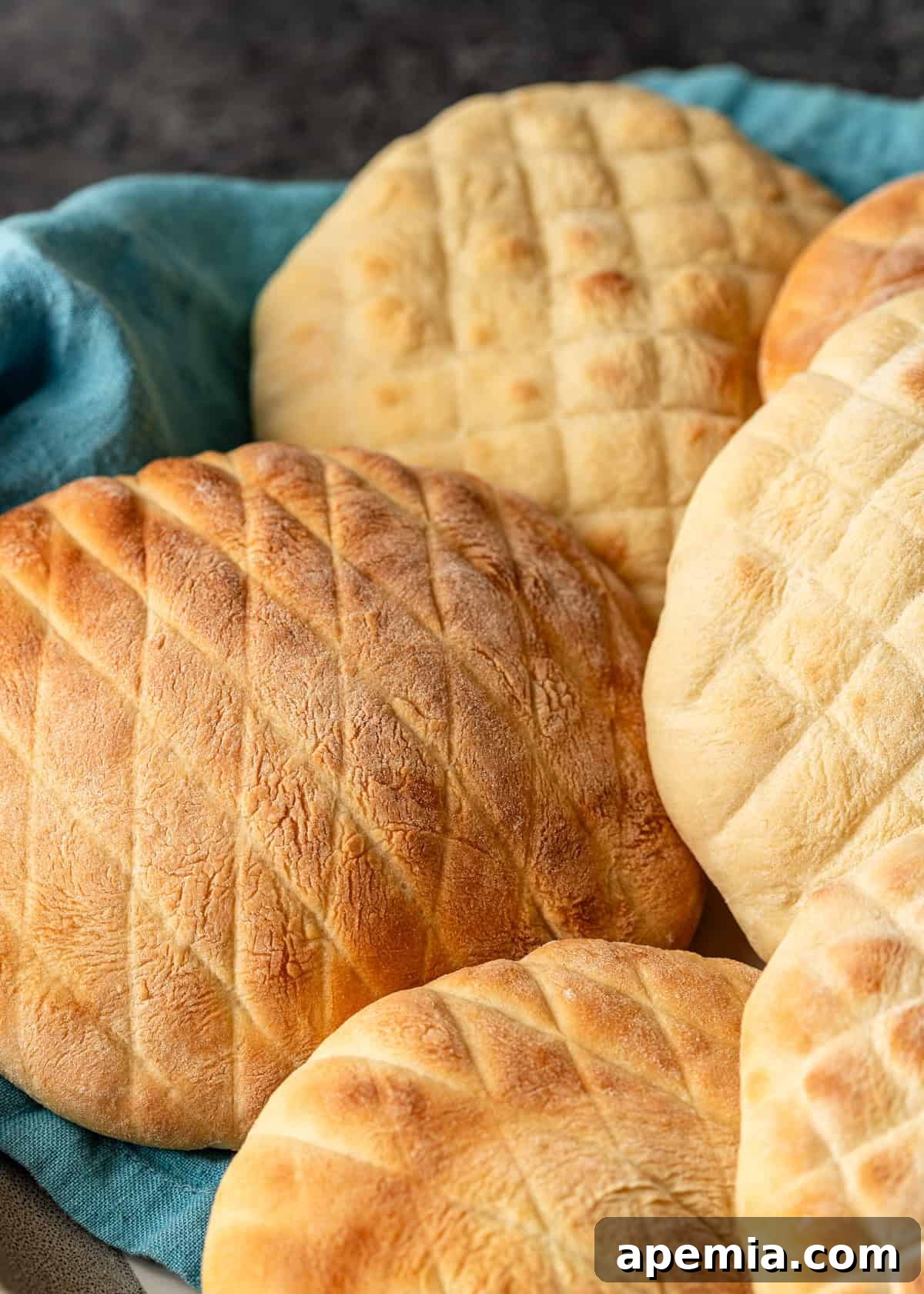
Lepinja, the quintessential Balkan flatbread, is a culinary masterpiece renowned for its irresistibly pillowy soft interior and delightfully crisp crust. This traditional bread, baked at high heat, features a distinctive diamond pattern that encourages it to puff up beautifully in the oven, creating those coveted airy pockets. It’s the ultimate accompaniment for a wide array of dishes, serving as a perfect canvas for hearty sandwiches, a vital component alongside grilled meats, or an exquisite vehicle for dipping into your favorite spreads. Best of all, you can enjoy this authentic delicacy from start to finish in under two hours, making it an accessible and rewarding baking project for any home cook.
The Heart of Balkan Cuisine: Discovering Lepinja
Lepinja holds a cherished place as a major bakery staple found throughout the Balkan region, enjoying immense popularity particularly in Bosnia and Herzegovina, Serbia, and Croatia. This versatile and delicious flatbread is much more than just a side; it’s a cornerstone of countless traditional meals. It is most commonly sliced open and generously filled with succulent grilled meats, such as the famous ćevapi, creating an iconic Balkan sandwich. Beyond its role in sandwiches, Lepinja frequently graces tables alongside robust, flavorful dishes like Bakalar Croatian Cod Stew, rich Croatian Beef Stew, or served with a dollop of creamy hummus or the regional specialty, kajmak (a rich, savory dairy spread often likened to clotted cream or a soft, fresh cheese). Indeed, Lepinja truly is an all-rounder, adaptable to nearly any culinary occasion.
What Sets Lepinja Apart? Its Unique Texture
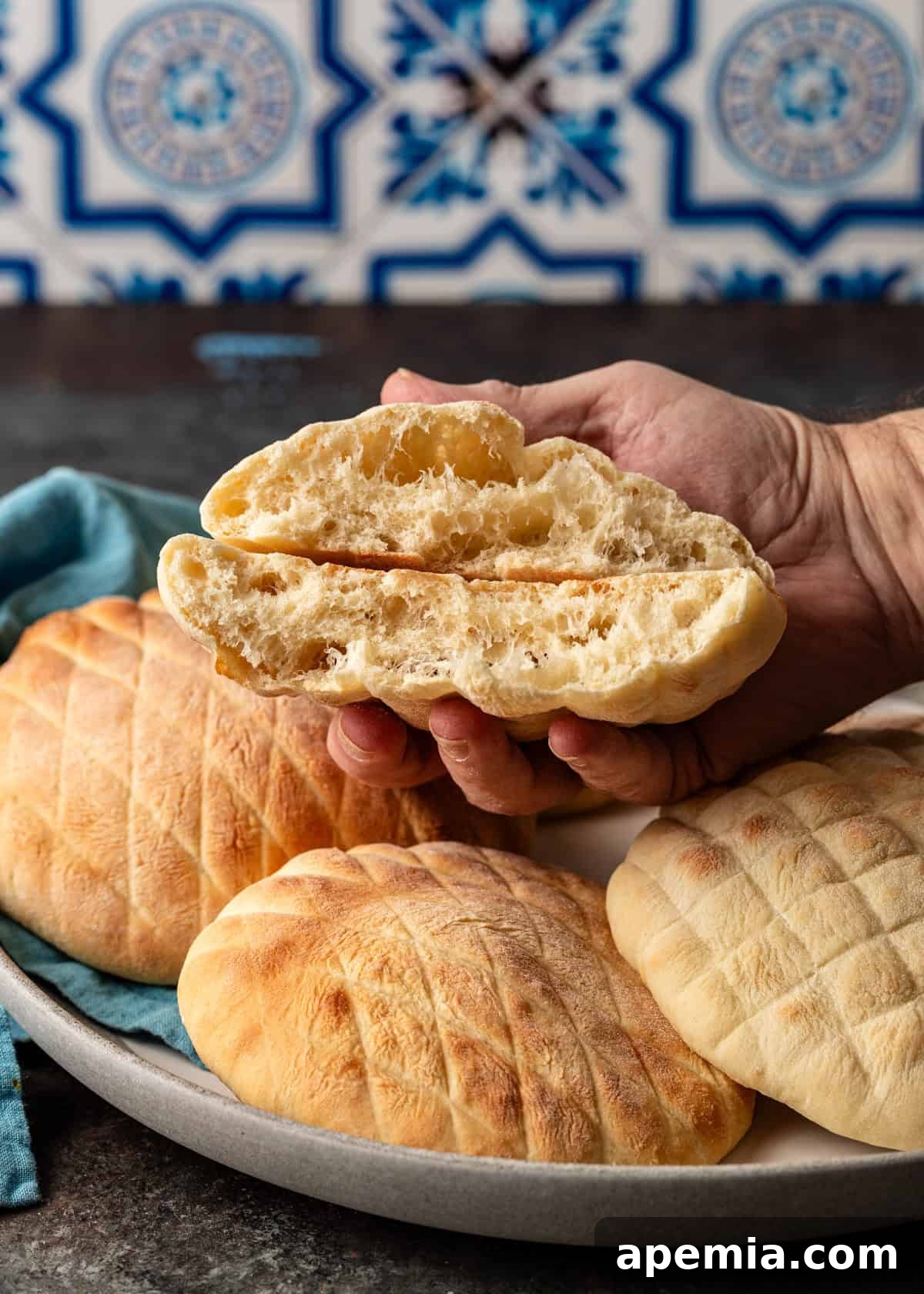
While there are many flatbreads across the globe, Lepinja distinguishes itself with its remarkable texture. The interior is incredibly airy and soft, creating a delightful pillowy sensation with every bite. This contrasts beautifully with its thin yet sturdy crust, which is robust enough to hold a generous amount of fillings without tearing, a crucial characteristic for its sandwich applications. The secret to this exquisite texture lies in its high-heat baking process. When baked at extreme temperatures, a significant amount of steam is rapidly built inside the dough. This steam acts as a powerful leavening agent, encouraging the dough to lift and creating those amazing internal air pockets that define Lepinja’s unique fluffiness. Immediately after baking, a quick sprinkle of water followed by a brief rest under a kitchen towel softens the crust just enough to make it pliable while retaining a satisfying crispness. Many describe its appeal as a delightful cross between the tender crumb of an English muffin and the pocket-forming capabilities of a pita bread, offering the best of both worlds.
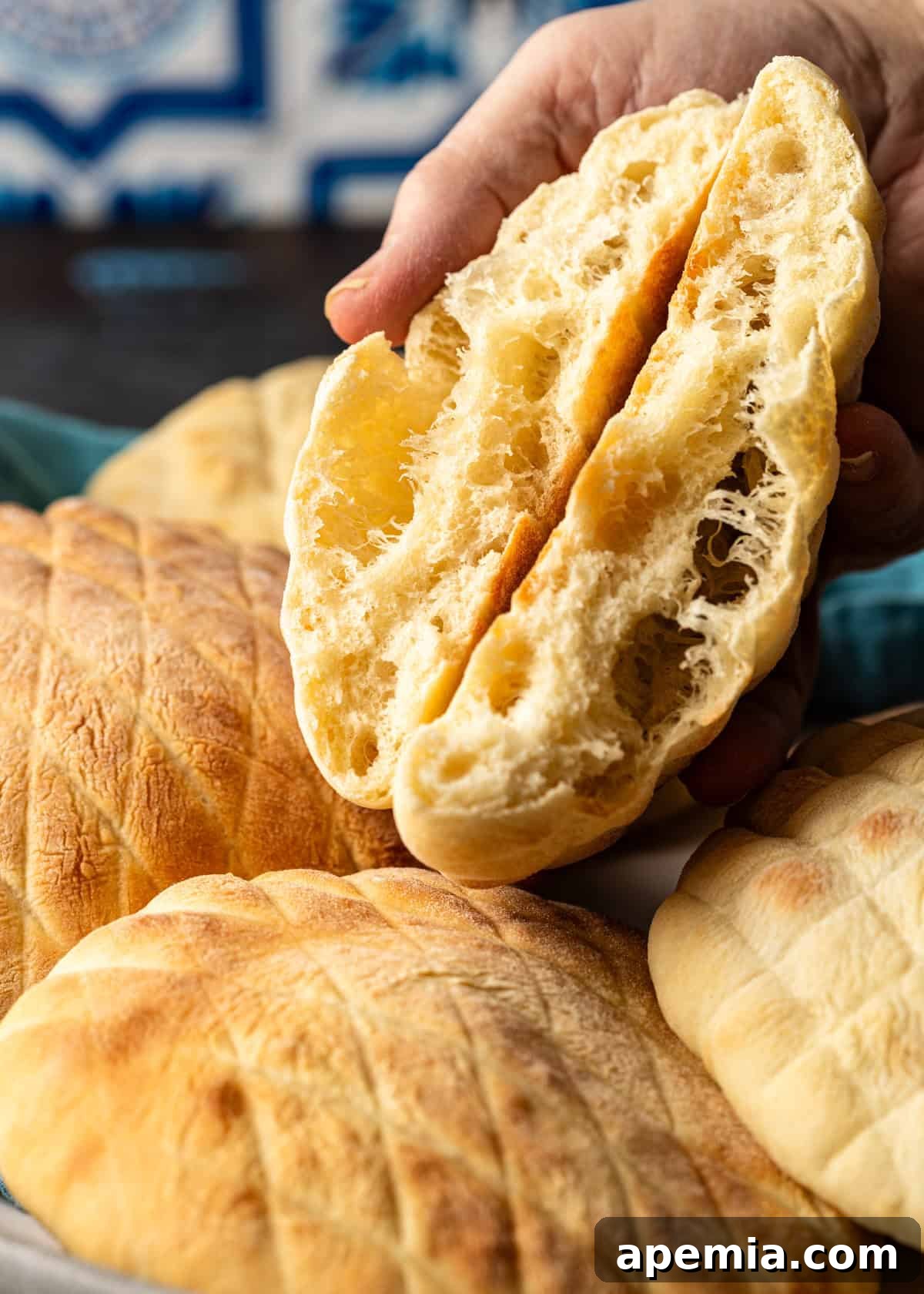
Table of Contents
- Baking Tips for Perfect Lepinja
- Ingredient Notes and Substitutions
- How to Make Lepinja: Step-by-Step Guide
- Recommended Tools
- Serving Suggestions
- Frequently Asked Questions
- Lepinja (Balkan Flatbread) Recipe
Why You Should Make This Lepinja Recipe
If you’re a fan of fluffy pita bread or enjoy serving flavorful Mediterranean and Balkan spreads like Ajvar, then this homemade Lepinja recipe is guaranteed to become a new favorite in your kitchen. There’s an undeniable satisfaction in baking your own bread, and Lepinja offers a truly rewarding experience. The process is straightforward, yielding exceptionally fresh and flavorful results that far surpass anything store-bought. A significant advantage of this particular recipe is its efficiency; you can have warm, freshly baked Lepinja ready to enjoy in under two hours from start to finish. This speed makes it an ideal choice for last-minute meal additions or when you crave homemade bread without a long waiting time. Embrace the joy of creating this authentic Balkan staple and bring a taste of tradition to your table.



Expert Tips for Perfect Lepinja
Baking Tips for Perfect Lepinja
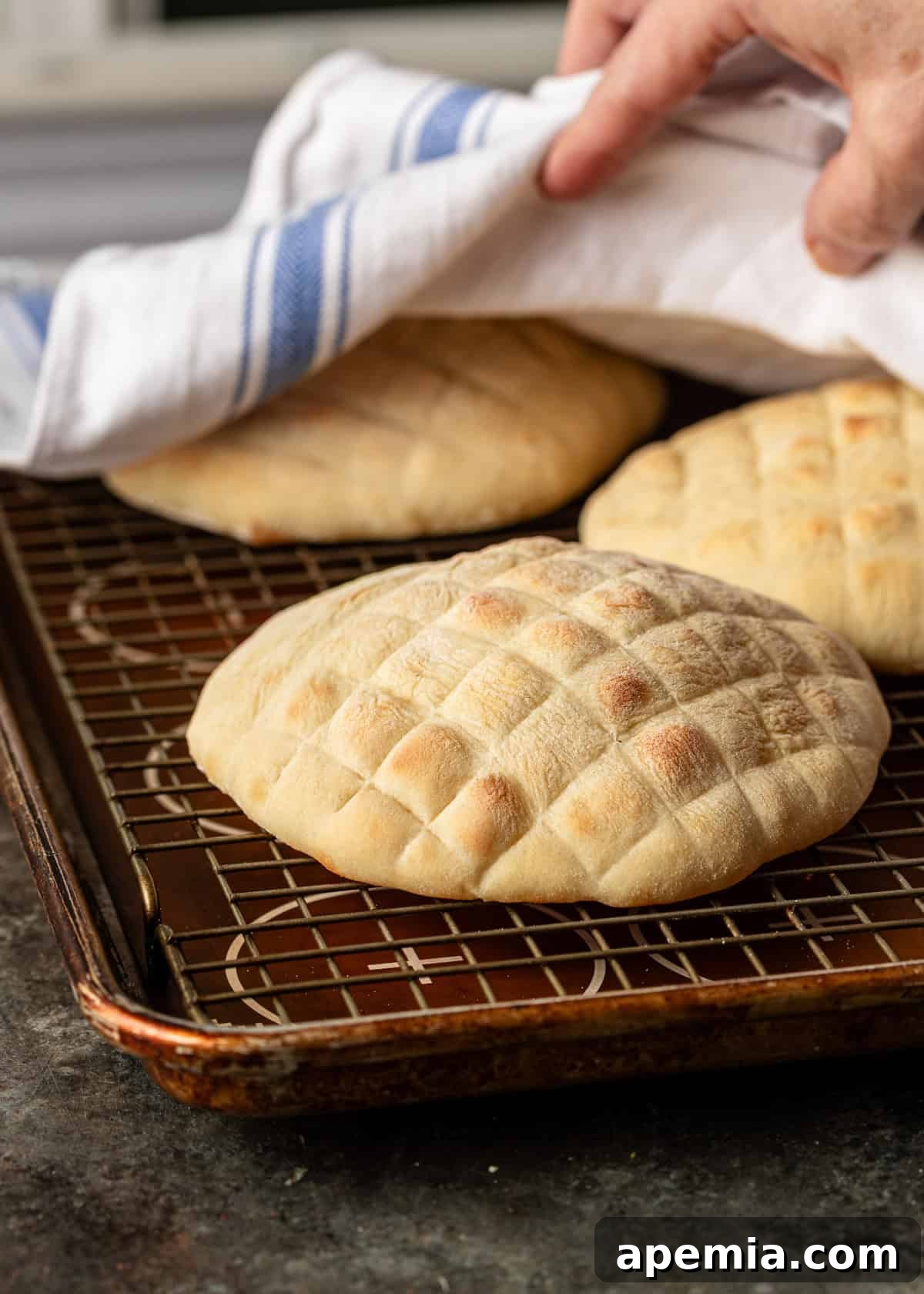
- The Art of Scoring: When you create the cross-mark diamond pattern with the dull side of a knife, it serves a dual purpose beyond mere presentation. This scoring helps the Lepinja flatbread maintain a relatively flat profile during baking and prevents it from over-inflating into a single, large pocket. Instead, it encourages the formation of multiple smaller, airy pockets, contributing to that desirable pillowy texture without creating a completely hollow interior.
- Utilize a Pizza Stone for Superior Crust: For an even crispier and more professional-grade crust, consider using a pizza stone or baking steel instead of a regular baking sheet. Place the baking stone in your oven and preheat the oven to its highest setting, typically 500°F (260°C), for at least 30-45 minutes to ensure the stone is thoroughly heated. This intense heat provides a fantastic thermal shock to the dough, promoting maximum oven spring and a beautifully browned bottom. Before sliding the dough disks onto the stone, dust the bottom lightly with semolina flour or cornmeal to prevent sticking and add a subtle textural crunch.
- High Heat is Key: Don’t be afraid to crank up your oven! Lepinja thrives in extremely hot ovens. The high temperature rapidly sets the crust and creates a burst of steam inside the dough, which is essential for achieving those signature airy pockets. If your oven isn’t hot enough, the bread might bake through without fully puffing.
- Proper Proofing is Paramount: While this recipe is quick, don’t rush the proofing stages. Under-proofed dough won’t develop enough gas to puff up correctly, leading to dense bread. Over-proofed dough can collapse in the oven. Look for visual cues: the dough should double in size for the first rise and appear visibly lighter and slightly puffy for the second rise.
Ingredient Notes and Substitutions
(Be sure to check the recipe card for a full list of ingredients and precise quantities)
- All-Purpose Flour: This is the workhorse of our Lepinja recipe, providing the fundamental structure for the flatbread while ensuring a tender crumb. All-purpose flour strikes a perfect balance, yielding a soft, delightful bite. While you could use bread flour for a slightly chewier result due to its higher protein content, we recommend sticking with all-purpose for that classic Lepinja tenderness. Ensure your flour is unbleached for the best flavor and performance.
- Active Dry Yeast: Yeast is the living ingredient that gives our Lepinja its rise and airy texture. It’s crucial to use warm water (ideally between 105-115°F or 40-46°C) to properly activate active dry yeast. Water that is too cold won’t activate it, and water that is too hot will kill it. Look for a slight foam or bubbling on the surface after 5 minutes, indicating it’s alive and ready to work. If you’re using instant yeast, you can mix it directly with the flour, skipping the pre-activation step, as it’s designed to be more fast-acting.
- Olive Oil or Lard: The fat component plays a vital role in enriching the dough and contributing to a soft, pliable crumb. Olive oil is a popular choice, lending a subtle richness and ensuring a tender texture. However, for a more traditional and authentic flavor profile in some Balkan regions, lard is historically used and results in an incredibly rich and slightly denser bread. If neither is preferred, any neutral-flavored oil like canola, sunflower, or vegetable oil will work effectively without imparting unwanted flavors.
- Sugar: Don’t worry, this isn’t to make your Lepinja sweet! A small amount of granulated sugar acts as “food” for the yeast, helping to kickstart its activity and ensure a vigorous rise. It also contributes to the beautiful golden-brown color of the crust during baking through caramelization.
- Salt: Critical for more than just flavor, salt plays a multifaceted role in this Balkan flatbread recipe. It enhances the overall taste, balancing the other ingredients. More importantly, salt strengthens the gluten structure of the dough, making it more elastic and manageable, which in turn helps trap gases produced by the yeast, contributing to the airy interior. It also helps to control the yeast’s activity, preventing it from rising too quickly. We recommend fine-grain sea salt or iodized salt.
- Warm Water: The temperature of your water is crucial for yeast activation. As mentioned, lukewarm water is ideal. If your kitchen is cold, slightly warmer water (still within the 105-115°F range) can help speed up the proofing process. Always check the temperature with a thermometer for best results.
How to Make Lepinja: Step-by-Step Guide
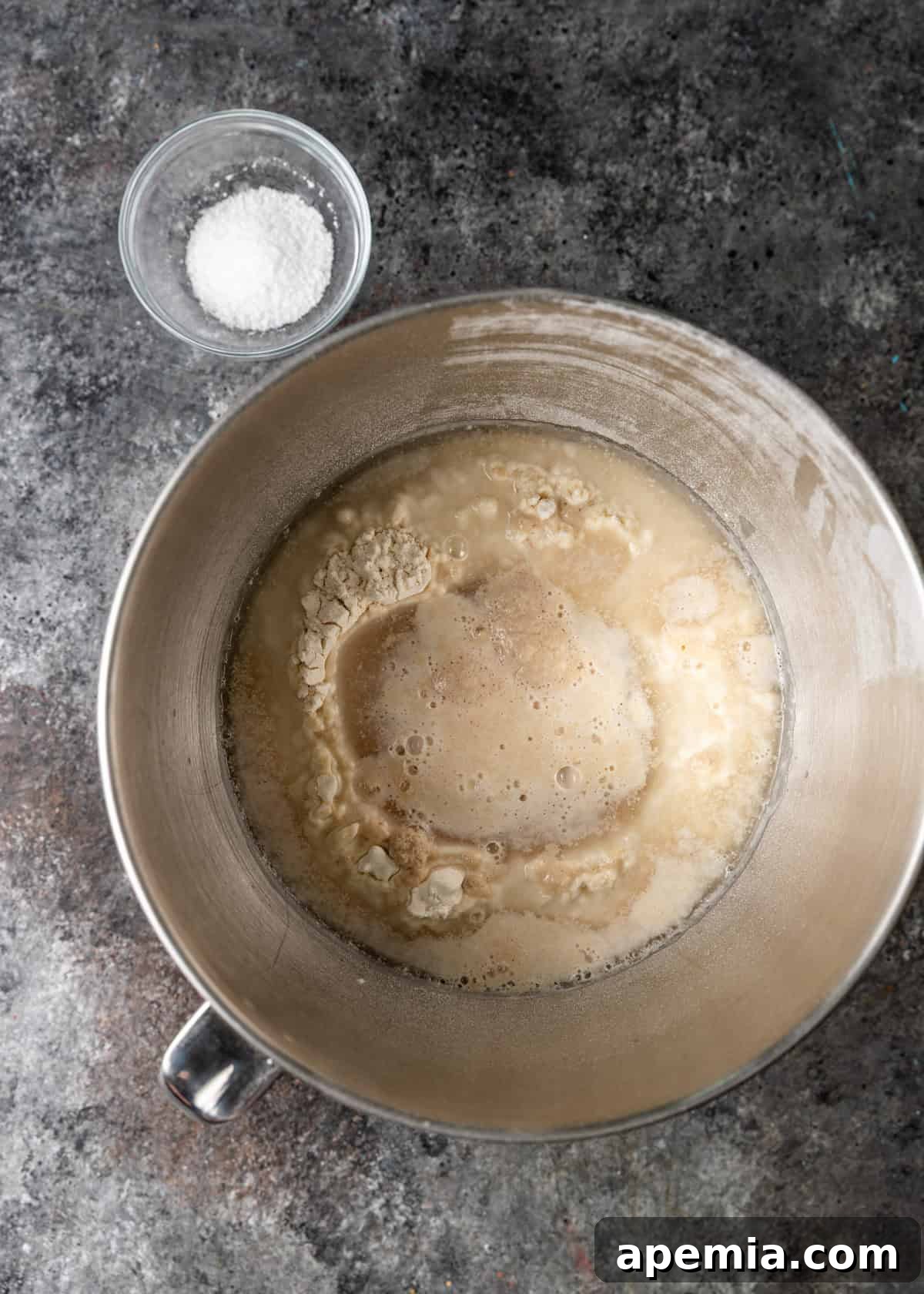
- Activate the Yeast: Begin by adding your all-purpose flour to a large mixing bowl (or the bowl of a stand mixer). In a separate small bowl or measuring cup, dissolve the granulated sugar in the warm water. Once dissolved, gently stir in the active dry yeast. Let this mixture sit undisturbed for about 5 to 10 minutes, or until it becomes visibly foamy and bubbly. This indicates that your yeast is active and ready to work its magic.
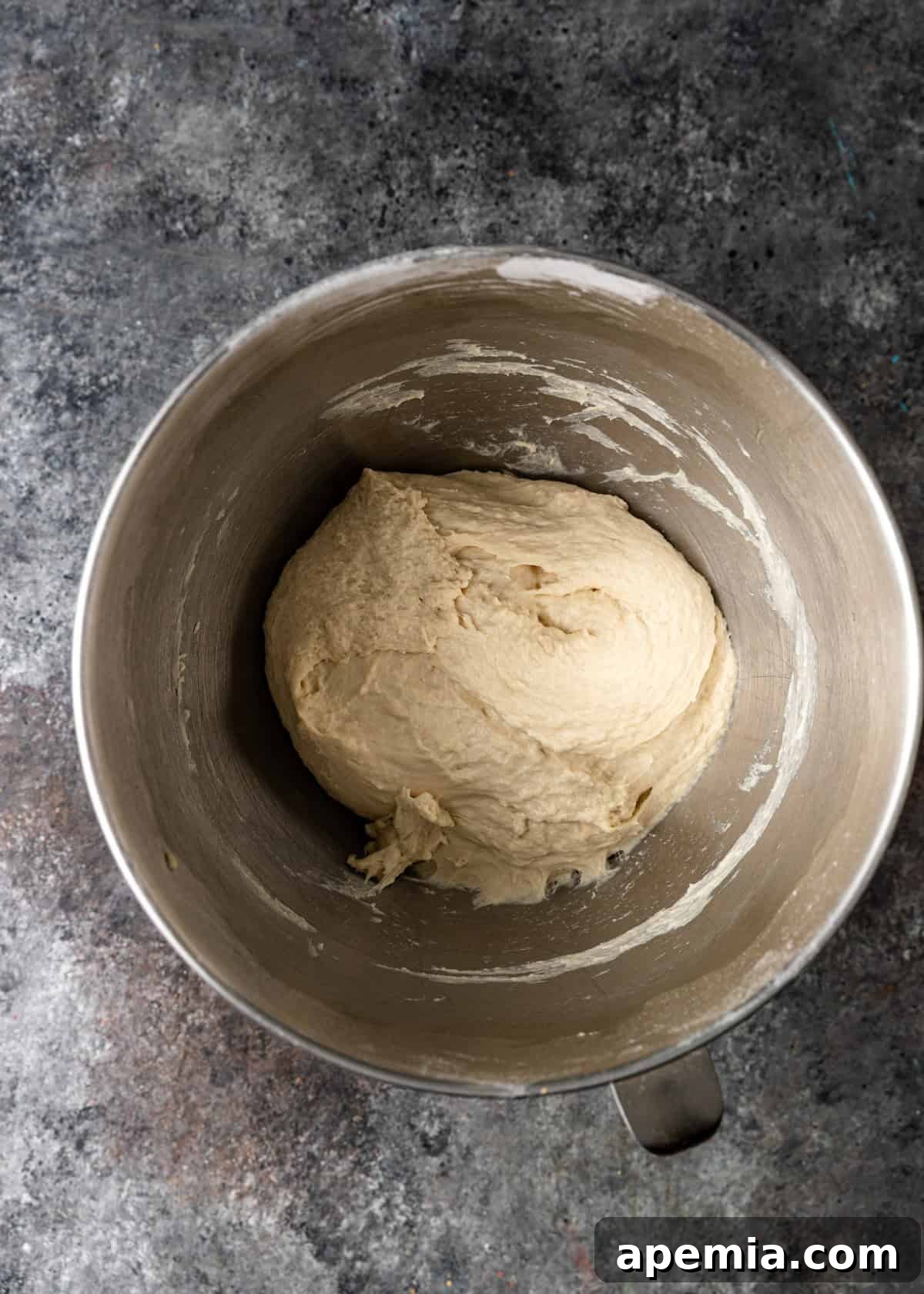
- Mix & Knead the Dough: Create a well in the center of your flour, then pour in the activated yeast mixture. Using a dough hook on a stand mixer (or your hands for manual kneading), start mixing until the ingredients begin to come together into a shaggy dough. At this point, add the salt. Continue to knead the dough for approximately 5 minutes until it starts to smooth out. Finally, incorporate the olive oil (or lard) and continue kneading for another 3-4 minutes until the dough is smooth, elastic, and no longer sticky.
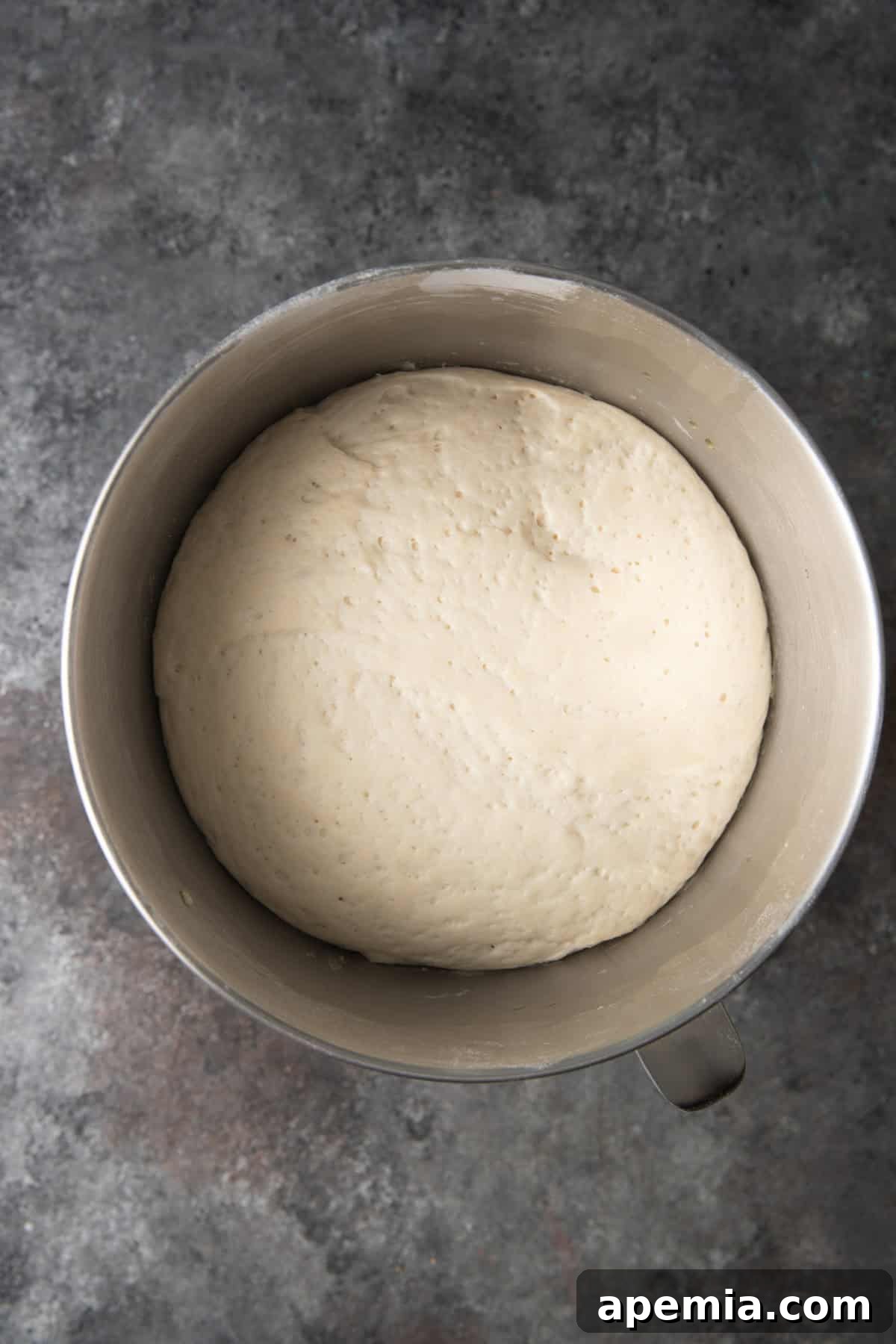
- First Rise (Bulk Fermentation): Once kneaded, gather the dough into a ball and place it in a lightly oiled bowl, turning once to coat. Cover the bowl tightly with plastic wrap or a clean kitchen towel. Allow the dough to proof in a warm, draft-free spot for about 1 hour, or until it has visibly doubled in size. This crucial step develops flavor and texture.
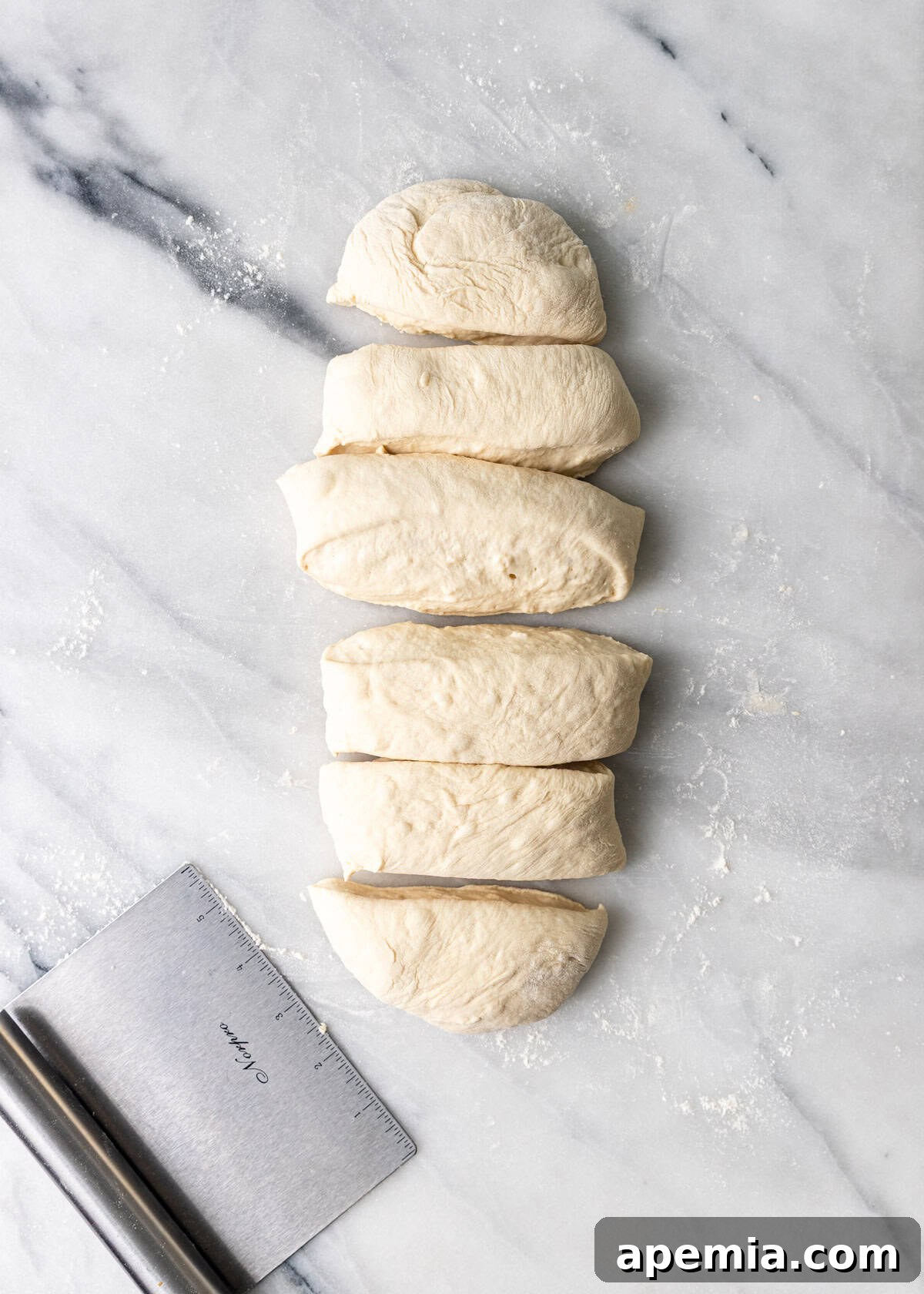
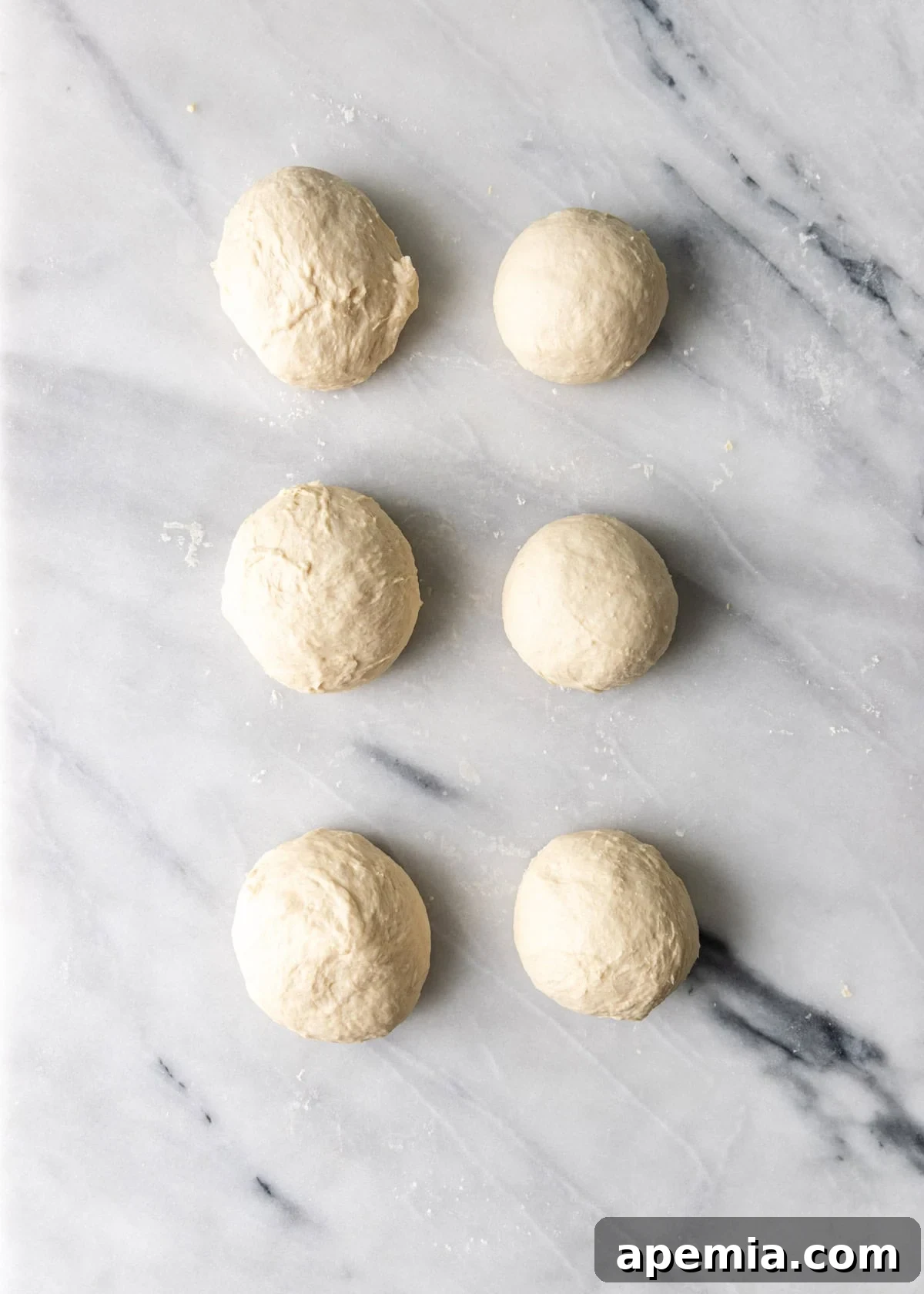
- Divide & Shape: Gently turn the risen dough out onto a lightly floured surface. Roll the dough into a log shape, then divide it into 6 equal pieces. For best results, use a kitchen scale to ensure uniform size, which leads to even baking. Take each piece and shape it into a smooth, tight ball. You can achieve this by cupping your hand over the dough ball and moving it in a circular motion against the counter to create surface tension. Let these shaped balls rest for 5-10 minutes.
- Flatten and Second Rise: Lightly dust a baking sheet with flour (or semolina if using a pizza stone). Using your hands, gently press each dough ball into a flattened round disc, approximately 6 inches in diameter and about ½ inch thick. Avoid rolling too aggressively, as this can deflate the air pockets you’ve worked to build. Arrange the discs on your prepared baking sheet, cover them lightly with a kitchen towel, and allow them to proof for a second, shorter rise of about 15-20 minutes. This short proof helps them puff properly in the oven.
- Score & Bake: While the dough is undergoing its second rise, preheat your oven to a scorching 500°F (260°C). If using a pizza stone, place it in the oven during preheating. Just before baking, use the dull side (spine) of a knife or a dough scraper to gently press a distinctive diamond pattern into the surface of each dough disc. This scoring is aesthetic and functional, guiding the bread’s expansion. Bake the Lepinja, one tray at a time if necessary, for 8 to 10 minutes, or until the bread is beautifully puffed and lightly golden brown on top.
- Soften & Cool: As soon as the Lepinja comes out of the oven, immediately transfer the hot flatbreads to a wire cooling rack. Lightly sprinkle the tops with a few drops of water (using your fingertips or a brush) and then cover them with a clean kitchen towel. This simple step traps steam, preventing the crust from hardening too much and keeping the bread wonderfully soft and pliable. Serve your homemade Lepinja warm or at room temperature.
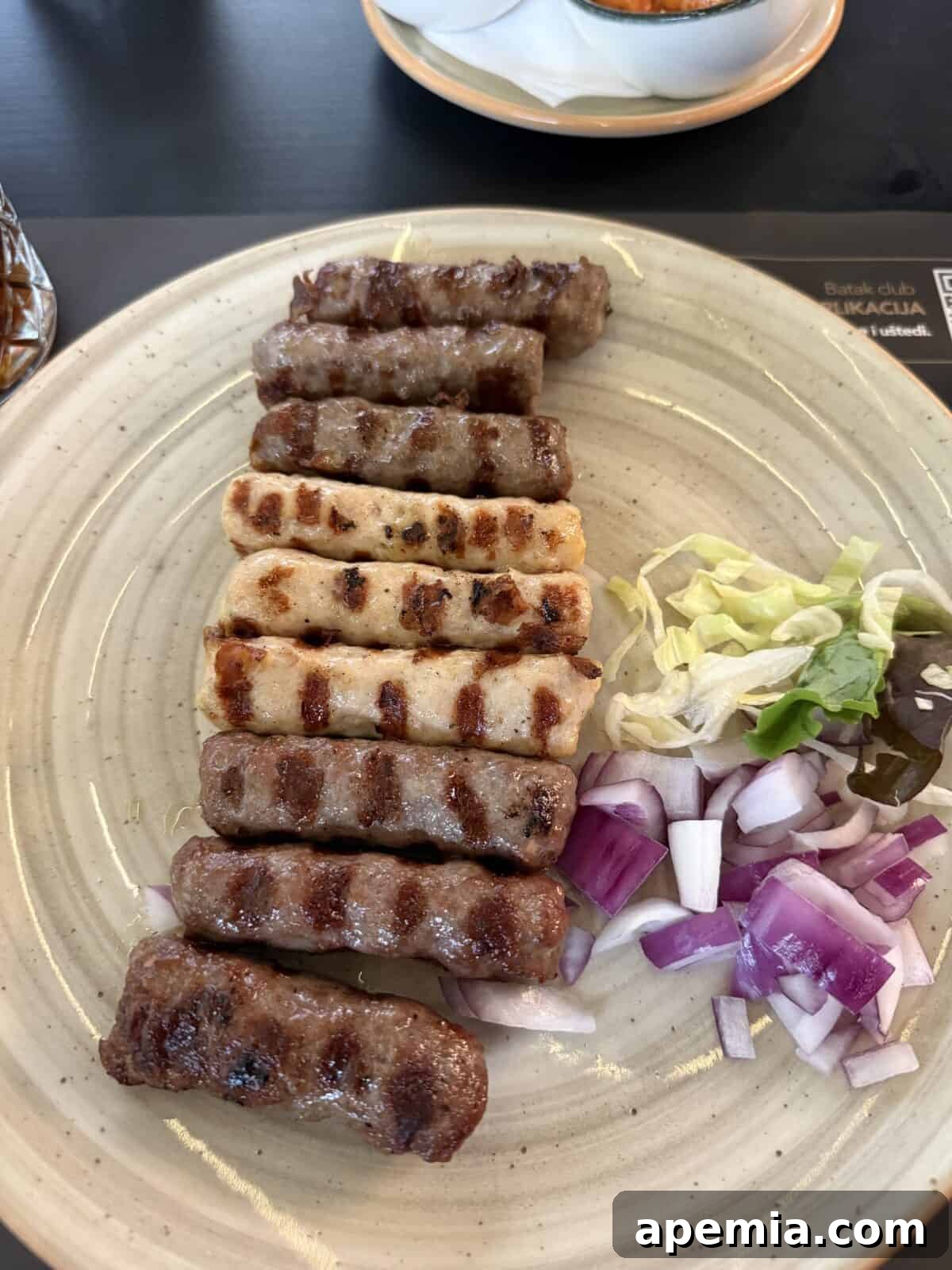
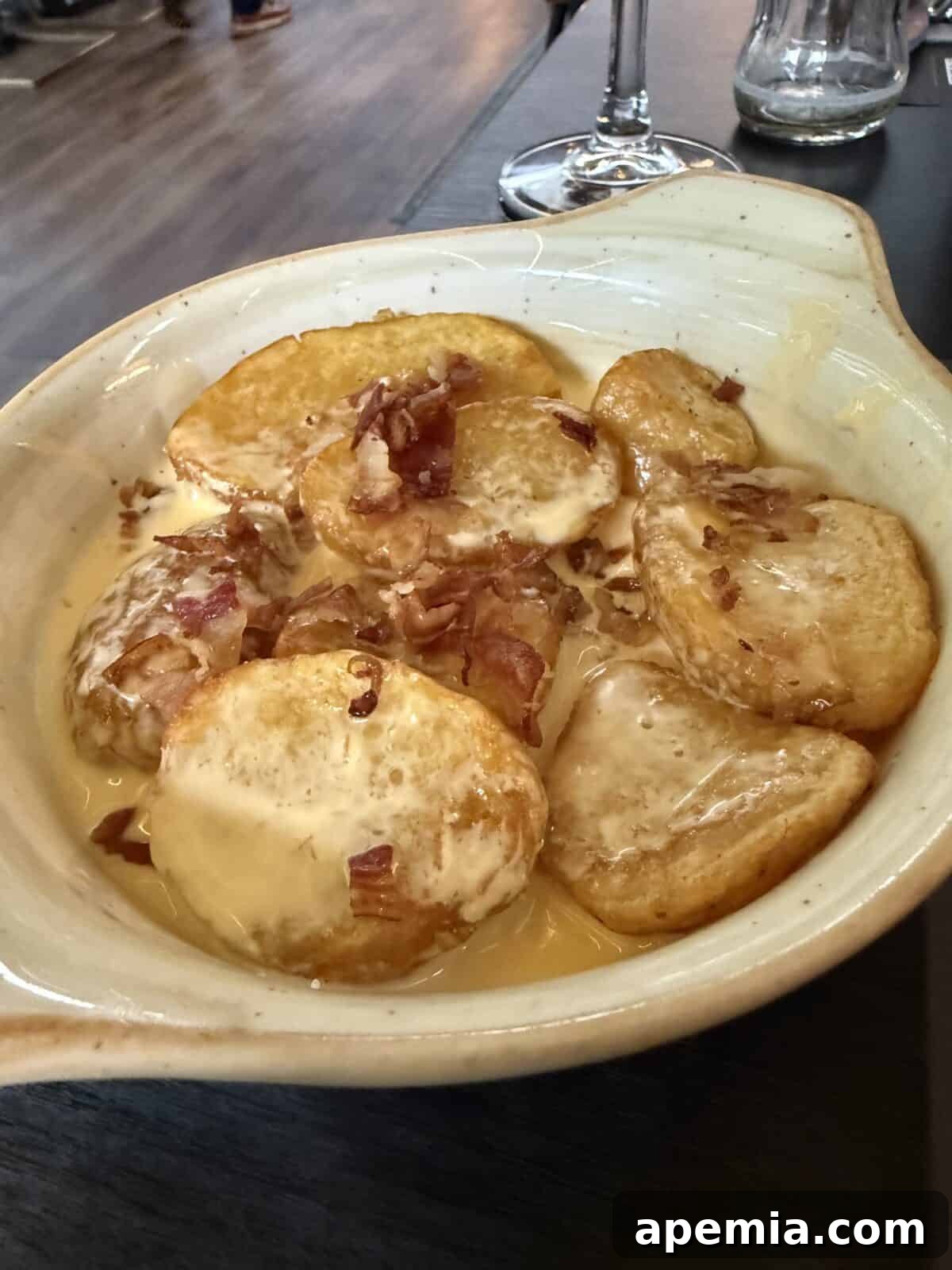
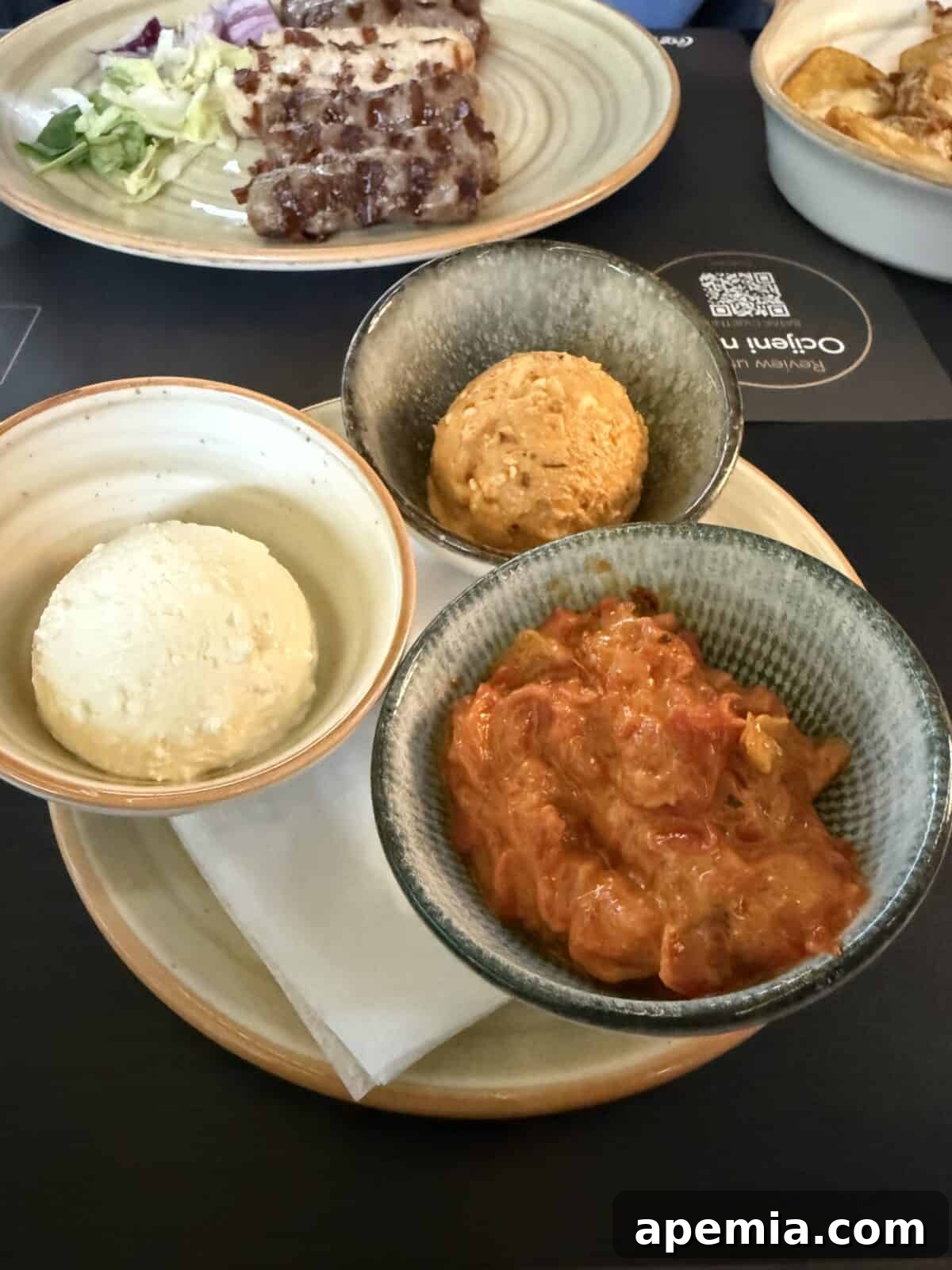
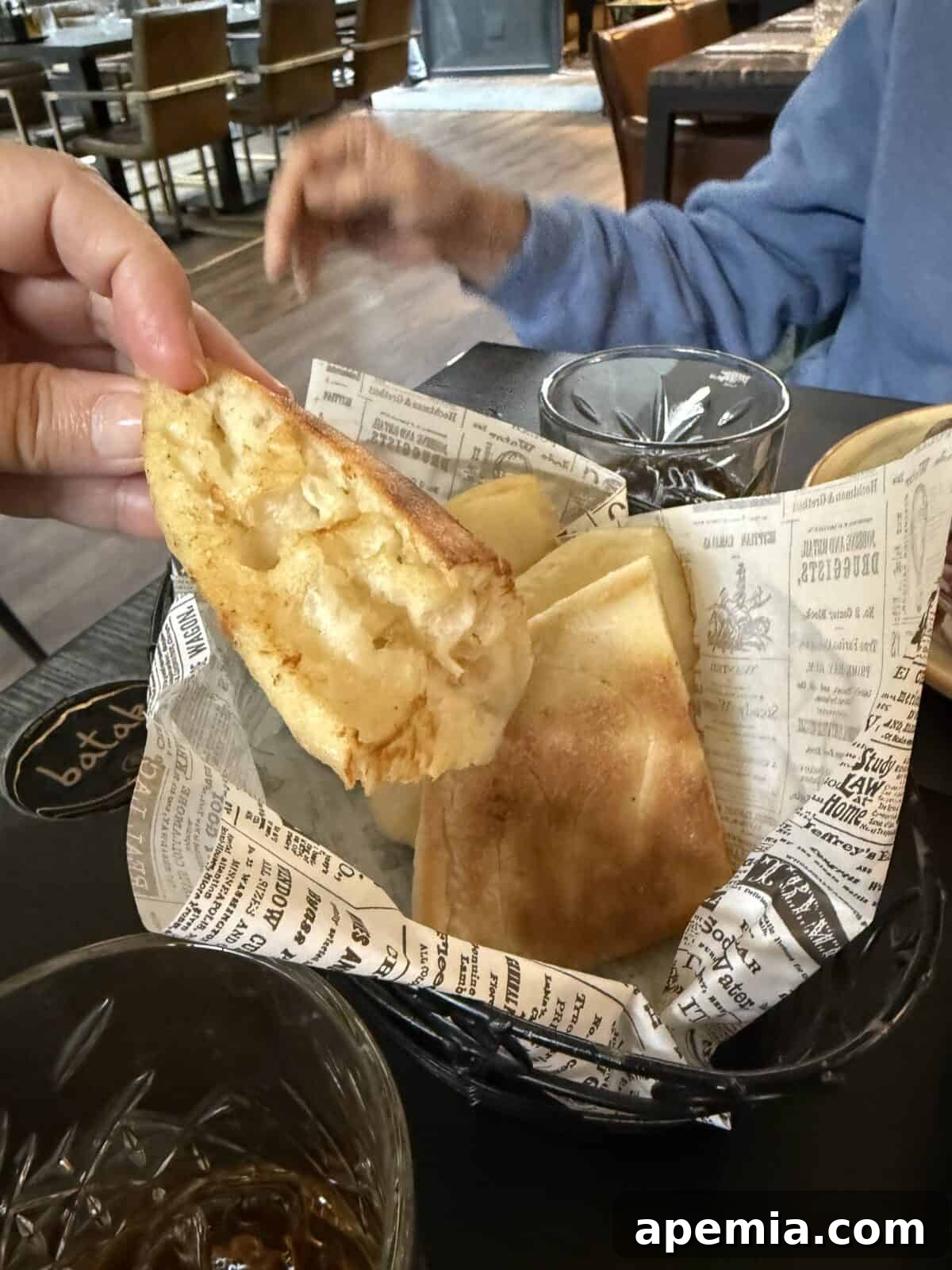
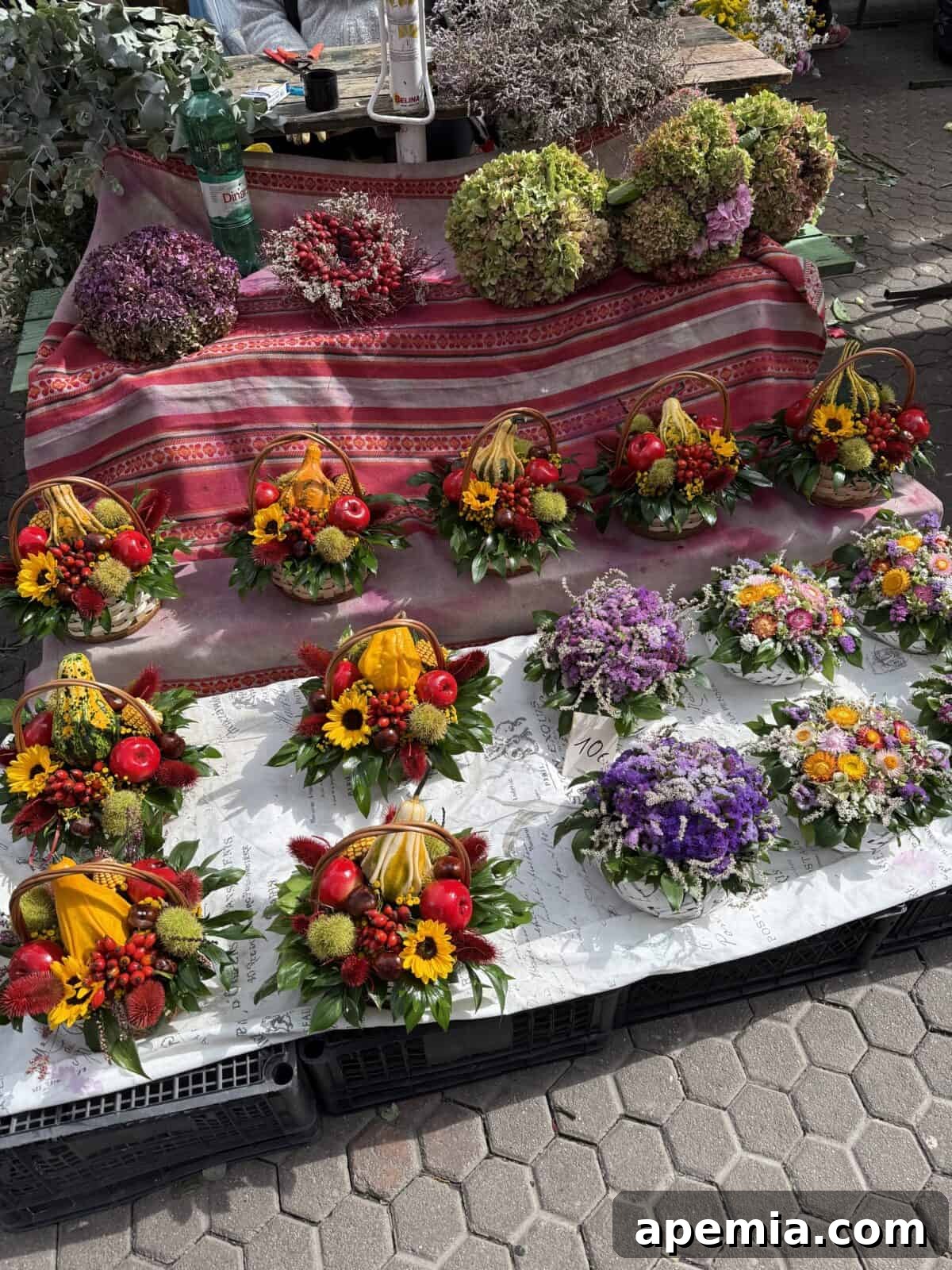
I recently had the pleasure of experiencing the vibrant culinary scene of Croatia during a trip. One memorable afternoon in Zagreb, bathed in glorious sunshine, we stumbled upon an exceptional restaurant called Batak. This establishment truly captured the essence of Balkan cuisine, serving an incredible selection of grilled meats, including beef, lamb, veal, and chicken Ćevapi. These were perfectly complemented by traditional ajvar and a variety of rich cheese condiments, alongside the most amazing cheesy potatoes and, of course, wonderfully fluffy Lepinja flatbread! The experience was a true testament to how central and delicious Lepinja is to the region’s food culture.



Recommended Tools for Baking Lepinja
- Stand Mixer with Dough Hook: While manual kneading is certainly possible and rewarding, a stand mixer equipped with a dough hook will significantly streamline the dough preparation process. It takes the hard work out of kneading, ensuring the dough is thoroughly developed and elastic without tiring your forearms, making it an excellent investment for regular bakers.
- Heavy-Duty Baking Sheet or Pizza Stone: A robust baking sheet, preferably a heavy-duty one, is crucial. It prevents warping at high temperatures and promotes even heat distribution, leading to uniform browning of your flatbreads. As mentioned in our tips, a pizza stone or baking steel can elevate your Lepinja to the next level by providing intense, direct heat for an extra crispy bottom crust.
- Wire Cooling Rack: Don’t underestimate the importance of a wire cooling rack. Transferring hot Lepinja directly to a flat surface can trap steam underneath, leading to a soggy bottom crust. A wire rack allows air to circulate around the entire bread, ensuring the crust remains crisp and the texture consistent.
- Kitchen Scale: For precise measurements, especially with flour and water, a digital kitchen scale is invaluable. Baking is a science, and accurate ingredient ratios are key to consistent, successful results. It’s also helpful for dividing dough into perfectly equal portions.
- Dough Scraper: This simple tool is incredibly versatile. Use it to cleanly scoop dough from the bowl, divide portions, or even clean your work surface after kneading.
Serving Suggestions for Your Homemade Lepinja
This Balkan flatbread recipe yields an incredibly versatile bread that extends far beyond its most famous use in ćevapi sandwiches. Its soft interior and sturdy crust make it a perfect companion for a multitude of meals and occasions.
- The Classic Ćevapi Sandwich: The quintessential way to enjoy Lepinja is by slicing it open and generously filling it with freshly grilled ćevapi (skinless sausages), finely sliced raw onions, and a dollop of creamy ajvar relish. This creates a truly authentic and incredibly satisfying Balkan-style sandwich.
- Perfect with Grilled Meats and Dips: Serve your warm Lepinja alongside other grilled delights like grilled chicken shawarma, lamb kofta, or various kebabs. It’s also fantastic for scooping up a variety of dips and spreads, from traditional Baba Ganoush, creamy hummus, and spicy feta dip to regional specialties like kajmak or pimiento cheese.
- A Companion to Soups and Stews: The soft, absorbent crumb of Lepinja makes it an ideal bread to tear into pieces and serve with hearty soups and stews. It’s perfect for soaking up flavorful broths and sauces, adding an extra layer of comfort to dishes like goulash, lentil soup, or a rich beef stew.
- Breakfast or Brunch Delight: Don’t limit Lepinja to dinner! Serve it warm with butter and jam for a simple breakfast, or alongside scrambled eggs, cheese, and cured meats for a more elaborate brunch spread.
- As a Side for Salads: A simple green salad or a vibrant chopped salad can be made more substantial with warm Lepinja on the side, offering a satisfying texture contrast.
Share this recipe on Pinterest!
Love this recipe? Share it with the world on Pinterest.
Frequently Asked Questions About Lepinja
The most common reasons for Lepinja not puffing up are insufficient proofing or an oven that isn’t hot enough. For optimal puff, ensure your dough has undergone both its first and second rises completely, allowing enough gas to accumulate. Equally important, your oven must be fully preheated to a very high temperature (500°F/260°C or even higher if your oven allows). The intense heat creates a burst of steam inside the dough, which dramatically expands the air pockets, giving you that wonderful puff. If your oven is too cool, the crust sets too slowly, and the dough doesn’t get the initial powerful lift it needs.
While Lepinja is traditionally baked in a very hot oven to achieve its characteristic texture and puff, you can certainly adapt the recipe for cooking on a grill or a cast-iron skillet on the stovetop. The texture will differ slightly; you might get a chewier, denser flatbread with a more pronounced smoky flavor if grilled, and less of the airy internal pockets. To cook on a grill, place the flattened dough discs on a preheated medium-high grill, cook for 2-3 minutes per side until puffed and charred. On a stovetop, use a hot, dry cast-iron skillet over medium-high heat, cooking for 1-2 minutes per side. While not identical, it will still yield a delicious, soft flatbread.
Dense Lepinja typically points to issues with dough fermentation or handling. First, ensure your dough fermented long enough during the first rise; it should genuinely double in size. Under-proofed dough hasn’t developed enough internal gas to create an airy structure. Second, avoid overworking the dough when shaping. Aggressive rolling or pressing can deflate the delicate air pockets that formed during the rising stages. Instead, press the dough gently into rounds. Proper proofing and gentle handling are absolutely critical for achieving that signature soft, airy interior. Also, check your yeast’s freshness, as old yeast won’t activate properly.
Well-kneaded dough should exhibit several key characteristics. Visually, it will appear smooth and uniform, losing its initial shaggy texture. To the touch, it should feel soft, elastic, and slightly tacky, but not sticky. The most reliable test is the “windowpane test”: tear off a small piece of dough and gently stretch it between your fingers. If it’s properly kneaded, you should be able to stretch it thin enough to see light pass through it, forming a translucent “windowpane” without tearing immediately. This indicates that the gluten has developed sufficiently to form a strong, elastic network capable of trapping gases. Under-kneaded dough will tear quickly, while over-kneading can sometimes make the dough tough and harder to shape.
Lepinja is truly best enjoyed fresh on the day it’s baked, when its crust is perfectly crisp and its interior is at its pillowy peak. However, if you have leftovers, they can be stored at room temperature in an airtight container or a plastic bag for up to 2-3 days. For longer storage, you can freeze individual Lepinja flatbreads. Wrap each one tightly in plastic wrap, then aluminum foil, and place in a freezer-safe bag for up to 2-3 months. To reheat, thaw at room temperature, then warm gently in a preheated oven (around 350°F/175°C) or on a lightly oiled skillet until soft and warm.
Lepinja (Balkan Flatbread) Recipe
8
30 mins
8-10 mins
1 hr 15 mins
Approx. 1 hr 55 mins
Ingredients
- 500 g (4 cups) all-purpose flour
- 15 g (1 tbsp) granulated sugar
- 360 ml (1 1/2 cups) warm water
- 10 g (1 1/2 tsp) active dry yeast
- 10 g (1 1/2 tsp) salt
- 30 g (2 tbsp) olive oil or lard
Instructions
- Add flour to a large bowl of a stand mixer. In a separate small bowl, dissolve the sugar in the warm water. Stir in the yeast and let it sit for 5 minutes until slightly foamy to activate.
- Pour the activated yeast mixture into the well in the center of the flour. Using a dough hook, knead until combined, then add the salt. Continue kneading for 5 minutes. Add the olive oil (or lard) and knead for another 3-4 minutes until the dough is smooth and elastic. Cover the bowl with a kitchen towel and let it proof for 1 hour or until doubled in size.
- Turn the dough out onto a lightly floured surface. Roll it into a log and cut into 6 equal pieces. Shape each piece into a smooth ball by cupping your palm over it and moving your hand in a circular motion on the counter.
- Sprinkle the dough balls lightly with flour. Using your hands, gently press each ball down into a flattened 6-inch round disc. Place the dough discs on a flour-dusted baking tray, cover, and let proof for another 15 minutes.
- In the meantime, preheat your oven to 500°F (260°C).
- Using the dull side of a knife (the spine), press lines across each disc-shaped dough to form a diamond pattern on top.
- Bake the Lepinja one tray at a time for 8-10 minutes, or until lightly golden on top and beautifully puffed. Transfer immediately to a wire rack, gently splash the tops of the Lepinja with water, and cover with a clean kitchen towel. This helps to keep the bread soft and pliable. Serve warm or at room temperature.
Notes
- Lepinja is best enjoyed on the day it’s baked for optimal freshness and texture. However, leftovers can be stored in an airtight container at room temperature for a couple of days.
- To revive leftover Lepinja, sprinkle lightly with water and warm in a preheated oven (350°F/175°C) for a few minutes until soft and warm.
Nutrition
Calories: 272kcal
|
Carbohydrates: 50g
|
Protein: 7g
|
Fat: 4g
|
Saturated Fat: 1g
|
Polyunsaturated Fat: 1g
|
Monounsaturated Fat: 3g
|
Sodium: 489mg
|
Potassium: 79mg
|
Fiber: 2g
|
Sugar: 2g
|
Vitamin C: 0.004mg
|
Calcium: 11mg
|
Iron: 3mg
The information shown is an estimate provided by an online nutrition calculator. It should not be considered a substitute for a professional nutritionist’s advice.
Breads, Side Dish
Balkan, Bosnian, Croatian, Serbian
Kevin