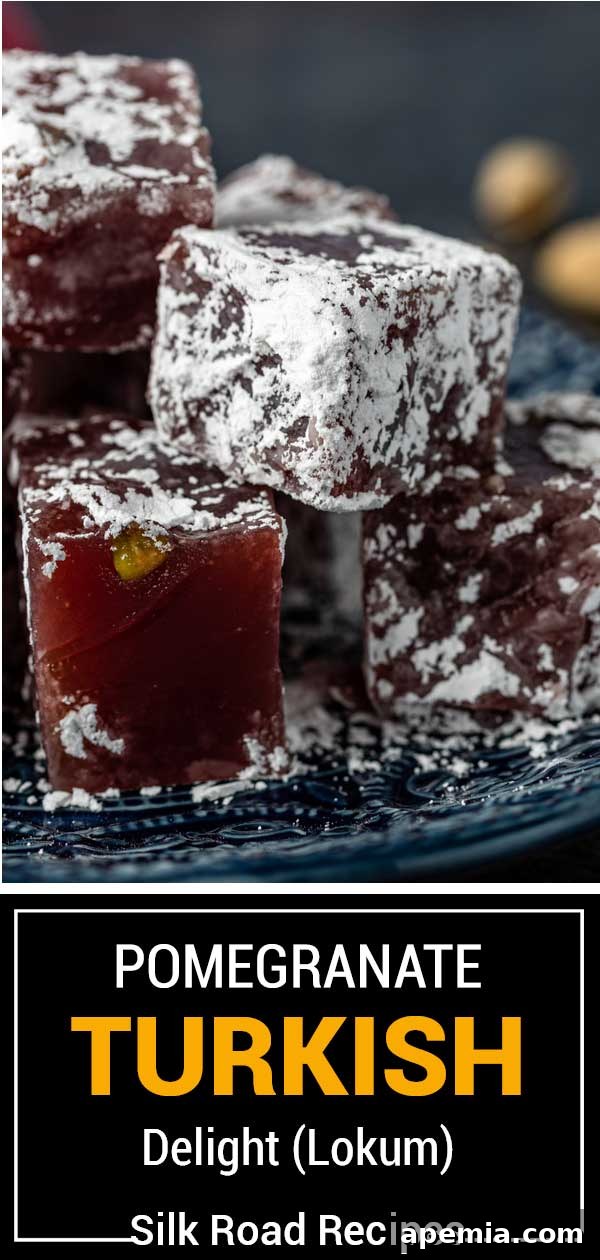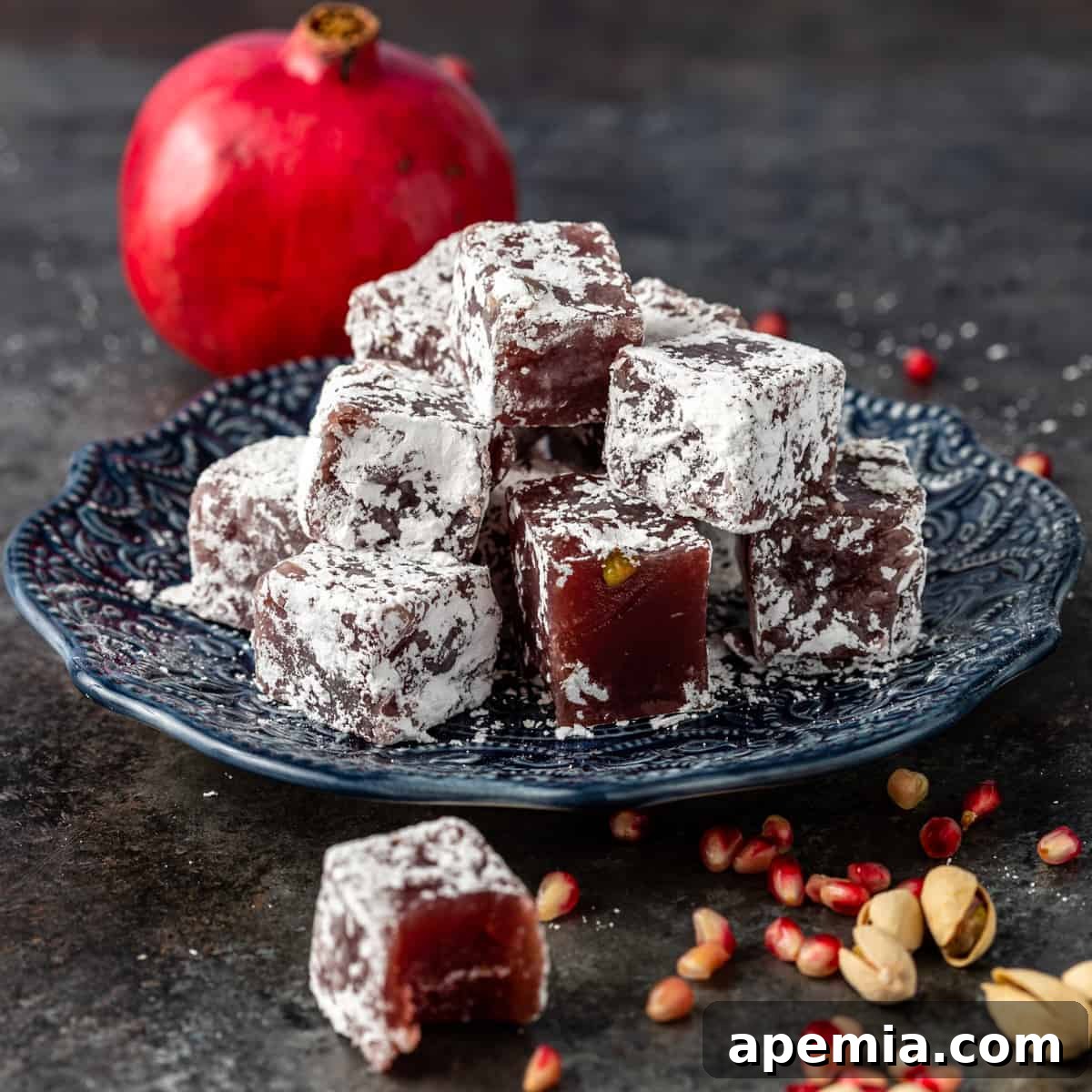
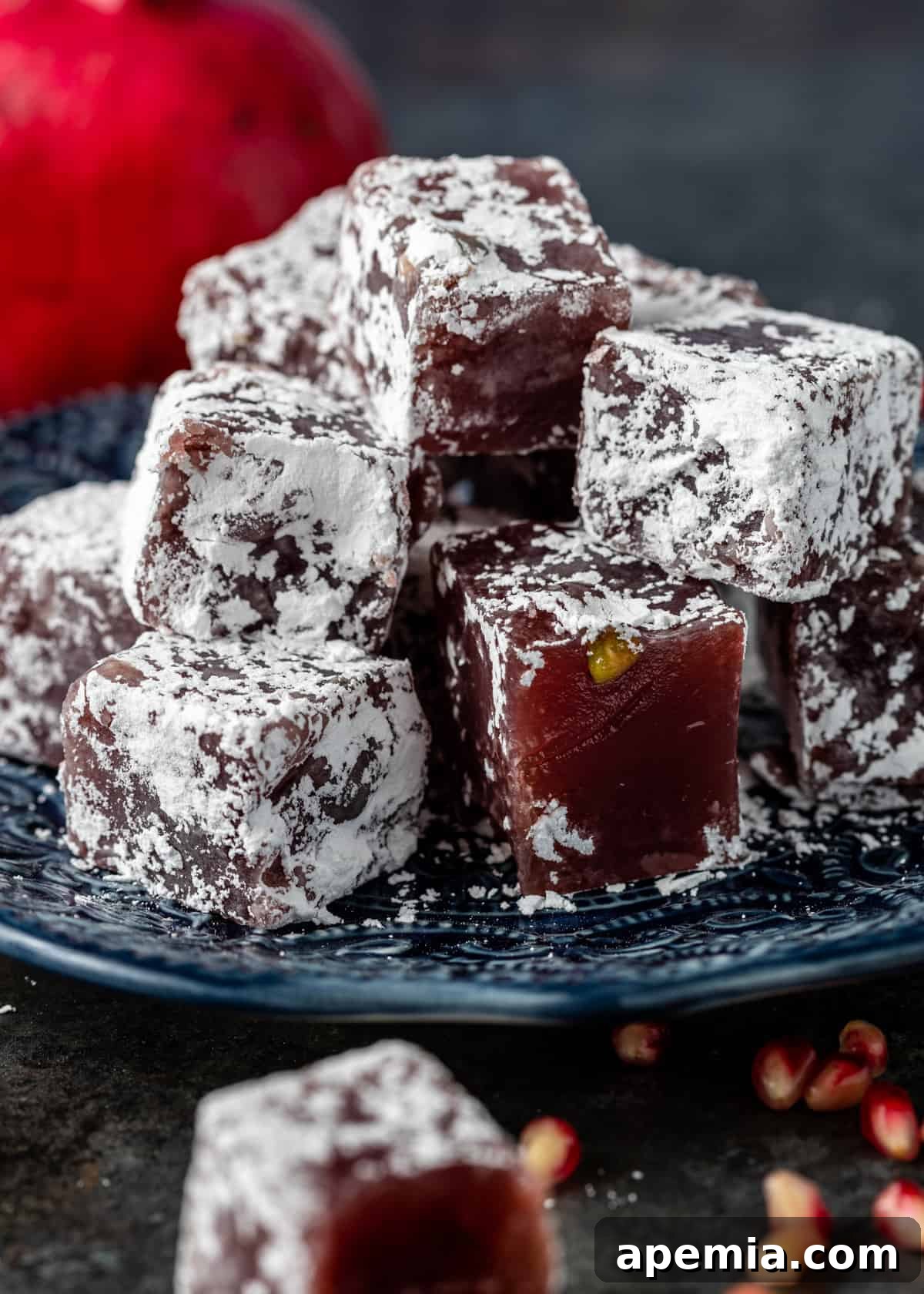
Turkish Delight, known locally as lokum, is an exquisite and ancient sweet confection that captivates with its unique jelly-like texture and vibrant flavors. This classic dessert, made from a refined gel of cornstarch and sugar, offers a delightful chewiness reminiscent of a sophisticated gumdrop. Our recipe highlights the popular pairing of bright, tangy pomegranate with the rich, earthy crunch of pistachios, creating a harmonious balance to its characteristic sweetness.
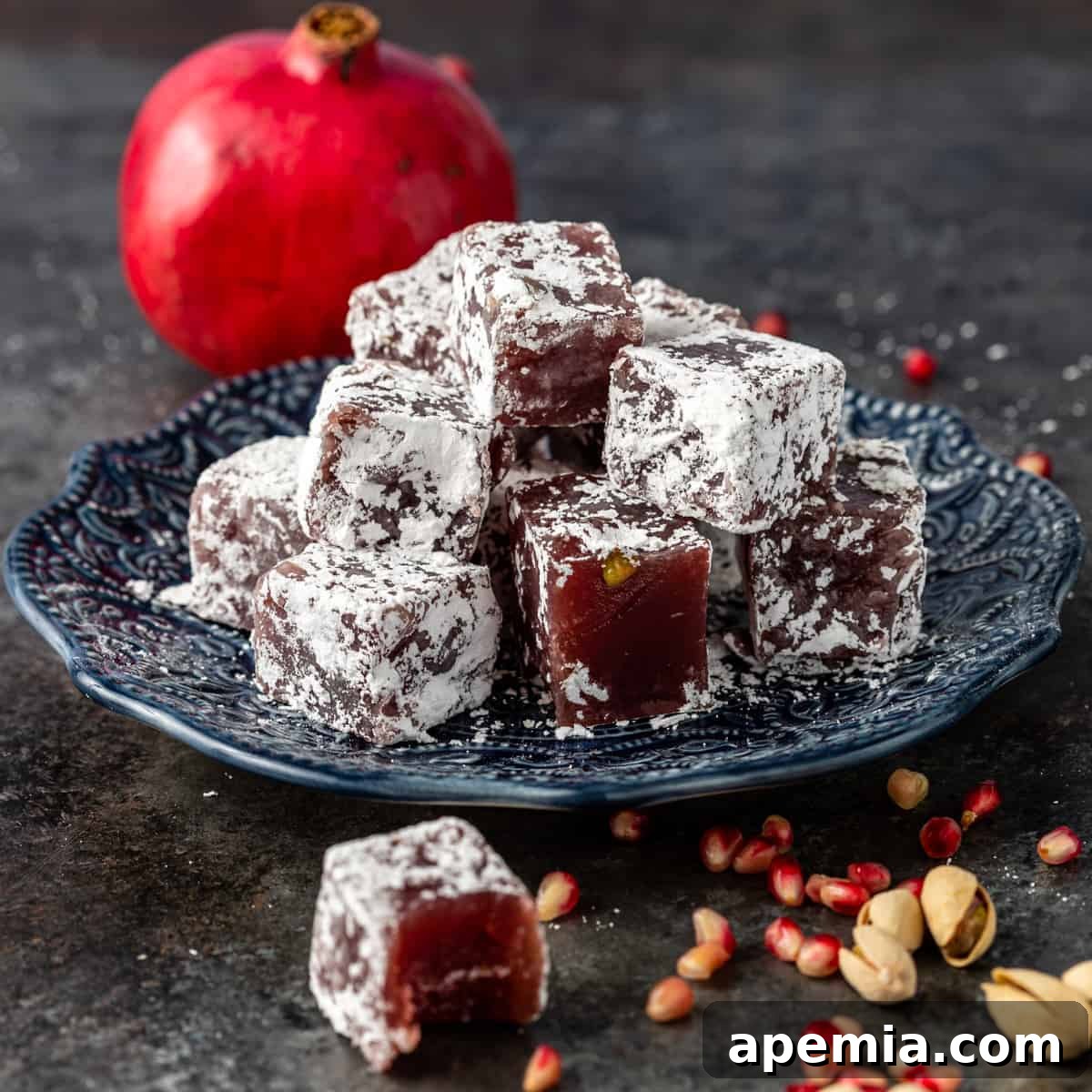
Embark on a culinary journey to the heart of the Middle East by recreating this treasured Turkish Delight recipe. This beloved confection has graced tables for centuries, a true testament to its enduring appeal and delightful taste. Often considered one of Turkey’s national culinary treasures, lokum is more than just candy; it’s a piece of history and a symbol of hospitality.
While the name “Turkish Delight” might evoke images of elaborate, complex preparations, you’ll be pleasantly surprised to discover just how straightforward it is to make this exotic treat in your own kitchen. With just a handful of common ingredients and a touch of patience, you can master the art of homemade lokum. To ensure perfect consistency, we highly recommend using a candy thermometer. This simple tool is essential for accurately monitoring the syrup’s temperature, which is a critical step for achieving that signature chewy texture from the very beginning.
Table of Contents
- The Enchanting History of Turkish Delight
- Why Make Homemade Lokum?
- Turkish Delight Video Guide
- Essential Ingredient Notes and Smart Substitutions
- How to Craft Your Own Turkish Delight: Step-by-Step
- Pro Tips for Perfect Turkish Delight
- Frequently Asked Questions About Lokum
- Pomegranate Pistachio Turkish Delight (Lokum Recipe)
This recipe is ideal for creating a generous batch of these exquisite candies, perfect for sharing the joy during the holiday season or as thoughtful gifts for any special occasion. For those who love making edible presents, explore more gift-worthy candy creations like this Persian Pistachio Brittle, delightful Orange Sesame Snaps, or rich Tahini Chocolate Bark.

The Enchanting History of Turkish Delight
Known as “Lokum” in Turkish, which derives from the Arabic word “luqma” meaning morsel, Turkish Delight boasts a history stretching back over 250 years. Its origins are often traced to Hacı Bekir Effendi, who opened a confectionery shop in Istanbul in 1777. He revolutionized candy making by using starch and sugar, creating the jelly-like texture that distinguishes lokum. This innovative sweet quickly gained popularity among the Ottoman sultans and their court, eventually making its way to Europe in the 19th century, where it earned the name “Turkish Delight.” Beyond its sweet taste, lokum is deeply intertwined with Turkish culture, often served with coffee as a symbol of hospitality or given as gifts during religious holidays and celebrations.
Why Make Homemade Lokum?
Making Turkish Delight at home offers several advantages over store-bought versions. Firstly, you have complete control over the quality of ingredients, ensuring no artificial flavors or preservatives. Secondly, you can customize the flavors and add-ins to suit your preference, from different fruit juices to various nuts and essences. Thirdly, there’s an immense satisfaction in crafting such an iconic treat from scratch. The process, while requiring a bit of patience, is meditative and rewarding, culminating in a fresh, vibrant confection that tastes far superior to anything pre-packaged. Plus, it’s an impressive skill to share with friends and family!
Turkish Delight Video Guide
For a clear, visual walkthrough of each step, be sure to watch the accompanying video. It demonstrates how to create this incredible Middle Eastern confection with ease and confidence!
Essential Ingredient Notes and Smart Substitutions
- Sugar: The foundation of sweetness and crucial for achieving the desired syrupy consistency. Standard granulated white sugar is ideal for its clean taste.
- Lemon Juice: A vital component for balancing the intense sweetness of the candy. Its bright acidity provides a lovely contrast, preventing the lokum from being overly cloying.
- Pomegranate Juice: Infuses the Turkish Delight with a tantalizing tartness and a delicate, fruity sweetness, giving it its beautiful color and signature flavor. You can experiment with other fruit juices like cherry or apricot, or explore essences such as bergamot or cinnamon for different variations.
- Cornstarch: This is the key gelling agent that gives Turkish Delight its unique chewy, yet tender, texture. It’s also used in the coating to prevent sticking.
- Orange Blossom Water: Adds a delicate, fragrant floral essence that is authentically Middle Eastern. Look for it in the international foods aisle or at Middle Eastern markets. If substituting with rosewater, use about 1 tablespoon, ensuring it is food-grade quality and found in similar specialty stores. Rosewater provides a more pronounced floral note.
- Pistachios: Incorporating roughly chopped pistachios provides a delightful textural contrast with their satisfying crunch and earthy, nutty flavor. Other nuts like walnuts or hazelnuts can also be used.
- Powdered Sugar: When mixed with an equal amount of cornstarch, this creates the traditional dusting that prevents the individual lokum pieces from sticking together, offering a final touch of sweetness.
How to Craft Your Own Turkish Delight: Step-by-Step
- Prepare the Pan: Begin by lightly coating an 8×8-inch baking pan with non-stick cooking spray, ensuring all inner surfaces are covered. Then, carefully lay a piece of parchment paper on the bottom of the pan, allowing it to extend slightly over the edges for easy removal later. This crucial step prevents sticking and facilitates a smooth transfer of your finished Turkish Delight. Set the prepared pan aside.
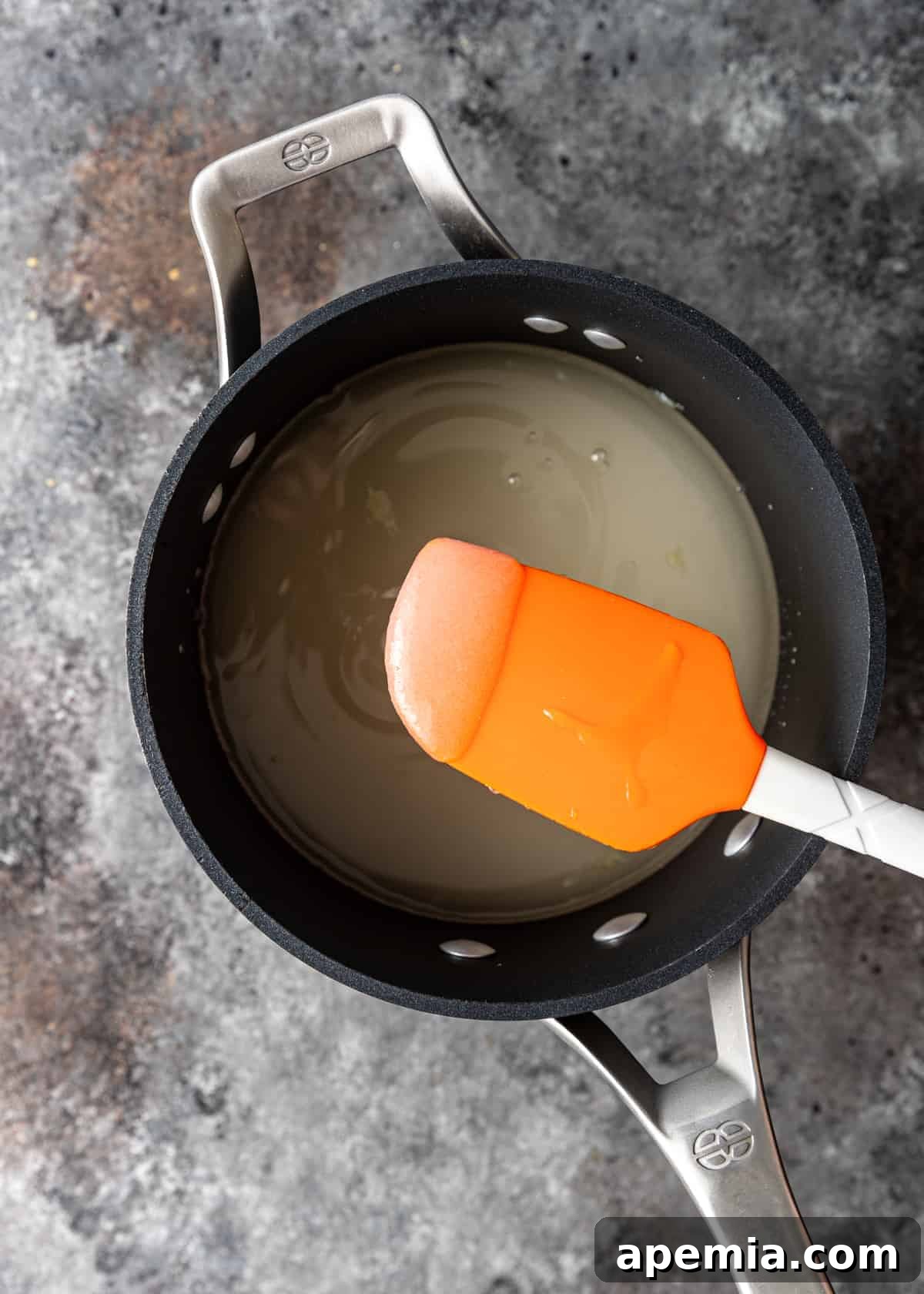
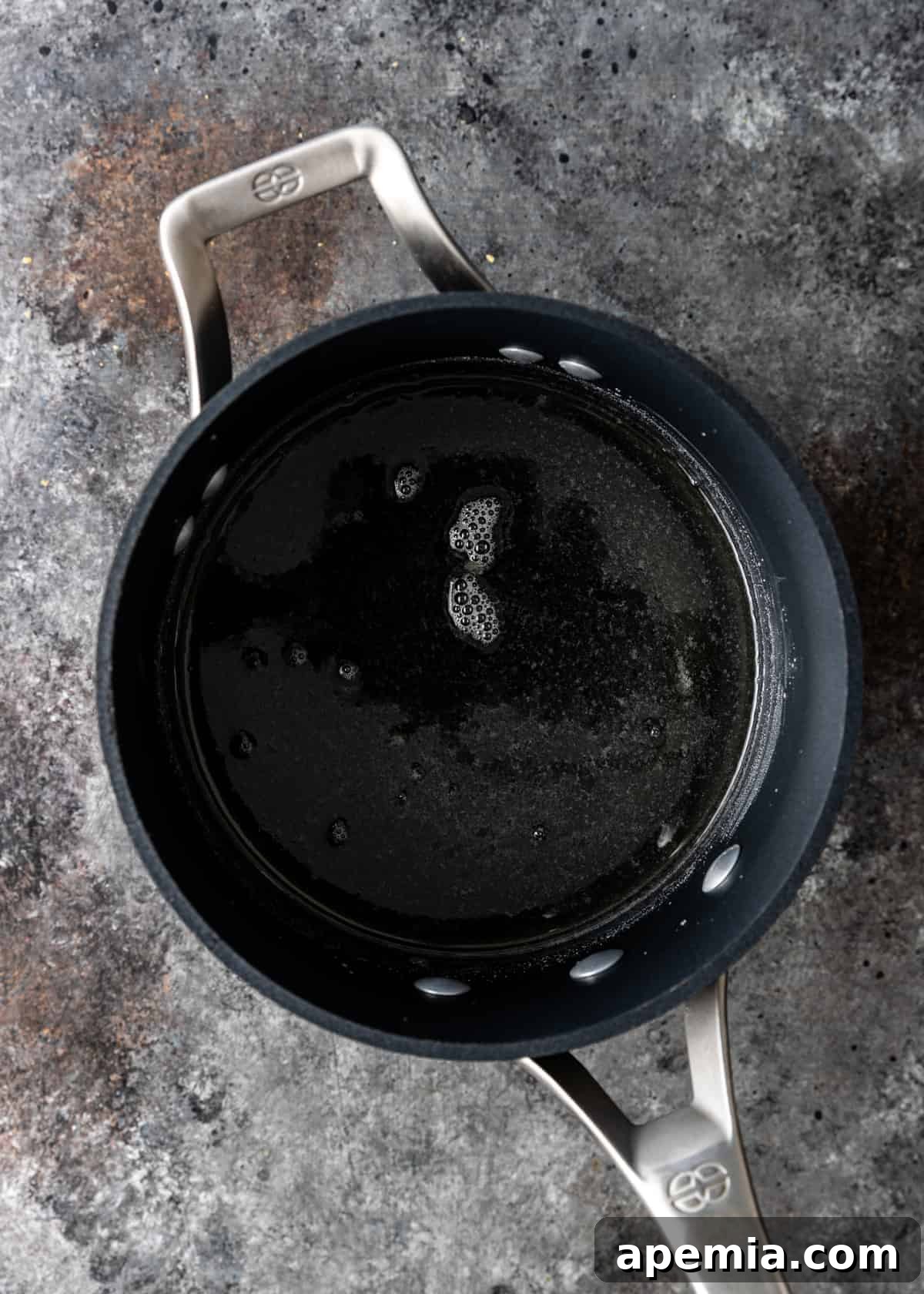
- Create the Syrup: In a medium-sized saucepan, combine the granulated sugar, water, and lemon juice. Place the saucepan over medium heat and stir continuously until the sugar completely dissolves. Once dissolved, bring the mixture to a rolling boil. Immediately reduce the heat to low and continue to cook the syrup gently for approximately 15 minutes. This is where your candy thermometer is indispensable: cook until the syrup reaches precisely 240°F (115°C), which is known as the soft-ball stage. Achieving this exact temperature is crucial for the final texture of your lokum. Once the temperature is reached, remove the saucepan from the heat and set it aside.
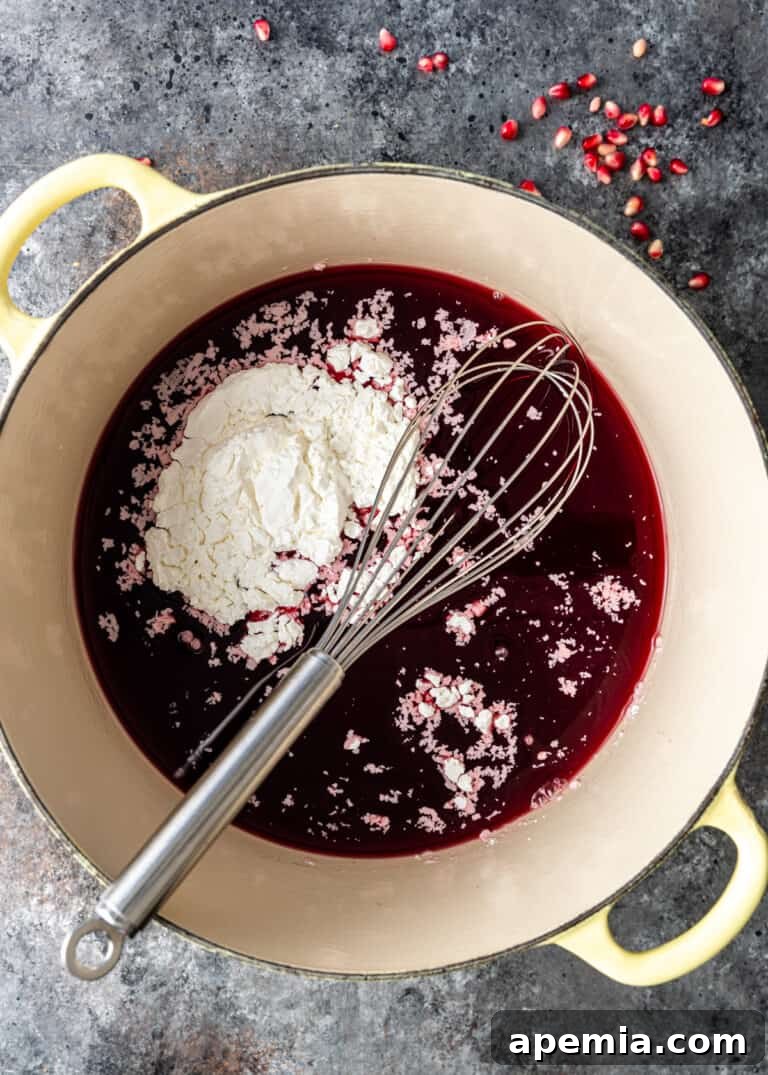
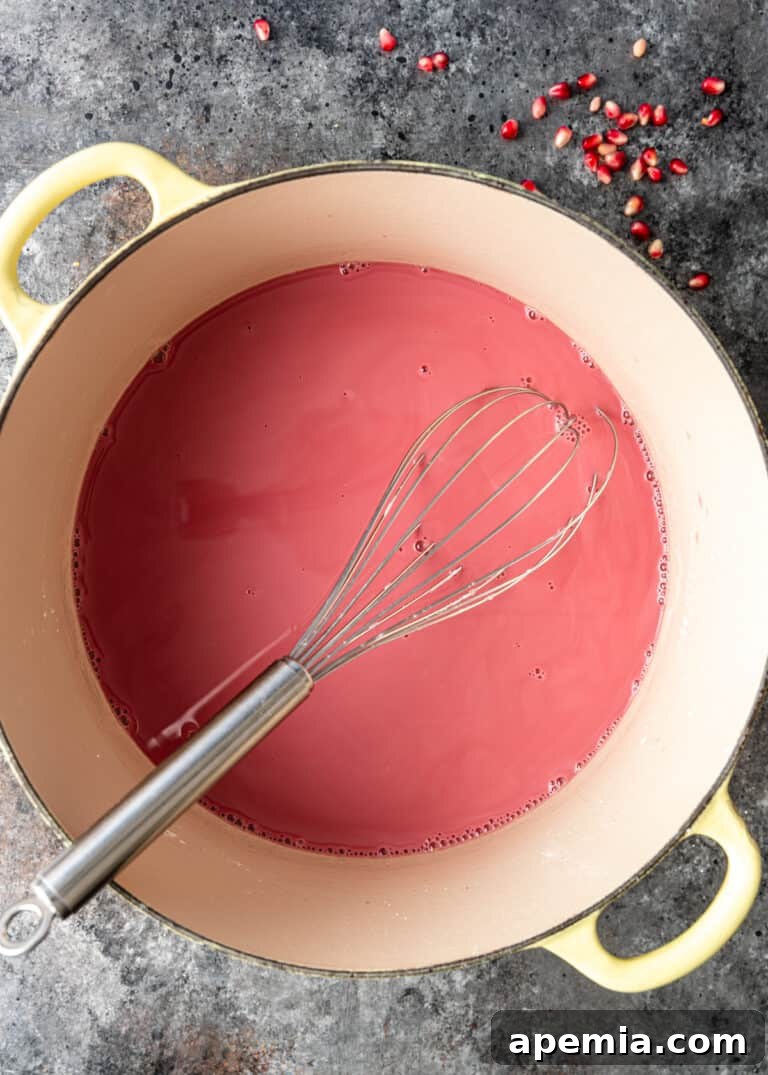
- Prepare the Base: In a separate, heavy-bottomed Dutch oven or large saucepan, whisk together the pomegranate juice, water, cornstarch, and the remaining lemon juice for the base mixture. Ensure there are no lumps, achieving a smooth, uniform liquid. Place this pot over low heat and cook, stirring frequently and consistently, until the mixture thickens considerably and begins to pull away from the sides of the pan. This process requires continuous stirring to prevent burning and ensure even thickening. The mixture will transform from a liquid to a thick, glossy paste.
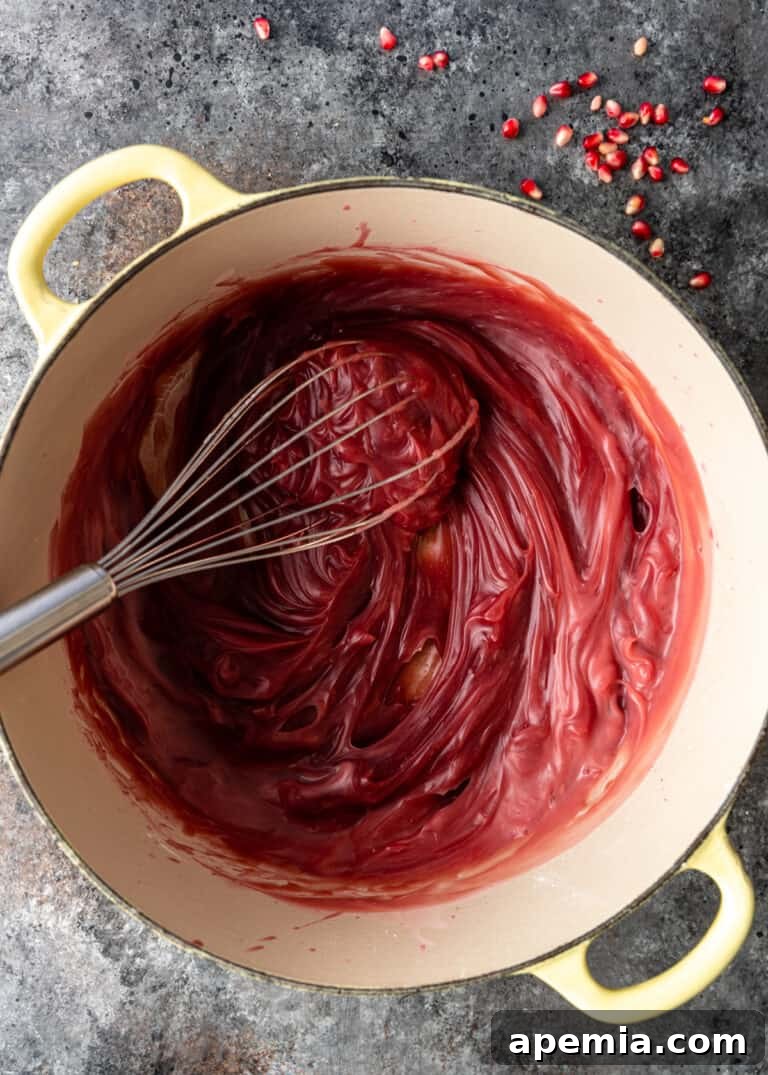
- Incorporate the Syrup: With the base thickened, gradually add the prepared sugar syrup to the pomegranate base, pouring it in half-cup increments. After each addition, whisk vigorously to ensure thorough incorporation and to prevent any lumps from forming. Continue this process until all of the sugar syrup has been smoothly integrated into the base. Once combined, reduce the heat to very low and continue cooking for an additional 45 minutes, stirring frequently. During this extended cooking period, the mixture will thicken significantly and reduce in volume, developing the characteristic translucent appearance and chewy texture of Turkish Delight.
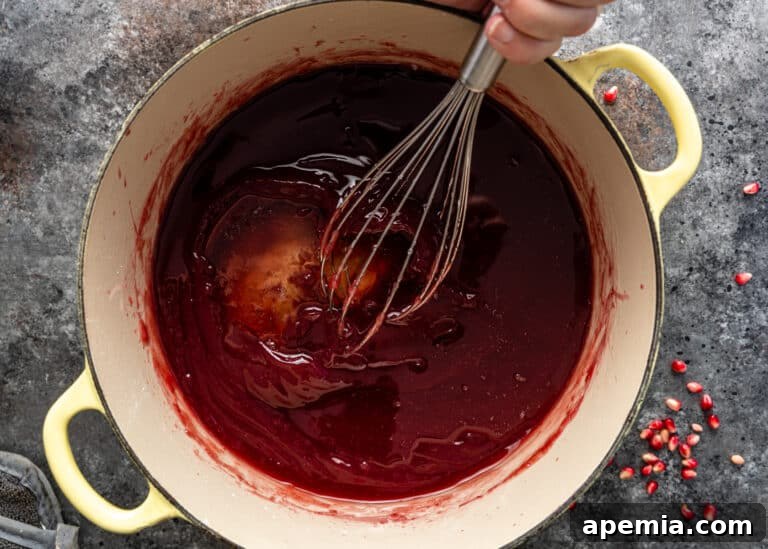
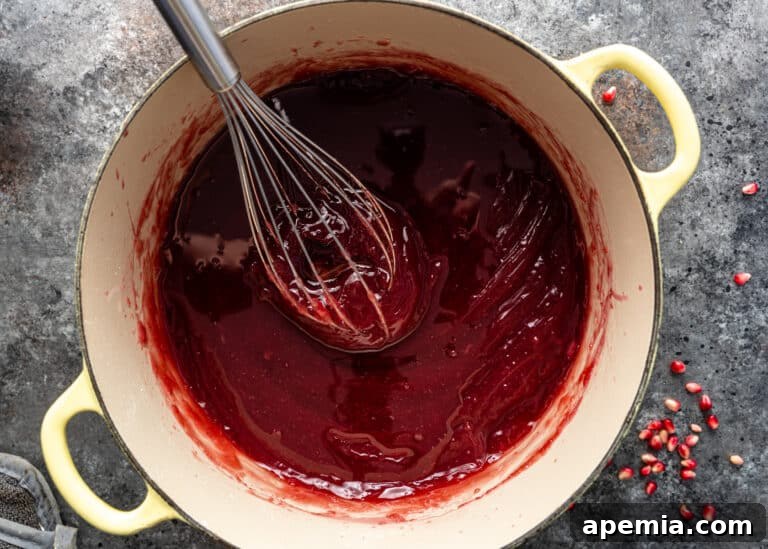
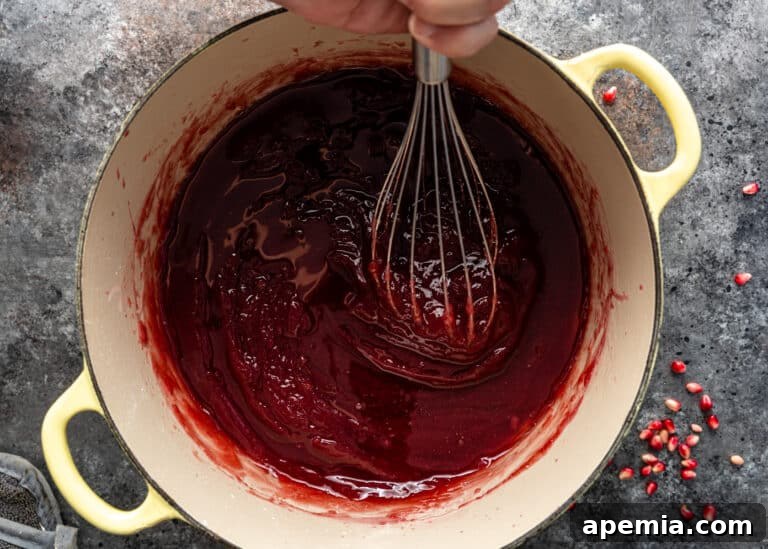
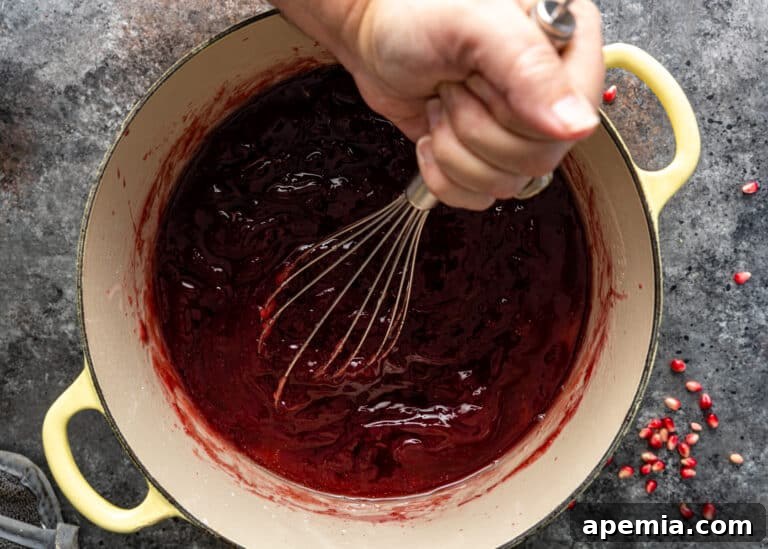
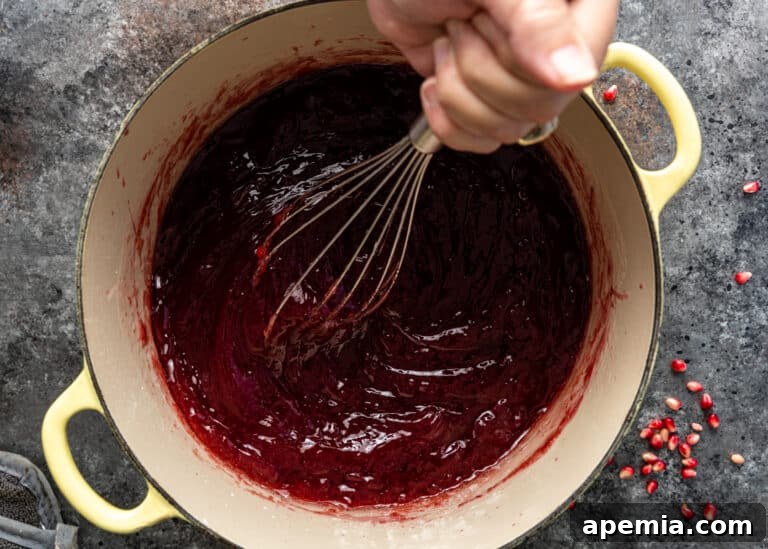
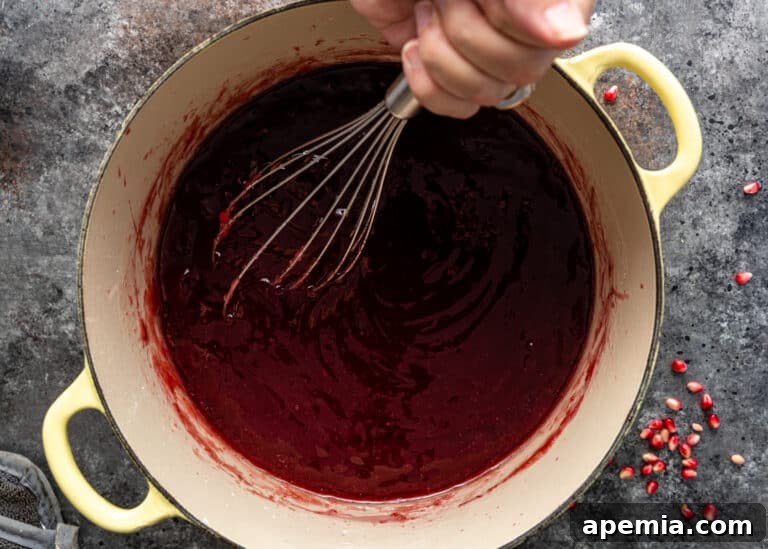
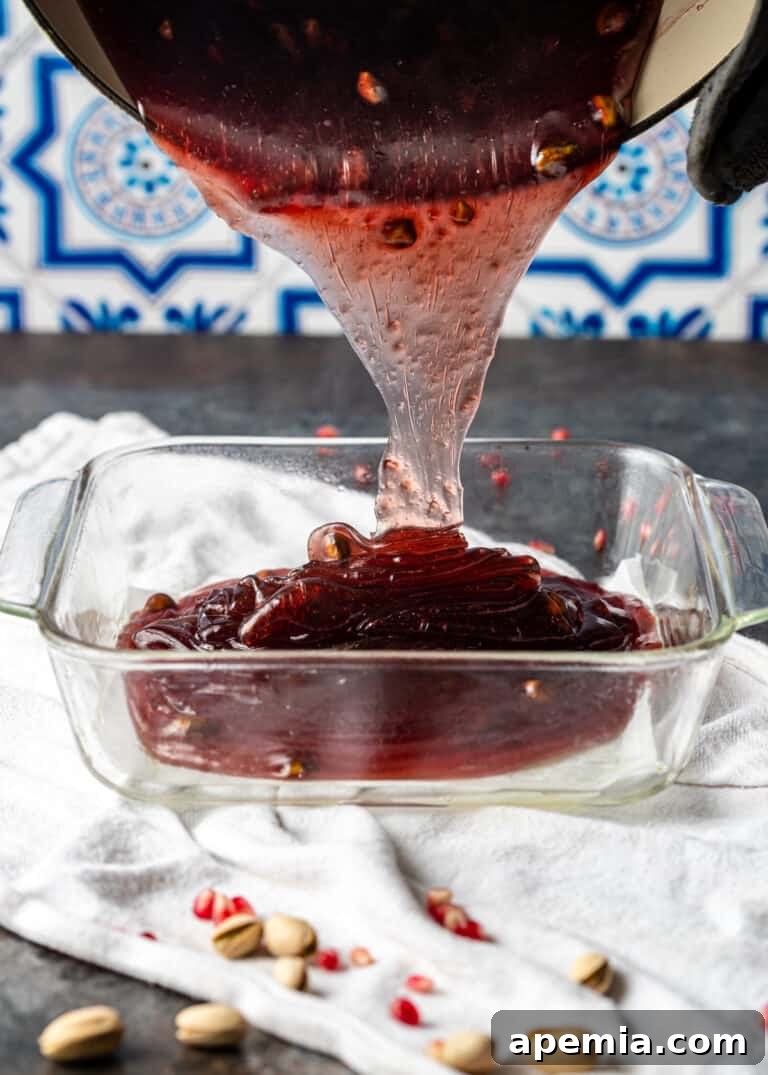
- Flavor & Chill: Once the cooking time is complete, remove the pot from the heat. Stir in the ¼ cup of chopped pistachios and the orange blossom water (or rose water if using). Mix well to distribute the nuts and fragrance evenly throughout the confection. Immediately and carefully pour the warm lokum mixture into your prepared 8×8-inch pan. Use an offset spatula or the back of a spoon to gently spread the mixture evenly to all edges of the pan, ensuring a consistent thickness. Allow the pan to cool undisturbed at room temperature for one hour. After this initial cooling, cover the pan tightly with plastic wrap and transfer it to the refrigerator to chill for a minimum of 4 hours, or preferably overnight, until thoroughly set and firm.
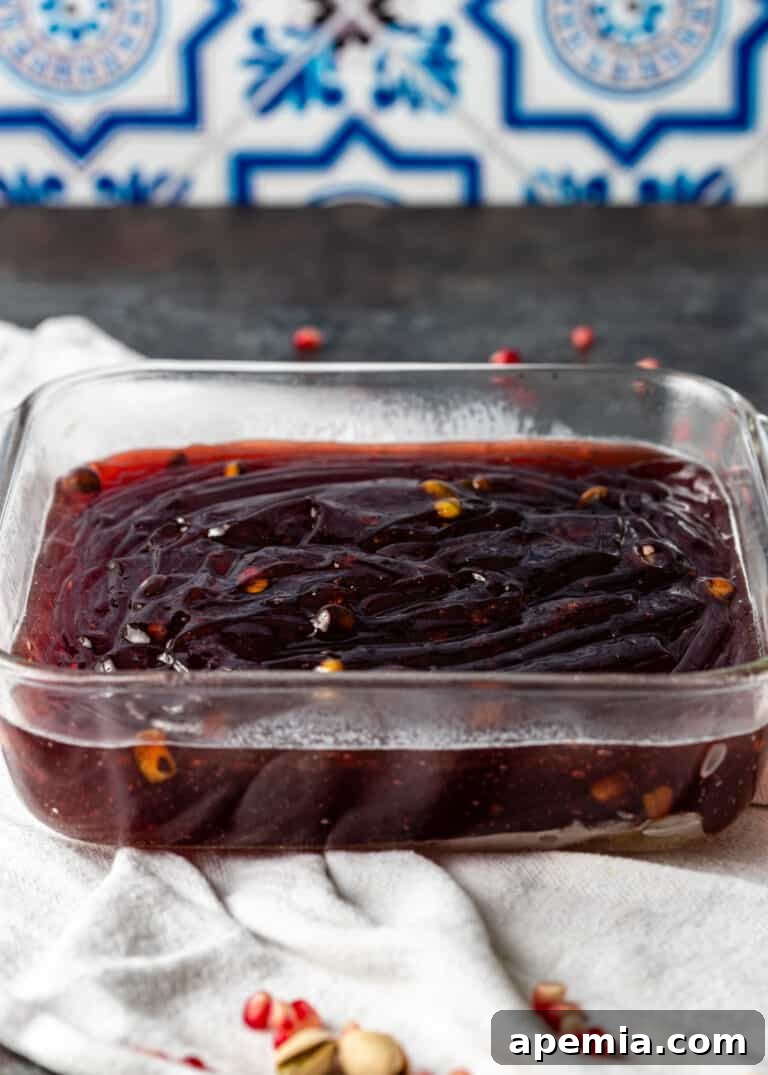
- Prepare the Coating & Unmold: In a medium-sized bowl, thoroughly whisk together the powdered sugar and cornstarch to create an even coating mixture. Generously sprinkle a clean, dry cutting board or work surface with a layer of this sugar-cornstarch mix. To release the chilled candy, gently run a rubber spatula around all the inner edges of the pan, loosening the Turkish Delight from the sides. Then, carefully invert the pan onto the prepared, dusted cutting area. Slowly peel off and discard the parchment paper from the bottom of the lokum, revealing its smooth surface.
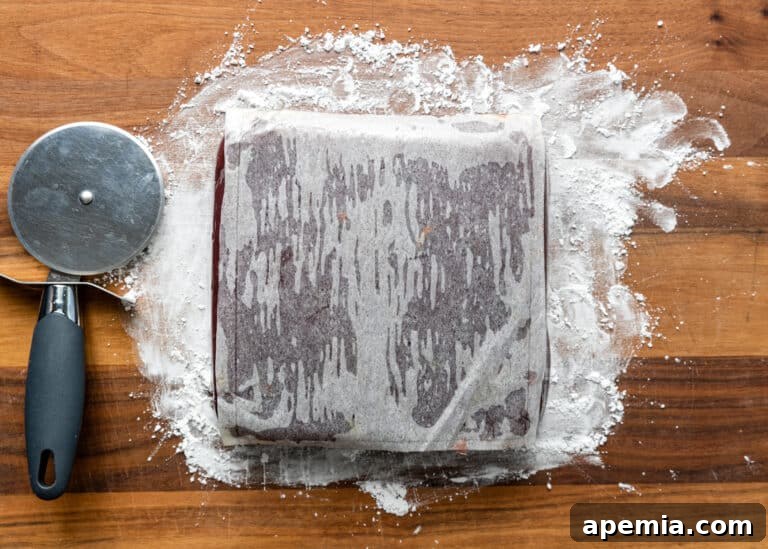
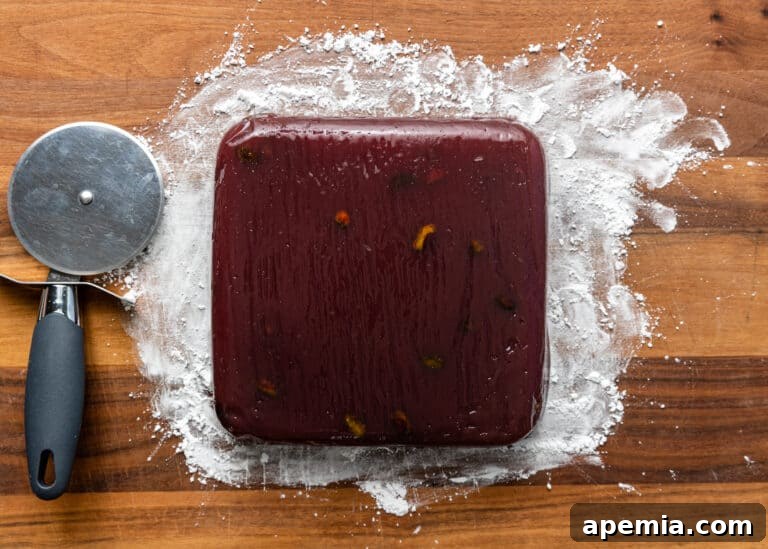
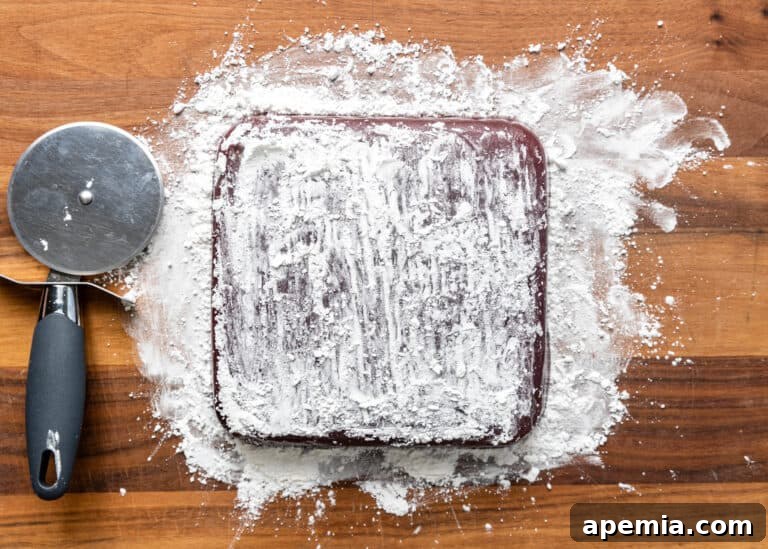
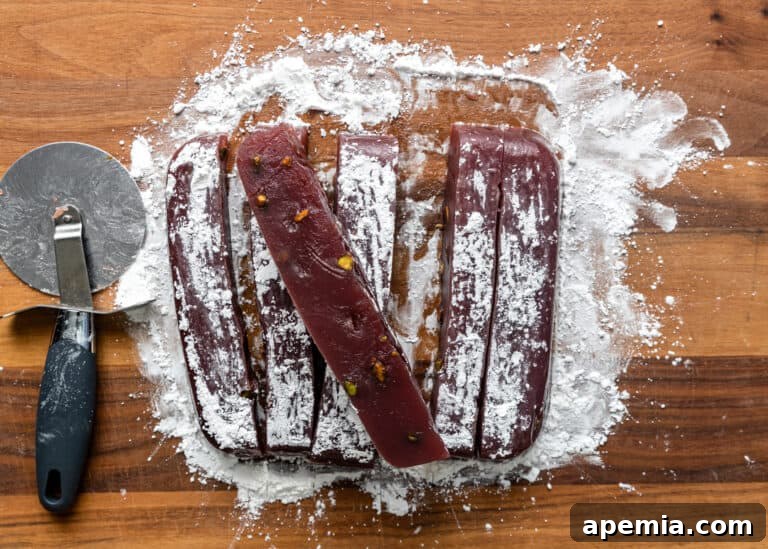
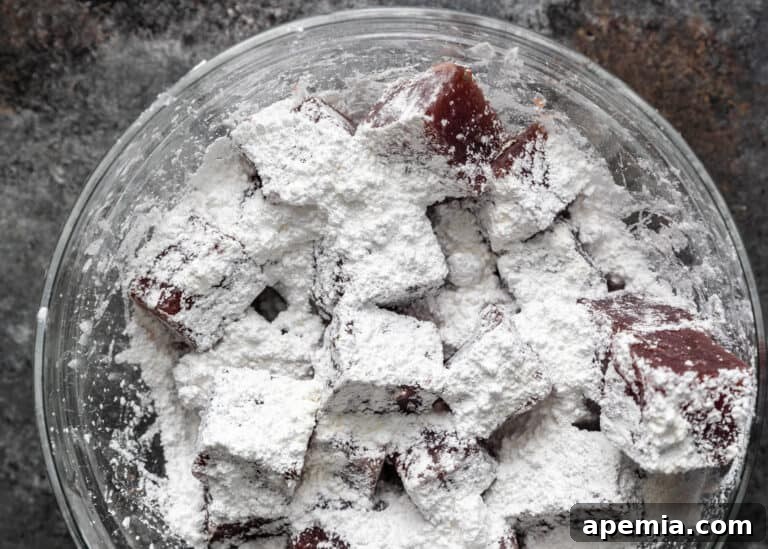
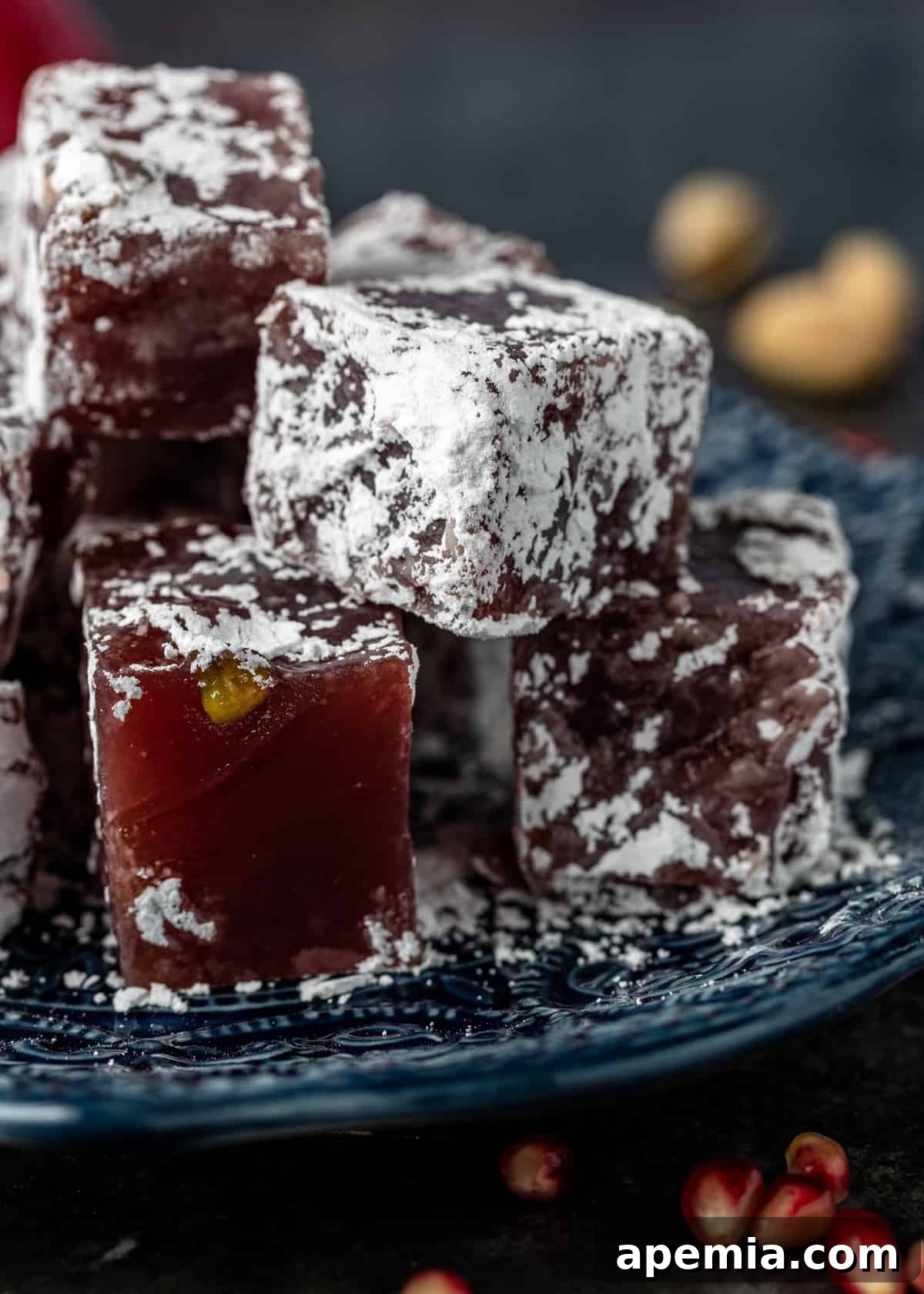
- Cut and Coat: Using a very sharp, lightly oiled knife or a clean pizza cutter, carefully slice the large block of Turkish Delight into 36 uniform squares. Sprinkle the freshly cut sides of the individual Turkish Delight pieces with some of the remaining sugar-cornstarch mixture to prevent them from sticking together. Gently scoop all the cut pieces into the bowl with the coating mixture, and with your hands, carefully toss them to ensure each piece is evenly coated on all sides. This final dusting is essential for both presentation and practicality.
- Serve or Store: Your homemade Lokum is now ready to be enjoyed immediately! For any leftover Turkish Delight, store it in an airtight container at room temperature. Properly stored, these delightful candies will maintain their freshness and perfect texture for up to 4 weeks, allowing you to savor them over time or gift them as desired.
Tip From Kevin
Pro Tips for Perfect Turkish Delight
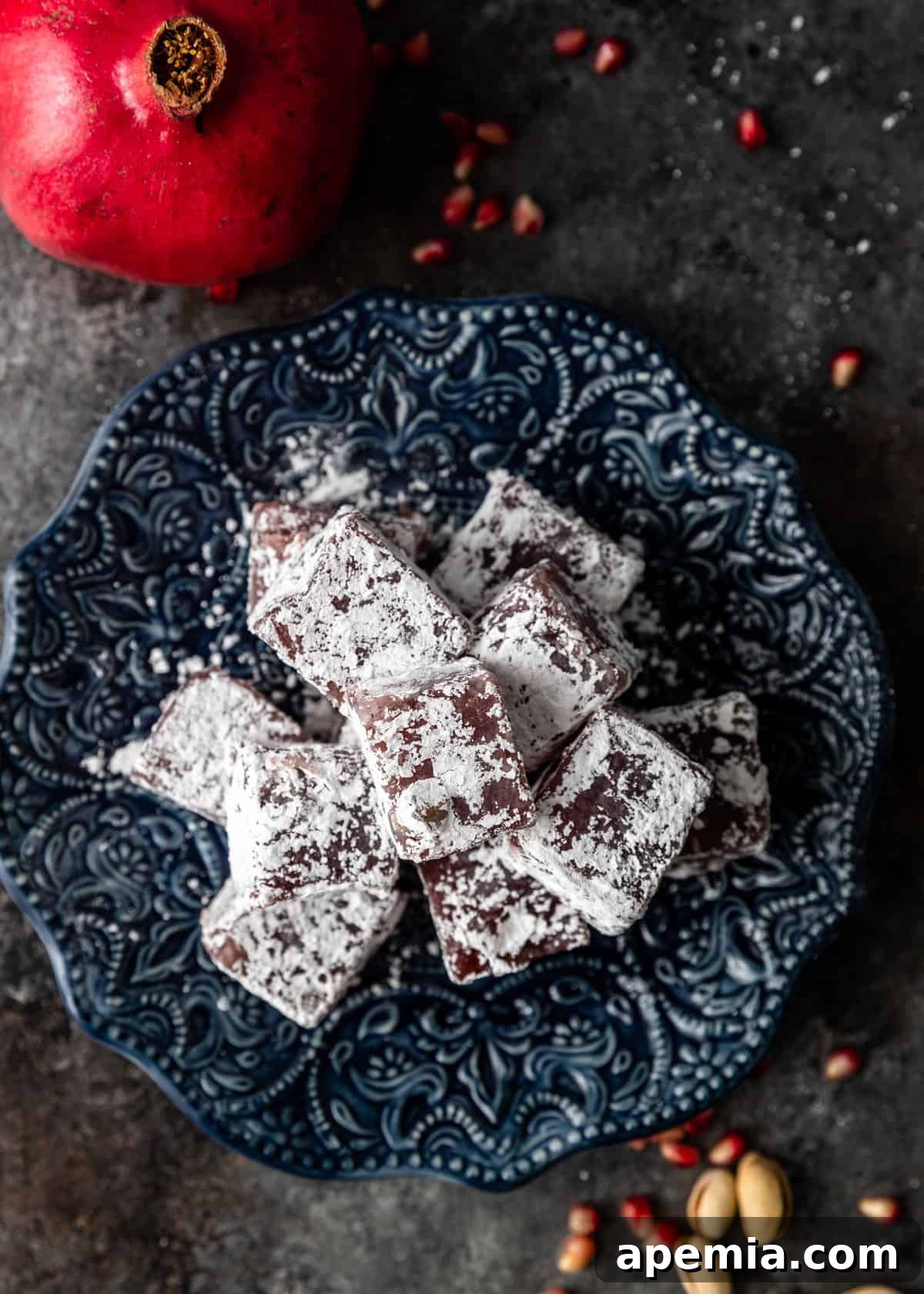
Turkish Delight, by its very nature, is a wonderfully sweet confection. If you find the sweetness too intense, consider cutting the Lokum into smaller, bite-sized squares. This allows you to savor the rich flavors and unique texture in moderation. Also, ensure your work surface is thoroughly dusted when cutting to prevent any sticking, and a light oiling of your knife can make slicing much smoother.
Frequently Asked Questions About Lokum
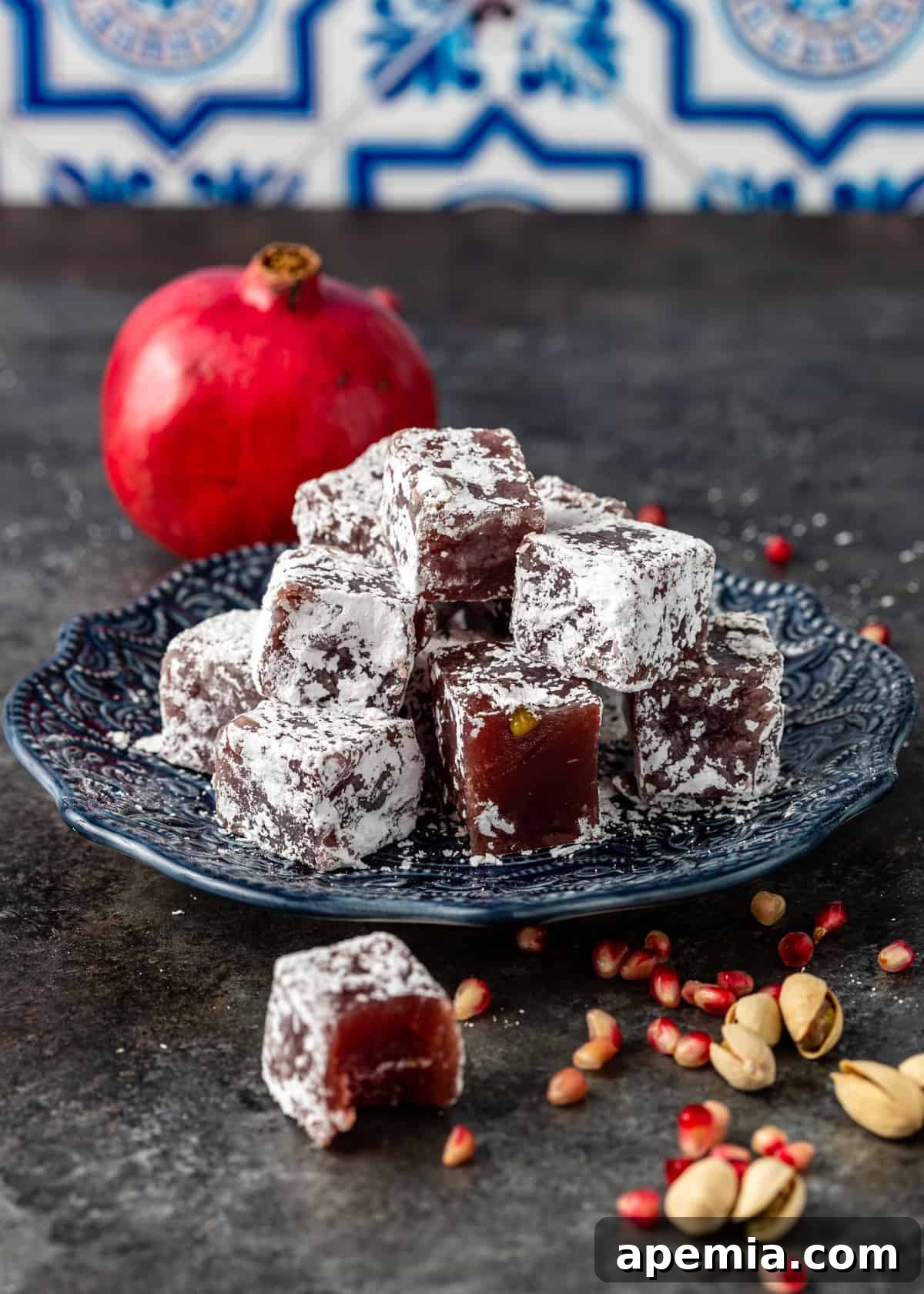
Lokum is a truly divine candy, boasting a soft, succulent, and wonderfully chewy texture, often likened to a luxurious gumdrop. While traditional rosewater is arguably the most iconic and popular flavor for these starch and sugar-based confections, the flavor spectrum is vast. Common variations of Turkish Delight include refreshing lemon, sweet orange, aromatic bergamot, tangy pomegranate, cool mint, and rich honey. Premium lokum recipes might also feature delightful inclusions like finely chopped dates, crunchy walnuts, savory pistachios, or toasted hazelnuts, adding layers of flavor and texture.
The inherent nature of this confection is quite sticky, which is precisely why it is generously coated in a mixture of powdered sugar and cornstarch. This coating serves as a protective barrier, preventing the individual pieces from adhering to each other (or to your fingers!) and turning into a messy clump. If you find your homemade lokum is still excessively sticky after following this recipe, simply apply more of the sugar-cornstarch mixture. For a less sweet alternative, you can increase the proportion of cornstarch, or even use finely crushed pistachios as a natural, non-sticky coating. Ensuring the candy reaches the correct temperature during cooking (soft ball stage) is also key to minimizing stickiness.
While Turkish Delight needs an initial period of chilling to properly set and firm up, it should generally not be stored in the refrigerator after it has set. The cold, humid environment of a fridge can cause the candy to “sweat,” leading to moisture loss and a tougher, less desirable chewy texture. To maintain the optimal taste, softness, and delicate chewiness, it is best to store your leftover Turkish Delight in an airtight container at room temperature. Ideally, find a cool, dry place away from direct sunlight to preserve its quality for up to four weeks.
To successfully make homemade Turkish Delight, a few key pieces of equipment will be invaluable. A reliable candy thermometer is paramount for ensuring your sugar syrup reaches the precise soft-ball stage. You’ll also need two heavy-bottomed saucepans (one medium, one larger like a Dutch oven) to prevent scorching, a sturdy whisk for continuous stirring, and an 8×8-inch baking pan lined with parchment paper for setting the candy. A sharp, lightly oiled knife or pizza cutter will make slicing much easier.
Absolutely! Traditional Turkish Delight is naturally vegan. Its primary ingredients are sugar, cornstarch, water, fruit juices, and flavorings, all of which are plant-based. There are no animal products like gelatin or dairy typically used. So, this recipe, and most authentic Lokum recipes, are inherently suitable for a vegan diet. Just ensure any flavorings or additions you use (like specific rosewaters or pistachio brands) are also vegan-friendly.
Share this recipe on Pinterest!
Love this recipe? Help others discover this delightful treat by sharing it on Pinterest.
Subscribe to my Newsletter for delicious recipes and cooking tips delivered straight to your inbox. Follow me on Facebook, Pinterest, Instagram and YouTube for all my latest culinary adventures and videos.
Pomegranate Pistachio Turkish Delight (Lokum Recipe)
36
10 minutes
1 hour 5 minutes
4 hours
5 hours 15 minutes
Saved
Pin Recipe
PrintRecipe
Video
Ingredients
For Syrup
- 4 cups granulated sugar
- 1 1/2 cups water
- 2 tsp fresh lemon juice
For the Lokum Base
- 2 cups pomegranate juice
- 1 cup water
- 1 cup cornstarch
- 1 tsp fresh lemon juice
- 1/4 cup pistachios roughly chopped
- 2 tbsp orange blossom water optional (or 1 tbsp food-grade rose water)
For Coating
- 3 tbsp powdered sugar (also known as confectioners’ sugar)
- 3 tbsp cornstarch
Instructions
-
Coat the inside of an 8×8-inch pan with cooking spray and line the bottom with a square of parchment paper, leaving a slight overhang. Set aside.
-
In a medium saucepan, dissolve the sugar, 1 1/2 cups water, and 2 tsp lemon juice over medium heat, stirring until clear. Bring to a boil, then reduce heat to low and continue cooking until the syrup reaches 240°F (soft ball stage) on a candy thermometer (approximately 15 minutes). Turn off the heat and set aside.
-
In a separate Dutch oven or large saucepan, whisk together 2 cups pomegranate juice, 1 cup water, 1 cup cornstarch, and 1 tsp lemon juice for the base. Cook over low heat, whisking constantly, until the mixture thickens significantly and becomes a thick paste, pulling away from the sides of the pan.
-
Carefully and slowly whisk in the prepared sugar syrup into the thickened base, adding it in half-cup increments. Ensure each addition is fully incorporated and smooth before adding more, preventing lumps. Once all syrup is added, continue to cook on very low heat for an additional 45 minutes, stirring frequently. The mixture will continue to thicken and reduce considerably, becoming translucent and sticky.
-
Remove from heat and stir in the 1/4 cup chopped pistachios and the orange blossom water (or rose water). Carefully pour the Turkish Delight mixture into the prepared pan, spreading it evenly to the edges with an offset spatula. Allow to rest at room temperature for 1 hour. Then, cover the pan tightly with plastic wrap and refrigerate for a minimum of 4 hours, or until thoroughly chilled and firm.
-
In a medium bowl, mix together the 3 tbsp powdered sugar and 3 tbsp cornstarch for the coating. Liberally sprinkle a clean cutting board or work surface with this mixture. Use a rubber spatula to gently loosen the edges of the chilled Turkish Delight from the pan. Invert the pan onto the dusted cutting area. Carefully peel off and discard the parchment paper.
-
Using a very sharp, lightly oiled knife or a pizza cutter, cut the Turkish Delight into 36 uniform squares. Sprinkle the freshly cut sides of the pieces with some of the sugar-cornstarch mixture. Scoop all the cut pieces into the bowl containing the coating mixture, and gently toss with your hands to evenly coat each piece on all sides.
-
Serve your delicious homemade Lokum immediately, or store any leftovers in an airtight container at room temperature. They will remain fresh and delightful for up to 4 weeks.
Notes
- The instructional video for this recipe shows the orange blossom water being added earlier in the cooking process. For best results and to preserve its delicate aroma, it should be added at the same time as the pistachios, just before chilling.
- To effectively prevent pieces from sticking together, Turkish Delight is coated in a mixture of equal parts cornstarch and powdered sugar. If you prefer, or for an added flavor dimension, you can use finely crushed pistachios (or other nuts like walnuts) as an alternative coating.
- Always use a candy thermometer for precise temperature control. It’s the secret to achieving the perfect chewy texture and avoiding a liquid or overly hard confection.
- For easier cutting, lightly oil your knife or pizza cutter with a neutral oil before slicing the chilled Lokum.
Nutrition
The information shown is an estimate provided by an online nutrition calculator and should be used as a guide only. It should not be considered a substitute for a professional nutritionist’s advice.
Dessert, Candy
Middle Eastern, Turkish
Kevin