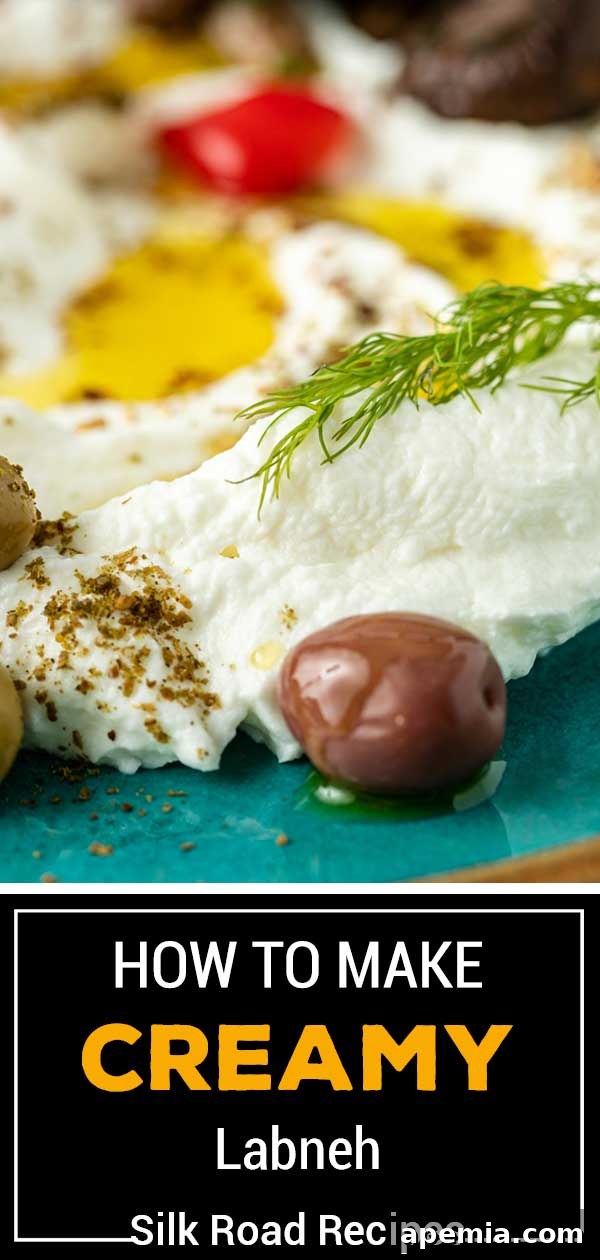
Prepare to fall in love with a culinary gem that transcends expectations: Labneh. Often hailed as “Middle Eastern cream cheese,” this delightful creation offers an intoxicating tanginess reminiscent of Greek yogurt, yet in a concentrated, luxuriously smooth, and spreadable form. It’s a ridiculously rich and divinely delicious dairy marvel that promises to elevate your taste buds to new heights.

The Ancient Origins and Enduring Appeal of Labneh
Labneh is more than just a spread; it’s a staple deeply rooted in the rich tapestry of Middle Eastern Cuisine. While its precise birthplace remains a delightful mystery, historical evidence suggests that this velvety creation has been cherished across the Fertile Crescent for over 2,000 years. Its enduring popularity is a testament to its simple elegance and versatile nature, making it a beloved component of meals from Lebanon to Syria, Jordan, and beyond.
The beauty of homemade labneh lies in its surprising simplicity. Requiring just two core ingredients, the process transforms humble yogurt into something extraordinary. The most challenging aspect isn’t the technique, but the patience required to let time work its magic in the refrigerator. Once you taste the fresh, tangy result, you’ll understand why the anticipation is well worth it.
If you’re eager to explore more creamy, savory treasures, be sure to check out my Tirokafteri (Spicy Feta Cheese Spread), Marinated Feta Cheese with Herbs + Chiles, or these crispy Paneer Pakora (Indian Cheese Fritters).
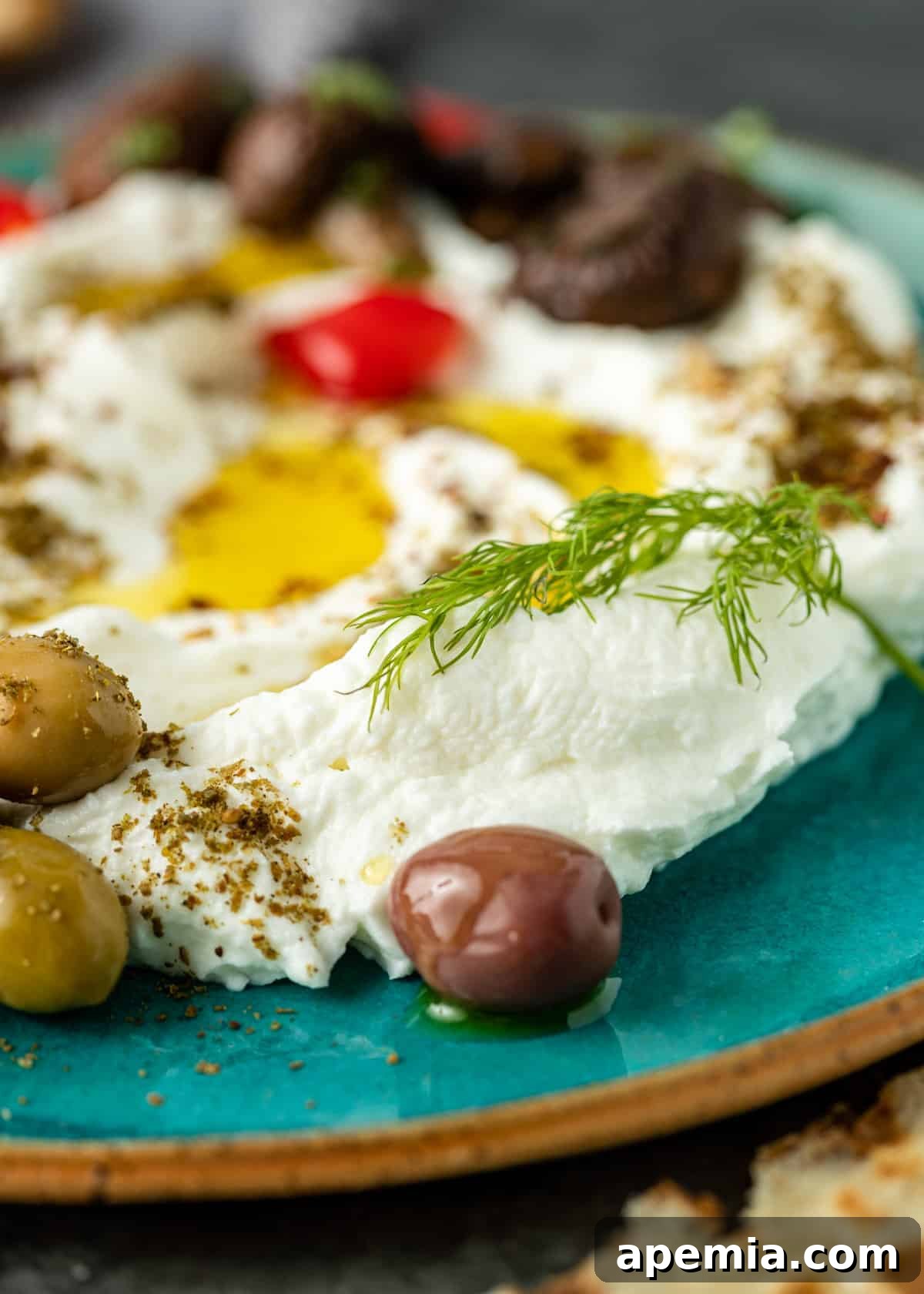
What Exactly Is Labneh, and Why Should You Make It?
At its heart, labneh is a concentrated form of yogurt, meticulously strained to remove excess whey, resulting in a product that boasts the best characteristics of both yogurt and soft cheese. This is why it’s often referred to as “yogurt cheese.”
Imagine the tart, tangy brightness of Greek yogurt fused with the silky-smooth, spreadable texture of a fine cream cheese or mascarpone. Labneh delivers exactly that, but with an added bonus: it’s generally a healthier alternative. Compared to traditional cream cheese, homemade labneh offers fewer calories, less fat, and a higher protein content. Plus, being a yogurt-based product, it retains beneficial probiotics, making it a gut-friendly indulgence. It’s a win-win for both your palate and your well-being!
Making labneh at home not only ensures ultimate freshness but also allows you to control the quality of ingredients and adjust the consistency to your preference. It’s a simple, cost-effective project that yields a gourmet-quality product, free from the additives often found in store-bought versions. The satisfaction of crafting this ancient delicacy in your own kitchen is an experience every food enthusiast should try.
Key Ingredients for Perfect Homemade Labneh
Crafting perfect labneh requires minimal ingredients, but choosing the right ones is crucial for achieving that signature rich and tangy flavor, along with an irresistibly creamy texture.
- Yogurt: The Foundation of Flavor and Texture
The undisputed star of this recipe is full-fat Greek yogurt. Its inherent thickness and creamy consistency are essential for producing a dense, luxurious labneh. Regular yogurt, which is thinner and has a higher water content, will not yield the desired results. When strained, regular yogurt tends to become too watery or yield a much smaller amount of solids. I particularly enjoy the unique flavor and texture of full goat’s milk Greek yogurt, which is often available at Middle Eastern markets or specialized health food stores. If goat’s milk yogurt isn’t accessible, a high-quality, full-fat cow’s milk Greek yogurt will work beautifully. For a nuanced flavor, some traditional recipes call for a blend of half goat’s milk and half cow’s milk yogurt. Whatever your choice, ensure it’s full-fat for maximum richness and a smooth mouthfeel. - Salt: The Flavor Enhancer and Moisture Extractor
Salt plays a dual role in labneh preparation: it not only enhances the natural tangy notes of the yogurt but also aids in the crucial process of extracting liquid (whey). A finely ground, high-quality salt like kosher salt or fine sea salt is recommended. Its consistent grain size dissolves evenly and integrates seamlessly into the yogurt mixture, contributing to both flavor and the desired firm texture. - Olive Oil: The Finishing Touch
Once your homemade labneh is ready, a generous drizzle of good quality extra virgin olive oil adds an extra layer of Mediterranean richness and a silken finish. The fruity, sometimes peppery notes of olive oil perfectly complement the labneh’s tanginess, making it even more delectable. - Za’atar Spice Blend: An Aromatic Garnish
While optional, sprinkling Za’atar spice over your labneh adds an authentic Middle Eastern touch. This vibrant blend typically includes bright sumac, aromatic thyme, earthy sesame seeds, and other spices, contributing both a delightful flavor and visual appeal. You can find pre-made za’atar in most well-stocked spice aisles or Middle Eastern grocery stores, or even make your own blend. Feel free to experiment with other spice blends or fresh herbs like mint or dill for a personalized twist.
Essential Equipment for Homemade Labneh
One of the beauties of making labneh at home is that it requires very little specialized equipment. Here’s what you’ll need:
- Large Sieve or Colander: To hold the yogurt as it drains.
- Large Bowl: Placed beneath the sieve to collect the whey.
- Cheesecloth or Linen Towel: This is critical for straining. You’ll need 3-4 layers of good quality cheesecloth, or a clean, thin linen kitchen towel. Avoid paper towels as they can tear.
- Whisk or Spoon: For mixing the yogurt and salt.
- Airtight Container: For storing the finished labneh.
Step-by-Step Guide: How to Make Homemade Labneh
Making labneh is a straightforward process that yields incredibly rewarding results. Just follow these simple steps:
1. Prepare Your Straining Setup. Begin by lining a large sieve or colander with 3-4 layers of high-quality cheesecloth or a clean, thin linen kitchen towel. The multiple layers are crucial to prevent the yogurt from seeping through or the cloth tearing under the weight and pressure during the straining process. Place this lined sieve over a larger bowl, ensuring there’s enough space beneath the sieve to catch the liquid (whey) that will drain from the yogurt. Set this assembly aside.
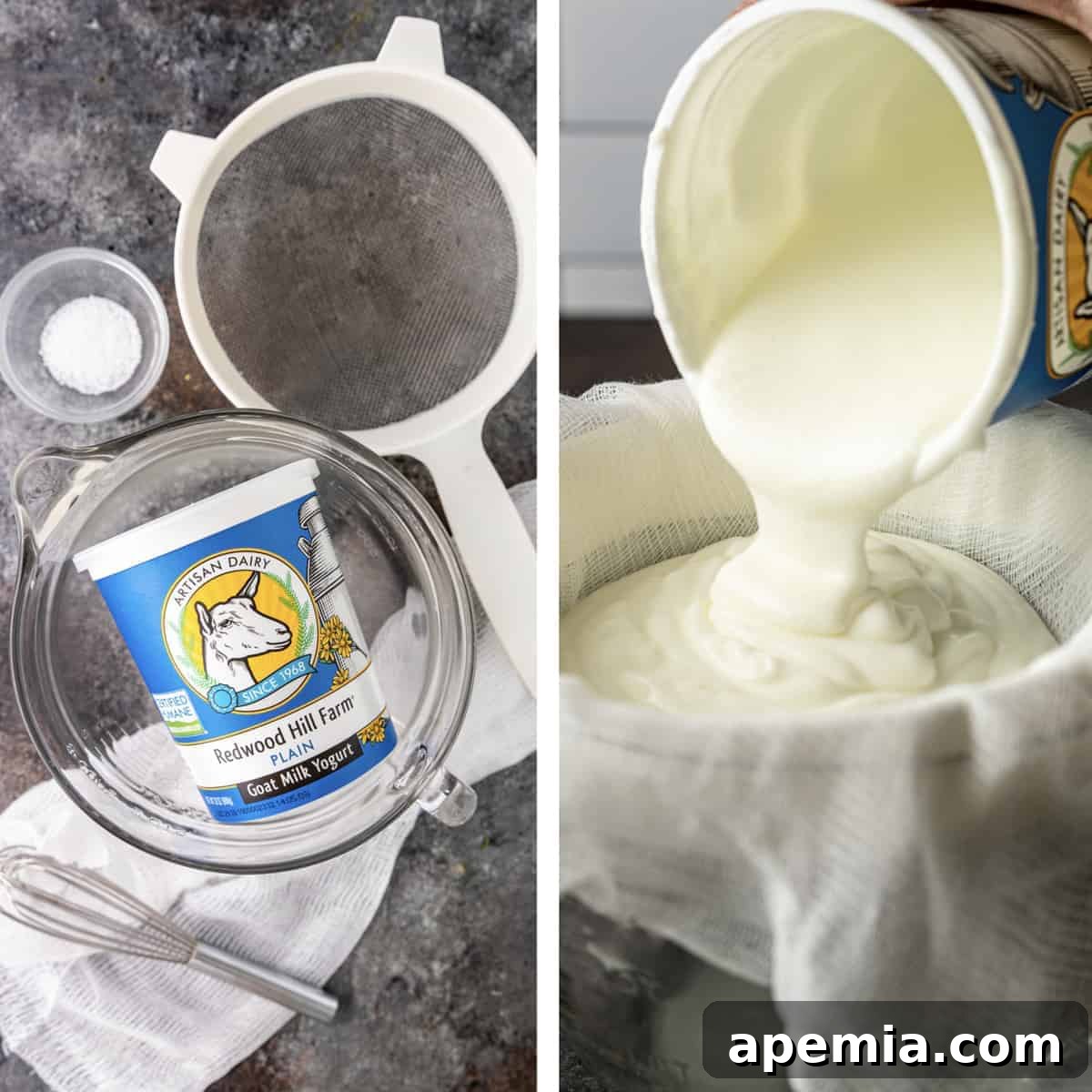
2. Mix the Yogurt and Salt. In a separate mixing bowl, combine the full-fat Greek yogurt with the salt. Whisk these two ingredients together thoroughly until the salt is completely dissolved and evenly incorporated into the yogurt. This step is important for uniform flavor and to kickstart the moisture extraction process. Carefully transfer the entire yogurt mixture into the prepared cheesecloth-lined sieve. Gather the loose ends of the cheesecloth or linen towel and gently tie them together, creating a compact package of yogurt.
3. Refrigerate and Strain. Move the entire setup – the bowl with the collected whey and the yogurt-filled sieve – into your refrigerator. Allow the yogurt to drain and chill undisturbed for a minimum of 24 hours, and up to 36 hours. During this time, gravity will work its magic, drawing out the excess liquid from the yogurt, leaving behind a wonderfully thick and concentrated “yogurt cheese.” The longer it strains, the firmer and drier your labneh will be.
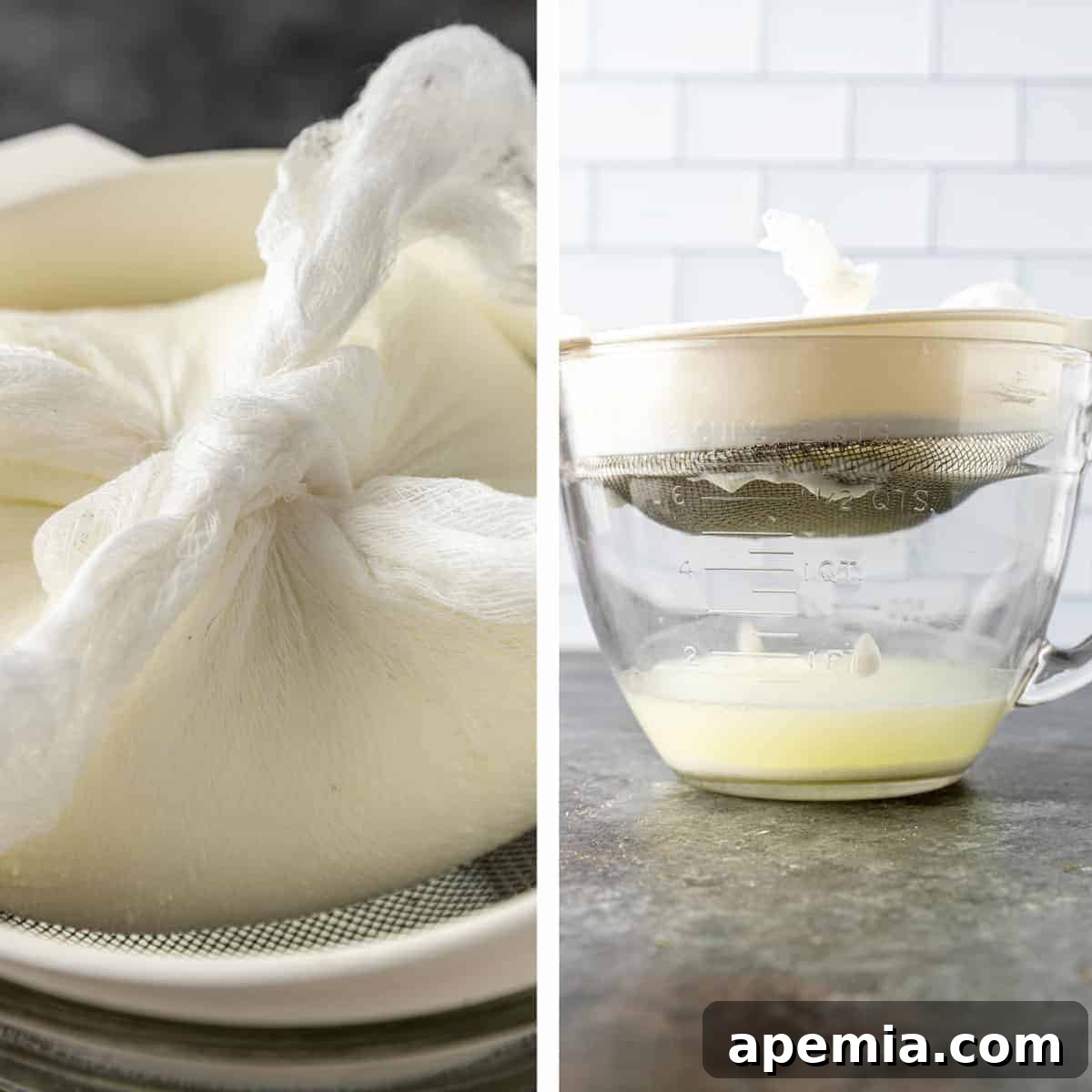
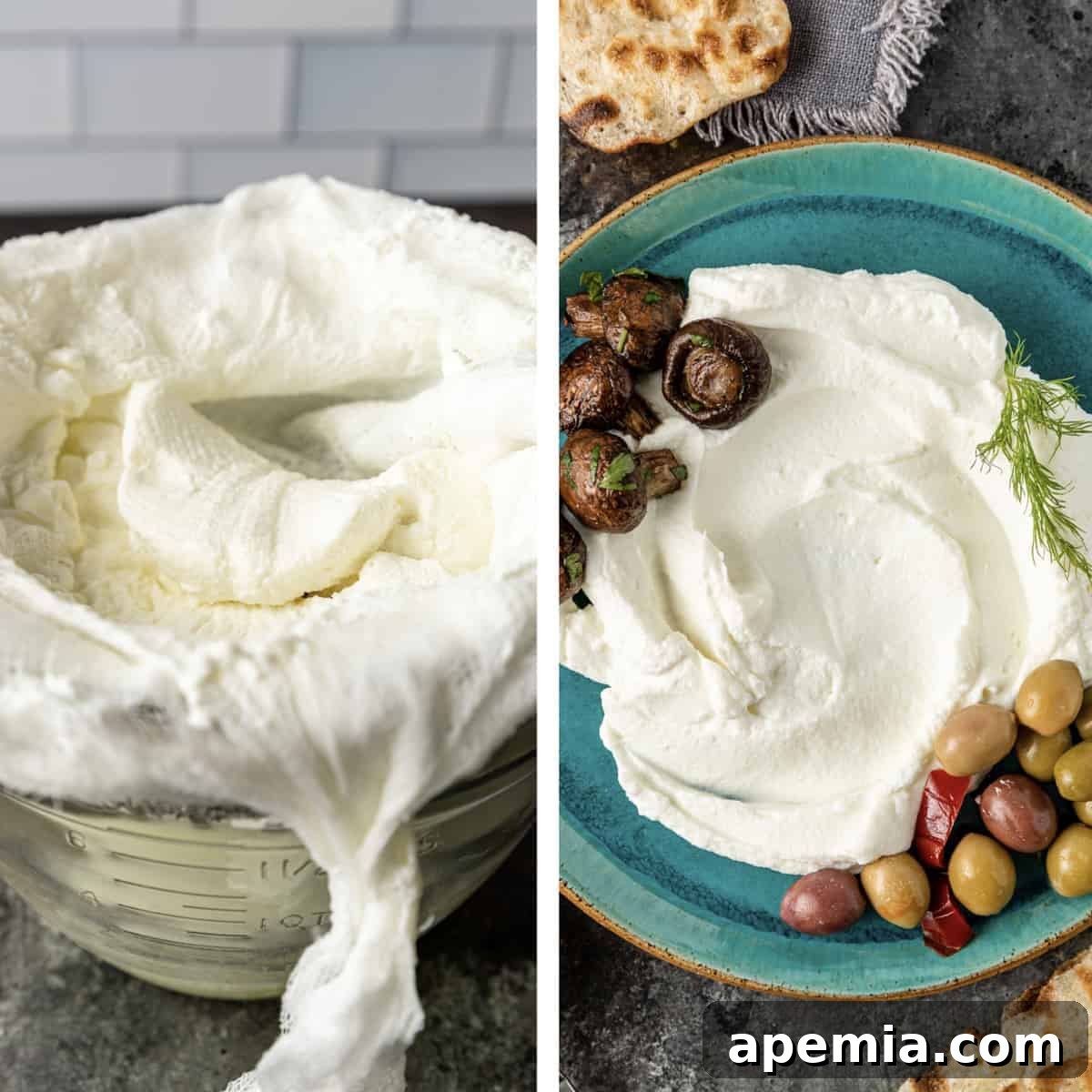
4. Unveil and Store Your Labneh. After the designated straining time, carefully remove the yogurt package from the refrigerator. Discard the collected liquid (whey) from the bowl below. Untie the linen or cheesecloth package and gently unroll the freshly made labneh. You’ll notice it’s significantly thicker and drier than the original yogurt, with a beautifully smooth and creamy interior. Transfer your homemade labneh to an airtight container. It is now ready to be enjoyed immediately, or it can be refrigerated for up to a week to maintain maximum freshness and flavor.
Creative Ways to Serve and Enjoy Your Homemade Labneh
This delightfully creamy, tangy yogurt cheese is incredibly versatile and traditionally served with savory foods, though it can surprisingly adapt to sweet applications too. Here are numerous ways to savor your homemade labneh:
- As Part of a Mezze Platter: This is perhaps its most classic presentation. Arrange labneh alongside other Middle Eastern dips like White Bean Hummus, Mutabal (Charred Eggplant Dip), and Muhammara (Red Pepper Dip). Serve with plenty of warm Khubz (Arabic Pita Bread), fresh sliced vegetables (cucumbers, carrots, bell peppers), briny olives, stuffed grape leaves, and crisp radishes.
- Simple Snack or Light Meal: For an effortless yet satisfying bite, spread a generous layer of labneh on a plate. Drizzle generously with good quality olive oil, sprinkle with a pinch of Za’atar seasoning, and serve immediately with fresh pita bread or crusty artisanal bread.
- Elevate Your Breakfast: Use labneh as a healthier, tangier alternative to cream cheese on bagels or toast. Top with fresh berries and a drizzle of honey for a sweet-tart breakfast, or with sliced avocado and chili flakes for a savory start. It also makes a fantastic accompaniment to scrambled eggs or omelets.
- Sandwiches and Wraps: Replace mayonnaise or other spreads in your sandwiches and wraps with labneh for a lighter, tangier profile. It pairs wonderfully with grilled chicken, roasted vegetables, or falafel.
- Creamy Salad Dressing Base: Whisk labneh with a little lemon juice, olive oil, and fresh herbs to create a creamy, healthy salad dressing.
- Dip for Vegetables and Chips: Serve chilled labneh as a refreshing dip for raw vegetables, pita chips, or even sturdy potato chips.
- Dollop on Soups and Stews: Much like sour cream, a dollop of labneh can add a cool, tangy counterpoint to hearty soups, stews, or chili.
- As a Side for Roasted Meats and Vegetables: Its refreshing quality cuts through the richness of roasted lamb, chicken, or grilled vegetables, offering a delightful contrast.
Storage Tips and Freezing Recommendations for Labneh
Proper storage is key to enjoying your homemade labneh at its best. Once prepared, transfer your labneh to an airtight container and store it in the refrigerator. It will maintain its fresh taste and creamy texture for up to 1-2 weeks. Always ensure the container is tightly sealed to prevent it from absorbing odors from other foods in your fridge.
When it comes to freezing, I strongly advise against it. Unfortunately, the delicate, smooth, and creamy texture that makes labneh so irresistible is highly susceptible to damage during the freezing and thawing process. Freezing can cause the dairy components to separate, resulting in a grainy, watery, and unappealing consistency. For this reason, labneh is best enjoyed fresh within its recommended refrigerated shelf life.

Homemade Labneh Recipe

Cold, creamy, and tantalizingly tangy, this homemade, 2-ingredient labneh recipe can be considered Middle Eastern cream cheese.
Servings: 8
Prep time: 10 mins
Cook time: 1 day 12 hrs
Total time: 1 day 12 hrs 10 mins
Pin Recipe
Ingredients
- 32 oz whole Greek yogurt (See Note 1)
- 1/2 tsp salt
Serving Suggestions
- Olive oil
- Za’atar spice blend
- Marinated vegetables
- Pita bread
Unit system: US Customary – Metric
Instructions
- Line a sieve over a larger bowl to catch the expressed liquid with either 3-4 layers of cheesecloth or a clean linen towel (See Note 2). Set aside.
- In a bowl, whisk together the yogurt and salt until well combined. Pour this mixture into the lined sieve and carefully tie the loose ends of the cheesecloth or linen together.
- Place the bowl with the yogurt-filled sieve in the refrigerator for 24 to 36 hours to strain.
- Discard the collected liquid (whey) and untie the package. The yogurt will be thick and slightly dry with a smooth, creamy interior. Gently roll it out of the cheesecloth or linen and transfer to an airtight container. Refrigerate for up to a week.
Notes
- Traditionally, a blend of goat’s milk and cow’s milk yogurt is often used. However, all goat’s milk yogurt provides a unique and desirable texture and flavor. If you cannot find goat’s milk yogurt, source it from a Middle Eastern market, order online, or use all cow’s milk Greek yogurt.
- When straining, it’s crucial to use at least 3-4 layers of cheesecloth, or a sturdy linen towel. Using fewer layers, especially if the cheesecloth is thin, can lead to tearing when the yogurt has rested overnight, resulting in a messy situation.
Nutrition Facts (per serving)
- Calories: 69 kcal
- Carbohydrates: 5g
- Protein: 4g
- Fat: 4g
- Saturated Fat: 2g
- Cholesterol: 15mg
- Sodium: 198mg
- Potassium: 176mg
- Sugar: 5g
- Vitamin A: 112 IU
- Vitamin C: 1mg
- Calcium: 137mg
- Iron: 1mg
The information shown is an estimate provided by an online nutrition calculator. It should not be considered a substitute for a professional nutritionist’s advice.
Course: Appetizer
Cuisine: Middle Eastern
Author: Kevin
Still Hungry?
Subscribe to our Newsletter, and follow us on Facebook, Pinterest, Instagram and YouTube for all our latest recipes and videos.
Have You Made This Recipe? Let Me Know on Instagram
Tag @keviniscooking or use hashtag #keviniscooking!