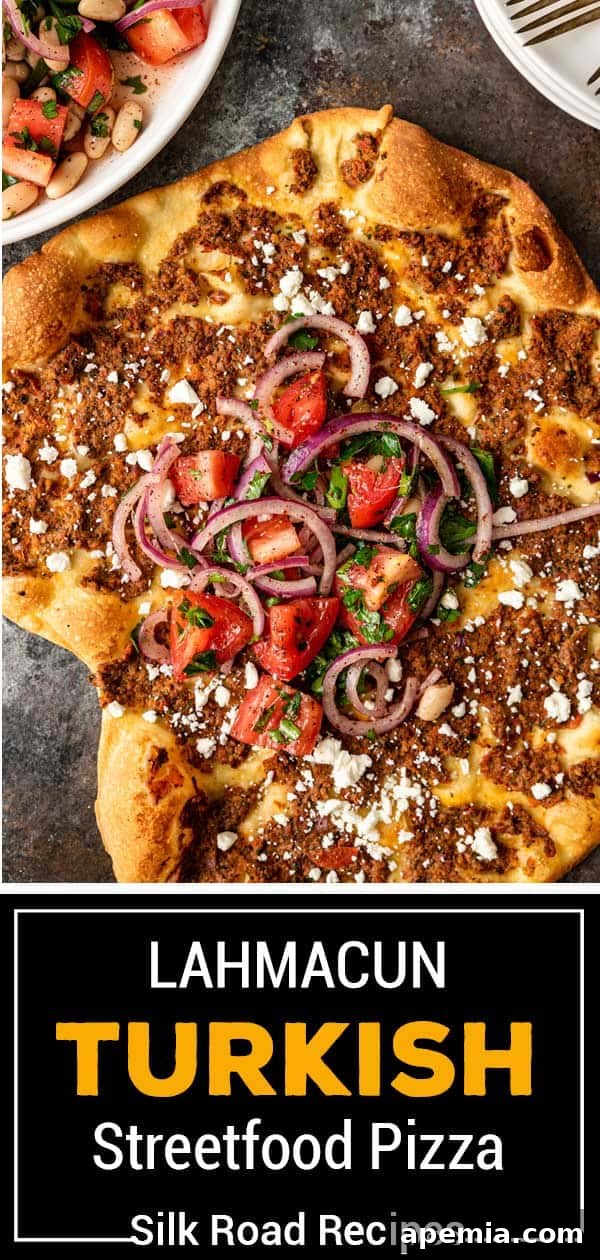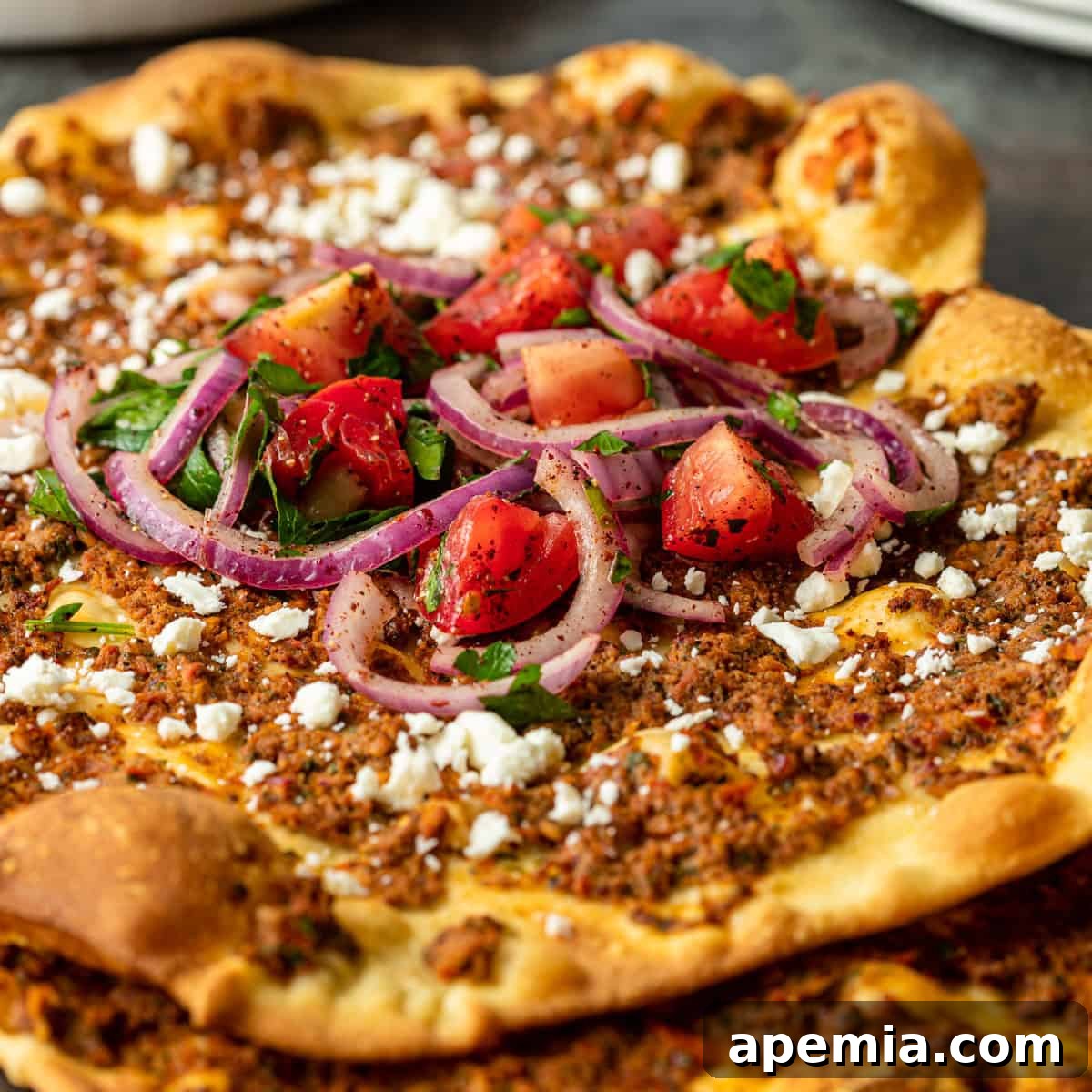
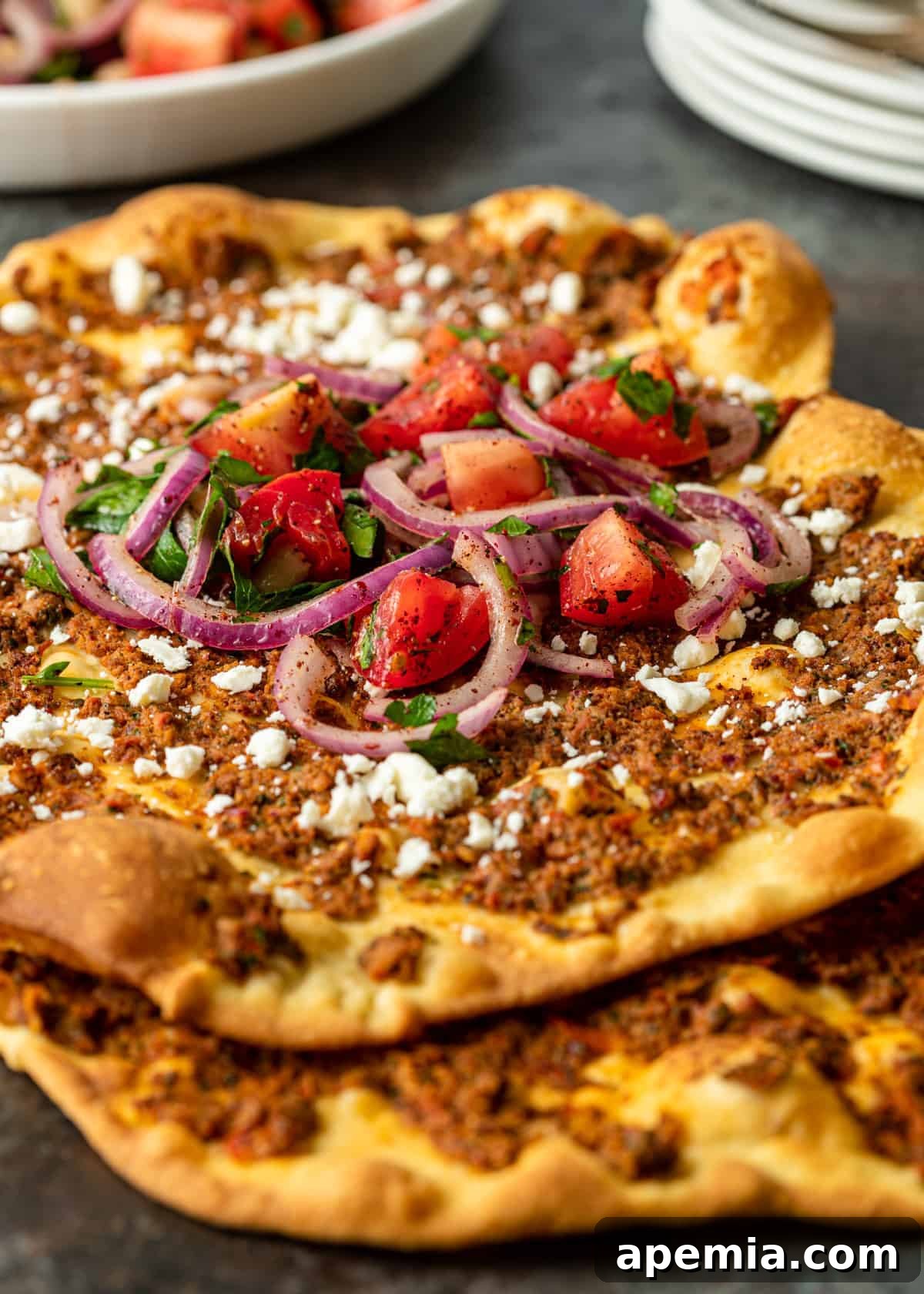
Turkish Lahmacun is a culinary masterpiece: a thin, round, and incredibly crispy flatbread generously topped with a rich, savory, and delicately spiced meat mixture. It’s then adorned with fresh, vibrant tomatoes, peppery arugula, and crisp onions, creating an explosion of earthy, tangy, and subtly spicy Middle Eastern flavors. This homemade rendition offers an unmatched taste experience, often celebrated as the ultimate “Turkish pizza.” Dive into this recipe to create a truly unforgettable meal that brings the bustling streets of Turkey right to your kitchen.
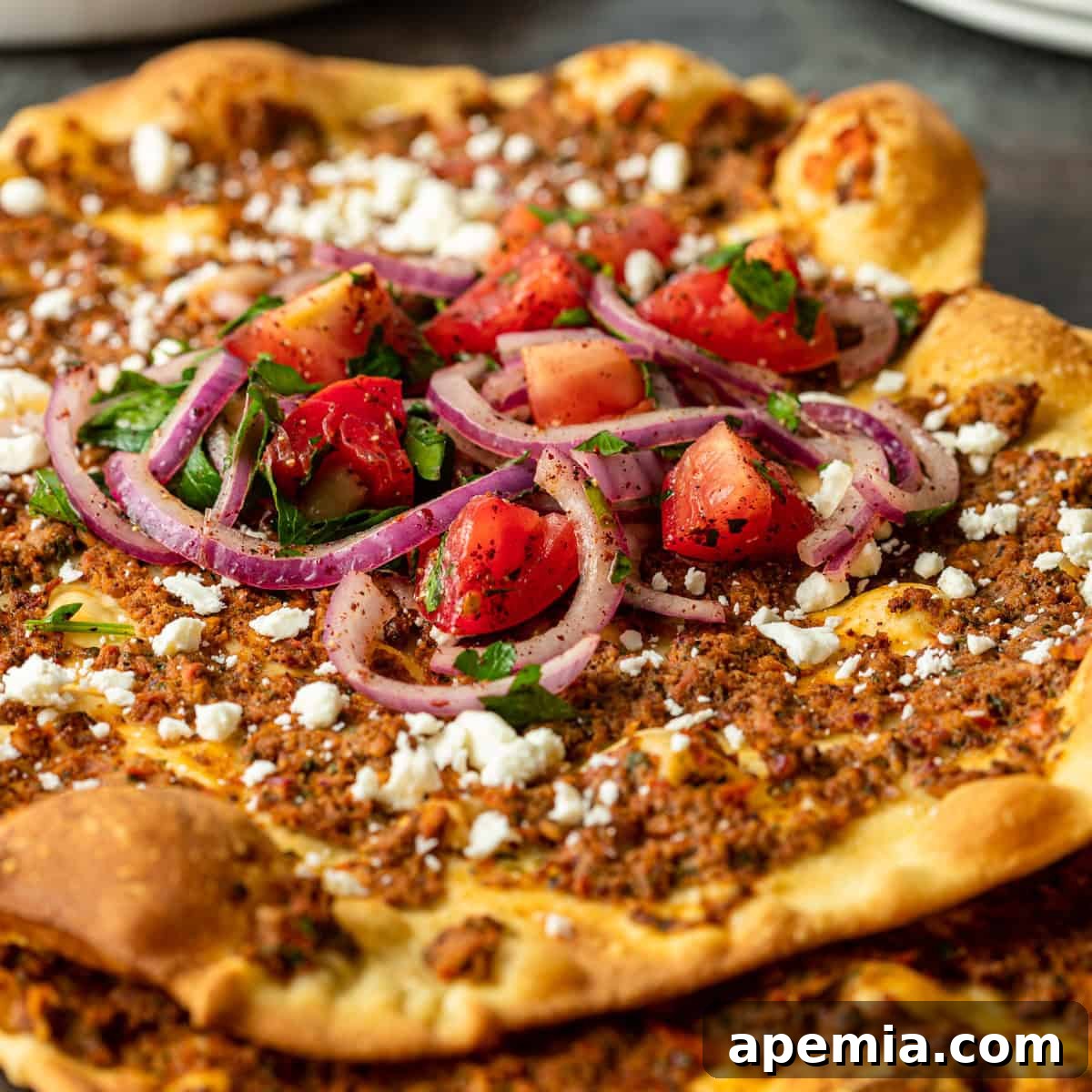
Get ready to elevate your pizza nights with a truly unique and flavorsome dish! This traditional Turkish flatbread offers a delightful paradox: a remarkably fluffy yet exquisitely crispy base, crowned with a mouthwatering spiced meat topping that promises to captivate the palate of any pizza enthusiast. Far from being just another flatbread, Lahmacun is a beloved staple of Turkish cuisine, a testament to centuries of culinary tradition and a perfect example of how simple ingredients can create profound flavors.
What is Lahmacun? A Culinary Journey Through Turkish Flavors
Lahmacun, pronounced “lah-ma-june,” is more than just a dish; it’s an experience. Originating from the Middle East, it has become a cornerstone of Turkish street food culture, cherished for its portability, affordability, and incredible taste. Often referred to as “Turkish pizza” due to its flat, round shape and savory toppings, Lahmacun distinguishes itself with its ultra-thin crust and distinctively spiced minced meat blend.
Unlike conventional pizzas, Lahmacun is typically served rolled up like a wrap, often filled with fresh greens like parsley or arugula, a squeeze of lemon juice, and sometimes sliced onions. This fresh accompaniment cuts through the richness of the meat, providing a burst of refreshing counterpoint with every bite. The joy of Lahmacun lies in its simplicity and the perfect harmony of its ingredients – a thin, crispy canvas for a bold, aromatic topping that satisfies on every level.
Lahmacun vs. Pide: Understanding the Iconic Turkish Flatbreads
You might wonder, “What about Pide? Isn’t that also Turkish pizza?” And indeed, you’re right! People frequently confuse these two iconic Turkish flatbreads, both of which hold a special place in Turkish culinary hearts. While both are delicious, they possess distinct characteristics that set them apart.
Lahmacun: The Thin, Round, and Rolled Delight
- Crust: Lahmacun features an exceptionally thin, round flatbread, almost like a delicate, wafer-thin pizza base. This ultra-thin crust is key to its signature crispy texture.
- Topping: It is topped with a finely ground, often paste-like mixture of minced meat (traditionally lamb or beef), blended with finely chopped onions, fresh tomatoes, a medley of herbs, and a bold array of Middle Eastern spices.
- Baking: These thin delights are baked quickly at a very high temperature, ensuring a wonderfully crispy finish without drying out the succulent topping.
- Serving Style: Typically served fresh out of the oven, Lahmacun is often rolled up with an assortment of fresh herbs (like parsley or mint), thinly sliced onions, and a generous squeeze of lemon juice. It’s designed to be eaten like a wrap, making it a popular street food.
- Texture: Its defining characteristic is its very light and crisp texture; it’s never thick or bready.
Pide: The Boat-Shaped and Hearty Flatbread
- Crust: Pide, by contrast, is a thicker and chewier flatbread, distinctively shaped like a boat, with its edges often folded over.
- Fillings: Unlike Lahmacun’s singular meat topping, Pide can boast a vast array of fillings. Popular options include various cheeses, different types of minced meat, sucuk (spicy Turkish sausage), eggs, and a colorful assortment of vegetables.
- Shape: The dough’s edges are strategically folded inwards to create a raised rim, effectively containing the generous fillings and giving Pide its characteristic “boat” shape.
- Serving Style: Pide is typically served sliced into pieces, much like a savory pastry or a conventional pizza. It’s meant to be savored piece by piece, allowing you to enjoy the heartier bread and rich fillings.
- Texture: Pide offers a more substantial, bread-like chew, providing a comforting and filling experience.

So, to summarize the distinction:
- Lahmacun: Ultra-thin, round, meat-topped, and traditionally eaten wrap-style.
- Pide: Thicker, boat-shaped, with a diverse range of fillings, and typically eaten sliced.

Why You’ll Love Making Homemade Lahmacun
One of the greatest appeals of Lahmacun, especially the homemade version, is its incredible speed. Thanks to its ultra-thin crust, these crispy flatbreads bake remarkably fast—requiring just about 5 minutes in a hot oven. This makes our Lahmacun recipe absolutely perfect for those lively pizza nights where everyone wants to customize their own creation. You can easily prepare the dough and topping in advance, then simply roll out and bake each personalized Lahmacun one after another, keeping the delicious creations flowing effortlessly. The satisfaction of crafting these flavorful flatbreads from scratch, tailoring each one to individual preferences, is truly unparalleled. Plus, the aroma that fills your kitchen while baking is simply irresistible!
Table of Contents
- What is Lahmacun? A Culinary Journey Through Turkish Flavors
- Lahmacun vs. Pide: Understanding the Iconic Turkish Flatbreads
- Why You’ll Love Making Homemade Lahmacun
- Beyond the Basics: Explore More Flatbread Adventures
- Pro Tip: Mastering the Meat Topping Spread
- Essential Ingredients for Authentic Turkish Lahmacun
- Step-by-Step Guide: How to Make Lahmacun at Home
- Recommended Kitchen Tools
- Storing and Reheating Your Lahmacun
- Frequently Asked Questions About Lahmacun
- Authentic Lahmacun (Turkish Pizza) Recipe Card
Beyond the Basics: Explore More Flatbread Adventures
If you find yourself enchanted by the versatility of flatbreads and are seeking further inspiration for delicious toppings, there’s a whole world of possibilities to explore! Expand your culinary repertoire with this delectable Mediterranean flatbread pizza, bursting with fresh, vibrant flavors. Or, for a fusion twist, consider topping your next flatbread creation with succulent Tandoori chicken or spicy Thai shrimp! The thin, crispy base of Lahmacun is incredibly adaptable, making it a fantastic canvas for countless topping combinations, limited only by your imagination.
Pro Tip: Mastering the Meat Topping Spread
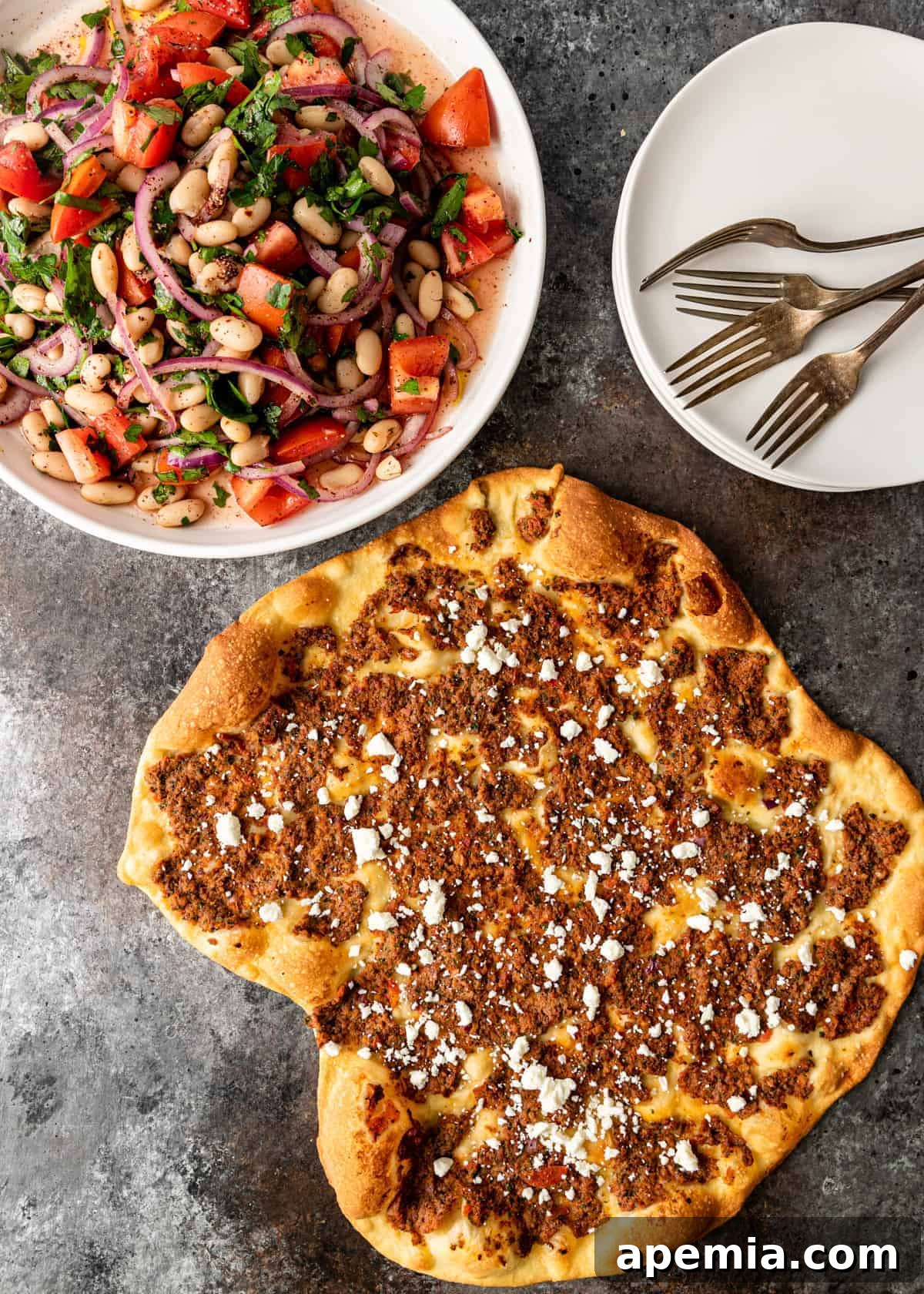
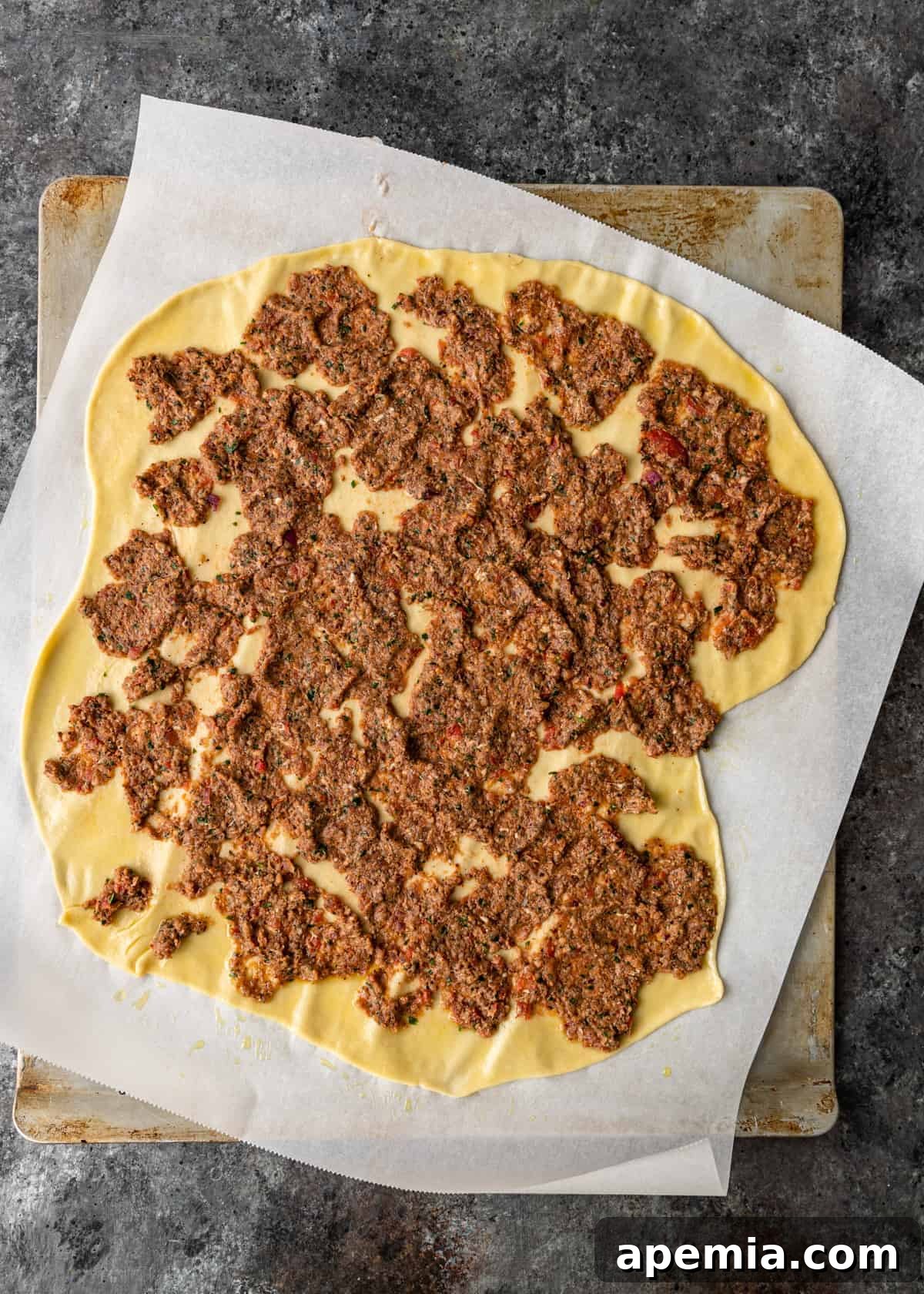
Achieving the perfect, even layer of meat topping is crucial for authentic Lahmacun. Don’t hesitate to spread the seasoned meat mixture firmly across the dough rather than simply crumbling it. Utilize a spatula, the back of a spoon, or even a butter knife to gently press and smear it all over, or in distinct patches, ensuring a uniform, thin layer. The key is to apply just enough pressure to adhere the topping without tearing the delicate dough. This technique guarantees that the meat cooks evenly and infuses every bite with its rich flavor.
Essential Ingredients for Authentic Turkish Lahmacun
(Be sure to check the recipe card for a full list of ingredients and quantities)
For the Perfect Dough:
- All-Purpose Flour: While traditionally, some Lahmacun recipes call for semolina flour, using all-purpose flour makes this recipe more accessible without compromising on texture. For an authentic twist, you can also use a combination of 1 cup all-purpose flour and 1 cup semolina flour.
- Whole Milk: Bringing the milk to room temperature (by setting it out 10 to 15 minutes before use) is crucial for activating the yeast properly and ensuring a soft, pliable dough.
- Olive Oil: A generous splash of olive oil not only imparts a subtle floral flavor and aroma to the dough but also contributes significantly to its soft, elastic texture, making it wonderfully easy to handle.
- Active Dry Yeast: The magic ingredient that gives our flatbread its airy structure and slight chewiness. Ensure it’s active for optimal rise.
- Large Egg: Adds richness, helps bind the dough, and contributes to a beautiful golden crust.
- Salt: Essential for flavor, balancing the sweetness and enhancing the overall taste of the dough.
- Sugar: A small amount of sugar acts as food for the yeast, helping it activate and rise effectively, while also contributing to a tender crumb.
For the Signature Meat Topping:
- Ground Lamb or Beef: Both options work wonderfully. Aim for an 80/20 fat ratio (80% lean, 20% fat) for the best flavor and moisture, preventing the topping from drying out during the quick bake.
- Red Onion: Finely diced red onion provides a crucial aromatic base, adding both flavor and essential moisture to the meat topping, which helps it adhere to the dough and cook beautifully.
- Tomatoes & Tomato Paste: These two tomato components are vital for creating the rich, slightly tangy “pizza” flavor profile that complements the spiced meat so perfectly, adding depth and color.
- Seasonings: The heart of Lahmacun’s distinctive taste lies in its vibrant blend of spices. While local variations exist (sometimes including garlic, shallots, or sweet peppers), our version features these key spices. Feel free to customize to your preference!
- Flat-Leaf Parsley: Provides a fresh, herbaceous note. If unavailable, Mediterranean curly-leaf parsley can be used as a substitute.
- Sumac: This bright, acidic spice is a hallmark of Middle Eastern cuisine, offering a tangy lift. If you don’t have sumac, a good substitute is fresh lemon zest for a similar zesty punch.
- Aleppo Chili Flakes: Known for their moderate heat and fruity undertones. For a substitute, use regular crushed red pepper flakes, or add a pinch of cayenne pepper to your paprika for a bit more warmth.
- Cumin: A warm, earthy spice with a distinct, almost nutty and toasted flavor that is indispensable in this recipe. Ground coriander makes a suitable substitute if needed.
- Cinnamon: A touch of cinnamon adds a subtle warmth and depth that beautifully enhances the savory meat. Cardamom or cloves can be used as alternatives, though they will alter the flavor profile slightly.
- Dried Mint: Contributes a fresh, aromatic, and slightly cooling counterpoint to the rich meat, a classic Turkish flavor pairing.
- Paprika: Adds a sweet, peppery flavor and a lovely reddish hue to the topping.
- Salt & Black Pepper: Fundamental for seasoning and bringing out all the other flavors.
Step-by-Step Guide: How to Make Lahmacun at Home
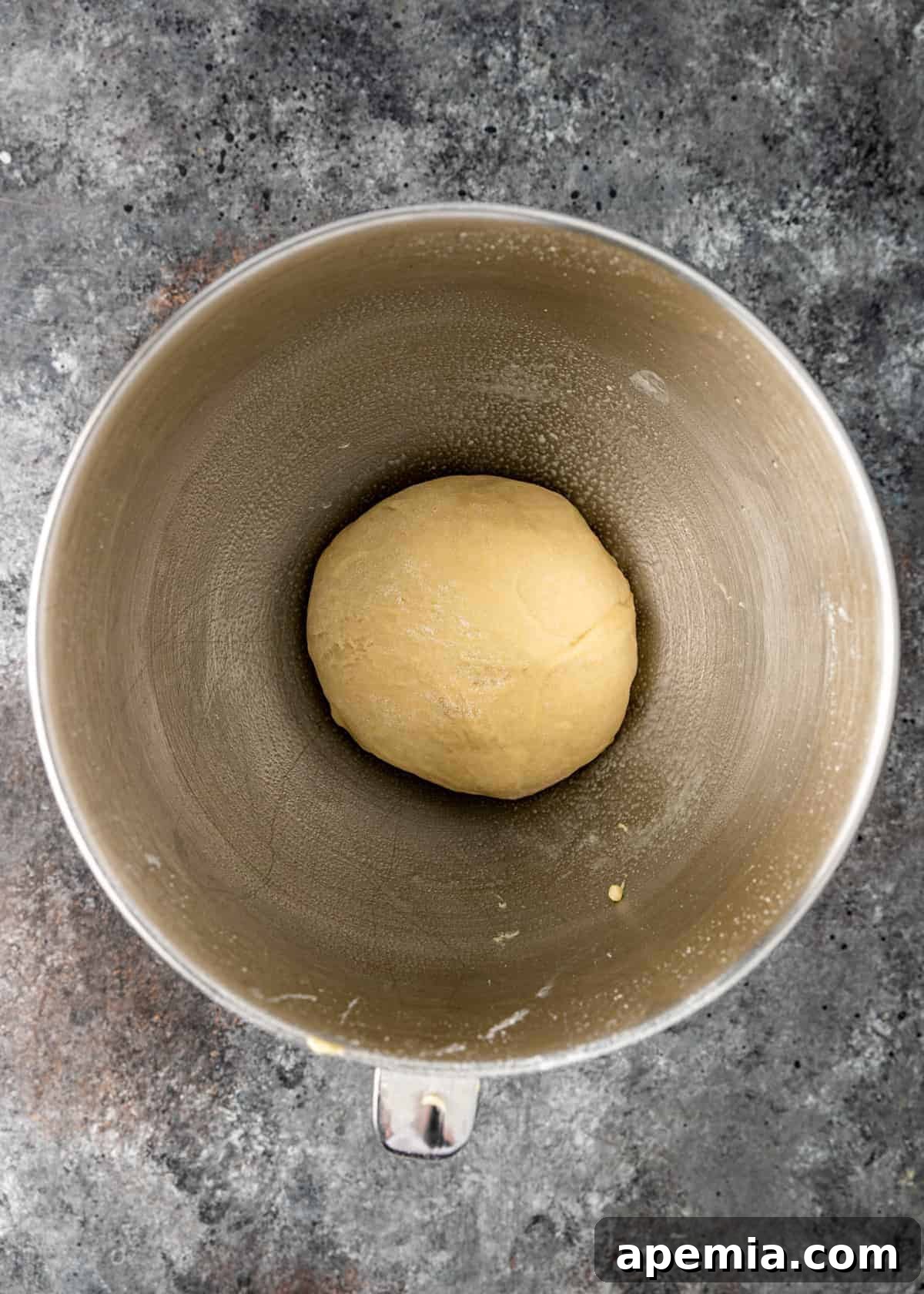
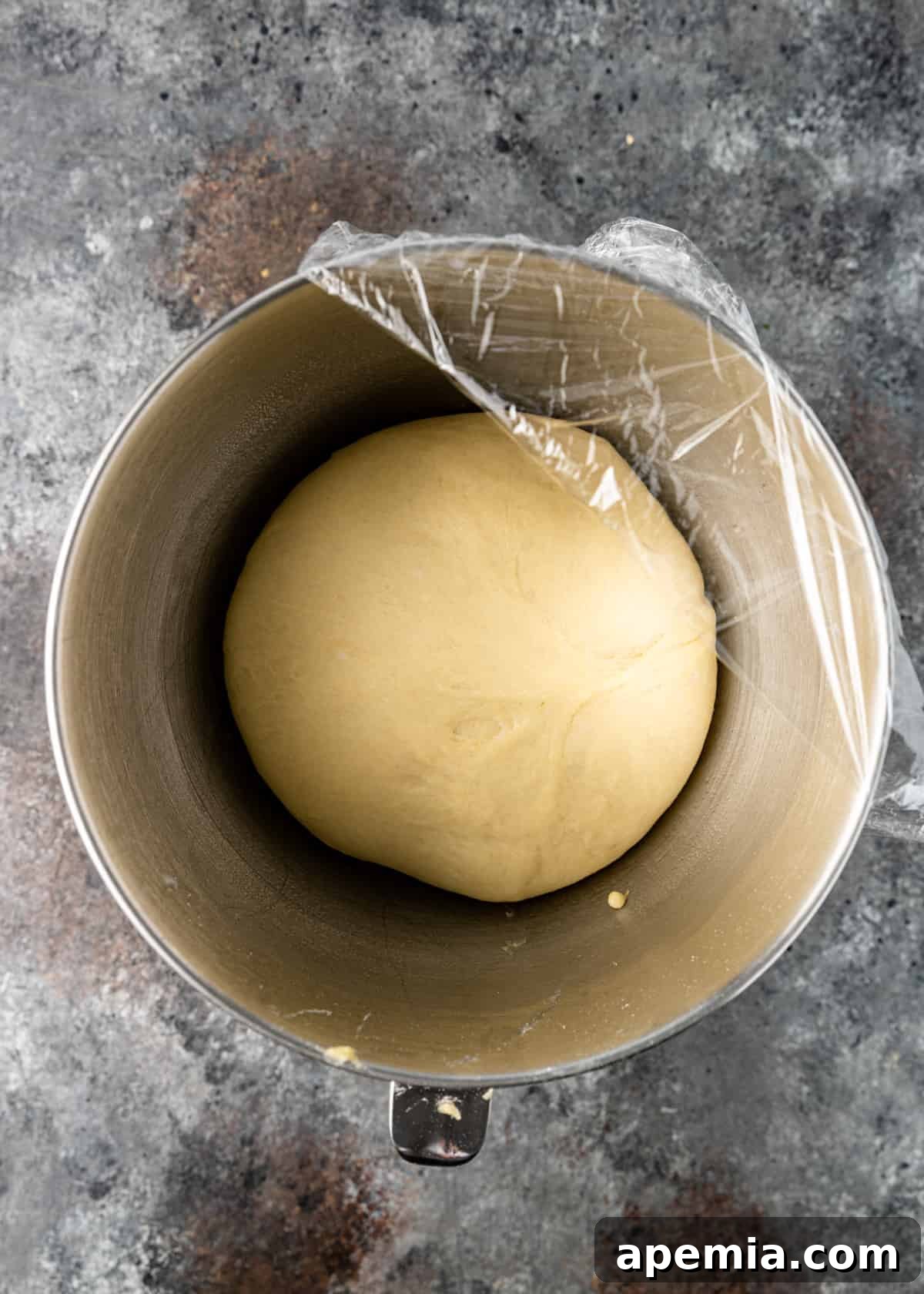
- Start the Dough: In a large mixing bowl, combine all the dry dough ingredients: flour, active dry yeast, sugar, and salt. Whisk them together thoroughly. Then, add the wet ingredients: room-temperature milk, the large egg, and olive oil. Using a stand mixer with a dough hook, or by hand, knead the mixture for about 5 minutes until a smooth, elastic dough forms. Shape the dough into a ball, lightly grease the bowl, place the dough back in, cover it with a damp tea towel or plastic wrap, and let it rise in a warm, draft-free place for 1 hour, or until it has doubled in size.
- Shape & Second Rise: Once the dough has risen, gently punch it down to release the air. Transfer it to a clean, lightly floured work surface and knead lightly for a minute. Divide the dough into four equal portions, shaping each portion into a smooth ball. Cover these dough balls with a damp tea towel or plastic wrap and let them rest for a final 30 minutes. This second rest allows the gluten to relax, making the dough easier to roll out thinly.
- Preheat the Oven: Achieving the right oven temperature is paramount for a perfectly crispy Lahmacun, much like any good pizza. Begin preheating your oven to a high temperature of 480°F (250°C) with your pizza stone or baking tray inside. Allowing the stone or tray to preheat along with the oven ensures a super-hot surface for instant crisping of the dough when it enters.
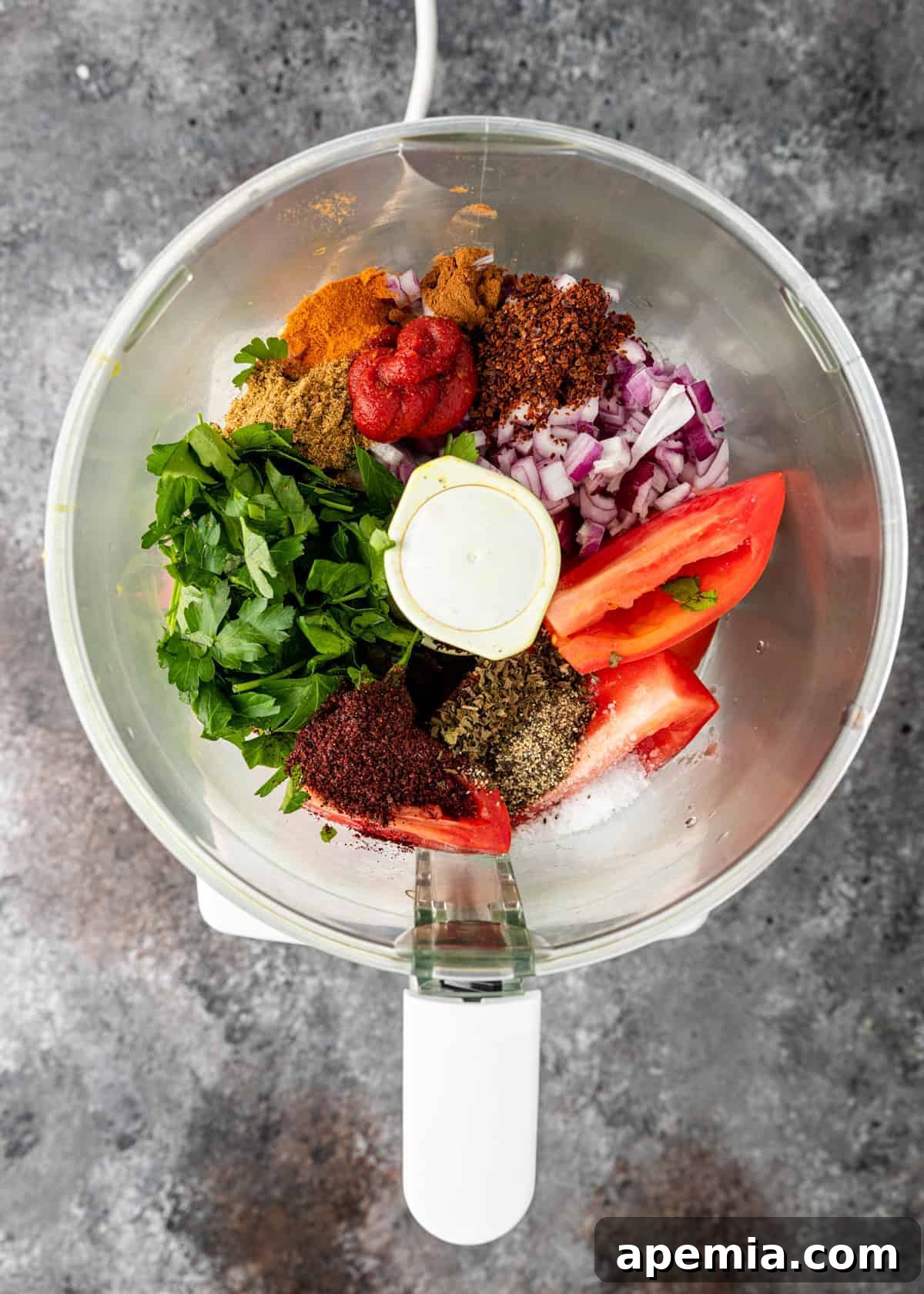
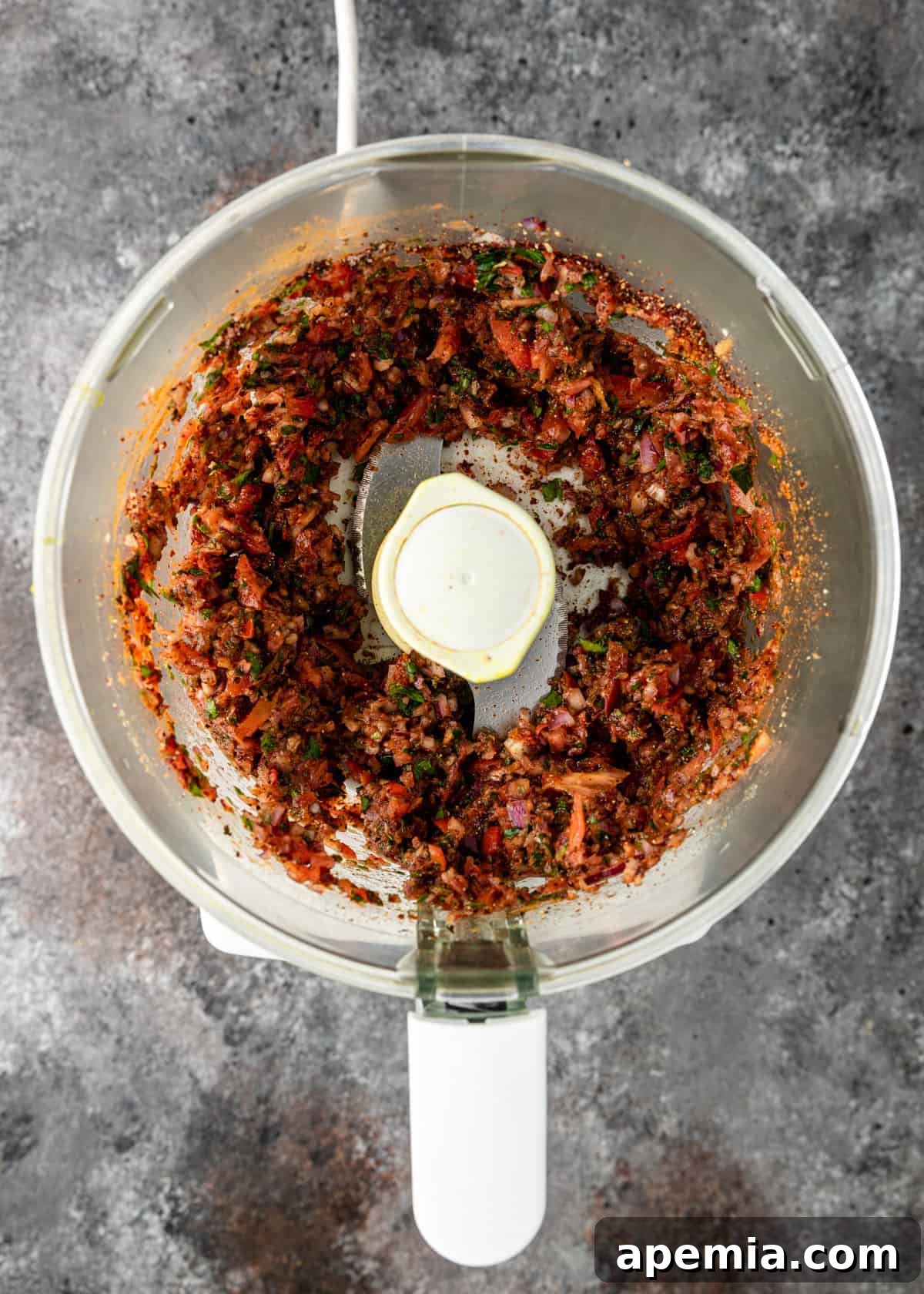
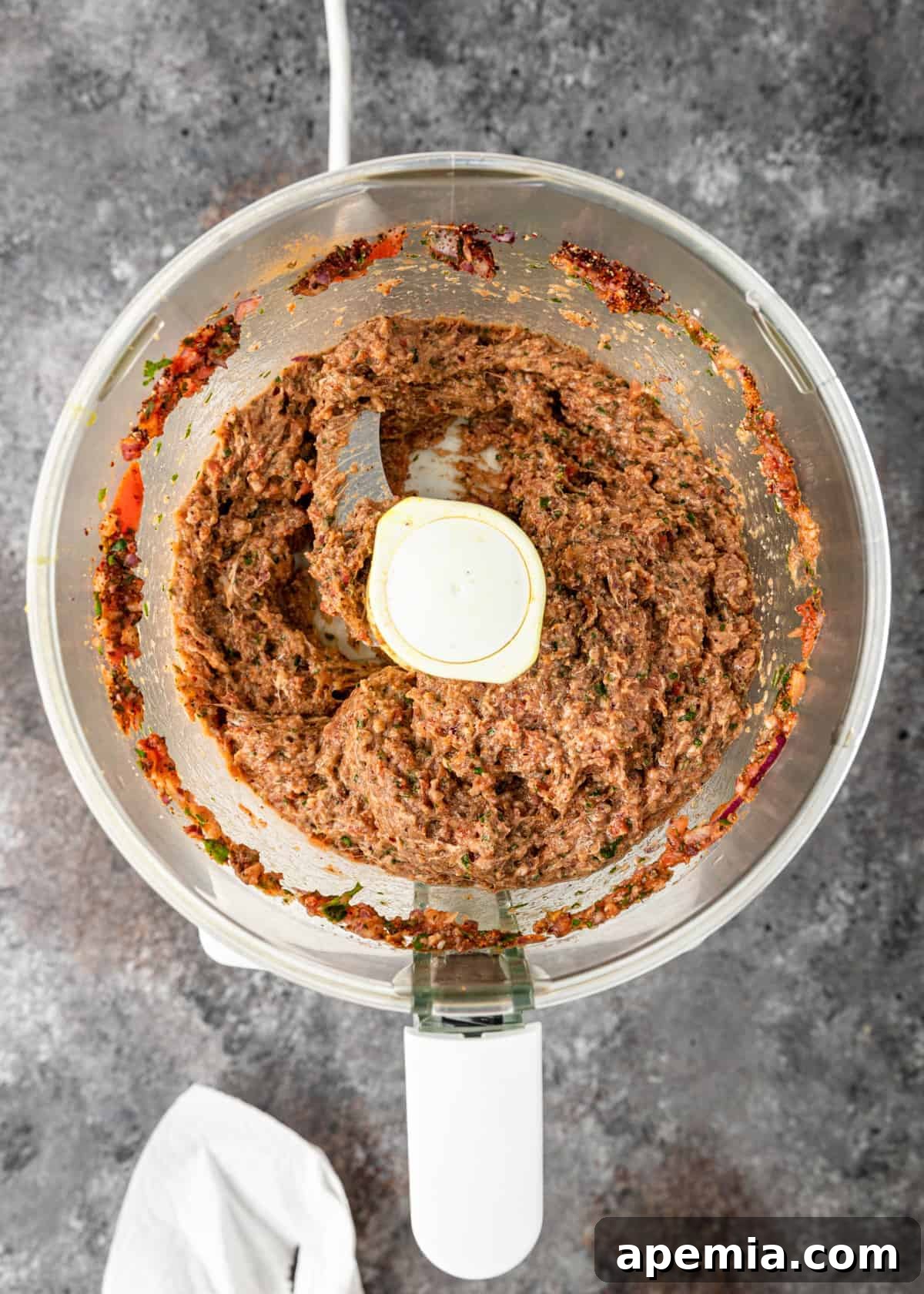
- Make the Topping: In a food processor, combine all the meat topping ingredients *except* for the ground meat itself. This includes the red onion, tomatoes, tomato paste, parsley, dried mint, sumac, Aleppo chili flakes, cumin, paprika, salt, black pepper, and cinnamon. Pulse several times until the mixture is very finely minced and well combined. Now, add the ground lamb or beef to the food processor and pulse again until the entire mixture forms a smooth, paste-like consistency. Transfer this vibrant meat paste to a bowl and let it rest for a few minutes. This allows any excess liquid to seep out, which you’ll drain later.
- Roll Out the Dough: Take one of the rested dough balls and place it on a lightly floured surface. Using a rolling pin, roll it out into a very thin, approximately 12-inch (30 cm) circular shape. The thinner the dough, the crispier your Lahmacun will be. Carefully transfer the rolled-out dough onto a piece of parchment paper. This makes it easy to transfer to and from the hot oven.
- Add the Topping: Before applying the topping, gently drain and discard any accumulated liquid from the meat mixture in the bowl. Divide the topping into four equal portions. Take one portion and spread it evenly over the rolled dough circle, leaving a small border around the edges. For best results, lightly coat your fingers with a little olive oil and gently press the topping into the dough, ensuring a thin, even layer without tearing the delicate base.
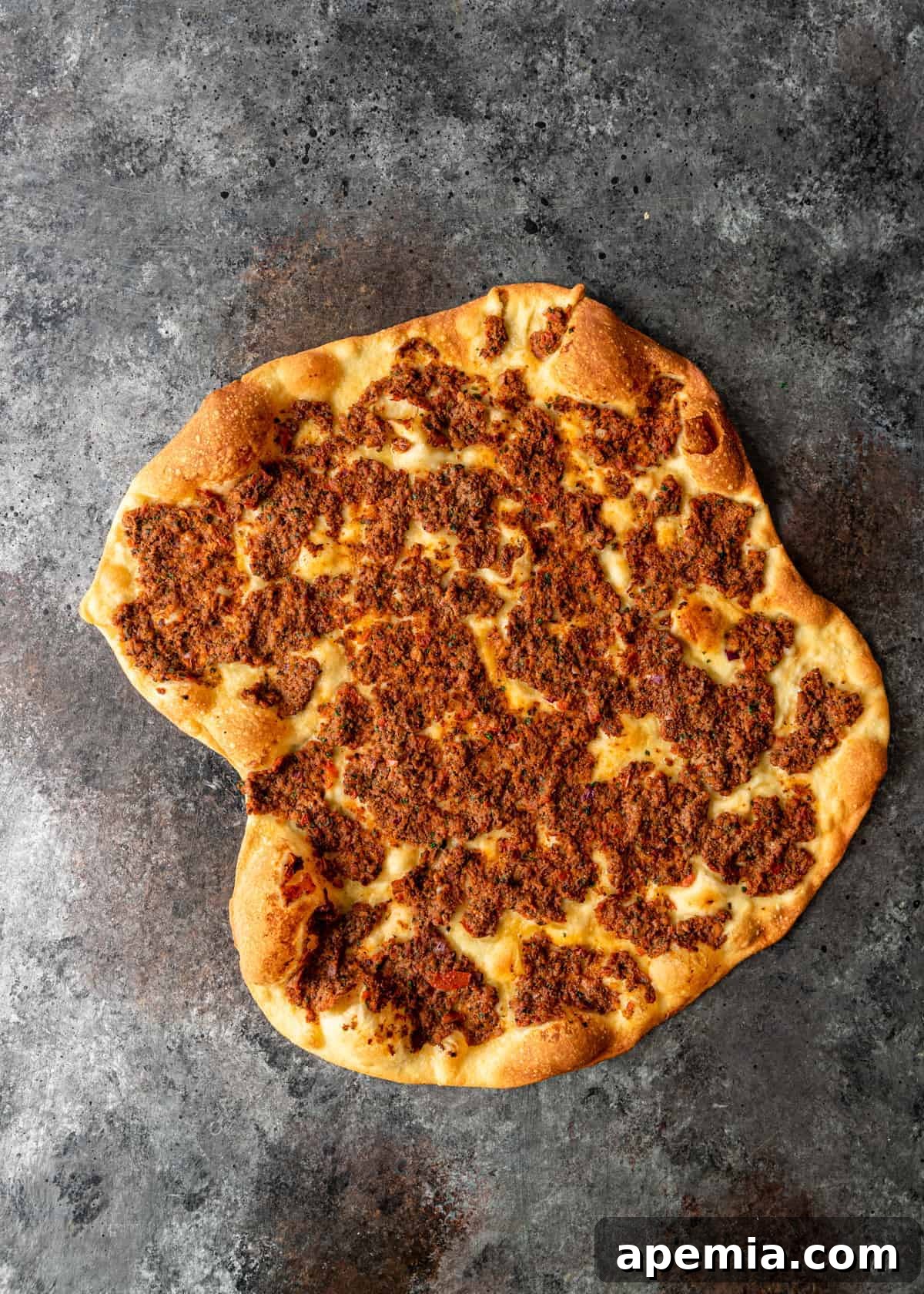
- Bake to Perfection: Carefully slide the parchment paper with the prepared Lahmacun onto the preheated pizza stone or baking tray in the oven. Bake for approximately 5 minutes. Watch closely; the Lahmacun is ready when the crust is golden and crispy, and the meat topping is fully cooked and slightly browned.
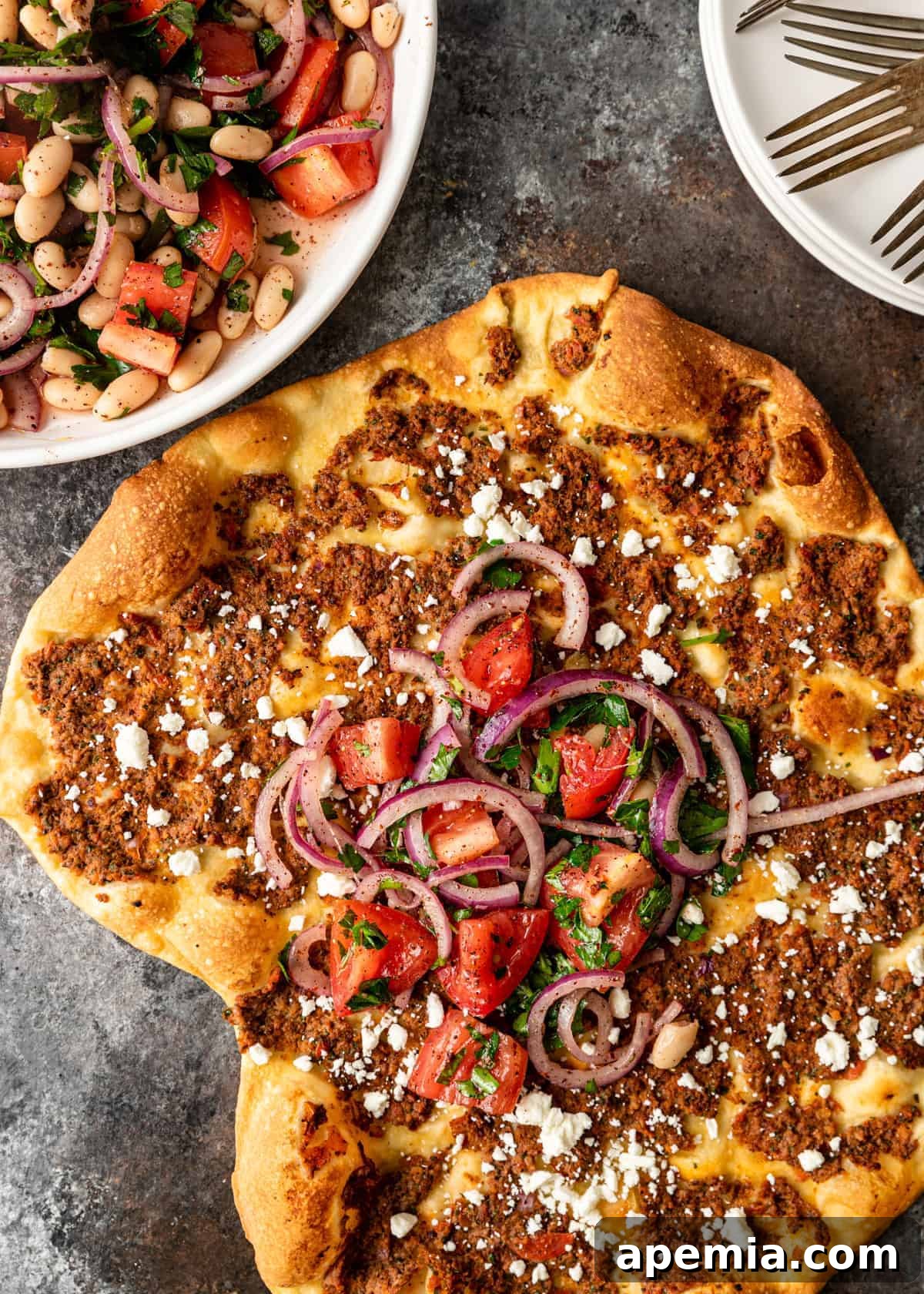
- Repeat and Serve: Remove the baked Lahmacun from the oven. Repeat this process with the remaining dough balls and meat topping. Serve your Lahmacun immediately, either as is, rolled up with fresh arugula or parsley, a sprinkle of red onion, a wedge of lemon, or even a crumbling of feta cheese for an added savory touch. It’s also delicious with a side of piyaz salad. Enjoy this fresh, authentic taste of Turkey!
Recommended Kitchen Tools
Having the right tools can make the Lahmacun-making process even more enjoyable and efficient:
- Stand Mixer & Dough Hook: While not strictly necessary, a stand mixer significantly simplifies the kneading process, ensuring a smooth and elastic dough with minimal effort.
- Pizza Stone or Baking Tray: A preheated pizza stone is ideal for achieving that coveted crispy crust due to its ability to retain and distribute high heat. However, a sturdy metal baking sheet, also preheated in the oven, will yield excellent results as well.
- Food Processor or Blender: Essential for finely mincing the vegetables and blending them with the ground meat into a smooth, paste-like topping, which is characteristic of authentic Lahmacun.
- Parchment Paper: Crucial for easy transfer of the thin dough to and from the hot oven. Ensure you use parchment paper that is rated for high temperatures, up to 480°F (250°C).
- Rolling Pin: For rolling out the dough evenly and thinly.
Storing and Reheating Your Lahmacun
While Lahmacun is best enjoyed fresh, you can certainly store leftovers to savor later with proper care:
Refrigeration: Any leftover Lahmacun can be stored in an airtight container in the refrigerator for up to 4 days. To reheat, place them on a baking sheet and warm them in an oven preheated to 350°F (175°C) until thoroughly heated through and the crust is crisp again. Avoid microwaving, as it can make the crust soggy.
Freezing: Much like other pizzas, Lahmacun is an excellent candidate for freezing. For best results, we recommend freezing it *before* baking. Prepare the Lahmacun up to the point of adding the topping to the rolled dough. Then, flash-freeze the unbaked flatbreads on a baking sheet for about an hour or until firm. This prevents the meat topping from sticking to the plastic wrap. Once firm, wrap each Lahmacun individually in plastic wrap, then in aluminum foil, and store in a freezer-safe bag or container for up to 3 months.
When ready to bake from frozen, simply unwrap and place the frozen Lahmacun directly onto a preheated pizza stone or baking tray in a 480°F (250°C) oven. It will take a little longer to cook than fresh Lahmacun, usually around 8-10 minutes. Keep a close eye on them to ensure they don’t burn, aiming for a crispy crust and cooked topping.
Share this recipe on Pinterest!
Love this recipe? Share it with the world on Pinterest to inspire others.
Frequently Asked Questions About Lahmacun
Absolutely! To save time, you can certainly use your favorite store-bought pizza dough for this recipe. Just be sure to roll it out as thinly as possible. It’s worth noting that the simple, versatile homemade dough used in this recipe can also be adapted for any other homemade pizza you might want to create, as it’s a plain yeast dough without special seasonings.
No, there’s no need to pre-cook the meat topping. Lahmacun flatbreads are baked quickly at a very high heat. The meat topping is very finely minced into a paste-like consistency, which ensures it cooks all the way through and becomes beautifully tender and flavorful during the short baking time in the hot oven.
If you’re looking for a vegetarian alternative, you can easily adapt the minced topping with various meat substitutes. Since the original meat topping is finely broken down into a paste, texture isn’t a major concern. You can use finely crumbled plant-based ground meat alternatives, lentils, mushrooms, or a combination of finely chopped vegetables (like zucchini, eggplant, and bell peppers) blended with the same vibrant spices and tomato paste for a delicious vegetarian Lahmacun.
Lahmacun is traditionally served with fresh garnishes to complement its rich flavor. Essential accompaniments include fresh parsley or arugula, thinly sliced red onions, and lemon wedges for squeezing over the top. A popular side is “piyaz,” a white bean salad with onions and parsley. You can also pair it with a simple cucumber and tomato salad, or a dollop of plain yogurt or a refreshing glass of Ayran (a savory yogurt drink).
Authentic Lahmacun (Turkish Pizza)
Print Recipe
Ingredients
Dough
- 2 cups all purpose flour (240g) (See Note 1)
- 1 ½ tsp active dry yeast
- 1 tsp sugar
- 1/2 tsp salt
- 1 large egg
- 1/2 cup whole milk room temperature
- 1/4 cup olive oil plus more for bowl
Meat Topping
- 1/2 small red onion diced
- 2 medium tomatoes quartered, seeds removed
- 1 tbsp tomato paste
- 3 tbsp flat leaf parsley chopped
- 1 1/2 tsp dried mint
- 1 1/2 tsp ground sumac
- 1 tsp Aleppo chili flakes
- 1 tsp ground cumin
- 1/2 tsp paprika
- 1/2 tsp salt
- 1/2 tsp ground black pepper
- 1/4 tsp ground cinnamon
- 8 oz ground lamb or beef (80/20)
Instructions
-
In a large mixing bowl, whisk together the flour, instant dry yeast, sugar, and salt. Add the egg, milk, and extra virgin olive oil. Using a dough hook on a stand mixer (or by hand), knead for 5 minutes until you have a smooth and elastic dough. Remove the dough, form it into a ball on a floured surface, and place it back into the bowl. Cover with a damp tea towel or plastic wrap. Allow to rise for 1 hour in a warm, draft-free place.
-
Once the dough has doubled in size, gently punch it down and knead it lightly on a floured surface. Divide the dough into four equal portions and shape each piece into a smooth ball. Cover with a damp tea towel or plastic wrap and let rest for another 30 minutes.
-
Place a pizza stone or baking tray inside the oven and preheat it to 480°F (250°C).
-
Place all the meat topping ingredients (except the ground meat) in a food processor and pulse several times until finely minced and well combined. Add the ground meat and pulse until the mixture turns into a uniform paste. Transfer to a bowl to rest and allow any excess liquid to seep out.
-
Lightly flour a dough ball and roll it into a thin 12-inch (30 cm) round. Place the round on a piece of parchment paper and brush the edges with a little olive oil.
-
Drain and discard any liquid that has accumulated in the meat topping bowl. Divide the topping into quarters and spread one portion evenly all over the rolled dough, leaving a small border. With oiled fingers, gently press the topping into the dough, taking care not to tear it.
-
Carefully transfer the Lahmacun with the parchment paper onto the preheated pizza stone or baking tray and bake for 5 minutes, or until the crust is golden and crispy and the meat is cooked through.
-
Repeat with the remaining dough and topping. Serve immediately as is, or top with feta cheese crumbles, piyaz salad (with or without beans), or fresh arugula greens with a drizzle of olive oil and lemon wedges.
Notes
- You can use approximately 1 cup all-purpose flour and 1 cup semolina flour for the dough. Traditionally, Lahmacun is often made with all semolina flour for an extra crispy texture.
Nutrition
Calories: 585 kcal | Carbohydrates: 58g | Protein: 21g | Fat: 30g | Saturated Fat: 9g | Trans Fat: 1g | Cholesterol: 85mg | Sodium: 694mg | Potassium: 545mg | Fiber: 5g | Sugar: 5g | Vitamin A: 1233IU | Vitamin C: 14mg | Calcium: 87mg | Iron: 5mg
The information shown is an estimate provided by an online nutrition calculator. It should not be considered a substitute for a professional nutritionist’s advice.
Have You Made This Recipe? Connect With Us!
Tag @keviniscooking or use the hashtag #keviniscooking on Instagram! We love seeing your delicious creations.