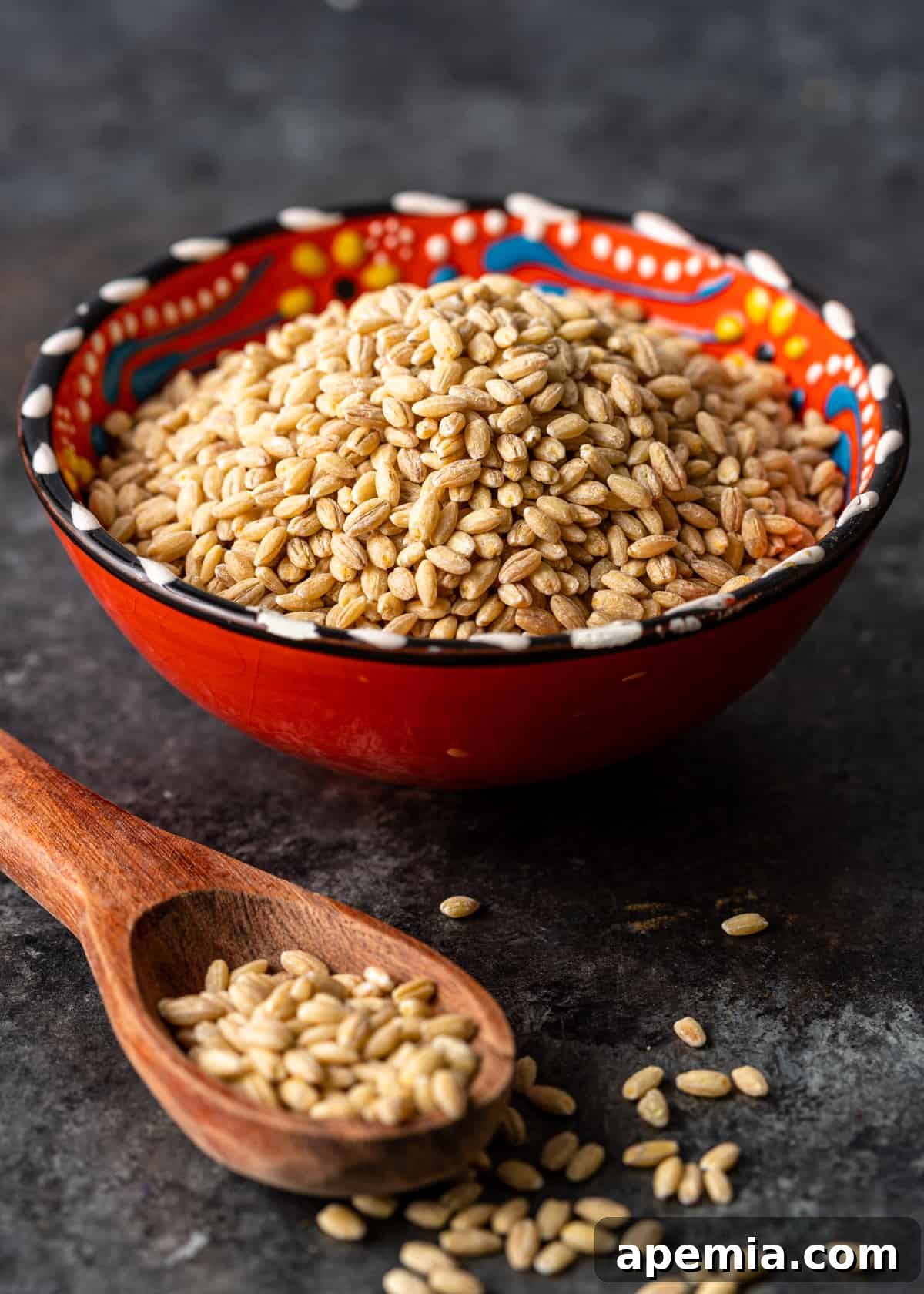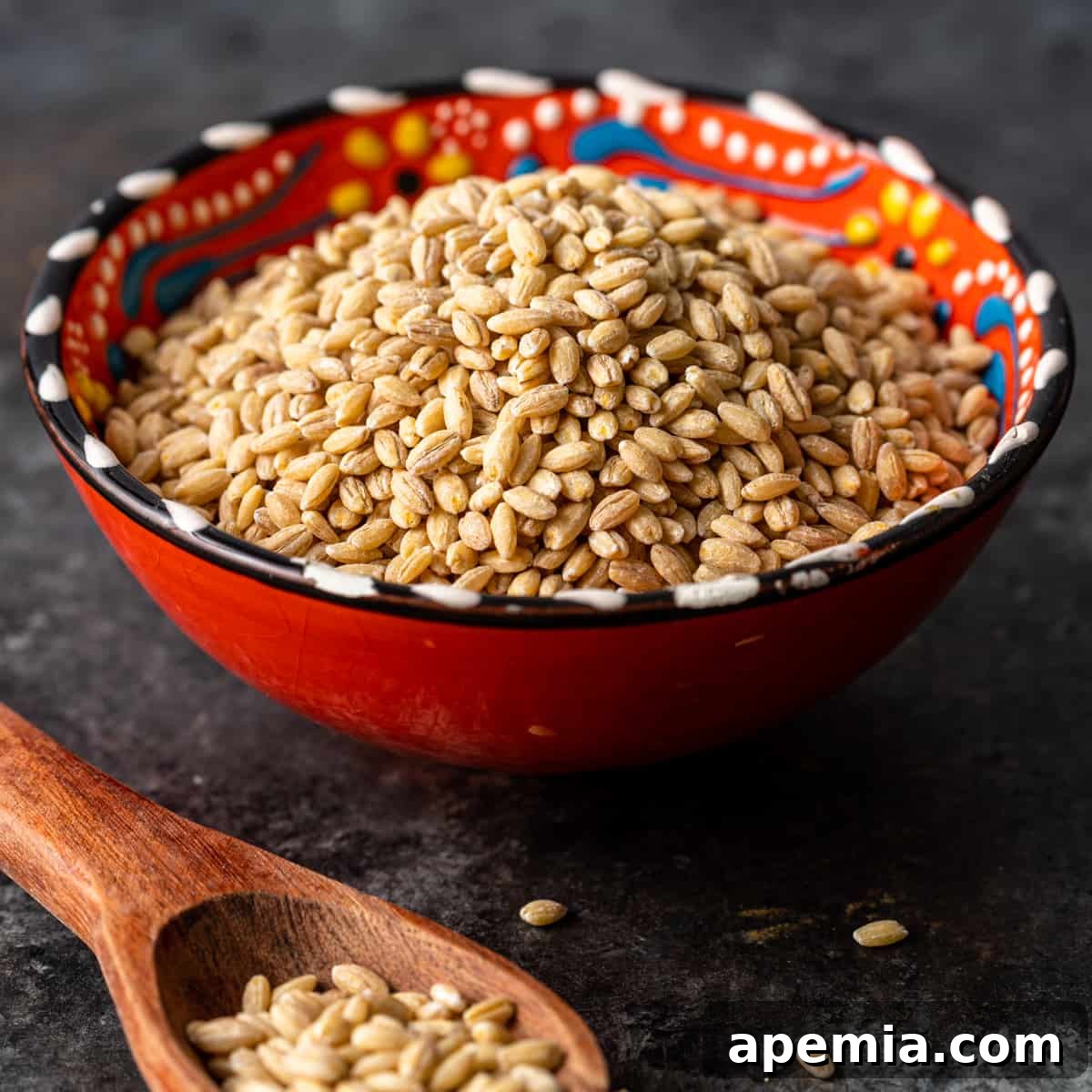
Barley, a venerable cereal grain, has nourished civilizations for millennia, dating back an astonishing 8,000 BCE. Today, it remains a global pantry staple, celebrated for its robust texture and distinct nutty, earthy flavor. Far from being just a simple grain, barley offers a wonderfully wholesome and often overlooked alternative to more common grains like rice. Its versatility shines in countless dishes, from hearty bread and comforting soups to flavorful stews and refreshing salads, particularly gaining prominence across the Middle East, Asia, Africa, and the Mediterranean.
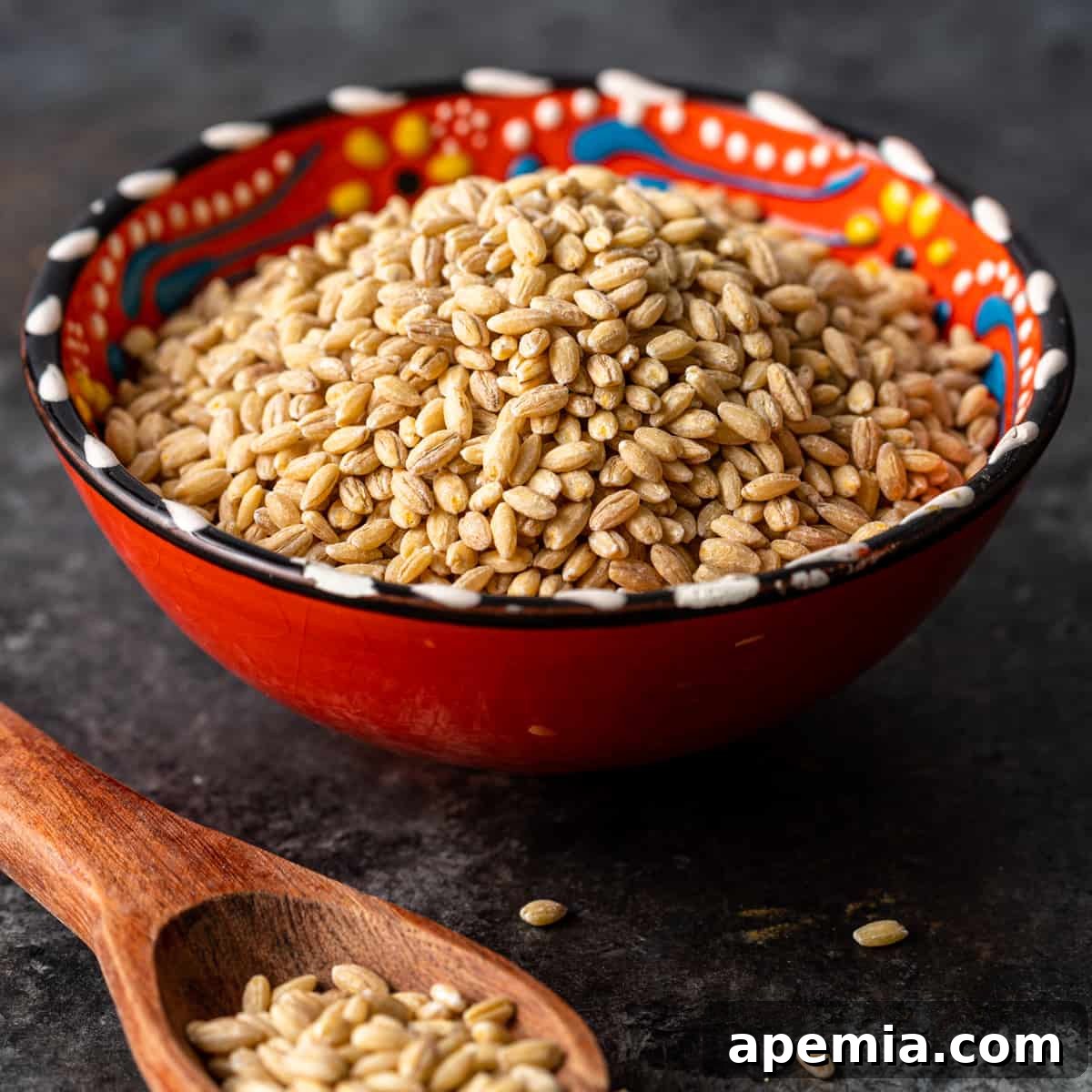
As an avid explorer of international cuisine, my culinary journey often leads me to embrace unique and healthful ingredients. Barley, with its rich history and exceptional adaptability, has become a cherished staple in my kitchen. It transforms simple meals into culinary adventures, serving as a delightful side dish to mains like roasted coconut milk chicken or sweet chili glazed salmon. Moreover, it takes center stage in vibrant creations such as my popular Egyptian barley salad and this deeply flavorful Moroccan spiced chicken and barley.
For many, including myself, the introduction to barley often begins with nostalgic memories – perhaps a steaming bowl of Campbell’s Vegetable Beef and Barley soup. This humble beginning sparked a lifelong appreciation for this remarkable grain. If you’re new to cooking barley, the prospect might seem a little daunting. However, this comprehensive guide is designed to demystify the process, empowering you to confidently incorporate barley into your everyday cooking. You will discover:
- The fundamental steps for how to cook barley perfectly every time.
- Various convenient cooking methods, tailored to your kitchen equipment.
- Creative and delicious ways to use barley, complete with inspiring recipe suggestions.
Additionally, we’ll delve into the different varieties of barley available, providing insights into their unique characteristics and optimal cooking times. Let’s embark on this flavorful journey!
Why Barley is a Superfood: Nutritional Benefits and More
Beyond its ancient roots and culinary charm, barley stands out for its impressive nutritional profile, making it a true superfood. Often found readily available and affordable at local supermarkets, barley is particularly cost-effective when purchased in bulk, especially for frequent users. Its thick, chewy texture is often compared to al dente pasta, providing a satisfying mouthfeel that bulks up dishes wonderfully, making them more substantial and wholesome.
Barley is a powerhouse of dietary fiber, particularly beta-glucans, which are soluble fibers known for their remarkable health benefits. These include lowering cholesterol levels, regulating blood sugar, and promoting a healthy gut microbiome. Just one cup of cooked barley can provide a significant portion of your daily fiber needs, aiding in digestion and contributing to a feeling of fullness, which can be beneficial for weight management. Furthermore, barley is a good source of plant-based protein, essential for muscle repair and growth, and provides an array of vital vitamins and minerals. These include B vitamins (such as niacin, thiamine, and pyridoxine), iron for healthy blood, magnesium for muscle and nerve function, zinc for immune support, and selenium, an important antioxidant. Its low glycemic index also makes it a smart choice for maintaining stable energy levels throughout the day. Incorporating barley into your diet is a delicious way to boost your nutrient intake and support overall well-being.
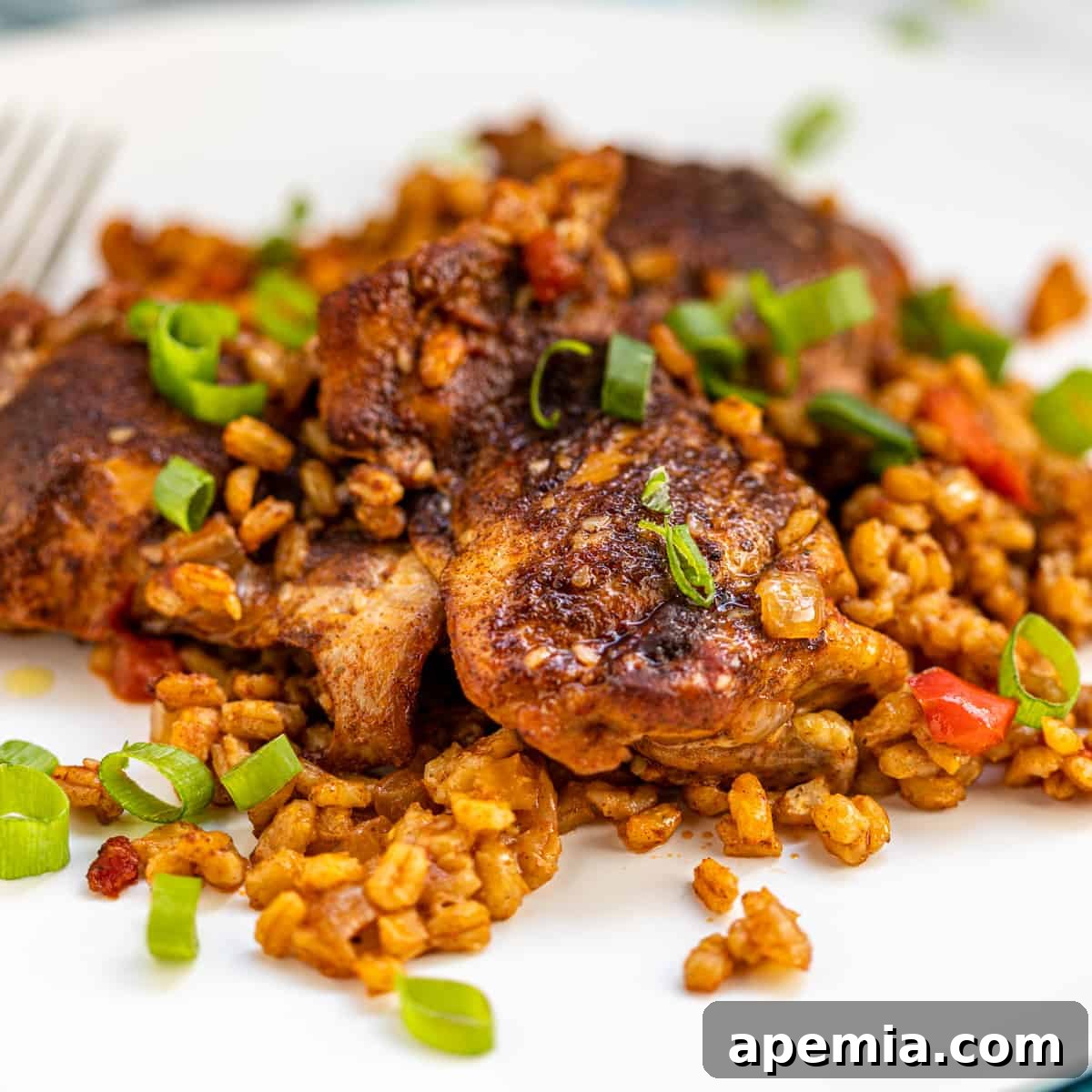
Different Types of Barley: Hulled Barley vs. Pearl Barley
When selecting barley, you’ll primarily encounter two main varieties: hulled and pearl. Understanding the distinctions between them is key to successful cooking and enjoying their unique textures and nutritional benefits.
Hulled Barley
Hulled barley, also known as barley groats, is the least processed form of barley available. After harvest, the inedible outer hull is removed, but the nutritious bran layer and endosperm remain intact. This minimal processing gives hulled barley a noticeably darker color and a chewier, more robust texture compared to pearl barley. Because it retains its bran, hulled barley is considered a whole grain, packed with a higher concentration of fiber and nutrients. Due to its intact structure, hulled barley requires a longer cooking time. To expedite this and ensure an even cook, I highly recommend soaking hulled barley for several hours, or even overnight, before cooking. This pre-soaking softens the grain and significantly reduces its cooking duration, making it a more practical choice for everyday meals.
Pearl Barley
Pearl barley undergoes further processing than hulled barley. During its production, the bran layer and sometimes even a portion of the endosperm are removed and polished, giving it its characteristic lighter color and smoother, less chewy texture. This refining process makes pearl barley quicker to cook and eliminates the need for pre-soaking. However, it also means that pearl barley loses some of the beneficial fiber and nutrients found in the bran layer, thus it is not considered a whole grain. Despite this, pearl barley remains a popular choice for its convenience and ability to absorb flavors beautifully, making it an excellent addition to soups, stews, and salads. When choosing between the two, consider your priorities: hulled barley for maximum nutrition and a heartier texture, and pearl barley for speed and ease of preparation.
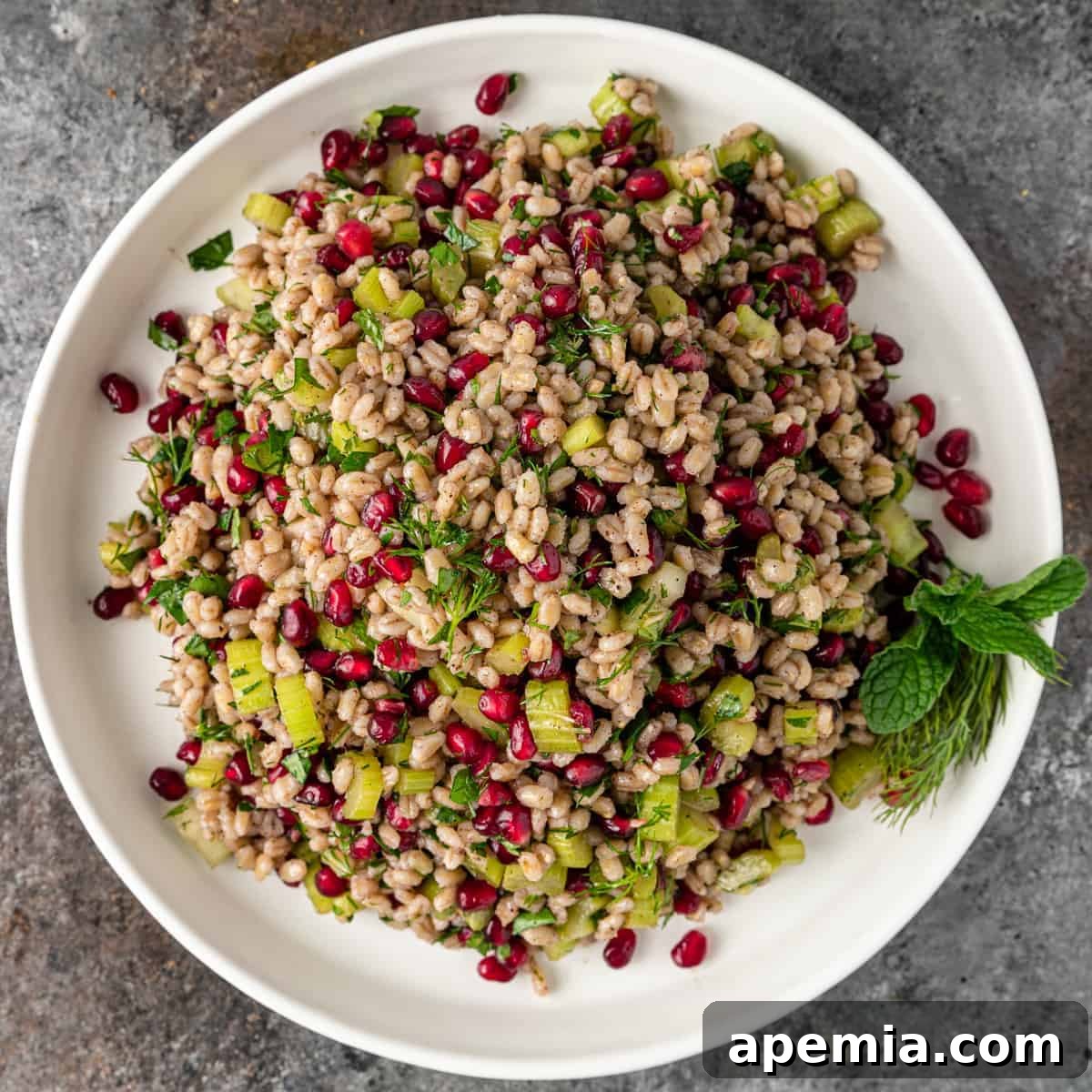
How to Cook Barley: Multiple Methods for Every Kitchen
Cooking barley is surprisingly simple and can be adapted to various kitchen appliances. Just like rice, barley absorbs liquid as it cooks, transforming from a hard grain into a tender, chewy, and satisfying component for any meal. Regardless of the method you choose, a general rule of thumb is to always rinse your barley thoroughly before cooking. This removes any surface starches or debris, resulting in a cleaner flavor and texture. Let’s explore the most popular cooking methods.
How to Cook Barley in Water on the Stove
The stovetop method is perhaps the most traditional and accessible way to cook barley, requiring no special equipment beyond a pot and a burner. It’s a reliable technique that yields perfectly cooked, chewy grains every time.
Step 1: Preparation Begin by thoroughly rinsing 1 cup of dried barley under cold running water in a fine-mesh sieve until the water runs clear. This step is crucial for removing excess starch. Transfer the rinsed barley to a large saucepan. Add 3 cups of water (or broth for added flavor) and a generous pinch of salt. Bring the mixture to a rolling boil over high heat.
Step 2: Simmering Once boiling, reduce the heat to low, ensuring a gentle simmer. Cover the saucepan tightly with a lid. For pearl barley, begin checking for doneness after about 25-30 minutes. If you’re using hulled barley, which takes longer, expect it to cook for approximately 40-50 minutes, or even up to 60 minutes if not pre-soaked.
Step 3: Checking for Doneness The barley is done when it has tripled in volume, absorbed most of the liquid, and achieved a wonderfully chewy, yet tender, texture. It should not be mushy. If the barley is still too firm and the liquid has evaporated, add a small amount of extra hot water (1/4 cup at a time) and continue simmering until tender.
Step 4: Rest and Serve Remove the pot from the heat and allow the barley to sit, covered, for an additional 10 minutes. This resting period allows the grains to absorb any remaining moisture, resulting in a fluffier texture. Drain any excess water if necessary. Finally, fluff the barley with a fork before serving, which separates the grains and enhances their texture. This method is excellent for a standalone side dish or for adding to salads.
How to Cook Barley in Soup
Adding barley directly to soup is a fantastic way to infuse your meal with its hearty texture and earthy flavor, while also thickening the broth slightly. It’s a convenient “one-pot” approach that simplifies meal preparation.
Step 1: Rinse and Add Begin by thoroughly rinsing 1 cup of dried barley under cold water. Once your soup broth has come to a boil, add the rinsed barley directly to the simmering liquid. Remember, barley will absorb some of the broth and thicken it, so you might want to add a little extra liquid to your soup recipe if you prefer a thinner consistency.
Step 2: Timing is Key Continue cooking your soup according to your recipe’s instructions. The crucial part here is timing the addition of barley correctly. For pearl barley, add it approximately 25-30 minutes before the end of your soup’s total cooking time. For hulled barley, which requires more time, add it about 40-50 minutes before the soup is expected to be done. This ensures the barley cooks through without becoming overcooked or mushy.
Step 3: Cook and Serve Allow your soup to continue simmering for the allotted time (25-30 minutes for pearl, 40-50 minutes for hulled) until the barley is tender and chewy. Once cooked, the barley will release starches into the broth, giving your soup a satisfyingly rich and slightly thickened texture. Serve your comforting barley-infused soup hot and enjoy!
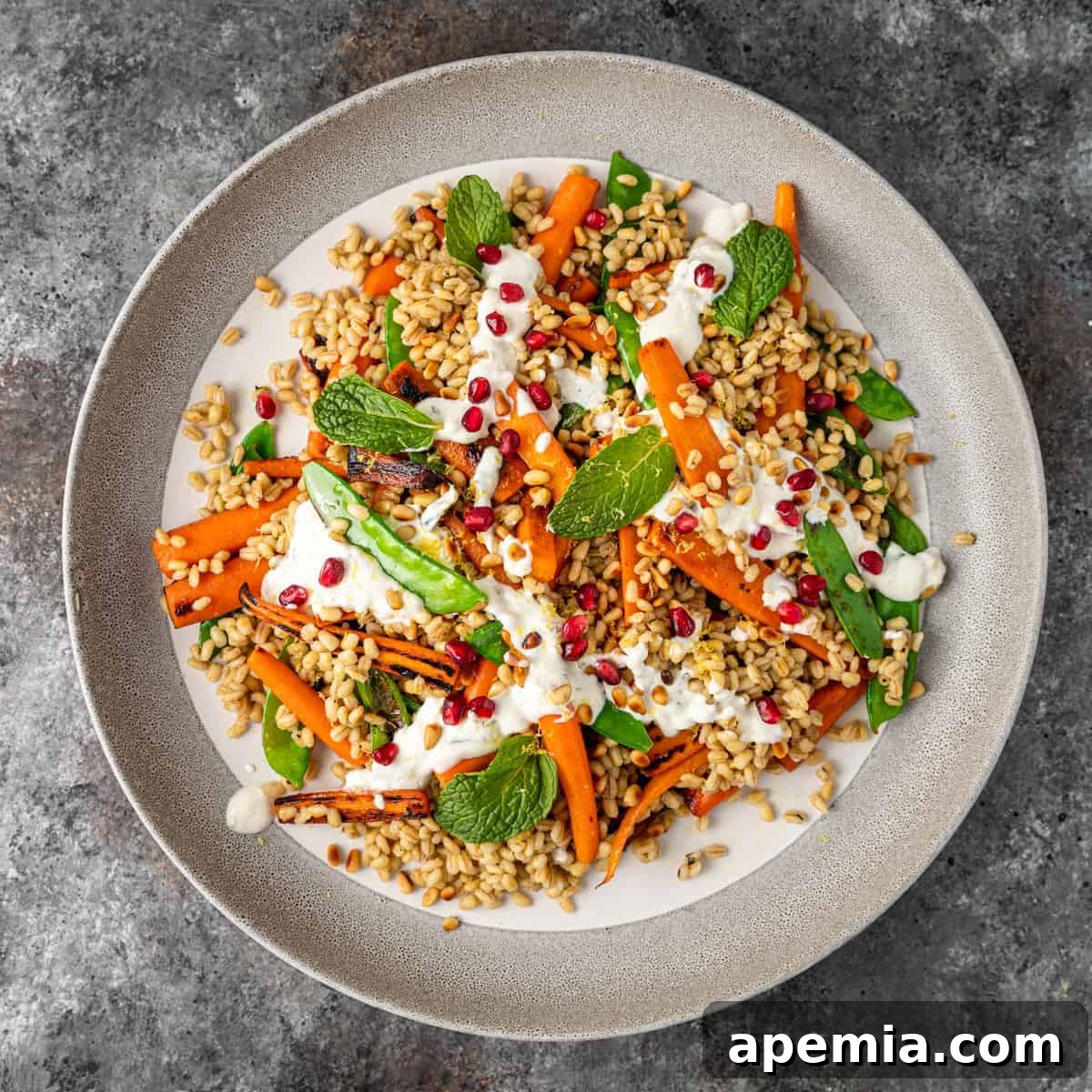
How to Cook Barley in an Instant Pot
For those who love the convenience and speed of pressure cooking, the Instant Pot is an excellent tool for preparing perfectly cooked barley. It’s a set-it-and-forget-it method that yields consistent results with minimal effort.
Step 1: Prepare and Combine Rinse 1 cup of dry pearl barley thoroughly under cold water. Add the rinsed pearl barley to your Instant Pot inner pot, along with 2 cups of water. If you’re using hulled barley, use 2 ½ cups of water. Add a pinch of salt. Stir everything to combine, ensuring the barley is submerged, then securely seal the Instant Pot lid and set the steam release valve to the “sealing” position.
Step 2: Pressure Cook For pearl barley, set the Instant Pot to cook on High Pressure for 20 minutes. For hulled barley, increase the cooking time to 25 minutes on High Pressure. The Instant Pot will take some time to come to pressure before the cooking cycle begins.
Step 3: Natural Release and Fluff Once the cooking cycle is complete, allow the Instant Pot to naturally release pressure for 15 minutes. This natural release prevents the barley from bursting and ensures a better texture. After 15 minutes, carefully move the steam release valve to the “venting” position to release any remaining pressure. Open the lid, fluff the cooked barley with a fork, and serve immediately. This method is perfect for meal prepping a batch of barley for the week.
How to Cook Barley in a Rice Cooker
Your rice cooker isn’t just for rice; it’s also a fantastic appliance for cooking other grains like barley. It offers a convenient, hands-off approach, ensuring evenly cooked grains without constant monitoring.
Step 1: Rinse and Measure Thoroughly rinse 1 cup of dry pearl barley under cold water. Add the rinsed pearl barley to your rice cooker pot, along with 2 cups of water. If you are cooking hulled barley, you’ll need a slightly higher liquid ratio; use 3 cups of water for 1 cup of hulled barley. Add a pinch of salt, stir to combine the ingredients, and then close the rice cooker lid.
Step 2: Cook Cycle Select the “brown rice” setting on your rice cooker, if available, as this setting typically allows for a longer cooking time suitable for heartier grains. If your rice cooker has a specific “barley” setting, even better! If neither is available, the standard “white rice” setting might work, but you’ll need to monitor it more closely. When the cooking cycle finishes (usually indicated by a beep or a light switch), do not open the lid immediately.
Step 3: Rest and Serve Let the barley sit in the rice cooker on the “keep warm” setting for an additional 10-15 minutes after the cooking cycle completes. This crucial resting period allows the grains to fully absorb any remaining moisture and steam, resulting in a fluffier and more tender texture. For hulled barley, you might even consider extending this “keep warm” period to 20 minutes to ensure optimal tenderness. Once rested, open the lid, fluff the barley with a fork, and it’s ready to serve. This method is ideal for those who prefer consistent results with minimal fuss.
Ways to Use Barley — Serving Suggestions
Now that you’ve mastered the art of cooking barley, it’s time to unleash its full potential in your kitchen! Its versatility makes it an outstanding addition to a myriad of dishes, offering a hearty, nutritious base or a delightful textural element. Here are some of my favorite serving suggestions to inspire your next meal:
- In Salads: Barley is a phenomenal base for grain salads, offering a more robust and satisfying alternative to pasta or traditional leafy greens. Its chewy texture holds up beautifully to various dressings and ingredients. Combine it with roasted vegetables, fresh herbs, crumbled feta, and a zesty vinaigrette for a fulfilling main course salad.
- Wholesome Bowls: Elevate your lunch or dinner by using barley as the foundation for vibrant, nutritious grain bowls. Layer it with your favorite protein (grilled chicken, chickpeas, tofu), an array of colorful seasonal vegetables, a creamy dressing like tahini or avocado ranch, and a sprinkle of nuts or seeds for crunch.
- Soups & Stews: As a classic pairing, barley is a natural fit for soups and stews, providing a comforting thickness and a hearty, satisfying chew. Think beyond just beef and barley stew; try it in minestrone, mushroom barley soup, or even a robust lentil stew. It absorbs the flavors of the broth, enriching the overall taste and texture.
- Side Dish Alternative: Swap out rice or quinoa for barley as an accompaniment to almost any main course. It pairs exceptionally well with roasted meats, fish, or vegetable curries, offering a unique textural contrast and a boost of fiber.
- Breakfast Porridge: For a nutritious start to your day, cook barley with milk (dairy or non-dairy) and turn it into a wholesome breakfast porridge. Sweeten it with honey or maple syrup and top with fresh fruit, nuts, and a sprinkle of cinnamon for a hearty, fiber-rich morning meal.
- Stuffed Vegetables: Use cooked barley as a filling for stuffed bell peppers, zucchini, or even mushrooms. Mix it with herbs, spices, ground meat or lentils, and bake until tender for a complete and satisfying dish.
- Barley Risotto: For a twist on the traditional Italian dish, try making “orzotto” (barley risotto). Its creamy texture and ability to absorb flavors make it a delightful and often healthier alternative to arborio rice.
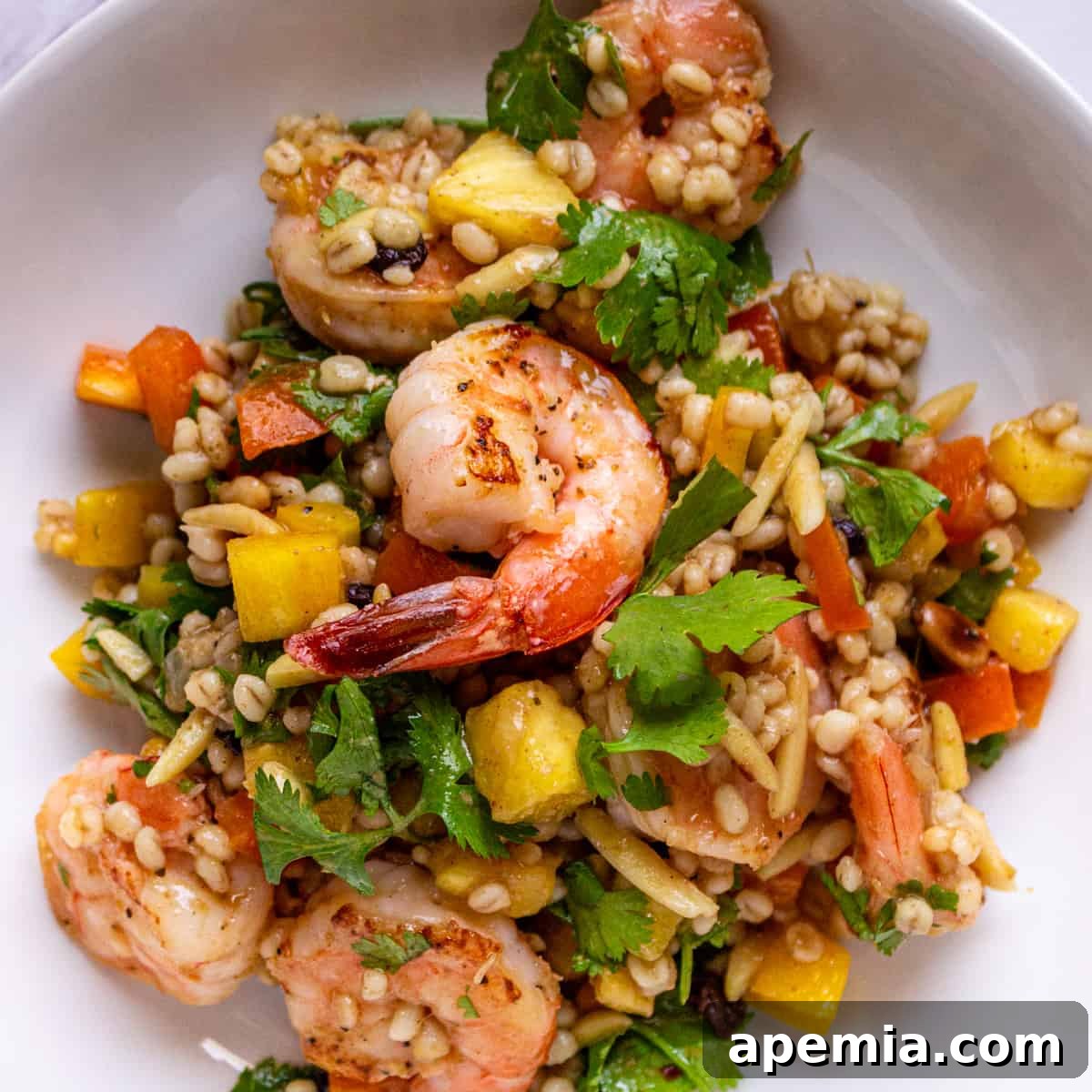
5 Great Barley Recipes to Try
With your newfound knowledge of cooking barley, it’s time to put it to good use! Here are some of my favorite barley-centric recipes and creative ways to incorporate this grain into your meals, ranging from vibrant salads to comforting stews:
- Mediterranean Barley Salad: A refreshing and nutrient-packed salad featuring tender barley, crisp vegetables, tangy feta, and a bright herb dressing. Perfect for a light lunch or a vibrant side dish.
- Add it to this Moroccan Chicken Stew: Transform a hearty Moroccan chicken stew into an even more substantial meal by simmering barley directly in the flavorful broth. It will absorb all the wonderful spices and create a comforting, wholesome dish.
- Pineapple Shrimp Barley Salad: An exotic and flavorful salad combining sweet pineapple, succulent shrimp, and chewy barley. It’s a fantastic option for a unique and satisfying meal.
- Replace the Orzo with Barley in this Greek Chicken Soup: Give a classic Greek chicken soup a wholesome twist by substituting barley for orzo. The barley will add a heartier texture and more nutritional value, making the soup even more filling.
- As a Side for this Beef with Black Bean Sauce Recipe: Serve perfectly cooked barley as an excellent, fiber-rich alternative to white rice alongside a rich and savory beef with black bean sauce. The barley’s nutty flavor beautifully complements the bold sauce.
FAQs About Cooking Barley
Here are answers to some of the most frequently asked questions about cooking and using barley, helping you feel even more confident in the kitchen.
What is the Best Way to Cook Barley?
The “best” way to cook barley truly depends on your personal preferences, the type of barley you’re using, and the kitchen appliances you have at hand. If you prefer a traditional approach without special gadgets, cooking it on the stovetop in boiling water is an excellent and reliable method. For those who value speed and convenience, an Instant Pot provides a hands-off, quick solution. If you already use a rice cooker regularly, it’s a perfectly suitable, equally convenient option. And, if barley is destined for a soup or stew, cooking it directly in the broth not only saves a step but also infuses the grain with incredible flavor. Each method offers advantages, so experiment to find your favorite!
Do You Need to Soak Barley Before Cooking?
While thoroughly rinsing your barley under cold water before cooking is always recommended to remove any surface starches and debris, soaking is primarily essential for hulled barley. Hulled barley retains its tough bran layer, and pre-soaking it for several hours (or overnight) significantly reduces its cooking time and helps ensure an even, tender texture. Pearl barley, being more processed with its bran removed, cooks much faster and generally does not require soaking, though a quick rinse is still beneficial.
Can You Eat Barley Like Rice?
Absolutely! Barley makes a fantastic and nutritious alternative to rice in many dishes. Its slightly chewy texture and nutty flavor can add an interesting dimension to meals where you might typically use rice. Serve it as a side dish for curries, stir-fries, or roasted vegetables, use it as a base for grain bowls, or incorporate it into pilafs. It’s one of my favorite healthy swaps for adding more fiber and wholesome goodness to everyday meals.
Is Barley Gluten-Free?
No, barley is not gluten-free. It contains gluten, a protein found in wheat, rye, and barley. Therefore, it is not suitable for individuals with celiac disease or gluten sensitivity. Always check food labels carefully if you are following a gluten-free diet.
How Should I Store Cooked Barley?
Once cooked, allow barley to cool completely before storing. Transfer it to an airtight container and refrigerate for up to 3-5 days. For longer storage, cooked barley freezes exceptionally well. Spread cooled barley in a single layer on a baking sheet and freeze until solid, then transfer to a freezer-safe bag or container. It can be stored in the freezer for up to 3 months. To reheat, simply thaw in the refrigerator overnight or reheat from frozen with a splash of water or broth in a microwave or on the stovetop.