
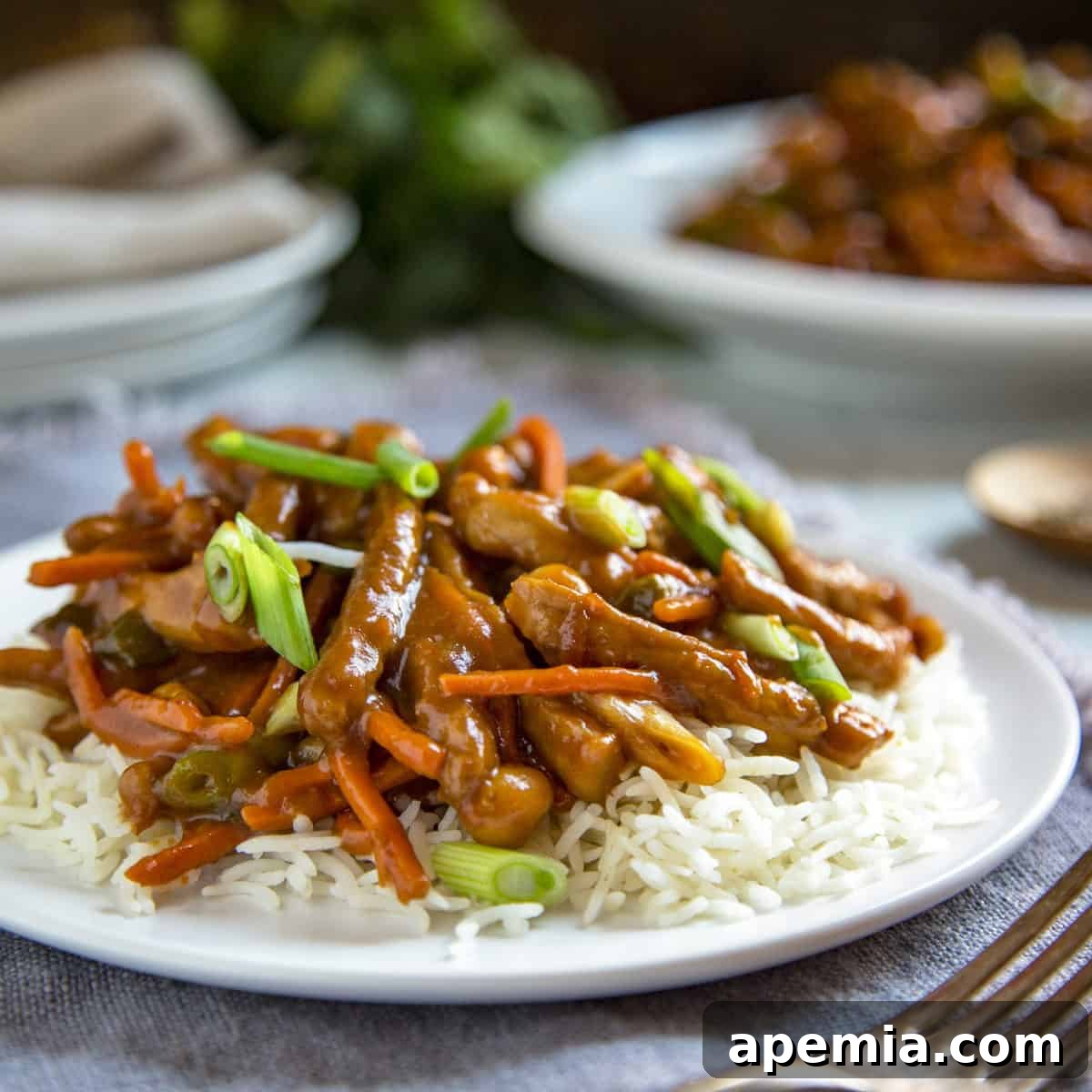
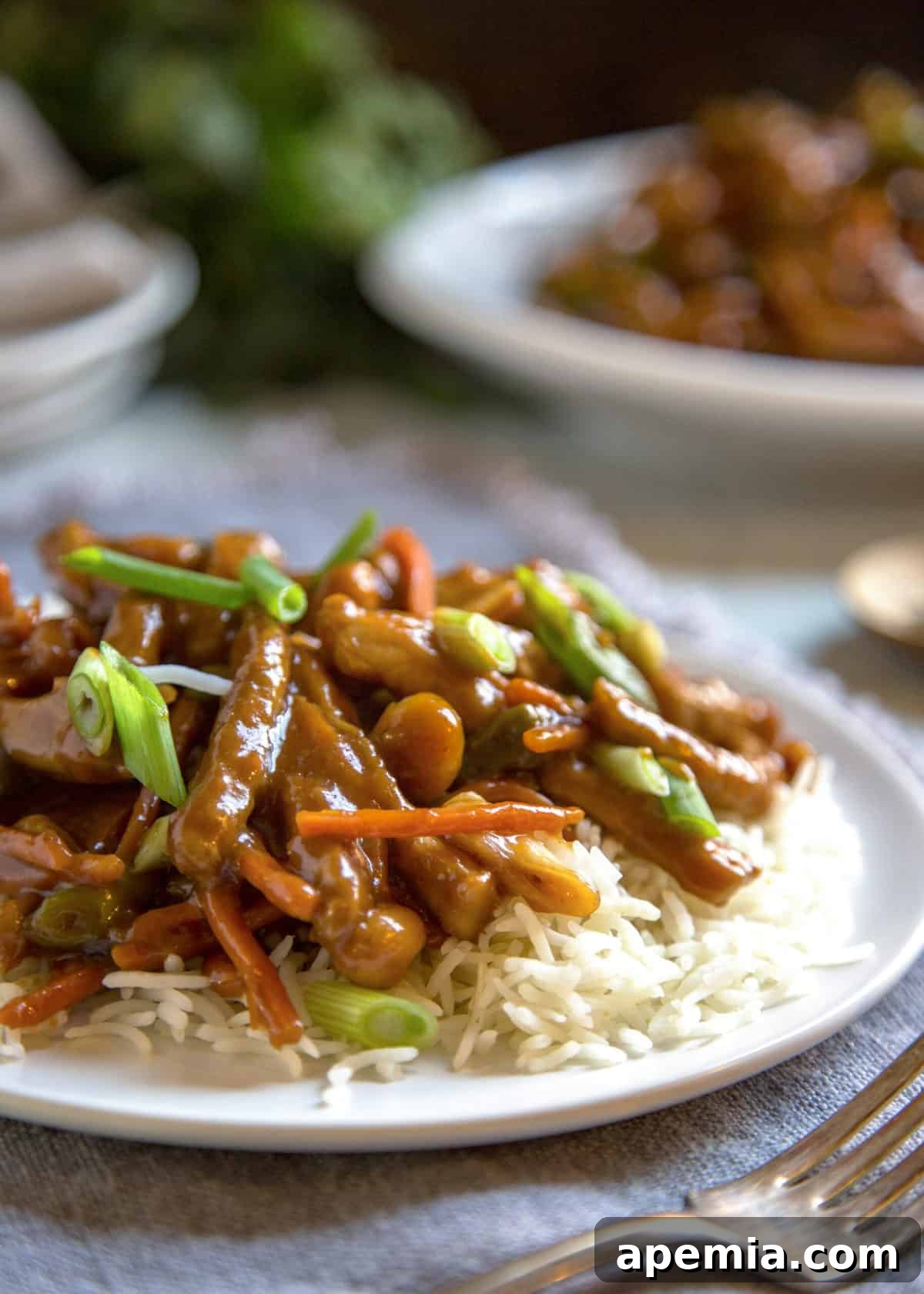
Jeyuk Bokkeum, a beloved staple in Korean cuisine, offers an explosion of flavors and textures that tantalize the palate. This incredibly popular dish features thinly sliced pork, wok-fried to a delightful crispness, then coated in a rich, velvety gochujang-based sauce. Infused with aromatic garlic, pungent ginger, and a bright tang of vinegar, it’s a symphony of sweet, spicy, and savory notes. Enhanced with fresh, crunchy vegetables like onions and carrots, and finished with a scattering of dry roasted peanuts, this spicy Korean pork stir fry is truly an experience. Served piping hot over a bed of steaming white rice, it transforms into the ultimate comforting and satisfying meal for any day of the week.
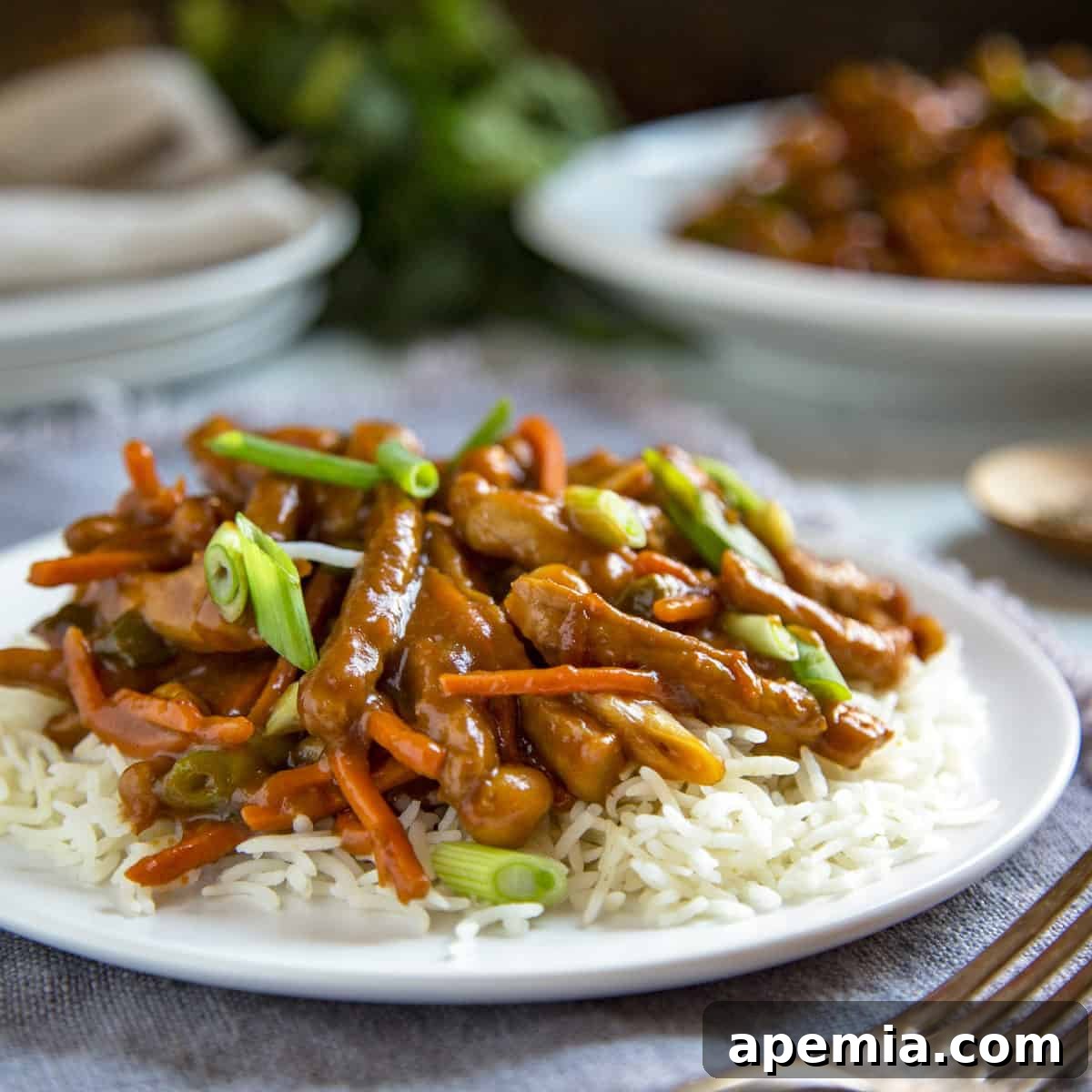
Experience Authentic Korean Flavor: Jeyuk Bokkeum
Imagine a dish that’s not only incredibly budget-friendly but also bursts with profound flavors, made from easily accessible pantry ingredients, and comes together in just about 20 minutes. Sounds too good to be true? Welcome to the world of Jeyuk Bokkeum, also known as Korean spicy pork stir fry. This remarkable dish delivers on all these promises and more, making it a perfect candidate for a quick weeknight dinner or an impressive meal for guests.
At the heart of Jeyuk Bokkeum is its signature spicy kick, derived from the fermented red pepper paste, gochujang. This isn’t just about heat; gochujang provides a unique depth of umami and a subtle sweetness that is further complemented by the addition of plum jam – a secret ingredient that lends an authentic Korean sweetness. A splash of rice wine vinegar then cuts through the richness, adding a much-needed layer of brightness and tanginess, balancing the entire flavor profile. For an unexpected twist that adds both saltiness and an irresistible crunch, I personally love to incorporate dry roasted peanuts into the mix, elevating the dish to another level of textural delight.
The versatility of this incredible gochujang-based sauce extends beyond just pork. Its robust and dynamic flavor makes it an excellent marinade or glaze for a wide array of proteins. I often find myself using it for grilled chicken, beef, or even to create show-stopping slow-cooked ribs, proving just how adaptable and universally delicious it is.
Table of Contents
- About Jeyuk Bokkeum
- Ingredient Essentials and Substitutions
- The Perfect Jeyuk Bokkeum Recipe
- Kitchen Tools for Stir-Frying
- Storage and Reheating Tips
- Frequently Asked Questions
- Full Recipe Card: Korean Pork Stir Fry (Jeyuk Bokkeum)
A Glimpse into Jeyuk Bokkeum: Beyond the Basics
While Jeyuk Bokkeum shares some common ground with other popular Korean dishes, it definitely carves out its own niche. It’s often compared to Bulgogi, another iconic Korean dish, but Jeyuk Bokkeum is distinctly spicier and typically much quicker to prepare, thanks to its stir-fry method. If your palate leans towards milder yet equally authentic Korean flavors, you might fall in love with Galbi Jjim. This braised short rib dish offers a sweeter profile, an abundance of tender vegetables, and that same melt-in-your-mouth meat texture, providing a delightful contrast to the fiery Jeyuk Bokkeum.
Chef’s Tip: Understanding Jams, Jellies, and Preserves
The Sweet Secret: Jams, Jellies, and Preserves in Korean Cuisine
When it comes to fruit spreads, the differences lie primarily in their texture and the form of the fruit used. Jam is crafted from crushed fruit, often including seeds and pulp, resulting in a slightly chunky texture. Jelly, on the other hand, is made exclusively from fruit juice, leading to a perfectly smooth, clear consistency devoid of any fruit pieces. Preserves contain whole fruits or large fruit chunks suspended in a syrup or gel. For this particular Jeyuk Bokkeum recipe, a red plum jam is my go-to choice, specifically Smucker’s. Its rich fruitiness and sweet notes complement the gochujang beautifully, but feel free to experiment with any plum jam or even other fruit-based preserves for a nuanced sweetness.

Ingredient Essentials and Smart Substitutions for Jeyuk Bokkeum
Crafting the perfect Jeyuk Bokkeum requires a careful selection of ingredients, but don’t worry, there’s always room for customization and smart substitutions to fit your pantry and preferences.
- Pork Selection – The beauty of Jeyuk Bokkeum lies in its flexibility with pork cuts. While I personally favor boneless pork loin chops for their leanness and ease of slicing, almost any boneless pork cut will do. Pork tenderloin offers a very tender result, while pork shoulder provides a richer flavor. For an extra indulgent dish, don’t hesitate to use thinly sliced pork belly – its higher fat content renders beautifully, adding incredible succulence to the stir fry. Ensure the pork is sliced into thin, uniform strips (about ¼ inch thick) for optimal cooking and texture.
- Cornstarch & Soy Sauce (for Pork Coating) – A quick pre-toss in cornstarch and soy sauce is a simple yet effective technique for achieving perfectly crispy and tender pork. The cornstarch creates a light coating that protects the meat from overcooking and helps it brown beautifully, while the soy sauce infuses it with a foundational layer of savory umami. This step is crucial for that desirable texture.
- Vibrant Vegetables – My recipe features the classic pairing of green onions and julienned carrots, adding both color and a touch of sweetness. However, Korean pork stir fry is incredibly adaptable to various vegetables. Consider adding sliced cabbage for a satisfying crunch and volume, bell peppers for a mild sweetness and color, or even hot peppers like sliced jalapeños for an extra layer of heat if you dare! Scallions are another excellent addition for a fresh, pungent bite.
- Dry Roasted Peanuts – My unconventional addition of dry roasted peanuts brings a delightful salty crunch to the dish. If you’re not a fan of peanuts or have allergies, toasted sesame seeds make an excellent substitute, offering a similar nutty flavor and textural contrast without the bulk. You can also omit them entirely if you prefer a simpler finish.
- The Flavorful Stir-Fry Sauce – This is where the magic happens! To create a lusciously thick and rich Jeyuk Bokkeum sauce, you’ll combine a specific blend of ingredients:
- Plum Jam – As mentioned, this is key for that characteristic Korean sweetness, balancing the spice. Smucker’s red plum jam is a fantastic choice, but any good quality plum jam will work wonders.
- Gochujang Paste – The star of the show! This fermented red pepper paste is responsible for the dish’s signature heat and complex umami. Be mindful of its potency; different brands can vary in spiciness. If you prefer a milder dish, simply reduce the amount. If you love heat, feel free to add a little extra, but proceed with caution!
- Hoisin Sauce – A thick, savory, and slightly sweet sauce that adds immense umami and helps build the sauce’s body. Excellent substitutes include oyster sauce for a similar richness, teriyaki sauce for a sweeter, more savory profile, or even a dash of chili sauce if you want to dial up the heat and complexity.
- Rice Wine Vinegar – Essential for brightening the sauce and providing a crucial acidic counterpoint to the rich, spicy flavors. If you don’t have rice wine vinegar on hand, apple cider vinegar is a perfectly acceptable substitute, offering a similar tang.
- Minced Garlic & Ginger Paste – These aromatic powerhouses are non-negotiable for authentic Korean flavor. Freshly minced garlic and ginger paste provide a pungent, warming base that elevates the entire dish. Don’t skimp on these!
- Cornstarch (for Sauce) – Used to create a slurry with vinegar, this ensures the sauce thickens beautifully, coating every piece of pork and vegetable in a glossy, flavorful glaze.
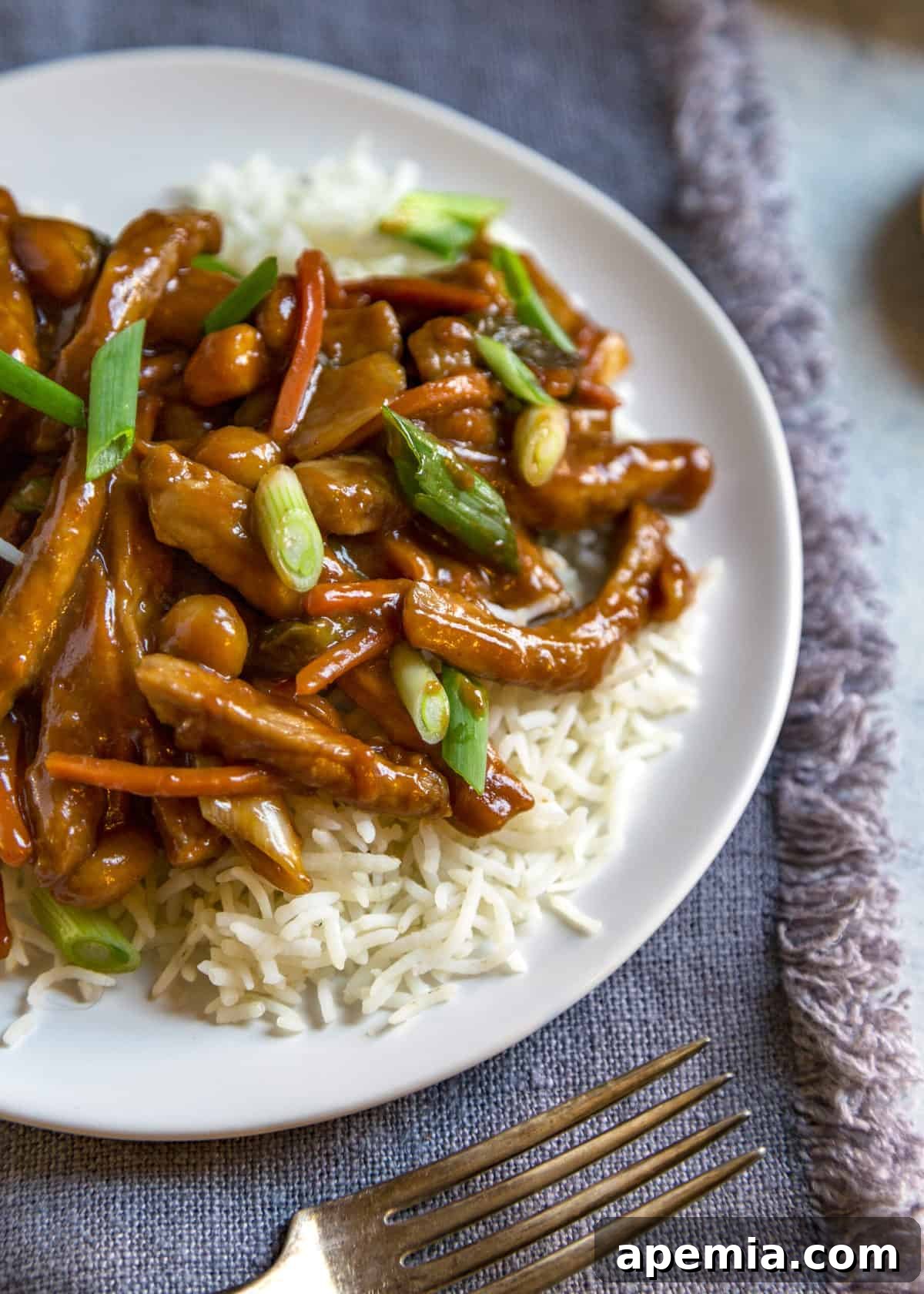
Mastering Jeyuk Bokkeum: A Step-by-Step Guide
Follow these simple steps to create a show-stopping Korean spicy pork stir fry that will impress everyone at your table.
- Prepare the Signature Sauce: Begin by creating the heart of your Jeyuk Bokkeum. In a small bowl, whisk together the rice wine vinegar with 2 tablespoons of cornstarch to form a smooth slurry – this will be your thickening agent. In a larger mixing bowl, combine the plum jam, hoisin sauce, gochujang paste, soy sauce (for the sauce), ginger paste, and minced garlic. Once these are well-combined, whisk in the cornstarch slurry until everything is perfectly incorporated and lump-free. Set this flavorful mixture aside as you prepare the other components.
- Coat the Pork for Crispness: Take your thinly sliced pork strips and place them in a bowl. Add the remaining 1 tablespoon of cornstarch and 1 tablespoon of soy sauce. Toss vigorously to ensure each piece of pork is evenly coated. This light coating is essential for achieving that desirable crispy exterior when stir-frying. Allow the pork to rest for about 5 minutes, giving the coating time to adhere.
- Achieve the Perfect Pork Brown: Heat a wok or a large, heavy-bottomed skillet over high heat. Add a tablespoon or two of cooking oil (such as vegetable or canola oil) and allow it to get smoking hot. This high heat is crucial for a proper stir-fry. Add the coated pork to the hot wok in a single layer if possible (cook in batches if your wok isn’t large enough to avoid overcrowding). Stir-fry quickly, tossing the pork constantly, until it is beautifully browned on all sides and cooked through. This process should only take a few minutes. Remove the pork from the wok and set aside, retaining any residual oil in the pan.
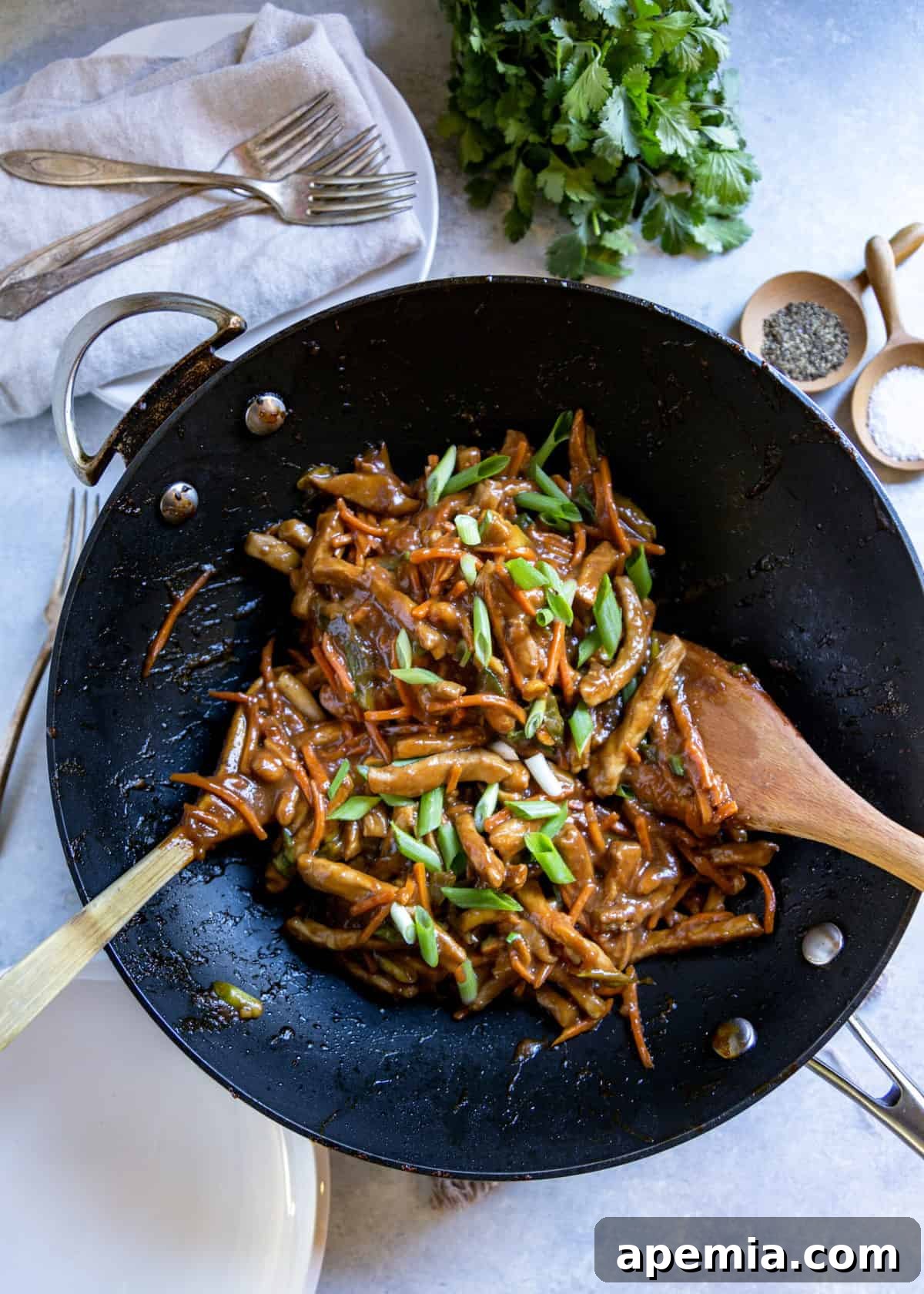
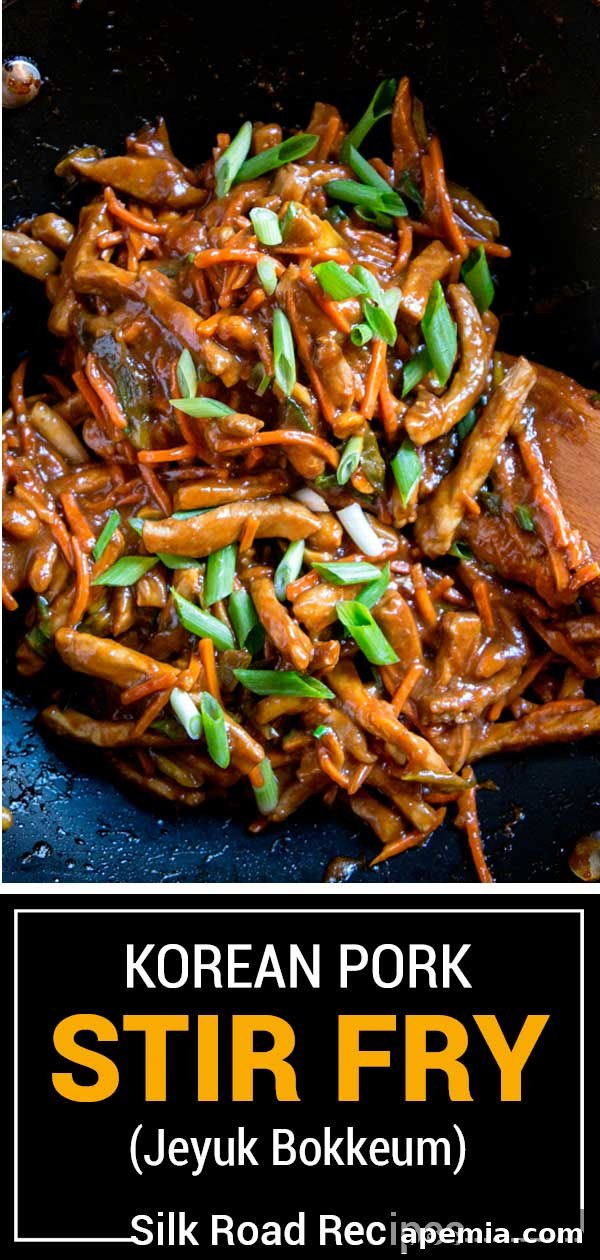
- Stir-Fry Vegetables and Combine with Sauce: Return the wok to high heat. Add the sliced green onions and julienned carrots (or any other vegetables you choose). Stir-fry for approximately 3 minutes, or until the vegetables are tender-crisp – you want them to retain a slight bite. Reintroduce the browned pork to the wok. Pour in your prepared stir-fry sauce and add the dry roasted peanuts. Continue to stir-fry for another 3 minutes. As the sauce heats, it will bubble and thicken beautifully, coating all the ingredients in a glossy, irresistible glaze.
- Serve Immediately: Your Jeyuk Bokkeum is now ready! Plate it immediately, either as a stand-alone dish or, for a truly authentic experience, spoon generous portions over freshly steamed white rice. For an extra flourish, garnish with additional dry roasted peanuts and a sprinkle of freshly sliced green onions as desired. Enjoy the incredible harmony of sweet, spicy, and savory flavors!
Essential Kitchen Tools for Your Jeyuk Bokkeum
Having the right equipment can make all the difference when preparing a stir-fry, ensuring even cooking and optimal flavor development.
- The Mighty Wok – Without a doubt, a wok is the quintessential pan for stir-frying. Its unique shape, with high, sloping sides, allows for efficient heat distribution and easy tossing of ingredients, even when cooking large quantities. This is particularly beneficial when cooking at the high temperatures required for Jeyuk Bokkeum, ensuring everything cooks quickly and evenly. If a wok isn’t available, a large, heavy-duty cast iron skillet or a spacious non-stick pan can serve as a suitable alternative. Just ensure it’s substantial enough to handle all your ingredients without overcrowding, which can lead to steaming rather than searing.
- Sharp Knife and Cutting Board – Essential for thinly slicing the pork and preparing your vegetables into uniform pieces, which is key for even cooking.
- Large Mixing Bowls – You’ll need at least two: one for coating the pork and another for whisking together the sauce ingredients.
- Whisk – For perfectly combining your sauce ingredients and creating a smooth cornstarch slurry.
Storage and Reheating for Maximizing Freshness
Jeyuk Bokkeum is not only delicious fresh but also makes for fantastic leftovers, perfect for meal prepping. Here’s how to store and reheat it to maintain its wonderful flavors and textures.
Refrigeration: Any leftover Korean pork stir fry can be stored in an airtight container in the refrigerator for up to 4 days. This makes it a fantastic option for packed lunches or quick dinners throughout the week.
Freezing: For longer storage, Jeyuk Bokkeum is remarkably freezer-friendly. Once the dish has cooled completely, portion the leftovers into individual freezer-safe plastic bags or airtight containers. It can be stored in the freezer for up to 4 months. To reheat from frozen, it’s best to let it thaw in the refrigerator overnight to ensure even reheating.
Reheating Instructions:
To bring your Jeyuk Bokkeum back to life, the best method is to reheat it in a wok or a large skillet. Set the temperature to medium heat. Add the refrigerated or thawed stir fry to the pan and gently stir. As it heats, the sauce will thin out slightly and then re-thicken, bringing all the flavors back to their vibrant best. Stir frequently until everything is thoroughly warmed through and sizzling. Avoid microwaving if possible, as it can sometimes make the pork chewy and the sauce less appealing. However, if time is of the essence, microwave on medium power, stirring occasionally, until hot.
Frequently Asked Questions About Jeyuk Bokkeum
Is there a significant difference between Jeyuk Bokkeum and Bulgogi?
Yes, while both are popular Korean meat dishes, there are distinct differences. The primary distinction lies in the preparation of the meat: pork Bulgogi is traditionally marinated for an extended period, allowing the flavors to deeply penetrate the meat, whereas Jeyuk Bokkeum is typically not marinated in advance, relying instead on a quick coating and direct stir-frying with its vibrant sauce. Furthermore, Jeyuk Bokkeum recipes usually feature a more substantial amount of vegetables compared to Bulgogi, though this can vary. Perhaps the most noticeable difference to the average diner is the spice level; if you order Jeyuk Bokkeum at a Korean restaurant, you’re almost certainly getting a spicy dish, while Bulgogi is generally much milder and sweeter. Comparing the ingredients in my Bulgogi sauce recipe to the Jeyuk Bokkeum sauce will give you a clearer understanding of their contrasting flavor profiles.
How spicy is Korean pork stir fry, really?
Jeyuk Bokkeum is generally quite spicy. The heat primarily comes from gochujang, the Korean red pepper paste. It’s important to note that the spiciness of gochujang can vary significantly between brands, so you might not know its exact heat level until you try it. However, it will always provide at least a medium level of heat. If you’re sensitive to spice, you can easily adjust the heat level of your Jeyuk Bokkeum by using a bit less gochujang than the recipe calls for. To compensate for any reduction in sauce volume and ensure the sauce remains thick and luscious, you can add a little more hoisin sauce, which contributes savory depth without adding extra heat.
Can I prepare the pork for Jeyuk Bokkeum ahead of time?
Absolutely! One of the convenient aspects of this Jeyuk Bokkeum recipe is its suitability for some advance preparation. The cornstarch and soy sauce coating applied to the pork is quite stable and doesn’t act as a deeply penetrating marinade, which means it won’t negatively impact the meat if left on for a short period. You can confidently toss the sliced pork with the cornstarch and soy sauce up to 24 hours in advance. Simply store it covered in the refrigerator until you’re ready to proceed with the stir-frying steps. This makes meal prep much easier and saves valuable time on busy cooking days.
What are the best side dishes to serve with Jeyuk Bokkeum?
Jeyuk Bokkeum is fantastic with a variety of Korean side dishes to complete the meal. Steamed white rice is a must, acting as a perfect canvas for the spicy sauce. Beyond that, consider classic banchan like kimchi (fermented cabbage), pickled radishes, or a simple cucumber salad for a refreshing contrast. A light, clear vegetable soup or a fluffy egg roll (Gyeran-mari) can also balance the flavors beautifully. For added texture, a sprinkle of toasted sesame seeds over the finished dish is always a good idea.
Enjoying this recipe? Share the deliciousness!
If you’re loving this Jeyuk Bokkeum recipe, please consider sharing it with your friends and family on Pinterest. Your support helps us bring more incredible recipes to food lovers everywhere!
Pin This Recipe on Pinterest!
Korean Pork Stir Fry (Jeyuk Bokkeum) Recipe
Rated 5 out of 5 stars by 6 reviewers.
Korean Jeyuk Bokkeum is a tender pork stir fry featuring vibrant vegetables, crunchy peanuts, and a generous coating of spicy, sticky gochujang sauce. This easy recipe comes together in just 20 minutes, making it an ideal choice for a quick and flavorful meal!
Servings: 4
Prep Time: 10 minutes
Cook Time: 10 minutes
Total Time: 20 minutes
Ingredients
For the Sauce:
- 1/4 cup plum jam (See Note 1)
- 1/4 cup hoisin sauce
- 1/4 cup gochujang paste
- 3 tbsp soy sauce (low sodium, if desired)
- 1 tbsp ginger paste
- 3 cloves garlic, minced
- 2 tbsp cornstarch
- 1/4 cup rice wine vinegar
For the Pork Stir Fry:
- 1.5 lb boneless pork loin chops, cut into 1/4” strips (See Note 2)
- 1 tbsp cornstarch
- 1 tbsp soy sauce (low sodium, if desired)
- 6 green onions, sliced on diagonal into 1-inch pieces
- 2 carrots, julienned into strips
- 1/2 cup dry roasted peanuts
- 1-2 tbsp cooking oil (for stir-frying)
(Units are in US Customary)
Instructions
Prepare the Sauce:
- To a medium-sized bowl, add plum jam, hoisin, gochujang, soy sauce (3 tbsp), ginger paste, and minced garlic. In a separate small cup or dish, mix together the rice wine vinegar and 2 tbsp cornstarch to create a smooth slurry. Whisk this slurry into the jam mixture until well combined. Set aside.
Prepare the Pork:
- Slice the boneless pork into 1/4” strips. In a bowl, toss the pork with the remaining 1 tbsp of cornstarch and 1 tbsp of soy sauce until evenly coated. Let it sit for 5 minutes.
Cook the Stir Fry:
- Heat 1-2 tablespoons of cooking oil in a wok or large skillet over high heat. Wait a minute for the oil to get very hot and shimmer. Add the coated pork and stir-fry quickly, tossing constantly, until it is browned on all sides and cooked through, about 3-4 minutes. Remove the pork from the wok and set aside.
- Add the sliced green onions and julienned carrots to the wok (adding more oil if needed). Cook for 3 minutes, stirring occasionally, until the vegetables are tender-crisp.
- Return the cooked pork to the wok. Pour in the prepared stir-fry sauce and add the dry roasted peanuts. Continue to cook for 3 more minutes, stirring frequently, as the sauce will thicken and coat all the ingredients beautifully.
- Serve immediately as-is, or over steamed jasmine rice. Garnish with more peanuts and sliced green onions if desired. Enjoy!
Notes
- For the plum jam, I prefer using Smucker’s red plum jam for its consistent flavor.
- Any cut of boneless pork can be substituted for boneless pork loin chops, such as pork tenderloin, pork shoulder, or even thinly sliced pork belly for a richer flavor.
Nutrition Facts (Estimated per serving)
- Calories: 580 kcal
- Carbohydrates: 60g
- Protein: 47g
- Fat: 16g
- Saturated Fat: 4g
- Trans Fat: 1g
- Cholesterol: 113mg
- Sodium: 1811mg
- Potassium: 1050mg
- Fiber: 4g
- Sugar: 33g
- Vitamin A: 5277 IU
- Vitamin C: 10mg
- Calcium: 70mg
- Iron: 3mg
The information shown is an estimate provided by an online nutrition calculator and should not be considered a substitute for a professional nutritionist’s advice.
Course: Main Dishes
Cuisine: Asian, Korean
Author: Kevin
Have You Made This Jeyuk Bokkeum Recipe? Share Your Creations!
We’d love to see your culinary masterpieces! If you’ve tried this recipe for Jeyuk Bokkeum, please share your photos and experience on Instagram. Tag @keviniscooking or use the hashtag #keviniscooking! Your cooking inspires us and fellow food enthusiasts.
**Self-Correction/Reasoning during the process:**
1. **DOCTYPE and Head:** Changed to `
` for HTML5 compliance. Added a `