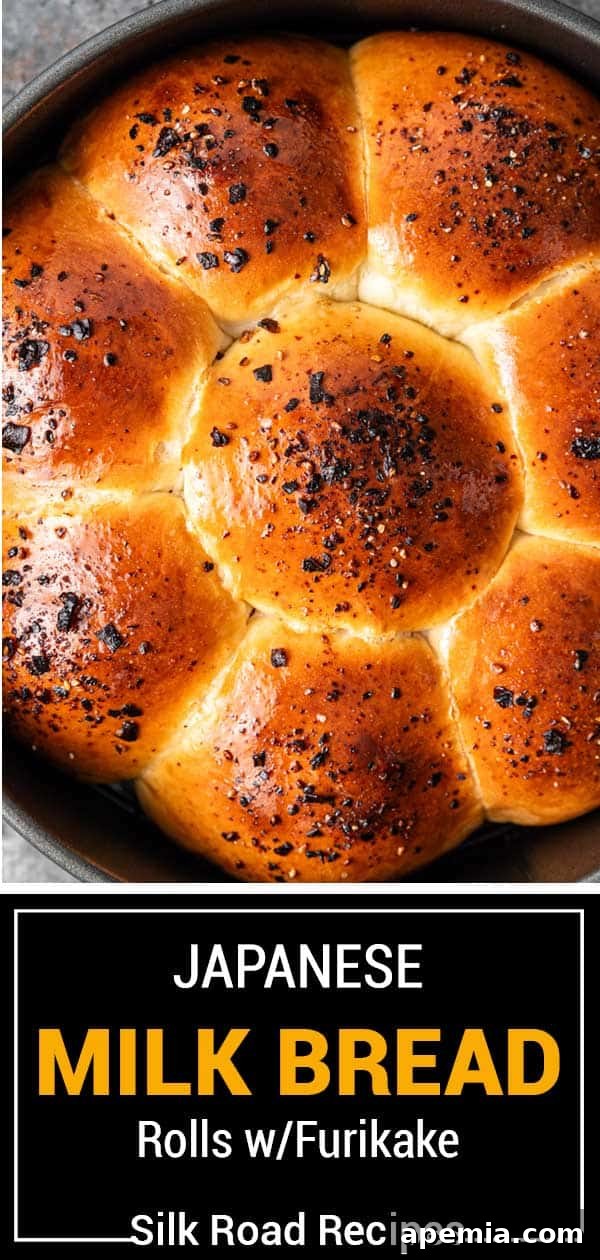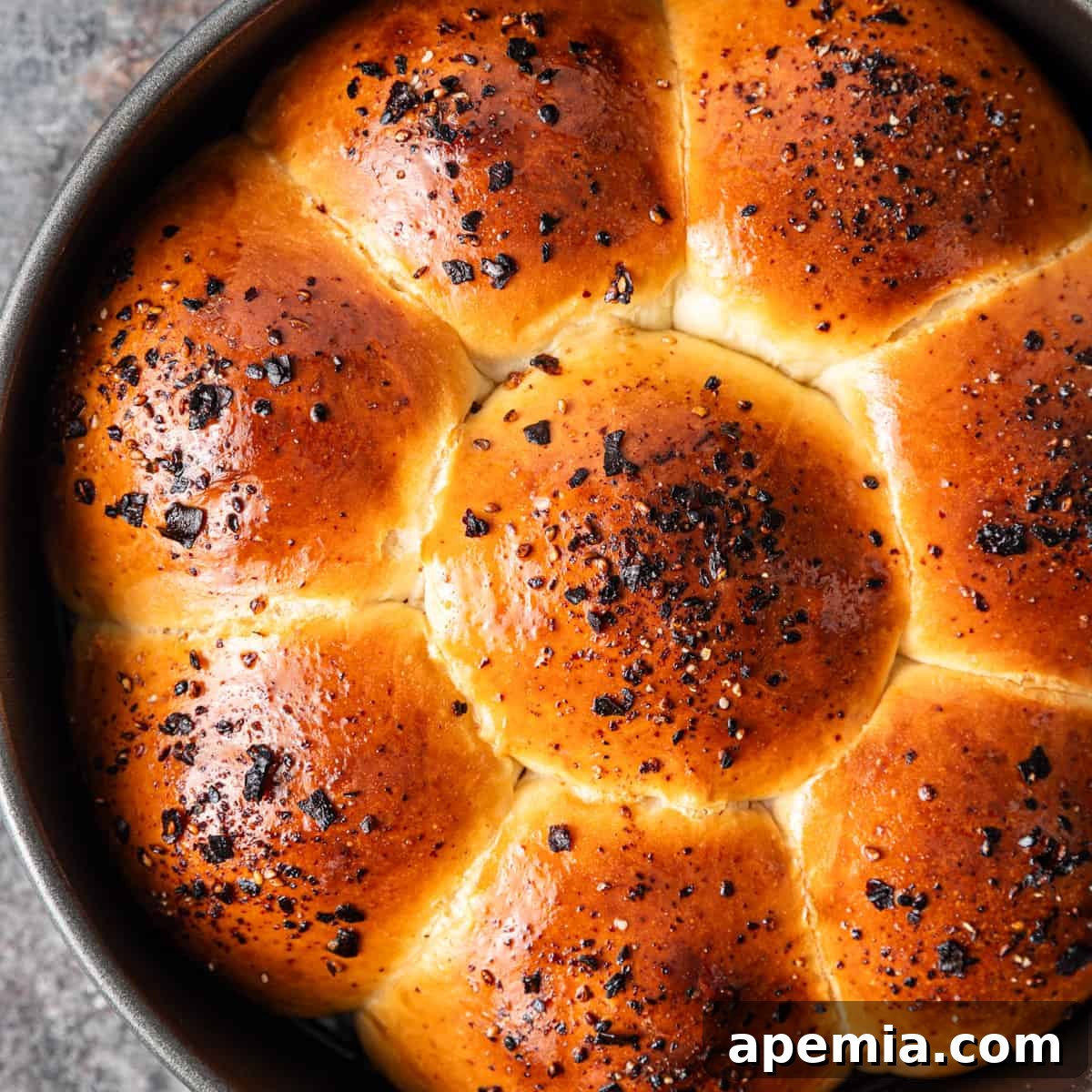
Japanese milk bread is a culinary marvel, renowned worldwide for its extraordinary fluffiness, incredible chewiness, and delicate sweetness. Unlike any ordinary loaf, this beloved staple of Japanese bakeries achieves its signature cloud-like texture through a special technique called the tangzhong method, an ancient Asian baking secret that ensures an unparalleled moistness and softness. Whether enjoyed plain as a milky, tender snack or elevated with savory additions like crispy furikake seasoning, these rolls promise a delightful experience for your palate, balancing textures and flavors in every bite.
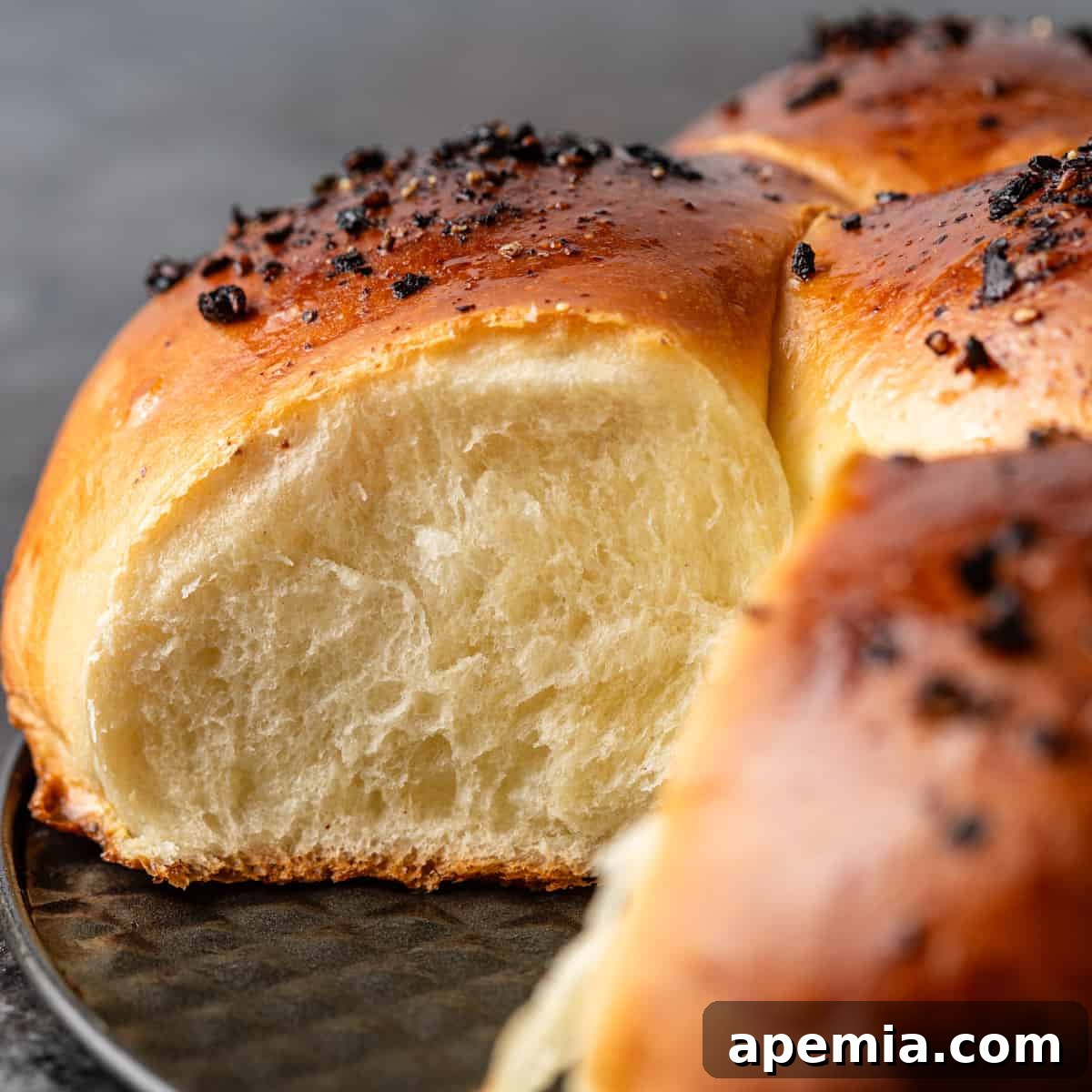
Discover the Secret to Irresistibly Soft Japanese Milk Bread
Once you experience the sublime texture of Japanese milk bread, often called Hokkaido milk bread, it’s easy to understand why it has become a standard in Japan and a global sensation. Its unique combination of softness, elasticity, and subtle sweetness makes it incredibly versatile and addictive. This recipe brings that authentic Japanese bakery experience right into your kitchen.
The Tangzhong Difference: A Revolutionary Baking Technique
The primary element that distinguishes Japanese milk bread from conventional bread varieties is the innovative tangzhong method. This popular Asian baking technique involves pre-cooking a small portion of the flour with milk and water to form a thick, gelatinous paste. This simple step is a game-changer, as it significantly boosts the dough’s moisture retention, leading to an exceptionally soft, fluffy, and tender crumb that stays fresh for days longer than traditional bread.
I wholeheartedly encourage you to incorporate the tangzhong method into your other bread recipes! I frequently use it when preparing my Chinese BBQ pork buns, and I’m confident it would enhance the texture of other flatbreads like pita and naan, making them even more tender and delightful.
Table of Contents
- What is Tangzhong?
- Tangzhong vs. Bread Conditioner
- Ingredient Notes and Substitutions
- How to Make Japanese Milk Bread: A Step-by-Step Guide
- Tips for Perfect Japanese Milk Bread
- Recommended Tools for Baking
- Storing and Reheating Your Rolls
- Frequently Asked Questions
- Japanese Milk Bread Rolls Recipe
While these rolls are delicately sweet, I often enjoy balancing that sweetness with a savory furikake topping for an extra layer of flavor and texture. However, feel free to adjust the sugar content to your preference. Remember, this versatile Japanese milk bread recipe isn’t just for rolls; it can also be easily adapted to create a larger, fluffy, and milky loaf—perfect for sandwiches, toast, or even a gourmet French toast experience!
What is Tangzhong? The Cornerstone of Fluffy Bread
Tangzhong, also known as a water roux, is a traditional Asian baking technique with Japanese origins that is pivotal to achieving exceptionally soft and fluffy bread. It involves cooking a small portion of flour with water and milk (or just water) into a thick, smooth paste before adding it to the main dough. This process pre-gelatinizes the starches in the flour, allowing them to absorb and retain significantly more moisture than raw flour. When the gelatinized starches are incorporated into the dough, they create a highly hydrated mixture that results in an incredibly soft, tender, and airy crumb. This method ensures your bread not only rises beautifully but also stays moist and fresh for several days, a characteristic often hard to achieve with conventional bread recipes. It might add a few extra minutes to your preparation, but the superior texture and extended freshness are truly worth the effort.
Tangzhong vs. Bread Conditioner: Achieving the Perfect Texture
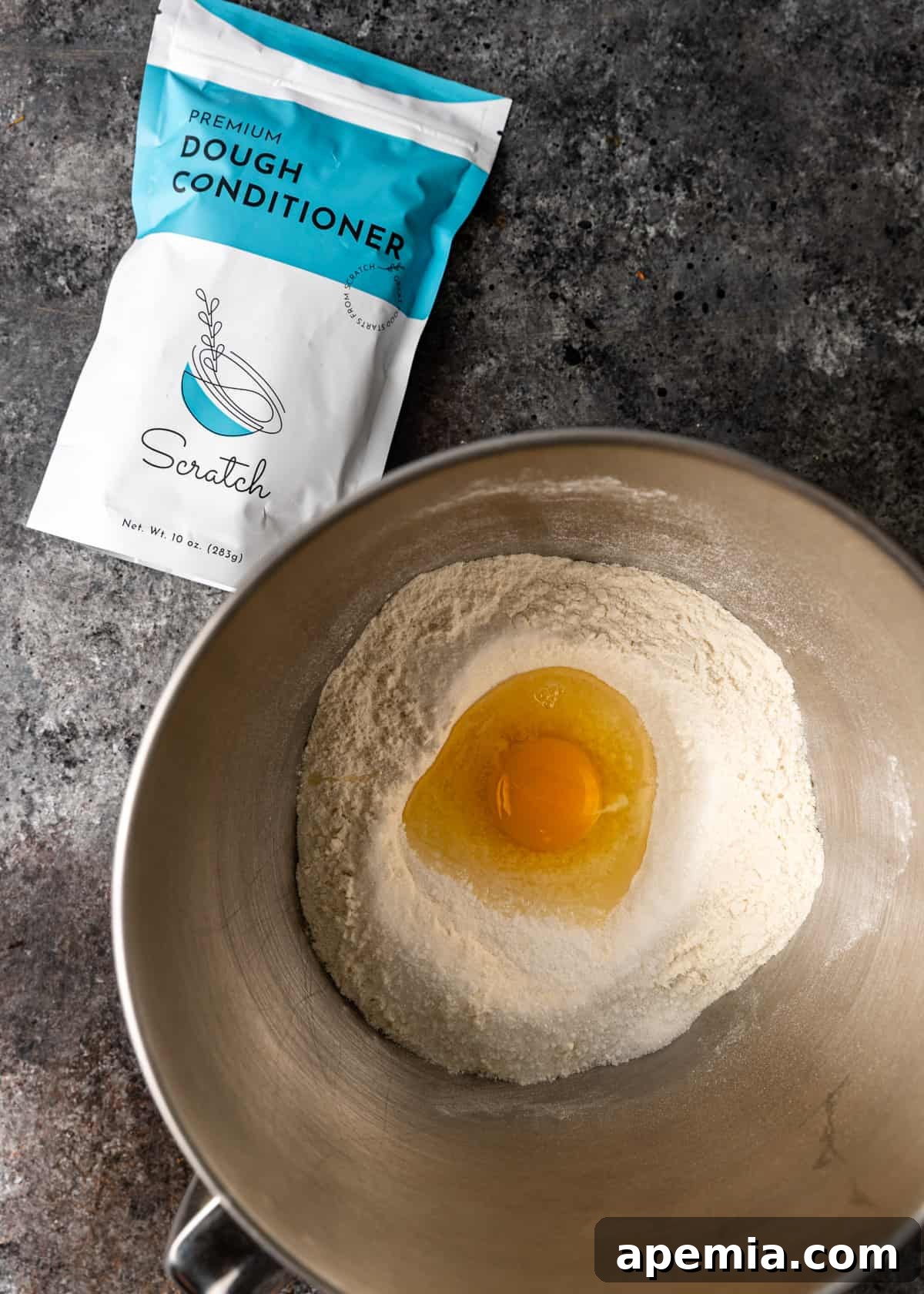
While the tangzhong method is a time-honored technique for creating irresistibly soft and moist bread, there’s another “secret weapon” you can consider for your dough: a bread conditioner. If you prefer a quicker alternative to preparing tangzhong, a bread conditioner offers a convenient solution. It is typically a blend of additives suchers enzymes, emulsifiers, or ascorbic acid, specifically designed to enhance bread quality. These components work synergistically to strengthen gluten, improve dough elasticity, and significantly extend the bread’s shelf life. They act like superheroes for your dough, ensuring consistent, beautiful rises, optimal moisture retention, and that coveted perfect texture every single time. You can find recommendations for bread conditioners in the recipe card below, offering a fantastic shortcut to achieving professional-quality bread at home without the extra step of making tangzhong.
Ingredient Notes and Substitutions: Mastering Your Milk Bread
Crafting the perfect Japanese milk bread starts with understanding the role of each ingredient. Here’s a detailed look at what you’ll need and potential substitutions:
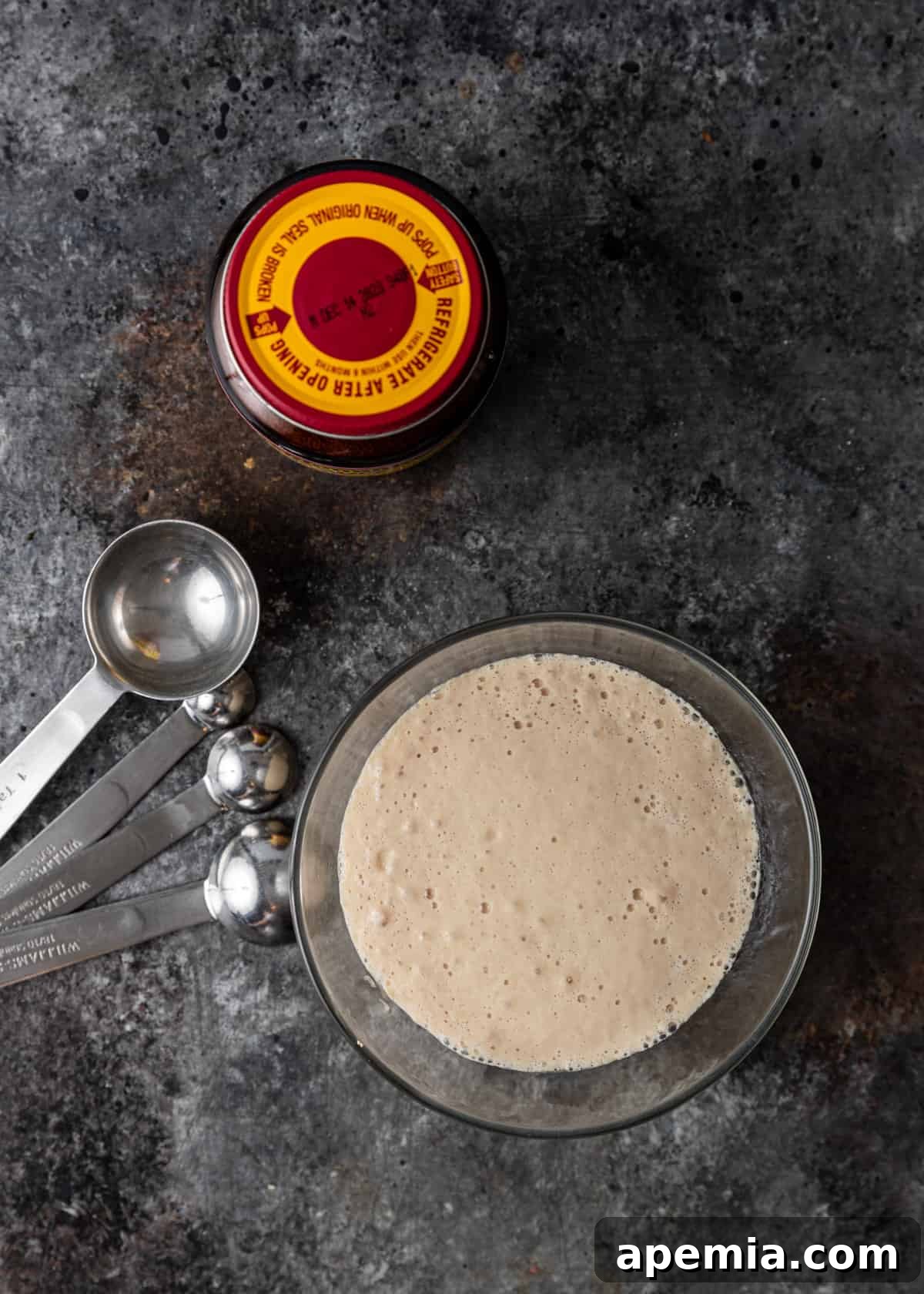
- Activated Yeast: We begin by “blooming” active dry yeast in warm water (ideally between 105-110°F or 40-43°C) with a touch of sugar. This crucial step ensures the yeast is alive and active, ready to give your bread its beautiful rise. Proper temperature is key – too cold and the yeast won’t activate; too hot and it might die.
- Tangzhong Mixture: This innovative blend of whole milk, water, and all-purpose flour is the heart of Japanese milk bread’s signature texture. By pre-cooking these ingredients into a paste, the flour starches gelatinize, allowing the dough to retain significantly more moisture. This results in an exceptionally light, fluffy, and tender crumb that stays fresh longer. As an alternative, you can use a dough conditioner, which provides similar benefits for dough elasticity and moisture retention.
- Dough Base: For the ultimate Japanese milk bread, I highly recommend using bread flour. Its higher protein content develops stronger gluten, which is essential for that characteristic chewy, airy texture. However, if bread flour isn’t available, all-purpose flour can be used, though the texture might be slightly less chewy. The dough also requires:
- Sugar: A generous amount contributes to the delicate sweetness of the bread and aids in yeast activation and browning. Brown sugar can be a fine substitute for a slightly richer flavor.
- Salt: Essential for enhancing flavor and controlling yeast activity. I use kosher salt, but any fine salt will do.
- Egg: One large egg adds richness, color, and helps bind the dough, contributing to its tender structure. Ensure it’s at room temperature for better incorporation.
- Butter: Softened unsalted butter (left at room temperature for 30-45 minutes) adds incredible richness, tenderness, and flavor. If using salted butter, reduce the amount of salt added to the main dough.
- Egg Wash: A simple mixture of whisked egg and water brushed over the rolls just before baking is what gives them that gorgeous, appetizing golden-brown sheen and contributes to a slightly crisp crust.
- Furikake Seasoning (Optional): For a delightful savory contrast, furikake is a fantastic topping. This popular Japanese rice seasoning typically consists of dried fish flakes, seaweed, sesame seeds, and other savory ingredients, adding a wonderful umami crunch. Learn more about Furikake here.
- Toasted Sesame Oil (Optional): A light brush of toasted sesame oil after baking imparts a nutty, aromatic finish to your rolls, enhancing their overall flavor profile.
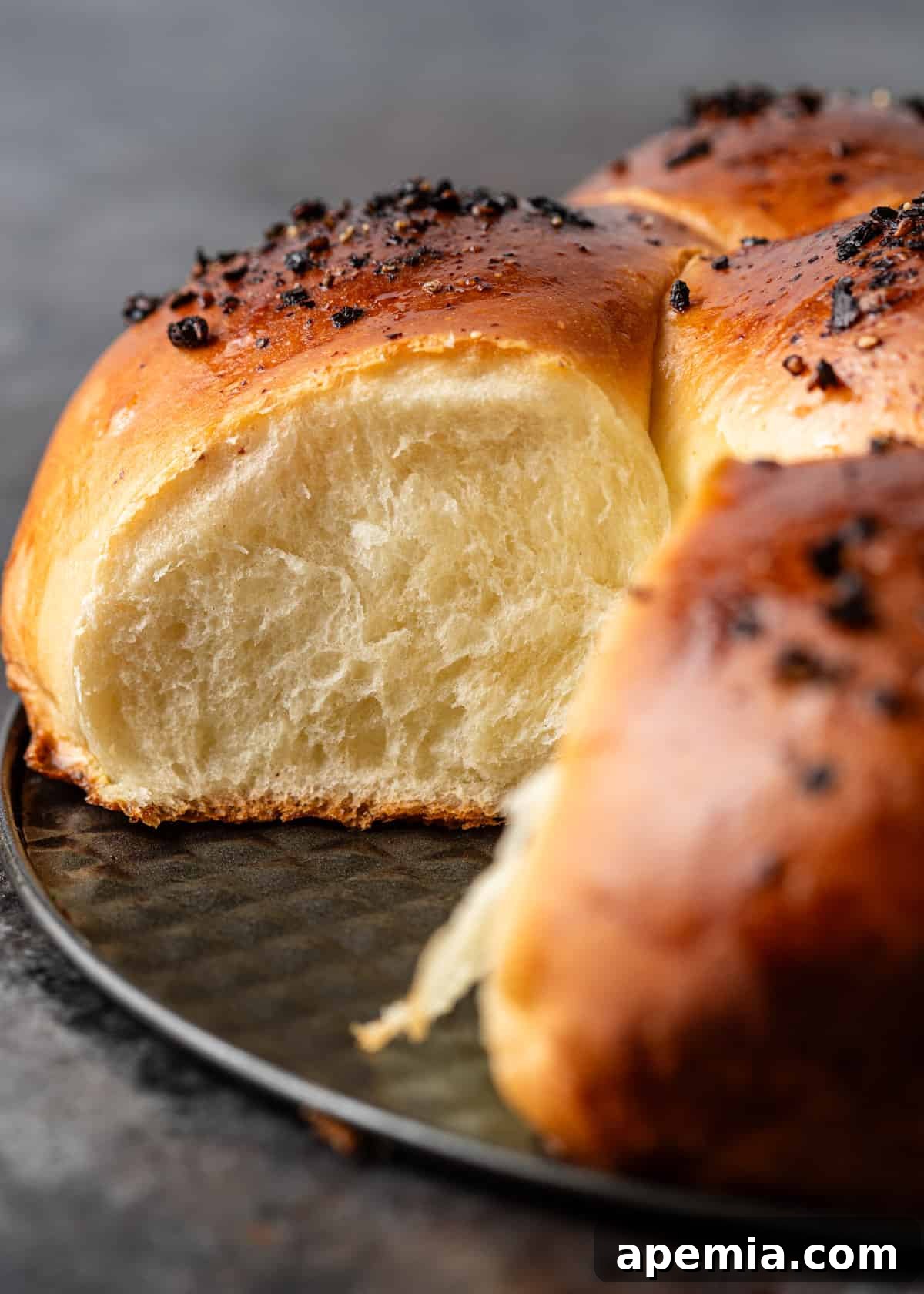
How to Make Japanese Milk Bread: A Step-by-Step Guide
Follow these detailed steps to create your own batch of delicious Japanese milk bread rolls:
- Prepare Yeast & Tangzhong: Begin by activating your yeast in warm water with a pinch of sugar. Simultaneously, prepare the tangzhong mixture as outlined in the recipe card below, cooking flour with milk and water until it forms a paste. Allow both to cool to room temperature before combining with other ingredients (unless opting for a dough conditioner instead of tangzhong).
- Mix the Dough: In the bowl of a stand mixer equipped with a dough hook, combine the bread flour, egg, room-temperature milk, sugar, salt, the activated yeast mixture, and the cooled tangzhong paste (or the recommended amount of dough conditioner). Mix on low speed for approximately 5-7 minutes until the dough comes together and is well combined. If the dough appears too wet, add a tablespoon of flour at a time until it reaches a manageable consistency; if it’s too dry, add a tiny bit more milk.
- Incorporate Butter: Continue mixing on low speed and gradually add the softened butter, one tablespoon at a time, allowing each addition to fully incorporate before adding the next. Knead for another 5-10 minutes until the dough is smooth, elastic, and pulls cleanly away from the sides of the bowl.
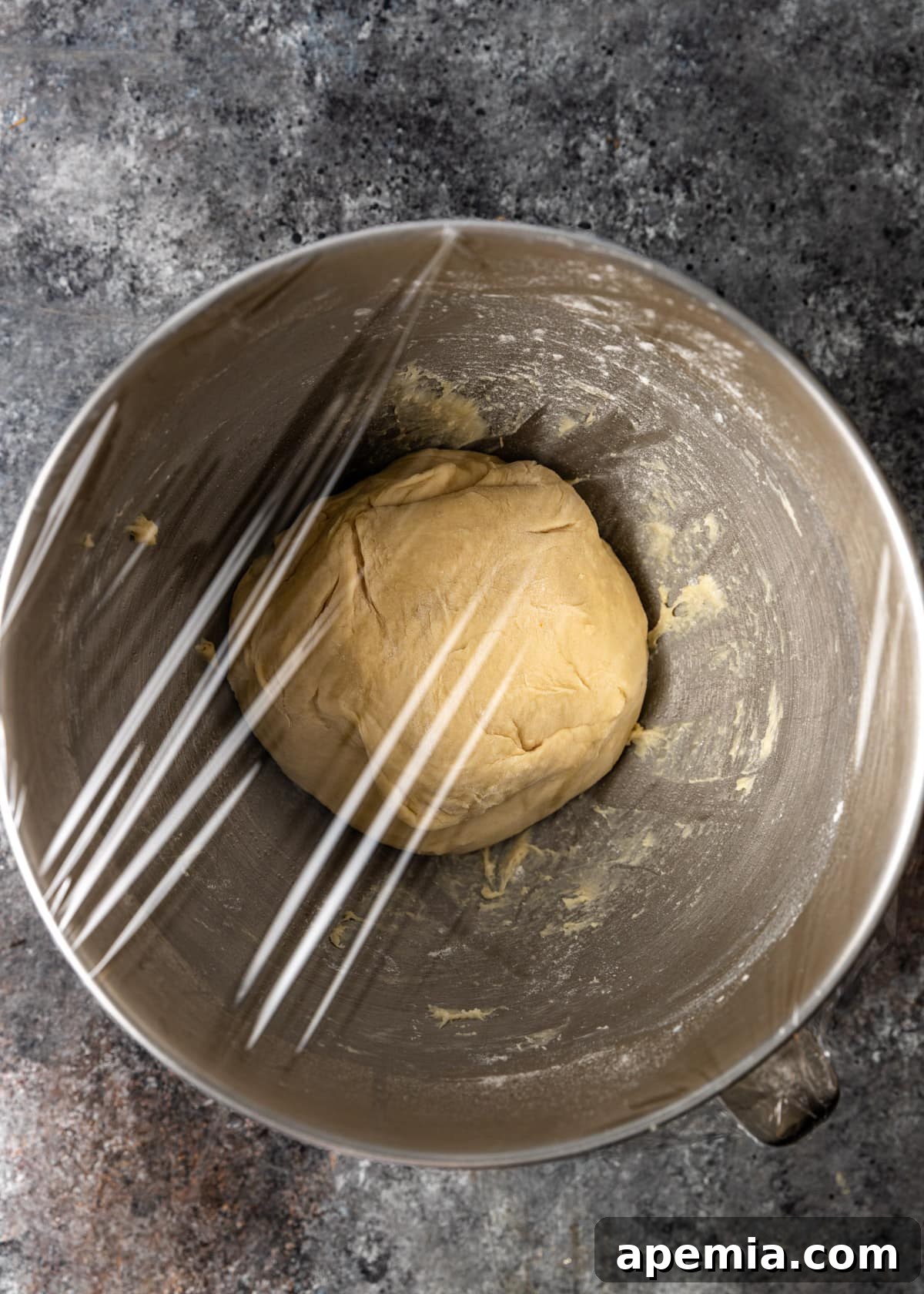
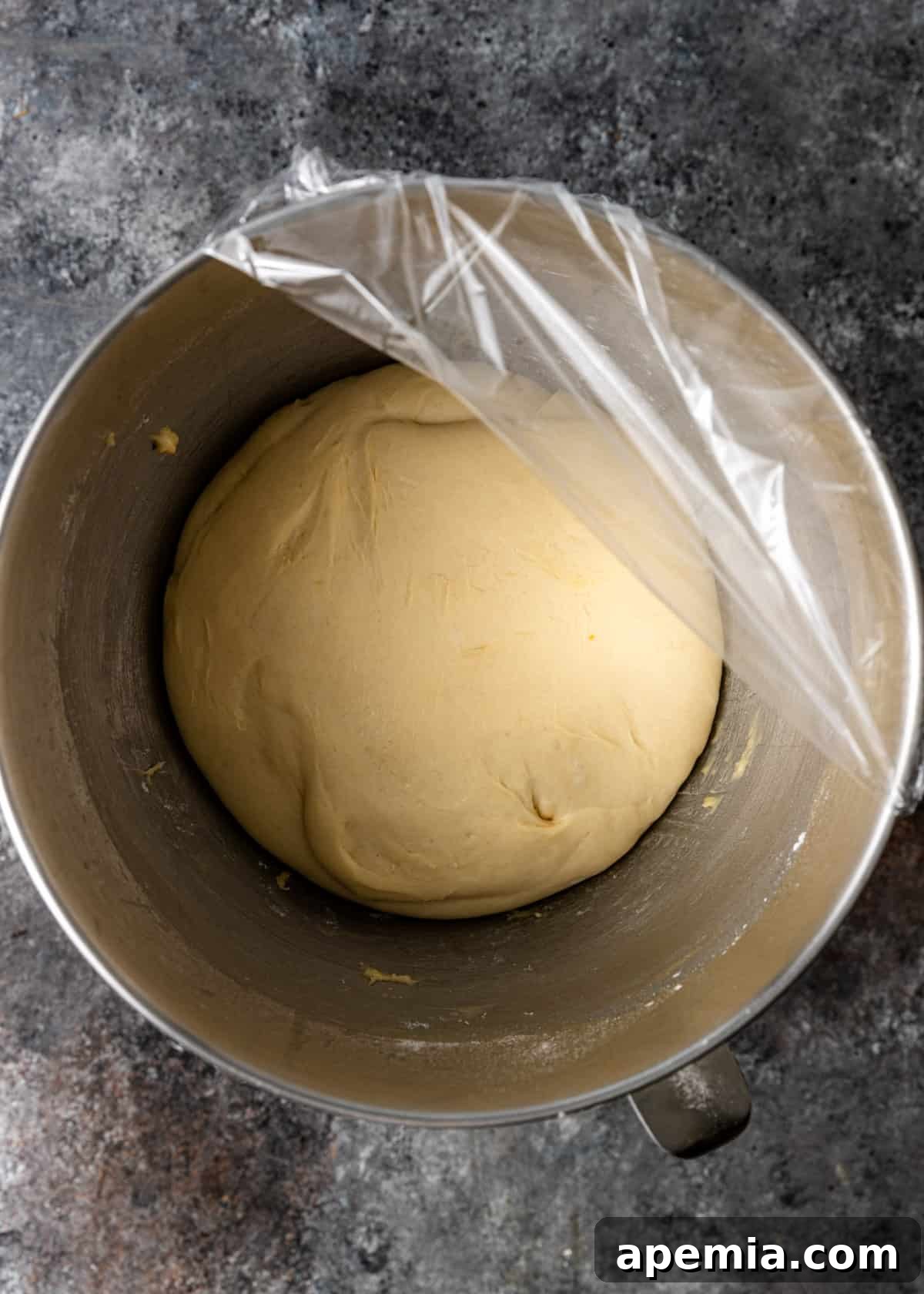
- First Rise: Form the dough into a smooth ball and place it in a lightly greased bowl. Cover the bowl tightly with plastic wrap to prevent a skin from forming and place it in a warm, draft-free location. Allow the dough to rise for about 1 hour, or until it has visibly doubled in size.
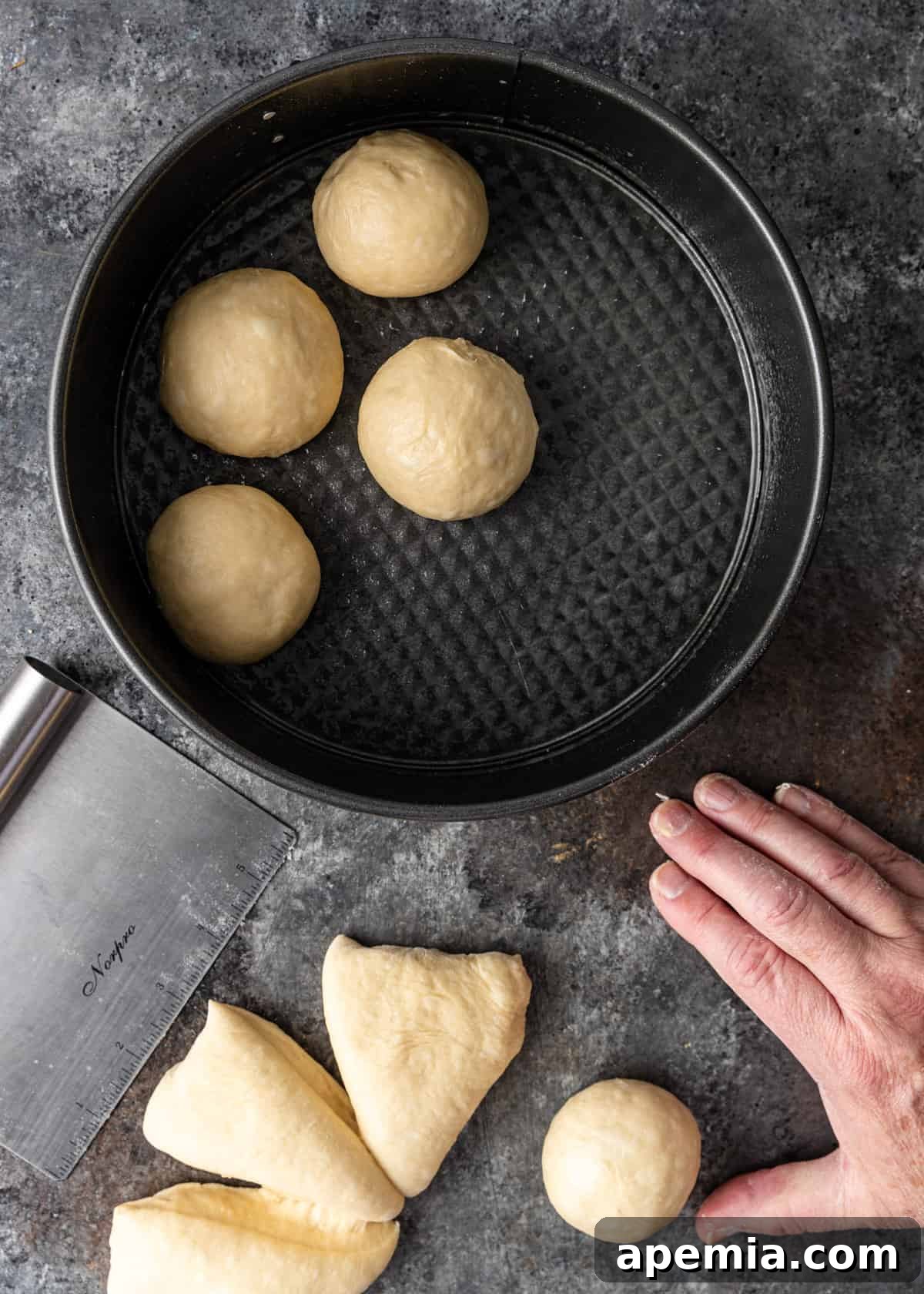
- Shape the Rolls: Gently punch down the risen dough to release the accumulated gas. Turn it out onto a clean, lightly floured surface. Shape the dough into a loose, round form. Using a sharp knife or a pastry cutter, divide the dough into 8 equal-sized pieces, much like slicing a pizza (each piece should weigh roughly 3 ounces). Roll each individual piece under the palm of your hand in a circular motion, using your cupped hands to create a smooth, taut dough ball. Arrange these perfectly round dough balls into a greased 9-inch springform pan, leaving a small, even space between each roll.
- Second Rise: Cover the pan loosely with plastic wrap and return it to a warm place for another 30 minutes. During this second rise, the rolls should become noticeably puffy and nearly double in size. Towards the end of this period, preheat your oven to 350°F (175°C).
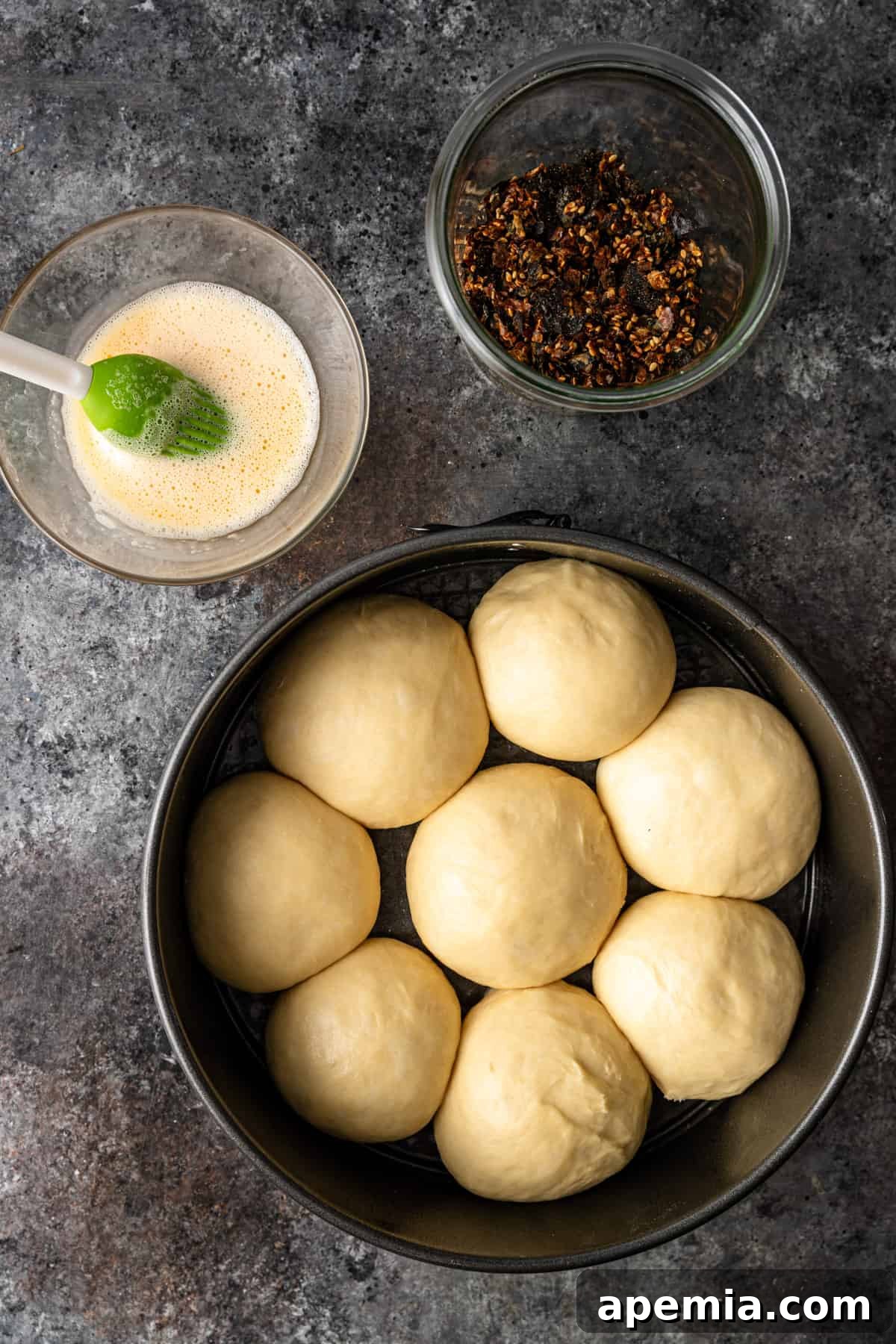
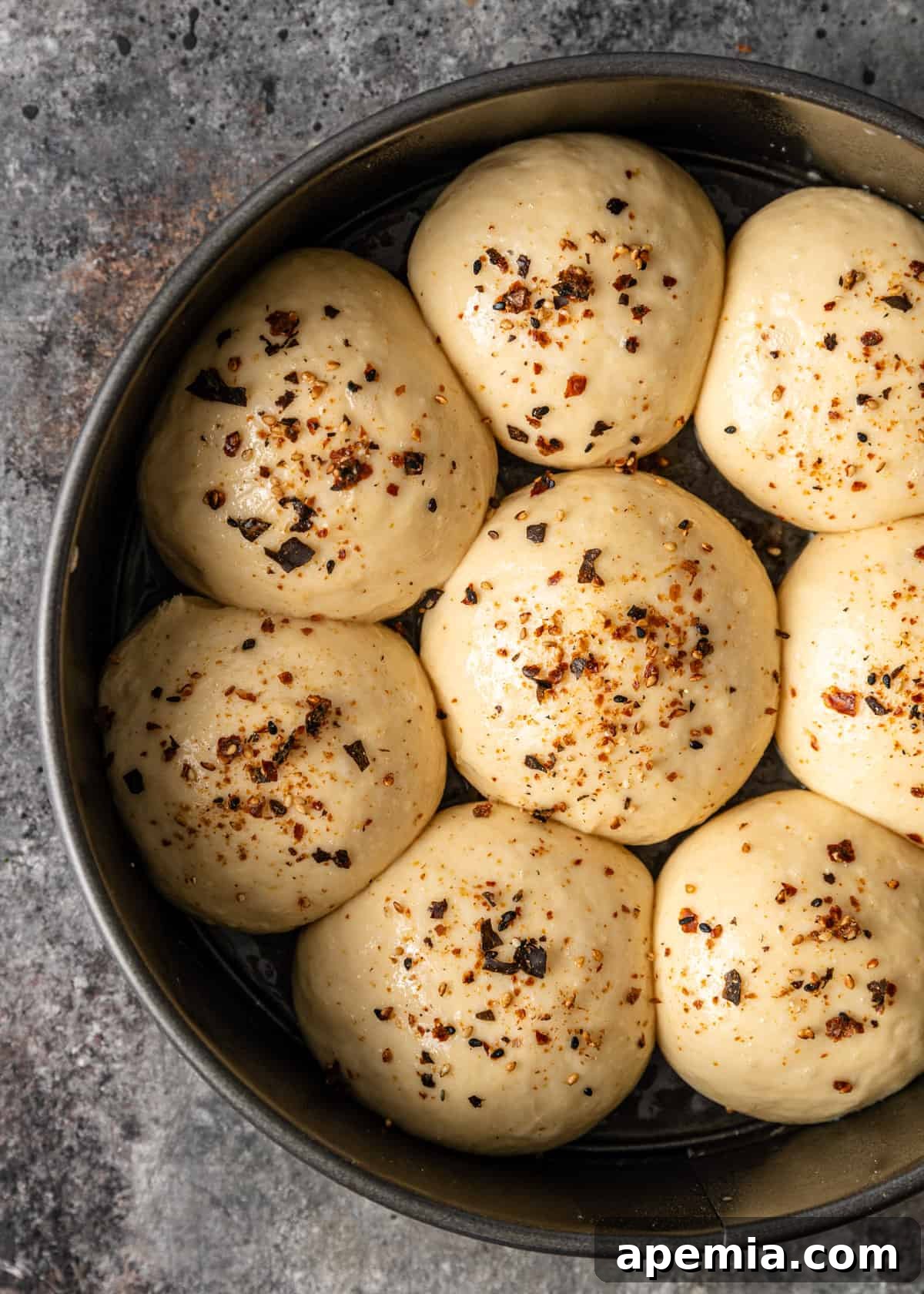
- Egg Wash & Season: In a small bowl, whisk together the remaining egg and 1 teaspoon of water to create a glistening egg wash. Using a pastry brush, gently and evenly coat the tops of the risen rolls with this mixture. If desired, sprinkle the rolls generously with furikake seasoning for an added layer of savory flavor and texture.
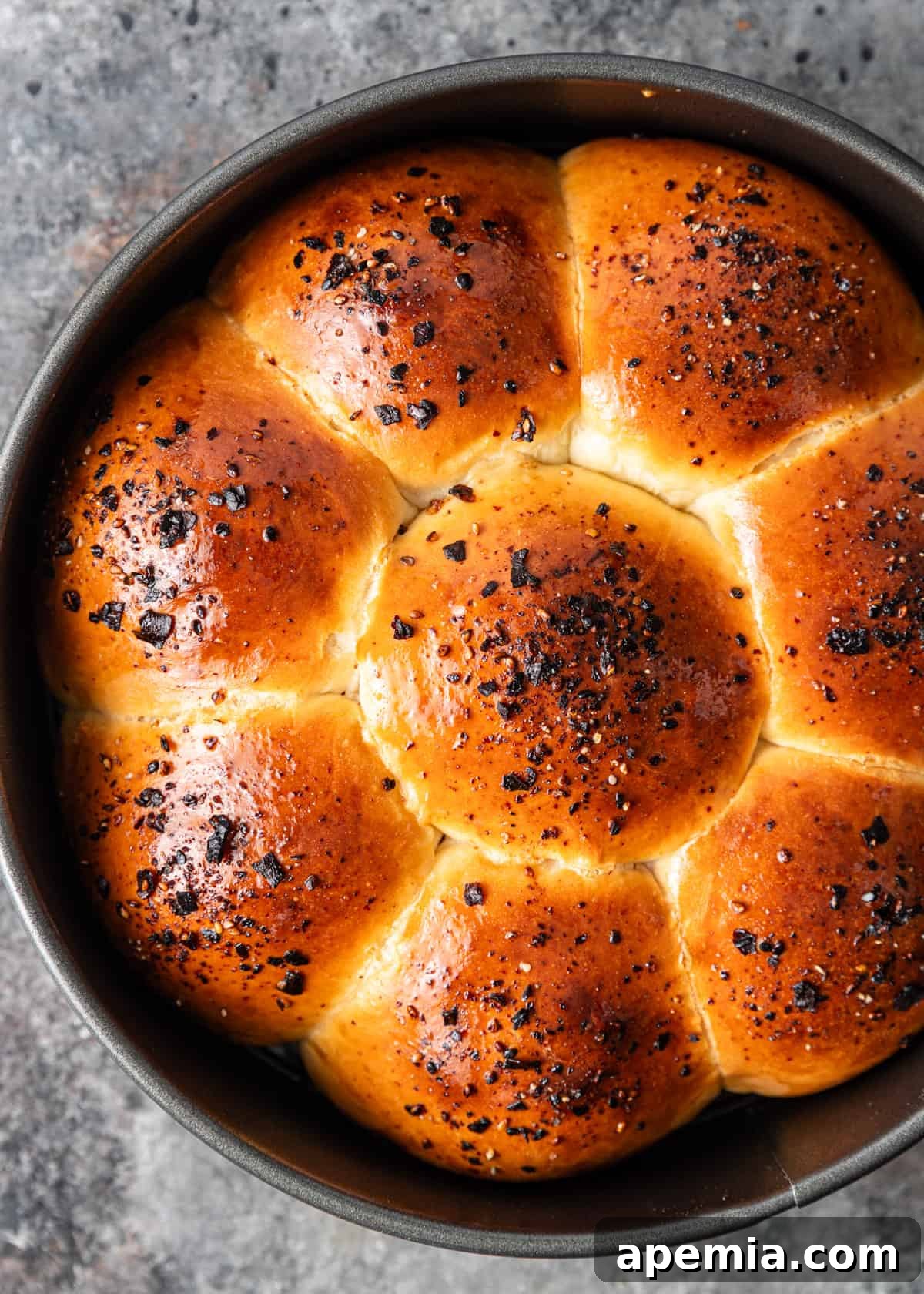
- Bake: Carefully transfer the pan to your preheated oven. Bake for approximately 20 minutes, or until the tops of the rolls achieve a beautiful golden-brown color. To confirm they are thoroughly baked, the internal temperature of the rolls should reach 190°F (88°C). For an optional aromatic touch, lightly brush the warm rolls with toasted sesame oil immediately after they come out of the oven. Serve warm and enjoy the exquisite softness!
Tips for Perfect Japanese Milk Bread
Achieving the perfect fluffy milk bread is easier with a few expert tips:
- Kneading is Key: Don’t rush the kneading process. Proper gluten development is essential for the bread’s elasticity and soft texture. The dough should be smooth, elastic, and pass the “window pane test” – where a small piece of dough can be stretched thinly enough to see light through it without tearing.
- Warm Environment for Rising: Yeast thrives in warmth. Ensure your rising environment is warm (around 75-80°F or 24-27°C) and draft-free for optimal dough expansion. A slightly warm oven (turned off) or a sunny spot can work wonders.
- Don’t Over-Flour: While shaping, use minimal flour on your surface. Too much added flour can make the dough stiff and dry, counteracting the tangzhong’s benefits.
- Room Temperature Ingredients: Always use room temperature eggs, milk, and butter. This allows them to incorporate more easily into the dough and helps the yeast activate consistently.
- Internal Temperature Check: For perfectly baked bread, an internal thermometer is your best friend. Aim for 190°F (88°C) to ensure the rolls are cooked through without being overbaked and dry.
Recommended Tools for Baking
Having the right tools can make your Japanese milk bread baking experience seamless and enjoyable:
- Stand Mixer: A stand mixer with a dough hook attachment is invaluable for thoroughly and effortlessly kneading the dough to the perfect consistency. An electric hand mixer can also work but might require more effort.
- Saucepan: Essential if you are making the tangzhong mixture. A small, non-stick saucepan helps prevent sticking and ensures smooth paste formation.
- Springform Pan: While not exclusively for cheesecakes, a 9-inch springform pan is my top choice for making these rolls. Its removable sides make it incredibly easy to release the baked bread without disturbing its delicate structure.
- Pastry Brush: Ideal for applying the egg wash evenly, giving your rolls that beautiful golden crust.
- Kitchen Scale: For precise division of dough, ensuring uniformly sized rolls.
Storing and Reheating Your Rolls
To maintain the exquisite softness and freshness of your Japanese milk bread rolls, store them in an airtight container or bag at room temperature, away from direct sunlight and heat sources like the oven. They are best enjoyed within 3-4 days, though they will keep for up to 7 days. As the days pass, the rolls may become slightly harder or stale. To revive their signature softness, simply wrap a roll in a moist paper towel and microwave it for 10-20 seconds, or until warm and tender.
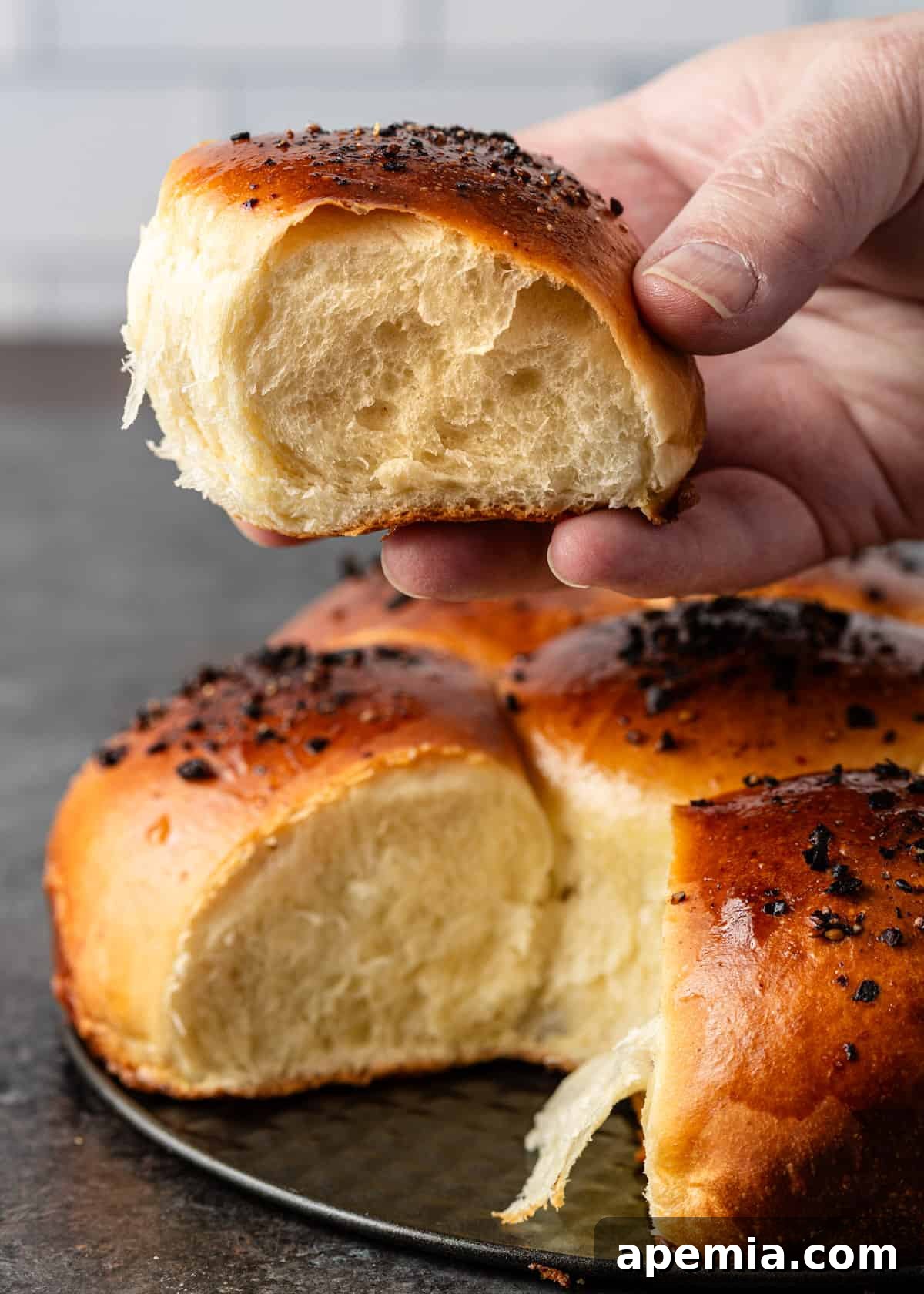
Frequently Asked Questions About Japanese Milk Bread
What is tangzhong?
Tangzhong, or “water roux,” is a cornerstone Asian baking method. It involves cooking a small quantity of flour with water and milk into a thick paste. This process pre-gelatinizes the starches, allowing them to absorb and retain significantly more liquid. When added to the main dough, tangzhong makes the bread incredibly soft, moist, and elastic, and it helps it stay fresh for a longer period. While it adds a small extra step, the remarkable difference in texture is absolutely worth it.
Is Japanese milk bread like brioche?
Not quite, though they share some similarities in their soft, rich texture. Brioche is an enriched bread known for its high butter and egg content, making it very rich and decadent. Japanese milk bread, while also enriched, achieves its signature softness and moistness primarily through the tangzhong method or a bread conditioner, rather than relying on as much fat as brioche. This results in a lighter, yet equally tender bread with a subtly sweet and milky flavor profile, distinct from the richer taste of brioche.
Why didn’t my Japanese milk bread come out fluffy?
There are a few common reasons your milk bread might not have achieved optimal fluffiness. The most frequent culprit is insufficient kneading. The dough needs to be kneaded long enough for strong gluten development. You can test this with the “window pane test”: stretch a small piece of dough thinly until it’s translucent enough to see light through it without tearing. If it tears easily, it needs more kneading. Another critical factor is rising time; the dough needs ample time for both its first and second rises, typically doubling in size each time, totaling around 1.5 hours or more for both stages. Ensure your rising environment is warm and free from drafts.
Love this recipe? Share it with the world on Pinterest!
Share on Pinterest
Japanese Milk Bread Rolls Recipe
Japanese milk bread is uniquely fluffy and chewy, perfectly complemented by savory furikake seasoning for a delightful mix of soft, crunchy, sweet, and salty textures.
Prep: 30 mins | Cook: 20 mins | Dough Rise: 1 hr 30 mins | Total: 2 hrs 20 mins
Yields: 8 rolls
Ingredients
Activate Yeast
- ¼ cup water warm (105-110°F)
- 1 tablespoon active dry yeast
- 1/8 tsp sugar
Tangzhong Mixture (or use 2 ¼ teaspoon of Dough Conditioner)
- 4 tablespoons whole milk
- 2 tablespoons water
- 2 tablespoons all-purpose flour
Dough
- 2 ½ cups bread flour
- 1 large egg, room temperature
- ½ cup whole milk, room temperature
- ¼ cup sugar
- 1 teaspoon kosher salt
- 3 tablespoons butter, softened
For Baking & Topping
- 1 large egg, room temperature (for egg wash)
- 1 teaspoon water (for egg wash)
- 1 tablespoon Furikake seasoning (optional)
- 2 teaspoons toasted sesame oil (optional)
Instructions
- Choose Your Enhancer: In this recipe, you can use either a dough conditioner or the traditional tangzhong method. Both methods are effective in creating a lighter dough that helps retain moisture, resulting in exceptionally fluffy rolls.
- Activate Yeast: Combine ¼ cup warm water (105-110°F), 1 tablespoon active dry yeast, and 1/8 teaspoon sugar in a small bowl. Stir and set aside for 5-10 minutes to bloom until foamy.
- Prepare Tangzhong (if not using dough conditioner): In a saucepan over medium heat, whisk together 4 tablespoons whole milk, 2 tablespoons water, and 2 tablespoons all-purpose flour. Continue whisking constantly until the mixture thickens into a paste. Remove from heat and pour into a small bowl to cool slightly to room temperature.
- Mix the Dough: In the bowl of a stand mixer with a dough hook attachment, add 2 ½ cups bread flour, 1 large room-temperature egg, ½ cup room-temperature whole milk, ¼ cup sugar, 1 teaspoon kosher salt, the activated yeast mixture, and either the cooled tangzhong paste OR 2 ¼ teaspoons of dough conditioner. Mix on low speed for about 5 minutes until the dough comes together. If the dough is too wet, add flour (1 tablespoon at a time). If it is too dry, add a little milk.
- Incorporate Butter: With the mixer still on low, add 3 tablespoons of softened butter one tablespoon at a time until fully incorporated and the dough is smooth and elastic.
- First Rise: Form the dough into a ball and place it in a lightly greased bowl. Cover with plastic wrap and place in a warm location for 1 hour to rise (or until doubled in size). While the dough rises, spray a 9-inch springform pan with nonstick cooking spray and set aside.
- Shape Rolls: Gently punch down the dough. Turn it out onto a clean, lightly floured surface and shape into a loose round. Use a knife or pastry cutter and divide the dough into 8 equal-sized pieces (about 3 ounces each).
- Form Dough Balls: Working one at a time, roll each piece under your palm in a circular motion on the floured surface to form a smooth dough ball. Arrange the rolls in the prepared pan, leaving a little space between each.
- Second Rise: Cover the pan with plastic wrap and place in a warm location for 30 minutes to rise and double in size. Preheat oven to 350°F (175°C).
- Egg Wash & Season: In a small bowl, whisk together the remaining 1 large egg (room temperature) and 1 teaspoon water. Use a pastry brush to coat the tops of the rolls with the egg wash. Sprinkle tops with optional Furikake seasoning.
- Bake: Bake for 20 minutes, or until the tops are golden brown. The internal temperature of the baked rolls should be 190°F (88°C). If desired, brush the warm tops with 2 teaspoons of toasted sesame oil immediately after baking. Serve warm.
Notes
In this recipe, you have the option to use either a dough conditioner or the traditional tangzhong method. Both are excellent for creating a lighter dough that retains moisture, ensuring fluffier rolls. I also utilize the tangzhong method in my BBQ Pork Buns for similarly tender results.
Nutrition Information (Estimate per serving)
- Calories: 241kcal
- Carbohydrates: 37g
- Protein: 7g
- Fat: 7g
- Saturated Fat: 4g
- Polyunsaturated Fat: 1g
- Monounsaturated Fat: 2g
- Trans Fat: 0.2g
- Cholesterol: 55mg
- Sodium: 350mg
- Potassium: 97mg
- Fiber: 1g
- Sugar: 8g
- Vitamin A: 228IU
- Vitamin C: 0.001mg
- Calcium: 42mg
- Iron: 1mg
The information shown is an estimate provided by an online nutrition calculator. It should not be considered a substitute for a professional nutritionist’s advice.
Recipe Details
- Course: Breads
- Cuisine: Japanese
- Author: Kevin
Have You Made This Recipe? Let Me Know on Instagram!
Tag @keviniscooking or use the hashtag #keviniscooking!