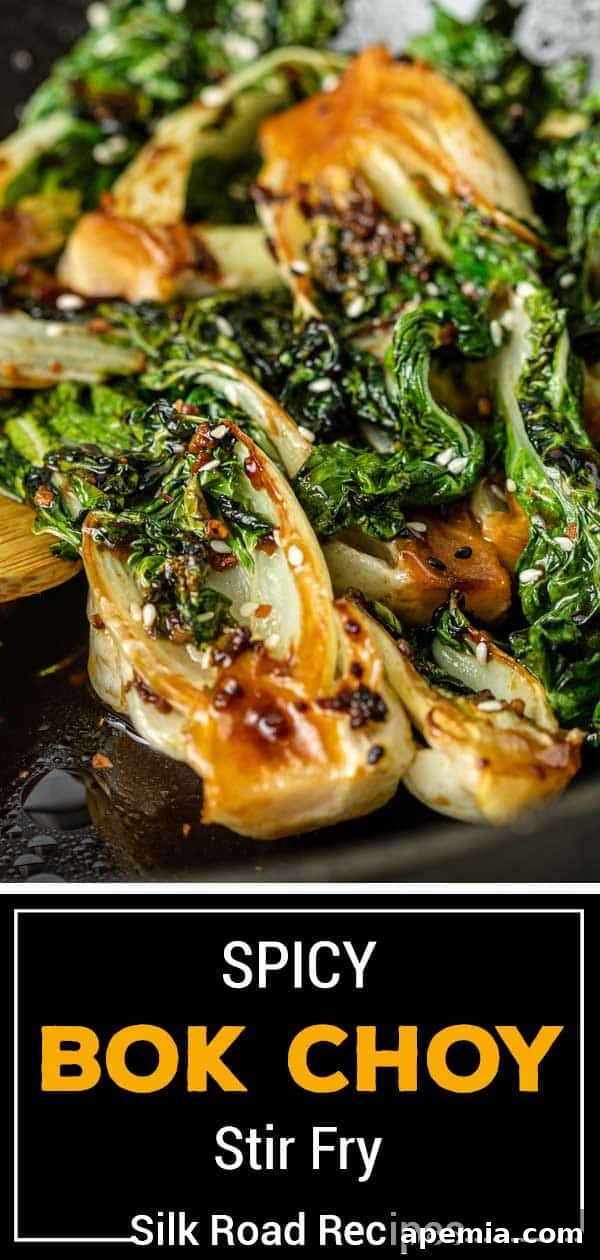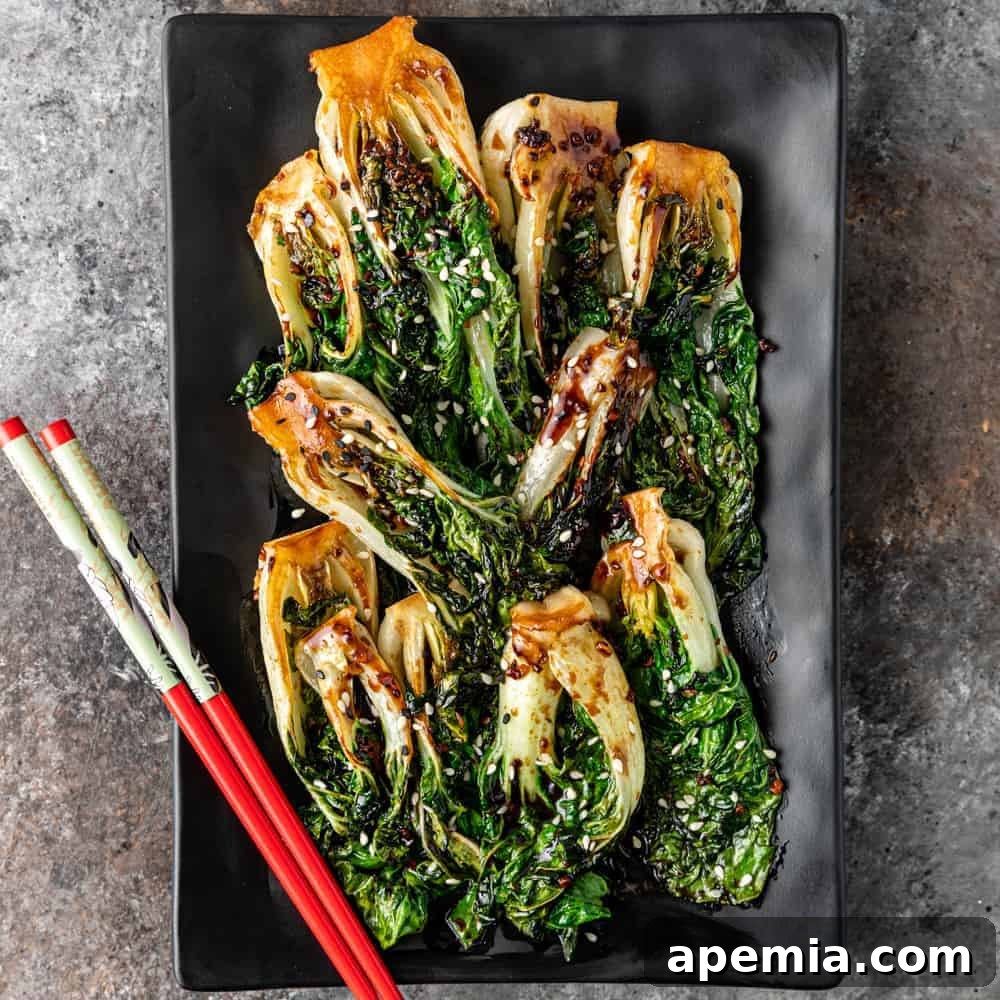
Savor the incredible flavors of the East with my ultimate Bok Choy Stir Fry recipe! This quick and easy dish transforms fresh baby bok choy into a tender, flavorful side, coated in a rich, homemade umami sauce that perfectly complements any Asian-inspired meal. It’s not just a dish; it’s a vibrant celebration of healthy, delicious eating designed to elevate your culinary experience with minimal effort.
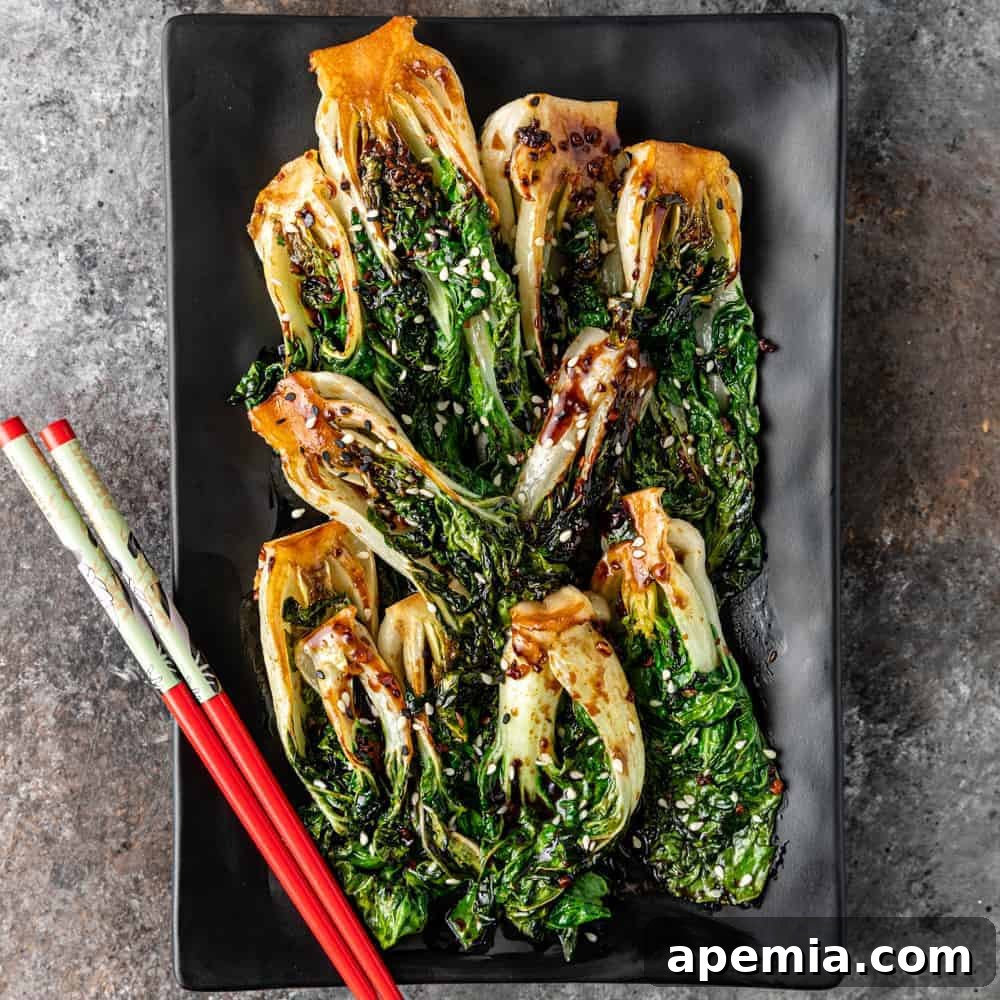
There’s a special kind of magic in a side dish that effortlessly enhances your main course, and this sautéed bok choy is precisely that. While it shines brightest alongside Asian cuisine, its versatile and deeply satisfying flavor profile makes it a welcome addition to a surprising range of meals. Imagine it complementing succulent Chinese BBQ pork, rich flanken ribs, or spicy Kung Pao chicken meatballs. Unlike the often bland experience of traditional steamed broccoli or spinach, this stir-fry offers a unique burst of flavor that’s both exciting and incredibly good for you. Embracing dark leafy greens has never been so delicious!
My culinary journey often leads me to seek out dishes that are not only delicious but also wonderfully easy to prepare. After all, who hasn’t spent hours perfecting a magnificent main dish, only to realize a compelling side is still needed? That’s where this recipe steps in. It’s a testament to the idea that simplicity doesn’t mean sacrificing flavor. In fact, sometimes the most straightforward recipes yield the most profound tastes. This Bok Choy Stir Fry with its signature oyster sauce is a shining example of this philosophy, proving that a quick preparation can lead to an extraordinary dining experience.
The secret weapon in this recipe, the not-so-secret ingredient I adore, is oyster sauce. Despite its name, you won’t find any hint of a “fishy” taste here. Instead, it delivers a rich, earthy depth and an unparalleled umami punch that transforms humble vegetables into something truly special. Umami, often referred to as the fifth basic taste, is that savory, mouth-filling sensation that makes food taste incredibly satisfying and moreish. Oyster sauce provides this complexity, creating a sauce that coats the bok choy with a luxurious glaze, enhancing its natural sweetness and adding layers of savory goodness that will have you reaching for seconds.
Ingredients for Success: What You’ll Need
Crafting the perfect Bok Choy Stir Fry starts with selecting the right ingredients and understanding how each contributes to the overall flavor and texture. Here’s a detailed look at what you’ll need and some helpful tips:
- Baby Bok Choy: This is the star of our dish. It’s crucial to choose baby bok choy for its delicate texture and naturally sweeter flavor compared to its larger, more mature counterparts. When cooked, baby bok choy offers a delightful crisp-tender bite and a subtle nutty undertone. Look for vibrant green leaves and firm, white stalks without any wilting or discoloration.
- Oyster Sauce: The backbone of our umami-rich sauce. As mentioned, don’t let the name deter you; its flavor is purely savory, sweet, and incredibly complex, devoid of any strong seafood taste. It provides a glossy finish and a depth of flavor that is hard to replicate. If you’re looking for a vegetarian alternative, mushroom-based “vegetarian oyster sauce” is an excellent substitute, offering similar umami notes.
- Soy Sauce: This essential Asian condiment adds another layer of umami, saltiness, and a slight sweetness, creating a perfectly balanced flavor profile for the stir-fry sauce. I prefer low-sodium soy sauce to control the overall saltiness, allowing the other flavors to shine without being overwhelmed. Adjust to your taste, but a good quality soy sauce makes a noticeable difference.
- Minced Garlic Cloves: Fresh garlic is non-negotiable for its aromatic foundation. It infuses the oil with its pungent, warm essence before the bok choy is added, creating a flavorful base that perfectly complements the rich sauces. Four cloves might seem like a lot, but it mellows beautifully during cooking, adding depth rather than sharpness.
- Sugar: A small amount of sugar is vital for balancing the savory and salty components of the soy and oyster sauces. It rounds out the flavors, prevents the dish from tasting flat, and highlights the natural sweetness of the bok choy. You can use granulated sugar, brown sugar, or even a touch of honey for a slightly different nuance.
- Vegetable Oil: For sautéing our beautiful greens. A neutral-flavored oil with a high smoke point is best for stir-frying. Canola oil is my top choice, but other good options include grapeseed oil, peanut oil, or even a light olive oil (not extra virgin). The key is an oil that can withstand the high heat required for a quick stir-fry without burning.
- Red Pepper Flakes: For those who appreciate a hint of warmth and spice. A pinch of red pepper flakes adds a subtle kick that can awaken the palate and provide a delightful contrast to the savory sauce. Feel free to adjust the amount or omit entirely if you prefer a milder dish.
- Toasted Sesame Seeds: An optional but highly recommended garnish. Sprinkled over the finished dish, toasted sesame seeds add a lovely nutty aroma, a subtle crunch, and an appealing visual element. They’re a simple touch that elevates the presentation and flavor.
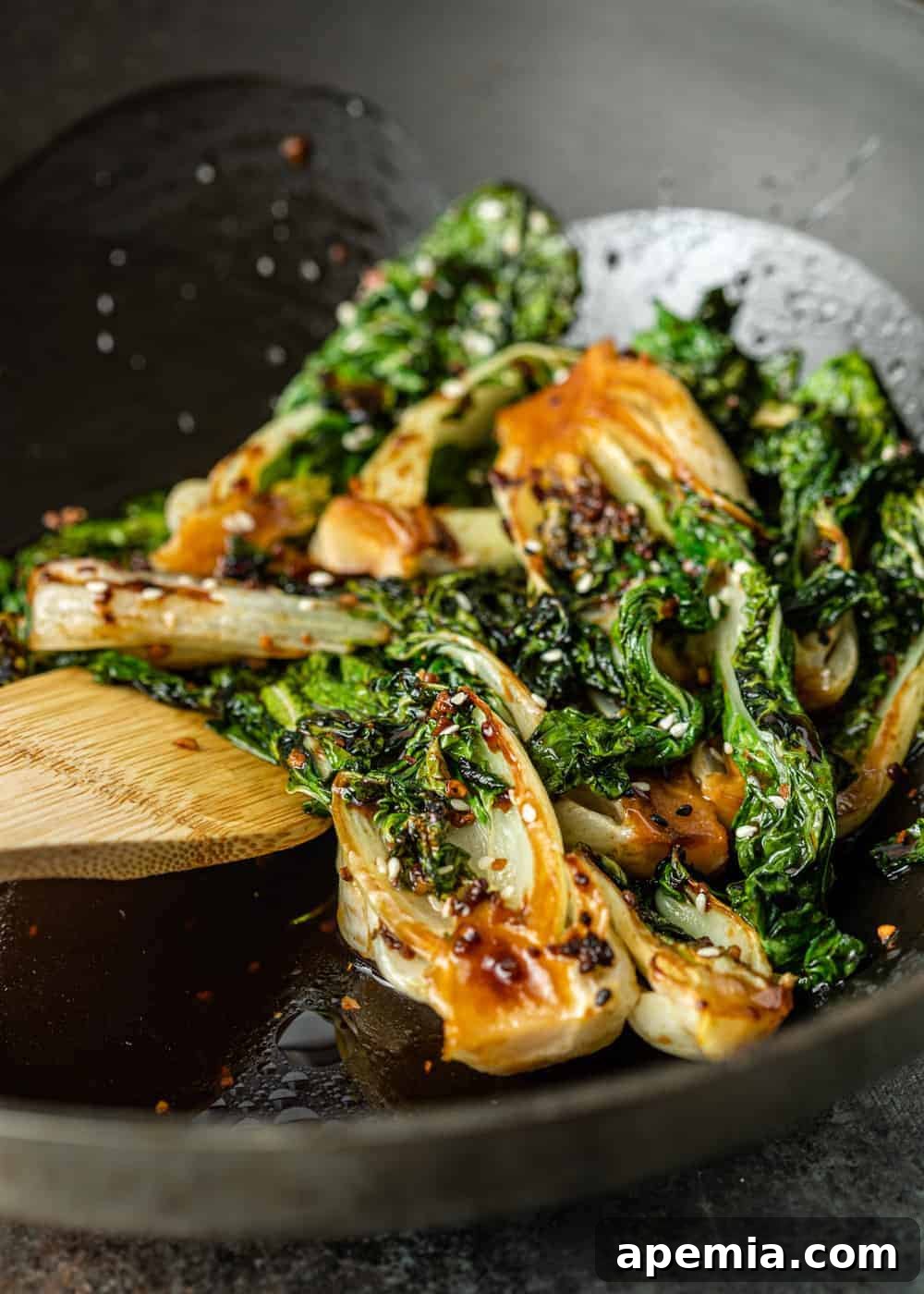
Step-by-Step Guide: How to Master Bok Choy Stir Fry
Creating this delicious Bok Choy Stir Fry is remarkably simple, even for novice cooks. Follow these detailed steps to achieve perfectly tender greens coated in our irresistible umami sauce:
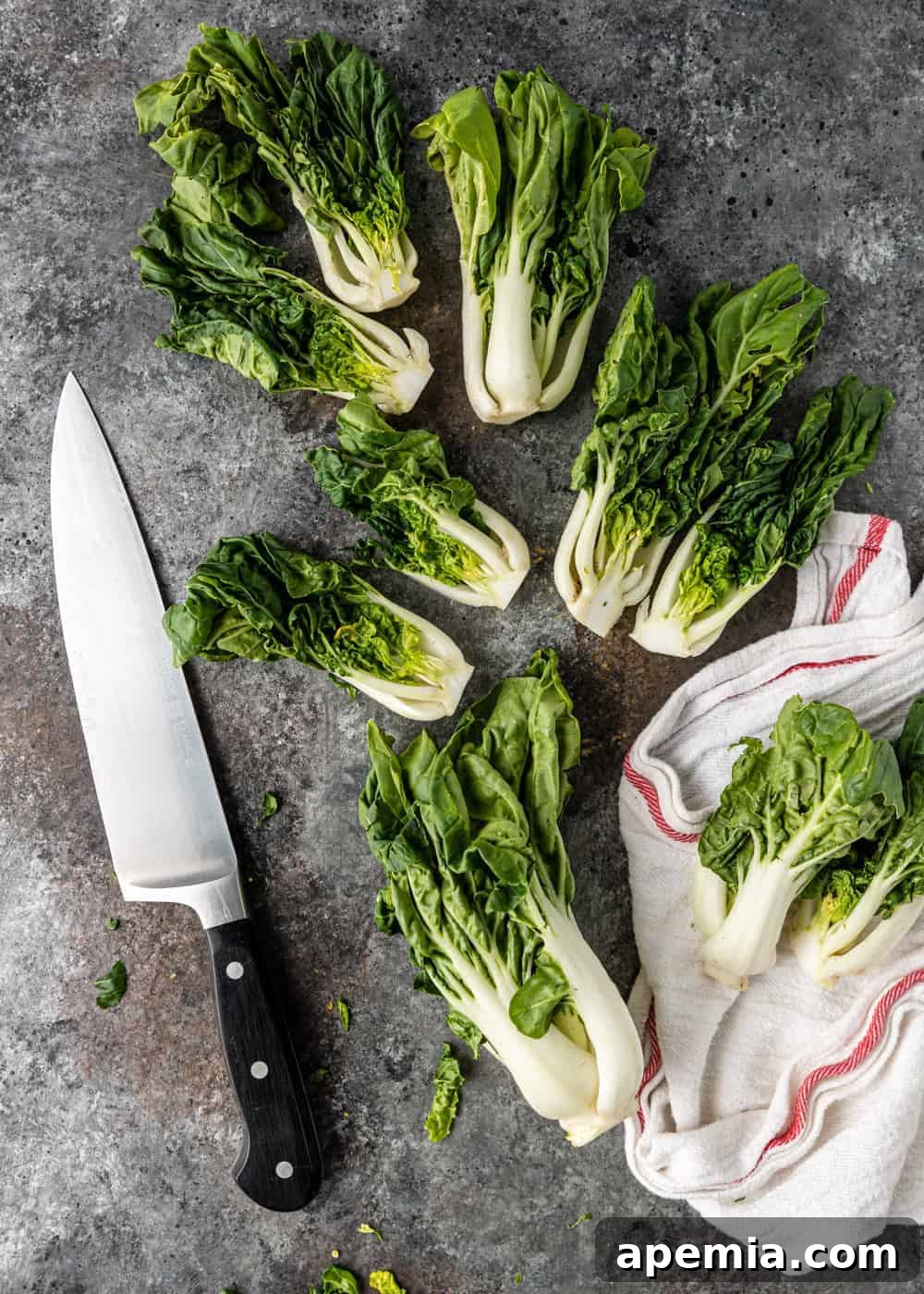
- Prepare Your Vegetables: Start by thoroughly rinsing your baby bok choy under cold running water. Dirt can often hide between the layers, so make sure to get it all out. Next, trim off the very end of the root, where the leaves converge, discarding any tough or damaged outer leaves. It’s important to keep the core of the bok choy intact so the leaves remain connected. Slice each head of bok choy lengthwise down the middle. For larger baby bok choy, you might even quarter them to ensure even cooking. This preparation ensures uniform pieces that will cook quickly and evenly.
- Sauté the Aromatics: Heat your chosen vegetable oil in a large skillet or a wok over medium-high heat until it shimmers. A hot pan is key for a good stir-fry, creating that desirable slightly caramelized exterior on the bok choy. Add the minced garlic and sauté for about 30 seconds, stirring constantly. Be extremely careful not to burn the garlic, as burnt garlic will impart a bitter taste to your dish. You’re looking for a fragrant, light golden hue.
- Stir-Fry the Bok Choy: Once the garlic is aromatic, add the prepared bok choy halves to the pan, cut-side down. Cook for 2 minutes without disturbing them too much. This allows the cut surfaces to get a nice sear and begin to tenderize. The high heat and quick cooking method will help retain the bok choy’s vibrant color and crisp-tender texture.
- Add the Flavorful Sauce: After 2 minutes, flip the bok choy. Then, gently push the greens to the outer sides of the pan, creating a clear space in the middle. In this empty space, pour in the soy sauce and oyster sauce, add the sugar, and sprinkle in the red pepper flakes. Stir these ingredients together quickly in the center of the pan for about 10-15 seconds to combine and slightly heat them. This direct heat helps meld the flavors.
- Toss, Cover, and Finish: Immediately toss the bok choy with the freshly mixed sauce, ensuring every piece is beautifully coated. Reduce the heat to low, cover the skillet or wok, and allow it to cook for another 1-2 minutes. This brief steaming period will finish tenderizing the bok choy to perfection, allowing it to absorb all the delicious flavors of the sauce. The greens should be fork-tender but still retain a slight bite.
- Garnish & Serve: Remove the pan from the heat. Carefully transfer the perfectly cooked bok choy to a serving plate. Don’t forget to pour any leftover flavorful drippings from the pan over the greens – this liquid gold is packed with savory goodness. Finally, sprinkle with toasted sesame seeds if desired, adding a delightful crunch and nutty aroma. Serve immediately with your chosen main dish and enjoy the fresh, umami-packed flavors!
If you’re new to stir-frying, this recipe is an excellent starting point. It’s forgiving, fast, and incredibly rewarding. The entire process from start to finish is designed for maximum flavor with minimum fuss, making it a perfect weeknight meal solution.
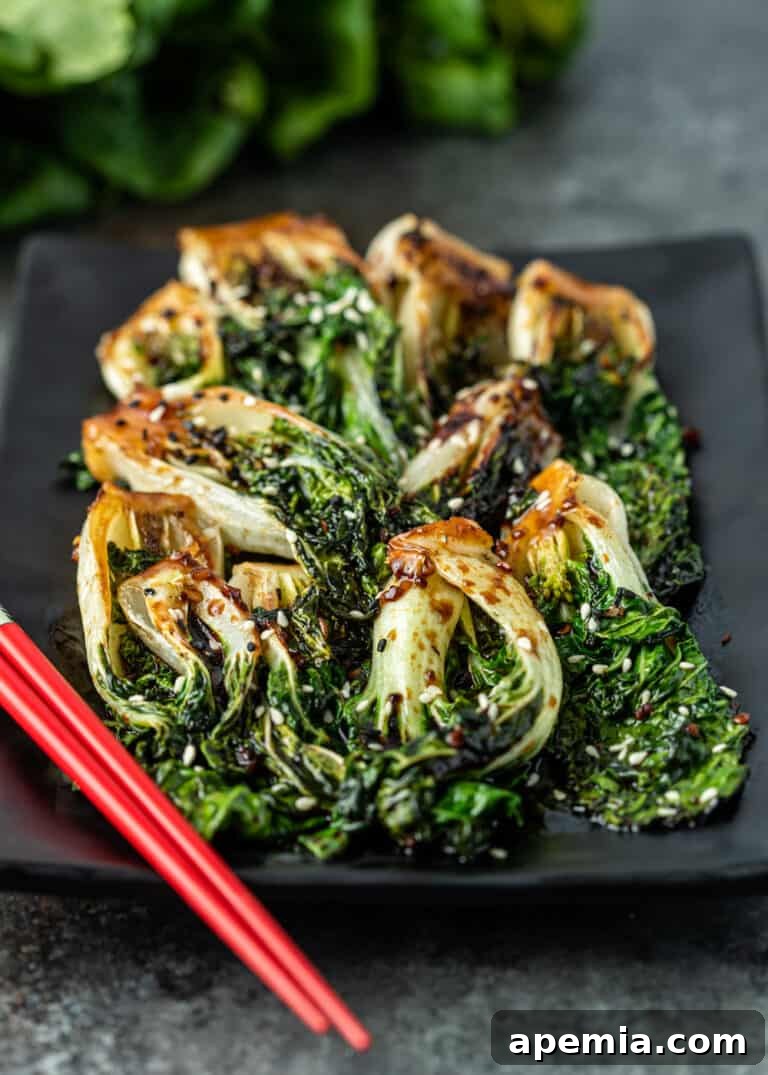
What Part of Bok Choy Do You Use in Stir Fry?
For this stir-fry recipe, the goal is to achieve tender-crisp results quickly, which means focusing on the more edible and less fibrous parts of the bok choy. You should primarily use the leafy green tops and the more tender white stalks. It’s best to remove the very hard, white end where the roots once were, as this section tends to be quite tough and can be difficult to cook evenly in a quick stir-fry without overcooking the rest of the plant. A good rule of thumb is to trim off about an inch from the very base. When using baby bok choy, as recommended, the white stalks are generally much more tender than those of full-sized bok choy, so only a minimal trim of the very base is needed. If you were steaming or boiling the vegetable, you could leave a bit more of the stalk attached, as these methods allow for longer, gentler cooking that softens the tougher parts more thoroughly. For stir-frying, efficiency and even texture are key.
How Long Should Bok Choy Be Cooked?
The cooking time for bok choy varies significantly depending on the cooking method and the size of the vegetable, but the goal is always crisp-tender perfection. For this stir-fried bok choy with oyster sauce, we aim for a quick cook to retain its vibrant color and slight crunch. You’ll typically cook it for about 2 minutes on medium-high heat after adding it to the pan, allowing it to sear. Then, after adding the sauces and covering, it cooks for an additional 1-2 minutes on low heat to steam and fully tenderize. This rapid cooking ensures the bok choy is perfectly done, not mushy. If you opt for steaming, it generally takes around 6 minutes to reach a tender consistency. Boiling, a less common but still viable method, requires only about 1-2 minutes until it’s tender. Always keep an eye on it; the moment the stalks are easily pierced with a fork, it’s ready to be removed from the heat to prevent overcooking.
How Do You Make Bok Choy Less Bitter?
While bok choy is known for its mild, slightly sweet flavor, some might occasionally detect a hint of bitterness, especially in more mature plants. The best way to minimize bitterness is by selecting young, “baby” bok choy. These smaller varieties are inherently sweeter and more tender than their full-grown counterparts. As bok choy matures, it tends to develop a more pronounced bitter taste, which can transform into a pleasant nutty flavor when cooked properly. If you encounter a batch that seems a bit bitter, ensuring you trim off the tough, white root end can help, as this part can hold more bitterness. Some culinary experts also suggest starting with a cold wok and cold oil, rather than heating the oil first, to prevent bitterness from developing. This unconventional approach might be worth experimenting with if bitterness is a concern. Additionally, the savory-sweet profile of our oyster and soy sauce blend goes a long way in masking and balancing any subtle bitter notes, ensuring a universally enjoyable dish.
Health Benefits of Bok Choy
Bok choy isn’t just delicious; it’s a nutritional powerhouse! This leafy green is packed with vitamins and minerals, making it an excellent addition to any healthy diet. It’s an outstanding source of Vitamin A, crucial for vision and immune function, and Vitamin C, a powerful antioxidant that supports skin health and immunity. Bok choy also provides a good amount of Vitamin K, essential for blood clotting and bone health, and folate, which is vital for cell growth and function. Beyond vitamins, it contains important minerals like calcium, potassium, and iron. Its high fiber content aids digestion, while its low-calorie count makes it ideal for weight management. Incorporating bok choy into your meals is a simple and delicious way to boost your nutrient intake and support overall well-being.
Can I Make This Bok Choy Stir Fry Vegetarian or Vegan?
Absolutely! This recipe is incredibly adaptable for vegetarian and vegan diets with just one simple substitution. The primary ingredient that needs attention is oyster sauce, which traditionally contains oyster extract. Fortunately, many brands offer “vegetarian oyster sauce,” often made from mushrooms (like shiitake) to mimic the rich, umami flavor and thick consistency of the original. These vegetarian versions are widely available in Asian grocery stores and even in the international aisle of many mainstream supermarkets. Simply swap out the regular oyster sauce for a vegetarian mushroom-based alternative in the exact same quantity. All other ingredients—baby bok choy, vegetable oil, garlic, soy sauce, sugar, red pepper flakes, and sesame seeds—are naturally plant-based. This makes it a fantastic and flavorful option for everyone to enjoy, regardless of dietary preferences.
Expert Tips for the Best Stir Fry
Achieving a restaurant-quality stir fry at home is within reach with a few key techniques. First, always ensure your wok or skillet is piping hot before adding oil, and then ensure the oil is shimmering before adding ingredients. This high heat is crucial for searing and preventing vegetables from stewing. Second, “mise en place” is your best friend: have all your ingredients prepped, measured, and within arm’s reach before you start cooking, as stir-frying is a very fast process. Third, avoid overcrowding the pan; cook in batches if necessary to maintain high heat and achieve proper searing. Overcrowding lowers the pan temperature, leading to steamed rather than stir-fried results. Lastly, don’t overcook your vegetables; they should be vibrant and crisp-tender. Follow these tips, and your bok choy stir fry will be a guaranteed success every time.
Serving Suggestions & Perfect Pairings
This Bok Choy Stir Fry is a versatile side dish that complements a wide array of main courses. Beyond the Chinese BBQ pork, flanken ribs, and Kung Pao chicken meatballs mentioned earlier, it pairs beautifully with simple steamed rice or flavorful fried rice. Consider serving it alongside crispy pan-fried salmon, grilled chicken, or even a hearty bowl of ramen or pho to add a fresh, green element. For a complete vegetarian meal, enjoy it with tofu or tempeh stir-fried with similar Asian flavors. Its bright taste and tender texture make it a refreshing counterpoint to richer, savory dishes, truly enhancing the overall dining experience.
Storage and Reheating
Should you be lucky enough to have leftovers of this delicious bok choy stir fry, storing and reheating it properly will ensure you can enjoy its flavors again. Allow the stir fry to cool completely to room temperature before transferring it to an airtight container. It can be stored in the refrigerator for up to 2-3 days. When reheating, I recommend using a skillet or wok over medium heat with a tiny splash of water or broth. Stir-fry gently until just heated through, being careful not to overcook the bok choy, which can become mushy. Avoid reheating in the microwave if possible, as it can diminish the texture and flavor. This method helps preserve its crisp-tenderness and savory taste for a delightful second meal.
Bok Choy Stir Fry
Print Recipe
Video
For a visual guide on making this delicious Bok Choy Stir Fry, you can find a recipe video showcasing the process from start to finish.
Ingredients
- 1 lb baby bok choy
- 1 tbsp vegetable oil
- 4 garlic cloves minced
- 2 tbsp soy sauce
- 2 tsp oyster sauce
- 1 tsp sugar
- pinch red pepper flakes
Garnish
- Sesame seeds toasted, optional
Instructions
-
Rinse the baby bok choy thoroughly. Trim and discard any damaged outer leaves and the very end of the root. Slice each bok choy lengthwise down the middle.
-
Heat oil in a large skillet or wok over medium-high heat until hot and shimmering. Add the minced garlic and sauté for about 30 seconds, being careful not to burn it. Add the bok choy, cut side down, and cook for 2 minutes without disturbing.
-
Flip the bok choy, then push it to the outer sides of the pan to create an empty space in the middle. In this center space, add the soy sauce, oyster sauce, sugar, and red pepper flakes, stirring to mix them quickly. Toss to coat the bok choy evenly with the sauce. Cover the pan and reduce heat to low. Cook for 1-2 minutes, or until the bok choy is fork tender.
-
Uncover the pan, transfer the bok choy to a serving plate, pour any remaining pan drippings over the top, and sprinkle with toasted sesame seeds if desired. Serve immediately.
Notes
Nutrition
The information shown is an estimate provided by an online nutrition calculator. It should not be considered a substitute for a professional nutritionist’s advice.
Whether you’re a seasoned cook or just starting your culinary journey, this Bok Choy Stir Fry offers a simple yet profoundly satisfying dish. It’s a versatile, healthy, and incredibly flavorful side that proves nutritious eating can be exciting and quick. So, grab your wok, gather your ingredients, and prepare to elevate your next meal with this delightful Asian green stir-fry. Enjoy the fresh flavors and the joy of creating something truly delicious!