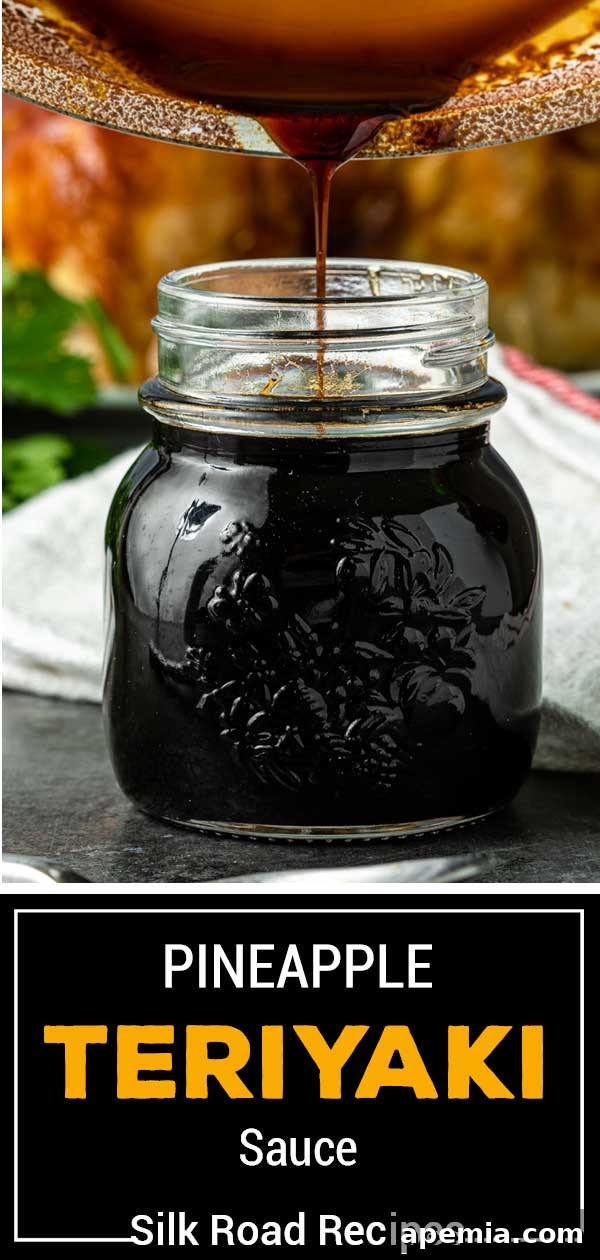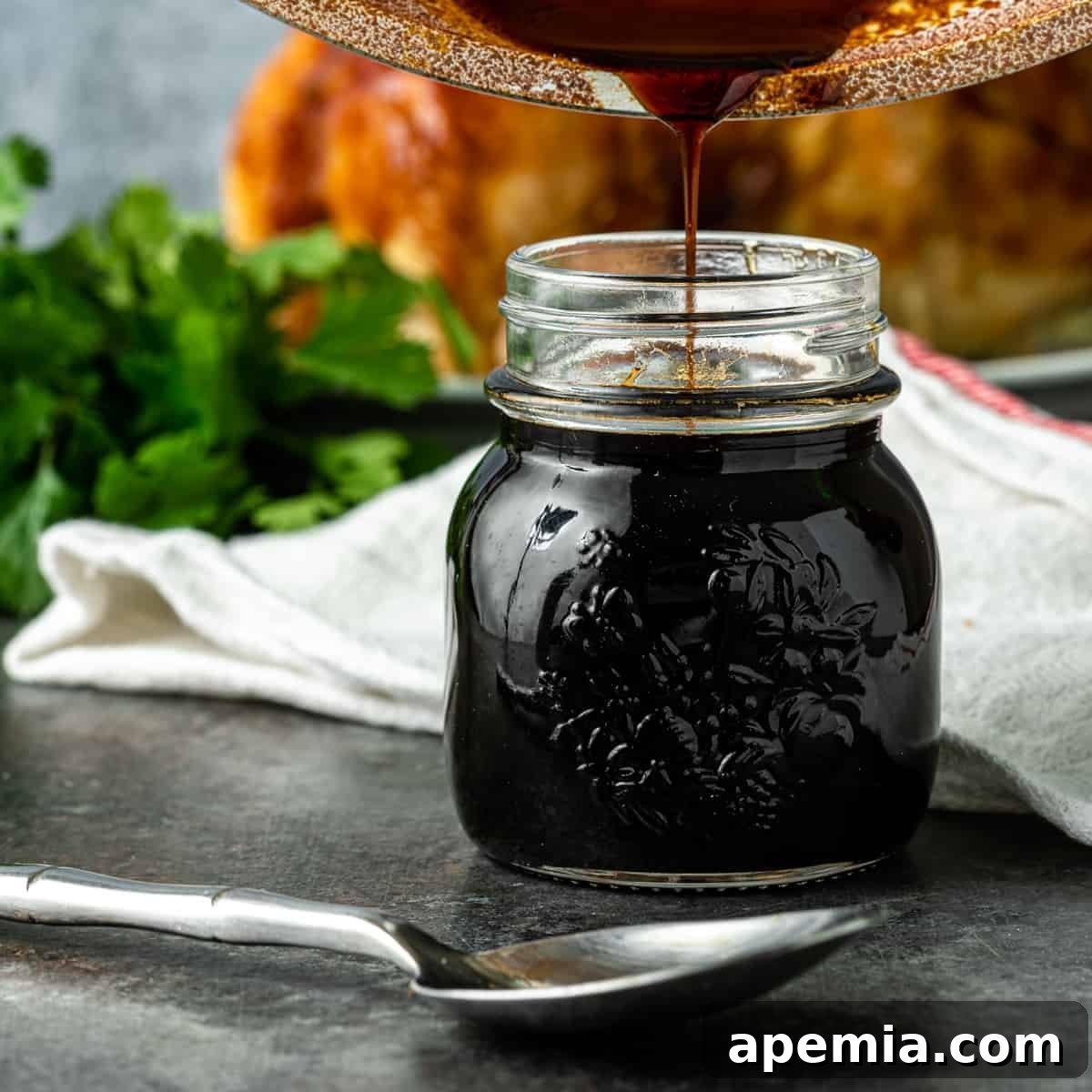
Craving a burst of vibrant flavor in your meals? Look no further than this incredible homemade pineapple teriyaki sauce. Forget bland, overly processed store-bought versions; this recipe is incredibly easy to make with just 4 ingredients and tastes infinitely better. It’s not just a sauce; it’s a culinary secret weapon that will elevate your cooking, bringing a perfect balance of sweet, savory, and tangy notes to any dish.

Homemade Pineapple Teriyaki Sauce: Your New Pantry Staple
In today’s world, where saving money on groceries and maintaining a healthy diet are top priorities, learning to make your own pantry staples is a game-changer. This philosophy extends beautifully to sauces and spice blends, and this Japanese pineapple teriyaki sauce is a prime example. Not only are homemade versions typically more cost-effective than their store-bought counterparts, but they also give you complete control over the ingredients.
Imagine no longer needing to scrutinize ingredient labels for hidden MSG, artificial food dyes, or excessive preservatives. When you make your own teriyaki sauce, you know exactly what goes into it – pure, wholesome ingredients. This transparency is especially valuable if you or your family have dietary restrictions, allergies, or simply prefer to eat clean. For those who typically opt for organic, non-GMO condiments, switching to homemade is an excellent opportunity. The cost savings are substantial when compared to buying premium organic brands from the supermarket, making healthy eating more accessible and budget-friendly.
Versatile Uses for Your Homemade Pineapple Teriyaki Sauce
Once you’ve experienced the fresh, vibrant taste of this homemade pineapple teriyaki, it’s sure to become your go-to Asian condiment. Its incredible versatility means it can instantly add depth and zest to almost any dish. From crisp vegetables and delicate seafood to hearty meats, this sauce is a flavor powerhouse. Let’s explore some of the fantastic ways you can incorporate it into your cooking:
1. The Ultimate Marinade for Grilling and Roasting
This sauce shines as a marinade. The natural enzymes in pineapple juice act as a tenderizer, making meats incredibly succulent, while the teriyaki flavors penetrate deep into every fiber. Use it to marinate:
- Ribs: Whether you’re making pork ribs or beef ribs, a good soak in this pineapple teriyaki marinade will result in fall-off-the-bone tenderness and an unforgettable sticky glaze.
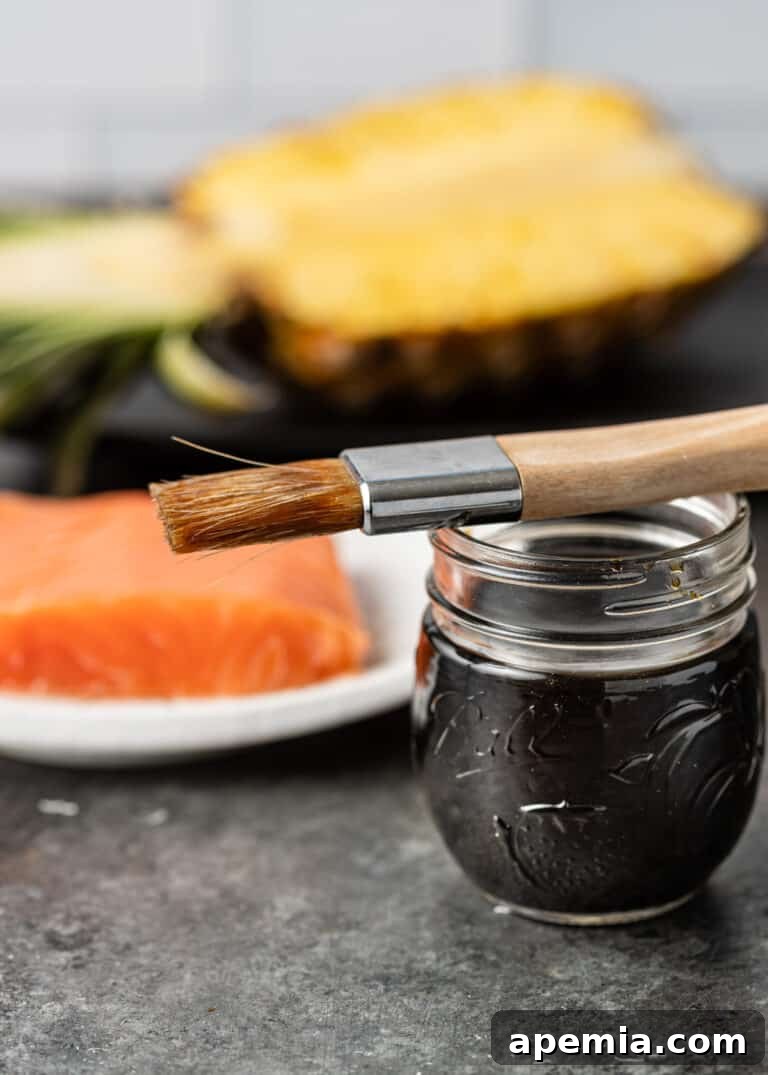
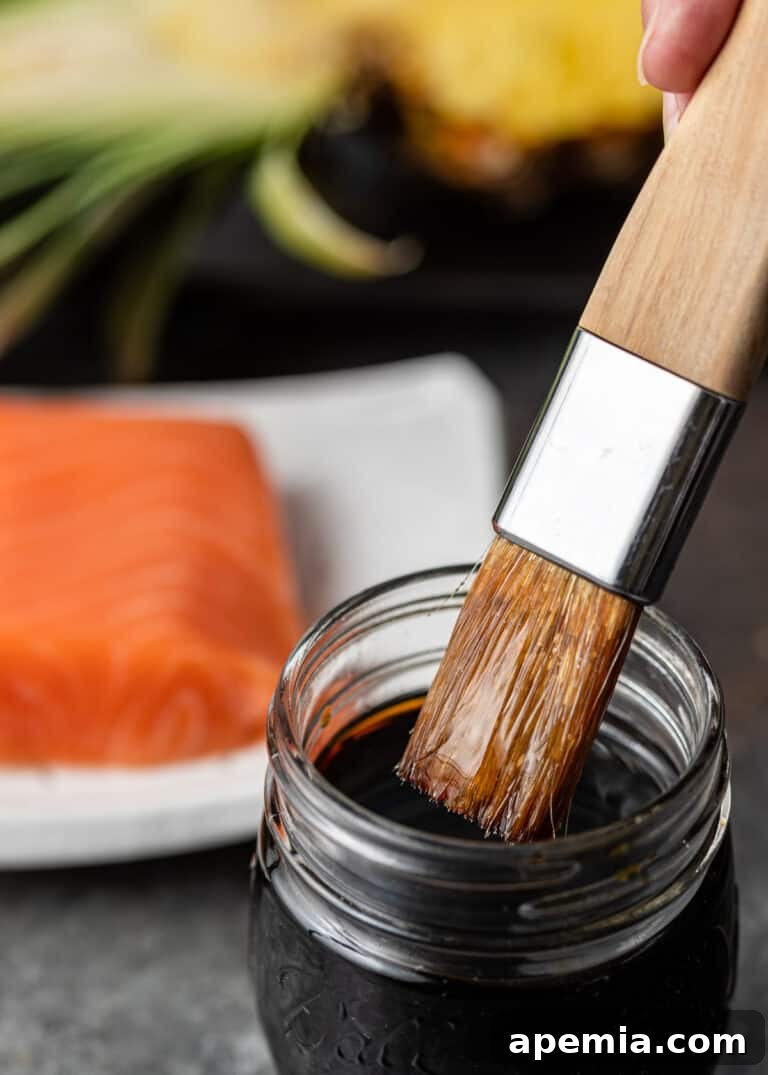
- Grilled Salmon: For seafood lovers, marinate salmon fillets for just 20-30 minutes before grilling or baking. The sweet and savory notes perfectly complement the rich flavor of salmon.
- Chicken Kabobs: Skewered chicken, such as a flavorful Joojeh Kabob, becomes exceptionally moist and delicious when marinated in this sauce. It also helps create a beautiful caramelized char on the grill.
- Steak: For a quick weeknight meal, marinate steak slices for fajitas or a stir-fry, or whole steaks for grilling.
- Tofu & Vegetables: Even plant-based dishes benefit! Tofu absorbs the flavors wonderfully, and vegetables like bell peppers, zucchini, and onions become incredibly tasty after a quick marinade.
2. Elevate Your Stir-Fries
Tired of the same old stir-fry? This pineapple teriyaki sauce is a fantastic upgrade to a traditional stir-fry sauce. Simply use it in place of regular teriyaki, and watch your dish transform. Its thickness and glossy finish coat every ingredient beautifully, ensuring every bite is packed with flavor. Add it towards the end of your stir-fry cooking process to allow it to thicken and cling to your noodles, rice, or vegetables and protein.
3. A Dazzling Glaze for Roasts and Holiday Hams
Looking for a show-stopping glaze? The rich, syrupy consistency and sweet-savory profile of this sauce make it a fabulous choice for glazing. Imagine a holiday ham bathed in this beautiful glaze, caramelized to perfection, or a roasted chicken with a glistening, flavorful skin. It adds a touch of exotic sweetness that will impress your guests.
4. Delectable Dipping Sauce
Serve it alongside spring rolls, chicken nuggets, or even grilled shrimp for a quick and satisfying dipping experience. Its robust flavor means a little goes a long way!
Crafting Your Perfect Pineapple Teriyaki: The Key Ingredients
One of the most appealing aspects of this recipe is its simplicity. You only need four core ingredients to create this incredibly flavorful Japanese sauce. It truly doesn’t get much simpler, yet the results are gourmet-level delicious!
- Pineapple Juice: This is the star ingredient that gives our teriyaki its unique, sweet, and tangy twist.
- Fresh vs. Canned: If you have a juicer and access to fresh pineapples, making your own fresh pineapple juice will undoubtedly make a huge difference in the vibrancy and depth of flavor in your sauce. The natural sweetness and acidity are unparalleled.
- No Added Sugar: If using store-bought pineapple juice, be sure to select a brand with no added sugar to prevent the sauce from becoming overly sweet. We want the natural fruit flavor to shine, not artificial sugary notes.
- Contribution: Beyond flavor, pineapple juice contributes to the sauce’s body and provides enzymes that naturally tenderize meats when used as a marinade.
- Soy Sauce: The cornerstone of any teriyaki sauce, providing the essential umami and salty foundation.
- Gluten-Free Option: For those with gluten allergies or sensitivities, tamari is an excellent, readily available substitute for soy sauce. It offers a similar savory profile without the wheat. Always check labels, even for tamari, to ensure it’s certified gluten-free.
- Low Sodium: If you’re mindful of sodium intake, opt for a low-sodium soy sauce or tamari. You can always adjust the saltiness later if needed.
- Sake: This Japanese rice wine plays a crucial role in adding depth and a subtle sweetness to the sauce.
- Flavor Profile: While some people mistakenly refer to sake as the Japanese equivalent of Chinese rice wine due to its alcoholic content, their flavor profiles are distinctly different. Sake is typically more nuanced and less acidic.
- Where to Find It: Sake is usually found in the ethnic foods aisle of larger grocery stores, specialty Asian markets, or liquor stores.
- Substitutes for Sake: If sake is unavailable, a dry sherry makes a good substitute. You could also use Chinese cooking wine, but be aware it has a slightly different, often saltier, flavor.
- Mirin: A sweet Japanese rice wine, similar to sake but with a lower alcohol content and significantly higher sugar content.
- Sweetness and Glaze: Mirin contributes a beautiful sheen and characteristic sweetness to the teriyaki, helping it achieve that glossy, syrupy texture.
- Gluten Considerations: IMPORTANT: If you have gluten allergies or sensitivities, be aware that some brands of mirin may contain ingredients with gluten. Always meticulously read the labels to ensure it’s gluten-free. In this case, you would need to find a gluten-free mirin or use a suitable alternative (see alcohol-free section).
IMPORTANT NOTE FOR DIETARY RESTRICTIONS:
If you have gluten allergies or sensitivities, ensure both your soy sauce (use tamari) and mirin are certified gluten-free. Always read ingredient labels carefully. Additionally, when making alcohol-free, use dry sherry in place of the sake if you are avoiding sake specifically for its alcohol content but are okay with other alcohols.
No Alcohol Pineapple Teriyaki Sauce Variations
For those who prefer to avoid alcohol in their cooking, this delicious teriyaki sauce can easily be adapted. Simply omit both the sake and mirin, and choose one of these two excellent substitutes:
- Option 1: Combine ½ cup white vinegar with 4 teaspoons of sugar. The vinegar provides the necessary acidity, and the sugar replaces mirin’s sweetness, creating a balanced flavor profile.
- Option 2: Use ¼ cup vegetable broth (or beef broth for a richer umami) and ¼ cup water. This option provides a savory base without adding extra sweetness or acidity, allowing the pineapple to be the dominant sweet note.
Expert Tips for Making the Best Pineapple Teriyaki Sauce
While the recipe is straightforward, a few expert tips can help you achieve perfect results every time, customizing the sauce to your exact preferences:
- Achieving the Perfect Thickness:
For a thicker, more syrupy pineapple teriyaki sauce, ideal for glazing or as a hearty stir-fry sauce, you have a couple of options:
- Extended Simmering: Simply continue cooking the sauce over low heat, allowing it to gently reduce. The longer it simmers, the more water evaporates, resulting in a naturally thicker consistency. Stir occasionally to prevent sticking, and cook until it reaches your preferred thickness.
- Cornstarch Slurry: If your sauce has already finished simmering and you find it’s not quite thick enough, a quick cornstarch slurry is your best friend. In a small bowl, combine 1 tablespoon of cornstarch with 1 tablespoon of cold water, stirring until smooth. Gradually whisk this slurry into the warm sauce while it’s gently simmering. Continue to stir for another 1-2 minutes until the sauce visibly thickens. This method works wonders for instant thickening without altering the flavor.
- Adding a Spicy Kick:
If you love a little heat to complement the sweet and savory, it’s incredibly easy to add a spicy bite to your Japanese sauce:
- Ginger Paste: For a subtle warmth and aromatic kick, add 1 teaspoon of ginger paste during the simmering process. Freshly grated ginger can also be used.
- Increased Heat: For a more pronounced spice, increase the ginger paste to up to 1 tablespoon.
- Chili Boost: For genuine heat, consider adding a pinch of red pepper flakes, a dash of sriracha, or a few drops of your favorite hot sauce. Start with a small amount and taste as you go to avoid over-spicing.
- Aromatic Enhancements:
Don’t be afraid to experiment with other aromatics. A clove of minced garlic added with the other ingredients at the start of simmering can add another layer of savory goodness. A small dash of sesame oil stirred in after the sauce has cooked can also impart a wonderful nutty aroma.

Pineapple Teriyaki Sauce
Print Recipe
Ingredients
- 1/4 cup pineapple juice
- 1/4 cup soy sauce
- 1/4 cup sake (See Note 1)
- 1/4 cup mirin
Instructions
-
For the marinade – In a medium saucepan or skillet, mix together all the pineapple juice, soy sauce, sake, and mirin. Bring to a boil and simmer for 1-2 minutes. Remove from heat and cool to use as is for a teriyaki marinade for beef, poultry, or seafood.
-
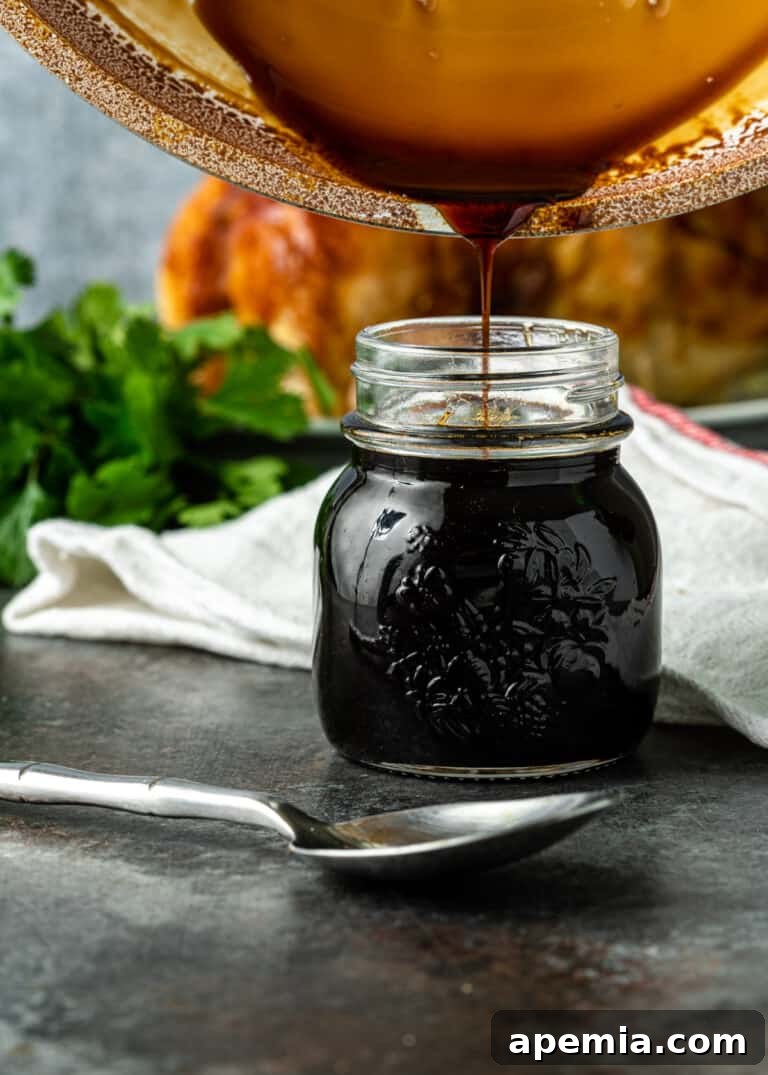
To make the pineapple teriyaki sauce (for a thicker consistency) – bring the mixture to a boil, then lower the heat to simmer for about 8 minutes if using a saucepan, or 5-6 minutes if using a skillet. Continue to simmer and cook until the sauce is reduced and noticeably thickened. It should transform into a glossy, syrupy sauce that beautifully coats the back of a spoon.
-
Allow the sauce to cool completely to room temperature before using. Transfer it to a clean, airtight container or a sealed jar and store it in the refrigerator. When properly stored, your homemade pineapple teriyaki sauce will stay fresh and delicious for 2-3 weeks.
Notes
- Substitute sake with Chinese cooking wine or a dry sherry for similar results in flavor depth.
- For a gluten-free version, ensure you use tamari instead of soy sauce and verify that your mirin is gluten-free.
- To make the sauce alcohol-free, follow the instructions in the “No Alcohol Pineapple Teriyaki Sauce Variations” section above.
- Adjust sweetness or tanginess to taste. A squeeze of lime juice can brighten the flavor, or a touch more sugar can balance acidity.
Nutrition
The information shown is an estimate provided by an online nutrition calculator. It should not be considered a substitute for a professional nutritionist’s advice.
Have You Made This Recipe? Let Me Know on Instagram!
Tag @keviniscooking or use hashtag #keviniscooking!