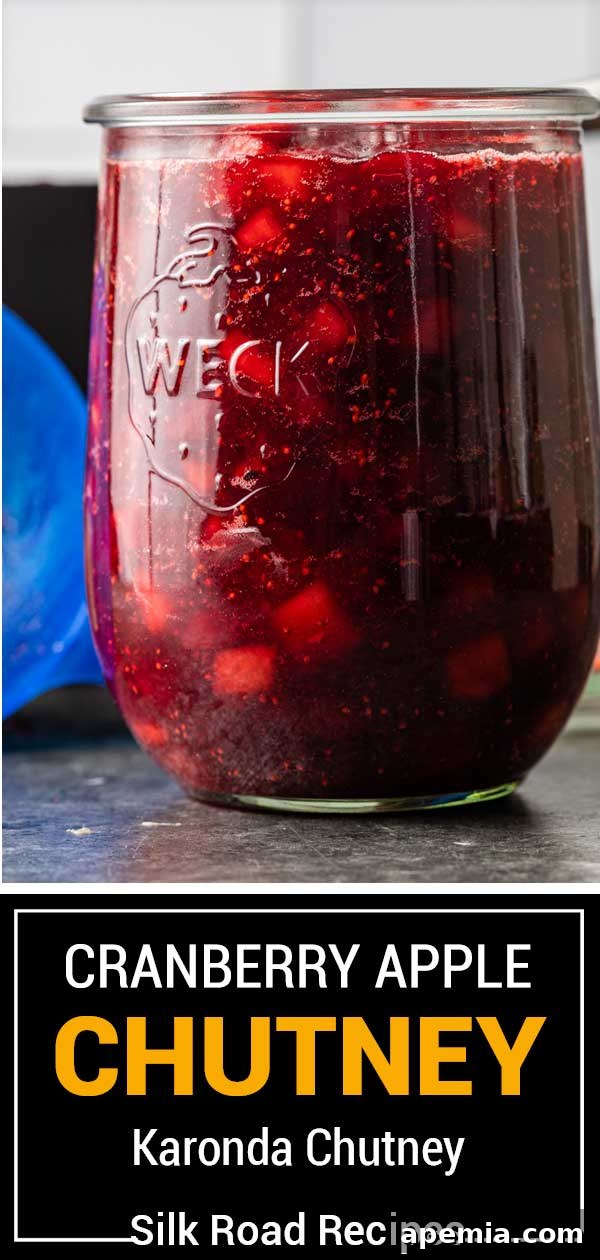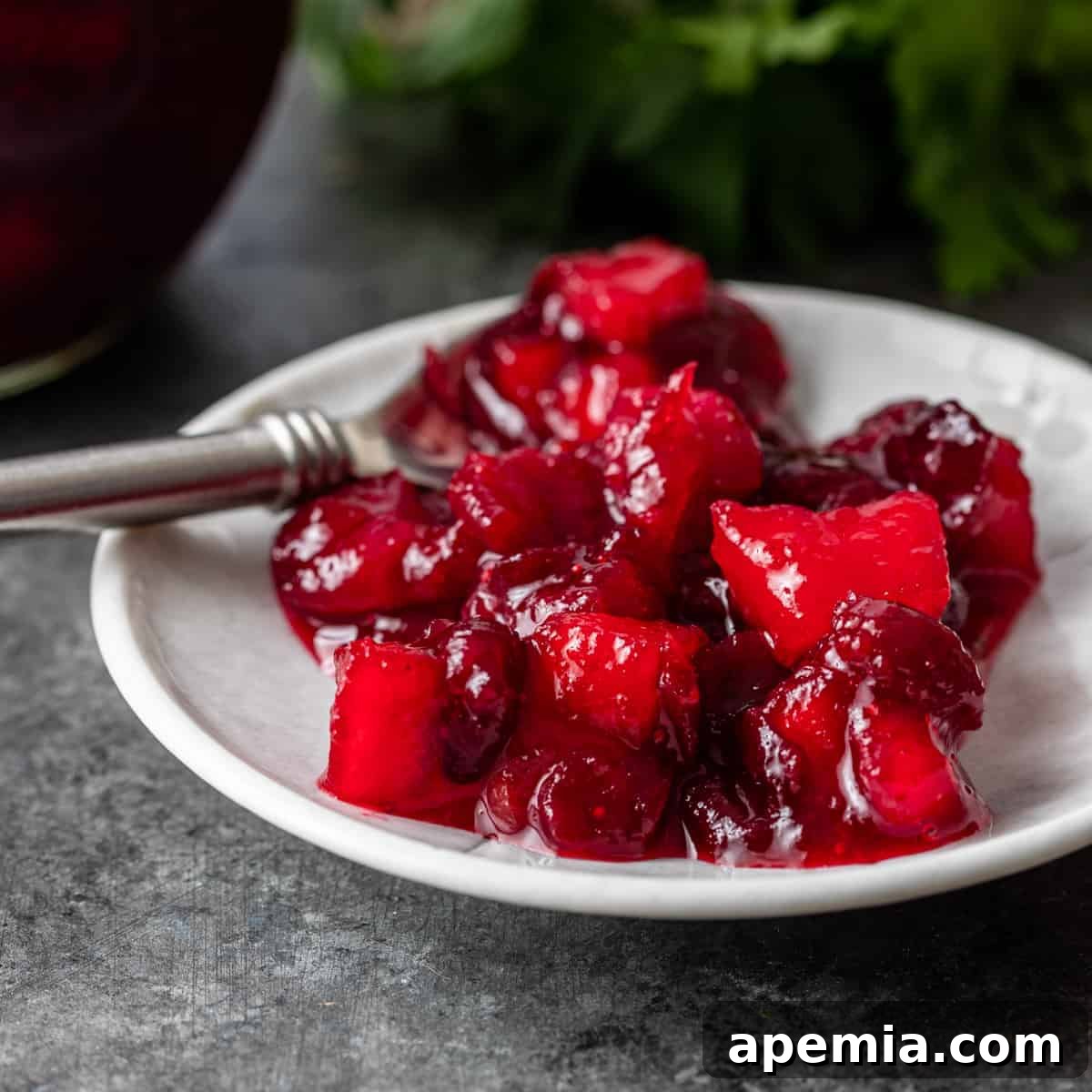
Cranberry Apple Chutney: A Versatile Sweet-Tart Condiment for All Seasons
Forget the ordinary this holiday season and elevate your culinary experience with a vibrant cranberry apple chutney. This exquisite cooked fruit condiment marries the crisp sweetness of apples with the tart zing of cranberries, creating a complex flavor profile that tantalizes the taste buds. While it makes a fantastic alternative to your traditional holiday cranberry sauce, its versatility ensures it’s a welcome addition to your table far beyond festive gatherings. Prepare to be delighted by this unique blend of flavors and textures.
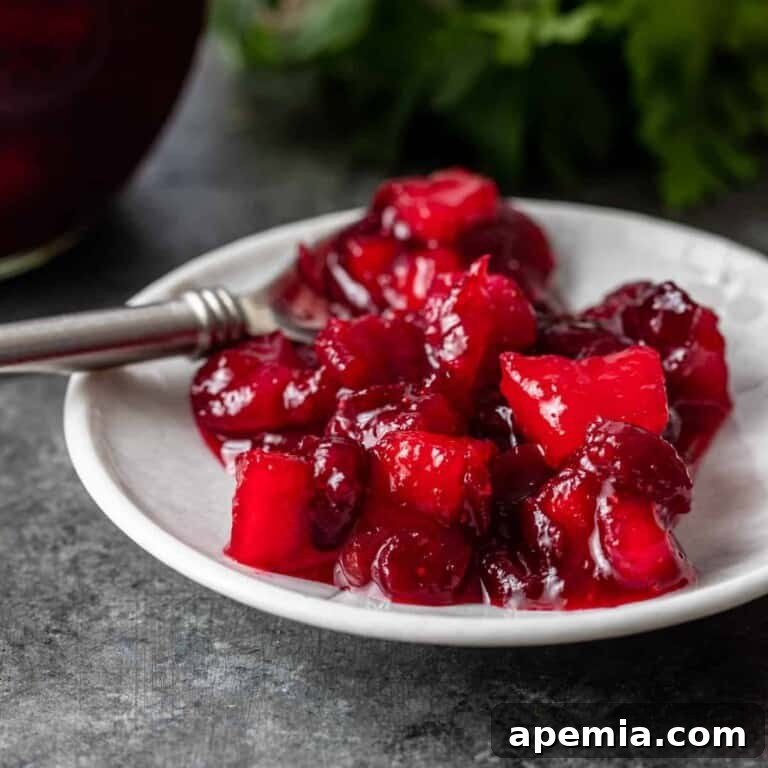
Beyond Cranberry Sauce: Exploring Chutney’s Rich Heritage
In the United States, fresh cranberry sauce holds an undeniable place in autumn traditions, especially as an essential accompaniment to Thanksgiving turkey dinner. Its familiar sweet-tart notes are synonymous with fall feasts and family gatherings. However, for those looking to expand their culinary horizons or simply seeking a fresh perspective, turning cranberries into a chutney offers a world of exciting possibilities.
The concept of chutney boasts a rich and ancient history, originating from the Indian subcontinent and spreading along the historic Silk Road to various cultures. These vibrant condiments, often a blend of fruits, vegetables, spices, and vinegar, are renowned for their incredible diversity in flavor—from fiery hot to delicately sweet. Inspired by this global tradition, the idea of transforming the classic cranberry into a chutney was born, creating a bridge between Western holiday staples and Eastern culinary artistry.
Cranberries vs. Karonda: A Tale of Two Tart Berries
A minor hurdle in bringing classic cranberry traditions to regions along the Silk Road is the limited availability of fresh cranberries. This scarcity prompted an intriguing discovery: many Indian chutneys utilize a different red berry called karonda fruit (Carissa carandas). Also known as black currant, Bengal currant, or Christ’s thorn, karonda is a small, typically pinkish-white berry that flourishes on a bushy, spiny plant during India’s summer monsoons. Much like cranberries, karonda berries possess a distinctly sour flavor and are celebrated for their significant health benefits, including high levels of antioxidants and vitamins.
While cranberries (Vaccinium macrocarpus) and karonda berries are not botanically related, their similar tartness and nutritional profiles make them excellent culinary substitutes. This recipe embraces that spirit of substitution, offering a sweet-tart chutney that pays homage to traditional karonda preparations, but utilizes the more readily available cranberries for those in other parts of the world. It’s a delicious fusion of global flavors, proving that you don’t need to travel far to experience exotic tastes. By adapting regional ingredients, we can create dishes that feel both familiar and wonderfully new.
Crafting Your Own Cranberry Apple Chutney
Venture to the northern regions of India, and you’ll encounter an incredible array of chutneys. While many lean towards savory profiles—think invigorating mint pudina chutney or rich tomato chutney—the realm of sweet chutneys is equally captivating, exemplified by the popular tamarind chutney. Our cranberry apple chutney takes inspiration from these diverse flavors, offering a condiment that is both deeply rooted in tradition and refreshingly innovative.

Course: Condiment or side dish
Preparation: Stove top
Difficulty: Easy 🥄
Description: A delightful blend of fresh sweet apples, tart cranberries, warm ginger, aromatic spices, and a hint of vinegar, slow-cooked to a perfect thickened consistency and then chilled for optimal flavor.
Versatile Serving Suggestions for Your Chutney
While this cranberry apple chutney is undoubtedly perfect with traditional Indian dishes like dosa (Indian crepes) or idli, its robust and balanced flavor profile makes it incredibly versatile. It transcends cultural boundaries, serving as a magnificent side dish or condiment for a variety of Western meals. Imagine it alongside roasted turkey, grilled chicken, or even rich pork dishes, where its sweet-tart notes cut through the richness beautifully.
Beyond main courses, consider this chutney for less conventional pairings. It makes an exquisite addition to a sophisticated cheese board, complementing creamy cheeses and salty crackers. Spoon it over cottage cheese with a sprinkle of nuts for a surprisingly gourmet breakfast. Spread it on morning toast or English muffins for a vibrant start to your day, or incorporate it into gourmet sandwiches and wraps for a burst of unexpected flavor. Its adaptability truly knows no bounds, making it a staple you’ll want to keep on hand.
Key Ingredients and Smart Substitutions for Perfect Chutney
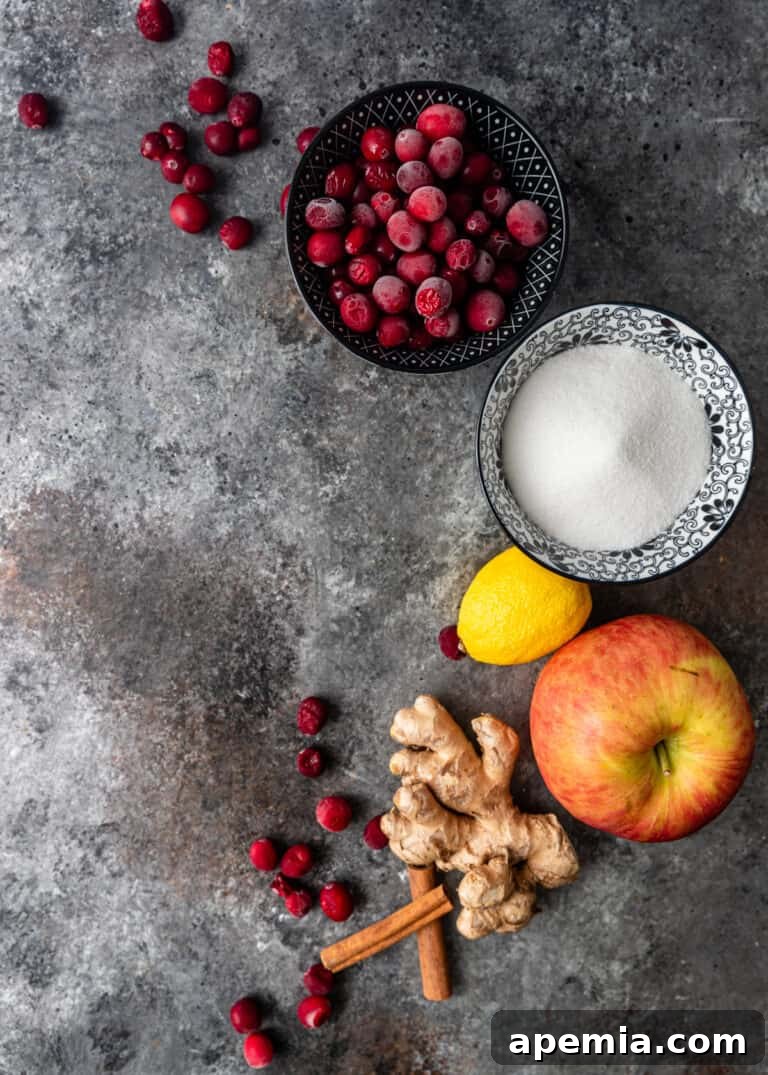
- Cranberries: The harvest season for fresh cranberries in the United States typically begins in early October, making them widely available in produce sections through January. If fresh cranberries are not available or out of season, you can easily use thawed frozen cranberries. However, be mindful that using frozen cranberries might slightly alter the final texture and consistency of the chutney, often resulting in a slightly softer, less distinct fruit piece. Always ensure they are thoroughly rinsed before use.
- Apples: The choice of apple variety is crucial for achieving the desired balance of sweetness and texture. Opt for varieties with a naturally sweet and firm flesh that can hold their shape during cooking. Excellent choices include Fuji, Honeycrisp, or Gala apples. These varieties contribute a lovely sweetness that balances the tartness of the cranberries and prevents the chutney from becoming overly mushy. Avoid overly soft or very tart apples that might break down too quickly or make the chutney too sour.
- Vinegar: Vinegar is a cornerstone of chutney, providing the essential tangy kick and acting as a natural preservative. For an enhanced flavor profile and additional health benefits, apple cider vinegar is highly recommended for your cranberry apple chutney. Its fruity, slightly mellow acidity complements the berries and apples beautifully. If apple cider vinegar is not available, common white distilled vinegar or even white wine vinegar can be used as effective substitutes, both delivering the necessary acidity.
- White Sugar: Sugar not only sweetens the chutney but also aids in its preservation and texture. While this specific recipe hasn’t been tested with sugar substitutes, many cup-for-cup alternatives like monk fruit or erythritol are likely to work well. However, cranberries can vary significantly in their natural tartness. It’s always a good practice to taste the chutney towards the end of cooking and adjust the amount of sugar to achieve your preferred sweet-tart balance.
Step-by-Step Guide to Making Perfect Cranberry Apple Chutney
If you’re accustomed to preparing fresh cranberry sauce, you’ll find crafting this cranberry apple chutney remarkably straightforward, as the cooking process shares many similarities. Simplicity meets sensational flavor in this easy-to-follow guide.
- Prepare the Apples: Begin by peeling, coring, and chopping your chosen apples. For a delightful chunky style chutney, aim for pieces approximately 1/2-inch in size. It’s important to remember that fruit softens and reduces significantly during cooking. Cutting your apples too small will result in a mushy texture rather than the desirable chunky consistency. Consistency is key for a rustic, satisfying chutney.
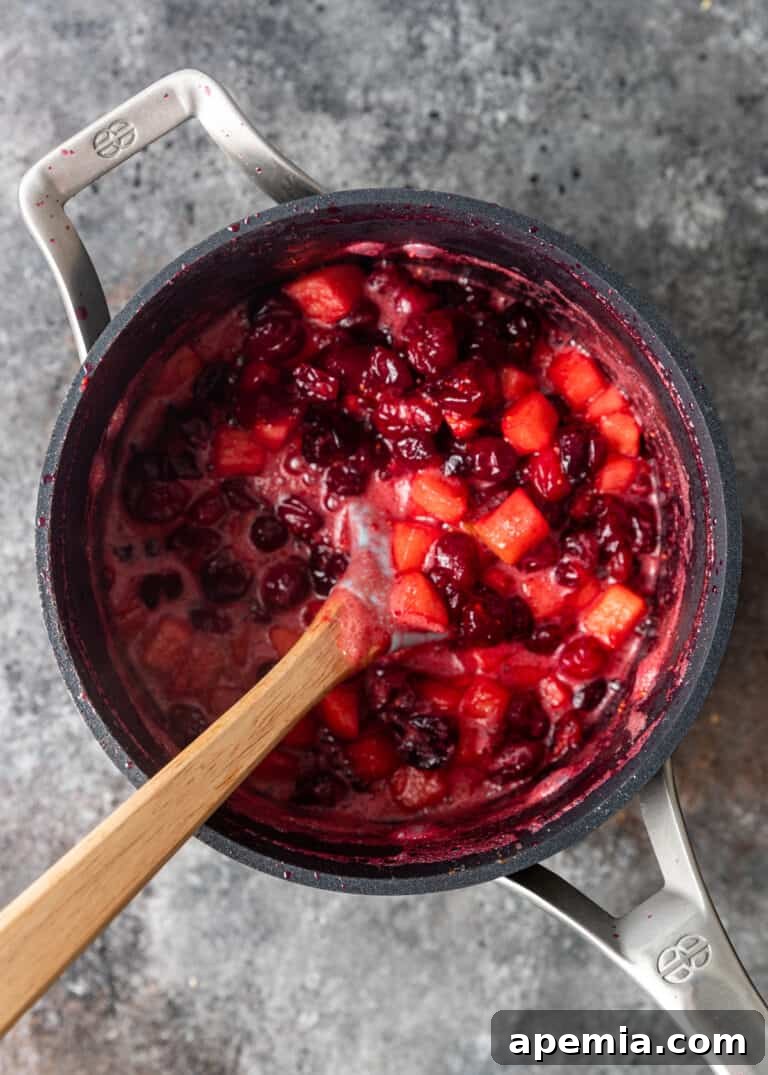
- Combine Ingredients and Simmer: In a medium-sized saucepan, first add the sugar, spices (like cinnamon), and liquids (ginger paste, lemon juice, and vinegar). Whisk these ingredients together thoroughly to ensure they are well combined and the sugar begins to dissolve. Once mixed, add the chopped apples and fresh or thawed cranberries to the pan. Bring the mixture to a gentle simmer over medium heat.
- Cook Until Thickened: Continue to simmer the chutney for about 10 to 12 minutes, stirring occasionally. As the mixture cooks, you’ll notice the cranberries beginning to burst open, often accompanied by a distinct popping sound. This is a natural part of the cooking process. To maintain some chunky pieces of fruit and prevent an overly smooth consistency, you might want to slightly lower the heat once the cranberries start popping vigorously. This gentle simmering allows the flavors to meld beautifully and the chutney to thicken to a luscious consistency. The goal is a rich, spoonable condiment, not a watery sauce.
- Cool and Refrigerate: Once the chutney has reached your desired thickness and consistency, remove it from the heat and allow it to cool completely to room temperature. This cooling period is essential as the chutney will continue to thicken further as it chills. Once cooled, transfer the cranberry apple chutney to an airtight container and refrigerate until you are ready to serve. Chilling not only improves its texture but also allows the flavors to fully develop and deepen.
Frequently Asked Questions About Your Homemade Chutney
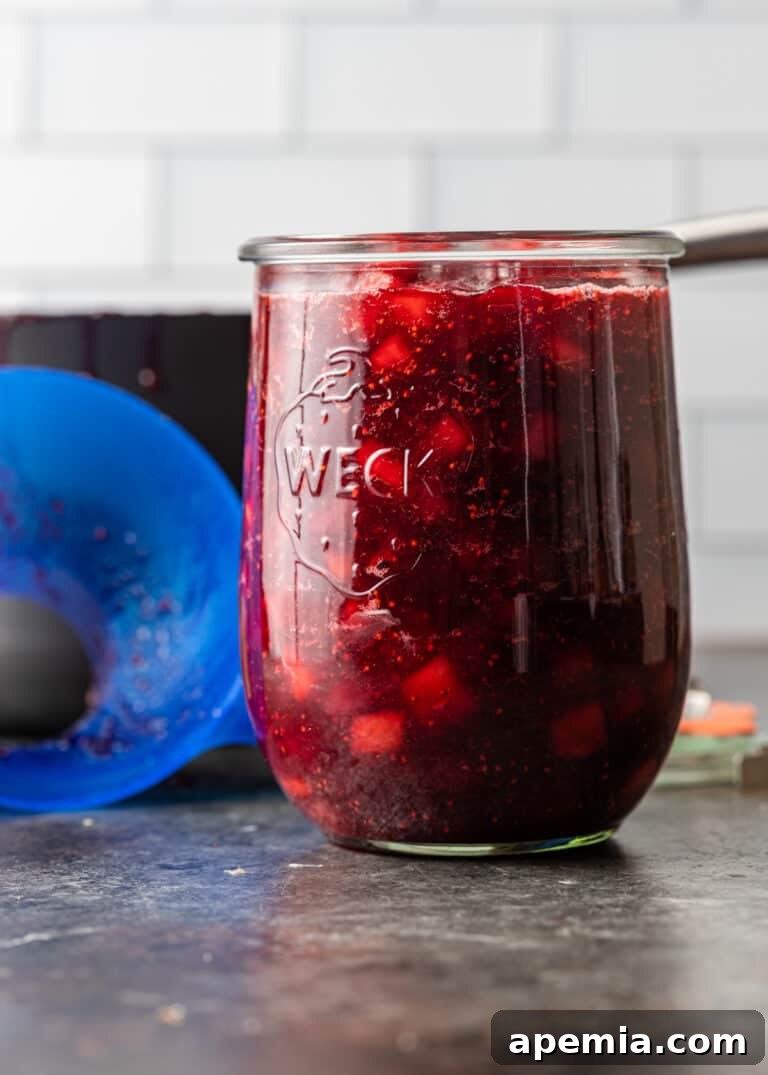
Homemade condiments like cranberry apple chutney typically do not contain the artificial preservatives found in store-bought versions. When stored in an airtight container in the refrigerator, it will retain its freshness and flavor for up to 10 days. For longer-term storage, cranberry apple chutney freezes beautifully for up to 2 months. Simply transfer it to freezer-safe containers, leaving a little headspace for expansion, and thaw in the refrigerator overnight before serving. For extended preservation, canning is an excellent option.
While both condiments are delightful fruit-based preparations made with fresh cranberries and cooked ingredients, there are distinct differences that set them apart. Typically, traditional cranberry sauce is characterized by a simpler, often sweeter flavor profile, primarily highlighting the cranberries themselves. It usually contains cranberries, sugar, and water, sometimes with orange zest. Chutney, on the other hand, is generally more complex and less uniformly sweet. Almost all chutneys, including this cranberry apple version, incorporate vinegar for a tangy acidity and a medley of aromatic spices (like ginger and cinnamon in this recipe). This addition of vinegar and spices gives chutney a deeper, more nuanced, and often savory-sweet taste that cranberry sauce typically lacks, making it a more sophisticated and versatile condiment.
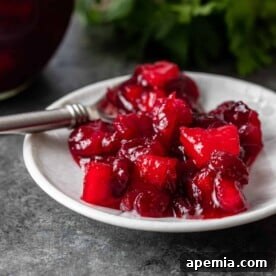
Cranberry Apple Chutney Recipe
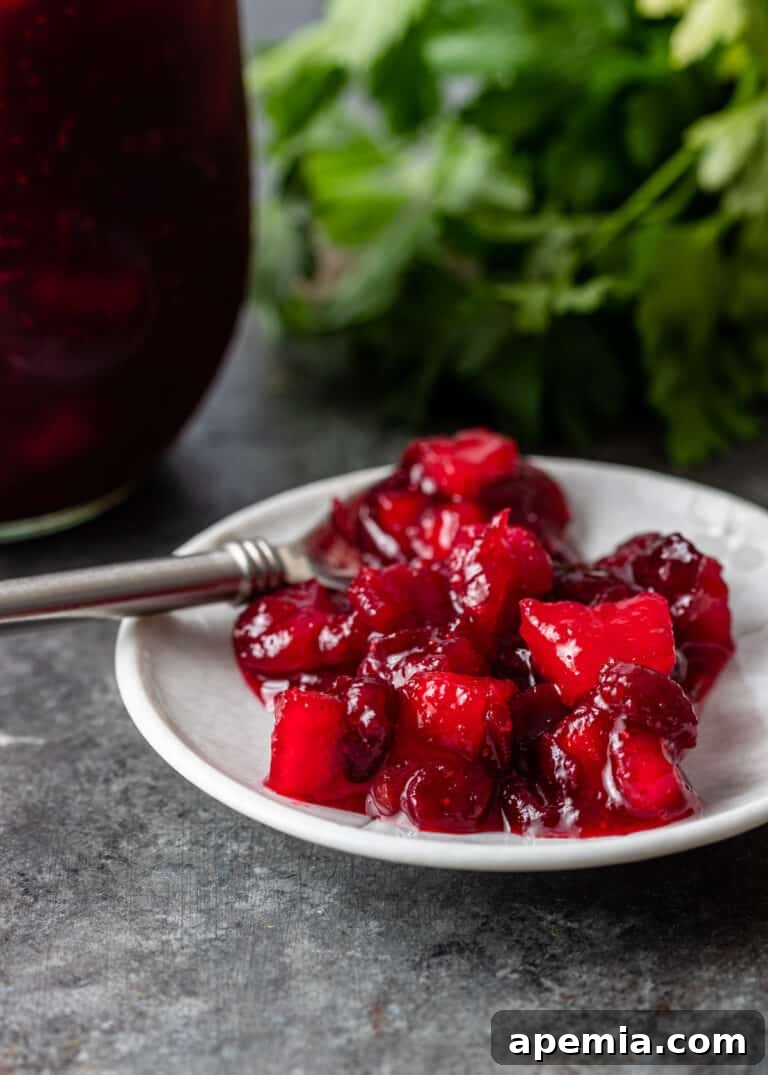
Cranberry apple chutney is a cooked fruit condiment with a delightful sweet-tart flavor. Make this recipe for a switch from your traditional holiday cranberry sauce!
Servings: 8
Prep time: 10 minutes
Cook time: 10-12 minutes
Total time: Approximately 20-22 minutes (plus cooling time)
Ingredients
- 3 cups cranberries (fresh or frozen, thawed)
- 1 Fuji apple, diced (See Note 1 for alternatives)
- 1 1/2 cups granulated sugar
- 1 tbsp ginger paste (or finely grated fresh ginger)
- 2 tbsp fresh lemon juice
- 2 tsp white vinegar (or apple cider vinegar)
- 1/2 tsp ground cinnamon
Instructions
- Combine cranberries, diced apple, sugar, ginger paste, fresh lemon juice, vinegar, and ground cinnamon in a medium saucepan. Stir well to mix all ingredients thoroughly.
- Cook the mixture over medium heat, stirring occasionally. Bring it to a gentle simmer. Continue cooking for 10-12 minutes, or until the fruit begins to break down and the chutney thickens to your desired consistency. Some cranberries will burst, which is desirable for flavor and texture. For a more rustic, chunky chutney, try to maintain some whole or partially burst cranberries. If it starts cooking too quickly, reduce the heat.
- Remove the saucepan from the heat and allow the chutney to cool completely to room temperature before serving or storing. The chutney will thicken further as it cools.
Optional Canning Instructions for Long-Term Storage
- Before starting your chutney, sterilize your canning jars and lids. Wash them thoroughly with hot soapy water. Fill a large stockpot with enough water to cover your jars by 1-2 inches. Place a rack at the bottom of the pot and gently place your clean jars inside to keep them hot until they are ready to be filled with the hot chutney.
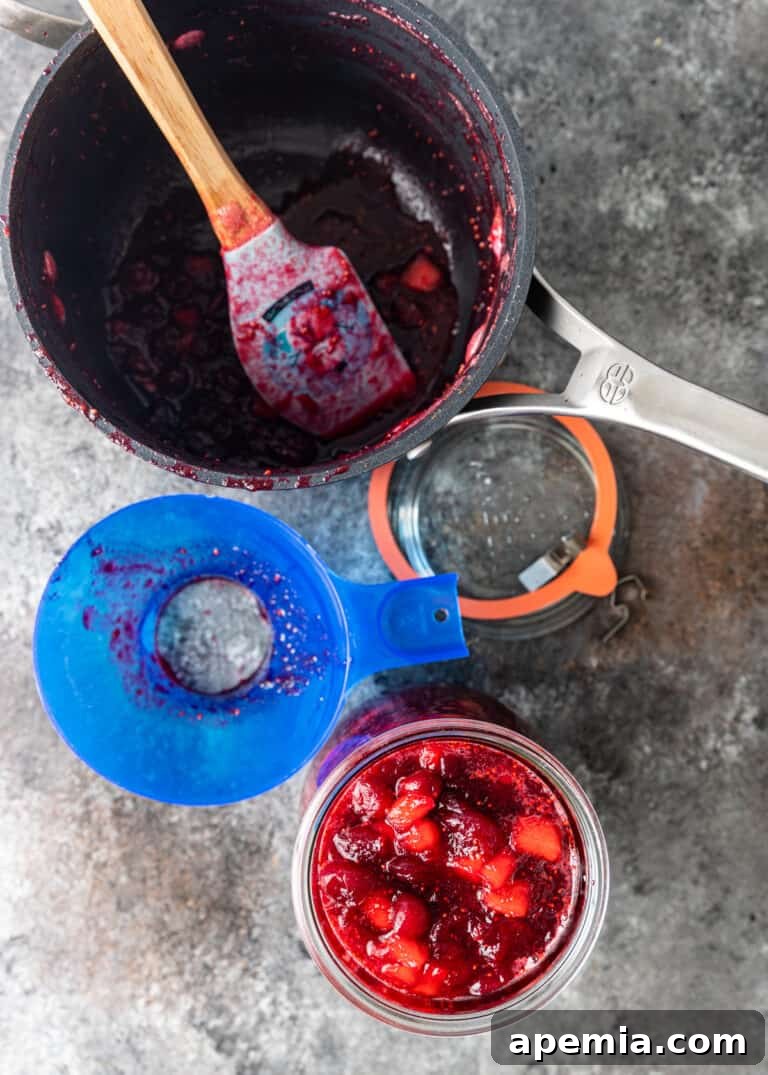
- Once your chutney is cooked and still hot, carefully remove the hot jars from the water bath, shaking off any excess water. Ladle the hot Cranberry Apple Chutney into the hot jars, leaving a ¼-inch headspace at the top. Use a clean utensil to remove any trapped air bubbles. Wipe the rims of the jars with a damp paper towel to ensure a clean seal. Place a lid on each jar and screw a ring on until it is finger-tight.
- Process the filled jars in the hot water bath for 15 minutes. This processing time is suitable for high-acid foods when canning at sea level up to 1,000 feet altitude.
-
For higher altitudes, adjust the processing time as follows:
- 1,001-3,000 ft above sea level: Increase processing time by 5 minutes (Total 20 min)
- 3,001-6,000 ft above sea level: Increase processing time by 10 minutes (Total 25 min)
- 6,001-8,000 ft above sea level: Increase processing time by 15 minutes (Total 30 min)
- 8,001-10,000 ft above sea level: Increase processing time by 20 minutes (Total 35 min)
After processing, carefully remove the jars from the water bath and allow them to cool completely on a towel-lined surface without disturbing them. You will hear a “pop” as the lids seal, indicating they are safely preserved. Check for proper seals after 12-24 hours by pressing the center of the lid; it should not flex.
Notes
- For the best flavor and texture, other sweet and firm apple varieties that work wonderfully include Honeycrisp, Gala, and both Red and Golden Delicious apples.
- The chutney can be refrigerated for up to 4 weeks if not canned.
Nutrition Information (Estimate per Serving)
- Calories: 177 kcal
- Carbohydrates: 46 g
- Protein: 1 g
- Fat: 1 g
- Saturated Fat: 1 g
- Sodium: 2 mg
- Potassium: 62 mg
- Fiber: 2 g
- Sugar: 41 g
- Vitamin A: 36 IU
- Vitamin C: 8 mg
- Calcium: 7 mg
- Iron: 1 mg
The information shown is an estimate provided by an online nutrition calculator. It should not be considered a substitute for a professional nutritionist’s advice.
Course: Condiments
Cuisine: Indian
Author: Kevin
Have You Made This Recipe? Let Me Know on Instagram!
Tag @keviniscooking or use the hashtag #keviniscooking!