Sabzi Polo: Authentic Persian Herb Rice with Crispy Tahdig
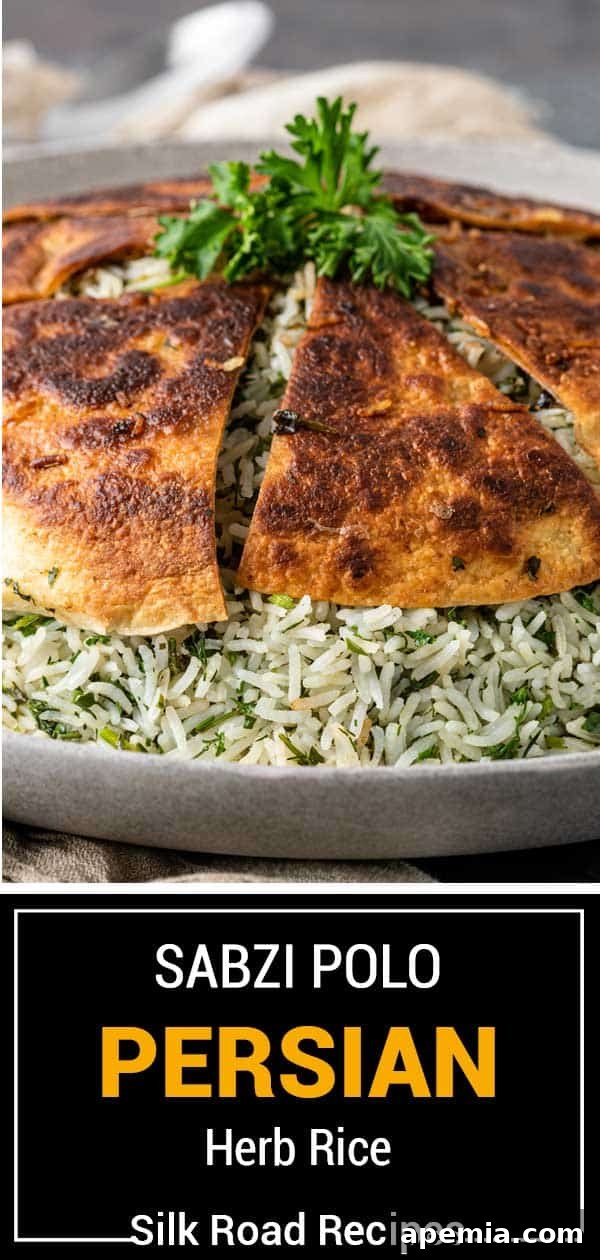
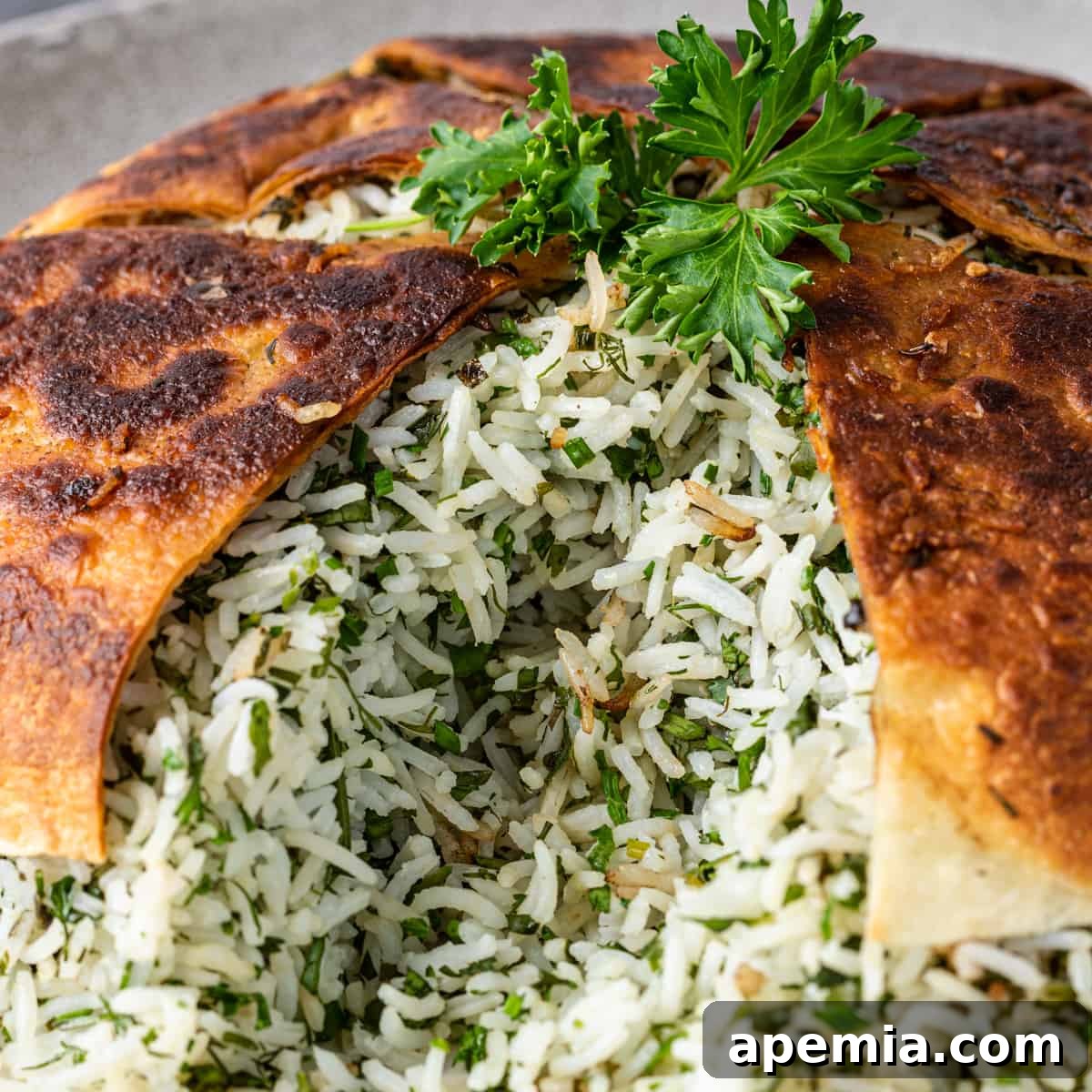
Experience the culinary delight of Sabzi Polo, a beloved Persian herb rice dish that epitomizes freshness and flavor. Traditionally prepared to usher in the Persian New Year (Nowruz), this aromatic rice creation is a feast for the senses, perfect for any time you desire a taste of Iranian heritage. Imagine light, fluffy basmati rice, beautifully infused with a medley of verdant herbs, crowned with a golden, irresistibly crispy Tahdig crust – a signature element that adds a satisfying crunch to every bite.

In the rich tapestry of Persian cuisine, few dishes resonate with as much cultural significance and celebratory spirit as Sabzi Polo. The name itself, derived from Farsi, is a straightforward descriptor: sabzi translates to “herbs,” and polo refers to “rice.” This combination creates a dish that is far more than the sum of its parts – it’s a fragrant symphony of flavors and textures, promising a refreshing and bright culinary experience.
Sabzi Polo holds a special place in the hearts of Iranians, frequently gracing tables during Nowruz, the ancient Persian New Year celebration that marks the spring equinox. It symbolizes renewal and the arrival of spring, often served alongside smoked or fried fish, such as mahi (fish), creating a harmonious and auspicious meal. The dish’s reliance on simple, natural flavors allows the quality of its fresh ingredients to shine through, offering a clean and wholesome profile.

Table of Contents
- The Essence of Sabzi Polo: A Cultural Journey
- Essential Ingredients and Clever Substitutions
- The Art of Tahdig: Creating the Perfect Crispy Crust
- Step-by-Step: Mastering Sabzi Polo
- Recommended Kitchen Tools for Persian Rice
- Storing and Reheating Sabzi Polo
- Frequently Asked Questions About Sabzi Polo
- Sabzi Polo Recipe (Persian Herb Rice)
The Essence of Sabzi Polo: A Cultural Journey
Sabzi Polo is more than just a dish; it’s a reflection of Persian agricultural bounty and a celebration of life. The generous use of fresh herbs not only imparts a unique flavor but also adds to the dish’s vibrant green appearance, symbolizing nature’s reawakening. While specific herb combinations can vary by region and family tradition, the core principle remains the same: combining fragrant herbs with perfectly cooked rice to create a truly unforgettable experience.
Historically, rice has been a staple in Persian cuisine for centuries, and the art of cooking it to fluffy perfection with a desirable crispy bottom (Tahdig) is a hallmark of Iranian culinary skill. Sabzi Polo, with its dynamic texture contrast between the soft rice and crunchy Tahdig, showcases this mastery beautifully. It’s a dish that invites sharing and brings people together, embodying the warmth and hospitality central to Persian culture.
Essential Ingredients and Clever Substitutions
Crafting the perfect Sabzi Polo begins with selecting the freshest, highest-quality ingredients. While the core components are simple, their quality profoundly impacts the final flavor. Here’s a breakdown of what you’ll need and how to make thoughtful substitutions:
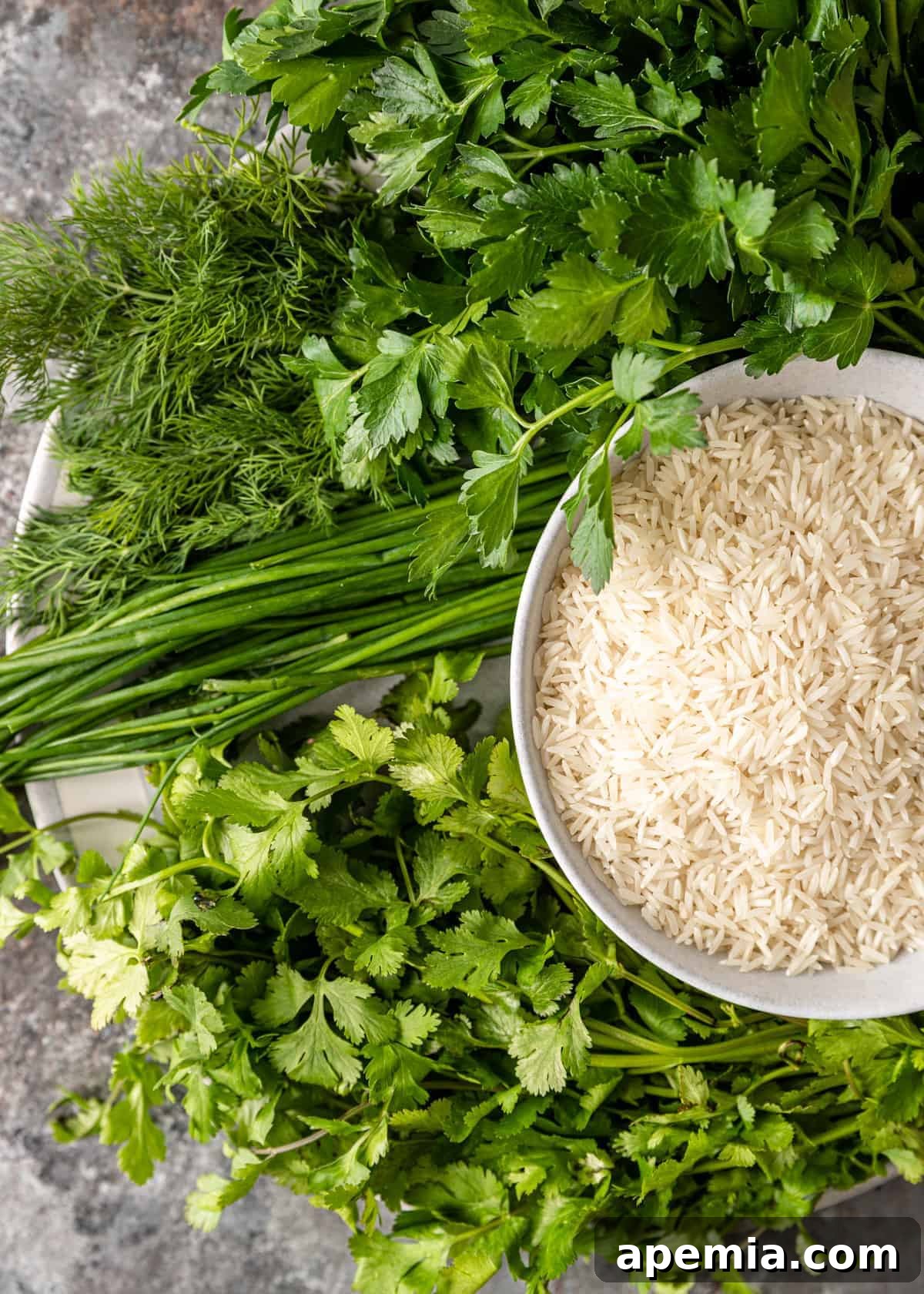
- Long-Grain White Rice: The foundation of Sabzi Polo is typically a high-quality long-grain white rice. Basmati rice is the gold standard in Persian cooking due to its fragrant aroma and ability to cook up into separate, fluffy grains. Its slender nature prevents it from becoming sticky, which is crucial for the desired texture. While Basmati is highly recommended, other long-grain varieties can work in a pinch. Avoid short-grain or medium-grain rice, as their higher starch content will result in a clumpy, undesireable texture.
- Flat Leaf Parsley: This herb is a cornerstone of Sabzi Polo, offering a robust, earthy, and slightly peppery flavor. Flat-leaf parsley (Italian parsley) is preferred over its curly counterpart because of its stronger flavor profile and softer texture, which blends more seamlessly into the rice. Ensure it’s fresh and vibrant green.
- Cilantro: Known for its bright, citrusy, and slightly pungent notes, cilantro adds a refreshing lift to the dish. However, cilantro is a polarizing herb for some, who perceive it as tasting like soap due to a genetic predisposition. If you fall into this category, or simply don’t enjoy cilantro, excellent substitutions include Thai basil or an increased quantity of parsley. To maintain a similar bright quality, a squeeze of fresh lime juice can be added to the rice mixture.
- Fresh Dill: Dill brings a distinctive, subtly sweet, and anise-like flavor that is integral to Sabzi Polo. When preparing dill, focus on using the feathery leaves, or “fronds,” and discard the thicker stems. Chopping dill fronds can be tricky; a good technique is to roll them tightly into a cylinder or bunch them together before finely chopping with a sharp knife to achieve uniform pieces.
- Chives: These delicate, oniony herbs provide a mild, fresh onion flavor without overpowering the other ingredients. If chives are unavailable, spring onions (scallions), shallots, or even a small amount of finely minced garlic can be used as a substitute, adjusting the quantity to taste to avoid dominance.
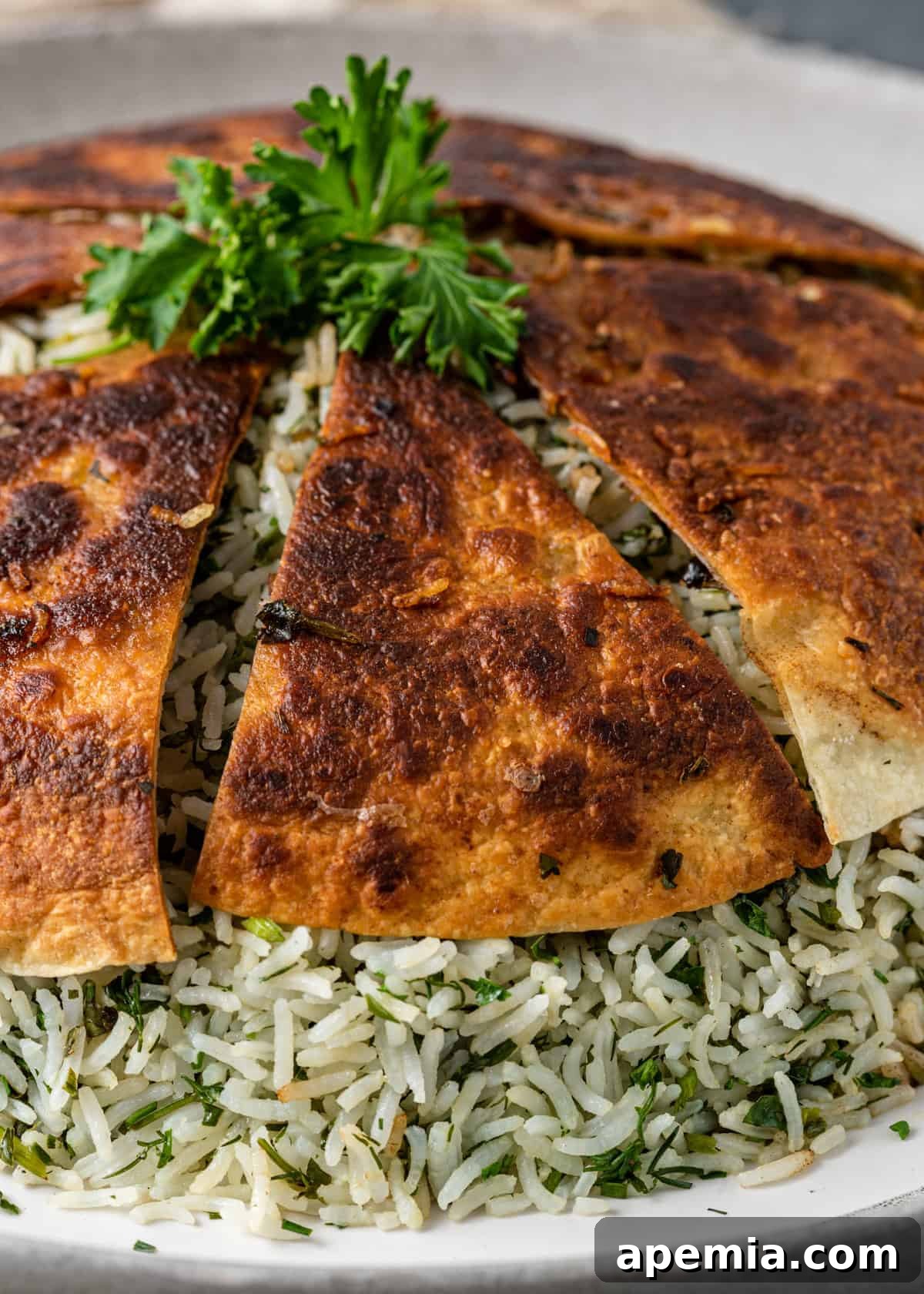
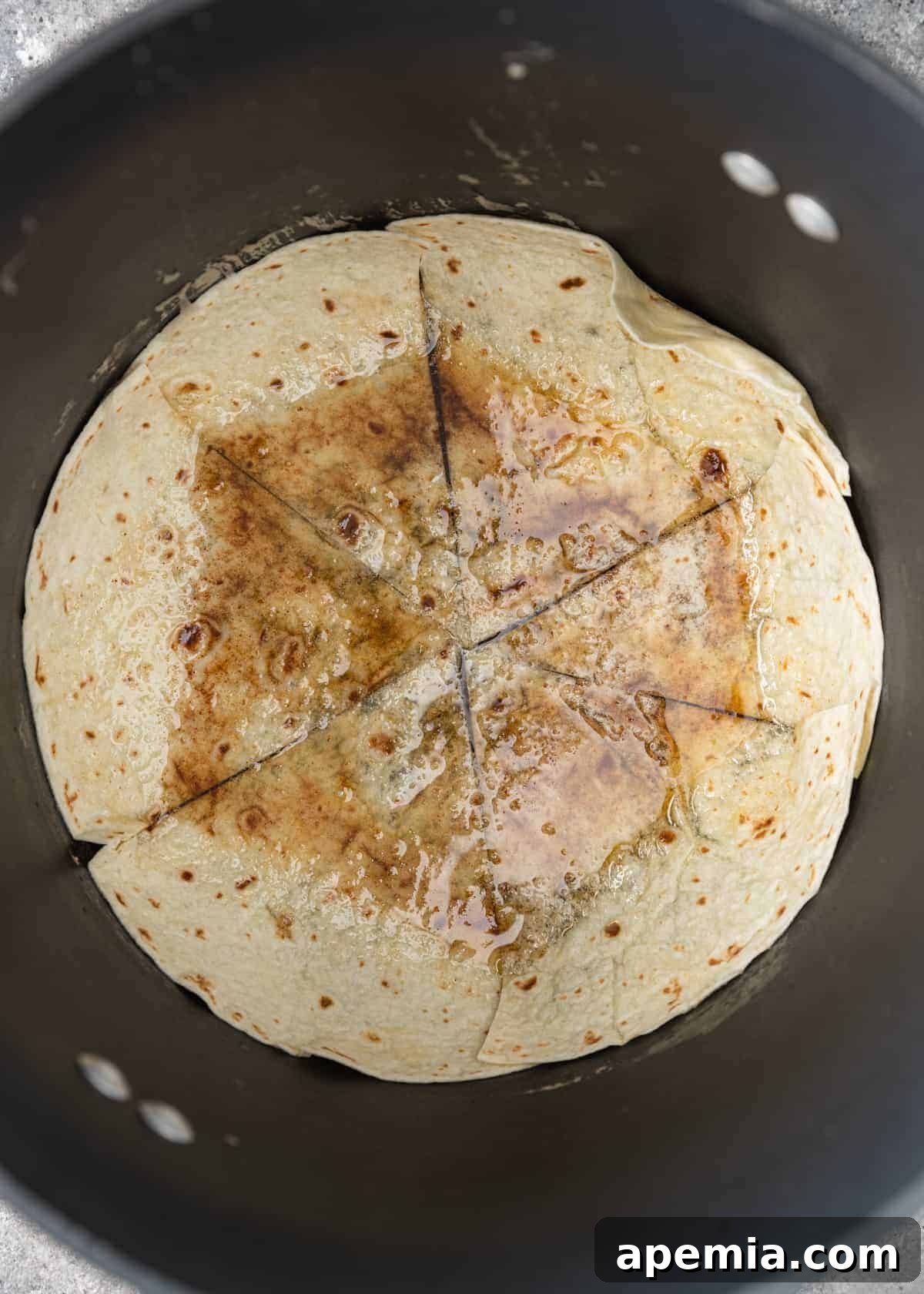
- Lavash for Tahdig: The crispy Tahdig crust is a highlight of Sabzi Polo. While it can be made from potatoes, tortillas, or even rice itself, using lavash (a soft, thin Armenian flatbread) is a popular and delicious choice for a bread-based Tahdig. My homemade lavash recipe works wonderfully, but store-bought lavash, naan, pita bread, or even a large flour tortilla can be used. For an aesthetically pleasing presentation after flipping, consider slicing the flatbread into wedges *before* placing it in the pot. This makes for easier serving of the crispy Tahdig pieces.
The Art of Tahdig: Creating the Perfect Crispy Crust
No discussion of Persian rice would be complete without a deep dive into Tahdig. Meaning “bottom of the pot” in Farsi, Tahdig is the crispy, golden crust that forms at the bottom of the rice pot. It is perhaps the most cherished part of any Persian rice dish, often fought over at the dinner table. Achieving a perfect Tahdig is considered a mark of a skilled Persian cook, balancing heat, timing, and moisture to create a layer that is beautifully golden, wonderfully crunchy, and intensely flavorful.
There are several delightful variations of Tahdig, each offering a unique texture and taste:
- Chelo Tahdig (Plain Rice Tahdig): This is the most classic form, where the bottom layer of basmati rice itself becomes perfectly crisp and golden. My Persian Tahdig (Crispy Rice Recipe) offers a detailed guide to mastering this traditional method. The key here is proper rinsing of the rice to remove excess starch, precise par-boiling, and then steaming it over medium-low heat with a little oil or butter at the bottom.
- Kateh Tahdig: A simpler method where less water is used, resulting in a slightly stickier rice that creates a Tahdig as it cooks. While less common for elaborate polo dishes, it’s a homely and comforting preparation.
- Potato Tahdig: Layers of thinly sliced potatoes are placed at the bottom of the pot before adding the rice. As the rice steams, the potatoes caramelize and become incredibly crispy and golden. This variation adds a savory depth and a different kind of satisfying crunch, as seen in my Lubia Polo recipe.
- Bread Tahdig: This is the method employed in this Sabzi Polo recipe, utilizing flatbreads like lavash, tortillas, or pita. The bread absorbs the moisture and flavors from the steaming rice, transforming into a delightfully crispy and flavorful crust. It provides an extra dimension of texture and can be incredibly satisfying.
The secret to any Tahdig lies in managing the heat. The bottom of the pot needs enough heat to crisp the layer without burning it, while the rest of the rice steams to fluffy perfection. A heavy-bottomed, non-stick pot is your best friend in this endeavor, ensuring even heat distribution and easier release of the precious Tahdig.
Step-by-Step: Mastering Sabzi Polo
Follow these detailed steps to create a show-stopping Sabzi Polo that will impress your family and friends. Precision in each step ensures a fluffy, aromatic rice with a perfect Tahdig.
- Prepare Herbs with Precision. Begin by thoroughly washing and drying your fresh herbs: flat-leaf parsley, cilantro, dill, and chives. Using a very sharp knife, finely chop all the leaves. The goal is a fine chop, but be careful not to over-chop into a paste, as this can release too much moisture and alter the texture. Once chopped, gently mix them together and set aside.
- Perfect Your Basmati Rice. In a large pot, bring at least 6 cups of salted water to a rolling boil. While the water heats, rinse the basmati rice in cold water. Place the rice in a fine-mesh sieve and rinse under cold running water, stirring gently with your hand, until the water running through appears completely clear. This crucial step removes excess starch, preventing the rice from becoming sticky. Drain the rinsed rice well and add it to the boiling salted water. Cook for precisely 12 minutes. This par-boiling step, known as “chelo” method, ensures each grain remains separate and firm.
- Season and Combine. After 12 minutes, drain the par-boiled basmati rice thoroughly using the sieve. In a large mixing bowl, gently combine the drained rice with your chopped mixed herbs. Add the advieh spice blend (if using) and gently fold to ensure the herbs and spices are evenly distributed throughout the rice without mashing the grains.
- Prepare the Pot for Tahdig. In the same pot you used for par-boiling, add 2 tablespoons of melted butter. Swirl the butter to coat the bottom evenly. Place your chosen flatbread (lavash or tortilla, ideally pre-cut into wedges) carefully at the bottom of the pot, ensuring it covers the entire surface. This forms the base of your delicious Tahdig.
- Layer and Steam to Perfection. Gently spoon the herb-rice mixture over the flatbread in the pot, forming a mound. Drizzle the remaining 2 tablespoons of melted butter over the top of the rice. Using the handle of a wooden spoon, carefully poke several holes through the rice mound, reaching almost to the bottom layer but without puncturing the bread Tahdig. These holes are essential as they allow steam to escape and circulate, helping the rice cook evenly and the Tahdig crisp up beautifully. Cover the pot tightly with a lid, preferably one wrapped in a clean kitchen towel to absorb condensation, and steam on very low heat for 20 minutes. Maintain a low, steady heat to prevent burning the Tahdig.
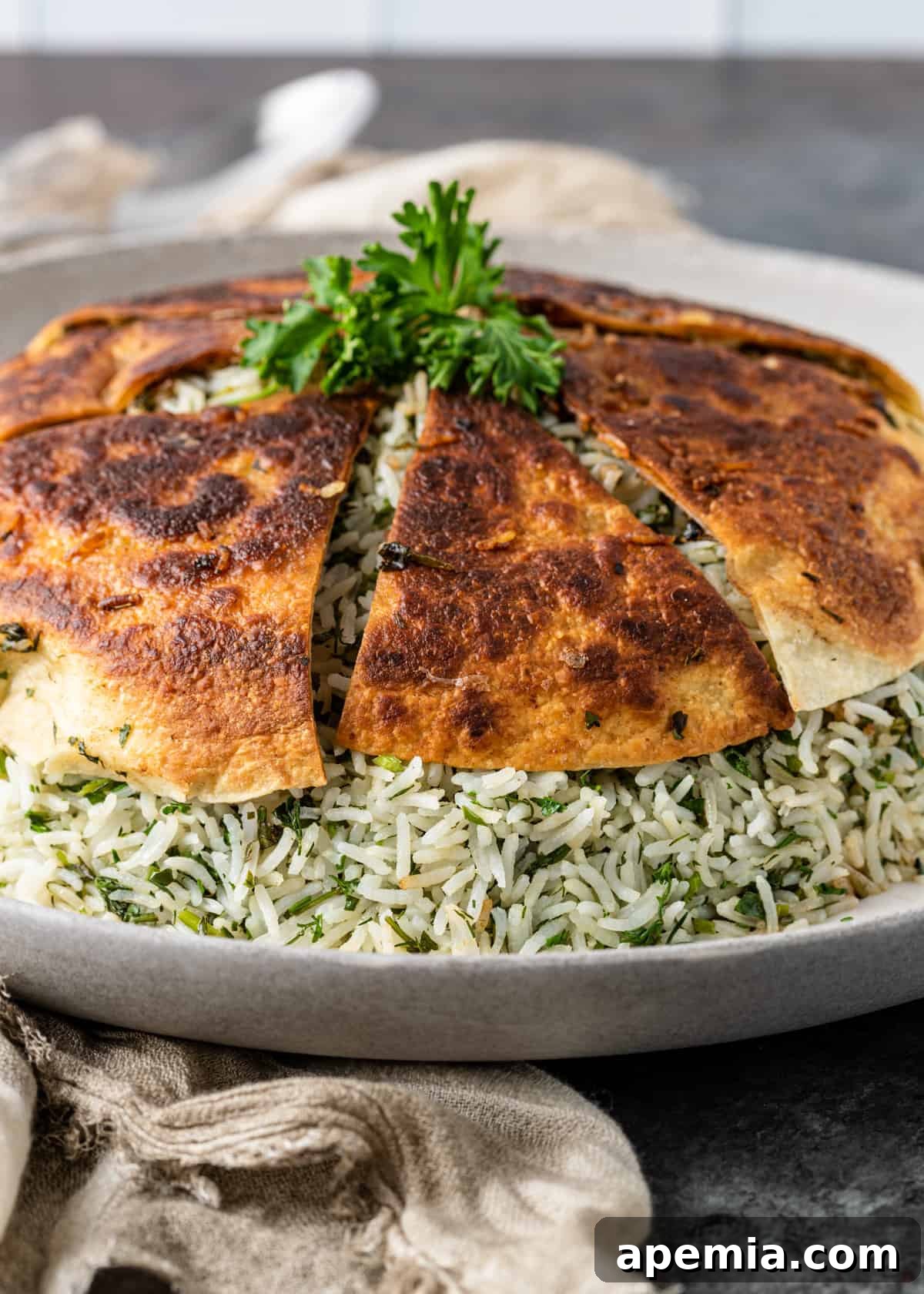
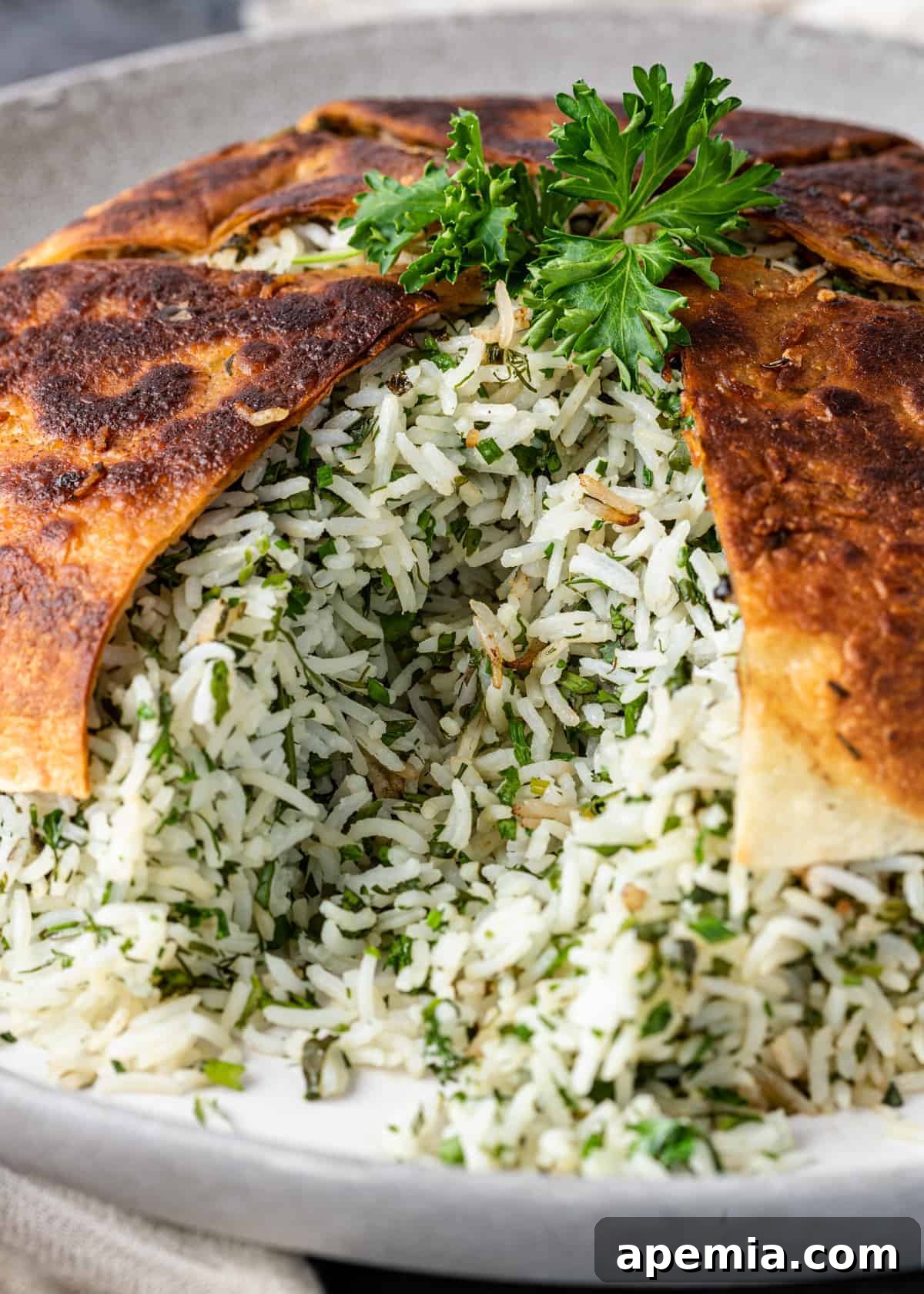
- Release and Serve Sabzi Polo. Once steamed, turn off the heat. Allow the pot to rest for 5-10 minutes to allow the Tahdig to firm up and release more easily. To remove the Tahdig, run a rubber spatula carefully around the inside edges of the pot to loosen any rice or bread sticking to the sides. Place a large, round serving platter over the top of the pot, ensuring it covers the entire opening. With a quick, confident motion, flip the pot and platter over. You should hear a satisfying “swish” as the Tahdig releases onto the platter. Alternatively, for a less dramatic reveal, you can gently scoop the fluffy herb rice onto a serving dish, then carefully remove the Tahdig whole or in pieces and serve it alongside or on top of the rice.
Recommended Kitchen Tools for Persian Rice
Having the right tools can make all the difference in achieving perfect Sabzi Polo:
- Fine-Mesh Sieve: An indispensable tool for rinsing rice thoroughly. It ensures no grain is lost and effectively removes excess starch, which is vital for fluffy, separate rice grains.
- Large, Heavy-Bottomed Pot (Nonstick Recommended): A wide, nonstick pot is ideal. Its heavy bottom ensures even heat distribution, crucial for developing a consistent Tahdig without hot spots. Ideally, choose a pot with a base roughly the same size as your chosen flatbread for Tahdig. A tight-fitting lid is also essential for effective steaming.
- Sharp Knife and Cutting Board: For finely chopping the large quantity of fresh herbs. Precision in chopping contributes to the overall texture and flavor distribution.
- Rubber Spatula: Extremely useful for gently loosening the Tahdig from the sides of the pot before flipping, minimizing the risk of it sticking.
Storing and Reheating Sabzi Polo
Sabzi Polo is best enjoyed fresh, but leftovers can be delicious with proper care:
Allow the Persian herb rice to cool completely to room temperature before storing. Transfer it to an airtight container or a resealable bag, squeezing out any excess air if using a bag. Store in the refrigerator for up to 4 days.
To reheat sabzi polo, sprinkle a tablespoon or two of water over the rice to reintroduce moisture, then cover it with a damp paper towel or a tight-fitting lid. Reheat in the microwave in 30-second intervals, stirring well between each, until thoroughly warmed (approximately 2-3 minutes). For best results, reheat the Tahdig separately in a dry skillet or toaster oven to restore its crispiness, then place it back on top of the warmed rice before serving.
Sabzi Polo can also be frozen for longer storage, up to 2 months. Thaw overnight in the refrigerator, then reheat using the microwave method described above, adding a tablespoon of water and steaming until warm and fluffy.
Frequently Asked Questions About Sabzi Polo
Baghali Polo is another popular Persian rice dish, similar to Sabzi Polo in its preparation and cultural significance. However, the key difference lies in the main ingredients steamed with the basmati rice. Baghali Polo primarily features fava beans (baghali) and fresh dill, often with a hint of garlic. Sabzi Polo, on the other hand, uses a broader mix of fresh green herbs like parsley, cilantro, dill, and chives. Both dishes are typically served on celebratory occasions and often paired with similar proteins like chicken or fish, but their distinct flavor profiles set them apart.
The successful release of Tahdig requires a bit of patience and a confident flip. First, after the rice has finished steaming, let the pot rest off the heat for 5-10 minutes. This allows the Tahdig to firm up and slightly pull away from the bottom. Gently run a rubber spatula around the inside edge of the pot to ensure nothing is sticking to the sides. Next, place a large serving platter, slightly wider than the pot’s opening, firmly over the pot. With a swift and confident motion, invert the pot and platter together. You should hear a “swishing” sound as the Tahdig releases. If it doesn’t release immediately, try waiting a minute or two, or gently shaking the pot. A heavy-bottomed, non-stick pot significantly increases your chances of success. You can also watch a visual demonstration of this process in many Persian Tahdig recipe videos.
For authentic Persian rice dishes like Sabzi Polo, basmati rice is almost exclusively used. Its long, slender grains, fragrant aroma, and ability to cook up light and separate are highly prized. The preparation of basmati rice is crucial for Persian cooking; it absolutely must be rinsed thoroughly under cold water until the water runs clear. This removes excess starch, preventing the grains from sticking together. For a more comprehensive understanding, I recommend reviewing an introduction to cooking basmati rice.
Traditionally, Sabzi Polo is famously served with fish, especially during Nowruz (Persian New Year). Smoked white fish (mahi ghermez) or fried fish is a classic pairing. However, it also pairs beautifully with various meat dishes, such as chicken (morgh), lamb, or beef stews (khoresh). For a lighter meal, you can serve it with a simple cucumber and tomato salad (salad shirazi) or a side of yogurt (mast).
Share this recipe on Pinterest!
Love this recipe? Share it with the world on Pinterest to inspire others.
Subscribe to my Newsletter, follow me on Facebook, Pinterest, Instagram and YouTube for all my latest recipes and videos.
Sabzi Polo Recipe (Persian Herb Rice)

Sabzi Polo Recipe (Persian Herb Rice)
Rating: 5 out of 5 stars from 2 votes
Sabzi Polo is a tender, buttery, and fluffy Persian herb rice dish steamed with a vibrant mix of fresh herbs and topped with an irresistible crispy flatbread Tahdig crust!
Servings: 6
Prep Time: 15 mins
Cook Time: 32 mins
Total Time: 47 mins
Pin Recipe |
Print Recipe
Ingredients
(US Customary Units)
- 2 cups basmati rice
- 1 tsp kosher salt
- 2 cups chopped mixed herbs (equal parts flat-leaf parsley, cilantro, dill, and chives)
- 1 piece lavash or burrito-sized flour tortilla
- 4 tbsp butter, melted
- 1/2 tsp advieh (Persian spice blend)
Instructions
- Chop equal parts flat-leaf parsley, cilantro, dill, and chives very finely. Set aside.
- Rinse the basmati rice with cold water using a sieve until the water runs clear. Drain well and set aside.
- Bring 6 cups of salted water to a boil in a large pot. Add the rinsed rice and cook for 12 minutes. Drain the rice again using a sieve. In a bowl, gently mix the par-boiled rice with the chopped herbs and advieh.
- Mix the melted butter. To the same pot, add 2 tablespoons of the melted butter. Place the lavash bread or tortilla (preferably pre-cut into 6 triangles) at the bottom of the pot.
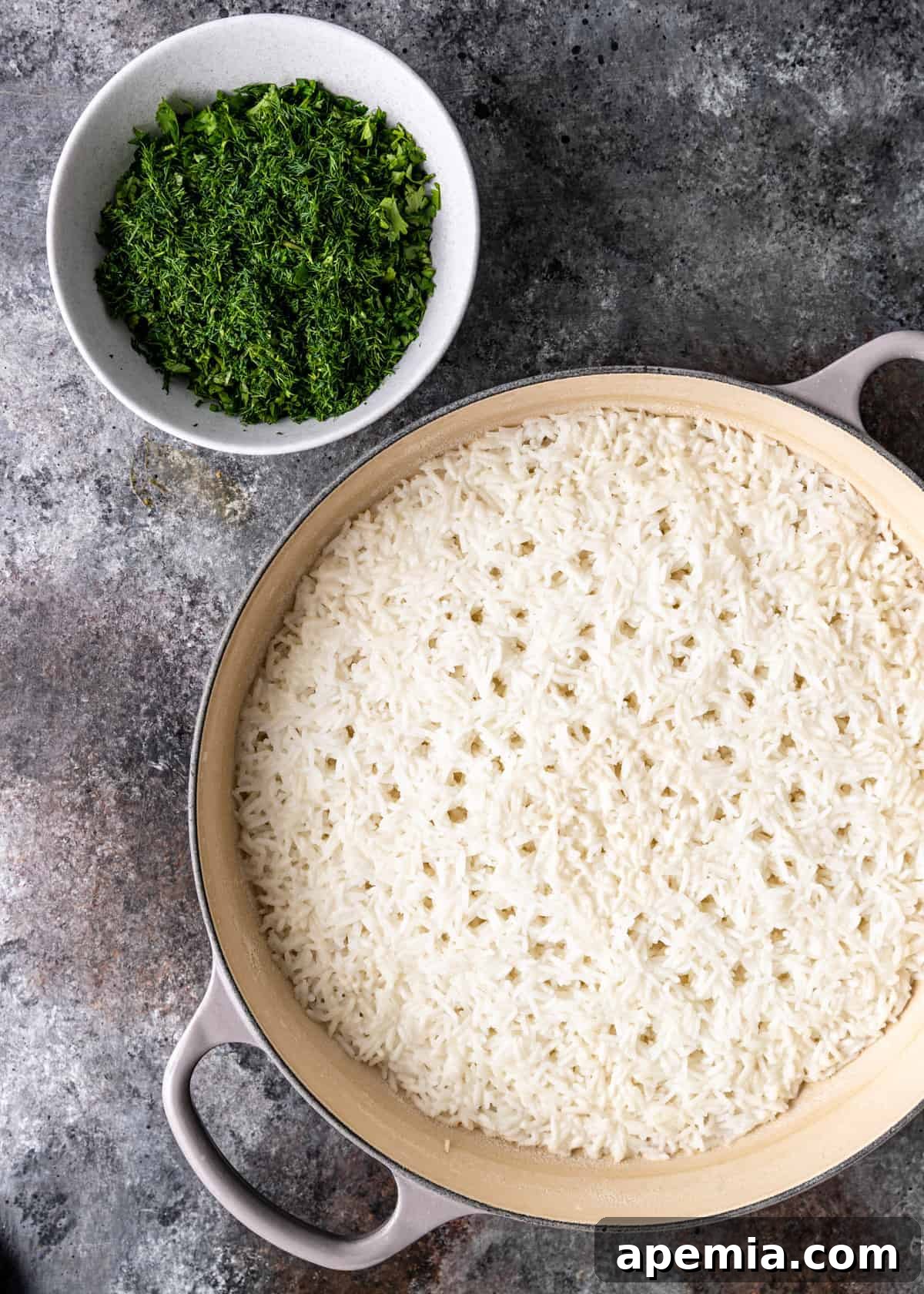
- Top the bread with the herb rice mixture, spreading it evenly. Drizzle the remaining 2 tablespoons of melted butter over the rice. Using the handle of a wooden spoon, poke a few holes in the rice, reaching down but not puncturing the bread layer. Cover the pot tightly (preferably with a lid wrapped in a towel) and steam over very low heat for 20 minutes.
- To serve, run a rubber spatula around the inside of the pot to loosen any sticking rice/bread. Place a large serving platter over the pot and quickly and confidently flip the pot and platter over. The Tahdig should release with a “swish” sound. Alternatively, scoop the rice onto a platter and gently remove the Tahdig whole or in pieces, serving it on the side or over the top.
Notes
- For the mixed herbs, I prefer to use flat-leaf parsley and cilantro leaves, dill with stems removed, and chives chopped fine.
- I have found it easier to display and serve the Tahdig if the bread is already cut before placing it in the pot. Cut the lavash or tortilla into 6 triangles and arrange them on the bottom.
- For leftovers: Let the rice cool completely. Transfer to an airtight container or sealable bag and squeeze out excess air. Freeze for up to 2 months. To thaw, let it come to room temperature, add a tablespoon of water, cover, and steam in the microwave for 2-3 minutes on high heat. Fluff with a fork and enjoy.
Nutrition
The information shown is an estimate provided by an online nutrition calculator. It should not be considered a substitute for a professional nutritionist’s advice.
- Calories: 254 kcal
- Carbohydrates: 54 g
- Protein: 6 g
- Fat: 1 g
- Saturated Fat: 1 g
- Cholesterol: 1 mg
- Sodium: 447 mg
- Potassium: 203 mg
- Fiber: 2 g
- Sugar: 1 g
- Vitamin A: 1701 IU
- Vitamin C: 27 mg
- Calcium: 62 mg
- Iron: 2 mg
Course: Side Dish
Cuisine: Persian
Author: Kevin
Have You Made This Recipe? Let Me Know on Instagram
Tag @keviniscooking or tag me #keviniscooking!