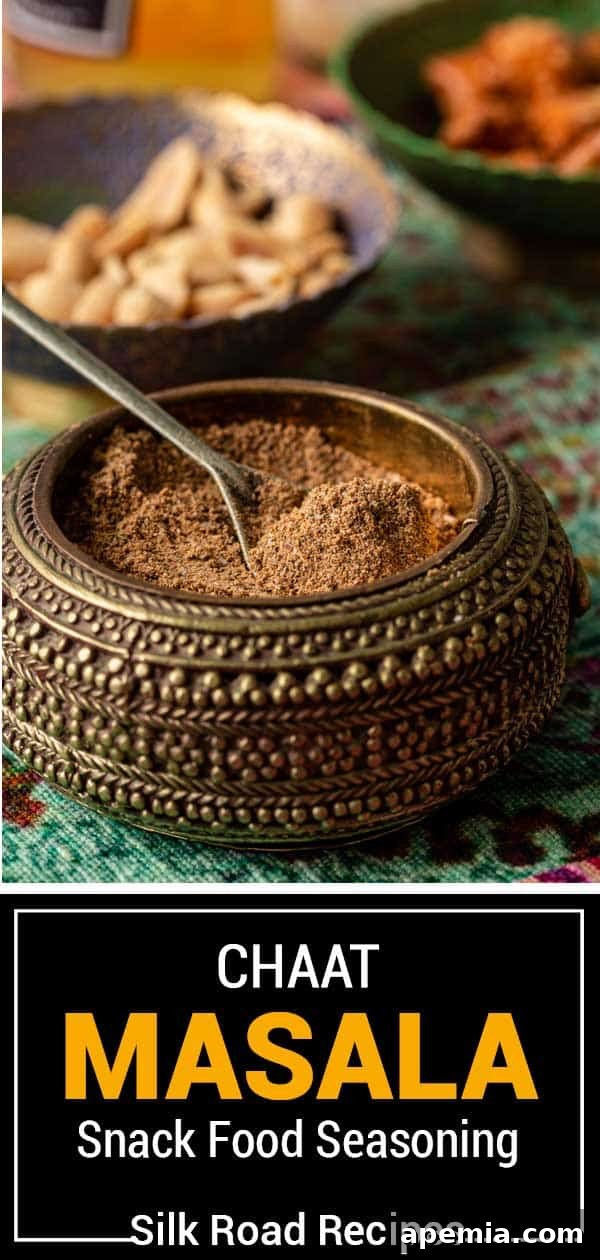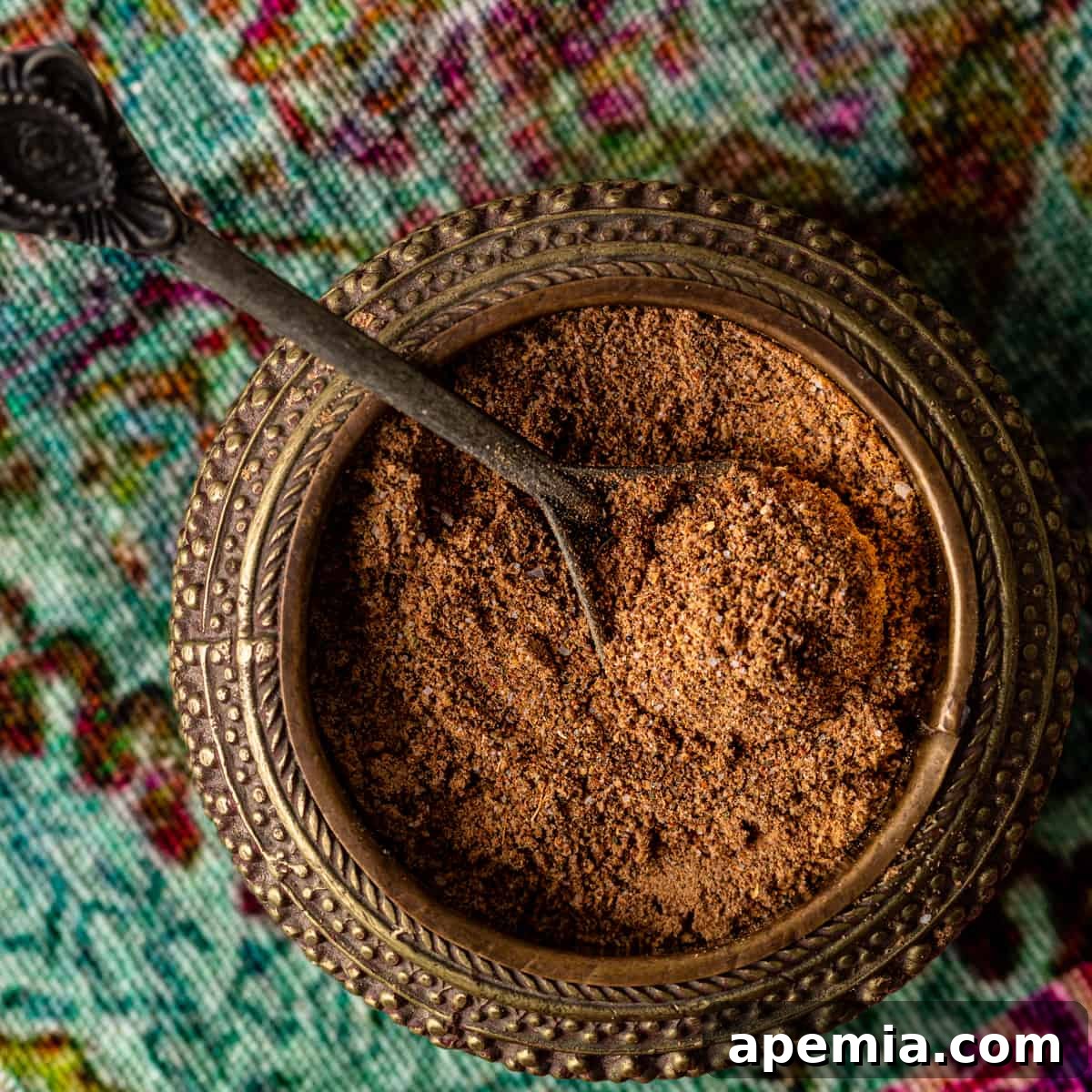
Chaat masala is more than just a seasoning; it’s an exhilarating explosion of flavor that instantly elevates any dish it graces. This iconic Indian spice blend is celebrated for its unique profile—a harmonious symphony of tart, salty, spicy, and subtly funky notes. It transforms everyday snacks into irresistible treats you simply can’t stop reaching for. A generous sprinkle on fresh fruit, crispy fries, or roasted vegetables reveals why this aromatic blend is such a beloved staple in Indian cuisine and a must-have in your spice pantry.
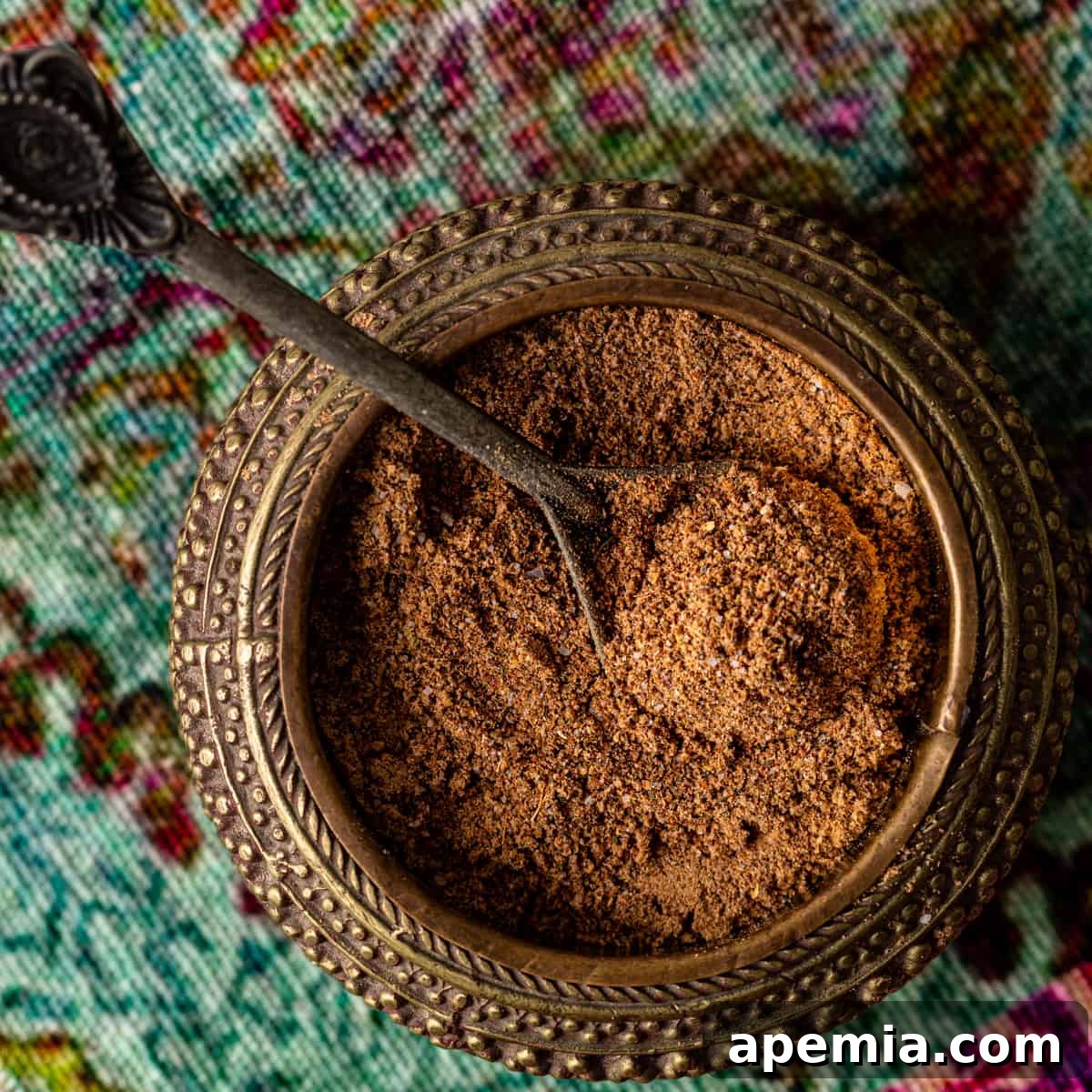
What Exactly is Chaat Masala? Unlocking Authentic Indian Flavors
Chaat masala isn’t subtle, and that’s precisely its charm! This bold Indian spice blend delivers an unmistakable lip-smacking experience, hitting salty, sour, and savory notes all at once. It’s the secret ingredient behind the addictive taste found in countless chaat dishes and vibrant street snacks across India, from bustling Delhi markets to tranquil South Indian lanes. Its dynamic flavor profile is a testament to the rich, diverse culinary heritage of the subcontinent, often sparking a nostalgic craving for those unforgettable street food moments.
Unlike many other spice blends that primarily focus on warmth or intense heat, chaat masala leans heavily into tanginess and a deep savoriness. This distinct character comes from key ingredients such as amchur (dried mango powder), which provides a profound, fruity sourness, and dried mint for its refreshing coolness. A crucial component for its signature “funky” undertone is hing (asafoetida), a pungent, sulfurous spice derived from the dried resin of a giant fennel plant root. This unique combination creates a salty-sour punch that makes chaat masala incredibly addictive. It’s designed to be sprinkled generously at the very end of cooking, when food is hot and ready, ensuring that its vibrant aroma hits first, followed by a lingering tang that enlivens every single bite. The experience is truly sensory, from the first whiff to the last lingering taste.
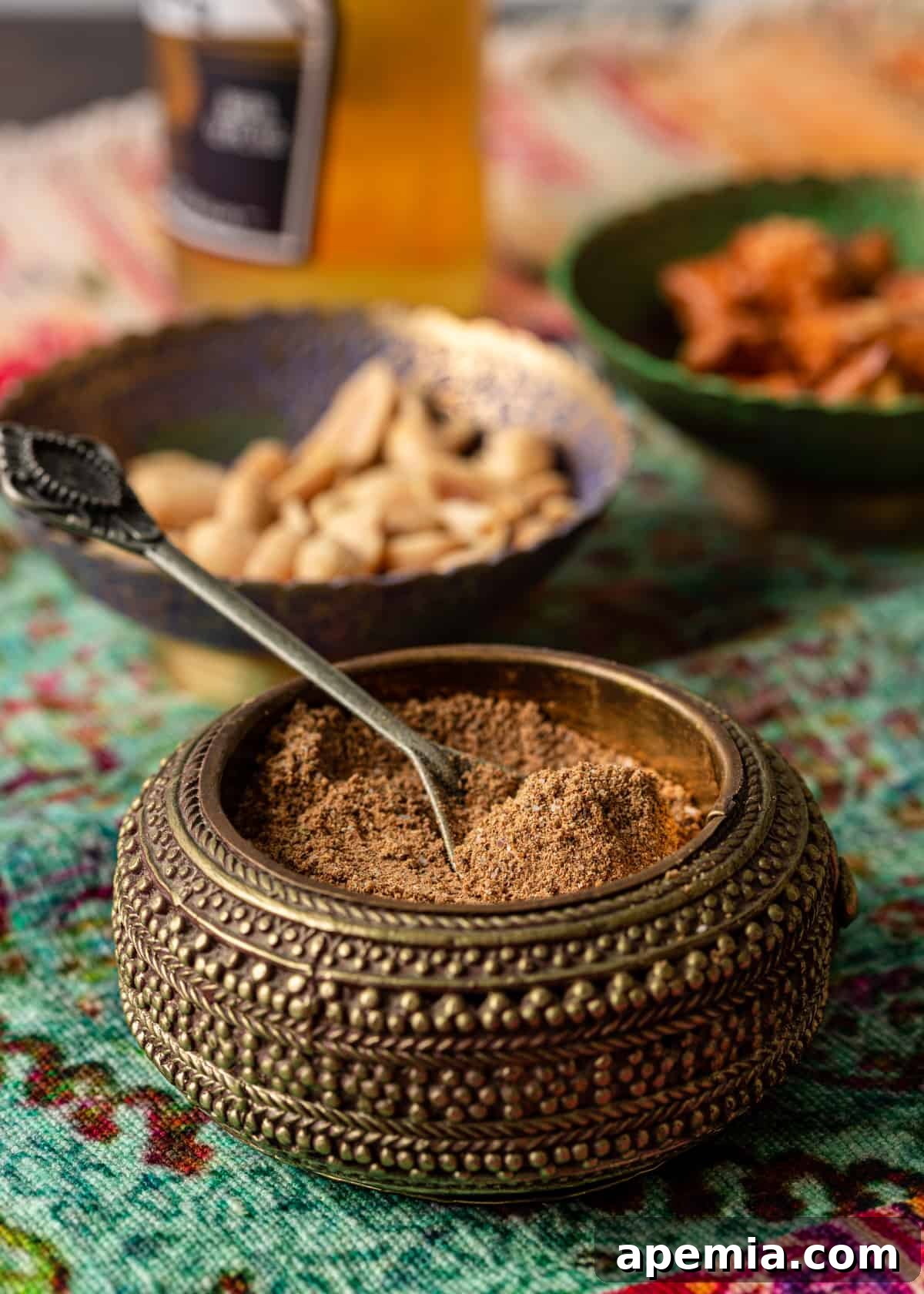
Table of Contents
- What Exactly is Chaat Masala?
- Why Make Chaat Masala at Home?
- Key Ingredients Explained & Potential Substitutions
- Hing or Asafoetida: The Secret Umami Weapon
- How to Make Homemade Chaat Masala Powder
- Recommended Tools for Spice Blending
- Creative Serving Suggestions for Chaat Masala
- Frequently Asked Questions About Chaat Masala
- Homemade Chaat Masala Recipe
Why Make Your Own Chaat Masala at Home?
The excellent news is that crafting your own chaat masala powder at home is surprisingly quick and immensely rewarding, often taking just minutes to prepare. The payoff, however, is huge and multifaceted. Making your own blend grants you complete control over the flavor balance, allowing you to tailor it precisely to your palate. Do you crave brighter, more pronounced citrus notes? Perhaps a bolder kick of heat from your chiles? Or maybe you prefer a stronger, earthy cumin presence? When you make it yourself, every adjustment is entirely in your hands, ensuring a perfectly personalized seasoning blend that store-bought versions simply cannot match.
Beyond customization, there’s the undeniable benefit of freshness. Pre-packaged spice blends, while convenient, often lose a significant portion of their aromatic compounds and potency over time. Freshly toasted and ground spices, on the other hand, retain their vibrant aromas and intense flavors much better, leading to a vastly superior culinary experience. You’ll immediately notice the difference in depth and complexity. Furthermore, making your own chaat masala can be more cost-effective in the long run, especially if you regularly use this beloved seasoning. It’s an investment in flavor that truly pays off.
I find immense satisfaction in building my own spice blends, from robust garam masala to this vibrant chaat masala. The process itself is therapeutic and fills your kitchen with incredible aromas. This particular blend is incredibly versatile, perfect for sprinkling on a myriad of dishes—from simple fruit salads and hearty lentils to an exciting array of savory snacks. Trust me, once you experience the superior taste of homemade chaat masala, you’ll constantly seek out new excuses to incorporate this exceptional spice blend into every meal and snack. It’s a game-changer for your everyday cooking.
Tip From Kevin
Hing or Asafoetida: The Secret Umami Weapon in Your Chaat Masala
Hing, commonly known as asafoetida, is a remarkably pungent, sulfurous spice derived from the dried resin of a giant fennel plant root. While it possesses a notoriously strong aroma in its raw form (often described as garlic-like or onion-like), once cooked or blended with other spices, it undergoes a magical transformation. It mellows beautifully, imparting a savory depth often described as a distinct umami kick, crucial for many Indian dishes. For many, once you’ve tasted it properly used, you’ll instantly recognize this essential Indian spice, which is a key contributor to the distinctive ‘chaat’ flavor profile. Be sure to use it sparingly, as a little goes a long way!
Key Ingredients Explained & Potential Substitutions for Chaat Masala
(For a precise list of ingredients and quantities, always refer to the full recipe card below.)
- Cumin Seeds (Jeera): These form the earthy, slightly smoky backbone of this chaat masala powder. Toasting them properly is crucial for releasing their full aromatic potential and creating a deeper, more complex flavor profile. While pre-ground cumin can be used in a pinch, whole seeds, freshly toasted and ground, are always superior for freshness and flavor depth.
- Coriander Seeds (Dhaniya): Offering a warm, citrusy, and slightly sweet flavor, coriander seeds complement cumin beautifully. They add aromatic complexity and a bright counterpoint to the blend, enhancing its overall profile without being overpowering.
- Black Peppercorns (Kali Mirch): These provide a sharp, pungent heat that awakens the palate and adds a vibrant kick without dominating the other delicate flavors. They contribute to the invigorating sensation characteristic of chaat masala.
- Whole Cloves (Lavang): Just a few whole cloves introduce a warm, sweet, and intensely aromatic depth. Their distinct, sweet-spicy notes add a layer of sophisticated spice and complexity to the blend.
- Amchur (Dried Mango Powder): This is arguably the most essential and signature ingredient, delivering the intensely tangy, lip-smacking sourness that chaat masala is famous for. Made from unripe, dried mangoes, its unique fruity tartness is irreplaceable. There is no perfect substitute for amchur; its distinctive flavor is worth seeking out at Indian grocery stores or online. Lemon juice or tamarind paste can offer sourness but won’t replicate the specific fruity and dry notes.
- Dried Mint (Pudina): Incorporating dried mint adds a wonderfully fresh, cooling, and aromatic counterpoint to the sour and salty elements. It brightens the entire blend and provides a refreshing finish. You can easily dry fresh mint leaves yourself if preferred, for an even more potent aroma than store-bought.
- Asafoetida (Hing): As highlighted earlier, hing is vital for its savory, umami kick and subtle “funky” quality. It acts as a powerful flavor enhancer, particularly important in vegetarian dishes where it can mimic the depth of onion or garlic. If you don’t have it, you can omit it, but be aware that the blend will lose a bit of its signature depth and complexity. Look for “compound asafoetida” which is typically mixed with rice flour; ensure it’s gluten-free if dietary restrictions apply.
- Ground Ginger (Saunth): This spice introduces an intense, pungent warmth that works incredibly well, particularly on crunchy foods, adding a pleasant, spicy zing. It contributes a foundational heat that supports the overall flavor profile.
- Ajwain Seeds (Carom): These tiny, aromatic seeds pack a powerful, distinctive flavor, often described as a blend of oregano, thyme, and anise, with a slightly bitter undertone. They add an herbaceous and complex layer that is crucial to the authentic taste of chaat masala.
- Kashmiri Chiles: Known for their beautiful mild heat and brilliant red color, Kashmiri chiles also contribute a lovely smoky fruitiness to the blend, without overwhelming the palate with excessive spice. They are primarily for enhancing the visual appeal and adding a subtle warmth rather than intense fiery heat.
- Kosher Salt: Essential for balancing all the bold flavors and enhancing the overall taste of the blend. The coarseness of kosher salt can also provide a pleasant textural element if not ground too finely, allowing for tiny bursts of saltiness.
- Black Salt (Kala Namak): While not explicitly in the original list, many traditional chaat masala recipes include black salt. It’s a sulfurous rock salt that contributes a distinct, pungent, and almost ‘eggy’ aroma, which is a hallmark of the “funky” element in authentic chaat masala. If you want a more traditional and bolder profile, consider adding a touch of black salt to your blend for that signature flavor.
How to Make Homemade Chaat Masala Powder: A Step-by-Step Guide
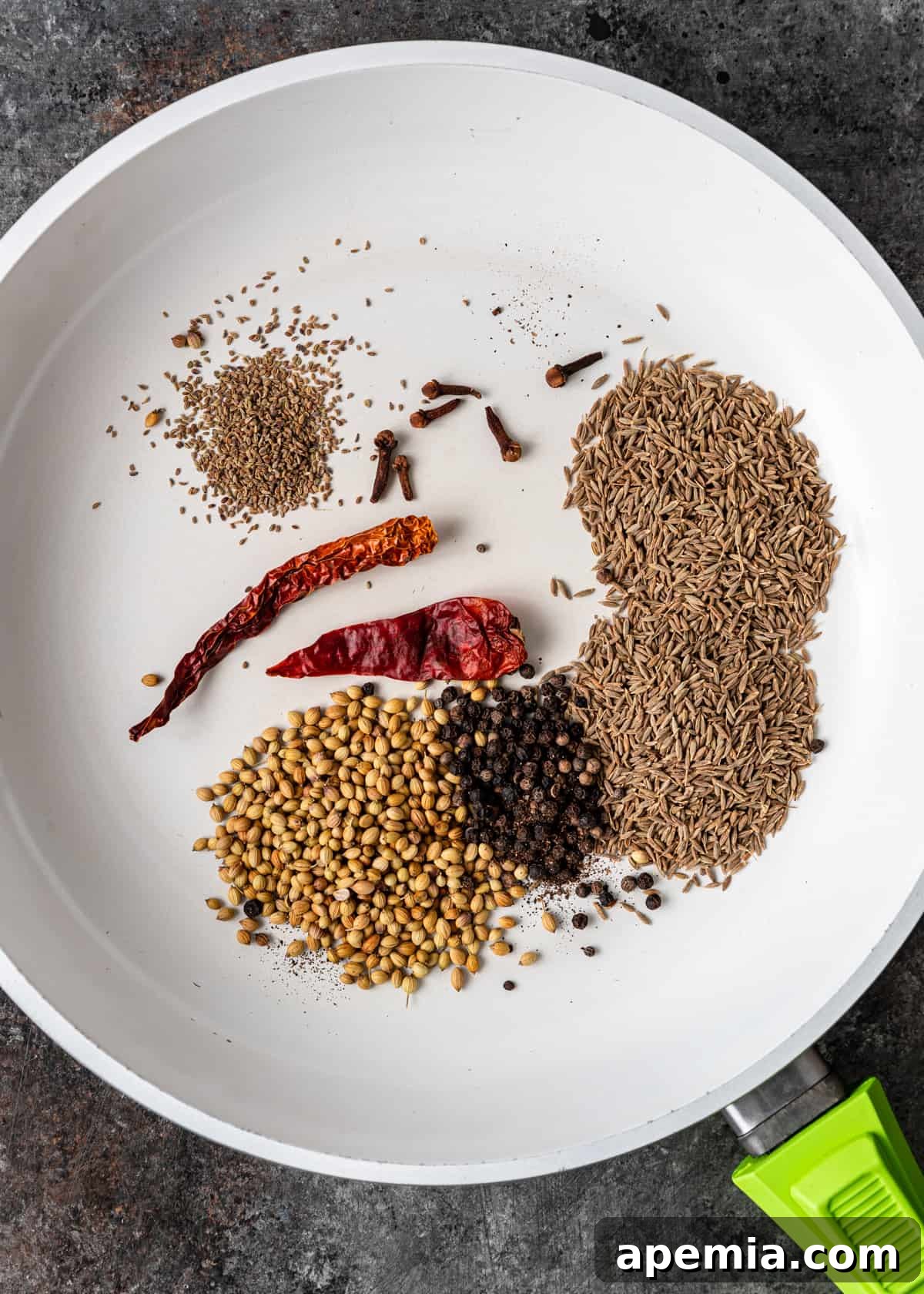
- Toast the Whole Spices to Perfection. Begin by placing the cumin seeds, coriander seeds, black peppercorns, cloves, Kashmiri chiles, and ajwain into a dry, heavy-bottomed skillet. Heat gently over medium-low heat, stirring constantly, for about 3-5 minutes, until the spices become wonderfully fragrant and slightly darker in color. This process is crucial for releasing their essential oils and developing deep, complex flavors. Be careful not to scorch them, as this can lead to bitterness. Immediately remove the toasted spices from the hot skillet and transfer them to a plate to cool slightly.
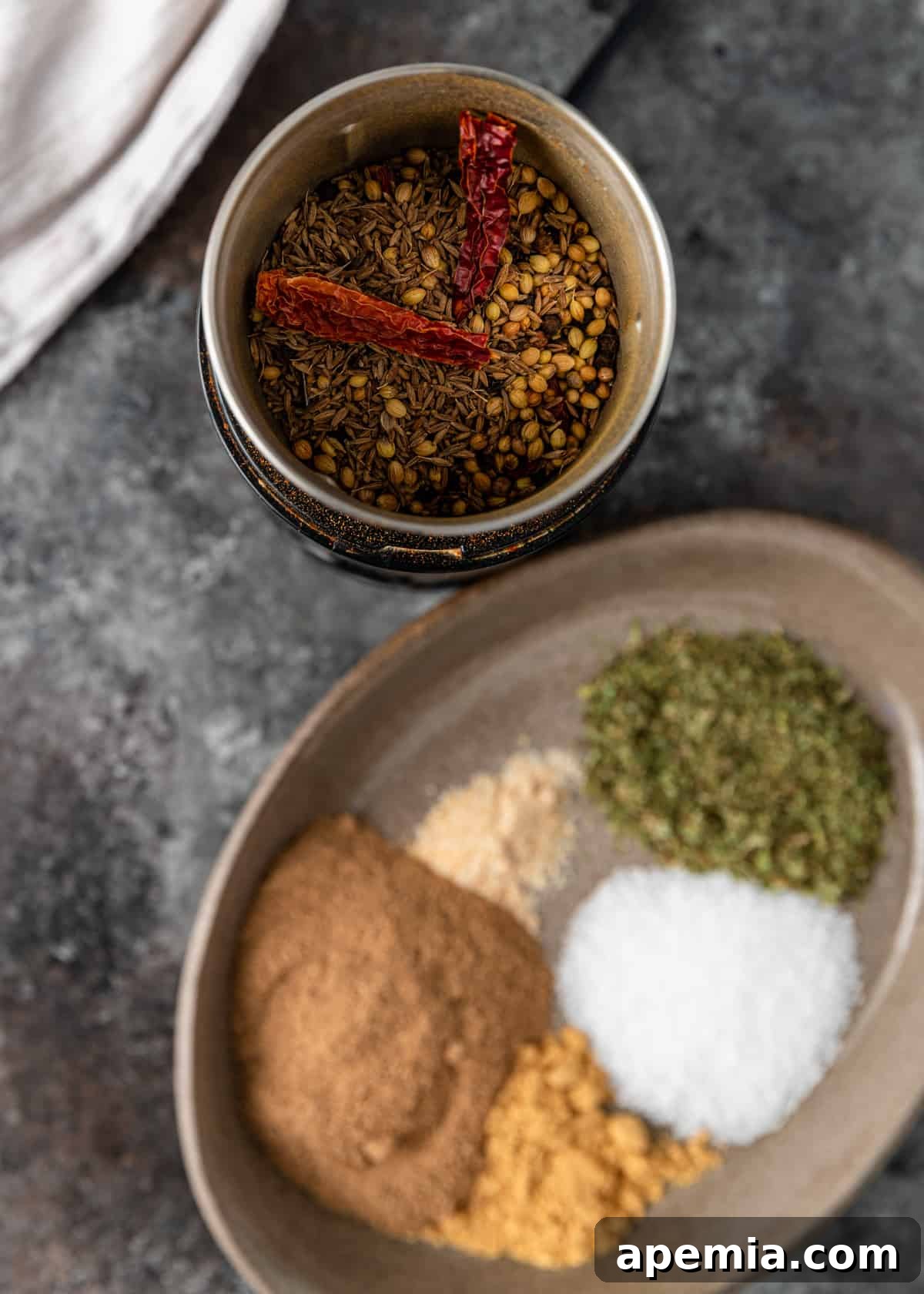
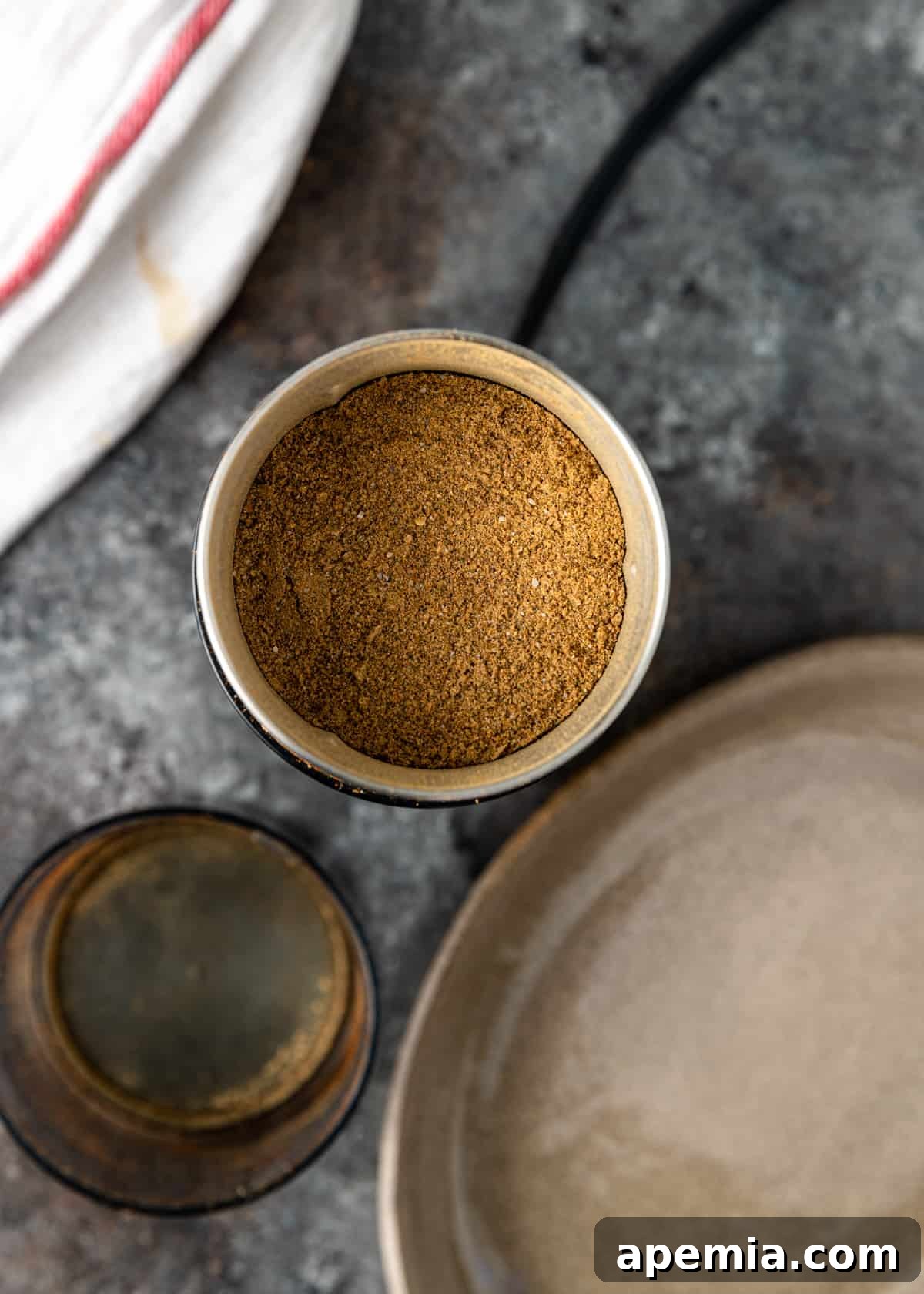
- Grind Until Smooth and Fine. Once slightly cooled, carefully transfer your perfectly toasted spices from the plate to a dedicated spice grinder (or a very clean coffee grinder that you only use for spices). Grind them thoroughly until they form a fine, consistent powder. For the best texture, aim for a powdery consistency that will cling beautifully to your food, ensuring even distribution of flavor.
- Finish the Blend with Ground Spices. Now, add the remaining ingredients: amchur (dried mango powder), dried mint, kosher salt, ground ginger, asafoetida (hing), and optionally, black salt. Pulse the grinder again, just until all the ingredients are evenly incorporated and you have a uniform, fragrant powder. Avoid over-grinding at this stage, as the friction can generate heat and diminish the freshness of the ground spices.
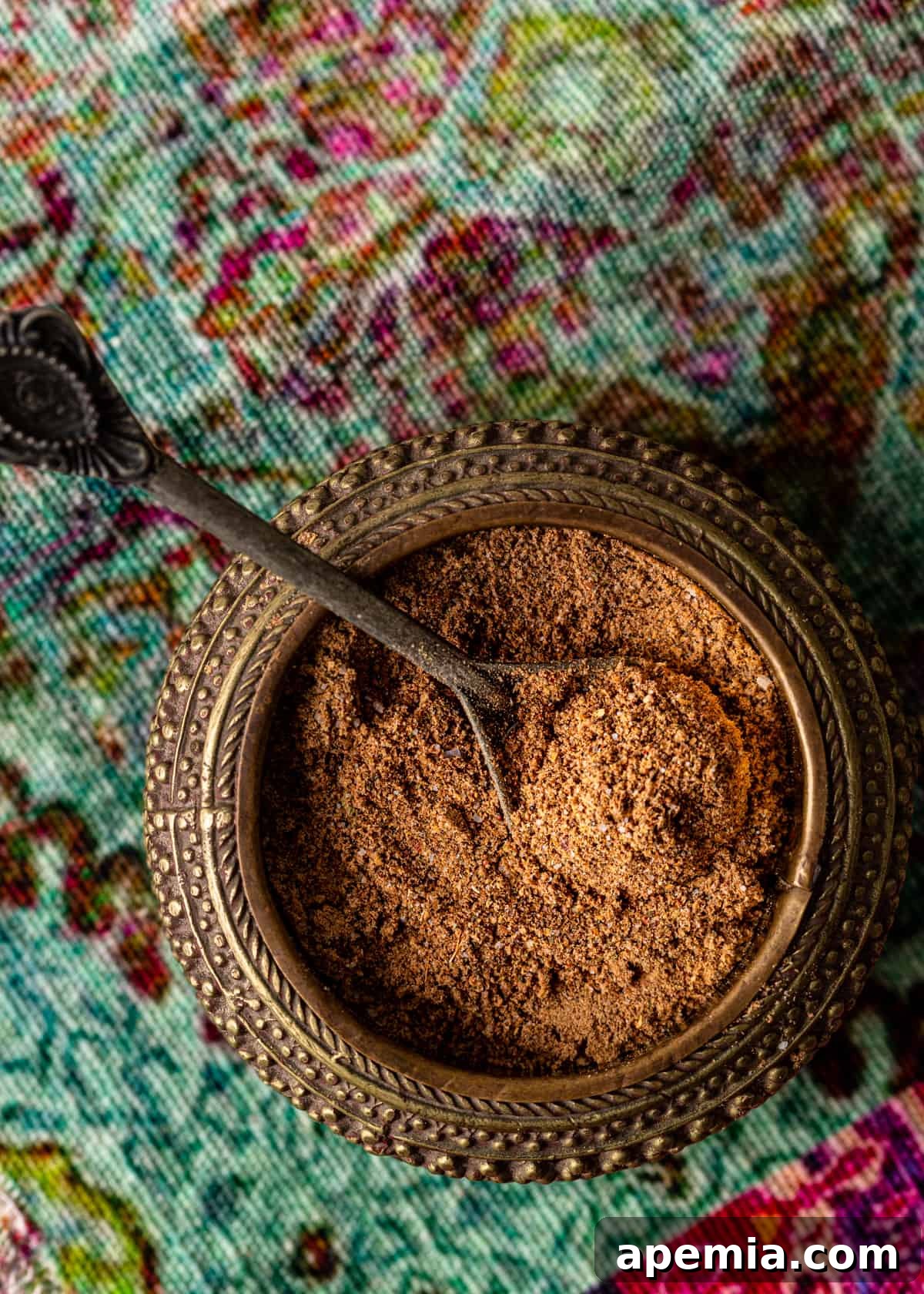
- Cool & Store for Lasting Freshness. Once blended, spread the chaat masala powder thinly on a clean plate or baking sheet and allow it to cool completely to room temperature. This step is crucial for preventing condensation inside your storage container, which can lead to clumping and spoilage. Once thoroughly cool, transfer your freshly made chaat masala to an airtight glass jar or container. Store it in a cool, dark place, away from direct sunlight and heat, to maintain its potency and vibrant flavor for up to 6 months. For optimal flavor, it’s generally best to use it within 3-4 months.
Recommended Tools for Perfect Spice Blending
Having the right equipment can make all the difference in achieving a perfectly balanced and aromatic spice blend that rivals any store-bought version:
- Small, Heavy-Bottomed Skillet: Essential for evenly toasting whole spices without scorching them. A non-stick or cast-iron skillet works wonderfully for this purpose, ensuring consistent heat distribution and preventing sticking.
- Dedicated Spice Grinder: To achieve a fine, consistent powder from your toasted spices. While a very clean coffee grinder can work in a pinch, a dedicated spice grinder is ideal to prevent flavor cross-contamination and ensure optimal performance. For a more traditional and rustic texture, a good quality mortar and pestle can also be used, though it requires more effort.
- Airtight Glass Jar: For proper storage of your freshly made chaat masala, an airtight glass jar is best. Glass is non-reactive and helps preserve the spices’ potency and aroma, keeping them fresh for longer compared to plastic containers, which can absorb odors.
- Fine-Mesh Sieve (Optional): If you desire an exceptionally fine and smooth powder, you can sift your chaat masala after grinding. This removes any coarser bits or unground fragments, resulting in a perfectly uniform texture that clings beautifully to food.
Creative Serving Suggestions for Chaat Masala: Elevate Every Bite
If you’re new to the enchanting world of chaat masala, I highly recommend starting with something simple to truly appreciate its transformative power. Begin by sprinkling it generously over a few freshly sliced apples alongside a wedge of your favorite cheese—the blend of sweet, tart, and savory is simply divine. Alternatively, try it dusted over grilled or roasted vegetables; it brings an unexpected zing that brightens earthy flavors like never before.
Once you’ve experienced this elevated snack, you’ll undoubtedly want to sprinkle this versatile spice mix on practically everything. It’s also incredibly delicious on freshly popped popcorn, turning a classic snack into an exotic, savory treat. But don’t stop there; the possibilities are truly endless:
- Fresh Fruits: This is a classic pairing! Sprinkle on mangoes, melons, pineapple, guava, oranges, or any fruit for a sweet, tangy, and slightly spicy explosion.
- Roasted Nuts & Seeds: Elevate your snack mix by tossing roasted cashews, almonds, pistachios, or pumpkin seeds with a generous amount of chaat masala for a savory, addictive crunch.
- Yogurt & Raita: Stir a pinch into plain yogurt or traditional Indian raita for a refreshing, savory condiment that complements spicy meals. It also works wonders in hummus or other creamy dips.
- Eggs: Dust over scrambled eggs, omelets, fried eggs, or hard-boiled eggs for an unexpected burst of flavor that transforms your breakfast.
- Salads: Sprinkle on cucumber salads, chickpea salads, lentil salads, or even a simple green salad for an instant Indian-inspired twist and a kick of flavor.
- Lentils & Beans: Add to cooked lentils (dal), chickpeas, black beans, or kidney beans for an enhanced savory profile and a complex aroma.
- Indian Street Food Favorites: This is where chaat masala truly shines! It’s an indispensable finishing spice for dishes like samosas, aloo tikki (potato patties), bhel puri, papdi chaat, and dahi vada.
- Beverages: A tiny pinch in homemade lemonade (nimbu pani), a refreshing glass of lassi, or even a Bloody Mary can add an intriguing, zesty complexity that will surprise and delight.
- Grilled Meats, Paneer or Tofu: Use as a dry rub for chicken, fish, paneer (Indian cheese), or firm tofu before grilling, baking, or roasting for a unique, aromatic marinade that infuses deep flavor.
Then, it’s time to delve into a true classic: chaat masala powder generously sprinkled on pakora (crispy fritters). Pakoras are a quintessential Indian street food snack, and chaat masala is their perfect, vibrant companion. I have fantastic recipes to guide you in making them with potatoes, corn, onions, and even paneer cheese—so go ahead and pick your favorite, then prepare to be amazed by the incredible flavor combination!
Share this recipe on Pinterest!
Love this homemade chaat masala recipe? Help spread the word by sharing it with your friends and followers on Pinterest. Your pins help us share delicious recipes with more people!
Frequently Asked Questions About Chaat Masala
No, not at all! Chaat masala is generally only mildly spicy, if at all. Its primary focus is on delivering a vibrant blend of tangy, salty, and savory flavors, with just a hint of warmth from the chiles and black peppercorns. It’s designed to enhance, not scorch, your palate, making it accessible even to those who prefer less heat.
This particular spice blend is meant to maintain its bright, fresh, and aromatic qualities. Cooking it directly in a dish often dulls the delicate tang from the amchur and reduces the invigorating freshness of the dried mint. Therefore, it is always best sprinkled on dishes just before serving, or even after cooking is complete. Trust me, this application method ensures the most vibrant and impactful flavor!
Ideally, you should grind chaat masala as fine as possible to achieve a powdery consistency. This ultra-fine texture allows the spice blend to cling evenly to your food, ensuring every bite is perfectly seasoned, rather than sitting in gritty, uneven patches. If you desire an exceptionally smooth texture, you can even sift the powder after grinding to remove any larger, unground bits, though this is optional.
The most common culprit for a bitter-tasting spice blend is over-toasting the whole spices. It’s crucial to keep the heat low and to remove the spices from the skillet as soon as they become fragrant. They should lighten in color slightly, not turn dark. If they begin to turn dark brown or black, it’s a clear sign that they have scorched, which will impart a burnt, bitter flavor to your entire batch. Always toast gently and watch them closely!
While fresh mint offers a beautiful aroma, for chaat masala, dried mint is preferred. Dried mint provides a more concentrated flavor that integrates seamlessly into the powdered blend and contributes to its longer shelf stability. If you only have fresh mint, you can dry it yourself by spreading the leaves on a tray in a warm, dry place or using a dehydrator until completely brittle and easily crushed.
Black salt, or Kala Namak, is a type of volcanic rock salt with a distinctive pungent, sulfurous aroma and a savory, umami taste often compared to eggs. It’s a key ingredient in many traditional chaat masala blends, contributing to its unique “funky” quality. While you can omit it if unavailable or if you dislike its strong aroma, including it will significantly enhance the authenticity and complexity of your homemade chaat masala, giving it that characteristic street food flavor.
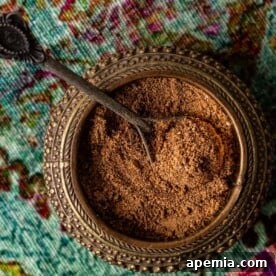
Homemade Chaat Masala Recipe
3/4 cup (approx. 36 servings)
5
5
10
PrintRecipe
Ingredients
- 2 tbsp cumin seeds (jeera)
- 1 tbsp black peppercorns (kali mirch)
- 1 tbsp coriander seeds (dhaniya)
- 6 whole cloves (lavang)
- 2 dried Kashmiri chiles
- 1/4 tsp ajwain seeds (carom)
- 3 tbsp mango powder (amchur)
- 1 tbsp dried mint (pudina)
- 2 tsp kosher salt
- 1 tsp ground ginger (saunth)
- 1/2 tsp asafoetida powder (hing)
- 1/2 tsp black salt (kala namak, optional for authentic flavor)
Instructions
-
Toast Whole Spices: In a dry skillet over medium-low heat, gently toast the cumin seeds, black peppercorns, coriander seeds, whole cloves, dried Kashmiri chiles, and ajwain seeds. Stir constantly for 3-5 minutes until they become intensely fragrant. Be careful not to burn them, as scorched spices will taste bitter. Immediately remove from heat and transfer to a plate to cool slightly.
-
Grind Toasted Spices: Once slightly cooled, transfer the toasted whole spices to a spice grinder (or a very clean coffee grinder dedicated to spices). Grind them until they form a very fine, consistent powder.
-
Combine with Ground Spices: Add the amchur (dried mango powder), dried mint, kosher salt, ground ginger, asafoetida (hing), and the optional black salt to the grinder with the freshly ground spices. Pulse again until all ingredients are thoroughly combined into a uniform, fine powder.
-
Cool and Store: Spread the finished chaat masala powder on a clean plate and let it cool completely to room temperature. This prevents condensation. Once cool, transfer it to an airtight container or glass jar. Store in a cool, dark place for up to 6 months for optimal freshness and flavor.
-
This salty, tart, and uniquely spicy seasoning is designed to be an all-purpose enhancer for various snack foods, fruits, vegetables, and much more. It’s especially fantastic sprinkled over popcorn, fried snacks, or fresh salads for an authentic Indian kick.
Notes
Nutrition
The nutritional information provided is an estimate calculated by an online nutrition calculator. It should not be considered a substitute for professional dietary advice. Individual results may vary based on exact ingredients and preparation methods.
Made This Recipe? Share Your Creations on Instagram!
We’d love to see your delicious homemade chaat masala! Tag @keviniscooking or use the hashtag #keviniscooking so we can admire your culinary skills!