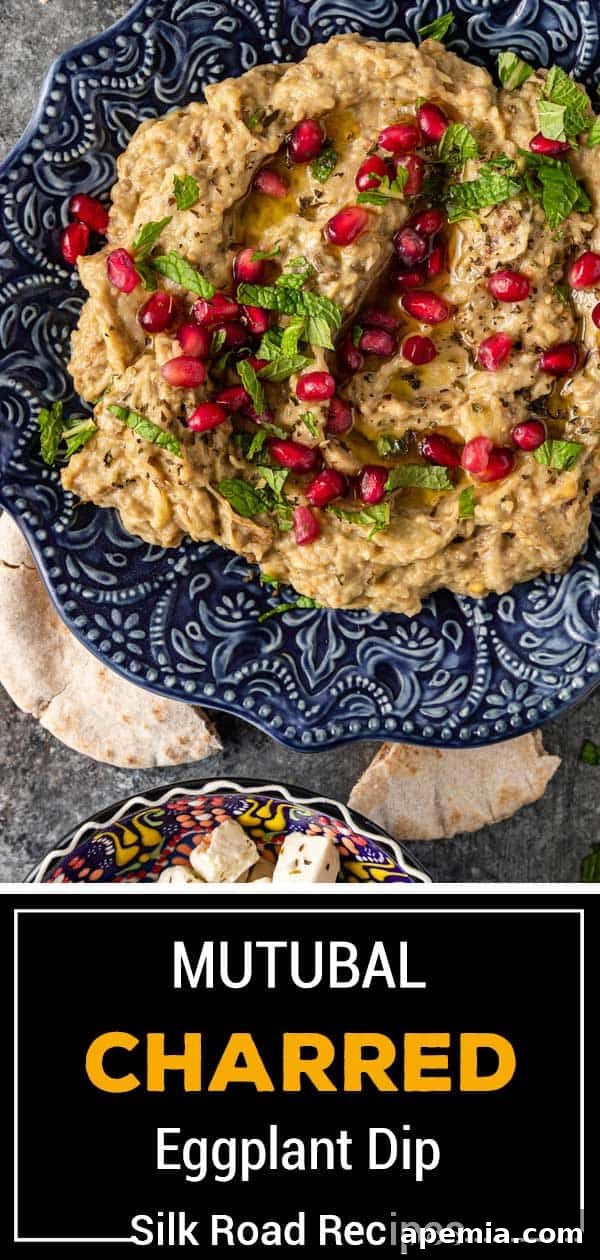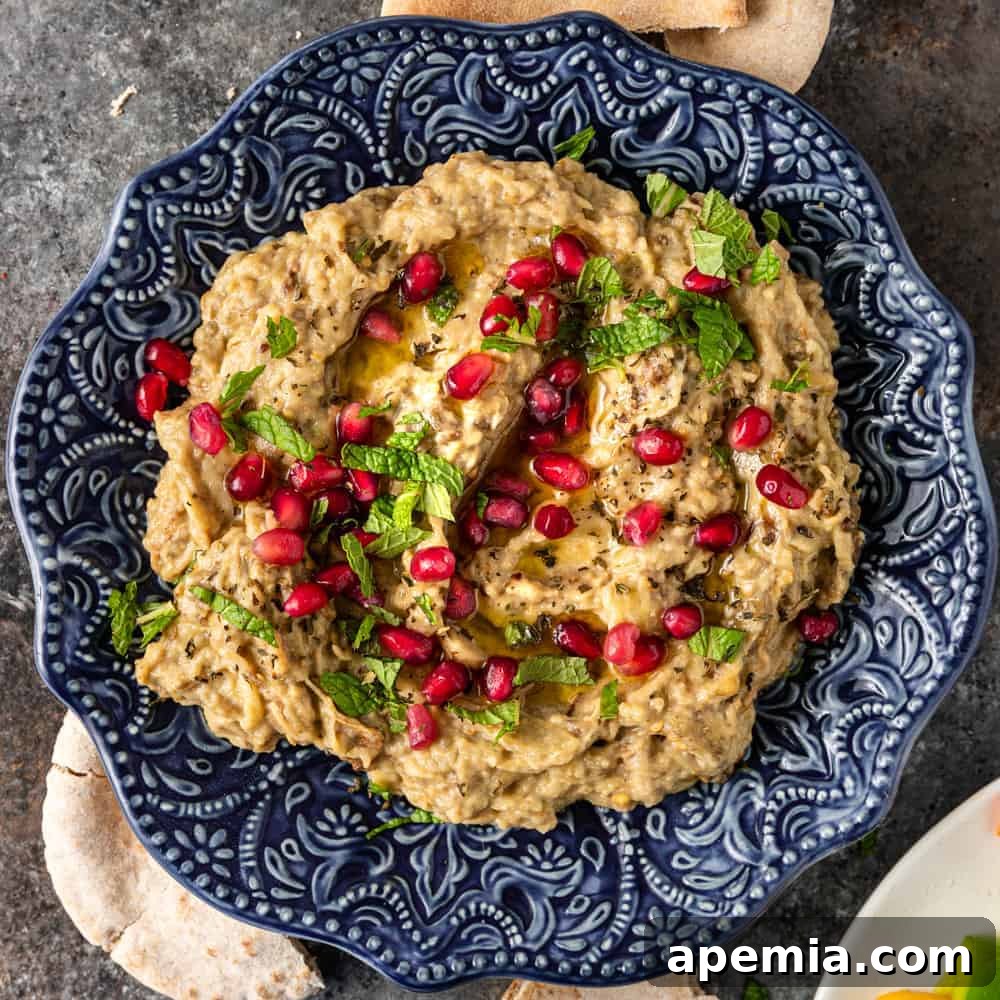
Welcome to a culinary journey into the heart of Middle Eastern flavors with our exquisite recipe for Mutabal, a luxurious charred eggplant dip that promises to tantalize your taste buds. This traditional delight masterfully combines smoky roasted eggplant with the creamy richness of tahini, brightened by fresh lemon juice, pungent garlic, and a hint of warm cumin. Whether you’re seeking a sophisticated appetizer for a gathering, a healthy snack, or a flavorful spread to elevate your everyday meals, Mutabal is an effortlessly elegant choice that’s incredibly simple to prepare.
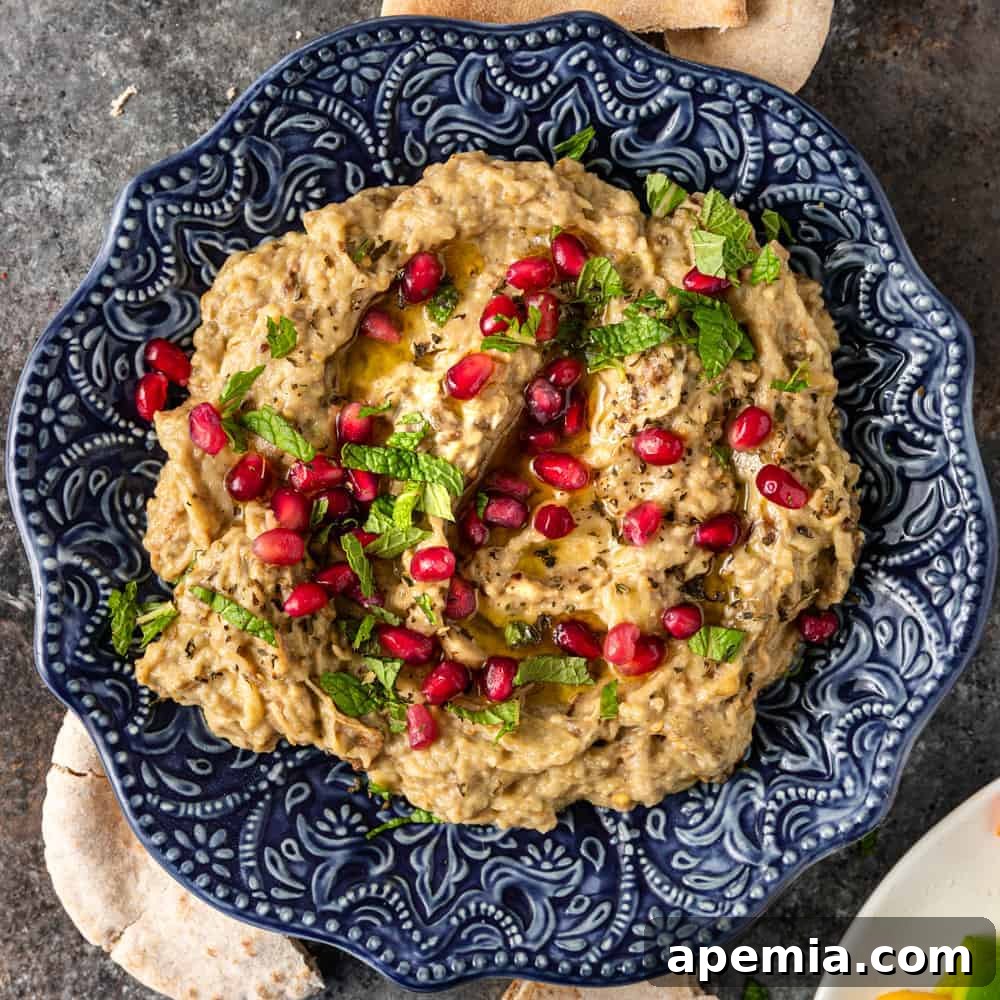
For enthusiasts of Middle Eastern cuisine, Mutabal stands out as a true gem. Its hallmark is an intoxicatingly smoky flavor, achieved through perfectly charring the eggplant, which then blends into a silky-smooth texture with the addition of rich tahini. While our recipe focuses on the classic combination of garlic, lemon juice, and cumin, Mutabal’s charm lies in its versatility. Across different regions, you might encounter variations that incorporate fresh herbs, a touch of creamy yogurt, or even a different spice blend, each offering a unique twist on this beloved dip. You may also see it spelled as m’tabbal, mutabel, or moutabel, all referring to the same delightful dish.
Eggplant, though sometimes perceived as a challenging ingredient, truly shines in Mutabal. Its mild flavor and tender flesh provide the perfect canvas for the vibrant spices and nutty tahini. If you’re looking to explore more delicious ways to enjoy this versatile vegetable, be sure to check out other eggplant-inspired dishes like Zaalouk (Moroccan Eggplant Appetizer), a hearty Spiced Eggplant Stew, or the comforting layers of Eggplant Moussaka. Mutabal offers a simple yet profound way to appreciate eggplant’s unique qualities, transforming it into an irresistible spread that’s both nourishing and incredibly flavorful.
What is Mutabal? A Culinary Staple
Mutabal is a foundational mezze dish, celebrated across the Levant and broader Middle East. At its core, it’s a dip crafted from fire-roasted or charred eggplant, which imparts a distinctive smoky depth, combined with tahini (sesame paste), fresh lemon juice, garlic, and often a touch of cumin. The result is a creamy, earthy, and profoundly satisfying spread. Its presence is almost mandatory on any traditional mezze platter, serving as a testament to the region’s rich culinary heritage. The charring of the eggplant is a critical step, as it not only softens the flesh but also infuses it with that signature smoky aroma that distinguishes Mutabal from other eggplant preparations.
Historically, eggplant has been a staple in Middle Eastern diets for centuries, valued for its versatility and ability to absorb flavors. Mutabal, like many traditional dishes, evolved from the desire to create delicious and resourceful meals from readily available ingredients. The combination of eggplant with tahini is a testament to the ingenious use of local produce and traditional pantry staples. While specific origins are hard to pinpoint, Mutabal is deeply embedded in the culinary fabric of countries like Lebanon, Syria, and Jordan, each having its subtle variations and preferred garnishes.
Mutabal vs. Baba Ganoush: Understanding the Difference
The distinction between Mutabal and Baba Ganoush is a common point of confusion, even among avid fans of Middle Eastern cuisine. Both iconic dips share a common foundation: roasted eggplant (often referred to as smoked aubergine). However, the key differences lie in their additional ingredients, leading to distinct flavor profiles and textures. Understanding these nuances will help you appreciate each dish for its unique character.
Mutabal, in its most traditional form, embraces simplicity and highlights the smoky essence of eggplant. It typically blends the charred eggplant flesh primarily with:
- Tahini: This sesame paste is the star, giving Mutabal its characteristic creamy, nutty, and slightly bitter depth.
- Garlic: Provides a sharp, aromatic kick.
- Lemon Juice: Adds essential brightness and tang.
- Olive Oil: Used for richness and drizzled as a garnish.
- Cumin and Salt: Essential seasonings that enhance the overall flavor.
The texture of Mutabal is often lusciously smooth, sometimes with tiny bits of eggplant remaining, and its flavor profile is deeply smoky, nutty, and bright.
Baba Ganoush, on the other hand, tends to be more complex and often features a chunkier texture. Crucially, traditional Baba Ganoush typically does not include tahini. Instead, it incorporates a wider array of fresh ingredients to build its layered flavors:
- No Tahini: This is the primary differentiating factor.
- Onions: Often finely chopped, contributing a sweet and savory base.
- Tomatoes: Diced tomatoes add freshness and a subtle tang.
- Pomegranate Molasses: A distinctive ingredient that provides a unique sweet-tartness and dark, rich flavor.
- Fresh Herbs: Parsley and mint are commonly added for their vibrant freshness.
- Bell Peppers: Sometimes included for additional sweetness and texture.
Baba Ganoush often has a more rustic, slightly chunkier texture and a flavor that is brighter, sweeter, and more herbaceous due to the added vegetables and pomegranate molasses. While both are incredibly delicious, knowing these ingredient distinctions helps differentiate between these two beloved eggplant dips. Personally, I’ve found that many recipes labeled “Baba Ganoush” in Western restaurants are, in fact, closer to the traditional definition of Mutabal due to their inclusion of tahini!
Essential Ingredients for the Perfect Mutabal
Crafting exceptional Mutabal begins with selecting high-quality ingredients. Each component plays a vital role in creating the dip’s signature smoky, creamy, and zesty flavor. Here’s a detailed look at what you’ll need and potential substitutions:
- Eggplant: The foundation of our dip, offering a mild, slightly bitter, and tender base. Opt for firm, glossy eggplants that feel heavy for their size. Varieties like Globe or Italian eggplant work wonderfully. Approximately two medium eggplants typically yield about one pound of cooked flesh, which is usually ideal for a batch serving 6 people. For the best smoky flavor, char the skin thoroughly.
- Garlic: Essential for its pungent, zesty aroma and flavor that truly awakens the dip. Use fresh garlic cloves and mince them finely for even distribution. If fresh garlic is unavailable, a small amount of garlic powder (about ½ tsp per 4 cloves) can be a last resort, but fresh is always superior for brightness.
- Lemon Juice: Provides a crucial element of brightness, cutting through the richness of the tahini and the earthiness of the eggplant. Always use freshly squeezed lemon juice for the best vibrant, sour, and lively notes. Bottled lemon juice can be used in a pinch, but fresh provides a superior taste.
- Tahini: This satiny-smooth puree of toasted sesame seeds is what gives Mutabal its distinctive creamy texture and nutty depth. Look for a good quality tahini in the international aisle of your grocery store, often near peanut butter or specialty oils. High-quality tahini should be pourable and light in color, not thick and pasty.
- Salt: A fundamental seasoning that enhances all the other flavors and, importantly, helps to balance and offset any residual bitterness from the eggplant. Adjust to taste throughout the mixing process. Sea salt or kosher salt are preferred for their clean flavor.
- Cumin: Adds a subtle yet critical touch of smoky warmth and earthy spice, harmonizing beautifully with the charred eggplant. Ground cumin is typically used. For an extra layer of flavor, you can lightly toast whole cumin seeds and then grind them just before adding.
- Olive Oil: Used both for preparing the eggplant and as a luxurious finishing drizzle. While you can use vegetable or avocado oil for roasting the eggplant, always opt for a high-quality, extra virgin olive oil to drizzle over the finished dip. Its fruity and peppery notes will significantly elevate the flavor.
Garnish and Optional Additions
These ingredients are perfect for adding visual appeal, contrasting textures, and bursts of fresh flavor:
- Pomegranate Seeds (Arils): Offer a delightful burst of sweet-tart and slightly astringent flavor, along with a stunning dash of vibrant color. They are a classic garnish for Mutabal.
- Fresh Mint: Adds a pop of cool, refreshing, and slightly sweet flavor. Chopped fresh mint leaves bring an aromatic counterpoint to the smoky dip.
- Fresh Parsley: Provides an herbaceous, mildly peppery note and a lovely green garnish. It’s more than just a decoration; it contributes to the overall freshness.
- Plain Greek Yogurt (Optional): Some regional variations include a tablespoon or two of plain Greek yogurt for an extra layer of creaminess and a slightly tangy flavor. If you choose to add it, ensure it’s unflavored.
- Dried Mint (Optional): A sprinkle of dried mint can add a concentrated, earthy mint flavor, often used in conjunction with or as an alternative to fresh mint.
A Visual Guide to Making Mutabal
To truly grasp the simplicity and elegance of this appetizer, watching the preparation process can be incredibly helpful. Many culinary resources offer step-by-step video guides that beautifully illustrate each stage of making Mutabal, from charring the eggplant to achieving its perfect creamy consistency. Look for a recipe video often linked in the recipe card at the bottom of this post for a comprehensive visual walkthrough.
How to Make Mutabal: Step-by-Step Instructions
Creating this rich, smoky, and creamy Mutabal is a straightforward process that yields incredibly rewarding results. Follow these simple steps to master this Middle Eastern classic:
- Preheat the Oven for Charring: Begin by preheating your oven to a high temperature of 450°F (230°C). Position an oven rack in the upper third of the oven, as this will be crucial for achieving that desirable char on the eggplant skin. Line a large, rimmed baking sheet with parchment paper to prevent sticking and make cleanup easier. Set it aside.
- Prepare the Eggplant: Using a sharp knife, carefully slice the eggplants in half lengthwise. This exposes the flesh and allows for even cooking. Lightly brush the cut surfaces of the eggplant with olive oil. This helps prevent them from drying out and promotes better caramelization. Place the oiled eggplant halves cut-side down on your prepared baking sheet.
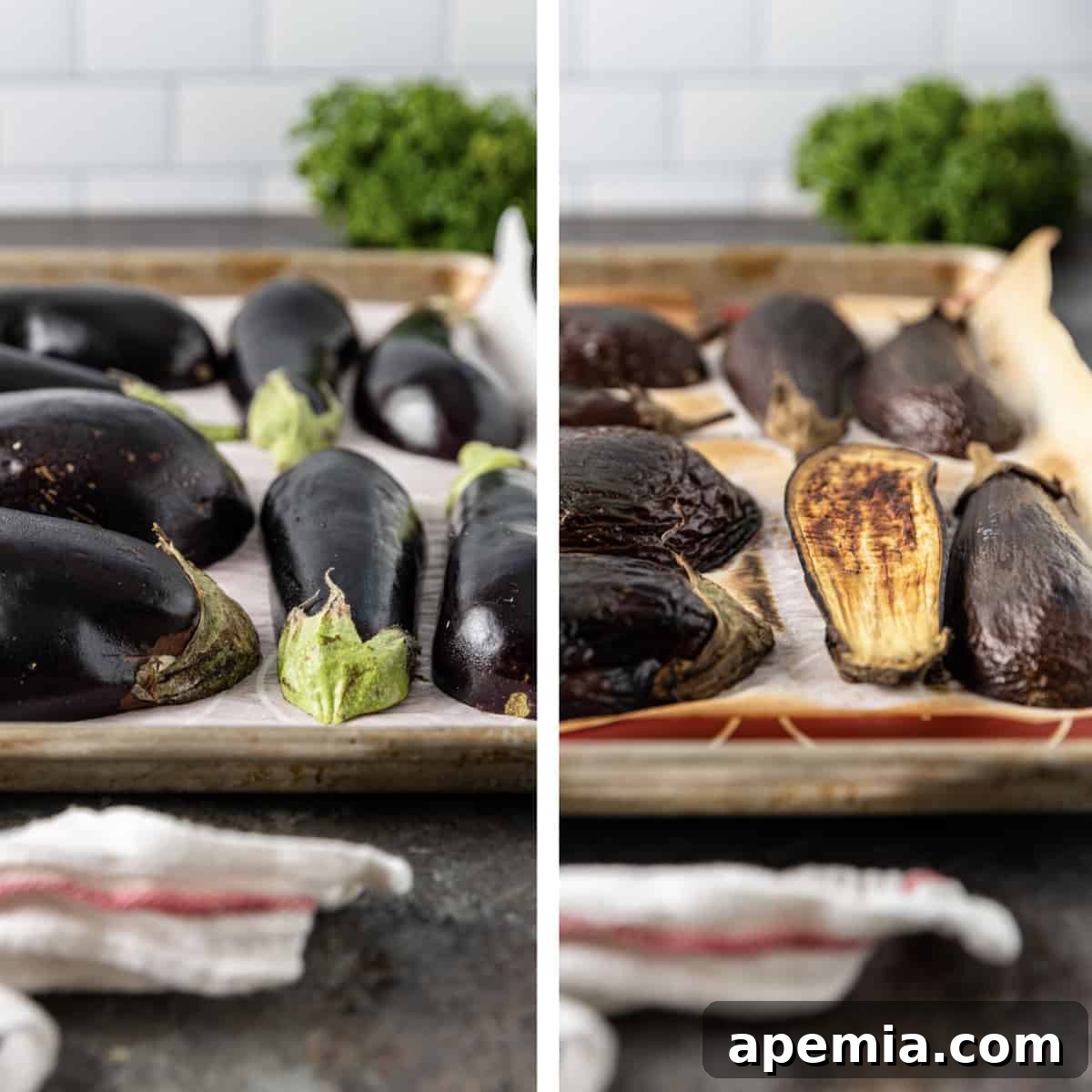
- Roast and Char the Eggplant: Transfer the baking sheet to the preheated oven. Roast the eggplants for approximately 35 minutes, or until the interior flesh is incredibly tender and the skin appears loose and slightly shriveled. This initial roasting cooks the eggplant through. To achieve the signature smoky flavor, switch your oven setting to broil (grill) and continue cooking for another 6-8 minutes. Keep a close eye on the eggplants during this stage, as the skin should char and blacken, but not burn excessively. This charring is where the magical smoky essence comes from. Once charred, remove the eggplants from the oven and let them cool for about 5 minutes.
- Scoop and Drain the Eggplant Flesh: Once the eggplants are cool enough to handle, carefully scoop out the tender, cooked flesh from each half using a spoon. Discard the charred skins. Transfer the eggplant flesh to a colander or fine-mesh sieve set over a bowl. Allow it to drain for at least 30-60 minutes. This critical step removes excess moisture, which can make your Mutabal watery, ensuring a thick, creamy, and intensely flavorful dip.
- Combine and Mix Ingredients: After draining, transfer the eggplant flesh to either a food processor for a super smooth consistency or a large bowl if you prefer to mix it by hand for a slightly chunkier texture. Add the tahini, fresh lemon juice, minced garlic, salt, and cumin. Blend or mix thoroughly until all ingredients are well combined and the dip reaches your desired consistency. Taste the mixture; if it tastes slightly bitter, slowly add a bit more salt, tasting as you go, until the flavors are balanced. Some prefer a coarser texture, so consider pulsing in the food processor rather than continuous blending.
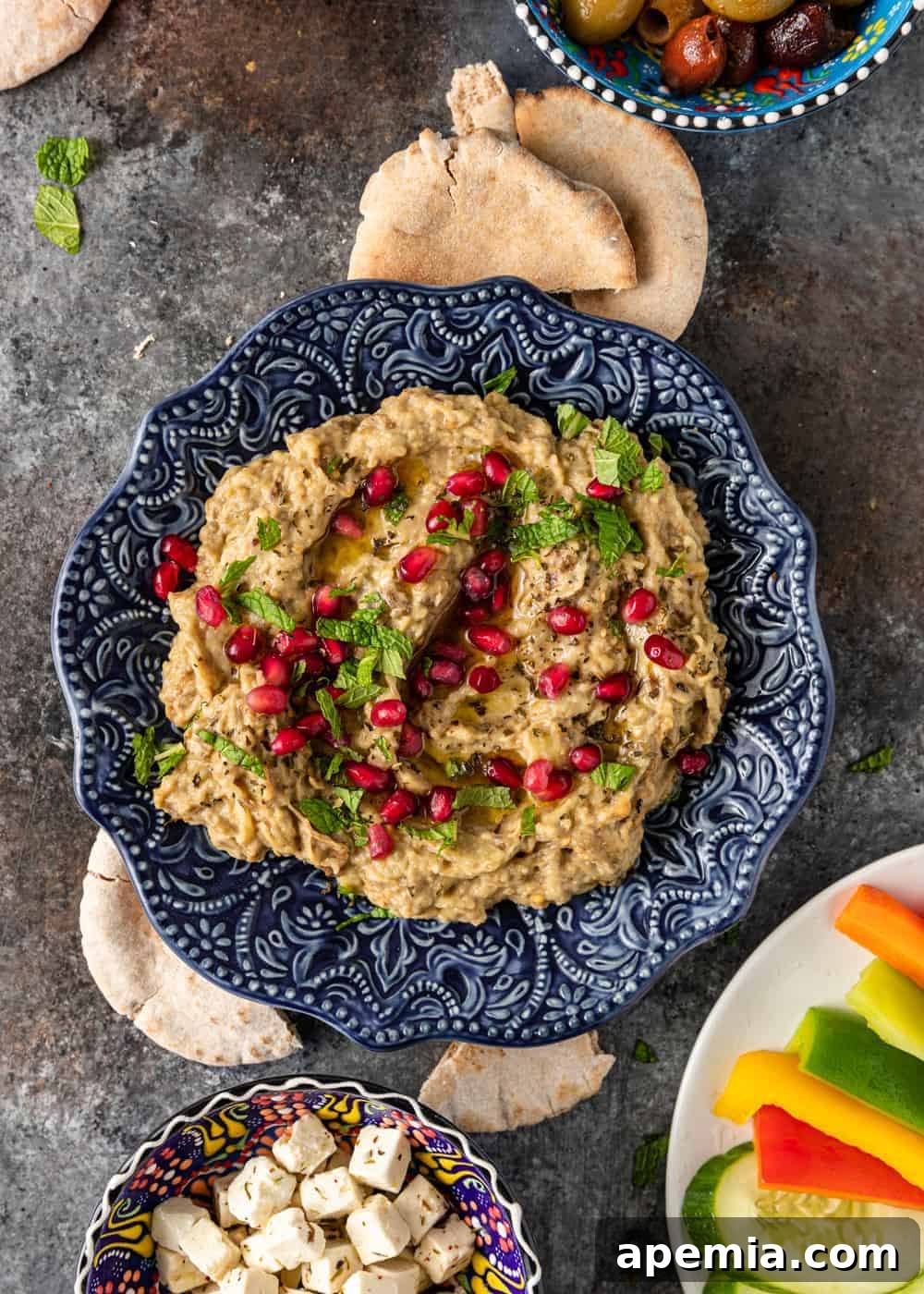
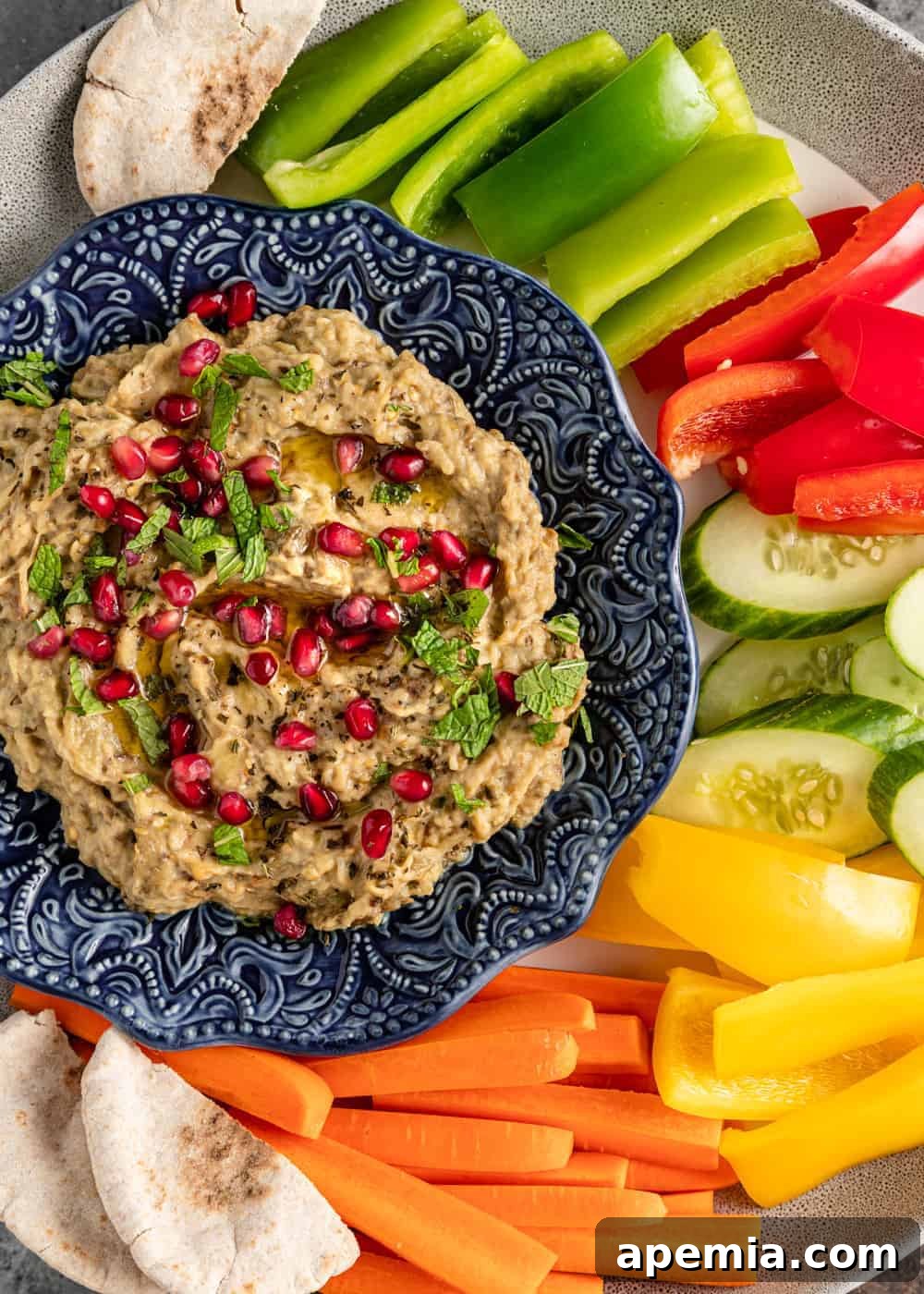
- Serve and Enjoy: Transfer the freshly made Mutabal to a shallow serving bowl. Drizzle generously with high-quality olive oil. For a beautiful presentation and added flavor, garnish with fresh pomegranate seeds (arils), chopped mint, and chopped parsley. Mutabal is traditionally served with fresh vegetables like cucumber, carrots, bell peppers, and pita chips or warm pita bread. It’s perfect as an appetizer, a side dish, or a flavorful spread.
Recipe Notes and Tips for Success
- Storage: Mutabal is best enjoyed fresh, but leftovers can be stored. Transfer any remaining dip to an airtight container and refrigerate for up to 3 days. The flavors tend to meld even more over time.
- Freezing: While it is possible to freeze Mutabal, be aware that there might be a slight change in texture upon thawing, often becoming a bit more watery. To freeze, allow the dip to chill completely in the refrigerator first, then transfer to a freezer-safe container. It can be frozen for up to 3 months. Thaw overnight in the refrigerator, then stir or re-blend briefly before serving to restore its texture. You may need to add a fresh drizzle of olive oil or a squeeze of lemon juice.
- Using a Food Processor: For optimal texture, particularly if you prefer some small chunks of eggplant for a more authentic feel, it’s often better to pulse the dip in a food processor rather than using a continuous blend. However, if you desire a perfectly smooth, velvety consistency, feel free to blend until completely uniform. Both textures are delicious, but many find the flavor benefits from a slightly less processed consistency.
Creative Ways to Serve Mutabal
Mutabal is incredibly versatile and can be enjoyed in numerous ways, beyond just being a simple dip. While it’s most commonly served with fresh vegetables and warm bread like khubz (pita) or Armenian flatbread (lavash), don’t limit its potential. Here are some inspiring ideas to incorporate this delicious dip into your meals:
- As a Mezze Platter Star: Naturally, Mutabal is a centerpiece of any traditional Middle Eastern mezze. Serve it alongside hummus, tabbouleh, olives, and other small dishes for a delightful spread.
- With Grilled Meats: Its smoky and creamy profile makes it an excellent accompaniment to grilled chicken, lamb, or koobideh kabobs. The dip adds a cooling and rich contrast to savory meats.
- Spread on Sandwiches and Wraps: Elevate your lunch by using Mutabal as a flavorful spread in sandwiches, wraps, or even on toast. It pairs wonderfully with grilled vegetables, falafel, or roasted chicken.
- Alongside Eggs: For a unique breakfast or brunch, serve a dollop of Mutabal alongside poached or fried eggs. Its rich flavor complements the eggs beautifully.
- As a Sauce for Grains: Stir Mutabal into cooked couscous, bulgur, or rice for an instant flavor boost, creating a more substantial side dish.
- With Roasted Vegetables: Drizzle or dollop Mutabal over roasted carrots, zucchini, or bell peppers to add a creamy, smoky dimension.
Serving Temperature: Hot or Cold?
Mutabal’s versatility extends to its serving temperature. Traditionally, this delightful eggplant dip is served cold or at room temperature, allowing its complex flavors to fully develop and meld. The chilled temperature offers a refreshing contrast, especially when paired with warm pita bread or crisp vegetables.
However, there’s absolutely nothing wrong with enjoying Mutabal while it’s still a bit warm, perhaps just after it’s freshly made and mixed. The warmth can enhance the smoky notes and make the texture feel even more luxurious. Ultimately, it comes down to personal preference. Serve it chilled with some fresh, crisp vegetables and pita bread for a refreshing appetizer, or enjoy it slightly warm as a spread on your next sandwich or wrap for a comforting bite.
Any leftovers should always be stored cold. Keep them in an airtight container in the refrigerator for 3-4 days, ensuring freshness and food safety. For longer storage, Mutabal can be frozen for up to 3 months, as noted in our recipe tips.
Mastering Eggplant: How to Remove Bitterness
Nothing can detract from a perfect batch of Mutabal quite like a bitter eggplant. While the charring process helps mellow some of the bitterness, and adding salt during mixing can offset it, there are proactive steps you can take before roasting to ensure your eggplant is as mild and delicious as possible. This is particularly useful if you find your eggplants consistently have a strong bitter taste:
- Heavy Salting (Sweating): This is perhaps the most common and effective method. After slicing your eggplant (either into rounds or lengthwise halves as in this recipe), generously sprinkle coarse salt (like kosher or sea salt) over the cut surfaces. Allow the eggplant to sit for at least one hour, or even up to two hours. You’ll notice beads of moisture forming on the surface – this is the bitterness being drawn out. Before cooking, thoroughly rinse the eggplant under cold water to remove the salt and pat it completely dry with paper towels. Brining (soaking in saltwater) can produce similar results.
- Milk Bath Soak: For a milder approach that also enhances creaminess, you can soak sliced eggplant in a bowl of milk (dairy or non-dairy) for about 30 minutes before baking. This method is believed to neutralize bitterness while adding a subtle richness to the flesh. After soaking, simply drain the eggplant and pat it dry before proceeding with the recipe.
- Remove the Seeds: The seeds are often the most bitter part of the eggplant, especially in larger, older specimens. If you find your eggplant to be particularly seedy, you can easily scoop out the seeds with a spoon after slicing it in half. While not strictly necessary for younger, smaller eggplants, this can be a helpful step for ensuring a smooth, less bitter Mutabal.
By implementing these simple techniques, you can significantly reduce or eliminate any unwanted bitterness, ensuring your Mutabal is consistently creamy, smoky, and perfectly balanced in flavor.
Don’t miss out on our latest culinary creations and inspirations! Subscribe to our Newsletter and follow us on Facebook, Pinterest, Instagram, and YouTube for all the newest recipes, videos, and foodie adventures.
This recipe post, originally published on Silk Road Recipes in October 2020, was updated with new content, enhanced photos, and additional video resources in January 2023 to bring you the most comprehensive guide to making perfect Mutabal.
Mutabal (Charred Eggplant Dip)
Mutabal is a decadently creamy and flavorful Middle Eastern dip made from charred eggplant, tahini, olive oil, garlic, and spices. Perfect as an appetizer or spread.
Servings: 6
Prep Time: 10 mins
Cook Time: 45 mins
Drain Time: 30 mins
Total Time: 1 hr 25 mins
Print Recipe
Ingredients
- 2 lbs eggplant (approx. 2 medium eggplants)
- 4 cloves garlic, minced
- 1/4 cup lemon juice, freshly squeezed
- 1/4 cup tahini
- 2 tbsp plain Greek yogurt (optional, for extra creaminess)
- 1 tsp salt (or to taste)
- 1/2 tsp cumin
Garnish
- Pomegranate seeds (arils)
- 10 mint leaves, chopped
- 2 tbsp parsley, chopped
- 1/4 tsp dried mint (optional)
- Olive oil, for drizzling
Instructions
- Preheat the oven to 450°F (230°C) with a rack in the upper third. Line a large, rimmed baking sheet with parchment paper. Slice eggplants lengthwise and brush the cut sides lightly with olive oil. Place them cut side down on the pan.
- Roast until the interior is very tender and the skin is loose, about 35 minutes. Turn the oven to broil (grill) and char the skin for 6-8 minutes for that smokey flavor. Let rest 5 minutes to cool.
- Scoop the flesh out of each eggplant, discarding the skins, and place in a colander or sieve over a bowl to drain for at least 30 minutes. This removes excess moisture.
- Place drained eggplant in either a bowl to mix by hand, or a food processor to mix. Add the garlic, lemon juice, tahini, yogurt (if using), salt, and cumin. Mix well until smooth or to your desired chunky consistency. If slightly bitter, add more salt to taste.
- Serve in a shallow bowl with a generous drizzle of olive oil and topped with pomegranate seeds, fresh mint, and parsley. Perfect to eat with fresh vegetables and pita bread for dipping.
Notes
- After roasting, you should have approximately 1 pound of cooked eggplant flesh. If the dip tastes bitter, adjust with additional salt to taste. For an alternative charring method, preheat a grill to high heat (450° to 550°F / 230-290°C). Add whole eggplants and cook on all sides until softened and roasted, about 25 minutes.
Recipe adapted from Sami Tamimi and Tara Wigley’s cookbook, Falastin.
Nutrition
The information shown is an estimate provided by an online nutrition calculator. It should not be considered a substitute for a professional nutritionist’s advice.
- Calories: 108kcal
- Carbohydrates: 13g
- Protein: 4g
- Fat: 6g
- Saturated Fat: 1g
- Polyunsaturated Fat: 2g
- Monounsaturated Fat: 2g
- Cholesterol: 0.3mg
- Sodium: 398mg
- Potassium: 438mg
- Fiber: 5g
- Sugar: 6g
- Vitamin A: 230IU
- Vitamin C: 11mg
- Calcium: 45mg
- Iron: 1mg
Course: Appetizer
Cuisine: Lebanese, Middle Eastern, Syrian
Author: Kevin
Have You Made This Recipe? Let Me Know on Instagram!
Tag @keviniscooking or use hashtag #keviniscooking!