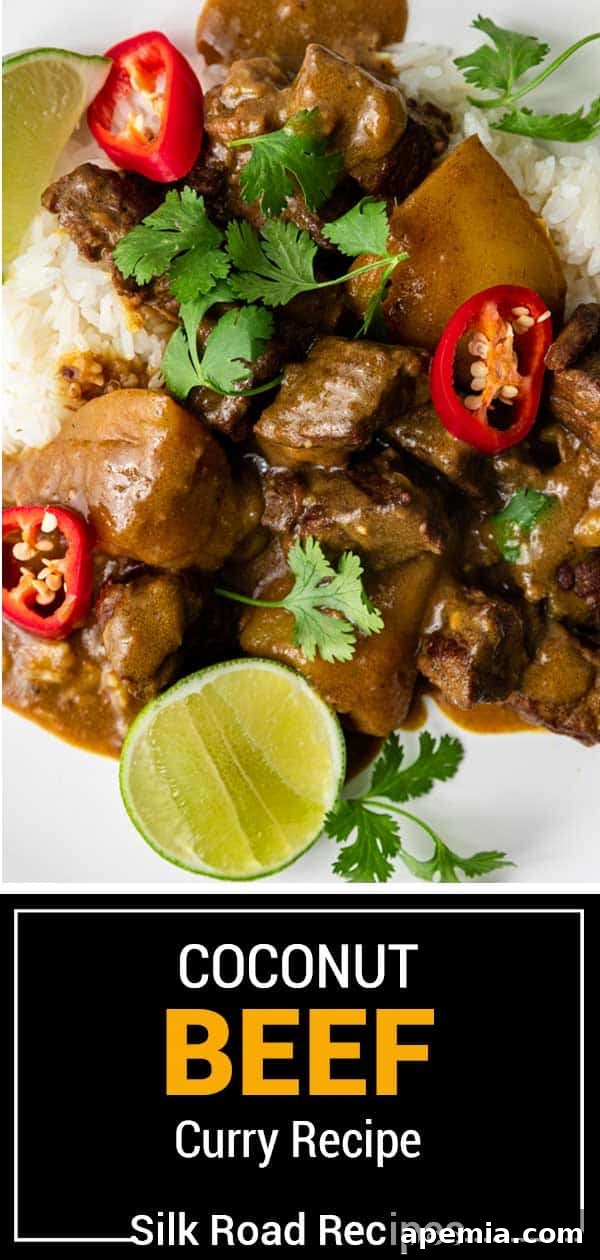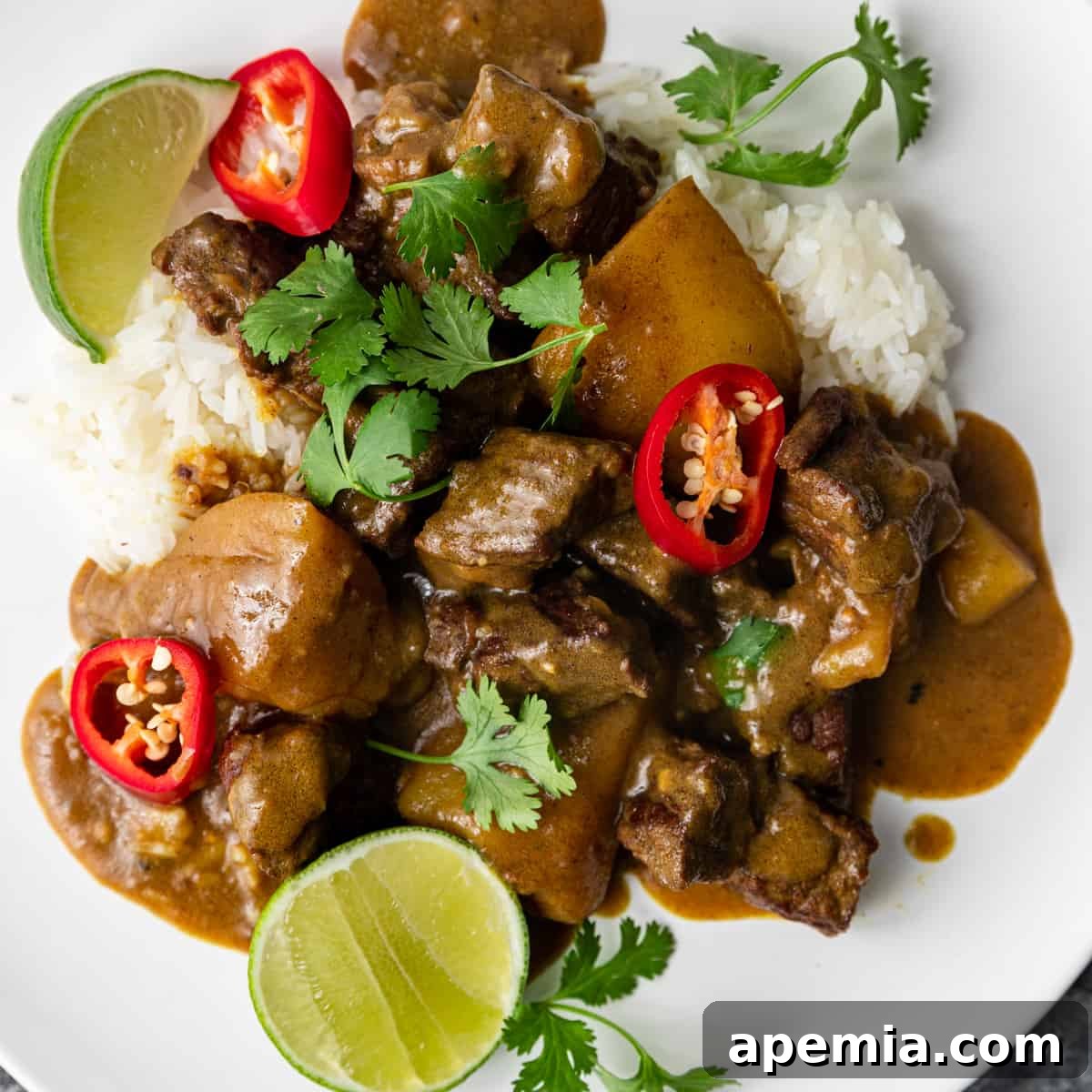
Welcome to the ultimate guide for crafting a delectable **Japanese Beef Curry** – a dish that perfectly balances sweet, savory, and aromatic notes with a gentle warmth. Imagine succulent pieces of seared beef and crisp, fresh vegetables slow-cooked to melt-in-your-mouth perfection in a luxurious, creamy coconut curry sauce. Infused with the foundational flavors of onions, garlic, ginger, and a symphony of robust spices, this recipe promises a deeply comforting and irresistibly flavorful meal that will quickly become a family favorite.
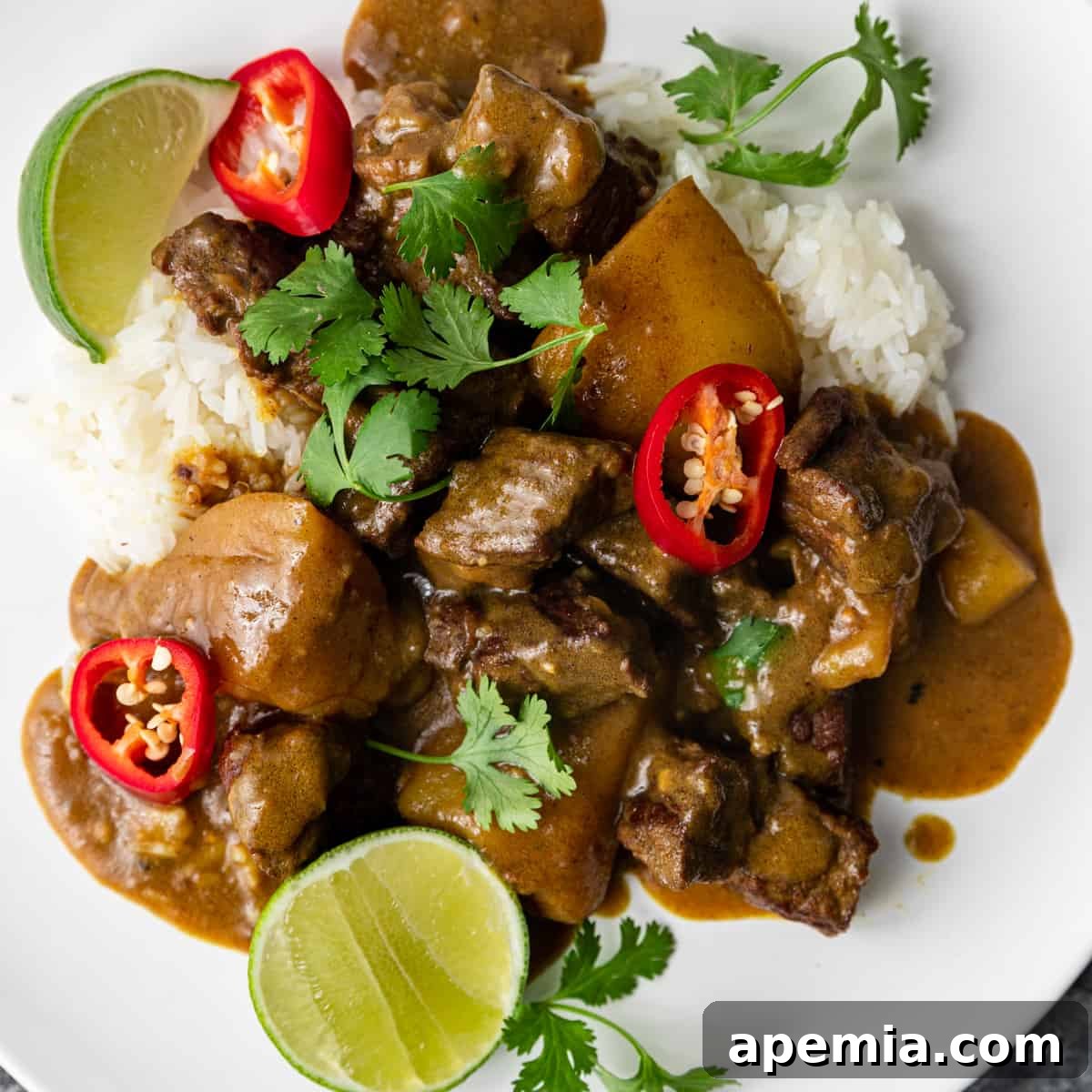
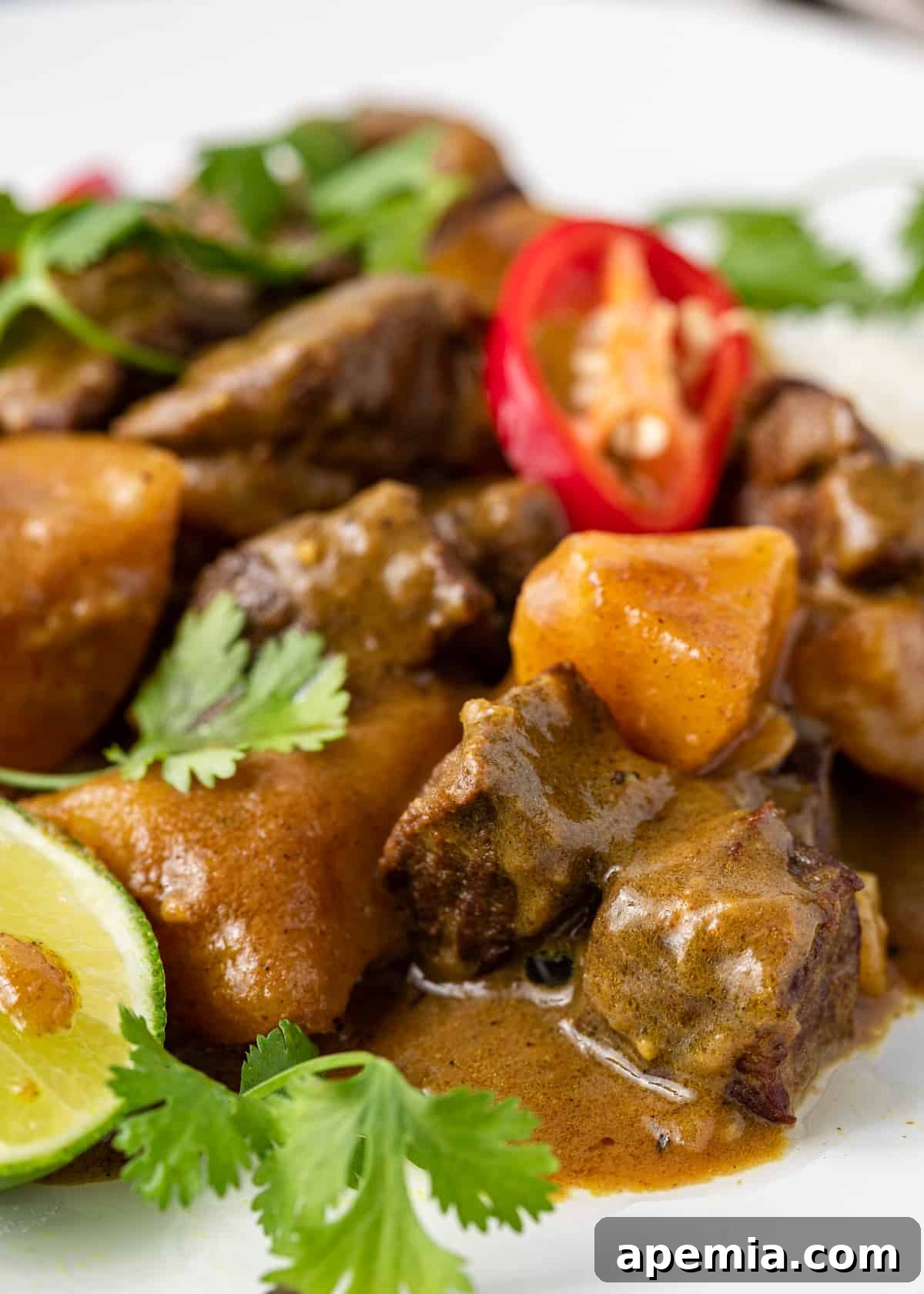
This Japanese-style beef curry is more than just a meal; it’s an experience, an instant crowd-pleaser that brings all the beloved elements of a traditional curry dish to your table. Who could resist its rich aroma and comforting presence? Our **Coconut Beef Curry** recipe features exquisitely tender, savory beef alongside perfectly cooked vegetables, all enveloped in a thick, aromatic sauce. This isn’t your average weeknight dinner; it’s a hearty, stew-like creation that evokes the comforting feeling of your grandmother’s classic beef stew, but with an exciting and exotic Asian twist. The depth of flavor is truly remarkable, making every spoonful a delightful journey.
While mastering this beef curry recipe isn’t overly complicated, it does reward a bit of patience and time. From the initial prep to the final simmer, you’ll need approximately an hour and a half, making it an ideal choice for a weekend dinner or an evening when you have a bit more leisure to enjoy the cooking process. The low and slow cooking method is key to achieving that unparalleled tenderness in the beef and allowing the complex flavors to meld beautifully. The wait is well worth it for the incredible results you’ll savor.
Tip From Kevin
The Secret to Unforgettable Flavor: S&B Curry Powder!
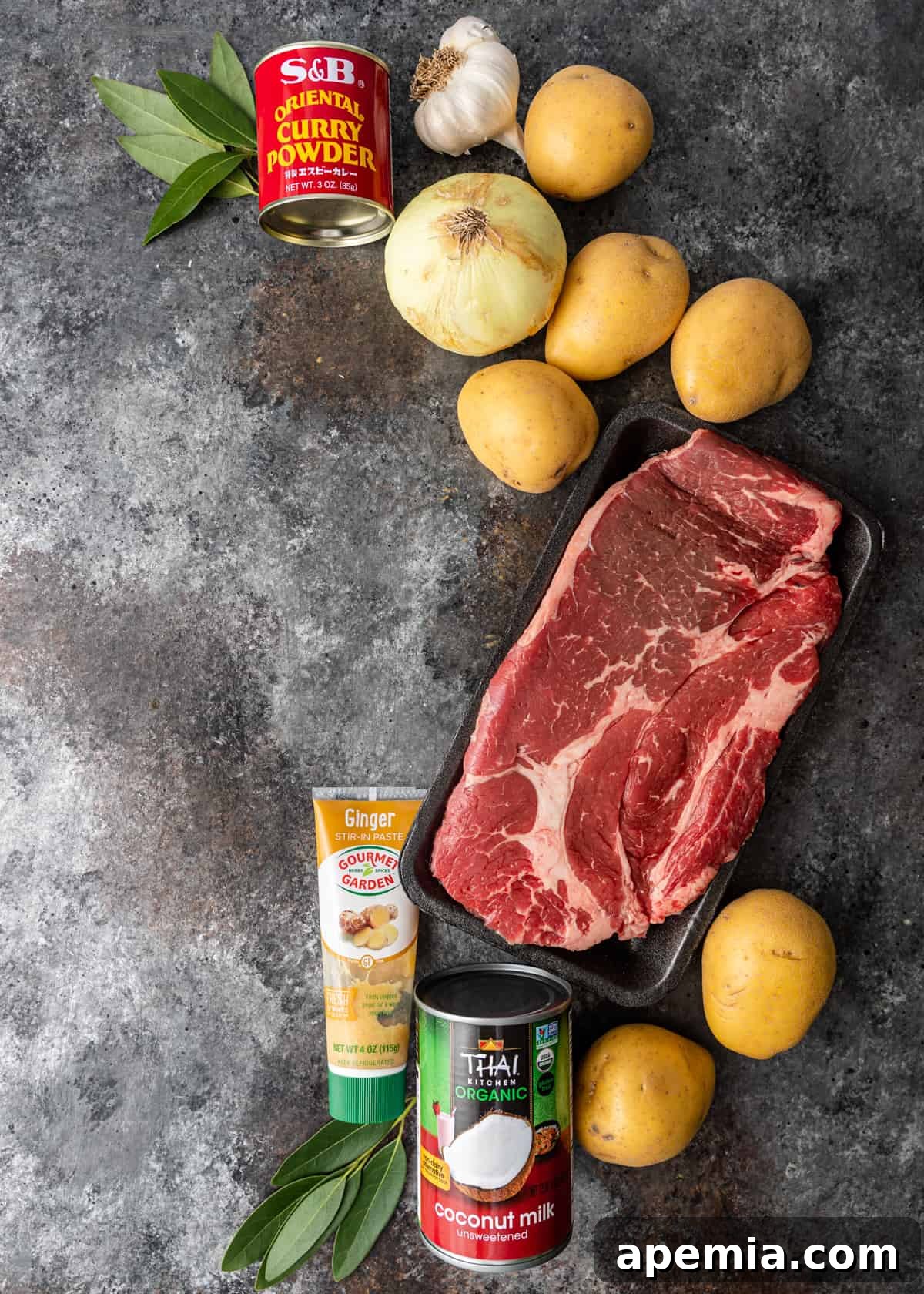
The true star ingredient that elevates this Japanese beef curry from good to absolutely phenomenal is **S&B Curry Powder**. Hailing from Japan, this unique blend is the heart and soul of the dish. You can typically spot its vibrant red can with bold yellow writing in most well-stocked supermarkets, international food aisles, or Asian grocery stores. What makes S&B so special? It’s a meticulously crafted blend packed with traditional curry spices and herbs, including turmeric, coriander, fenugreek, cumin, red and black pepper, cinnamon, and more. Unlike many other curry powders, S&B offers a distinctly sweeter profile, making it less intensely spicy than traditional Indian curry powder or fiery Madras curry powder. This sweetness contributes to the rich, umami depth that Japanese curries are famous for, creating a harmonious and approachable flavor that everyone will adore. Its balanced warmth and aromatic complexity are precisely what makes this beef curry shine.
Essential Ingredients and Smart Substitutions
To create the most authentic and delicious Japanese Beef Curry, selecting the right ingredients is paramount. Here’s a detailed look at what you’ll need and some helpful tips for each:
- **Beef (Chuck Steak):** For this hearty coconut beef curry stew, I highly recommend using **beef chuck**. This cut, sourced from the shoulder, is renowned for its rich marbling and connective tissues, which break down beautifully during slow cooking, yielding incredibly tender, flavorful results. Be sure to cut the beef into uniform 1-inch pieces or thinner slices to ensure even cooking and maximum tenderness.
- **Aromatics (Onion, Garlic, & Ginger):** These three ingredients form the aromatic foundation of our curry, infusing it with layers of irresistible flavor right from the start. You’ll gently sauté them until fragrant, setting the stage for the spices to follow. Always opt for fresh ginger over powdered for a vibrant, pungent kick. If fresh isn’t available, ginger paste is an acceptable, convenient alternative.
- **S&B Curry Powder:** As highlighted, this is the magic ingredient! Its unique blend provides warm, aromatic flavors without overwhelming heat, perfectly capturing the essence of Japanese curry. You should easily find it at your local supermarket, but if not, it’s readily available online.
- **Coconut Milk:** Choose full-fat, unsweetened coconut milk for this dish. The richness of full-fat coconut milk contributes to the curry’s creamy texture and balances the other flavors, while unsweetened varieties prevent the dish from becoming overly sweet, especially since S&B curry powder already has a subtle sweetness. Avoid “light” coconut milk as it will result in a thinner, less luxurious sauce.
- **Vegetable Oil:** Essential for properly browning the beef and sautéing the aromatics. Browning the beef in batches is crucial for developing deep, savory flavors through the Maillard reaction.
- **Salt (Kosher):** A fundamental seasoning. A dash before browning helps enhance the beef’s natural flavors. Remember to adjust at the end to your preference.
- **Bay Leaves:** These humble leaves contribute a subtle, herbaceous note that adds another layer of aromatic complexity to the slow-cooked stew, making the final result even more fragrant and inviting.
- **Potatoes:** White or Yukon Gold potatoes are excellent choices for their creamy texture and ability to absorb the rich curry sauce. Cut them into 2-inch pieces so they cook evenly with the carrots and beef.
- **Carrots:** Beyond adding a touch of natural sweetness and vibrant color, carrots contribute to the heartiness of this coconut beef curry stew, making it a well-rounded and satisfying meal. Peeled and sliced, they soften beautifully in the sauce.
- **Optional Garnishes (Chiles, Cilantro & Lime Wedges):** For a slight touch of heat and a pop of color, consider fresh Fresno chiles or jalapeños, thinly sliced. Fresh cilantro adds a bright, herbaceous finish, and a squeeze of lime juice at the end provides a crucial zesty counterpoint that brightens the entire dish and balances the umami richness.
How to Prepare Your Irresistible Coconut Beef Curry
Follow these step-by-step instructions to create a rich, aromatic, and perfectly tender Japanese Beef Curry:
- Step 1: Brown the Beef to Perfection. Begin by thoroughly seasoning your beef chuck with kosher salt. Heat 2 tablespoons of vegetable oil in a large, heavy-bottomed pot or Dutch oven over medium-high heat. It’s crucial to brown the beef in batches to avoid overcrowding the pot, which would cause the meat to steam instead of sear. Sear the beef for about 8-10 minutes, turning occasionally, until a beautiful golden-brown crust forms on all sides. This browning step is essential for developing deep, complex flavors. Once browned, transfer the beef to a plate and set it aside.
- Step 2: Build the Aromatic Foundation. Reduce the heat to medium and add the remaining tablespoon of vegetable oil to the pot. Add the thinly sliced onion, minced garlic, and finely chopped fresh ginger. Sauté these aromatics for approximately 5 minutes, stirring occasionally, until the onions soften and become translucent and fragrant. Next, stir in the S&B curry powder. Cook for another 3 minutes, stirring constantly, allowing the spices to toast and release their full aroma without burning. This step deepens the curry’s flavor profile significantly.
- Step 3: Simmer for Tenderness. Return the browned beef to the pot, nestling it among the fragrant aromatics. Add the bay leaves, full-fat coconut milk, and 1 cup of water. Bring the mixture to a gentle boil, then immediately reduce the heat to low. Partially cover the pot, allowing a small gap for steam to escape, and let the curry simmer gently for about 35-40 minutes. During this time, the beef will begin to break down, becoming wonderfully fork-tender.
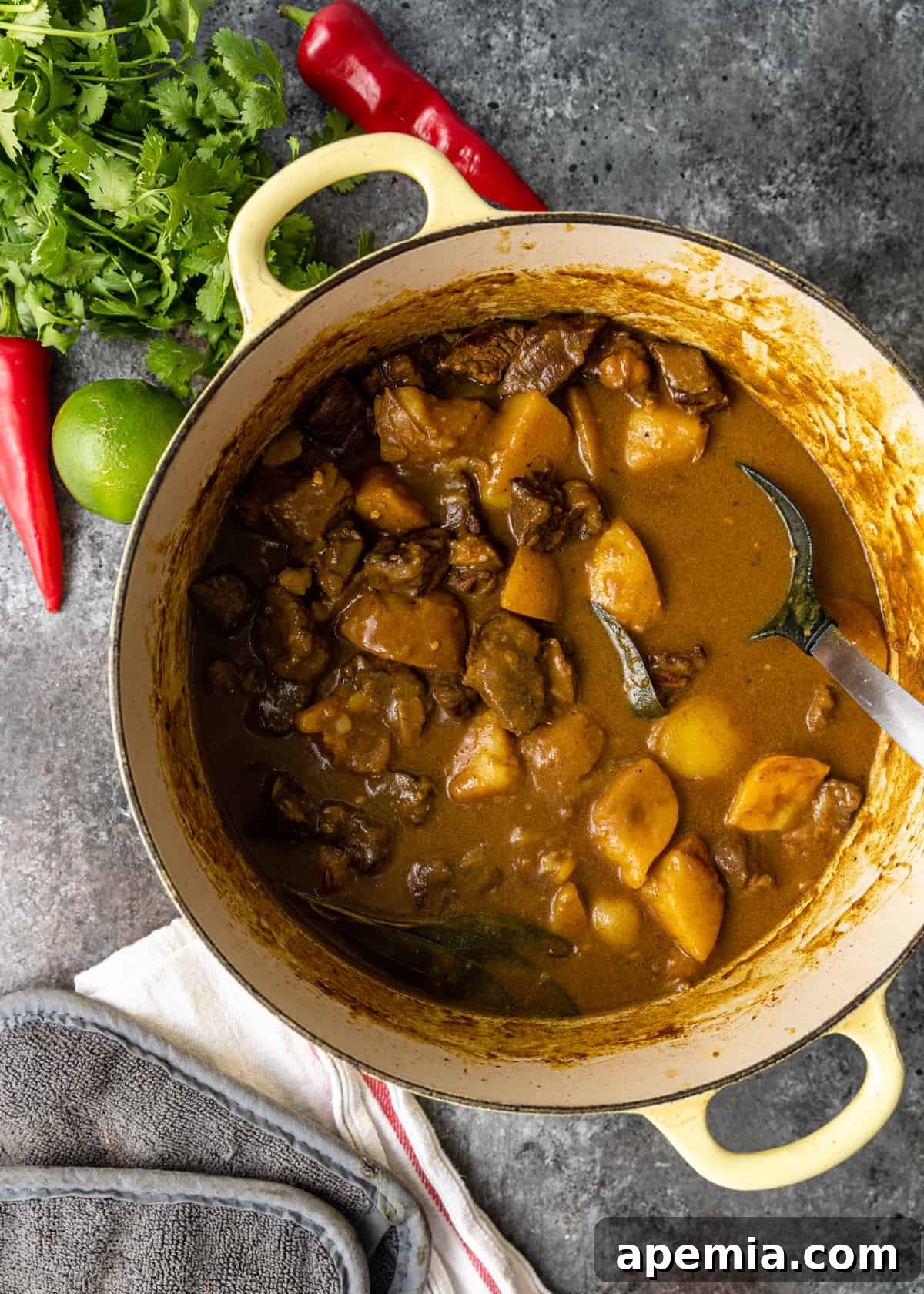
- Step 4: Incorporate the Vegetables. After the initial simmering period, remove the lid. Stir in the cut potatoes and sliced carrots. Continue to cook, uncovered, for an additional 25-35 minutes, stirring occasionally. The vegetables should become tender, and the sauce will thicken further. If the curry becomes too thick, you can add a little water, a tablespoon at a time, to reach your desired consistency.
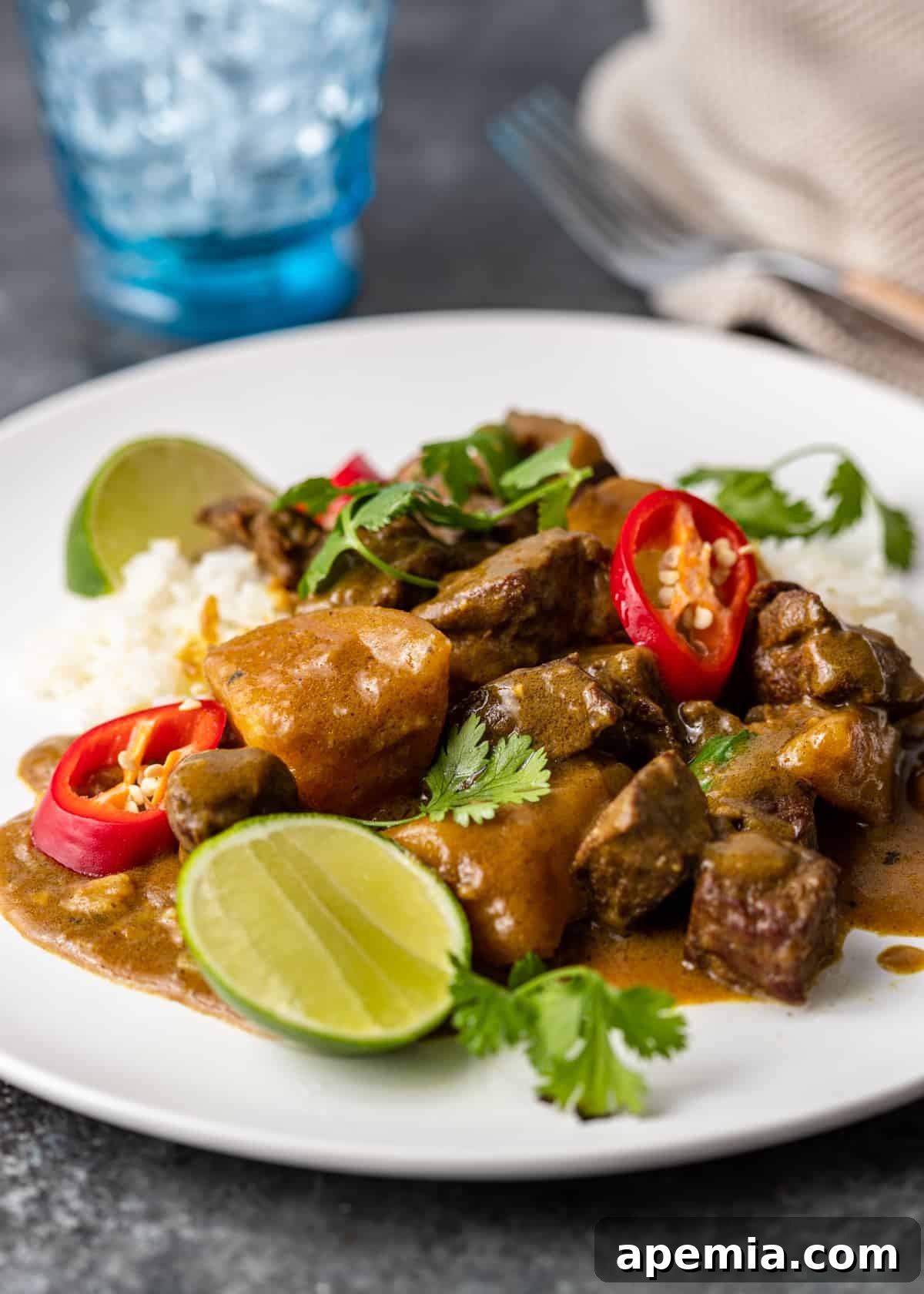
- Step 5: Garnish and Serve. Taste the curry and season with additional salt as needed. To serve, ladle the rich, comforting curry over a bed of fluffy white rice. For a final flourish, garnish with chopped fresh chiles (Fresno or jalapeño) and a sprinkle of fresh cilantro. A squeeze of fresh lime juice over the top adds a bright, acidic counterpoint that perfectly balances the savory and umami flavors, enhancing the overall taste experience. Enjoy your homemade masterpiece!
Recommended Tools for Culinary Success
Having the right equipment makes preparing this Japanese Beef Curry a breeze:
- **Dutch Oven or Large, Heavy Pot:** Essential for even heat distribution during browning and slow simmering, ensuring tender beef and a perfectly cooked curry.
- **Chopping Knife:** A sharp, sturdy knife is crucial for prepping the beef and vegetables safely and efficiently.
Storing and Reheating Your Delicious Leftovers
This Japanese Beef Curry tastes even better the next day as the flavors continue to meld and deepen! Proper storage ensures you can enjoy it for days:
Store any leftover beef curry in an airtight container in the refrigerator for up to 3-4 days. For longer storage, the curry freezes beautifully. Transfer cooled curry to airtight, freezer-safe containers or heavy-duty freezer bags, leaving a little headspace, and freeze for up to 3 months.
To reheat, thaw any frozen portions in the refrigerator overnight. Reheat gently either in the microwave in individual portions, or in a Dutch oven or saucepan over medium-low heat on the stovetop, stirring occasionally until heated through. If the sauce has thickened too much during storage, you can add a splash of water or coconut milk to reach your preferred consistency.
Exploring the Diverse World of Curry
The term “curry” encompasses an incredibly vast and diverse culinary landscape, with distinct regional differences that go far beyond a simple distinction between “Thai” and “Indian.” Understanding these nuances can significantly enhance your appreciation and cooking of various curry dishes. For example, the ingredients and flavor profile in this Japanese coconut beef curry are quite different from those found in my Chinese Curry Beef Stir Fry or an authentic Thai Panang Curry.
The Art of Spice Blending: Powders vs. Pastes
Generally speaking, curry powder and curry paste are both intricate mixtures of various spices, but their composition, preparation, and flavor impact can differ significantly. The specific ingredients and their ratios in a curry seasoning directly influence the overall color, aroma, and taste of the final dish. While many Indian curries typically utilize dry spice blends (powders), Asian curries, particularly those from Thailand, often rely on fresh, wet curry pastes. These pastes are made by grinding fresh herbs and spices, resulting in a more vibrant and intense flavor. Below, we’ll explore some common examples.
Popular Indian Curry Powders
Indian curry powders are dry spice blends, often roasted and ground, with regional variations that dictate their heat and complexity. They typically form the base for rich, gravy-based curries.
- **Homemade Curry Powder**: Allows for complete control over freshness and spice balance, a true labor of love.
- **Madras Curry Powder (Medium)**: A classic South Indian blend, known for its warm, earthy notes and moderate heat, often including red chilies for color and spice.
- **Vindaloo Curry Powder (Hot)**: A Portuguese-influenced Goan blend, traditionally fiery with a tangy edge from vinegar, meant for robust, intense dishes.
Vibrant Asian Curry Pastes
Asian curry pastes, particularly from Thailand, are typically made from fresh ingredients like chilies, lemongrass, galangal, and kaffir lime zest, pounded into a smooth paste. They offer a fresh, aromatic, and often spicier flavor profile.
- **Red Curry:** Usually characterized by a vibrant red hue derived from a generous amount of dried red chilies. The specific variety of chili pepper used can vary by region, impacting the heat level. For example, Thai red curry paste often uses a blend of bird’s eye chilies. It delivers a rich, savory, and spicy flavor, often balanced with sweetness and aromatics.
- **Yellow Curry:** The glorious golden hue of most yellow curries comes primarily from turmeric. This paste tends to be milder and sweeter than red or green curries, often incorporating Indian-inspired spices. It’s what I use in my recipe for Thai yellow curry paste, offering a gentle warmth and earthy aroma.
- **Green Curry:** Known for its striking green color, which comes from fresh green chilies, herbs like cilantro, and sometimes kaffir lime leaves. Green curry is often the spiciest of the Thai curries. Again, the specific chiles used will vary depending on whether it’s an Indian or Asian recipe. This Thai green curry paste typically features two types of fresh green chilies for its signature flavor.
A notable distinction, beyond the form of the seasoning, is the base liquid: while *most* Indian curry recipes traditionally feature a tomato or yogurt base, many Asian curries, especially Thai and Japanese varieties, are famously built upon a rich and creamy coconut milk base. This creates a wonderfully different texture and flavor experience.
Frequently Asked Questions About Japanese Beef Curry
For this coconut beef curry, **chuck steak** is the traditional and ideal choice, and it’s what I recommend here. Chuck comes from the beef shoulder and is perfectly suited for slow-cooking applications. Its inherent marbling and connective tissues break down over time, resulting in incredibly tender, succulent pieces of beef that practically melt in your mouth. If you’re mindful of fat content, beef chuck is also a relatively leaner option compared to other stewing cuts, while still delivering superb flavor and texture.
This recipe delivers a wonderfully complex and deeply satisfying flavor profile. You can expect a delightful balance of sweet, savory, and rich umami notes, thanks to the harmonious blend of spices, seasonings, and aromatics. A key characteristic of this Japanese-style curry is its gentle sweetness, distinguishing it from spicier Indian counterparts. It is purposefully mild and not intensely spicy, making it approachable for a wide range of palates. The specific curry powder I prefer for this recipe is the Japanese S&B brand, easily recognizable in its red and yellow tin, now widely available in most markets.
S&B curry, which originated in Japan, stands apart from many Indian curry powders due to several distinct characteristics. Firstly, S&B’s blends tend to be significantly milder and sweeter, often incorporating ingredients like wheat flour (in some varieties) which contributes to a thicker sauce texture when cooked. The specific ratios of its core spices – turmeric, cumin, fenugreek, and coriander – are carefully balanced to achieve a unique flavor profile that is less about intense heat and more about a gentle, aromatic warmth and subtle sweetness. Indian curry powders, on the other hand, are incredibly diverse, with vast regional variations that influence their heat levels, spice complexity, and ingredient lists. They often feature a broader spectrum of potent spices like cardamom, cloves, and various chili peppers, resulting in bolder, more pronounced flavors that can range from mild to intensely fiery.
Achieving consistently delicious results with this beef curry recipe comes down to a few fundamental techniques. Here are my top pointers for culinary success every time:
- **Choose the Right Cut of Beef:** Opt for meat cuts that are designed for slow cooking and possess good marbling, such as beef chuck. This ensures that the beef will become incredibly tender and flavorful as it simmers in the rich sauce.
- **Avoid Overcrowding the Pan:** This is a critical step when browning the beef at the beginning. If you add too much meat to the pot at once, the temperature will drop, causing the beef to steam rather than sear. Proper browning creates a rich, caramelized crust, essential for developing deep, savory flavors through the Maillard reaction. Work in batches if necessary.
- **Chop Your Veggies Uniformly:** Consistency in cutting your potatoes and carrots is important. Uniformly sized pieces will cook at the same rate, ensuring that all your vegetables are perfectly tender without some being overcooked and others undercooked.
- **Don’t Rush the Simmer:** The long, slow simmer is where the magic happens. It allows the beef to tenderize fully and gives all the spices and aromatics ample time to meld together, creating a harmonious and deeply flavorful sauce.
Japanese beef curry is a wonderfully complete and satisfying meal on its own, especially when served over a bed of perfectly cooked simple white rice. Fragrant varieties like Basmati or Jasmine Rice are excellent choices that absorb the rich sauce beautifully. For something a little different, you could also serve it with Hibachi Fried Rice or your preferred type of rice noodles.
To create a more elaborate, Asian-themed feast, consider starting with light appetizers such as a refreshing Japanese Cucumber Salad or a comforting hot bowl of Miso Soup. Crispy Spring Rolls or pan-fried gyoza can also make excellent additions to the table, complementing the rich flavors of the curry.
Share this recipe on Pinterest!
Love this recipe? Share it with the world on Pinterest.
Creamy Japanese Coconut Beef Curry Recipe
Pin Recipe
PrintRecipe
Video
Ingredients
- 1 1/2 lbs beef chuck (cut into 1-inch pieces or thinner slices)
- 1 tsp kosher salt
- 3 tbsp vegetable oil divided
- 1 medium yellow onion thinly sliced
- 4 garlic cloves minced
- 2 tbsp fresh ginger peeled, finely chopped or paste
- 3 tbsp S&B Oriental curry powder (See Note 2)
- 3 bay leaves
- 27 oz unsweetened coconut milk two 13.5 oz cans (full fat, not light)
- 2 lbs White or Yukon Gold potatoes cut into 2-inch pieces
- 2 large carrots peeled and sliced into rounds
Toppings (Optional)
- 1 Fresno chile or jalapeño thinly sliced, for garnish
- Fresh Cilantro chopped, for garnish
- Lime wedges for serving
Instructions
-
Season the beef all over generously with kosher salt. In a large, heavy pot or Dutch oven, heat 2 tablespoons of vegetable oil over medium-high heat. Working in batches to ensure the beef browns rather than steams, cook the beef until a deep golden-brown crust forms on all sides, about 8–10 minutes per batch. Transfer the browned beef to a plate and set aside.
-
Reduce the heat to medium and add the remaining 1 tablespoon of oil to the pot. Add the sliced onion, minced garlic, and finely chopped ginger. Sauté, stirring frequently, until the onion softens and becomes translucent, which takes about 5 minutes. Stir in the S&B curry powder and cook for another 3 minutes, stirring constantly to toast the spices and release their aroma.
-
Return the browned beef to the pot. Pour in the bay leaves, unsweetened coconut milk, and 1 cup of water. Bring the mixture to a gentle boil, then immediately reduce the heat to low. Partially cover the pot and let the curry simmer gently until the beef is incredibly fork-tender, approximately 30–35 minutes.
-
Stir in the cut potatoes and sliced carrots. Continue to cook, uncovered, stirring occasionally, until both the beef and vegetables are tender, about 25–35 minutes more. If the curry becomes too thick, you can thin it with a little water as needed. Taste and season with additional salt to your preference. Serve hot over steamed rice, garnished with fresh cilantro and thinly sliced chiles. Finish with a squeeze of fresh lime juice over the top to balance the rich umami flavors.
Notes
- Cut the beef chuck into uniform 1-inch pieces, or thinner slices, to ensure even cooking and maximum tenderness.
- My preferred curry powder is the S&B Oriental curry powder from Japan. It’s known for its warm, aromatic flavors and mild heat, typically found in a distinctive red and yellow tin in most markets or Asian grocery stores.
- Recipe adapted from a version by Shuai Wang, originally published by Bon Appetit.
Nutrition Information (Estimated)
The nutrition information provided is an estimate calculated by an online nutrition calculator. It should not be considered a substitute for the advice of a professional nutritionist.