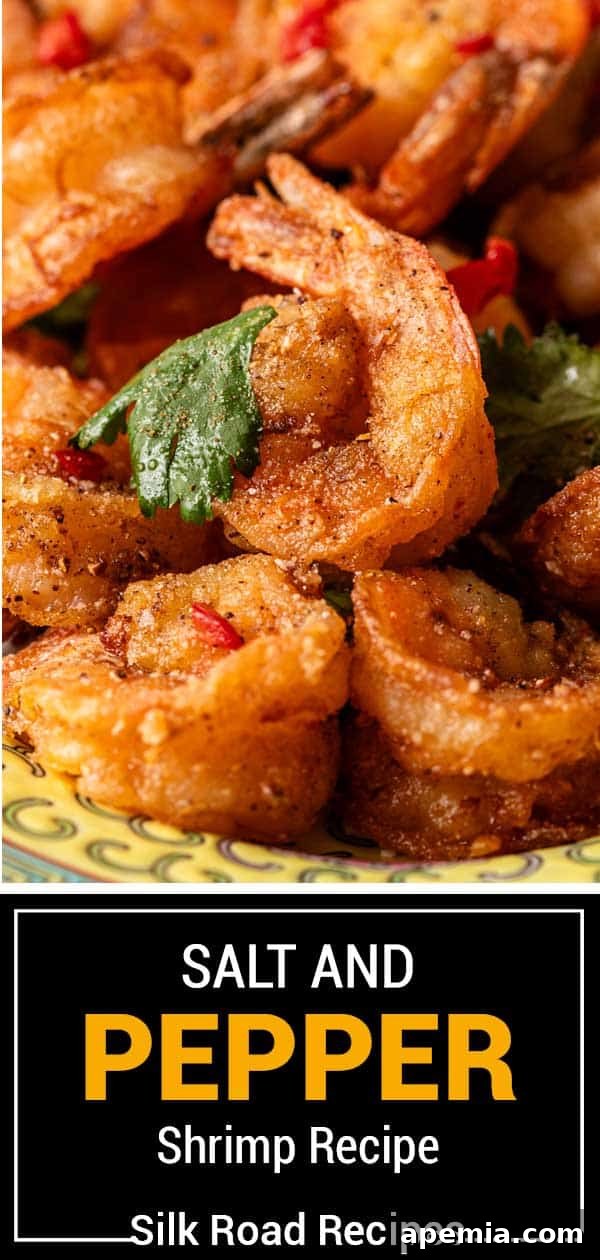
Irresistibly Crispy Salt and Pepper Shrimp: An Authentic Sichuan Delight
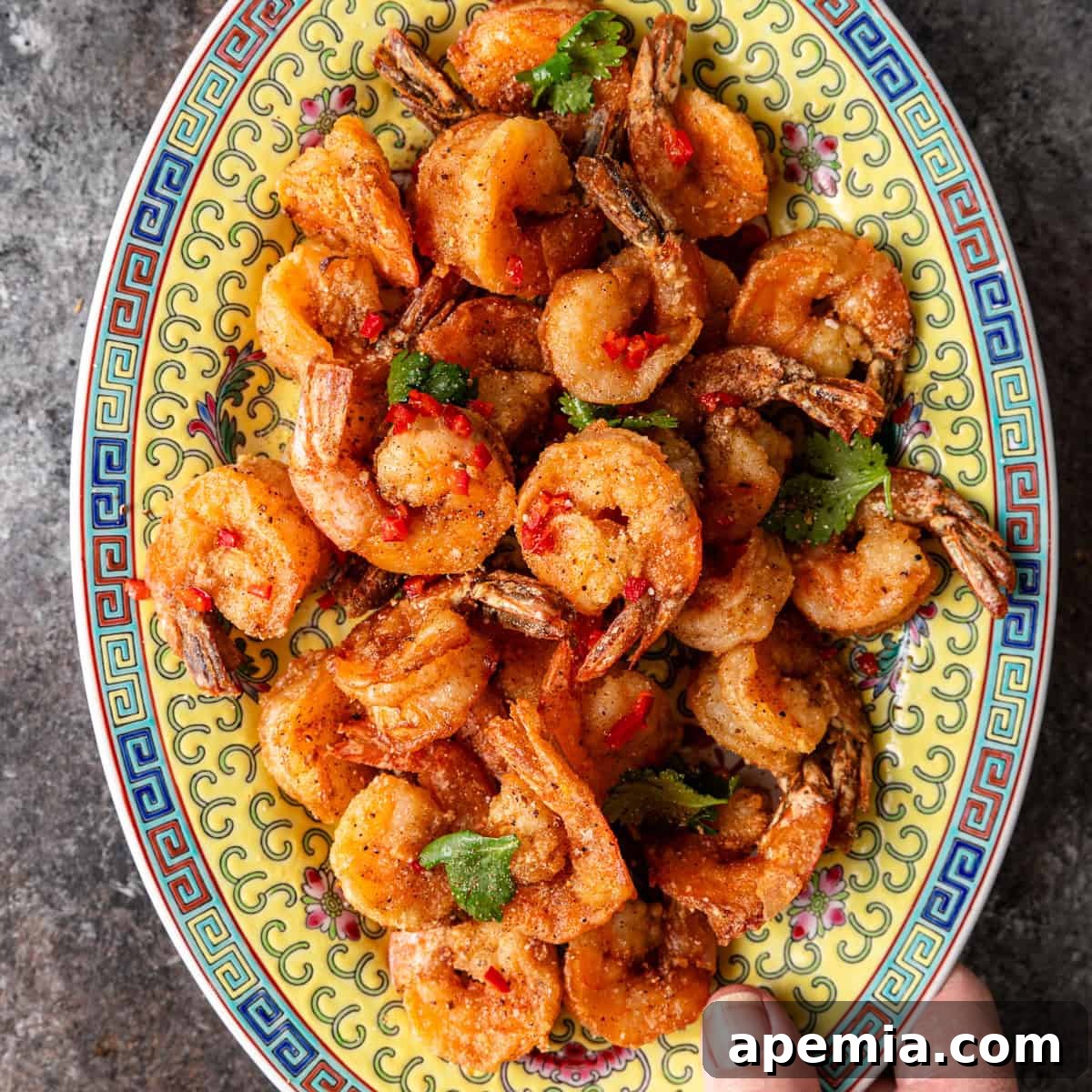
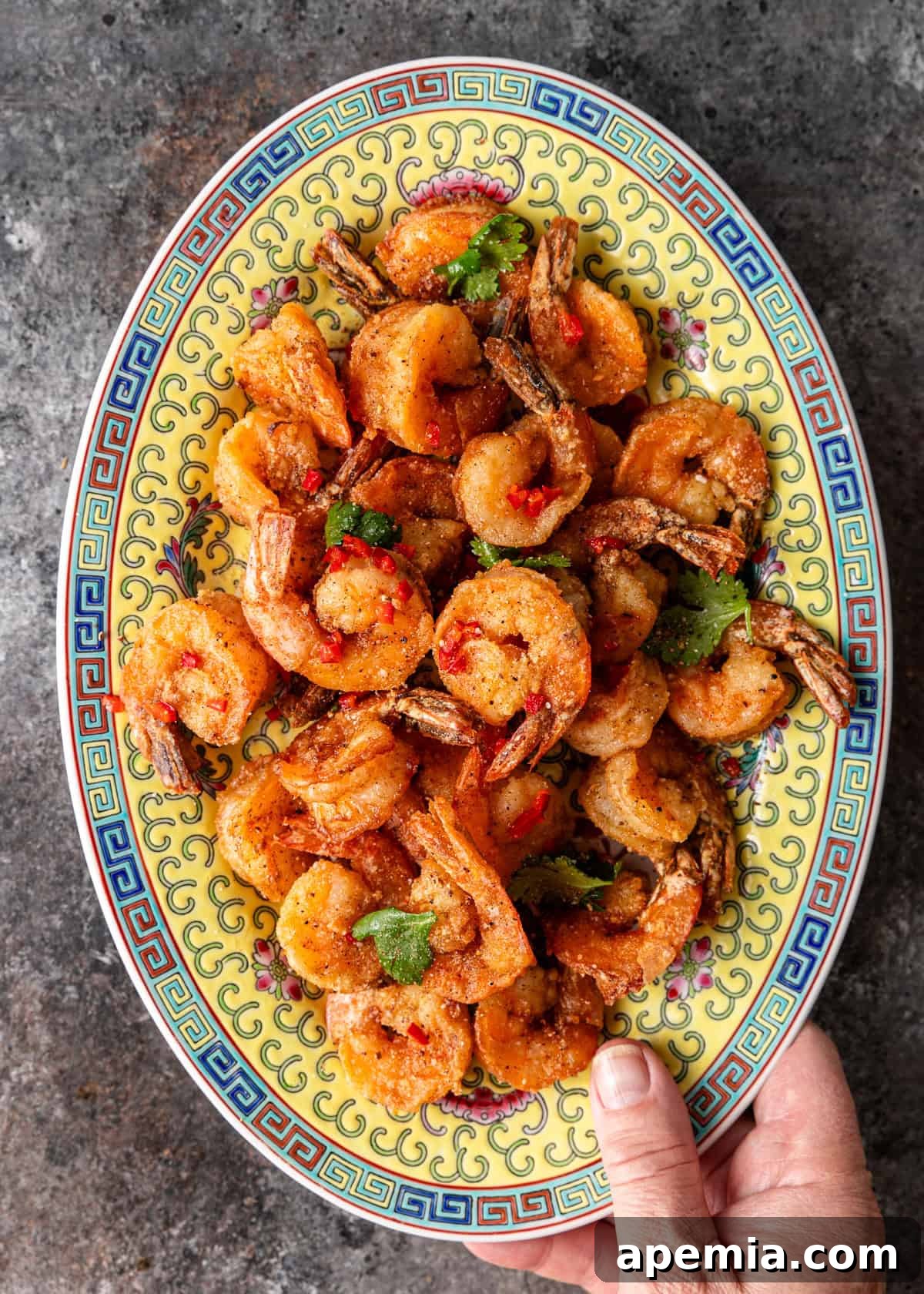
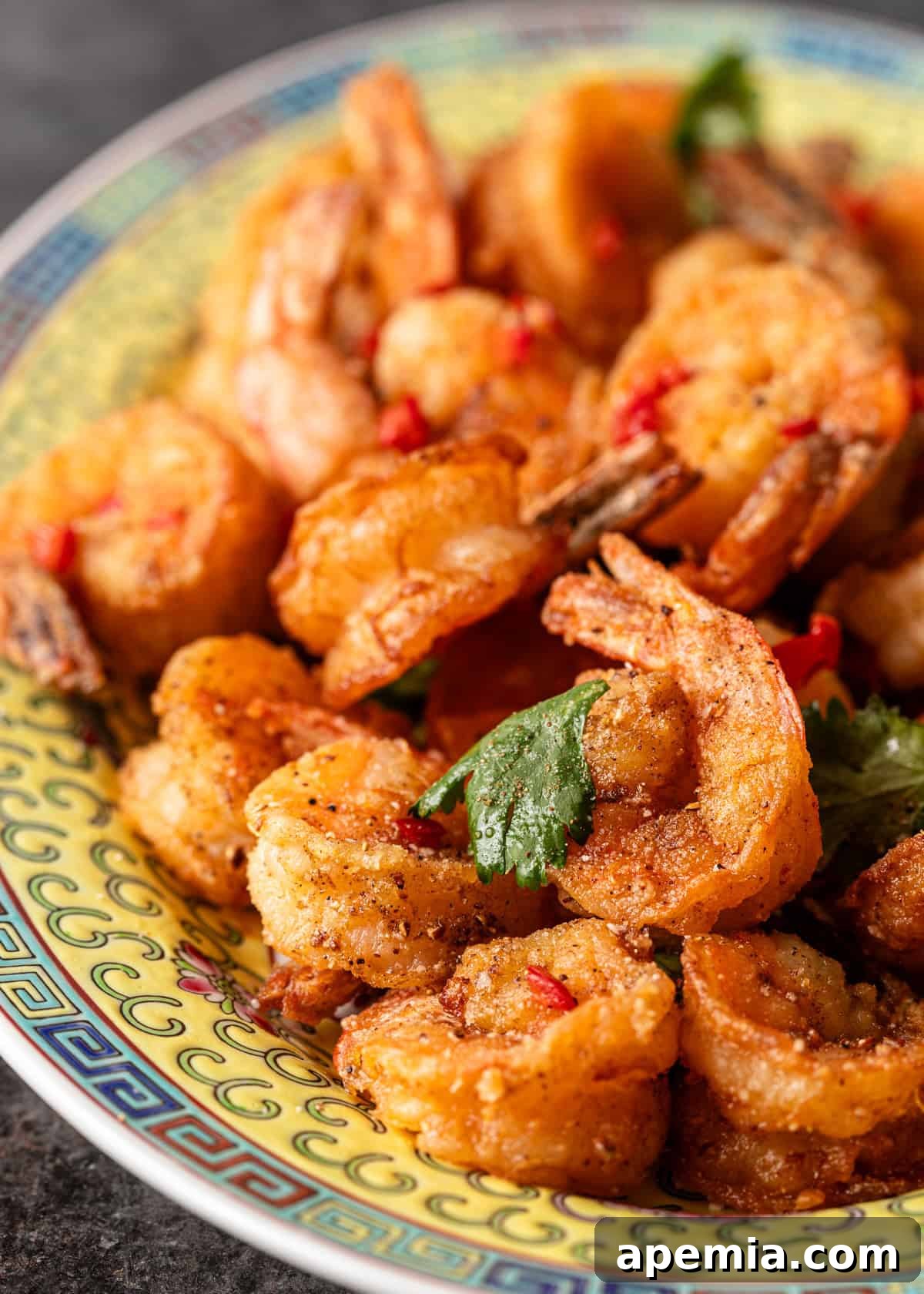
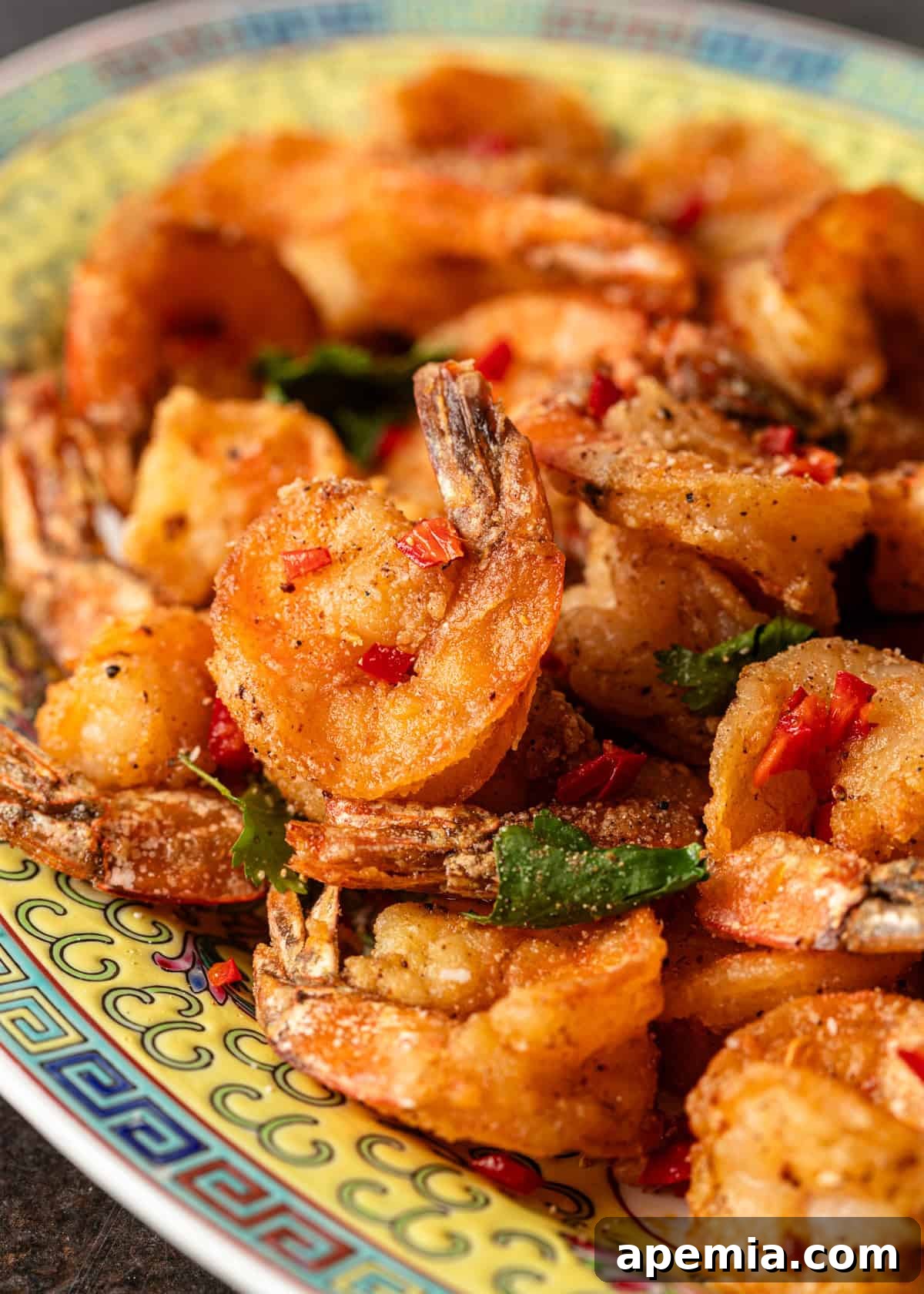
Prepare to embark on a culinary journey with our sensational Salt and Pepper Shrimp recipe, a dish that epitomizes the vibrant flavors and textures of Chinese cuisine. Each succulent shrimp is encased in a golden, crispy coating, delivering a perfect contrast to its tender, moist interior. What truly sets this dish apart is its captivating spice blend, a harmonious fusion of aromatic white pepper, distinctive Sichuan peppercorns, and fiery chilis, creating an unforgettable sensory experience.
This iconic dish is more than just spicy; it’s an exploration of the unique Chinese culinary concept known as “málà.” Originating from Sichuan cuisine, málà masterfully combines two distinct sensations: “má,” the delightful numbing tingle from Sichuan peppercorns, and “là,” the intense heat provided by hot chilis. This captivating interplay of flavors and sensations is what makes Salt and Pepper Shrimp so incredibly addictive and profoundly satisfying. Whether served alongside fluffy rice, delicate noodles, or simply enjoyed on its own as a show-stopping appetizer, this recipe promises to impress with its depth of flavor and textural brilliance.
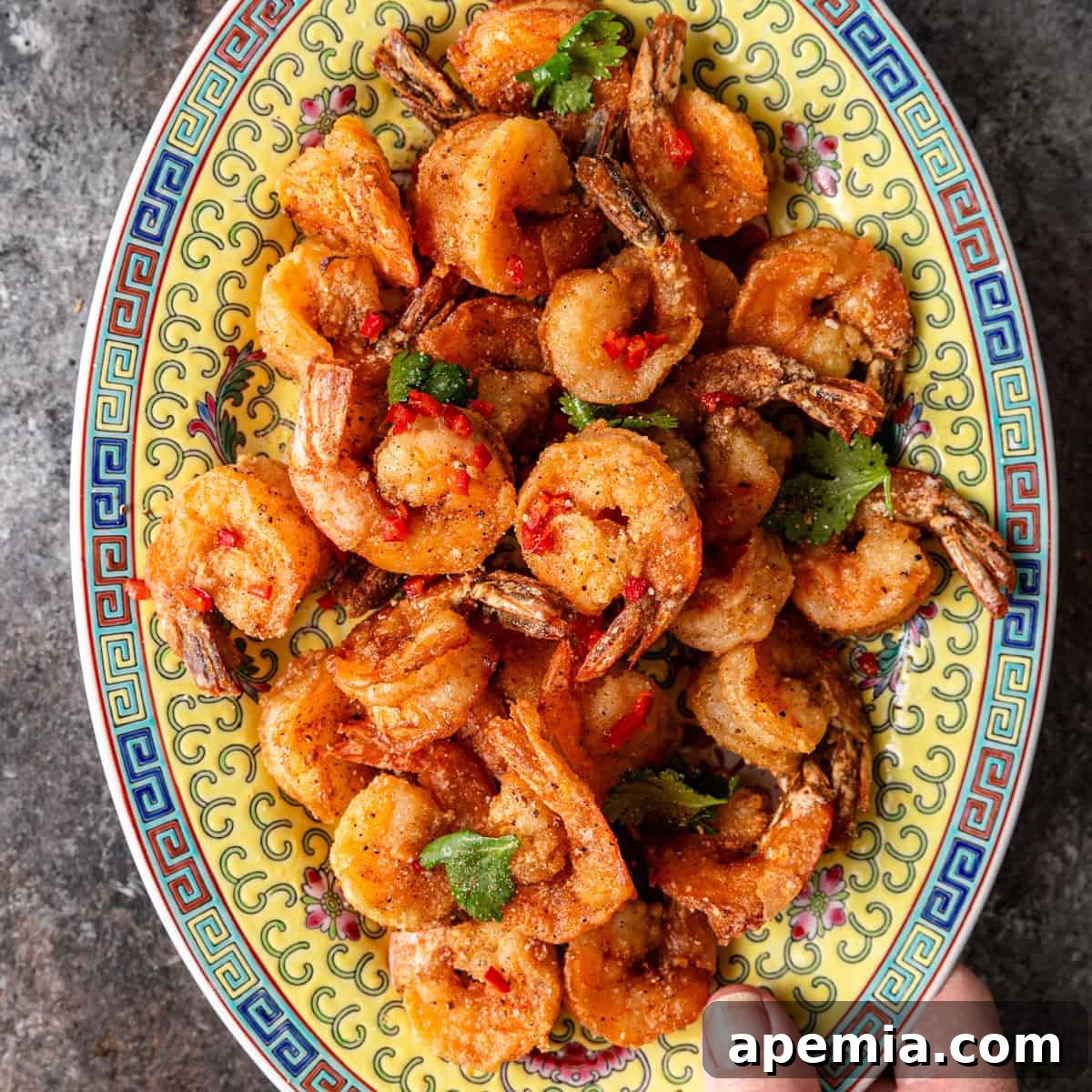
The Málà Magic: A Deep Dive into Sichuan Flavor
The soul of our Salt and Pepper Shrimp lies in its meticulously crafted spice blend. Unlike conventional stir-fries where spices are simply added, this recipe elevates the flavor profile by dry toasting the white and Sichuan peppercorns with kosher salt. This crucial step is not just about heating; it’s about awakening the essential oils within each spice, intensifying their aroma, and deepening their complex flavors. As they gently toast in the wok, a mouthwatering fragrance fills the air, signaling the transformation of simple ingredients into a powerful flavor base.
Sichuan peppercorns, the star of the “má” sensation, contribute a distinctive citrusy, floral note alongside their signature numbing effect. This isn’t merely heat; it’s a unique tingling that prepares your palate for the “là” – the pungent, earthy heat of white pepper and the straightforward fire of fresh chiles. This exquisite balance of numbing and spicy is the hallmark of authentic Sichuan cuisine, and it’s what makes every bite of this shrimp dish an exciting adventure for your taste buds.
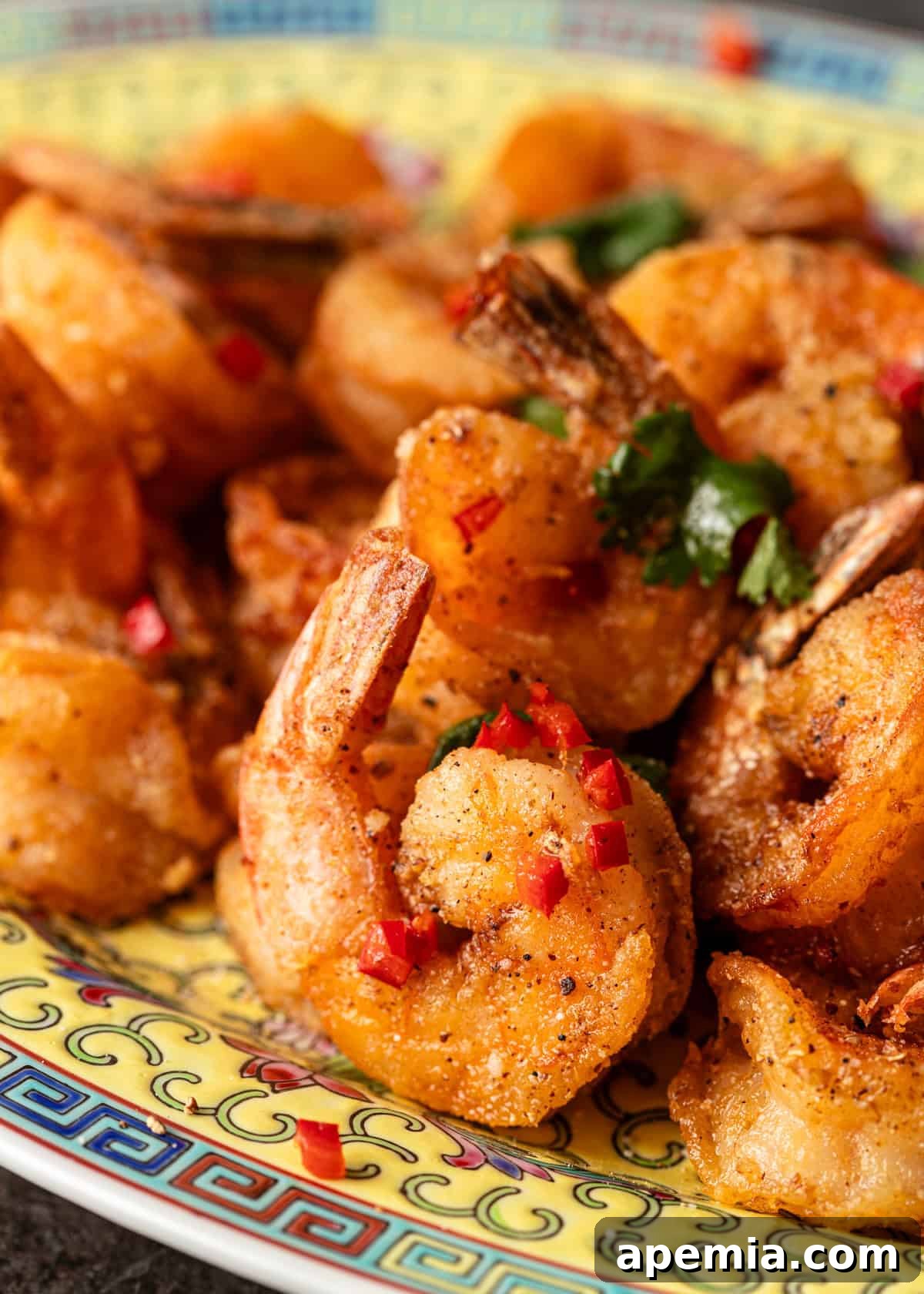
By taking such care with our Chinese spices, we’re not just cooking; we’re crafting an experience. This attention to detail in preparing the spice blend makes an immense difference, transforming a good dish into an extraordinary one. The resulting flavor is rich, layered, and incredibly aromatic – a testament to the power of fresh, properly handled spices.
Beyond the complex spices, the beauty of this dish lies in its elegant simplicity. It’s spicy, it’s crunchy, it’s bursting with flavor – a true culinary masterpiece that comes together quicker than you might expect, proving that authentic, delicious Chinese food is well within reach for the home cook.
Crafting the Perfect MáLà Spice Blend: A Step-by-Step Guide
The foundation of exceptional Salt and Pepper Shrimp is its aromatic spice mixture. This isn’t merely a sprinkling of pre-ground spices; it’s a carefully prepared blend that maximizes flavor and fragrance. The process begins with dry toasting the whole peppercorns and salt, a technique that draws out their volatile oils and intensifies their intrinsic characteristics. This is the secret to achieving that deep, lingering spice that defines authentic Sichuan cuisine.
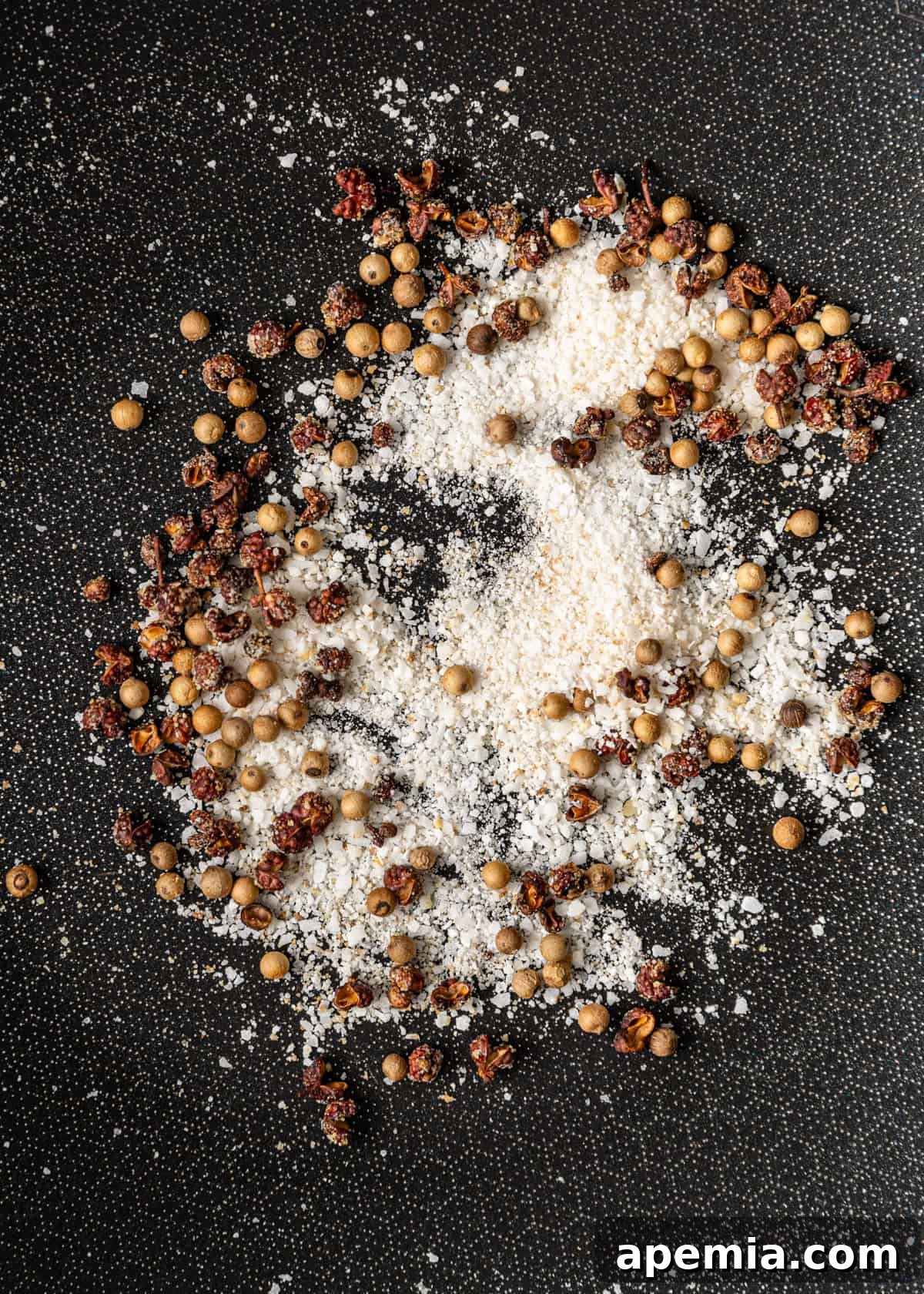
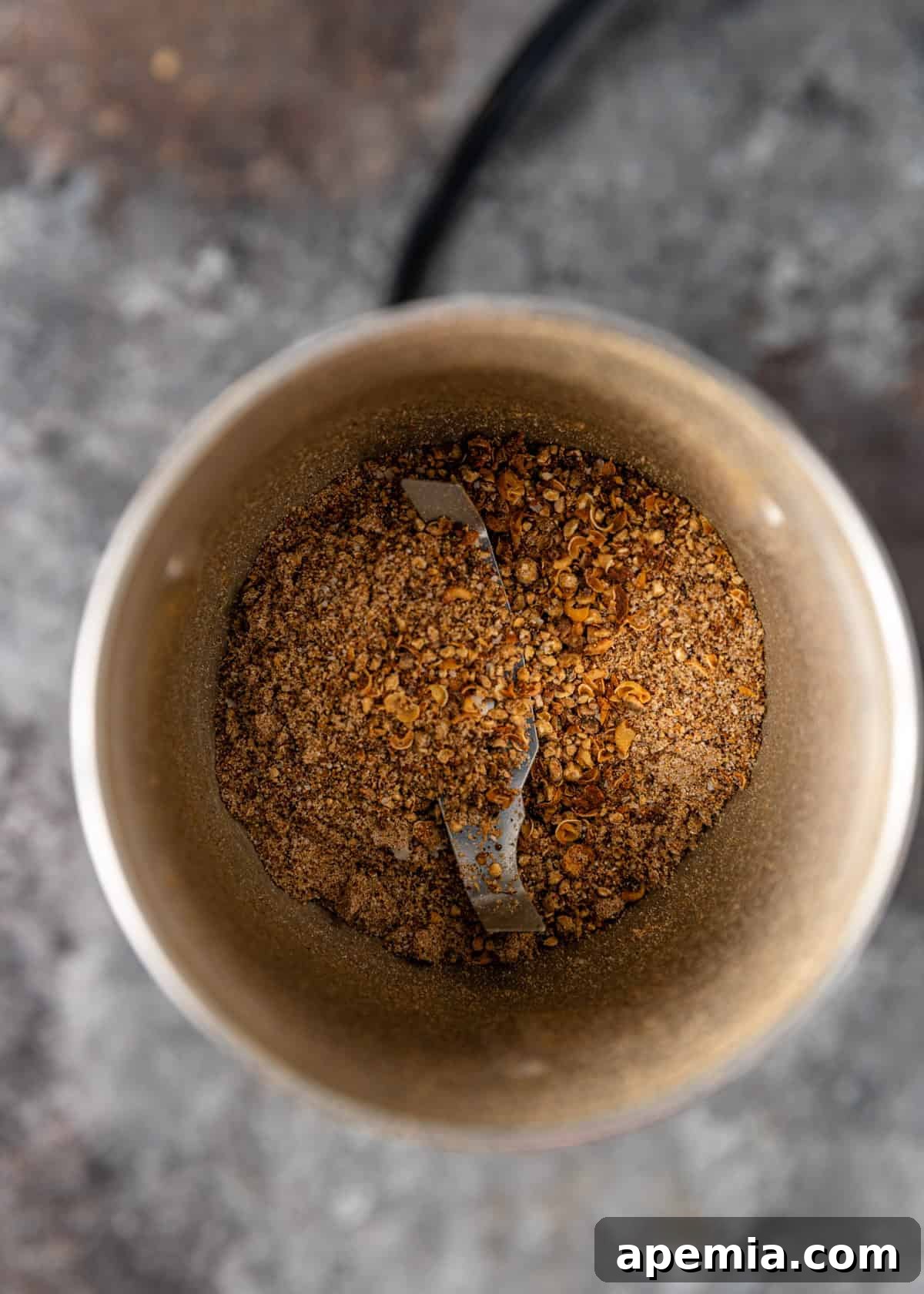
The brief toasting period, followed by grinding, ensures that the essential oils are freshly released, providing the most vibrant aroma and flavor possible. This homemade spice blend far surpasses any pre-ground options, offering a depth and complexity that will truly elevate your dish. It’s a small effort that yields monumental flavor rewards.
Looking to explore more Chinese stir-fry dishes? After mastering this shrimp recipe, consider trying my Szechuan Pork and Eggplant for a rich, savory experience or my Pepper Steak stir fry, both offering unique and delightful tastes of Chinese cuisine.
Chef’s Tip
Coating Secrets for Ultimate Crispiness
Choosing the right starch for your shrimp coating is vital for achieving the desired texture. Both cornstarch and potato starch are excellent choices, but they offer distinct results:
- Potato Starch: For an unbelievably light, super-crispy, almost delicate crunch, potato starch is your go-to. It creates a thinner, airier crust that shatters beautifully with every bite, perfect for maximizing that crispy sensation.
- Cornstarch: If you prefer a slightly heartier, thicker, and chewier crust with a beautiful golden hue, cornstarch is ideal. It provides a more robust crunch and a satisfying mouthfeel.
Ultimately, the choice depends on your personal preference. For maximum crispiness and a lighter texture, opt for potato starch. For a more substantial, golden crunch, cornstarch is an excellent alternative.
Ingredient Notes and Substitutions
(Be sure to check the recipe card below for a full list of ingredients and quantities)
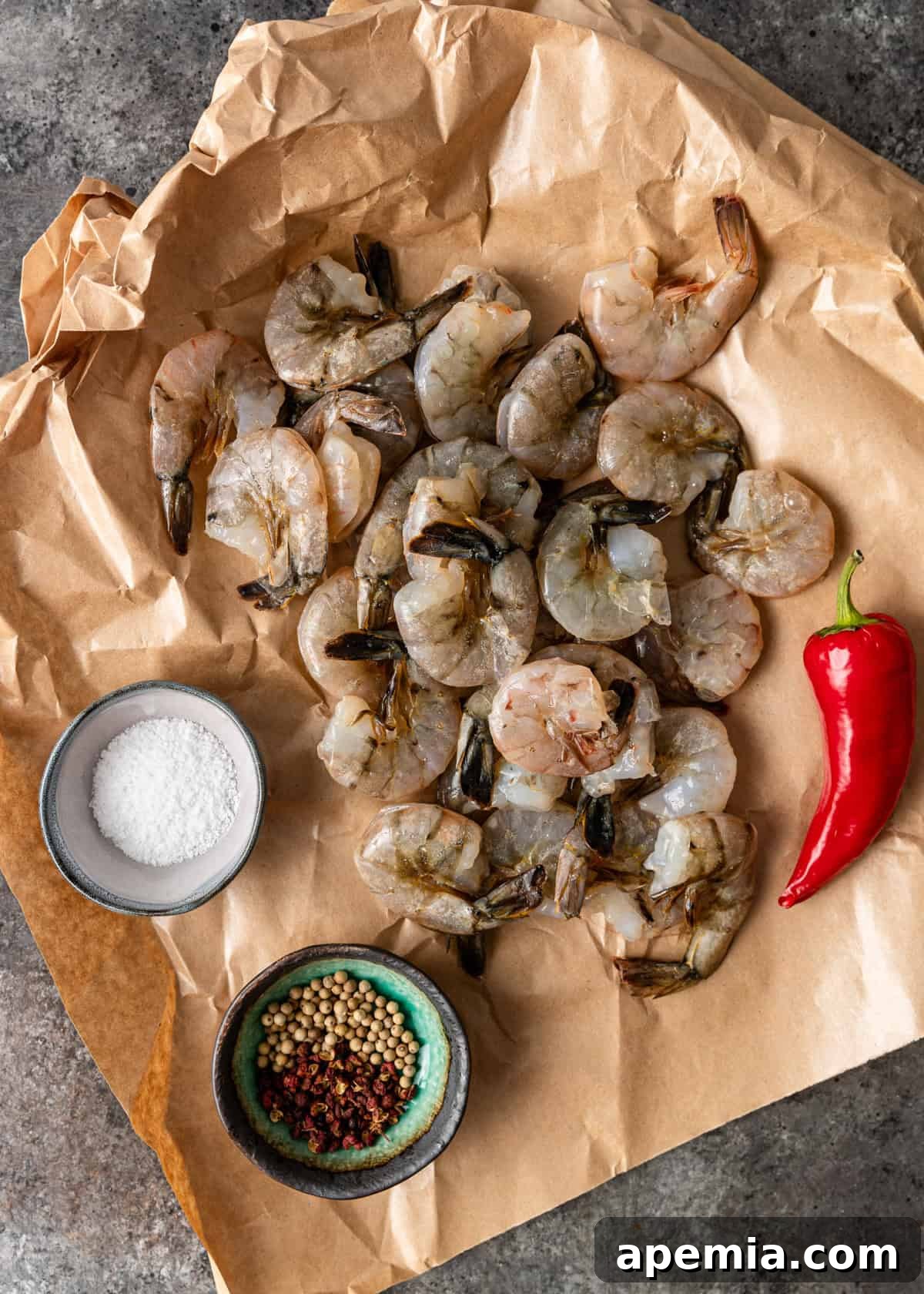
- Large Shrimp: The foundation of our dish. You can use shell-on or shell-off, depending on your preference. Shell-on shrimp often retain more moisture and develop a deeper “shrimpy” flavor, and the shells themselves become crispy and edible when properly fried and seasoned. If using shell-on, refer to Note 1 in the recipe card for preparation. We recommend using large, peeled and deveined shrimp for convenience.
- Cornstarch: Essential for that crispy coating. As discussed, potato starch is an excellent alternative for an even lighter crunch. In a pinch, rice flour can also work, offering a delicate crispness.
- White Peppercorns: These provide a bright, earthy heat that is distinct and lingers on the palate. While crucial for the authentic flavor profile, black peppercorns can be substituted if white peppercorns are unavailable, though the flavor will differ.
- Sichuan Peppercorns: The cornerstone of the “má” sensation. These unique peppercorns offer a citrusy, floral taste followed by a characteristic numbing tingle that sets them apart from any other spice. There is truly no direct substitute for Sichuan peppercorns if you want to experience the authentic málà flavor. Look for high-quality, fragrant ones for the best results.
- Kosher Salt: Used in conjunction with the peppercorns to create the core seasoning blend. A mere teaspoon is enough to flavor the shrimp perfectly, allowing the unique pepper notes to shine without being overwhelmed. Remember, you can always add more salt to taste after cooking if desired. We prefer Morton Coarse Kosher Salt.
- Fresno Chile: This chile offers a vibrant color and a moderate level of heat that is widely accessible. For a spicier kick, consider bird’s eye chiles, or for a milder option with rich color, Kashmiri peppers are a great choice. Adjust the quantity and type of chile to suit your heat preference.
- Fresh Cilantro: A final garnish that adds a burst of herbal freshness and brightness, beautifully complementing the rich, spicy flavors. If cilantro isn’t to your liking, fresh Thai basil or parsley can provide a similar aromatic lift.
- Vegetable Oil: A neutral oil with a high smoke point is crucial for deep frying. Standard vegetable oil, canola oil, or peanut oil are all excellent choices.
How to Make Salt and Pepper Shrimp: The Ultimate Guide
- Toast & Grind the Spices: Begin by heating your wok over medium heat without any oil. Add both the white and Sichuan peppercorns, constantly stirring or agitating the wok for just 30 seconds to prevent burning. Immediately add the kosher salt and continue stirring for another minute until all the spices are incredibly fragrant. The aroma will be a clear indicator of their readiness. Promptly transfer the toasted spices to a spice or coffee grinder and pulse until finely ground. This fresh grind is key to unlocking maximum flavor.
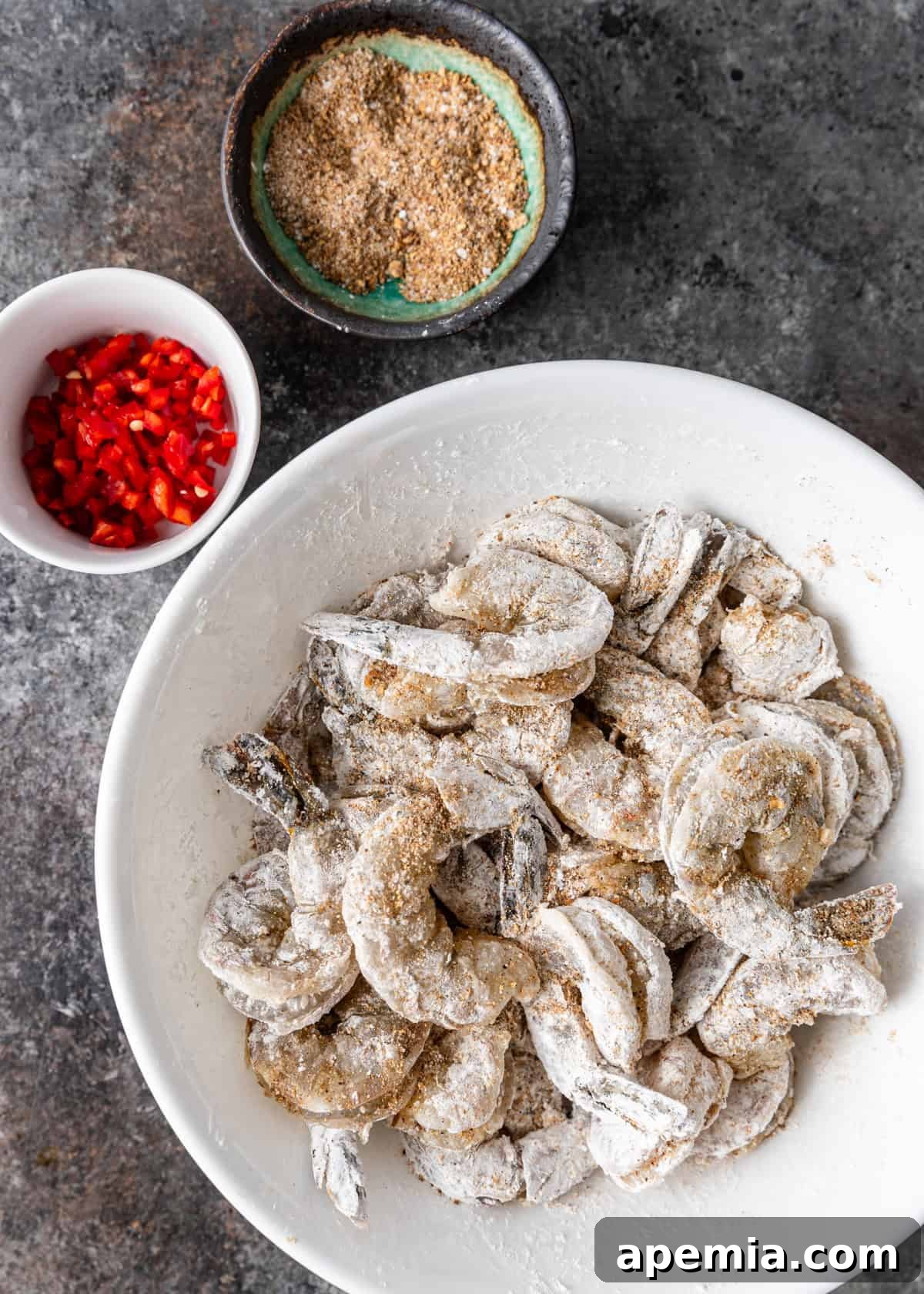
- Prepare and Coat the Seafood: Ensure your shrimp are thoroughly patted dry; excess moisture can hinder crispiness. Transfer the dried shrimp to a mixing bowl. Sprinkle the cornstarch (or potato starch) over the shrimp, followed by half of the freshly ground spice mixture. Toss vigorously until each shrimp is evenly coated. This protective layer is vital for tenderness and crispiness.
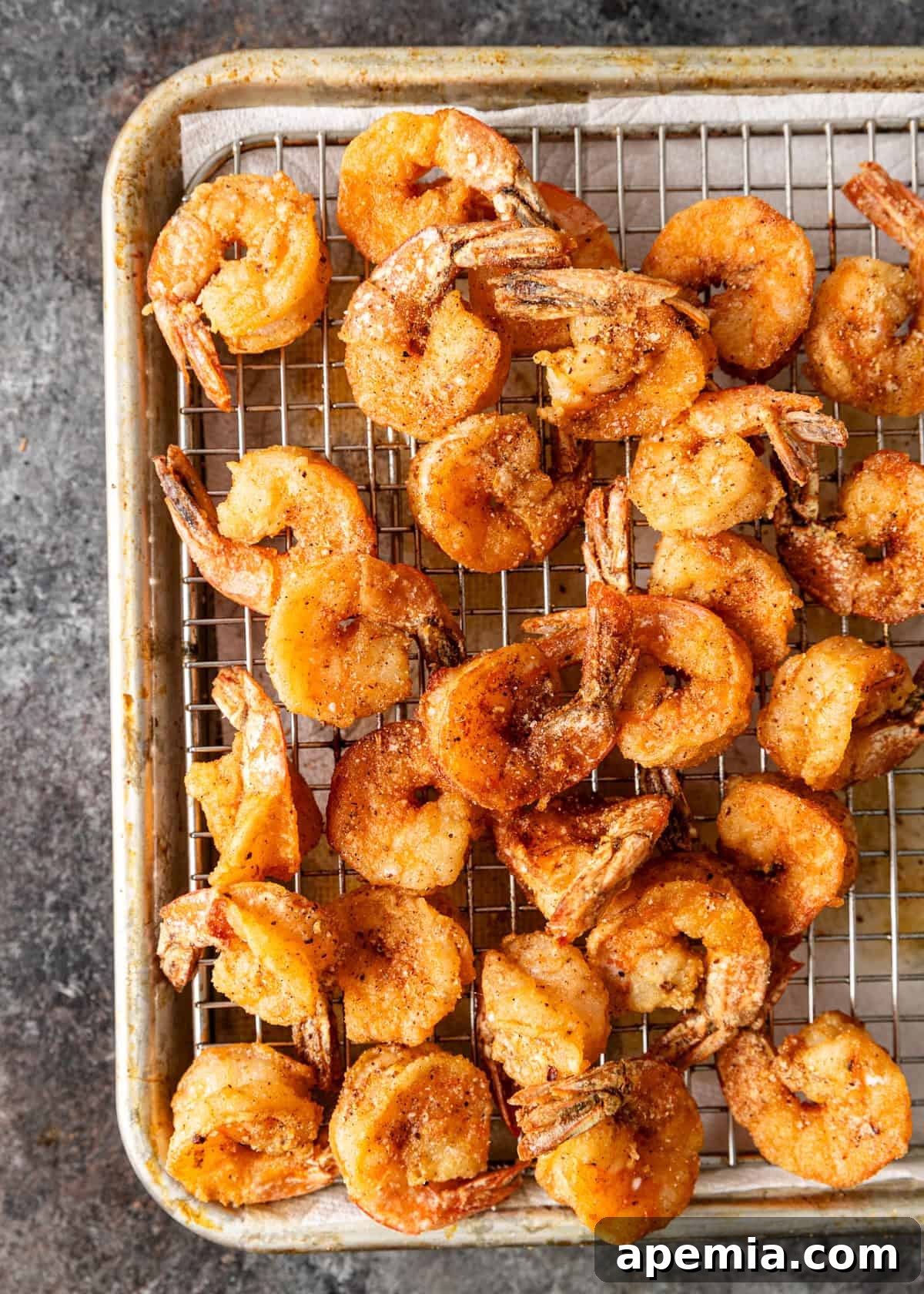
- First Fry for Golden Crispness: Pour enough vegetable oil into your wok or a large, deep skillet to allow for adequate frying. Heat the oil to 350°F (175°C) over medium-high heat. Working in small batches to avoid overcrowding the wok (which can drop the oil temperature and lead to soggy shrimp), fry the shrimp for approximately 1 minute per side, or until they achieve a beautiful golden color and an initial crisp texture. Use tongs or a spider strainer to transfer the fried shrimp to a wire rack placed over a paper towel-lined tray to drain excess oil.
- Second Fry for Maximum Crunch: Once all the shrimp have completed their first fry, increase the oil temperature to 375°F (190°C). Return all the partially fried shrimp to the hotter oil for a second, quick fry. This double-frying technique is the secret to achieving that coveted, extra-crispy exterior that stays crunchy even after cooling slightly. Fry for another 30-60 seconds, or until they are deeply golden and exceptionally crisp. Return them to the wire rack to drain any remaining oil.
- Season & Serve: Transfer the piping hot, double-fried shrimp to a clean mixing bowl. Sprinkle the remaining half of the freshly ground spice mixture over them. Add the finely diced Fresno chile and fresh cilantro leaves. Toss gently but thoroughly to ensure every shrimp is coated with the vibrant seasonings. Serve your Salt and Pepper Shrimp immediately while they are hot and at their peak crispiness.
Recommended Tools for a Seamless Cooking Experience
Having the right tools can make all the difference in achieving perfect results and making the cooking process enjoyable. For this Salt and Pepper Shrimp recipe, a few key items will be particularly helpful:
- Wok: While a large skillet can certainly be used, a wok is highly recommended. Its sloped sides are excellent for deep frying, allowing for efficient oil circulation and preventing oil splatter, which keeps your kitchen cleaner and safer. Its wide surface also makes dry-toasting spices easier and more even.
- Spice or Coffee Grinder: Essential for grinding the freshly toasted peppercorns and salt. A dedicated spice grinder ensures no residual coffee flavors transfer to your spices, and it guarantees a fine, consistent grind for maximum flavor release.
- Tray & Wire Rack: Absolutely crucial for draining excess oil from the fried shrimp. Placing the hot shrimp on a wire rack allows air to circulate around them, preventing them from steaming and becoming soggy. A paper towel-lined tray beneath catches any drips.
- Thermometer: An instant-read thermometer is invaluable for precisely monitoring the oil temperature during frying. Maintaining the correct temperature is paramount for achieving that perfect crispy, non-greasy texture. Too cool, and your shrimp will be oily; too hot, and they’ll burn before cooking through.
Serving Suggestions and Perfect Pairings
Salt and Pepper Shrimp is incredibly versatile and can be enjoyed in various ways. While it’s utterly delicious on its own as a hearty appetizer, here are some ideas for building a complete and satisfying meal:
- Classic Pairing: Serve with a generous bowl of steamed Jasmine rice to balance the rich flavors and provide a comforting foundation. The rice will absorb any delicious spices and oils.
- Noodle Lover’s Dream: Pair with a light noodle dish, such as plain lo mein or stir-fried noodles, allowing the shrimp to remain the star of the show.
- Vegetable Accompaniments: Complement the spicy shrimp with some simple steamed or stir-fried greens like bok choy, gai lan (Chinese broccoli), or asparagus, lightly seasoned to provide a refreshing contrast.
- Soup Starter: Begin your meal with a light broth-based soup, such as a clear wonton soup or egg drop soup, before diving into the main event.
- Appetizer Platter: Serve alongside other popular Chinese appetizers like spring rolls, potstickers, or cucumber salad for a vibrant and varied spread perfect for entertaining.
No matter how you choose to serve it, this dish is sure to be a crowd-pleaser and a memorable addition to your culinary repertoire.
Storing and Reheating for Best Results
The unparalleled crispiness of this Salt and Pepper Shrimp recipe is best enjoyed immediately after frying. The tender texture and crunchy coating are at their peak when fresh and hot. While leftovers are still delicious, it’s important to manage expectations regarding texture, as fried seafood tends to lose some of its crispness once chilled and reheated, and can also become slightly less tender and juicy.
Should you have any delectable leftovers, they can be stored in an airtight container in the refrigerator for up to 3-4 days. To best preserve their texture and prevent them from drying out, avoid reheating them in the microwave.
For reheating, we recommend the following methods:
- Oven or Air Fryer: This is generally the best approach for regaining some crispiness. Preheat your oven or air fryer to a lower temperature, around 300°F (150°C). Spread the shrimp in a single layer and heat for 5-10 minutes, or until warmed through and the coating begins to crisp up again. Keep a close eye on them to prevent overcooking.
- Skillet or Wok: You can also reheat them quickly in a skillet or wok over medium-high heat with a tiny bit of oil. Keep the shrimp moving constantly for just a few minutes until they are thoroughly warmed and slightly re-crisped. This method is fast but requires vigilance to avoid drying out the shrimp.
Share this recipe on Pinterest!
Love this recipe? Share it with the world on Pinterest.
Frequently Asked Questions
The secret to incredibly tender shrimp in Chinese restaurants, especially in dishes like Salt and Pepper Shrimp, often lies in a technique called “velveting” and the use of cornstarch (or potato starch). Coating the shrimp with cornstarch before frying creates a protective barrier around the delicate seafood. This coating helps seal in moisture, preventing the shrimp from drying out and becoming rubbery even when exposed to high heat. It ensures the interior remains succulent and tender while the exterior develops a delightful crispness.
Neither method is inherently “better” as it largely comes down to personal preference and the desired outcome. Cooking shrimp with the shell on for Salt and Pepper Shrimp offers several advantages: the shell protects the delicate flesh, helping the shrimp retain moisture and resulting in a juicier interior. It can also impart a stronger “shrimpy” flavor to the dish. Furthermore, when fried and seasoned, the shells themselves become crispy and edible, adding an extra textural dimension. However, removing the shells before cooking means the seasonings can adhere directly to the shrimp’s flesh, providing more direct flavor. It also makes the shrimp easier to eat. Consider your guests’ preferences and how much direct seasoning you desire.
Absolutely! In many authentic Chinese preparations, especially for dishes like Salt and Pepper Shrimp, the shrimp are meant to be eaten with their shells on. When the shrimp are cooked with the shell, the seasonings cling to and infuse into the shell, making it an integral part of the flavor and texture experience. Removing the shell would mean sacrificing a significant amount of the delicious seasoning. The double-frying process makes the shells incredibly crispy and pleasant to chew, adding to the dish’s unique charm.
Yes, you can easily adjust the spice level to your liking. To reduce the heat, simply use fewer Fresno chiles or remove their seeds and inner membranes, as most of the capsaicin (which causes heat) resides there. You can also slightly reduce the amount of white peppercorns. If you’re sensitive to the numbing sensation of Sichuan peppercorns, you can use a smaller quantity or even omit them, though this will alter the authentic “málà” experience.
For deep frying shrimp, it’s best to use a neutral-flavored oil with a high smoke point. Excellent choices include vegetable oil, canola oil, peanut oil, or grapeseed oil. These oils won’t impart unwanted flavors to your shrimp and can withstand the high temperatures required for achieving a crispy crust without burning.
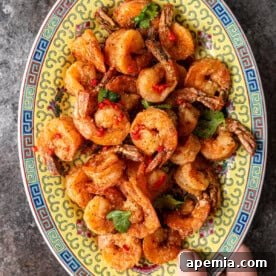
Salt and Pepper Shrimp
4
15
5
20
PrintRecipe
Ingredients
- 1 lb large shrimp (shell-on optional, See Note 1)
- 2 tbsp cornstarch
- 1 tsp white peppercorns
- 1 tsp Sichuan peppercorns
- 1 tsp kosher salt
- 1 cup vegetable oil
- 1 Fresno chile finely diced (seeds removed if desired)
- 1/4 cup fresh cilantro leaves
Instructions
-
Heat a dry wok over medium heat. Gently toast the white and Sichuan peppercorns for 30 seconds, stirring often. Add the kosher salt and continue toasting all spices for another minute until they are very fragrant. Remove from heat, allow to cool slightly, and then blitz until finely ground in a spice or coffee grinder. Set aside.
-
Pat shrimp thoroughly dry and transfer to a mixing bowl (See Note 1 for shell-on preparation). Sprinkle the cornstarch and half of the freshly ground pepper mixture over the shrimp, then toss to coat evenly.
-
Heat 1 cup of vegetable oil to 350°F (175°C) in a large skillet or wok over medium-high heat. Working in batches to avoid overcrowding, fry shrimp until golden and crisp, about 1 minute per side. Transfer the fried shrimp to a wire rack placed over a paper towel-lined tray to drain excess oil. Once all shrimp have been fried once, increase the oil temperature to 375°F (190°C) and return all the shrimp to the hot oil for a second fry (about 30-60 seconds) for maximum crispiness.
-
Transfer the double-fried shrimp back to the wire rack to drain any remaining oil. Then, toss them in a medium bowl with the remaining half of the pepper mixture. Add the finely diced Fresno chile and fresh cilantro leaves to the bowl, tossing gently to combine all ingredients. Serve immediately while hot and crispy.
Notes
- If using shrimp with shell on: Trim off the sharp edges around the head, and remove the legs and claws. Carefully cut along the back to devein the intestinal tract, but keep the shell intact for frying.
Nutrition
Carbohydrates: 7g |
Protein: 16g |
Fat: 1g |
Saturated Fat: 0.2g |
Polyunsaturated Fat: 0.2g |
Monounsaturated Fat: 0.1g |
Trans Fat: 0.01g |
Cholesterol: 143mg |
Sodium: 1225mg |
Potassium: 185mg |
Fiber: 1g |
Sugar: 1g |
Vitamin A: 385IU |
Vitamin C: 17mg |
Calcium: 72mg |
Iron: 1mg
The information shown is an estimate provided by an online nutrition calculator. It should not be considered a substitute for a professional nutritionist’s advice.
Have You Made This Recipe? Let Me Know on Instagram
Tag @keviniscooking or tag me #keviniscooking!