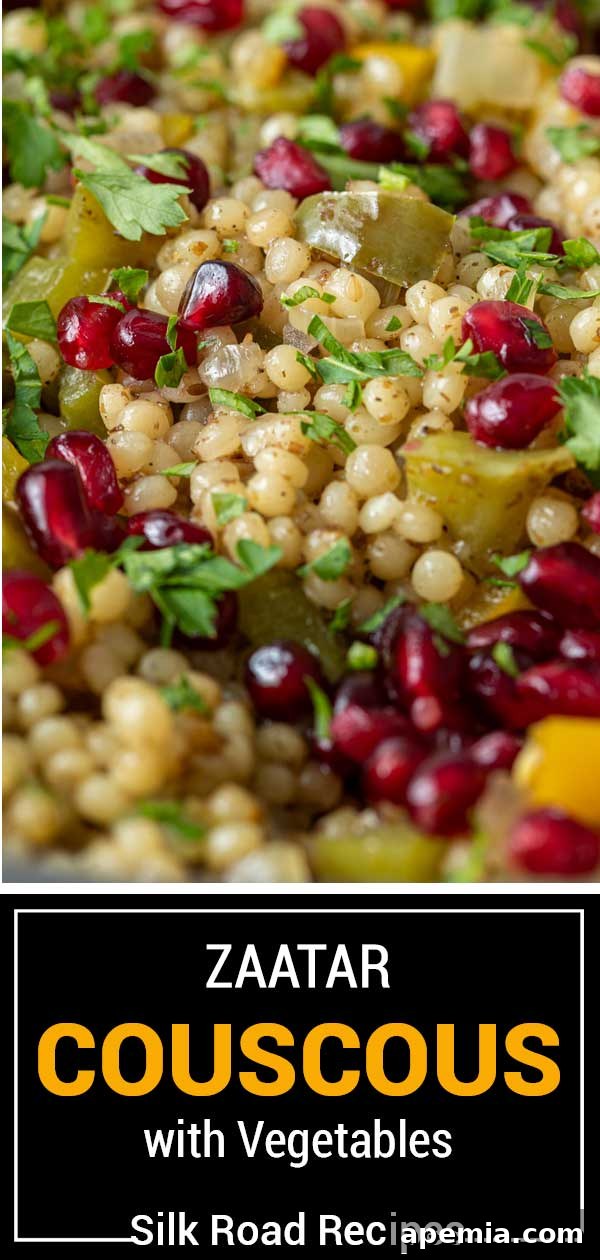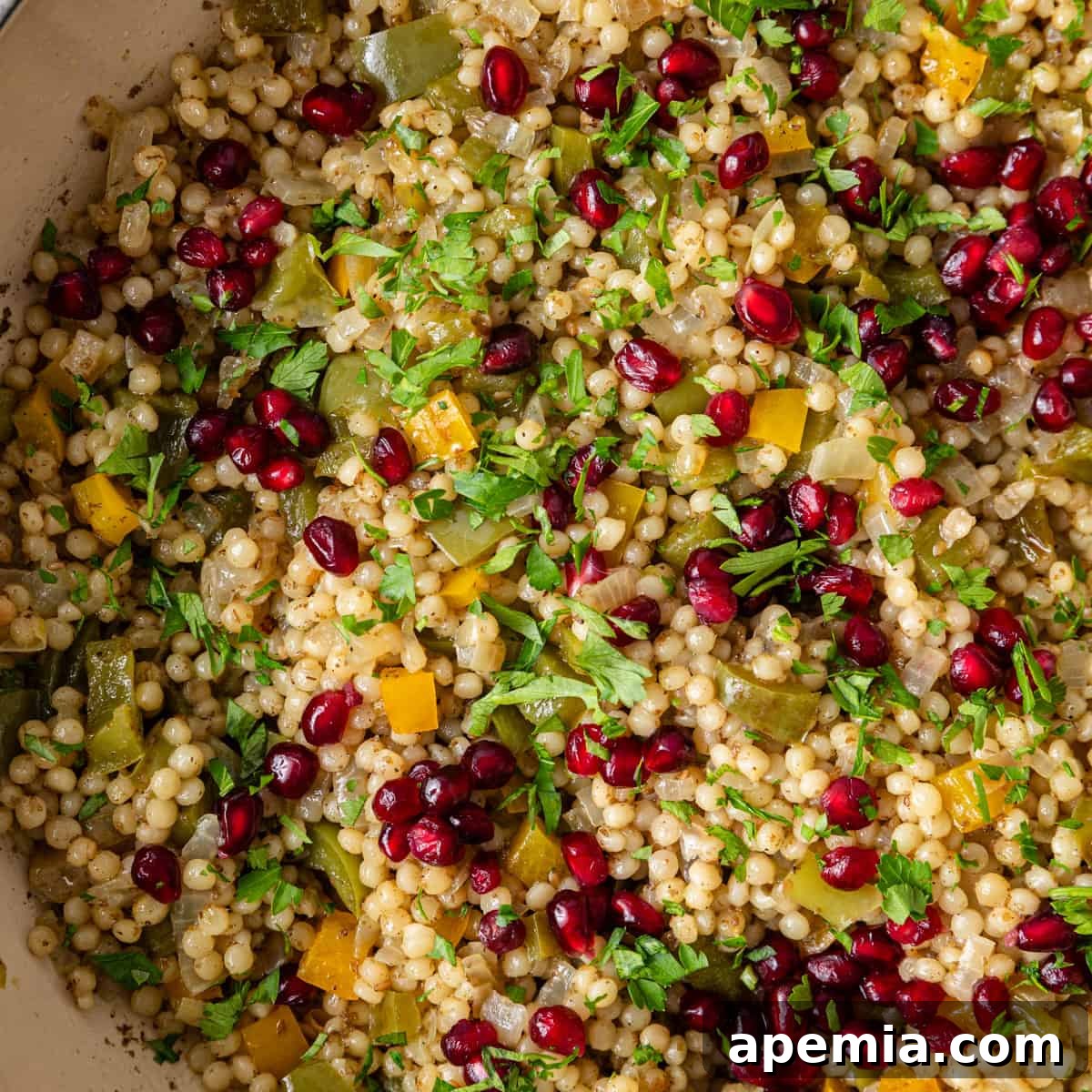
Flavorful Za’atar Pearl Couscous with Roasted Vegetables: A Quick & Healthy Delight
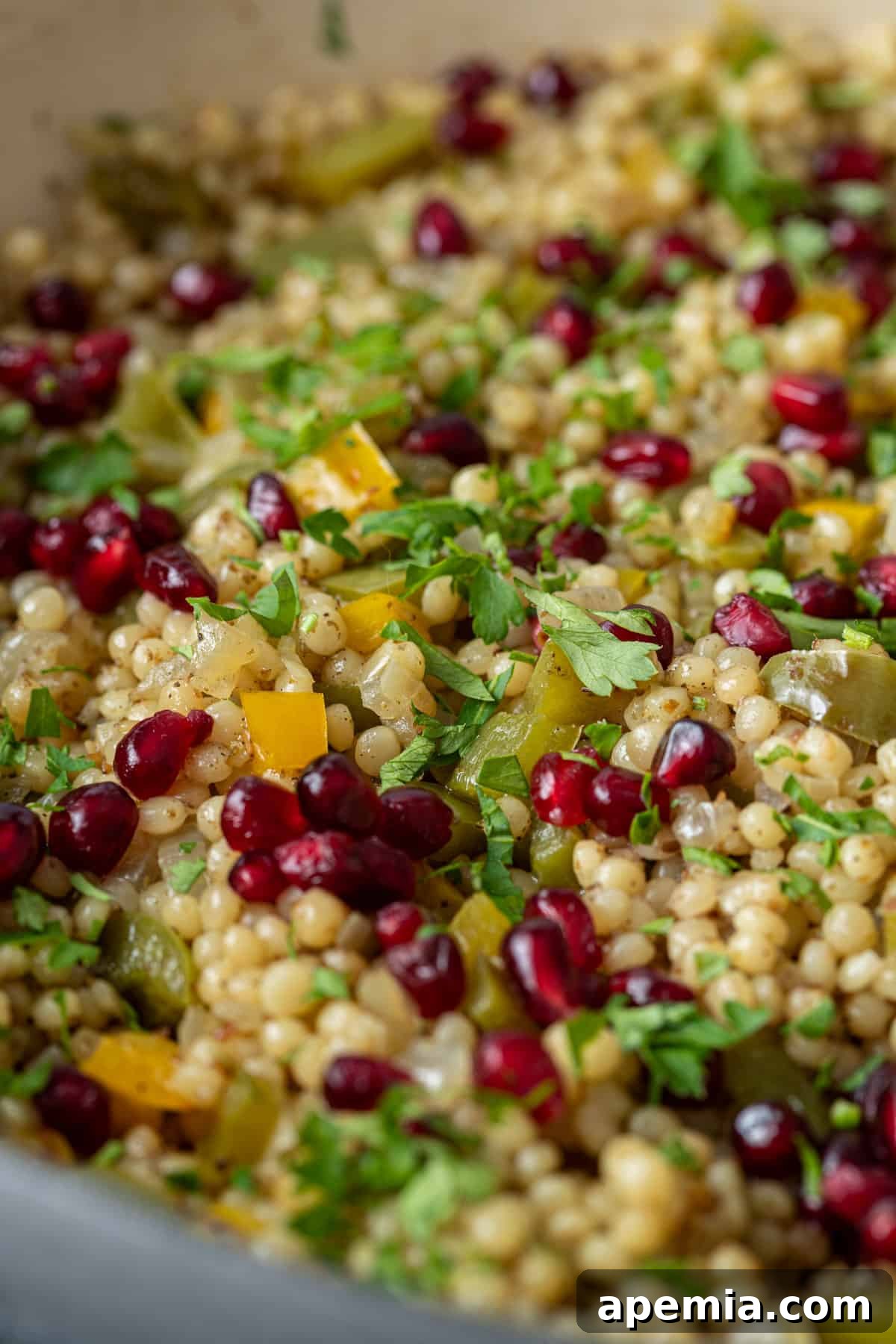
Embark on a culinary journey to the vibrant flavors of the Middle East with this incredibly simple yet profoundly delicious Za’atar Pearl Couscous with Roasted Vegetables. This vegetarian masterpiece is a testament to how humble ingredients, when paired with the right spice blend, can transform into an extraordinary meal. Perfect for busy weeknights, this recipe comes together in under 30 minutes, making it an ideal choice for anyone seeking a quick, wholesome, and flavor-packed dish without compromising on taste or quality.
At the heart of this dish lies the aromatic za’atar seasoning – a staple in Middle Eastern cuisine – which infuses every grain of pearl couscous with its distinctive tangy, earthy, and herbaceous notes. Complemented by the natural sweetness of sautéed bell peppers and savory onions, and brightened by the tart burst of fresh pomegranate seeds, this recipe is a symphony of textures and tastes. Whether you’re a seasoned chef or a kitchen novice, you’ll find this za’atar couscous recipe to be an effortless way to bring exciting Mediterranean-inspired flavors to your table.
The Allure of Couscous: A Global Staple in Your Kitchen
As a passionate admirer of global cuisine, I find myself consistently drawn to the versatility and inherent goodness of couscous. It’s a culinary canvas that can be transformed into countless dishes, from savory main courses to delightful side salads. Recipes like the hearty Moroccan Couscous Cakes, the rich Lamb and Pearl Couscous, and the refreshing Ptitim (Israeli Couscous Salad) are regular features in my kitchen, each showcasing a unique facet of this incredible grain-like pasta. Often celebrated as a lighter, more adaptable alternative to traditional rice or pasta, couscous truly shines in its ability to absorb flavors and textures, making it a favorite among home cooks and professional chefs alike.
This particular Za’atar Pearl Couscous recipe, featuring tender cooked bell peppers and caramelized onions, has rapidly ascended to the top of my personal go-to list. It’s the perfect blend of satisfying and light, making it substantial enough to enjoy as a standalone light lunch, yet wonderfully adaptable to serve as an impressive side dish alongside a variety of main courses. The exquisite pairing of earthy za’atar with the inherent sweetness of fresh vegetables and the unique chew of pearl couscous creates a harmonious dish that’s impossible to resist, proving you truly can’t go wrong with a well-prepared couscous dish like this one.
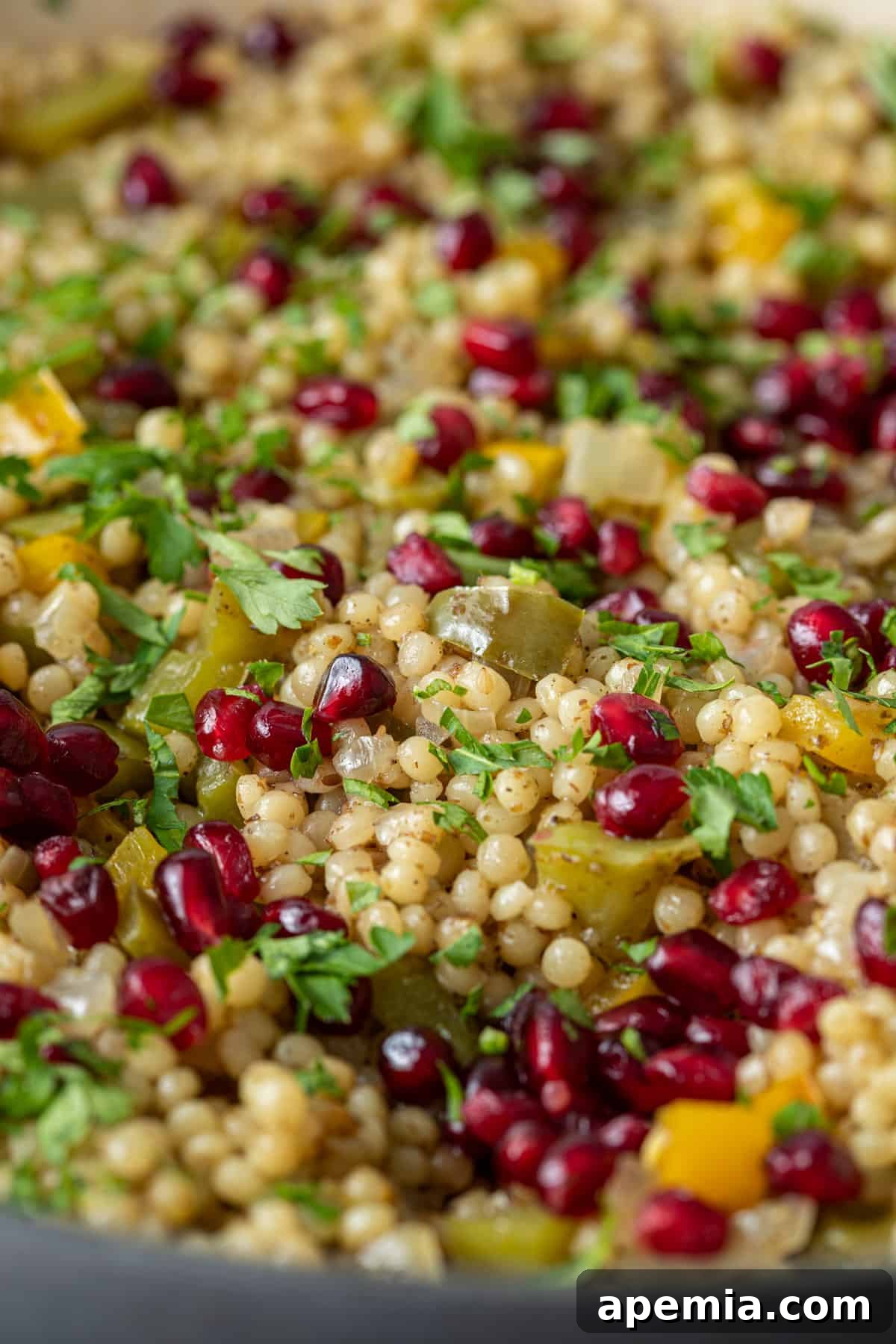
Table of Contents
- Pearl Couscous: A Deep Dive
- Ingredient Essentials & Smart Substitutions
- How to Master Za’atar Pearl Couscous with Vegetables
- Essential Kitchen Tools for Success
- Storing & Reheating: Maximize Freshness
- Frequently Asked Questions
- Za’atar Pearl Couscous with Vegetables Recipe Card
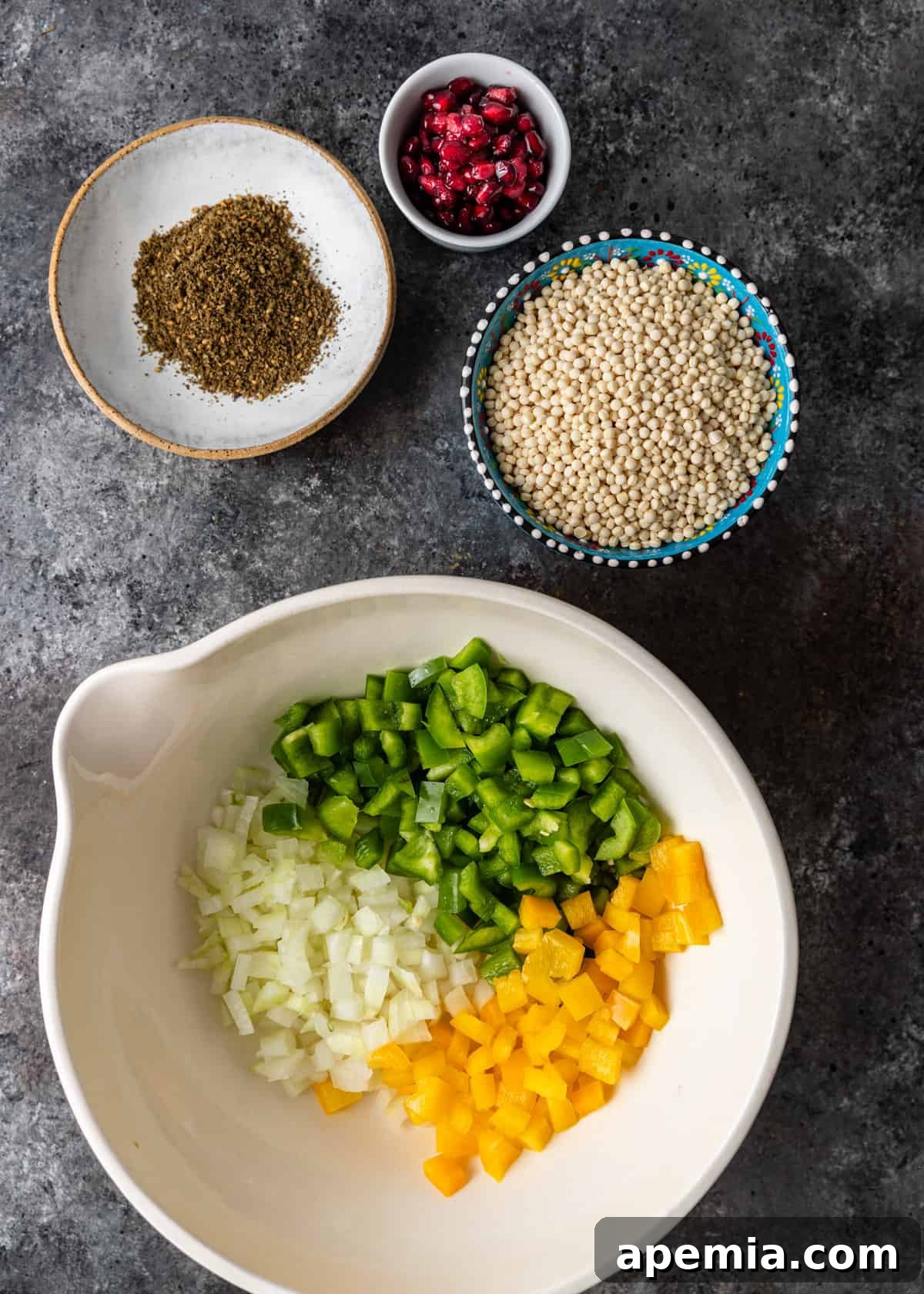
Pearl Couscous: A Culinary Gem of the Middle East
Often referred to as Israeli Couscous, Ptitim, or Maftoul, pearl couscous stands out from its smaller Moroccan counterpart due to its distinctive size and texture. These tiny, toasted pasta pearls are a cornerstone of Middle Eastern and Mediterranean cooking, celebrated for their ability to add a delightful chewiness to dishes.
The history of pearl couscous is quite fascinating. Ptitim, specifically, was developed in Israel in the 1950s as a substitute for rice during a period of austerity. It quickly gained popularity for its versatility and satisfying texture. Unlike traditional couscous, which is typically steamed, pearl couscous is often boiled or simmered, much like rice or pasta, allowing it to absorb the flavors of the liquid it’s cooked in. Its slightly nutty flavor and satisfyingly firm, yet tender, texture make it incredibly versatile. It can anchor vibrant salads, serve as a comforting side, or even be incorporated into hearty main dishes. For this Za’atar Pearl Couscous with Vegetables recipe, its unique texture perfectly complements the crunch of the vegetables and the burst of pomegranate, creating a truly memorable eating experience that is both wholesome and deeply flavorful.
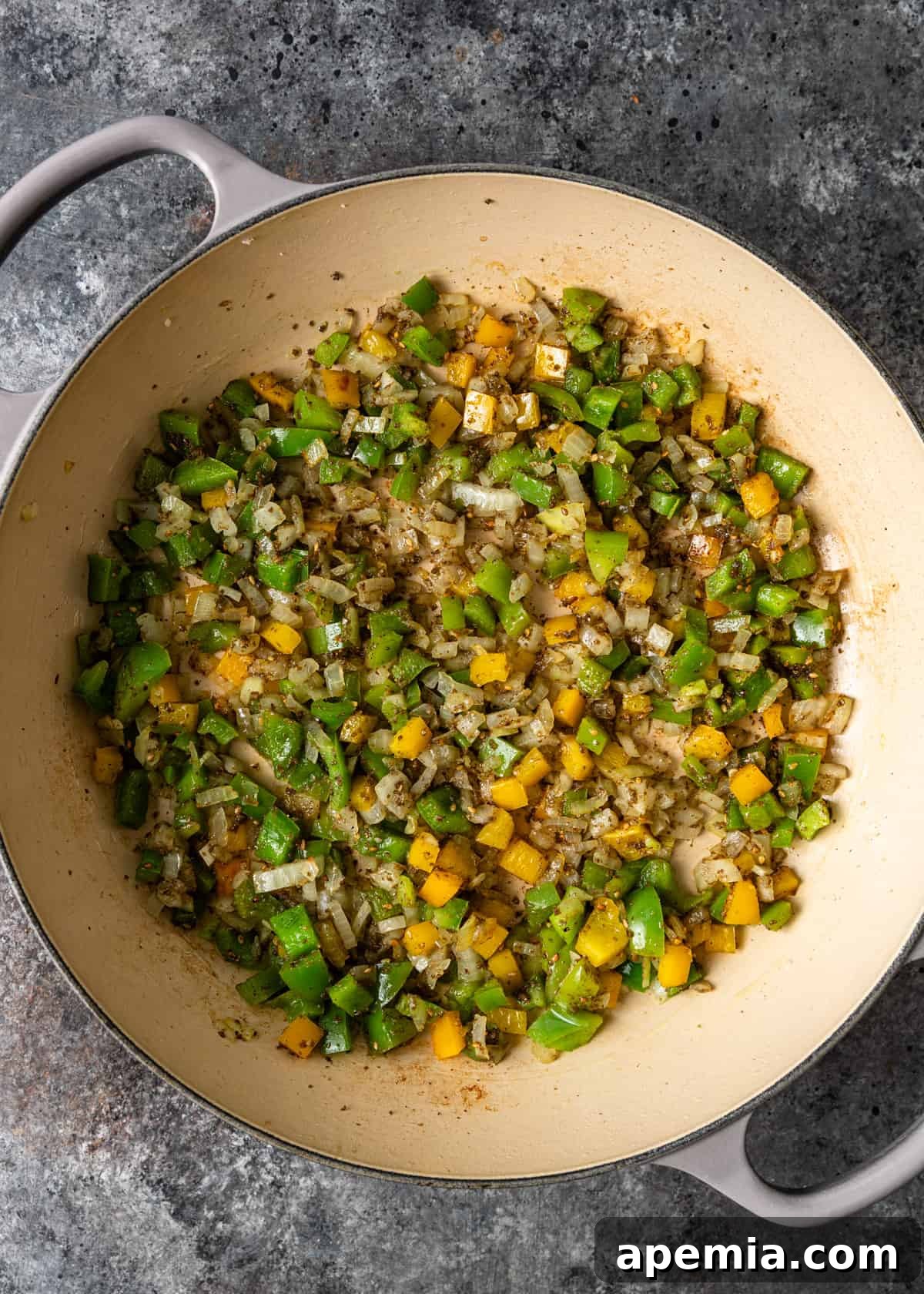
Ingredient Essentials & Smart Substitutions
Crafting the perfect Za’atar Pearl Couscous with Vegetables begins with understanding each component’s role in the symphony of flavors. Here’s a deeper look into the ingredients and potential swaps to suit your pantry and preferences, ensuring your dish is both delicious and tailored to your needs:
- Pearl Couscous: The star of our dish, these larger, spherical pasta pearls offer a satisfying chewiness and a subtle nutty flavor. They cook quickly and absorb flavors beautifully. While similar to other couscous varieties, its distinct texture is key here. Its larger size provides a more substantial bite compared to finer grains. If genuine pearl couscous is unavailable, you could use fregola (a Sardinian pasta similar in shape and chewiness) or even orzo pasta in a pinch, though the texture and cooking time will vary slightly.
- Pomegranate Seeds: These jeweled seeds are more than just a garnish; they provide a delightful burst of tartness and a refreshing crunch that cuts through the richness of the other ingredients. Their vibrant ruby-red color also adds an undeniable aesthetic appeal, making the dish pop on your plate. Pomegranates are also rich in antioxidants. If fresh pomegranates are out of season or hard to find, a handful of dried cranberries or a generous squeeze of fresh lemon juice could offer a similar tangy note, though without the same exciting textural pop.
- Fresh Flat-Leaf Parsley: Essential for a vibrant, fresh finish, parsley contributes a herbaceous brightness that lifts the entire dish and provides a beautiful green contrast. A generous ¼ cup is recommended to ensure its flavor comes through distinctly. While curly parsley can be used, flat-leaf (Italian) parsley generally offers a more robust and less bitter flavor. For an alternative aromatic profile, fresh mint or a combination of both could be a delightful addition, lending a cooling and zesty note.
- Green & Yellow Bell Peppers: Using multi-colored bell peppers (like green and yellow, or adding red and orange) not only makes the dish visually appealing but also adds layers of natural sweetness and a mild peppery note when cooked. Roasting or sautéing them caramelizes their natural sugars, enhancing their flavor profile significantly. They also contribute essential vitamins and fiber. Feel free to incorporate other colors of bell peppers for an even richer color palette and varied sweetness.
- Yellow Onion: Sautéing the onion with the bell peppers forms the aromatic and savory foundation of this dish. Yellow onions are my preference due to their milder flavor when cooked and their ability to caramelize beautifully, adding depth and a subtle sweetness without being overpowering. They soften and almost melt into the other ingredients, creating a cohesive base. Red onions can be used for a sharper flavor and striking purple color, especially if you prefer a less sweet and more pungent base.
- Olive Oil: A cornerstone of Mediterranean and Middle Eastern cooking, high-quality olive oil is indispensable for sautéing the vegetables and enriching the overall flavor of the dish. Its fruity, sometimes peppery, and grassy notes are integral to the authentic taste of this Za’atar Pearl Couscous, providing a healthy fat base. I strongly recommend sticking to good extra virgin olive oil for the best results; other neutral oils won’t offer the same nuanced and beneficial flavor profile.
- Za’atar Seasoning: The undisputed star of this recipe! This vibrant Middle Eastern spice blend, typically featuring dried thyme, oregano, marjoram, tangy sumac, and crunchy toasted sesame seeds, provides an unparalleled herbaceous, tangy, and slightly nutty profile. Its complexity transforms simple couscous into an exotic delight. While excellent quality store-bought versions are widely available, I highly encourage you to try making your own homemade Za’atar for the freshest, most potent, and truly authentic flavor. The difference is remarkable!
- Kosher Salt & Black Pepper: Seasoning to taste is crucial for balancing and enhancing all the other flavors. Kosher salt provides a clean, even saltiness without the harshness of table salt, while freshly ground black pepper adds a subtle warmth and a touch of piquancy that rounds out the spice profile. Always adjust quantities based on your personal preference and the inherent saltiness of your chosen za’atar blend.
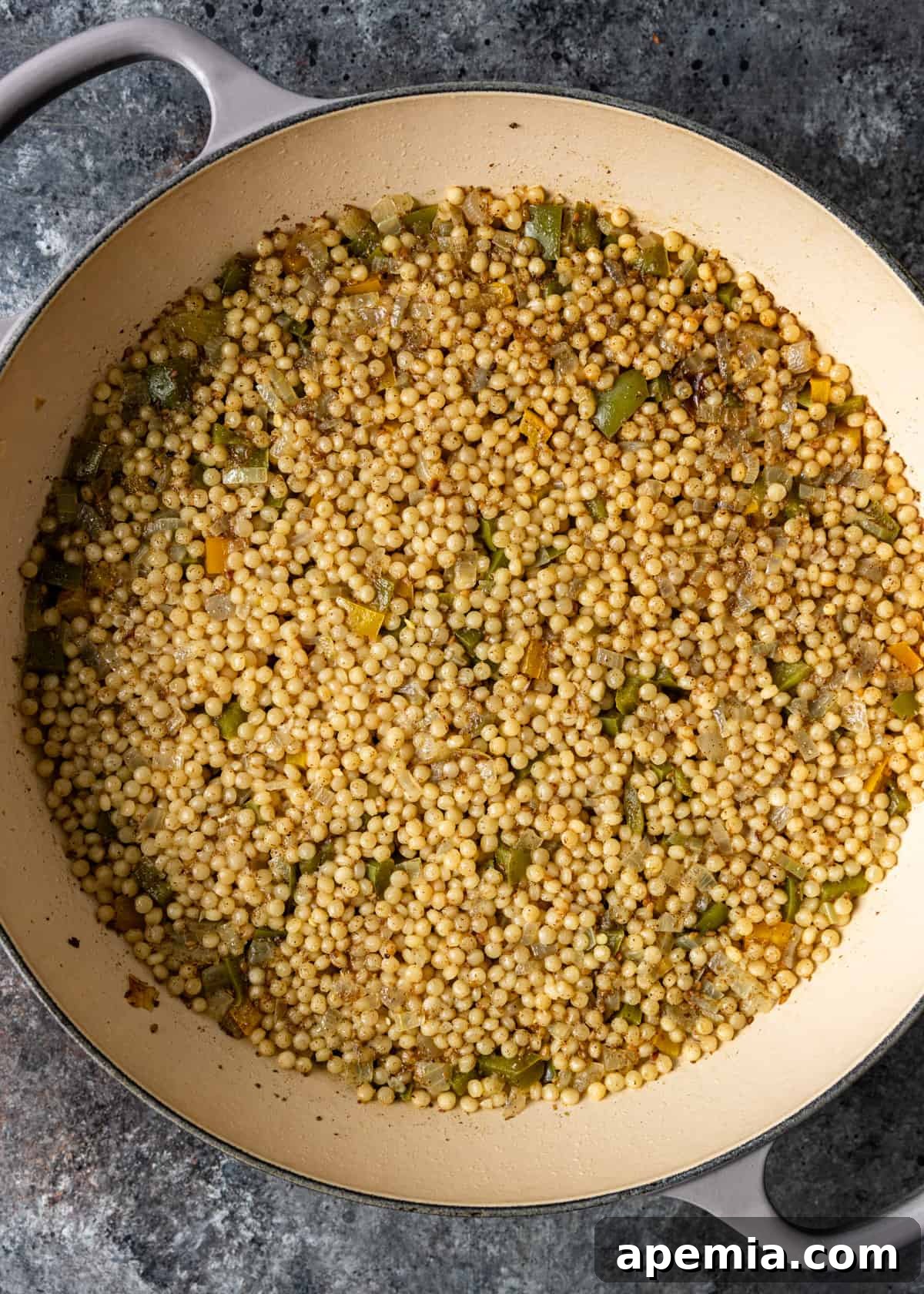
How to Master Za’atar Pearl Couscous with Vegetables: Step-by-Step
Creating this delicious Za’atar Pearl Couscous is a straightforward process, designed for efficiency without sacrificing an ounce of flavor. Follow these simple steps for a perfect dish every time, bringing Middle Eastern warmth to your table in minutes:
- Prepare Your Pan & Sauté Aromatics: Begin by heating a large skillet or a sturdy Dutch oven over medium heat. This ensures even cooking. Add the olive oil, allowing it to shimmer slightly, which indicates it’s ready for the vegetables. Introduce the finely chopped bell peppers and onion to the hot oil. Sauté them for approximately 3 minutes, stirring occasionally, until they begin to soften and release their aromatic sweetness. This initial sauté step is crucial for building the foundational flavor of your dish.
- Infuse Flavors & Cook the Couscous: Pour in 1 ½ cups of water into the skillet. Then, generously stir in the za’atar seasoning, kosher salt, and black pepper. Bring the entire mixture to a rolling boil, ensuring the rich spices are well distributed throughout the liquid. Once boiling, stir in the pearl couscous, ensuring it is submerged. Immediately cover the pan with a tight-fitting lid, reduce the heat to low, and allow it to gently simmer for 10 minutes. This simmering period gives the couscous ample time to absorb the flavorful liquid and cook to a tender, chewy consistency without drying out.
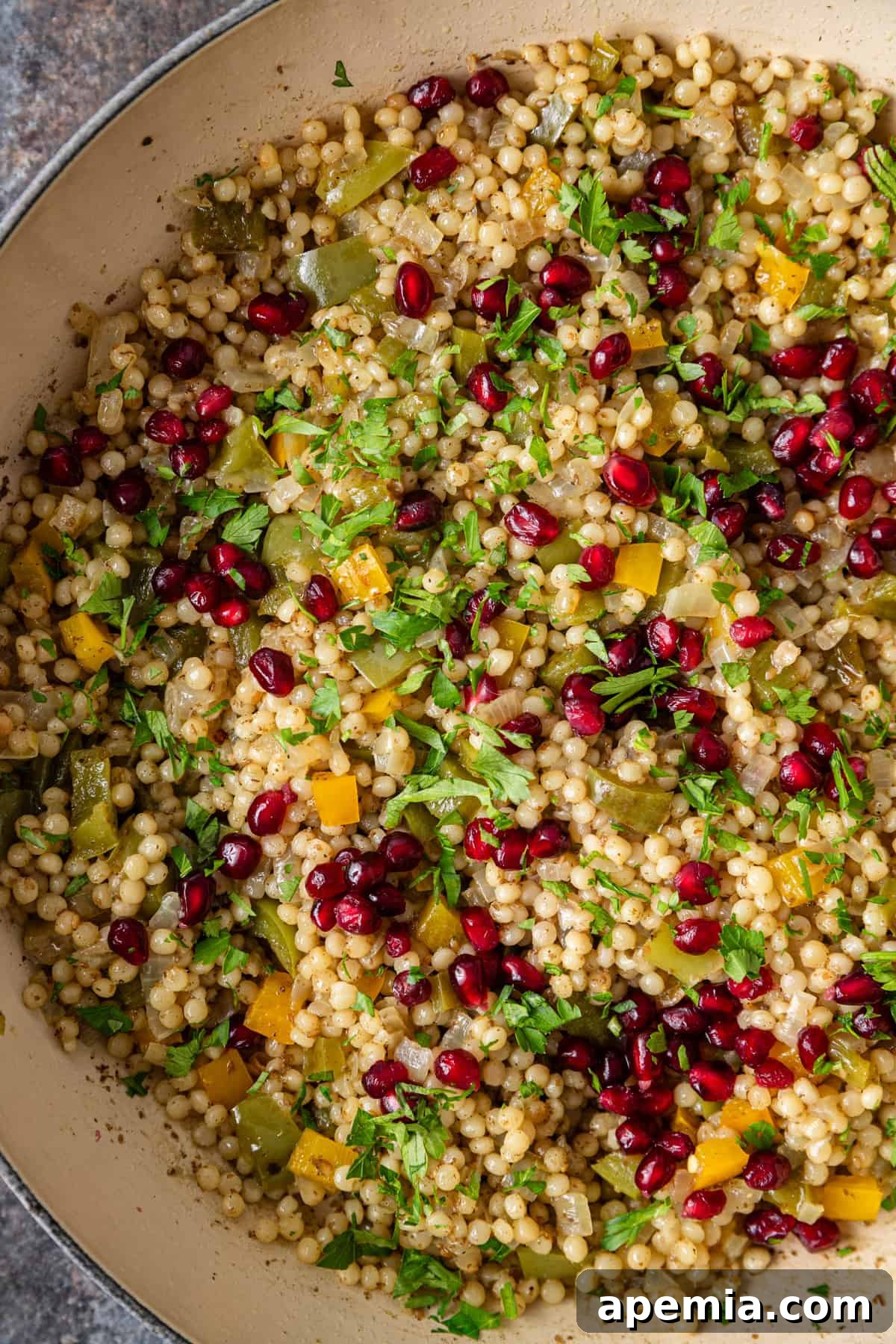
- Fluff & Garnish for Serving: Once the cooking time is complete, remove the lid from the skillet. Using a fork, gently fluff the Za’atar Pearl Couscous with Vegetables. This action separates the individual pearls and ensures an even distribution of the perfectly cooked vegetables and aromatic spices. Finally, artfully toss in the fresh, bright pomegranate seeds and the finely chopped flat-leaf parsley. The pomegranate adds a tart burst and vibrant color, while the parsley introduces a fresh, herbaceous finish. Serve immediately and savor the rich, Middle Eastern-inspired flavors!
Essential Kitchen Tools for Success
- Large Skillet or Dutch Oven: The most crucial tool for this one-pan recipe is a spacious, heavy-bottomed skillet or a sturdy Dutch oven. It needs to be large enough to comfortably hold all the ingredients, especially the 1 ½ cups of water needed to cook the couscous, without overflowing during the boiling and simmering process. If opting for a skillet, ensure it has high sides to prevent spillage. Crucially, it must come with a tight-fitting lid to allow the couscous to steam properly and absorb the liquid effectively. A good lid ensures even cooking, tender results, and helps lock in all those wonderful flavors.
- Sharp Knife and Cutting Board: For efficiently chopping your bell peppers, onion, and fresh parsley.
- Measuring Cups and Spoons: For accurate ingredient quantities, especially for the couscous and za’atar.
- Sturdy Spoon or Spatula: For sautéing vegetables and stirring in the couscous.
- Fork: Essential for fluffing the couscous after it cooks, ensuring a light and airy texture.
Storing & Reheating: Maximize Freshness & Flavor
This Za’atar Pearl Couscous with Vegetables is fantastic as leftovers, often tasting even better the next day as the flavors meld and deepen. To store, allow the dish to cool completely to room temperature before transferring it to an airtight container. Properly stored, it will keep beautifully in the refrigerator for up to 3-4 days, making it an excellent option for meal prepping and enjoying throughout the week.
For reheating single servings, simply place them in a microwave-safe dish and heat in 30-second increments, stirring between intervals, until thoroughly warmed through. Be careful not to overheat, as this can dry out the couscous. For larger portions, a skillet on the stovetop over medium heat for 5-10 minutes works perfectly. To prevent the couscous from drying out and to help rejuvenate its texture, consider adding a splash of water or vegetable broth while reheating, stirring occasionally to ensure even heating and prevent sticking to the pan.
Interestingly, I’ve found this dish to be incredibly refreshing when enjoyed cold, straight from the fridge! The vibrant flavors of za’atar, bell peppers, and pomegranate are particularly delightful chilled. A drizzle of creamy Tahini Yogurt Sauce elevates the cold version even further, adding another layer of Middle Eastern authenticity and a wonderful, tangy contrast to the za’atar and vegetables. It’s a perfect option for a light, portable lunch.
Frequently Asked Questions
What is za’atar and where can I find it?
Za’atar is a deeply aromatic and versatile Middle Eastern spice blend, typically composed of dried thyme, oregano, marjoram, tangy sumac (which gives it its characteristic citrusy brightness), and crunchy toasted sesame seeds, often with a touch of salt. Its flavor is herbaceous, earthy, and bright, with a unique tang that is truly distinct. This ancient blend is a cornerstone of Middle Eastern cuisine, used on everything from bread to grilled meats and vegetables. You can readily find high-quality za’atar in Middle Eastern grocery stores, the international food aisles of larger supermarkets, or through online retailers specializing in spices. For the most authentic and fresh experience, I enthusiastically recommend trying my homemade Za’atar Spice Blend recipe, which truly makes a remarkable difference in this Za’atar Pearl Couscous by offering a more vibrant and potent flavor.
What can I add to couscous for extra flavor and nutrition?
Couscous is a fantastic blank canvas for flavor experimentation and nutritional boosts! Beyond the za’atar, fresh parsley, sweet bell peppers, and tart pomegranate seeds already in this recipe, you can elevate your couscous with various delightful additions. Consider incorporating other finely chopped fresh herbs like mint or cilantro for added coolness and freshness, or a generous squeeze of lemon juice or zest for a bright, zesty kick. For delightful texture and healthy fats, stir in some roasted nuts such as pine nuts, slivered almonds, or pistachios, or crunchy seeds like sunflower or pumpkin seeds. For a significant nutritional boost and added protein, easily incorporate cooked chickpeas, black beans, lentils, or crumbled feta cheese. A final drizzle of good quality extra virgin olive oil at the end always enhances its inherent flavors and adds a luxurious mouthfeel.
What goes well with Za’atar Pearl Couscous with Vegetables?
This versatile Za’atar Pearl Couscous can be enjoyed in numerous delightful ways. It’s wonderfully satisfying and wholesome as a light, vegetarian lunch on its own, perhaps accompanied by a simple green salad or a dollop of yogurt. As a side dish, it truly shines, complementing a wide array of proteins and main courses with its vibrant, complex flavors. I frequently serve it alongside savory Lebanese Kafta, tender Greek Lamb Meatballs, or succulent Lemon Za’atar Chicken. Its vibrant flavors also make it a standout addition to a larger mezze spread for entertaining, offering a fresh, unique, and impressive alternative to more common side dishes. It’s also excellent with grilled halloumi cheese, roasted fish, or alongside a hearty lentil soup.
Can I prepare this Za’atar Pearl Couscous ahead of time for meal prep?
Absolutely! This dish is a fantastic candidate for meal preparation, as its flavors often deepen and meld beautifully overnight in the refrigerator. You can cook the entire Za’atar Pearl Couscous with Vegetables up to 2-3 days in advance. Once cooked, allow it to cool completely to room temperature before transferring it to an airtight container. When ready to serve, you can reheat it following the instructions detailed above, or surprisingly, enjoy it chilled, especially during warmer months as a refreshing salad. For the best texture and vibrant appearance, I recommend keeping the pomegranate seeds and fresh parsley separate and stirring them in just before serving.
Love this recipe? Share the deliciousness with friends and family!
If you enjoyed making and savoring this Za’atar Pearl Couscous with Vegetables, please consider sharing it with your friends and followers on social media. Your support helps us bring more delightful and easy-to-make recipes to everyone!
Share on Pinterest
Za’atar Pearl Couscous with Vegetables
Za’atar Pearl Couscous with Vegetables is an easy-to-make vegetarian dish featuring tender pearl couscous, sweet bell peppers, savory onion, bright pomegranate seeds, and aromatic za’atar seasoning. Quick, wholesome, and bursting with Middle Eastern flavors, it’s perfect as a main course or a vibrant side.
Rating: 4 out of 5 stars from 1 vote
Servings: 4
Prep Time: 15 mins
Cook Time: 15 mins
Total Time: 30 mins
Print Recipe
Ingredients
- 1 tablespoon olive oil
- 1 green bell pepper, chopped
- 1/2 yellow bell pepper, chopped
- 1 medium yellow onion, chopped
- 1 tablespoon za’atar seasoning
- 1 teaspoon kosher salt
- 1/2 teaspoon black pepper
- 1 cup pearl couscous
- 1/4 cup pomegranate seeds
- 1/4 cup flat leaf parsley, chopped
Instructions
- Sauté Vegetables: Heat a large skillet or Dutch oven over medium heat. Add the olive oil. Add the chopped bell peppers and onion to the oil and sauté for 3 minutes, until slightly softened and fragrant.
- Cook Couscous: Add 1 ½ cups of water, plus the za’atar, salt, and pepper to the pan. Bring to a boil and stir in the pearl couscous. Cover with a lid, reduce the heat to low, and allow to simmer for 10 minutes until the liquid is absorbed and couscous is tender and fluffy.
- Finish & Serve: Remove the lid from the skillet and gently fluff the couscous with a fork to separate the grains. Toss in the vibrant pomegranate seeds and freshly chopped parsley just before serving for ultimate freshness, flavor, and visual appeal. Serve warm and enjoy!
Nutrition Information (Estimated per serving)
- Calories: 226 kcal
- Carbohydrates: 41g
- Protein: 7g
- Fat: 4g
- Saturated Fat: 1g
- Polyunsaturated Fat: 1g
- Monounsaturated Fat: 3g
- Sodium: 591mg
- Potassium: 251mg
- Fiber: 4g
- Sugar: 3g
- Vitamin A: 496 IU
- Vitamin C: 60mg
- Calcium: 48mg
- Iron: 2mg
The information shown is an estimate provided by an online nutrition calculator and should be used as a general guide. It should not be considered a substitute for a professional nutritionist’s advice.
Course: Side Dishes, Main Dish, Lunch
Cuisine: Middle Eastern, Mediterranean
Author: Kevin
Have You Made This Flavorful Za’atar Pearl Couscous? Share Your Creation!
We absolutely love seeing your culinary masterpieces! If you’ve prepared this Za’atar Pearl Couscous with Vegetables, we’d be thrilled if you shared it on Instagram. Don’t forget to tag @keviniscooking or use the hashtag #keviniscooking so we can admire your delicious work and feature it!