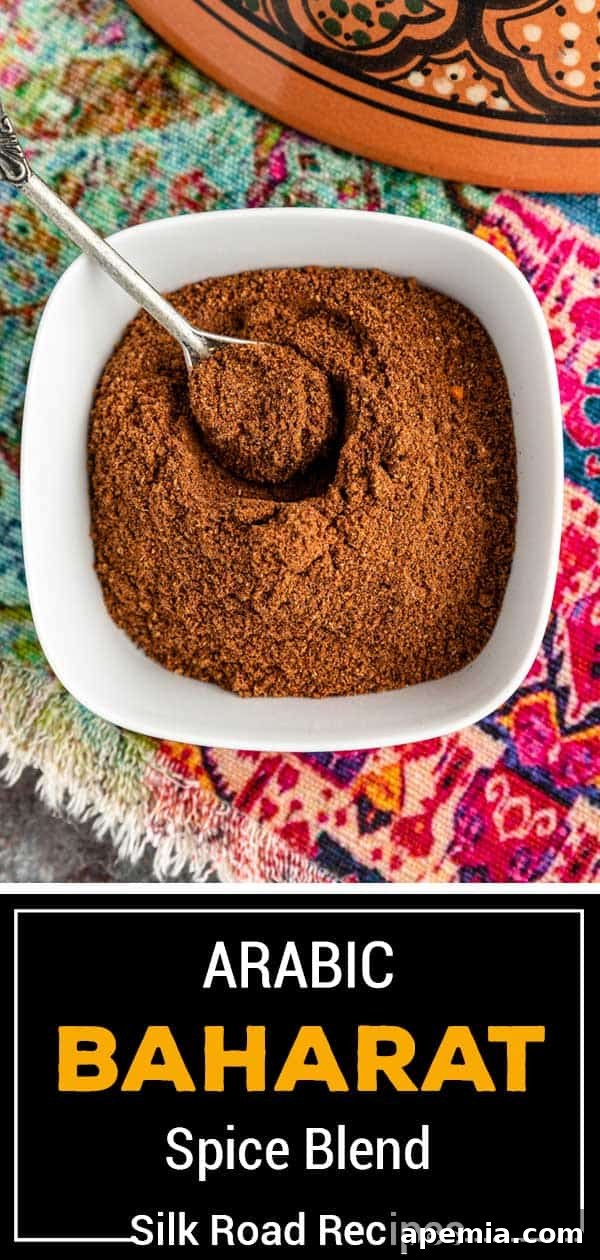
Baharat Spice Blend: Your Essential Guide to Middle Eastern Flavors
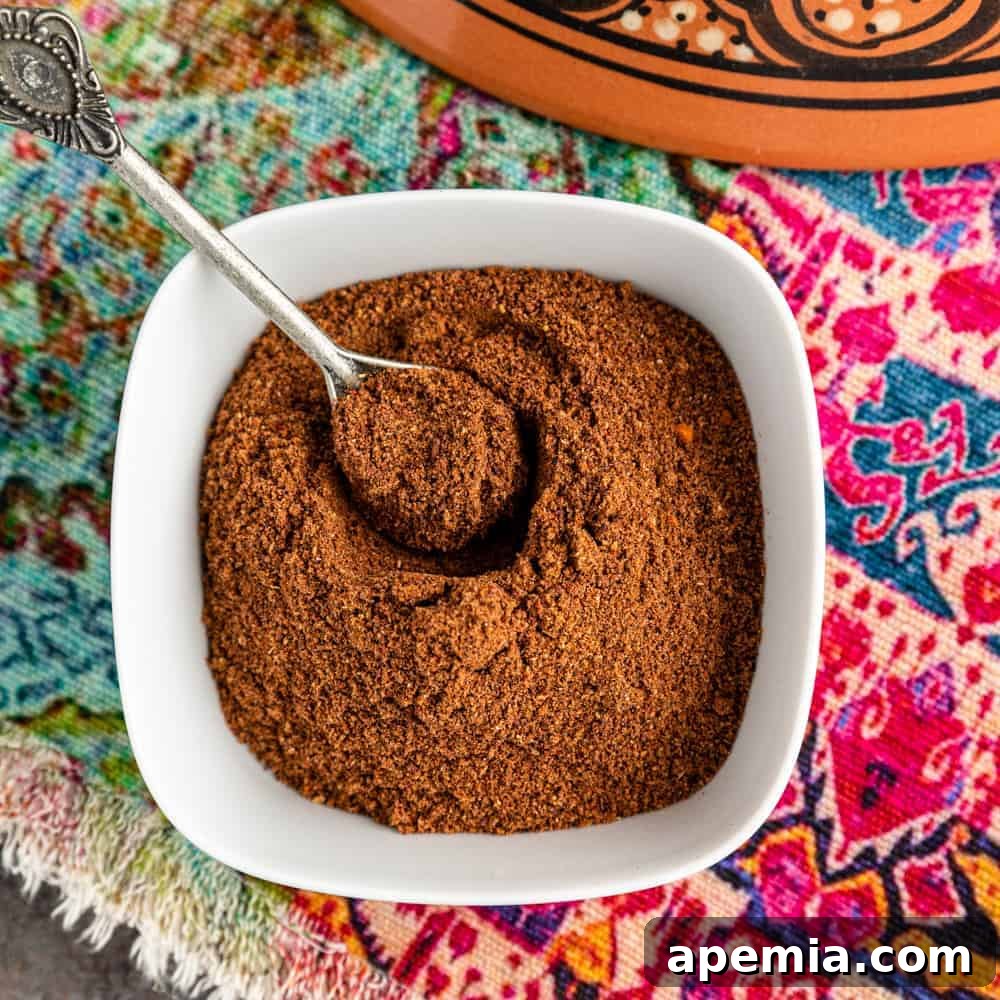
Embark on a culinary journey to the heart of the Middle East with this irresistible Baharat spice blend. An intoxicatingly aromatic mix of sweet, smoky, and earthy notes, Baharat is a cornerstone of Arabic cuisine, transforming ordinary dishes into extraordinary feasts. This sumptuous homemade spice blend features an all-star cast of vibrant spices, including the warming embrace of cinnamon and cloves, the subtle heat of black pepper, the tangy zest of sumac, and the deep savoriness of cumin, among many others.
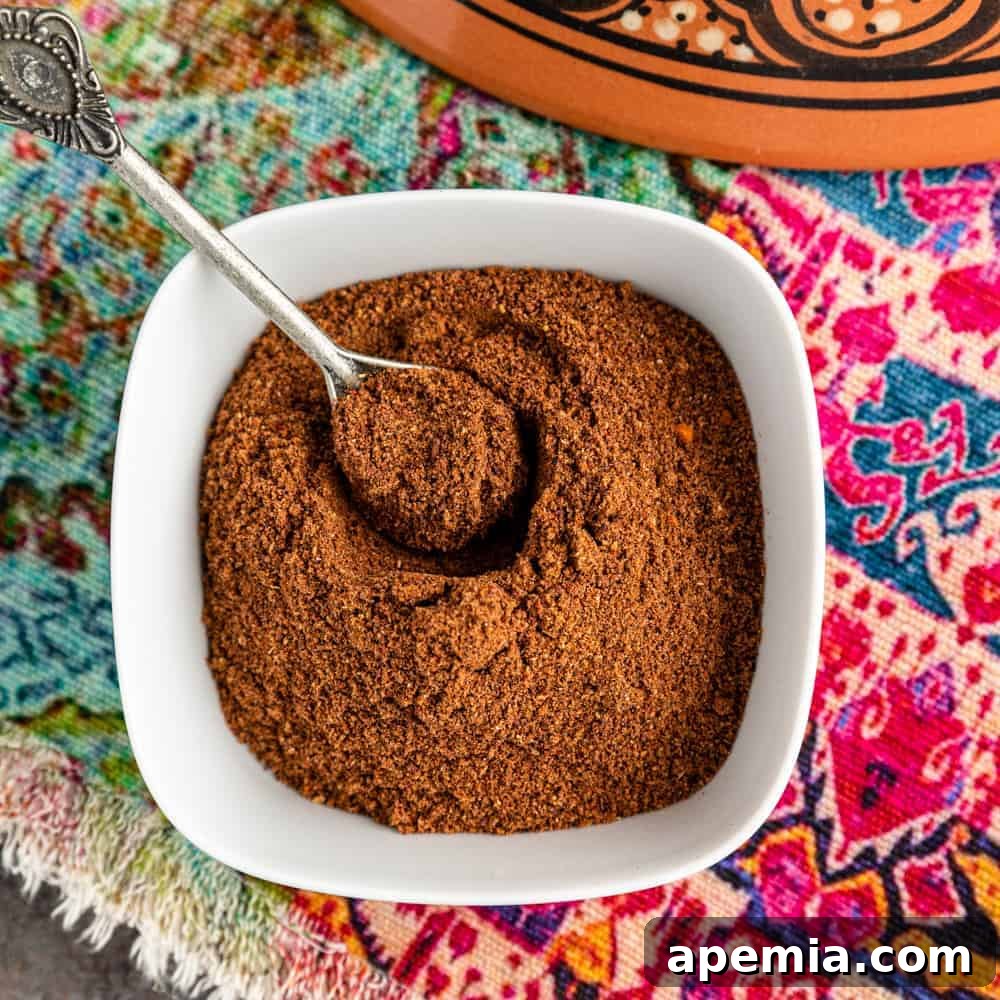
There’s an undeniable excitement that comes with crafting your own spice blends. It’s more than just mixing ingredients; it’s an art form that unlocks a universe of culinary possibilities. Our Baharat recipe transports you directly to the rich culinary traditions of the Middle East, offering a taste of history and culture with every sprinkle.
As a mainstay in Middle Eastern kitchens, this warming and enticing spice blend boasts surprising versatility. Baharat is expertly used to season an extensive array of foods, from succulent meats and aromatic rice dishes to vibrant vegetables and hearty stews. The beauty of Baharat lies in its balanced profile, capable of enhancing without overpowering. Later in this post, you’ll find a comprehensive list of suggestions to inspire your cooking adventures with this fantastic spice blend.
Feeling inspired to explore more exotic spice blends? Elevate your pantry with our easy-to-follow recipes for Persian Advieh, the classic Garam Masala, the iconic Chinese Five Spice, and the bold Vindaloo Curry Powder.
Table of Contents
- What is Baharat Spice?
- The History and Origin of Baharat
- Key Ingredients and Their Flavors
- Regional Baharat Variations
- How to Make Homemade Baharat Spice Blend
- Culinary Uses for Baharat
- Frequently Asked Questions
- Baharat Spice Recipe Card
What is Baharat Spice?
Baharat, which simply means “spice” in Arabic, is much more than just a seasoning; it’s an aromatic symphony, a cornerstone of Middle Eastern cooking that adds depth, warmth, and an exotic touch to countless dishes. This all-purpose seasoning mix is a masterful combination of warm and earthy spices, meticulously balanced to deliver sweet, smoky, and subtly spicy flavors. While its precise composition can vary significantly from one region or even household to another, the essence of Baharat remains consistent: to elevate food with its complex, enticing aroma.
Much like garam masala is a defining blend in Indian cuisine, Baharat holds a similar revered status across the Middle East. It’s a reflection of the region’s diverse culinary landscape, with each variation telling a unique story of local tastes and available ingredients. Despite these regional differences, one constant remains: the inclusion of black peppercorns, providing a foundational warmth and gentle kick.
It’s important to distinguish Baharat from other prominent Middle Eastern blends. For instance, ras el hanout, a Moroccan blend, often incorporates a wider array of spices, sometimes dozens, making it generally more fragrant and sweeter in profile. In contrast, Lebanese za’atar is a completely different blend, based on earthy herbs, toasted sesame seeds, and tangy sumac, primarily used as a topping or dip rather than a cooking spice.
The History and Origin of Baharat
The history of Baharat is deeply interwoven with the ancient spice routes that crisscrossed the Middle East for millennia. This region, strategically located at the crossroads of continents, was a vibrant hub for trade, including the exchange of precious spices. Baharat emerged from this rich tapestry, with local cooks developing unique combinations based on what was available and favored in their communities. While “Baharat” is a general term for spices, the specific blend we refer to today has evolved over centuries, reflecting the diverse culinary landscapes of countries like Turkey, Syria, Lebanon, Jordan, Israel, and Iraq.
Historically, spices were not just about flavor; they were also prized for their medicinal properties and preservative qualities. The act of blending spices was a skilled craft, passed down through generations. Each family or village might have had its secret Baharat recipe, creating a nuanced mosaic of flavors across the region. This rich heritage contributes to the blend’s mystique and its enduring popularity, making it more than just a seasoning, but a culinary legacy.
Key Ingredients and Their Flavors
(A full list of ingredients and quantities can be found in the recipe card below.)
Understanding the role of each spice in Baharat is key to appreciating its complex flavor profile. When blending, quality ingredients are paramount for the most vibrant and authentic taste.
- Cinnamon: Provides sweet, warming, and woodsy undertones. It’s a fundamental component that bridges the savory and sweet elements of the blend. While sticks are traditional for toasting, ground cinnamon works perfectly (see recipe card for conversions).
- Black Pepper: Essential for its sharp, hot flavor, balanced with subtle hints of citrus and pine. It provides the foundational warmth and mild pungency that defines many Baharat blends. Freshly ground peppercorns are ideal, but pre-ground pepper is a fine substitute.
- Cumin: A superstar spice offering profound savory, earthy, and intensely aromatic tones, along with just the right amount of smoky warmth. Both whole cumin seeds and ground cumin can be used; whole seeds, when toasted and ground, offer superior freshness.
- Coriander: Light, sweet, citrusy, and floral, coriander seeds are crucial. Once lightly toasted, their flavor deepens, taking on a delightful nutty quality that complements the other spices beautifully. Use either whole seeds or ground.
- Sumac: This unique and vibrant spice introduces a tart, tangy, fruity, and slightly floral dimension to Baharat. Its bright acidity cuts through the richness of other ingredients, adding a layer of complexity. Look for it in the international aisle, Middle Eastern markets, or online. A tiny bit of lemon zest can serve as a substitute in a pinch, though it won’t replicate sumac’s distinct character.
- Sweet Paprika: Derived from ripe, sweet red peppers, sweet paprika contributes a lovely color, a slightly fruity and sweet flavor, and a subtle peppery warmth without significant heat. It adds depth and a mild earthiness.
- Allspice: This dynamic, multidimensional spice is truly remarkable, offering hints of fennel, star anise, nutmeg, cloves, black pepper, and cinnamon all from a single berry. It’s a natural harmonizer, tying many of the other flavors together.
- Cardamom: Known for its complex flavor profile, cardamom brings piney, fruity, and distinct minty-eucalyptus elements. It adds an exotic, almost ethereal aroma that is unmistakably Middle Eastern.
- Cloves: Supremely aromatic and intensely warming, cloves contribute hints of sweetness, a slight astringency, and a subtle bitterness. They are potent, so a little goes a long way in balancing the blend.
- Nutmeg: Imparts a warm, earthy, and subtly sweet flavor, with the slightest whisper of citrus and a hint of clove-like spice. Freshly grated nutmeg offers the best aroma.
Regional Baharat Variations: A Culinary Tapestry
While the foundational spices of black pepper, cloves, cumin, coriander, nutmeg, paprika, and cardamom form the core of most Baharat blends, its beauty lies in its adaptability. Just like all great spice blends, there are countless regional variations that showcase local palates and available botanicals. These variations transform Baharat into a culinary tapestry reflecting diverse Middle Eastern cultures.
- The Levant (Syria, Lebanon, Jordan, Palestine): Often features allspice and sumac prominently, giving it a slightly tangier and more floral profile, similar to the version presented in this recipe.
- Turkey: Turkish Baharat (often called “Yedi Türlü” or “seven spices”) frequently includes dried mint, which adds a refreshing, herbaceous note, particularly well-suited for lamb dishes and kebabs.
- North Africa (especially Morocco): While not strictly Baharat, similar all-purpose blends in North Africa might incorporate dried rosebuds, adding a delicate, perfumed aroma to the mix, perfect for rich stews and tagines.
- The Persian Gulf (Iraq, Kuwait): Enterprising cooks in this region might include dried lime powder (Loomi), which imparts a distinct sour, smoky flavor, or even precious saffron, adding a luxurious aroma and golden hue.
- Egypt: Egyptian Baharat often emphasizes cumin and coriander more, with a stronger presence of chili for a bit more heat.
These variations highlight the creative spirit of Middle Eastern cuisine, encouraging you to experiment and find your favorite combination. Don’t be afraid to adjust quantities or add a unique ingredient that speaks to your palate!
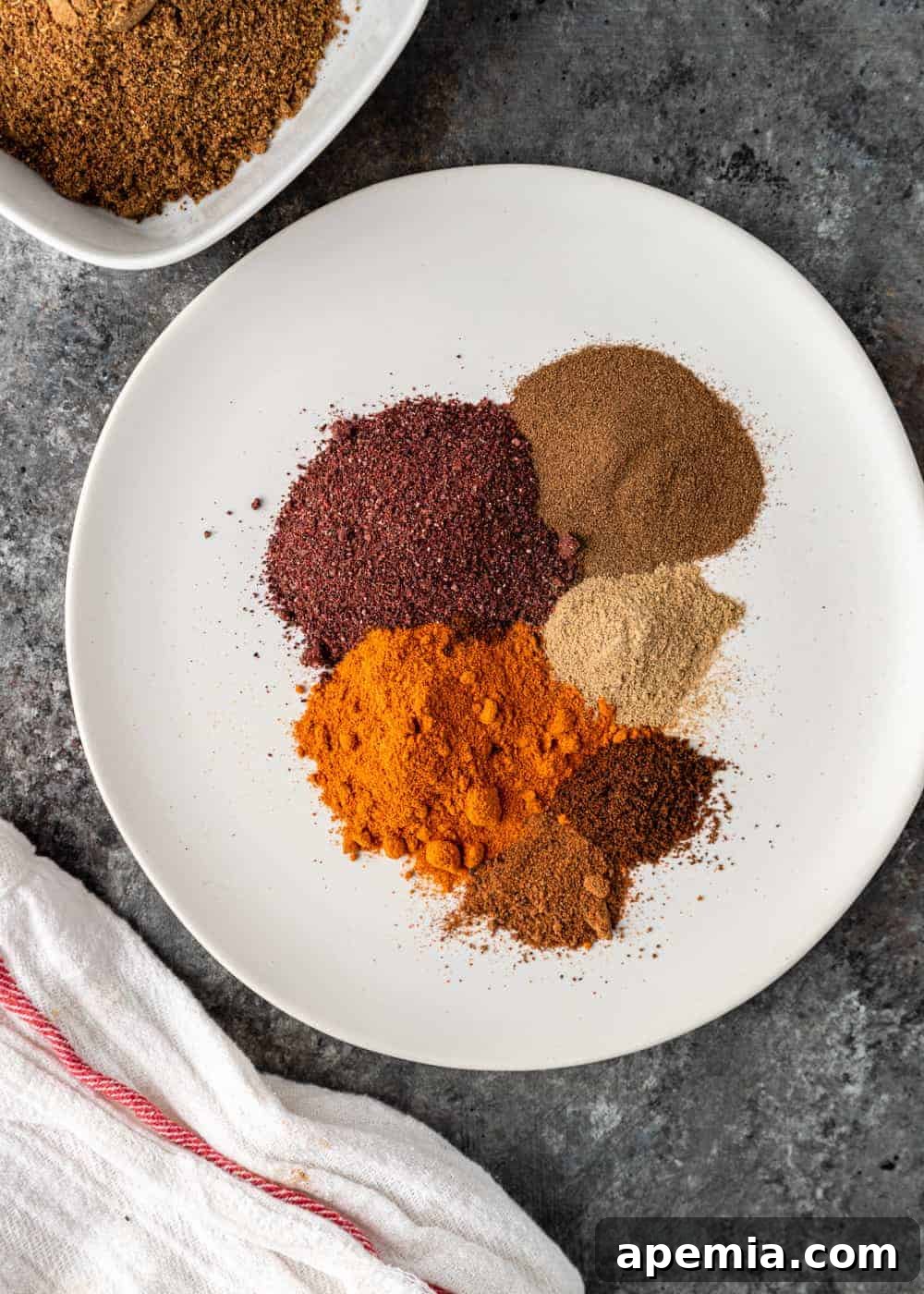
How to Make Homemade Baharat Spice Blend
Creating your own Baharat spice blend at home is surprisingly simple and incredibly rewarding. The process enhances the flavors and aromas of the spices, resulting in a fresher, more potent blend than anything you can buy pre-made. All it takes is a quick toast, a grind, and a mix!
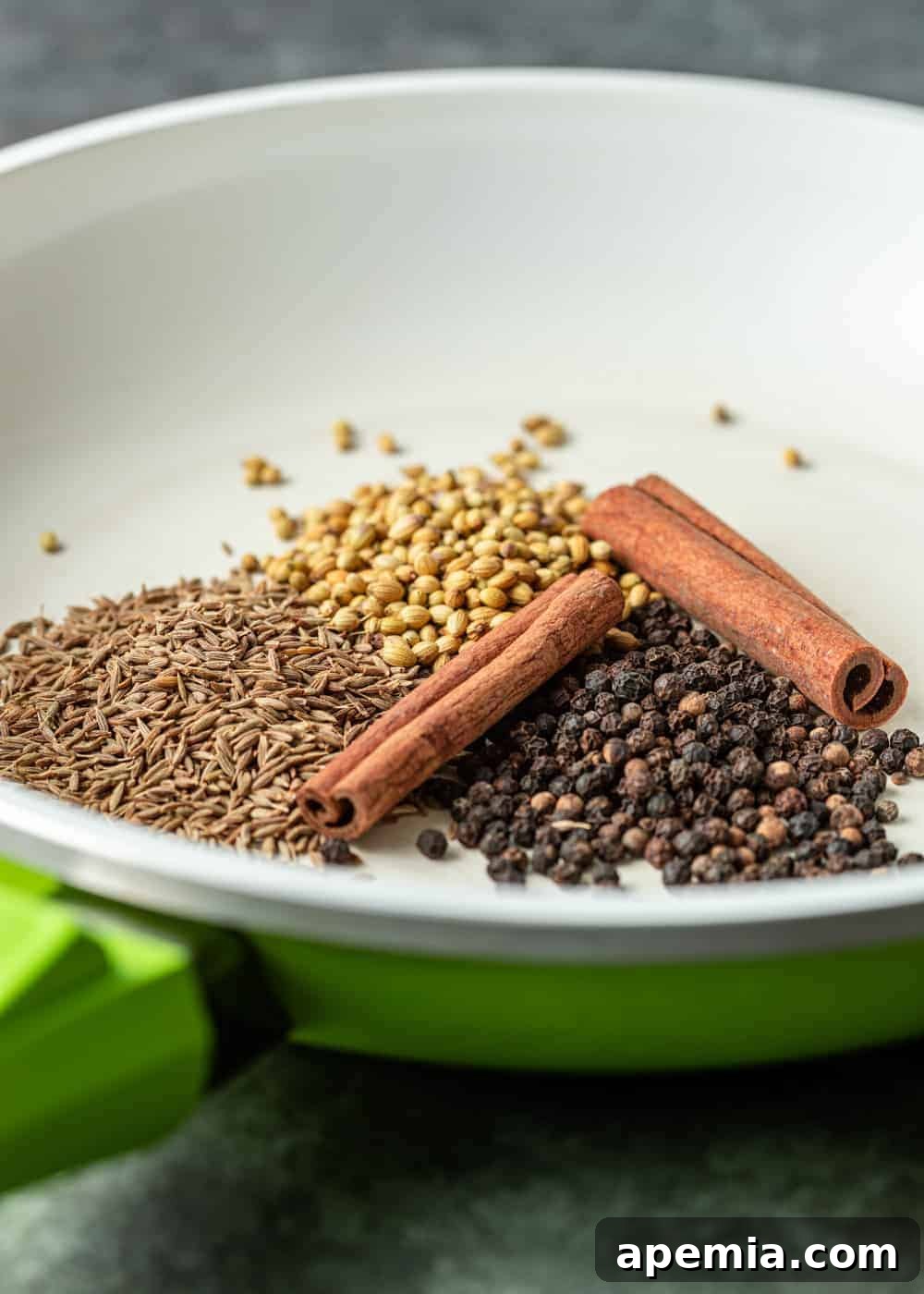
- Toast Whole Spices: In a dry sauté pan over medium-low heat, gently toast the cinnamon sticks, black peppercorns, cumin seeds, and coriander seeds. This step is crucial as it awakens their essential oils, intensifying their flavors and aromas. Toast for 2-3 minutes, stirring constantly, until fragrant. Be careful not to burn them, as this will make them bitter. Remove from heat immediately.
- Grind to Fine Powder: Transfer the toasted whole spices to a spice grinder or a clean coffee grinder. Process them into a fine, uniform powder. A finer grind will result in a more potent and evenly distributed flavor. Set the mixture aside to cool completely.
- Combine Ground Spices: In a small bowl, combine the pre-ground sweet paprika, sumac, ground allspice, ground cardamom, ground cloves, and ground nutmeg. Whisk these together thoroughly to ensure they are well mixed.
- Blend All Together: Add the freshly ground, toasted spices to the bowl with the other ground spices. Mix the entire blend thoroughly using a whisk or spoon until all spices are evenly incorporated.
- Transfer & Store: Transfer your freshly made Baharat spice mixture to a clean, airtight glass jar. A tight-fitting lid is essential to preserve its freshness. Store the jar in a cool, dark place, such as your spice cabinet, away from direct sunlight and heat. For maximum flavor, potency, and aroma, use your homemade Baharat spice blend within 3 months. While it will remain safe to use beyond this period, its vibrant flavors will begin to diminish.
Recipe Notes & Tips for Success
- Storage Best Practices: For optimal freshness and potency, store your Baharat blend in an airtight container in a cool, dark pantry for up to 3 months. While it’s safe to use beyond this period, the vibrant flavors and aromas will gradually diminish. Avoid storing spices near the stove or in direct sunlight, as heat and light can degrade their quality.
- Making Larger Batches: This recipe yields a good amount for occasional use. If you anticipate using Baharat frequently or wish to share it as a gift, you can easily double or triple the quantities. Just remember to use smaller batches more quickly to enjoy peak freshness. Always prepare smaller amounts for the best flavor experience.
- Spice Freshness Matters: The quality of your individual spices significantly impacts the final taste of your Baharat. Aim for fresh, aromatic whole spices whenever possible, as they retain their volatile oils longer than pre-ground versions. Purchasing from a reputable spice merchant can make a huge difference.
- Health Benefits: Beyond its incredible flavor, many ingredients in this Middle Eastern spice blend offer surprising health benefits. Spices like cinnamon, cloves, and black pepper are rich in antioxidants and possess anti-inflammatory properties. Paprika is notably high in Vitamin A, which is crucial for maintaining bone health and a robust immune system. Incorporating a variety of spices into your diet is a delicious way to boost your wellness.
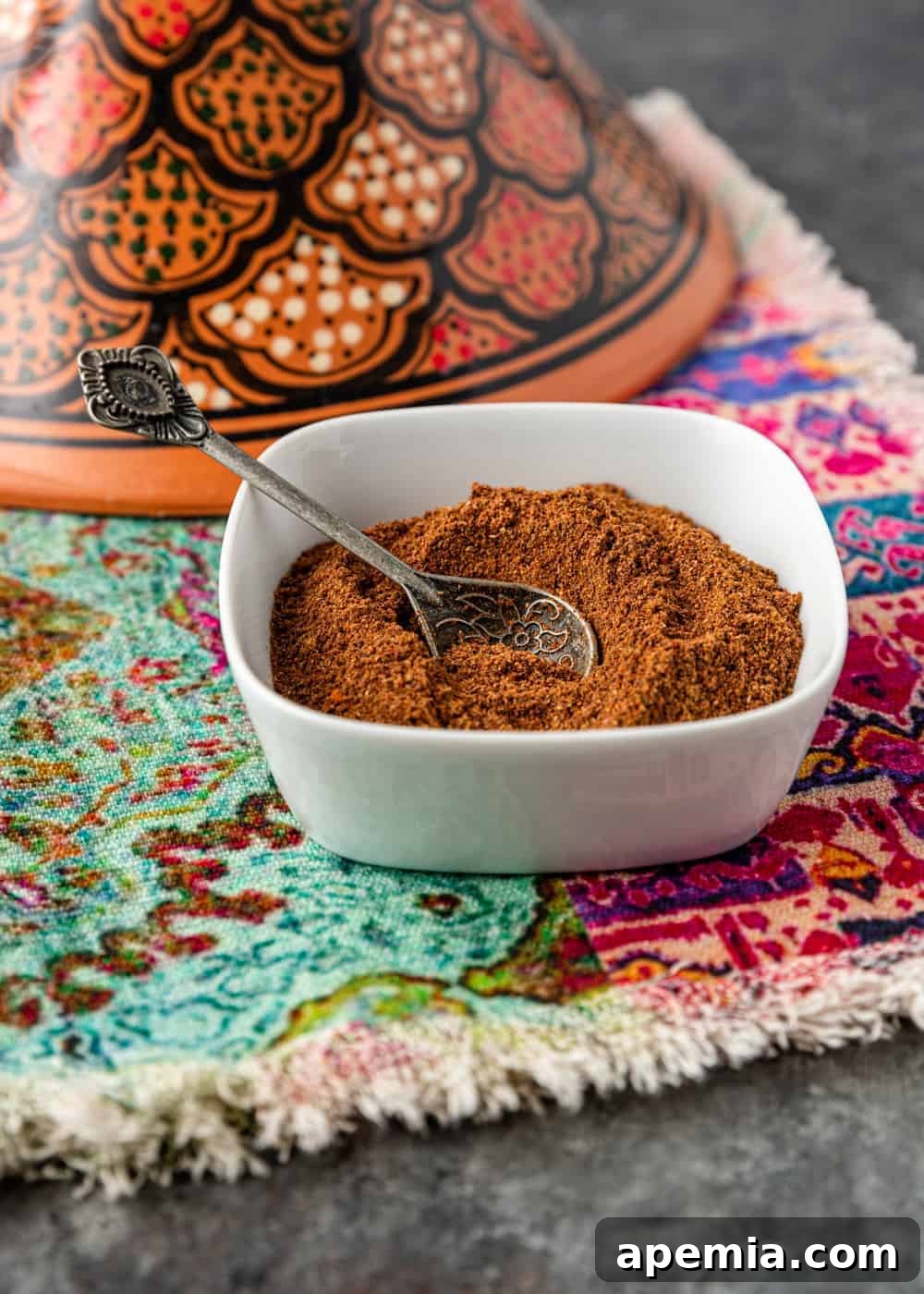
Share this delicious Baharat recipe on Pinterest!
Love this recipe for homemade Baharat spice blend? Share it with your friends and fellow food lovers on Pinterest!
Frequently Asked Questions About Baharat
Baharat spice blend is incredibly versatile and can elevate a wide range of dishes. Its warm, earthy, and slightly sweet profile makes it suitable for both savory and some sweet applications. Here are some simple yet delicious ideas to get you started:
- Meat Rub: Use it generously as a dry rub for grilled or roasted chicken, lamb, beef, or even fish. It creates a beautiful crust and infuses the meat with incredible flavor, perfect for dishes like Baharat Spiced Chicken Kofta.
- Rice & Grains: Stir a dash into your favorite rice or couscous dishes. It’s fantastic with Moroccan Couscous with Pomegranate or any pilaf, adding an aromatic depth.
- Soups & Stews: Incorporate it into hearty soups, lentil stews, or slow-cooked dishes like Lamb Tagine for a rich, comforting flavor.
- Vegetables: Sprinkle over roasted vegetables such as carrots, potatoes, cauliflower, or bell peppers before roasting for an exotic twist. It’s also great in vegetable stews.
- Eggs: Add a pinch to scrambled eggs or an omelet for a surprising flavor boost.
- Dips & Spreads: Mix with olive oil to create a flavorful dip for flatbread, or stir into White Bean Hummus or baba ghanoush.
- Ground Meat: Blend into ground beef or lamb for flavorful meatballs, burgers, or kebabs, such as Beef and Lamb Koobideh Kabobs.
- Poultry Dishes: Excellent with whole roasted chicken or chicken pieces, like in this Turkish Chicken and Roasted Vegetables recipe.
- Lentil Dishes: Enhances the flavor of humble lentil soups and stews, making them incredibly satisfying.
While both Za’atar and Baharat spice blends are staples in Middle Eastern cuisine, they are distinctly different in their flavor profiles, primary ingredients, and typical uses.
Baharat: Made from a rich blend of warming spices like cinnamon, black pepper, cumin, coriander, and cloves, Baharat is a warm, earthy, and aromatic mix with smoky, sweet, and subtly spicy tones. It’s primarily used as a cooking spice, incorporated into dishes to season meats, vegetables, and grains.
Za’atar: On the other hand, Za’atar is an herbaceous, tangy, and nutty blend. Its base typically consists of toasted sesame seeds, sumac (which provides its characteristic tang), and dried herbs like thyme, oregano, marjoram, or hyssop. Za’atar is most commonly used as a condiment, sprinkled over olive oil and eaten with flatbreads, mixed into labneh (strained yogurt), or as a seasoning for salads and roasted vegetables. Its flavor is bright, savory, and herb-forward, a stark contrast to Baharat’s deeper, spicier warmth.
While no exact substitute perfectly replicates Baharat’s unique profile, you can create a decent stand-in if you’re in a pinch. A mix of equal parts ground cumin, coriander, and paprika, with a pinch of black pepper and cinnamon, can offer a similar aromatic and warming base. For a closer match, add a touch of ground cloves and nutmeg. However, for true authenticity, making your own Baharat is highly recommended.
Toasting whole spices is a crucial step that significantly enhances their flavor and aroma. Heat helps to release the volatile oils trapped within the spices, intensifying their natural characteristics. This process also mellows any harsh edges and adds a subtle nutty, smoky depth that cannot be achieved with un-toasted or pre-ground spices. Always toast whole spices in a dry pan over low to medium heat, stirring constantly, until fragrant – usually just 2-3 minutes. Be careful not to burn them!
Baharat Spice Blend
5 from 4 votes
Print Recipe
Ingredients
- 4 cinnamon sticks (3-inch) (or 8 tsp ground cinnamon)
- 2 tbsp black peppercorns (or 9 tsp ground black pepper)
- 2 tbsp cumin seeds (or 7 ½ tsp ground cumin)
- 2 tbsp coriander seeds (or 7 ½ tsp ground coriander)
- 2 tbsp sumac
- 2 tbsp ground sweet paprika
- 1 tbsp ground allspice
- 1 tsp ground cardamom
- 1/2 tsp ground cloves
- 1/2 tsp ground nutmeg
Instructions
- Toast & Grind Whole Spices: In a dry sauté pan over medium-low heat, gently toast the cinnamon sticks, black peppercorns, cumin seeds, and coriander seeds for 2-3 minutes until fragrant. Remove from heat. Transfer the toasted spices to a spice grinder or clean coffee grinder and process into a fine powder. Set aside and allow to cool completely.
- Combine with Ground Spices: In a small bowl, add the sumac, sweet paprika, ground allspice, ground cardamom, ground cloves, and ground nutmeg. Whisk these together thoroughly. Then, add the freshly ground, toasted spices to this mixture and blend everything thoroughly until evenly combined.
- Store for Freshness: Transfer your homemade Baharat spice blend to a clean, airtight glass container with a tight-fitting lid. Store it in a cool, dark place, such as your spice cabinet. For the best flavor and potency, aim to use the blend within 3 months. This recipe yields approximately 3/4 cup (12 tablespoons).
Recipe Notes
This recipe makes about 3/4 cup, which is equivalent to 12 tablespoons or 36 teaspoons. Adjust quantities as needed for larger or smaller batches, keeping in mind the 3-month freshness recommendation.
Nutrition
Calories: 7kcal | Carbohydrates: 1g | Protein: 0.3g | Fat: 0.3g | Saturated Fat: 0.04g | Polyunsaturated Fat: 0.1g | Monounsaturated Fat: 0.1g | Sodium: 1mg | Potassium: 33mg | Fiber: 1g | Sugar: 0.1g | Vitamin A: 202IU | Vitamin C: 0.2mg | Calcium: 16mg | Iron: 1mg
The information shown is an estimate provided by an online nutrition calculator. It should not be considered a substitute for a professional nutritionist’s advice.
Have You Made This Baharat Recipe? Share Your Creations!
We’d love to see how you’re using your homemade Baharat! Tag @keviniscooking on Instagram or use the hashtag #keviniscooking to share your culinary masterpieces. Your delicious dishes could inspire others!