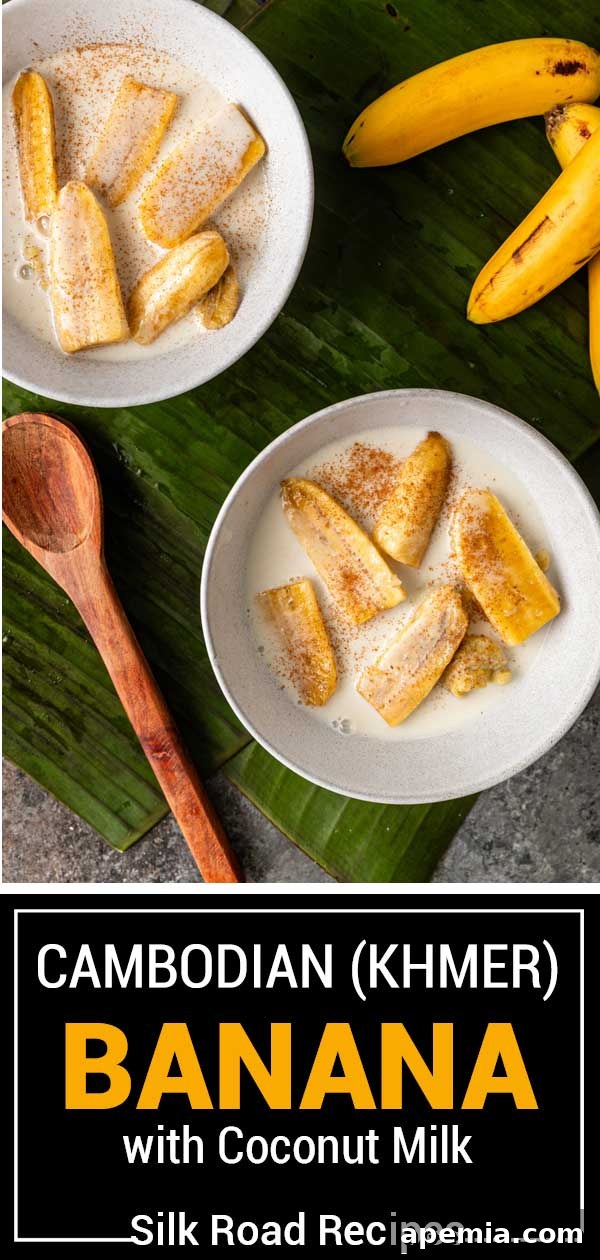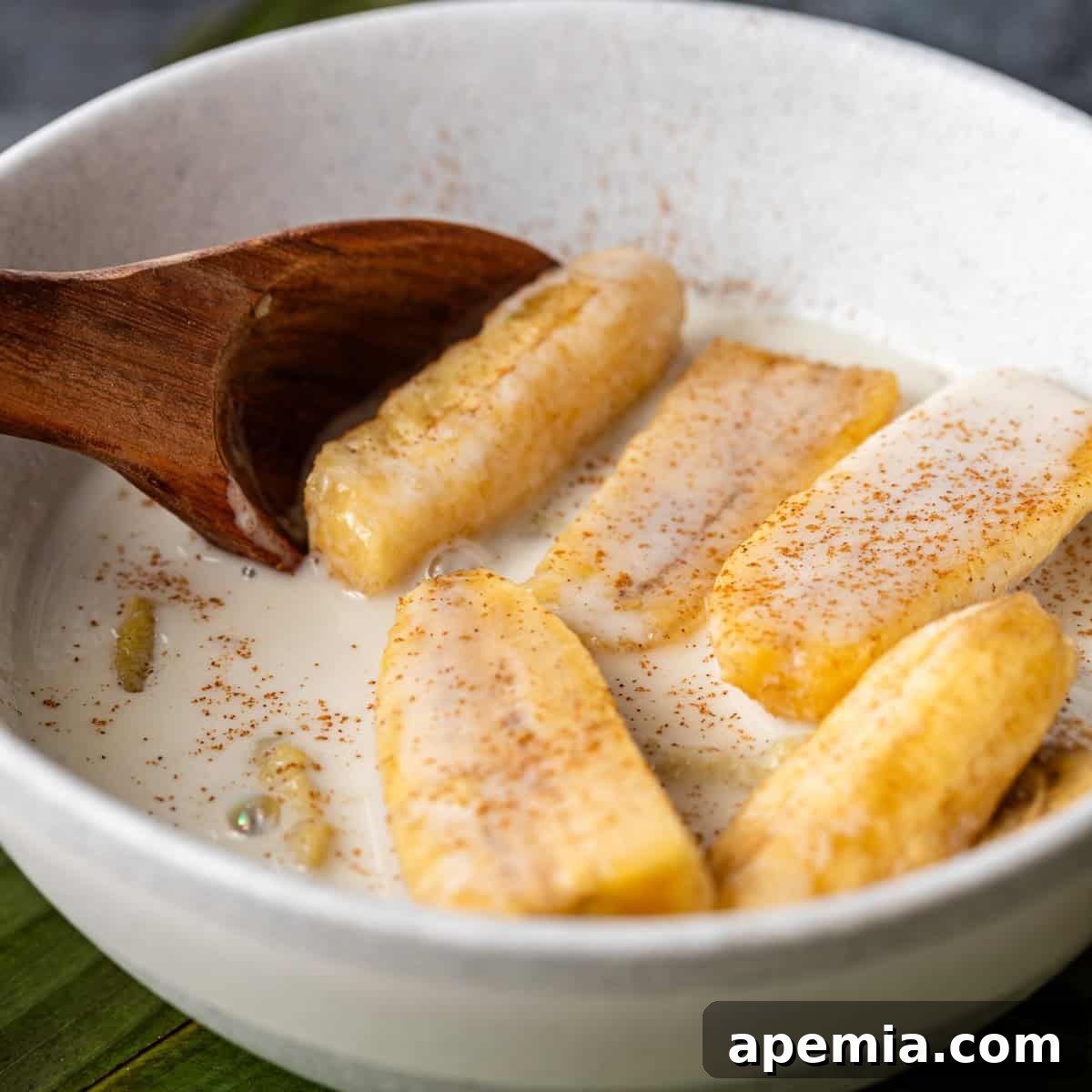
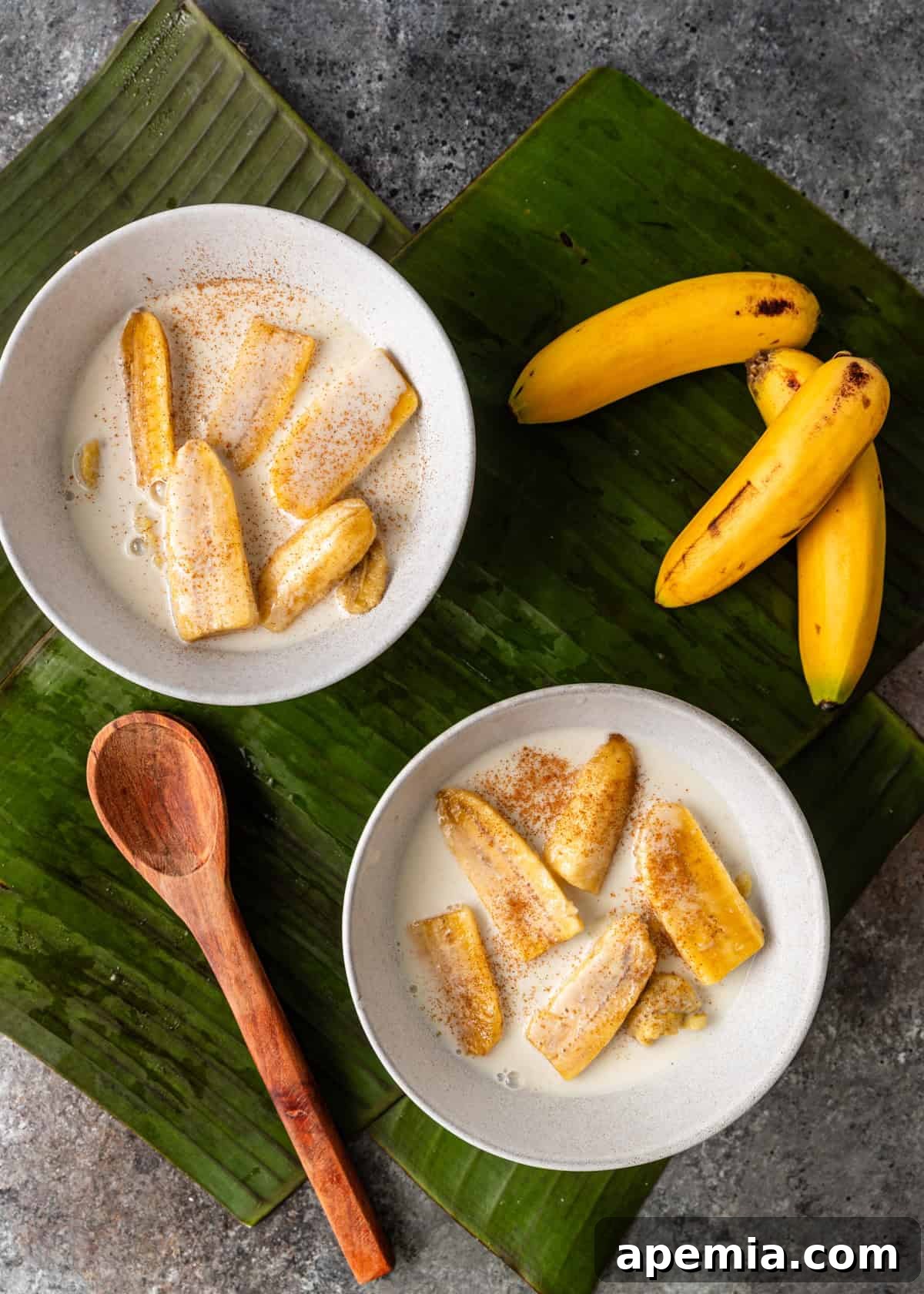
Get ready to be enchanted by Chak Ktiss, the mesmerizing Cambodian dessert that’s far more than just “banana in coconut milk.” While its preparation is wonderfully simple, the resulting dish is nothing short of spectacular. Imagine sweet, ripe bananas, gently simmered to a tender perfection, then lovingly infused with rich, creamy coconut milk and the subtle caramel notes of palm sugar. The outcome? An irresistibly thick, nutty, and fragrant dessert that transports you straight to the heart of Southeast Asia with every spoonful. This is a treat you’re absolutely going to adore.
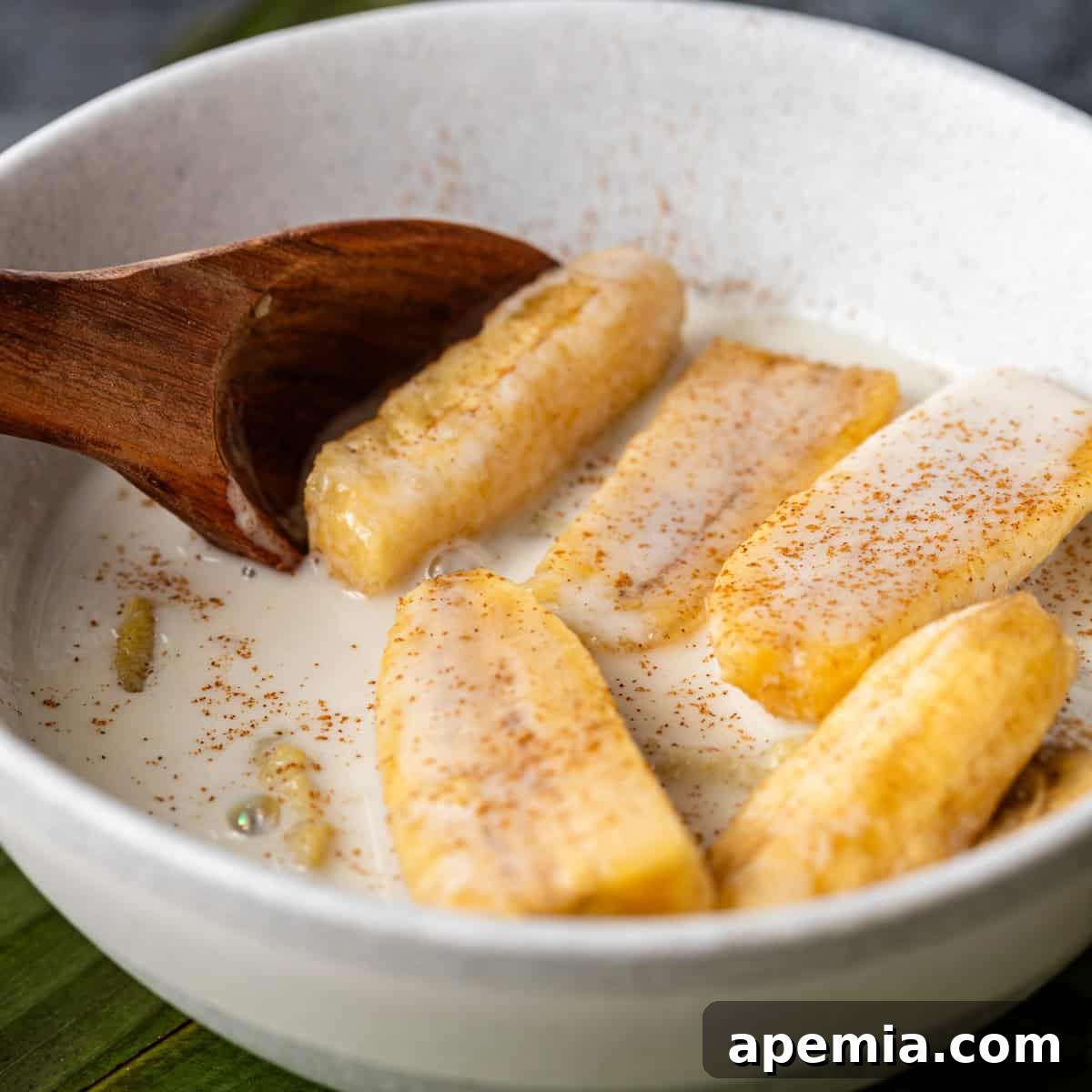
A Culinary Revelation from Siem Reap
My journey to discovering Chak Ktiss began in the vibrant culinary landscape of Siem Reap, Cambodia. During a memorable cooking class and meal at Chef Sokha Sombor’s renowned restaurant, this humble yet profound dessert was served. From the very first taste, I knew I had stumbled upon a recipe I’d be recreating constantly. It was the perfect sweet conclusion to our Cambodian feast, complementing dishes like the refreshing Khmer Glass Noodle Salad and the iconic Fish Amok we had learned to prepare. What truly amazed me was its incredible ease: requiring less than 10 minutes to make and calling for just five simple ingredients (plus a splash of water). It genuinely doesn’t get much simpler, or more delicious, than this!
Indeed, Chak Ktiss quickly became one of my easiest and quickest Silk Road dessert recipes. While my recipes for green tea-infused ice cream and lemon posset are also praised for their relative simplicity, they simply can’t compare to the near-instant gratification offered by Chak Ktiss. They are certainly worth the wait, but sometimes, you crave something utterly delightful without the fuss, and that’s where this Cambodian gem shines.
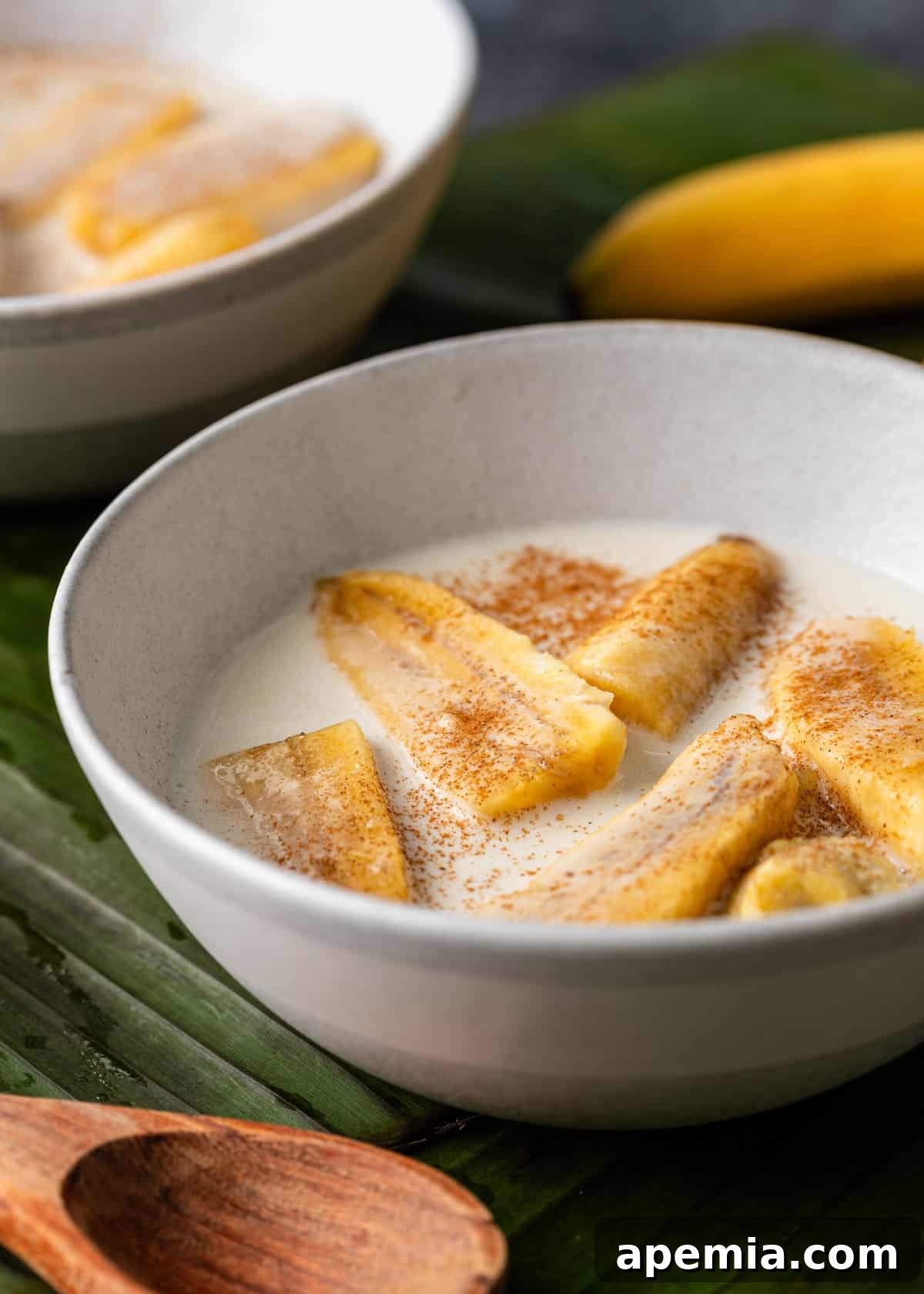
A Dessert for Everyone: Vegan and Gluten-Free
Another aspect of Chak Ktiss that immediately captured my heart is its inherent inclusivity. This dessert is entirely vegan and naturally gluten-free, making it an ideal choice for entertaining guests with diverse dietary needs. It’s a wonderful way to offer a rich, flavorful, and satisfying dessert that everyone at your table can enjoy without compromise.
Table of Contents
- Why You’ll Love This Cambodian Banana Dessert
- Palm Sugar: The Authentic Sweetener & Substitutes
- Ingredient Notes and Substitutions for Chak Ktiss
- How to Make Cambodian Banana in Coconut Milk (Chak Ktiss)
- Recommended Tools
- Storing Chak Ktiss
- Frequently Asked Questions About Chak Ktiss
- Cambodian (Khmer) Banana with Coconut Milk Recipe
Why You’ll Love This Cambodian Banana Dessert
While I primarily refer to Chak Ktiss as a dessert, its versatility allows it to be savored as a light, warm, and sweet snack any time of day. Its comforting qualities make it perfect for a cozy evening treat, or even a unique breakfast option. Here are a few compelling reasons why this recipe will become a fast favorite in your kitchen:
- Incredibly Fast: Ready in less than 10 minutes, it’s perfect for last-minute cravings or busy weeknights.
- Minimal Ingredients: With just 5 core ingredients, it’s a pantry-friendly recipe.
- Naturally Vegan & Gluten-Free: Caters to various dietary preferences without sacrificing flavor.
- Exotic & Comforting: A unique blend of tropical sweetness and comforting warmth.
- Simple Technique: No complex cooking skills required, making it ideal for beginners.
Tip From Kevin
Palm Sugar: The Authentic Sweetener & Substitutes
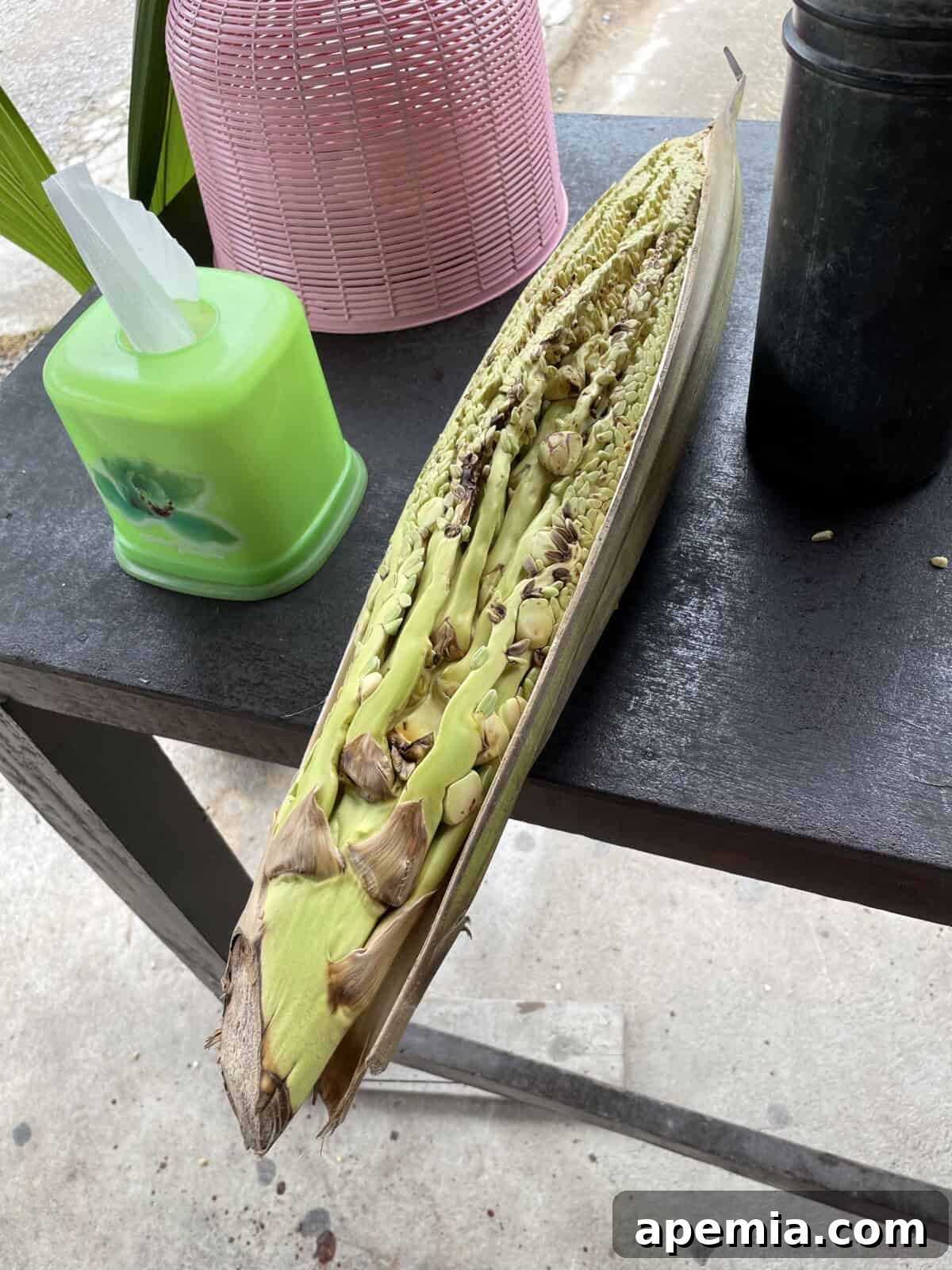
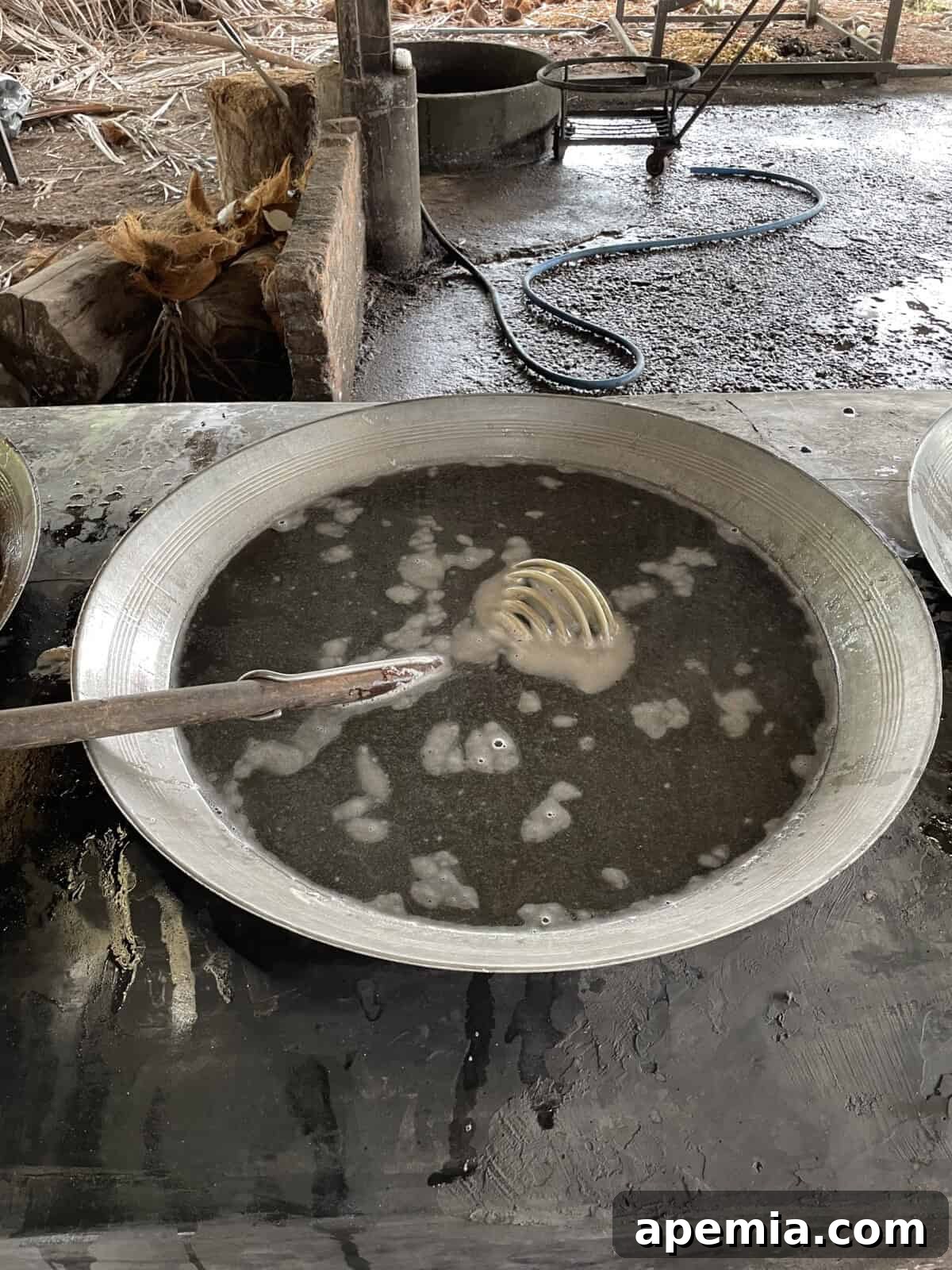
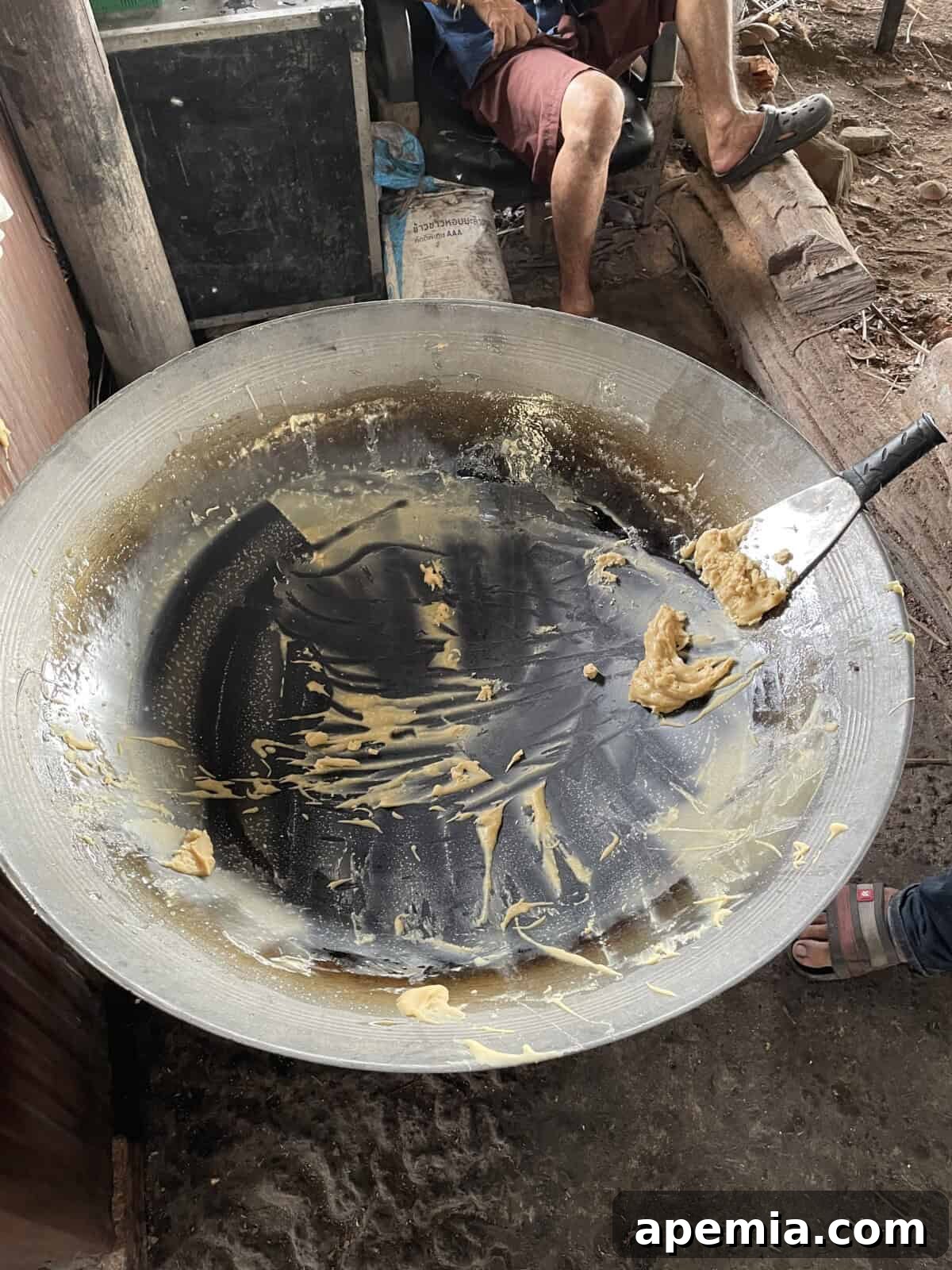
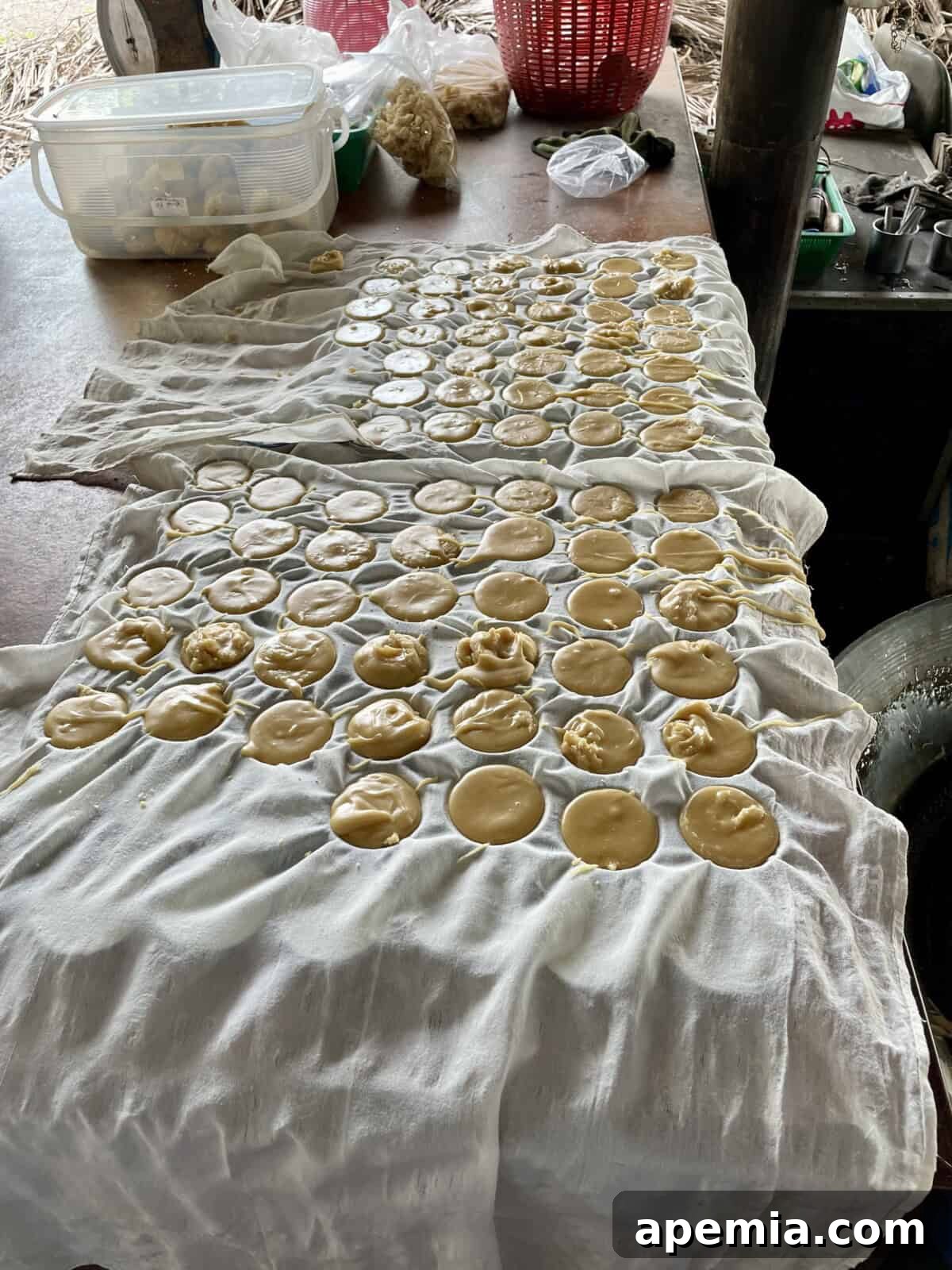
For an authentic Cambodian flavor profile in your Chak Ktiss, palm sugar is the star. Its unique, subtle sweetness with hints of caramel and toffee truly elevates this dessert. I had the pleasure of visiting a palm sugar production shop during my recent trip to Cambodia, witnessing firsthand how this natural sweetener is made. The sap is meticulously harvested from the flower buds of palm trees, then boiled down to a thick syrup, which solidifies into granular or molded forms.
Today, palm sugar is increasingly accessible, often found in granular form (similar to brown sugar in texture but with a lighter tan color and distinct flavor) in many supermarkets. Asian markets frequently stock the traditional molded versions, typically sold in packs. Because the size of molded palm sugar can vary, I recommend using approximately 3-4 tablespoons to achieve the desired sweetness. If palm sugar isn’t readily available, light brown sugar makes an excellent substitute, offering a similar depth of flavor, though white granulated sugar can also be used in a pinch.
Ingredient Notes and Substitutions for Chak Ktiss
(Be sure to check the recipe card for a full list of ingredients and quantities)
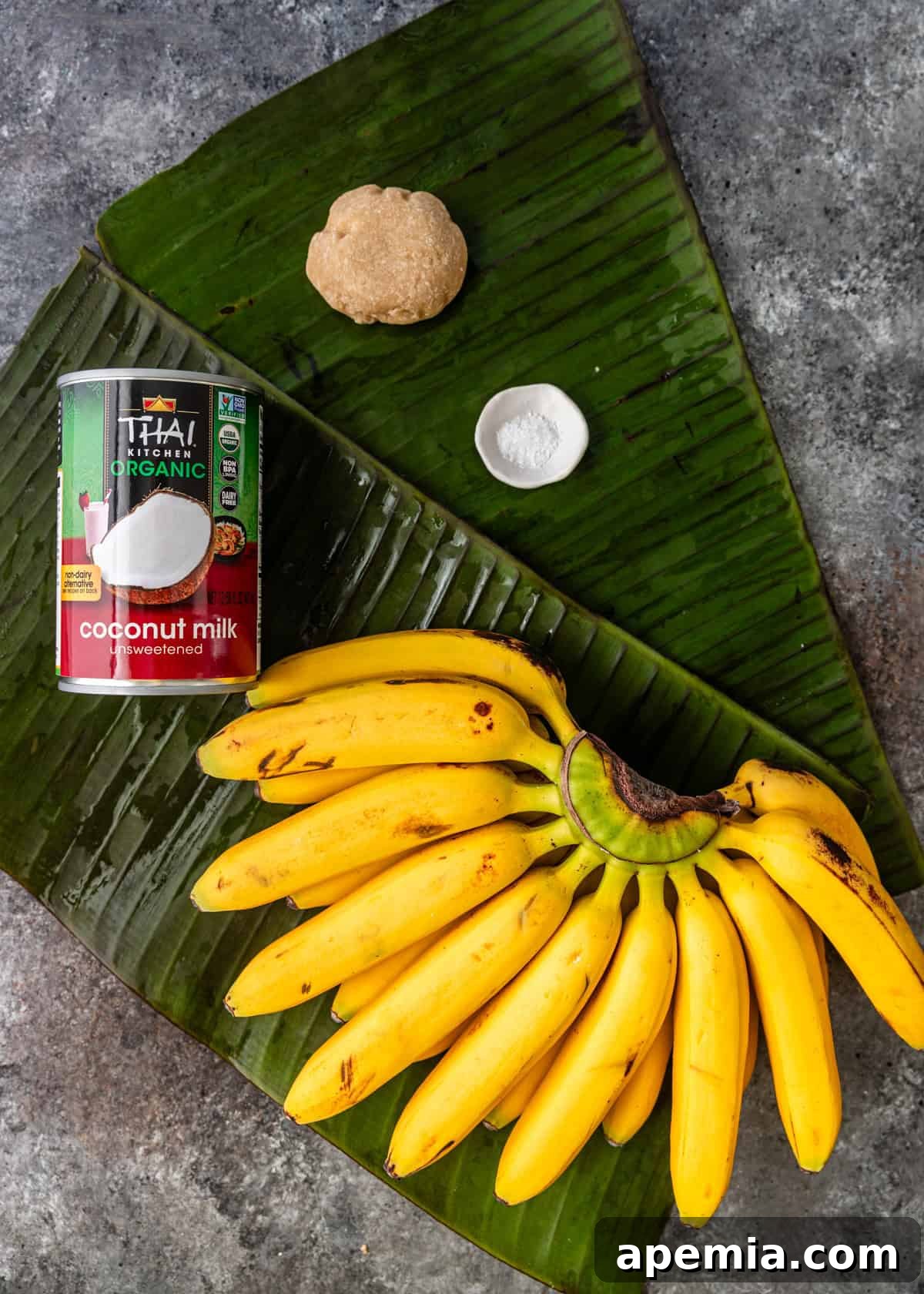
- Bananas: For the most authentic Chak Ktiss, seek out small Asian banana varieties. Cambodian chek pong moin or Thai nam wah bananas are ideal due to their sweeter flavor and firmer texture when cooked. If these are unavailable, standard ripe (but not overly soft) market bananas will work. If using larger bananas, opt for three instead of six to maintain the right balance in the dish. The ideal ripeness is when the peel shows a few brown spots, indicating peak sweetness.
- Coconut Milk: The cornerstone of this dessert, full-fat coconut milk provides the essential creamy texture and tropical flavor. Contrary to popular belief, coconut milk isn’t inherently sweet in the way dairy milk is; its characteristic is a rich, floral undertone that perfectly complements the bananas. For the creamiest result, always use full-fat coconut milk from a can. If you prefer a lighter version, you can use light coconut milk, though it will result in a less decadent consistency. Substituting with dairy milk (like half-and-half or heavy cream) is possible, but you’ll need to significantly increase the sugar content and accept a different flavor profile.
- Palm Sugar: As discussed, palm sugar imparts a distinctive caramel-like sweetness crucial for authenticity. Its depth of flavor is unparalleled. If you cannot find palm sugar, light brown sugar is the best substitute, providing a similar molasses note. Regular white granulated sugar can be used as a last resort, but it will yield a flatter, less complex sweetness.
- Ground Cinnamon: A light dusting of warm, aromatic ground cinnamon adds a beautiful finish and a complementary spice note to the sweet bananas and coconut. It can be substituted with an equal amount of ground nutmeg for a slightly different warm spice profile, or even a pre-mixed spice blend like pumpkin pie spice or apple pie spice if you have some lingering from the holidays.
- Kosher Salt: A tiny pinch of kosher salt is vital for balancing the sweetness and enhancing the overall flavor profile of Chak Ktiss. It subtly sharpens the tropical notes and prevents the dessert from tasting overly cloying. Don’t omit this small but mighty ingredient!
How to Make Cambodian Banana in Coconut Milk (Chak Ktiss)
- Prepare the Bananas: Begin by peeling your ripe bananas. For elegant presentation and even cooking, slice each banana lengthwise, then cut each half into quarters. The goal is to have pieces that are flat on one side. If you’re using larger, standard market bananas, you might find cutting the halved bananas into six pieces rather than four yields a better bite-sized portion.
- Gentle Boil: Transfer the prepared banana slices to a large saucepan. Add approximately ½ cup of water to the pan. Bring the water to a gentle boil, then immediately turn off the heat. This quick blanching softens the bananas slightly while allowing them to retain a pleasing texture – a slight “bite.” If you prefer a much softer, almost mushy banana, you can boil them for an additional 2 to 3 minutes before removing them from the heat. Carefully transfer the cooked bananas to your individual serving bowls, reserving the banana-infused water in the saucepan.
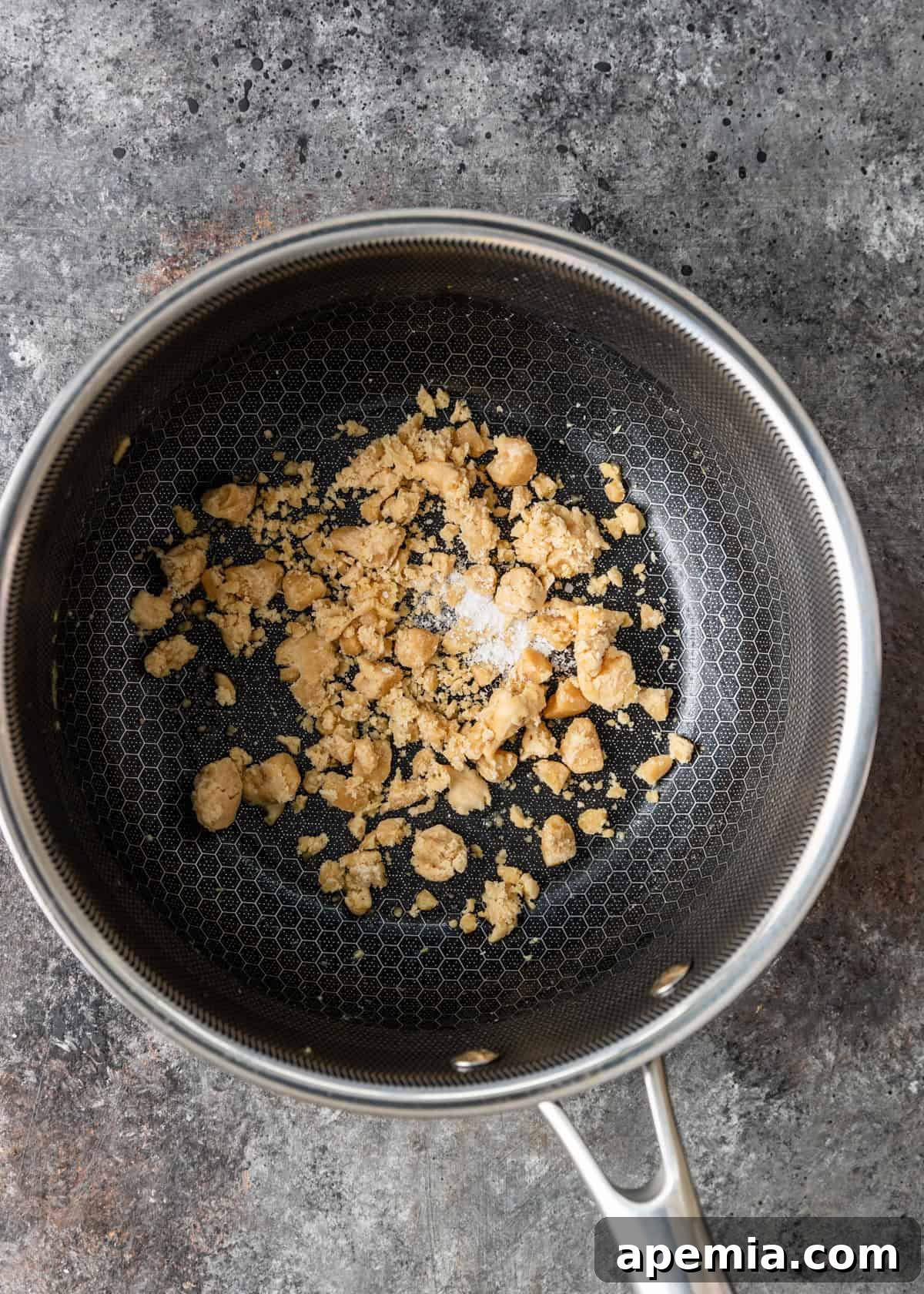
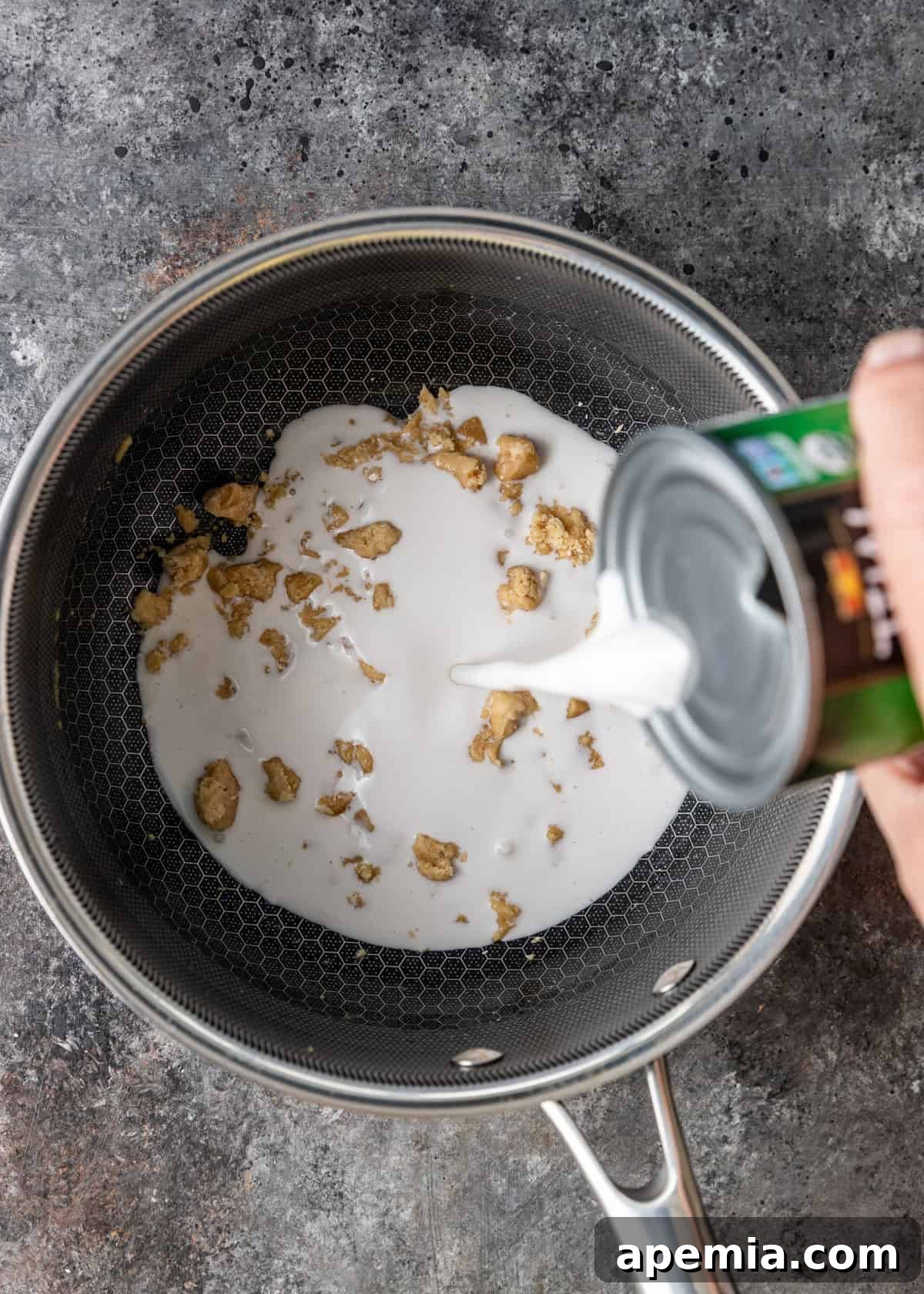
- Craft the Coconut Milk Sauce: Using the same saucepan with the reserved banana water, add the full-fat coconut milk, palm sugar (or your chosen substitute), and the pinch of kosher salt. Bring this mixture back to a boil over medium heat, stirring continuously. Constant stirring is key to ensure the sugar fully dissolves and the coconut milk heats evenly without curdling. Once the sugar has dissolved and the sauce is simmering gently, remove it from the heat. Allow the creamy coconut mixture to cool slightly for a few minutes.
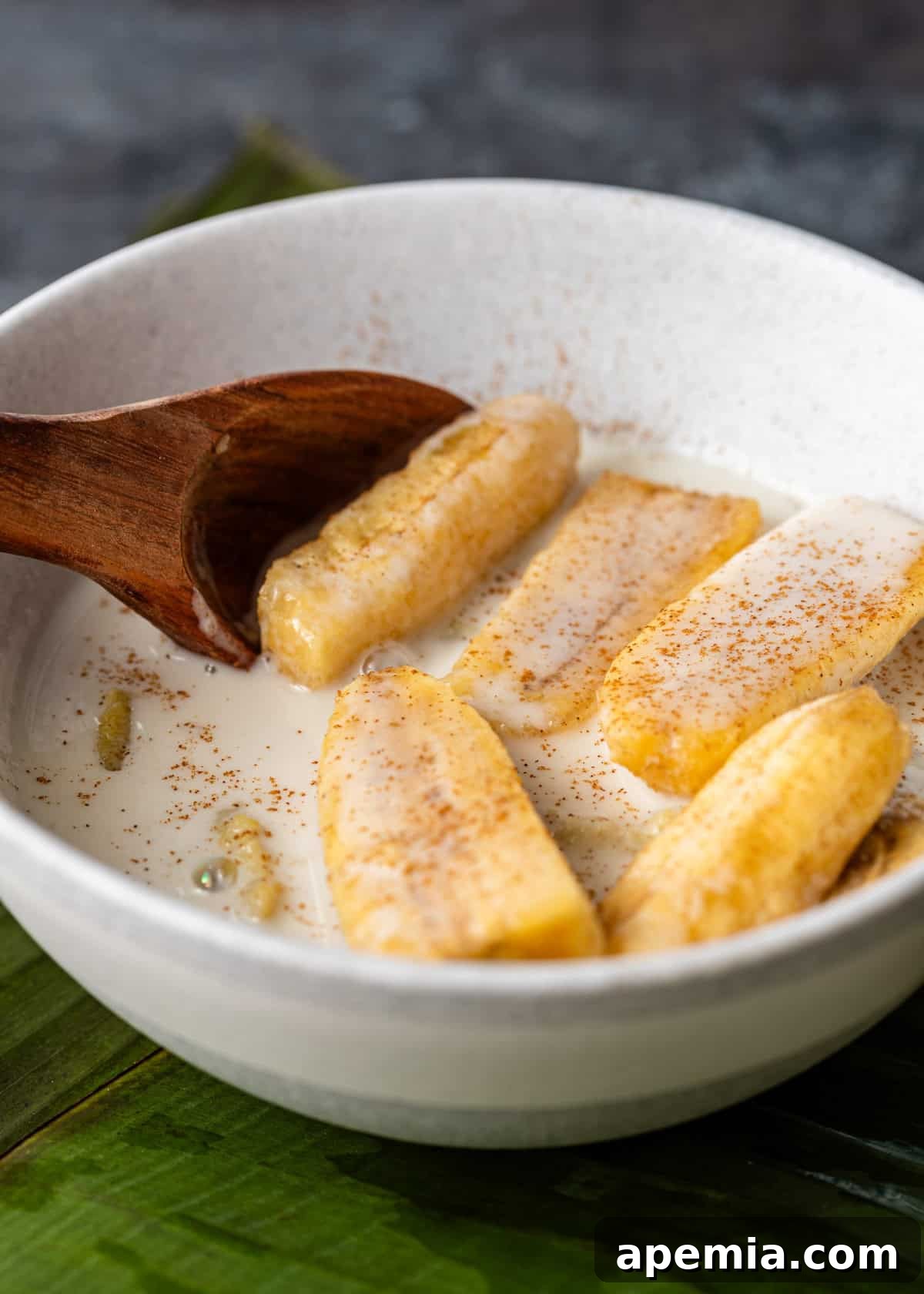
- Garnish and Serve: Once the coconut milk sauce has cooled to a warm, comfortable temperature, carefully pour it over the cooked banana slices in your serving bowls. For the perfect finishing touch, sprinkle each serving generously with ground cinnamon. Serve your warm Chak Ktiss immediately to enjoy its optimal flavor and comforting warmth.
Recommended Tools
- Large Saucepan: Essential for both cooking the bananas and preparing the coconut milk sauce.
- Sharp Knife: For clean and precise banana slicing.
- Whisk or Spoon: For stirring the coconut milk mixture until the sugar dissolves.
Storing Chak Ktiss
Chak Ktiss is truly a dish best enjoyed fresh, ideally on the day it’s made. Bananas, once peeled and exposed to air, begin to brown relatively quickly. The creamy coconut milk, while delicious, will further accelerate the breakdown of the fruit’s texture. For these reasons, I highly recommend preparing Chak Ktiss just before you plan to serve it to ensure the best possible flavor, texture, and visual appeal. While leftovers can be refrigerated for a day, the bananas will soften considerably and the vibrant presentation might diminish. Fresh is always best for this delightful dessert.
Share this recipe on Pinterest!
Love this recipe? Share it with the world on Pinterest to inspire others to try this amazing Cambodian dessert!
Frequently Asked Questions About Chak Ktiss
For the optimal flavor and texture, bananas should ideally be fully ripe. Look for bananas where the peel has developed a few brown spots, indicating maximum sweetness and a delightful aroma. Since they will be cooked, it’s acceptable if they are slightly under-ripe, but the best results come from sweet, ripe fruit. Avoid overly green or completely black bananas.
Absolutely! Chak Ktiss serves as a wonderful base for other fruits. Blueberries, cherries, blackberries, and sliced apples or mangoes are all excellent additions that complement the banana and cinnamon beautifully. For an extra tropical touch, consider adding some shaved or toasted coconut on top. Experiment with your favorite fruit combinations to customize this delicious dessert!
Coconut milk can sometimes curdle if it’s boiled at too high a temperature for an extended period, or if it’s left to sit without stirring while hot. It can also curdle when introduced to too much acid, although this isn’t a concern with this specific Chak Ktiss recipe as no acidic ingredients are used. If your *uncooked* canned coconut milk appears separated, don’t worry – it’s a common occurrence. Simply give it a good whisk or shake the can thoroughly, and it will blend back into a smooth, creamy consistency.
While traditionally served warm, Chak Ktiss can also be enjoyed chilled, especially on a hot day. The flavors will mellow slightly when cold, but it remains a refreshing and delicious treat. If serving cold, allow it to cool completely at room temperature before refrigerating. The sauce might thicken more when cold, which many find appealing.
Yes, Chak Ktiss (also known as Chek Ktih or Chek Ktis) is a beloved and ubiquitous dessert in Cambodian cuisine. It’s a staple in many homes and street food stalls, cherished for its simplicity, comforting flavors, and readily available ingredients. It often features prominently in traditional Cambodian meals and celebrations.
Cambodian (Khmer) Banana with Coconut Milk (Chak Ktiss)
2
5 mins
3 mins
8 mins
Pin Recipe
Print Recipe
Ingredients
- 6 small Asian bananas (See Note 1)
- 1/2 cup water
- 14 oz coconut milk
- 1/4 cup palm sugar or light brown or white sugar
- 1/8 tsp kosher salt
- ground cinnamon for dusting on top
Instructions
-
Peel and cut the small Asian bananas lengthwise and then into quarters. If using the longer, larger version, cut into 6 pieces for better portioning.
-
Place the cut bananas in a large saucepan and add the water. Bring the water to a gentle boil. Immediately turn off the heat (See Note 2). Carefully remove the bananas from the hot water and transfer them to your individual serving bowls. Leave the banana-infused water in the saucepan.
-
In the same saucepan, add the coconut milk, palm sugar, and kosher salt to the reserved water. Bring the mixture back to a boil, stirring constantly, until the sugar is completely dissolved and the sauce is smooth and creamy. Let it cool slightly before the next step.
-
Pour the warm coconut milk mixture evenly over the cooked bananas in the serving bowls. Finish by sprinkling a generous amount of ground cinnamon on top of each serving. Serve your delicious Chak Ktiss immediately and enjoy!
Notes
- Two excellent banana varieties to use are the small Cambodian Chek Pong Moin or Thailand’s Nam Wah bananas, commonly found in most Asian markets. Alternatively, you can use 3 larger, ripe market bananas.
- If you prefer very soft bananas, continue to cook them on a gentle simmer for an additional 2-3 minutes after the initial boil. Some people enjoy them almost at a mushy stage, but I personally prefer them with a slight “bite.”
- This recipe is adapted from the incredible Chef Sokha Sombor, from her delightful restaurant in Siem Reap called Sambo.
Nutrition
The information shown is an estimate provided by an online nutrition calculator. It should not be considered a substitute for a professional nutritionist’s advice.
Have You Made This Recipe? Let Me Know on Instagram!
Tag @keviniscooking or use the hashtag #keviniscooking!