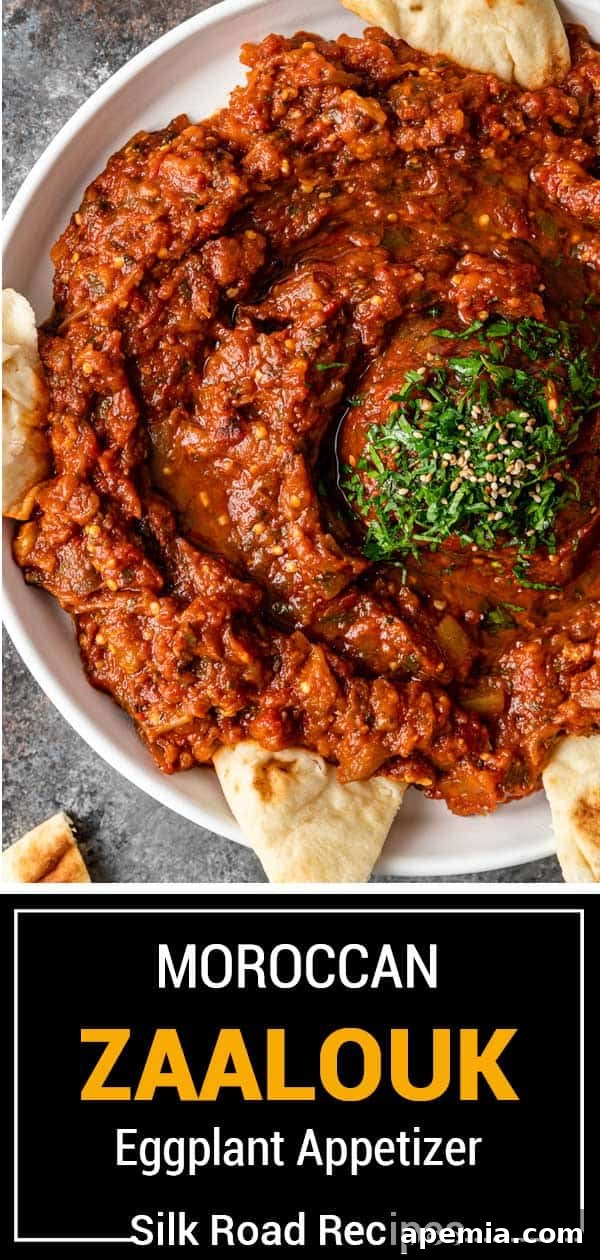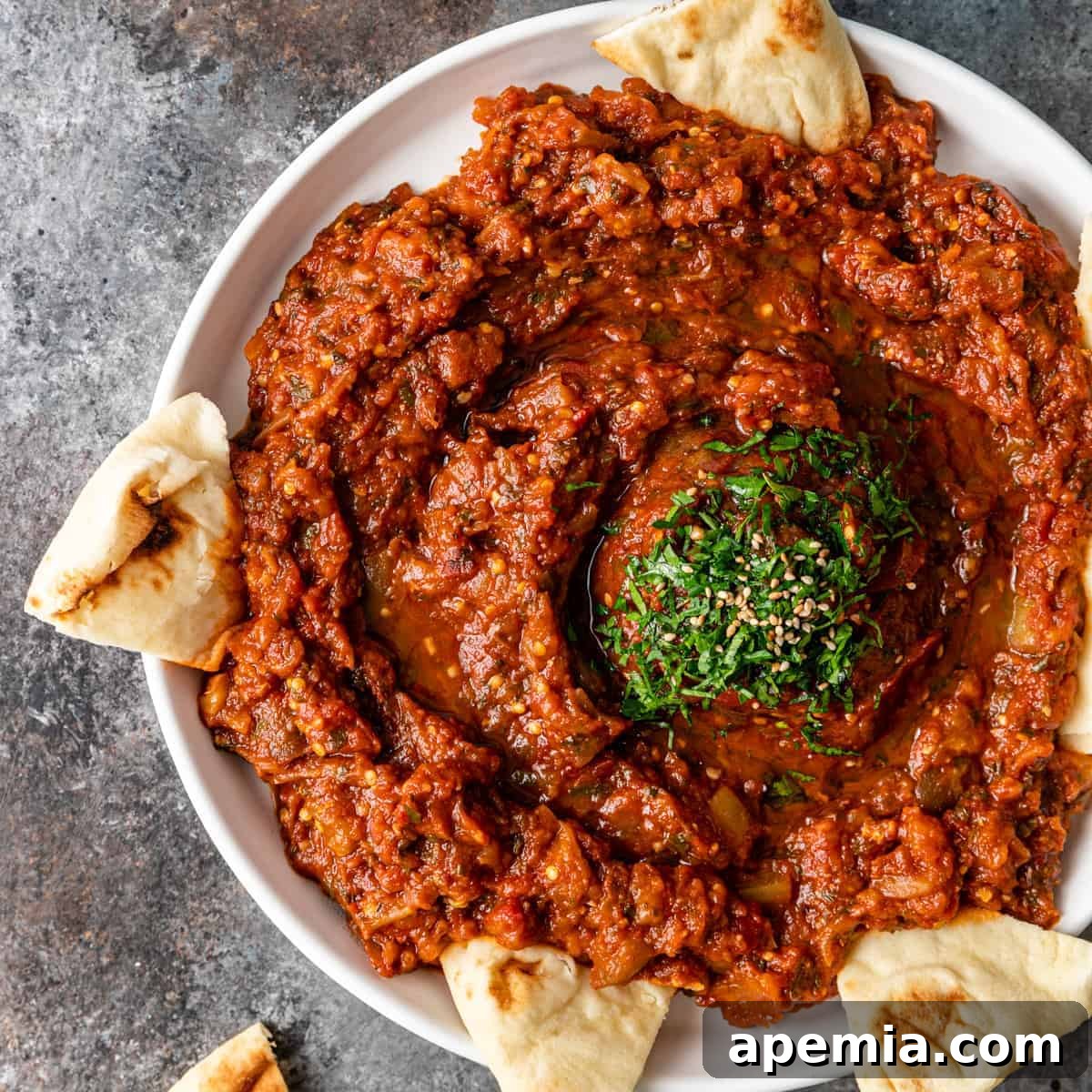
This Zaalouk recipe offers an incredibly flavorful blend of tender eggplant, ripe tomatoes, and aromatic spices, all simmered in rich olive oil. This classic Moroccan dip is not just an easy appetizer or side dish; it’s a vibrant celebration of authentic North African flavors that will transport your taste buds.
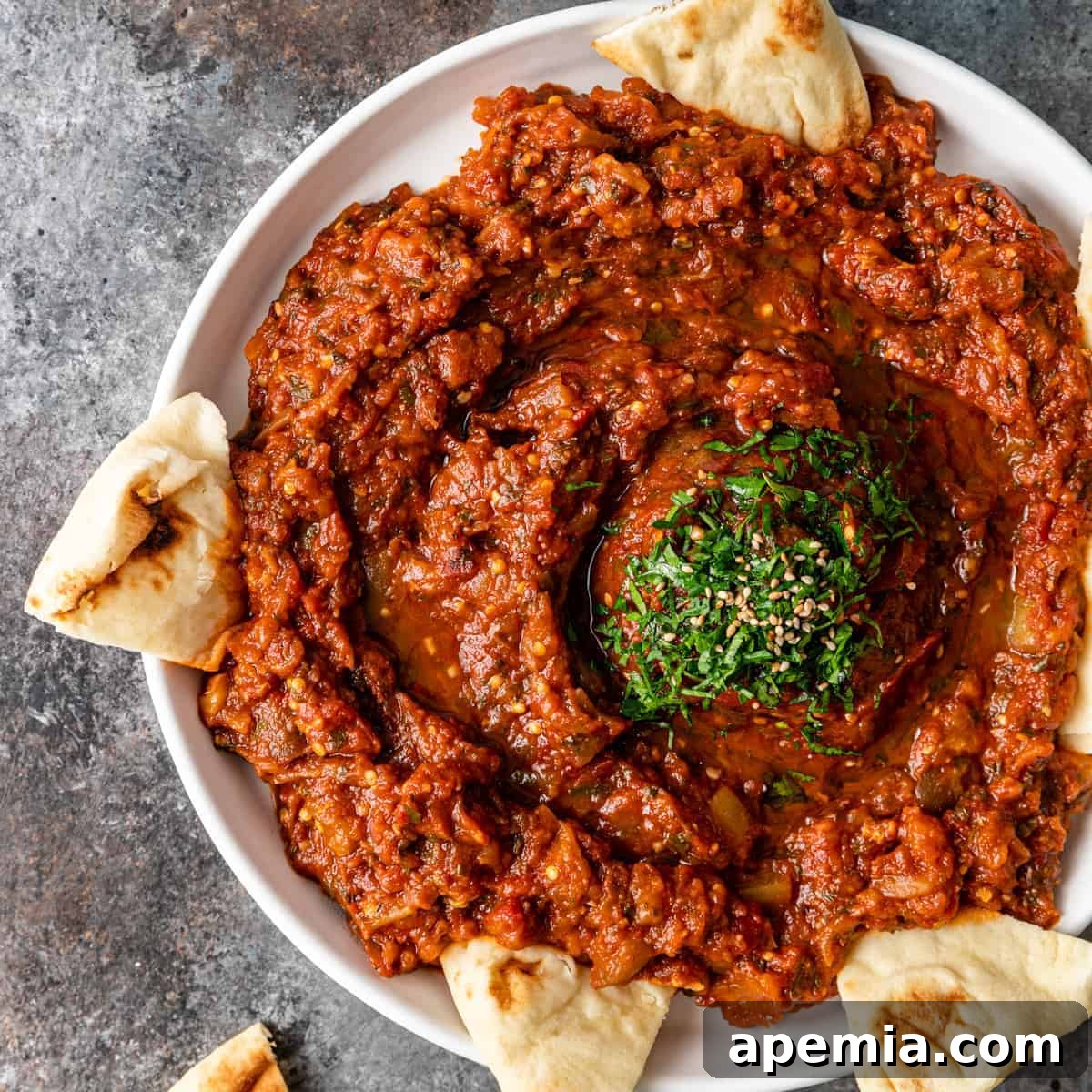
Zaalouk, a jewel of Moroccan cuisine, is far more than just an eggplant salad. It’s a beautifully simple, yet profoundly flavorful dip crafted from stewed eggplant and tomatoes, infused with a vibrant medley of herbs and spices quintessential to North African cooking. The magic of Zaalouk lies in its ability to combine humble ingredients into something truly extraordinary.
With its characteristic smoky, rustic undertones perfectly balanced by bright, acidic highlights, Zaalouk is a culinary masterpiece designed to tantalize every part of your palate. Each spoonful delivers a complex symphony of flavors that is both comforting and exhilarating. Beyond its irresistible taste and straightforward preparation, this Moroccan eggplant dip is naturally gluten-free, vegetarian, and packed with wholesome nutrients, making it a delicious and healthy choice for any meal.
The versatility of Zaalouk makes it a beloved staple across Moroccan households. It can be served warm or cold, acting as a superb mezze dish, a robust side alongside grilled meats, or a flavorful spread for crusty bread. Its deep, rich color and fragrant aroma are as inviting as its taste, promising a delightful culinary experience that’s easy to replicate in your own kitchen.

Table of Contents
- Choosing the Right Eggplant for Zaalouk
- Essential Ingredients for Perfect Zaalouk
- How to Master Zaalouk: A Step-by-Step Guide
- Serving and Storage Tips
- Frequently Asked Questions About Zaalouk
- Zaalouk (Moroccan Eggplant Appetizer) Recipe
If you’re looking for more irresistible ways to incorporate eggplant into your cooking, be sure to explore my Eggplant Moussaka, a hearty and flavorful dish; this comforting Spiced Eggplant Stew; and the smoky, creamy Mutabal (Charred Eggplant Dip). Each recipe highlights the incredible versatility of this wonderful vegetable, offering diverse flavors from across the globe.
A Taste of Morocco: The Magic of Zaalouk
Zaalouk holds a special place in Moroccan gastronomy. It’s typically enjoyed as a starter, part of a lavish spread of small dishes known as “mezze,” or alongside the main course. What sets Zaalouk apart is its unique texture—somewhere between a chunky dip and a smooth purée—achieved by slowly simmering the ingredients until they are tender enough to be easily mashed. This slow cooking process allows the flavors to meld beautifully, creating a rich and deeply satisfying dish.
The key to authentic Zaalouk lies not just in the ingredients but in the method. It’s a dish that celebrates the transformation of simple produce into something complex and deeply satisfying through patient cooking. The balance of sweetness from the tomatoes, earthiness from the eggplant, and the bright zing of fresh herbs and lemon, all underscored by warming spices, creates a truly unforgettable experience. It’s a testament to the fact that some of the best culinary creations come from modest origins.
Tip From Kevin
Choosing the Right Eggplant for Zaalouk
The success of your Zaalouk largely depends on the quality of your eggplant. When selecting eggplants, prioritize those that are firm to the touch but not hard, indicating freshness and youth. Their skin should be smooth, taut, and possess a deep, vibrant purple hue. A healthy, young eggplant will also feel surprisingly heavy for its size, suggesting it’s full of moisture and not dried out. Avoid any eggplants with soft spots, wrinkles, or discoloration, as these are signs of age and can lead to a bitter taste and less desirable texture in your finished dip.
While various eggplant varieties exist, the common globe or American eggplant works perfectly for Zaalouk. If you have access to smaller, more tender varieties like Italian or Japanese eggplant, they can also be used, often requiring less peeling due to their thinner skins. Always aim for consistency in size if you’re cooking multiple eggplants to ensure even cooking.
Essential Ingredients for Perfect Zaalouk
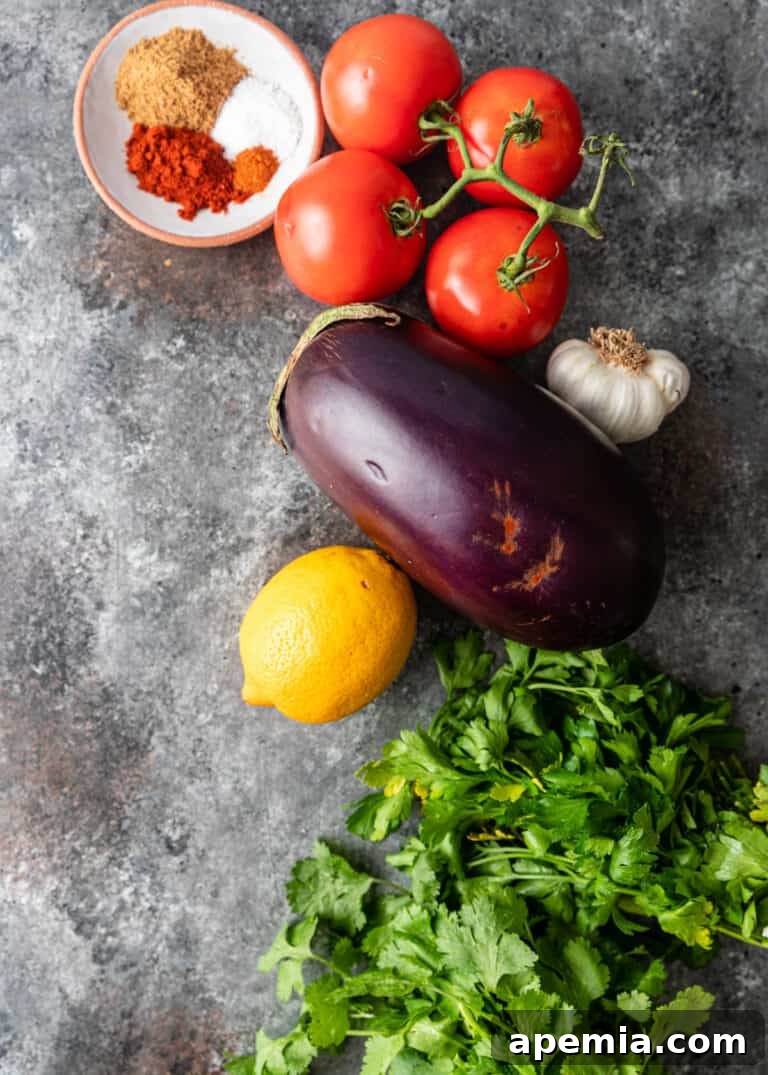
Crafting exceptional Zaalouk begins with selecting the finest ingredients. Each component plays a crucial role in building the dip’s complex and harmonious flavor profile:
- Eggplant (Aubergine): This versatile vegetable is the cornerstone of Zaalouk. Known for its ability to absorb flavors like a sponge, it transforms into a rich, creamy texture when properly cooked. As mentioned, opt for firm, smooth, and heavy eggplants. The stewing method used in this recipe makes peeling optional for young, fresh eggplants, as the skin will soften considerably.
- Fresh Tomatoes: The quality of your tomatoes significantly impacts the Zaalouk’s brightness and acidity. While any variety of fresh tomato can work, ripe, juicy ones are ideal. It is strongly recommended to use fresh tomatoes over canned varieties. Canned tomatoes often have a higher acidity level and a distinct processed flavor that can detract from the natural, balanced taste of authentic Zaalouk.
- Garlic: Don’t shy away from the six cloves of garlic specified in this recipe! This generous amount is precisely calibrated to provide a pungent depth and perfectly balance the acidity from the tomatoes and lemon, adding an indispensable layer of flavor without being overwhelming.
- Fresh Parsley: Contributing a clean, peppery, and herbaceous note, fresh parsley brightens the overall flavor and adds a touch of vibrant green to the finished dish. Flat-leaf (Italian) parsley is generally preferred for its more robust flavor.
- Fresh Cilantro: Offering another dimension of freshness, cilantro brings a slightly sharp, lemony, and distinctive herbaceousness that is characteristic of Moroccan cuisine. Together with parsley, it forms the traditional “charmoula” herb base.
- Smoked Paprika: This spice is a game-changer, imparting a deep, smoky warmth alongside bright and subtly fruity undertones. It’s essential for that rustic, sun-drenched flavor profile.
- Cumin: A foundational spice in North African cooking, cumin provides an earthy, warm, and slightly pungent flavor that grounds the dip and adds aromatic complexity.
- Cayenne Pepper: For just the right amount of invigorating heat, cayenne pepper awakens the palate. You can easily adjust the quantity up or down to suit your personal preference for spiciness.
- Lemon Juice: A final splash of fresh lemon juice is crucial for adding a bright, zesty finish that cuts through the richness of the eggplant and ties all the flavors together beautifully.
- Olive Oil: A good quality olive oil is not just for cooking; it’s an integral flavor component, adding a fruity, robust base to the dip and contributing to its luscious texture.
How to Master Zaalouk: A Step-by-Step Guide
Making Zaalouk is a straightforward process that yields incredibly rewarding results. Follow these steps for a perfect, flavorful dip:
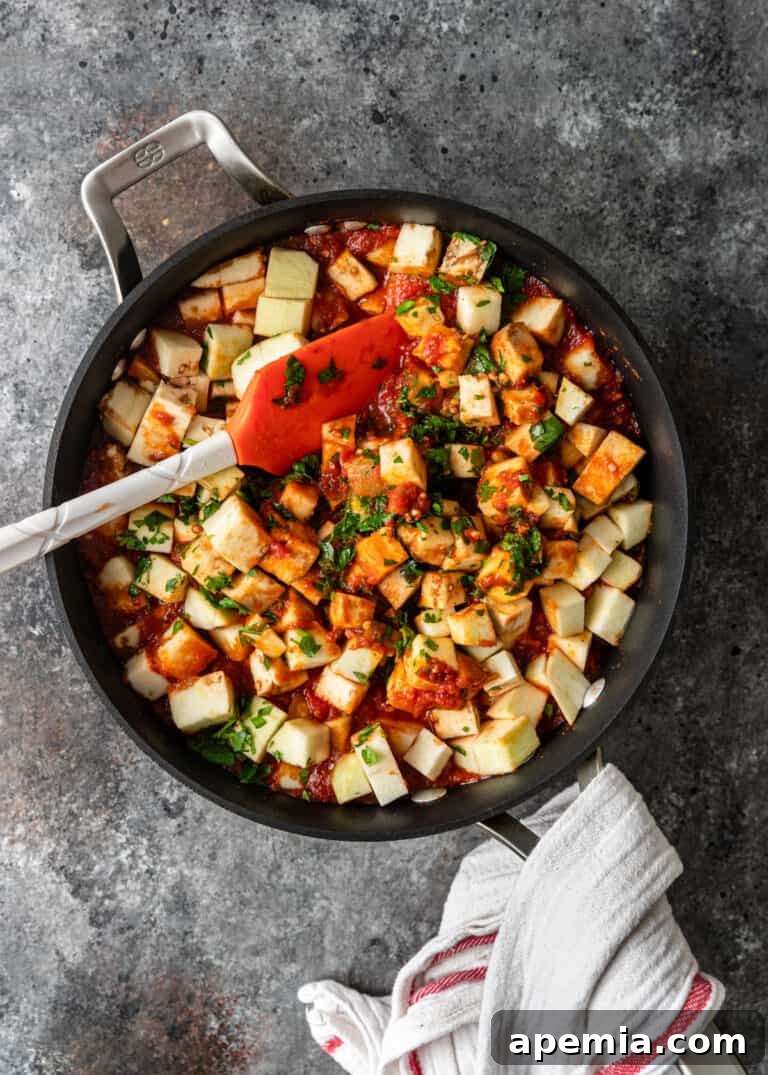
- Prepare Your Ingredients and Combine. Begin by dicing your eggplant and chopping your fresh tomatoes. Mince the garlic and finely chop the parsley and cilantro. Place a deep skillet or a Dutch oven over medium heat and add the olive oil. Once shimmering, add the diced eggplant, chopped tomatoes, minced garlic, chopped parsley, chopped cilantro, smoked paprika, cumin, kosher salt, and cayenne pepper. Pour in ⅓ cup of water. Stir all the ingredients thoroughly to ensure everything is well combined and coated with the spices.
- Slow Cook to Tender Perfection. Cover the pan and allow the mixture to cook over medium heat for approximately 20-25 minutes. During this phase, the eggplant and tomatoes will gradually soften and break down, releasing their juices and melding their flavors. The goal is for them to become tender enough to be easily mashed. Stir occasionally to prevent sticking.
- Introduce Citrus and Reduce. Once the vegetables are tender, uncover the pan and stir in the fresh lemon juice. Reduce the heat to low. Continue cooking, stirring frequently and scraping the bottom of the pan to prevent scorching. This stage is crucial for reducing the liquid and concentrating the flavors, allowing the Zaalouk to thicken to your desired consistency. Be mindful of the heat and lower it further if you notice the mixture beginning to stick.
- Achieve Desired Consistency and Season. Continue simmering until the sauce has reduced to your preferred thickness. Some prefer a chunkier Zaalouk, while others like it smoother. You can gently mash the eggplant and tomatoes with the back of a spoon or a potato masher during this stage to achieve your desired texture. Once satisfied, remove the pan from the heat. Taste the Zaalouk and adjust the seasonings, adding more salt, pepper, or a pinch more cayenne if needed.
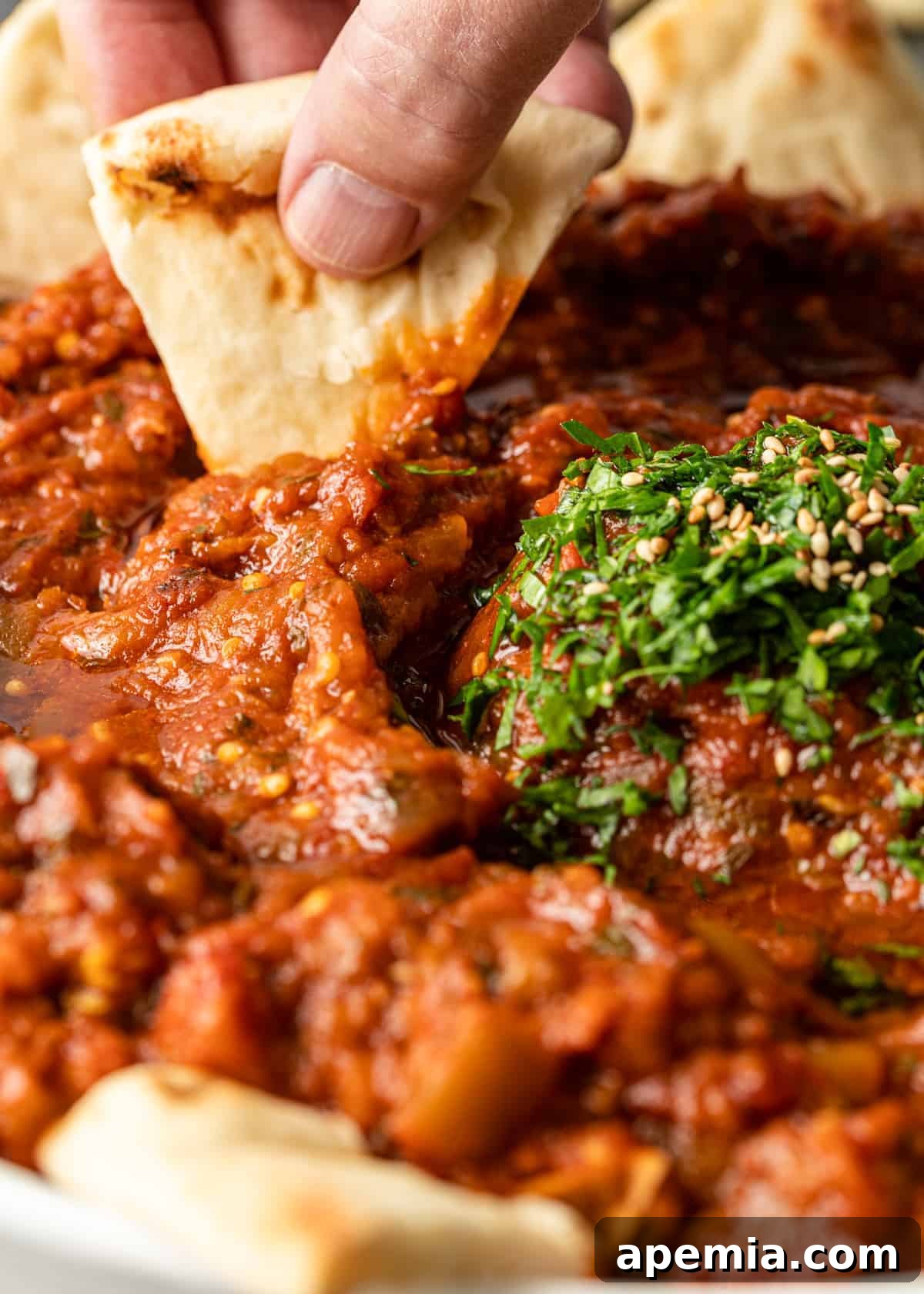
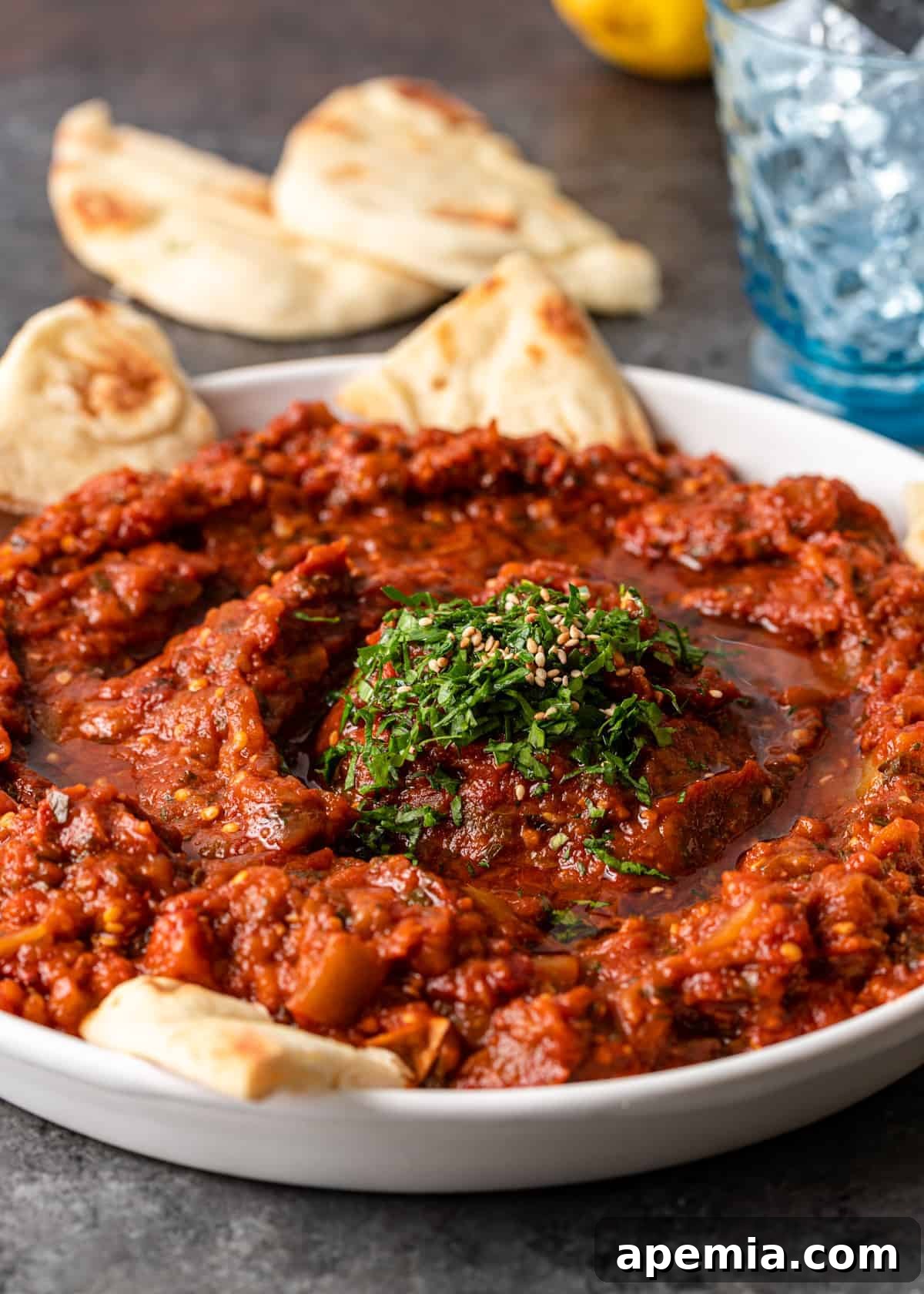
- Serve and Enjoy. Zaalouk can be enjoyed immediately while warm, or it can be allowed to cool to room temperature before serving. It pairs wonderfully with warm pita bread, crispy pita chips, or any crusty bread of your choice. It also makes an excellent accompaniment to grilled meats or a vibrant addition to a mezze platter.
Serving and Storage Tips
Zaalouk’s appeal lies not only in its flavor but also in its versatility. It can be served in numerous ways:
- As a Dip: The most common way to enjoy Zaalouk is as a dip. Serve it with warm pita bread, crusty French bread, or even fresh vegetable sticks for a lighter option.
- As a Side Dish: It’s an excellent accompaniment to grilled meats like lamb or chicken, or even fish. Its robust flavors complement protein-rich dishes beautifully.
- As a Mezze Item: Integrate Zaalouk into a larger Moroccan or Mediterranean mezze spread alongside hummus, olives, and other salads.
- With Eggs: For a unique breakfast or brunch, serve warm Zaalouk with a fried or poached egg on top.
For storage, Zaalouk is a fantastic make-ahead dish. Store any leftovers in an airtight container in the refrigerator for up to 3-4 days. The flavors often deepen and improve overnight, making it even more delicious the next day. If you wish to freeze it, transfer cooled Zaalouk to a freezer-safe container and store for up to 2-3 months. Thaw overnight in the refrigerator before gently reheating on the stovetop or serving at room temperature.
Frequently Asked Questions About Zaalouk
Moroccan eggplant dip, or Zaalouk, is made from a simple yet powerful combination of eggplant, fresh tomatoes, and olive oil. These core ingredients are slow-simmered together with an abundance of fragrant herbs and warming spices, creating a deeply flavorful and aromatic dish. This particular Zaalouk recipe features fresh garlic, cilantro, parsley, and lemon, alongside earthy cumin, a touch of cayenne for warmth, and smoky paprika. It’s a truly sensational blend that showcases some of the finest flavors North African cuisine has to offer, making it much more than just a dip but a culinary experience in itself.
Generally, there’s no need to peel the eggplant for Zaalouk, especially if you select young, tender eggplants with smooth, vibrant skin. The stewing process involved in this Zaalouk recipe is highly effective at softening the eggplant skin, allowing it to seamlessly blend into the dip’s texture without any noticeable toughness.
However, you might consider peeling the skins if you have a particularly sensitive palate that might detect slight bitterness, or if the eggplant itself is older and past its prime freshness. Older eggplant skins can become tough and sometimes impart a bitter taste that could unfortunately compromise the overall flavor of your Zaalouk. When in doubt, it’s always a safe bet to peel and discard the skins to ensure the best possible outcome for your dip.
Another alternative, though it adds a step to the preparation, is to roast the eggplant in the oven until very soft, then simply scoop out the tender flesh and incorporate it into the recipe. This method ensures a very smooth texture and eliminates any concern about the skin. The choice ultimately depends on your preference for texture and your eggplant’s quality.
Absolutely! In fact, making Zaalouk in advance is highly recommended. While it’s certainly delicious when served fresh, allowing it to rest in the refrigerator for a day or two significantly enhances its flavors, as the ingredients have more time to meld and deepen. Simply prepare the recipe as instructed, let it cool completely, then transfer the dip into an airtight container and store it in the fridge. It will remain fresh and delicious for 3-4 days.
Should you find yourself with a larger batch of Moroccan eggplant salad than you can consume within a few days, freezing is an excellent option. Place any cooled leftovers into a freezer-safe container, ensuring there’s minimal air exposure, and store it in the freezer for up to 2-3 months without compromising its quality.
When you’re ready to enjoy it again, simply thaw the frozen portions in the refrigerator overnight. Afterward, you can either let it come to room temperature for serving or gently reheat it on the stovetop over low heat, stirring occasionally, before sharing this delightful dish.
Share this recipe on Pinterest!
Love this recipe? Share it with the world on Pinterest and inspire others to try this delicious Moroccan eggplant dip!
Zaalouk (Moroccan Eggplant Appetizer)
Pin Recipe
PrintRecipe
Ingredients
- 2 lbs eggplant (about 2 medium), peeled and chopped into 1-inch cubes (See Note 1)
- 4 medium fresh tomatoes peeled and chopped (See Note 2)
- 1/4 cup extra virgin olive oil
- 6 cloves garlic freshly minced
- 2 tbsp fresh parsley finely chopped
- 2 tbsp fresh cilantro finely chopped
- 2 tsp smoked paprika
- 2 tsp ground cumin
- 1 tsp kosher salt
- 1/8 tsp cayenne powder (adjust to taste for desired heat)
- 1 lemon (yielding 2-3 tablespoons of fresh juice)
Instructions
-
In a large Dutch oven or deep, heavy-bottomed skillet, heat the olive oil over medium heat. Add the chopped eggplant, peeled and diced tomatoes, minced garlic, chopped fresh parsley, chopped fresh cilantro, smoked paprika, ground cumin, kosher salt, and cayenne pepper. Pour in 1/3 cup of water. Stir all the ingredients together thoroughly until everything is well combined and evenly coated with the spices.
-
Cover the pan with a lid and continue to cook over medium heat for 20-25 minutes. During this time, the eggplant and tomatoes should become very soft and tender, easily mashable with the back of a spoon. Stir occasionally to prevent any sticking to the bottom of the pan and ensure even cooking.
-
Remove the lid from the pan. Stir in the freshly squeezed lemon juice. Reduce the heat to low and continue cooking the Zaalouk uncovered. This step allows the liquid to reduce and the flavors to concentrate, thickening the dip to your desired consistency. Stir frequently and scrape the bottom of the pan to avoid scorching. Adjust the heat as necessary to maintain a gentle simmer.
-
Once the Zaalouk has reached your preferred thickness and texture (you can gently mash the vegetables further with a fork or potato masher if you like a smoother consistency), remove the pan from the heat. Taste the dip and adjust the seasoning with additional salt or cayenne pepper if needed to achieve the perfect balance of flavors. Serve warm or at room temperature with pita bread, pita chips, or your preferred choice of crusty bread.
Notes
- If you prefer a smoother texture or wish to bypass peeling, you can boil, grill, or roast the eggplant first. After cooking, drain any excess water and remove as many seeds as possible. Then, add this cooked eggplant pulp in Step 2, once the tomatoes have already softened and started to cook down in the pan.
- While any variety of fresh tomatoes will work in this recipe, it is crucial to use fresh tomatoes exclusively. Avoid using canned tomatoes, regardless of their brand or perceived quality. The high acid content and often distinct flavor profile of canned tomatoes can negatively impact the delicate balance and authentic taste of your Zaalouk. Experimentation is always welcome, but based on experience, fresh tomatoes yield the best results for this Moroccan eggplant appetizer.
Nutrition
The information shown is an estimate provided by an online nutrition calculator and is based on a serving size of one-quarter of the recipe. It should not be considered a substitute for a professional nutritionist’s advice. Individual nutritional values may vary based on specific ingredients used.