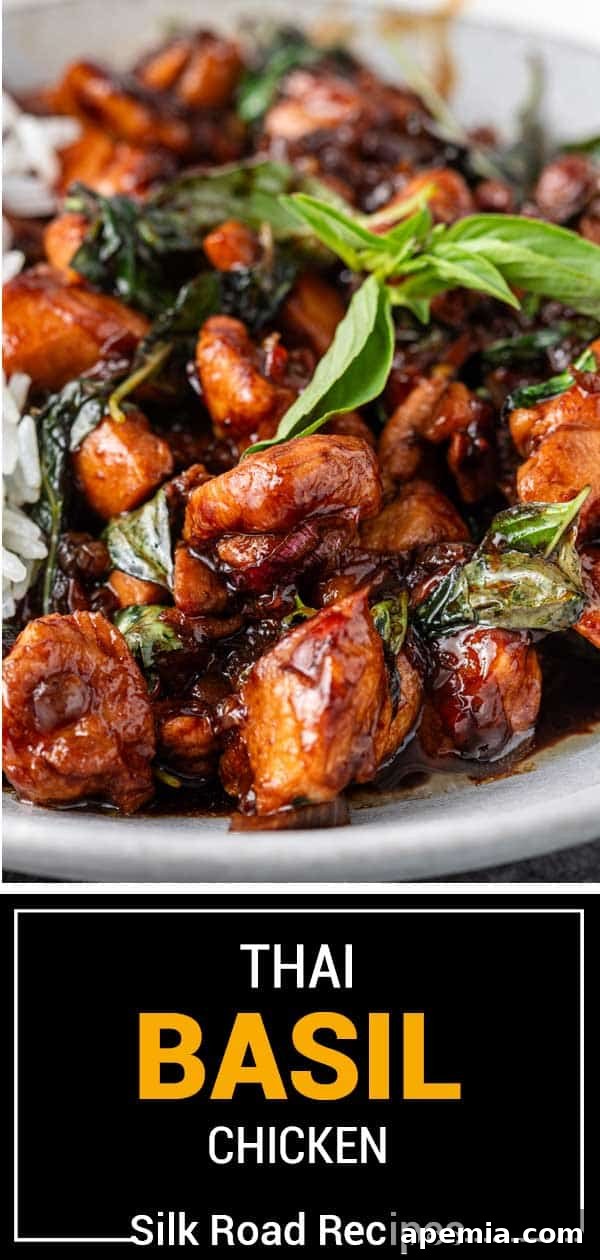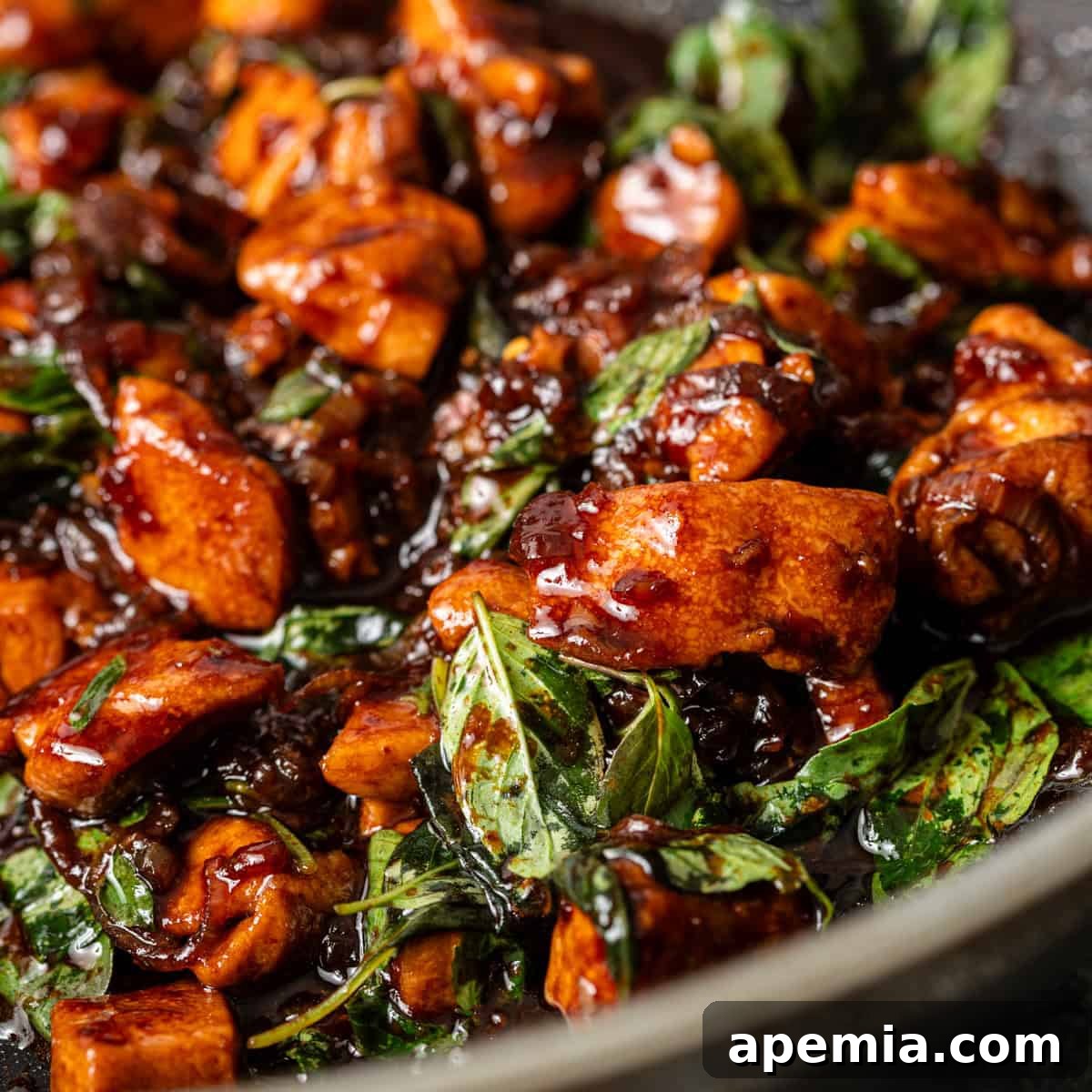
This bold and aromatic Thai basil chicken stir-fry is a dinnertime winner. Made with tender chicken, garlic, chilies, and fragrant basil tossed in a rich, savory sauce, it’s ready in under 20 minutes and is a perfect balance of spice, heat, and comfort. A true taste of Thailand, made simple.
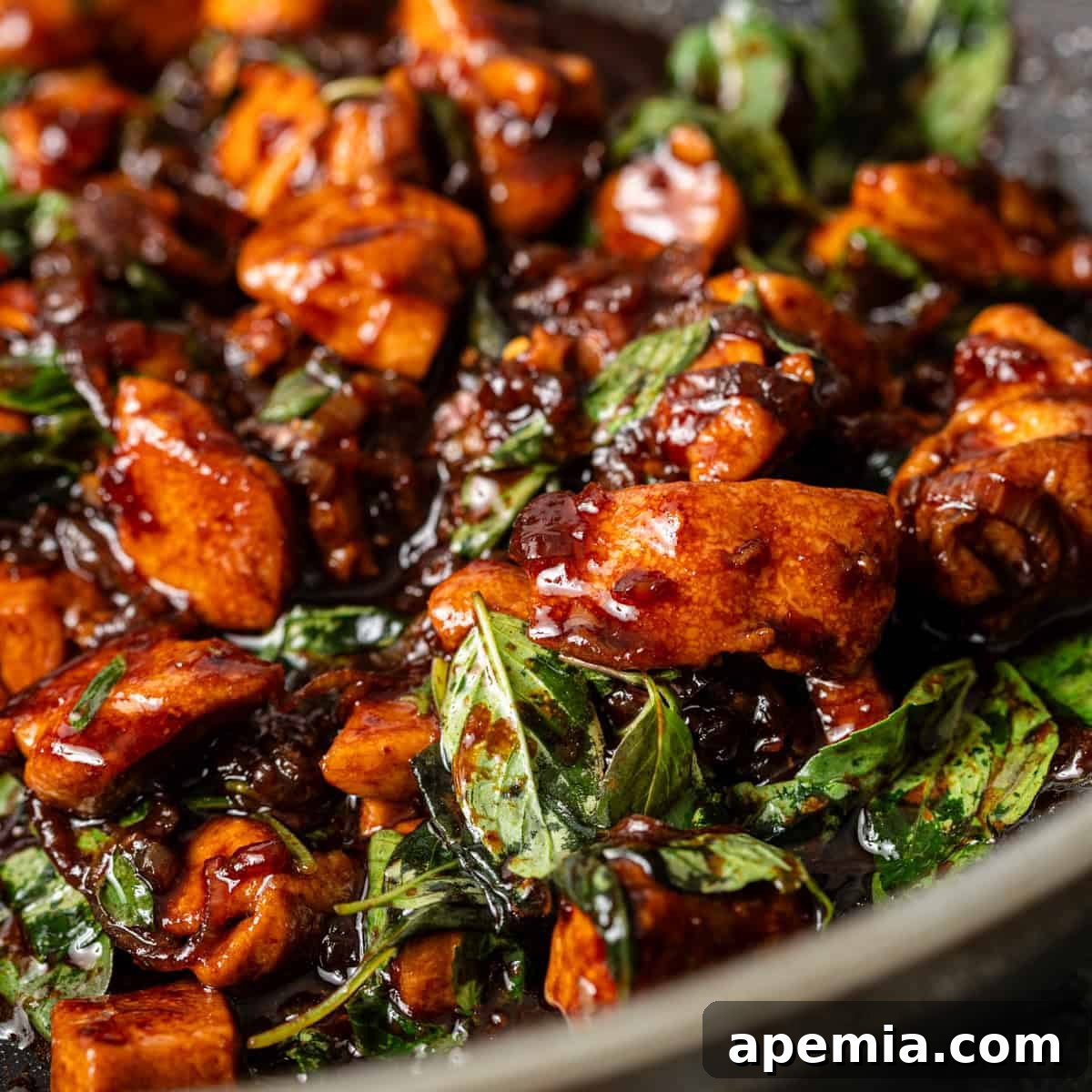
Have you ever craved the electrifying flavors of Bangkok street food, right in your own kitchen? My extensive travels through Thailand have left me with a deep appreciation for its vibrant culinary scene, from the comforting sweetness of Mango Sticky Rice to the robust kick of a Thai Pork and Basil Stir Fry. Yet, there’s one dish that consistently captures my heart and palate: Pad Krapow Gai, universally adored as Thai Basil Chicken. It’s a harmonious symphony of rich umami, fiery chilies, and the unmistakable fragrance of fresh basil, embodying the very essence of Thai cooking.
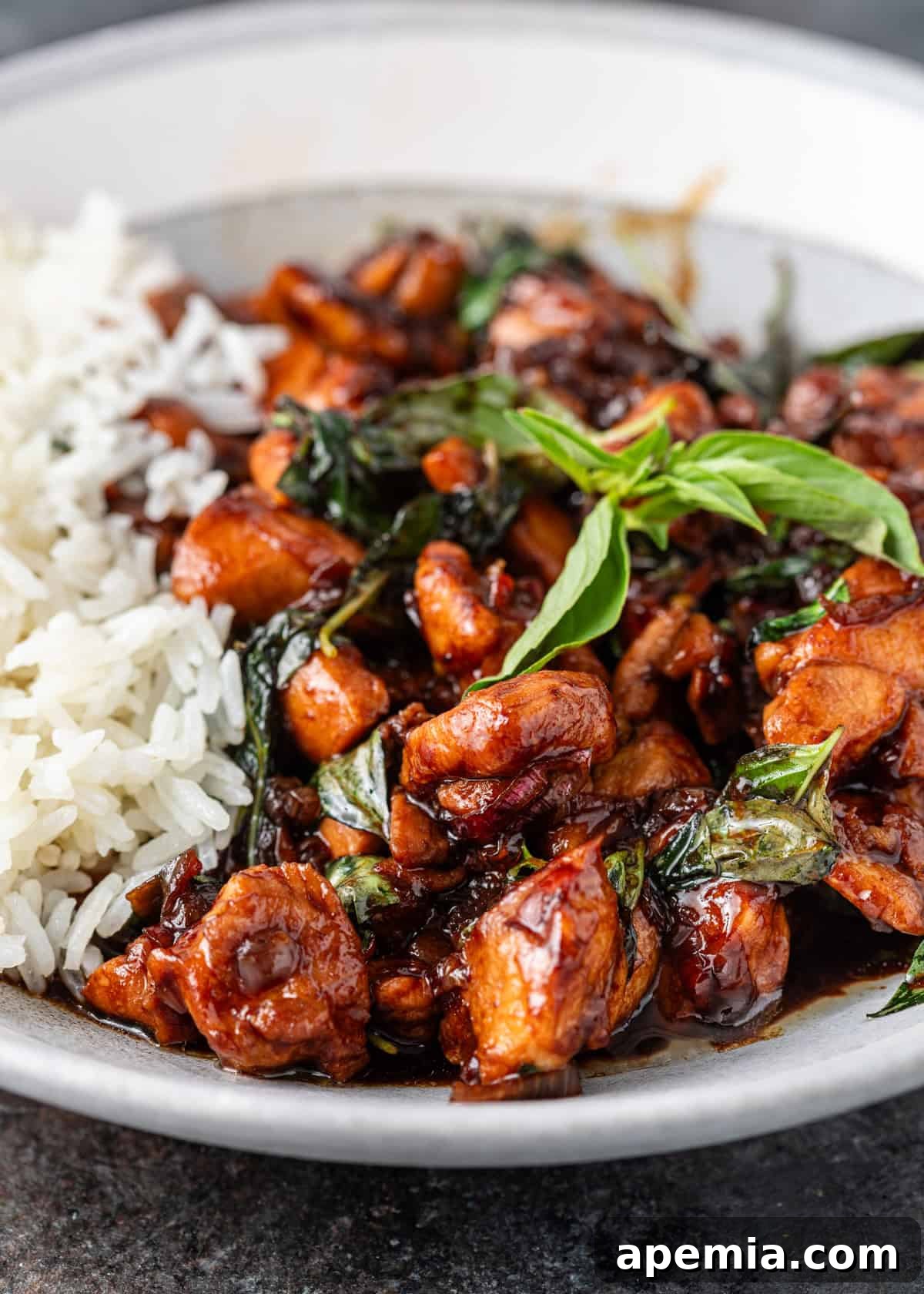
Table of Contents
- What is Thai Basil Chicken? (Pad Krapow Gai)
- The Essence: Holy Basil vs. Thai Basil
- Ingredient Notes and Substitutions for the Perfect Stir-Fry
- How to Make Authentic Thai Basil Chicken: A Step-by-Step Guide
- Pro Tips for a Perfect Pad Krapow Gai
- Serving Suggestions & What to Pair With It
- Recommended Kitchen Tools
- Storing and Reheating Your Leftovers
- Frequently Asked Questions (FAQ)
- Thai Basil Chicken Recipe Card
What is Thai Basil Chicken? (Pad Krapow Gai)
Known in Thailand as Pad Krapow Gai (ผัดกะเพราไก่), this dish is far more than just a simple stir-fry; it’s a national icon, a staple of street food stalls, and a beloved comfort meal across the country. The name itself, “Pad Krapow,” translates to “stir-fried holy basil,” highlighting the critical role this aromatic herb plays. Our recipe takes succulent chicken thighs and combines them with a fiery mix of garlic and potent Thai chilies, all brought together by a rich, savory sauce built on the foundation of oyster and soy sauces. The result is an undeniable explosion of umami goodness.
Just before serving, a generous handful of fresh basil is folded into the mix, infusing every bite with its distinct peppery, slightly sweet, and aromatic notes. This final touch brightens the entire dish, creating a perfect balance against the savory, spicy, and garlicky elements. It’s a dish that’s both complex in flavor and remarkably straightforward to prepare, making it an ideal choice for home cooks seeking authentic Thai flavors without spending hours in the kitchen.
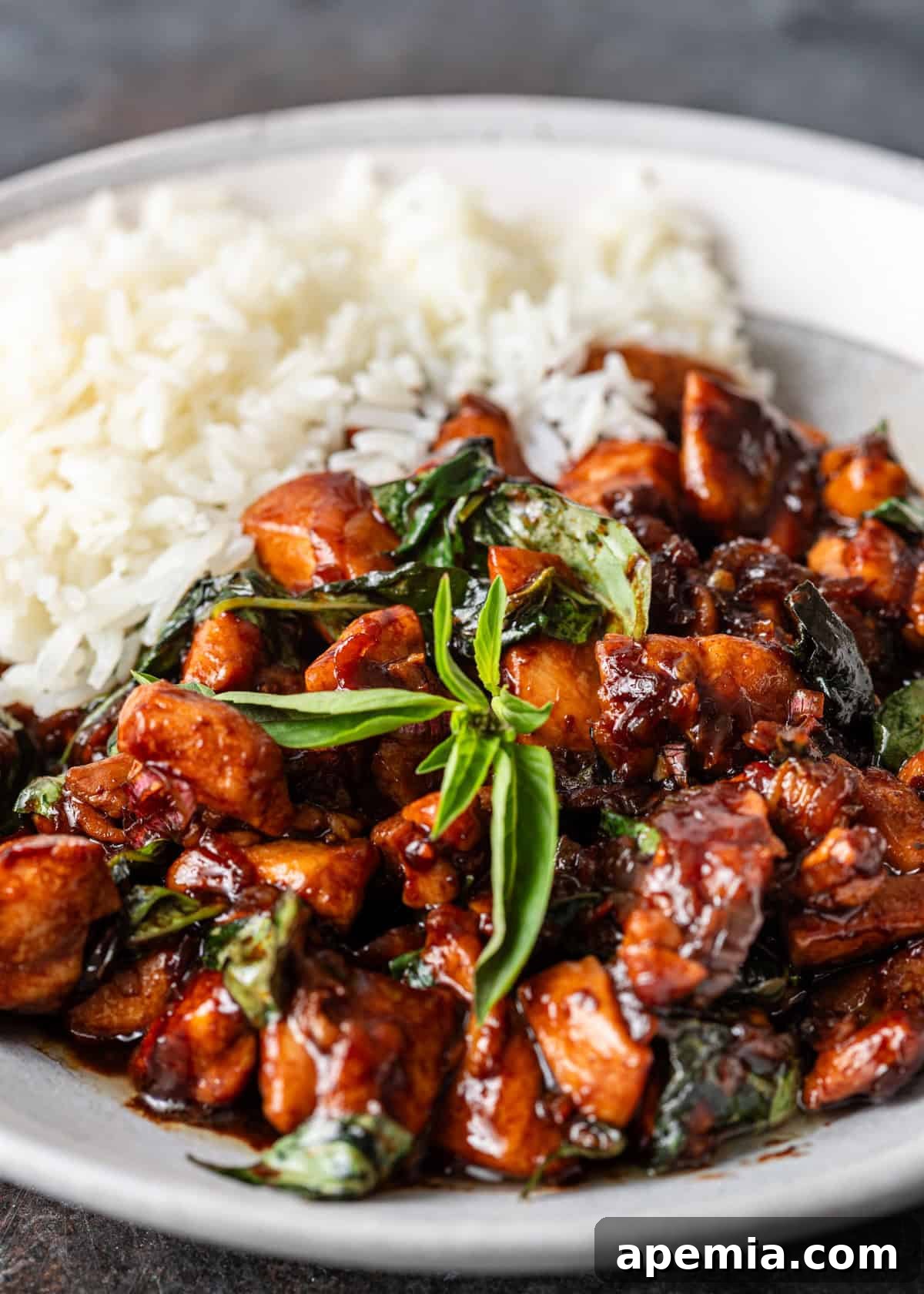
This simple yet profoundly satisfying recipe promises a rich, savory, and perfectly balanced flavor explosion that comes together in mere minutes. It’s the ultimate solution for busy weeknights, delivering a hearty meal that’s both quick and incredibly delicious. Serve it generously over steaming jasmine rice, allowing the grains to soak up every drop of that irresistible sauce, or tuck it into crisp lettuce cups for a lighter, refreshing twist. One bite, and you’ll be transported straight to the bustling streets of Thailand, without ever leaving your kitchen.
The Essence: Holy Basil vs. Thai Basil
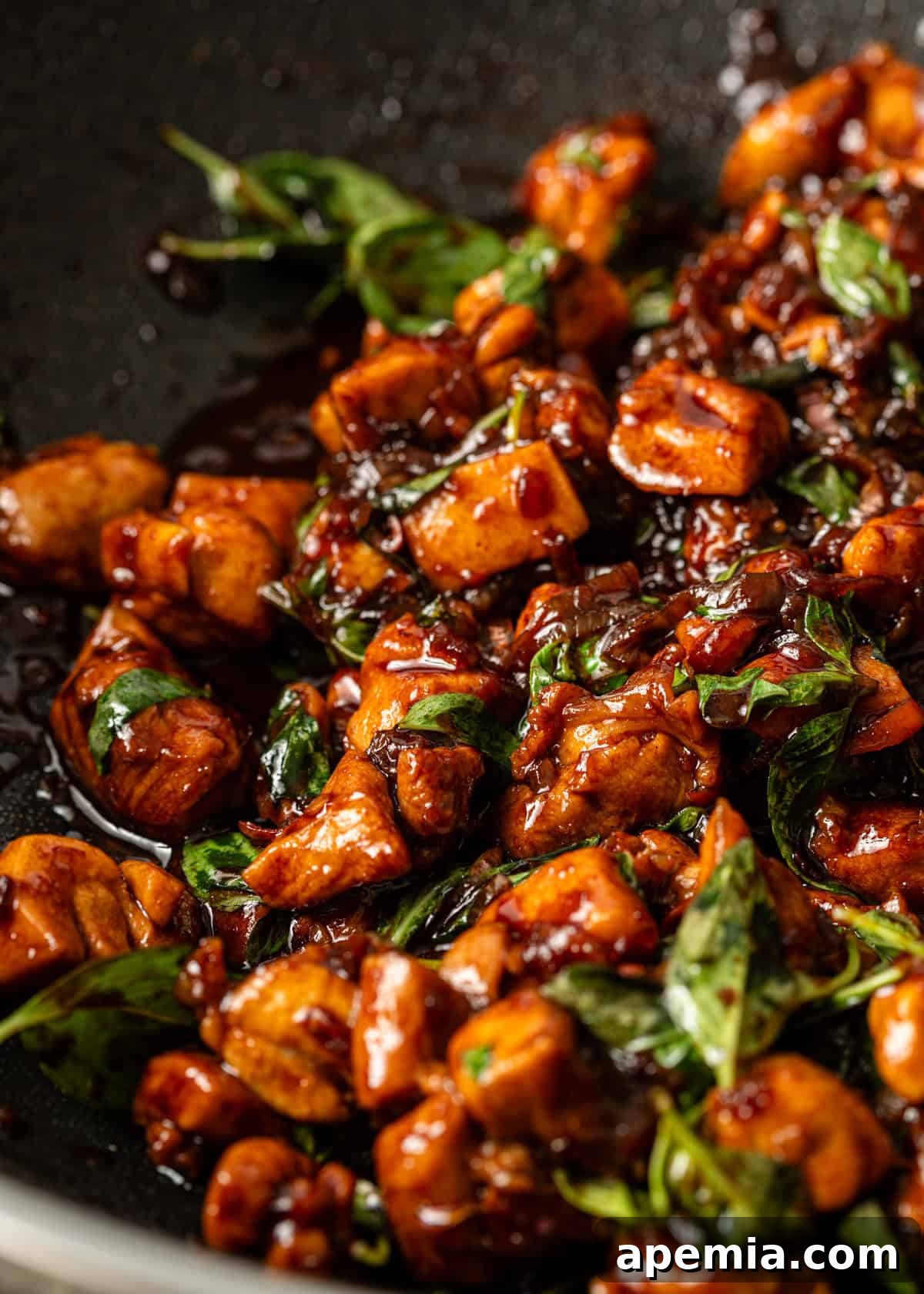
Traditionally, Pad Krapow Gai uses Holy Basil (known as Kra Phrao in Thai), which has a distinct peppery, slightly clove-like, and even subtly minty flavor profile. Its robust character stands up beautifully to the intense heat of a stir-fry. However, Holy Basil can be notoriously difficult to find outside of specialized Asian or Thai markets, even for seasoned home cooks. Many struggle to locate it, and it’s not uncommon for even dedicated Thai grocery stores to be out of stock.
For this reason, Thai Basil (often called Sweet Basil or Horapha) is a fantastic and much more accessible alternative. While it possesses a slightly sweeter, more anise-like aroma and a milder peppery note compared to its holy counterpart, it still imparts that quintessential fragrant flavor necessary for a superb Thai Basil Chicken. In fact, for this recipe, I consistently use three 0.5-ounce packages of fresh Thai basil leaves to ensure an abundance of its vibrant flavor and aroma. Don’t let the rarity of holy basil deter you; Thai basil will still deliver an incredibly authentic and delicious experience!
Ingredient Notes and Substitutions for the Perfect Stir-Fry
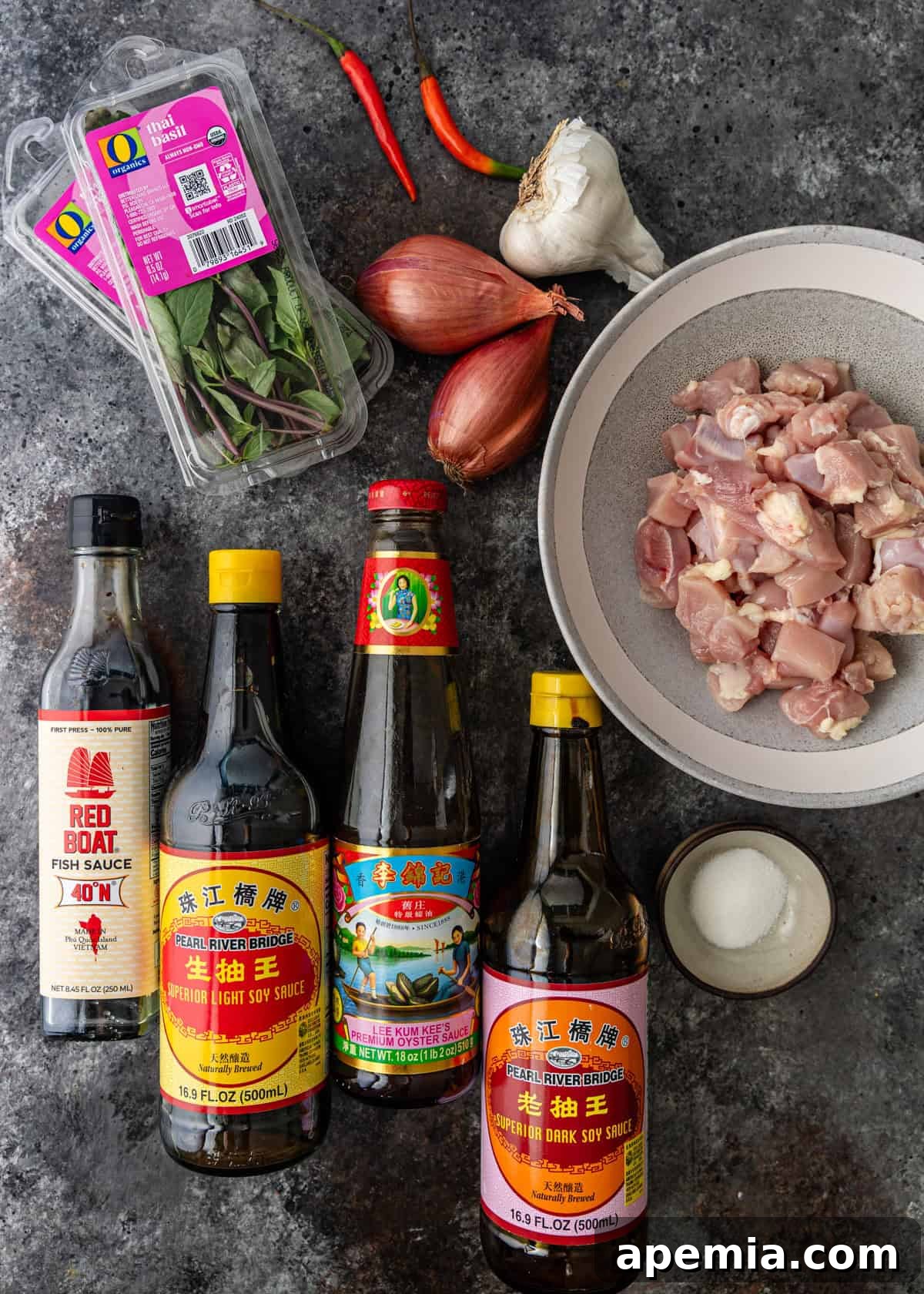
(A full list of ingredients and precise quantities can be found in the recipe card below.)
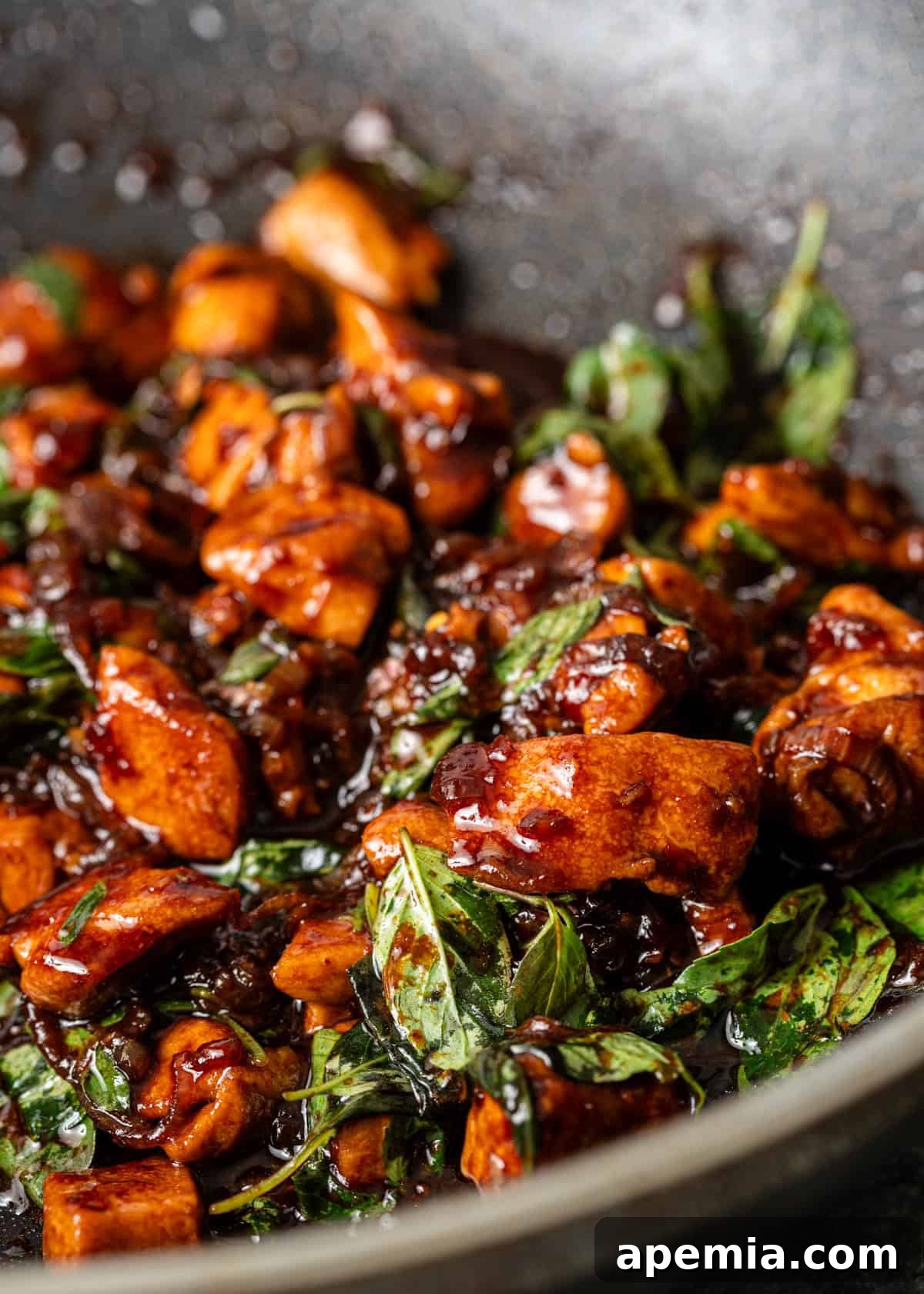
- Canola Oil: This neutral-flavored oil is perfect for high-heat stir-frying due to its high smoke point, ensuring your ingredients cook evenly without imparting unwanted flavors. Excellent alternatives include vegetable oil, peanut oil (for a subtle nutty undertone), or sunflower oil.
- Shallots: Providing a delicate sweetness and mild onion flavor, shallots are the foundation of this dish’s aromatic base. If shallots are unavailable, red onion can be used as a substitute, though be aware that its flavor will be slightly more pungent.
- Garlic: A cornerstone of most stir-fries, fresh garlic delivers an essential pungent, savory kick that elevates the chicken and complements the rich sauce beautifully. Don’t skimp on the garlic for maximum flavor!
- Thai Chilies: These small but mighty chilies are responsible for the dish’s authentic, fiery heat. For those who prefer a milder experience, you can easily reduce the heat by removing the seeds before dicing, or by substituting with less potent Fresno or serrano peppers. Adjust to your personal spice preference!
- Chicken Thighs: Boneless and skinless chicken thighs are the star protein here, prized for their ability to remain incredibly juicy and tender even under the intense heat of stir-frying. While chicken breast or ground chicken can be used, they tend to dry out more quickly, so adjust cooking times accordingly to prevent overcooking.
- Holy Basil Leaves: As discussed, holy basil (kra phrao) is the traditional choice, but it’s hard to find. Thai basil is a fantastic, more accessible substitute. Aim for fresh, vibrant leaves for the best flavor.
- For the Sauce: The magic of Thai Basil Chicken largely lies in its perfectly balanced sauce.
- Oyster Sauce: This thick, savory condiment is crucial for adding deep umami richness and a subtle touch of sweetness, essential for that authentic Thai flavor profile.
- Fish Sauce: A cornerstone of Thai cuisine, fish sauce provides an irreplaceable savory depth and a unique pungency that ties all the flavors together. Don’t skip it!
- Light Soy Sauce: Used to enhance the overall savory notes of the sauce and contribute another layer of umami. Regular all-purpose soy sauce works well here.
- Dark Soy Sauce: While it offers a mild umami, its primary role is to give Thai Basil Chicken its signature deep, glossy brown color, making the dish visually appealing. If you don’t have it, you can use a bit more light soy sauce, but the color will be lighter.
- Sugar: A small amount of sugar is vital to balance the saltiness of the soy and fish sauces and the heat from the chilies, creating a well-rounded flavor. While palm sugar is traditional, white or brown granulated sugar are perfectly acceptable and easier to find.
How to Make Authentic Thai Basil Chicken: A Step-by-Step Guide
- Prepare the Sauce: In a small bowl, whisk together the oyster sauce, fish sauce, light soy sauce, dark soy sauce, and sugar until well combined. Set this flavorful mixture aside as your secret weapon. Preparing it in advance ensures a smooth and quick cooking process later.
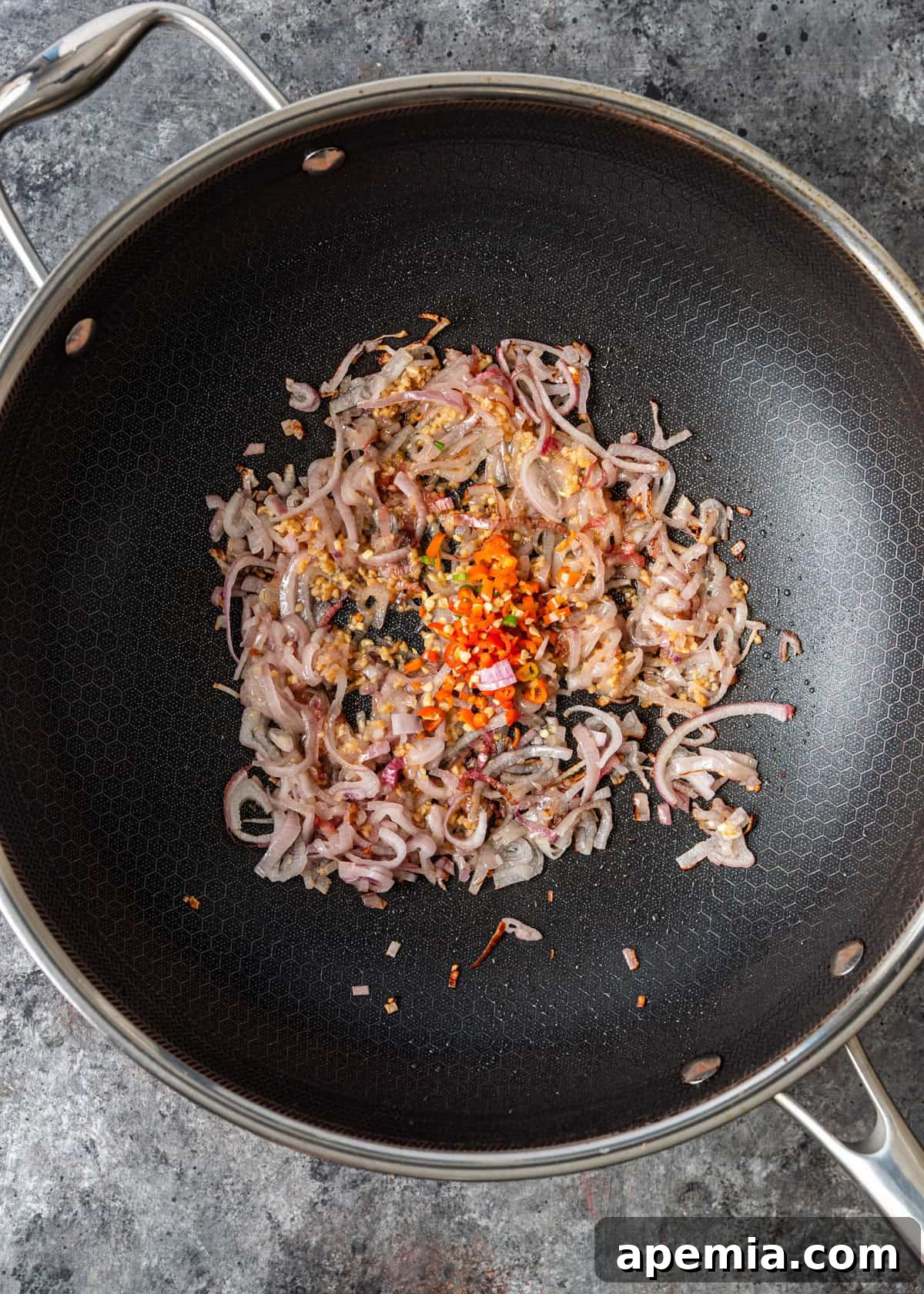
- Sauté the Aromatics: Heat your wok or large skillet over high heat until it’s smoking slightly. Add the canola oil and swirl to coat the surface. Toss in the thinly sliced shallots and stir-fry vigorously for about 1 minute, or until they become translucent and fragrant. Next, add the minced garlic and diced Thai chilies (adjusting quantity to your spice preference). Continue to stir-fry for another 30 seconds, allowing the incredible aromas to fully develop. Be careful not to burn the garlic!
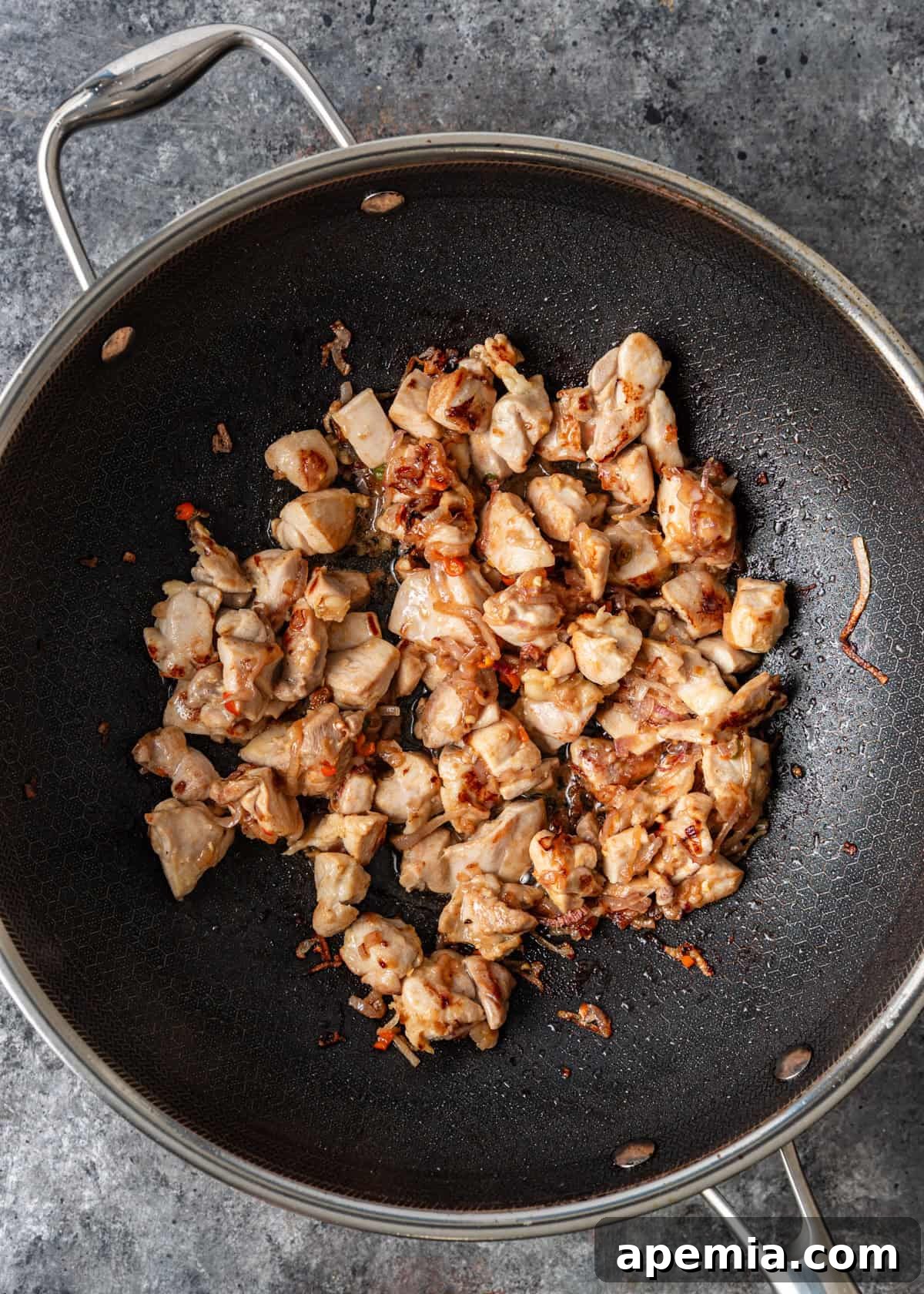
- Stir-fry the Chicken: Add the cubed boneless chicken thighs to the hot wok. Spread them out to ensure even cooking and stir-fry for approximately 4-5 minutes. Cook until the chicken is no longer pink, begins to brown nicely, and most of its natural liquid has evaporated. This browning step is crucial for developing deep flavor.
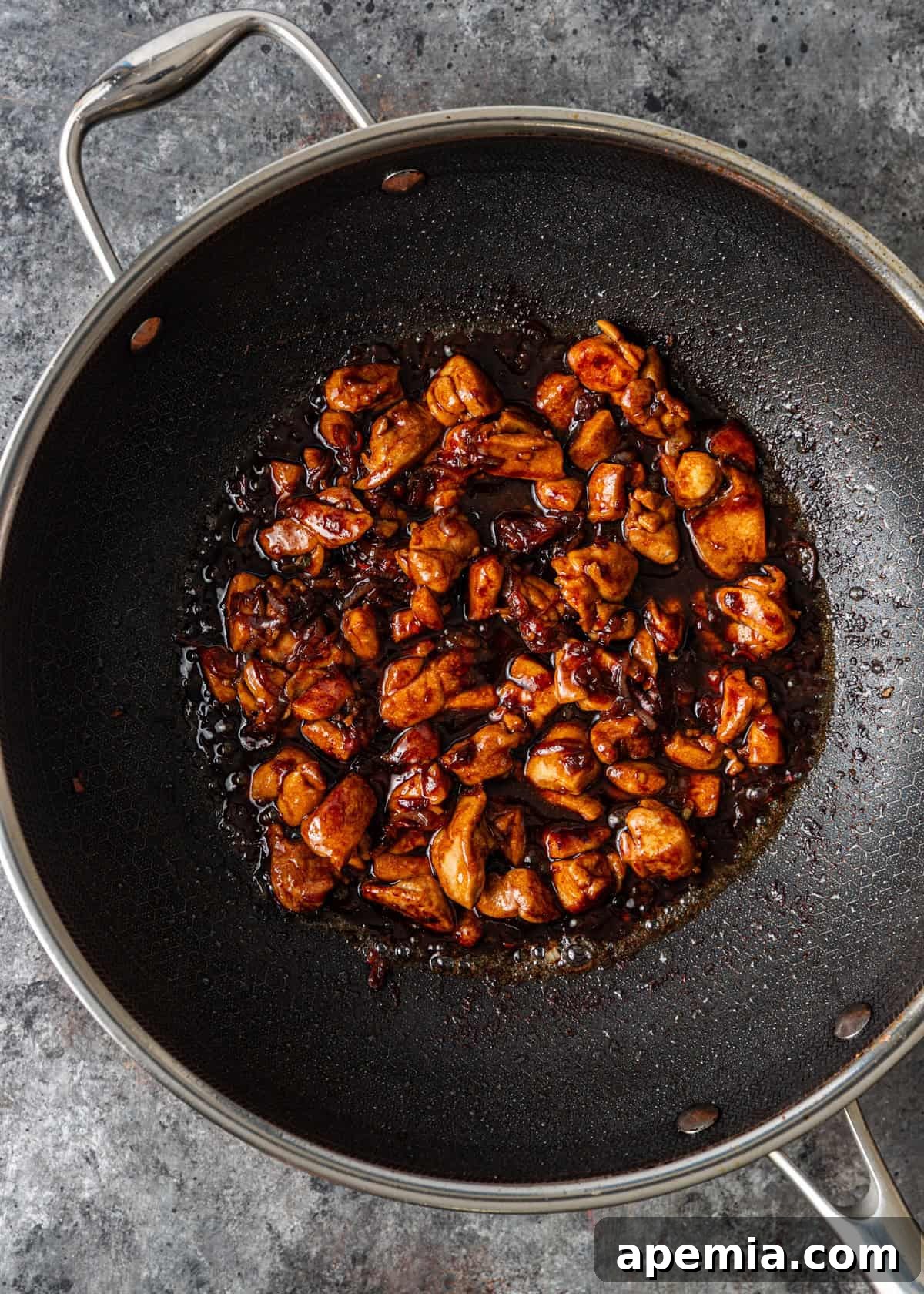
- Introduce the Sauce: Once the chicken is beautifully browned, pour the prepared sauce mixture over the chicken and aromatics. Immediately toss everything together to thoroughly coat each piece of chicken. Allow the sauce to simmer and reduce slightly for 2-3 minutes, thickening and clinging to the ingredients. The sauce should become glossy and deeply flavorful.
- Finish with Fresh Basil: This is the grand finale! Remove the wok from the heat (or keep it on very low) and stir in the fresh basil leaves. Toss them gently until they are just wilted and their intoxicating fragrance permeates the entire dish. Overcooking the basil will diminish its vibrant flavor and color.
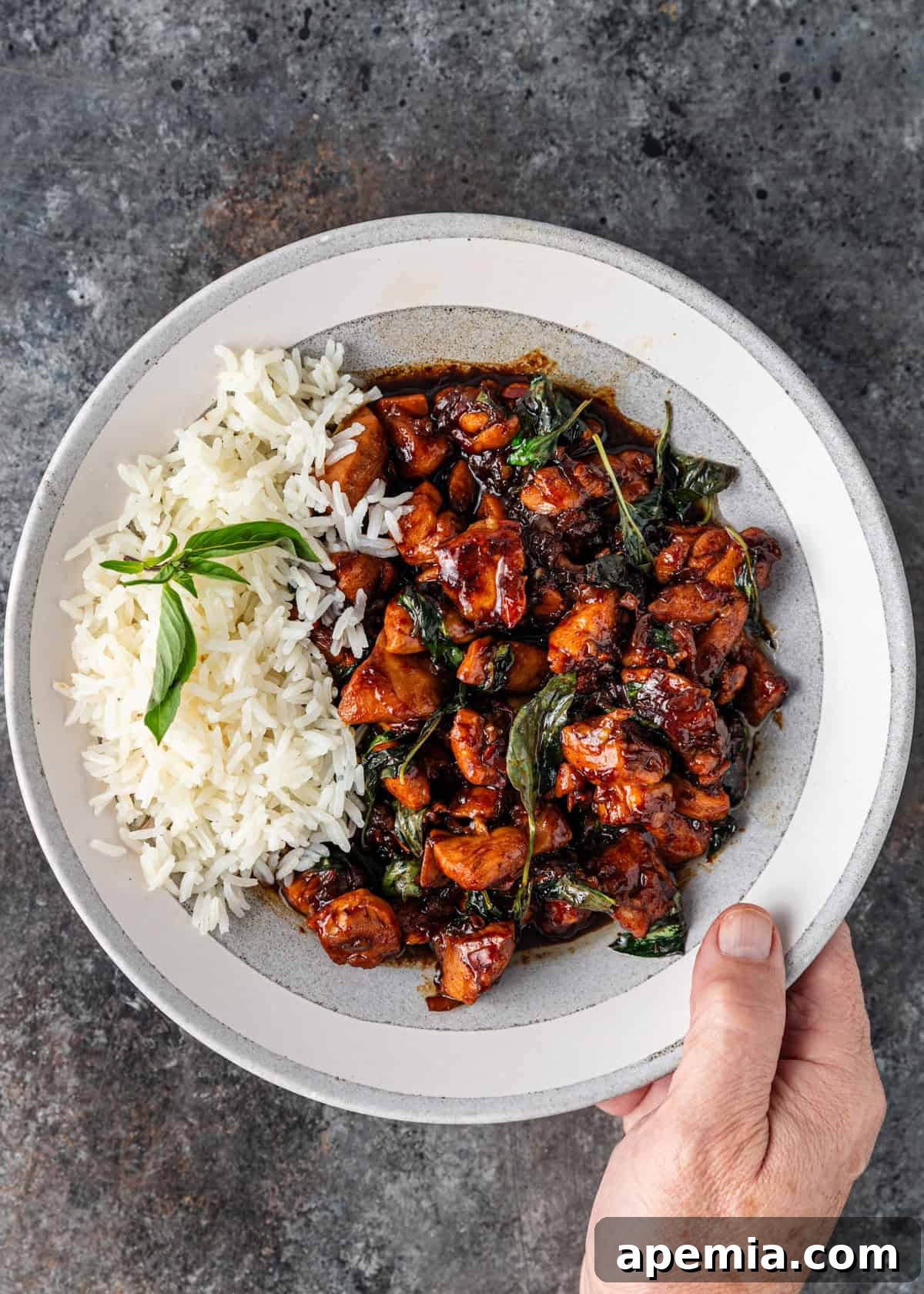
- Serve Immediately: Your authentic Thai Basil Chicken is now ready! Serve it piping hot over a bed of fluffy jasmine rice to soak up all the delicious sauce. For a lighter meal, it’s also fantastic stuffed into crisp butter lettuce cups. Garnish with a fresh sprig of basil if desired.
Pro Tips for a Perfect Pad Krapow Gai
- High Heat is Key: For a truly authentic stir-fry, maintain high heat throughout the cooking process. This ensures the ingredients cook quickly, retain their texture, and develop that signature “wok hei” (breath of the wok) flavor.
- Prep Everything First (Mise en Place): Stir-frying is fast! Have all your ingredients chopped, measured, and ready to go before you even turn on the stove. This prevents overcooking and ensures a smooth cooking flow.
- Don’t Overcrowd the Wok: Cook in batches if necessary. Overcrowding the wok will steam the ingredients instead of stir-frying them, leading to a less desirable texture.
- Taste and Adjust: Before serving, always taste your dish. You might want to add a pinch more sugar for balance, a dash more fish sauce for savoriness, or extra chilies for more heat.
- Fresh Basil Makes a Difference: While dried basil can be used in a pinch, fresh basil is essential for the authentic aroma and flavor of Pad Krapow Gai. Add it at the very end to preserve its freshness.
Serving Suggestions & What to Pair With It
Thai Basil Chicken is a complete meal on its own, especially when served traditionally:
- Jasmine Rice: The quintessential accompaniment. Its delicate fragrance and sticky texture perfectly complement the bold flavors of the stir-fry, soaking up the savory sauce.
- Fried Egg (Kai Dao): In Thailand, it’s very common to top Pad Krapow Gai with a crispy fried egg, often with slightly runny yolk, which adds another layer of richness and is divine mixed with the spicy chicken.
- Lettuce Wraps: For a lighter, low-carb option, serve the stir-fry in crisp butter lettuce cups. The crunch of the lettuce provides a wonderful textural contrast.
- Steamed Vegetables: A simple side of steamed broccoli, green beans, or bok choy can add freshness and nutritional value to your meal.
- Cucumber Slices: Fresh cucumber slices offer a cooling contrast to the dish’s heat.
Recommended Kitchen Tools
- Wok or Large Skillet: A good quality wok is ideal for achieving high heat and even cooking, which is essential for proper stir-frying. If you don’t have a wok, a large, heavy-bottomed skillet or cast-iron pan will also work effectively.
- Sharp Chef’s Knife and Cutting Board: Indispensable for efficiently slicing shallots, mincing garlic, dicing chilies, and cubing chicken. Good knife skills speed up prep time considerably.
- Spatula or Wok Utensil: A sturdy spatula, preferably one designed for woks, helps with quick and efficient tossing and stir-frying.
Storing and Reheating Your Leftovers
Allow your delicious Thai Basil Chicken to cool completely to room temperature before transferring it to an airtight container. It will keep beautifully in the refrigerator for up to three days. While technically possible, freezing this dish isn’t generally recommended. The chicken can become slightly dry, and the vibrant basil leaves tend to lose their fresh fragrance and appealing color upon thawing, affecting the overall quality and enjoyment.
To reheat, transfer the chicken stir-fry to a skillet over medium heat. Add a small splash of water or broth to help loosen the sauce and prevent sticking. Stir gently and heat until the dish is thoroughly warmed through. For the best flavor and aroma, if you have any extra fresh basil on hand, stir a few fresh leaves into the reheated dish just before serving. This will instantly refresh the flavors and bring back that lovely basil perfume.
Share this recipe on Pinterest!
Love this recipe? Help others discover it by sharing on Pinterest.
Frequently Asked Questions (FAQ)
Can I prepare this Thai basil chicken recipe ahead of time?
While you can certainly chop all your aromatics (shallots, garlic, chilies) and whisk together the sauce ingredients in advance, it’s best to stir-fry the chicken and basil just before serving. This ensures the chicken remains tender, the basil stays fresh and fragrant, and the overall texture of the dish is optimal. Prepping ingredients beforehand will significantly reduce your active cooking time on a busy weeknight.
What’s the difference between holy basil and Thai basil?
Holy basil (Ocimum tenuiflorum, or kra phrao in Thai) is the traditional herb for Pad Krapow Gai and has a unique pungent, peppery, and slightly clove-like or even minty flavor. Thai basil (Ocimum basilicum var. thyrsiflora, or horapha) is sweeter, with a distinctive anise or licorice-like aroma. Both contribute wonderfully to Thai dishes, but holy basil offers a bolder, spicier kick. If using Thai basil as a substitute, you might want to use a little more to achieve a similar aromatic impact.
Can I make this dish vegetarian or vegan?
Absolutely! Thai Basil Stir-fry is incredibly versatile. To make it vegetarian, swap the chicken for firm or extra-firm tofu (pressed and cubed), tempeh, or even mushrooms like shiitake or oyster. For a vegan version, in addition to the protein swap, replace oyster sauce with a vegetarian mushroom-based oyster sauce and use a vegan fish sauce alternative (or simply increase the light soy sauce and add a splash of lime juice for tang). The core flavors of garlic, chilies, and basil will still shine through beautifully.
What kind of wok should I use?
A carbon steel wok is ideal for stir-frying as it heats up quickly and evenly, developing an excellent non-stick surface over time (with proper seasoning). If you don’t have a carbon steel wok, a large, heavy-bottomed stainless steel skillet or cast iron pan can also work. The key is to use a pan that can get very hot and retain that heat for efficient stir-frying.
How spicy is this recipe?
The spice level is easily customizable! The recipe calls for Thai chilies, which pack a significant punch. To make it milder, remove the seeds from the chilies before dicing them, or use fewer chilies. For a very mild version, you can substitute Thai chilies with milder peppers like Fresno or even a pinch of red pepper flakes. For extra heat, leave the seeds in or add an extra chili!

Thai Basil Chicken Recipe
Bold, aromatic, and ready in under 20 minutes, this Thai Basil Chicken (Pad Krapow Gai) recipe delivers the authentic, vibrant flavors of Thai street food directly to your kitchen. Perfect for a quick, delicious meal!
Servings: 4
Prep Time: 10 mins
Cook Time: 8 mins
Total Time: 18 mins
Print Recipe
Ingredients
Main Dish
- 2 tbsp canola oil (or preferred neutral cooking oil)
- 2 large shallots, sliced thin
- 6 cloves garlic, minced
- 2 Thai chilies, seeded and diced (adjust to desired heat, or use other hot chilies)
- 1 lb boneless, skinless chicken thighs, cubed (or ground chicken, chicken breast)
- 3 packages (approx. 1.5 oz total) fresh Holy basil leaves or Thai basil leaves (See Note 1 below)
Sauce
- 2 tbsp oyster sauce
- 1 tbsp fish sauce
- 1 tbsp light soy sauce
- 2 tsp dark soy sauce
- 1 tsp sugar (palm sugar preferred if available)
Instructions
- Prepare the Sauce: In a small bowl, combine oyster sauce, fish sauce, light soy sauce, dark soy sauce, and sugar. Whisk until sugar is dissolved and mixture is well blended. Set aside.
- Cook Aromatics: Heat the canola oil in a wok or large skillet over high heat until shimmering. Add the sliced shallots and stir-fry for about 1 minute until translucent. Add the minced garlic and diced Thai chilies and continue to stir-fry for another 30 seconds until fragrant.
- Stir-fry Chicken: Add the cubed chicken thighs to the wok. Stir-fry for 4-5 minutes, breaking up any clumps, until the chicken is no longer pink and begins to brown. Ensure most of the liquid from the chicken has evaporated, leaving some oil.
- Add Sauce: Pour the prepared sauce mixture over the chicken. Toss quickly and continuously to coat the chicken thoroughly. Allow the sauce to simmer and reduce for 2-3 minutes, thickening slightly and clinging to the chicken.
- Finish with Basil: Remove the wok from heat (or reduce to very low). Add the fresh basil leaves and toss them into the mixture until they are just wilted and fragrant, about 30 seconds. Do not overcook the basil.
- Serve: Serve immediately over steamed jasmine rice or in fresh butter lettuce cups. Enjoy your authentic Thai Basil Chicken!
Notes
- Holy Basil vs. Thai Basil: Holy basil is the traditional herb for Pad Krapow (which translates to Holy Basil stir-fry) and has a distinctly peppery, clove-like flavor. However, it is very difficult to find outside of specific Asian markets. Thai basil, with its sweeter, anise-like flavor, is a readily available and excellent substitute. I recommend using approximately 1.5 ounces (three 0.5-ounce packages) of fresh Thai basil for this recipe to get a strong, aromatic finish.
Nutrition Information (Estimated Per Serving)
- Calories: 391kcal
- Carbohydrates: 6g
- Protein: 21g
- Fat: 31g
- Saturated Fat: 9g
- Polyunsaturated Fat: 4g
- Monounsaturated Fat: 15g
- Trans Fat: 0.03g
- Cholesterol: 82mg
- Sodium: 1084mg
- Potassium: 425mg
- Fiber: 1g
- Sugar: 2g
- Vitamin A: 43IU
- Vitamin C: 7mg
- Calcium: 36mg
- Iron: 1mg
The information shown is an estimate provided by an online nutrition calculator and should not be considered a substitute for a professional nutritionist’s advice.
Recipe Details
Course: Main Dishes
Cuisine: Thai
Author: Kevin
Made This Recipe? Share It On Instagram!
Tag @keviniscooking or use hashtag #keviniscooking! We love seeing your culinary creations.