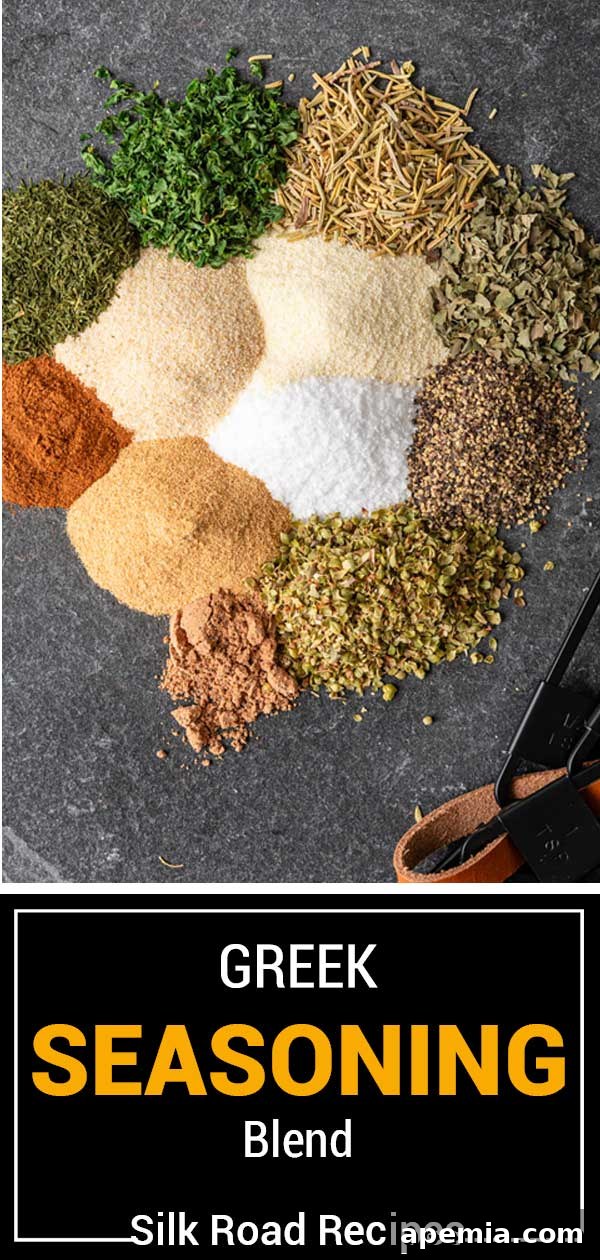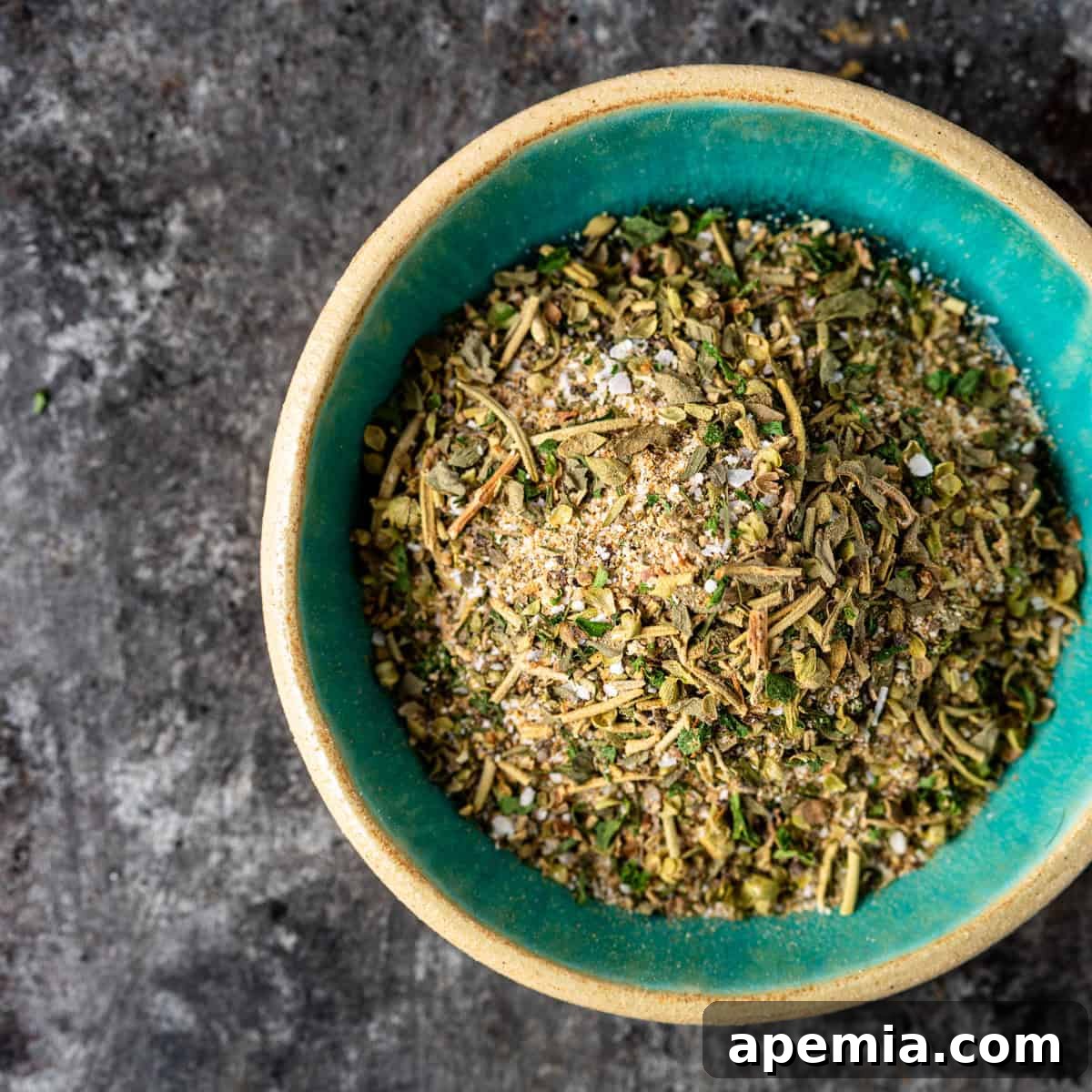
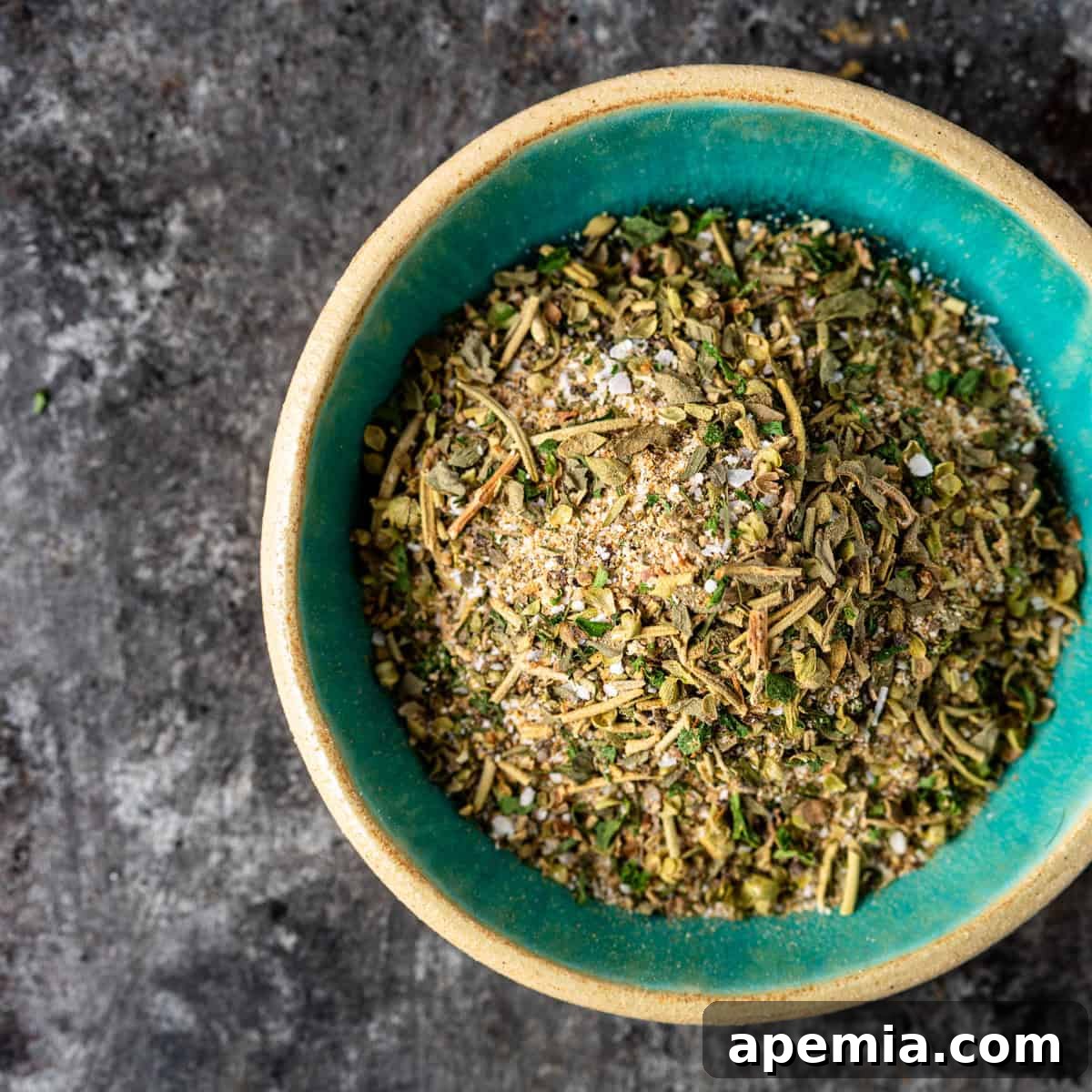
My homemade Greek seasoning is an indispensable blend, crafted with a vibrant combination of traditional herbs and aromatic spices. This punchy, flavorful mix, featuring essential ingredients like oregano, bright lemon peel powder, fragrant basil, fresh dill, and earthy parsley, elevates a wide variety of Greek recipes and stores beautifully for up to six months. Experience the true essence of Mediterranean cooking right from your pantry!
There’s an undeniable joy and culinary advantage in creating your own spice blends at home. As an avid enthusiast, I’ve curated a diverse collection, ranging from the intricate Chinese Five Spice to the robust Baharat spice, the aromatic Madras curry powder, and many more. Each blend tells a story, offering a unique passport to global cuisines. While pre-made blends offer convenience, nothing truly compares to the unparalleled freshness, depth of flavor, and customizable quality that comes from a homemade mix. You control the quality of ingredients, avoid unnecessary fillers, and tailor the profile to your exact preferences, transforming everyday meals into extraordinary culinary experiences.
Table of Contents
- Why Homemade Greek Seasoning?
- The Essence of Greek Flavors
- Dried Herbs vs. Fresh: The Foundation of Flavor
- Ingredient Notes and Flavor Profiles
- How to Make Your Greek Seasoning Blend
- Recommended Tools for Spice Blending
- Storage Tips for Maximum Freshness
- How to Use Your Greek Seasoning Blend
- Frequently Asked Questions
- Greek Seasoning Blend Recipe
This Greek seasoning recipe is not only incredibly easy to prepare but also remarkably versatile. It’s the perfect companion for classic dishes such as tender Greek lamb loin chops, savory Greek shrimp saganaki, hearty gigantes plaki, and countless other authentic Greek recipes available on my site. The blend is a harmonious symphony of savory, earthy, bright, and warm notes, brimming with rich herbal aromas. It encapsulates the very soul of Mediterranean cooking, making every dish it touches sing with sun-drenched flavor. Whether you’re marinating meats, seasoning vegetables, or crafting a vibrant dip, this blend promises to transport your taste buds straight to the Aegean.
Why Homemade Greek Seasoning? The Advantages of Crafting Your Own Blend
Opting for a homemade Greek seasoning blend offers a multitude of benefits that far outweigh the convenience of store-bought alternatives. Firstly, freshness is paramount. Store-bought spices often sit on shelves for extended periods, losing their potency and aromatic oils. By blending your own, you ensure the herbs and spices are at their peak, delivering a more vibrant and impactful flavor to your dishes. Secondly, you gain complete control over the ingredients. This means no artificial additives, anti-caking agents, or excessive sodium often found in commercial blends. For those with dietary restrictions or specific preferences, customizing your blend is invaluable.
Furthermore, making your own spice blends can be surprisingly cost-effective in the long run. Buying individual herbs and spices in bulk is often cheaper than repeatedly purchasing small containers of pre-mixed seasonings. This approach also allows for experimentation. Want a spicier Greek blend? Add a pinch more black pepper. Prefer a brighter citrus note? Increase the lemon peel powder. The possibilities are endless, empowering you to truly make the blend your own culinary signature. It’s a simple step that elevates your cooking, infuses genuine flavor, and fosters a deeper connection with your ingredients.
The Essence of Greek Flavors: A Culinary Journey
Greek cuisine, celebrated globally for its fresh ingredients and robust flavors, is deeply rooted in the Mediterranean diet. It’s a culinary tradition that emphasizes health, community, and the simple beauty of nature’s bounty. The flavors are typically bright, savory, and deeply aromatic, often featuring olive oil, fresh vegetables, legumes, seafood, and succulent meats. Herbs and spices are not mere afterthoughts; they are the heart and soul, transforming humble ingredients into extraordinary meals. This homemade Greek seasoning blend encapsulates the very essence of these traditions, bringing together key aromatic elements that are fundamental to authentic Greek dishes.
From the sun-drenched islands to the rugged mainland, Greek food reflects a rich history and a strong connection to the land and sea. Think of the aromatic waft of oregano from a sizzling souvlaki, the comforting earthiness of basil in a rich tomato sauce, or the delicate freshness of dill complementing a plate of grilled fish. Our blend is designed to imbue your cooking with these same evocative aromas and tastes, allowing you to create dishes that feel genuinely Greek, whether you’re preparing a quick weeknight meal or an elaborate festive spread. It’s about more than just taste; it’s about capturing a feeling and a heritage in every sprinkle.
Tip From Kevin
Dried Herbs vs. Fresh: The Foundation of Flavor
When crafting spice blends designed for longevity and intense flavor, dried herbs are almost always the superior choice. Their flavor is significantly more concentrated and potent than that of fresh herbs because the drying process removes water, intensifying the essential oils. This concentration means you need a smaller quantity of dried herbs to achieve a powerful flavor, which is ideal for a blend intended to season dishes thoroughly without adding excess moisture.
Fresh herbs, while offering a brighter and often more subtle taste, have a very short shelf life and can wilt quickly. Their vibrant, delicate notes are best savored when used immediately in dishes, perhaps as a garnish or quickly sautéed into a sauce. For marinades and rubs, fresh herbs can be excellent, lending a ‘greener’ flavor profile. However, for a shelf-stable seasoning blend that needs to maintain its aromatic integrity for months, dried herbs are indispensable. They provide a stable, consistent flavor profile that infuses into ingredients over time, making them perfect for seasoning various Greek delicacies.
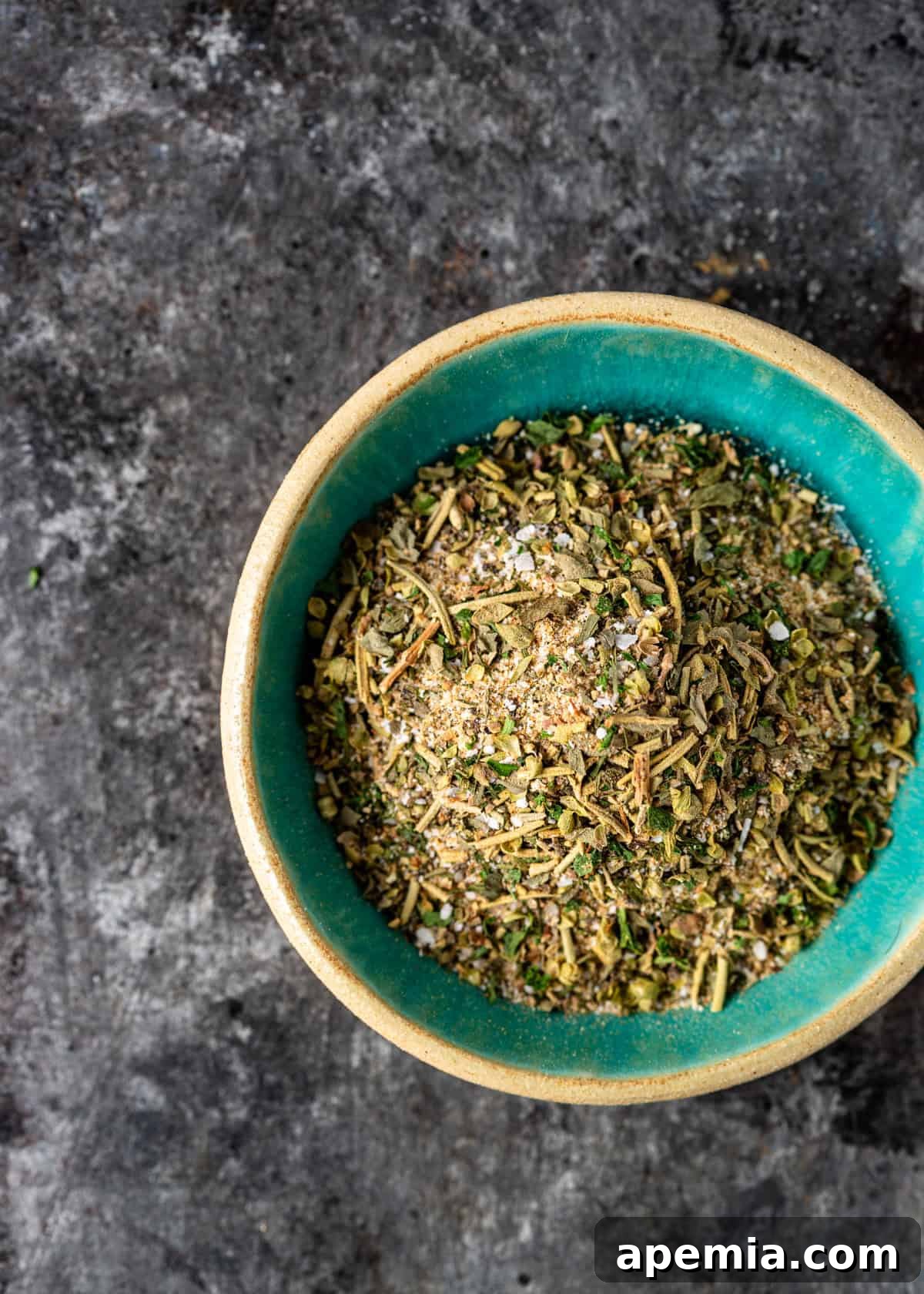
Ingredient Notes and Flavor Profiles
(Be sure to check the recipe card for a full list of ingredients and quantities)
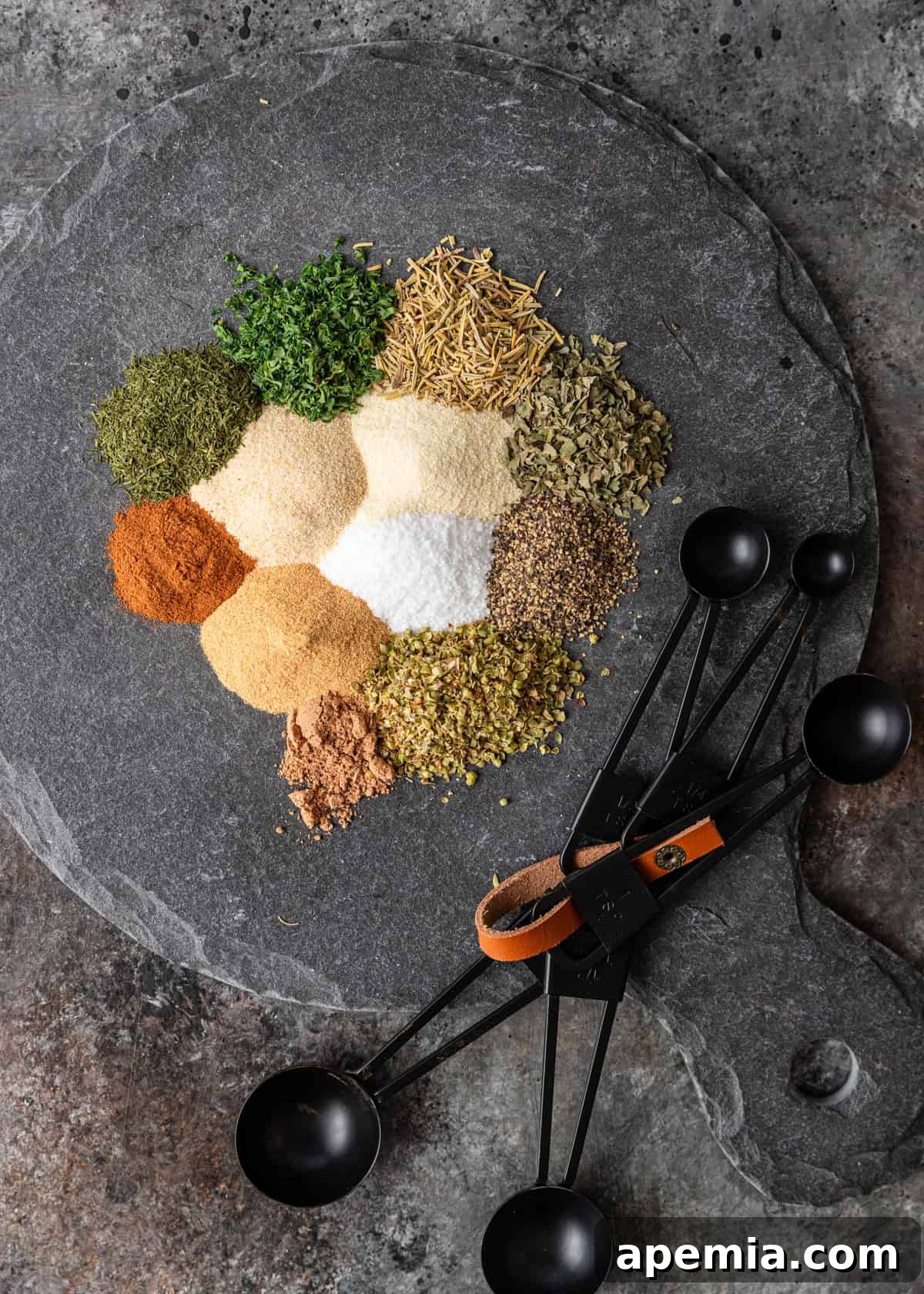
- Kosher Salt – This forms the essential base, balancing all the other vibrant spices in your Greek seasoning blend. Kosher salt’s larger crystal size allows for more controlled seasoning and dissolves beautifully into dishes. If substituting with fine table salt, remember to use about two-thirds of the amount, as it’s denser and saltier by volume.
- Garlic Powder – A culinary workhorse, garlic powder imparts a pungent, earthy, and deeply aromatic flavor that is fundamental to Greek cuisine. It blends seamlessly with other herbs like oregano and lemon peel powder, providing a consistent garlic presence without the moisture of fresh garlic. For a substitute, you can use an equal amount of dried minced garlic, though its texture will be more granular.
- Onion Powder – Complementing the garlic, onion powder injects a foundational savory and subtly sweet element into the blend. It deepens the overall flavor profile, adding complexity and a layer of umami that makes the seasoning truly irresistible. It’s crucial for that underlying savory depth typical in Mediterranean cooking.
- Lemon Peel Powder – This is where the blend truly shines with brightness! Lemon peel powder provides an intense, zesty citrus note that cuts through the richness of meats and other savory flavors, invigorating the palate. It’s a staple in Greek cooking for a reason, adding a sun-kissed vibrancy. If unavailable, you can finely grind dried lemon peel yourself or use a good quality lemon pepper seasoning (adjusting for salt content) as a last resort, though the pure powder is best.
- Oregano – Undeniably the heart and soul of Greek seasoning! Its strong, savory, slightly sweet, and peppery notes are unmistakable and absolutely essential. Greek oregano, in particular, is prized for its robust flavor and is featured prominently in countless Greek recipes. Do not skip this ingredient, as it defines the entire blend.
- Basil – Adding a fresh, aromatic, and slightly peppery flavor, basil beautifully complements the oregano and enhances the Mediterranean character of the blend. It brings a touch of sweetness and warmth, reminiscent of summer gardens in Greece.
- Black Pepper – While you might associate heat with cayenne or chili flakes, black pepper adds the perfect amount of subtle warmth and piquant kick to this blend. It enhances the overall complexity without overpowering the delicate herbal notes, providing a balanced finish.
- Dill – A distinctive choice that sets this blend apart. While not universally found in every Greek seasoning, I adore its fresh, slightly tangy, and anisescented flavor. It’s particularly fantastic for highlighting the natural sweetness and delicate flavors of seafood, making it a stellar addition to fish and shrimp dishes.
- Parsley – Offering a fresh, clean, and slightly peppery herbal flavor, parsley also contributes a lovely pop of color to the blend. It acts as a bright counterpoint to the more potent herbs, ensuring a well-rounded and harmonious profile.
- Rosemary – A small but mighty addition, rosemary contributes a woody, pine-like, and slightly peppery aroma. It adds a layer of sophisticated complexity and warmth, particularly enhancing roasted meats and vegetables, making the blend even more versatile.
- Cinnamon – Here’s where we venture into some unexpected but truly magical territory! A touch of ground cinnamon introduces a warm, subtly sweet, and inviting background flavor. It’s a secret ingredient that adds incredible depth and an authentic touch, often used in savory Greek dishes like moussaka and stifado, where it beautifully complements rich meats.
- Nutmeg – Similar to cinnamon, a whisper of nutmeg brings an additional layer of warmth and aromatic complexity. While not typical in all Greek blends, its sweet, woody notes round out the seasoning, adding a comforting, almost mysterious depth to the overall flavor profile. Trust me on this one; a little goes a long way to enhance the blend’s richness.
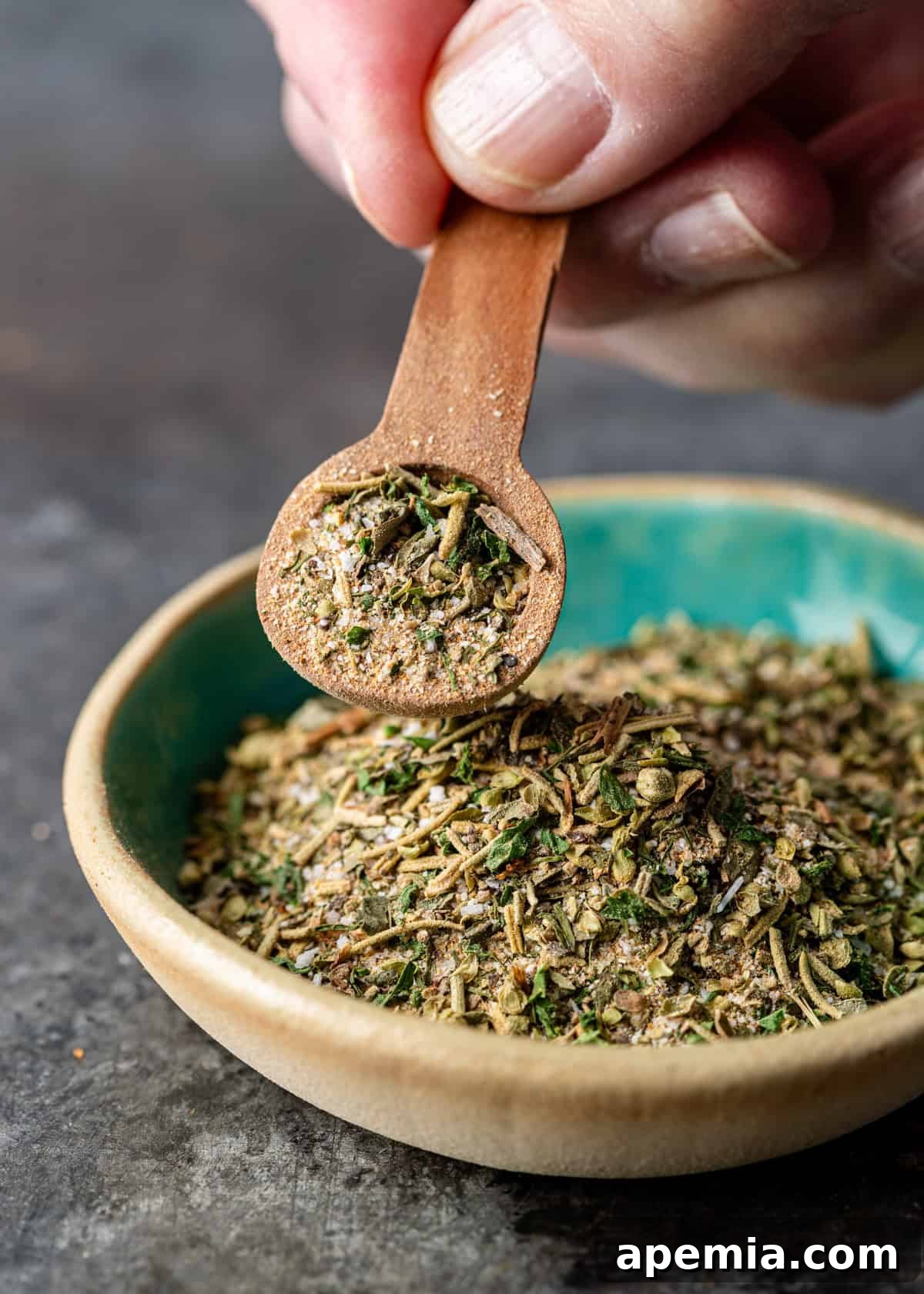
How to Make Your Greek Seasoning Blend
- Combine Ingredients Thoroughly. Gather all of your carefully measured dried herbs and spices. Place them into a small mixing bowl. Using a whisk or a spoon, mix vigorously to ensure all ingredients are evenly distributed. For an even finer, more homogeneous blend (my preferred method), transfer all the seasonings to a spice grinder (or a clean coffee grinder) and pulse a few times until a uniform, powdered consistency is achieved. This helps to release more aromatic oils and ensures the flavors meld perfectly.
- Store for Optimal Freshness. Once blended, transfer your fresh Greek seasoning to an airtight container. A small glass jar with a tight-fitting lid is ideal, as it prevents moisture and air from degrading the spices. Label the container with the date of preparation. This blend will retain its peak potency and vibrant flavor for up to six months when stored correctly.
Recommended Tools for Spice Blending
Having the right tools can make all the difference in achieving a perfectly blended and aromatic Greek seasoning. While a simple bowl and spoon will work, these tools will enhance your blending experience:
- Spice Grinder: This is arguably the most convenient and efficient way to create homemade spice blends. An electric spice grinder (which is essentially a dedicated coffee grinder) ensures a fine, even powder, allowing the flavors to meld beautifully and providing a superior texture for seasoning. It’s quick, easy to clean, and invaluable for achieving professional-level blends.
- Mortar and Pestle: For those who appreciate traditional methods and a more hands-on approach, a mortar and pestle is an excellent alternative. This classic tool allows you to crush and grind spices by hand, releasing their aromatic oils and creating a blend with a slightly coarser, more rustic texture. It’s perfect for smaller batches and offers a satisfying sensory experience.
- Airtight Glass Jars: Essential for proper storage, airtight glass jars (such as Mason jars or recycled spice jars) protect your blend from air, moisture, and light, which are the main culprits behind spice degradation. Dark glass jars are even better, as they offer additional UV protection.
- Measuring Spoons and Cups: Precision is key in spice blending. A good set of accurate measuring spoons and cups will ensure you consistently replicate the recipe and achieve the perfect flavor balance every time.
Storage Tips for Maximum Freshness
Proper storage is crucial to maintaining the potency and vibrant flavor of your homemade Greek seasoning blend. Always transfer your freshly prepared blend to a clean, airtight container, such as a glass jar with a tight-fitting lid. The goal is to minimize exposure to air, moisture, and light, which are the primary factors that degrade spices over time. Store the container in a cool, dark place, like a pantry or a cupboard away from direct sunlight and heat sources (such as the stove or oven). Avoid storing it near windows or in the refrigerator, as fluctuating temperatures and condensation can negatively impact the spices.
Under these ideal conditions, your Greek seasoning blend will retain its peak flavor and aroma for up to six months. While it won’t “spoil” in the traditional sense, it will gradually lose its potency and vibrancy the longer it sits. You’ll notice a less intense aroma and a duller taste. The good news is that this blend is incredibly easy and quick to make, so whipping up a fresh batch after a few months is no hassle at all. For older blends that have lost some of their kick, you can still use them, but you might need to increase the quantity or supplement with freshly ground spices to achieve the desired flavor impact.
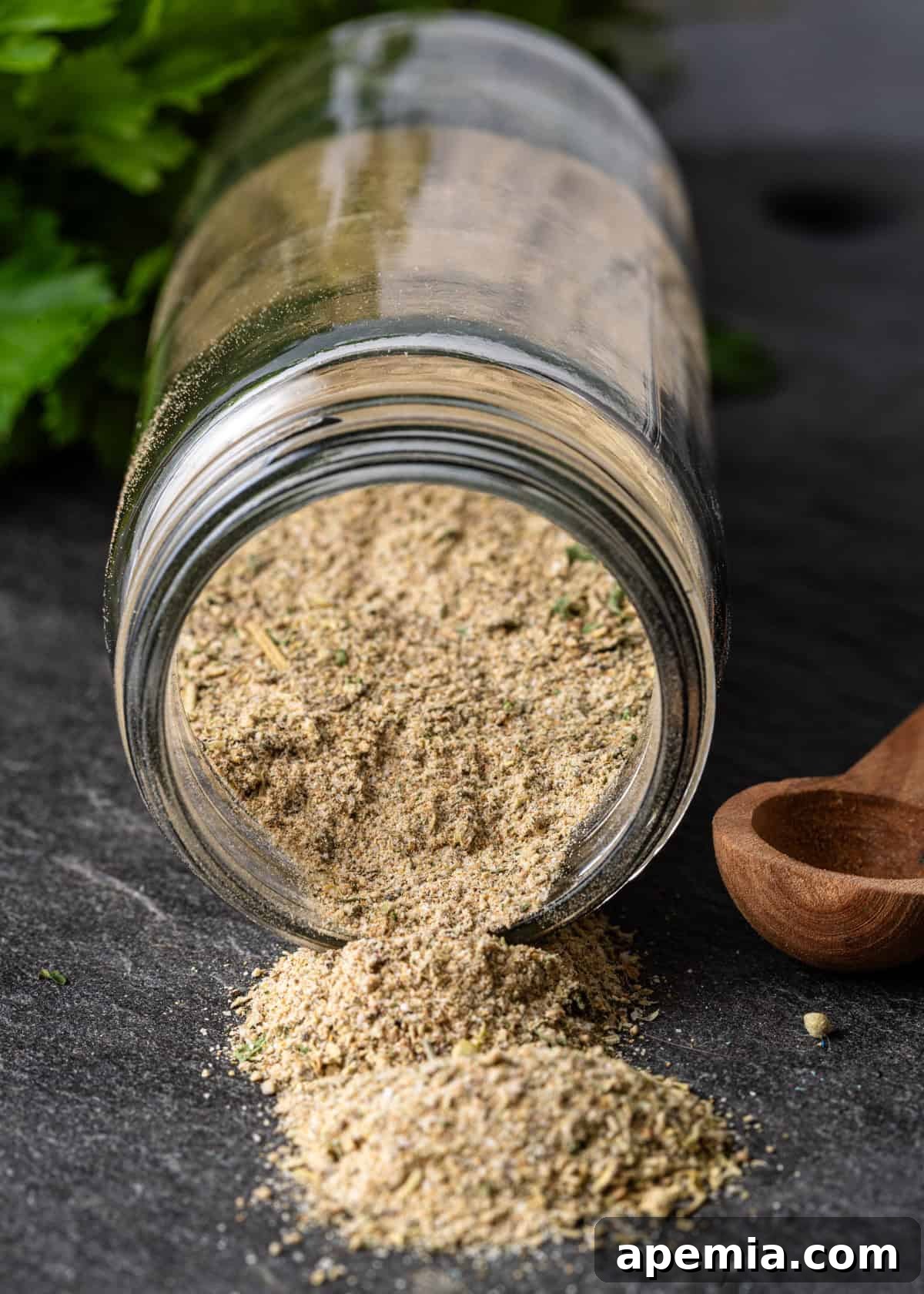
How to Use Your Versatile Greek Seasoning Blend
Once you’ve crafted your perfect homemade Greek seasoning, the culinary possibilities are virtually endless. This versatile blend can elevate a wide array of dishes, infusing them with authentic Mediterranean flair. Here are some of my favorite ways to incorporate this aromatic mix into your cooking:
- Marinades and Rubs: This is where the Greek seasoning truly shines! Use it generously to marinate chicken, lamb, pork, or beef before grilling, roasting, or pan-searing. Mix with olive oil, lemon juice, and a touch of garlic for an instant, flavorful marinade that tenderizes and seasons meat beautifully. For a dry rub, simply coat your protein liberally before cooking.
- Roasted Vegetables: Transform ordinary vegetables into a Mediterranean delight. Toss potatoes, zucchini, bell peppers, eggplant, or cherry tomatoes with olive oil and a generous sprinkle of Greek seasoning before roasting. The flavors will caramelize and deepen, creating an incredibly delicious side dish.
- Grilled Seafood: Dill, a unique addition to this blend, makes it exceptional for seafood. Sprinkle over grilled or baked fish (like salmon, cod, or snapper), shrimp, or calamari. The bright notes complement the delicate flavors of the sea perfectly.
- Dips and Sauces: Stir a teaspoon or two into homemade tzatziki, hummus, or a simple Greek yogurt dip for an extra layer of flavor. It also makes a fantastic addition to vinaigrettes and salad dressings, bringing an authentic Greek touch to your greens.
- Soups and Stews: Enhance the depth of flavor in lentil soup, avgolemono, or any Mediterranean-inspired stew. Add it during the simmering process to allow the herbs and spices to fully infuse the broth.
- Greek-Inspired Breads and Spreads: Mix into focaccia dough or sprinkle over pita bread with olive oil before baking for an aromatic accompaniment. You can even mix it into cream cheese or feta for a savory spread.
- Flavoring Grains: Stir into cooked rice, quinoa, or couscous along with a little olive oil and fresh lemon juice for a simple, flavorful side dish.
Experiment and find your own favorite applications! This blend is designed to be your go-to for bringing the vibrant, sun-kissed flavors of Greece into your kitchen.
Share this recipe on Pinterest!
Love this recipe? Share it with the world on Pinterest.
Frequently Asked Questions About Greek Seasoning
While there’s no single definitive recipe for Greek seasoning, most blends commonly feature a combination of pungent oregano, earthy black pepper, savory salt, aromatic garlic powder, fresh basil, and bright dill. My unique blend takes it a step further by incorporating uncommon yet complementary additions like ground dried lemon peel for extra zest, and a touch of cinnamon and nutmeg to introduce a warm, deep, and slightly sweet complexity, giving it a distinctive character that truly stands out.
If you find yourself without the ingredients to craft your own Greek seasoning or are seeking a readily available alternative with a comparable flavor profile, Italian seasoning is your best bet. This makes perfect sense, as both Greece and Italy are Mediterranean countries that share many culinary traditions and frequently use similar aromatic herbs and spices in their cuisines. While not identical, Italian seasoning will offer a familiar herbaceous and savory foundation.
In authentic Greek cooking, a core set of herbs and spices forms the backbone of countless dishes. These commonly include robust garlic, sweet onion, fragrant oregano, piquant black pepper, fresh dill, vibrant parsley, and sometimes cooling mint. My Greek seasoning recipe incorporates all of these essential elements, with the exception of mint. I personally omit mint from this particular blend as I find its strong, distinctive flavor can sometimes overpower the more subtle nuances of the other herbs, ensuring a balanced and harmonious profile.
For a shelf-stable seasoning blend like this, dried herbs are highly recommended and preferred. As discussed in our “Dried Herbs vs. Fresh” section, dried herbs have a concentrated flavor and significantly longer shelf life, which is ideal for a blend you intend to store for months. Fresh herbs contain moisture that can lead to spoilage and will not retain their potency or texture in a dry mix. If you desire a fresh herb flavor, it’s best to add finely chopped fresh herbs directly to your dish during cooking.
My Greek seasoning blend is designed to be aromatic and savory with a very mild background warmth, rather than overtly spicy. The black pepper provides a gentle kick, enhancing the overall flavor without adding significant heat. There are no cayenne pepper or chili flakes in this recipe. If you prefer a spicier blend, you can always add a pinch of red pepper flakes or a touch of smoked paprika to your individual dishes when cooking.
Homemade Greek Seasoning Blend
16 teaspoons (approx. 1/3 cup)
5 mins
5 mins
Print Recipe
Ingredients
- 3 tsp kosher salt (or 2 tsp table salt)
- 2 tsp garlic powder
- 2 tsp onion powder
- 2 tsp lemon peel powder (See Note 1)
- 2 tsp oregano
- 1 tsp basil
- 1 tsp black pepper
- 1 tsp dill
- 1 tsp parsley
- 1 tsp rosemary
- 1/2 tsp cinnamon
- 1/4 tsp nutmeg
Instructions
-
Place all of the ingredients in a small bowl and mix very well until thoroughly combined. Alternatively, for a finer, more powdered blend (my preference), add all ingredients to a spice grinder and pulse until a uniform consistency is achieved.
-
Transfer the finished seasoning blend to an airtight container. Store in a cool, dark place for up to 6 months to maintain optimal freshness and potency. This recipe yields approximately 16 teaspoons, or about 1/3 cup, of seasoning.
Notes
- If you cannot find lemon peel powder, you can easily make your own by grinding dried lemon peel to a fine powder in a spice grinder. I often source harder-to-find specialty spices from places like Penzys, which offers excellent quality.
Nutrition
| Carbohydrates: 1g
| Protein: 0.1g
| Fat: 0.03g
| Saturated Fat: 0.02g
| Polyunsaturated Fat: 0.01g
| Monounsaturated Fat: 0.01g
| Sodium: 291mg
| Potassium: 13mg
| Fiber: 0.3g
| Sugar: 0.1g
| Vitamin A: 7IU
| Vitamin C: 0.4mg
| Calcium: 7mg
| Iron: 0.1mg
The information shown is an estimate provided by an online nutrition calculator. It should not be considered a substitute for a professional nutritionist’s advice.
Spice Blend
Greek
Kevin
Have You Made This Recipe? Let Me Know on Instagram!
Tag @keviniscooking or use the hashtag #keviniscooking!