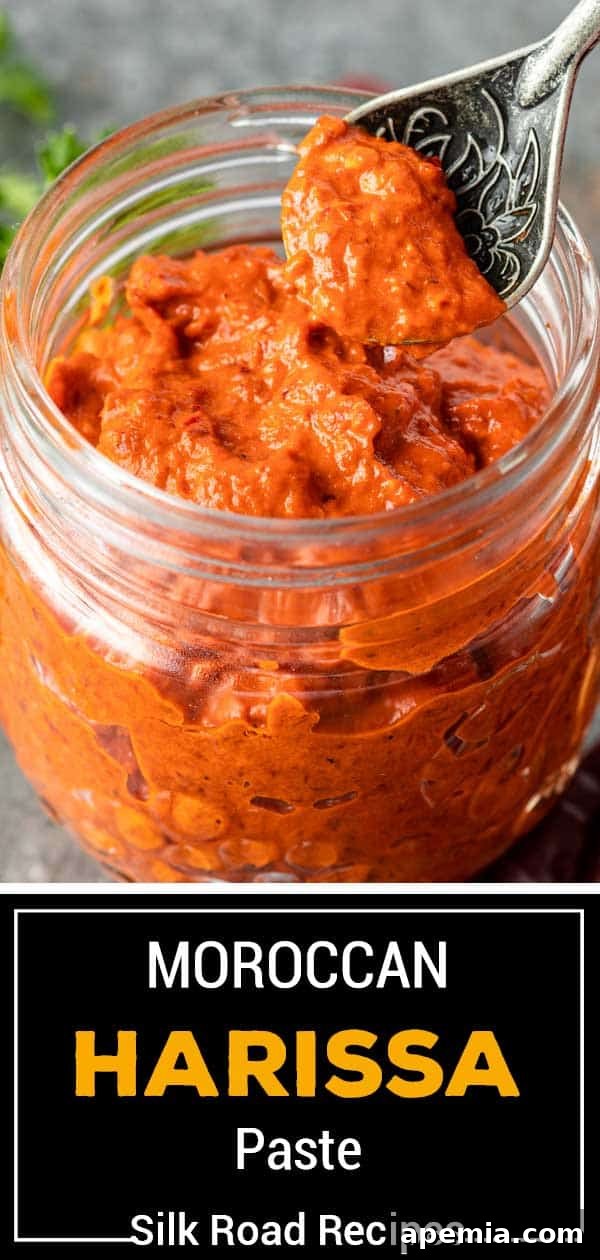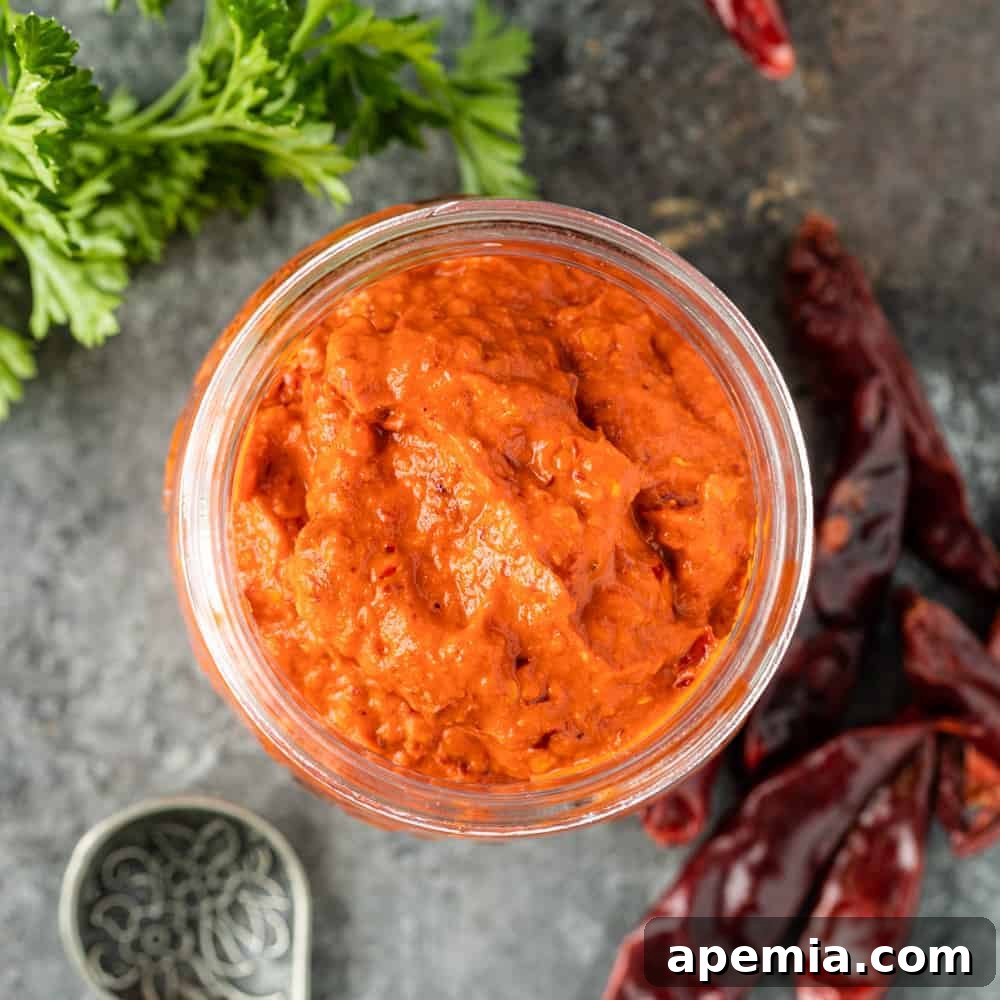
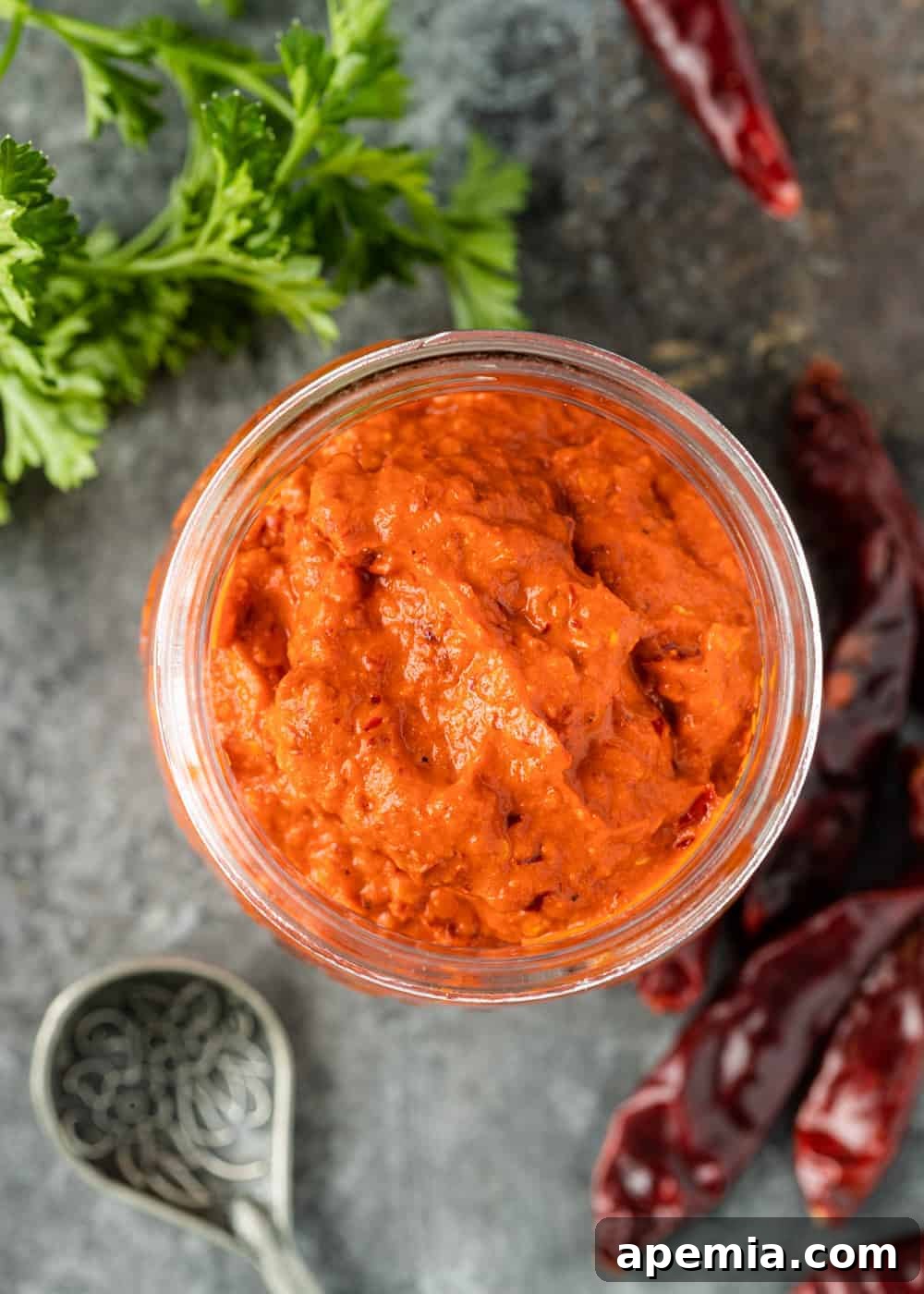
Welcome to the vibrant world of North African flavors! Today, we embark on a culinary journey to craft the perfect batch of Harissa paste, a true jewel of North African cuisine. This sensational chili paste isn’t just a condiment; it’s an explosion of taste, a harmonious blend of fiery chilis, sweet roasted peppers, aromatic smoky spices, and zesty garlic. Prepare to elevate your cooking with this essential, incredibly versatile staple.
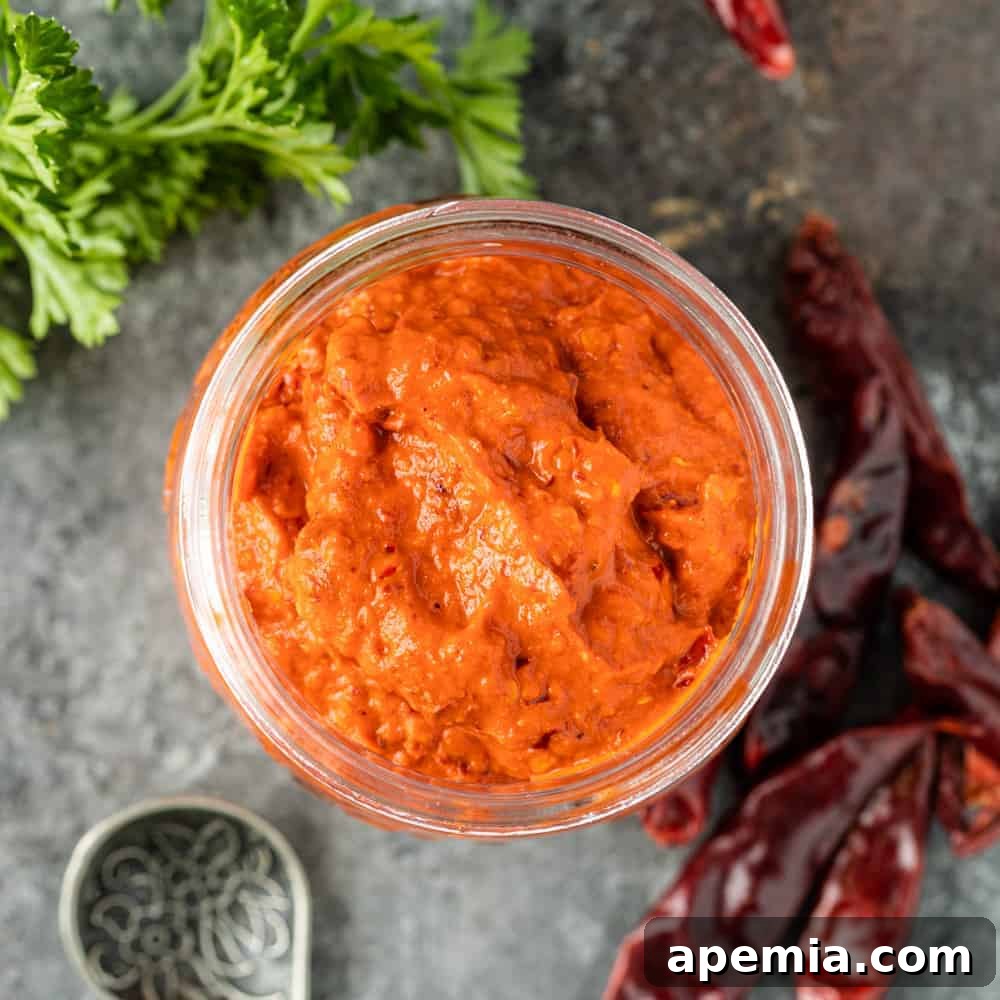
Harissa paste holds a revered spot in the culinary traditions of Morocco, Tunisia, and Algeria, extending its influence across the entirety of North Africa. This fiery red sauce transcends mere seasoning, finding its way into an astonishing array of dishes. From invigorating egg breakfasts like Shakshuka to robust meat tagines, and even brightening up cold vegetable salads, harissa is the secret ingredient that transforms the ordinary into the extraordinary. It’s not just a component within a recipe; it’s also a beloved condiment, often served alongside meals for an added kick of flavor and heat.
Mastering this surprisingly simple homemade harissa recipe will unlock a universe of gastronomic possibilities in your kitchen. Imagine the depth and authenticity it will bring to your dishes! Get ready to explore new dimensions of flavor. While this guide focuses on harissa, I also encourage you to explore other fantastic North African staples like my Peri Peri Sauce, Berbere Spice Mix (Ethiopian Blend), and Chermoula (North African Relish) for a truly comprehensive experience.
Why Make Your Own Harissa Paste? The Homemade Advantage
While store-bought harissa is readily available, making your own offers unparalleled benefits that truly elevate your dishes. Homemade harissa guarantees freshness, allowing you to control the quality of each ingredient and avoid any unwanted preservatives or additives. You can customize the spice level, tailoring it precisely to your palate, whether you prefer a gentle warmth or an intense fiery kick. The process itself is deeply satisfying, connecting you more intimately with the food you prepare. Plus, the aroma that fills your kitchen as you blend these incredible ingredients is simply intoxicating – a preview of the deliciousness to come. The flavors of freshly toasted spices and charred peppers simply cannot be replicated by commercial versions, offering a brighter, more nuanced, and truly authentic taste experience.
What is Harissa Paste? Exploring its Rich Flavor Profile
Harissa is much more than just a chili paste; it’s a complex condiment bursting with layers of flavor. At its core, it’s defined by the heat of various red chili peppers, but it’s the interplay with other ingredients that makes it truly special. Sweet red bell peppers, often charred to impart a smoky depth, provide a crucial balance to the spice. Earthy cumin, bright coriander, and often a touch of smoky paprika contribute to its distinctive North African character. Fresh garlic adds a pungent, zesty punch, while a hint of acidity from vinegar or lemon juice brightens the overall profile. Perhaps most intriguing are the floral notes introduced by orange blossom water or rose water, and the bright citrusy lift from orange zest, which add an unexpected yet delightful perfume-like essence that sets Moroccan harissa apart. This intricate combination results in a paste that is deep, smoky, tangy, zesty, and undeniably vibrant.
Key Ingredients for Authentic Harissa Paste & Smart Substitutions
The magic of harissa lies in the quality and balance of its core ingredients. While the recipe calls for specific items to achieve an authentic Moroccan flavor, don’t hesitate to explore substitutions if certain ingredients are hard to find. Here’s a detailed look at what goes into our harissa and how you can adapt it:
- Red Chilis (Chili de Arbol): These chilis are the heart of harissa, offering a spicy, nutty, and slightly grassy flavor. For the most authentic taste, seek out chili de arbol. If unavailable, other dried red chilis like Guajillo or a blend of dried New Mexico and Ancho chilis can be good substitutes, though they might offer a milder or different flavor profile. Adjust the quantity based on your preferred heat level and the chili’s natural intensity.
- Red Bell Pepper: A vital component, the red bell pepper adds a sweet, tangy base and significant body to the paste. Charring it is crucial as it infuses a deep smoky flavor that beautifully complements the chilis and spices. If you’re short on time or equipment, a fire-roasted red bell pepper from a jar can be a convenient (though slightly less authentic) alternative.
- Cumin Seeds: These seeds are foundational, providing warm, earthy, and slightly nutty undertones. Toasting them before grinding truly awakens their essential oils and enhances their aromatic contribution. If you only have ground cumin, a heaping ½ teaspoon can be used, but always opt for fresh, whole seeds if possible for superior flavor.
- Coriander Seeds: Bringing a sweet, almost curry-like flavor with a delicate hint of citrus, coriander seeds are indispensable. Like cumin, toasting them is key to unlocking their full potential. Ground coriander is an acceptable substitute if seeds are not available.
- Garlic: Fresh garlic cloves contribute a sharp, zesty, and pungent kick that is essential to harissa’s vibrant character. Do not skip or substitute fresh garlic for garlic powder; the fresh cloves provide a distinct depth of flavor.
- Smoked Paprika: This spice adds another layer of smoky complexity alongside a sweet-spicy warmth, enhancing the overall richness of the paste. Regular paprika can be used, but smoked paprika adds a unique, irresistible depth.
- White Vinegar: A touch of white vinegar provides a crucial pop of lively acidity, balancing the richness and heat of the chilis and spices. Lemon juice can be used as an alternative for a brighter citrusy tang.
- Orange Blossom Water (or Rose Water): This is one of the distinct elements that gives Moroccan harissa its signature delicate, fruity, and perfume-like essence. It adds an ethereal floral note that makes the paste truly special. Look for it in the international food aisle of your supermarket or specialty stores. Rose water is a common and equally delightful substitute.
- Orange Zest: The zest from an orange brings a bright, tangy, and invigorating citrusy flavor, adding a sunny disposition to the paste. It complements the orange blossom water beautifully. If fresh oranges aren’t available, lemon or lime zest can be used in a pinch, providing a similar tart brightness.
- Salt and Vegetable Oil: Essential for seasoning and achieving the right consistency, as well as aiding in preservation. Use a neutral-flavored oil like vegetable or canola oil.
Crafting Your Own Moroccan Harissa: A Detailed Step-by-Step Guide
Making Moroccan harissa is a gratifying process that’s surprisingly quick and easy, especially with a good food processor. Follow these steps to create your own vibrant, flavorful chili paste:
- Soak the Chilis for Optimal Texture: Begin by preparing your dried red chili peppers. Carefully remove their stems, then add the chilis to a saucepan filled with boiling water. Reduce the heat to a simmer, cover the saucepan, and let them gently simmer for just 2 minutes. Immediately after, remove the pan from the heat. To ensure all chilis remain fully submerged and soften evenly, place a small saucer or heat-proof bowl directly on top of them. Allow them to soak undisturbed for 30 minutes. This rehydrates them and makes them easier to blend into a smooth paste.
- Prepare the Orange Zest for a Citrusy Brightness: While the chilis are soaking, use a vegetable peeler to carefully remove a strip of zest from an orange. You’re aiming for a piece approximately 4 inches long by 1 inch wide. Try to avoid the white pith underneath the zest, as it can be bitter. This zest will infuse a bright, tangy, and aromatic citrus note into your harissa.
- Toast and Grind the Seeds for Intense Aroma: Place the cumin and coriander seeds in a dry skillet over medium heat. Toast them gently, shaking the pan frequently, until they become fragrant and slightly darker in color. Be vigilant to avoid burning them, as burnt spices will taste bitter. Once toasted, immediately transfer them to a small bowl to cool. Once completely cool, transfer the toasted seeds to a spice grinder (or a mortar and pestle) and pulse them into a fine, aromatic powder. If using pre-ground spices, you can skip this toasting step, but note that the flavor will be less intense.
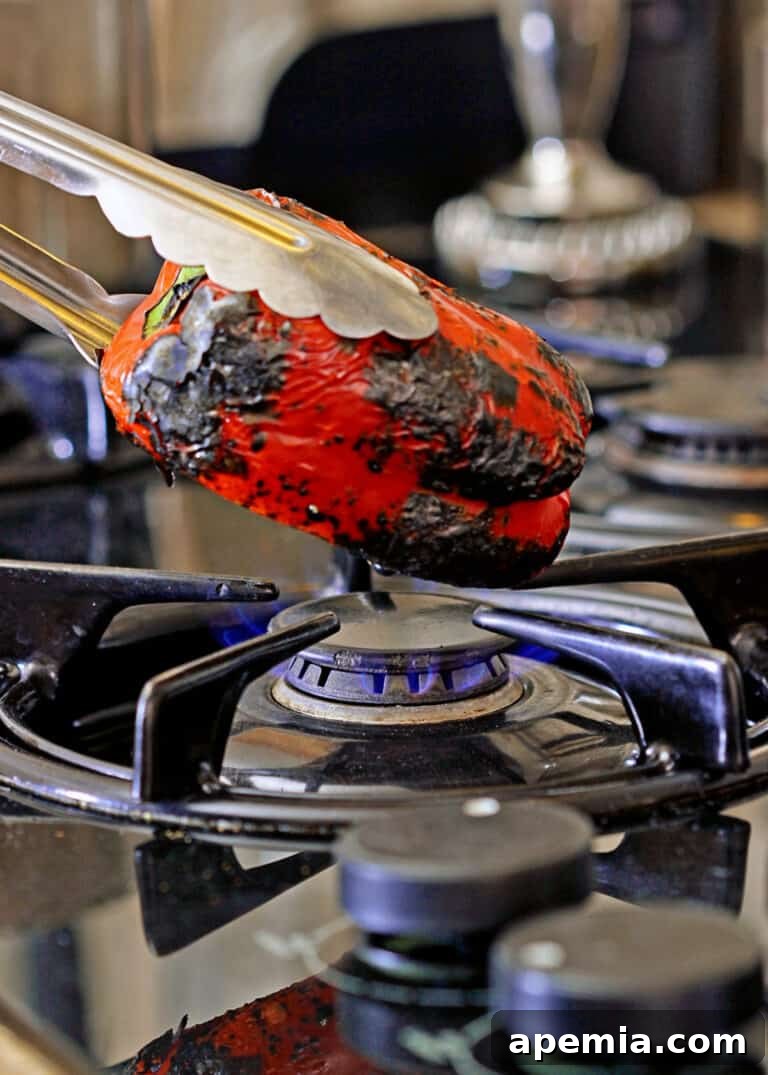
- Blacken the Bell Pepper for Smoky Depth: This step is crucial for imparting a deep, smoky flavor. Using either the broiler in your oven or an open flame on your stovetop, blacken and char the red bell pepper all over until its skin is blistered and largely blackened. Once charred, immediately place the hot pepper into a bowl and cover it tightly with plastic wrap. The trapped steam will help to loosen the skin, making it much easier to remove. After the pepper has cooled sufficiently to handle (about 10-15 minutes), carefully peel off and discard the charred skin, along with the stem, veins, and seeds. The smoky, softened flesh is what you’re after.
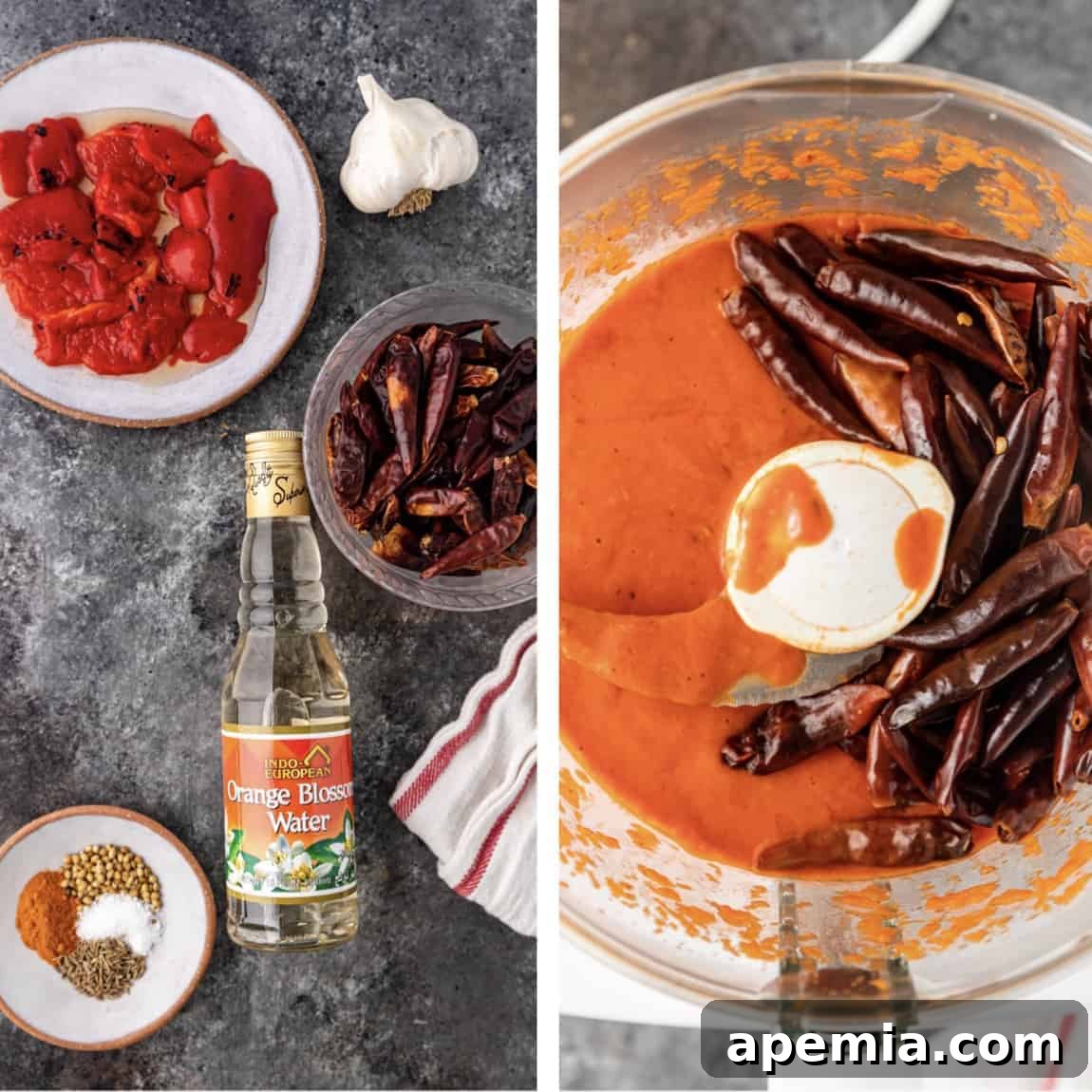
- First Blend – The Aromatic Base: Transfer the prepared, charred red bell pepper (without skin, stem, or seeds) to your food processor or blender. Add in the peeled garlic cloves, smoked paprika, the freshly ground toasted cumin and coriander, salt, vegetable oil, white vinegar, the orange blossom water (or rose water), and the strip of orange zest. Puree these ingredients together until they form a relatively loose, fragrant paste. Scrape down the sides of the processor as needed to ensure everything is well combined.
- Second Blend – Incorporating the Chilis: Once the soaked chilis are soft, drain them thoroughly and gently squeeze out any excess water. Add these rehydrated chilis to the food processor with the other ingredients. Continue to puree until the mixture transforms into a smooth, thick, and vibrant red paste. If the paste is too thick for your preference, you can add a tablespoon or two of water or additional oil until you reach your desired consistency. Taste and adjust seasoning if necessary.
Unleash the Flavor: Creative Ways to Use Your Homemade Harissa
Harissa paste is an incredibly versatile condiment that can transform a multitude of dishes. Its bold, spicy, and aromatic profile makes it a fantastic addition to almost any meal. Here are some of the countless ways to incorporate your homemade Moroccan harissa into your cooking:
- Classic Chicken Dishes: Naturally, harissa shines in chicken recipes. Try the classic Harissa Chicken for a flavorful main course. It also complements other North African poultry dishes beautifully, like Moroccan Chermoula Chicken, where its heat can be balanced with other herbs and spices.
- Spice Up Your Pasta & Meatballs: Elevate your pasta night by stirring a spoonful of harissa into your sauce for an instant flavor boost. It’s also fantastic when incorporated into ground meat mixtures. These Spicy Tunisian Beef Meatballs are a perfect example, delivering a comforting yet zesty meal.
- Enhance Soups and Stews: A dollop of harissa stirred into soups and stews adds warmth, depth, and a delightful spicy kick. It’s particularly excellent in hearty North African stews such as a rich Lamb Tagine or a comforting Moroccan Chicken Stew.
- Breakfast with a Kick: Start your day with a burst of flavor. Stir a little harissa into scrambled eggs, or for a truly authentic and spicy breakfast feast, prepare a Moroccan Shakshuka, where harissa is a key ingredient in the tomato sauce.
- Vibrant Vegetable Dishes: Harissa is a game-changer for vegetables. Roast root vegetables like carrots, potatoes, or sweet potatoes with a harissa glaze for incredible flavor. It’s also brilliant in fresh salads; try this refreshing Chilled Moroccan Carrot Salad.
- Marinades and Rubs: Use harissa as a base for marinades for grilled meats, poultry, or fish. Its intense flavor penetrates deeply, creating incredibly tender and tasty results.
- Dips and Spreads: Mix harissa with yogurt or labneh for a creamy, spicy dip, or spread it thinly on sandwiches and wraps for an immediate upgrade. It’s also fantastic swirled into hummus or baba ghanoush.
- Flavor for Grains: Stir a teaspoon into cooked couscous, rice, or quinoa for an aromatic and spicy side dish that perfectly complements any main course.
Note of caution!
When you first open the lid of your food processor or blender after making harissa, be prepared for a powerful aroma. The concentrated chili vapors can literally take your breath away!
Understanding Harissa’s Heat: Is it Really That Spicy?
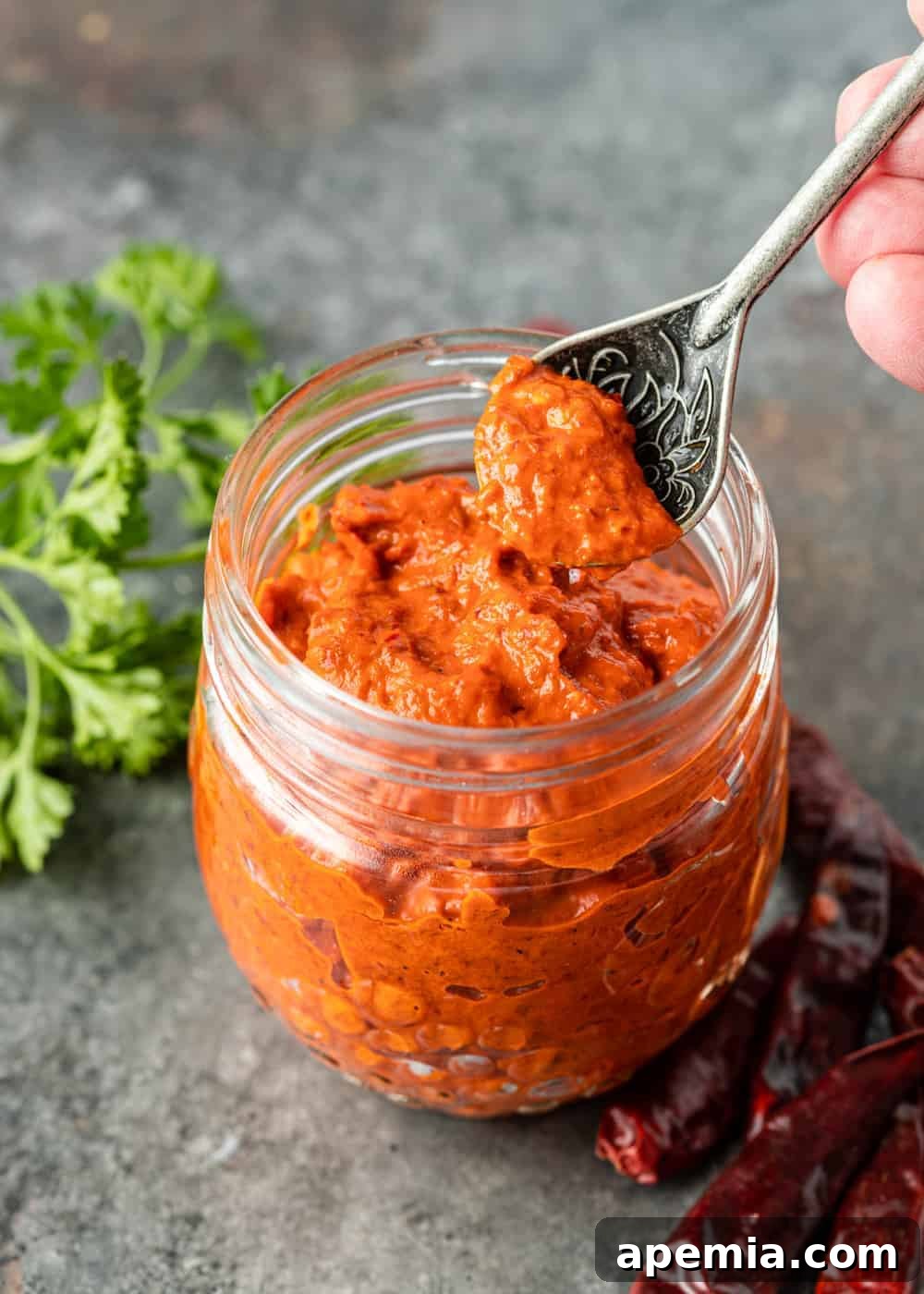
Absolutely! With a generous amount of chili peppers, red bell peppers, paprika, and other robust spices, harissa paste inherently has a noticeable kick. While the exact heat level can vary slightly based on the specific chilis used and their individual potency, in general, you can expect a medium-hot intensity. This isn’t for the faint of heart, but it’s also not meant to be overwhelmingly spicy to the point of discomfort.
However, don’t let the “spicy” label intimidate you. Harissa’s appeal extends far beyond mere heat. It’s a complex flavor bomb that is simultaneously deep, smoky, tangy, zesty, and bright. The spice is interwoven with rich, earthy, and aromatic notes, creating a multi-layered profile that is truly addictive. If you have a more sensitive palate, it’s always wise to start with a smaller amount of the chili paste in your dishes and gradually adjust to your preferred level of heat. You can always add more, but it’s much harder to subtract!
Storing Your Homemade Harissa Paste for Lasting Freshness
Proper storage is key to enjoying your homemade Moroccan harissa paste for an extended period, ensuring maximum flavor and freshness with every use. Once prepared, transfer the harissa paste into a clean, airtight container. A glass jar with a tight-fitting lid is ideal. Store it in the refrigerator, where it will maintain its peak flavor and freshness for approximately one month. To further prolong its life and prevent surface mold, you can pour a thin layer of olive oil over the top of the paste before sealing the container; this creates a protective barrier.
If you’ve made a larger batch or don’t anticipate using it all within a month, freezing is an excellent option. For convenient portioning, consider freezing harissa in ice cube trays. Once solid, transfer the cubes to a freezer-safe bag or container. Frozen harissa can last for several months. Upon thawing, you might notice that the paste has become a bit watery due to the separation of liquids. Don’t be alarmed; this is perfectly normal. A quick stir or a few pulses in a food processor or with an immersion blender will easily re-emulsify the paste, bringing it back to its original smooth consistency and vibrant texture. It will be as good as new, ready to infuse your next meal with its incredible flavor.
Frequently Asked Questions About Harissa Paste
Is Harissa Paste Vegan?
Yes, traditional harissa paste is naturally vegan! It typically consists solely of chili peppers, garlic, olive oil, spices, and sometimes herbs, with no animal products. Always check ingredient lists if purchasing store-bought versions to ensure no hidden animal-derived ingredients, but homemade harissa is almost always plant-based.
Is Harissa Paste Gluten-Free?
Yes, like being vegan, authentic harissa paste is also naturally gluten-free. All its core ingredients—chili peppers, spices, garlic, and oil—are gluten-free. This makes it a fantastic flavoring agent for individuals following a gluten-free diet.
Can I Adjust the Spice Level of Harissa?
Absolutely! One of the great advantages of making harissa at home is the ability to customize its heat. To make it milder, use fewer hot dried chilis and increase the proportion of roasted red bell pepper. For a spicier paste, add a few extra hot chilis or even a pinch of cayenne pepper to the blend. Always taste and adjust as you go.
What is the Best Oil to Use for Harissa?
A neutral-flavored vegetable oil like canola oil or a light olive oil is generally recommended. Extra virgin olive oil can also be used, especially for drizzling on top for storage, but for blending, a lighter oil lets the flavors of the chilis and spices shine without imparting its own strong taste.
Subscribe to our Newsletter, and follow us on Facebook, Pinterest, Instagram and YouTube for all our latest recipes and videos.
This recipe post, originally published on Silk Road Recipes January 2021, was updated with new content, photos, and enhanced details in May 2023.
Moroccan Harissa Paste
Rating: 5 from 6 votes
Try this insanely flavorful recipe for Moroccan harissa paste for a bold, fiery-red chili paste that is easy to make and super versatile.
Servings: 24 | Prep Time: 35 mins | Total Time: 35 mins
Video
For a visual guide, please refer to the video instructions provided within the original recipe post or on our YouTube channel.
Ingredients
- 2 oz dried red chiles (chiles de arbol)
- 1 large red bell pepper
- 1/2 tsp cumin seeds
- 1/2 tsp coriander seeds
- 4 cloves garlic
- 1/2 tsp smoked paprika
- 1/2 tsp salt
- 3 tbsp vegetable oil
- 1 tsp white vinegar
- 1/4 tsp orange blossom water (or rose water)
- 1 orange (4 inch by 1 inch strip of the zest)
Instructions
- Cut off the stems of the dried red chili peppers. Bring a saucepan of water to boil and add the chiles. Simmer for 2 minutes, covered. Turn off the heat (lay a saucer on top of chiles to submerge) and allow to soak for 30 minutes.
- Using a vegetable peeler, cut a 4 inch by 1 inch strip of the zest from an orange.
- Toast the cumin and coriander seeds until they start to give off their aroma, do not burn. Set aside. When cooled, place in spice grinder and pulse.
- Next, either over an open flame blacken the red bell pepper all over until charred or under the broiler. Place charred pepper in a bowl and cover with plastic wrap. Allow to steam so skin is easily removed. When cool enough to handle discard the stem, veins, seeds and charred skin. Place in a food processor or blender.
- To the food processor or blender add the garlic cloves, paprika, salt, cumin, coriander, oil, vinegar, orange/rose water and orange zest strip. Puree until it resembles a loose paste.
- Drain and squeeze excess water from red chiles, add to food processor or blender. Puree until it resembles a smooth paste.
Notes
- I prefer whole seeds to toast and bring out their essential oils, but feel free to use a heaping 1/2 teaspoon each ground cumin and coriander and proceed to Step 4.
- You can substitute a fire roasted, jarred large red bell pepper.
Nutrition
Calories: 25kcal | Carbohydrates: 2g | Protein: 1g | Fat: 2g | Saturated Fat: 1g | Sodium: 51mg | Potassium: 57mg | Fiber: 1g | Sugar: 1g | Vitamin A: 802IU | Vitamin C: 8mg | Calcium: 3mg | Iron: 1mg
The information shown is an estimate provided by an online nutrition calculator. It should not be considered a substitute for a professional nutritionist’s advice.
Course: condiments | Cuisine: Moroccan | Author: Kevin
Have You Made This Recipe? Let Me Know on Instagram! Tag @keviniscooking or tag me #keviniscooking!