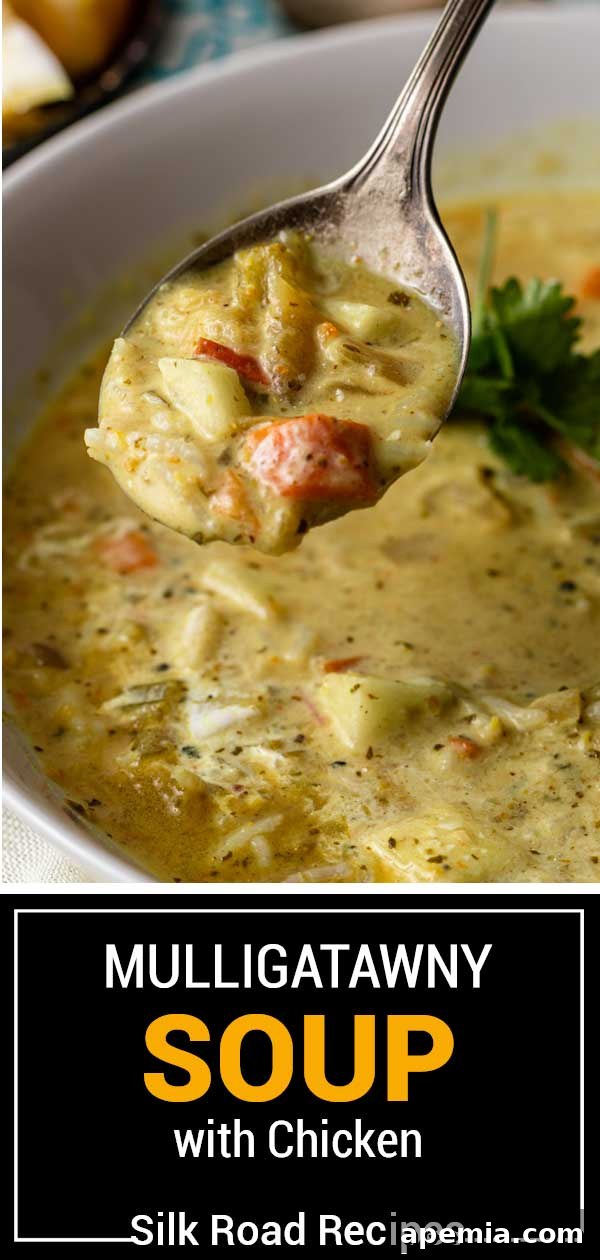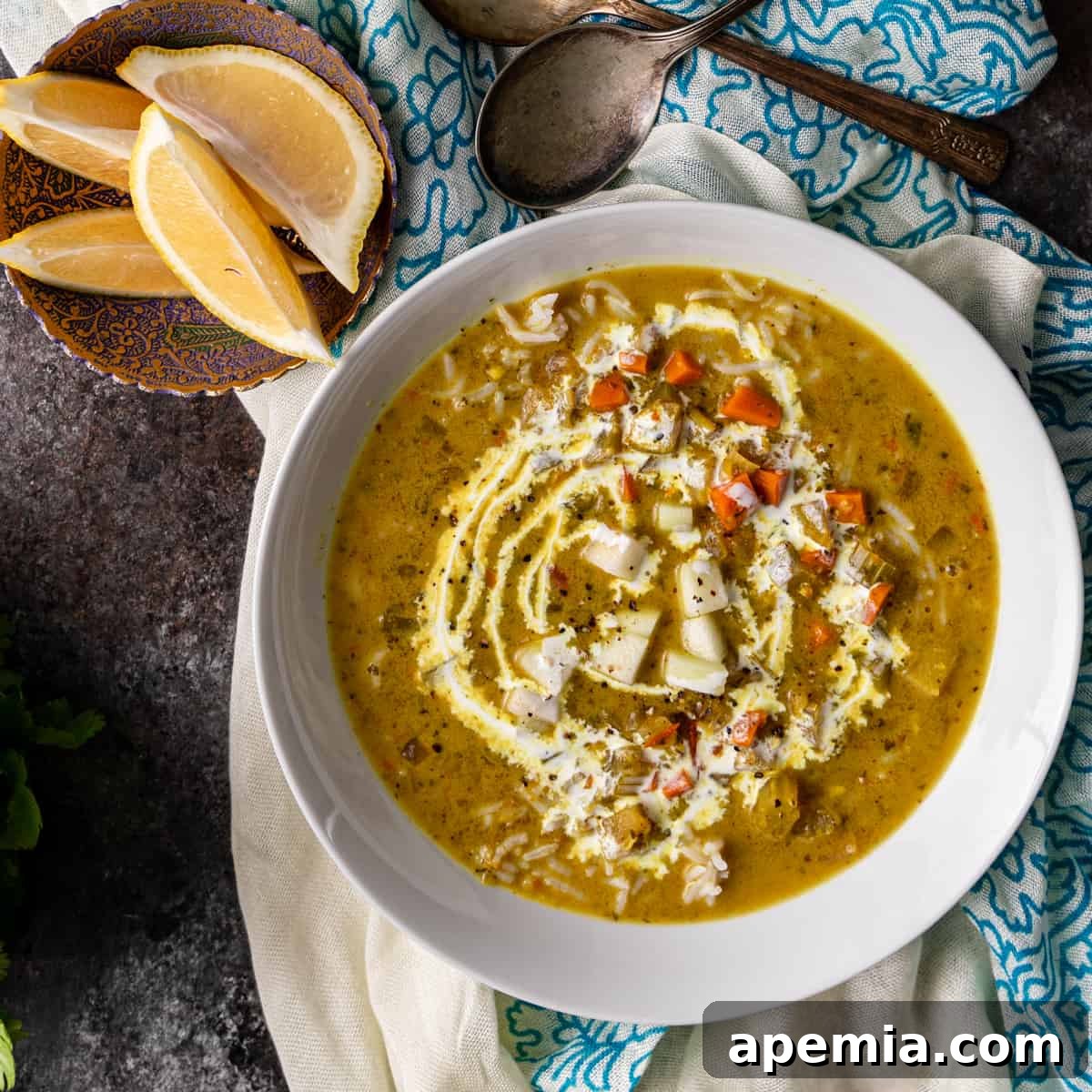
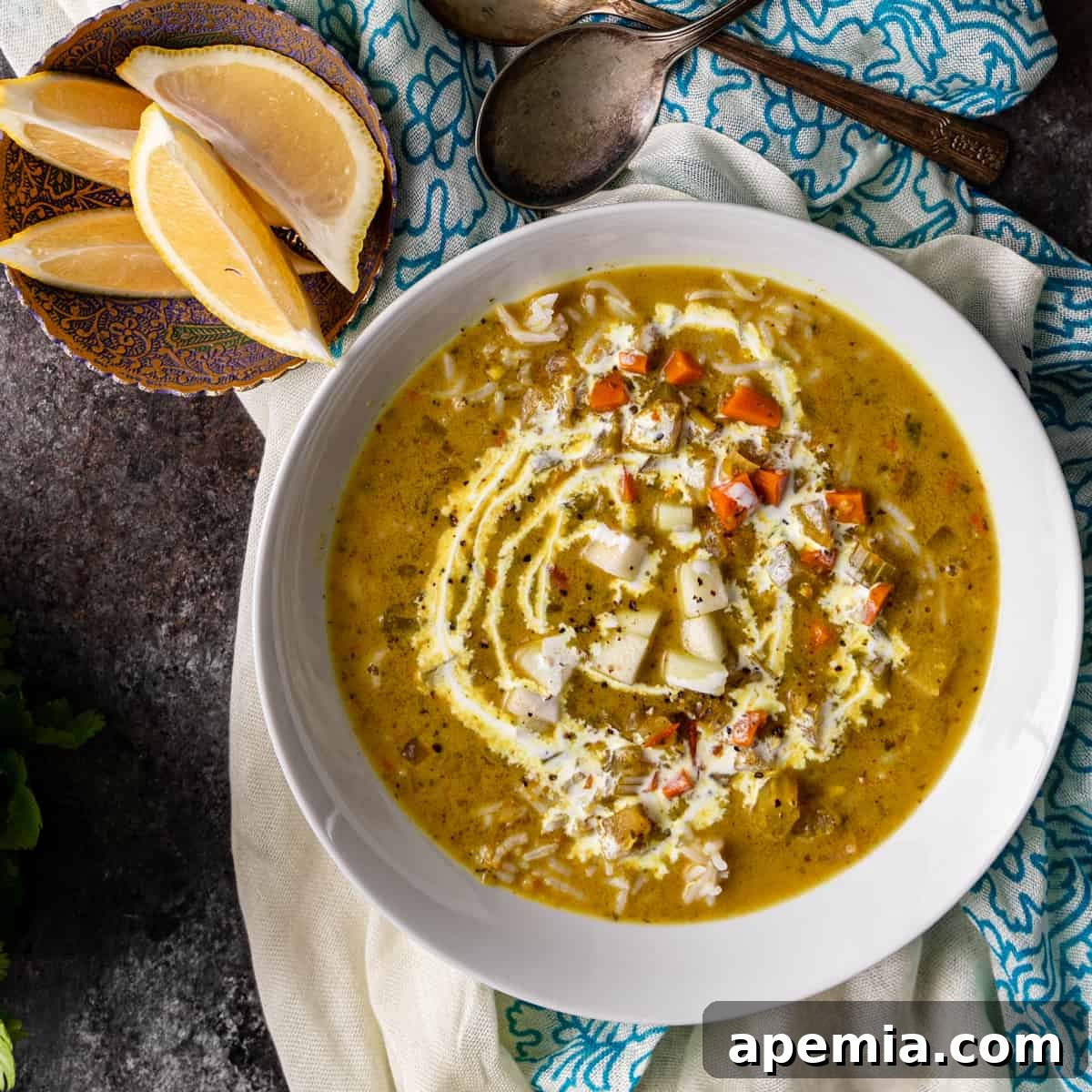
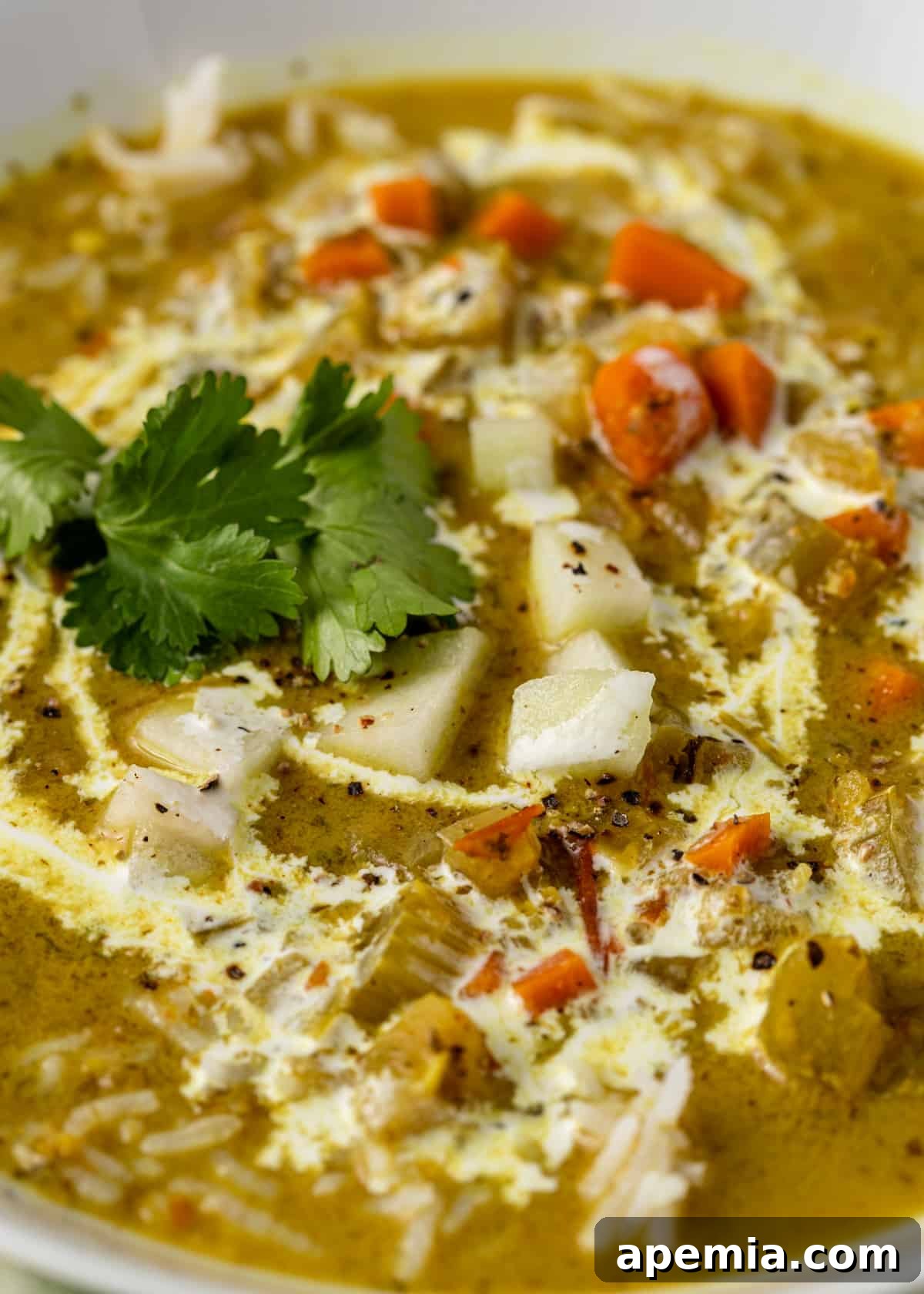
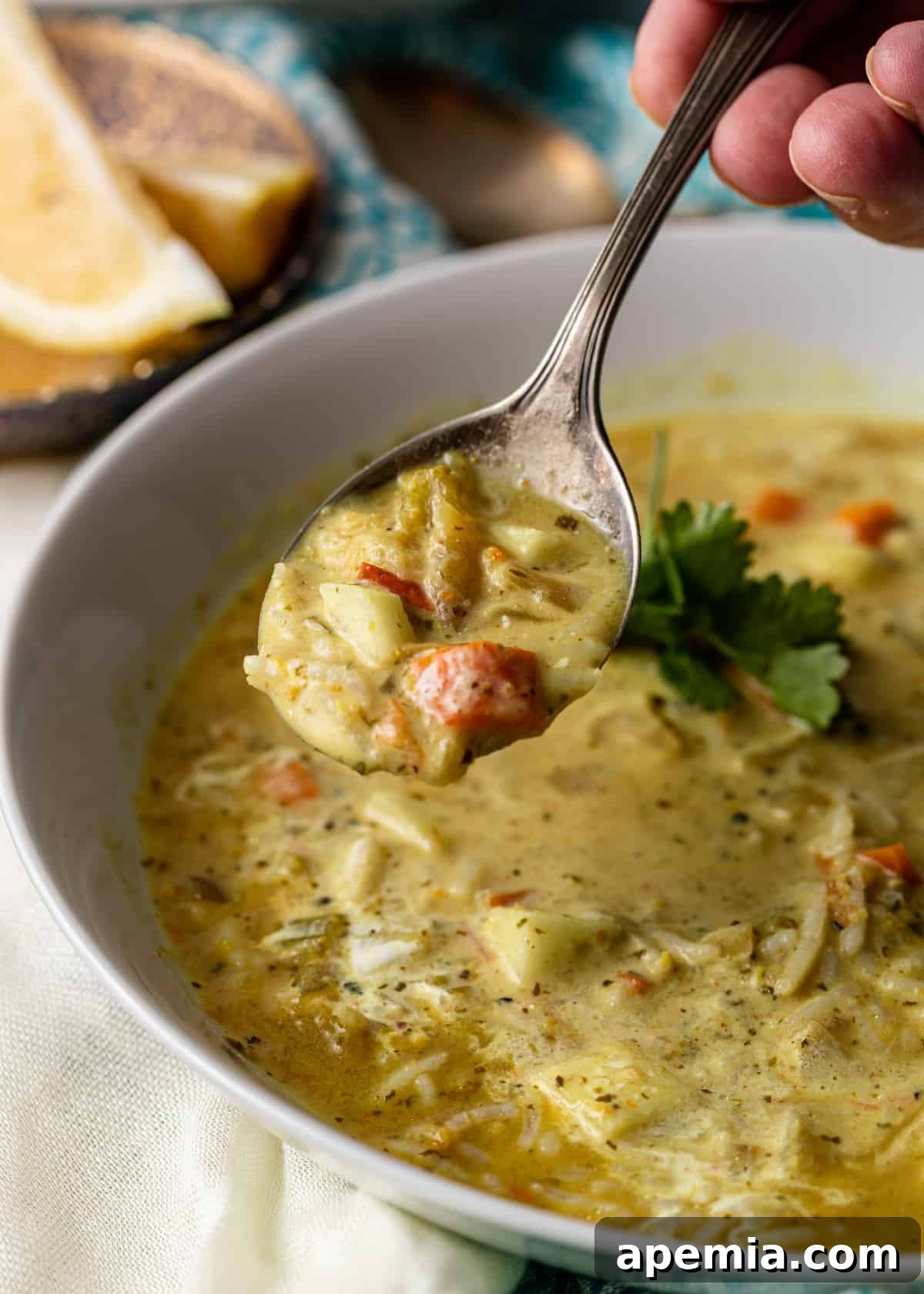
This Mulligatawny Soup is a culinary masterpiece—rich, deeply aromatic, and bursting with an exotic medley of flavors. Each spoonful delivers incredible comfort, thanks to creamy coconut milk, a symphony of warming spices, tender vegetables, and the bright surprise of tart apple. This cozy and subtly exotic dish is not only straightforward to prepare but also utterly irresistible, making it an essential addition to your weeknight dinner rotation. Prepare to savor every moment of this delightful Indian-inspired creation.
The Allure of Mulligatawny Soup: A Comforting Indian Classic
Few dishes offer the soul-warming embrace of a perfectly crafted soup, and Mulligatawny Soup stands proudly among them. With its generous infusion of aromatic spices, a bounty of tender vegetables, and a delicate hint of sweetness and tartness from apples, this soup earns its place alongside beloved Indian comfort foods like Chicken Korma and Dal Tadka. It’s more than just a meal; it’s an experience that transports your taste buds to distant lands, offering a unique blend of flavors that excite and satisfy.
A Journey Through Time: The Fascinating History of Mulligatawny Soup
The story of Mulligatawny Soup is as rich and layered as its flavor. Originating in South India, this iconic dish began its life humbly as “milagu tanni,” which literally translates to “pepper water.” It was a simple, broth-like concoction, primarily focused on the pungent heat of black pepper, often served as a digestive aid or a light accompaniment to meals. It was a staple in many South Indian households, celebrated for its invigorating properties and straightforward preparation.
However, when the British Raj arrived in India and established their presence, they encountered this “pepper water.” Accustomed to more substantial, stew-like soups in their own culinary traditions, they sought to adapt milagu tanni to better suit their palates and dining customs. This pivotal cultural exchange transformed the humble pepper water into a hearty, curry-style soup, incorporating elements familiar to British cuisine. Over time, ingredients like meat (often chicken or lamb), rice for added body, a wider array of robust vegetables, and the distinctive, somewhat surprising, addition of tart apples—a European staple—became integral to the evolving recipe. Mulligatawny thus evolved into a true fusion dish, beautifully blending the intricate warmth and complex spices of Indian cooking with Western preferences for a richer, more filling soup. This historical evolution makes Mulligatawny not just a soup, but a delicious testament to culinary innovation born from the intriguing intersection of two distinct cultures.
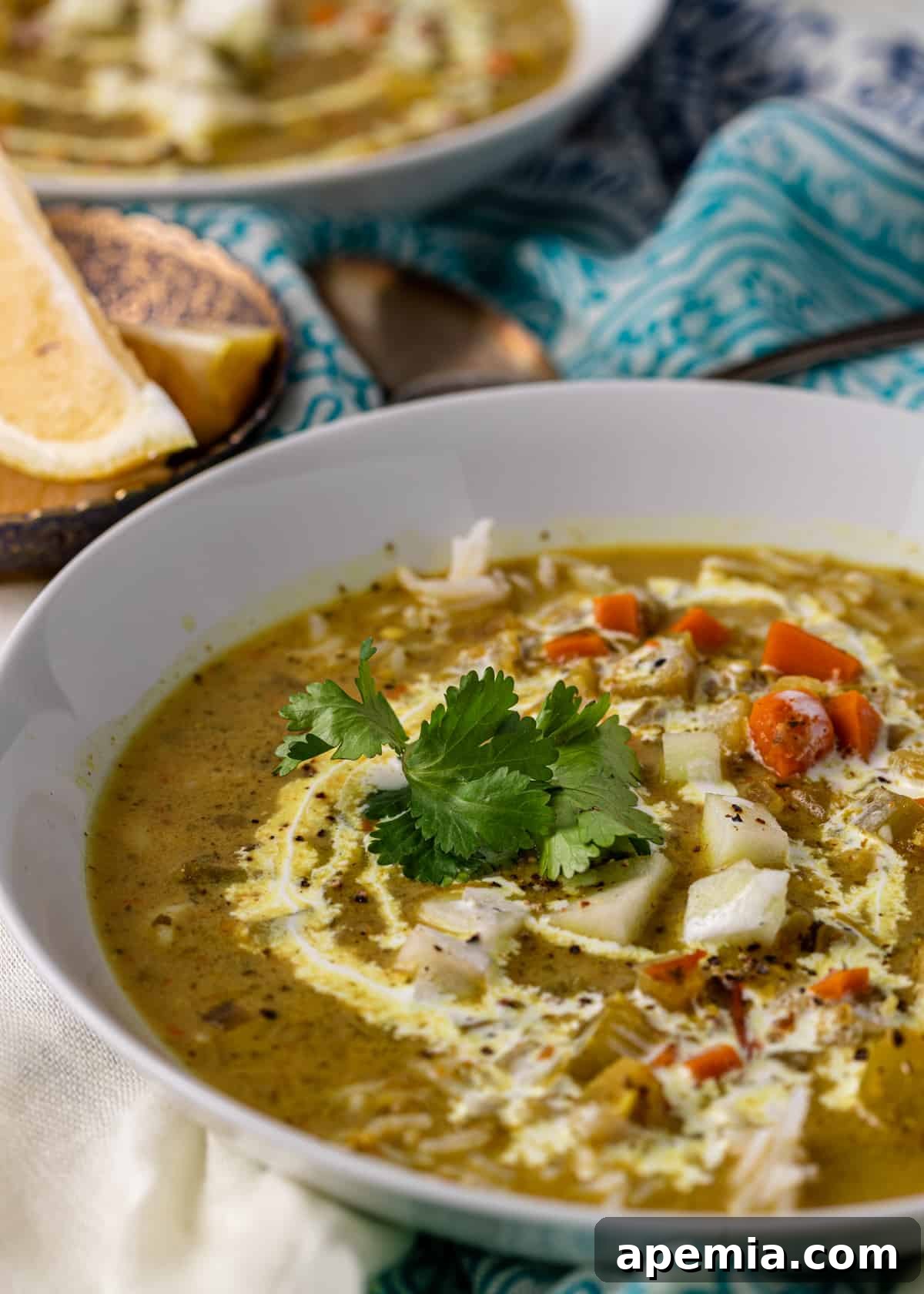
Table of Contents
- The Allure of Mulligatawny Soup
- A Journey Through Time: The Fascinating History of Mulligatawny Soup
- What Makes This Mulligatawny Recipe Special?
- Understanding Your Ingredients: Notes and Substitutions
- Crafting Your Perfect Bowl: How to Make Mulligatawny Soup
- Expert Tips for Mulligatawny Success
- Recommended Tools
- Serving Suggestions
- Storing and Reheating
- Frequently Asked Questions About Mulligatawny
- Mulligatawny Soup Recipe
What Makes This Mulligatawny Recipe Special?
My personal journey with Mulligatawny Soup began years ago in a memorable Indian restaurant in San Diego. The exquisite flavors lingered in my memory, inspiring a passionate culinary quest. This quest led me to seek out an authentic recipe directly from a seasoned chef in Agra, India, during a visit, and to draw further inspiration from celebrated culinary experts, including the revered Dan Tombs, affectionately known as The Curry Guy. This particular recipe is the rich culmination of that extensive exploration and dedication, meticulously crafted to bring you an unparalleled and deeply satisfying Mulligatawny experience right in your own kitchen.
What truly sets this Mulligatawny Soup apart is its exquisite balance and profound depth of flavor. We embrace the full spectrum of beautiful, fragrant Indian spices—cumin, coriander, black pepper, turmeric, and fenugreek—layering them expertly to create a complex and inviting warmth that is characteristic of authentic Indian cuisine. This aromatic foundation is then beautifully complemented by the luxurious silkiness of full-fat coconut milk, which not only imparts a wonderfully creamy texture but also a subtle, natural sweetness that softens the edges of the spices. The inclusion of tart green apple is a deliberate and ingenious choice, adding a bright, unexpected counterpoint of acidity and freshness. This tartness cuts through the soup’s inherent richness, elevating the entire dish and preventing it from feeling heavy. The result is a Mulligatawny Soup that is profoundly satisfying, wonderfully exotic, easy to prepare, and absolutely divine when served alongside a warm, fluffy hunk of freshly baked naan, fragrant Basmati rice, or your favorite crusty bread. It’s a harmonious blend of tradition and innovation, designed to delight every palate.
Tip From Kevin
Indian Bay Leaves Explained
A crucial ingredient in many authentic Indian dishes, the Indian bay leaf (known as Teja Patta or Tej Patta) is distinctly different from the common laurel bay leaf typically used in Western cooking. These olive-green leaves are characteristically larger, featuring three prominent veins that run lengthwise through them. They possess a wonderfully mild and unique aroma, often described as having subtle notes reminiscent of cinnamon bark and cloves, yet with its own distinct leafy essence. This delicate fragrance contributes significantly to the aromatic depth of Indian curries and soups.
Derived specifically from the cassia tree, the Indian bay leaf imparts a warm, slightly sweet, and faintly cinnamon-like note to any dish it graces. It is absolutely essential not to substitute it with the stronger, more medicinal-tasting laurel bay leaves in authentic Indian recipes, as their flavor profiles are entirely dissimilar and using the wrong one could significantly alter the delicate balance of the dish. If genuine Indian bay leaves are unavailable in your local spice shop or specialty grocery store, it’s generally best to omit them entirely rather than substitute. However, for a subtle aromatic echo, you may consider adding a tiny pinch of ground cinnamon or an extra whole clove to your recipe to compensate for their absence, though the unique complexity of Teja Patta remains unmatched.
Understanding Your Ingredients: Notes and Substitutions
(For a complete list of ingredients and precise quantities, please refer to the recipe card below)
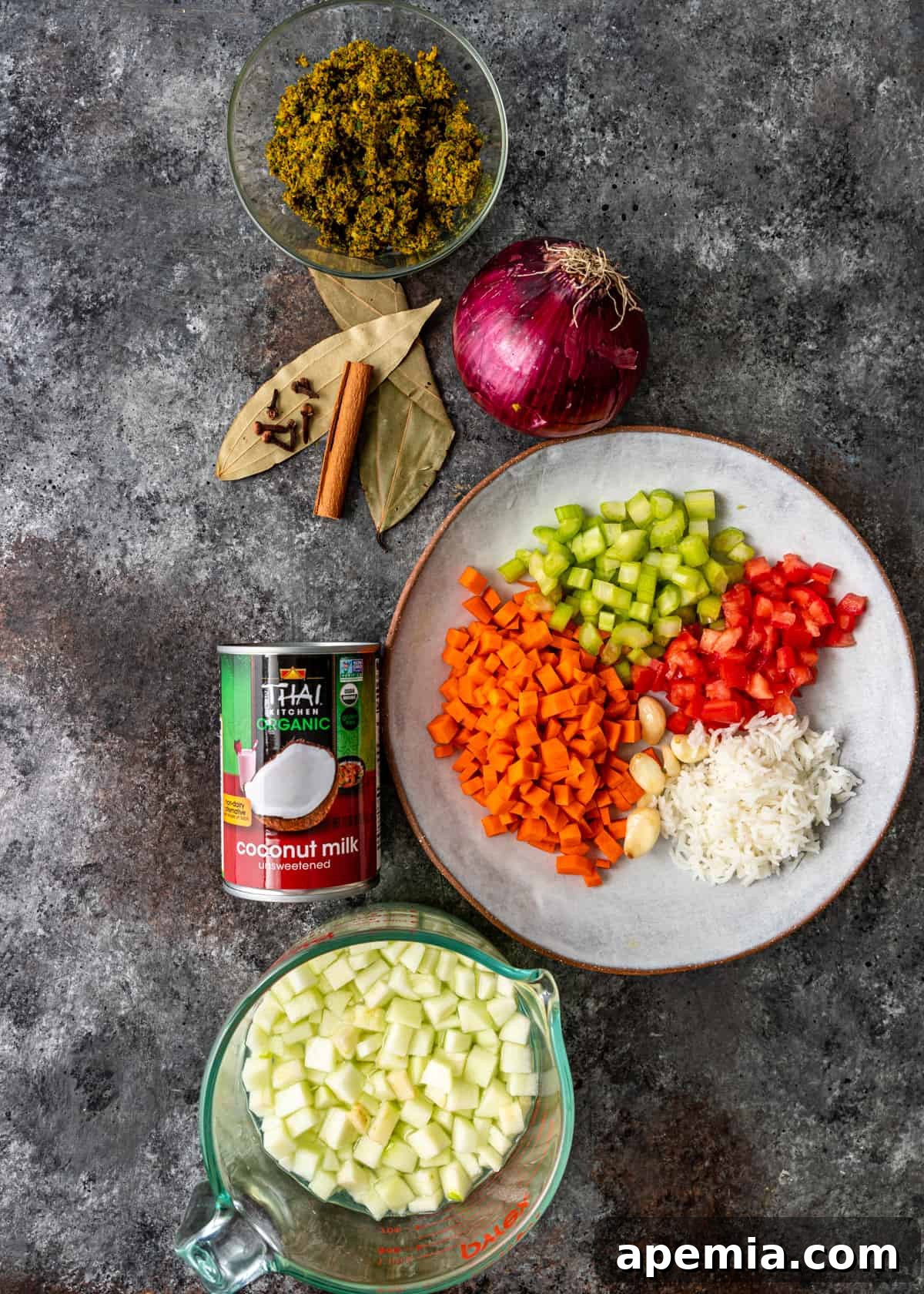
- Roma Tomatoes: These robust, oblong tomatoes are prized for their firm, meaty texture and low water content. They impart a concentrated, rich, and tangy flavor to the soup without making it overly watery, which is crucial for achieving the desired consistency.
- Granny Smith Apples: Absolutely essential for that signature bright, tart sweetness that distinguishes Mulligatawny. The crisp acidity of Granny Smith apples beautifully balances the rich spices and creamy coconut milk, preventing the soup from becoming too heavy or one-dimensional. Other tart apples like Honeycrisp or Braeburn can be used in a pinch, but Granny Smith offers the perfect profile.
- Classic Aromatics & Vegetables: Diced carrot, onion, and celery, often referred to as a mirepoix, form the foundational flavor base of many savory dishes. In this soup, they contribute a subtle sweetness, essential savory notes, and a pleasant textural element that adds to its heartiness.
- Chicken Stock: This provides the savory backbone and the primary liquid component for our Mulligatawny. A good quality stock deepens the umami notes of the soup. For a vegetarian rendition, a high-quality vegetable stock is an excellent and easy swap, ensuring the soup remains flavorful. If you prefer an even richer, more robust flavor profile, beef stock can be considered, though it will alter the traditional taste slightly.
- Basmati Rice: More than just a side dish, cooked Basmati rice acts as a crucial “carby hero” within the soup. Its delicate, aromatic grains add wonderful body, texture, and a gentle starchiness that contributes to the overall richness and thickening of the soup. Long-grain white rice can be used if authentic Basmati is unavailable, but Basmati’s distinct fragrance is preferred.
- Cilantro & Mint: These fresh, vibrant herbs are absolutely vital for imparting a bright, clean, and aromatic finish that wonderfully contrasts the warming spices. They add layers of aromatic complexity and a burst of freshness that lifts the entire dish. Don’t skip them, especially for garnishing!
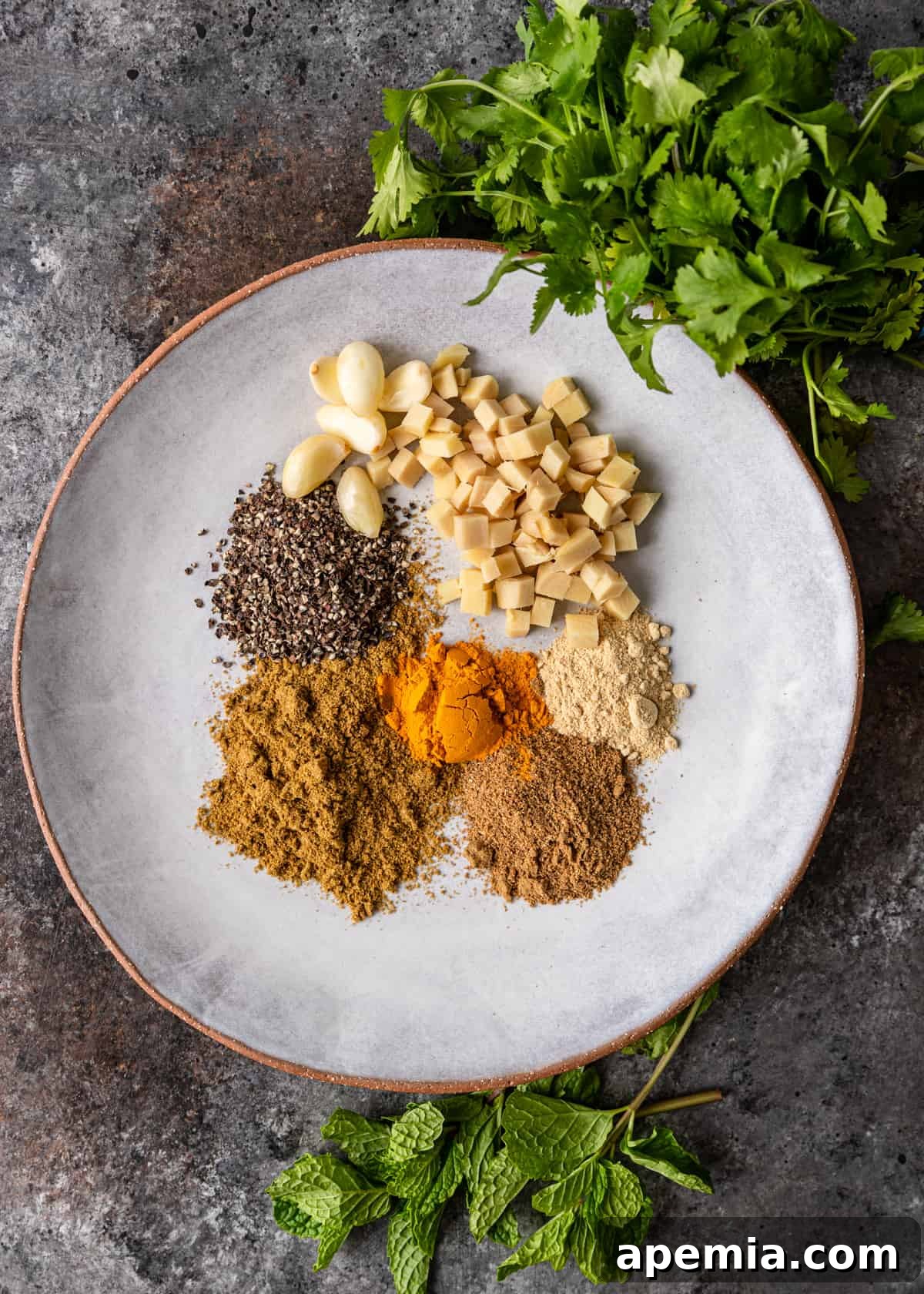
- The Core Spice Blend: The heart and soul of Mulligatawny, these spices create its distinct, warming profile:
- Cumin: Provides a deep, earthy, and warm flavor, foundational to Indian cuisine.
- Coriander: Offers bright, citrusy, and slightly floral notes, complementing the warmth of other spices.
- Black Pepper: The historical essence of “milagu tanni,” it adds a sharp, piquant heat and aromatic depth.
- Turmeric: Imparts its characteristic vibrant golden hue and a subtle earthy bitterness, crucial for color and flavor.
- Fenugreek: This unique spice adds a slightly bitter, nutty, and distinctly maple-like aroma, indispensable for achieving that authentic Mulligatawny flavor.
- Cinnamon & Cloves: Used whole, these spices slowly infuse the broth with deep, complex, warm, and fragrant notes during the initial sauté, laying a rich aromatic foundation.
- Ghee: This traditional clarified butter is fundamental for blooming the spices, allowing them to release their full flavor potential, and contributing an incredible nutty richness and depth to the dish. If authentic ghee is not available, unsalted butter can be used as a suitable substitute, though ghee offers a superior flavor.
- Fresh Garlic & Ginger: This dynamic and time-honored duo forms the pungent, aromatic core of countless Indian dishes. They provide an indispensable aromatic kick and fiery heat to this Mulligatawny Soup recipe. Always opt for fresh ingredients here, grating or mincing them yourself for the best flavor; however, pre-minced or jarred versions can work in a pinch for convenience.
- All-Purpose Flour: Used to create a roux with the ghee, which effectively thickens the soup and gives it a comforting, substantial consistency. Cornstarch slurry can be used as an alternative for a gluten-free version, but add it gradually to achieve desired thickness without over-thickening.
- Coconut Milk: The magic ingredient that transforms the tomato and spice base into a wonderfully creamy, velvety-smooth, and subtly sweet curry-like texture. Use full-fat canned coconut milk for the richest flavor and best consistency.
- Kosher Salt: Essential for proper seasoning, it enhances and balances all the intricate flavors of the spices and other ingredients, bringing the entire soup to life. Adjust to taste throughout the cooking process.
- Fresh Lemon: A generous squeeze of fresh lemon juice at the very end, along with extra wedges for garnishing, provides a vital zingy brightness and a burst of acidity. This final touch lifts the entire dish, cutting through the richness and adding a final flourish of vibrant flavor.
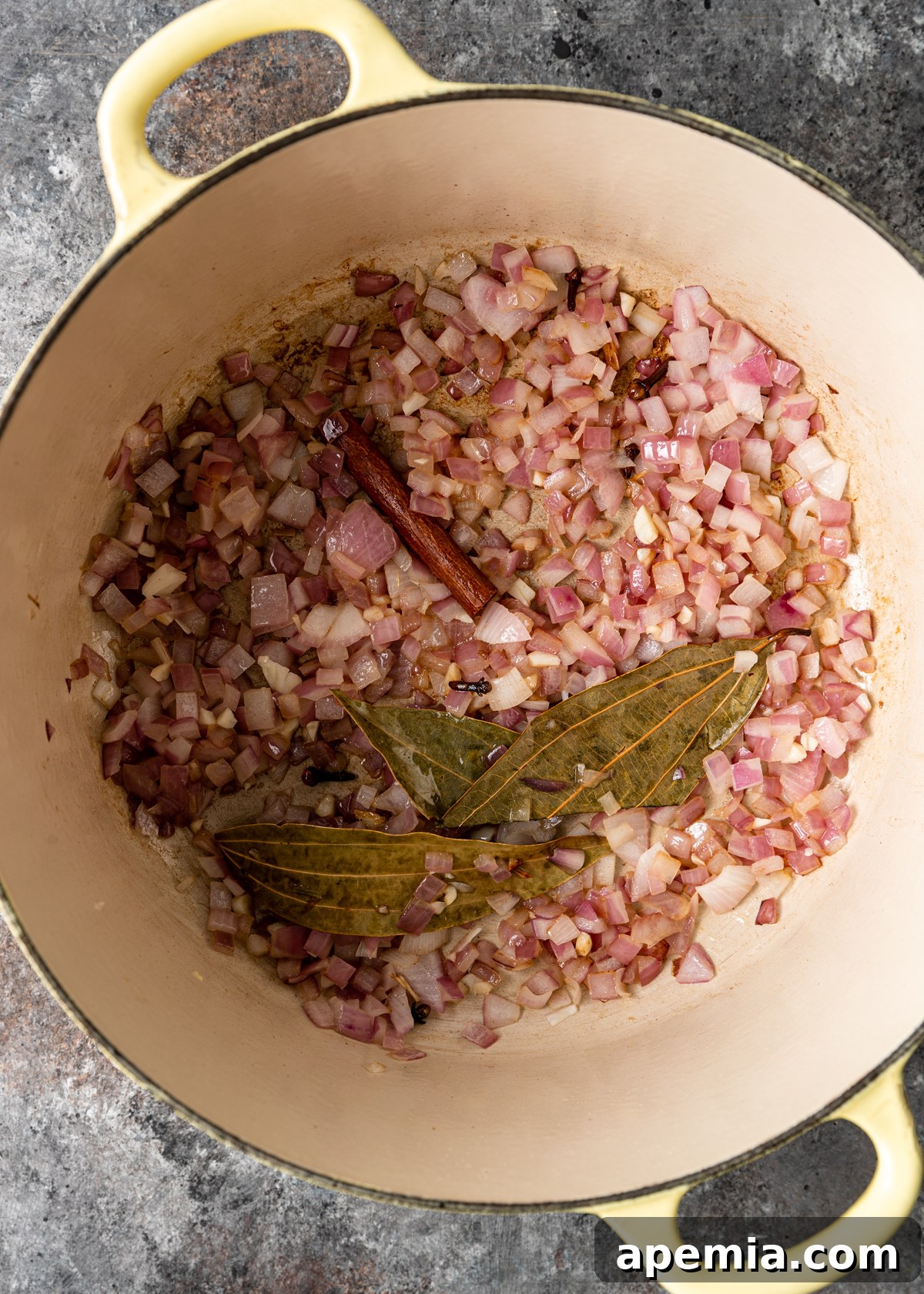
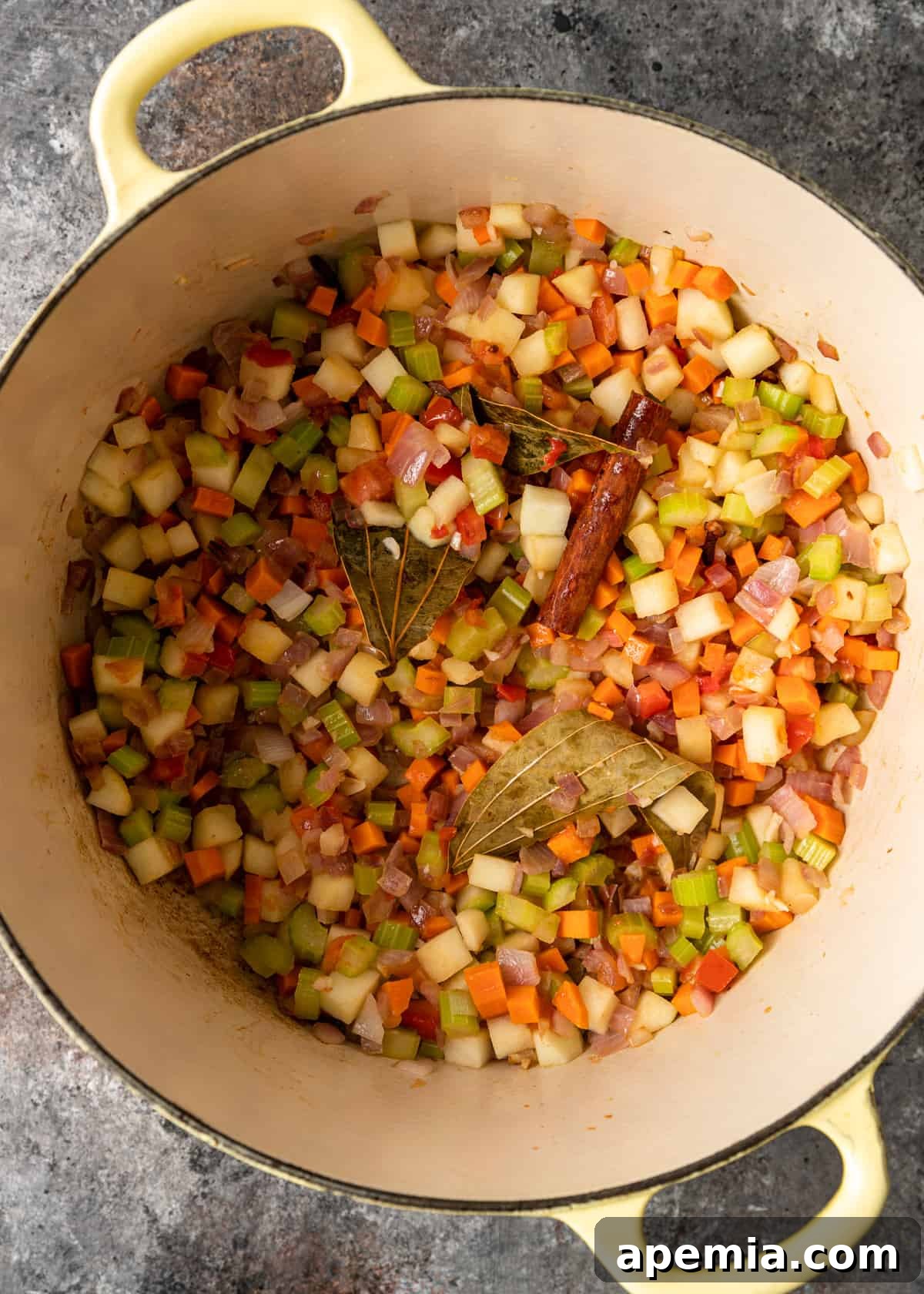
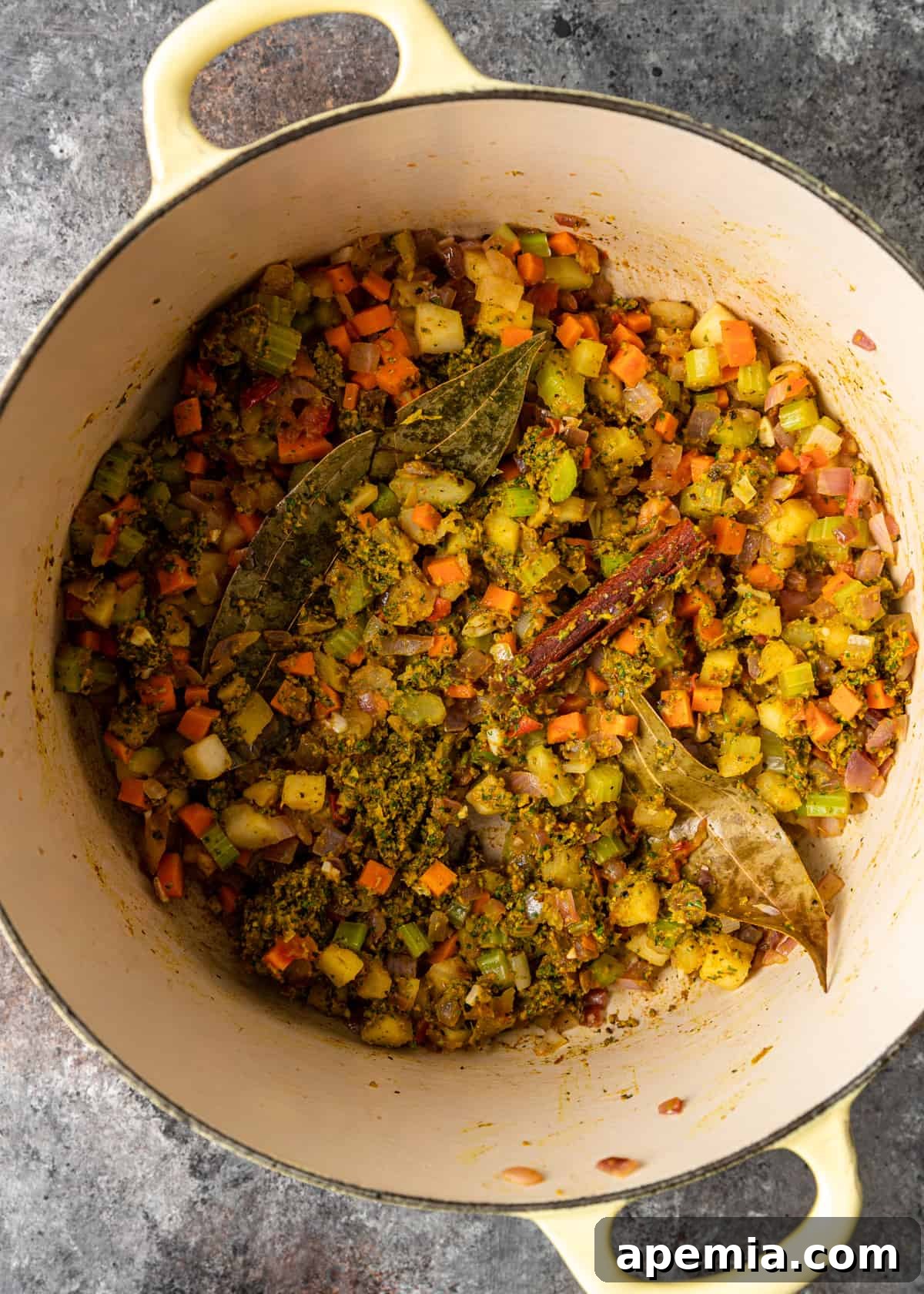
Crafting Your Perfect Bowl: How to Make Mulligatawny Soup
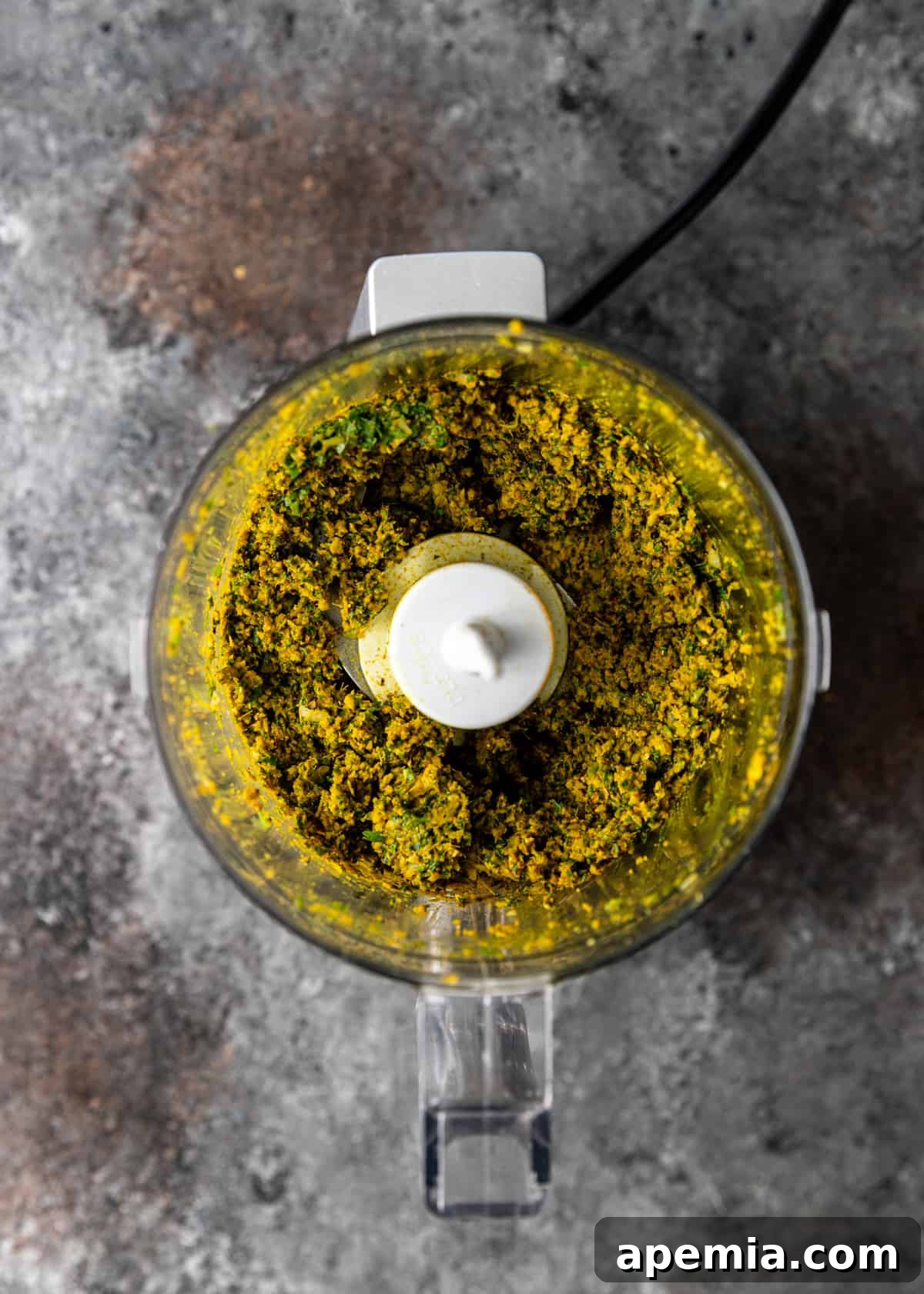
- Prepare the Aromatic Spice Paste. Begin by gathering all your spice paste ingredients: fresh garlic cloves, ginger, fresh cilantro leaves, fresh mint leaves, ground cumin, ground coriander, black pepper, ground turmeric, and ground fenugreek. Place them into a food processor or a high-speed blender. Add ¼ cup of water to facilitate blending, and process until you achieve a wonderfully smooth, fragrant, and vibrant paste. This step is crucial for unlocking the full flavor of the spices. Set this flavor-packed paste aside.
- Sauté the Whole Spices and Aromatics. In a large Dutch oven or a heavy-bottomed pot, melt the ghee or butter over medium heat. Once the fat is shimmering and hot, add the whole Indian bay leaves, the cinnamon stick, and the whole cloves. Fry these whole spices gently for approximately 1 minute, stirring continuously. This allows their intoxicating aromas to release and deeply infuse the fat. Next, add the finely diced red onion and minced garlic to the pot. Sauté, stirring occasionally, for about 5 minutes until the onion becomes beautifully soft, translucent, and slightly golden, but be careful not to brown it too much.
- Cook Down the Vegetables & Apple. Stir in the diced celery, diced carrot, chopped Roma plum tomatoes, and the diced Granny Smith apple. Continue to cook for another 5 minutes, allowing the vegetables to soften slightly and the flavors to begin melding together. The apple will start to break down and contribute to the soup’s unique tang and subtle sweetness, a hallmark of Mulligatawny.
- Build the Soup Base and Simmer. Now, incorporate your prepared aromatic spice paste into the pot, stirring it thoroughly to combine with the sautéed vegetables and aromatics. Fry this mixture for a few minutes, stirring constantly, to cook out any raw spice notes and deepen their flavors. Sprinkle in the all-purpose flour, stirring constantly for 1 minute to create a light roux that will effectively thicken the soup. Finally, stir in the cooked Basmati rice and pour in the chicken stock. Bring the entire mixture to a gentle simmer, then cover the pot securely and let it cook on low heat for 15 minutes. This simmering period allows all the complex flavors to deepen and harmonize, and the soup to thicken beautifully.
- Achieve Your Desired Consistency. For that signature, partially creamy Mulligatawny texture, you’ll want to blend the soup carefully. You can do this directly in the pot using an immersion blender, pulsing several times until some of the solids are pureed while others remain intact, offering a pleasant textural contrast. Alternatively, for more precise control, carefully remove about half of the vegetable, apple, and rice solids from the pot and set them aside. Ladle the remaining soup liquid into a standard blender, puree until perfectly smooth, and then return the pureed mixture to the Dutch oven. Stir the reserved soup solids back into the pot, then pour in the full-fat coconut milk. Stir everything together gently.
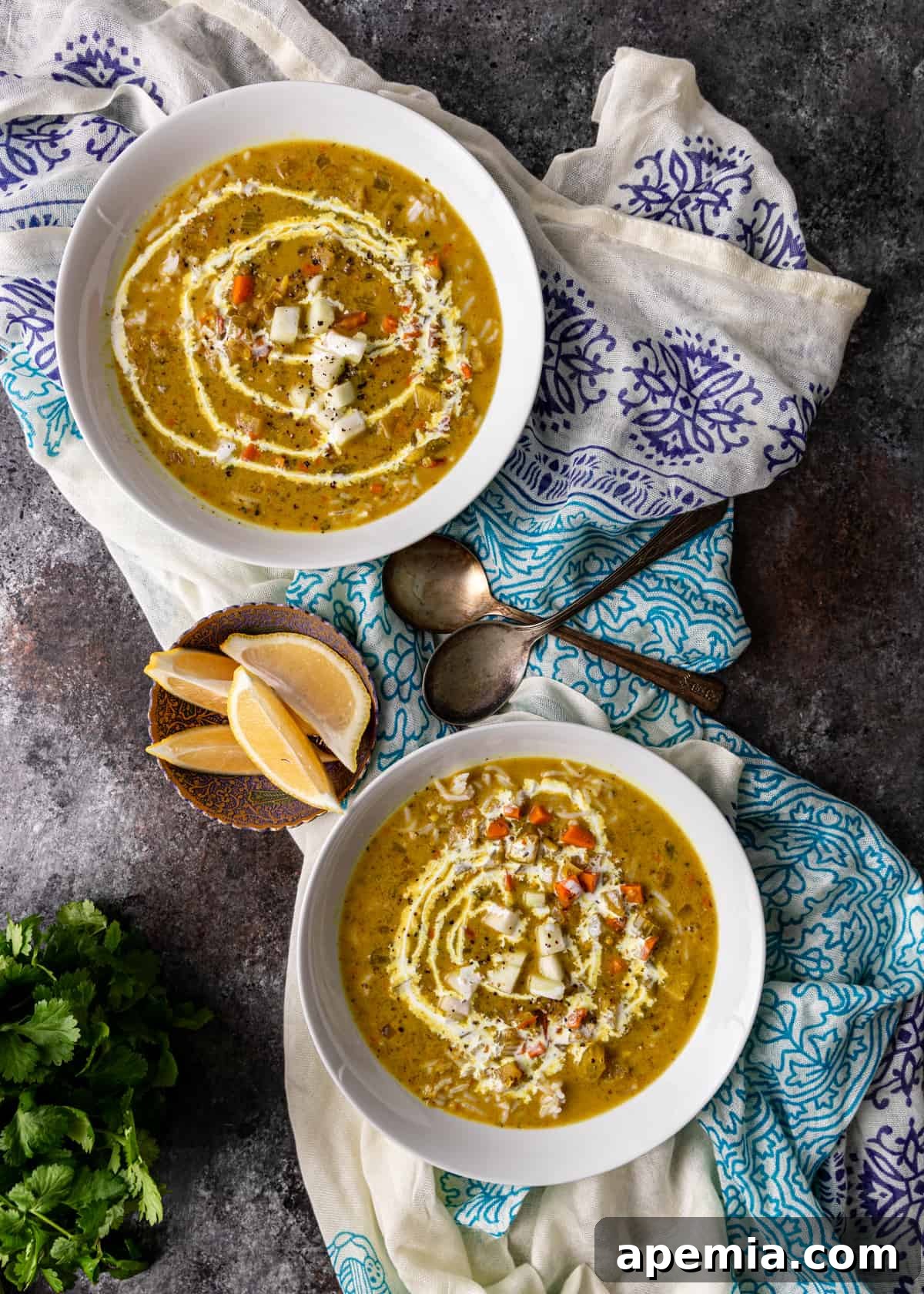
- Finish with Coconut Milk and Serve. Simmer the soup gently for just 5 more minutes after adding the coconut milk – it’s crucial to avoid a rolling boil at this stage, as vigorous boiling can sometimes cause the coconut milk to separate or curdle, affecting its smooth, creamy texture. Taste the soup and season generously with kosher salt to your preference, adjusting as needed to enhance all the flavors. Serve the Mulligatawny Soup hot, garnished with a vibrant sprinkle of fresh chopped cilantro and accompanied by bright lemon wedges for squeezing. A final squeeze of lemon juice right before eating will awaken all the flavors and add a refreshing zing!
Expert Tips for Mulligatawny Success
- Prioritize Freshness: Always opt for fresh garlic, ginger, cilantro, and mint when preparing the spice paste. The vibrant aromas and superior flavors they release will make a noticeable difference in the final taste and quality of your soup compared to dried or jarred alternatives.
- Don’t Rush the Spices: When frying the whole spices and later cooking the spice paste, dedicate enough time to this step. Allowing them to bloom and release their full aromatic potential in the ghee or butter is absolutely crucial for building a deep, complex, and authentic flavor foundation for your Mulligatawny.
- Customize Spice Levels: Mulligatawny can be adapted to your preferred heat level. If you prefer a milder soup, you can slightly reduce the amount of black pepper or fenugreek in the spice paste. For those who enjoy more heat, a pinch of cayenne pepper or a finely chopped fresh green chili can be added along with the other aromatics.
- Master Blending Control: The ideal Mulligatawny has a semi-creamy texture with some delightful chunks of vegetables and rice remaining. When blending the soup, use an immersion blender in short, controlled pulses. If using a regular blender, only blend about half of the soup’s solids and return them to the pot, giving you precise control over the final consistency.
- The Right Pot Matters: Using a heavy-bottomed Dutch oven or a similar substantial pot is highly recommended for this recipe. It ensures even heat distribution, which is essential for consistent cooking, and prevents scorching, allowing the soup to simmer gently and develop its complex, nuanced flavors without sticking.
- Taste and Adjust Seasoning: Always taste your soup before serving and be prepared to adjust the seasoning as needed. A final squeeze of fresh lemon juice is particularly important; it can significantly brighten and lift all the flavors, bringing the entire dish into perfect balance.
Recommended Tools
- Dutch Oven or Heavy Pot: An indispensable kitchen staple for preparing soups, stews, and curries. Its thick walls and heavy base ensure even heating and excellent heat retention, which are crucial for allowing the soup to simmer slowly and develop its full, rich flavor profile.
- Immersion Blender: A true game-changer for achieving a perfectly blended or partially blended consistency directly in the pot. This tool makes the pureeing process quick and incredibly easy, significantly minimizing extra cleanup compared to transferring hot soup to a traditional blender.
- Sharp Chef’s Knife: Essential for efficiently and safely chopping, dicing, and mincing all the fresh vegetables, aromatic herbs, and tart apples with ease and precision, making your prep work much more enjoyable.
- Food Processor or Blender: For creating the smooth and aromatic spice paste from fresh ginger, garlic, herbs, and ground spices. A good quality blender or food processor ensures a consistent, finely textured paste that integrates seamlessly into the soup.
Serving Suggestions
While Mulligatawny soup is a hearty and satisfying meal in itself, it truly shines when paired with the right accompaniments that enhance its rich flavors and creamy texture:
- Warm Naan or Roti: These classic Indian flatbreads are absolutely perfect for soaking up every last, flavorful drop of the rich, creamy broth. Their soft texture and mild flavor provide an ideal counterpoint to the soup’s robust spices.
- Steamed Basmati Rice: For a more substantial and traditionally complete meal, serve a small scoop of fluffy, fragrant Basmati rice alongside or directly in the Mulligatawny Soup. The rice adds body and helps to temper the spice.
- Fresh Cilantro and Lemon: Always garnish generously with an extra sprinkle of fresh chopped cilantro and offer additional lemon wedges. A final squeeze of fresh lemon juice before eating provides a vital bright, zesty finish that invigorates all the complex flavors.
- Plain Yogurt or Raita: A cooling dollop of plain, unsweetened yogurt or a simple cucumber raita (yogurt with cucumber and spices) can provide a refreshing and creamy contrast to the soup’s warmth and spice, balancing the palate beautifully.
- Mango Chutney: A small side of sweet and tangy mango chutney offers a delightful burst of fruity acidity and sweetness, adding another intriguing layer of flavor complexity to your Mulligatawny experience.
Storing and Reheating Your Mulligatawny
This Mulligatawny Soup is not only utterly delicious freshly made but also stores beautifully, often tasting even better the next day as the complex flavors have more time to deepen and meld. Allow the soup to cool completely to room temperature before transferring it to an airtight container. It will keep wonderfully fresh in the refrigerator for up to 4 days, making it an excellent option for meal prep or convenient leftovers.
For longer-term storage, this soup freezes exceptionally well; it can be safely stored in the freezer for up to 2 months. I highly recommend portioning it into individual freezer-safe bags or separate airtight containers before freezing. This practice makes defrosting and reheating a breeze, allowing you to enjoy a quick, flavorful meal whenever a craving for this delicious soup strikes. To reheat, gently warm the soup over medium-low heat on the stovetop, stirring occasionally to ensure even heating. If the consistency has become too thick (which can happen as the rice and flour continue to absorb liquid), add a splash of chicken stock, vegetable stock, or water to loosen it to your preferred texture. Be mindful not to bring the soup to a vigorous, rolling boil after adding the coconut milk, as this can sometimes cause the milk to separate or curdle, affecting its desirable creamy smoothness. Just before serving, stir in a fresh sprinkle of cilantro and a final squeeze of fresh lemon juice to revive and brighten all those wonderful flavors, making it taste freshly prepared once again.
Share this recipe on Pinterest!
Love this recipe? Share it with the world on Pinterest.
Frequently Asked Questions About Mulligatawny
Absolutely! The vibrant spice paste, which is the flavor foundation of this Mulligatawny Soup recipe, can be prepared up to 3 days in advance. Store it securely in an airtight container in your refrigerator. For even longer convenience, you can freeze individual portions of the paste for several weeks, ready to be pulled out and used whenever a craving for this delicious soup strikes. Just be sure to thaw it thoroughly before use.
The key to maintaining the beautiful silky and creamy texture of your Mulligatawny Soup, especially after adding coconut milk, is gentle heat. Once the coconut milk is incorporated, avoid bringing the soup to a vigorous or rolling boil. A slow, gentle simmer is all that’s needed to warm it through and meld the flavors, ensuring your soup remains luxuriously smooth and prevents the coconut milk from separating or curdling, which can sometimes happen with high heat.
Yes, absolutely! For a heartier and more substantial meal, you can easily add protein to this Mulligatawny Soup. Simply dice boneless, skinless chicken thighs (about 1 pound) into bite-sized pieces. Add the chicken to the Dutch oven after you’ve cooked the onions and garlic, alongside the other vegetables (celery, carrot, tomatoes, and apple). Sauté the chicken until it’s lightly browned on all sides, which will help seal in the juices, then proceed with the recipe as directed. The chicken will finish cooking through as the soup simmers, absorbing all the wonderful aromatic flavors.
The original recipe calls for all-purpose flour as a thickener, which contains gluten. To make this soup entirely gluten-free, you can easily substitute the all-purpose flour with a gluten-free flour blend (ensure it’s suitable for thickening soups) or use cornstarch. If opting for cornstarch, it’s best to create a slurry with a small amount of cold water before adding it to the simmering soup to prevent lumps, stirring it in slowly until your desired thickness is achieved. Always double-check your stock for gluten-free certification as well.
Yes, with a few simple substitutions, this recipe can be easily adapted for vegetarian and vegan diets. The primary change involves replacing the chicken stock with a good quality vegetable stock. Additionally, instead of ghee, use a plant-based oil such as coconut oil, olive oil, or your preferred neutral vegetable oil for sautéing. Ensure all other ingredients, including your specific brand of coconut milk, are plant-based, and you’ll have a delicious, flavorful vegan Mulligatawny Soup!
Mulligatawny Soup
★
★
★
★
6
15 minutes
30 minutes
45 minutes
Print Recipe
Ingredients
Spice Paste
- 1 tbsp ground cumin
- 1 tbsp ground coriander
- 1 tbsp ground black pepper
- 1 tsp ground turmeric
- 1 tsp ground fenugreek
- 6 cloves garlic peeled
- 2- inch piece of ginger rough chopped
- 1/4 cup cilantro leaves
- 1/4 cup mint leaves
Soup
- 2 tbsp ghee/butter
- 2 Indian bay leaves (not laurel bay leaves)
- 1 cinnamon stick
- 6 cloves
- 1 large red onion finely diced
- 6 cloves garlic minced
- 1 stick celery diced
- 1 carrot diced
- 2 Roma plum tomatoes, chopped
- 1 granny smith apple peeled and diced
- 1 tbsp all-purpose flour
- 1/3 cup cooked basmati rice
- 5 cups chicken stock
- 14 oz coconut milk
- Kosher salt
Serving
- 2 lemons quartered
- cilantro
Instructions
-
Place all the spice paste ingredients (garlic, ginger, cilantro, mint, cumin, coriander, turmeric, fenugreek, black pepper) into a food processor or blender. Add 1/4 cup water and blend until a smooth paste is formed. Set aside.
-
Melt the ghee or butter in a Dutch oven or large heavy pot over medium heat. Add the Indian bay leaves, cinnamon stick, and cloves. Fry for approximately 1 minute, allowing their aromas to release.
-
Add the finely diced red onion and minced garlic to the pot and cook for 5 minutes, stirring until soft and translucent. Stir in the diced celery, carrot, chopped Roma tomatoes, and diced Granny Smith apple, and cook for another 5 minutes until slightly softened. Then, mix in the prepared spice paste and fry for a few minutes, stirring constantly.
-
Stir in the all-purpose flour, cooked Basmati rice, and chicken stock. Bring the mixture to a gentle simmer. Cover the pot and simmer on low heat for 15 minutes, allowing the soup to thicken and flavors to meld.
-
For a partially creamy texture, use an immersion blender to pulse the soup several times directly in the pot, blending some solids while leaving others intact. Alternatively, remove about half of the vegetable/apple solids and set them aside. Ladle the remaining soup into a regular blender, puree until smooth, and then return it to the Dutch oven. Stir the reserved solids back into the pot, then pour in the coconut milk. Stir well and simmer on low heat for 5 minutes.
-
Season the soup with kosher salt to taste. Serve hot, garnished generously with fresh chopped cilantro and accompanied by lemon wedges for a vibrant squeeze before enjoying.
Notes
Recipe adapted from Dan Toombs, The Curry Guy.
Nutrition
Carbohydrates: 47g |
Protein: 13g |
Fat: 34g |
Saturated Fat: 25g |
Polyunsaturated Fat: 1g |
Monounsaturated Fat: 5g |
Cholesterol: 28mg |
Sodium: 464mg |
Potassium: 920mg |
Fiber: 6g |
Sugar: 13g |
Vitamin A: 2825IU |
Vitamin C: 39mg |
Calcium: 123mg |
Iron: 7mg
The information shown is an estimate provided by an online nutrition calculator. It should not be considered a substitute for a professional nutritionist’s advice.
soups
Indian
Kevin
Have You Made This Recipe? Let Me Know on Instagram
Tag @keviniscooking or tag me #keviniscooking!