
The Ultimate Guide to Marinating Chicken: Achieving Perfect Flavor and Tenderness
Transforming ordinary chicken into an extraordinary culinary experience often begins with one simple, yet crucial step: marination. For home cooks and culinary enthusiasts alike, understanding the art and science of marinating chicken is key to unlocking maximum flavor and achieving that coveted juicy, tender texture. This comprehensive guide will walk you through everything you need to know about marinating, from ideal times to ingredient choices and best practices, ensuring every bite of your chicken is a delight.
Why Marinate Chicken? Unlocking Flavor and Tenderness
Marination is much more than just soaking meat in a sauce; it’s a strategic process designed to enhance poultry in two primary ways:
- Flavor Infusion: This is arguably the most immediate and noticeable benefit. Marinades, typically a blend of acids, oils, herbs, and spices, penetrate the surface of the chicken, imparting a rich, complex flavor profile that goes beyond mere seasoning. Imagine a tangy lemon-herb marinade, a spicy Asian-inspired blend, or a rich, earthy Mediterranean concoction – each one promises a unique taste adventure.
- Tenderization: Certain ingredients in marinades, particularly acids and enzymes, work to break down the tough protein fibers in chicken. This process results in a noticeably more tender bite, preventing the chicken from becoming dry or chewy during cooking. Whether you’re grilling, baking, or pan-frying, a properly marinated piece of chicken will retain moisture better and offer a superior eating experience.
The Golden Window: How Long Should You Marinate Chicken?
The ideal marinating time for chicken is a delicate balance, influenced by the marinade’s ingredients, the thickness of the chicken pieces, and your desired outcome. Generally, for most recipes, marinating chicken for at least 30 minutes and up to 24 hours in the refrigerator is recommended. Going too short might not achieve the desired flavor depth, while going too long can negatively impact texture. Let’s delve into the specifics:
- Short Marination (30 minutes to 2 hours): This duration allows flavors to lightly penetrate the surface of the chicken. While it might not substantially alter the texture, it’s perfect for adding a quick burst of flavor, especially for thin cuts like chicken cutlets or tenders, or when you’re pressed for time. Think of it as a flavorful glaze that adheres beautifully during cooking.
- Medium Marination (2 to 6 hours): During this period, the marinade begins to work its magic more deeply. Flavors penetrate further into the meat, and acidic or enzymatic components start to gently break down surface proteins, resulting in a slightly more tender texture. This is often the sweet spot for bone-in chicken pieces, thighs, or thicker breasts, providing a good balance of flavor and tenderness without the risk of over-marinating.
- Long Marination (6 to 24 hours): Extended marination times are ideal for achieving significant tenderization and deep flavor infusion, particularly for larger or tougher cuts. The acidic components (like vinegar or citrus) or enzymes (like those found in pineapple or papaya) have ample time to break down proteins, resulting in a profoundly tender and flavorful result. However, this is where caution is paramount. With highly acidic marinades, exceeding 24 hours can lead to a phenomenon often described as “cooking” the chicken, where the acid denatures the proteins too much, potentially making the meat mushy or unpleasantly tough. Always be mindful of the marinade’s strength.
- Over-Marination (24+ hours): Exceeding the 24-hour mark, especially with potent acidic or enzymatic marinades, carries significant risks. The prolonged exposure can severely break down the chicken’s protein structure, leading to a mushy, stringy, or even rubbery texture. It’s crucial to avoid excessively long marination periods with strong marinades to preserve the chicken’s desired consistency. If you need to marinate for longer, consider marinades with less acid or opt for dry brining.
Factors Influencing Marinating Time
Beyond the general guidelines, several factors play a crucial role in determining the optimal marinating duration:
Type of Marinade Ingredients: Not All Marinades Are Created Equal
- Acidic Marinades (Vinegar, Lemon Juice, Buttermilk): These work by denaturing proteins, effectively tenderizing the meat. However, their potency means they can “cook” the chicken if left too long. Marinades rich in strong acids like lemon juice or certain vinegars should generally not exceed 12 hours, with many preferring a 2-6 hour window for optimal results.
- Enzymatic Marinades (Papaya, Pineapple, Kiwi): These fruits contain powerful enzymes (papain, bromelain, actinidin) that are highly effective at breaking down proteins. They tenderize very quickly and aggressively. Chicken marinated in such concoctions usually needs only 30 minutes to 2 hours at most; any longer, and the chicken can become unpleasantly mushy.
- Dairy-Based Marinades (Yogurt, Buttermilk): Ingredients like dairy-based marinades (like yogurt) contain lactic acid and calcium. Lactic acid gently tenderizes, while calcium activates enzymes in the chicken itself, leading to a unique, often creamy tenderization without the risk of mushiness associated with strong acids. Yogurt marinades are forgiving and can often go up to 24 hours, perfect for dishes like tandoori chicken.
- Salt-Based Marinades (Brines): While not traditionally called a marinade, brines (salt water solutions, often with sugar and aromatics) are excellent for tenderizing and adding moisture. Salt helps muscle fibers retain water, resulting in incredibly juicy chicken. Brining times typically range from 2-12 hours depending on the concentration and cut.
- Oil, Herb, and Spice Marinades: These types of marinades primarily focus on flavor infusion rather than tenderization. Oils help distribute fat-soluble flavors and prevent sticking, while herbs and spices provide the aromatic base. These can be left for longer periods, up to 24 hours, as they pose less risk to the chicken’s texture.
Chicken Cut and Thickness:
- Thin Cuts (Cutlets, Tenders): These absorb flavor and tenderize quickly due to their smaller surface area. Keep marinating times shorter (30 minutes to 4 hours).
- Thicker Cuts (Bone-in Thighs, Breasts): Require more time for flavors to penetrate and for tenderizers to work effectively, often benefiting from 4-12 hours.
- Whole Chicken: A whole bird needs the longest marinating time, ideally 12-24 hours, to ensure flavors reach throughout, especially if you’re using a relatively mild marinade.
- Bone-in vs. Boneless: Bone-in cuts generally take longer to marinate compared to boneless equivalents.
Best Practices for Marinating Chicken Safely and Effectively
To ensure both delicious results and food safety, follow these essential marinating tips:
- Always Refrigerate: Chicken must be marinated in the refrigerator at all times. Never marinate at room temperature, as this promotes rapid bacterial growth.
- Use Non-Reactive Containers: Opt for glass, ceramic, food-grade plastic, or stainless steel bowls/bags. Aluminum or other reactive metals can react with acidic marinades, imparting an metallic taste to the chicken. Resealable plastic bags are often the most convenient choice.
- Ensure Full Coverage: Make sure all chicken pieces are fully submerged in the marinade for even flavor distribution. If using a bag, remove as much air as possible and flip it periodically.
- Do Not Reuse Marinade: Raw chicken contains bacteria. Never reuse marinade that has been in contact with raw chicken as a sauce or dressing unless you boil it thoroughly for at least 5 minutes to kill any potential pathogens.
- Pat Dry Before Cooking: For optimal searing and browning (Maillard reaction), always remove the chicken from the marinade and pat it thoroughly dry with paper towels before cooking. Excess moisture will steam the chicken rather than allowing it to develop a delicious crust.
- Consider Piercing: For very thick chicken breasts or large pieces, gently piercing the surface with a fork or knife can help the marinade penetrate more effectively, though this is optional for most cuts.
Popular Chicken Marinade Ideas and Recipes
The world of chicken marinades is incredibly diverse. Here are a few popular types, some of which feature in the images above:
- Lemon-Herb Marinade: A classic blend of olive oil, lemon juice, garlic, fresh rosemary, thyme, and oregano. Perfect for grilling or roasting.
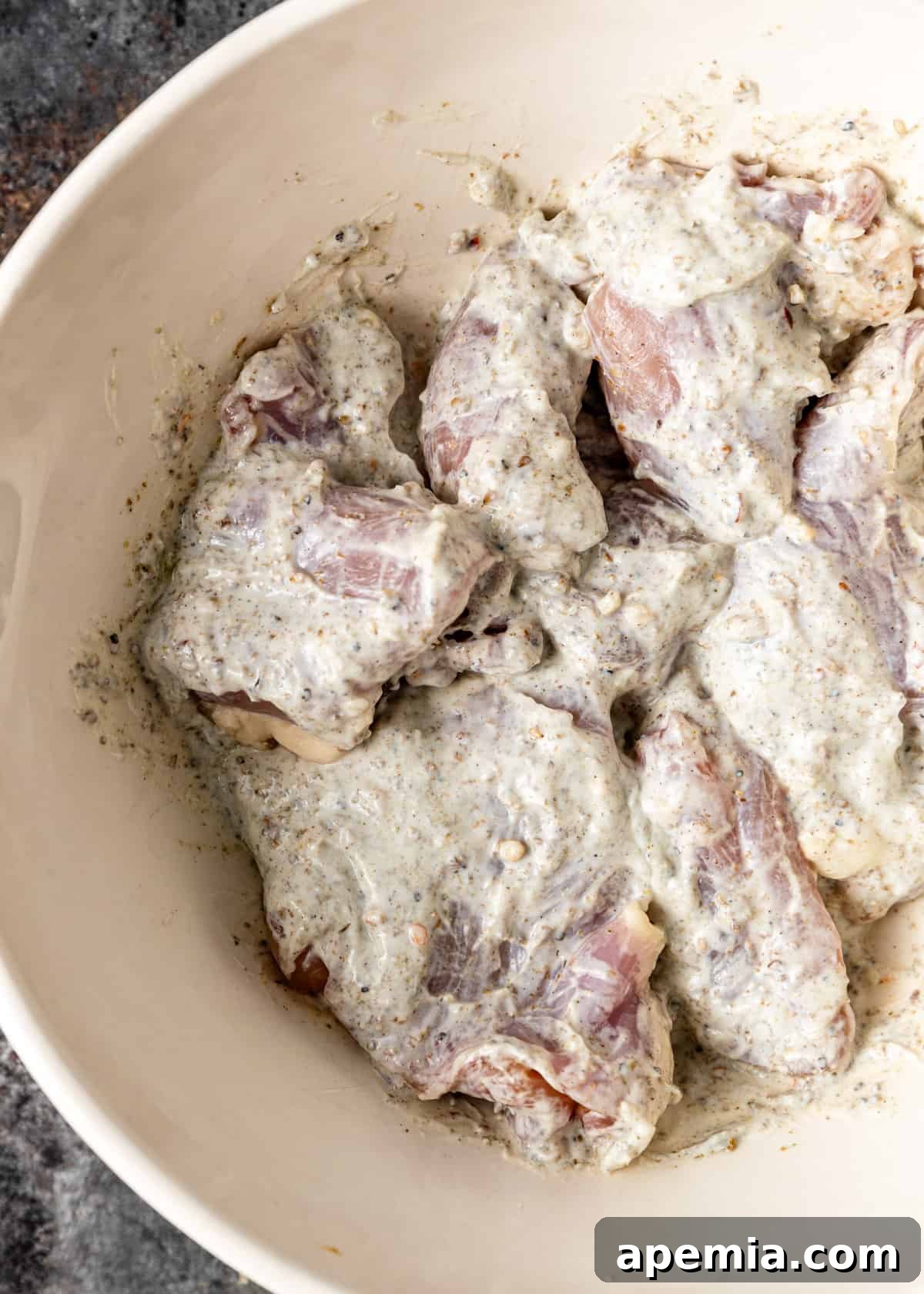
- Yogurt-Based Marinade: As seen with Greek Yogurt Chicken, this style uses plain yogurt, ginger, garlic, and spices like cumin, coriander, and turmeric. It yields incredibly tender and moist chicken, ideal for Tandoori-style dishes or Mediterranean cuisine.
- Asian-Inspired Marinade: Featuring soy sauce, ginger, garlic, sesame oil, a touch of honey or brown sugar, and rice vinegar. Excellent for stir-fries, grilling, or baking.
- Spicy Chili-Lime Marinade: A vibrant mix of lime juice, chili powder, cumin, paprika, garlic, and a hint of honey. Great for tacos or fajitas.
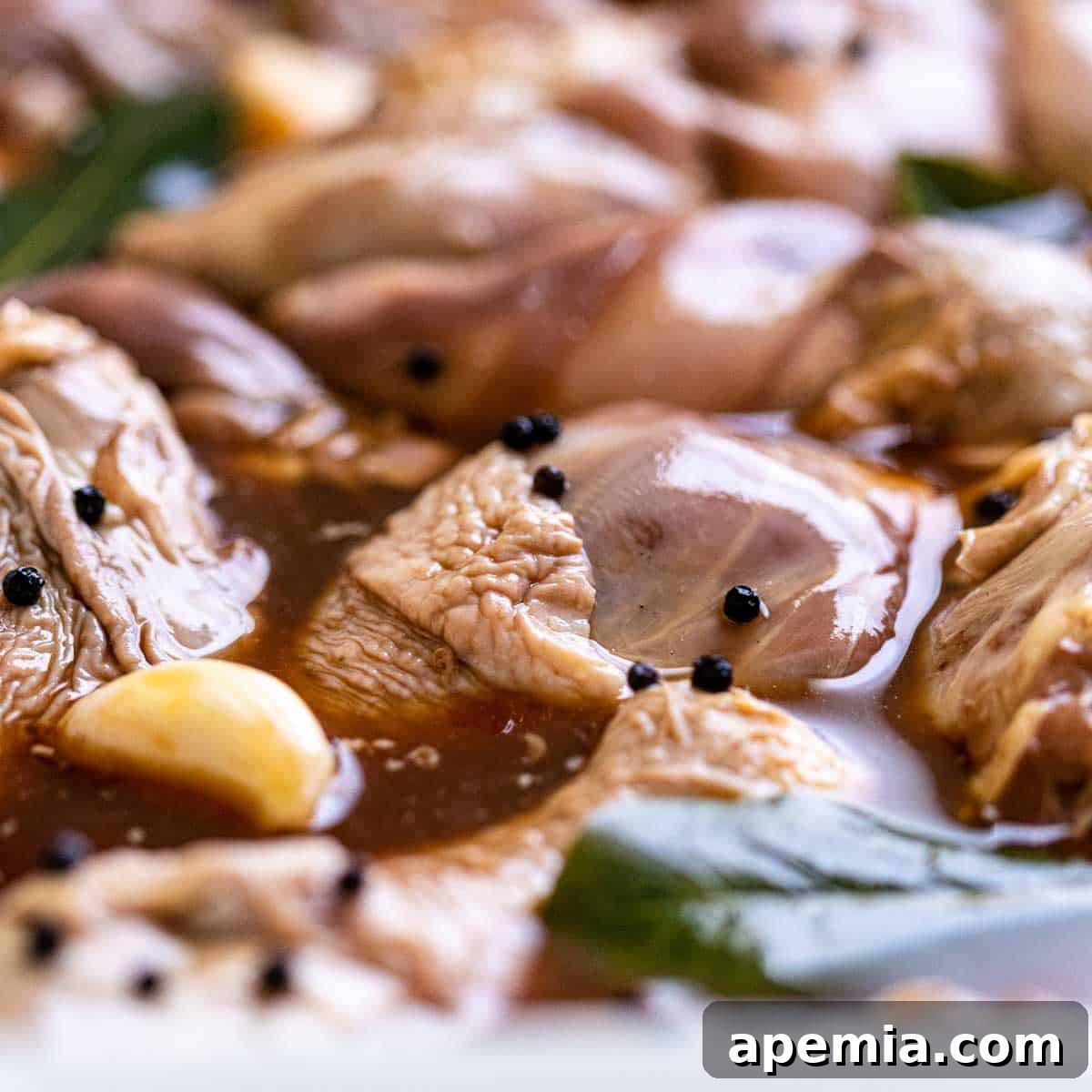
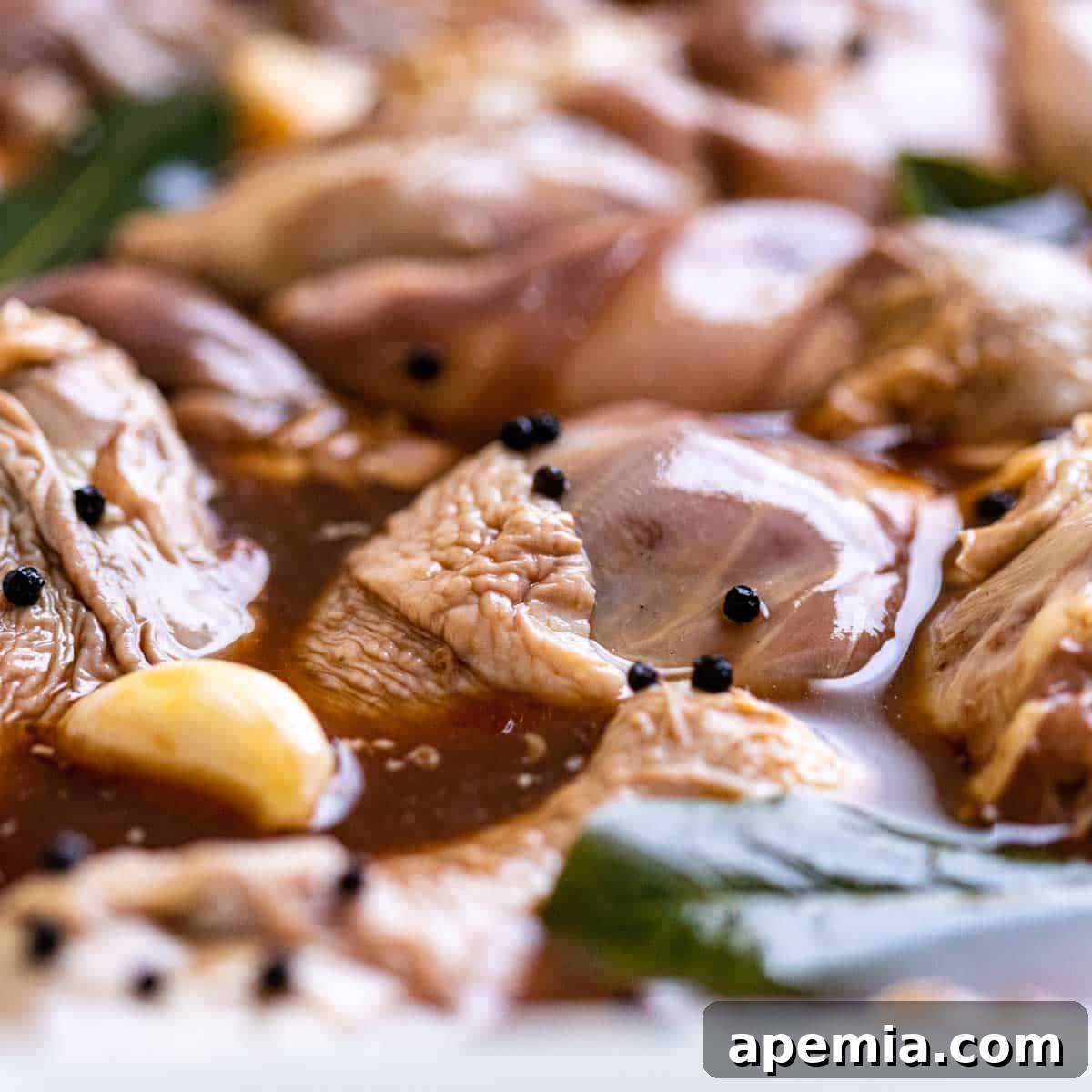
- Adobo Marinade: A Filipino staple, often using a balance of vinegar, soy sauce, garlic, peppercorns, and bay leaves. It’s a perfect example of a flavorful acidic marinade that also helps tenderize.
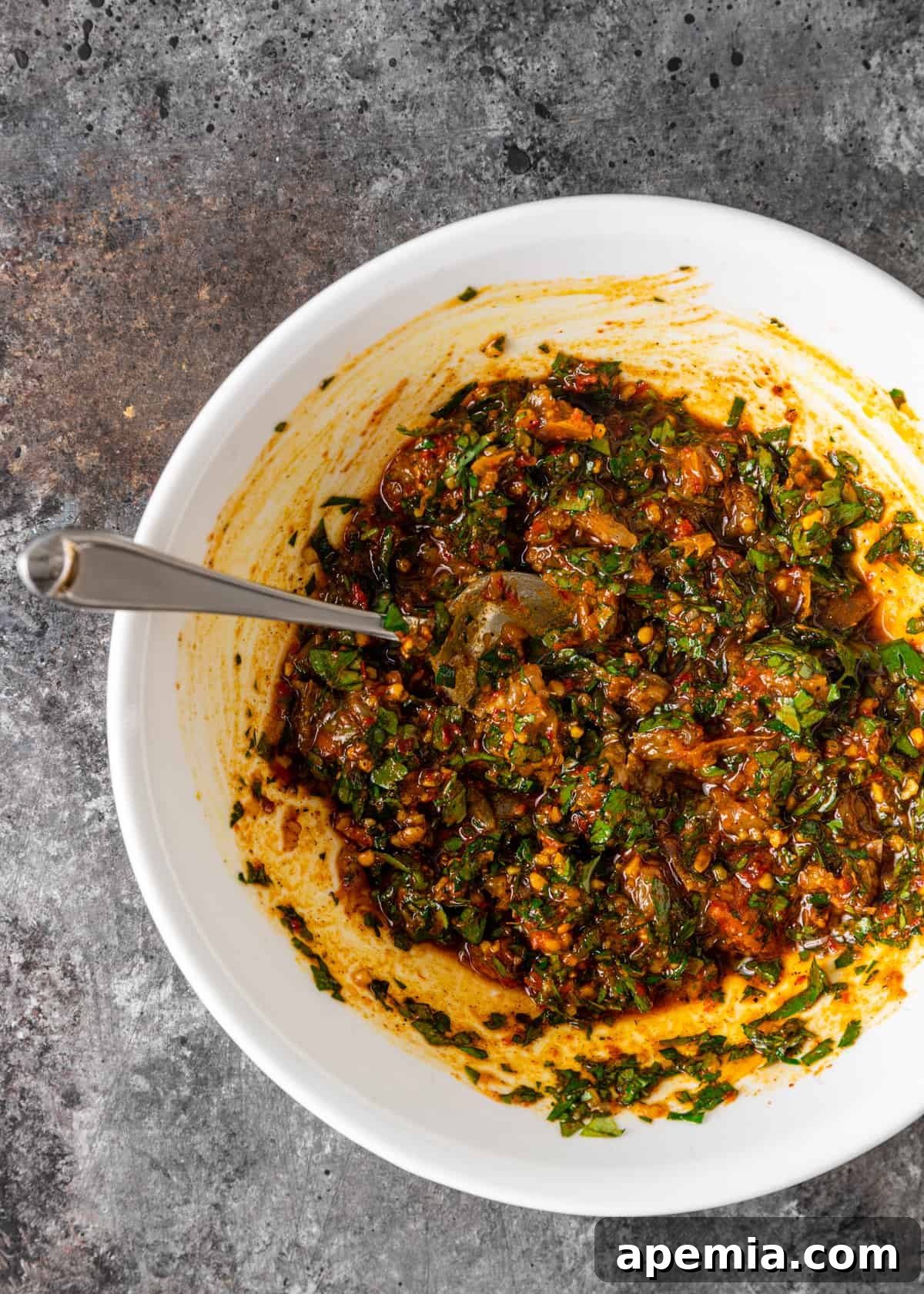
- Chermoula Marinade: A North African relish and marinade, as shown with Moroccan Chermoula Chicken, often comprising fresh herbs (cilantro, parsley), garlic, lemon juice, olive oil, and spices like cumin, paprika, and saffron. It delivers a deeply aromatic and earthy flavor.
It’s often recommended to follow a recipe’s guidelines for marinating times, especially if you’re using a specific blend of ingredients. If experimenting, it’s good to check the chicken periodically to see how it’s faring in the marinade, ensuring it doesn’t become too soft or over-marinated.
Troubleshooting Common Marinating Mistakes
- Under-Marinating: Results in bland chicken that hasn’t absorbed enough flavor or tenderization. Solution: Extend marination time within safe limits, or use more potent marinades for shorter periods.
- Over-Marinating: Leads to mushy, stringy, or tough chicken, especially with strong acidic or enzymatic marinades. Solution: Stick to recommended times, especially for potent marinades.
- Marinating at Room Temperature: A significant food safety risk. Solution: Always marinate in the refrigerator.
- Not Patting Dry: Prevents proper browning and can lead to steamed rather than seared chicken. Solution: Always pat chicken thoroughly dry with paper towels before cooking.
- Using Reactive Containers: Can impart off-flavors to your chicken. Solution: Use glass, ceramic, food-grade plastic, or stainless steel.
Conclusion: Master the Art of Marinating
Mastering the art of marinating chicken is a game-changer for any cook. By understanding the role of different marinade components and respecting appropriate marination times, you can consistently produce chicken that is bursting with flavor, wonderfully tender, and incredibly juicy. Experiment with different flavor profiles, always prioritize food safety by refrigerating, and remember that patience often yields the most delicious rewards. Happy marinating!