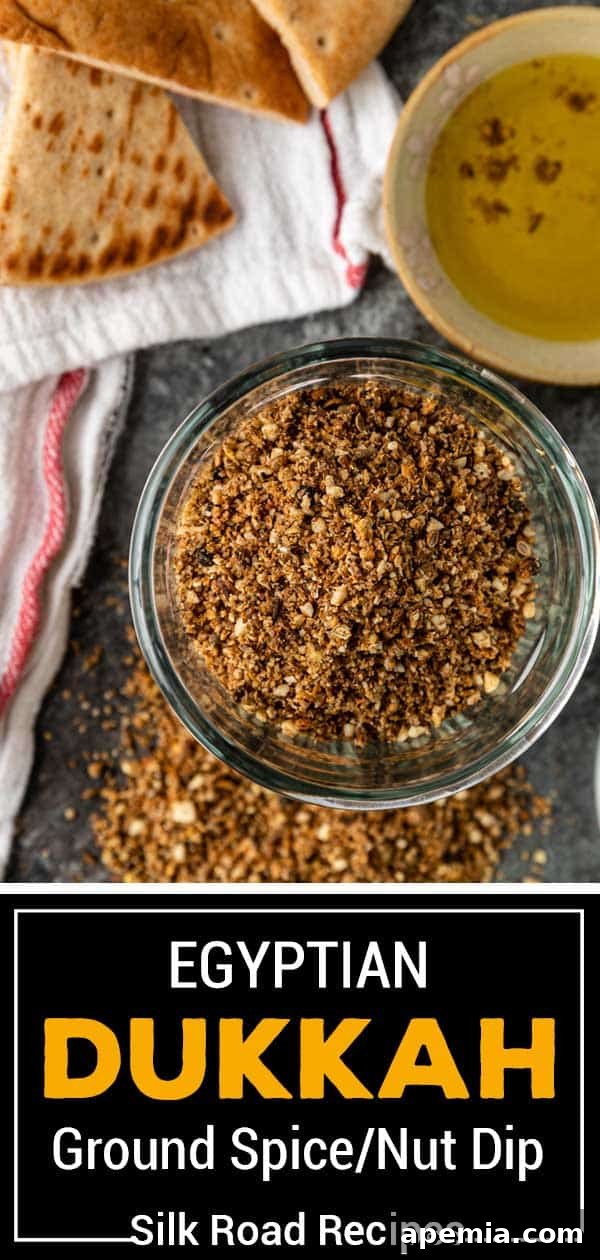
Welcome to the enchanting world of Egyptian Dukkah! This traditional Middle Eastern condiment is a culinary treasure, a fragrant and flavorful blend of toasted nuts, seeds, and aromatic spices that promises to elevate nearly any dish. Imagine a sprinkle of earthy sweetness, a hint of zesty brightness, and a satisfying crunch – all in one spoonful. The best part? Crafting your own batch of authentic dukkah is incredibly simple, requiring just a handful of staple ingredients and about ten minutes of your time. Prepare to discover your new favorite pantry essential!
Discovering Egyptian Dukkah: A Journey of Flavor
Spices possess an extraordinary ability to awaken our senses and transport us to far-off lands, weaving rich tapestries of culture and history. From the bustling bazaars of Cairo to the ancient Silk Road trading posts, each region boasts its unique signature spices that define its culinary landscape with unparalleled richness and complexity. Today, we’re diving into the heart of Middle Eastern cuisine with Egyptian Dukkah, a vibrant spice blend and condiment deeply rooted in the gastronomic traditions of Egypt. This irresistible mix combines the bright, warming notes of coriander, cumin, and fennel seeds with the robust textures of toasted almonds, pine nuts, and sesame seeds, alongside a subtle kick of black peppercorns, creating a nutty, earthy, and utterly scrumptious experience.
Dukkah, pronounced “DOO-kah,” translates from Arabic to “to pound,” a nod to its traditional preparation method involving a mortar and pestle. This historical blend is more than just a seasoning; it’s a staple that has graced Egyptian tables for centuries, often served as a simple yet profound accompaniment to olive oil and freshly baked bread. Its popularity has since spread across the globe, captivating food enthusiasts with its unique texture and versatile flavor profile. Making your own homemade dukkah ensures the freshest, most potent flavors, far superior to store-bought versions, and allows for endless customization to suit your palate and dietary needs.
The Allure of Homemade Dukkah: Freshness, Customization, and Health
There’s a special satisfaction that comes with creating culinary masterpieces from scratch, and Egyptian dukkah is no exception. When you prepare dukkah at home, you unlock a depth of flavor and aroma that is simply unmatched. The act of toasting the nuts and seeds yourself releases their essential oils, intensifying their natural sweetness and nutty characteristics. Grinding them freshly ensures that every sprinkle is bursting with vibrant taste, unlike pre-ground spices which quickly lose their potency.
Beyond freshness, homemade dukkah offers unparalleled flexibility. This recipe is wonderfully adaptable, allowing you to substitute ingredients or customize it to fit specific dietary requirements or personal preferences. For instance, if almonds aren’t readily available, feel free to use peanuts, walnuts, or cashews. If a family member has a nut allergy, you can easily omit all nuts and increase the quantity of seeds, such as pumpkin or sunflower, to maintain the desired texture and richness. However, sesame seeds are considered a foundational component of traditional dukkah, lending a distinctive flavor and texture, so I highly recommend keeping them in the blend whenever possible.
Furthermore, crafting your own dukkah means you control the quality of ingredients, opting for organic and fresh spices to maximize both flavor and health benefits. This blend of nuts and seeds is not just delicious; it’s also a powerhouse of essential vitamins, minerals, and antioxidants. Ingredients like almonds contribute oleic acid, a beneficial monounsaturated fatty acid, while the various seeds offer fiber and healthy fats. It’s a flavorful way to add a nutritional boost to your meals.
Key Ingredients for Authentic Egyptian Dukkah
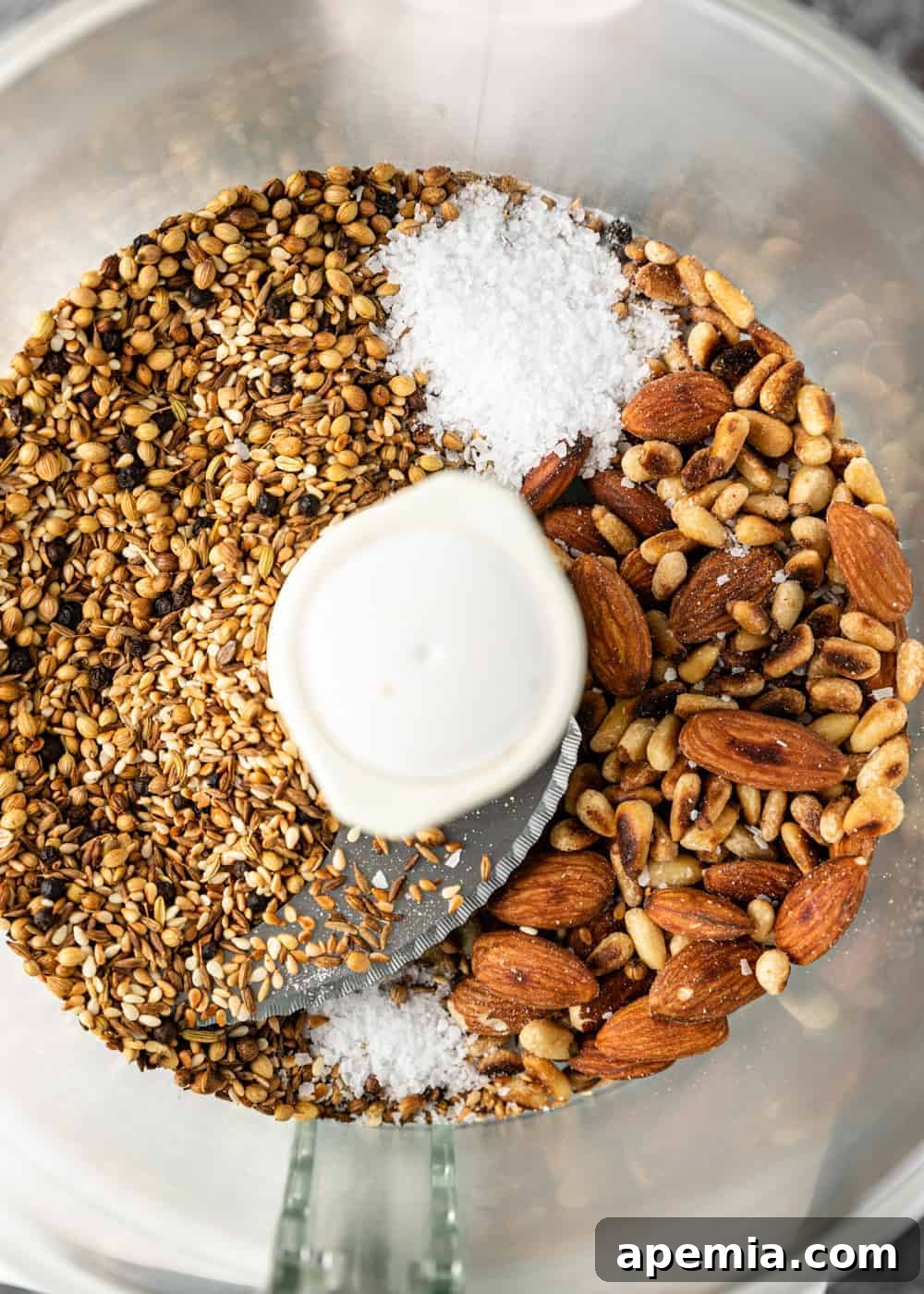
The magic of dukkah lies in its harmonious blend of simple yet potent ingredients. Each component plays a crucial role in creating its complex flavor profile. Here’s a closer look at what you’ll need and potential substitutions:
- Almonds: I’ve chosen almonds for their gentle earthy sweetness and satisfying crunch when toasted. They provide a wonderful base for the blend.
- Substitutions: Feel free to experiment with other nuts like pecans, pistachios, walnuts, cashews, or even hazelnuts. Each will lend its unique character to the dukkah.
- Pine Nuts: These delicate nuts offer a mild, buttery flavor and a delightful softness once toasted, contributing to the blend’s rich texture.
- Sesame Seeds: Absolutely essential, sesame seeds form the very heart of this spice blend. They deliver a deeply sweet, nutty, and distinctly earthy foundation that is characteristic of authentic dukkah. I highly recommend not omitting these.
- Coriander Seeds: These small, round seeds infuse the dukkah with bright citrusy, floral, and slightly curry-like notes, adding a layer of aromatic complexity.
- Cumin Seeds: Known for their warmth and depth, cumin seeds contribute smokey, earthy, and a subtly peppery element, grounding the overall flavor profile.
- Black Peppercorns: A unique sharpness and a piney, peppery kick come from black peppercorns. They add a gentle heat without overpowering the other delicate flavors.
- Fennel Seeds: The star anise-like, licorice sweetness of fennel seeds adds an intoxicating and distinctive aroma, making the dukkah truly memorable.
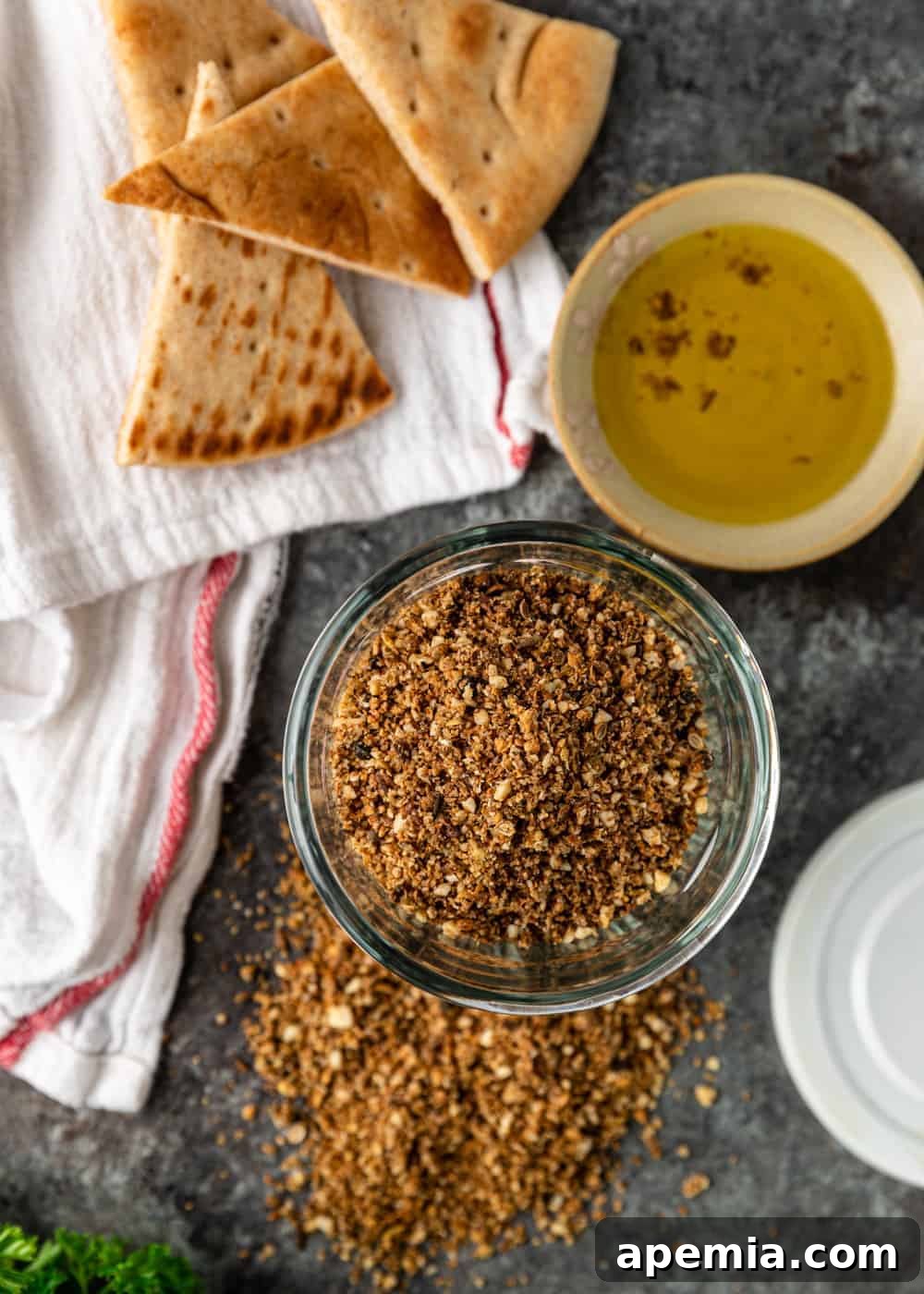
How to Master Egyptian Dukkah: Step-by-Step Guide
Creating your own Egyptian dukkah is a straightforward process, primarily involving toasting and grinding. The key is to toast each component separately to perfection, ensuring optimal flavor development and preventing burning. Follow these steps for a perfect batch every time:
- Toast the Nuts to Golden Perfection: Begin by heating a dry skillet over medium heat. Add the almonds and pine nuts, working in separate batches if necessary to avoid overcrowding the pan. Toast them gently, stirring frequently, until they turn a beautiful golden color and release a fragrant, nutty aroma. This usually takes about 3-5 minutes. Be careful not to burn them, as burned nuts can impart a bitter taste. Once toasted, immediately transfer them to a plate to cool completely. Cooling is crucial to prevent the nuts from becoming oily or developing a paste-like consistency during grinding.
- Toast the Seeds and Peppercorns: In the same dry skillet, combine the sesame seeds, coriander seeds, cumin seeds, fennel seeds, and black peppercorns. Toast them over medium heat, stirring continuously, until they become lightly golden brown and you hear some of the smaller seeds (especially sesame) begin to pop. This indicates they are fully toasted and their flavors are fully awakened. This step typically takes 2-4 minutes. Again, transfer them to the plate with the nuts to cool completely.
- Cool Thoroughly and Pulse to Perfection: Once all your toasted nuts, seeds, and peppercorns have cooled down to room temperature (this is important for a dry, crumbly texture), transfer them along with any additional spices (like salt, if using) to a food processor. Pulse the mixture in short bursts until it reaches a coarse, meal-like consistency. You’re aiming for a dry, crumbly blend, not a fine powder or a greasy paste. If your food processor bowl seems too full, work in separate batches to ensure even grinding. The texture should still have some distinct pieces of nuts and seeds, providing a satisfying bite.
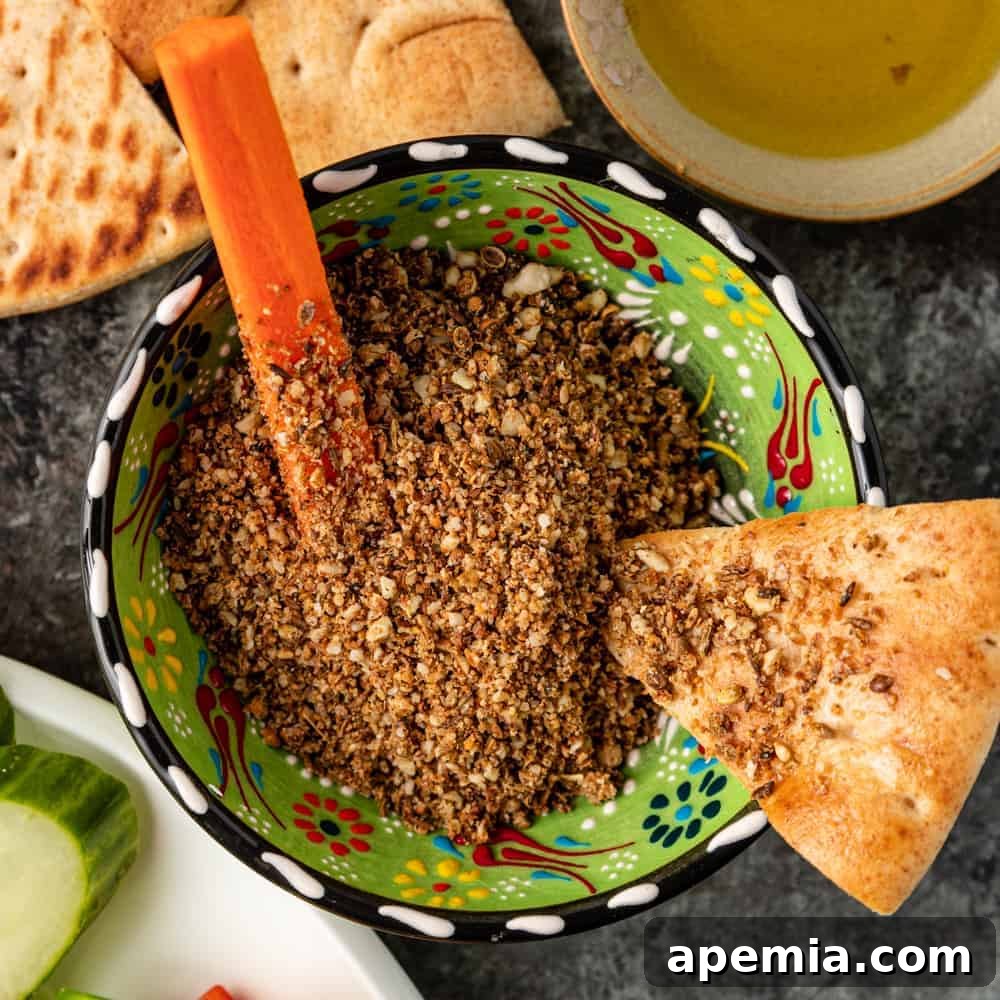
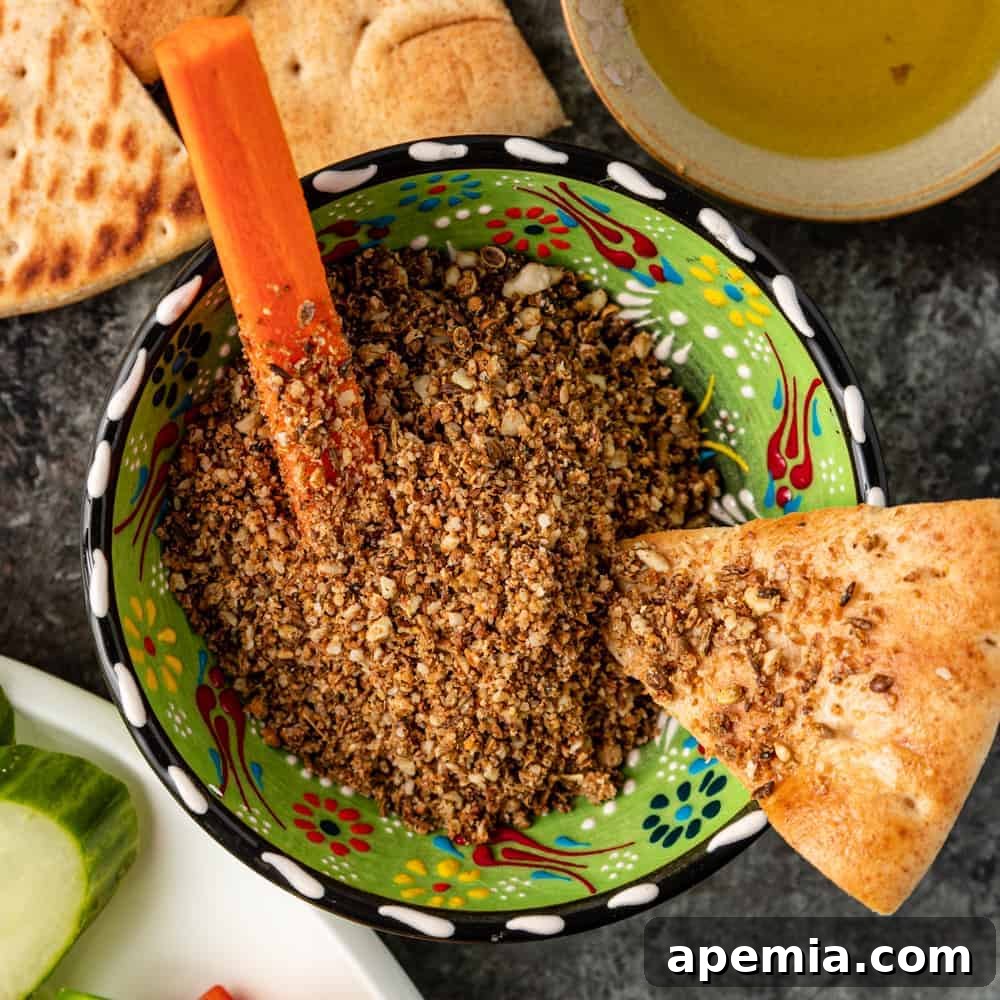
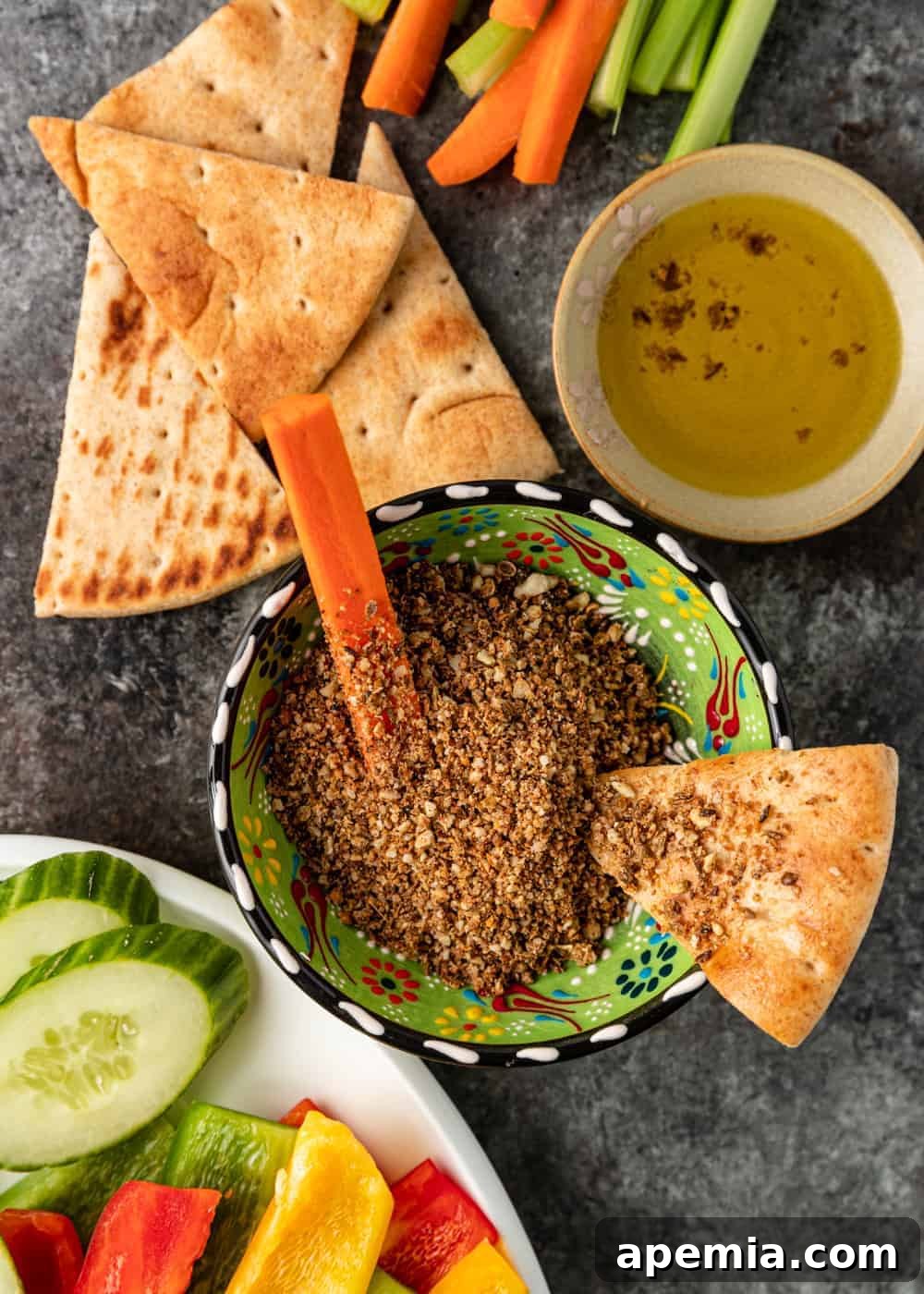
- Serve, Store, and Savor: Your homemade Egyptian dukkah is now ready to be enjoyed! Traditionally, it’s served alongside a small bowl of high-quality olive oil and fresh pita bread or raw vegetables for dipping. Dip your bread in the oil, then into the dukkah, and experience a burst of flavor. This blend is incredibly versatile, so don’t hesitate to get creative with how you use it.
Essential Recipe Notes for Best Results
- Optimal Storage: To maintain its freshness and flavor, store your homemade dukkah in a sealed, airtight jar or container in your pantry. It will retain its peak quality for up to 3 months. While it won’t necessarily “go bad” after this period, its vibrant flavors and aromatic intensity will gradually diminish over time.
- Extending Shelf Life with Freezing: If you’ve made a large batch or wish to preserve the robust flavors for an extended period, consider storing your dukkah in the freezer. An airtight container is essential to prevent freezer burn and the formation of ice crystals, which can affect its texture and flavor. Refrigeration also helps extend its freshness beyond room temperature storage.
- Nutritional Boost: Beyond its incredible taste, dukkah offers significant health benefits. The combination of various nuts and seeds provides an excellent source of dietary fiber, healthy fats (including oleic acid from almonds), essential vitamins, minerals, and powerful antioxidants. It’s a wholesome addition to any diet.
- Traditional Preparation: For those who appreciate traditional methods and a more rustic texture, preparing dukkah with a mortar and pestle instead of a food processor is highly recommended. This allows for greater control over the grind and is the authentic way to make this ancient condiment.
- Nut-Free Alternative: This dukkah recipe can easily be adapted to be completely nut-free for individuals with allergies. Simply replace the almonds and pine nuts with an equal amount of other hearty seeds, such as sunflower seeds, pumpkin seeds, or even hemp hearts, ensuring you still achieve a rich texture and flavor.
- Coriander Seed Tip: For an even smoother texture and to remove any fibrous husk, you can roast and grind the coriander seeds separately, then pass them through a fine mesh sieve before combining them with the other ingredients. This is an optional step but can enhance the overall mouthfeel.
Versatile Ways to Enjoy Egyptian Dukkah
Once you experience the earthy, nutty, and aromatic flavors of homemade dukkah, you’ll want to sprinkle it on everything! Its versatility is one of its most celebrated qualities. While traditionally served as a dip with olive oil and bread, its uses extend far beyond. Here are just a few ideas to inspire your culinary creativity and help you integrate this exquisite spice blend into your daily meals:
- The Classic Dip: Serve dukkah alongside a good quality extra virgin olive oil and warm pita bread, crusty baguette, or an assortment of fresh crudités like cucumber, carrots, bell peppers, or radishes. Dip bread into the oil, then into the dukkah for a truly authentic experience.
- Elevate Your Dips: Sprinkle a generous amount of dukkah over your favorite creamy dips such as hummus (white bean hummus, classic chickpea hummus), baba ghanoush (charred eggplant dip), labneh, or even a simple Greek yogurt dip to add texture and an explosion of flavor.
- Soup and Salad Topping: Dukkah makes an excellent crunchy topping for both hot and cold dishes. Sprinkle it over a creamy lentil soup, a hearty vegetable stew, or a vibrant green salad for added texture, flavor, and nutritional value.
- Crust for Proteins: Create a flavorful crust for various proteins. Press dukkah onto fish fillets (like cod or salmon), chicken breasts, pork chops, or even firm tofu before baking, pan-frying, or grilling. It forms a beautiful, savory coating that locks in moisture and adds incredible taste.
- Breakfast Booster: Transform your breakfast routine. Sprinkle dukkah over scrambled or fried eggs, avocado toast, or cream cheese bagels. It adds an unexpected gourmet twist to everyday favorites.
- Bread and Dough Enhancer: Knead a few tablespoons of dukkah directly into your bread dough for a nutty, aromatic loaf. It’s also fantastic sprinkled on top of focaccia or flatbreads before baking.
- Vegetable Roaster: Toss roasted vegetables (broccoli, cauliflower, carrots, potatoes, sweet potatoes) with dukkah after they come out of the oven for an extra layer of flavor and crunch. It pairs wonderfully with steamed or grilled vegetables too.
- Pasta and Grains: Stir a spoonful into your next batch of pesto for a Middle Eastern twist, or sprinkle it over plain pasta with olive oil, quinoa, couscous, or rice dishes for a quick flavor upgrade.
- Snack Upgrade: Mix dukkah with roasted chickpeas, nuts, or seeds for a homemade savory snack mix.
Dukkah vs. Za’atar: Understanding the Difference
While both Dukkah and Za’atar are highly popular and flavorful spice blends widely enjoyed throughout the Middle East, they possess distinct characteristics. Both share the commonality of containing toasted sesame seeds and a variety of deeply aromatic and warming spices. However, the primary differentiating factor is that Dukkah traditionally includes toasted nuts (such as almonds, hazelnuts, or pine nuts), which contribute a richer texture and a more prominent nutty flavor. Za’atar, on the other hand, typically relies on a blend of dried herbs (like thyme, oregano, marjoram), sesame seeds, and sumac, offering a more herbaceous and tangy profile. While their ingredient lists differ, they are often used for similar culinary purposes – as a dip with olive oil, a seasoning for bread, or a versatile enhancer for various dishes.
Subscribe to our Newsletter and follow us on Facebook, Pinterest, Instagram and YouTube for all our latest recipes and videos!
This recipe post, originally published on Silk Road Recipes October, 2020, was updated with new content, photos and/or video in January, 2023.
Egyptian Dukkah
Rating: 5 out of 5 stars (4 votes)
This authentic Egyptian dukkah recipe is an easy-to-make and incredibly flavorful blend of perfectly toasted nuts, aromatic sesame seeds, and warming Middle Eastern spices. A must-try condiment that adds earthy depth to any meal!
36
5 mins
5 mins
10 mins
Print Recipe
Video
Watch how to make Egyptian Dukkah:
Ingredients
- 1/2 cup almonds
- 1/2 cup pine nuts
- 1/2 cup sesame seeds
- 1/2 cup coriander seeds (See Note 1 below for optional preparation)
- 1/4 cup cumin seeds
- 2 tsp black peppercorns
- 2 tsp fennel seeds
Instructions
-
Working in separate batches, first toast the almonds and pine nuts in a dry skillet over medium heat until golden and fragrant. Transfer them to a plate to cool completely.
-
Next, toast the sesame seeds, coriander seeds, cumin seeds, fennel seeds, and black peppercorns in the same dry pan until they are lightly golden brown and some begin to pop. Transfer to the plate with the nuts to cool completely.
-
Once all toasted ingredients are cool, place them into a food processor. Pulse in short bursts until a coarse, meal-like consistency is achieved. Ensure the mixture is dry and crumbly, not pasty. If overcrowded, process in batches.
-
Serve your freshly made dukkah with a side of olive oil and sliced fresh vegetables or warm pita bread for dipping.
-
Store any leftover dukkah in an airtight jar in a cool, dark place.
Notes
- The coriander seeds can be roasted and ground separately, then passed through a fine mesh sieve to remove the husk. This is an optional preference for a smoother texture.
- Dukkah is fantastic as an all-purpose seasoning over eggs, steamed vegetables, grilled chicken and fish, or kneaded into bread doughs before baking.
Nutrition
Carbohydrates: 2g |
Protein: 1g |
Fat: 4g |
Saturated Fat: 1g |
Sodium: 2mg |
Potassium: 67mg |
Fiber: 1g |
Sugar: 1g |
Vitamin A: 9IU |
Vitamin C: 1mg |
Calcium: 43mg |
Iron: 1mg
The information shown is an estimate provided by an online nutrition calculator. It should not be considered a substitute for a professional nutritionist’s advice.
Condiment
Egyptian
Kevin
Have You Made This Recipe? Let Me Know on Instagram!
Tag @keviniscooking or use the hashtag #keviniscooking!