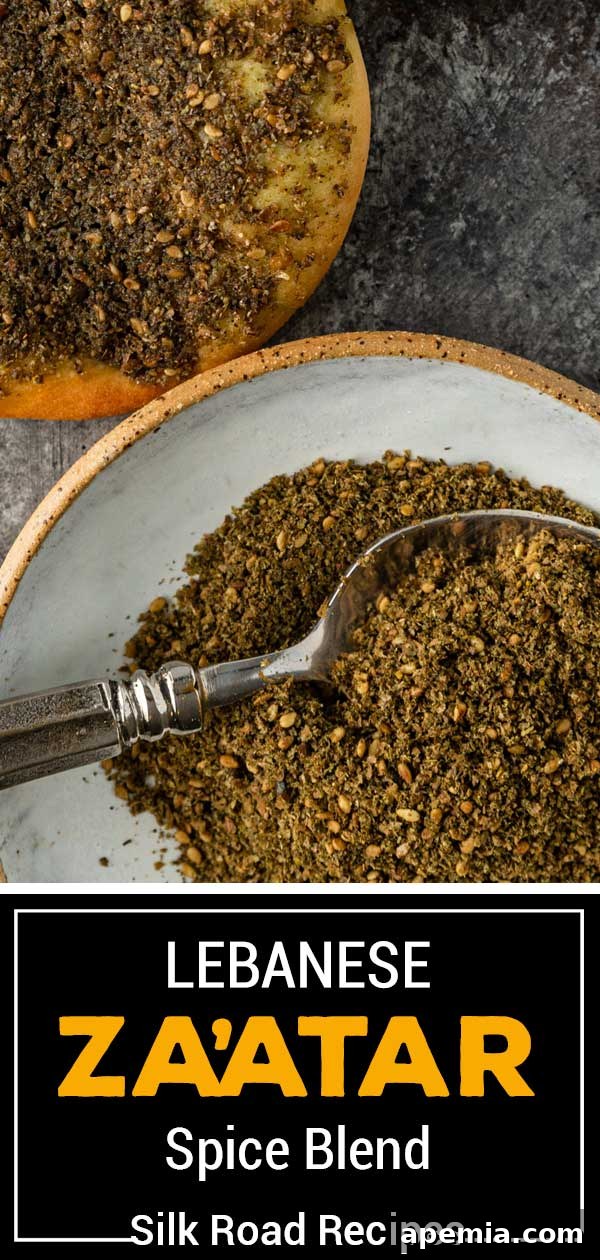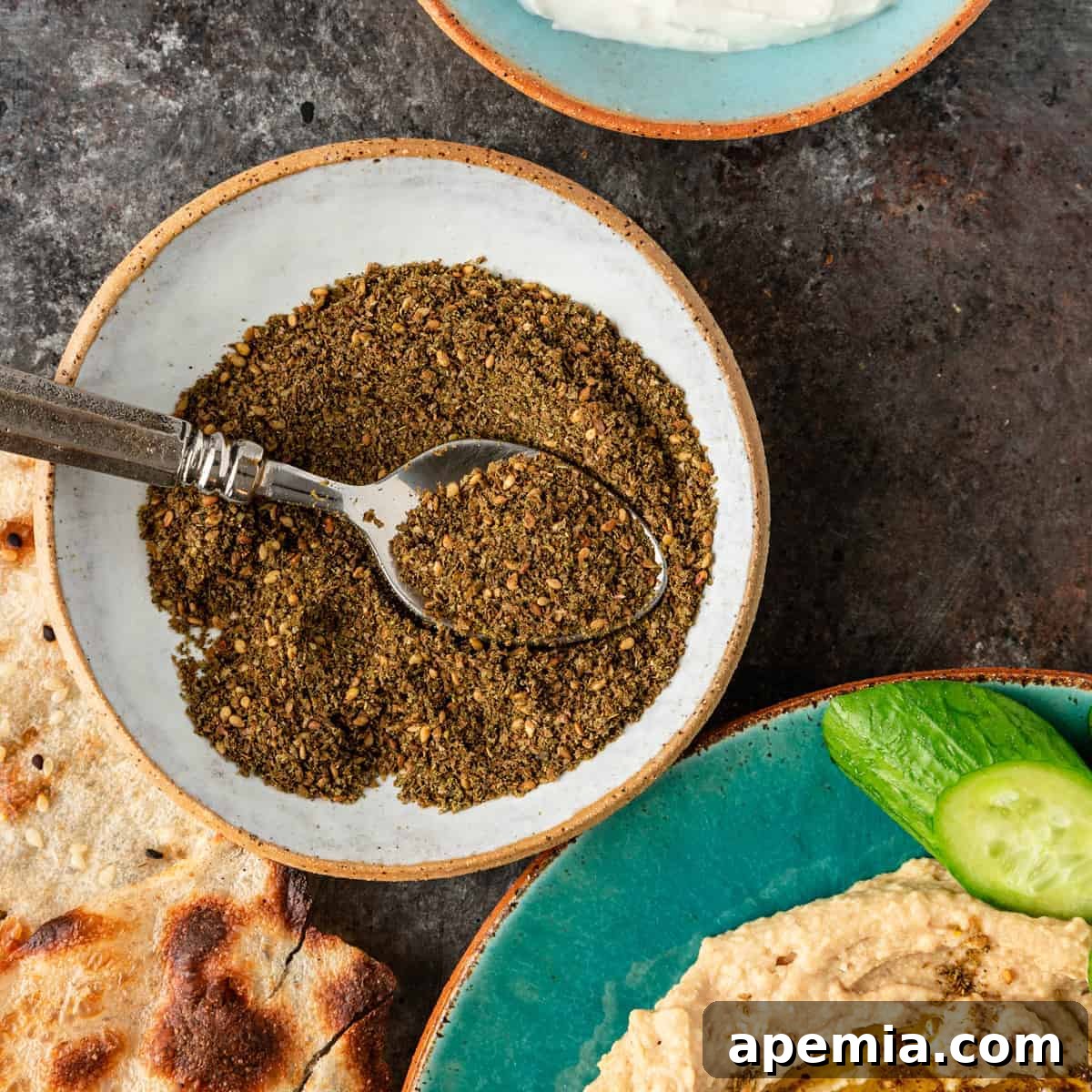
Lebanese zaatar (also spelled za’atar) is a fantastic, aromatic spice blend of thyme, oregano, sumac, sesame seeds and more. Make this zaatar spice mix recipe to season your favorite dishes!
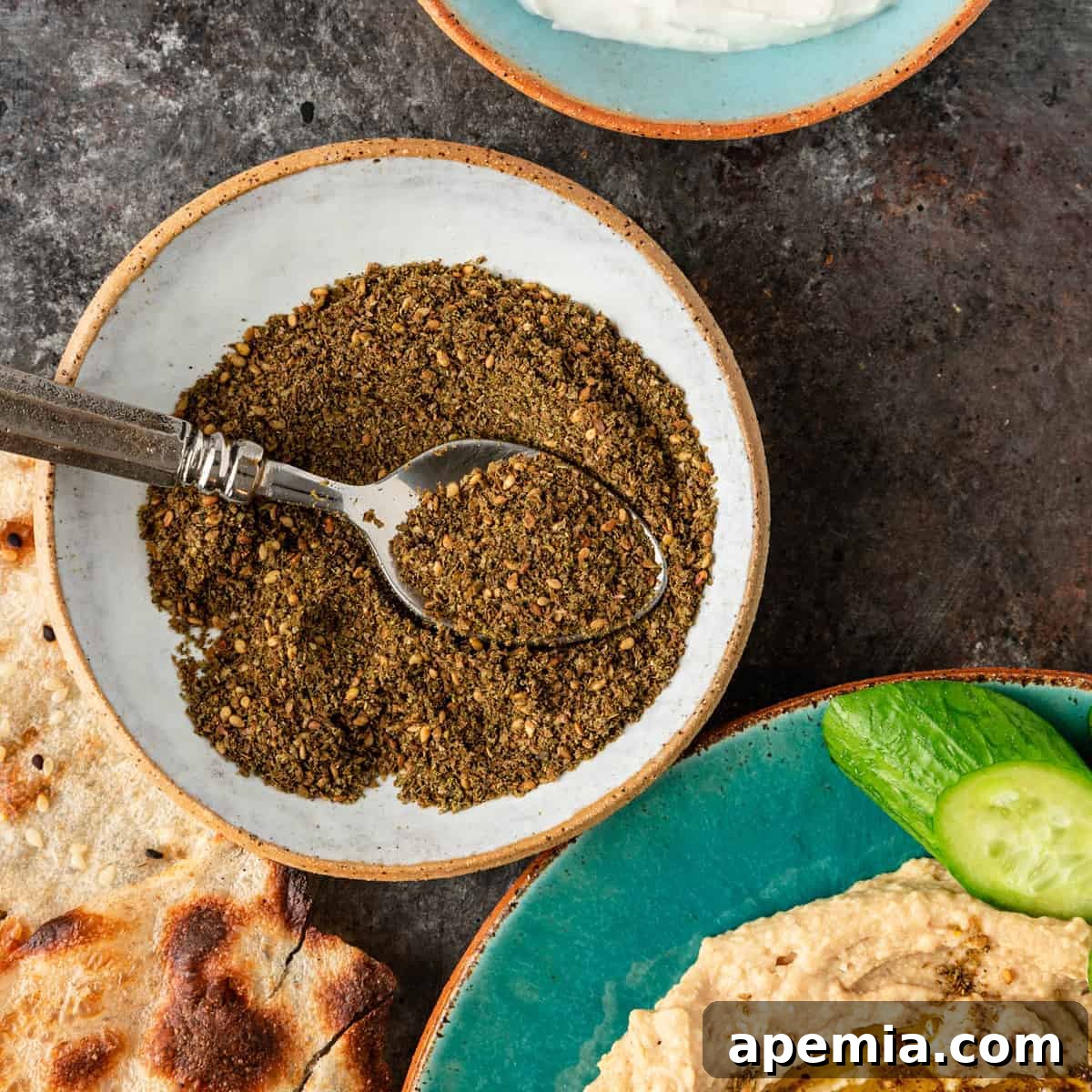
Lebanese Za’atar: Crafting Your Own Authentic Middle Eastern Spice Blend
Step into the vibrant culinary landscape of the Middle East, a region celebrated for its rich history, diverse cultures, and profoundly flavorful cuisine. Among the myriad of aromatic treasures that define this gastronomic heritage, one spice blend stands out for its captivating allure and ubiquitous presence: Za’atar. This enchanting mix is more than just a seasoning; it’s a staple, a tradition, and a taste of home for millions across the Levant and beyond. From the bustling souks of Beirut to the serene villages nestled in Lebanon’s mountains, the irresistible aroma of fresh Za’atar is a signature scent, inviting everyone to partake in its magic.
Za’atar (pronounced ZAH-tar) is a deeply rooted part of Middle Eastern cuisine, treasured in countries like Lebanon, Egypt, Jordan, Palestine, Syria, and Iran. While specific ratios and regional variations exist, the essence remains consistent: a savory, tangy, earthy, and nutty profile that is utterly addictive. Its complex flavor is what makes it so versatile, effortlessly elevating a simple dish to an extraordinary culinary experience. Once you experience the unparalleled taste of freshly made Za’atar, you’ll find yourself reaching for it again and again, eager to sprinkle its irresistible charm on virtually everything you eat.
Table of Contents
- The Essence of Lebanese Za’atar
- Unveiling the Ingredients of Za’atar
- Mastering the Art of Making Homemade Za’atar
- Creative Ways to Enjoy Za’atar Spice Mix
- Storage and Shelf Life
- Lebanese Za’atar Recipe
The Essence of Lebanese Za’atar: A Culinary Journey
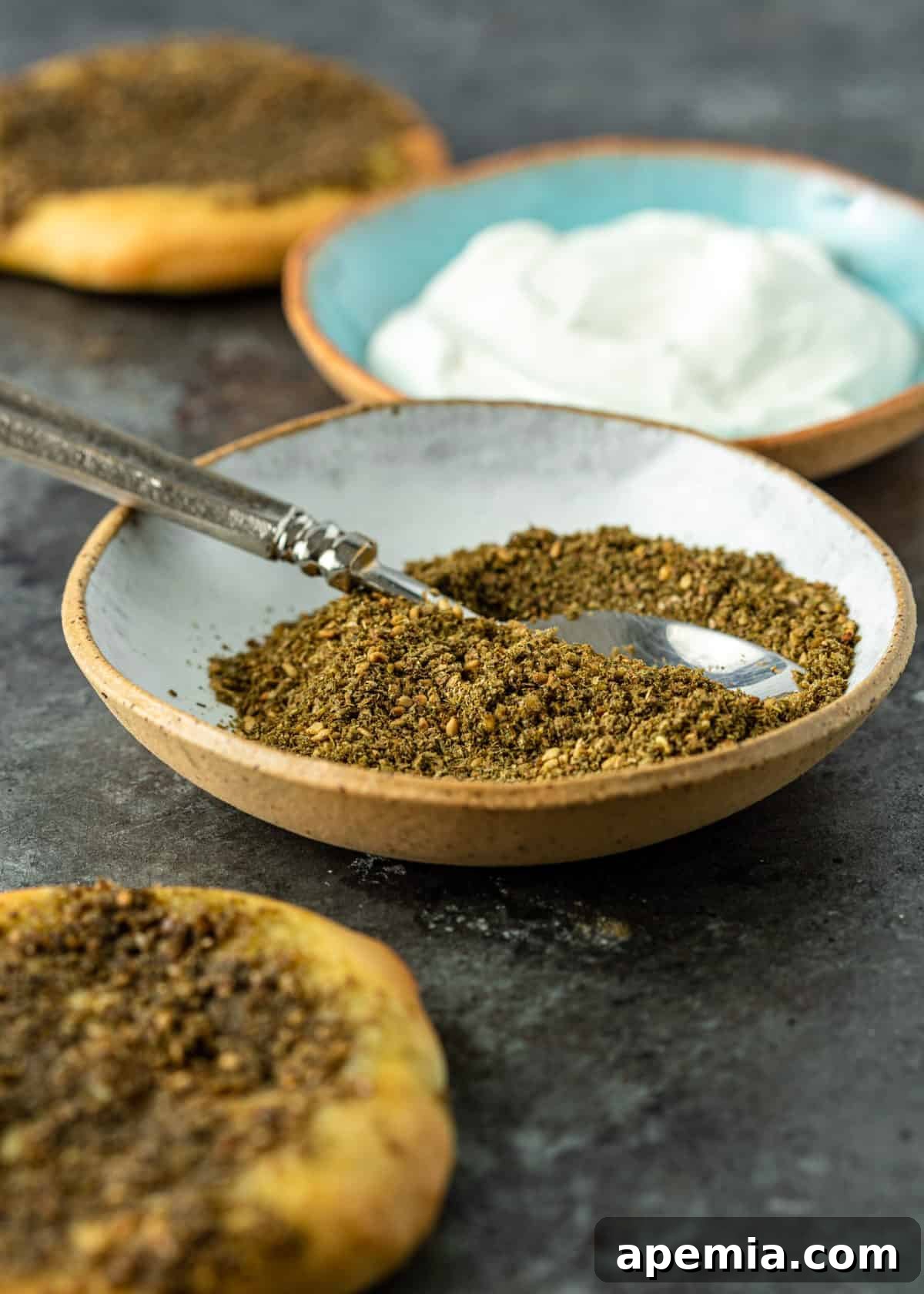
Za’atar is far more than just a spice mix; it’s a cultural icon, deeply embedded in the culinary traditions and daily lives of people across the Middle East, particularly in Lebanon. Its name itself, “za’atar,” refers to both the herb blend and a wild thyme plant native to the region, highlighting its fundamental connection to the land. Families often have their own secret variations, passed down through generations, making each blend a unique expression of heritage and personal taste. This vibrant blend typically includes dried thyme, oregano, marjoram, sumac, and toasted sesame seeds, often with a touch of salt. The exact combination can vary significantly from one household or village to another, reflecting local preferences and available ingredients. Some might add a hint of cumin, coriander, or even dried mint to create a distinctive twist, making each blend truly unique.
The beauty of making your own Za’atar lies in this flexibility. You have the freedom to experiment with the proportions of each ingredient, allowing you to fine-tune the blend until it perfectly suits your palate. Do you prefer a sharper tang? Increase the sumac. Crave more herbal depth? Add extra thyme and oregano. This personalized approach ensures that your homemade Za’atar is not just an authentic representation of the spice, but also a reflection of your individual culinary journey. Beyond its incredible flavor, Za’atar is also celebrated for its potential health benefits. The herbs it contains, such as thyme and oregano, are known for their antioxidant and anti-inflammatory properties, while sesame seeds offer healthy fats and minerals. It’s a truly holistic addition to any pantry, offering both exceptional taste and potential wellness in a single, fragrant blend.
Embrace the tradition of homemade Za’atar. It connects you to a rich history, allows for personal expression, and guarantees a fresher, more potent flavor than any store-bought alternative. The simple act of grinding these fragrant ingredients together is a sensory experience in itself, filling your kitchen with an aroma that instantly transports you to the heart of the Levant.
Unveiling the Key Ingredients for Authentic Za’atar
Creating the perfect Za’atar blend starts with understanding the role of each key ingredient. Using high-quality spices makes a noticeable difference in the final flavor profile.
- Thyme: Dried thyme is the true soul of Za’atar, providing a deep, earthy, and slightly peppery base that forms the backbone of the blend. While pre-ground thyme is readily available, the most aromatic and flavorful Za’atar comes from crushing whole dried thyme leaves yourself. This can be done with a mortar and pestle or even by hand, allowing the essential oils to release their maximum potency. Traditionally, wild thyme (often referred to as *za’atar* or *hyssop* in the Middle East) is highly prized for its intense, almost camphor-like flavor. If you can find it, it will elevate your blend considerably; otherwise, common dried thyme works wonderfully.
- Oregano Leaf: Complementing thyme beautifully, dried oregano adds another layer of pungent, slightly bitter, and woody notes to the mix. It contributes significantly to the blend’s distinctively robust Mediterranean character. Just like thyme, crushing dried oregano leaves just before combining helps to unlock their full aromatic potential. While Mediterranean oregano is the classic choice, offering a strong, savory flavor, some adventurous cooks might even try a dash of Mexican oregano for a surprisingly different twist, which tends to be more citrusy and earthy.
- Sumac: This vibrant, reddish-purple spice is undeniably the key to Za’atar’s signature tanginess. Derived from the dried and ground berries of the sumac bush, it imparts a bright, lemony, and slightly fruity flavor without the intense acidity or moisture of fresh citrus. Sumac is absolutely indispensable for an authentic Za’atar blend, providing that distinctive zing that beautifully cuts through the earthiness of the herbs and the richness of the sesame seeds. Its unique tartness is what makes Za’atar so incredibly captivating and addictive; never skip this crucial ingredient!
- Toasted Sesame Seeds: Offering a delightful nutty flavor and a satisfying textural crunch, toasted sesame seeds are a crucial component that adds depth and an appealing mouthfeel to Za’atar. While you can purchase them pre-toasted for convenience, toasting them yourself is a simple process that guarantees maximum freshness and aroma. Simply spread raw sesame seeds in a dry skillet over medium-low heat and stir constantly for just a few minutes until they become fragrant and turn a light golden color. Be vigilant, as they can burn quickly. Remove them from heat immediately and allow them to cool completely before adding them to the blend.
- Salt: A fundamental flavor enhancer, salt is essential for balancing and bringing all the individual spices into harmonious concert. For the best culinary results, consider using a high-quality, large-grind sea salt, Kosher salt, or even Himalayan pink salt. These salts often have a coarser texture and more nuanced mineral flavors compared to regular table salt, which can add an extra dimension to your Za’atar. It’s always best to start with the recommended amount and then adjust to your personal preference, as Za’atar blends can vary in their salt content.
- Ground Cumin (Optional): While not always featured in every traditional Lebanese Za’atar recipe, a small amount of ground cumin can introduce a warm, earthy, and slightly pungent note. If you enjoy a deeper, more savory spice profile, experimenting with a hint of cumin can add another layer of complexity and warmth to your homemade blend.
- Dried Cilantro (Optional): For those who appreciate a fresh, slightly citrusy, and subtly peppery undertone, dried cilantro can be a wonderful, albeit non-traditional, addition. It offers a bright contrast to the more earthy herbs and tangy sumac, making the blend even more vibrant and multi-dimensional. If you choose to include it, start with a small amount to gauge its effect on the overall flavor.
Creative Ways to Enjoy Your Homemade Za’atar Spice Mix
The versatility of Za’atar is truly remarkable, making it a beloved staple in kitchens worldwide. Its unique blend of tangy, savory, earthy, and nutty flavors can elevate a vast array of dishes, transforming everyday meals into extraordinary culinary experiences. Don’t limit yourself to traditional uses; let your imagination guide you!
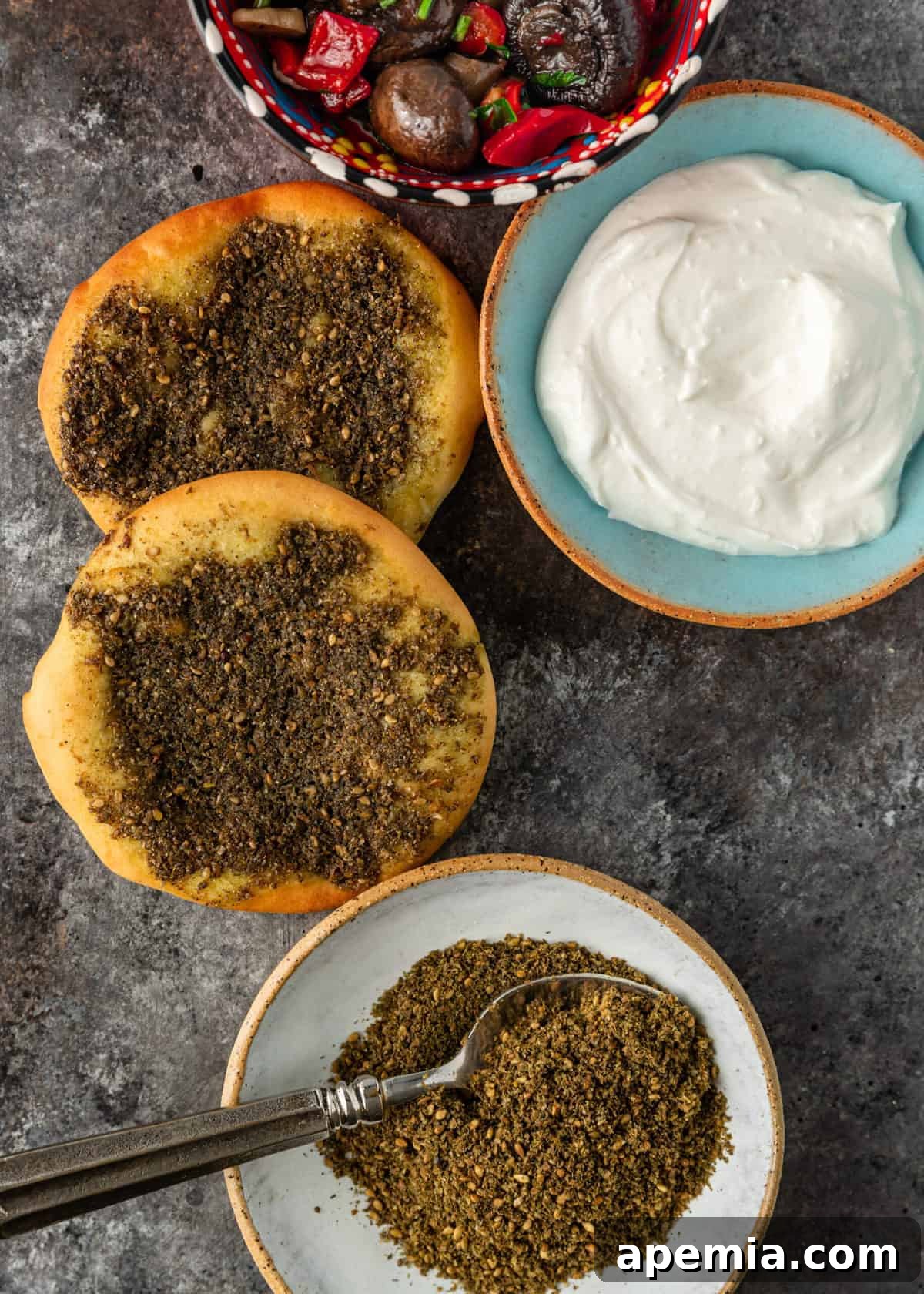
- Breads and Flatbreads: One of the most classic and cherished ways to enjoy Za’atar is by sprinkling it generously over bread. Mix Za’atar with a good quality olive oil to create a vibrant paste, then spread it onto pita bread, naan, or other flatbreads before baking or grilling. This creates a crispy, flavorful topping, famously known as Manakeesh (Za’atar bread) – a popular Lebanese breakfast. It’s also fantastic on warm, crusty bread dipped in olive oil, offering a simple yet profoundly satisfying appetizer or snack.
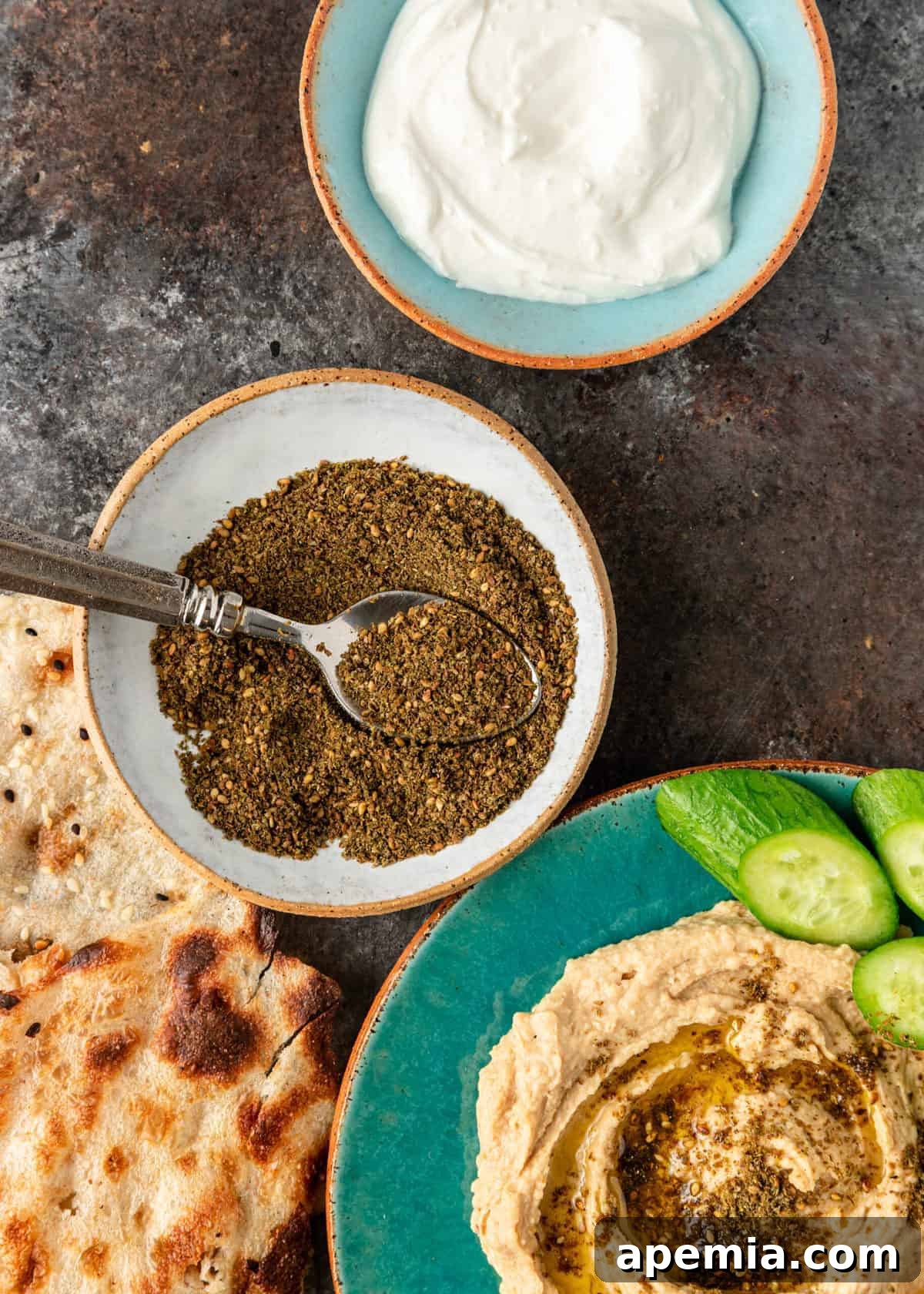
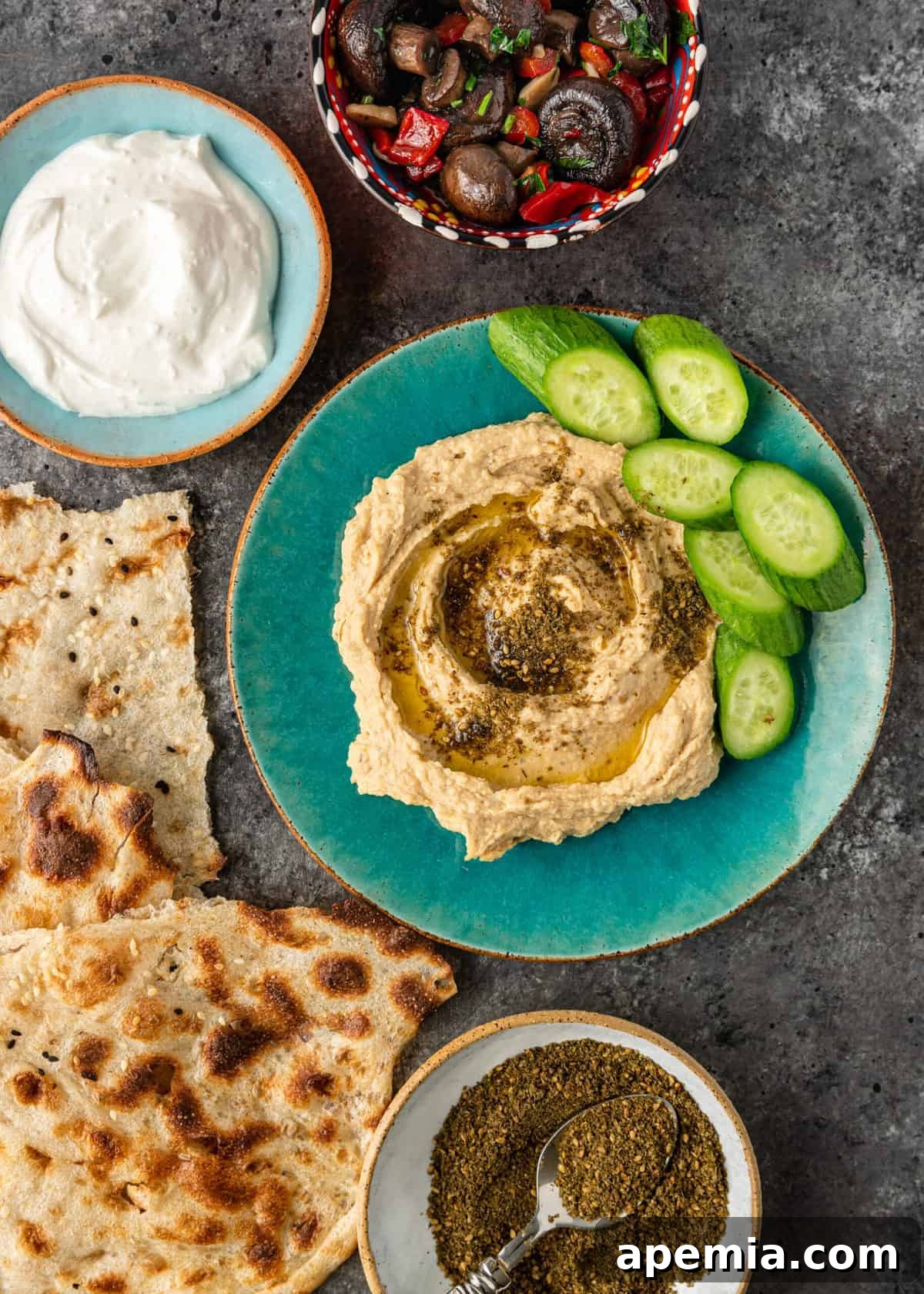
- Hummus and Dips: Elevate your favorite Mediterranean hummus by drizzling a touch of extra virgin olive oil and a hearty sprinkle of Za’atar just before serving. The vibrant colors and flavors will impress both visually and on the palate. Za’atar is also an excellent addition to creamy labneh (strained yogurt), smoky baba ghanoush, or any other creamy dip, adding an aromatic kick that pairs perfectly with crackers, crisp cucumber slices, carrot sticks, or bell pepper strips.
- Soups and Salads: Introduce a sophisticated layer of Mediterranean flair to your soups and salads. A pinch of Za’atar stirred into hearty lentil soup, a comforting chicken noodle soup, or a creamy tomato soup adds an unexpected depth of flavor and aromatic complexity. For salads, sprinkle it over mixed greens, vibrant tomato and cucumber salads, or even grain-based salads like tabbouleh or fattoush, often combined with a simple lemon-olive oil dressing to highlight its tang.
- Vegetable Enhancement: Transform ordinary steamed, roasted, or grilled vegetables into a culinary delight with a sprinkle of Za’atar. Toss vegetables such as zucchini, eggplant, broccoli, cauliflower, asparagus, or potatoes with olive oil and Za’atar before cooking. The blend creates a beautifully seasoned crust and infuses the vegetables with its distinctive aroma. It’s also delicious on roasted root vegetables like carrots and sweet potatoes, bringing out their natural sweetness with an herbal, tangy edge.
- Marinades for Proteins: Za’atar makes an exceptional marinade for chicken, beef, lamb, and even firm white fish like cod or halibut. Combine it with olive oil, fresh lemon juice, minced garlic, and a touch of salt and pepper to create a quick yet intensely flavorful rub. Allow your protein to marinate for at least 30 minutes (or several hours for deeper flavor penetration) before grilling, baking, or pan-frying. The result is tender, aromatic meat or fish with a delightful Middle Eastern twist.
- Eggs and Breakfast Dishes: Elevate your morning routine by sprinkling Za’atar generously over scrambled eggs, fried eggs, or omelets. It adds a savory, herbal dimension that is incredibly satisfying and a welcome change from typical seasonings. You can also mix it into plain yogurt or cottage cheese for a quick, healthy, and flavorful breakfast or snack.
- Cheeses: Za’atar pairs wonderfully with various fresh and aged cheeses. Sprinkle it over crumbled feta cheese, creamy goat cheese, or warm, grilled halloumi for an instant flavor upgrade. A wheel of baked brie topped with Za’atar and a drizzle of honey makes for an elegant and impressive appetizer that combines sweet, salty, and tangy notes.
- Popcorn and Snacks: For a unique and gourmet snack, toss freshly popped popcorn with a little olive oil or melted butter and a generous sprinkle of Za’atar. It offers a sophisticated, savory twist that is surprisingly addictive. You can also mix it with roasted nuts like almonds, cashews, or pistachios for a flavorful and healthy snack that’s perfect for entertaining or everyday munching.
With its incredible versatility, Za’atar is poised to become a cherished ingredient in your kitchen, offering endless opportunities to explore and create delicious, Middle Eastern-inspired dishes. Experiment freely and discover your favorite ways to incorporate this magnificent spice blend into your daily cooking!
Storage and Shelf Life: Keeping Your Homemade Za’atar Fresh
Proper storage is absolutely essential to maintain the potency and vibrant flavor of your homemade Za’atar spice blend. Like any high-quality spice mix, Za’atar is sensitive to environmental factors such as light, heat, and air, which can cause its delicate aromas and essential oils to degrade over time, diminishing its overall impact. To ensure your blend remains as fresh and aromatic as possible for an extended period, always store it in an airtight container.
Glass jars with tight-fitting lids are an excellent choice for storage, as they provide a good seal that prevents air and moisture from entering – common culprits for spoilage and loss of flavor. Choose a cool, dry, and dark location for storage within your kitchen; a pantry, cupboard, or spice drawer away from direct sunlight and heat sources like stoves or ovens is ideal. Avoid storing your Za’atar near windows or above appliances that generate heat, as prolonged exposure to these elements can quickly diminish the spices’ vibrant colors and aromatic properties. If you’ve used fresh, high-quality ingredients from the start, your homemade Za’atar should maintain its peak flavor and aroma for at least 6 months. Beyond this period, while it will still be safe to consume, you might notice a gradual reduction in its aromatic intensity and flavor complexity. For the most vibrant taste experience, it’s always best to prepare a new batch once the flavors begin to diminish. Making smaller, more frequent batches ensures you always have a fresh supply on hand to elevate your culinary creations, guaranteeing maximum flavor in every sprinkle.
Love this recipe? Share it with the world on Pinterest!
Pin This Recipe on Pinterest
Lebanese Za’atar Recipe: Your Homemade Aromatic Blend
This fragrant homemade Lebanese Za’atar blend is a delightful mix of tangy sumac, earthy thyme, robust oregano, crunchy sesame seeds, and a touch of salt. It’s incredibly easy to make from scratch and perfect for seasoning all your favorite Middle Eastern-inspired dishes. Enjoy the authentic taste of the Levant right in your own kitchen!
Yields: Approximately 1 cup (16 servings)
Prep time: 5 minutes
Total time: 5 minutes
Print Recipe
Recipe Video
Watch the video above to see how effortlessly you can create this amazing Za’atar blend at home, ensuring perfect results every time. Follow along for visual guidance on toasting sesame seeds and crushing your herbs to unlock their fullest potential, making the process simple and enjoyable.
Ingredients
- 6 tbsp toasted sesame seeds (Shop for sesame seeds)
- 4 tbsp ground sumac
- 1 tbsp salt (preferably large-grind sea salt, Kosher, or Himalayan pink salt) (Shop for salt)
- 3 tbsp dried thyme (wild thyme preferred, crushed)
- 3 tbsp dried oregano (Mediterranean preferred, crushed) (Shop for oregano)
- 1 tbsp ground cumin (optional, for added warmth)
- 3 tbsp dried cilantro (optional, for a fresh note)
Instructions
- Prepare Sesame Seeds (if not pre-toasted): If you are starting with raw sesame seeds, begin by toasting them to enhance their flavor. Place the sesame seeds in a small, dry skillet over medium-low heat. Stir constantly for about 2-3 minutes until they become wonderfully fragrant and turn a light golden color. Be very careful not to burn them, as they can quickly turn bitter. Once toasted, remove them from the heat immediately and spread them on a plate to cool completely.
- Crush Sumac and Salt: In a mortar and pestle (or a small bowl using the end of a wooden spoon), combine the ground sumac and salt. Grind them together gently until the salt is slightly finer and the sumac’s vibrant aroma is more pronounced. This initial grinding step helps to thoroughly integrate these core flavors.
- Add Herbs and Grind: Add the dried thyme, dried oregano, and the optional ground cumin and dried cilantro to the sumac and salt mixture in the mortar. Continue to grind or crush all the ingredients together until the herbs are finely broken down and well combined with the sumac and salt. This process is crucial for releasing their aromatic oils, intensifying the blend’s overall flavor.
- Incorporate Sesame Seeds: Gently stir in the completely cooled toasted sesame seeds. Ensure they are evenly distributed throughout the spice mixture. Mixing them in last helps to preserve their distinct crunchy texture, preventing them from being overly crushed during the grinding process.
- Taste and Adjust: Carefully taste a small amount of your freshly made Za’atar blend. This is your chance to personalize it! Adjust the seasoning as needed: you might wish to add a bit more salt for a perfectly balanced flavor, or extra sumac if you desire a tangier profile. Personalizing the blend to your exact preference is a rewarding part of making it yourself.
- Store: Transfer your glorious homemade Za’atar to an airtight container. Store it in a cool, dark, and dry place, such as a pantry or cupboard, to maintain its freshness and potency. Stored correctly, this recipe yields approximately 1 cup of fragrant Za’atar blend and will keep its peak flavor for up to 6 months.
Nutrition Information (Estimated per serving)
The following nutritional values are approximate estimates provided by an online calculator and should not be considered a substitute for professional nutritional advice. Values can vary based on ingredients and preparation methods.
- Calories: 23 kcal
- Carbohydrates: 2g
- Protein: 1g
- Fat: 2g
- Saturated Fat: 1g
- Sodium: 438mg
- Potassium: 33mg
- Fiber: 1g
- Sugar: 1g
- Vitamin A: 62 IU
- Vitamin C: 1mg
- Calcium: 61mg
- Iron: 3mg
Course: Condiment, Spice Blend, Seasoning
Cuisine: Lebanese, Middle Eastern, Levantine
Author: Kevin
Have You Made This Recipe? Let Me Know on Instagram!
Tag @keviniscooking or use hashtag #keviniscooking! I’d love to see your creations!